Śilpa Śāstra is the Sanskrit science of arts and crafts. Its treatises teach how an image is measured, how its attributes are fixed, how its maker prepares, and how its eyes are finally opened. The canon measures a figure by its own face and keeps a deity's attributes fixed so that anyone, in any land, can know who is shown. This account publishes our historical remakes in that spirit. Each scene, whether Egyptian, Nubian, Minoan, Punic or Greek, is remade side by side for several peoples. The attributes stay constant and the people change. Today's set follows.
The king’s blueprint in stone. In the 11th century King Bhoja of Dhārā was credited with the Samarāṅgaṇa Sūtradhāra, 83 chapters on towns, temples, painting, sculpture and even mechanical automata. At his unfinished Bhojpur temple, the builders' working drawings are still engraved in the surrounding rock, a rare case where the treatise and the site survive side by side. (source)
The full gallery, every scene in every look: https://hathor.soapbox.community/remakes · Shilpa Shastra gallery: https://hathor.soapbox.community/gallery
Akhenaten and Nefertiti, painted limestone statuette
Source: Musée du Louvre, E 15593; photo Rama (2007); CC BY-SA 3.0 FR
Original: 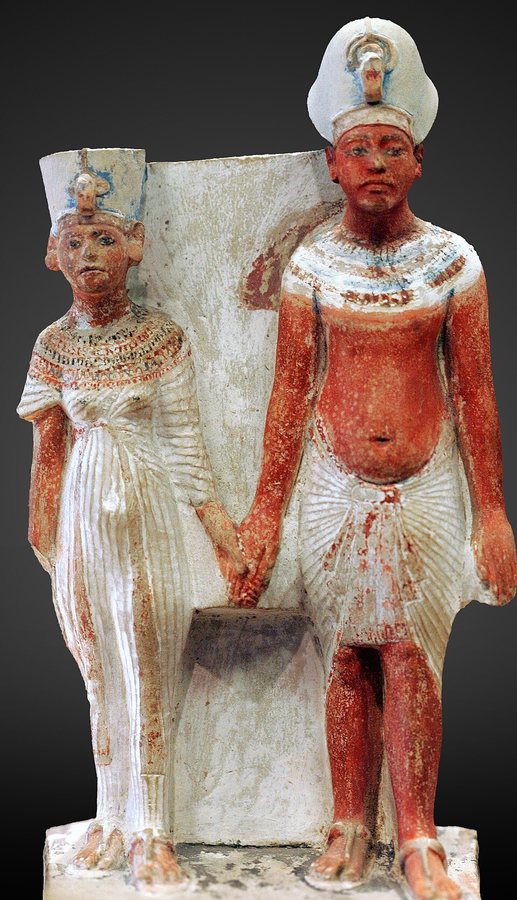
Realistic — As depicted · Nubian · Libyan (Amazigh) · Levantine · Pale
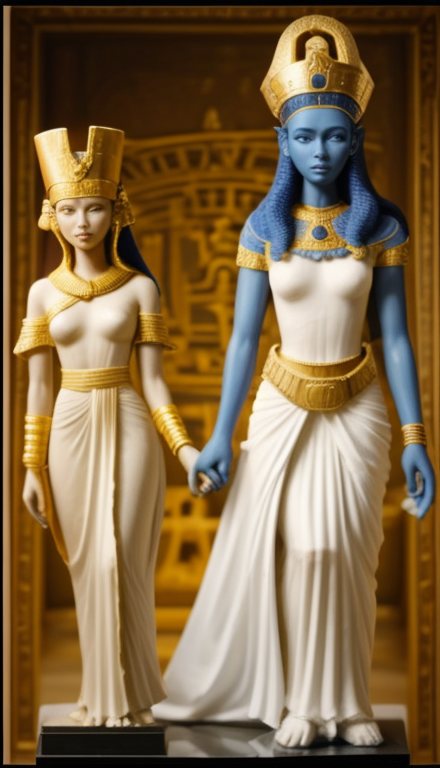
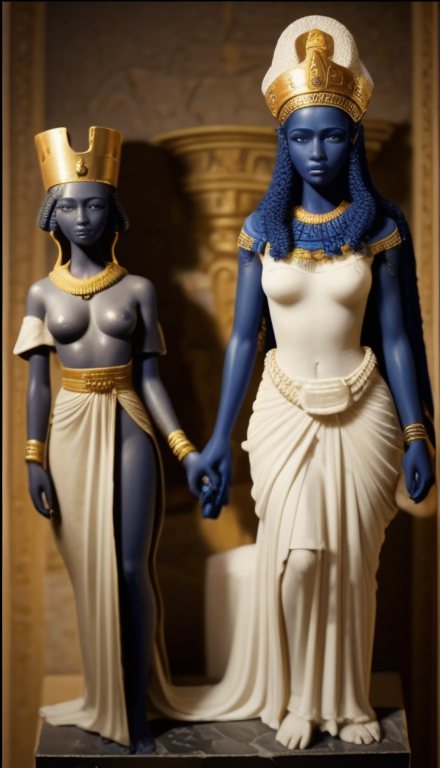
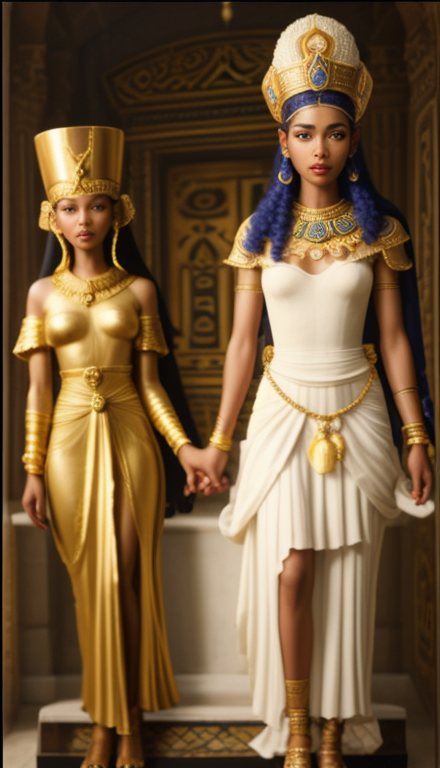
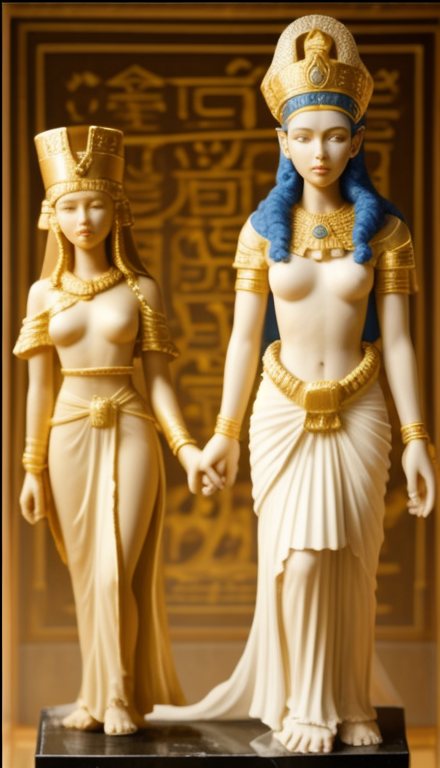
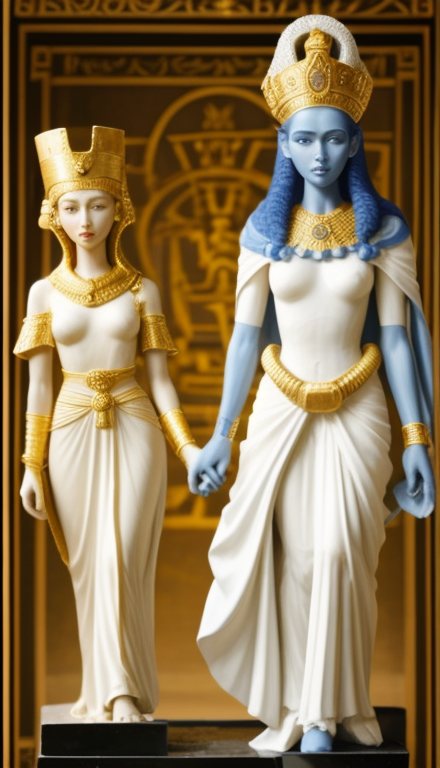
Amarna relief (stela of Akhenaten and Nefertiti), Neues Museum
Source: Neues Museum, Berlin; photo Miguel Hermoso Cuesta (2014); CC BY-SA 4.0
Original: 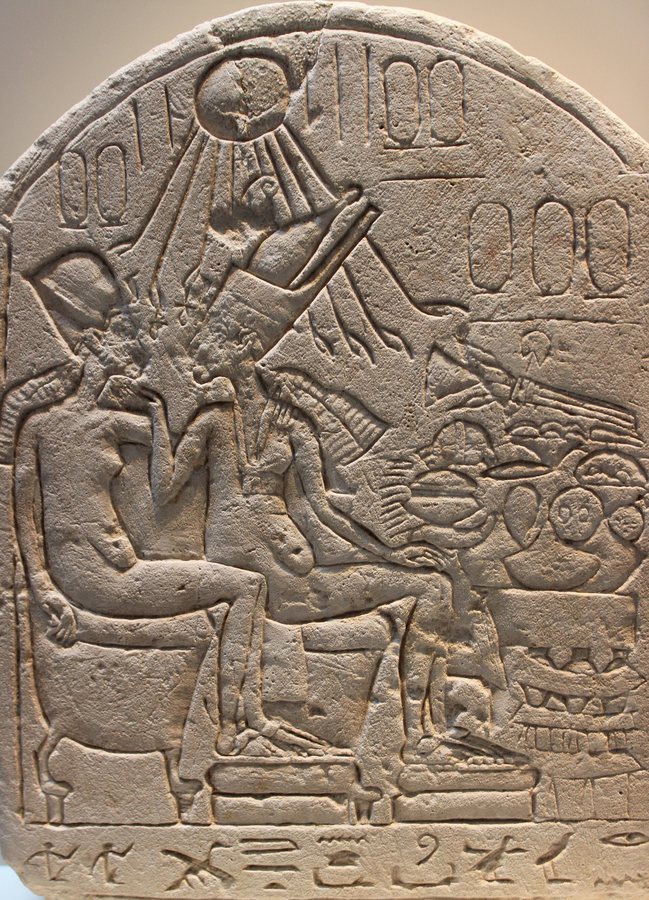
Realistic — As depicted · Nubian · Libyan (Amazigh) · Levantine · Pale
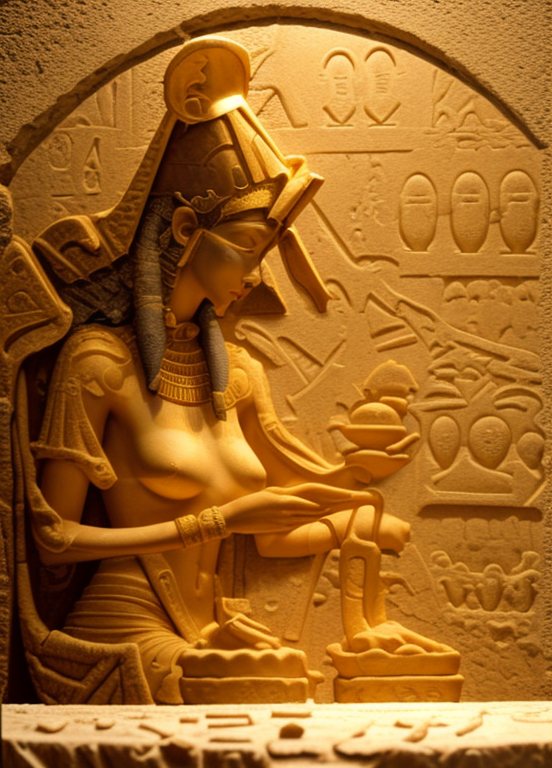
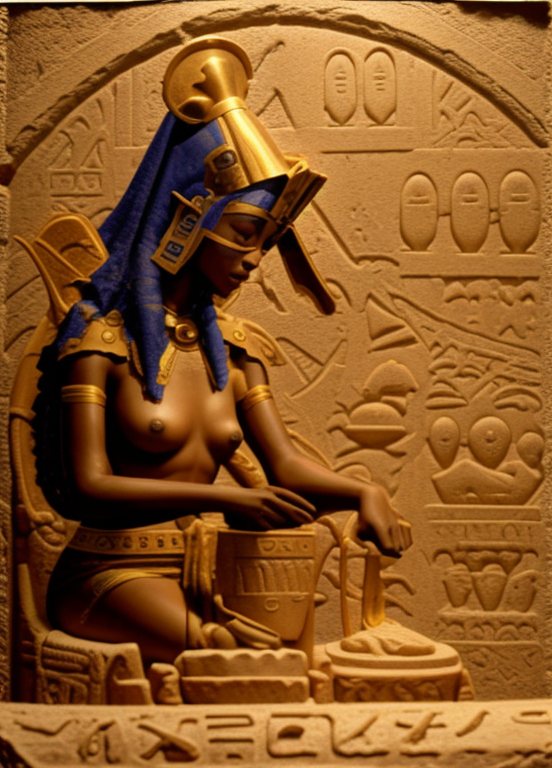
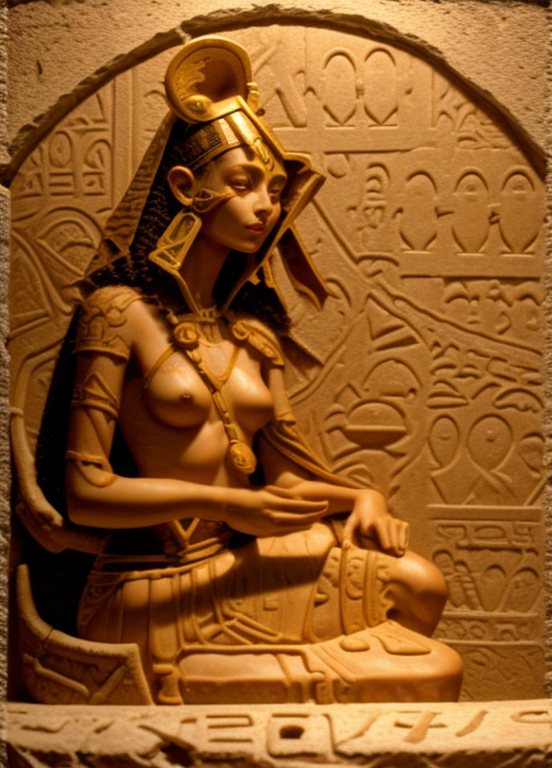
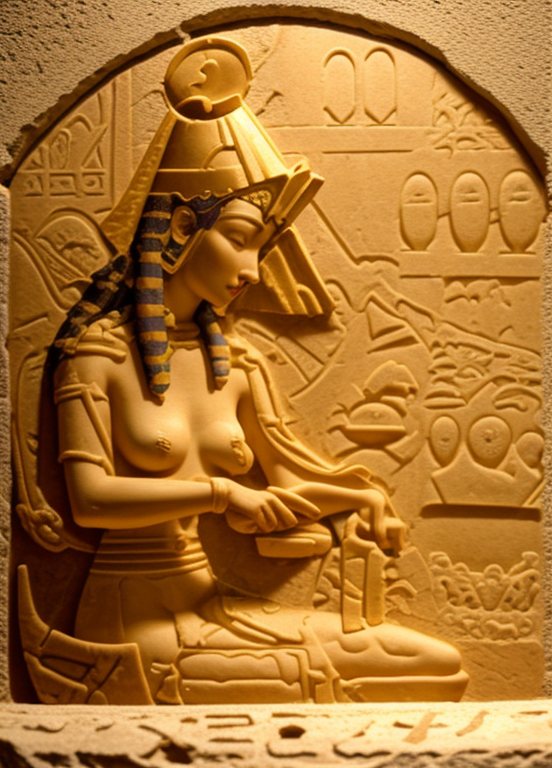
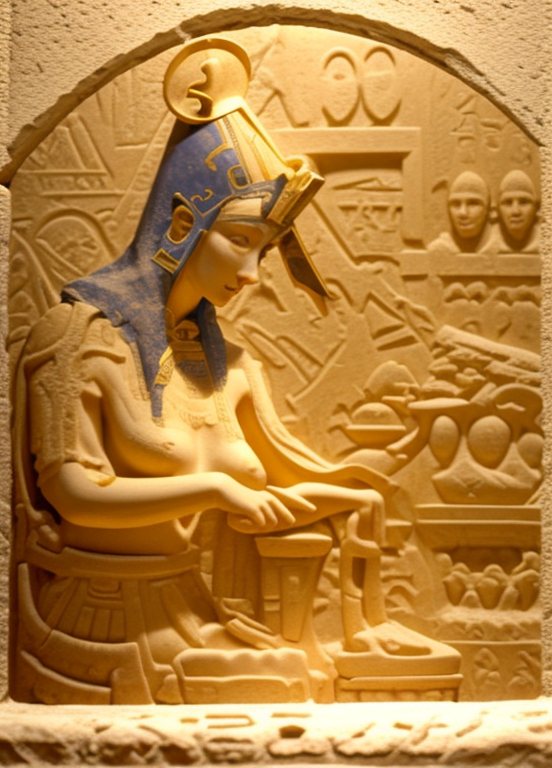
Body of a woman, probably Nefertiti
Source: Musée du Louvre, Antiquités égyptiennes, E 25409; photo Shonagon (2024); CC0
Original: 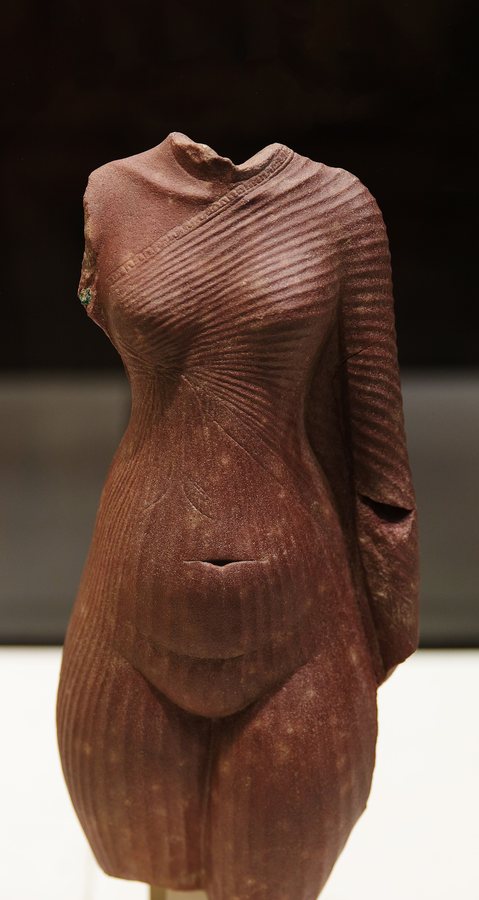
Realistic — As depicted · Nubian · Libyan (Amazigh) · Levantine · Pale
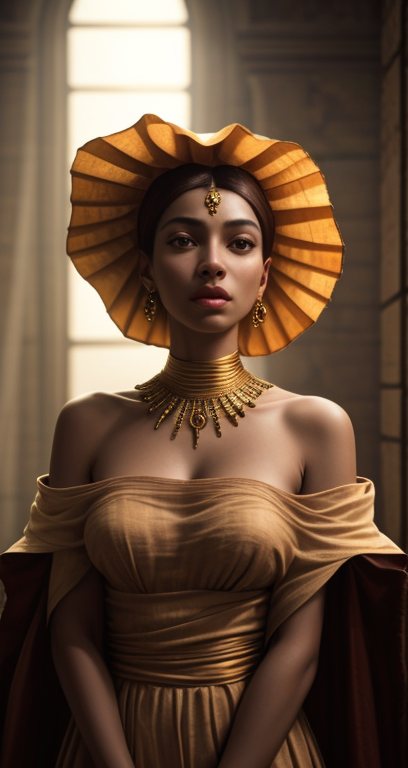
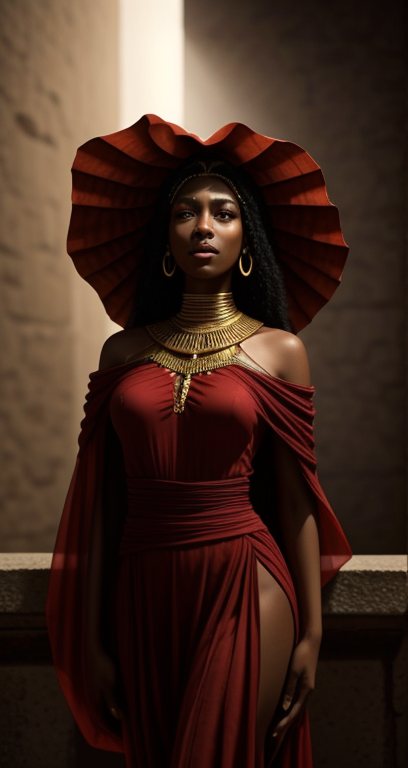

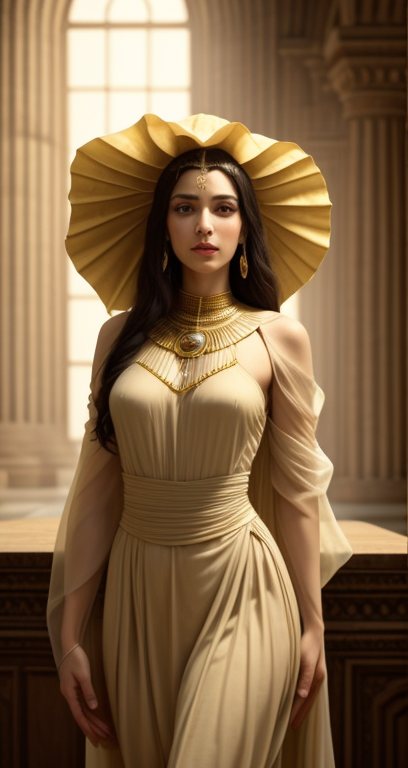
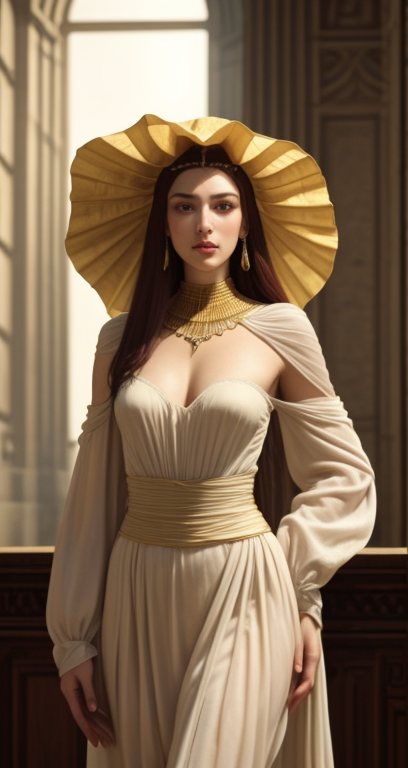
Early Image of Nefertiti
Source: Brooklyn Museum, 64.199.2 (Charles Edwin Wilbour Fund); sandstone, painted, ca. 1352–1347 B.C.E.; CC BY 2.5
Original: 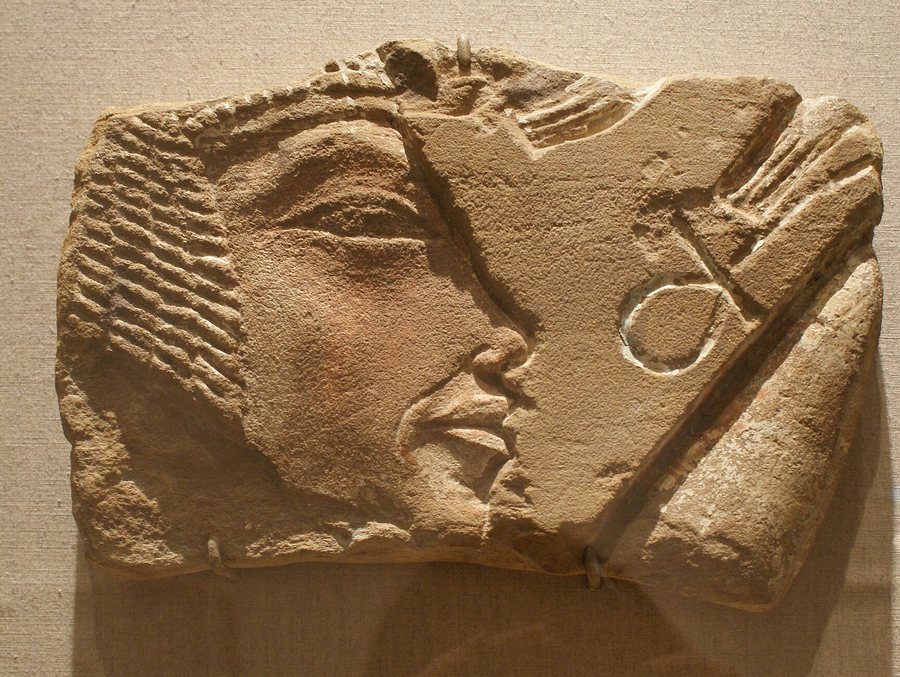
Realistic — As depicted · Nubian · Libyan (Amazigh) · Levantine · Pale
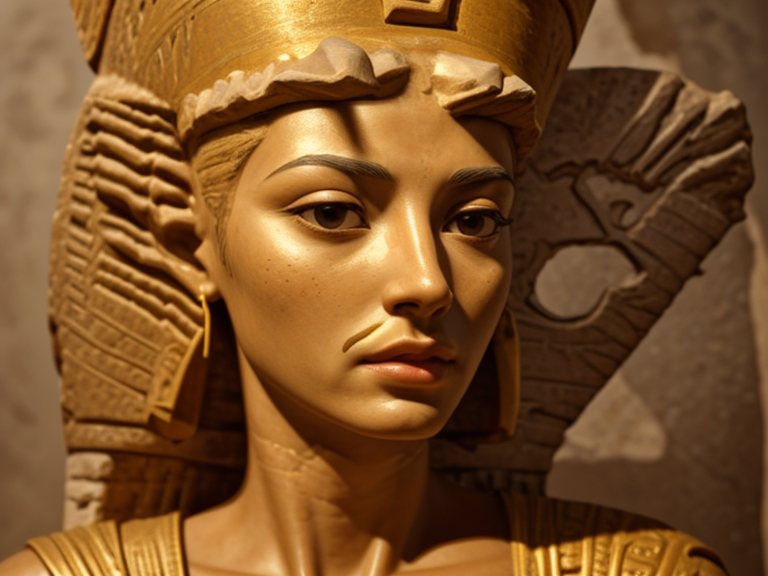
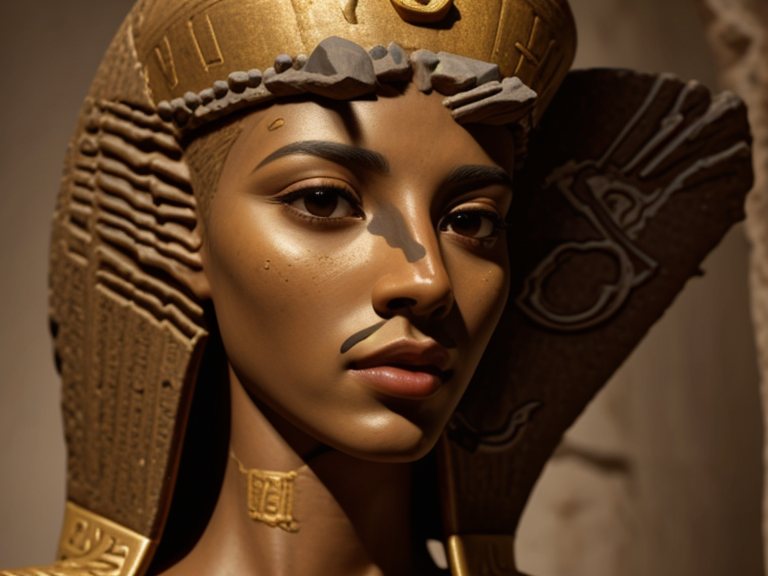
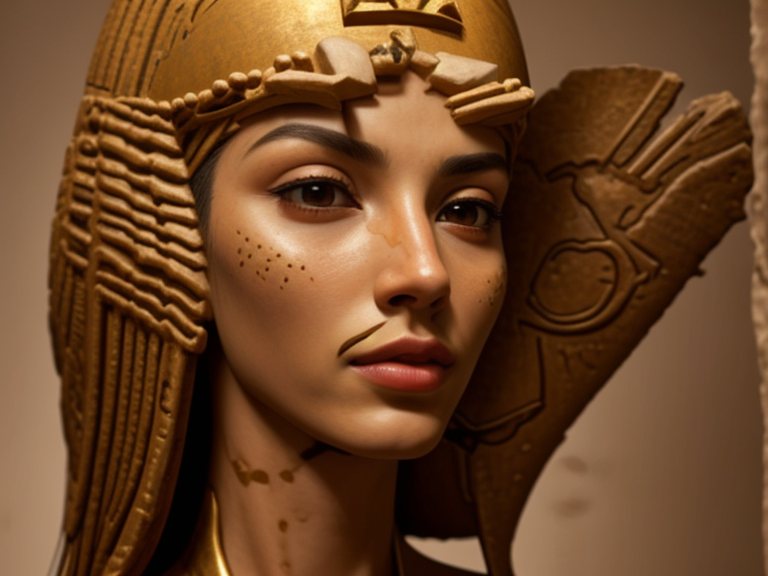
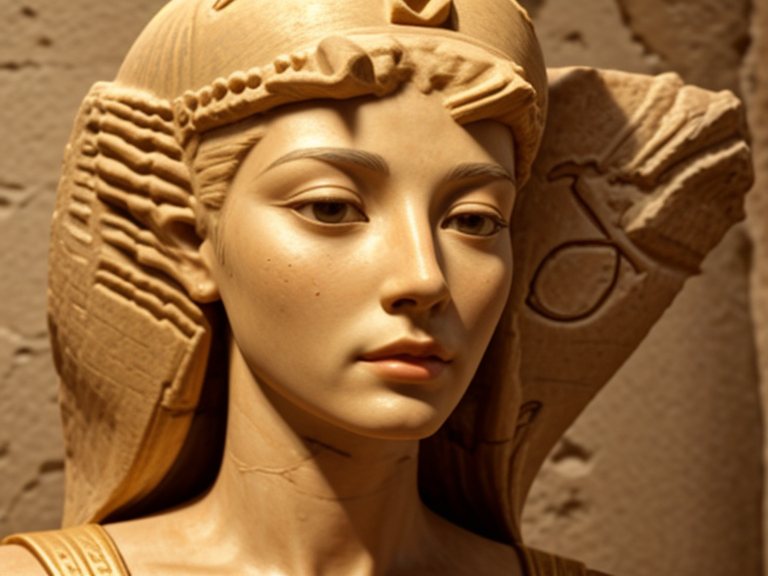
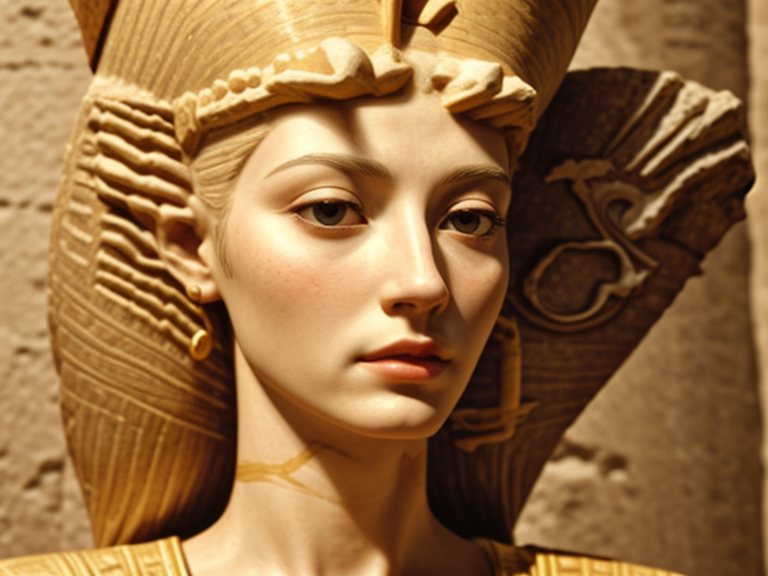
Head of Nefertiti from Tell el-Amarna, Cairo
Source: Egyptian Museum, Cairo; 1346–1333 BCE; photo Prof. Mortel (2022); CC BY 2.0
Original: 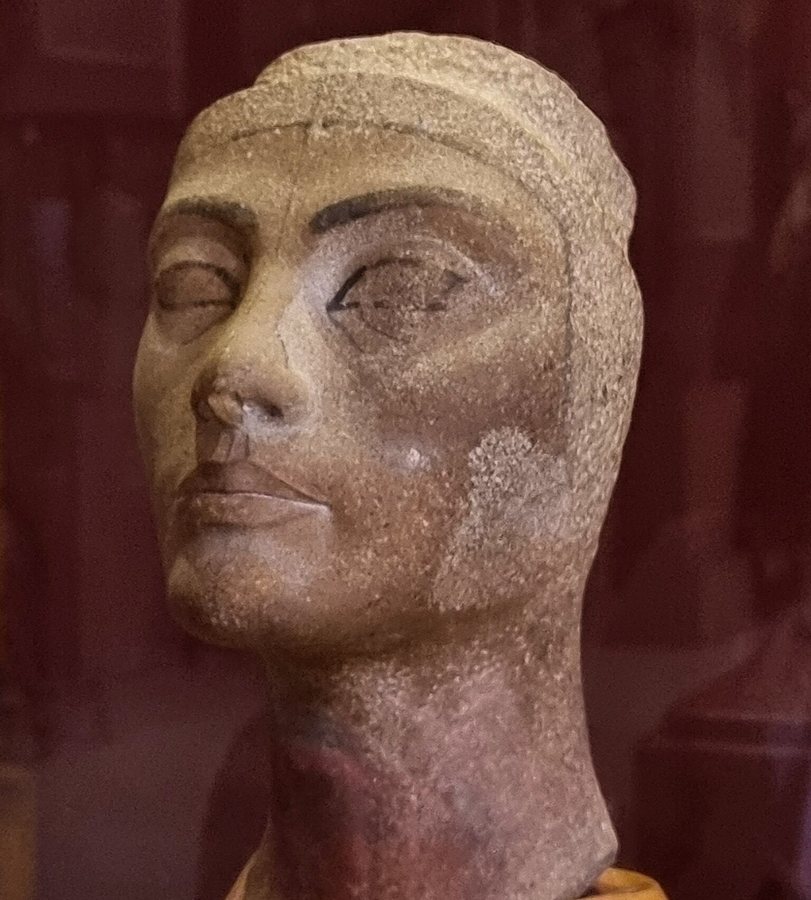
Realistic — As depicted · Nubian · Libyan (Amazigh) · Levantine · Pale
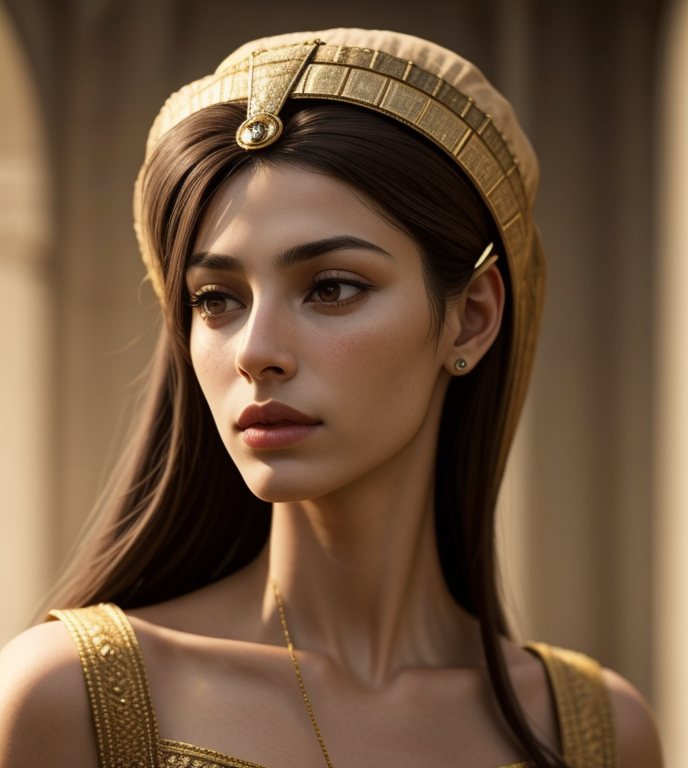
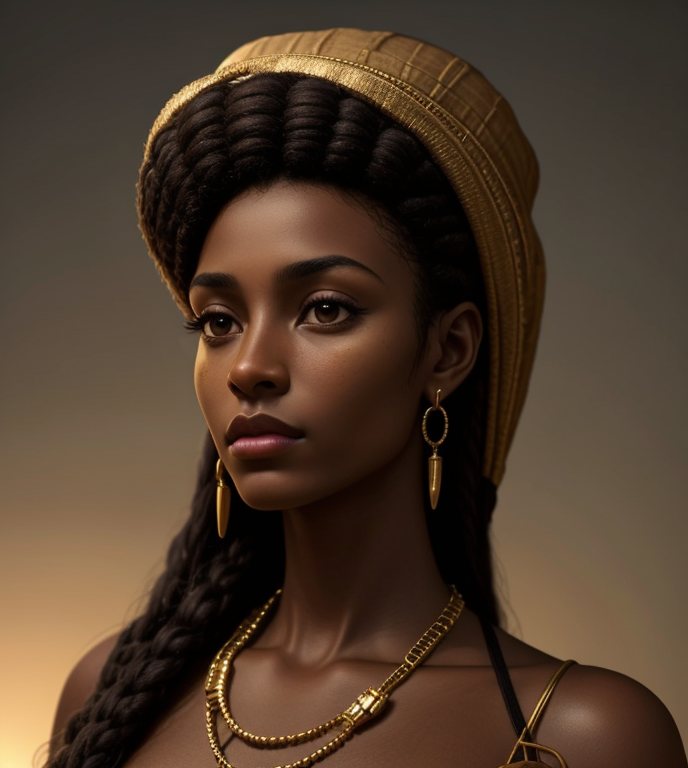

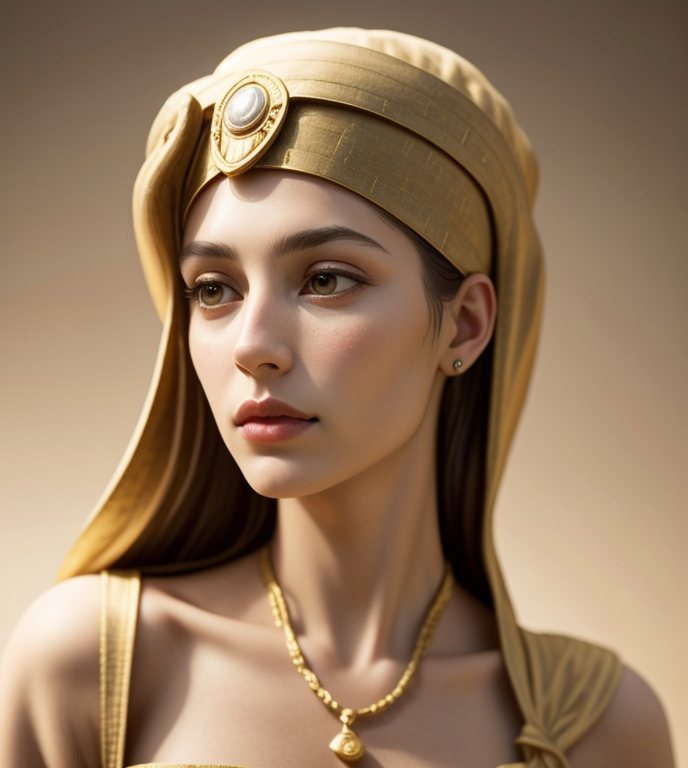
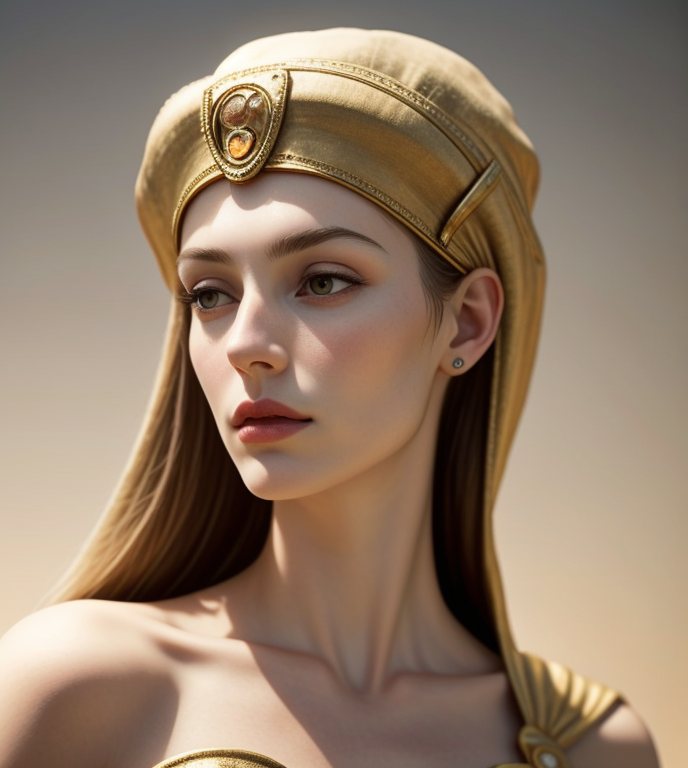
Head of Nefertiti from Tell el-Amarna, Cairo (three-quarter)
Source: Egyptian Museum, Cairo; 1346–1333 BCE; photo Prof. Mortel (2022); CC BY 2.0
Original: 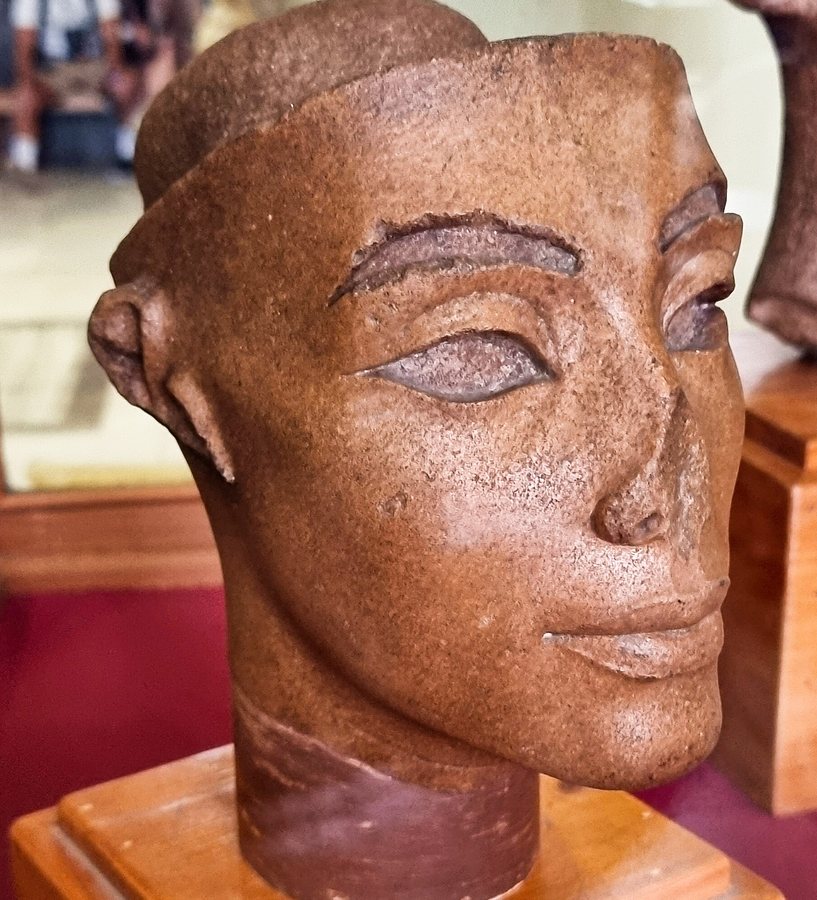
Realistic — As depicted · Nubian · Libyan (Amazigh) · Levantine · Pale
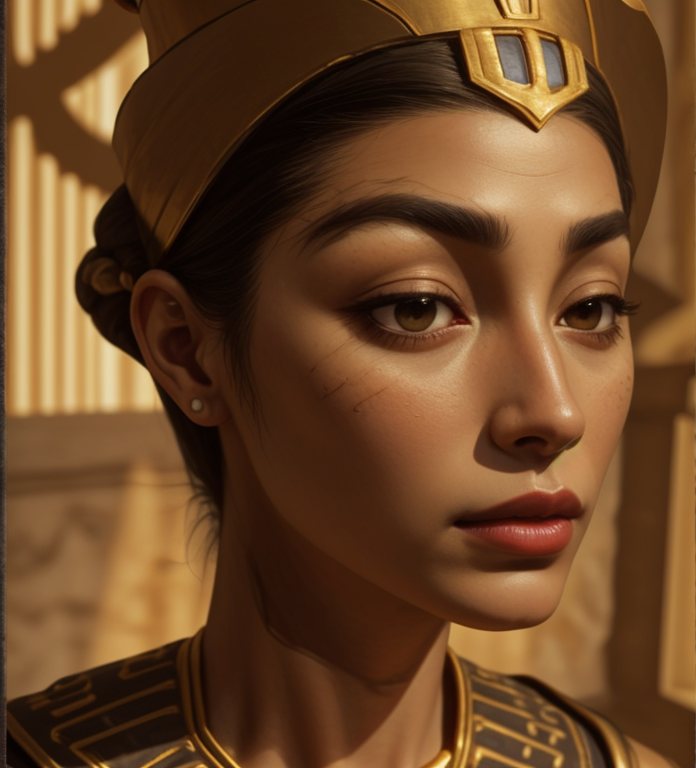
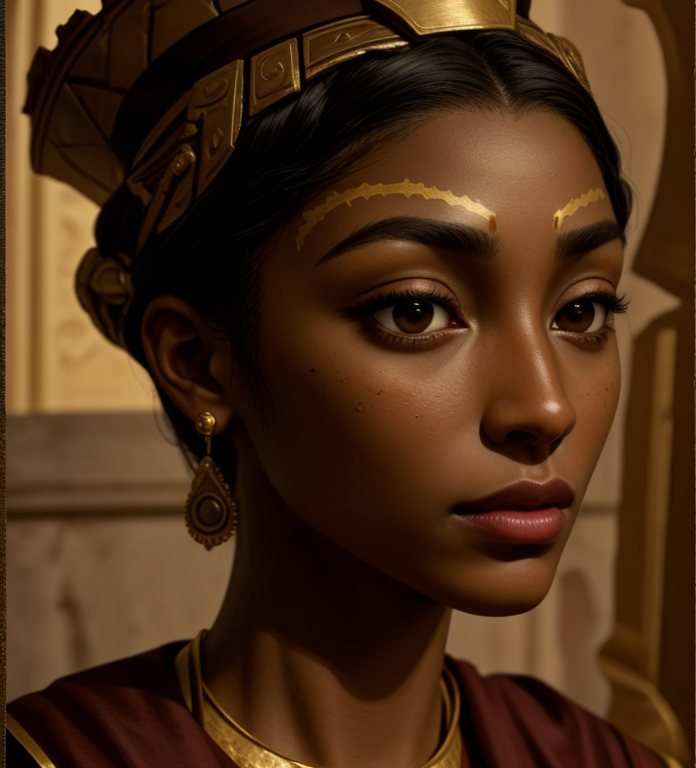
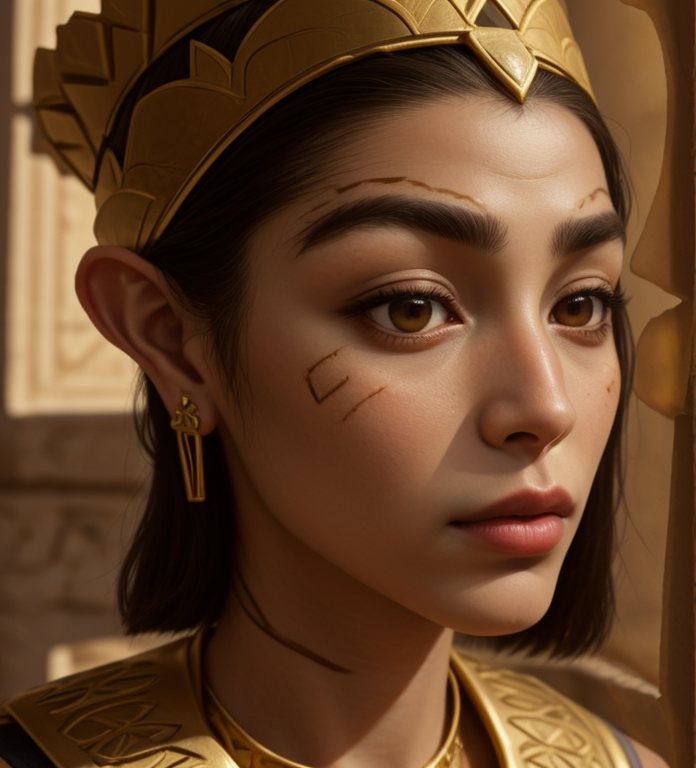
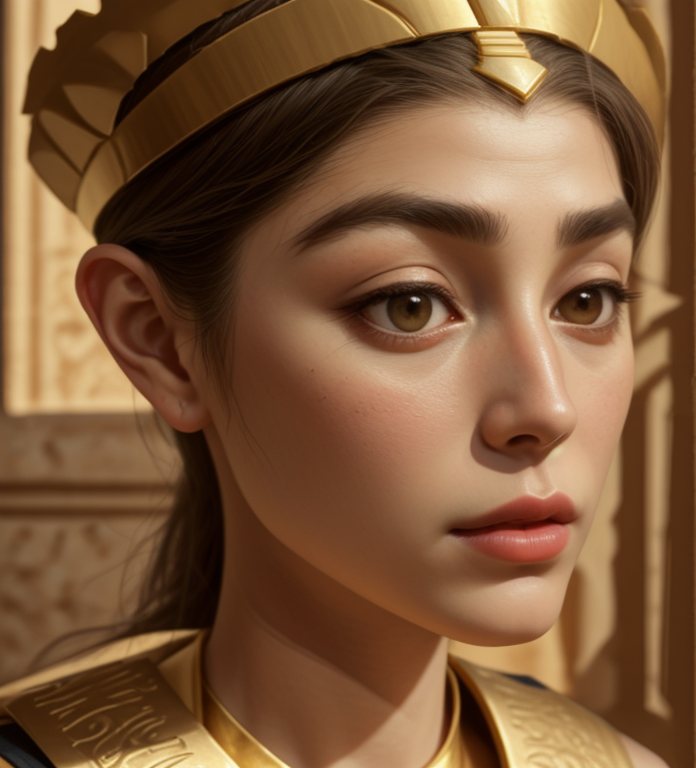
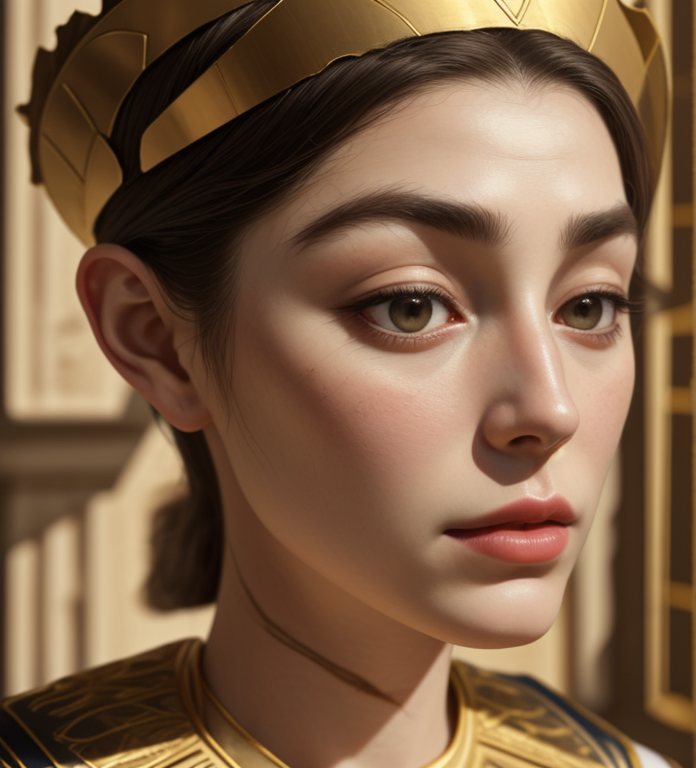
Head of Nefertiti from a statue group (granite), Berlin
Source: Ägyptisches Museum Berlin; from Achet-Aton (Amarna), c. 1340 BC; photo Anagoria (2014); CC BY 3.0
Original: 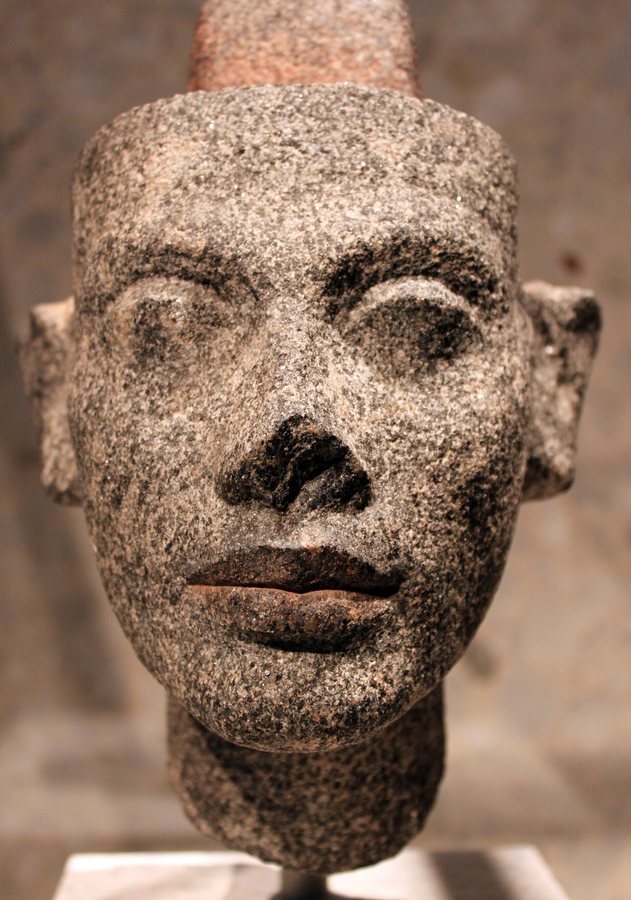
Realistic — As depicted · Nubian · Libyan (Amazigh) · Levantine · Pale
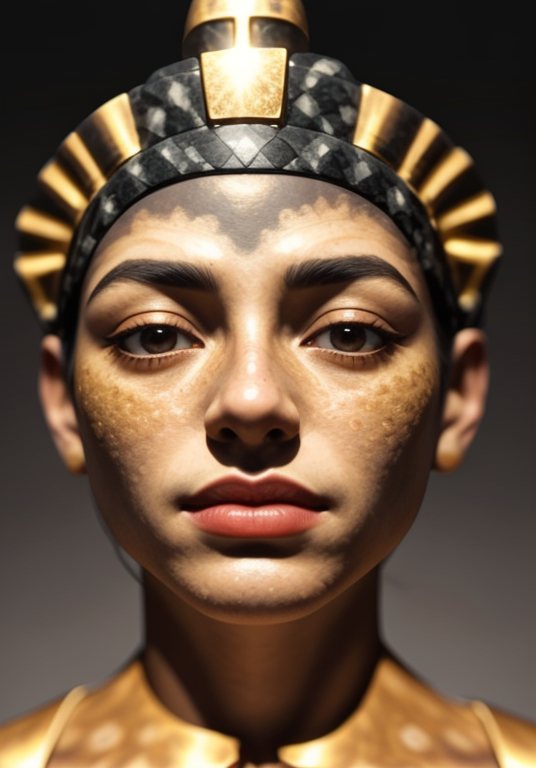
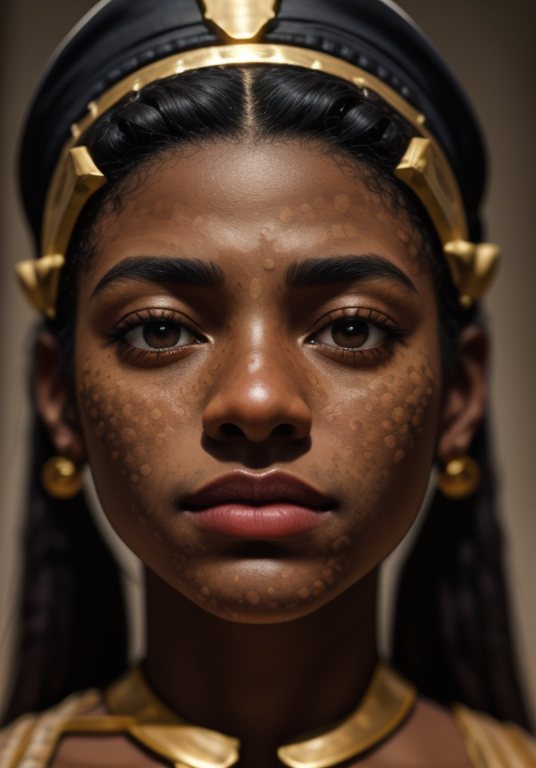
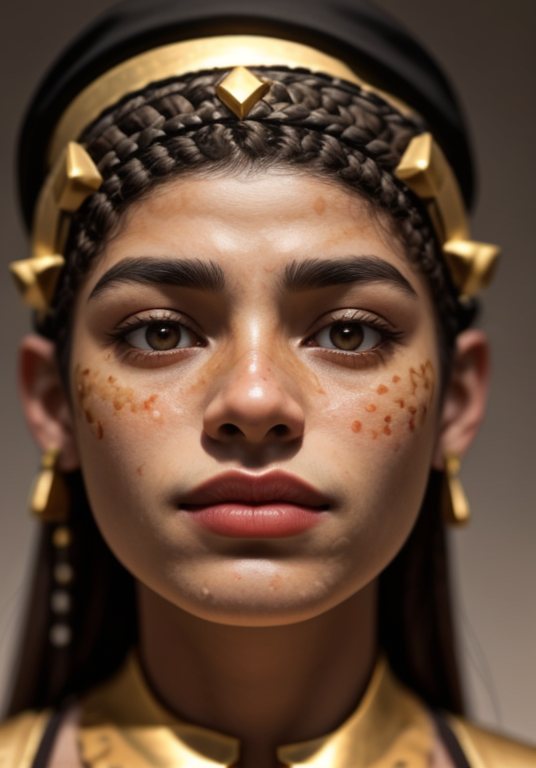
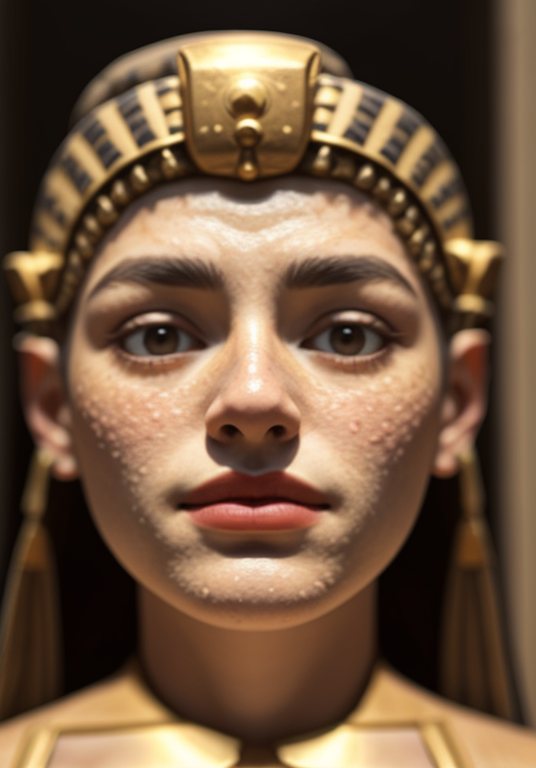
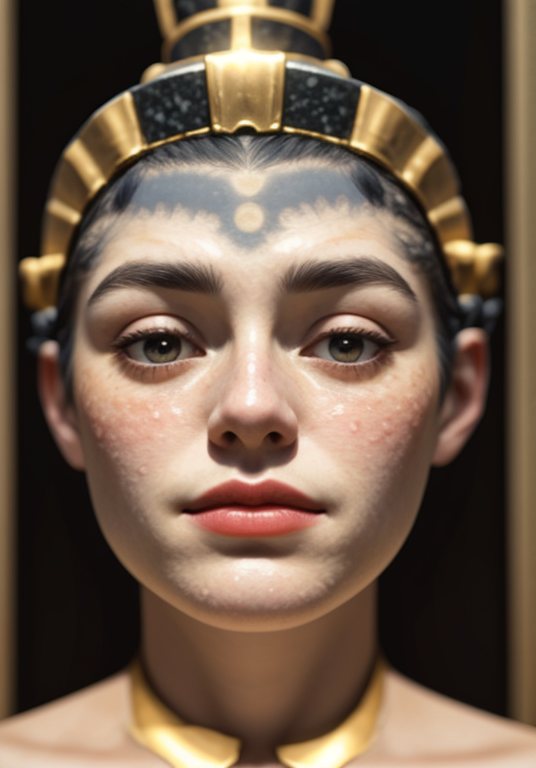
Late Image of Nefertiti
Source: Brooklyn Museum, 35.1999 (Gift of the Egypt Exploration Society); sandstone, ca. 1352–1336 B.C.E.; CC BY 2.5
Original: 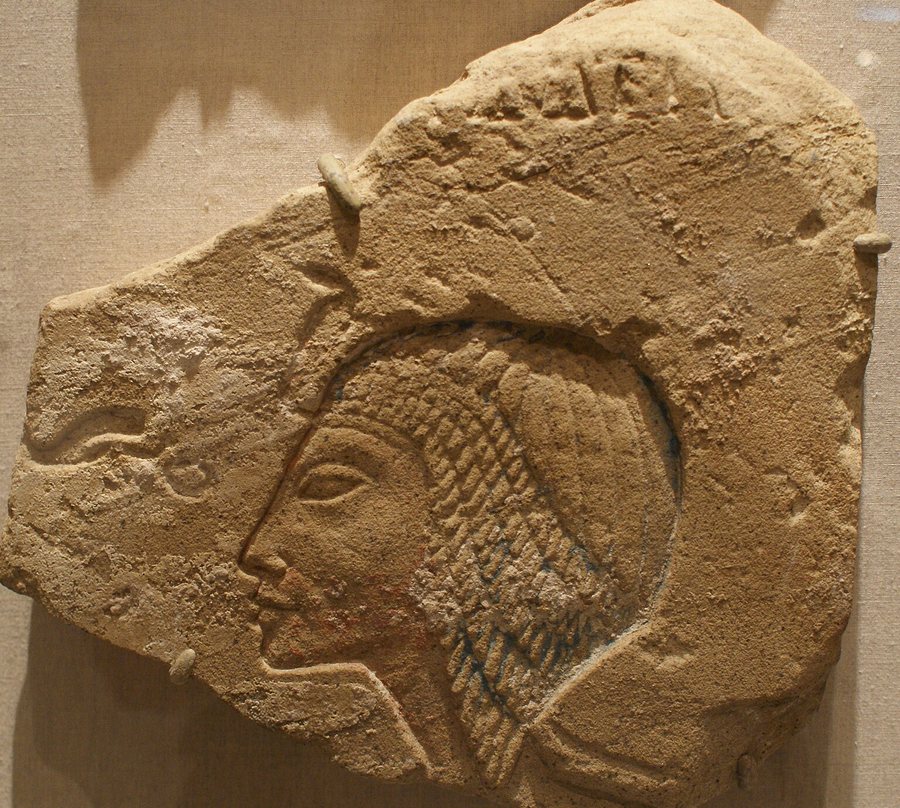
Realistic — As depicted · Nubian · Libyan (Amazigh) · Levantine · Pale
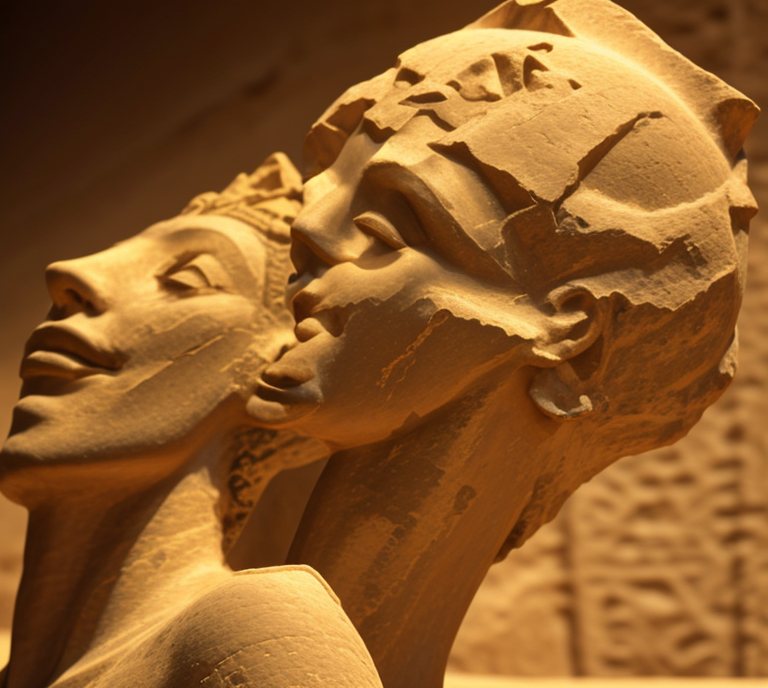
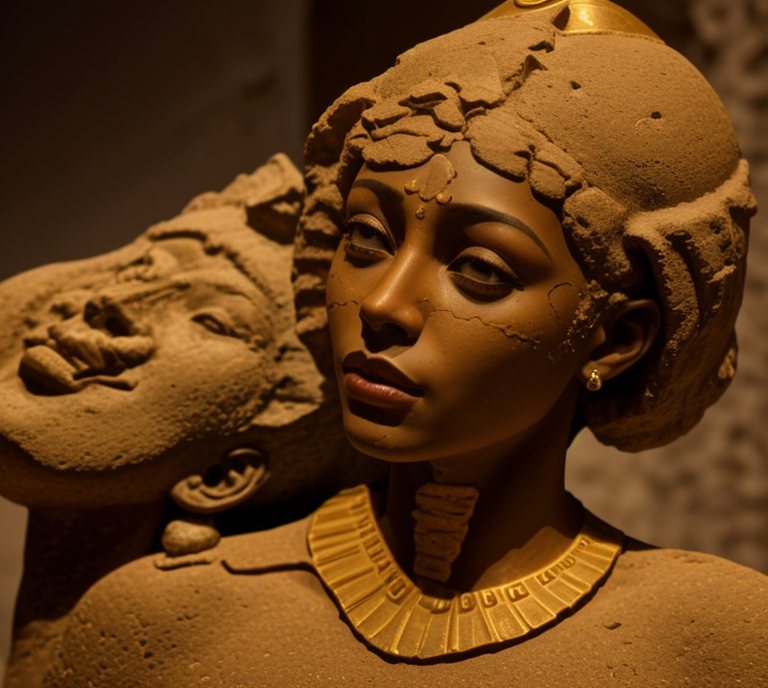
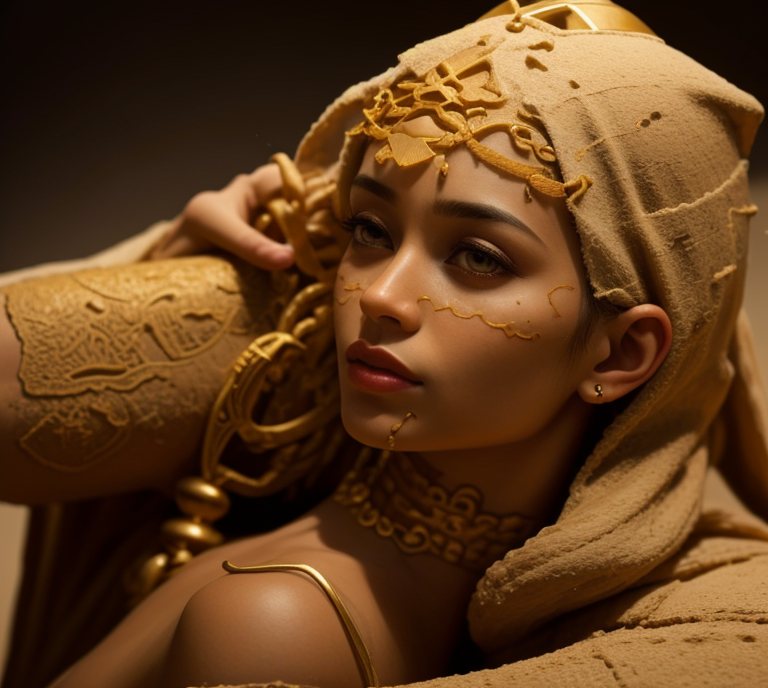
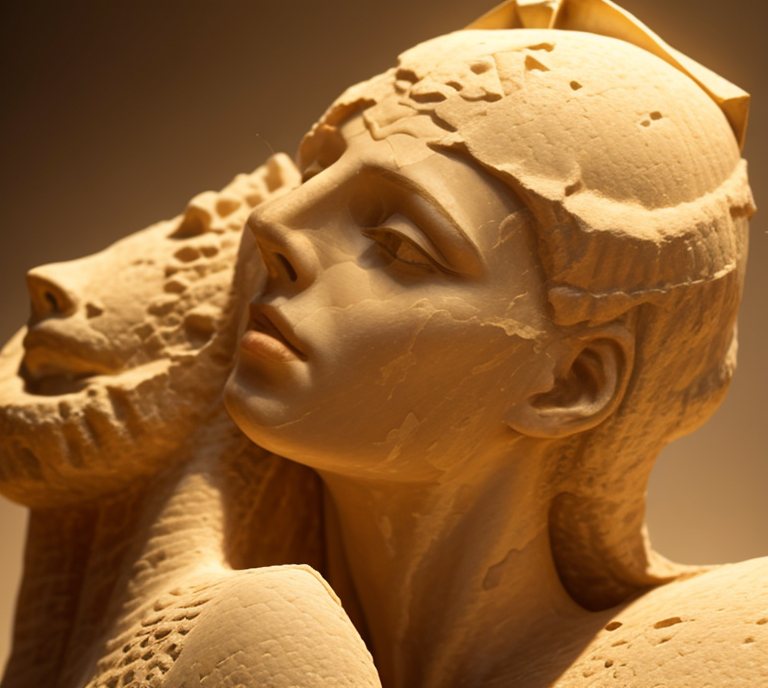
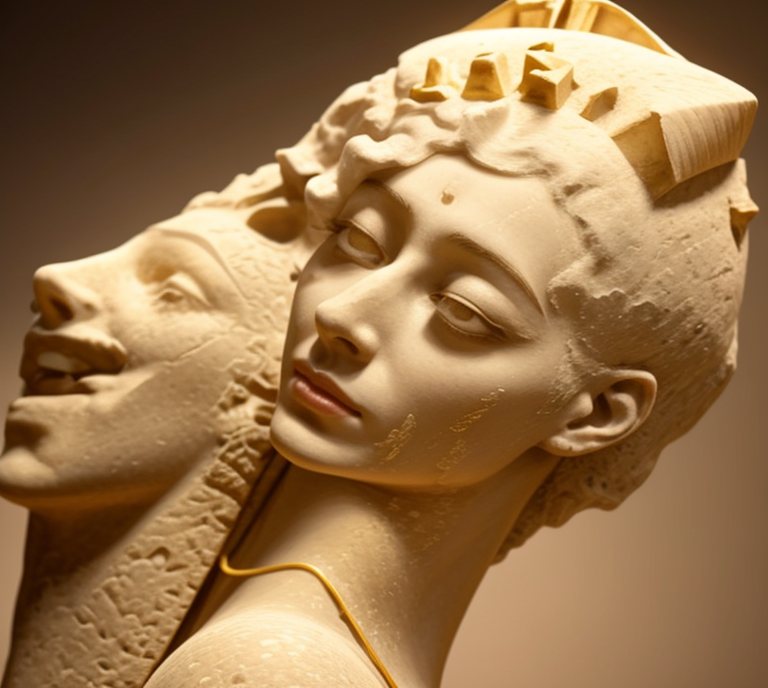
Nefertiti Bust, frontal
Source: Ägyptisches Museum Berlin (Neues Museum); photo Giovanni from Firenze (2008); CC BY 2.0
Original: 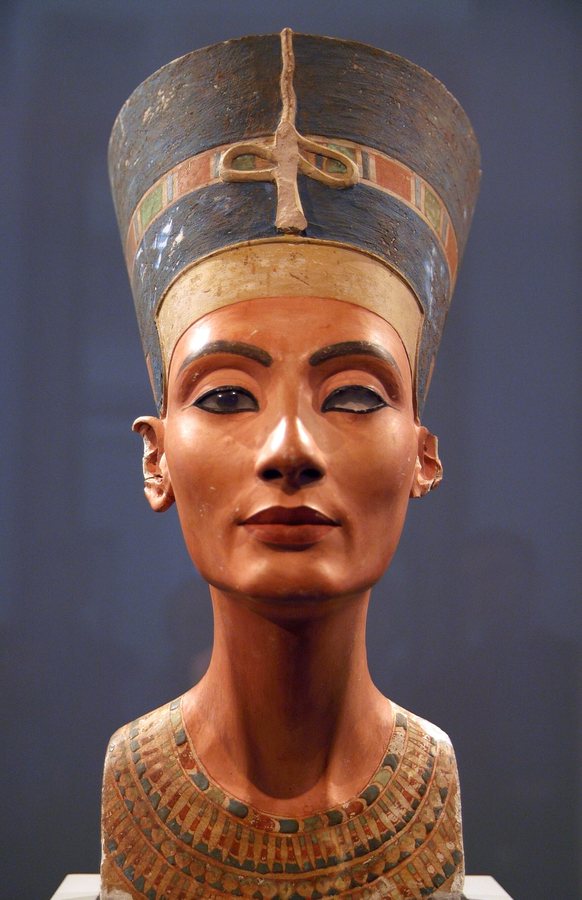
Realistic — As depicted · Nubian · Libyan (Amazigh) · Levantine · Pale

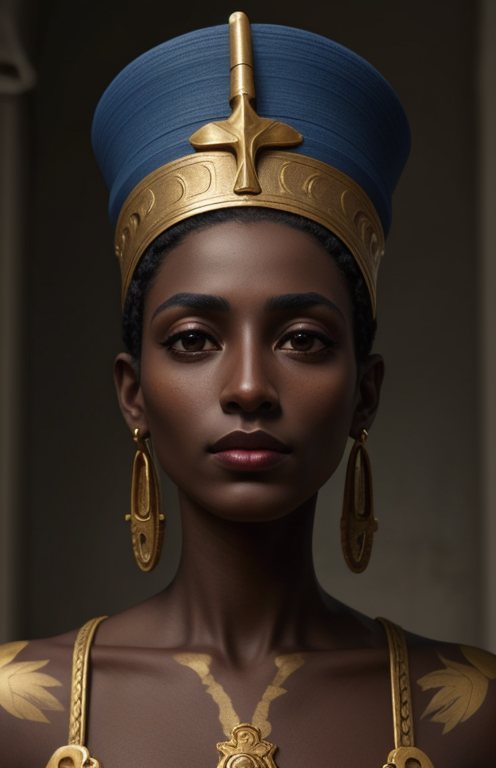
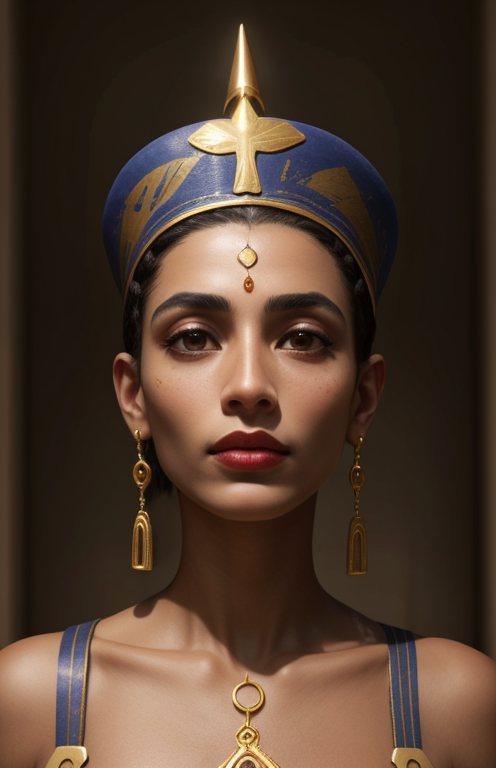
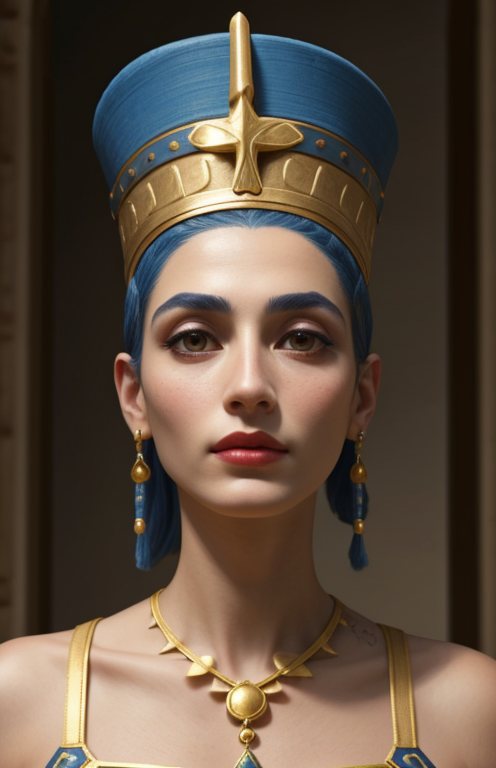
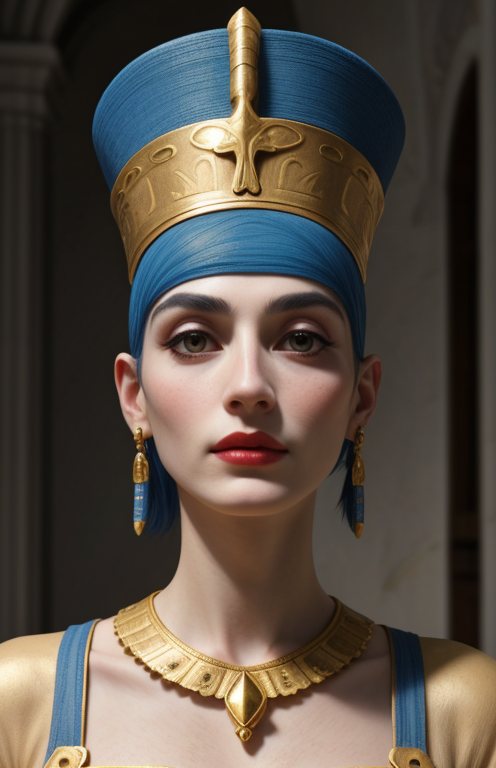
Nefertiti Bust, right profile (1978 photo)
Source: Ägyptisches Museum Berlin (then Charlottenburg); from Tell el-Amarna, workshop of Thutmose; photo Rüdiger Stehn (1978); CC BY-SA 2.0
Original: 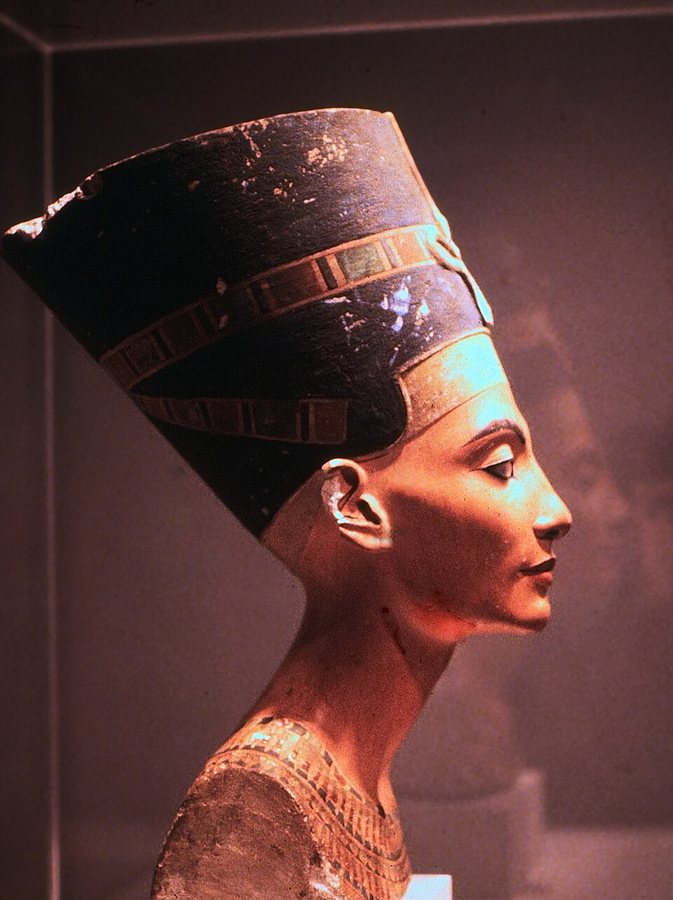
Realistic — As depicted · Nubian · Libyan (Amazigh) · Levantine · Pale
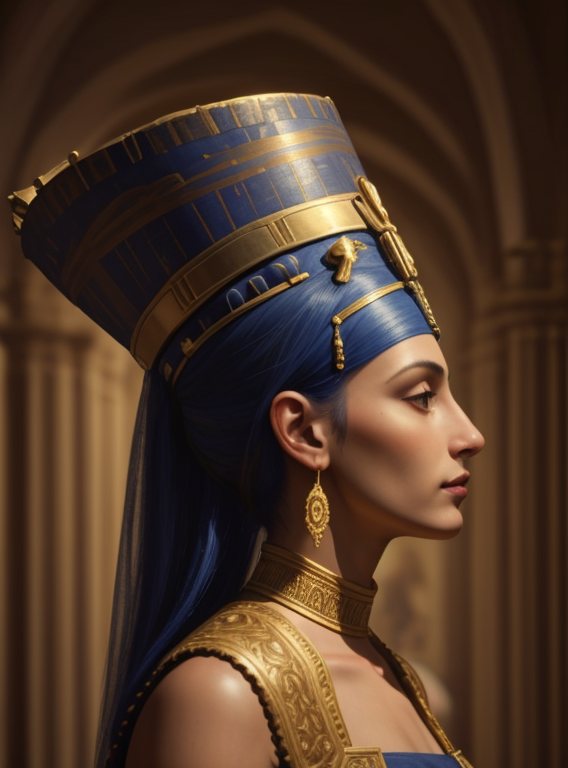
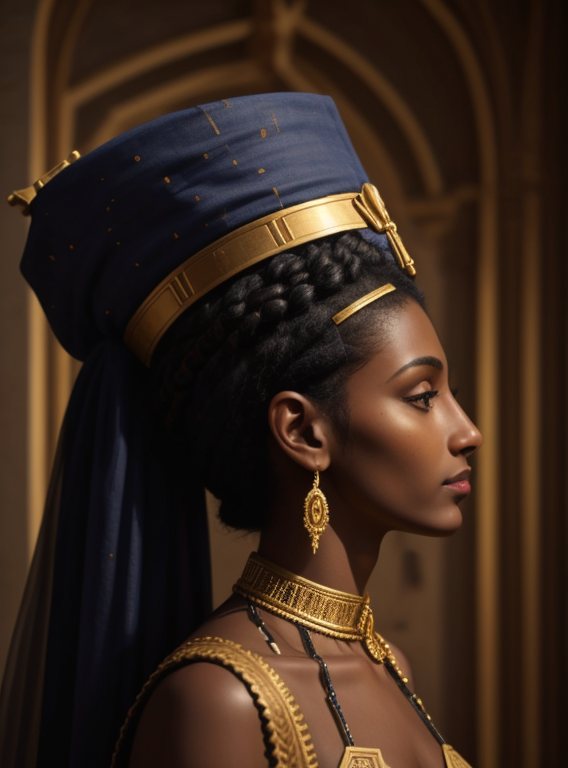
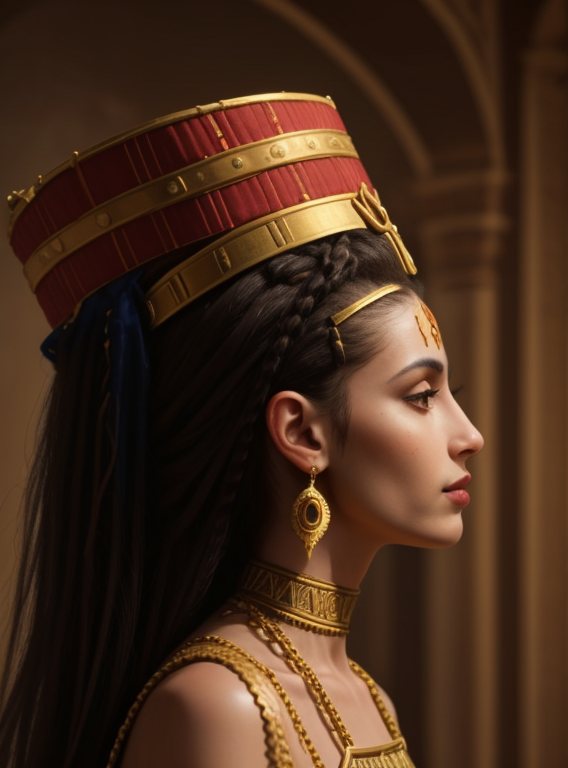
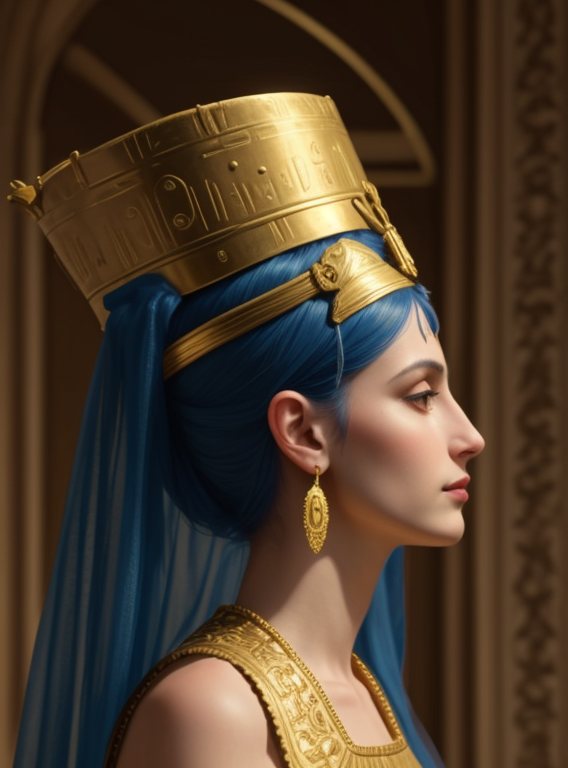
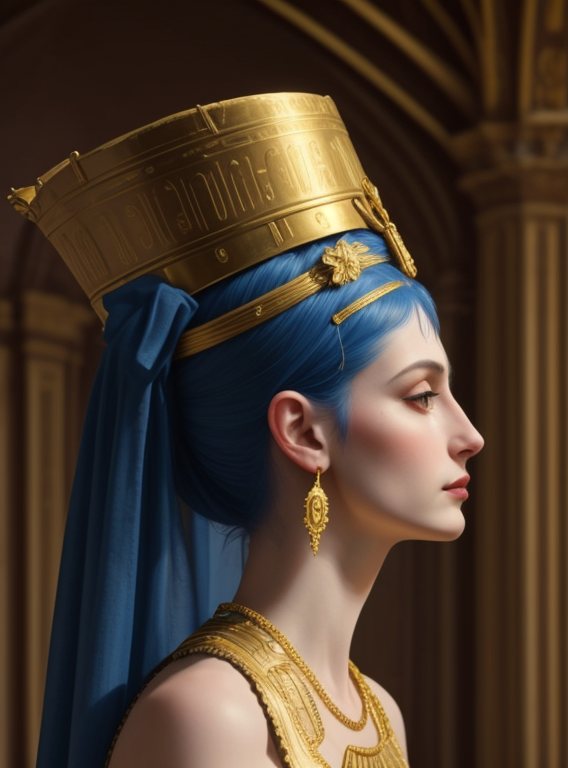
Nefertiti Bust, three-quarter view
Source: Ägyptisches Museum Berlin; photo Angelo Atzei (2006); CC BY-SA 2.5
Original: 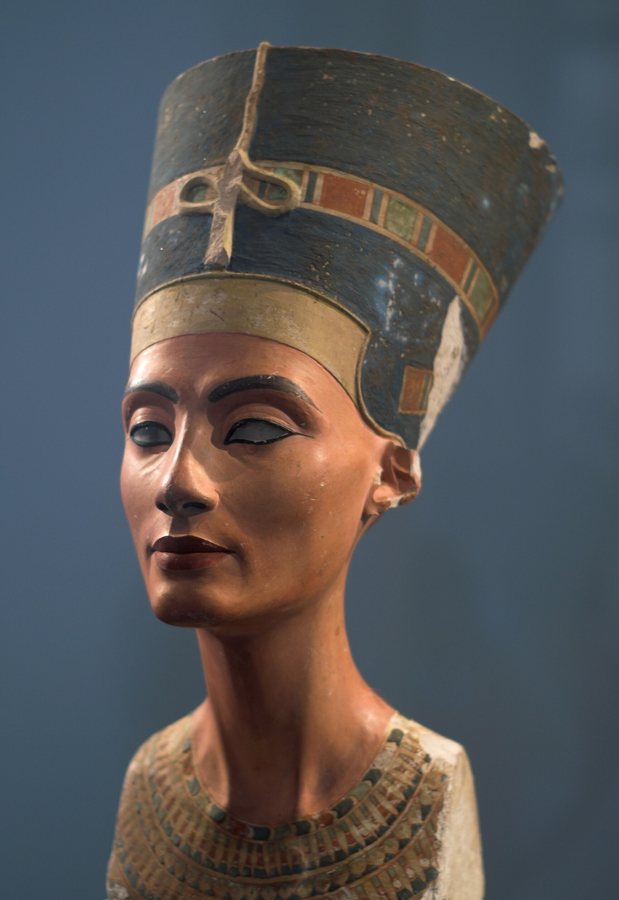
Realistic — As depicted · Nubian · Libyan (Amazigh) · Levantine · Pale
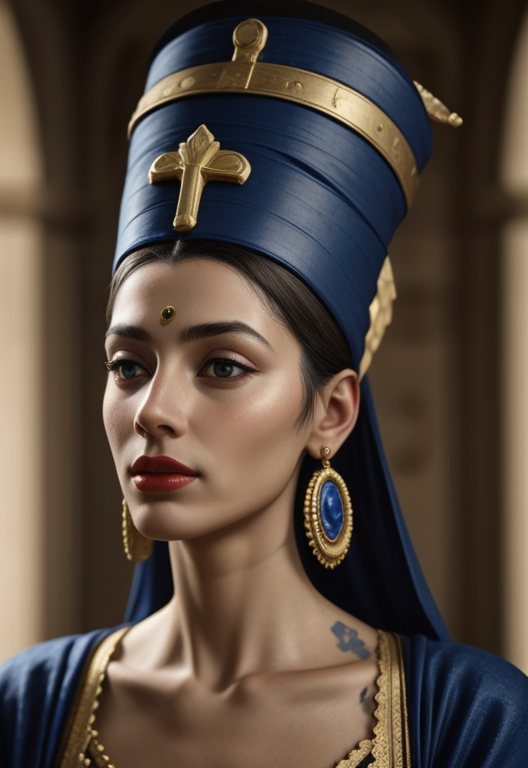
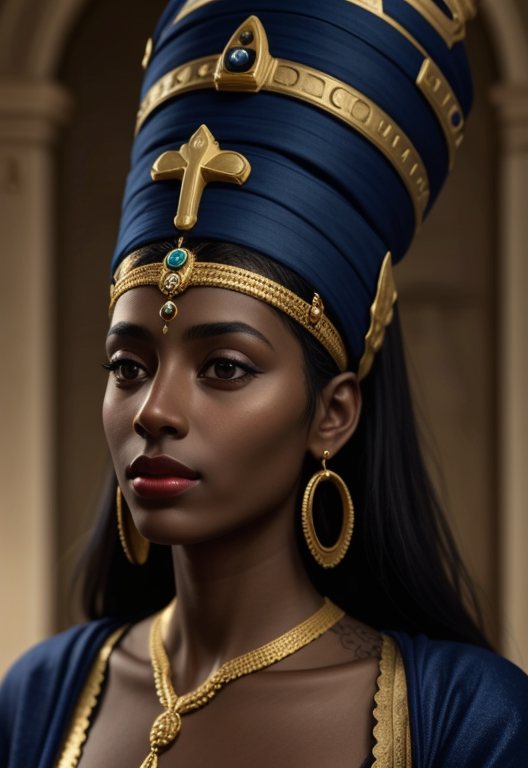
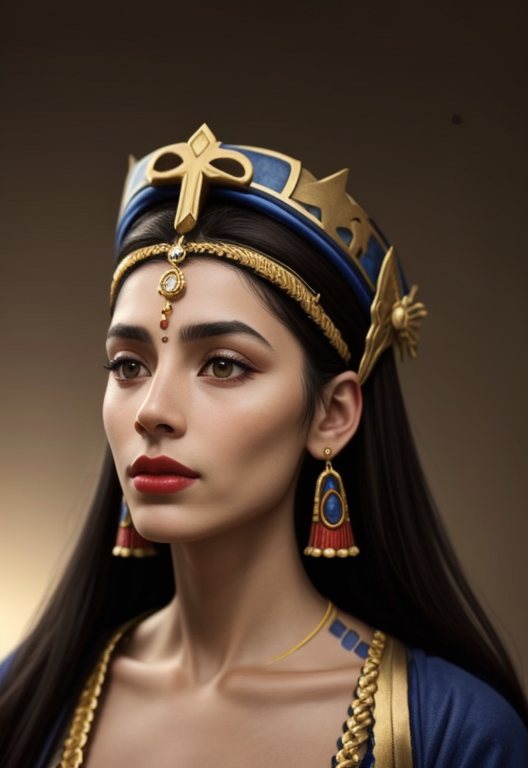
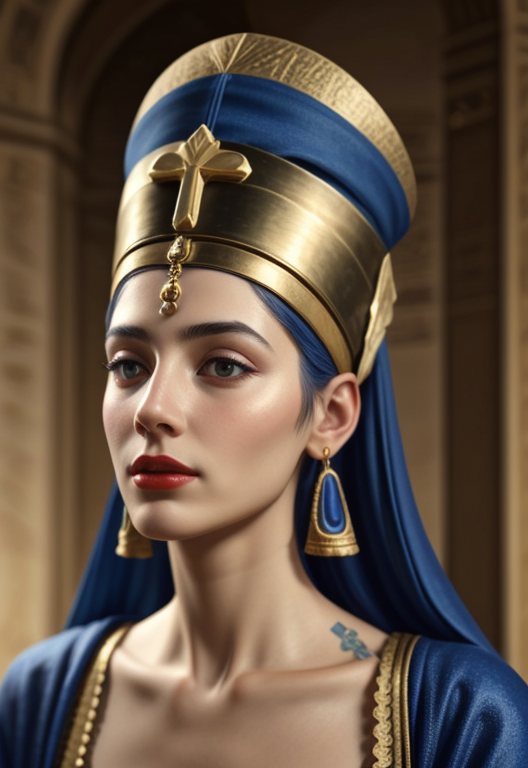
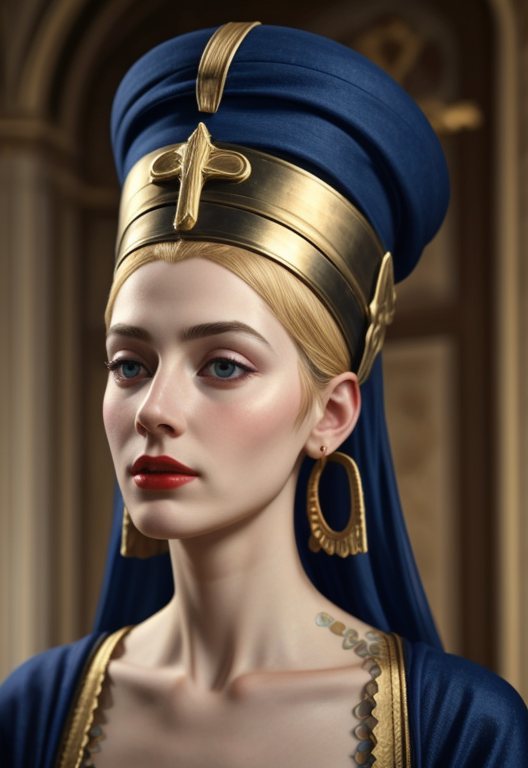
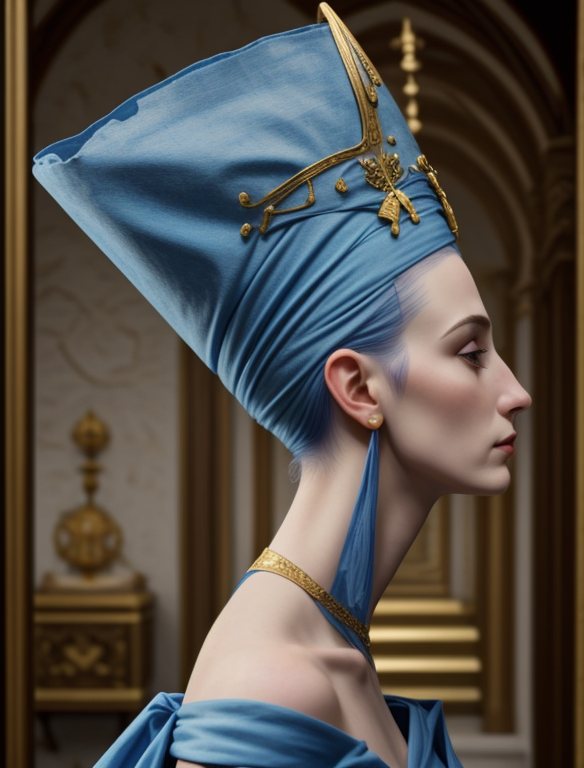
Nefertiti bust (right profile)
Source: Ägyptisches Museum Berlin (Neues Museum); photo Magnus Manske (2005); CC BY-SA 3.0
Original: 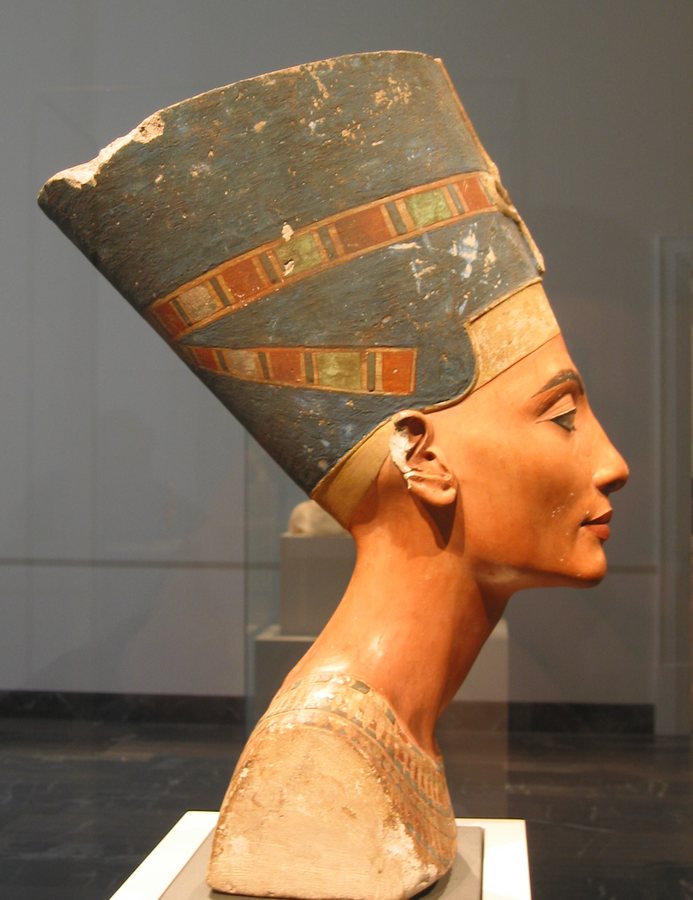
Realistic — As depicted · Nubian · Libyan (Amazigh) · Levantine · Pale
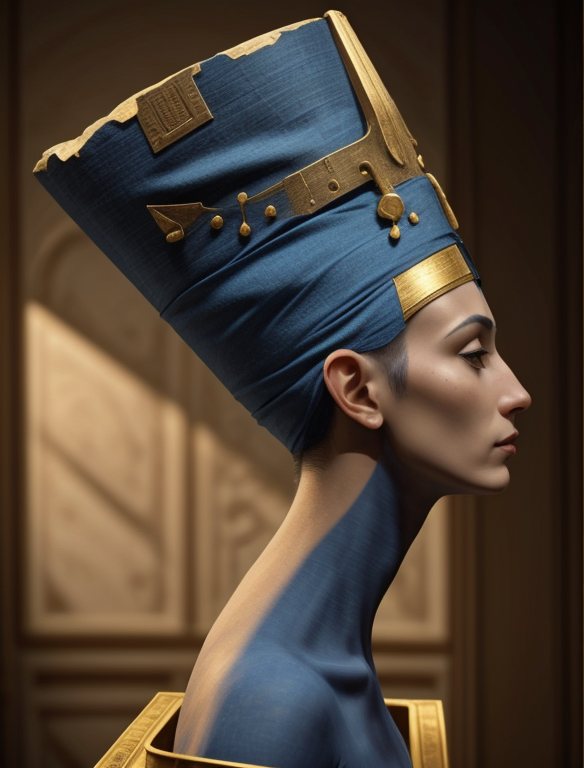
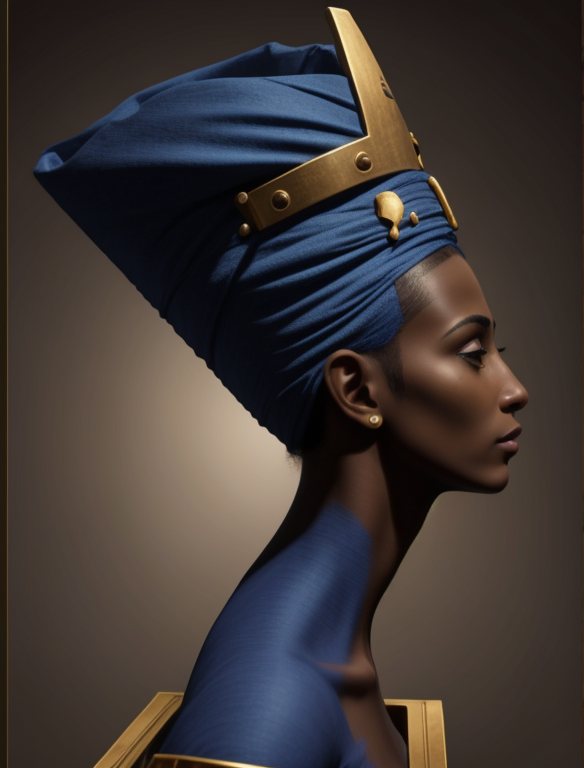
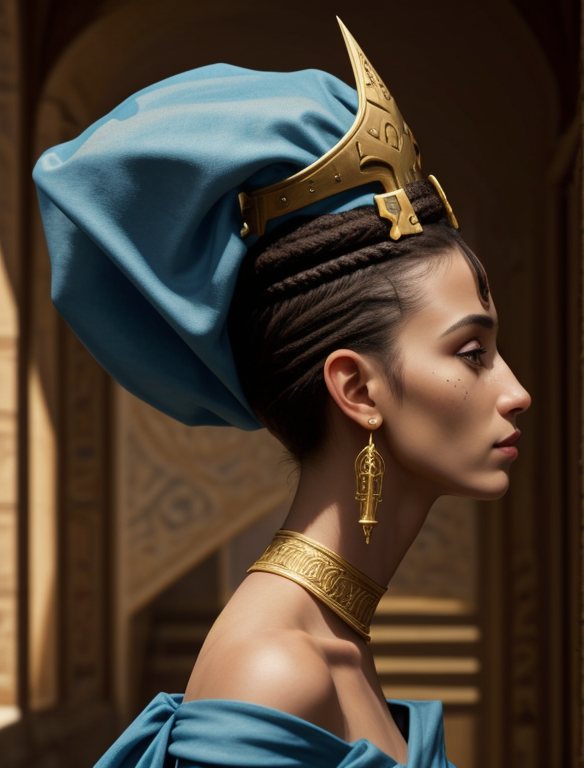
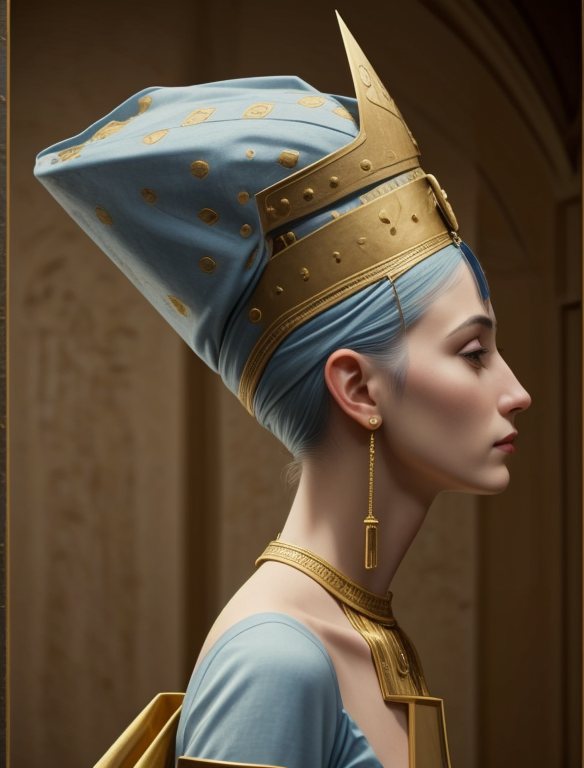
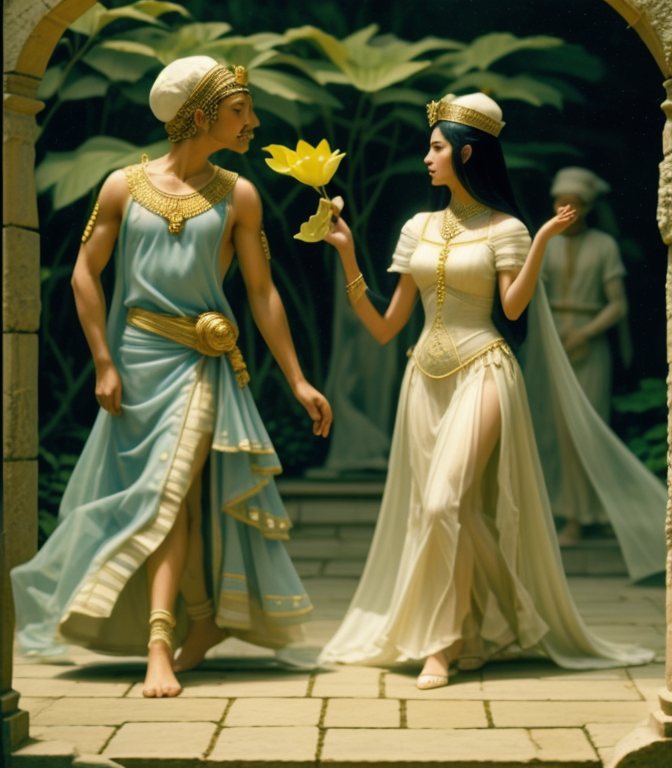
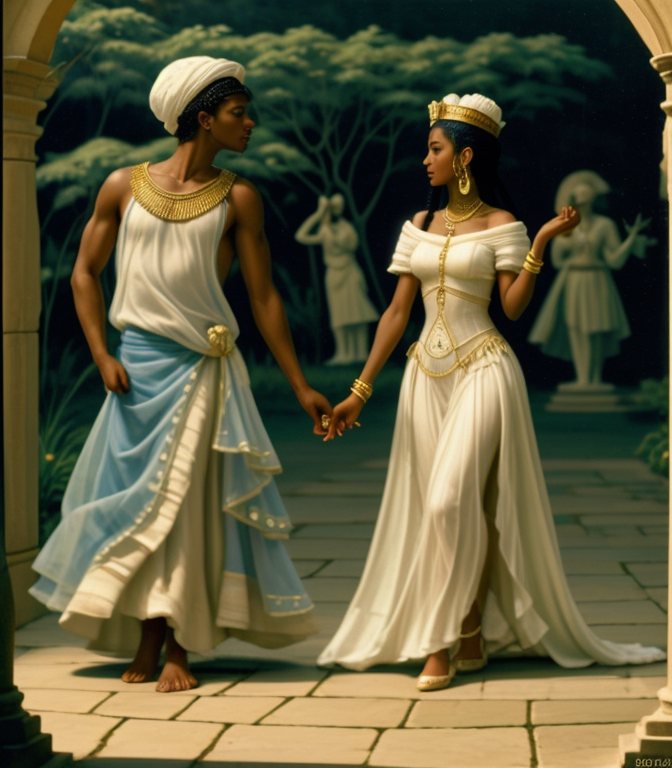
Painted relief of (probably) Akhenaten and Nefertiti strolling
Source: Neues Museum, Berlin; Amarna period; photo Gary Todd (2016); CC0
Original: 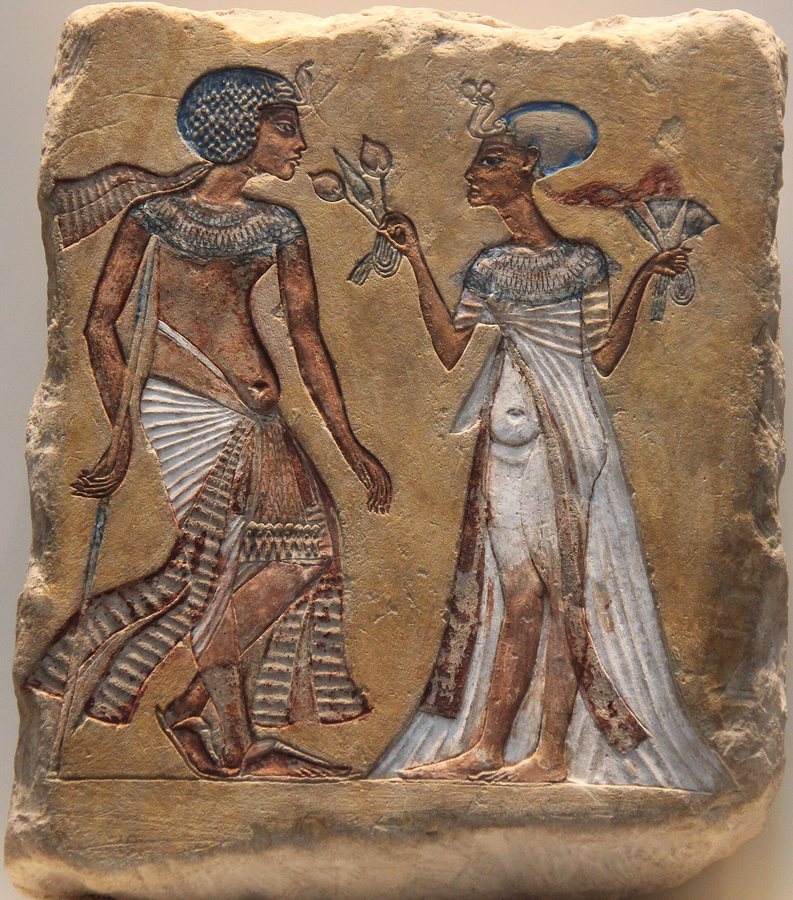
Realistic — As depicted · Nubian · Libyan (Amazigh) · Levantine · Pale
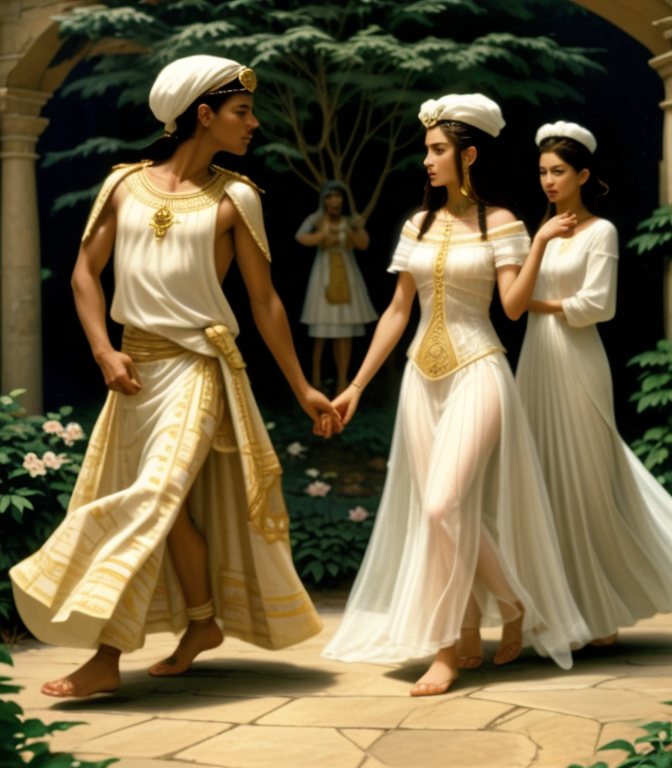
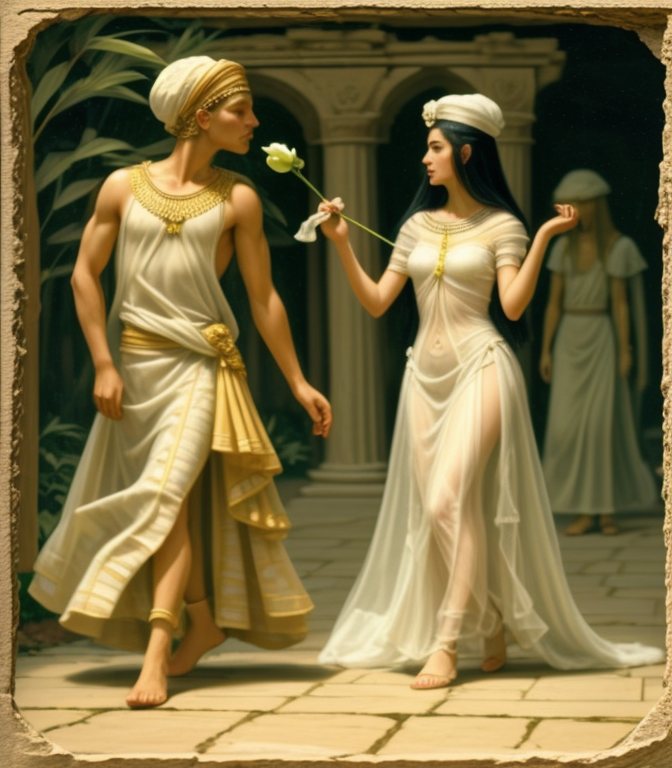
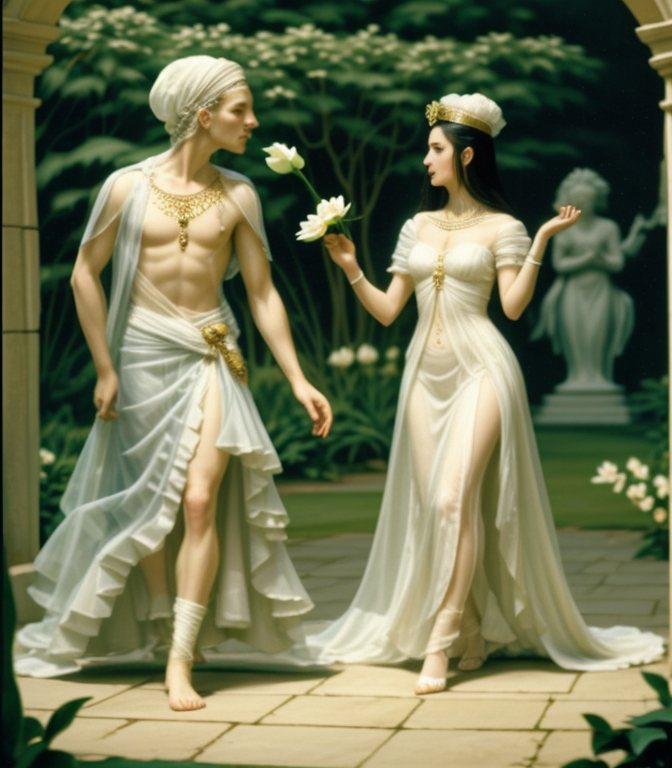
Portrait head of Queen Nefertiti, plaster, Neues Museum
Source: Neues Museum, Berlin, ÄM 21349; plaster, c. 1340 BCE, from Amarna; photo Osama Shukir Muhammed Amin; CC BY-SA 4.0
Original: 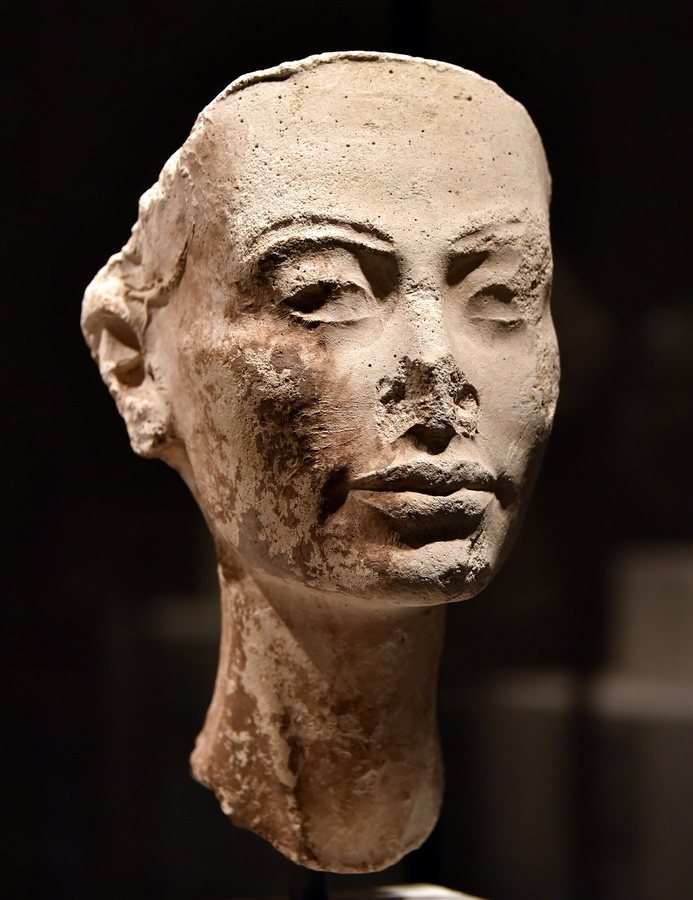
Realistic — As depicted · Nubian · Libyan (Amazigh) · Levantine · Pale
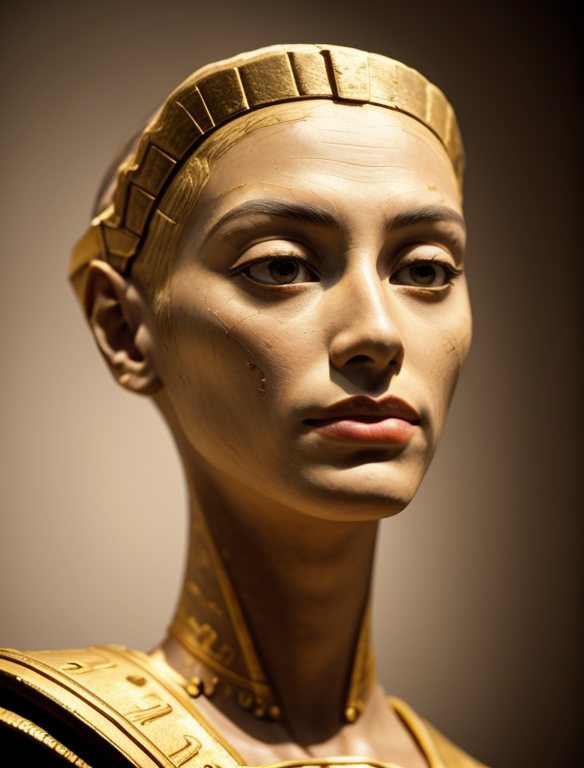
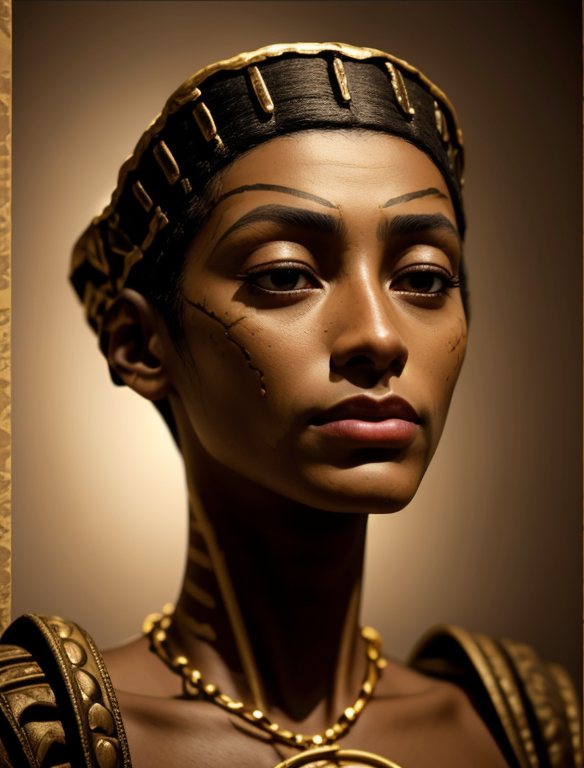
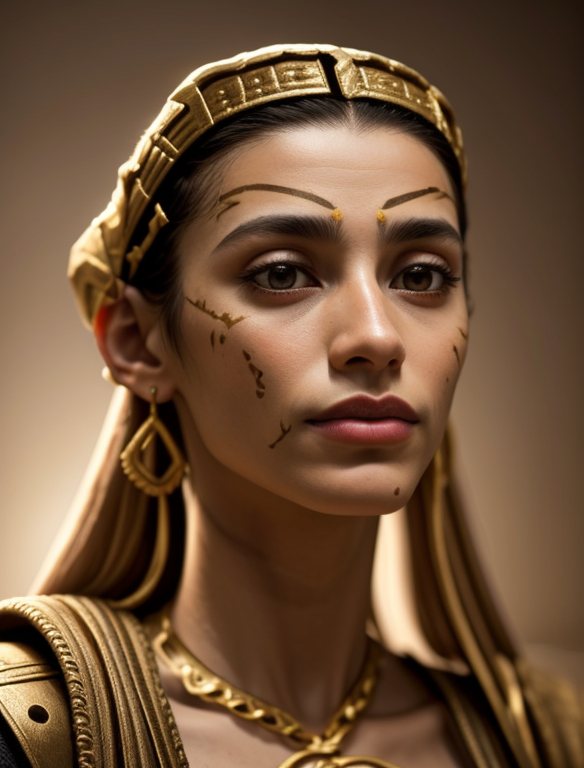
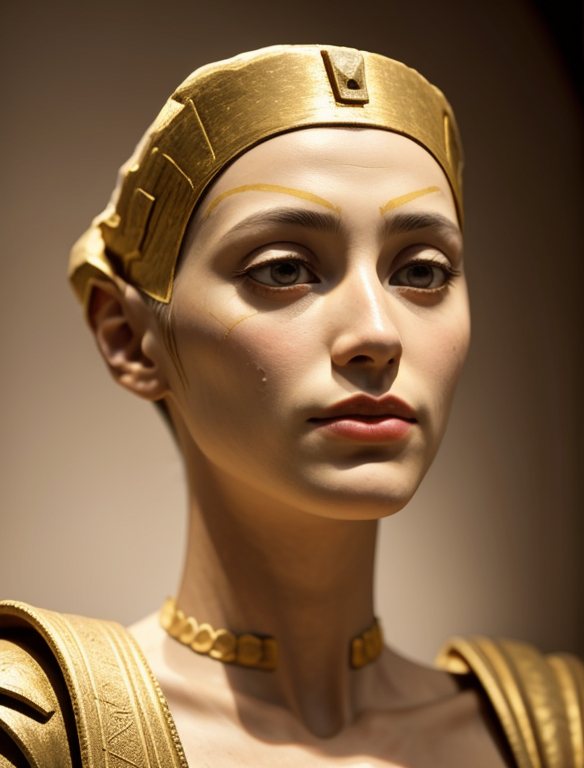
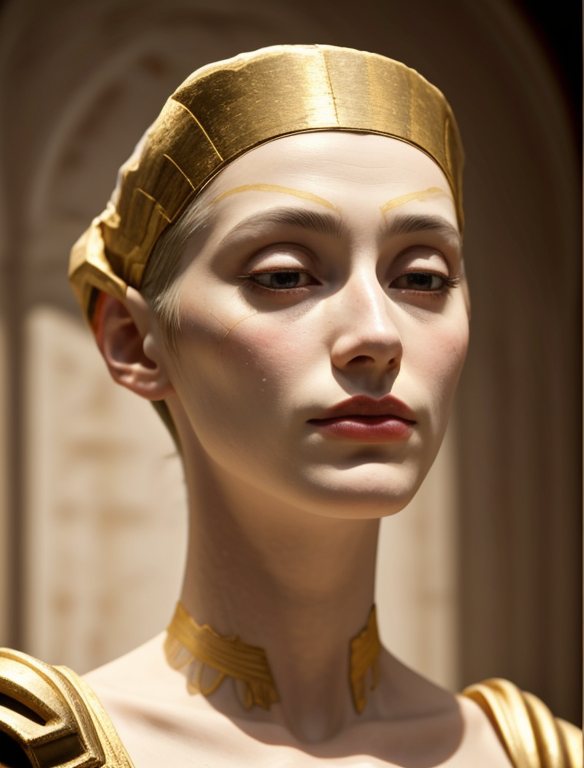
Portrait of Nefertiti, painted relief from Karnak
Source: Cleveland Museum of Art; reign of Amenhotep IV, c. 1353–1347 BC; photo Sailko; CC BY 3.0
Original: 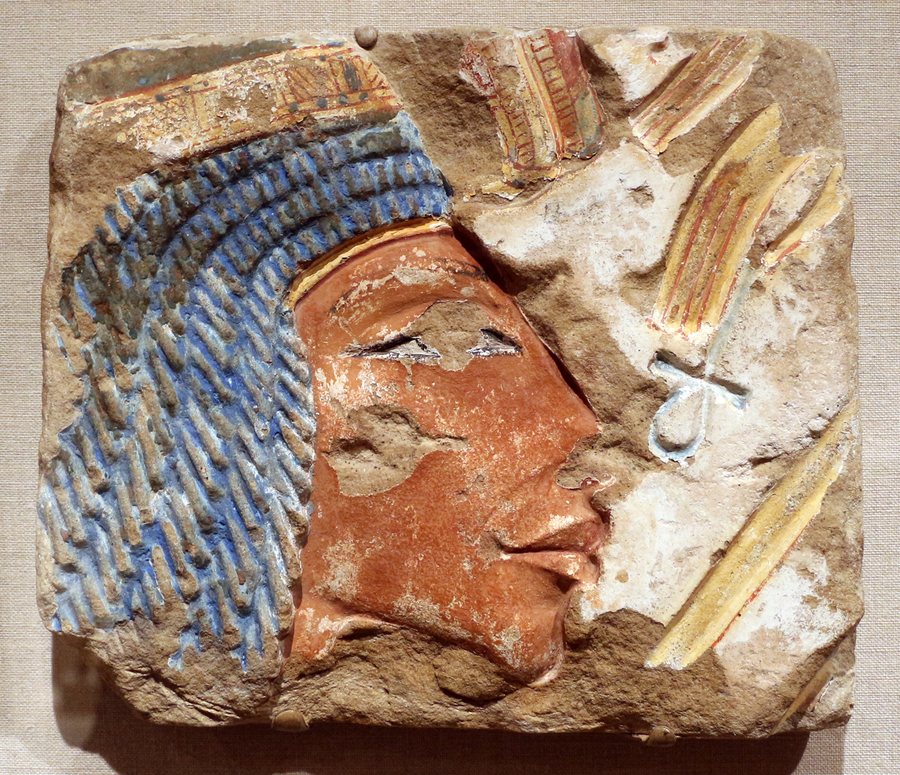
Realistic — As depicted · Nubian · Libyan (Amazigh) · Levantine · Pale
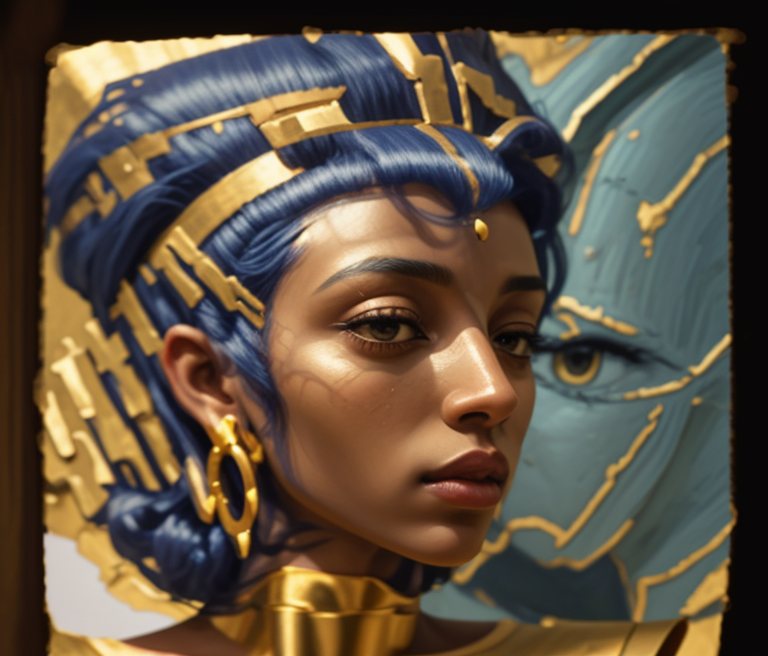
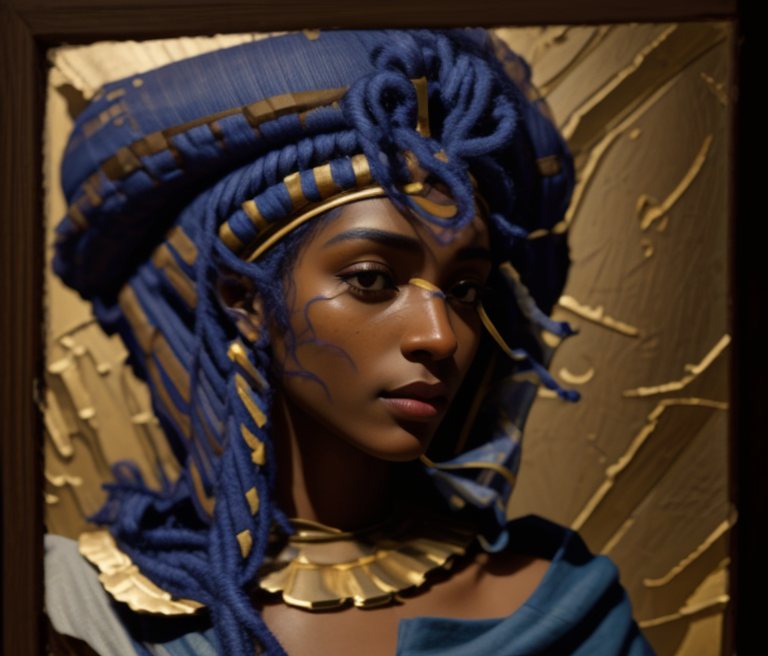
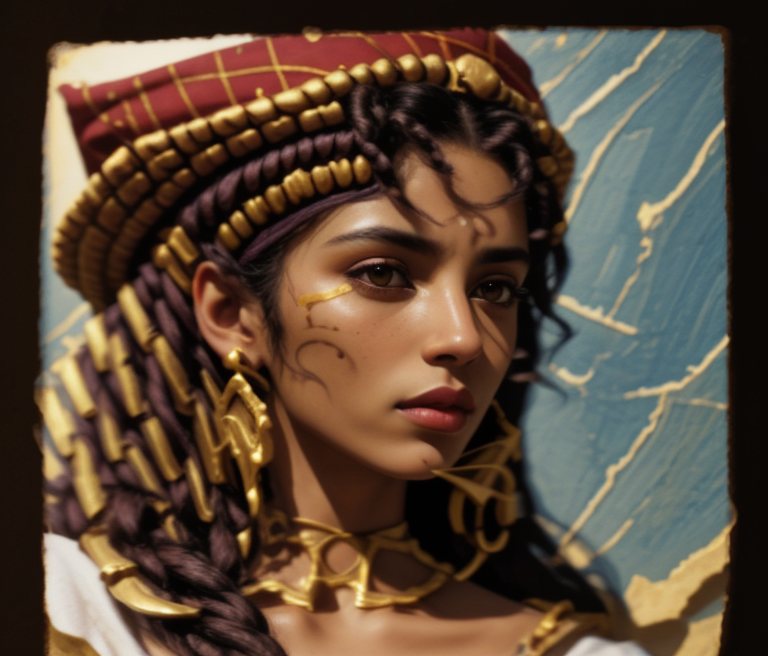


Portrait of Nefertiti, talatat from Karnak
Source: Cleveland Museum of Art; reign of Amenhotep IV, c. 1353–1347 BC; photo Sailko; CC BY 3.0
Original: 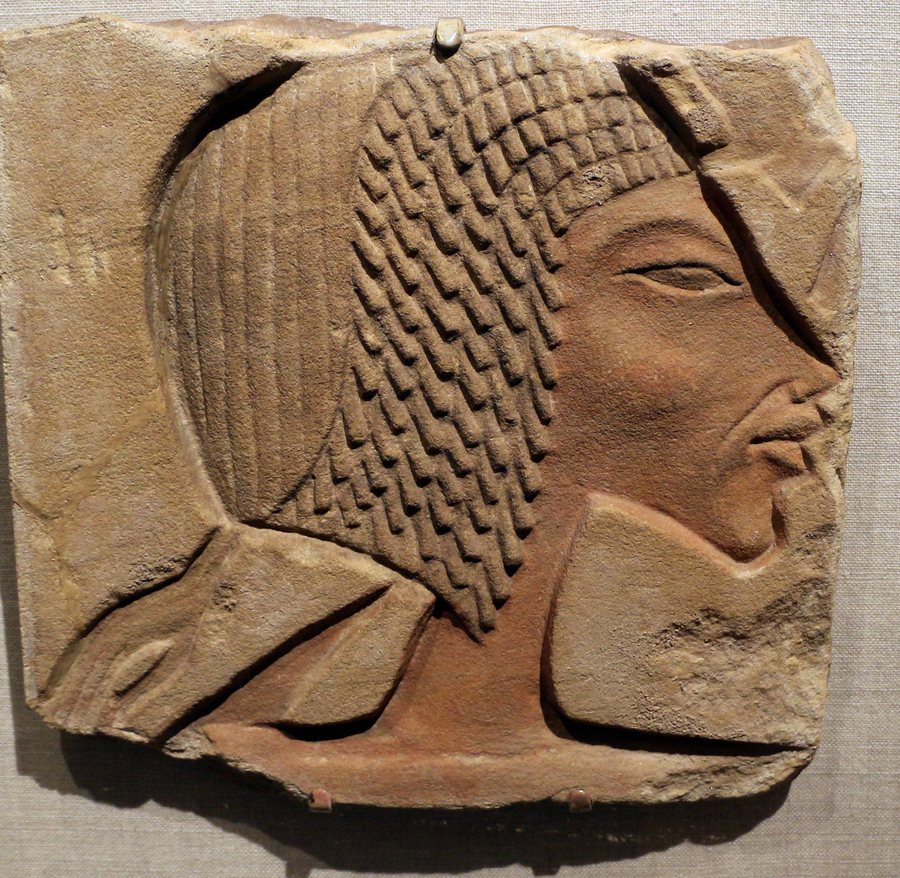
Realistic — As depicted · Nubian · Libyan (Amazigh) · Levantine · Pale
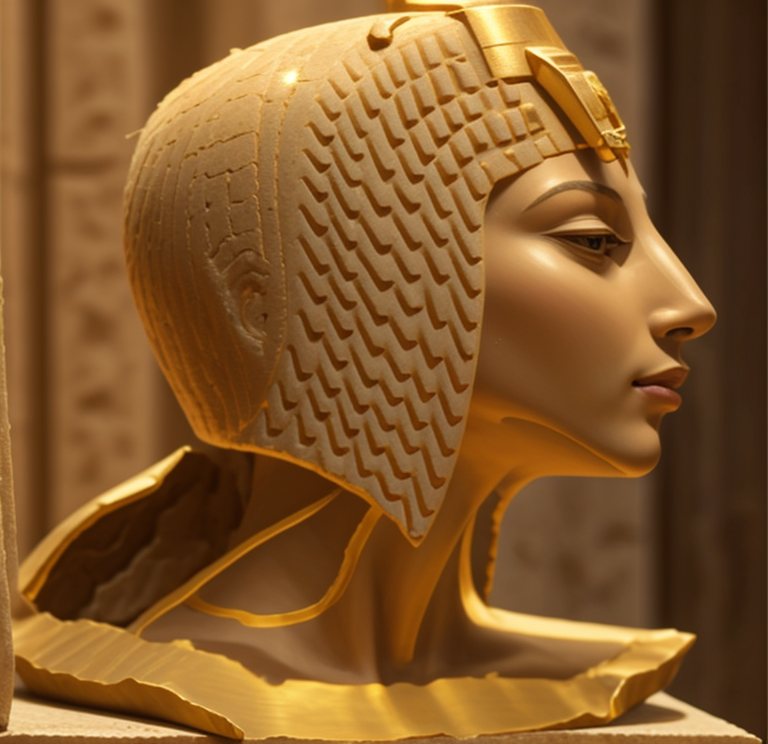
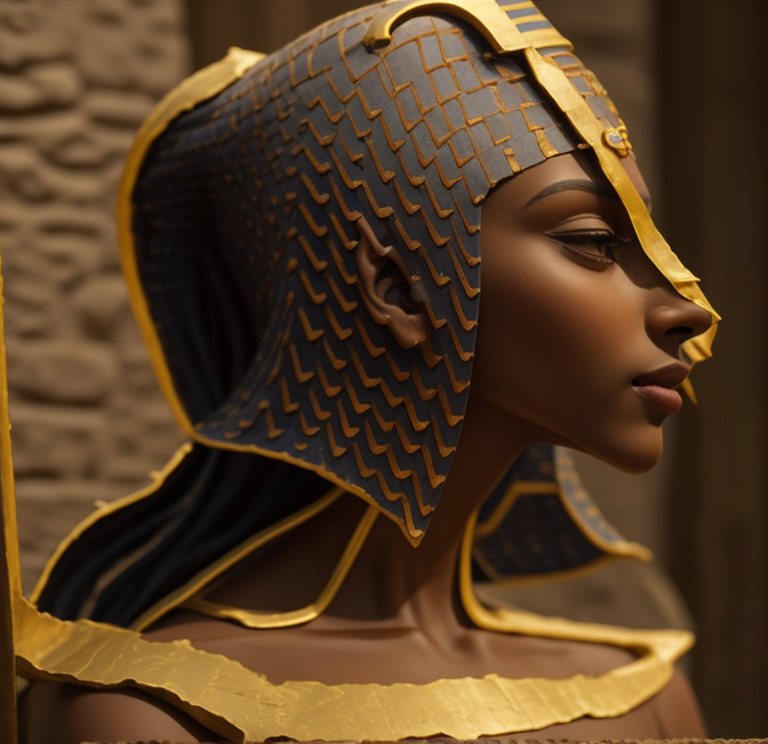
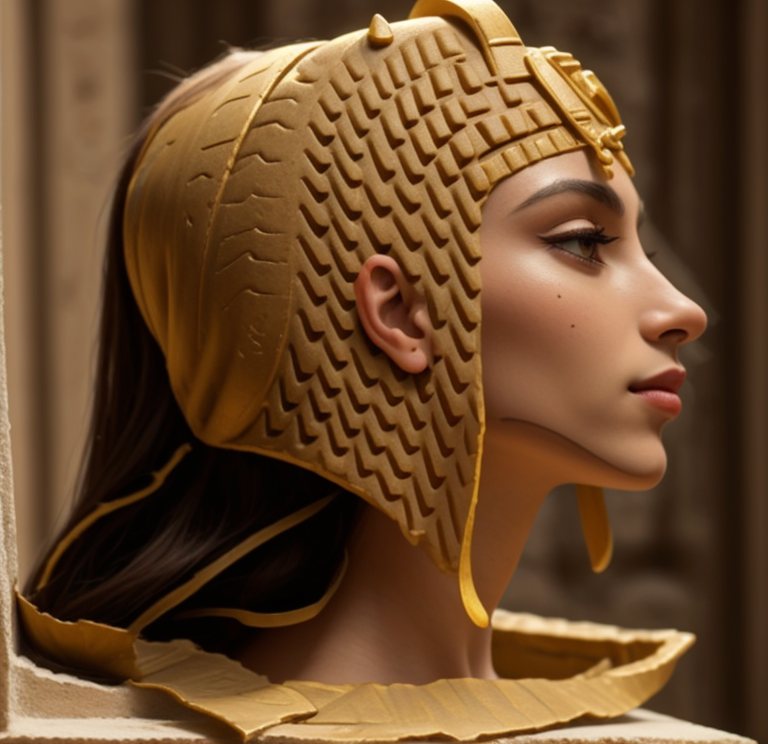
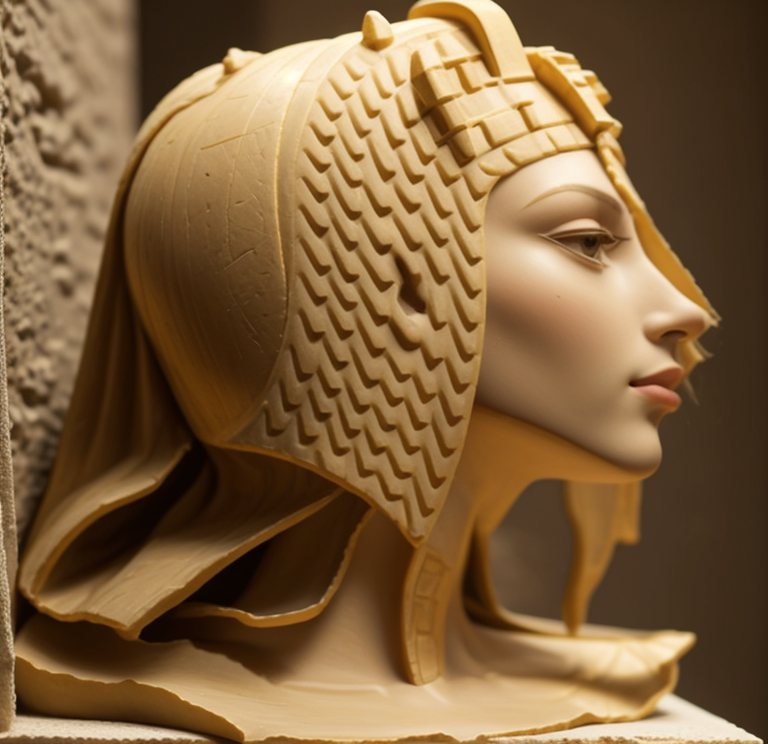
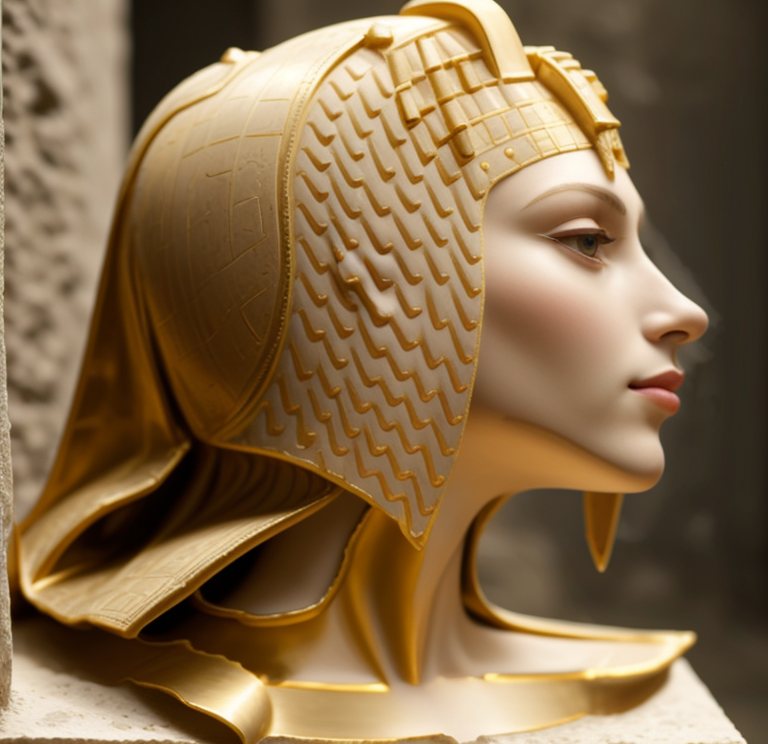
Queen Nefertiti and her children, detail of a shrine altarpiece
Source: Neues Museum, Berlin; New Kingdom, 18th Dynasty, c. 1345 BCE, from Amarna; photo Osama Shukir Muhammed Amin; CC BY-SA 4.0
Original: 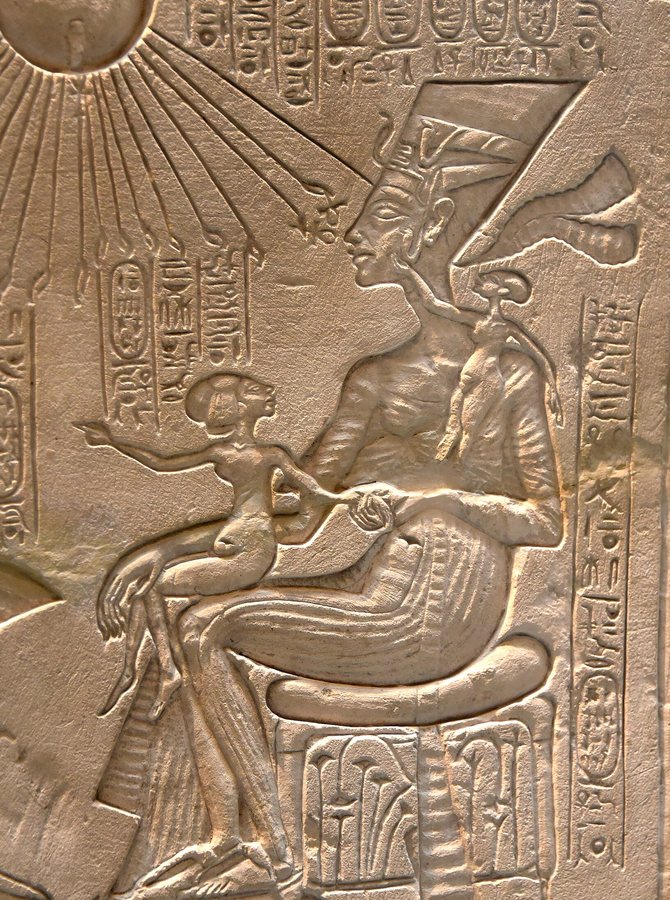
Realistic — As depicted · Nubian · Libyan (Amazigh) · Levantine · Pale
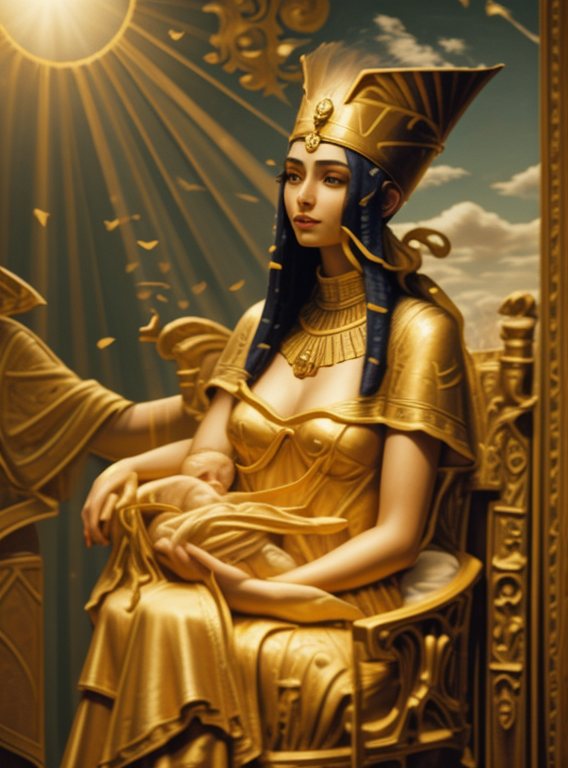
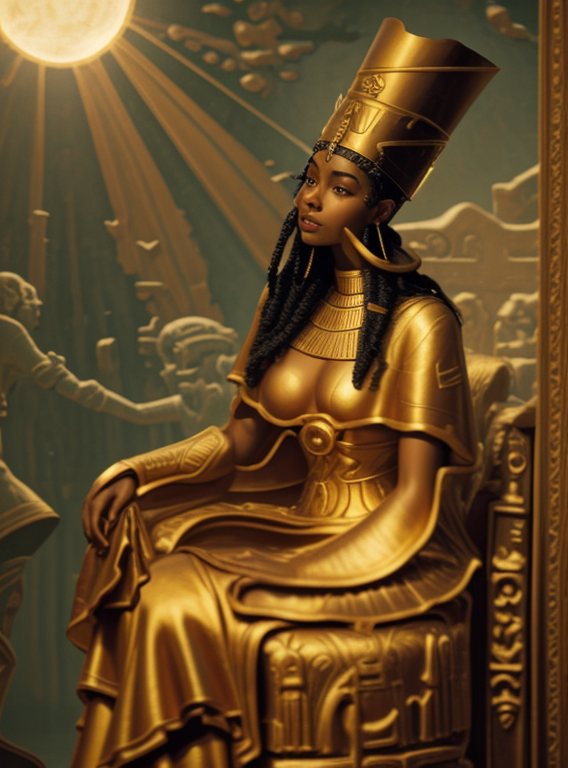
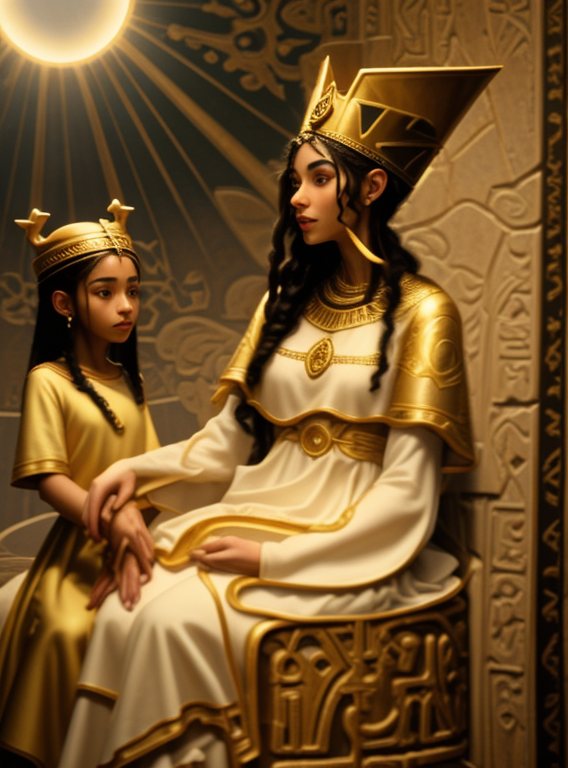
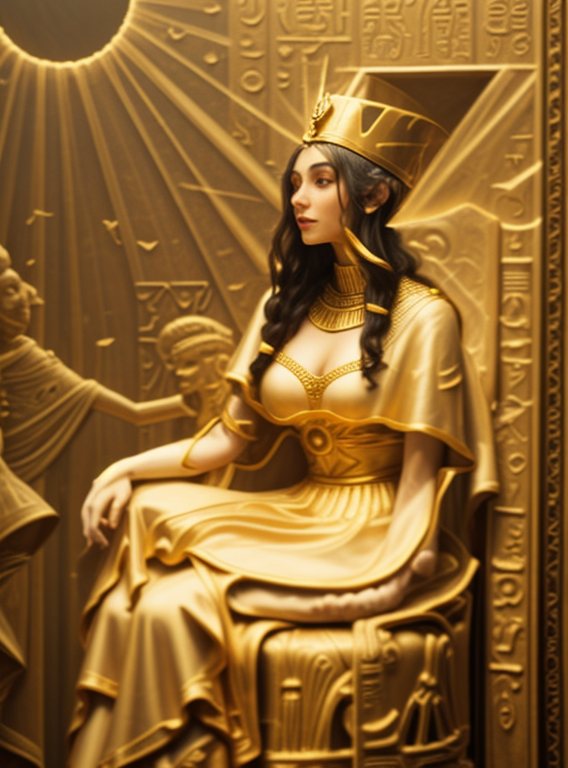
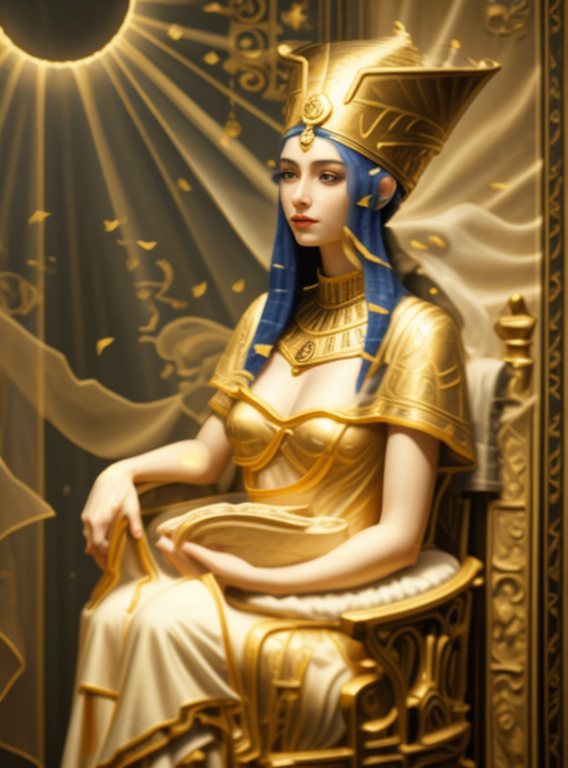
Relief of Akhenaten, Nefertiti and three of their daughters (house altar)
Source: Neues Museum, Berlin; Amarna period; photo Gary Todd (2016); CC0
Original: 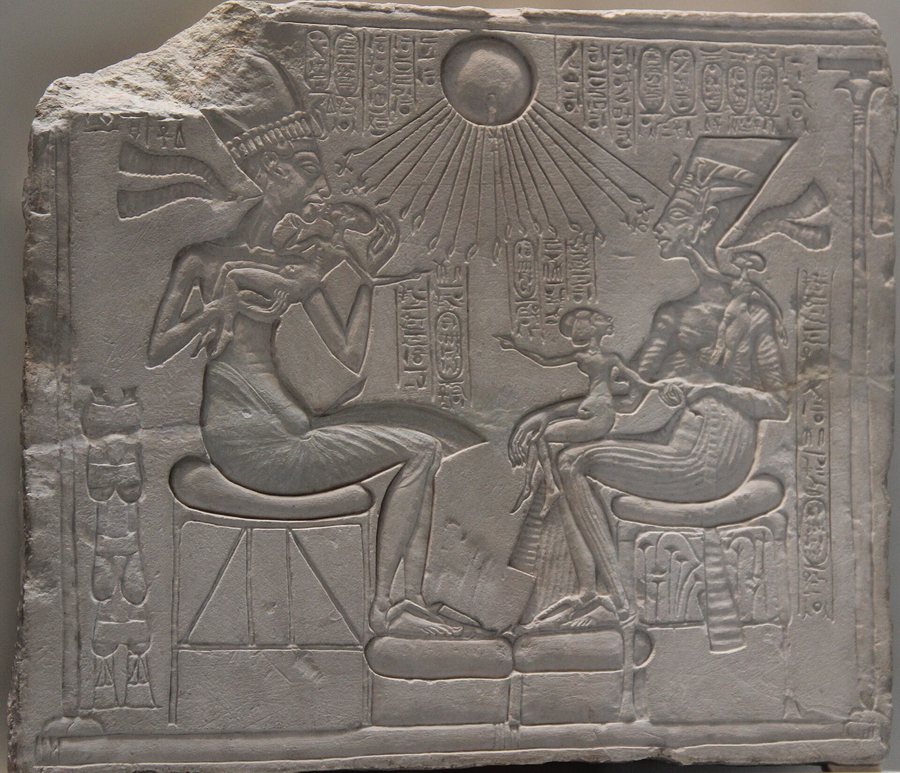
Realistic — As depicted · Nubian · Libyan (Amazigh) · Levantine · Pale
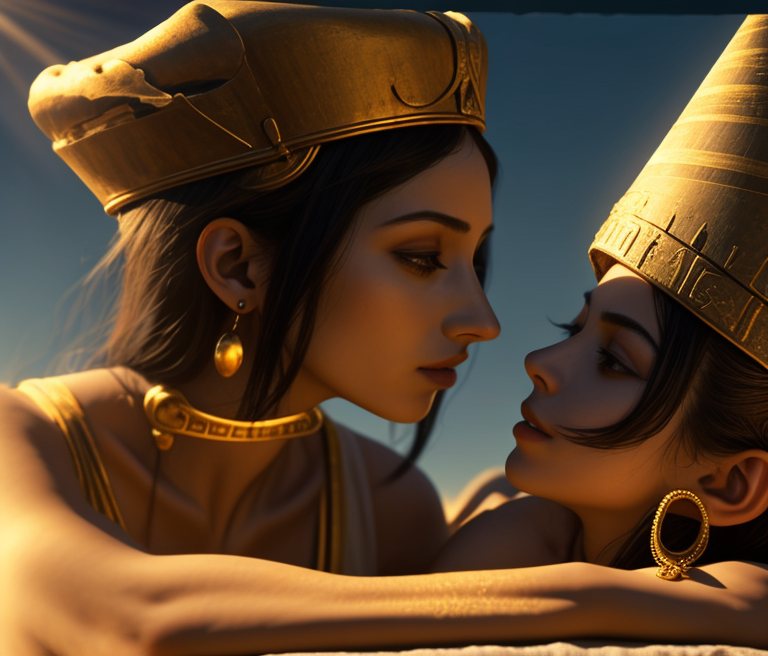
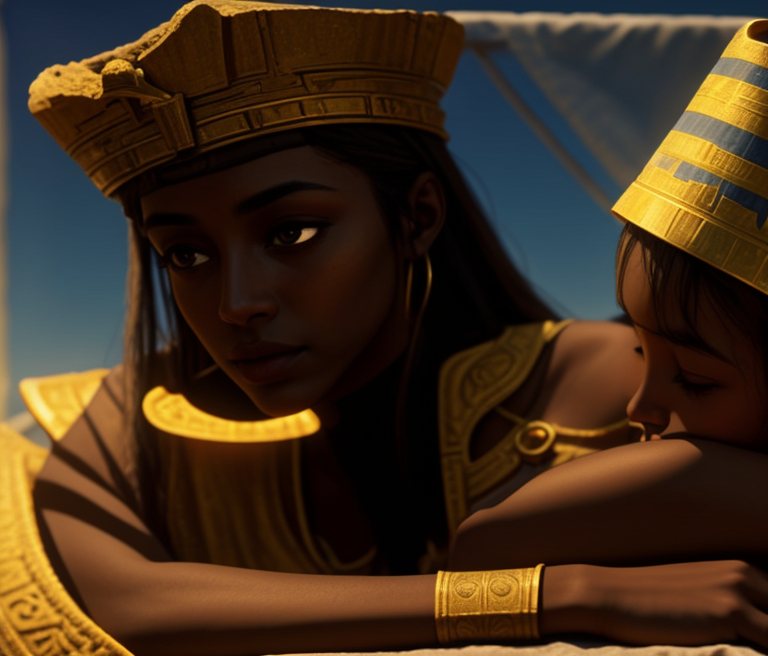
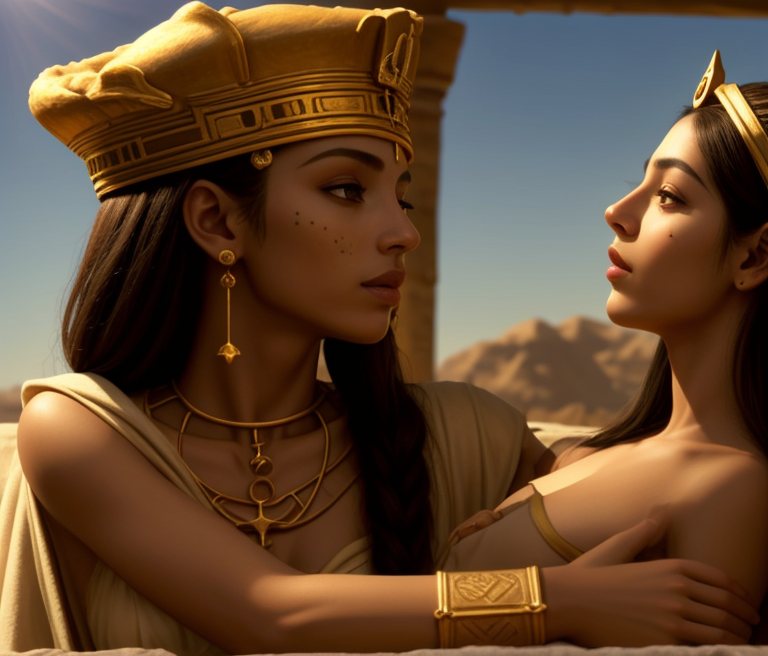
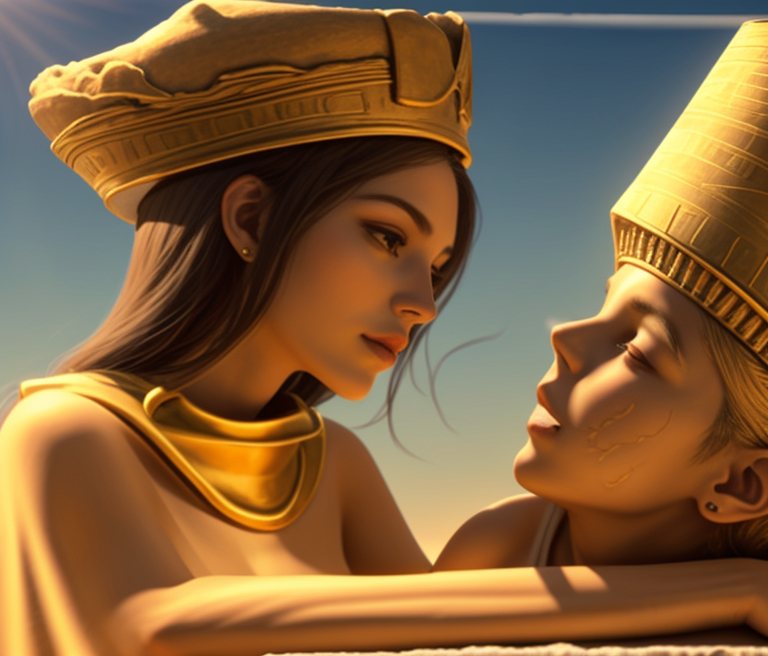
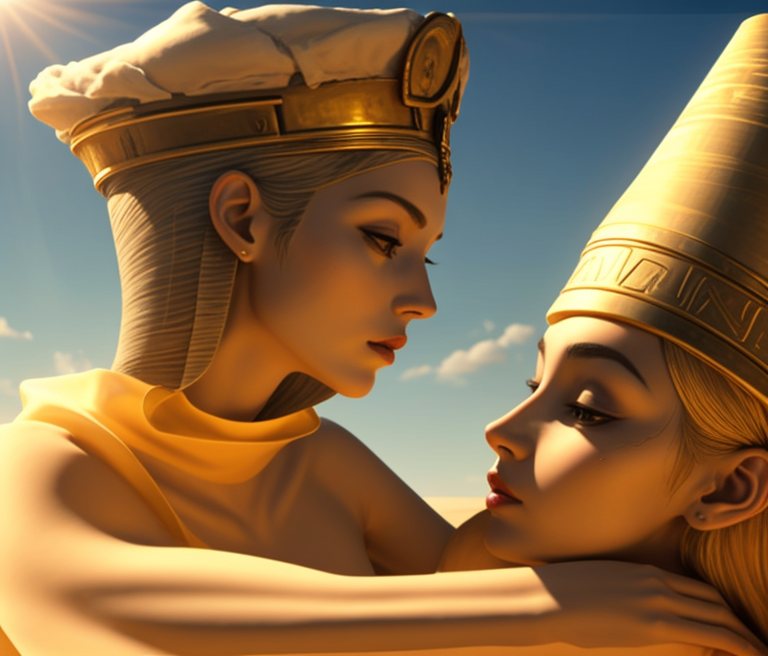
Relief of Akhenaton and Nefertiti with three daughters under the Aten (Nefertiti detail)
Source: Ägyptisches Museum Berlin; from Achet-Aton / Amarna; photo ArchaiOptix (2014); CC BY-SA 4.0
Original: 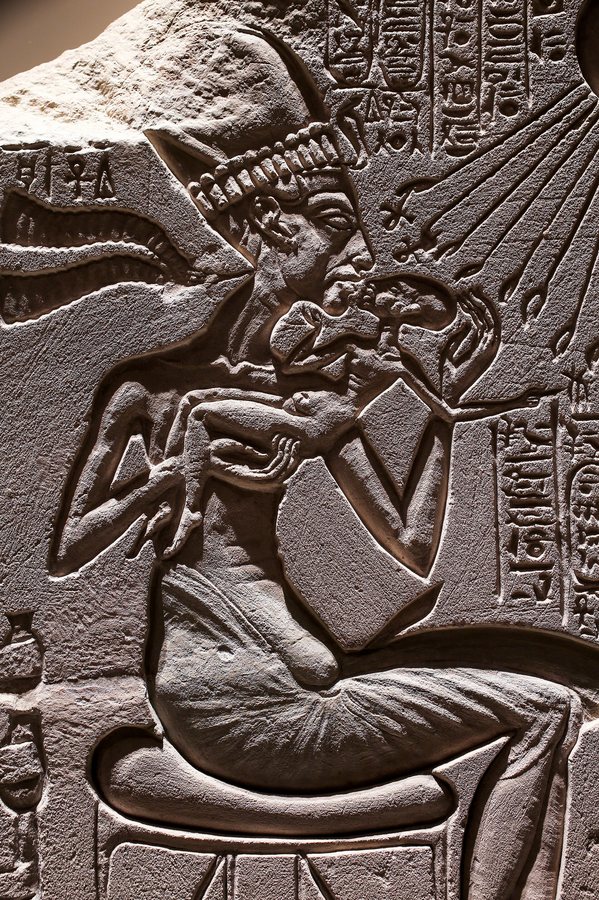
Realistic — As depicted · Nubian · Libyan (Amazigh) · Levantine · Pale
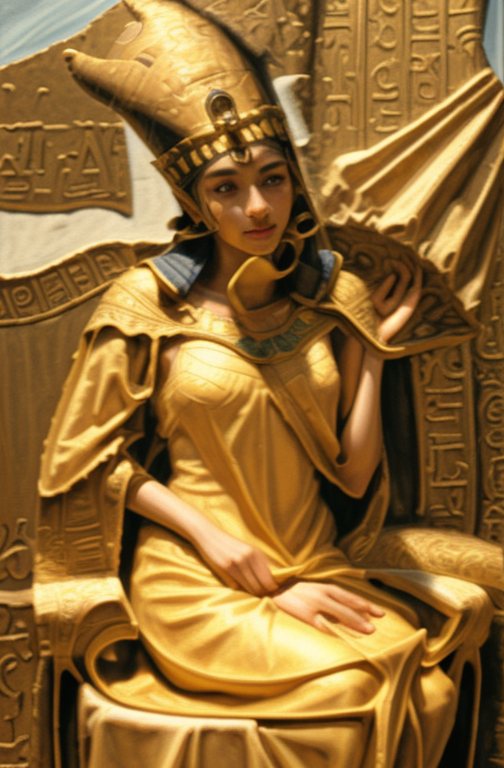
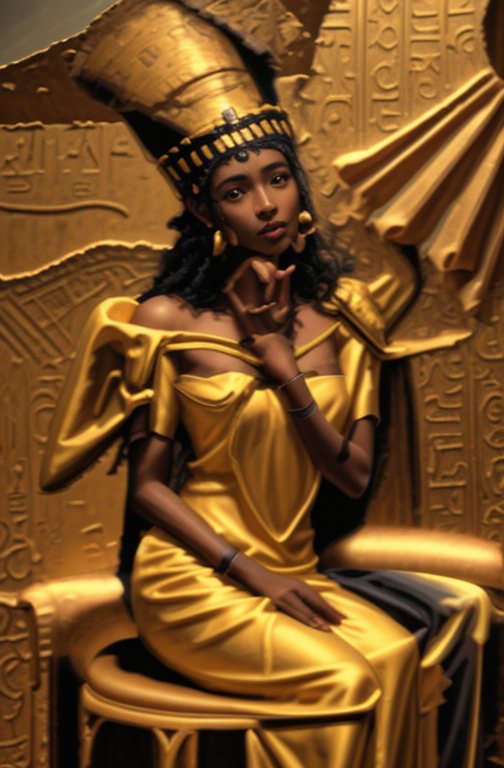
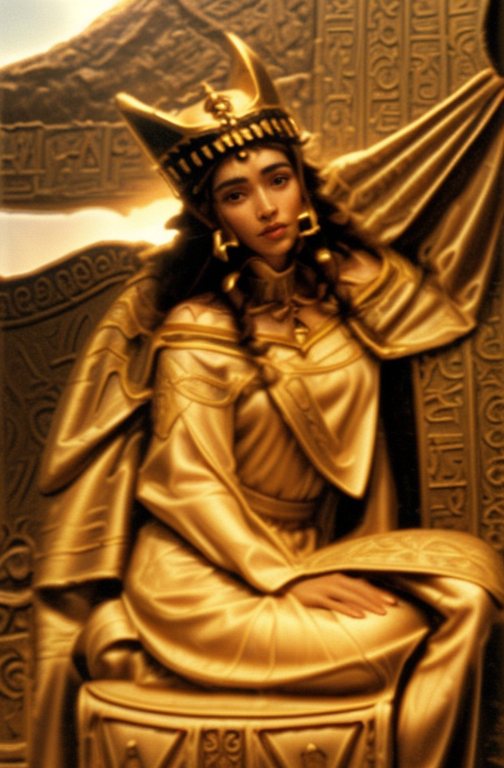
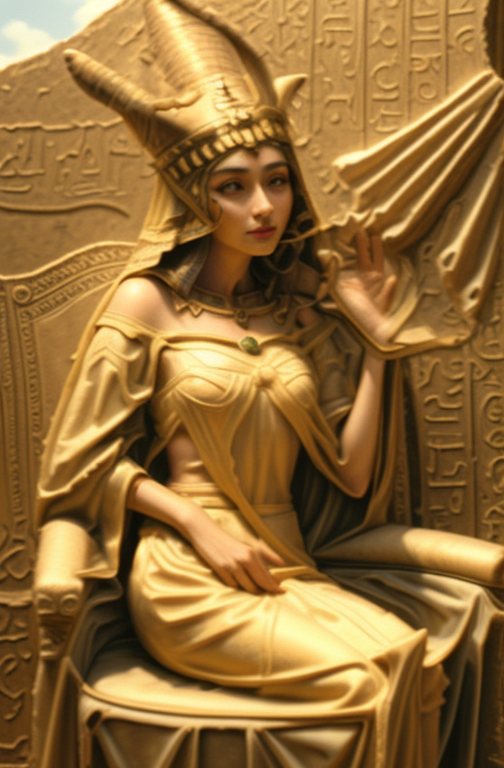
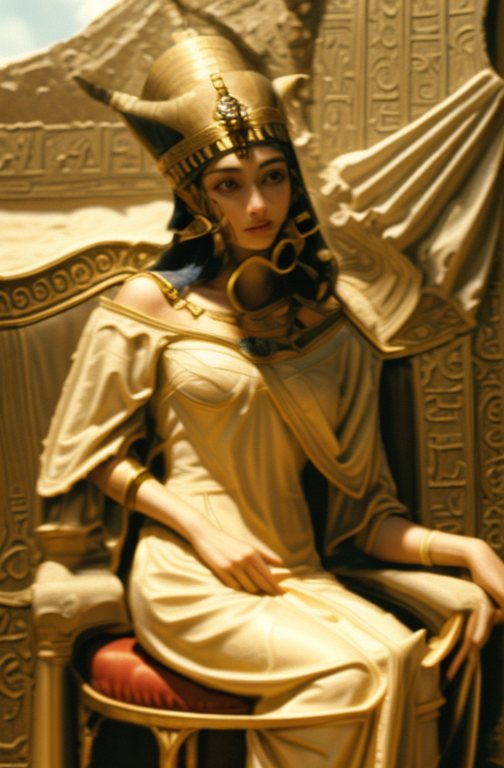
Relief, Queen Nefertiti
Source: Metropolitan Museum of Art, 61.117; circa 1353 BCE; CC0
Original: 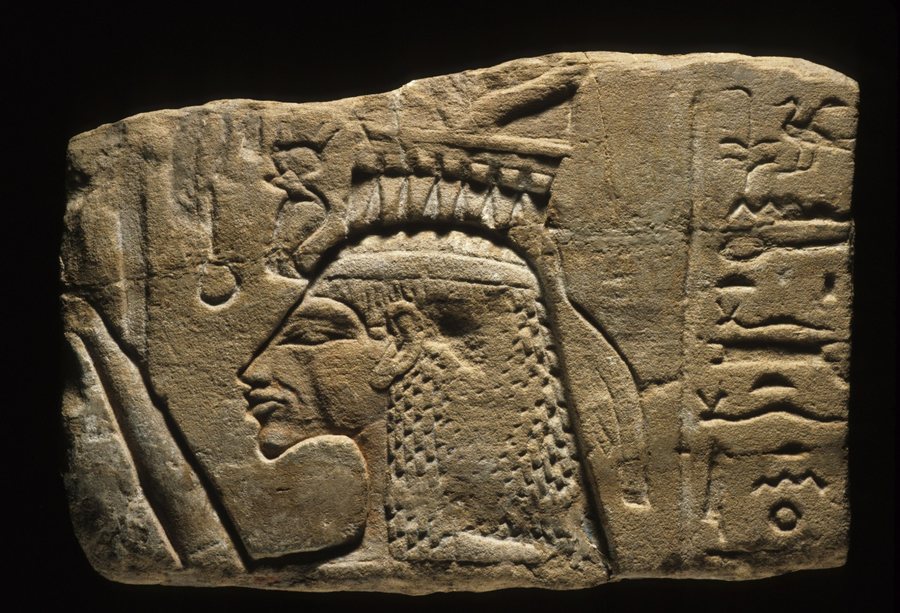
Realistic — As depicted · Nubian · Libyan (Amazigh) · Levantine · Pale
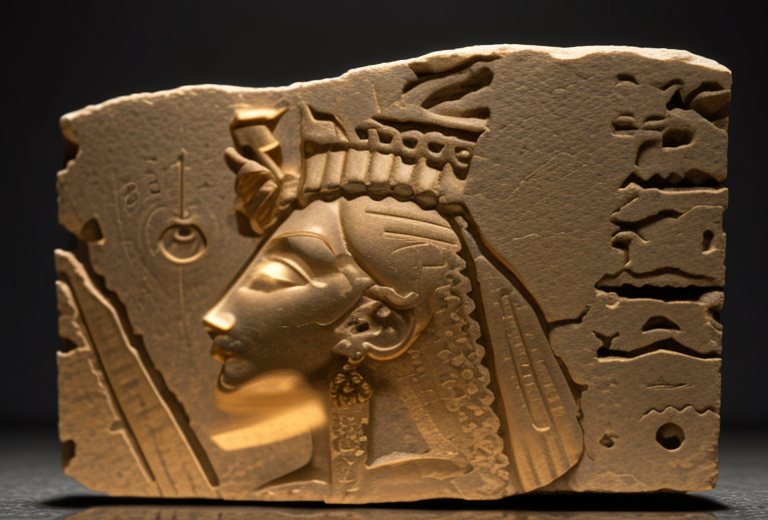
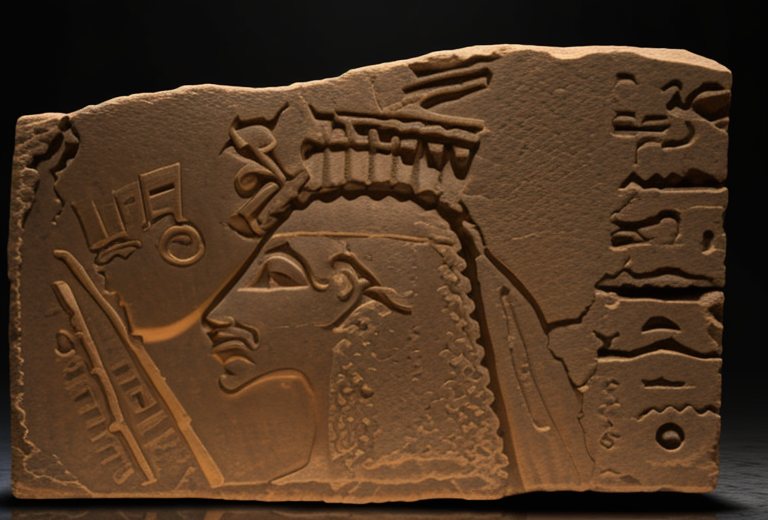
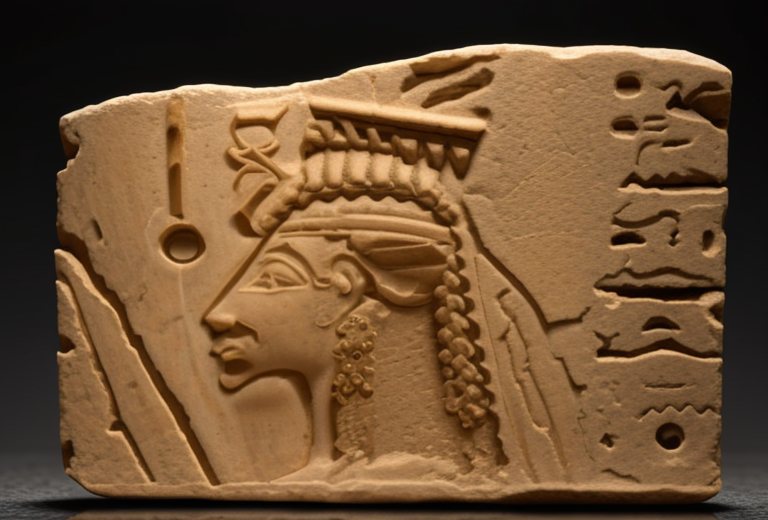
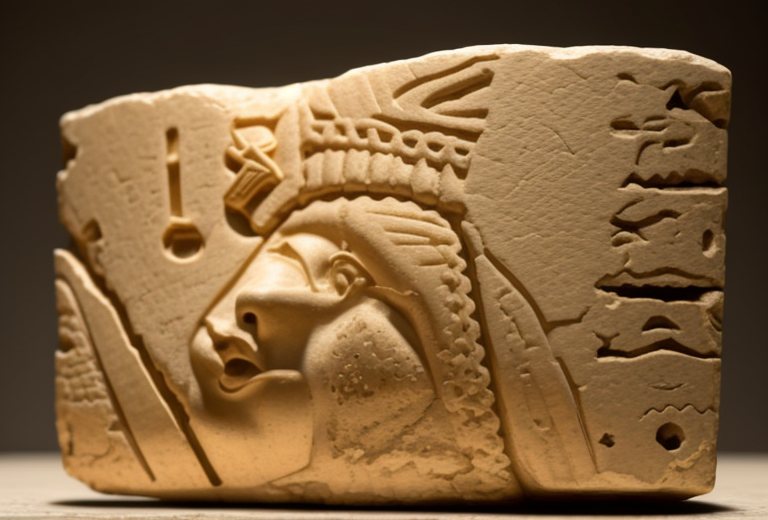
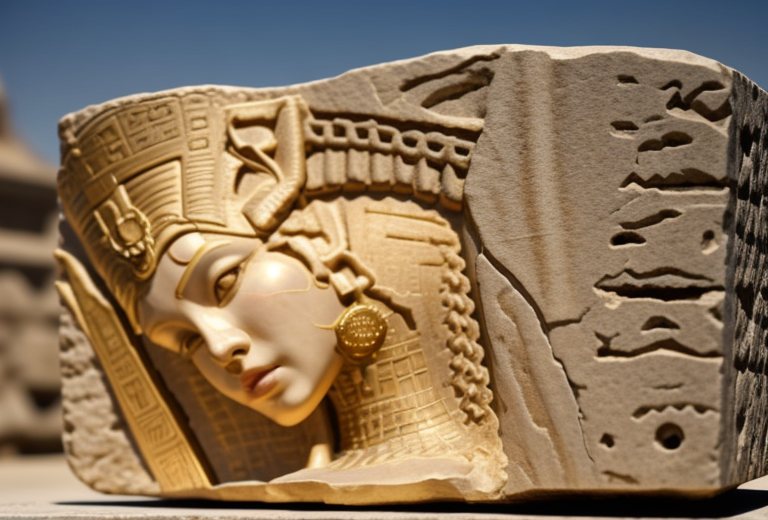
All 20 scenes in this set, and every other remake, are in the gallery: https://hathor.soapbox.community/remakes. Made on our own servers in Hathor Studio; each scene links to its place in the gallery.