The old manuals told the image-maker to meditate first and to see the deity described in its dhyāna verse before touching stone. The verse was the brief. Finished images were brought to life by opening their eyes. Egypt's sculptors knew a parallel rite, the Opening of the Mouth, and one of their words for sculptor meant "one who causes to live." We work in that lineage of attention. Each scene below is remade for several peoples with its sacred attributes kept intact.
A parallel on the Nile. From the 4th Dynasty on, Egyptian priests performed the Opening of the Mouth on statues, often in the sculptor's workshop, the "House of Gold," so the image could breathe, see and eat. One Egyptian word for sculptor, sꜥnḫ, means "one who causes to live." These are parallels between two ancient workshops, not a claim that one borrowed from the other. (source)
The full gallery, every scene in every look: https://hathor.soapbox.community/remakes · Shilpa Shastra gallery: https://hathor.soapbox.community/gallery
The weighing of the heart
Source: Papyrus of Hunefer, Book of the Dead · operator reference
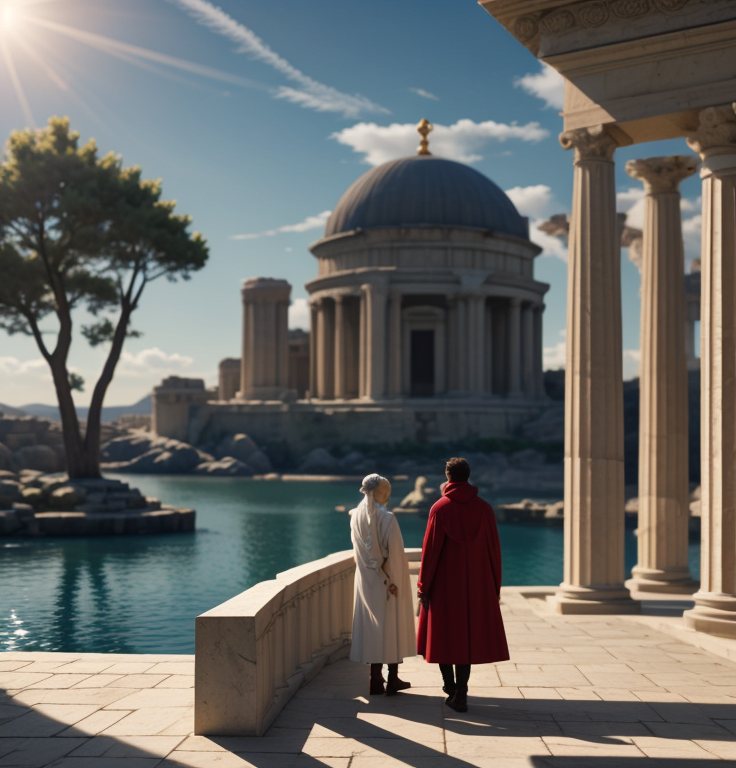
Realistic — Egyptian · Nubian · Libyan (Amazigh) · Levantine · Pale
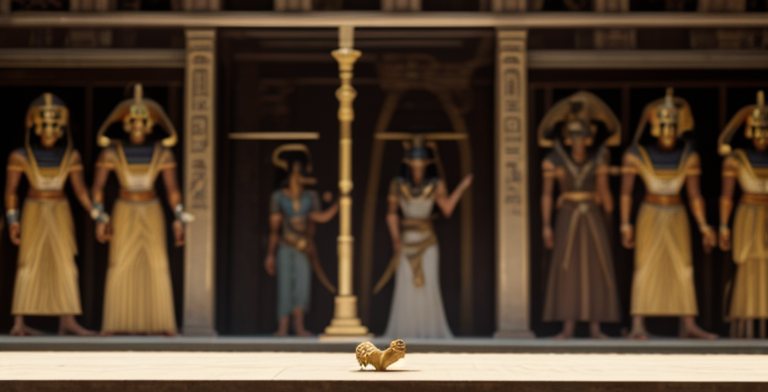
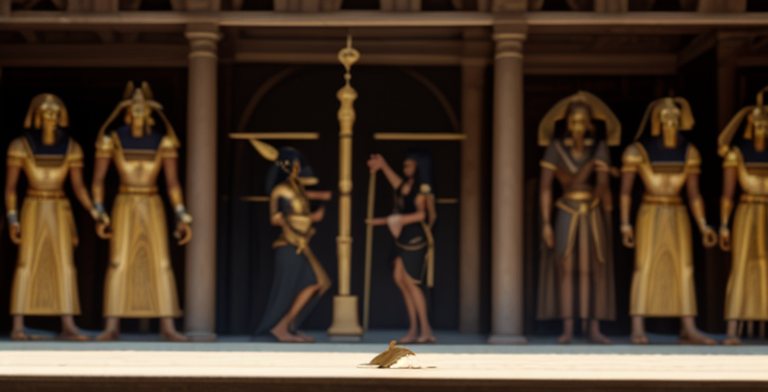
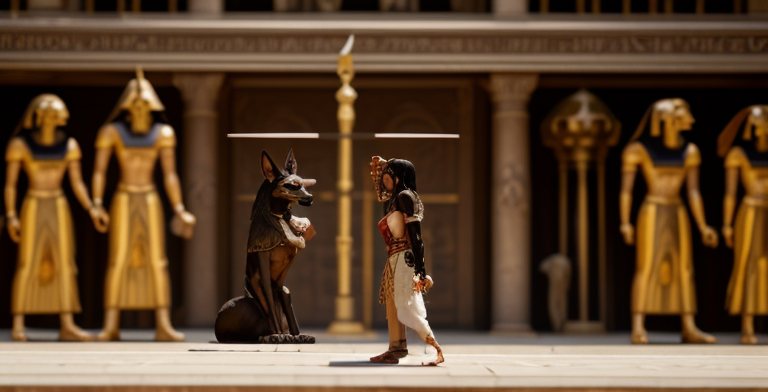
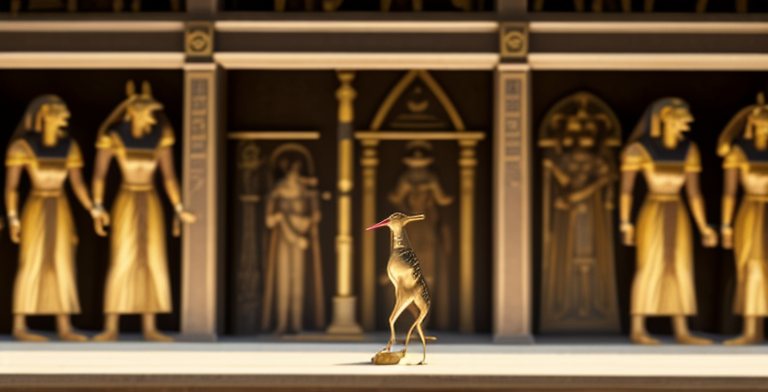
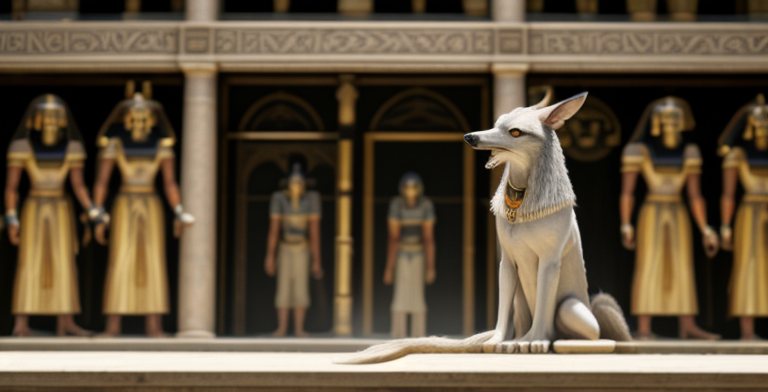
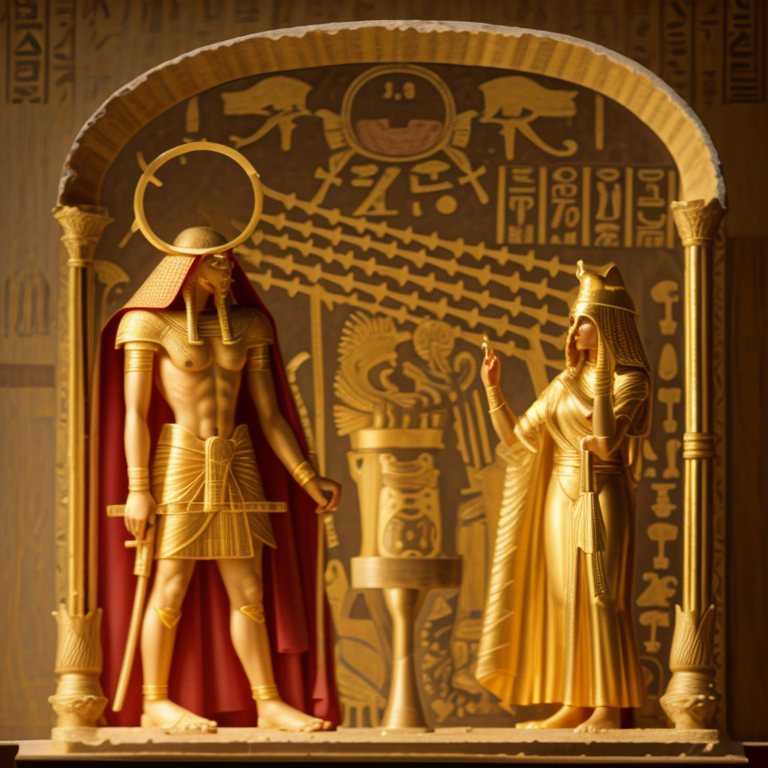
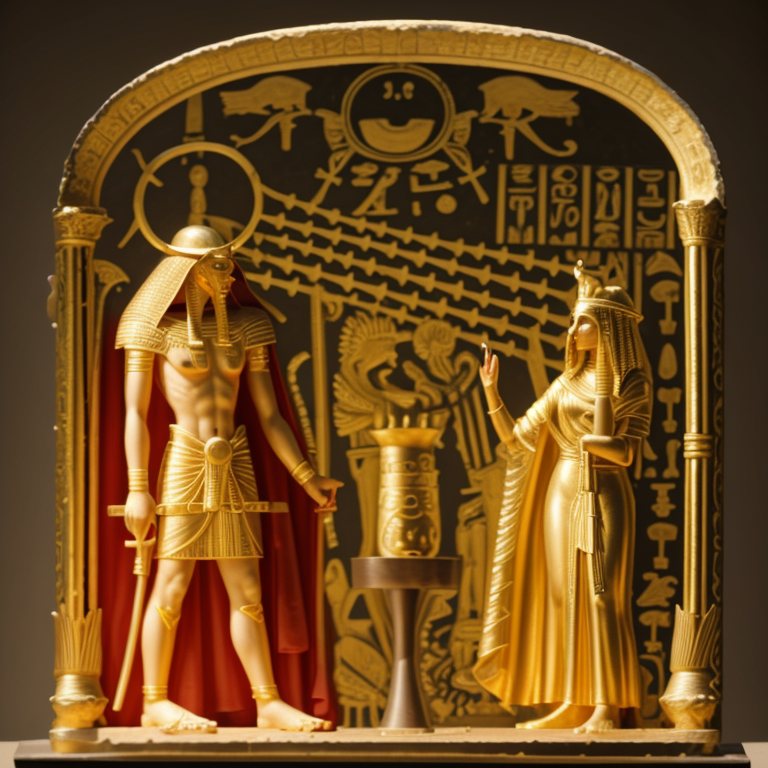
Worship of Ra-Horakhty
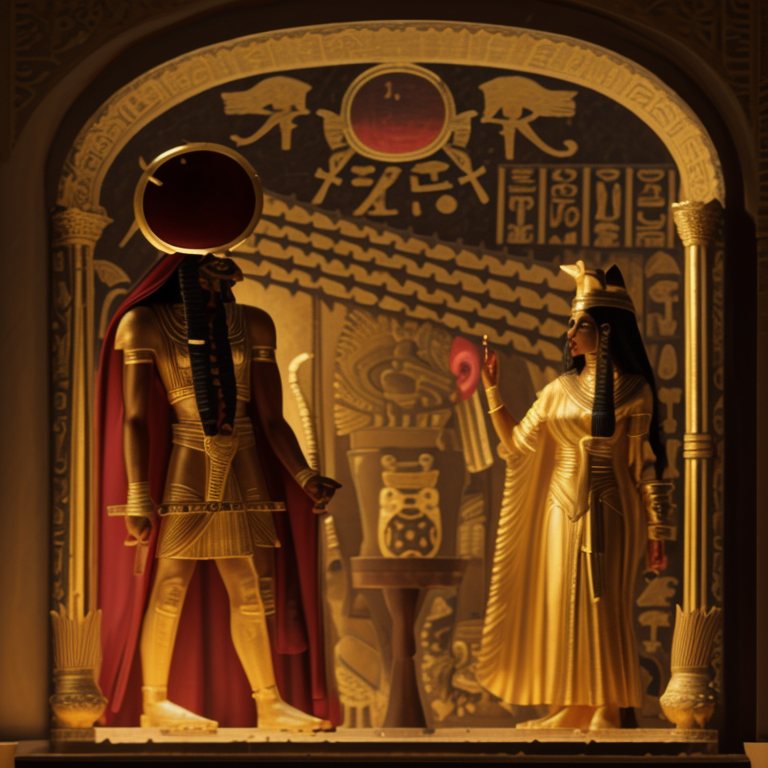
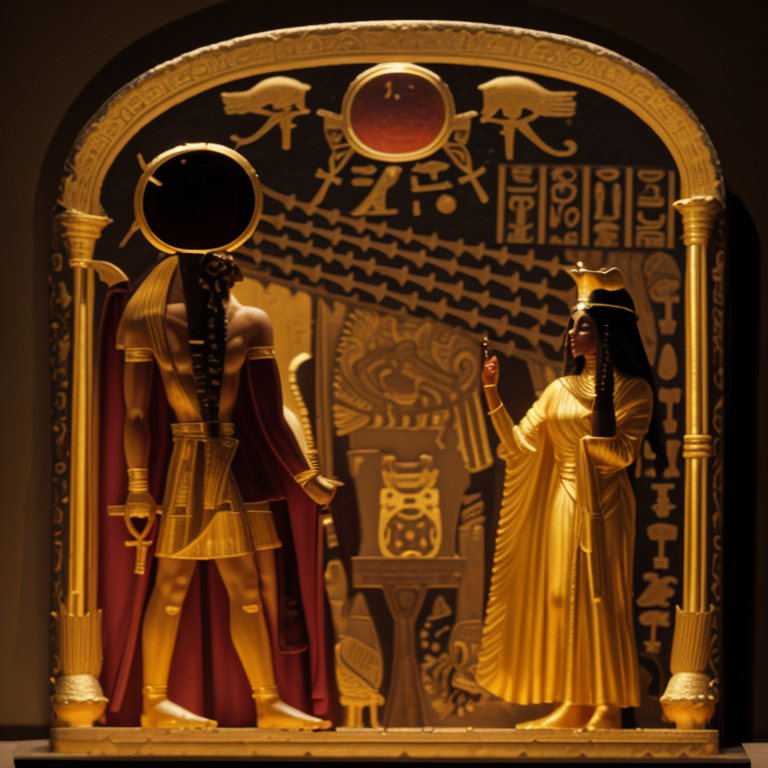
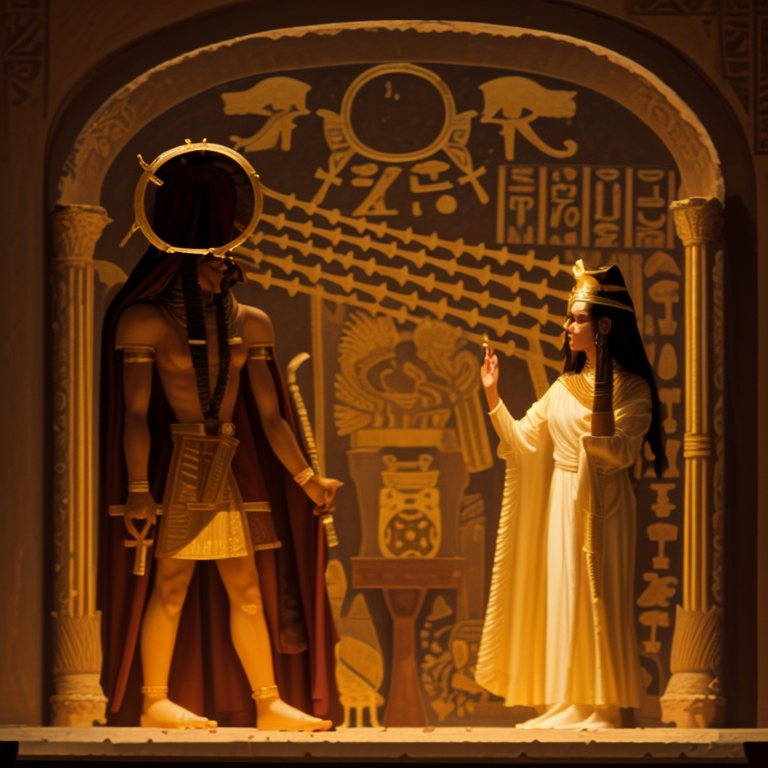
Source: Painted wooden stele · operator reference
Realistic — Egyptian · Nubian · Libyan (Amazigh) · Levantine · Pale
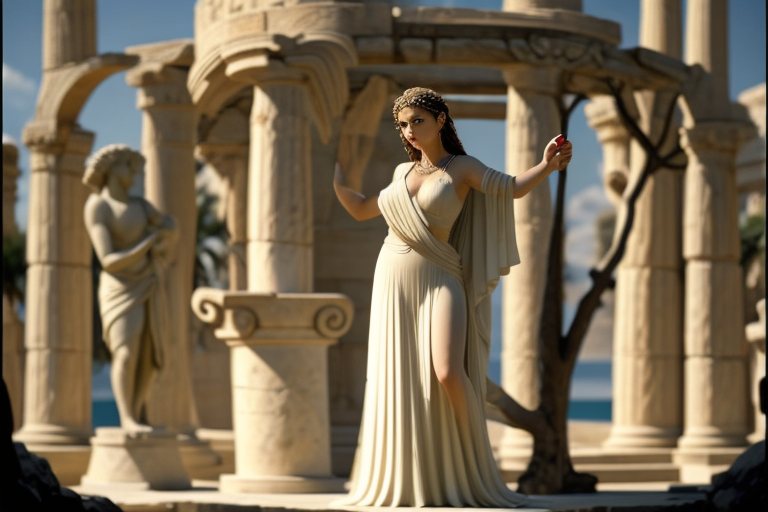
Apollo and Artemis at Delos, by the palm tree — Attic column-krater, c. 450 BC (Madrid)
Source: Comacchio Painter; Attic red-figure column-krater, c. 450 BC, Museo Arqueológico Nacional, Madrid; photo Marie-Lan Nguyen (User:Jastrow), 2008; CC BY 2.5
Original: 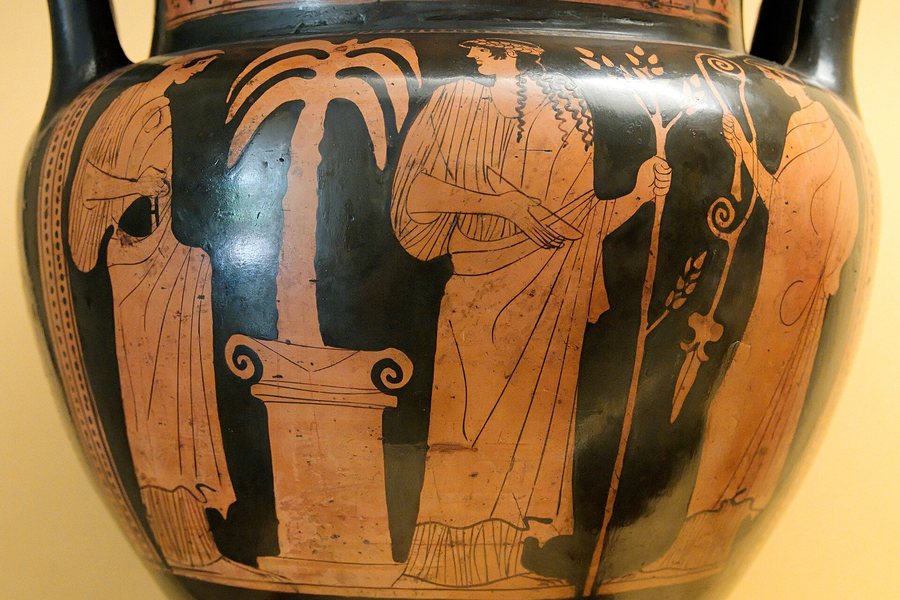
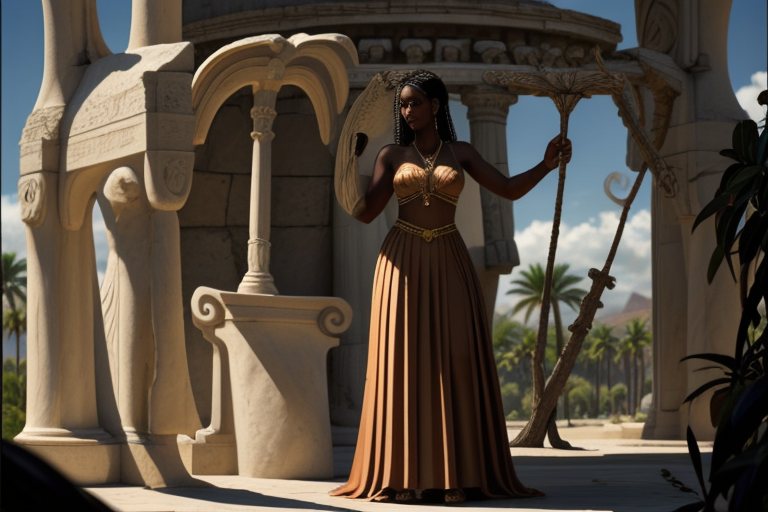
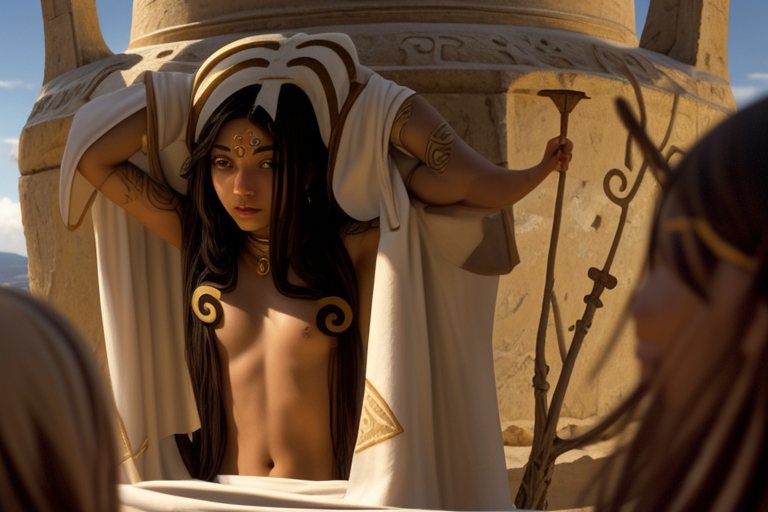
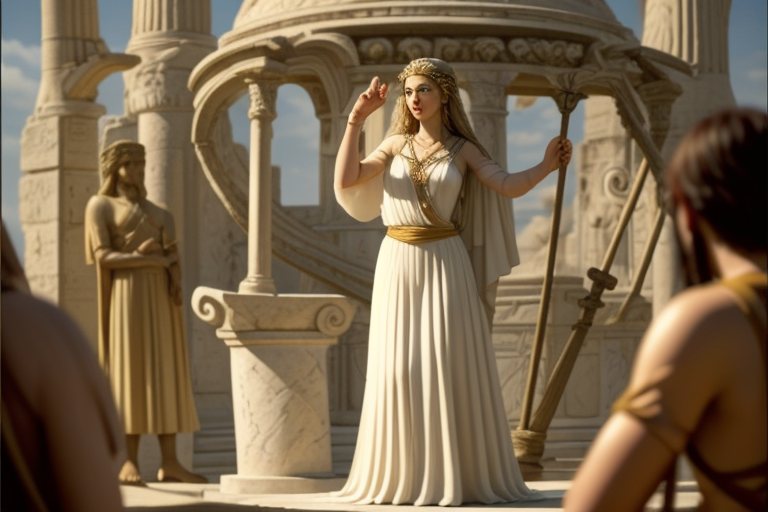
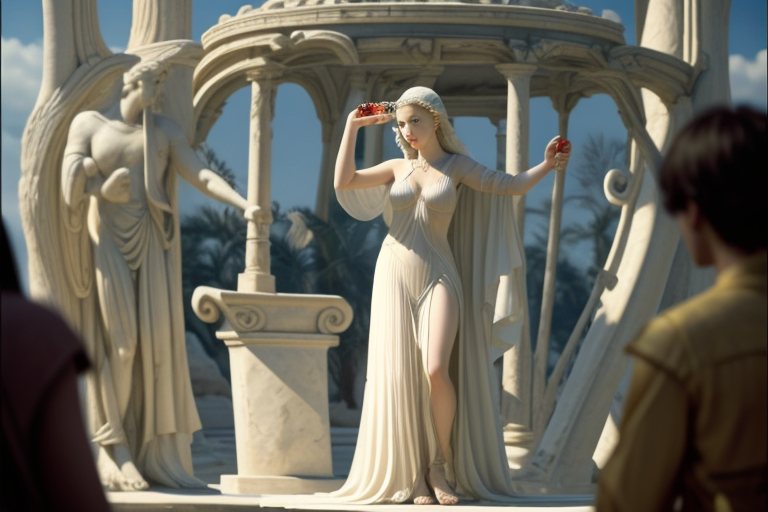
Realistic — Greek · Nubian · Libyan (Amazigh) · Levantine · Pale
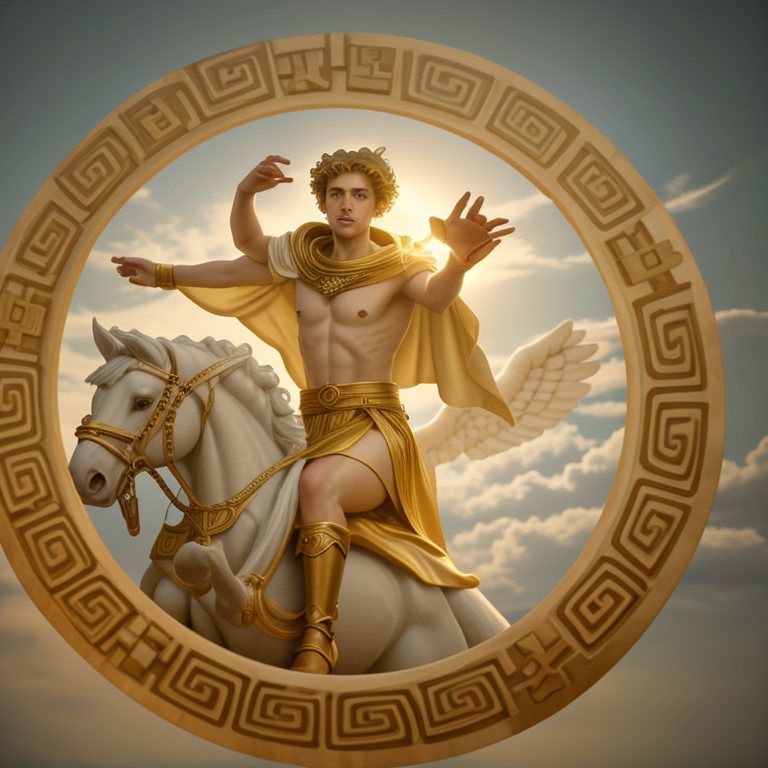
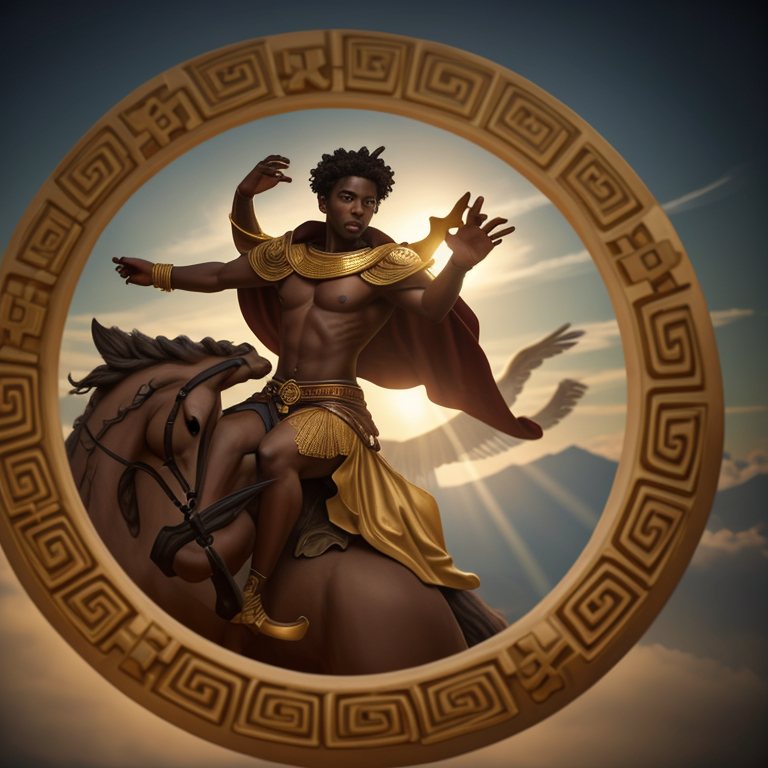
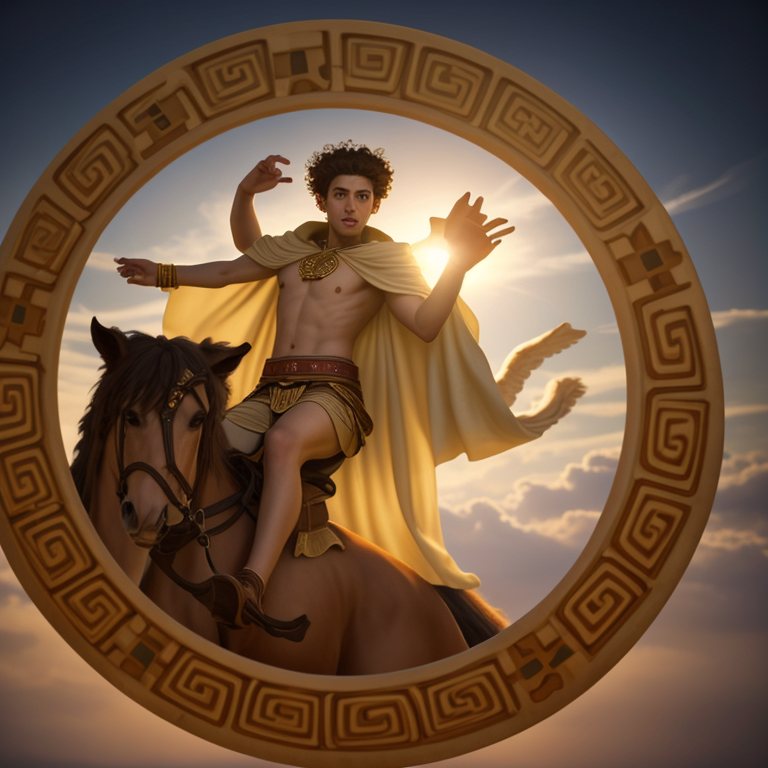
Apollo riding a griffin — Attic red-figure kylix, c. 380 BC (Getty Villa)
Source: Photo: Gary Todd; Greek kylix, Athens, c. 380 BC, Getty Villa Museum, Los Angeles; CC0
Original: 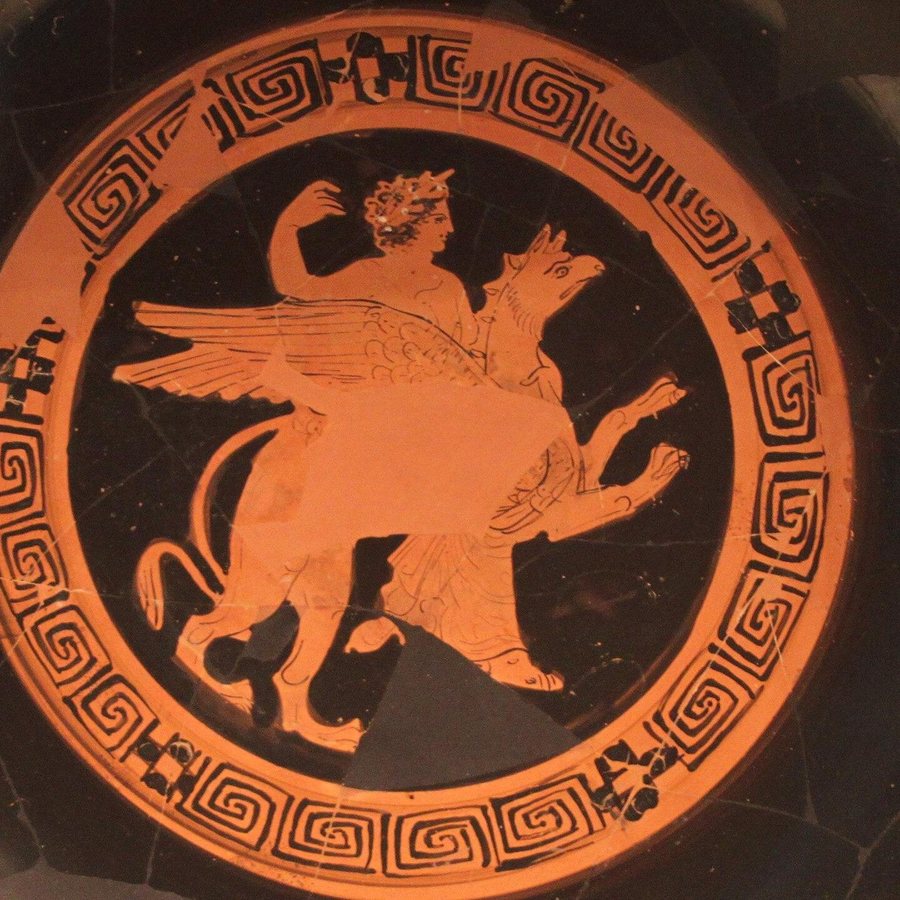
Realistic — Greek · Nubian · Libyan (Amazigh) · Levantine · Pale
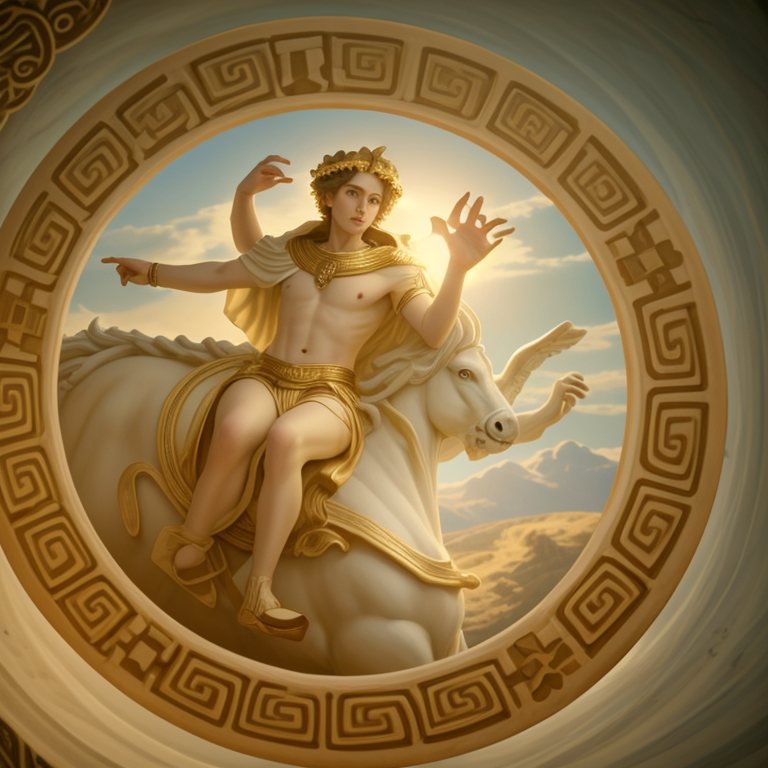
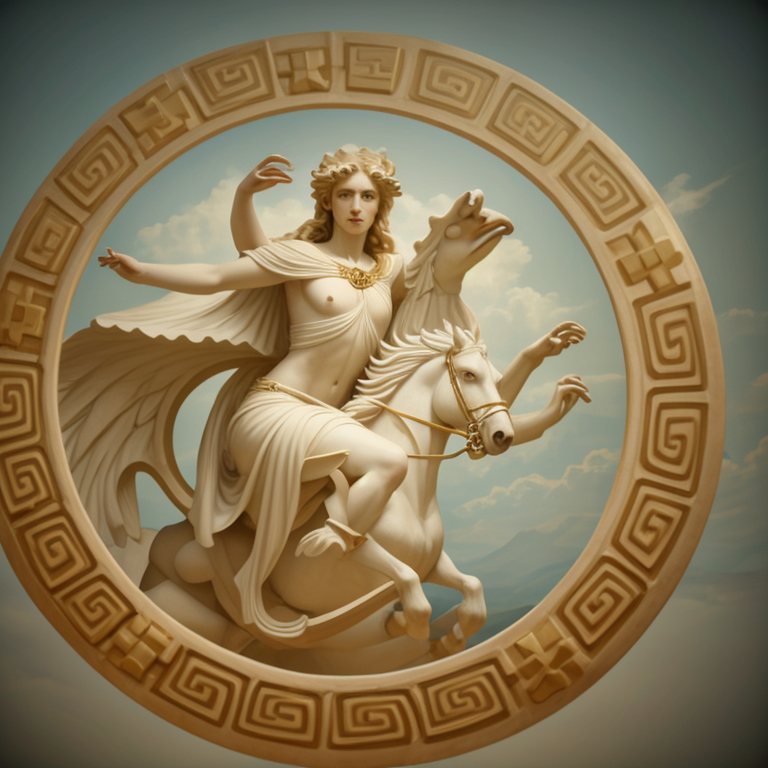
Apollo with the kithara between Artemis and Leto — Attic bilingual amphora (Madrid)
Source: Photo: Dorieo, own work; Attic bilingual amphora, side A, Museo Arqueológico Nacional, Madrid; CC BY-SA 4.0
Original: 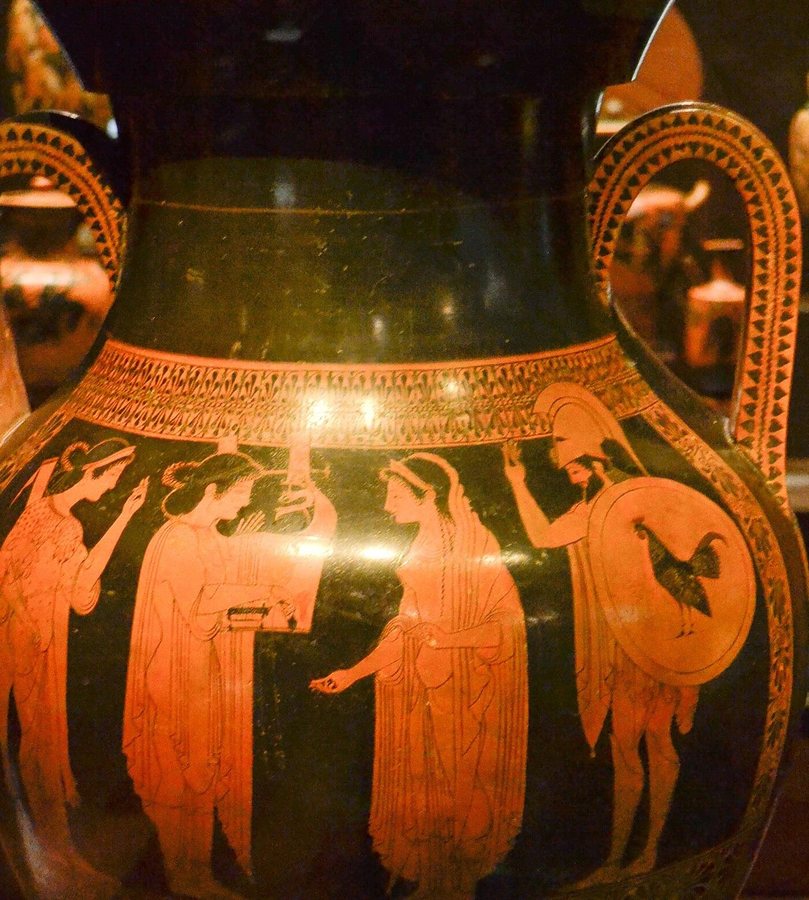
Realistic — Greek · Nubian · Libyan (Amazigh) · Levantine · Pale
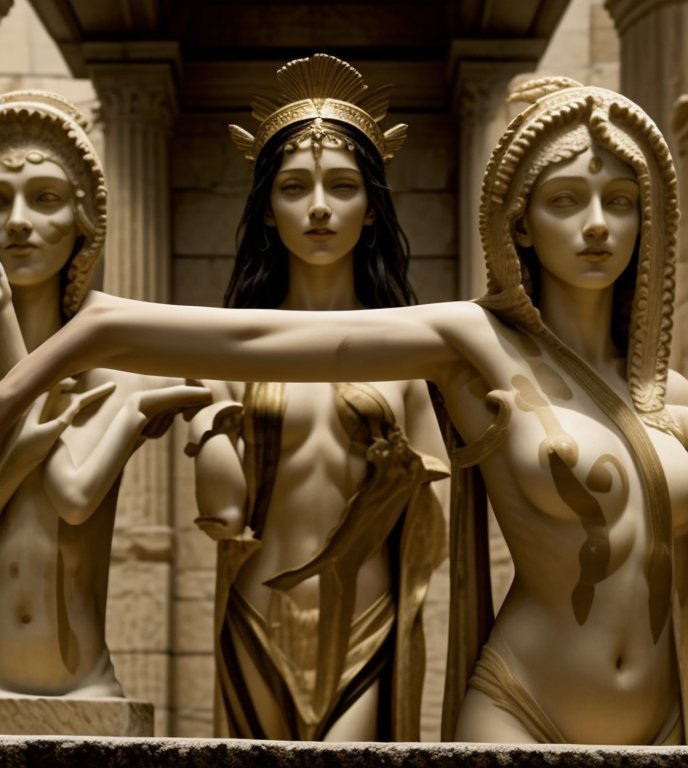
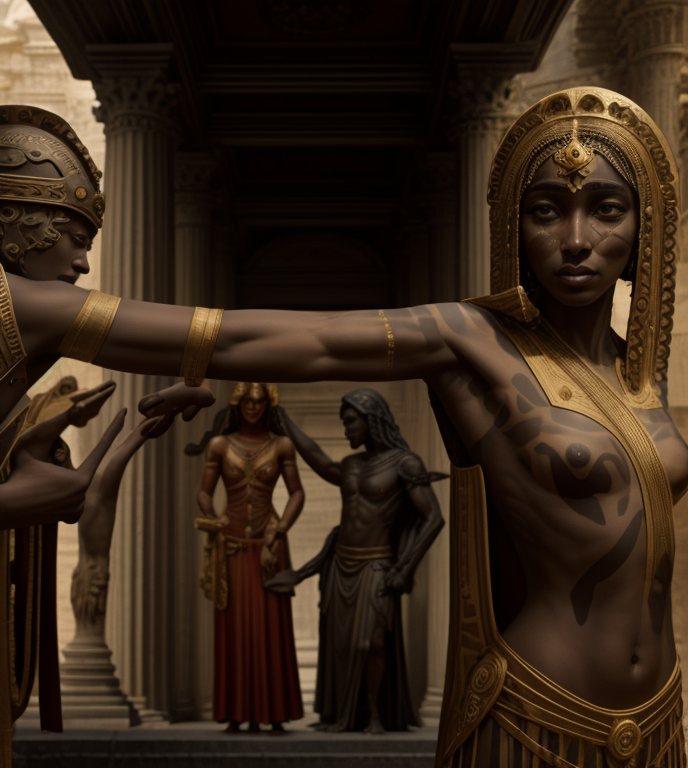
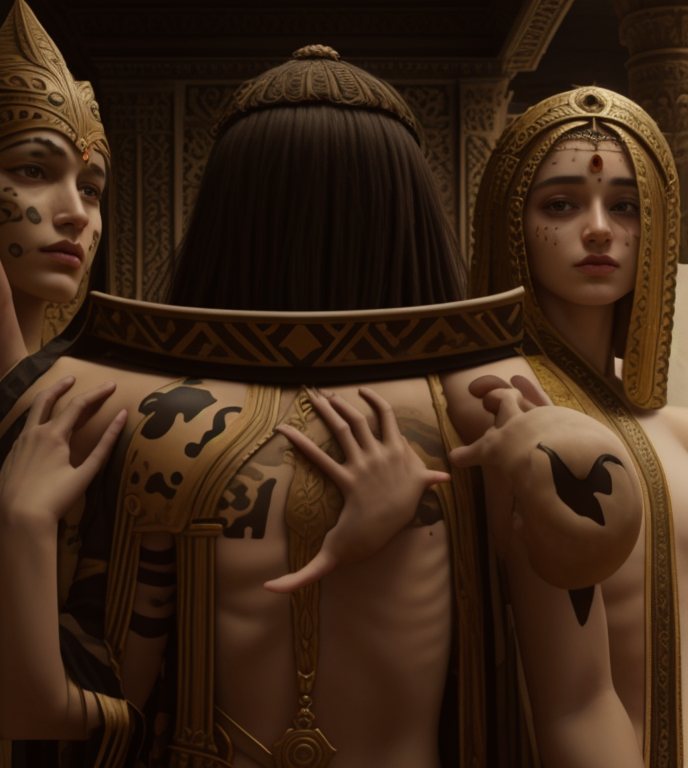
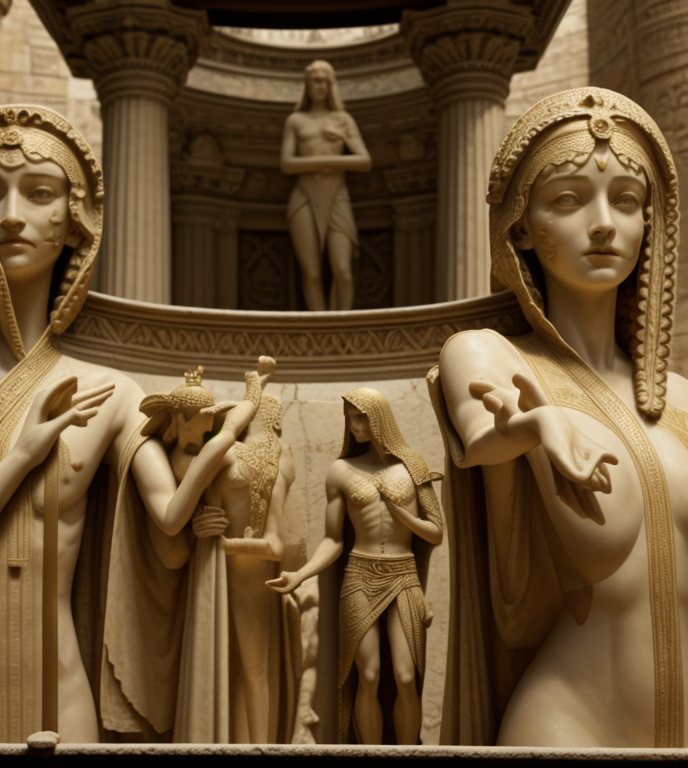
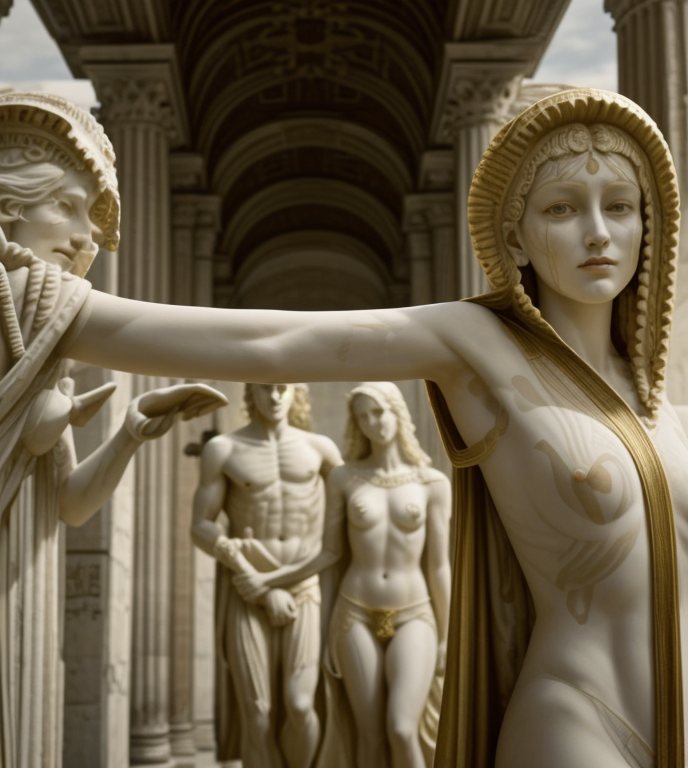
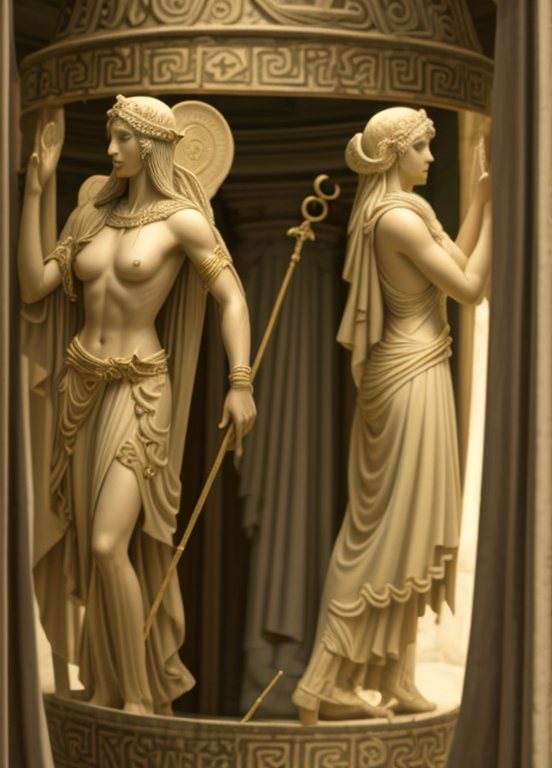
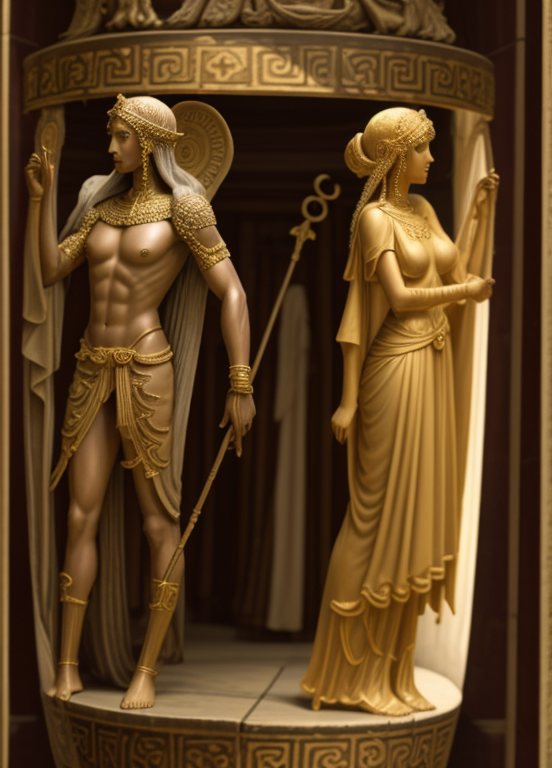
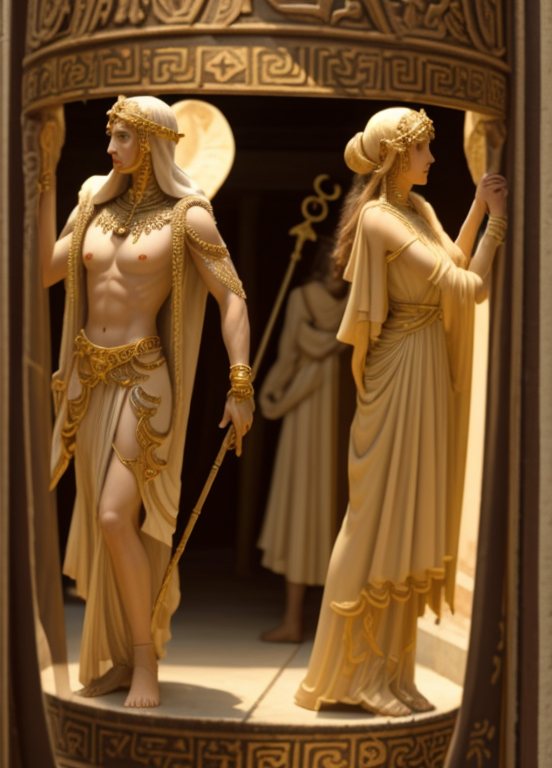
Apollon and Hermes between Artemis and Leto — lekythos signed by Mys
Source: Mys (signed), Attic red-figure lekythos, Athens NAM 1626; photo ArchaiOptix; CC BY-SA 4.0
Original: 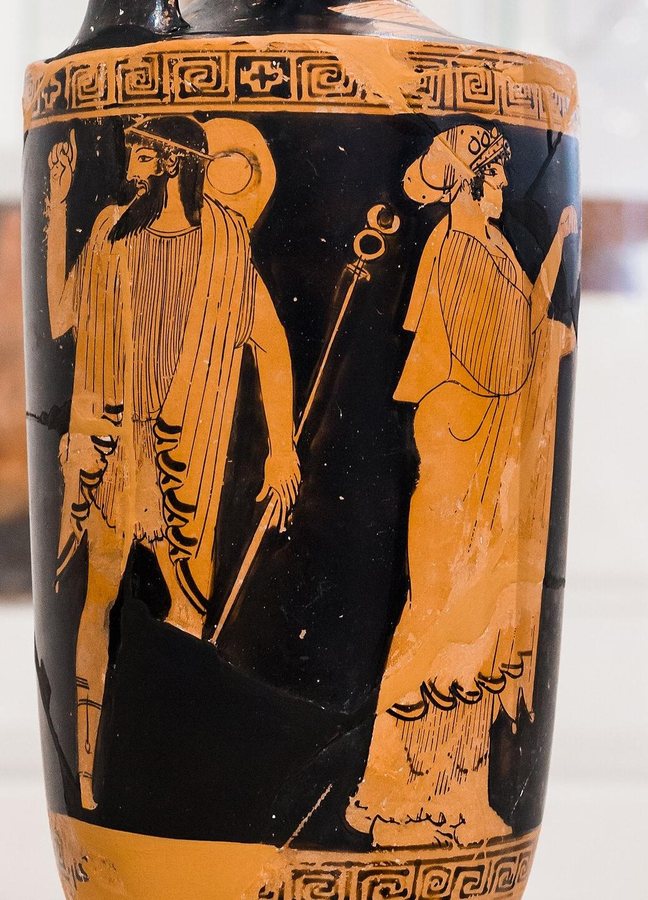
Realistic — Greek · Nubian · Libyan (Amazigh) · Levantine · Pale
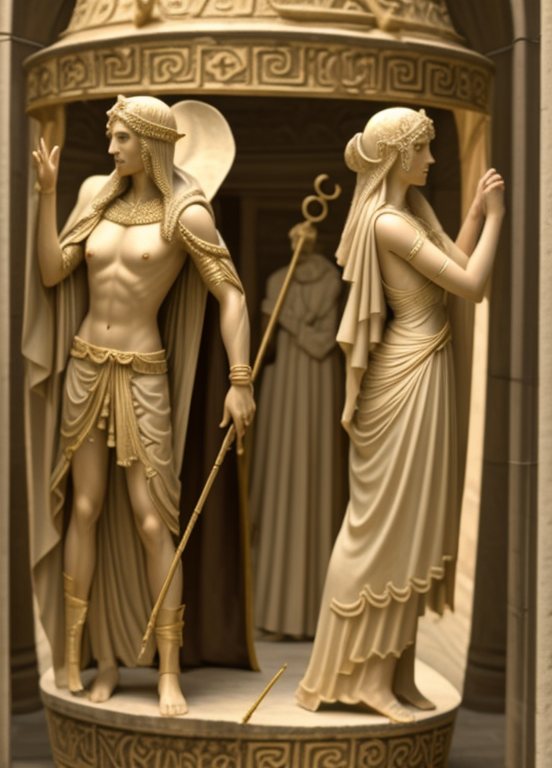
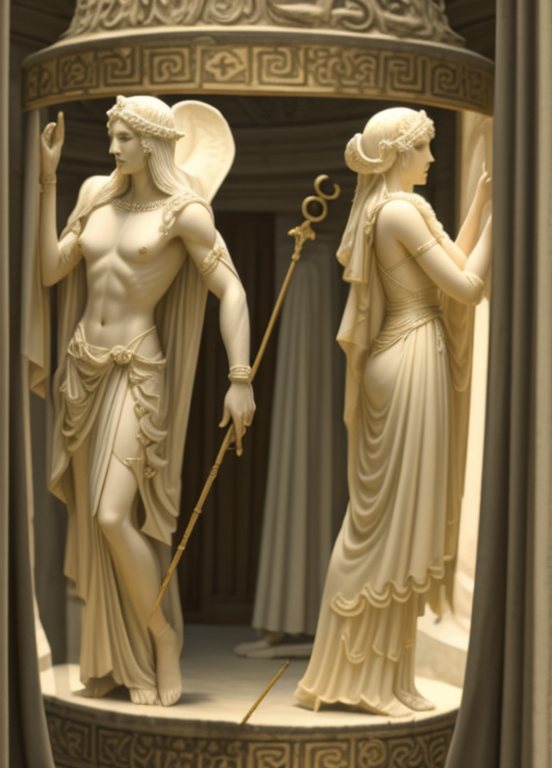
Boreas abducting Oreithyia — Attic red-figure amphora, 470–460 BC (Munich 2345)
Source: Oreithyia Painter (name vase); Attic red-figure pointed amphora, 470–460 BC, Staatliche Antikensammlungen 2345; photo User:Bibi Saint-Pol; Public domain
Original: 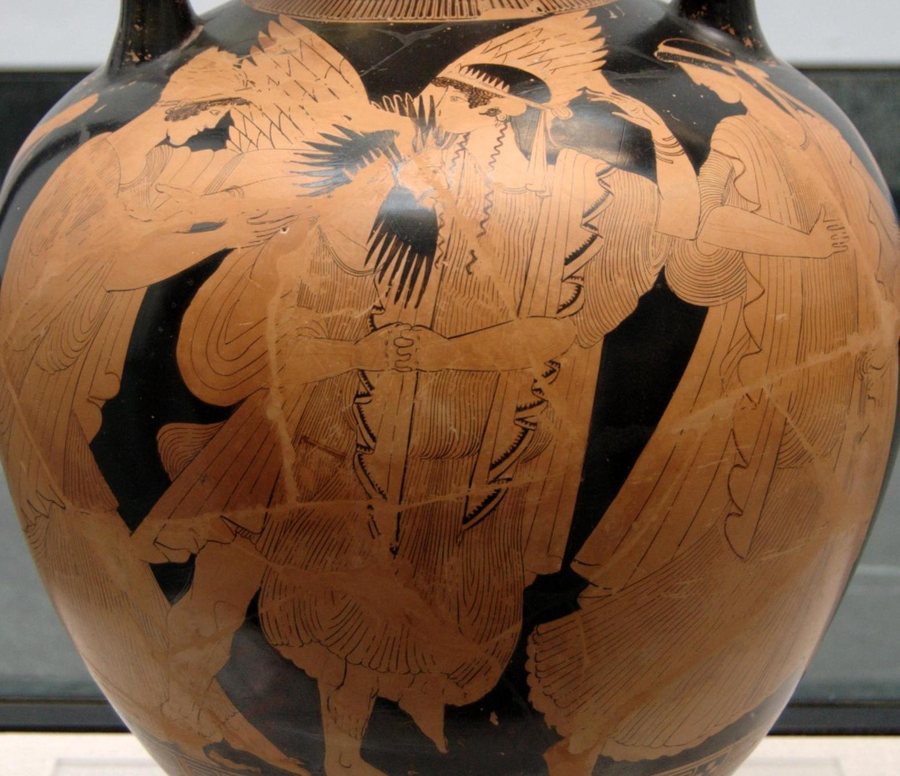
Realistic — Greek · Nubian · Libyan (Amazigh) · Levantine · Pale
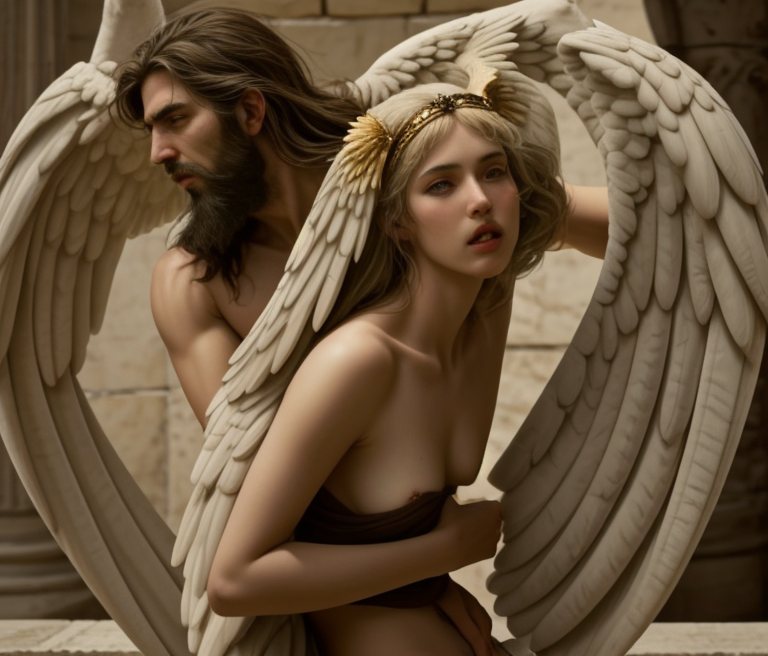
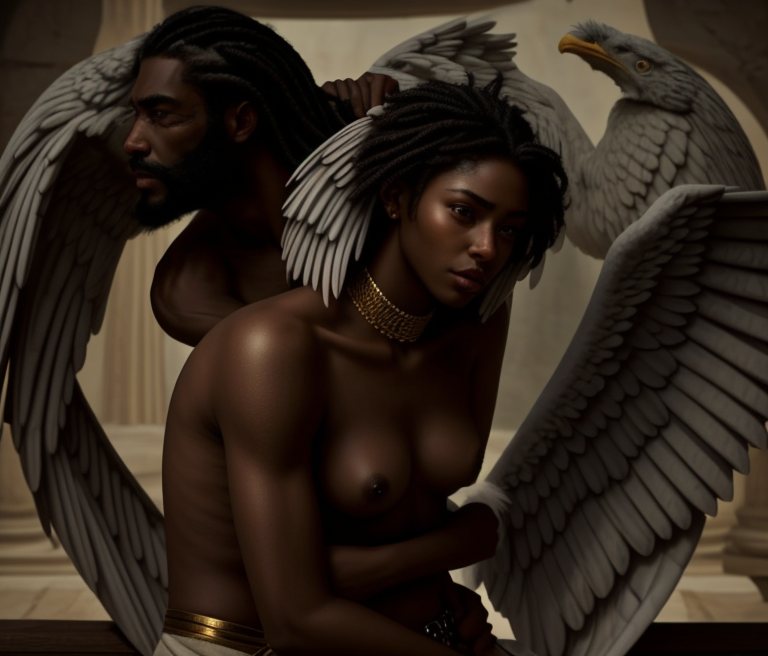

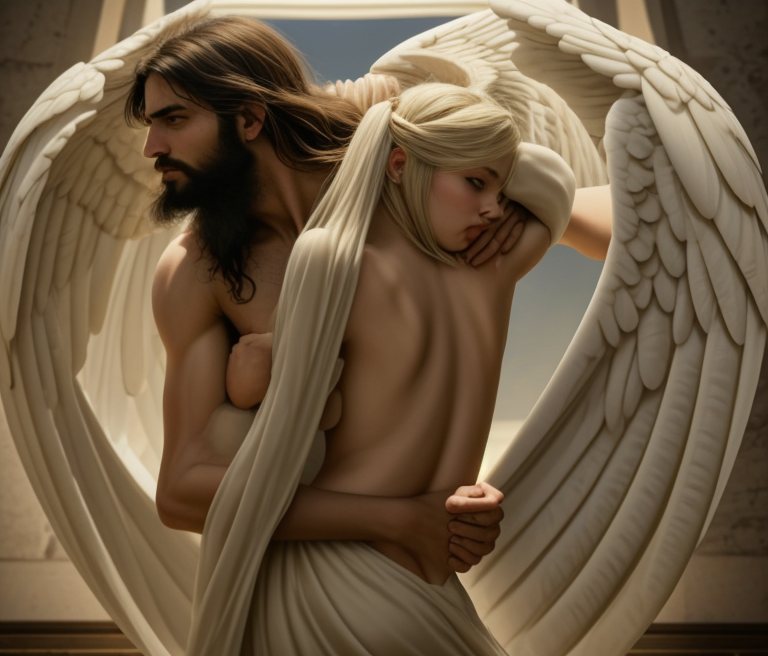
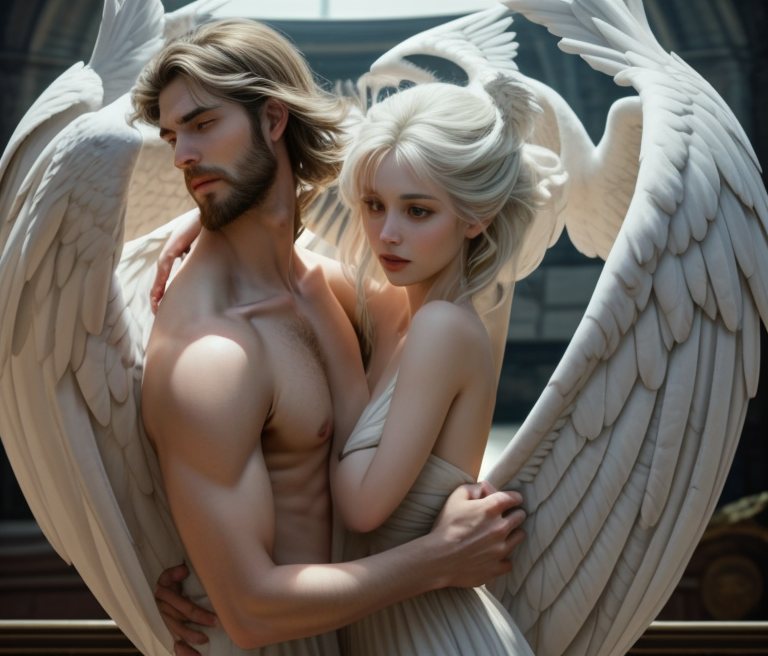
Coast View of Delos with Aeneas (Claude Lorrain, 1671–1672)
Source: Claude Lorrain, 1671–1672; The Yorck Project (2002), 10.000 Meisterwerke der Malerei; Public domain
Original: 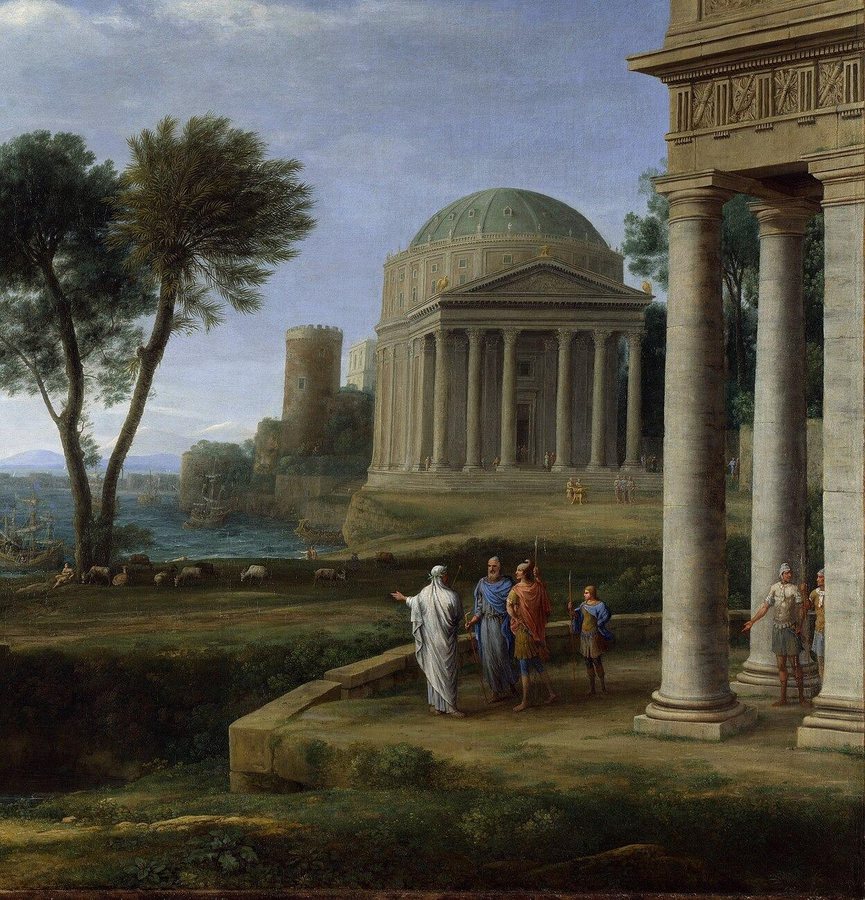
Realistic — Greek · Nubian · Libyan (Amazigh) · Levantine · Pale
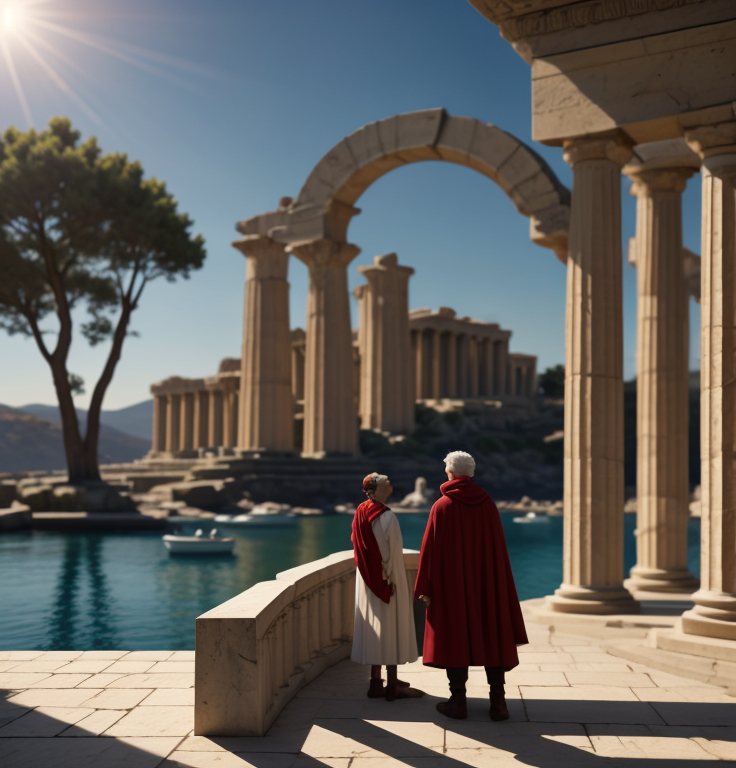
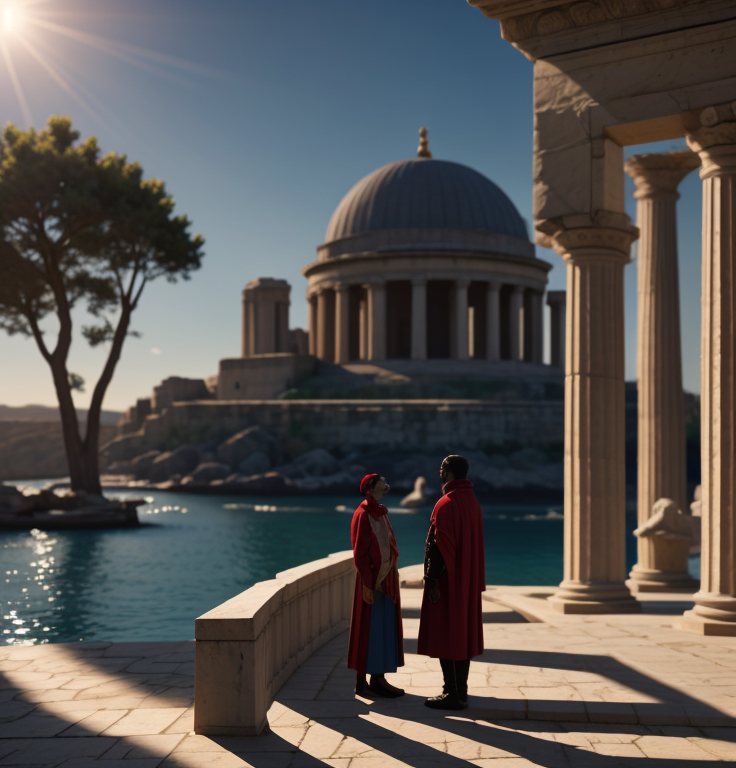
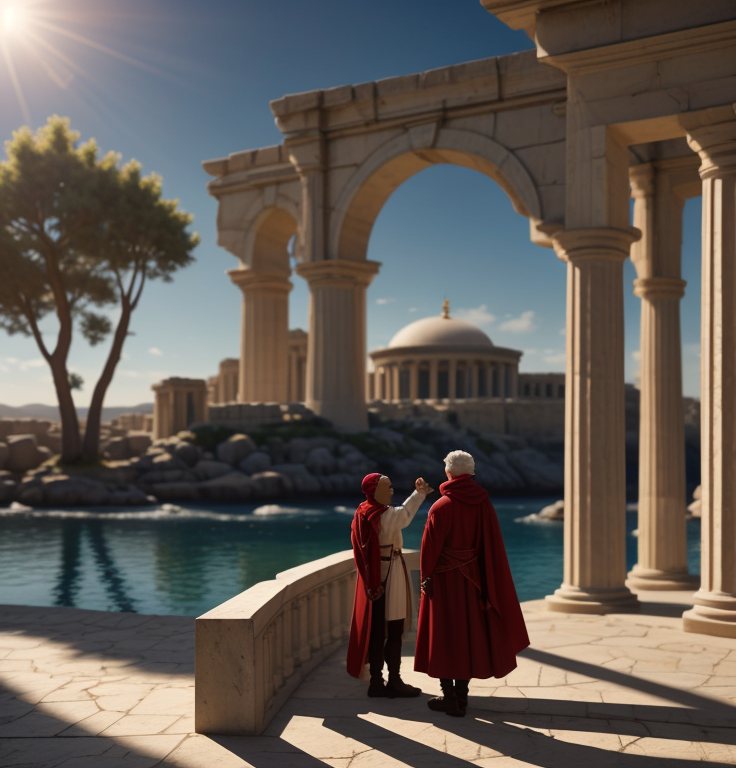
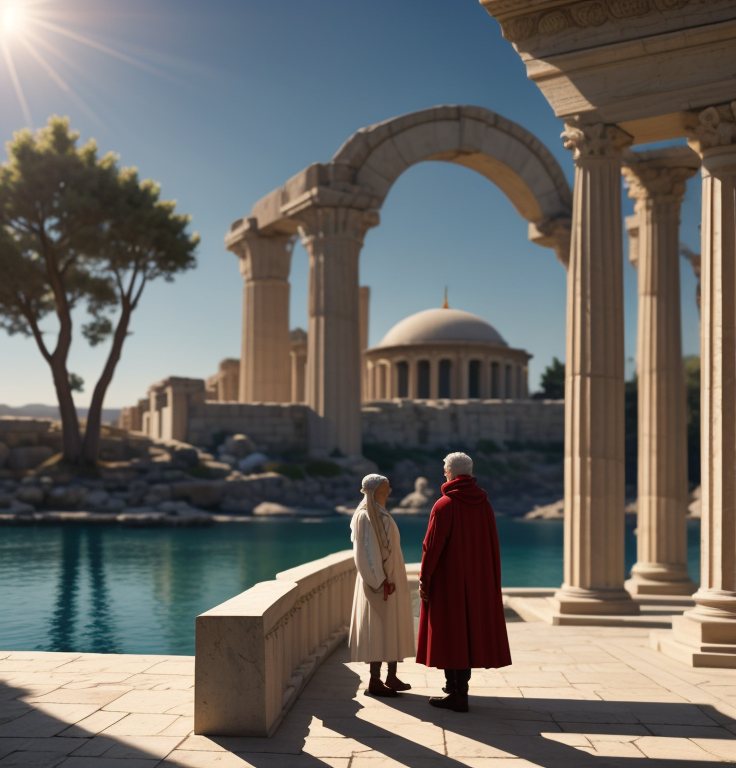
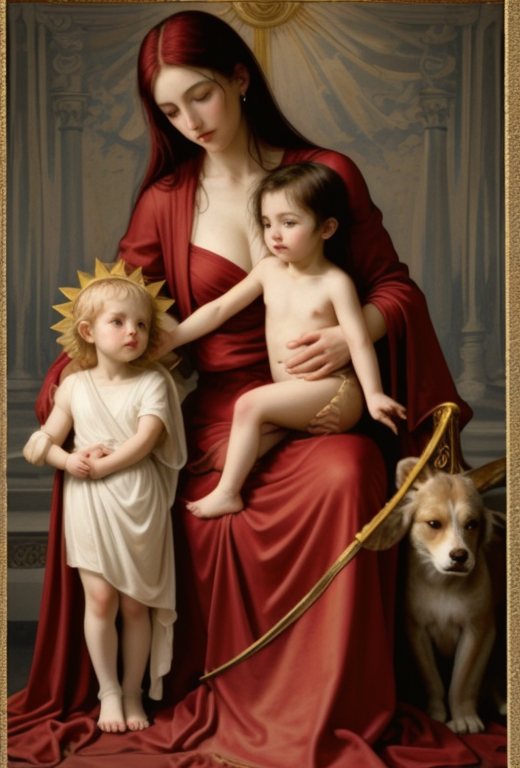
Latona Giving Birth to Apollo and Diana on the Island of Delos
Source: Diana Scultori after Giulio Romano, engraving; National Gallery of Art, NGA 7358; CC0
Original: 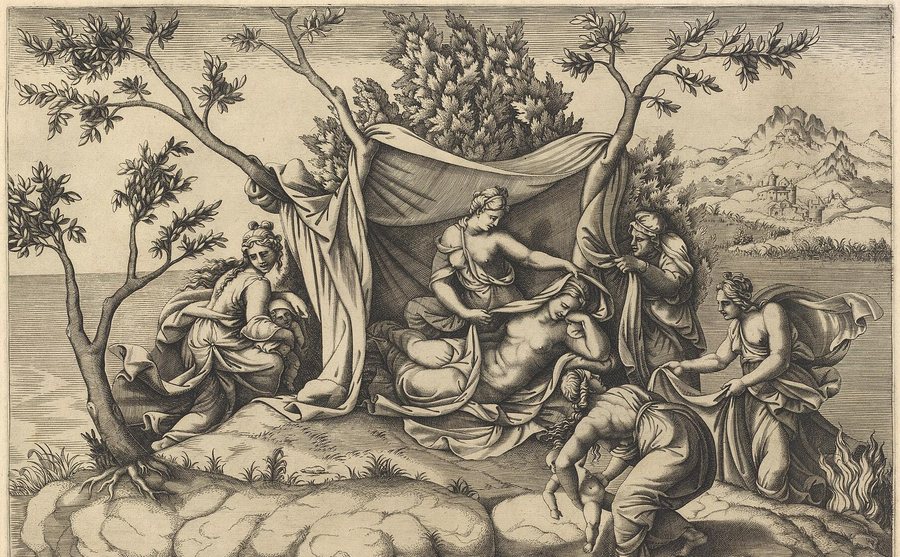
Realistic — Greek · Nubian · Libyan (Amazigh) · Levantine · Pale
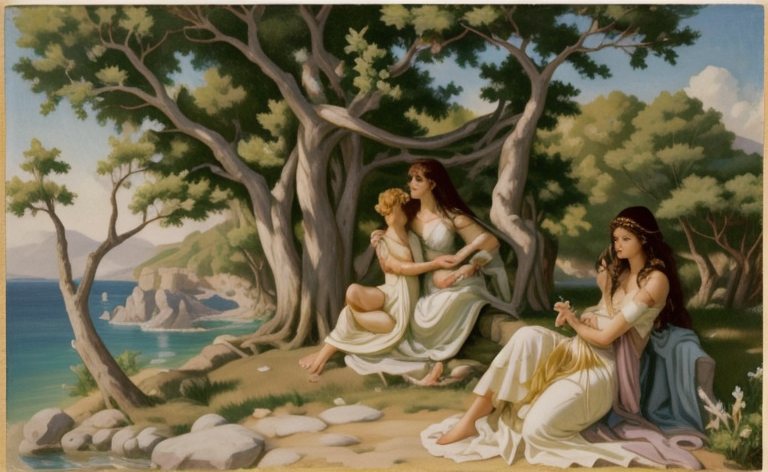
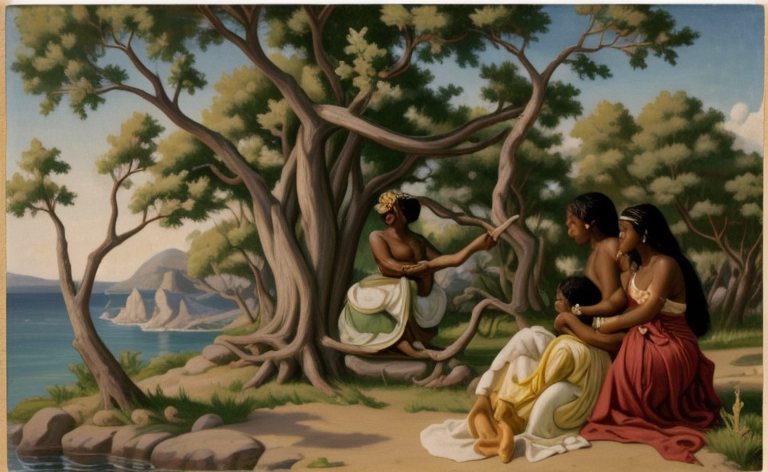
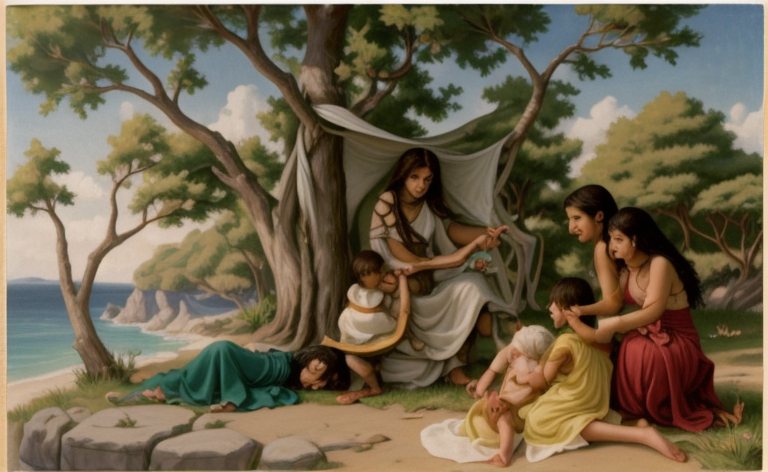
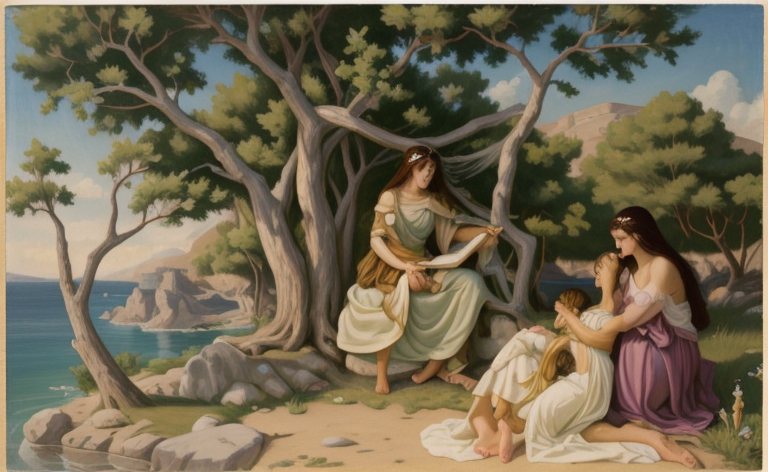
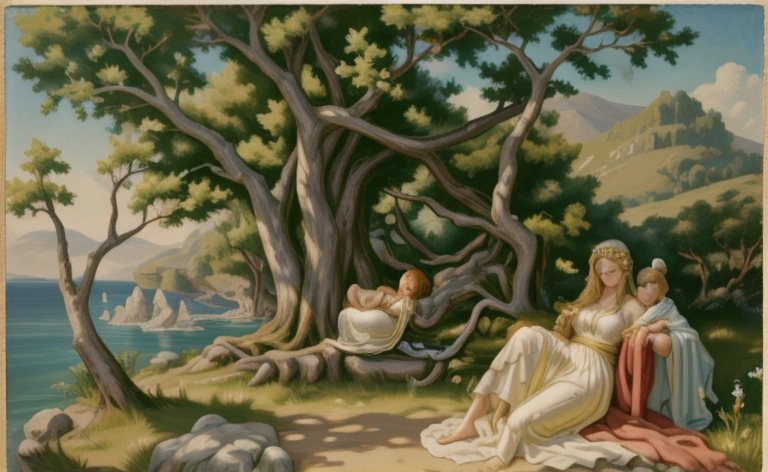
Latona and Her Children, Apollo and Diana (William Henry Rinehart, marble)
Source: William Henry Rinehart, 1870, carved 1874; Metropolitan Museum of Art, 05.12; CC0
Original: 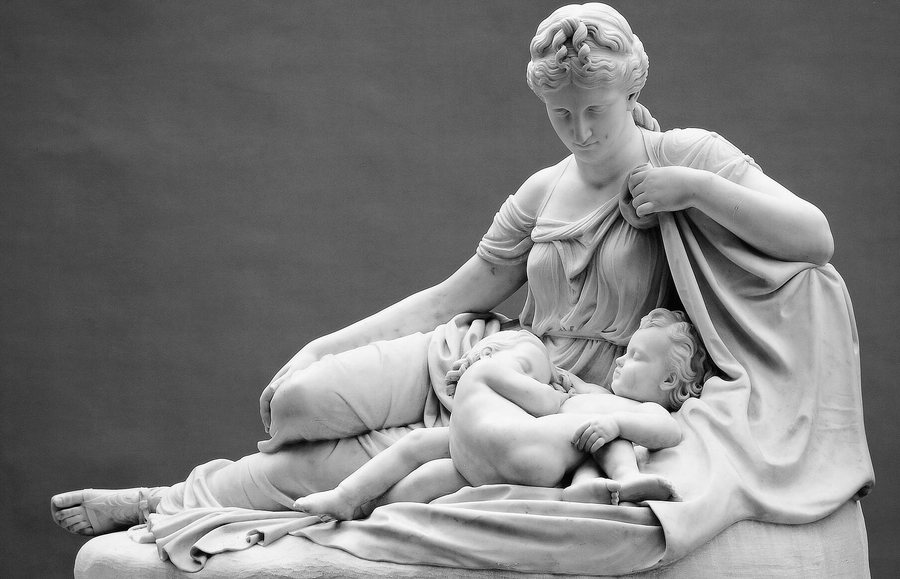
Realistic — Greek · Nubian · Libyan (Amazigh) · Levantine · Pale
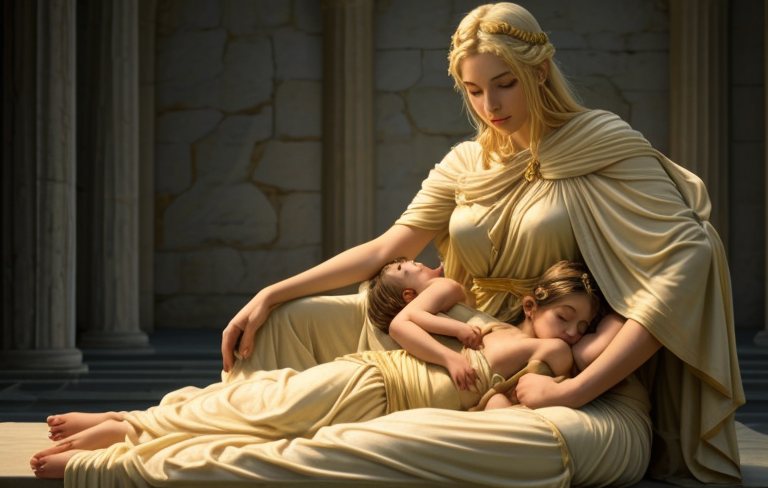
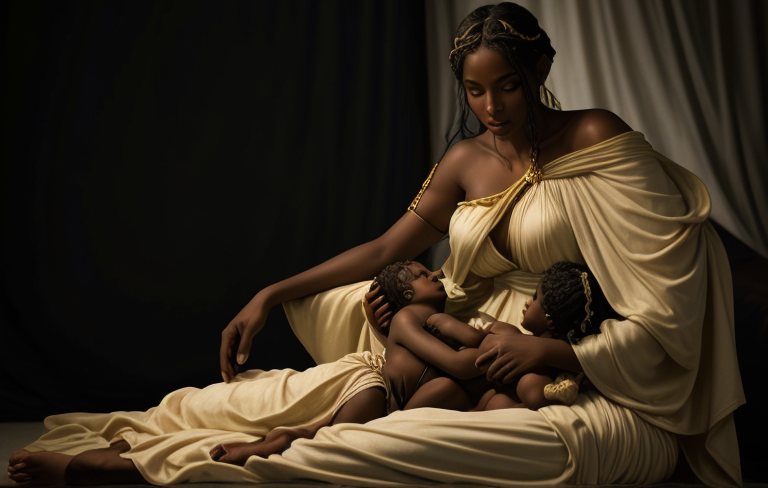
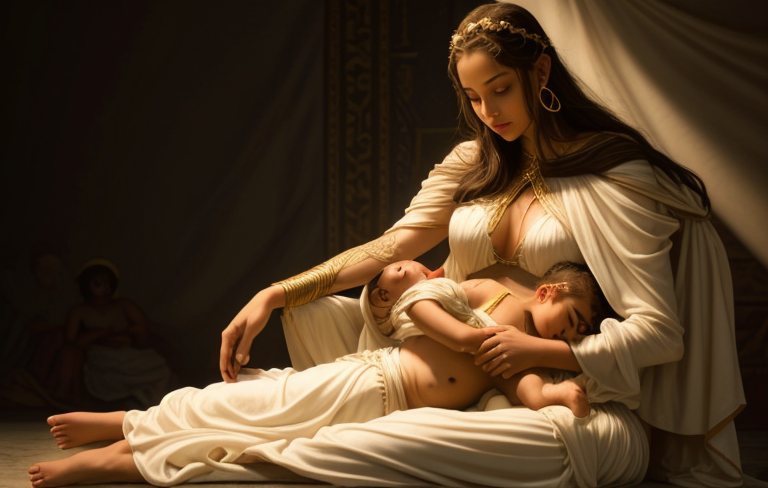
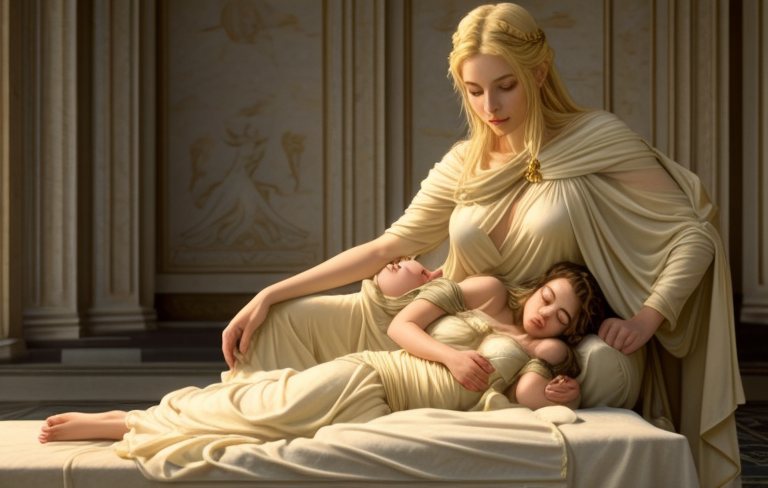
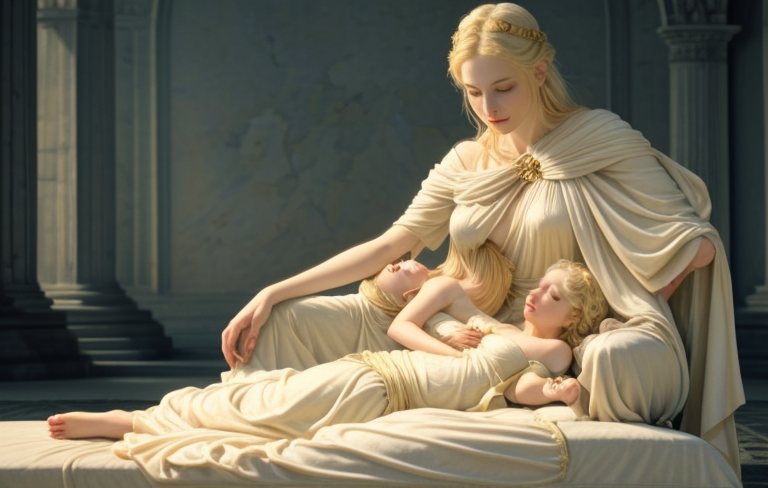
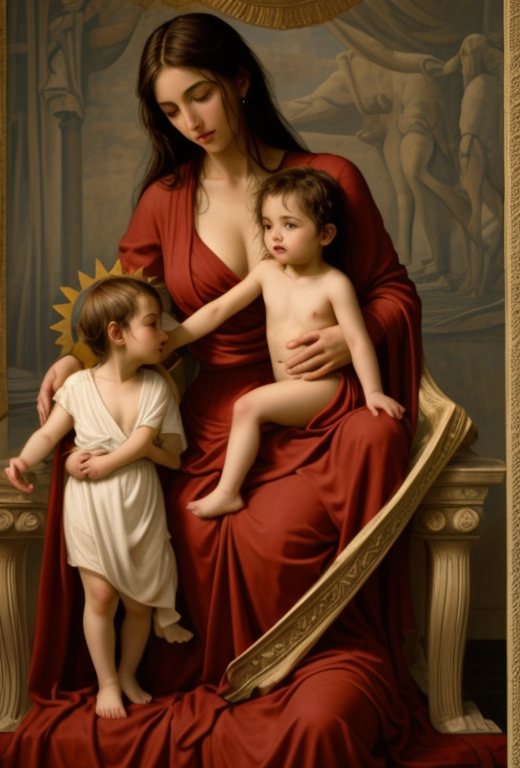
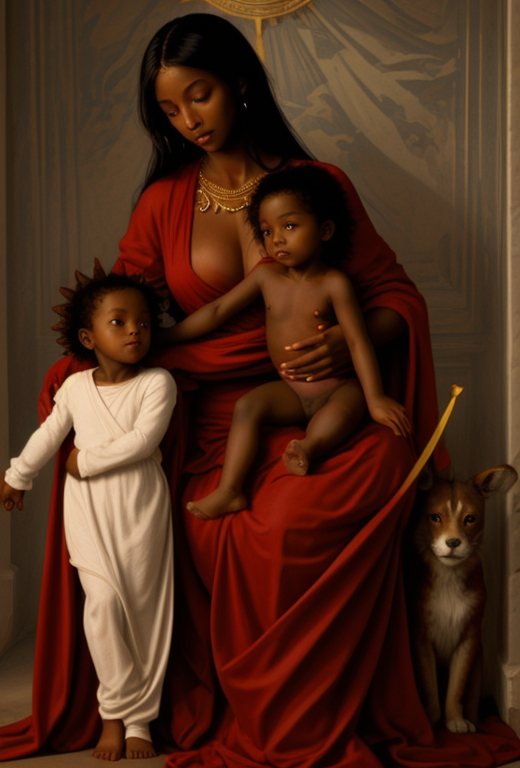
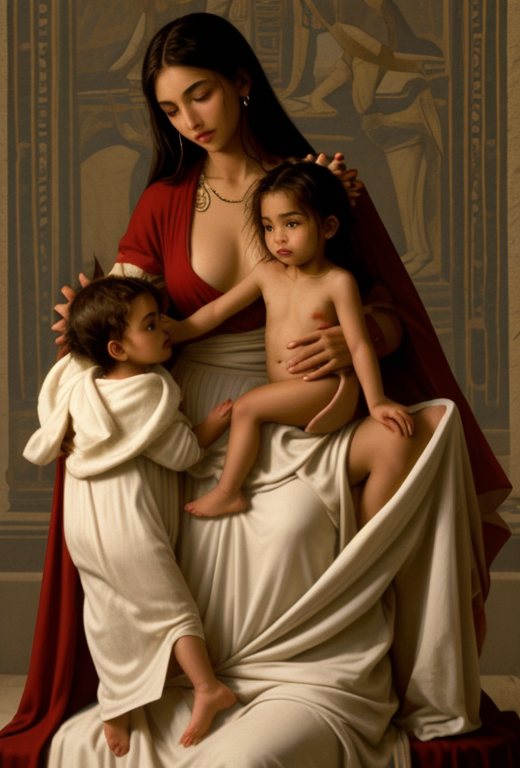
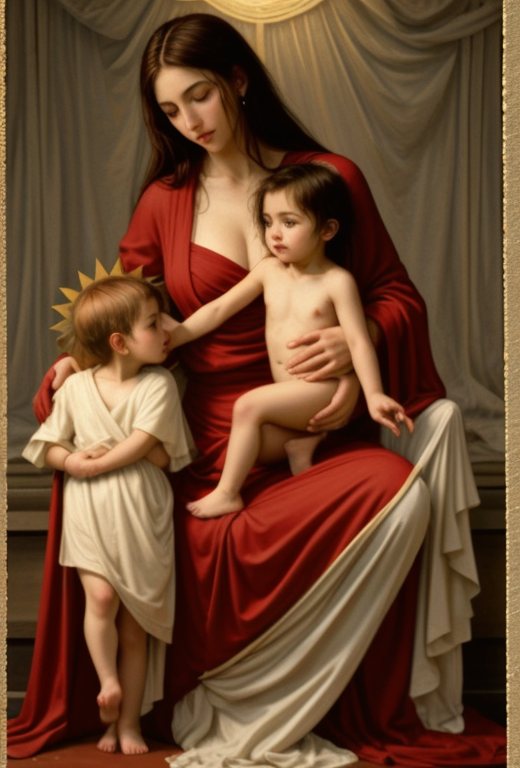
Latona with Diana and Apollo on Delos (print after Domenichino)
Source: Anonymous printmaker after a painting by Domenichino, published by François Langlois; Rijksmuseum RP-P-OB-74.726; CC0
Original: 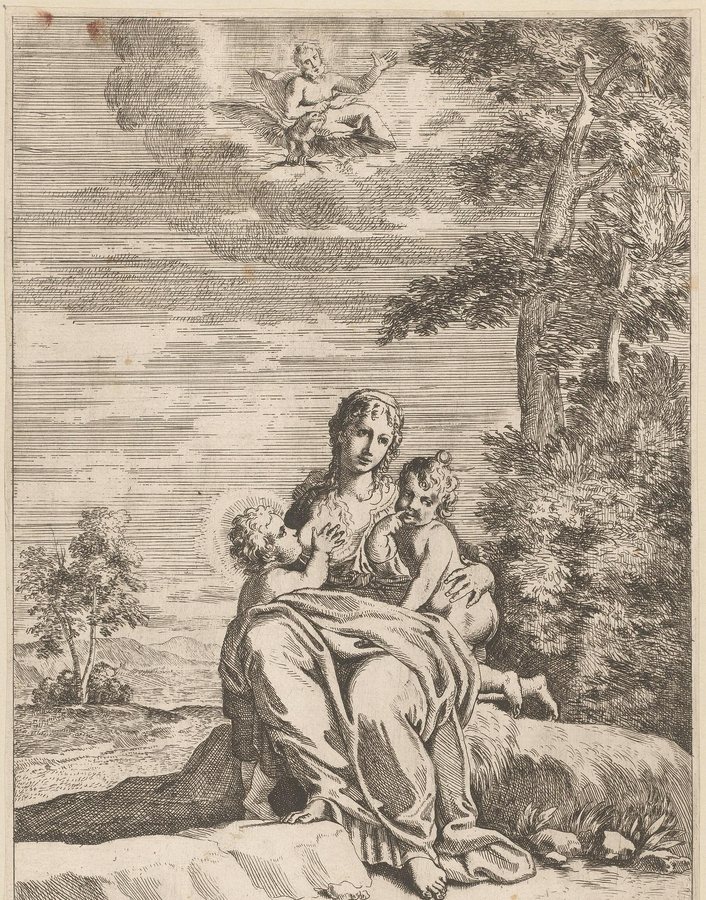
Realistic — Greek · Nubian · Libyan (Amazigh) · Levantine · Pale
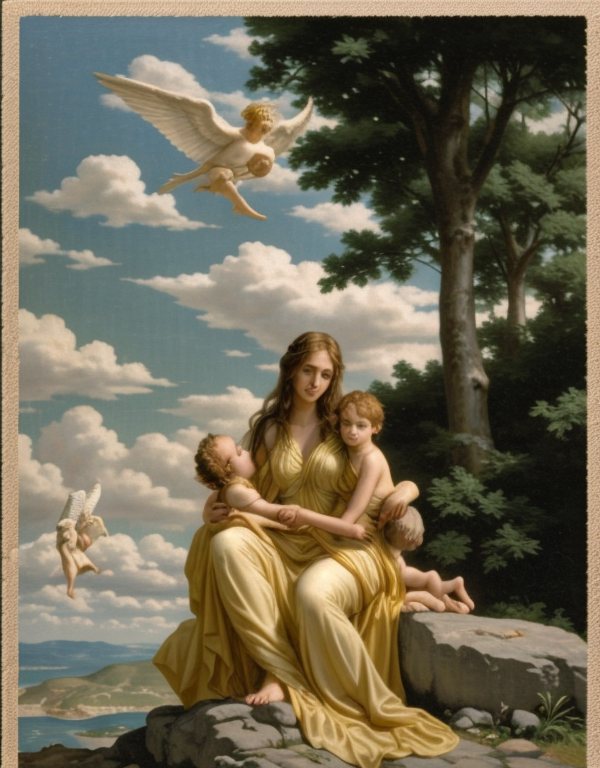
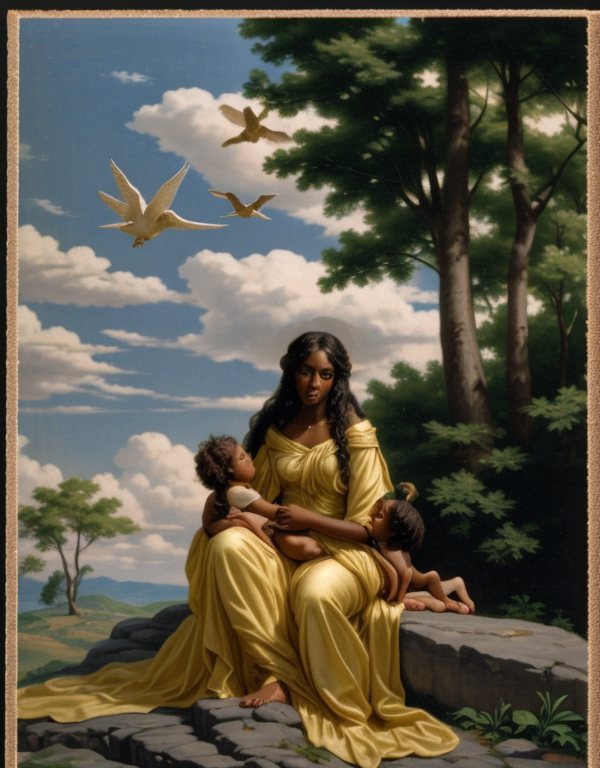
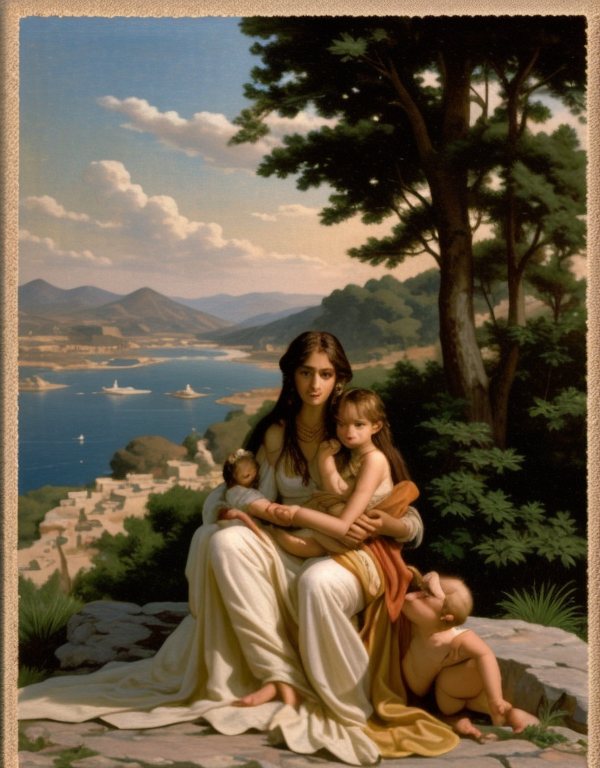
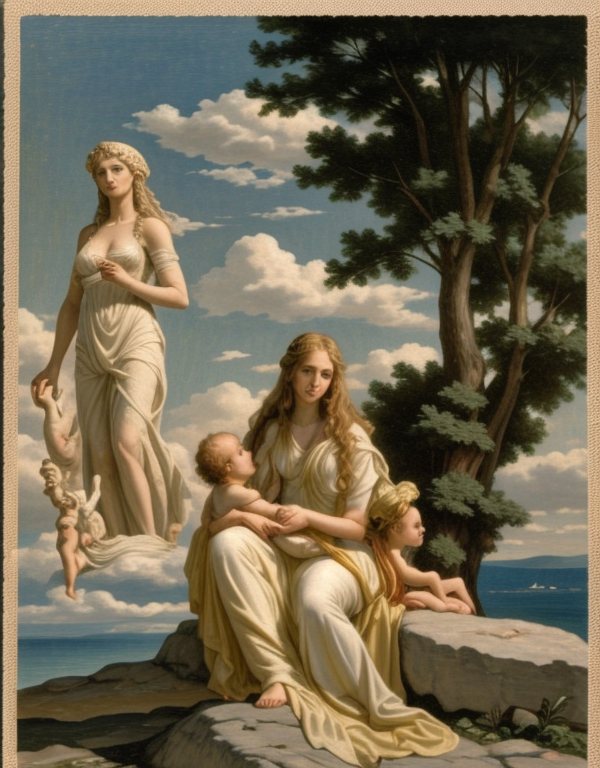
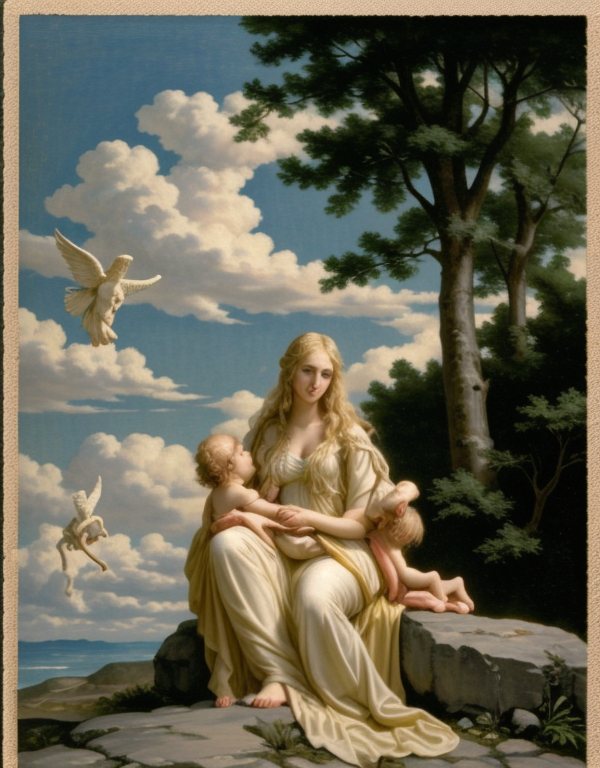
Latona with her children Apollo and Diana (Anton Raphael Mengs, 1769)
Source: Anton Raphael Mengs, 1769, Historisches Museum Bamberg; photo anagoria; Public domain
Original: 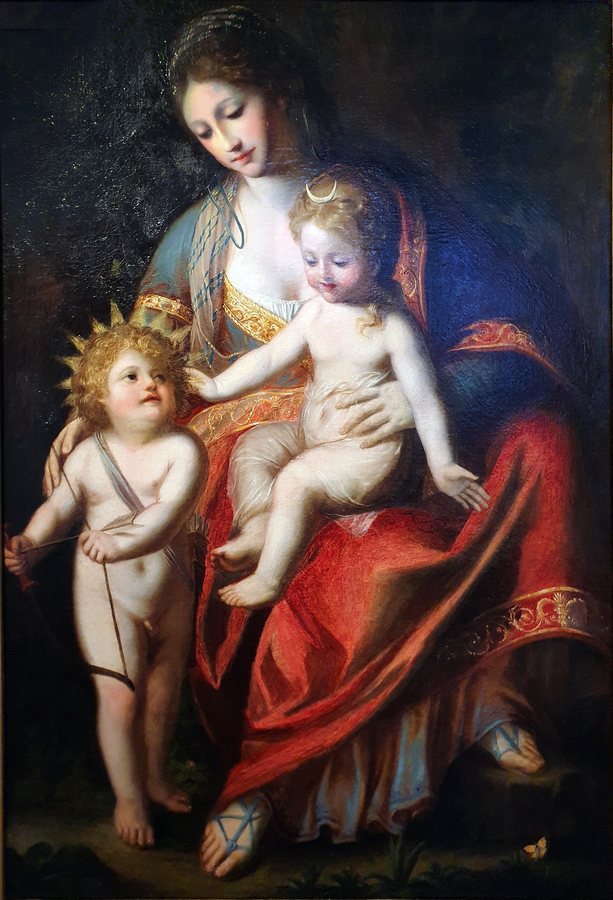
Realistic — Greek · Nubian · Libyan (Amazigh) · Levantine · Pale
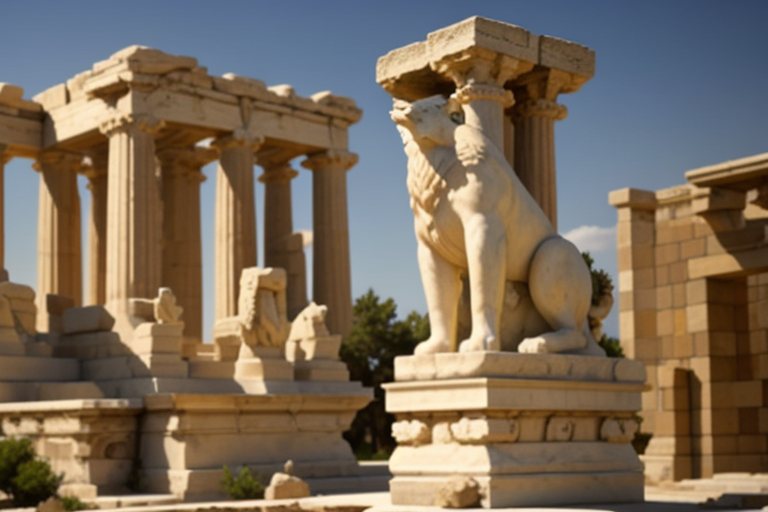
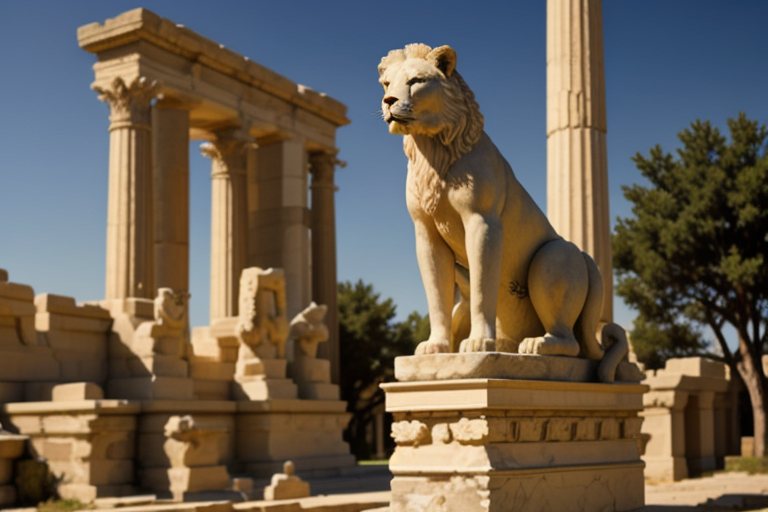
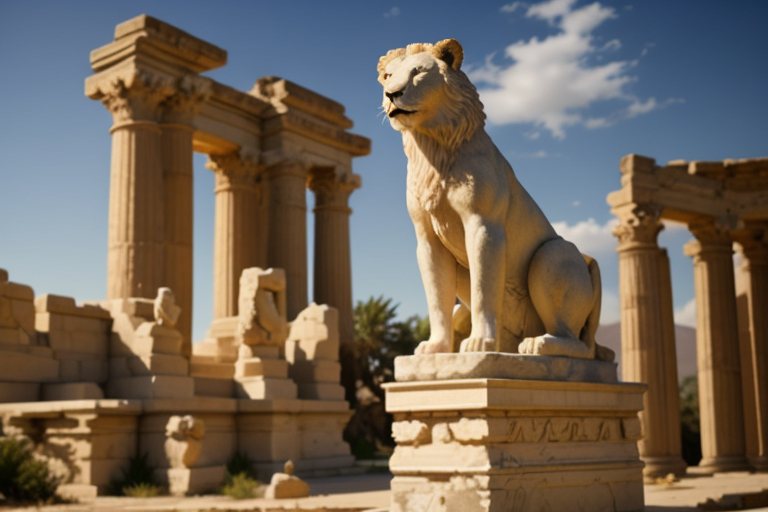
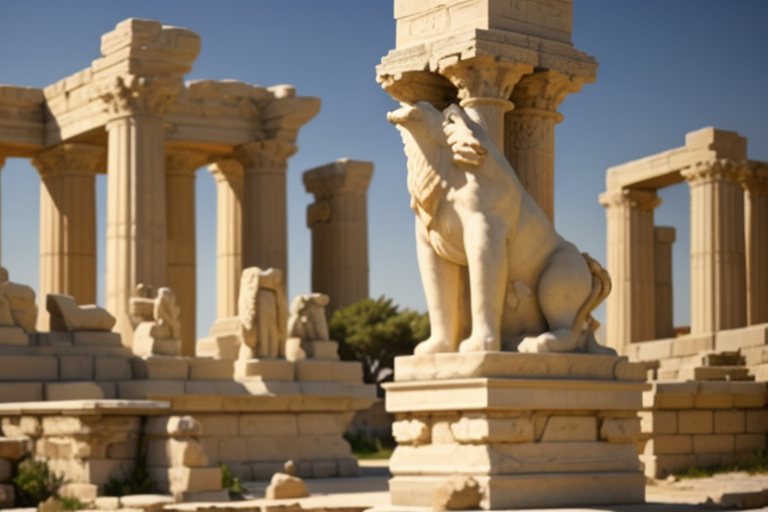
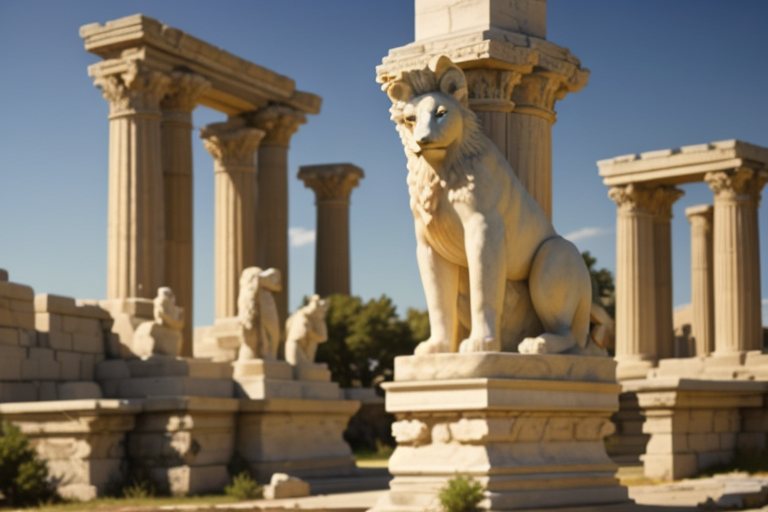
Terrace of the Lions, Delos
Source: Photo: Zde, own work (copy on site; originals in the Museum); CC BY-SA 3.0
Original: 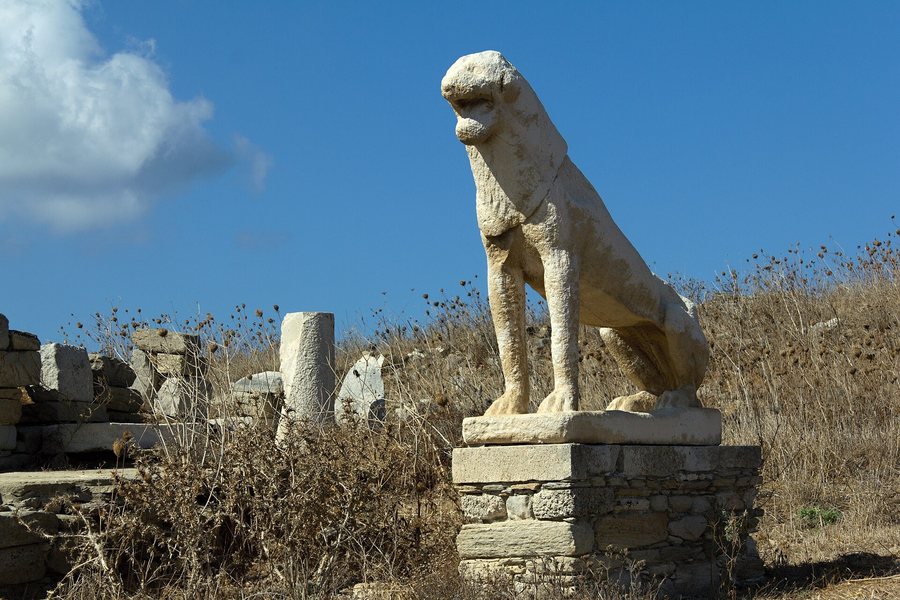
Realistic — Greek · Nubian · Libyan (Amazigh) · Levantine · Pale
All 13 scenes in this set, and every other remake, are in the gallery: https://hathor.soapbox.community/remakes. Made on our own servers in Hathor Studio; each scene links to its place in the gallery.