Śilpa Śāstra is the Sanskrit science of arts and crafts. Its treatises teach how an image is measured, how its attributes are fixed, how its maker prepares, and how its eyes are finally opened. The canon measures a figure by its own face and keeps a deity's attributes fixed so that anyone, in any land, can know who is shown. This account publishes our historical remakes in that spirit. Each scene, whether Egyptian, Nubian, Minoan, Punic or Greek, is remade side by side for several peoples. The attributes stay constant and the people change. Today's set follows.
Proportion is theology. In the Āgamic canon, Brahmā, Viṣṇu and Śiva are made in the tallest class (uttama-daśatāla, 124 aṅgulas). The great goddesses take 120 and the guardian gods 116. Humans are aṣṭatāla, Gaṇeśa pañcatāla, children and dwarfs catustāla. How tall a figure stands, counted in its own face-lengths, tells you what order of being it is. (source)
The full gallery, every scene in every look: https://hathor.soapbox.community/remakes · Shilpa Shastra gallery: https://hathor.soapbox.community/gallery
Denarius of Juba II of Mauretania
Source: Bibliothèque nationale de France (Gallica), public domain
Original: 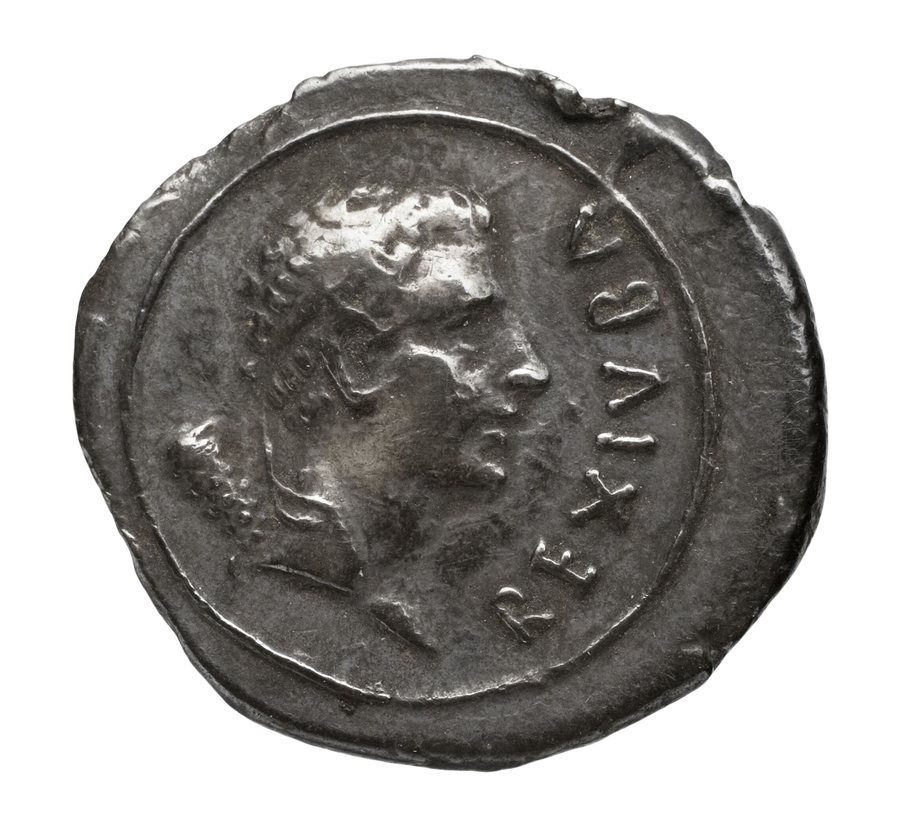
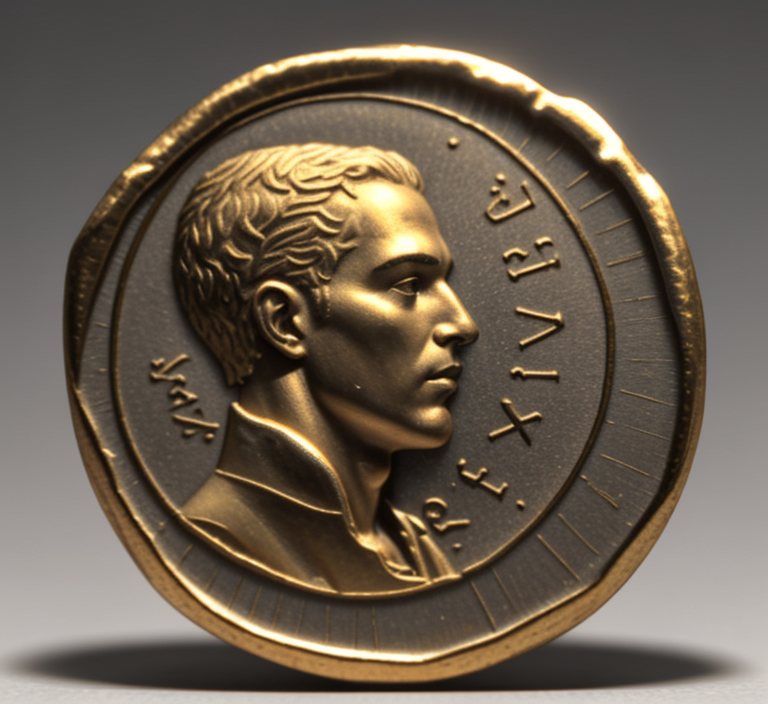
Realistic — As depicted
Figures in dotted yellow garments (Tassili rock painting)
Source: IssamBarhoumi, CC BY-SA 4.0
Original: 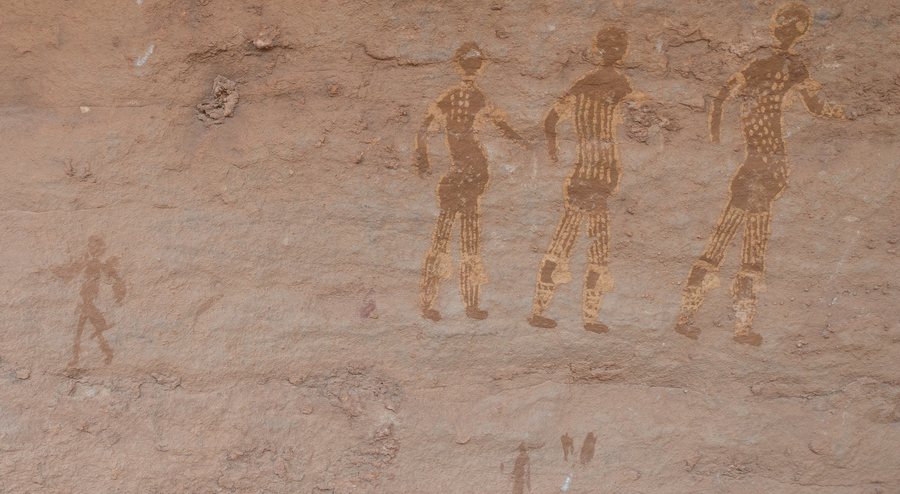
Realistic — As depicted

Gathering of people (Tassili rock painting)
Source: Photo: Patrick Gruban, CC BY-SA 2.0
Original: 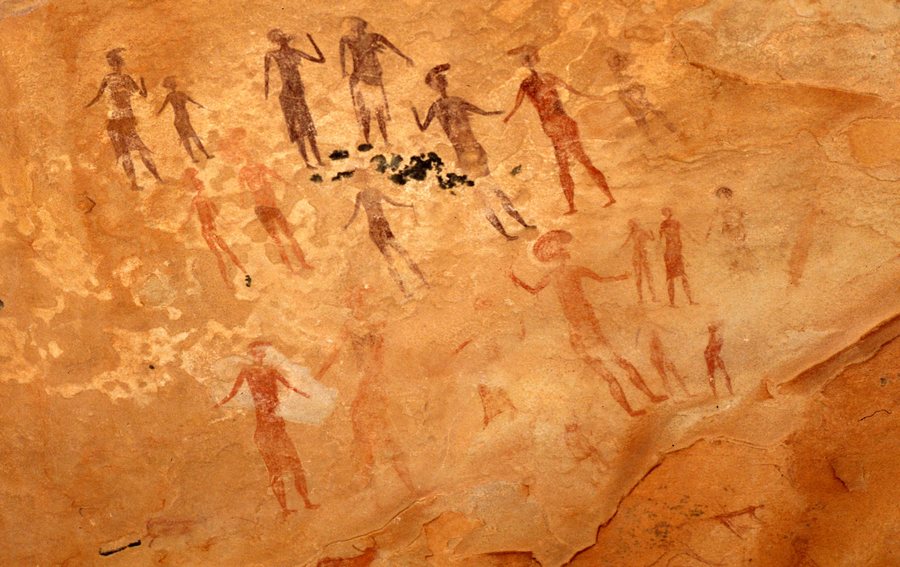
Realistic — As depicted

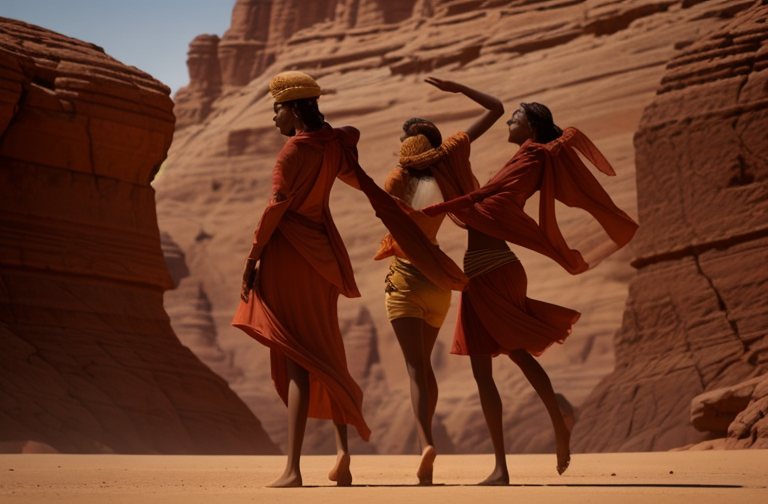
Group of figures in skirts (Tassili rock painting)
Source: Photo: Patrick Gruban, CC BY-SA 2.0
Original: 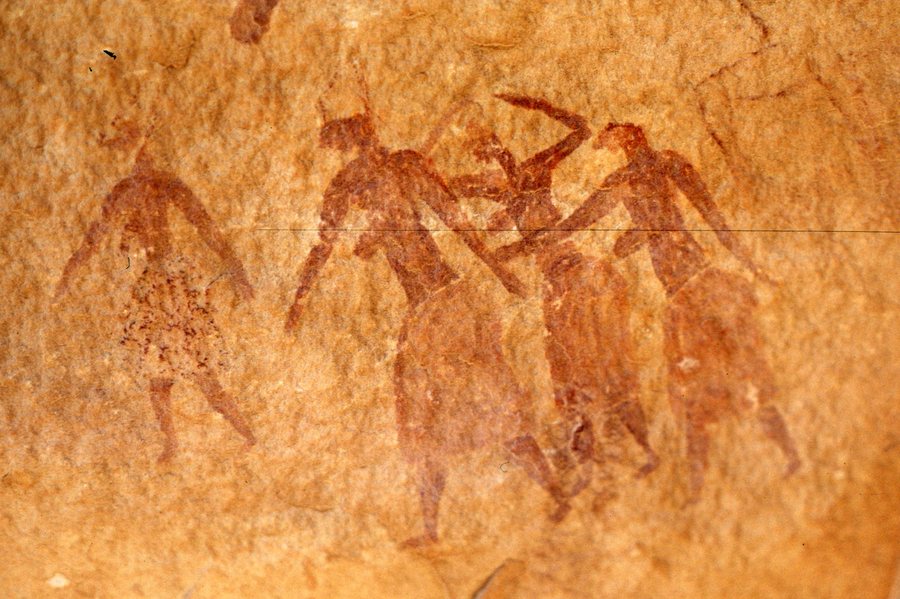
Realistic — As depicted
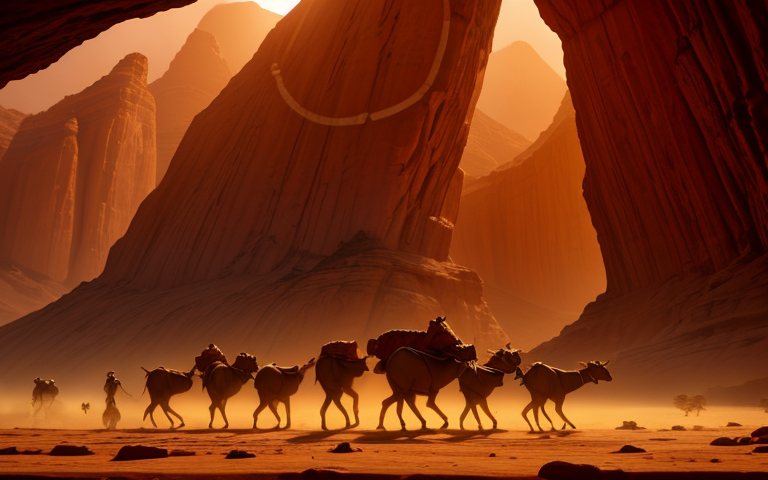
Jabbaren herders on the move (Tassili rock painting)
Source: Photo: Gruban, CC BY-SA 2.0
Original: 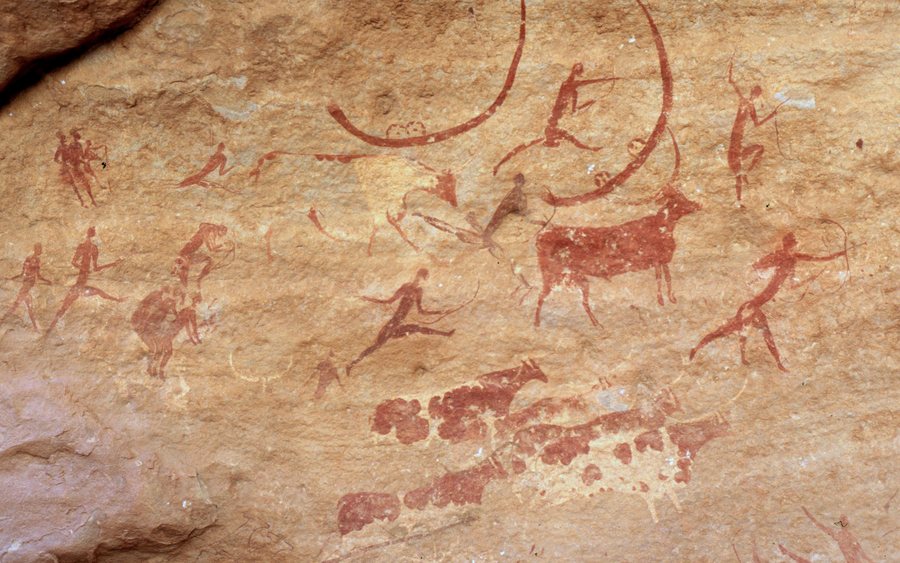
Realistic — As depicted
Kabyle family (Jean Geiser, 1880)
Source: Jean Geiser, public domain
Original: 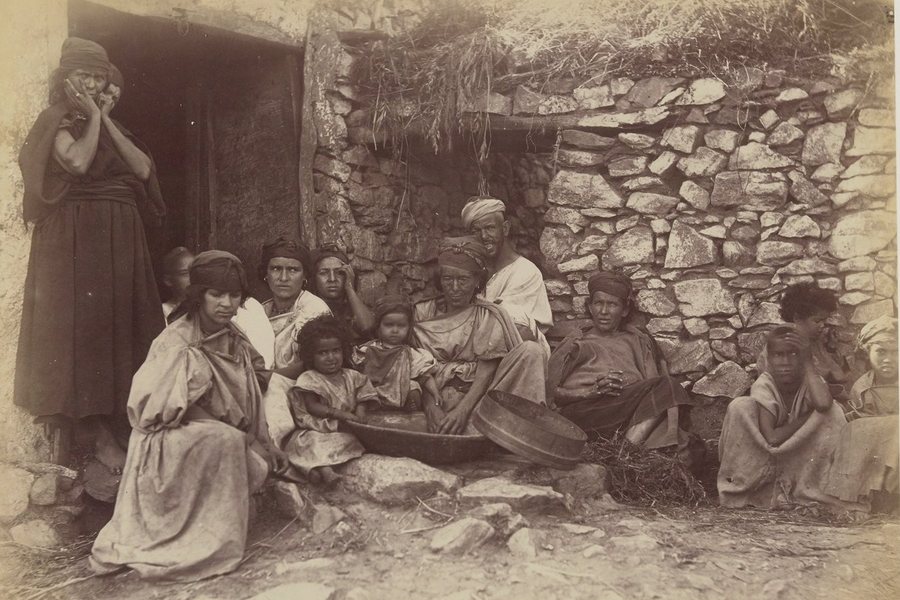
Realistic — As depicted
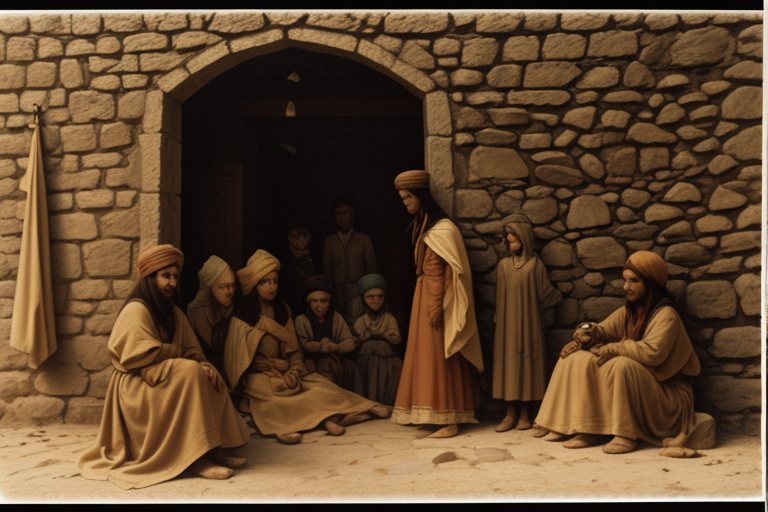
Kabyle loom (Neurdein, c. 1860)
Source: Neurdein, public domain
Original: 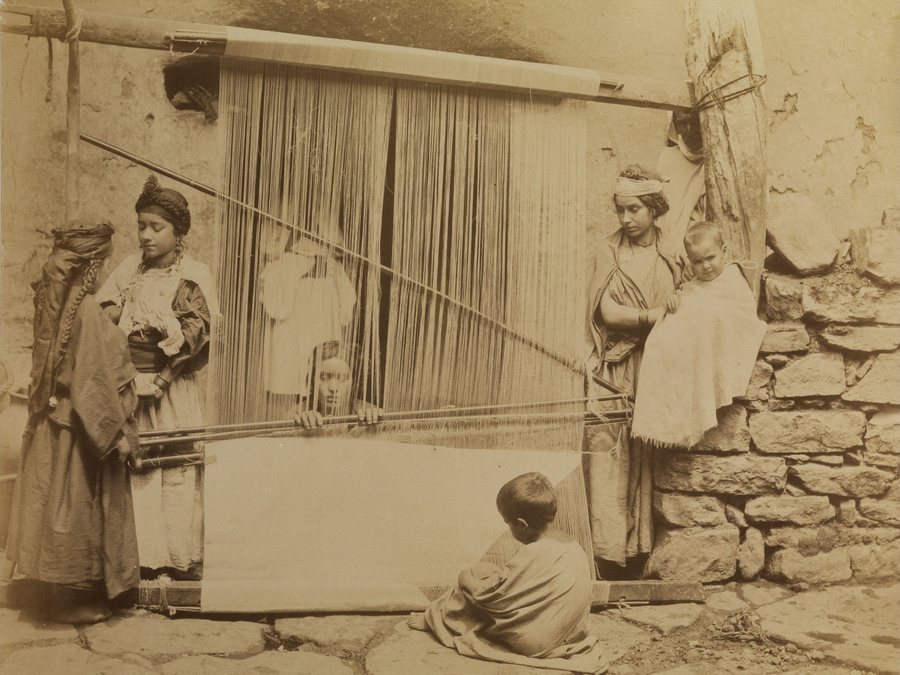
Realistic — As depicted
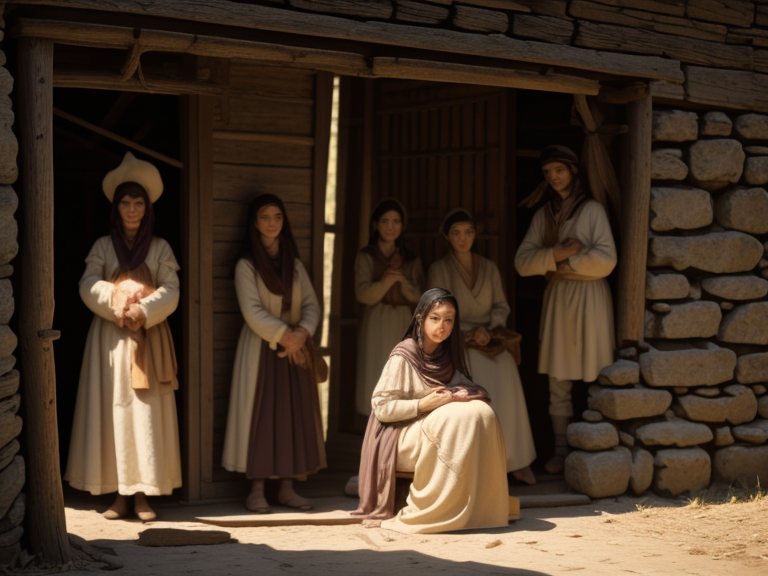
Kabyle woman of the Beni Ouacif with facial tattoos
Source: Joseph Boussuge, public domain
Original: 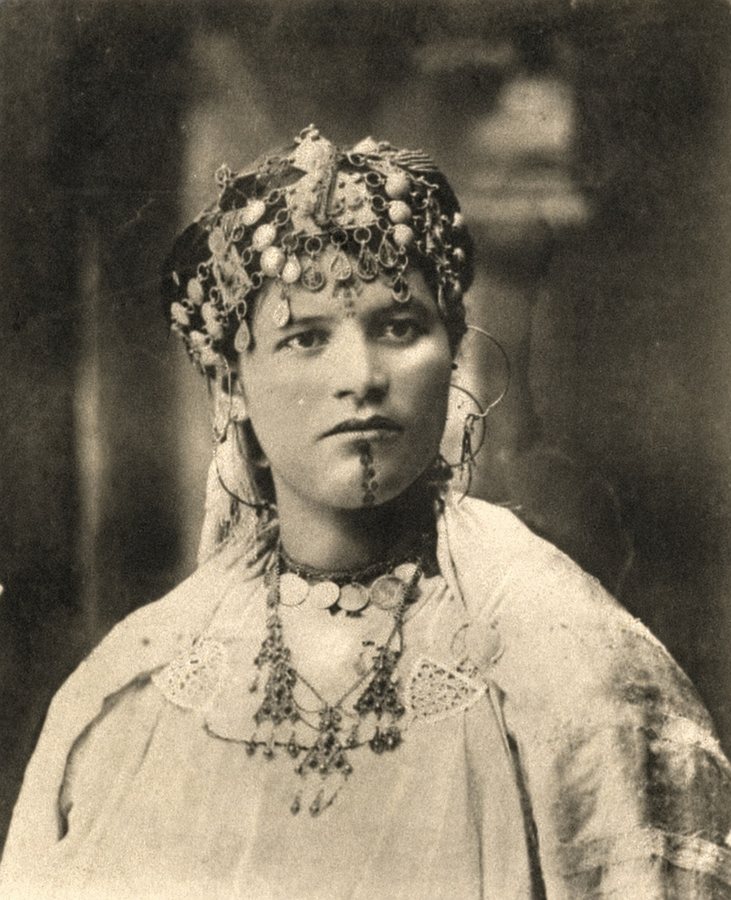
Realistic — As depicted
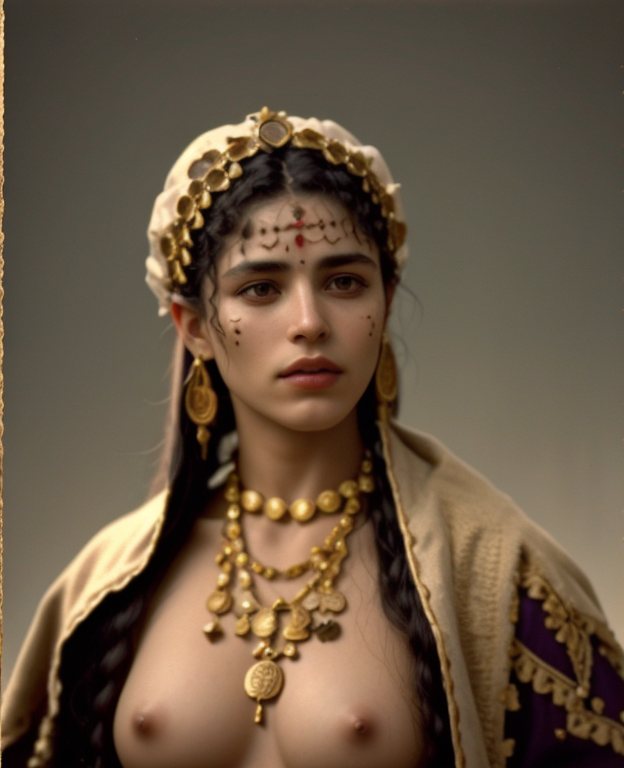
Libyan captive appliqué, bronze
Source: Anonymous (Egypt), public domain (Walters Art Museum)
Original: 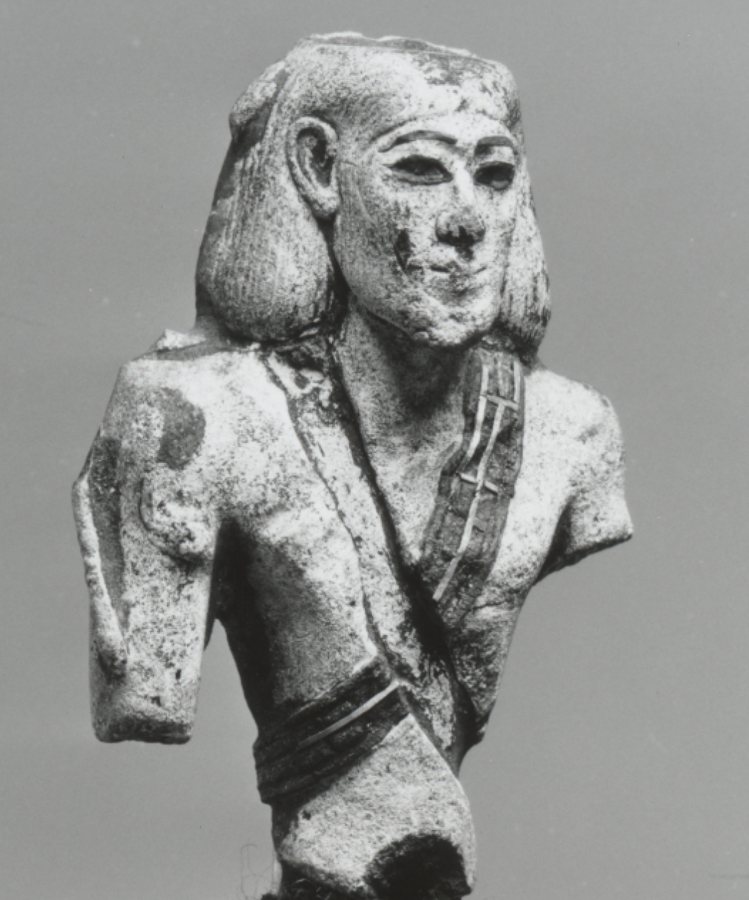
Realistic — As depicted
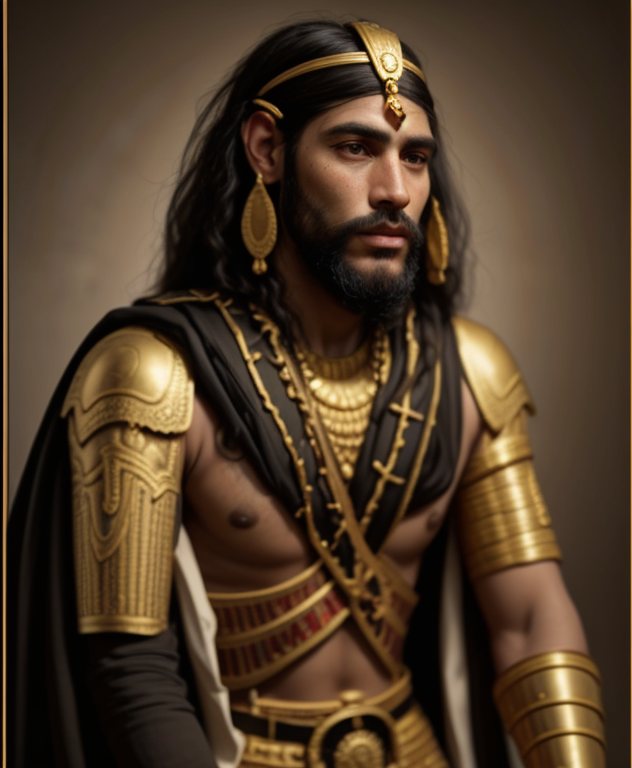
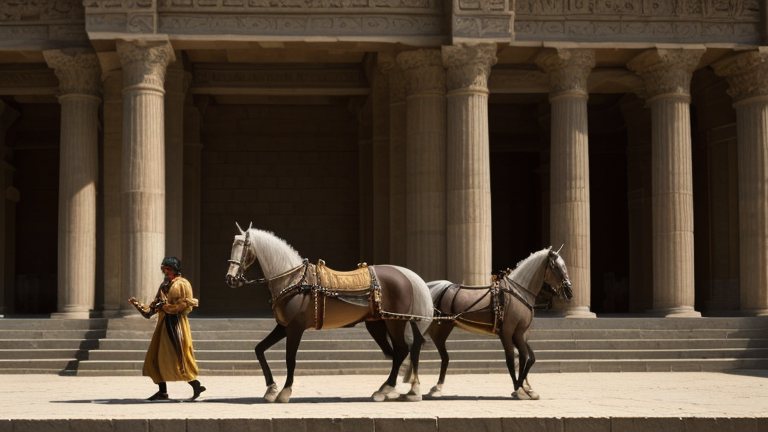
Libyan delegation with chariot, Apadana, Persepolis
Source: Photo: A.Davey, CC BY 2.0
Original: 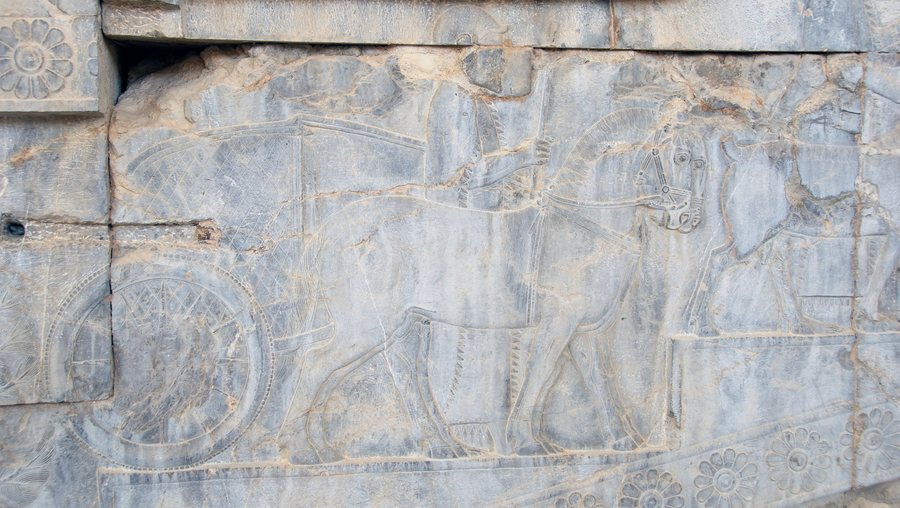
Realistic — As depicted
Libyan, Nubian and West Asiatic prisoners before Sahure
Source: Photo: Osama Shukir Muhammed Amin FRCP(Glasg), CC BY-SA 4.0
Original: 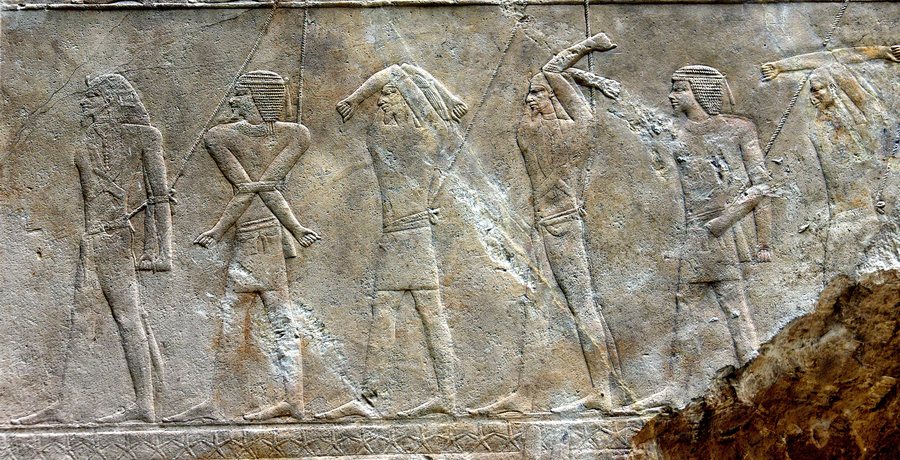
Realistic — As depicted
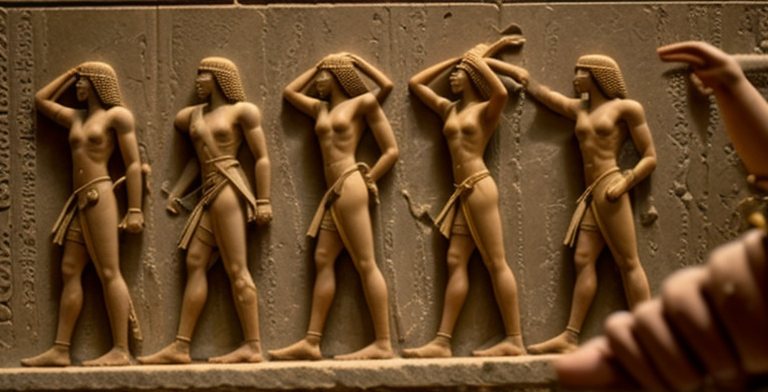
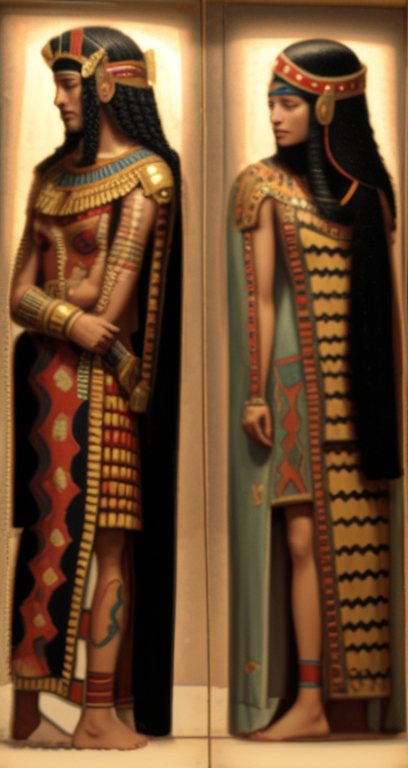
Libyans, painted tiles from Medinet Habu
Source: Public domain (PD-Art); Egyptian, Ramesses III prisoner tiles
Original: 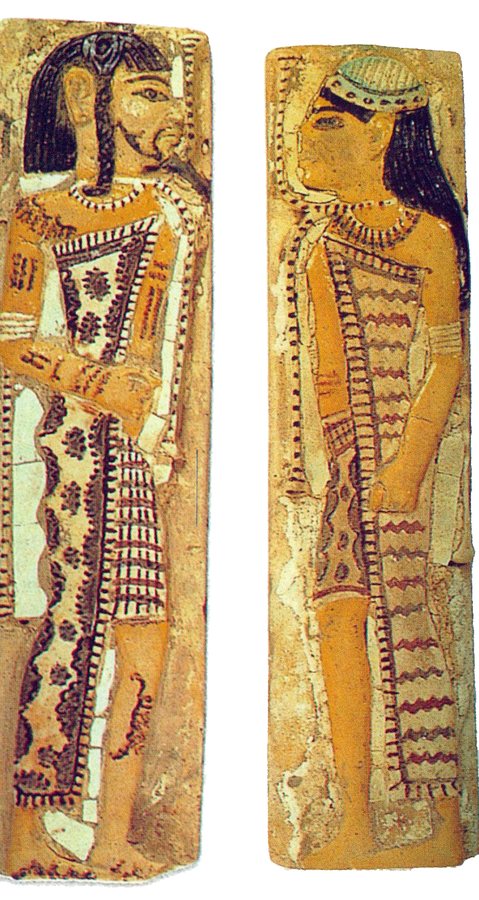
Realistic — As depicted
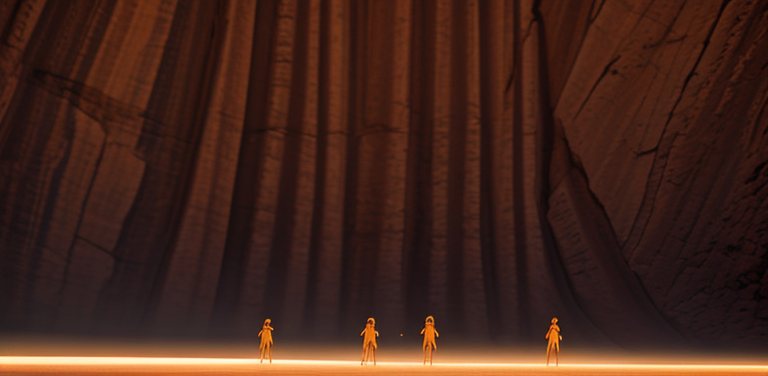
Line of dancers (Tassili rock painting)
Source: IssamBarhoumi, CC BY-SA 4.0
Original: 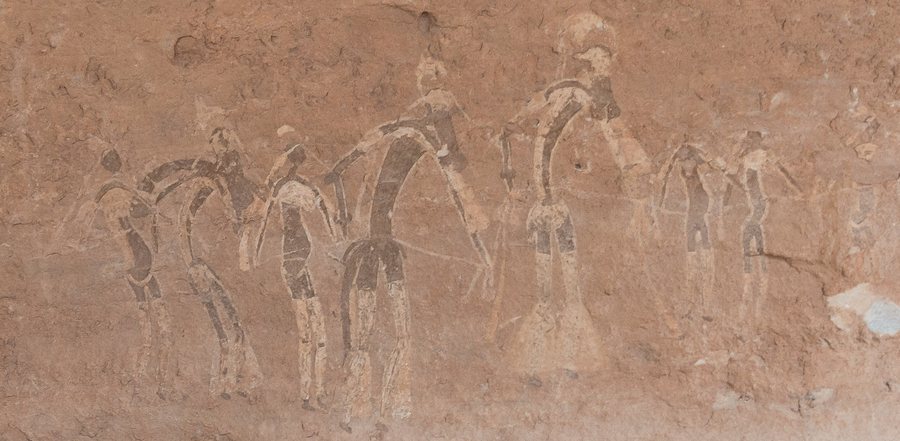
Realistic — As depicted
Marble bust of Ptolemy of Mauretania
Source: Photo: Marie-Lan Nguyen, public domain
Original: 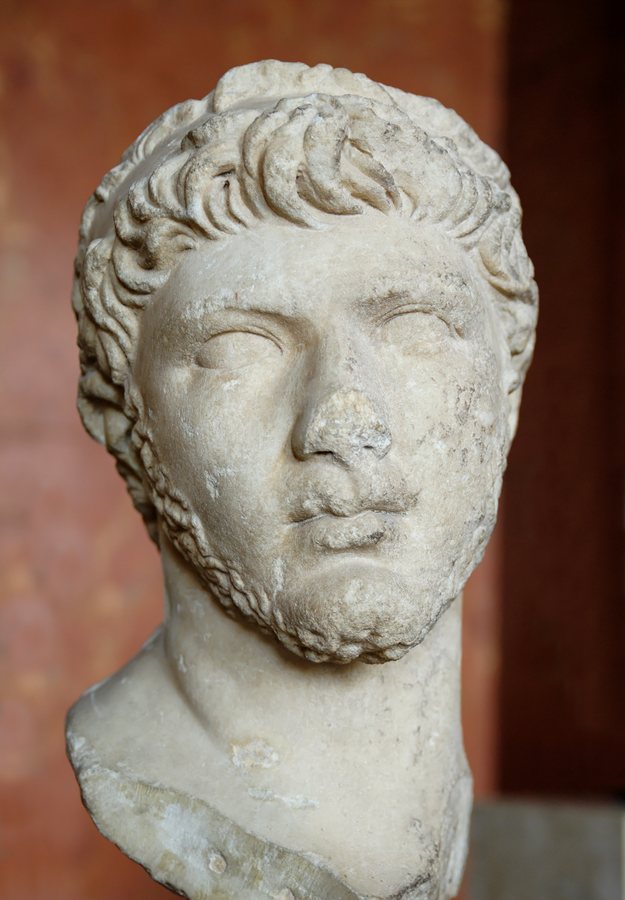
Realistic — As depicted
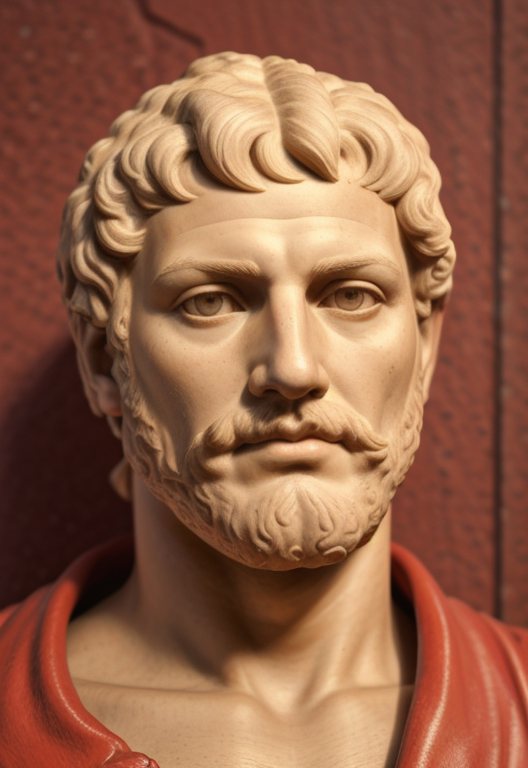
Marble portrait of Juba II
Source: Photo: Marie-Lan Nguyen, CC BY 4.0 (artwork public domain)
Original: 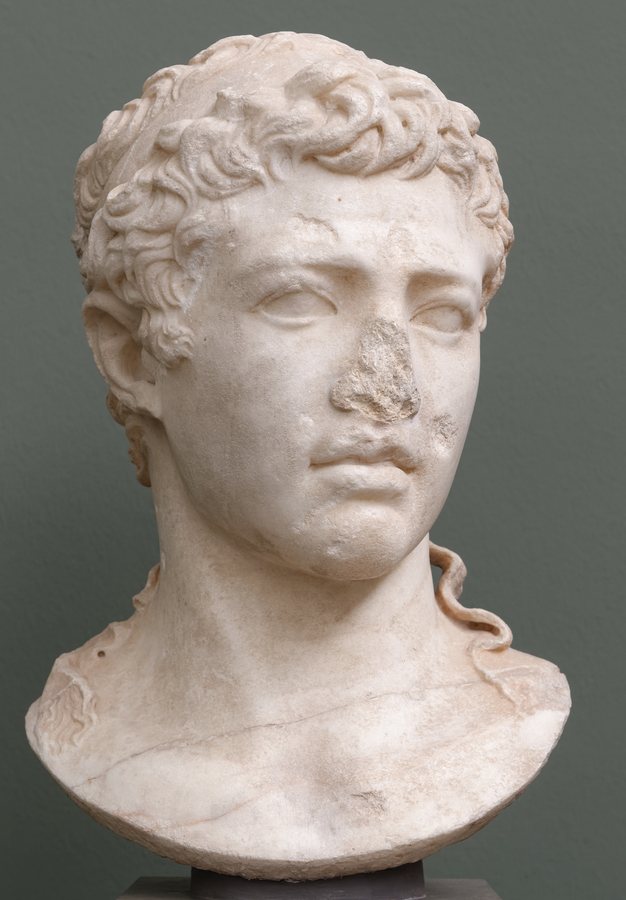
Realistic — As depicted
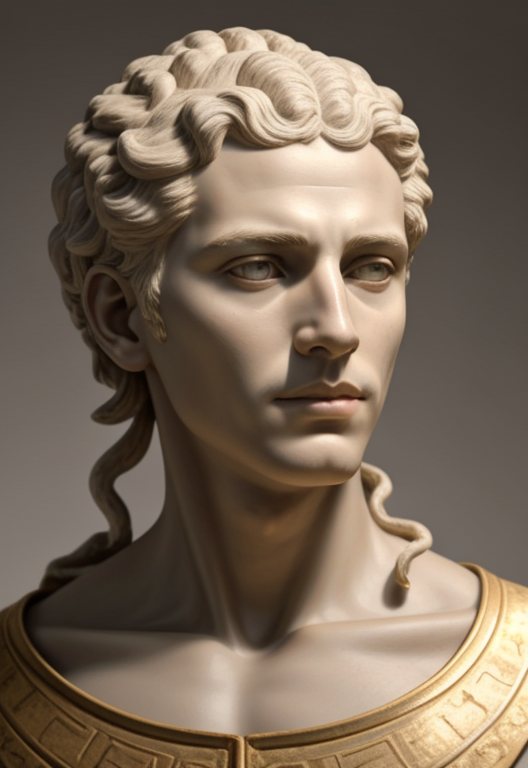
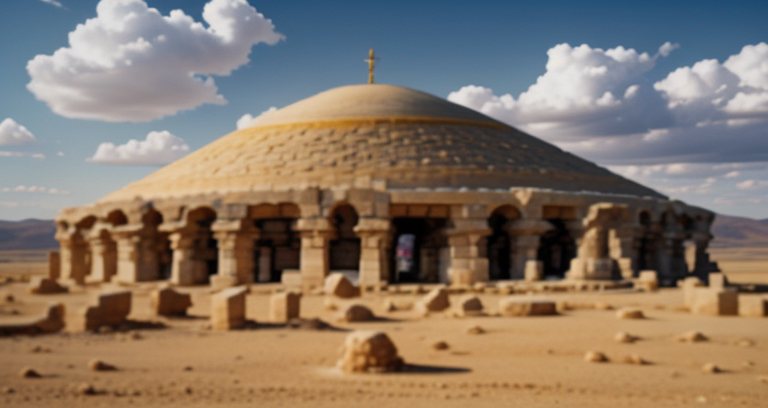
Medracen, royal Numidian mausoleum
Source: Photo: Bernard Gagnon, CC BY 4.0
Original: 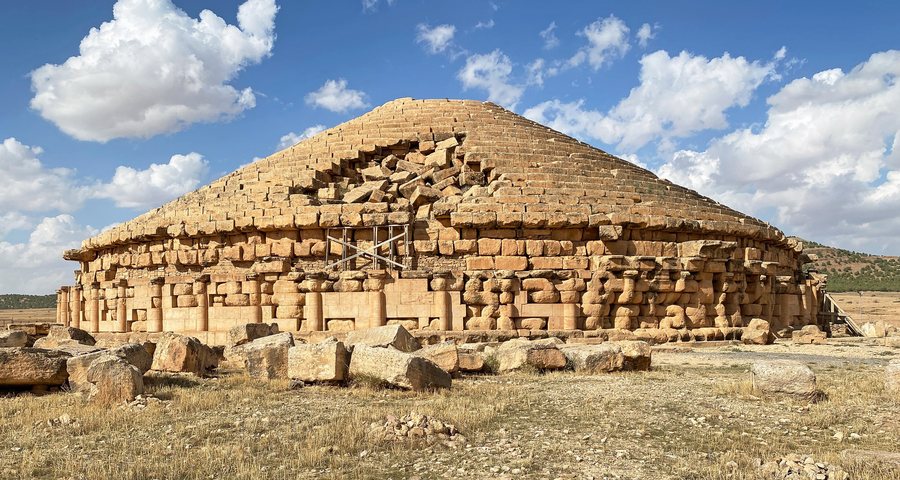
Realistic — As depicted
Mohamed-ben-Ikhenoukhen, Azdjer notable, on camel (1894)
Source: Fernand Foureau (photogr.), Molteni (reprod.), public domain
Original: 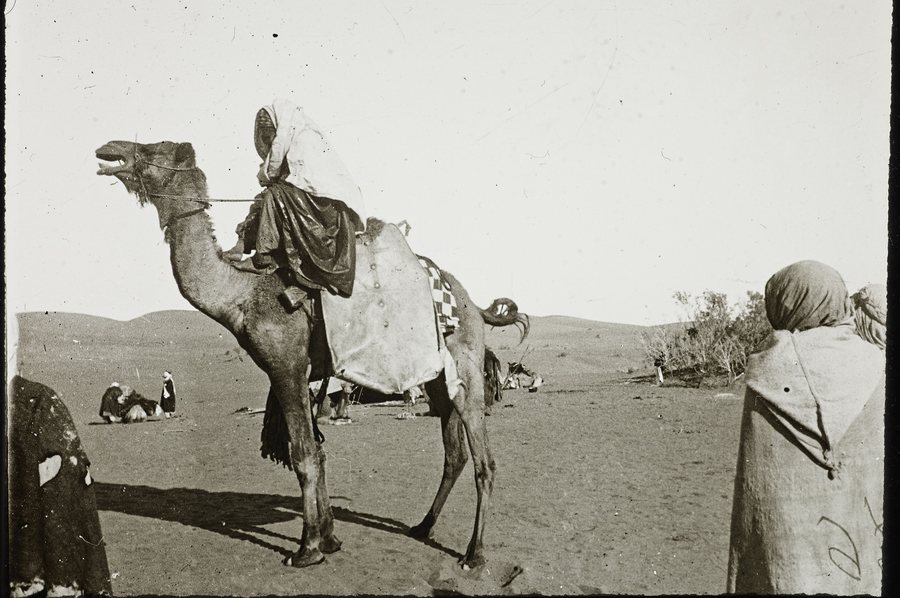
Realistic — As depicted
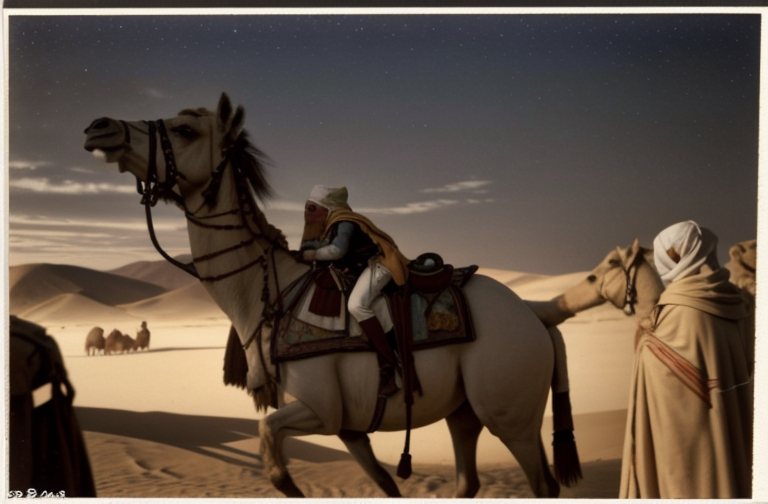
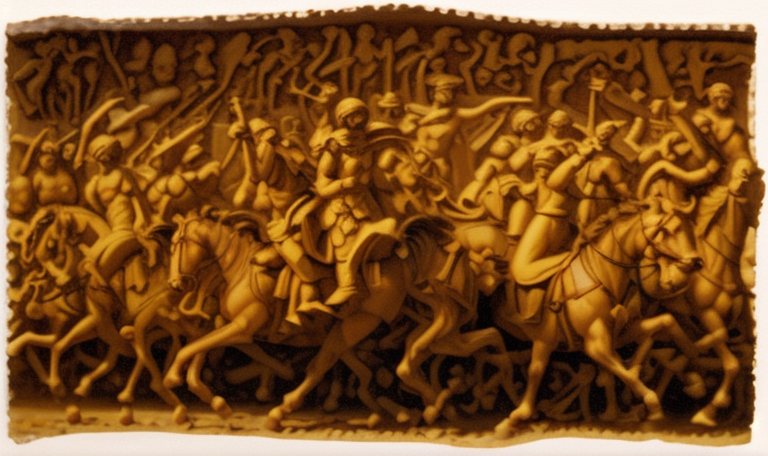
Moorish cavalry of Lusius Quietus, Trajan's Column (1902 plate)
Source: Helmolt, The History of the World (1902), public domain
Original: 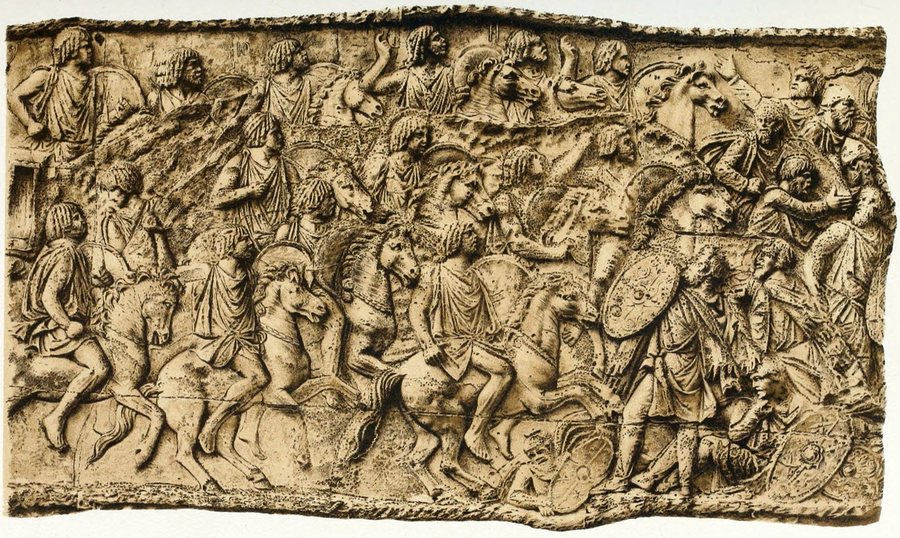
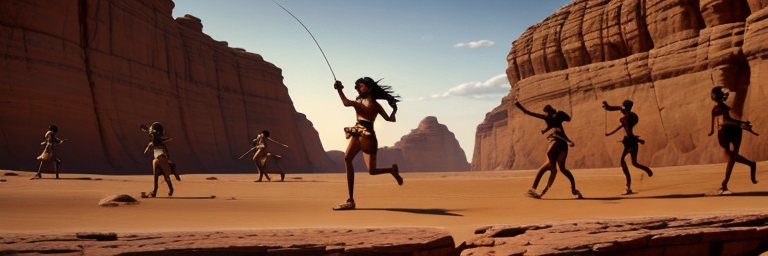
Realistic — As depicted
Rock painting frieze, Tadrart Acacus
Source: Photo: Luca Galuzzi (Lucag), CC BY-SA 2.5
Original: 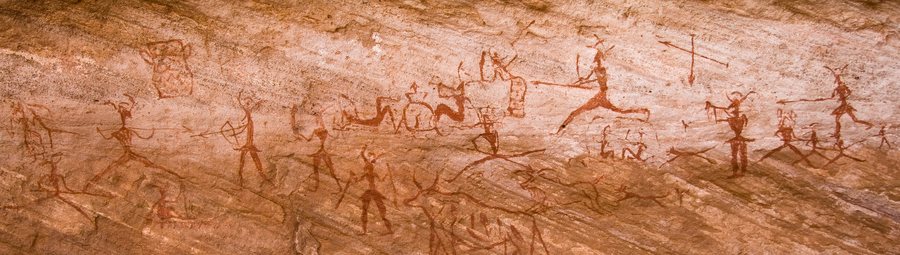
Realistic — As depicted
Round-head figures (Tassili rock painting)
Source: Photo: Patrick Gruban, CC BY-SA 2.0
Original: 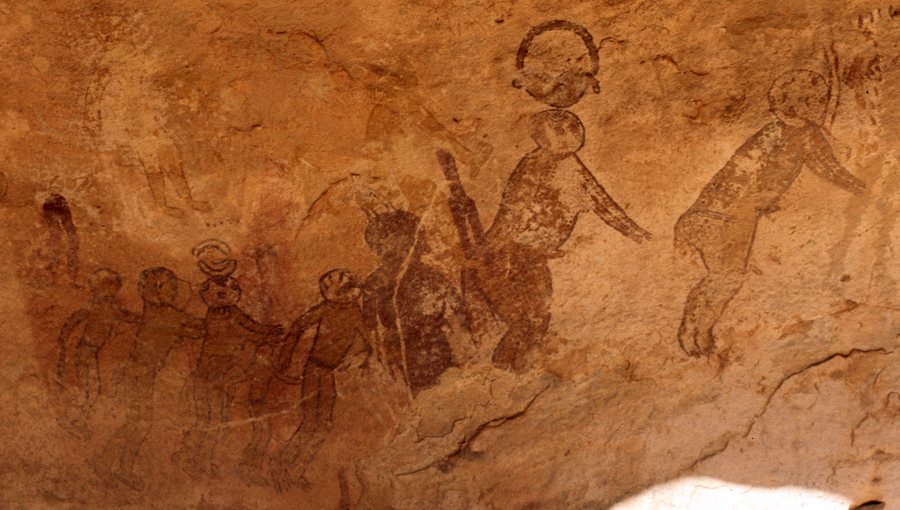
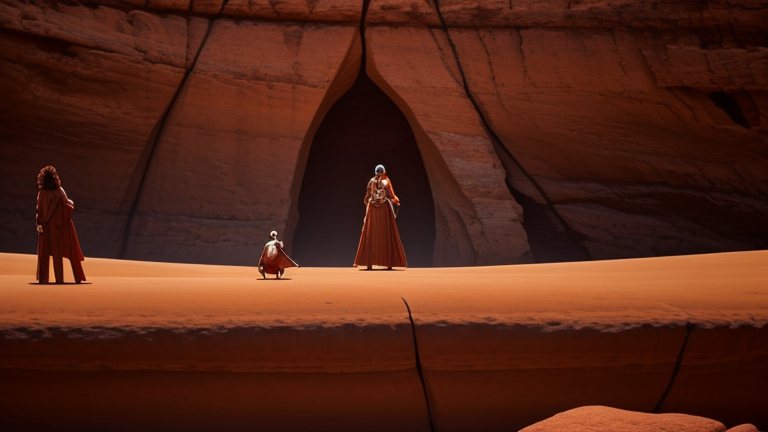
Realistic — As depicted
All 20 scenes in this set, and every other remake, are in the gallery: https://hathor.soapbox.community/remakes. Made on our own servers in Hathor Studio; each scene links to its place in the gallery.