A bronze Naṭarāja from Tamil Nadu and a painted one from Kerala share no single face, yet no one mistakes him. In Śilpa Śāstra the identity of a sacred figure lives in its lakṣaṇa: the gesture, the emblem, the headdress, the measured proportion. We remake ancient scenes the same way. Hathor keeps her horns, sun-disk and menat across every version, and the people who carry them change from Nile to Nubia to the Aegean. Here they are, side by side.
Sibling workshops, each with its own measure. Egypt drew figures on a grid of 18 squares from soles to hairline, later 21 to the upper eyelid; Polykleitos built the Greek body from finger-to-palm symmetria; Song China's Yingzao Fashi (1103) sized buildings by the cai–fen module; the Topkapı Scroll kept the geometry of Islamic craft. Each is its own canon, set beside Śilpa Śāstra, not above it. (source)
We are testing these features and looking to develop them. This is Hathor's alpha work, made on our own servers — the images and videos she makes next are expected to be much better and more accurate. Tell us what works and what doesn't: every video page has 👍/👎, comments and timestamped notes.
The full gallery, every scene in every look: https://hathor.soapbox.community/remakes · Shilpa Shastra gallery: https://hathor.soapbox.community/gallery
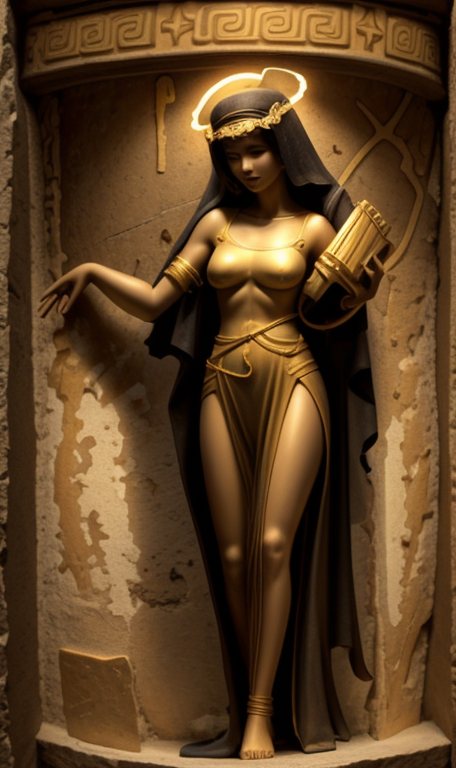
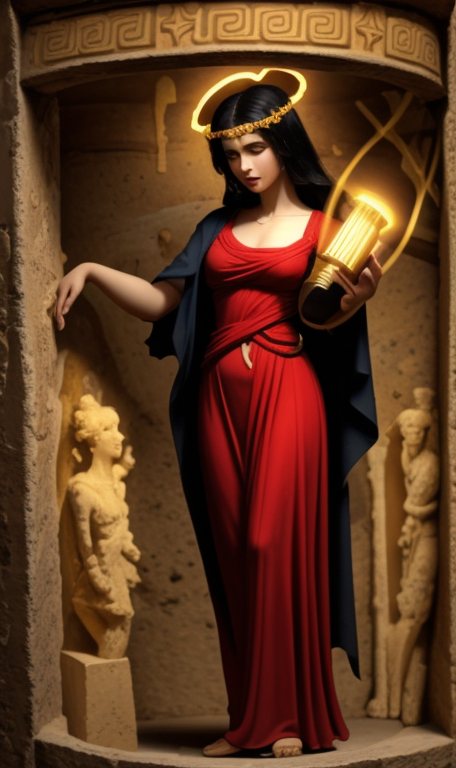
A kithara player
Source: Unknown · CC BY 2.5 · Wikimedia Commons
Original: 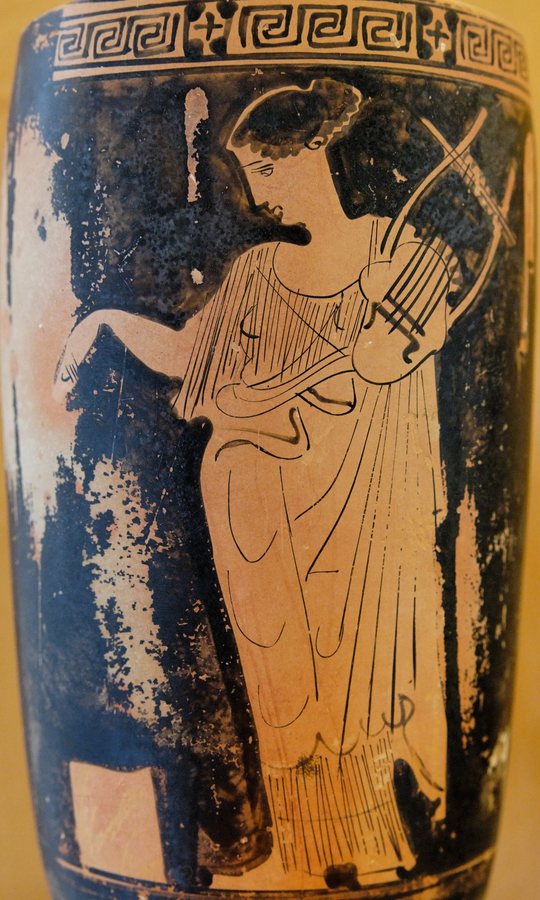
Realistic — Greek · Nubian · Libyan (Amazigh) · Levantine · Pale
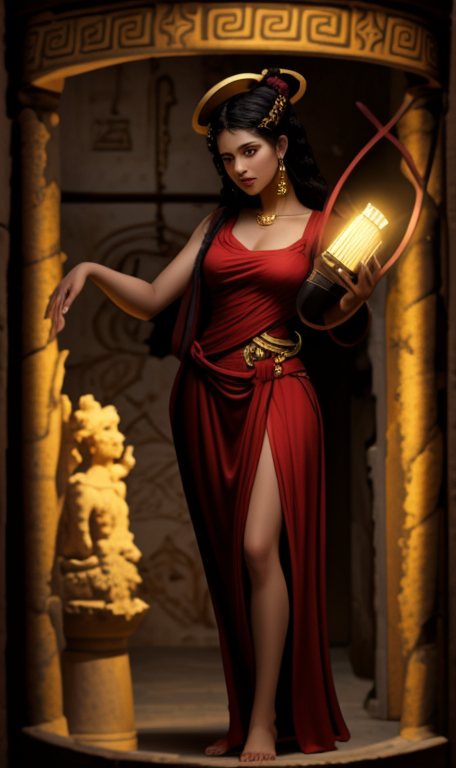
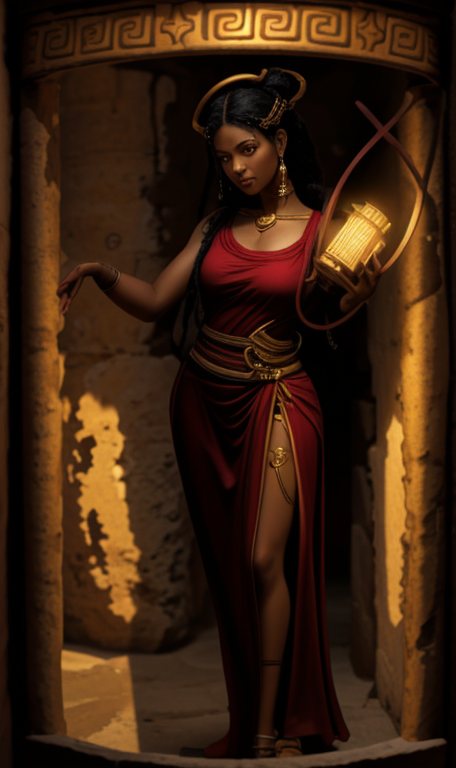
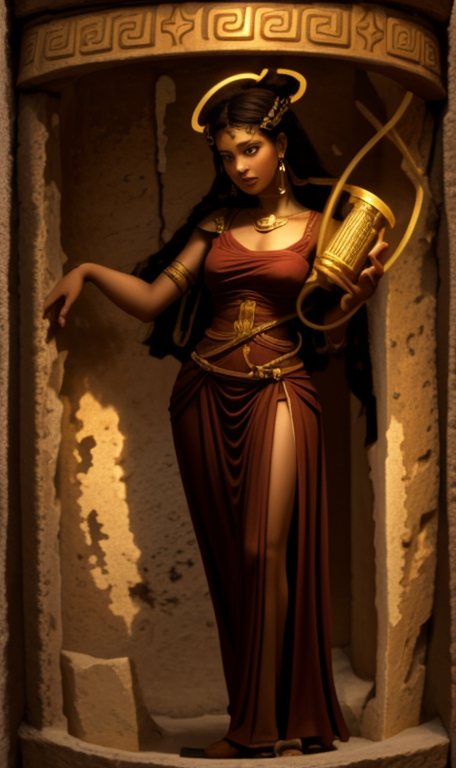
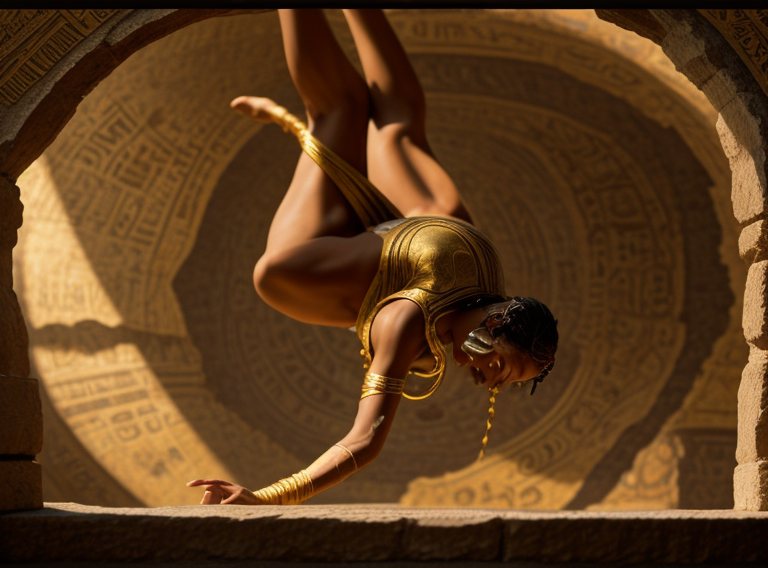
Acrobatic dancer ostracon
Source: Prof. Mortel · CC BY 2.0 · Wikimedia Commons
Original: 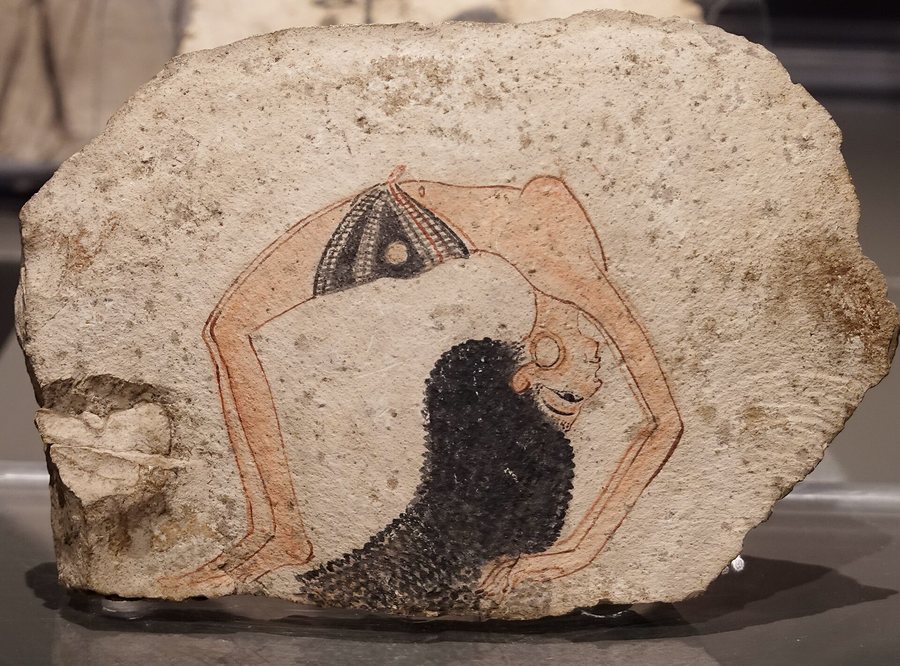
Realistic — Egyptian · Nubian · Libyan (Amazigh) · Levantine · Pale
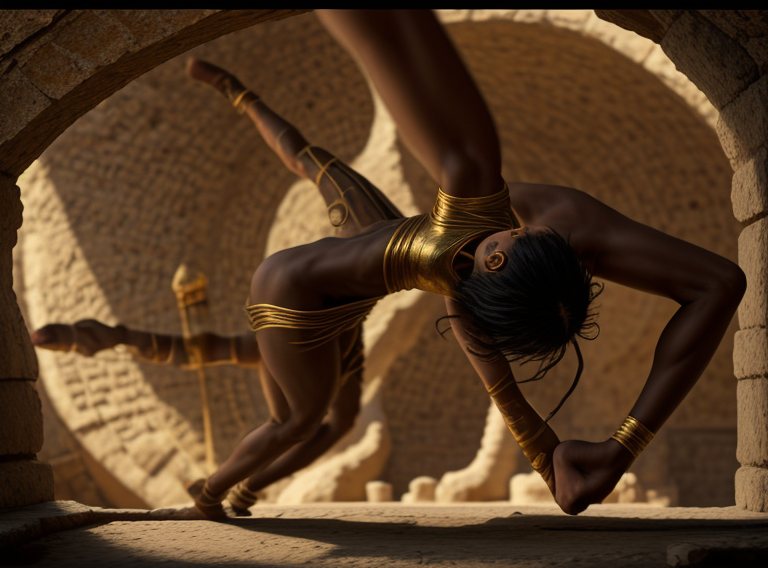
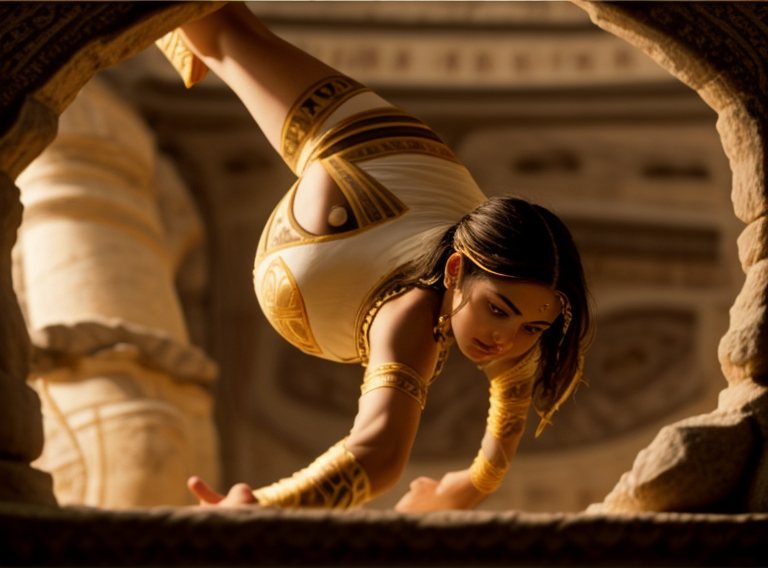
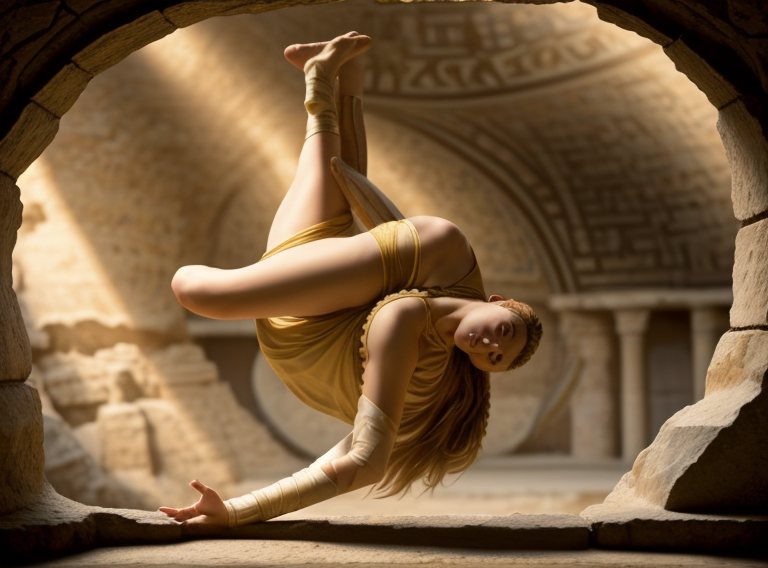
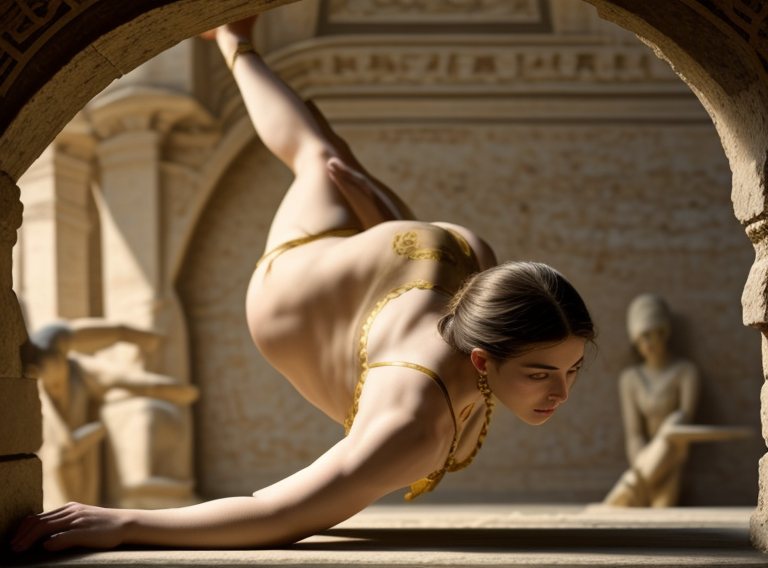
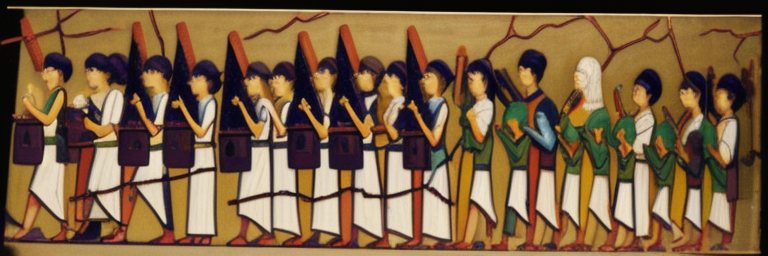
An Assyrian orchestra
Source: no idea - see source · Public domain · Wikimedia Commons
Original: 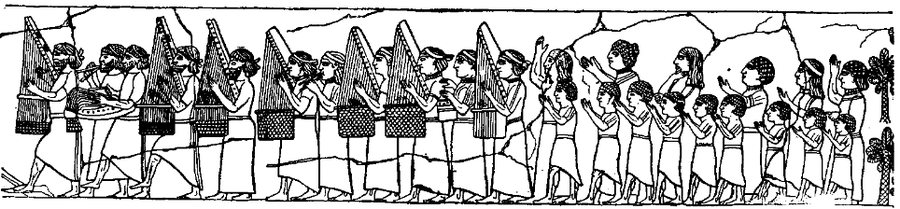
Realistic — As depicted
Dancers and musicians, Tomb of the Leopards
Source: Unknown author Unknown author · Public domain · Wikimedia Commons
Original: 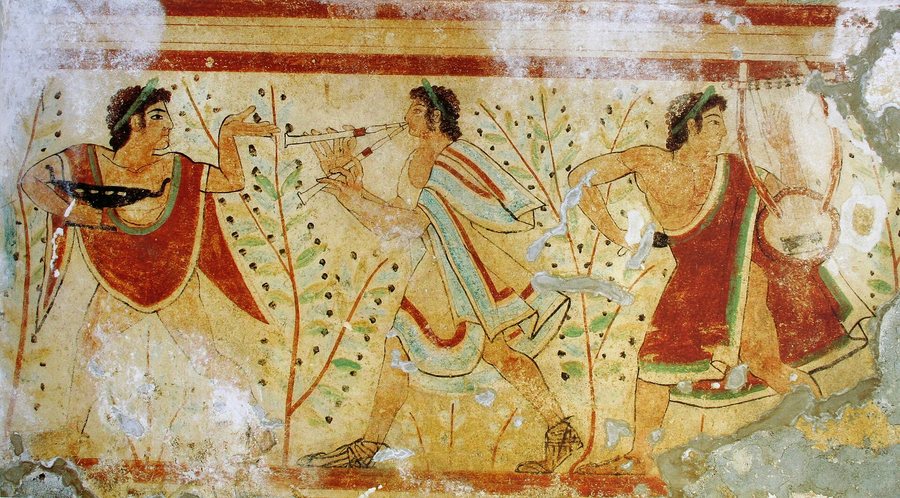
Realistic — Greek · Nubian · Libyan (Amazigh) · Levantine · Pale
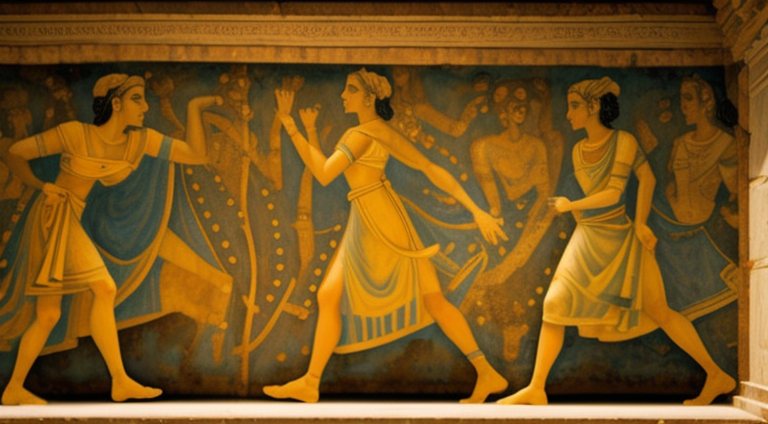
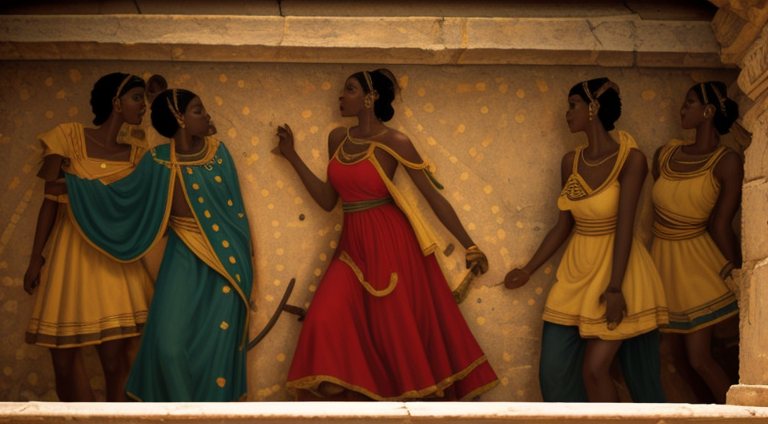
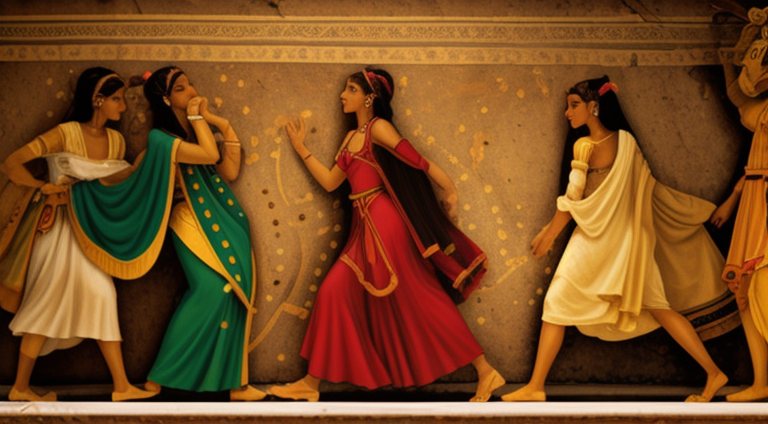
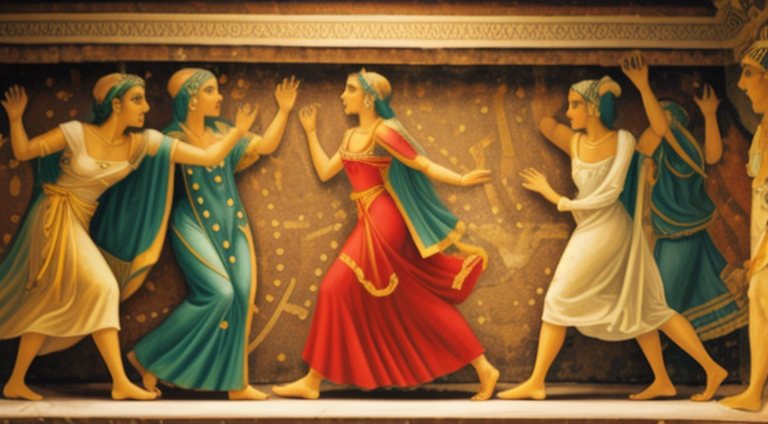
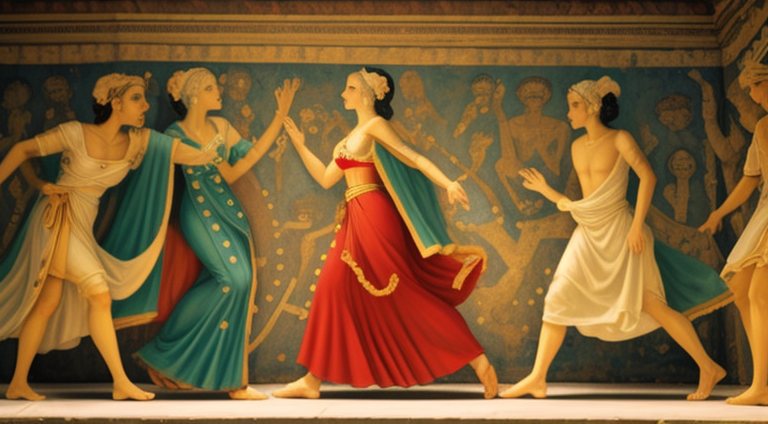
Etruscan dancers, Tarquinia
Source: Unknown · Public domain · Wikimedia Commons
Original: 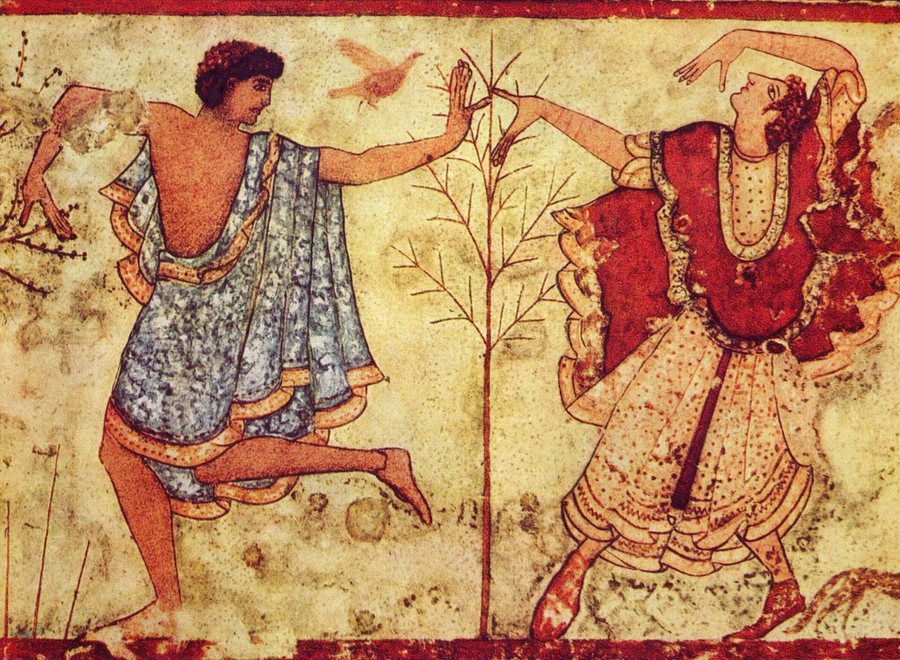
Realistic — Greek · Nubian · Libyan (Amazigh) · Levantine · Pale
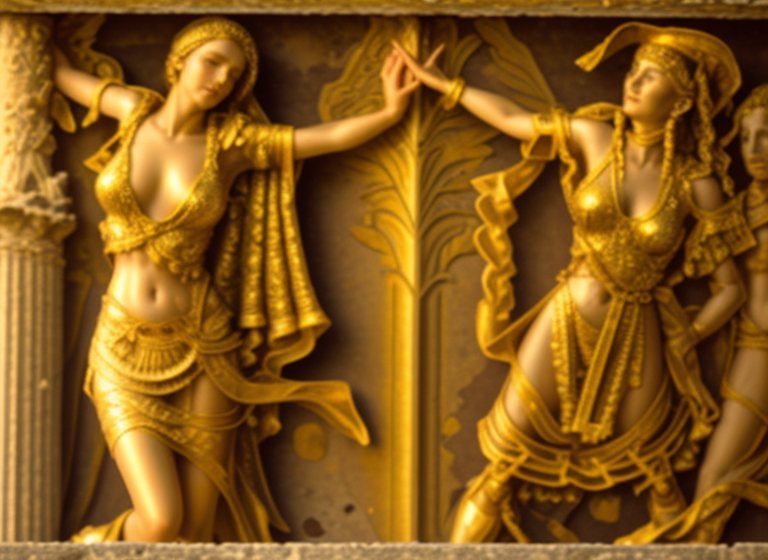
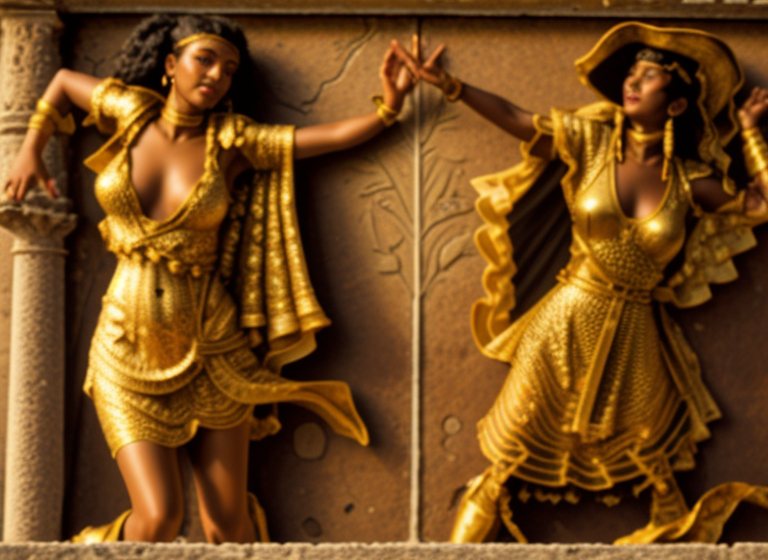
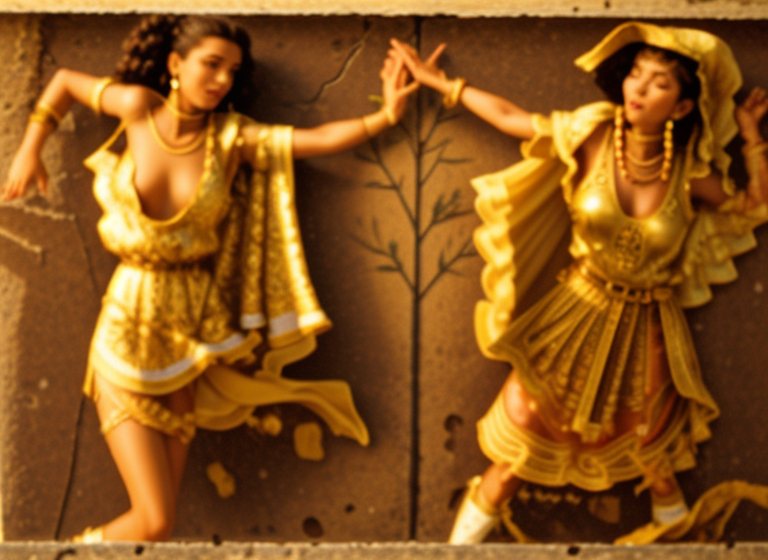
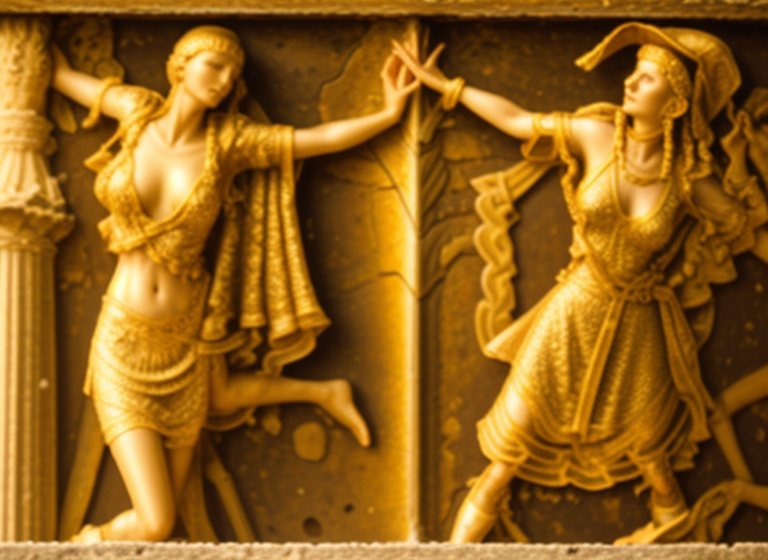
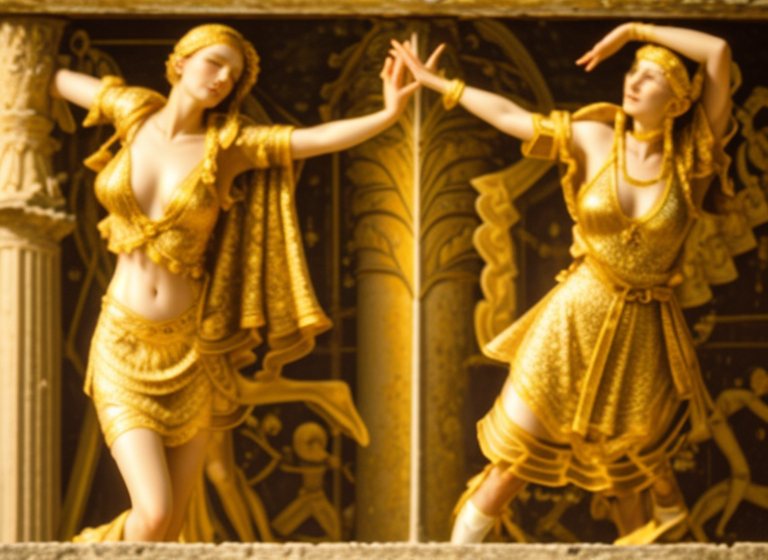
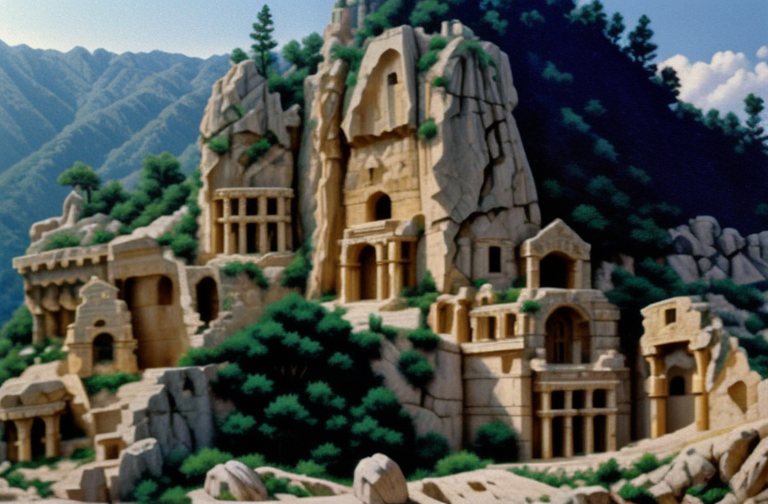
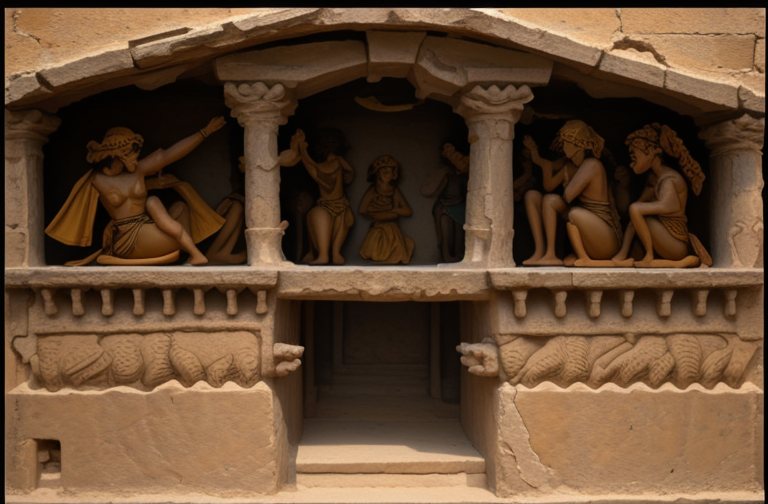
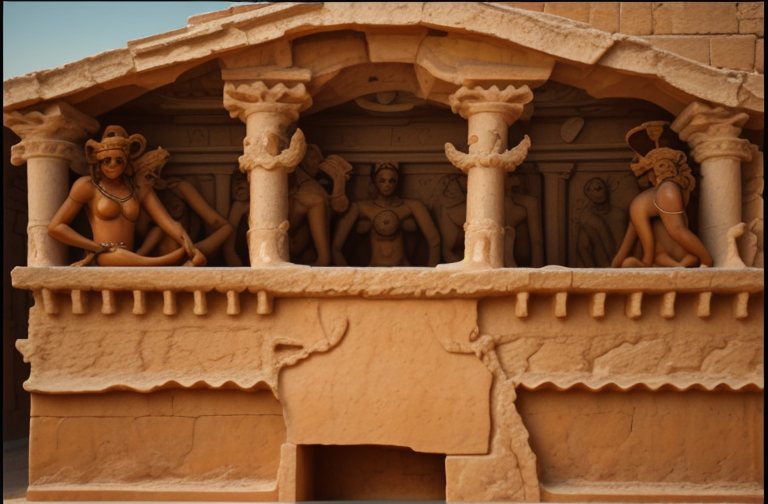
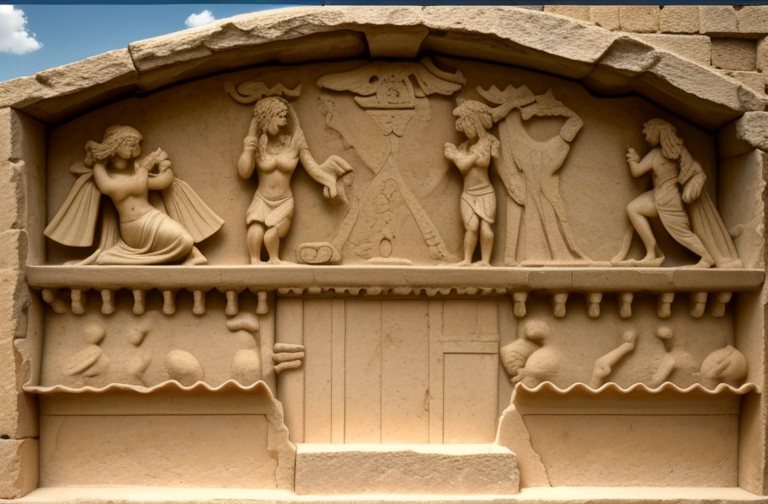
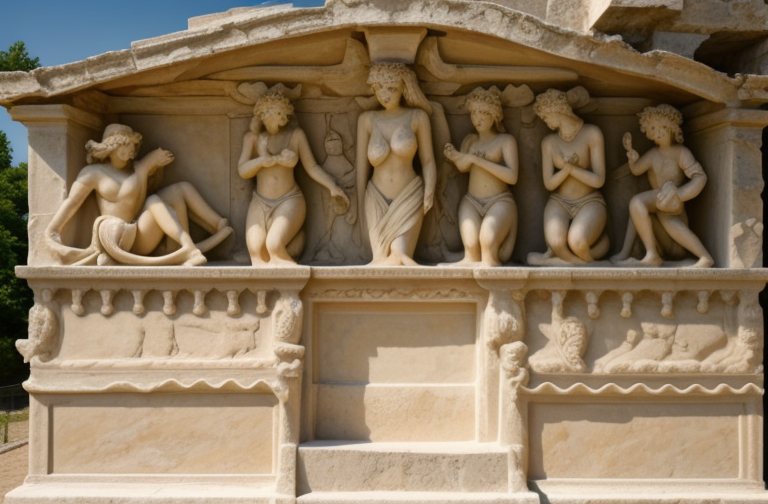
Lycian rock tombs at Myra
Source: Saffron Blaze · CC BY-SA 3.0 · Wikimedia Commons
Original: 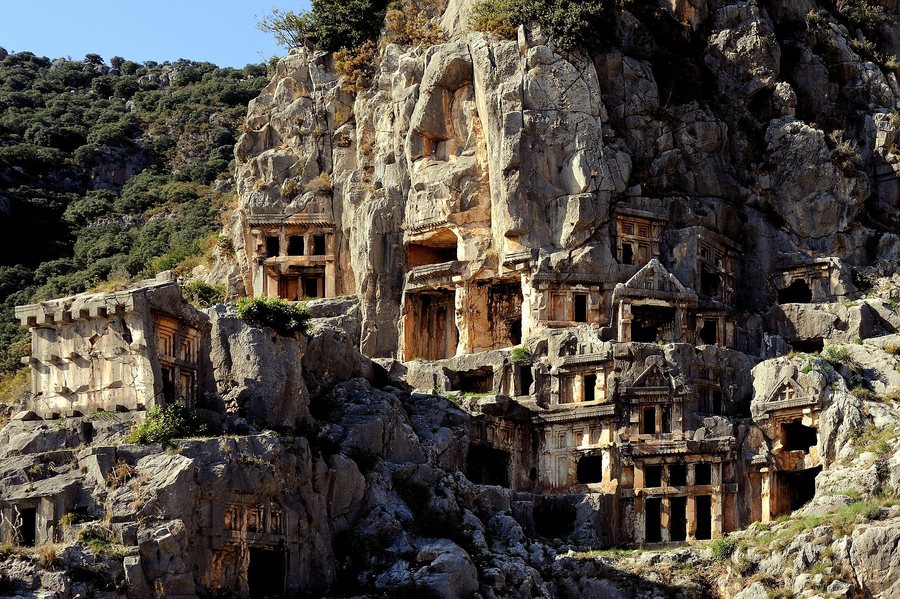
Realistic — As depicted
Sarcophagus of the Mourning Women
Source: Yair-haklai · CC BY-SA 4.0 · Wikimedia Commons
Original: 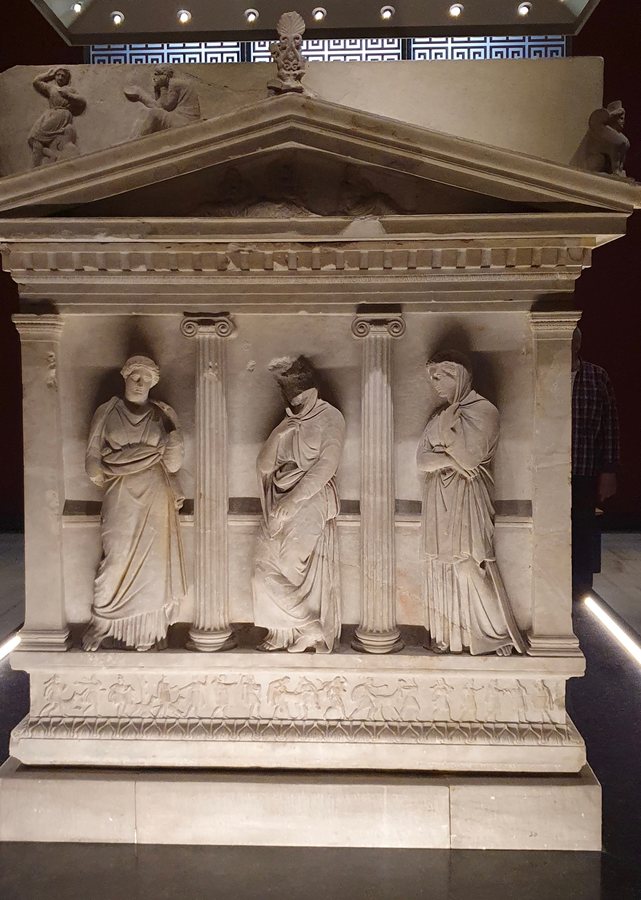
Realistic — Greek · Nubian · Libyan (Amazigh) · Levantine · Pale
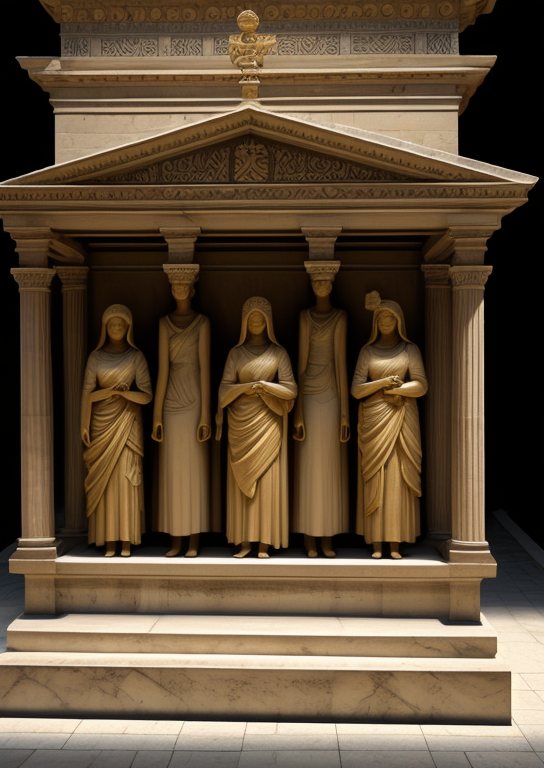
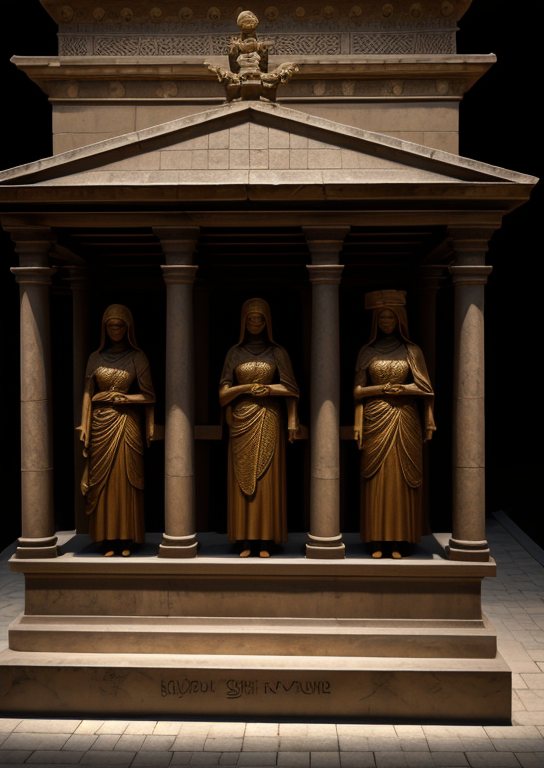
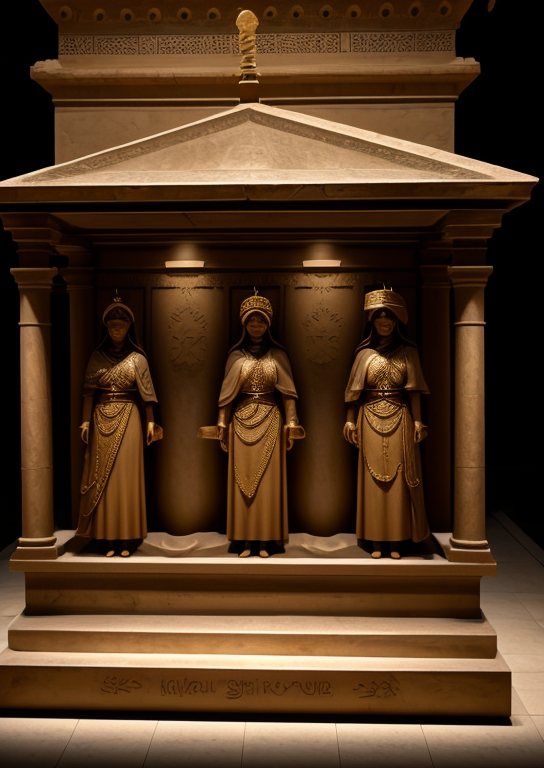
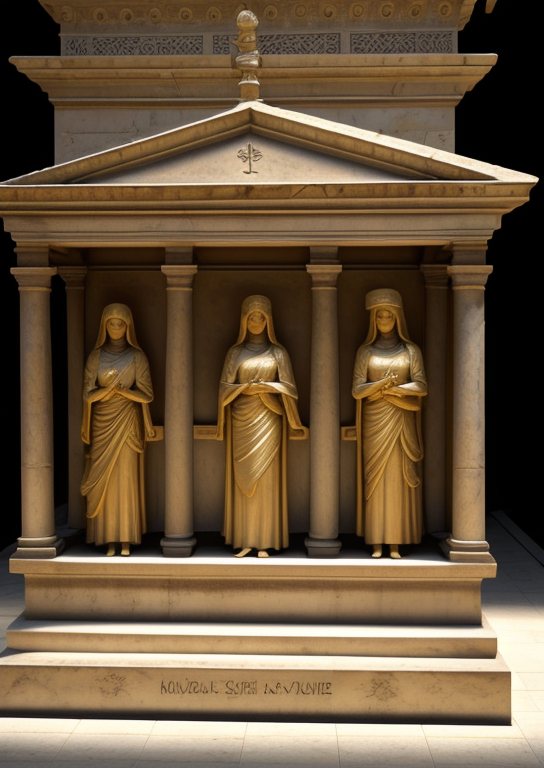
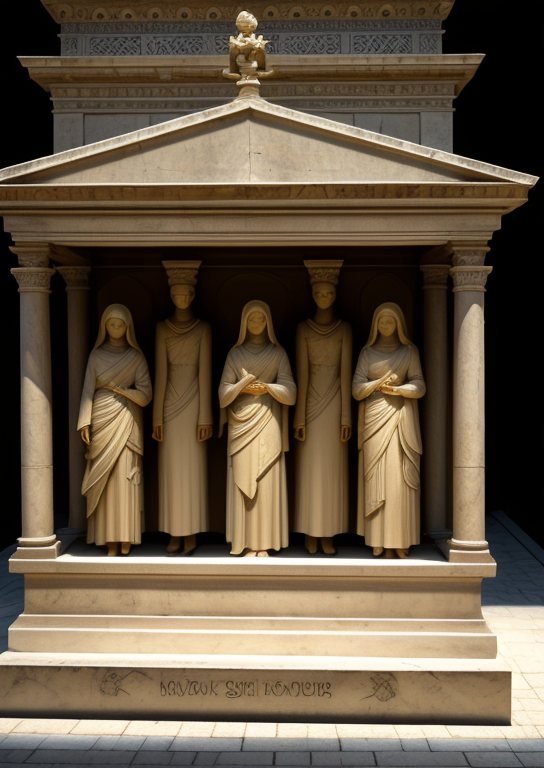
The Alexander Sarcophagus hunting scene
Source: Dosseman · CC BY-SA 4.0 · Wikimedia Commons
Original: 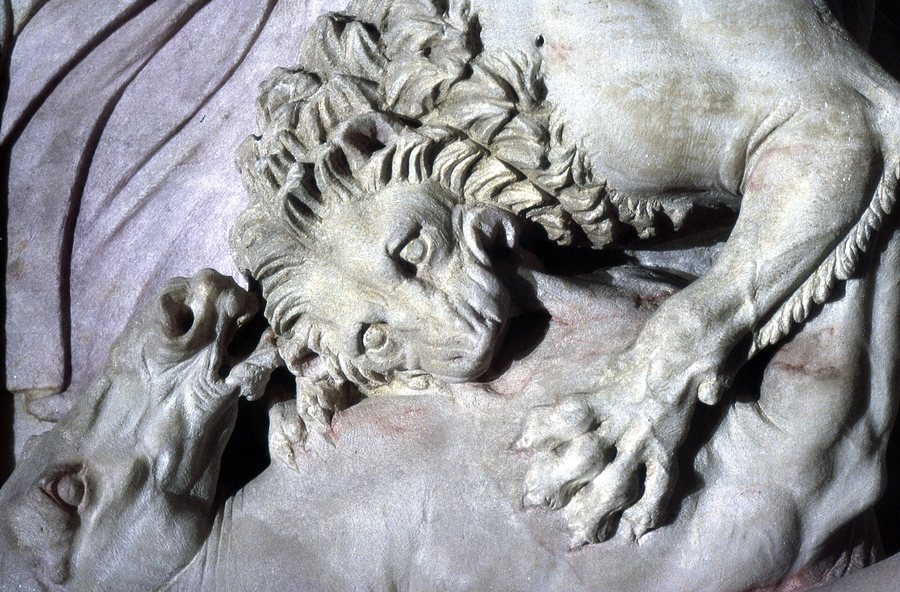
Realistic — Greek · Nubian · Libyan (Amazigh) · Levantine · Pale
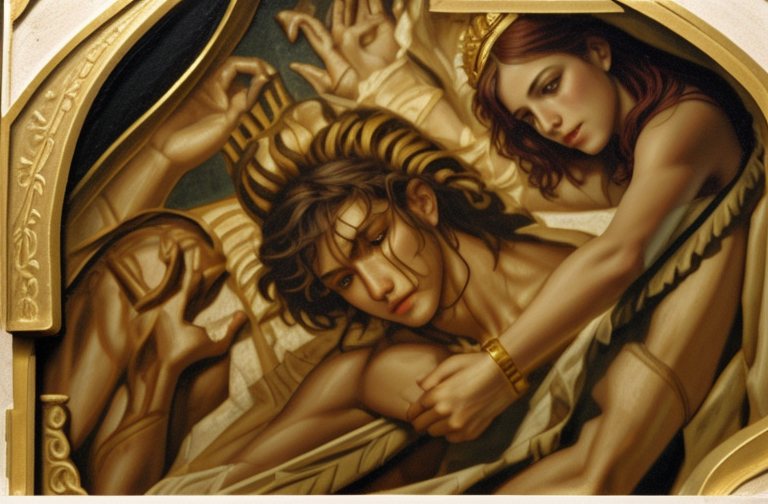
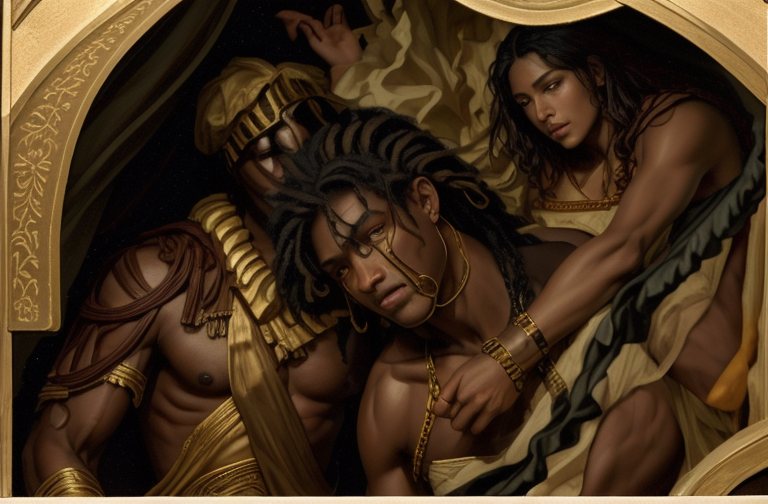
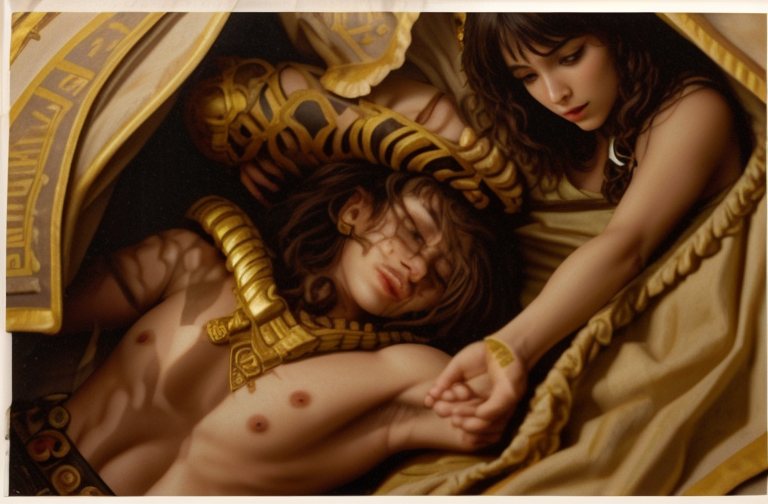
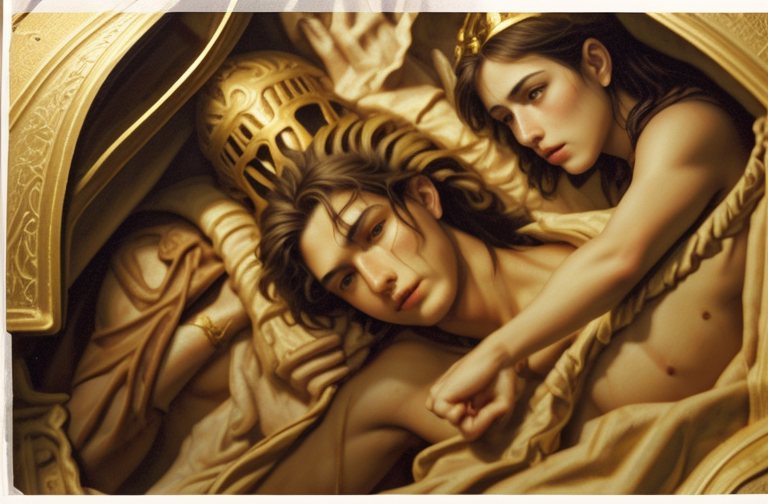
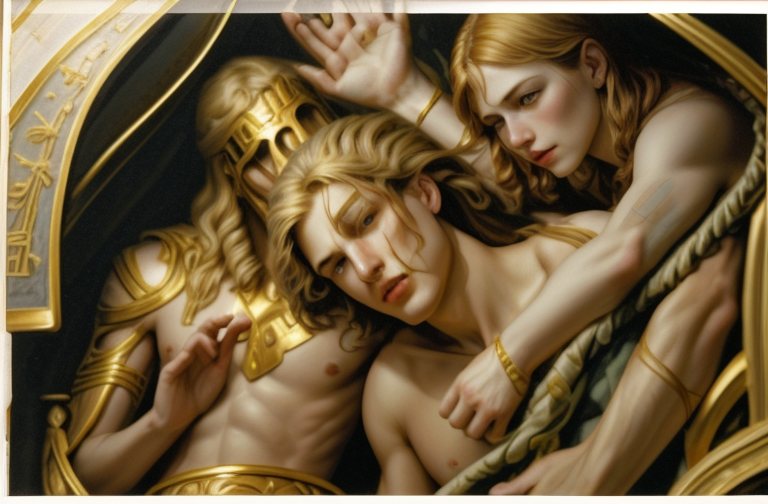
The Nereid Monument of Xanthos
Source: Unknown Greek Builder/Sculptor Photograph by user:Joyofmuseums · CC BY-SA 4.0 · Wikimedia Commons
Original: 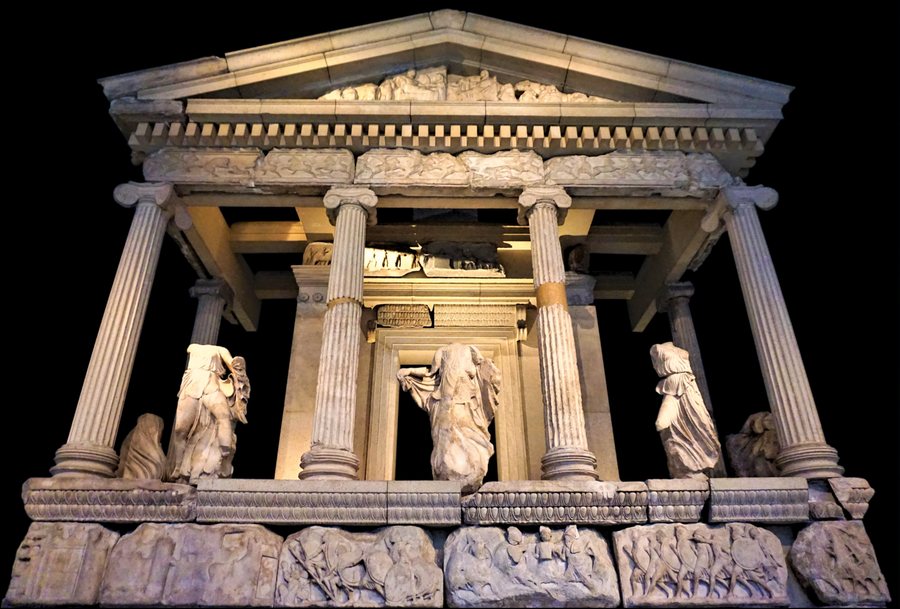
Realistic — Greek
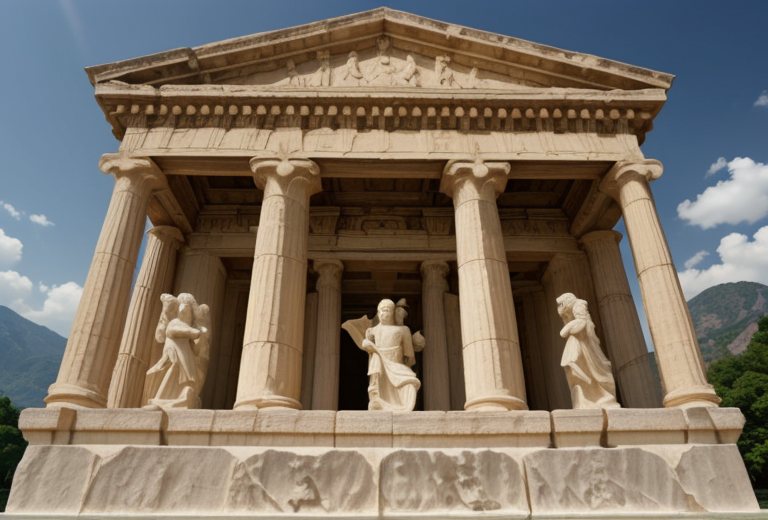
The Thracian tomb of Kazanlak
Source: Original uploader was Ivelin Mincov at bg.wikipedia · CC BY 2.5 · Wikimedia Commons
Original: 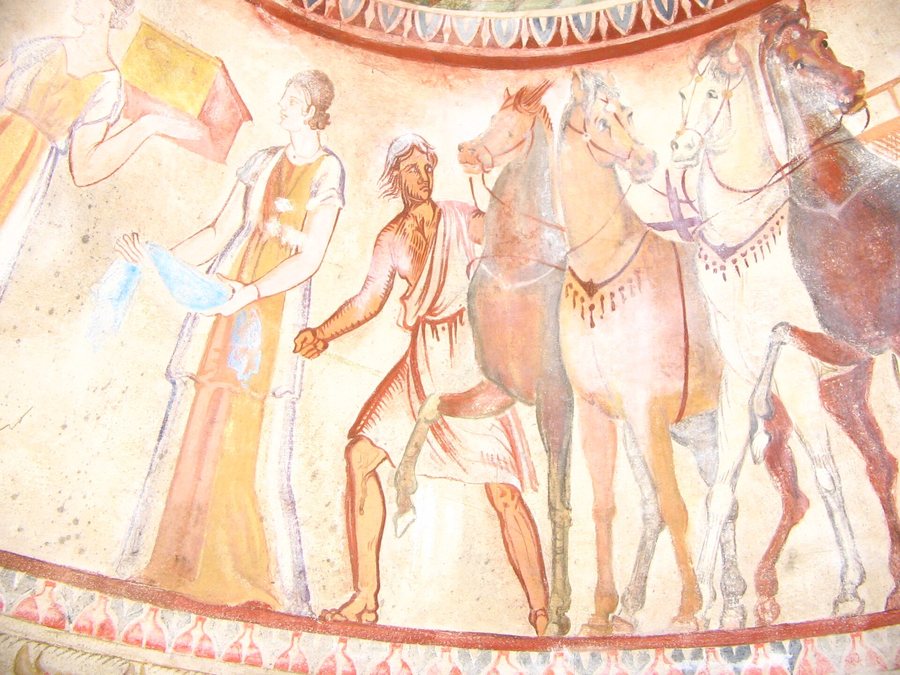
Realistic — Greek · Nubian · Libyan (Amazigh) · Levantine · Pale
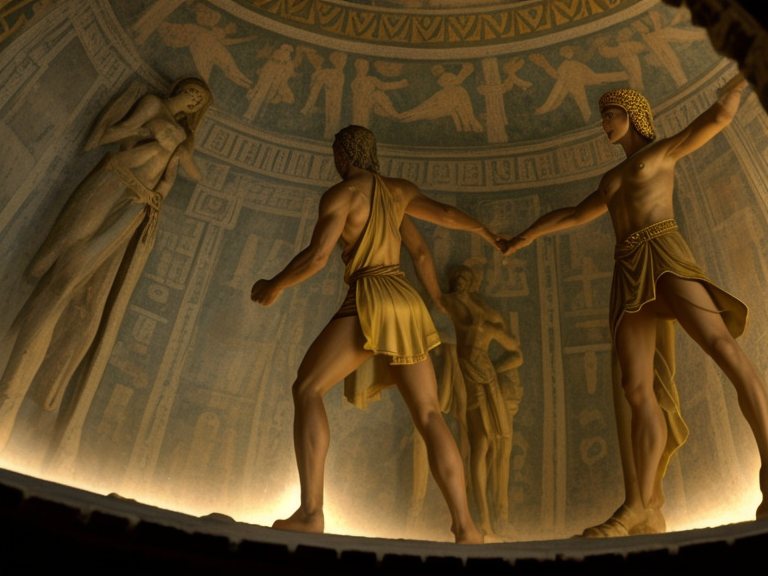
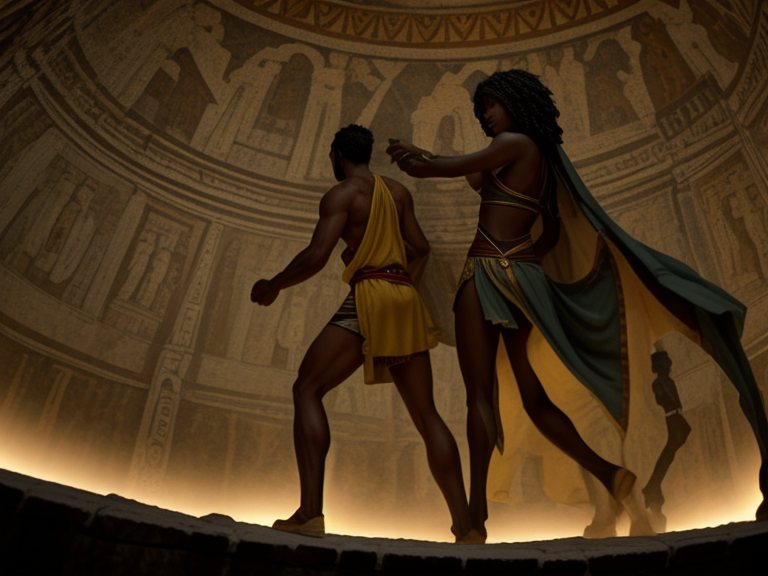
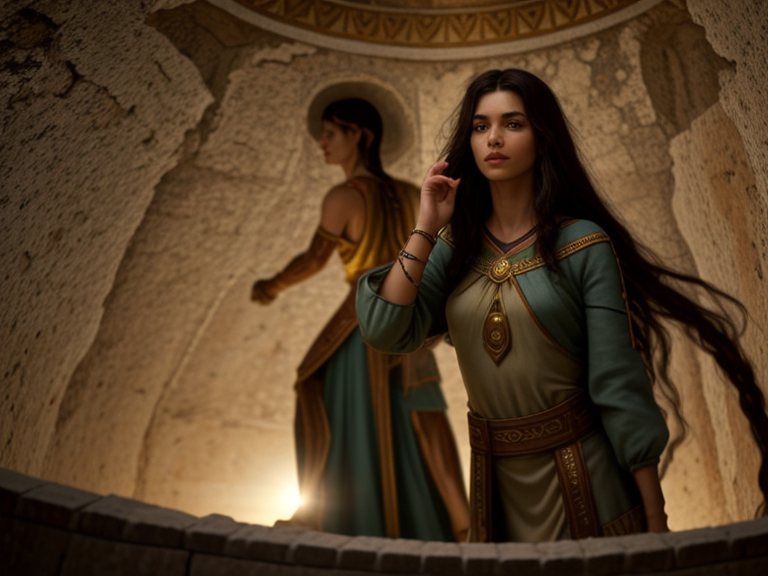
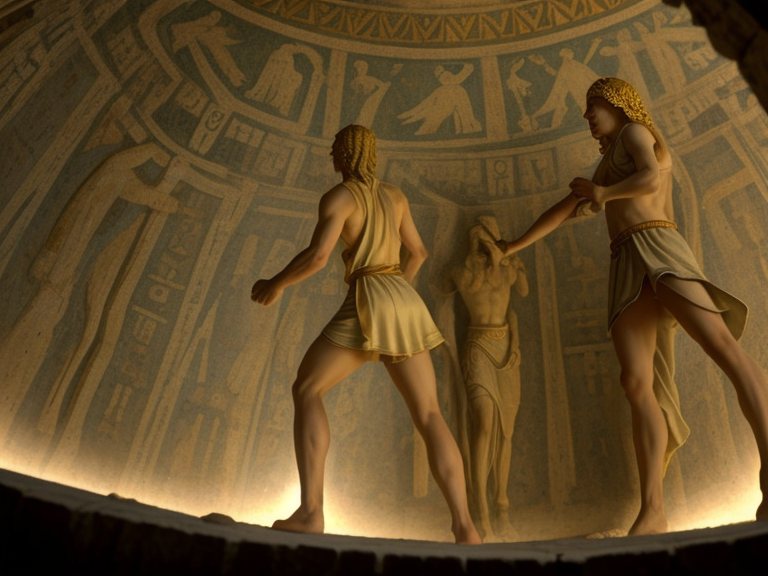
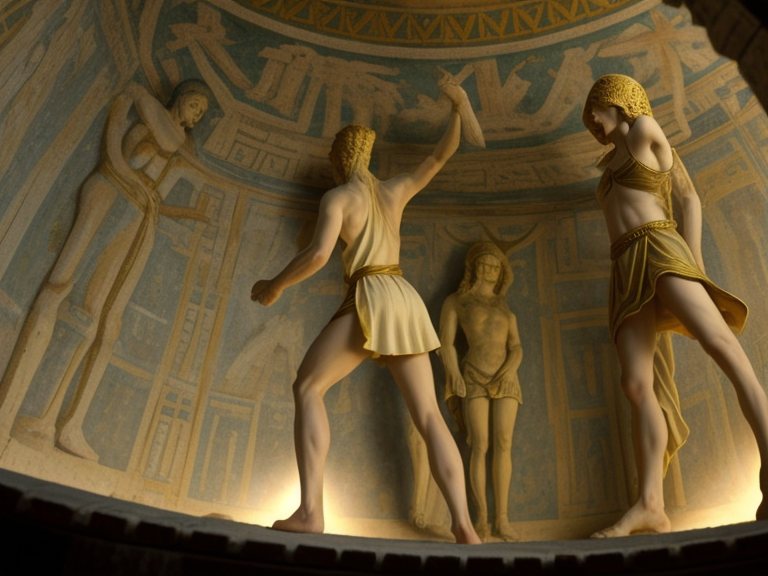
The banquet of Ashurbanipal
Source: Allan Gluck · CC BY 4.0 · Wikimedia Commons
Original: 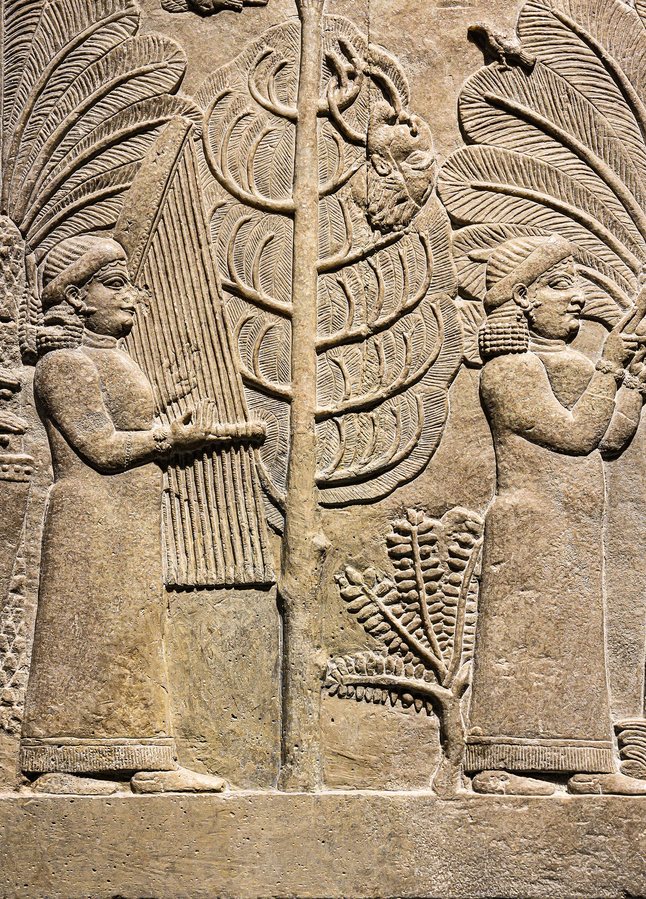
Realistic — As depicted
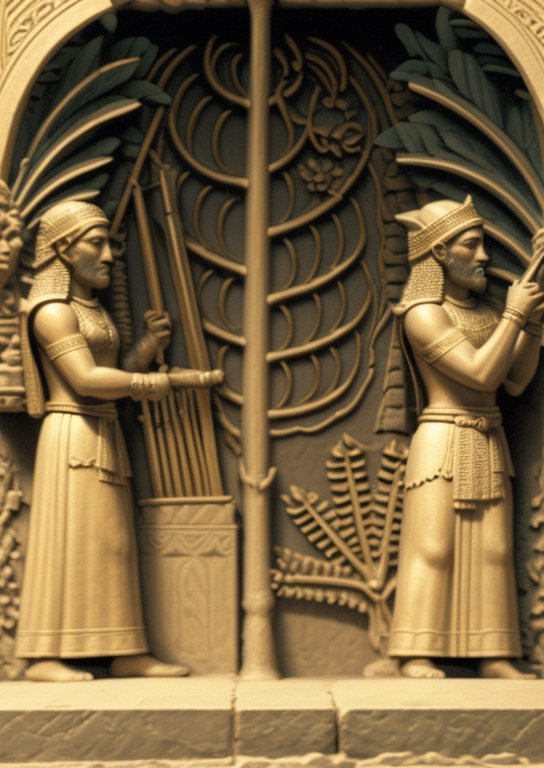
The bull-headed lyre of Ur
Source: Binxedits · CC BY-SA 4.0 · Wikimedia Commons
Original: 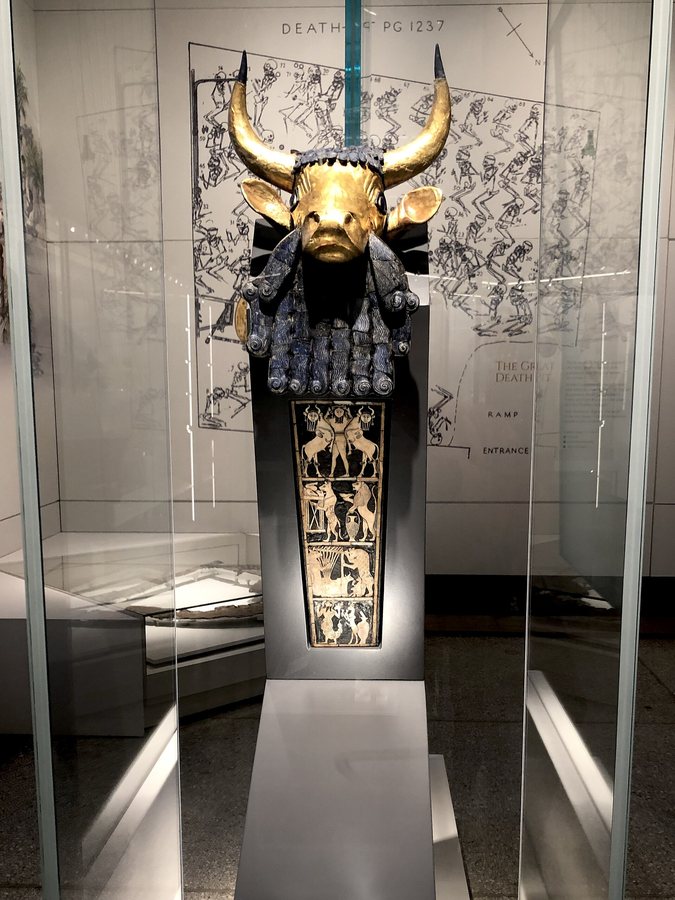
Realistic — As depicted
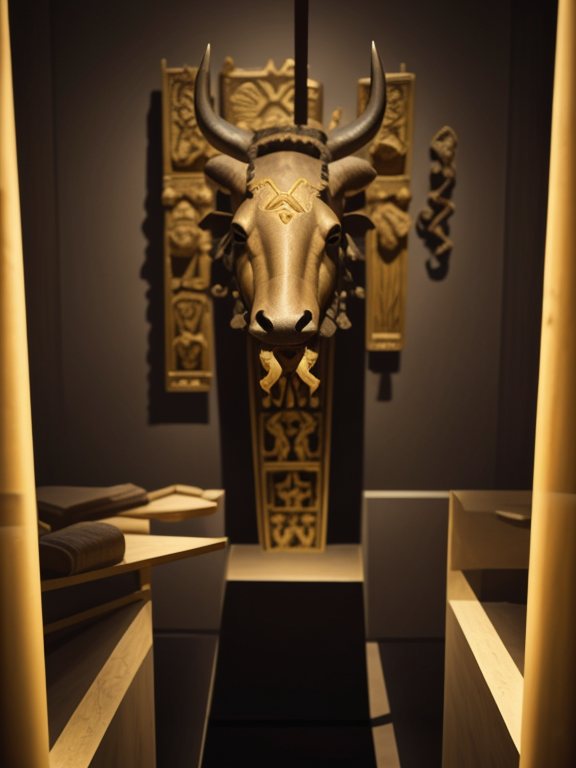
The sarcophagus of Ahiram, Byblos
Source: Raphaël Savignac · Public domain · Wikimedia Commons
Original: 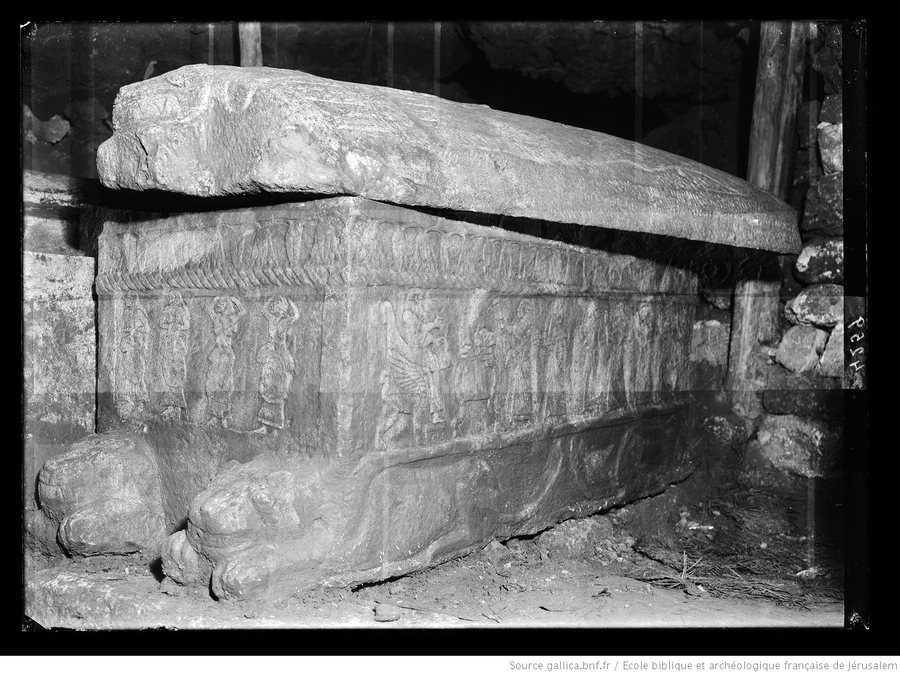
Realistic — Punic (Carthaginian) · Nubian · Libyan (Amazigh) · Levantine · Pale
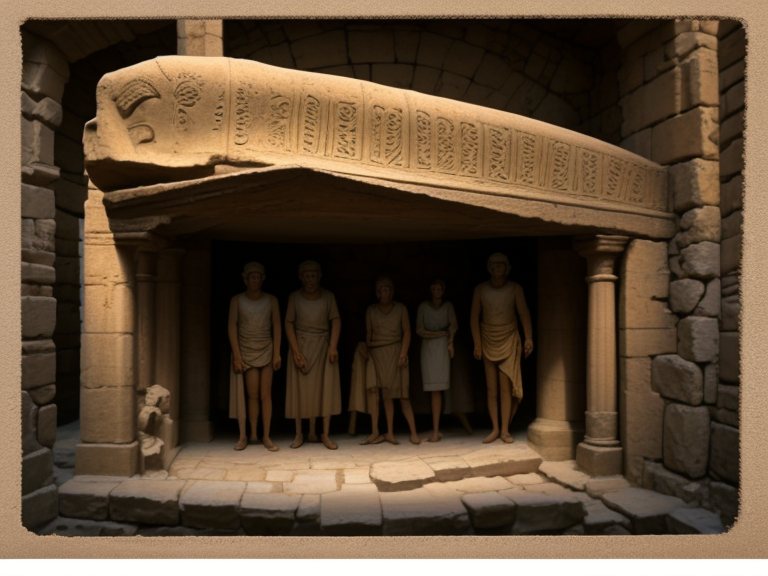
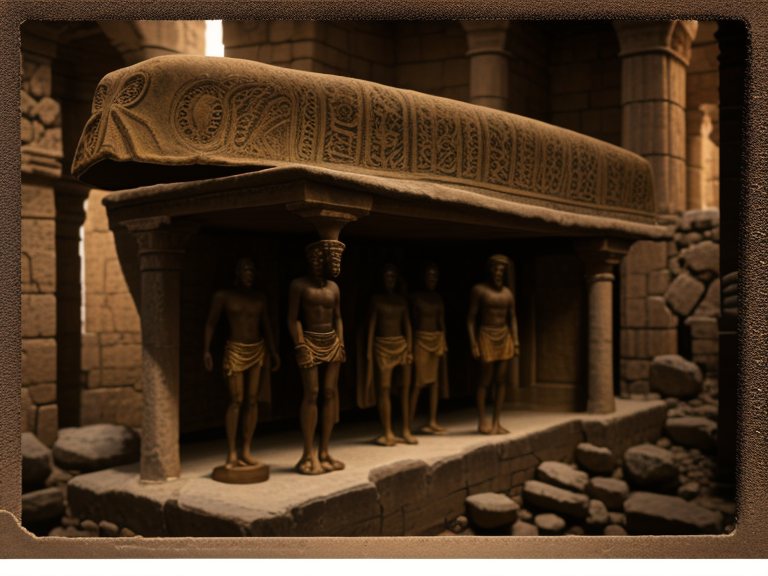
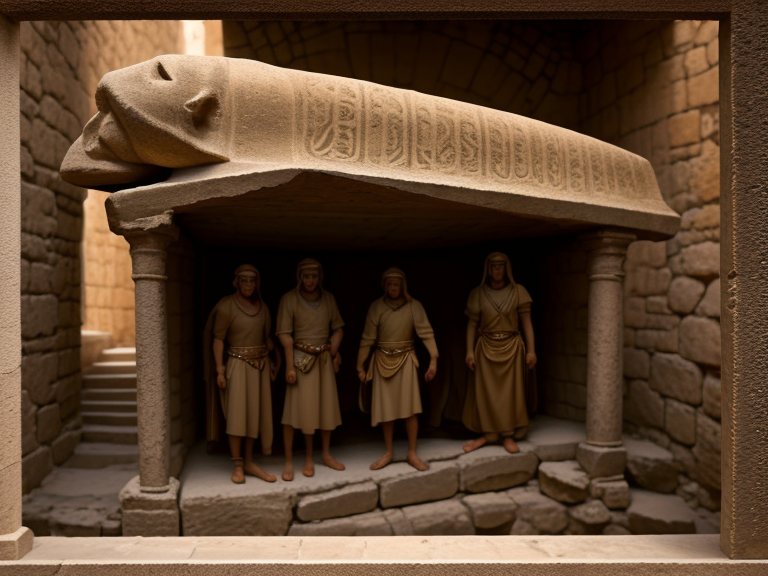
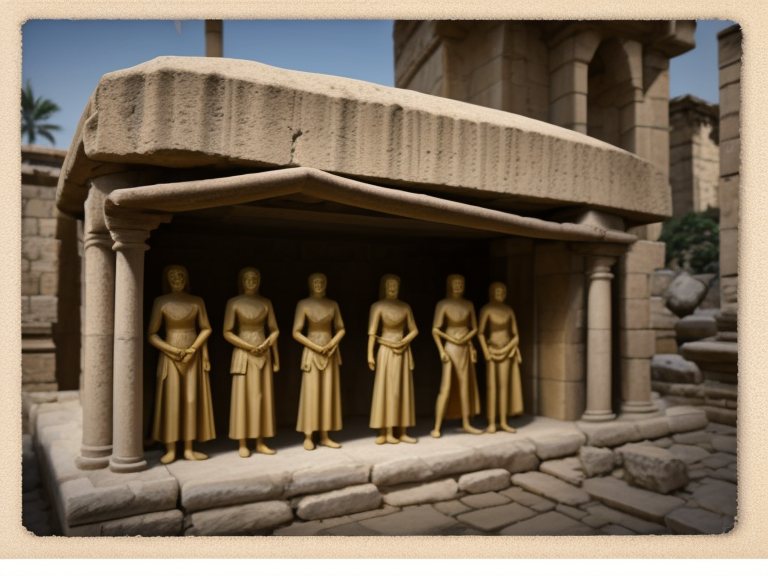
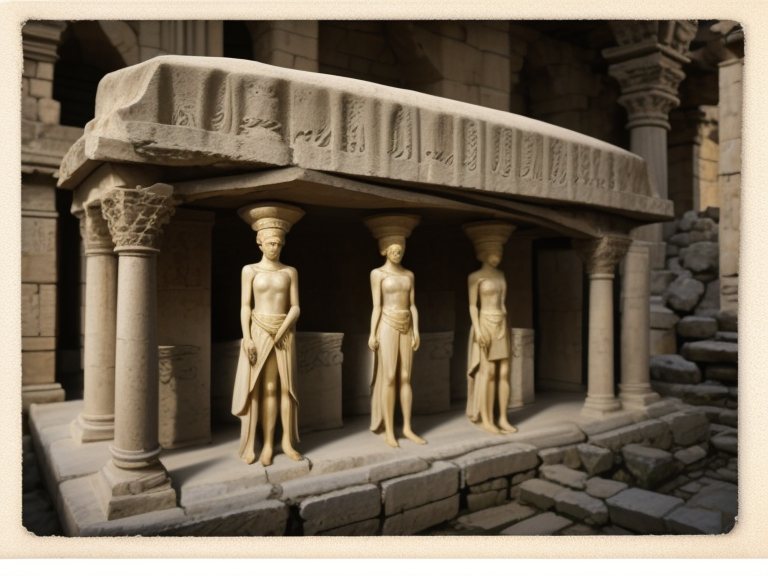
Tomb of the Lionesses, Tarquinia
Source: Gian Luca Ferme · CC BY-SA 3.0 · Wikimedia Commons
Original: 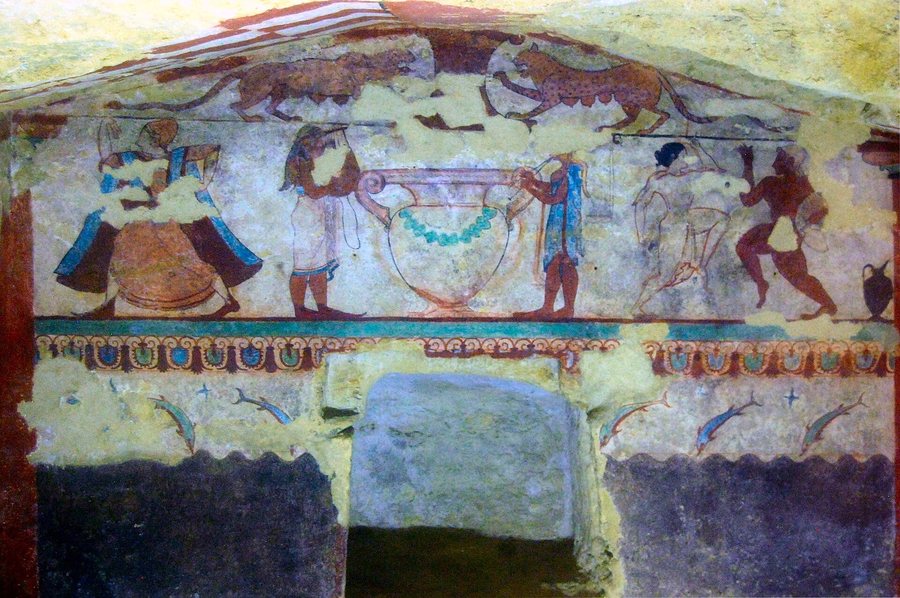
Realistic — Greek · Nubian · Libyan (Amazigh) · Levantine · Pale
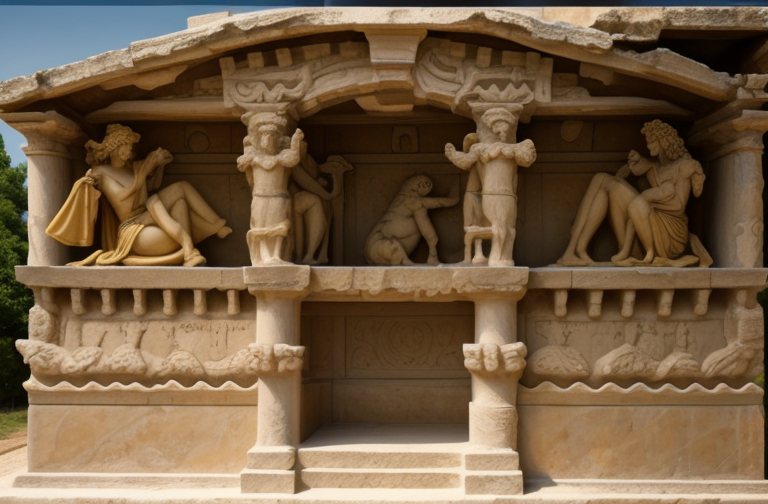
All 14 scenes in this set, and every other remake, are in the gallery: https://hathor.soapbox.community/remakes. Made on our own servers in Hathor Studio; each scene links to its place in the gallery.