Śilpa Śāstra is the Sanskrit science of arts and crafts. Its treatises teach how an image is measured, how its attributes are fixed, how its maker prepares, and how its eyes are finally opened. The canon measures a figure by its own face and keeps a deity's attributes fixed so that anyone, in any land, can know who is shown. This account publishes our historical remakes in that spirit. Each scene, whether Egyptian, Nubian, Minoan, Punic or Greek, is remade side by side for several peoples. The attributes stay constant and the people change. Today's set follows.
The guild is still working. Mamallapuram's Government College of Architecture and Sculpture was founded in 1957 to carry the sthapati tradition into the modern era. In Swamimalai, around 1,200 Vishwakarma sthapatis still cast Chola-style bronzes by lost wax (beeswax, resin and groundnut oil, 4:4:1). The craft has held a Geographical Indication since 2008–09. (source)
We are testing these features and looking to develop them. This is Hathor's alpha work, made on our own servers — the images and videos she makes next are expected to be much better and more accurate. Tell us what works and what doesn't: every video page has 👍/👎, comments and timestamped notes.
The full gallery, every scene in every look: https://hathor.soapbox.community/remakes · Shilpa Shastra gallery: https://hathor.soapbox.community/gallery
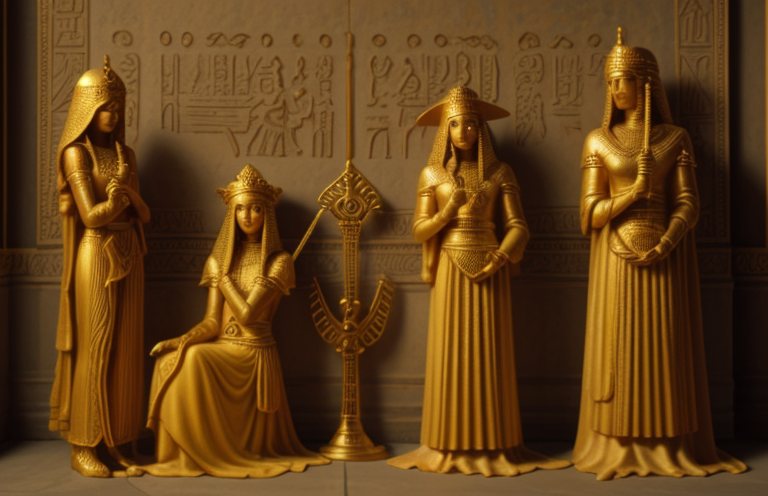
Ankh-ef-en-Sekhmet entertained by a harpist
Source: Anonymous ( Egypt ) Unknown author · Public domain · Wikimedia Commons
Original: 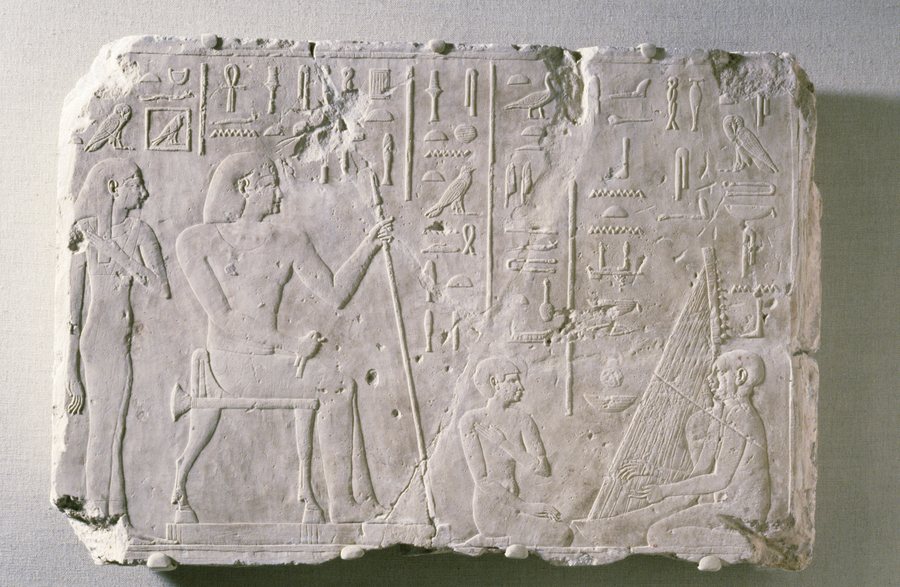
Realistic — Egyptian · Nubian · Libyan (Amazigh) · Levantine · Pale
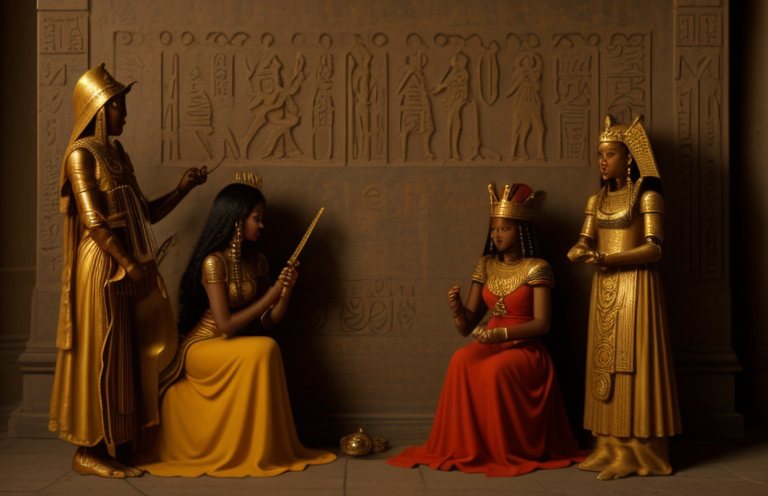
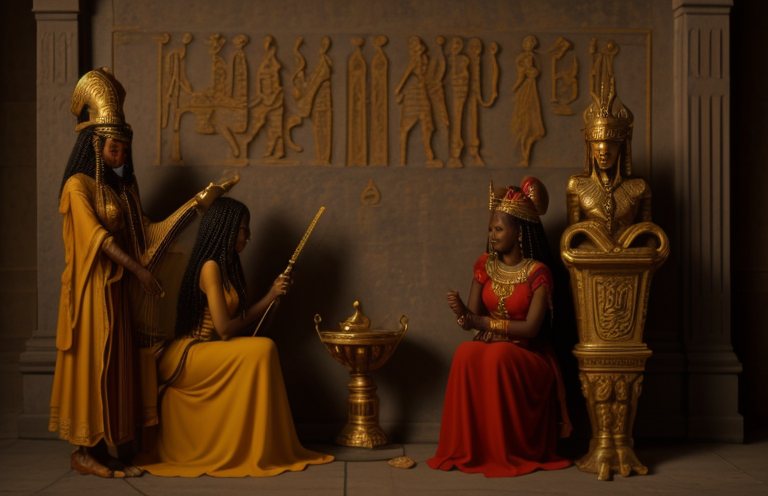
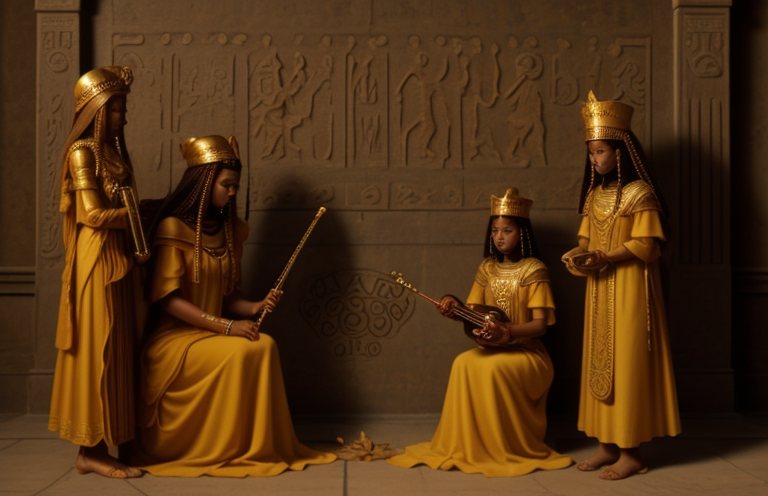
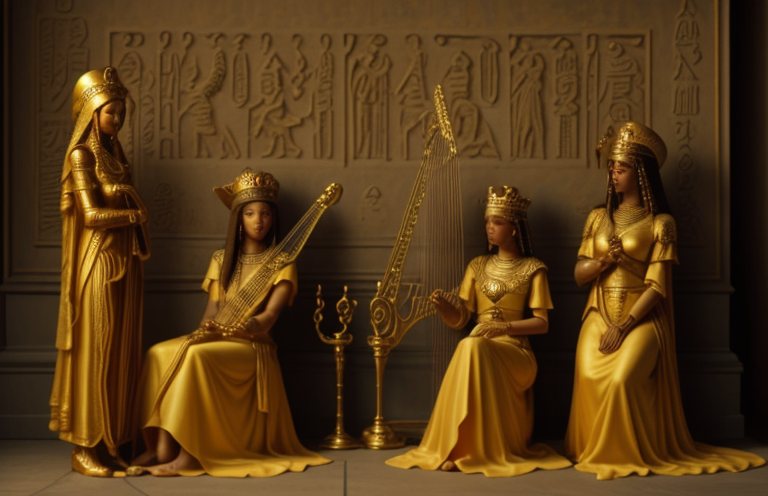
Harpist in the tomb chapel of Paatenemheb
Source: rob koopman from Leiderdorp, netherlands · CC BY-SA 2.0 · Wikimedia Commons
Original: 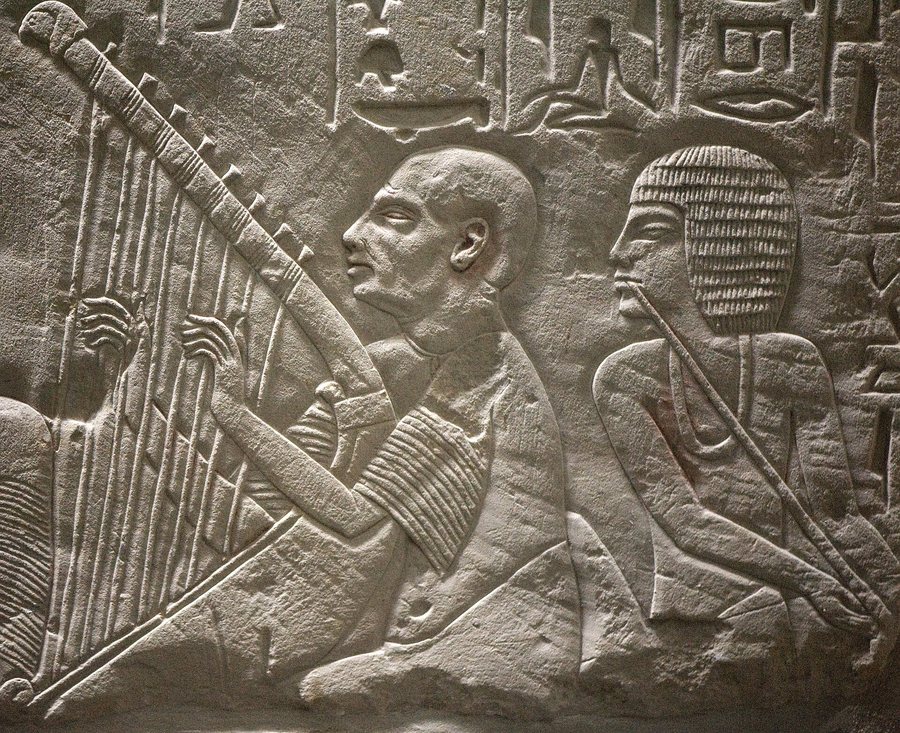
Realistic — Egyptian · Nubian · Libyan (Amazigh) · Levantine · Pale
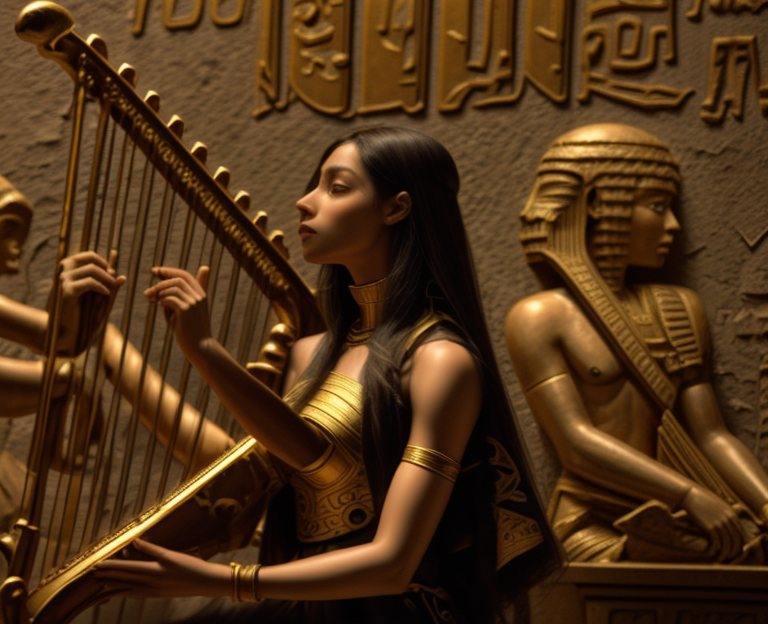
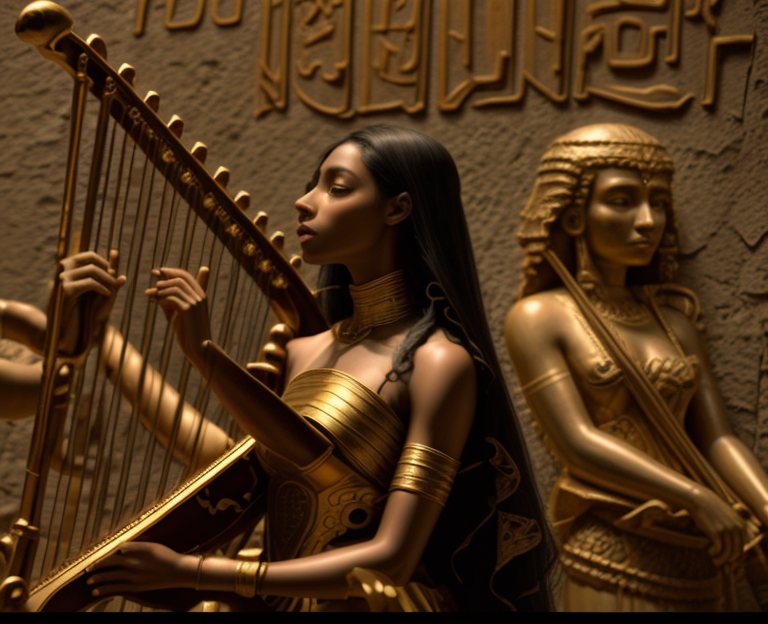
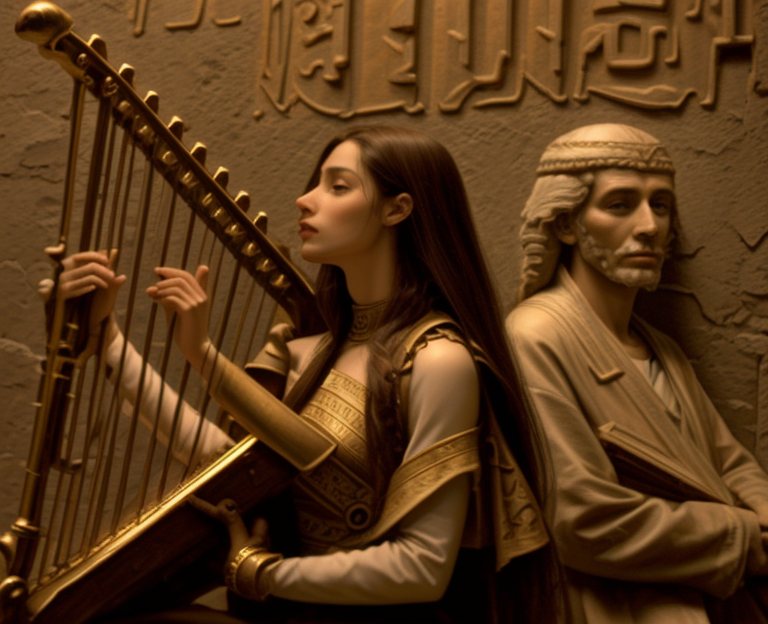
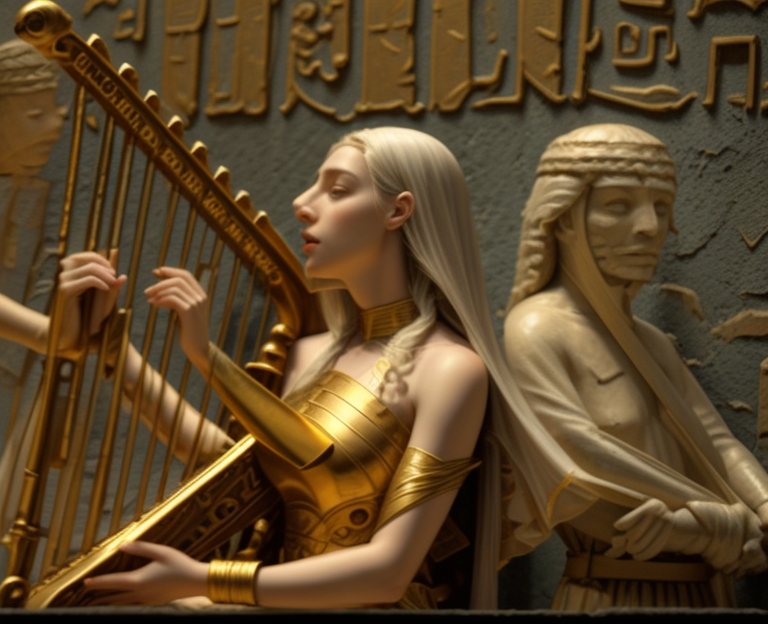
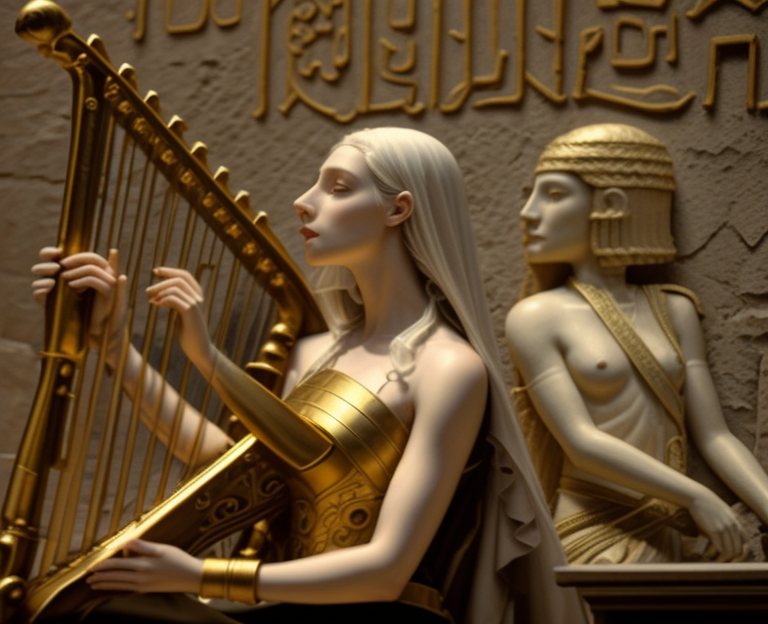
Lute player, musicians and dancer (Nakht)
Source: unknown painter, Egypt, 18th Dynasty , c. 1422-1411 BCE · Public domain · Wikimedia Commons
Original: 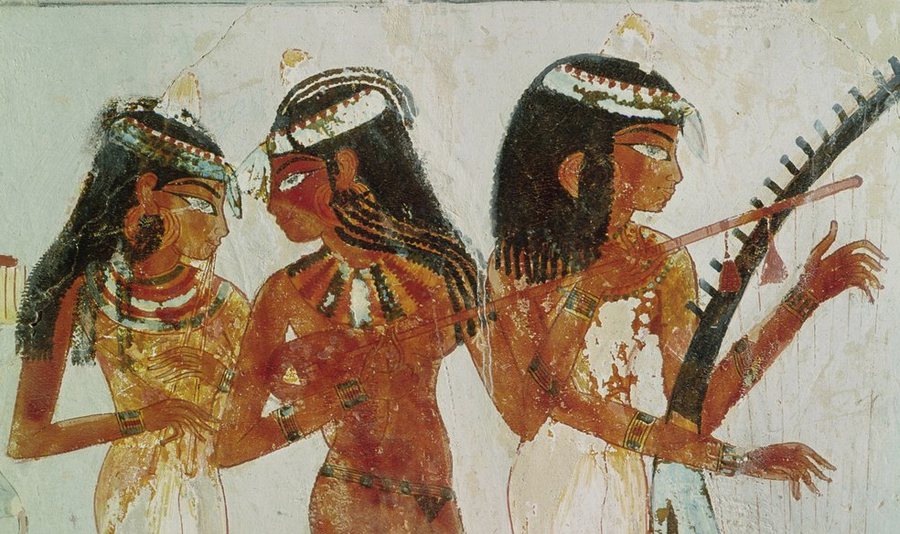
Realistic — Egyptian · Nubian · Libyan (Amazigh)
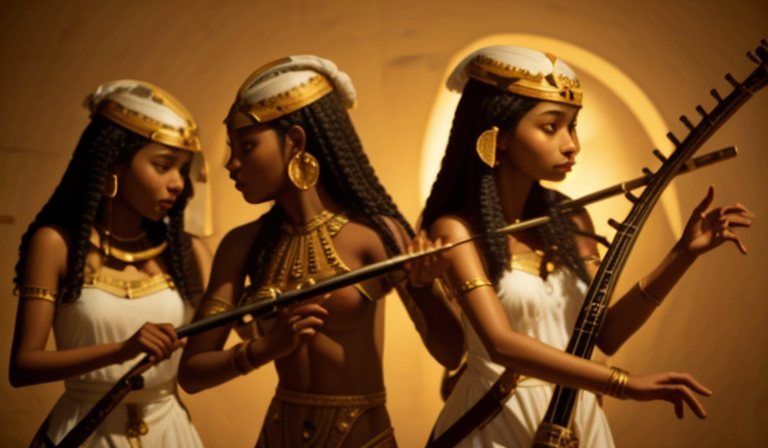
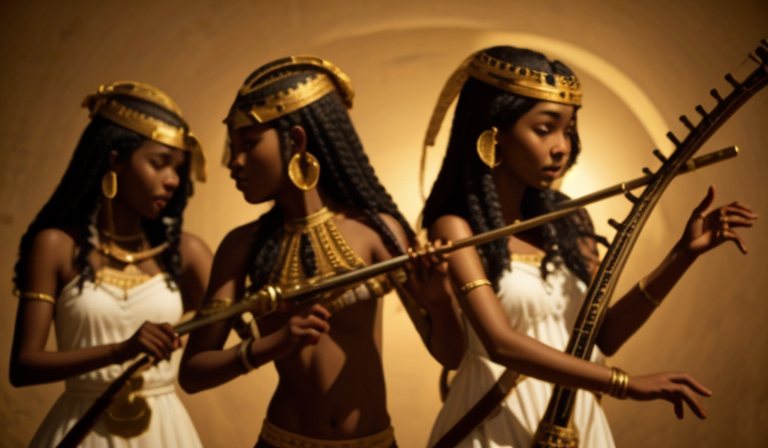
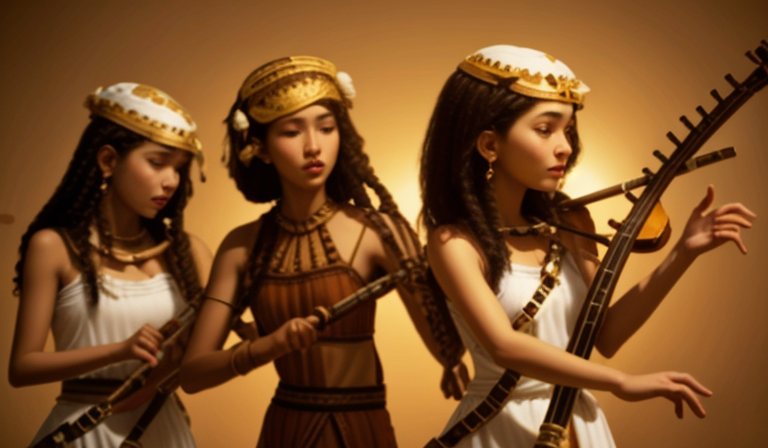
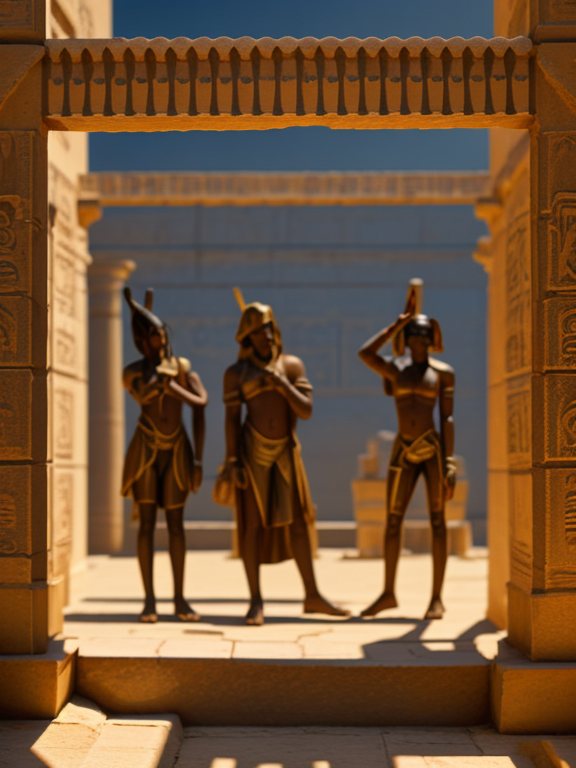
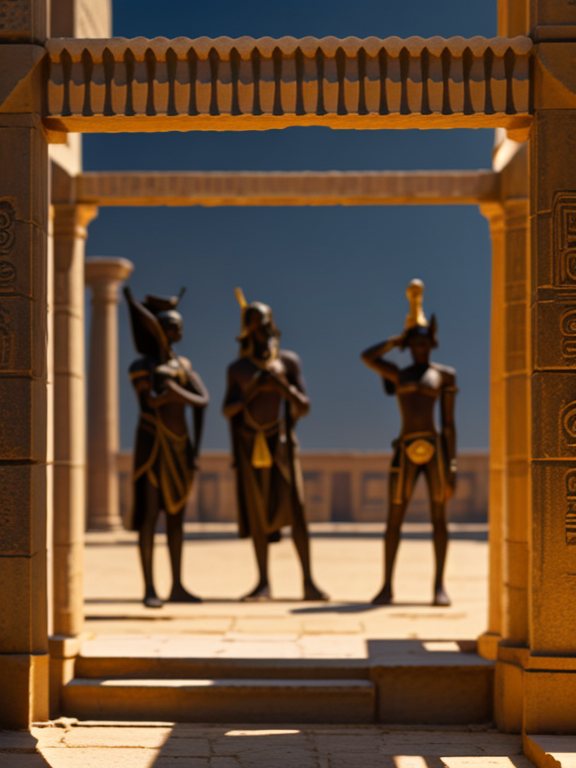
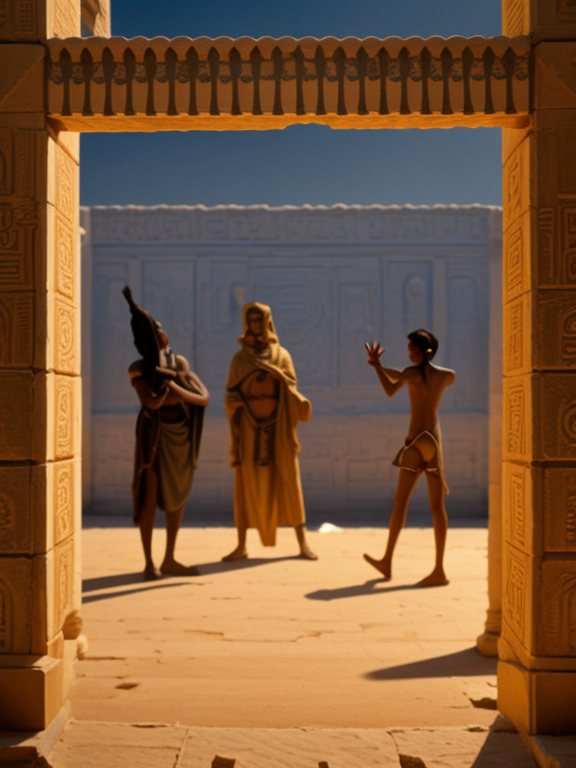
Sistrum offering at Dendera
Source: Olaf Tausch · CC BY 3.0 · Wikimedia Commons
Original: 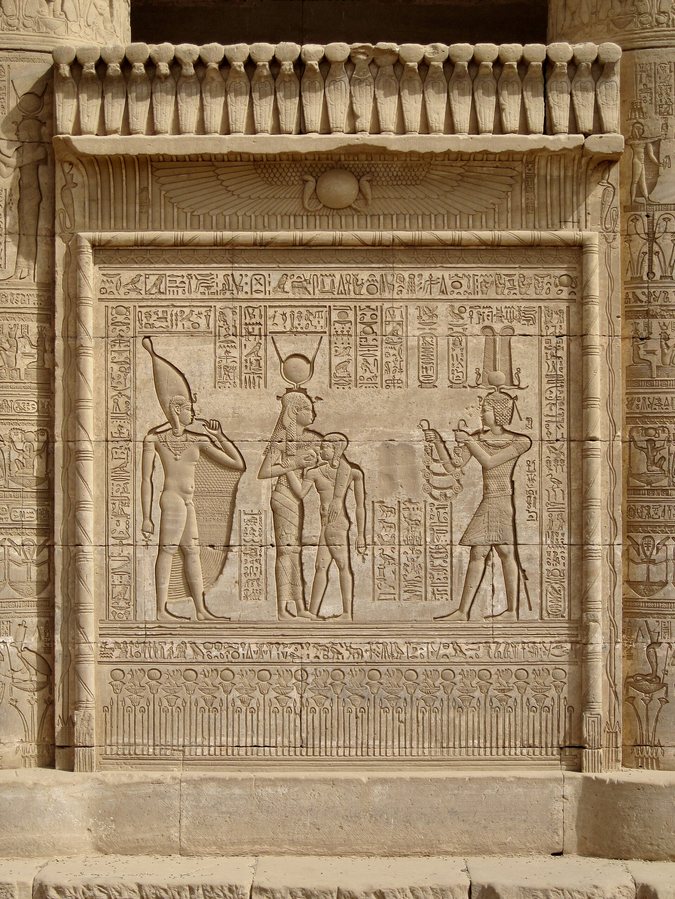
Realistic — Egyptian · Nubian · Libyan (Amazigh) · Levantine · Pale
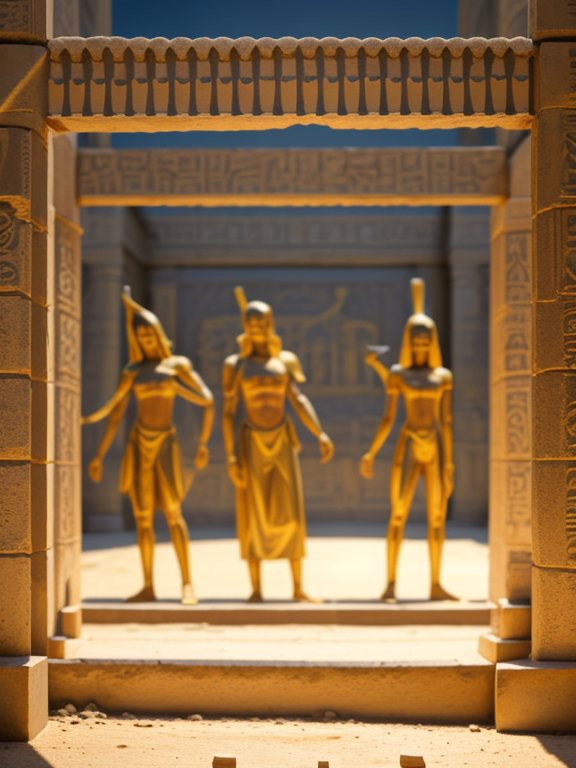
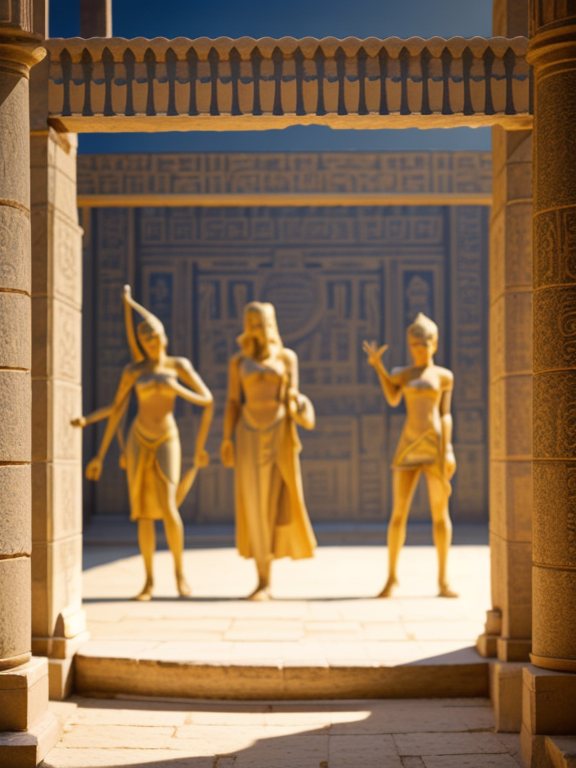
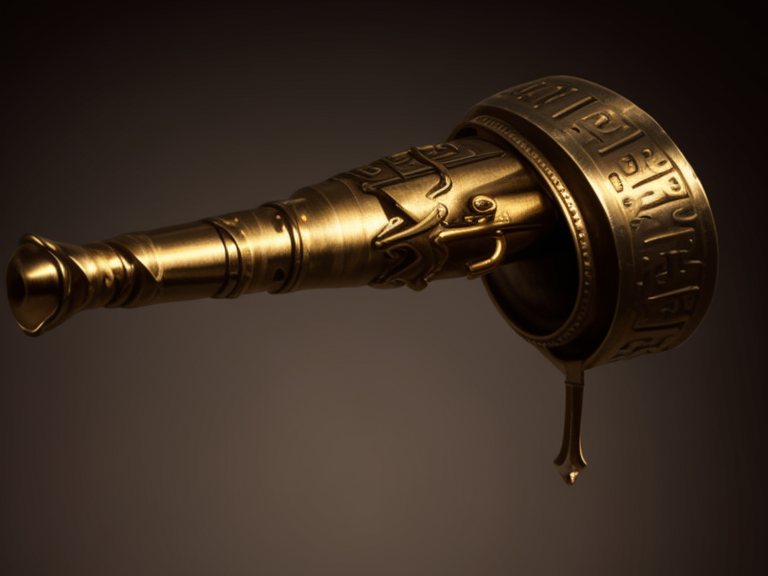
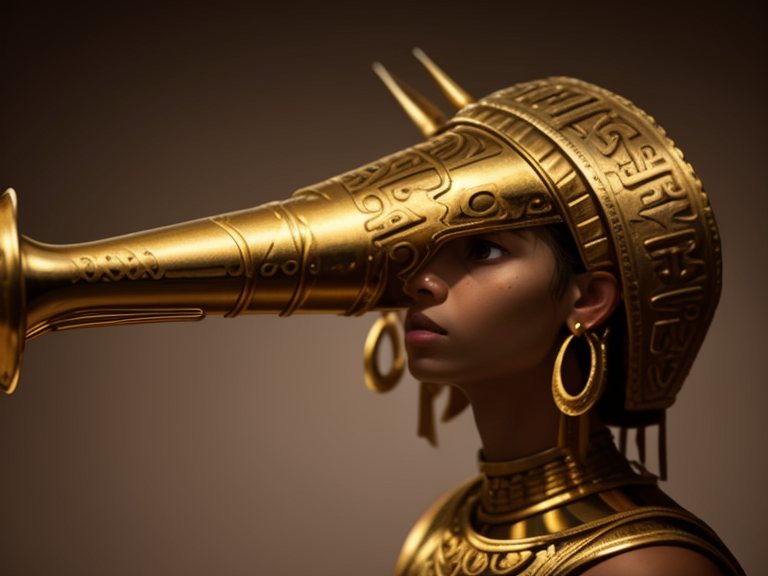
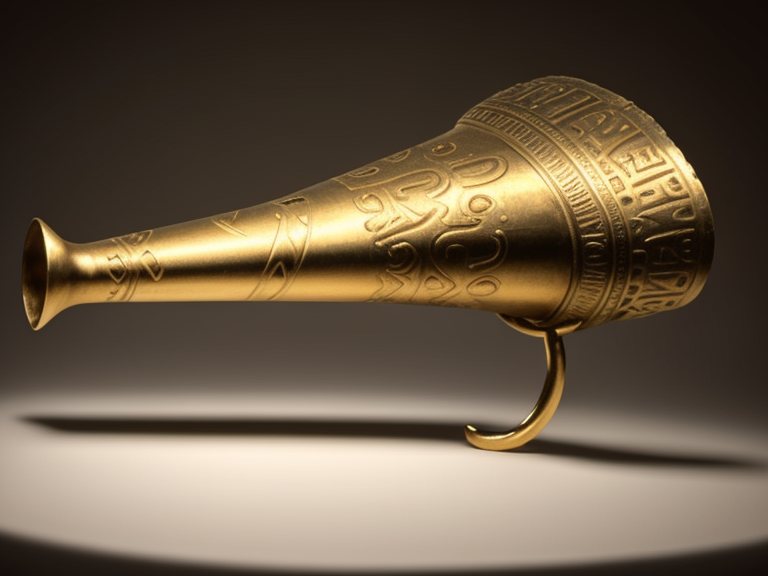
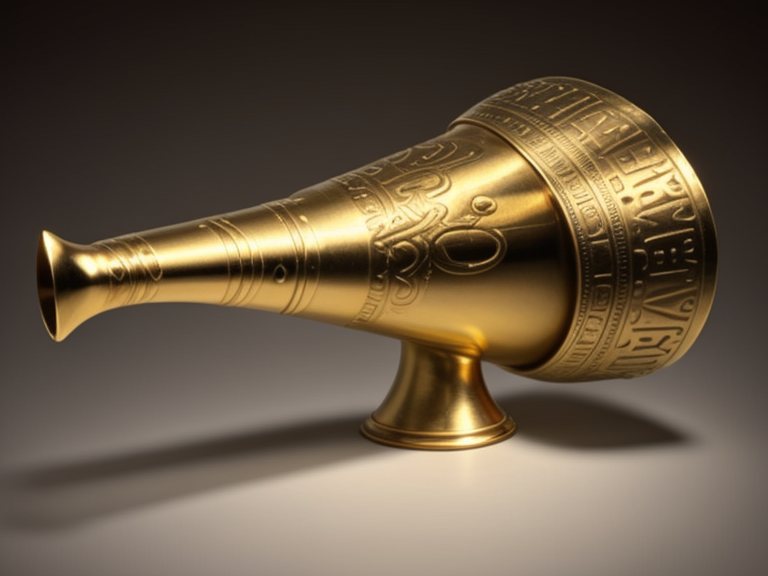
Tutankhamun's trumpets and treasures
Source: Amanda Slater from Coventry, West Midlands, UK · CC BY-SA 2.0 · Wikimedia Commons
Original: 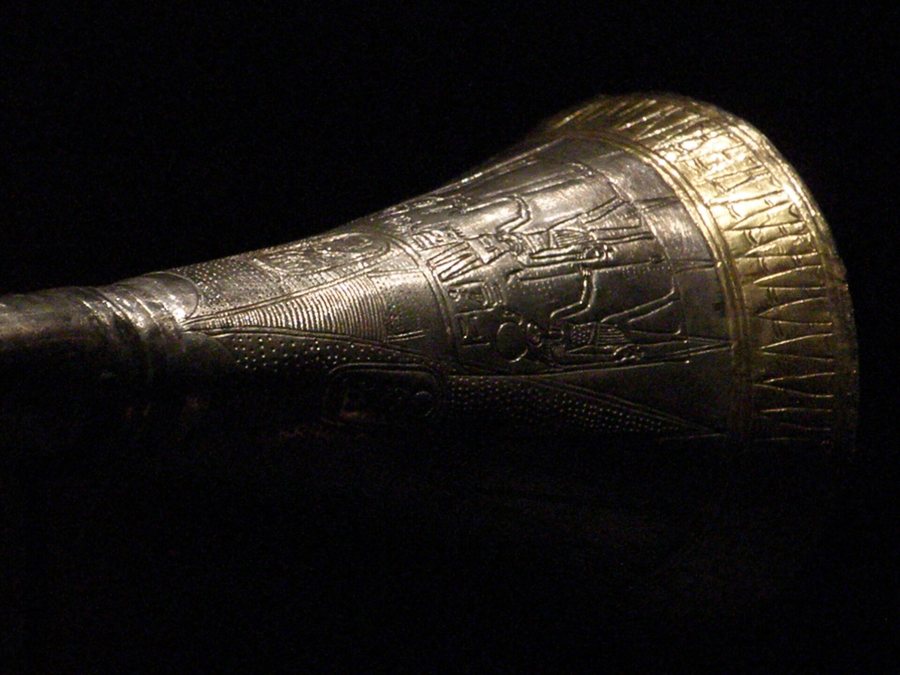
Realistic — Egyptian · Nubian · Libyan (Amazigh) · Levantine · Pale
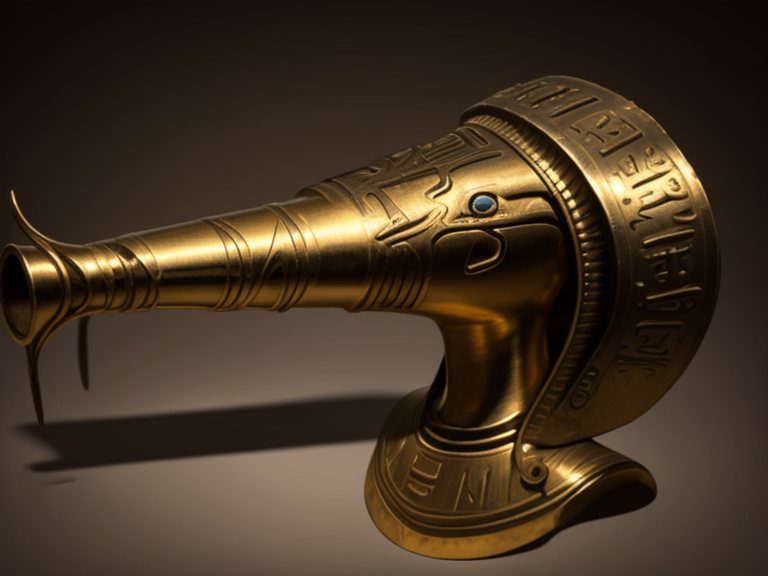
All 5 scenes in this set, and every other remake, are in the gallery: https://hathor.soapbox.community/remakes. Made on our own servers in Hathor Studio; each scene links to its place in the gallery.