Classical Indian image-makers used a unit taken from the figure itself: the tāla, one face-length, divided into twelve fingers. Gods, goddesses, humans and spirits each have their own count, so proportion itself says what order of being you are looking at. Egypt had a squared grid and Greece had Polykleitos' canon, each a sibling workshop with its own measure. Our remakes keep each scene's canon and attributes and let the peoples vary. Here is the next batch.
The oldest painting manual. The Citrasūtra, chapters 35–43 of the third book of the Viṣṇudharmottara Purāṇa (c. 5th–7th century CE, date debated), is the oldest complete Sanskrit treatise on painting. It covers proportion, colour, shading, the feelings a picture should carry, and the arts painting depends on. Stella Kramrisch translated it in 1924. (source)
We are testing these features and looking to develop them. This is Hathor's alpha work, made on our own servers — the images and videos she makes next are expected to be much better and more accurate. Tell us what works and what doesn't: every video page has 👍/👎, comments and timestamped notes.
The full gallery, every scene in every look: https://hathor.soapbox.community/remakes · Shilpa Shastra gallery: https://hathor.soapbox.community/gallery
A nereid feeds the sea-tiger
Source: Roman mosaic, 2nd century BC · photo Ken and Nyetta · CC BY 2.0 · Wikimedia Commons
Original: 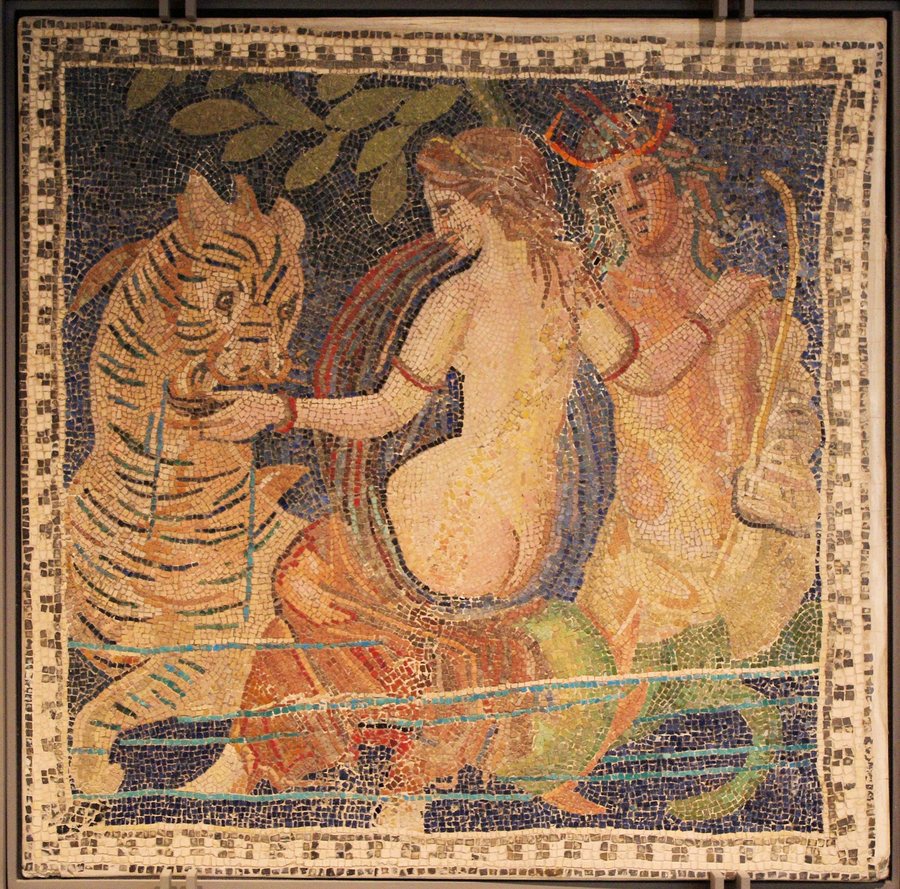
Realistic — Greek · Nubian · Libyan (Amazigh) · Levantine · Pale
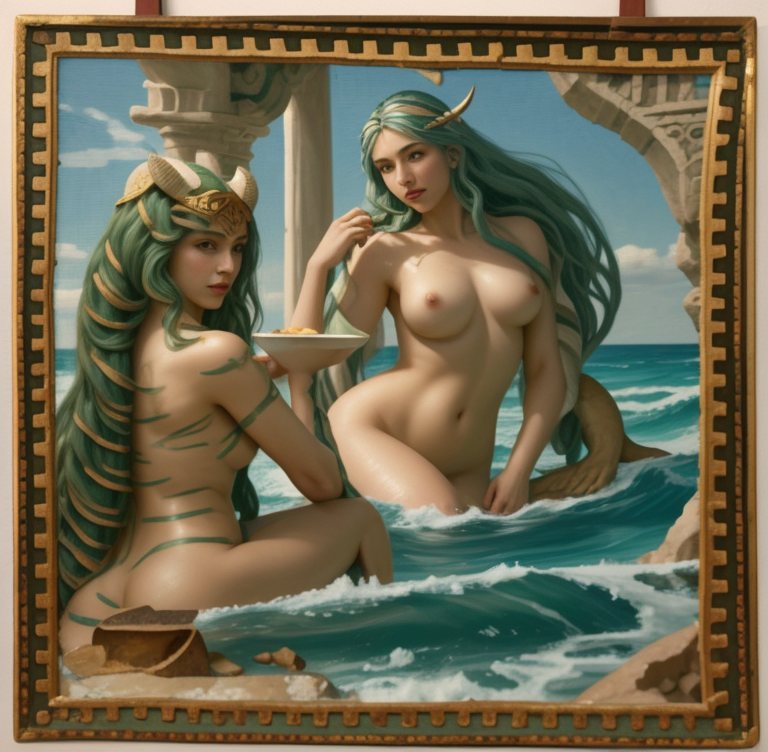
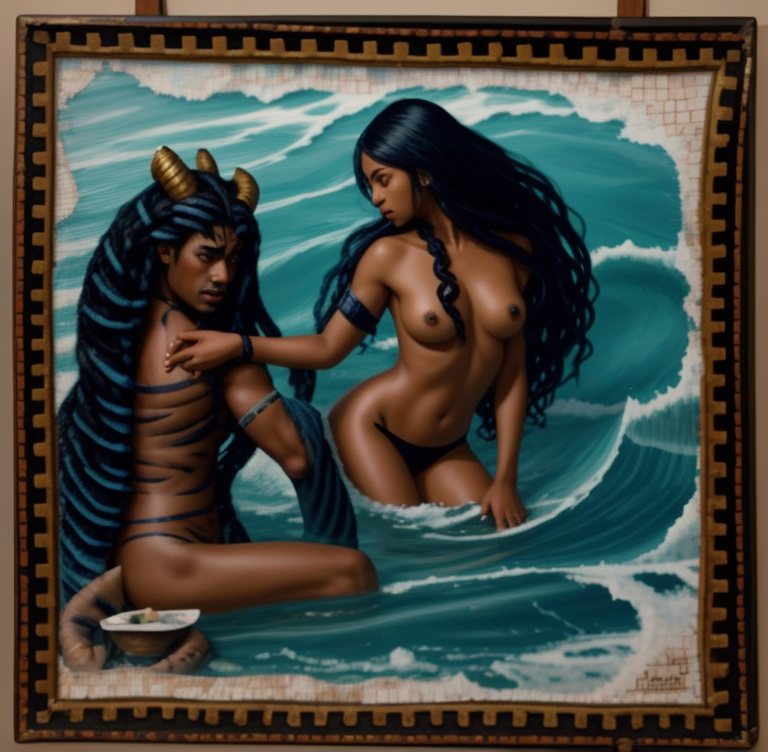
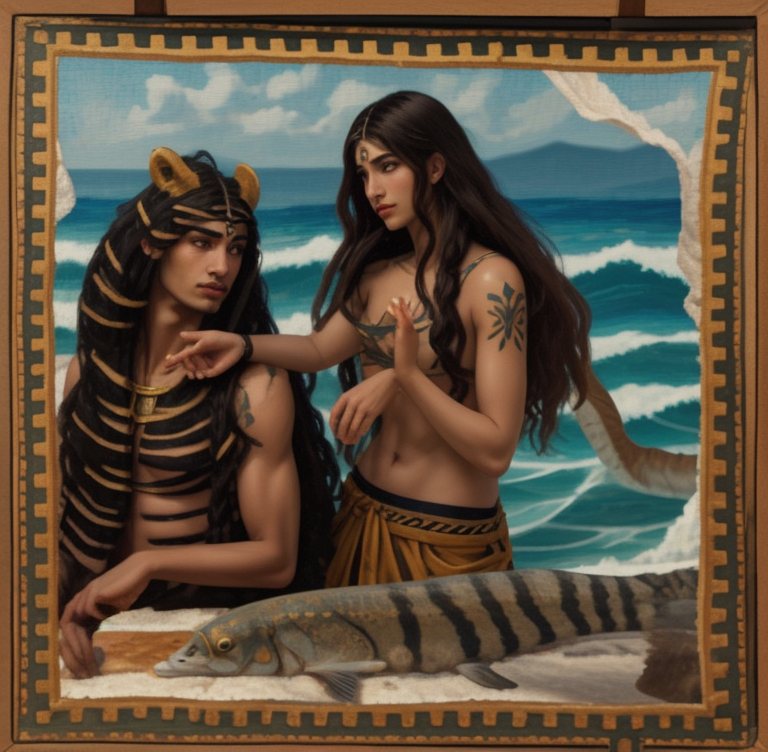
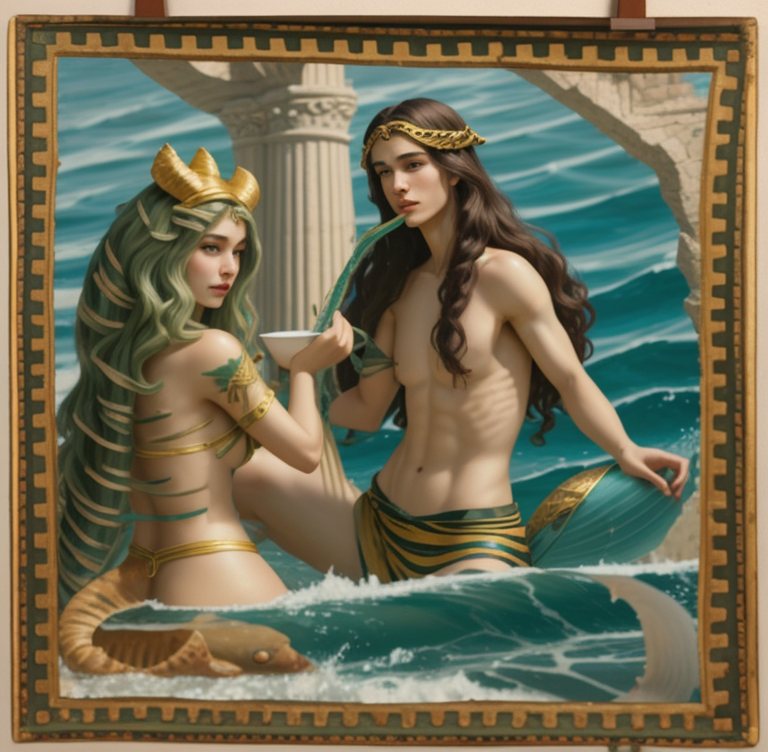
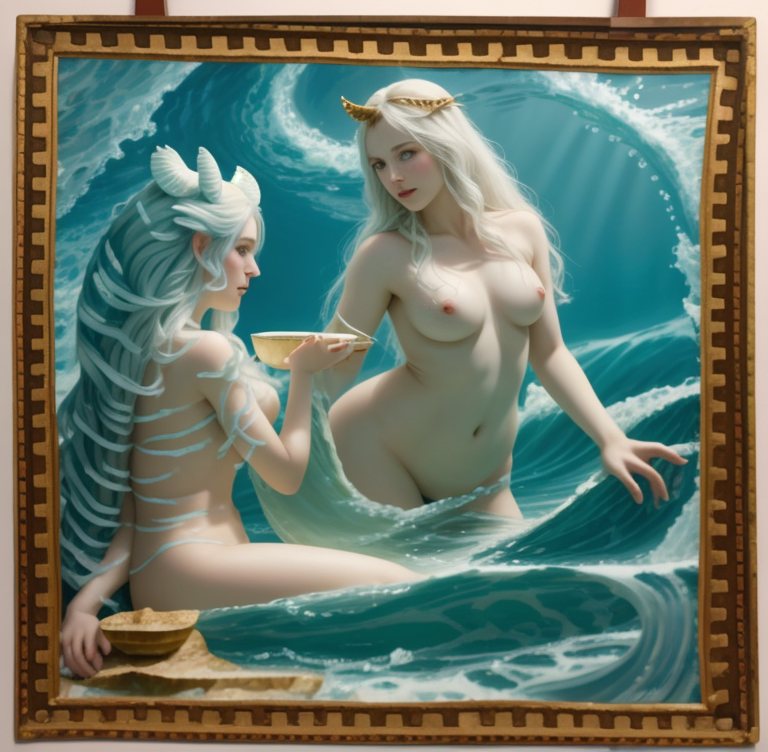
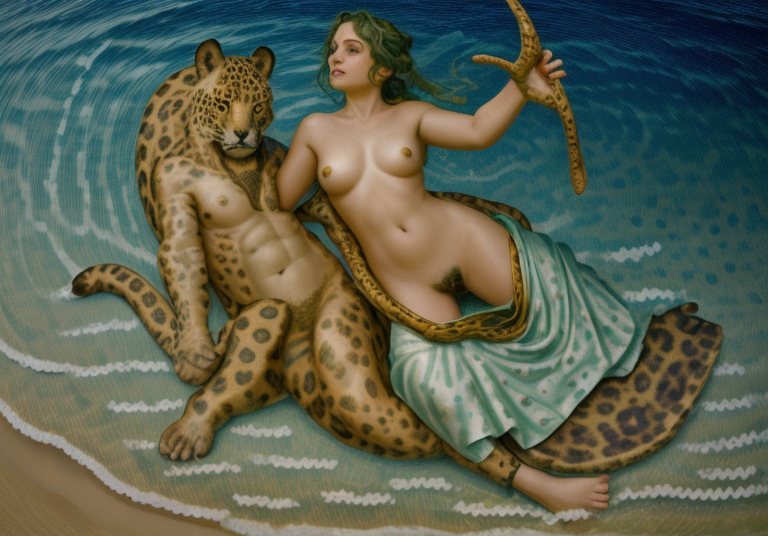
A nereid rides a sea-leopard (Sousse)
Source: Roman mosaic, Sousse Archaeological Museum, Tunisia · photo Ad Meskens · CC BY-SA 3.0 · Wikimedia Commons
Original: 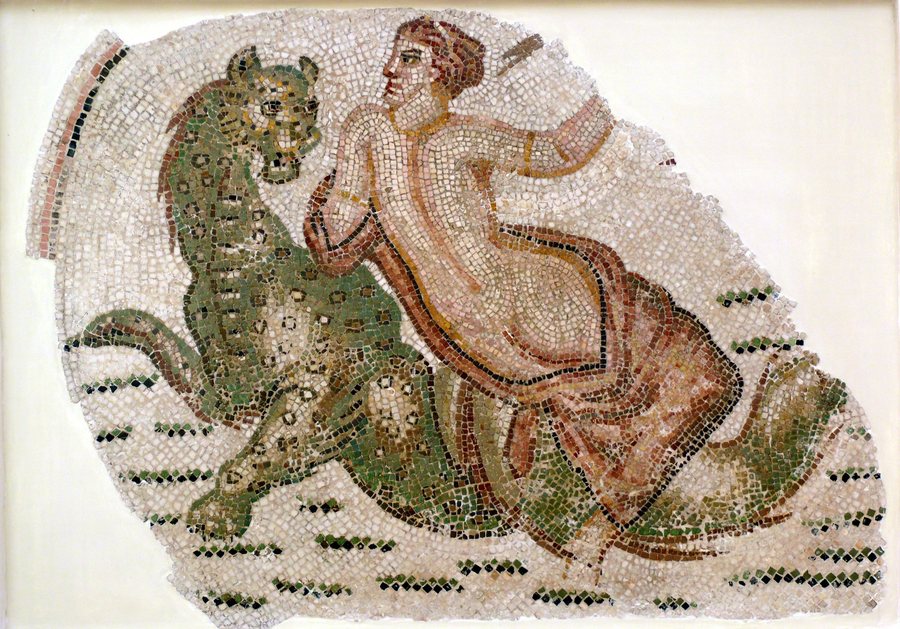
Realistic — Greek · Nubian · Libyan (Amazigh) · Levantine · Pale
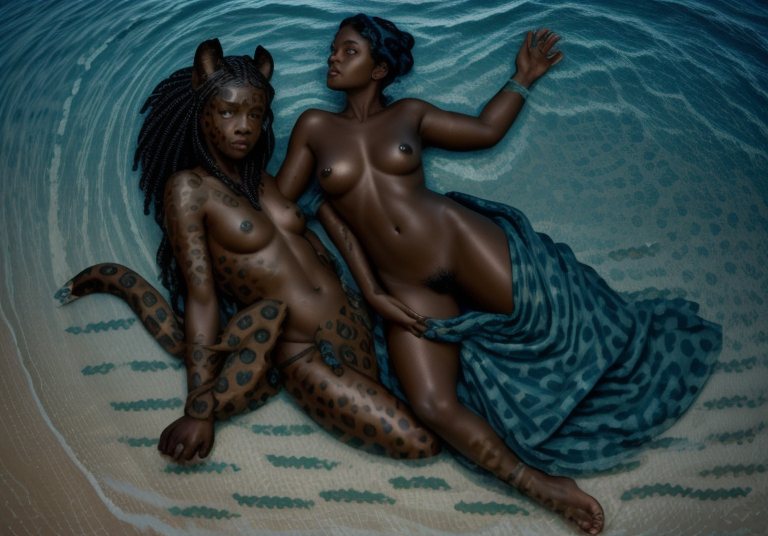
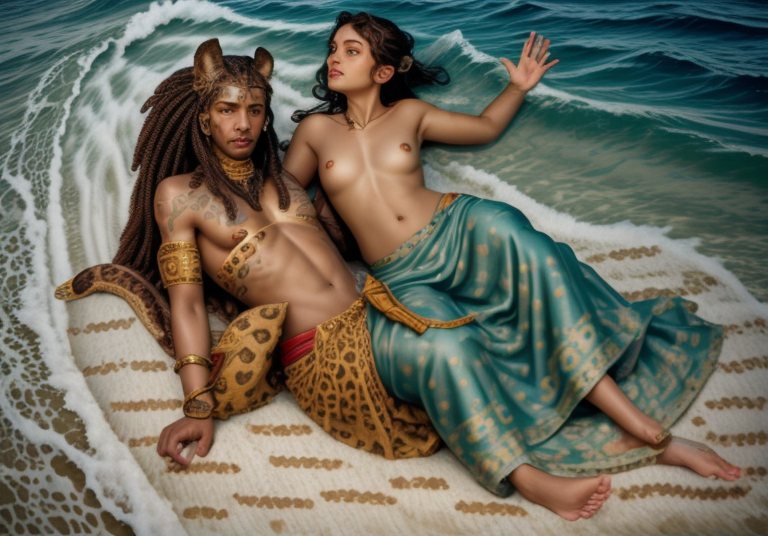
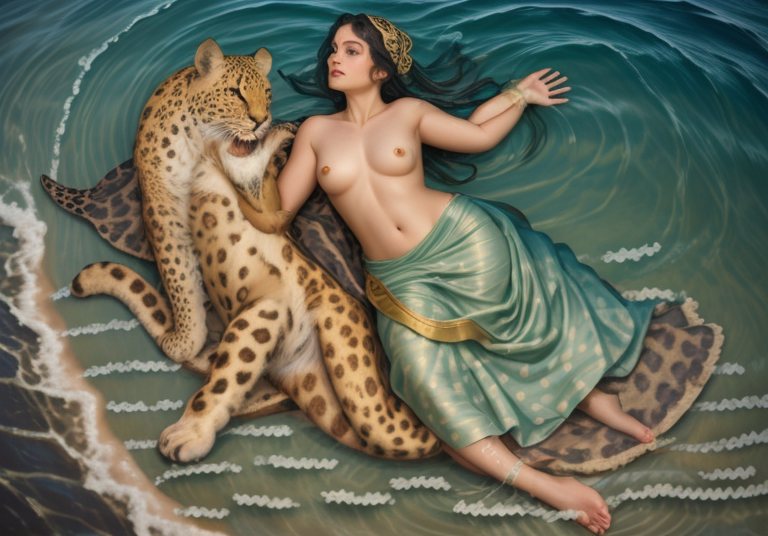
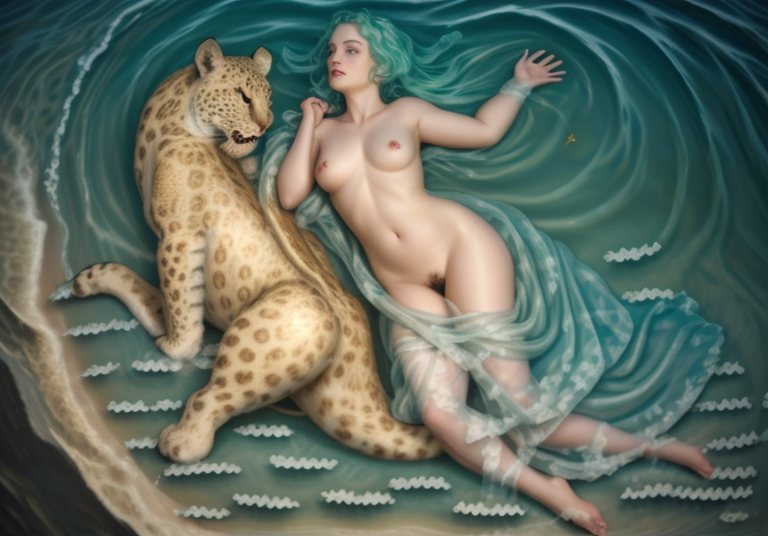
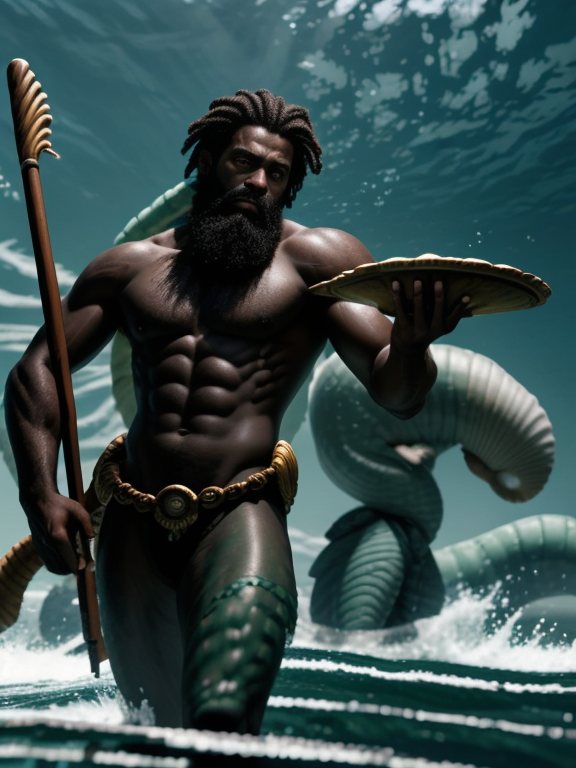
A triton carrying a platter (Otricoli mosaic)
Source: Roman mosaic from Otricoli, Vatican Museums (Pio-Clementino) · Public domain · Wikimedia Commons
Original: 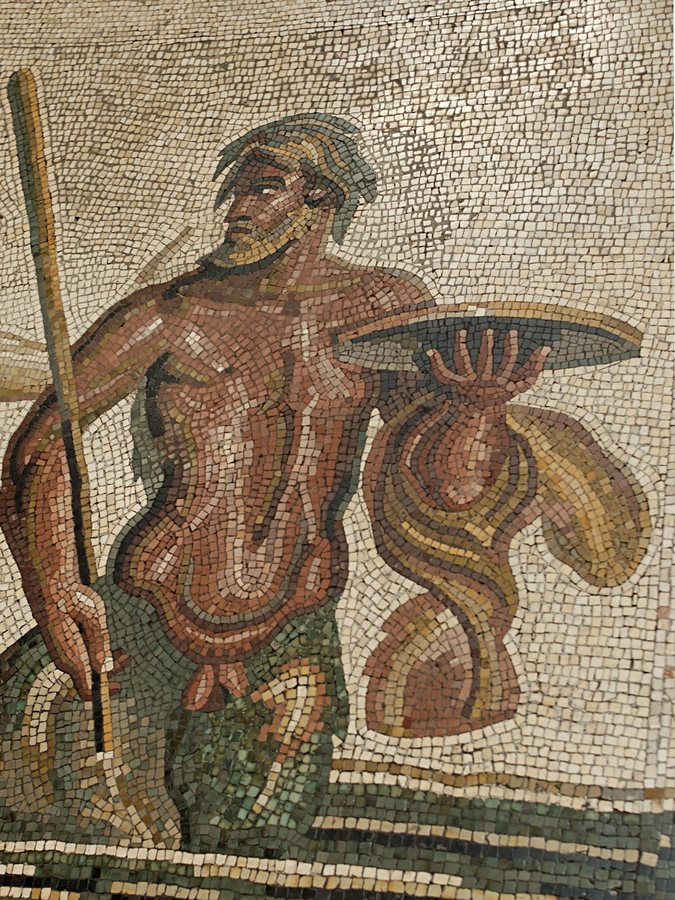
Realistic — Greek · Nubian · Libyan (Amazigh) · Levantine · Pale




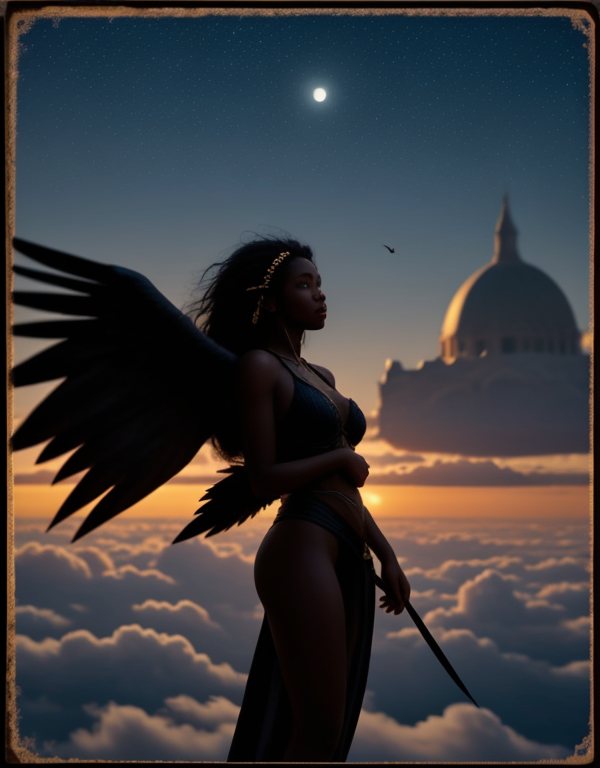
An angel scourges a harpy
Source: Anonymous, British, 19th century, Angel Scourging a Harpy (recto); Athletic Scene (verso), ca. 1890 · The Metropolitan Museum of Art 68.676.2 · Open Access CC0
Original: 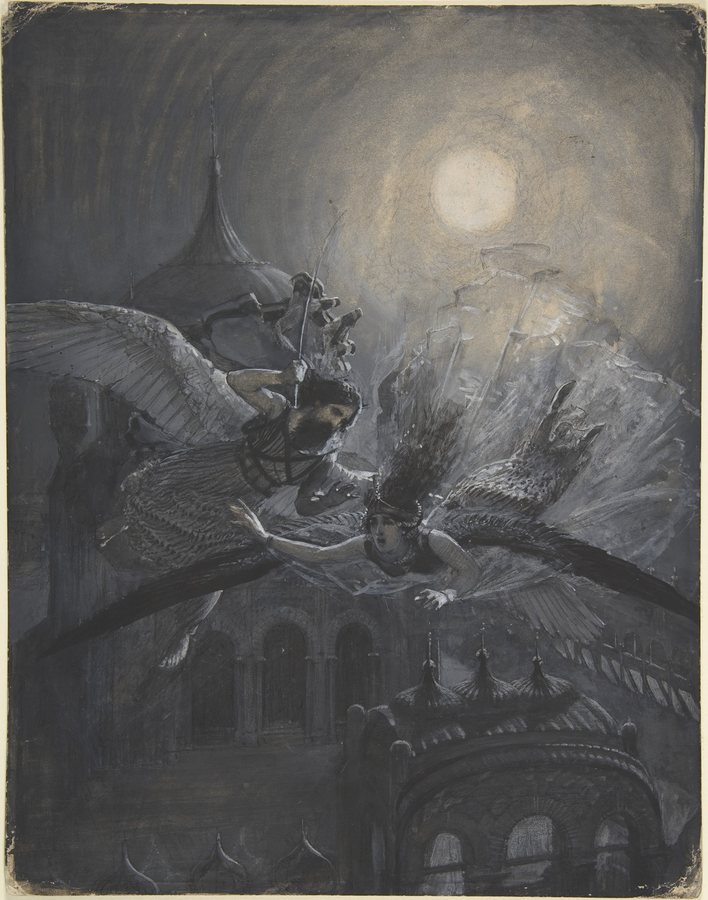
Realistic — Nubian · Levantine · Pale
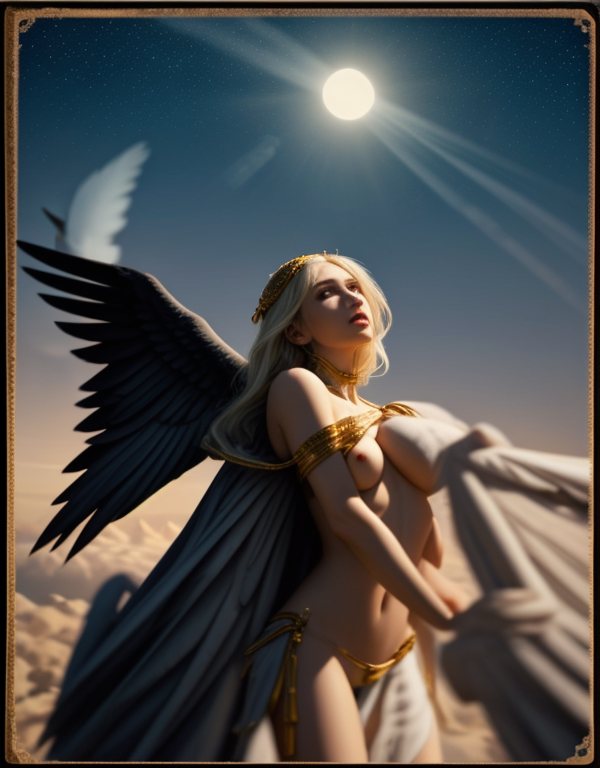

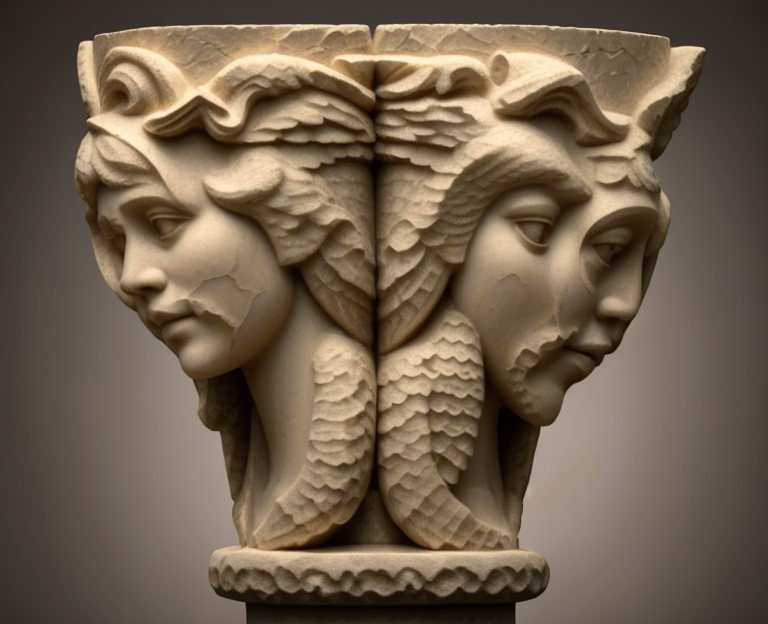
Harpies carved on a medieval capital
Source: Capital with Addorsed Harpies, Southwest France, Languedoc, Toulouse (?), 13th century · Cleveland Museum of Art 1916.1983 · Open Access CC0
Original: 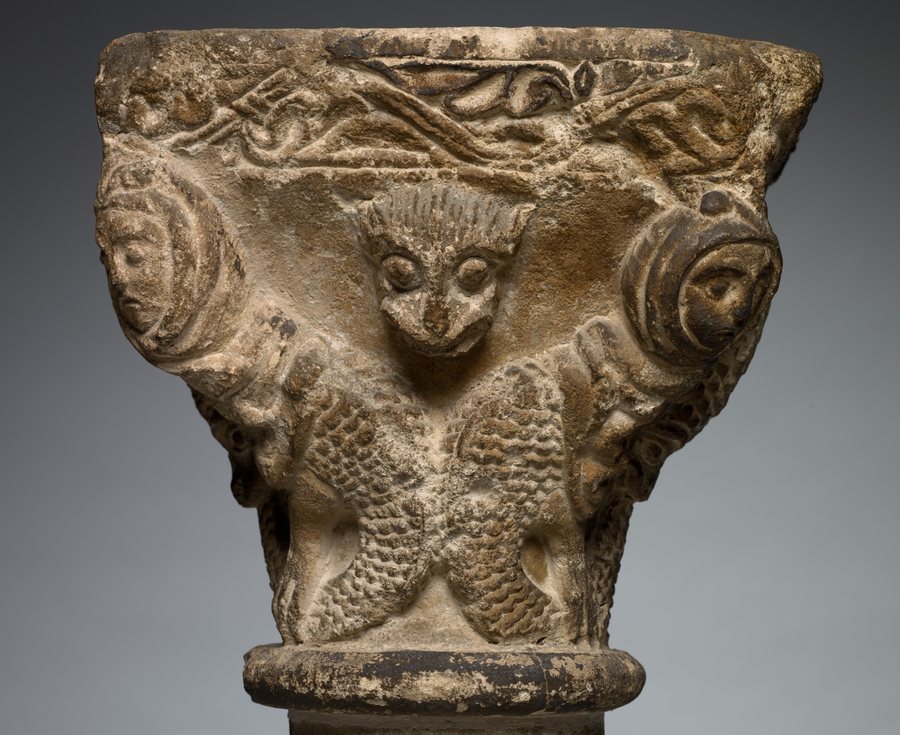
Realistic — As depicted
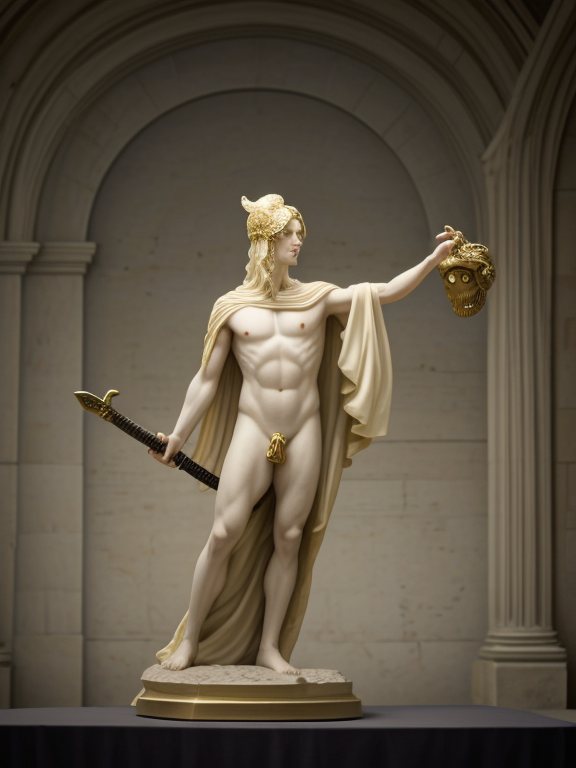
Perseus with the head of Medusa
Source: Antonio Canova, Perseus with the Head of Medusa, 1804–6 · The Metropolitan Museum of Art 67.110.1 · Open Access CC0
Original: 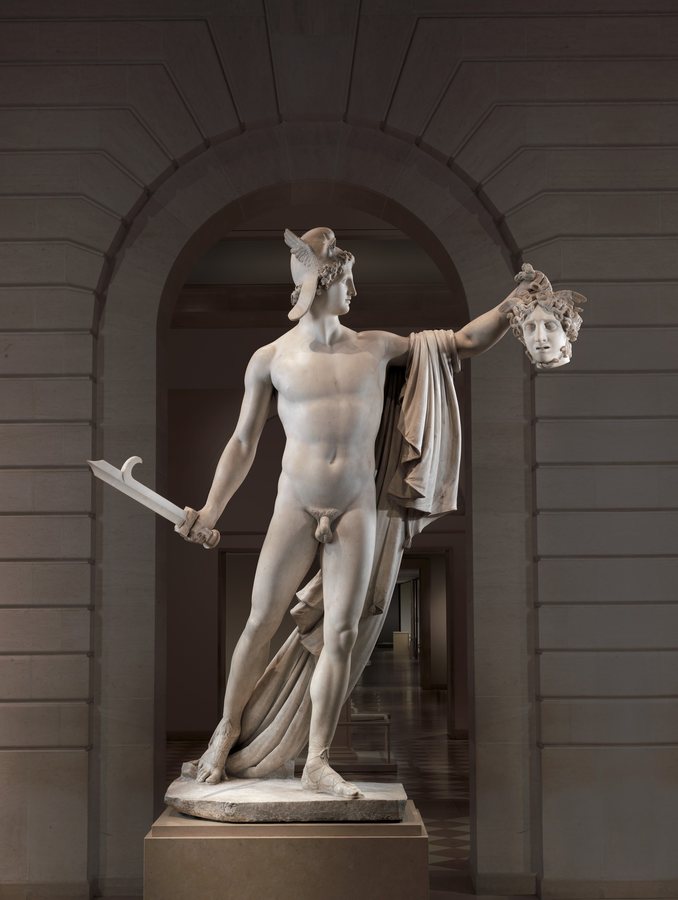
Realistic — Greek · Nubian · Libyan (Amazigh) · Levantine · Pale
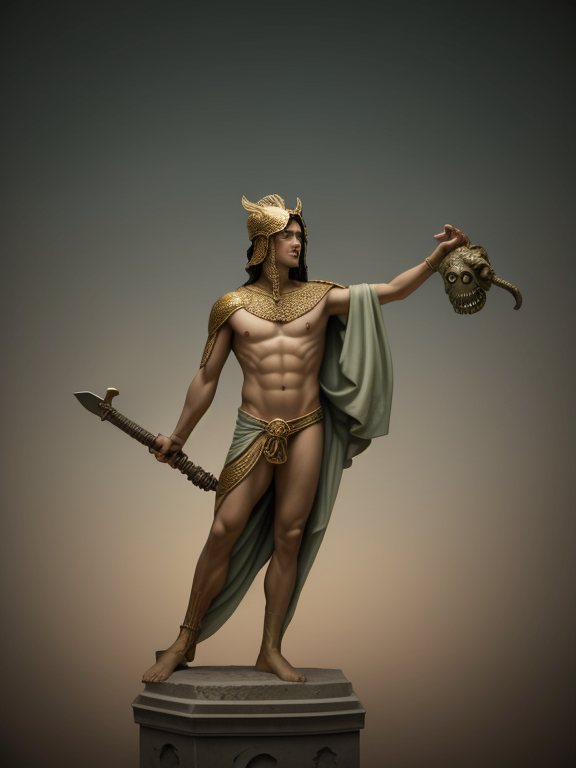
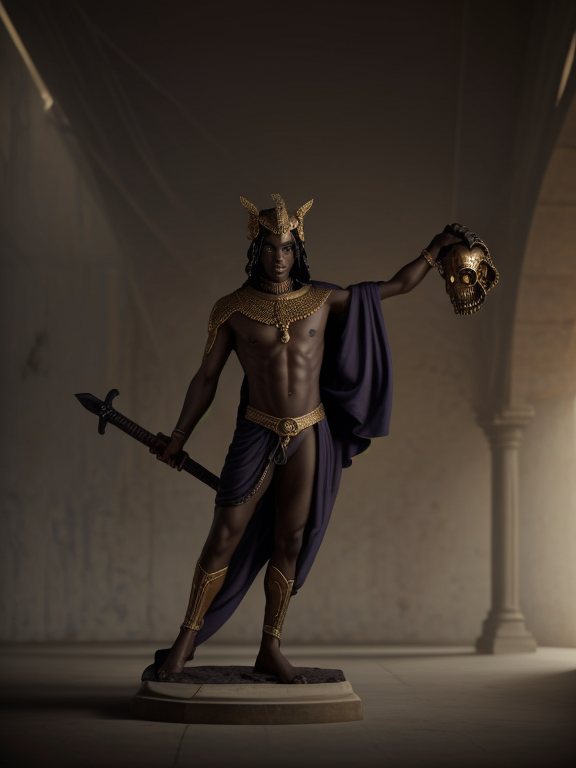
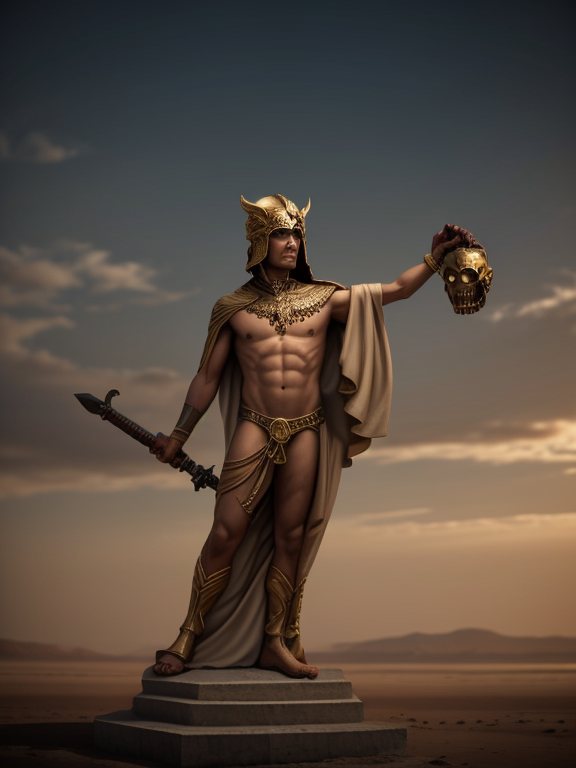
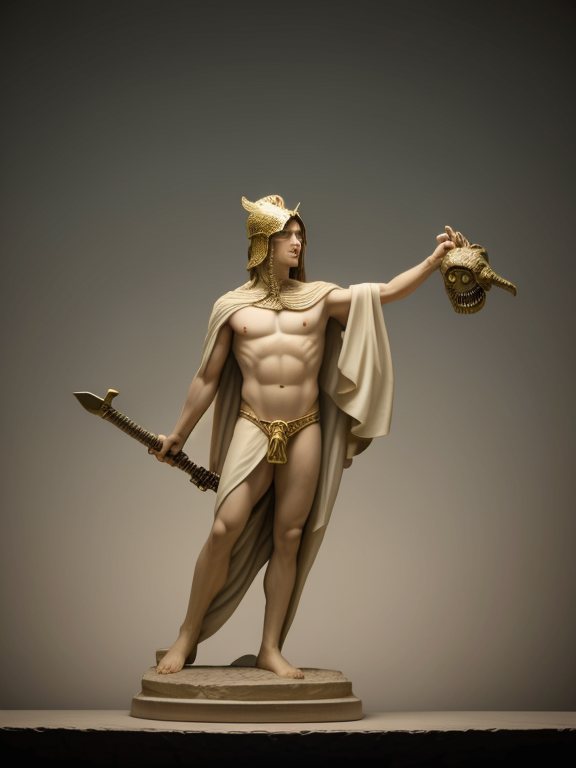
Polyphemus the Cyclops and Galatea
Source: Roman fresco from Pompeii, Naples National Archaeological Museum · Public domain · Wikimedia Commons
Original: 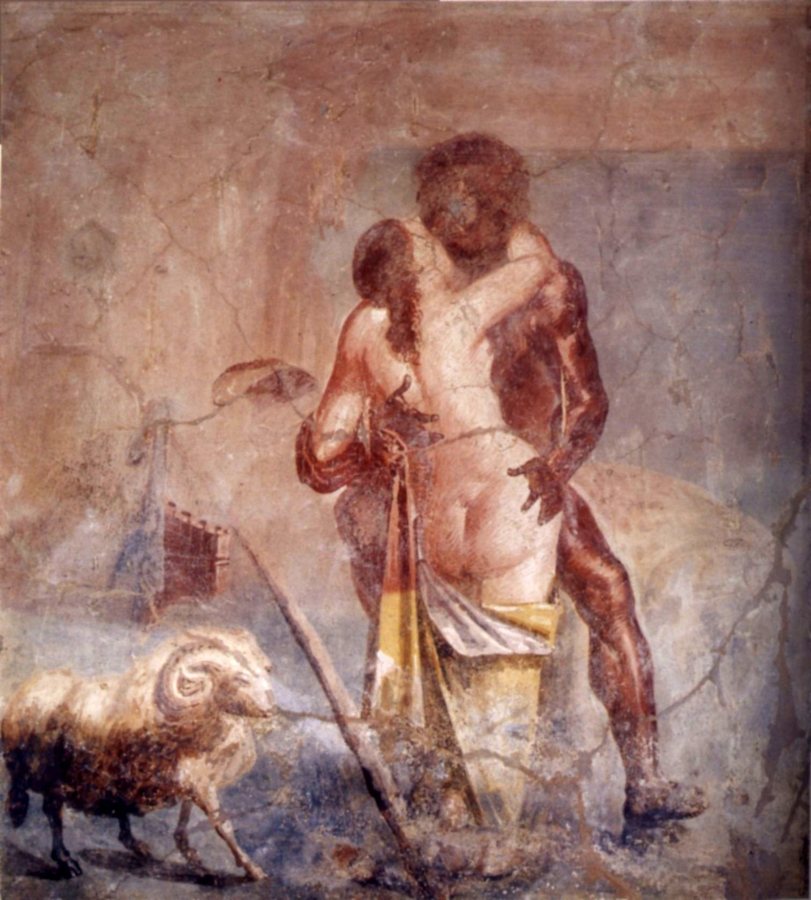
Realistic — Greek · Nubian · Libyan (Amazigh) · Levantine · Pale
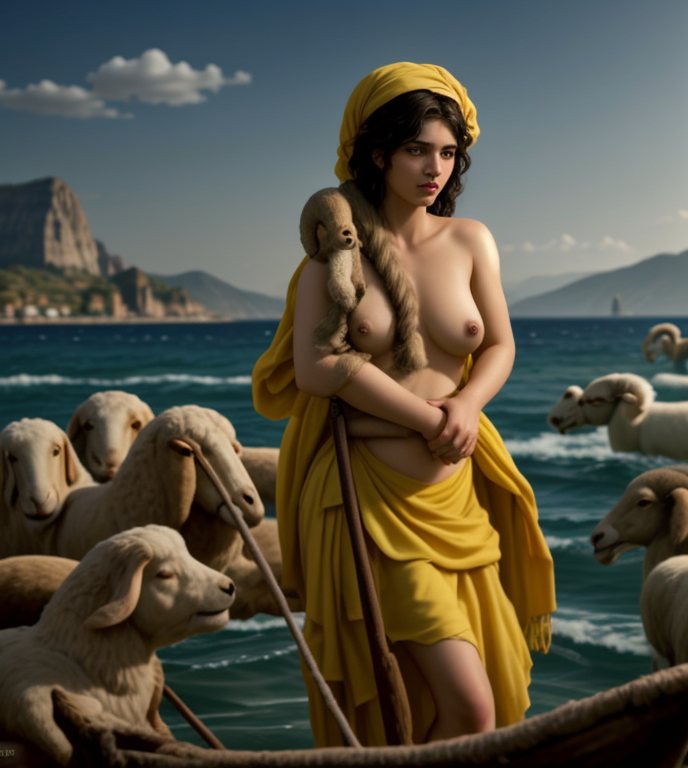
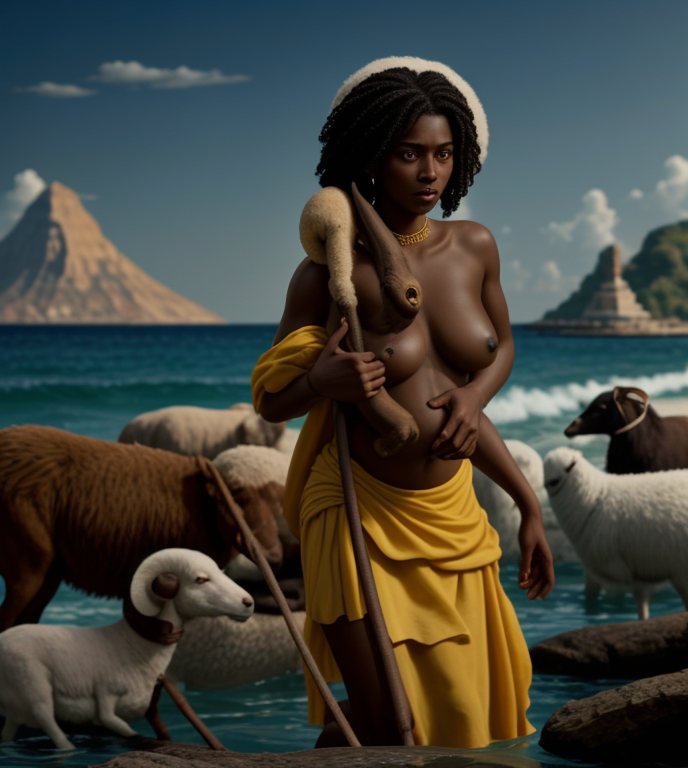
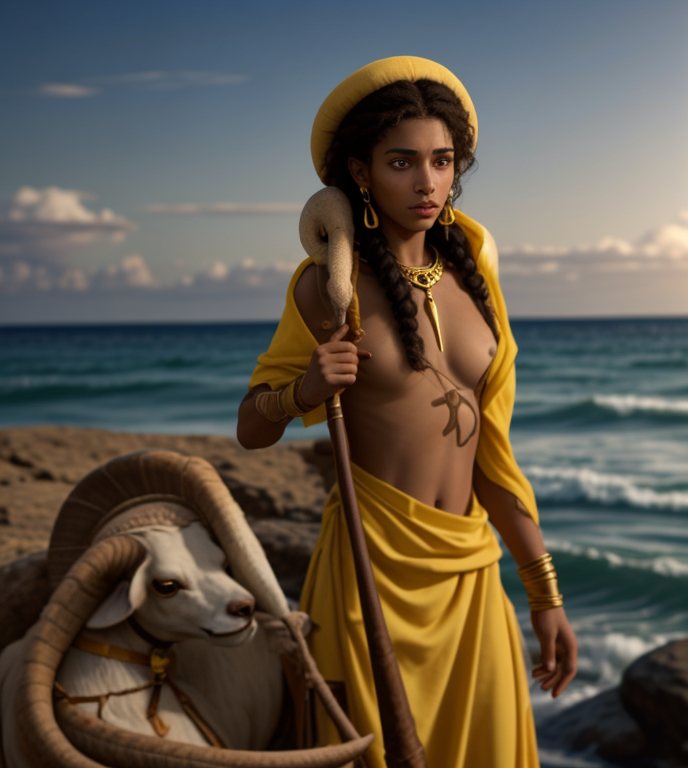
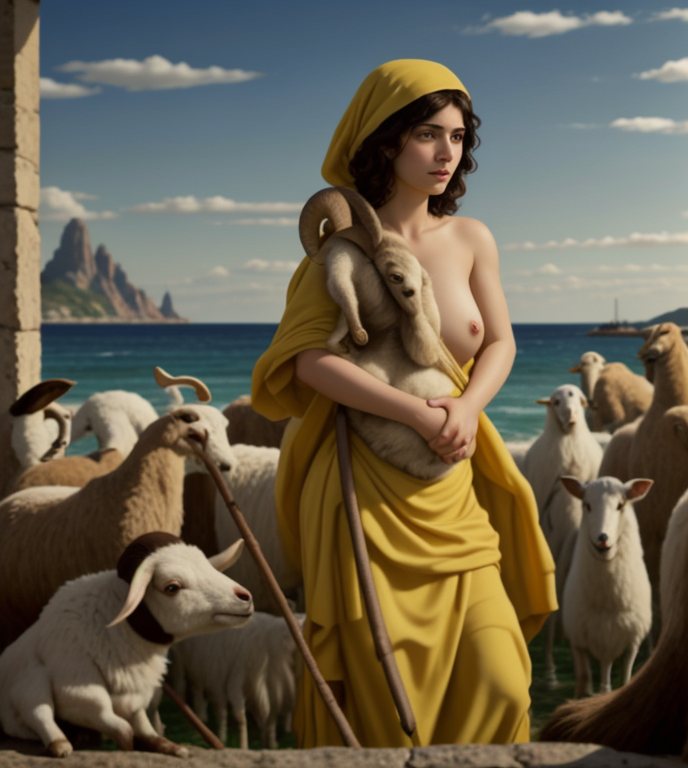
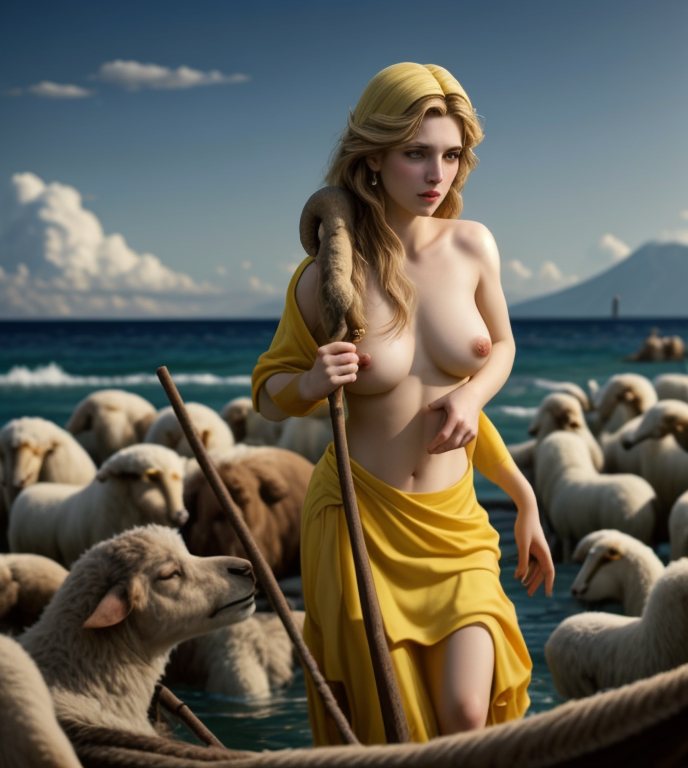
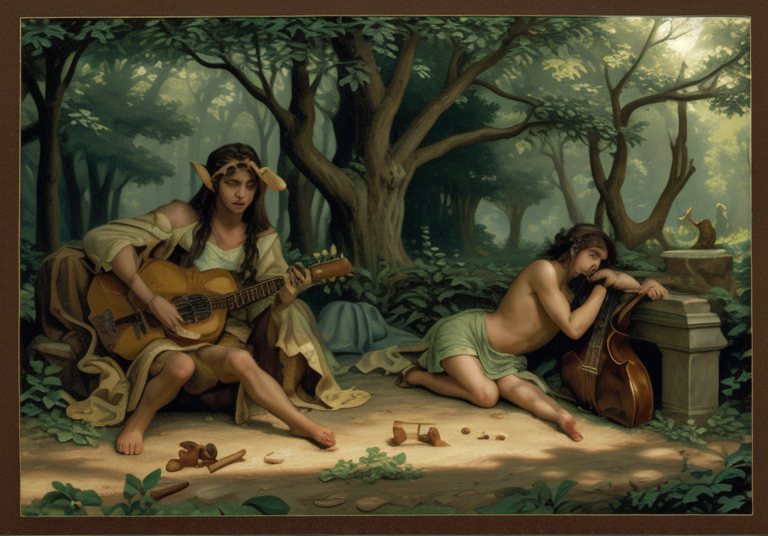
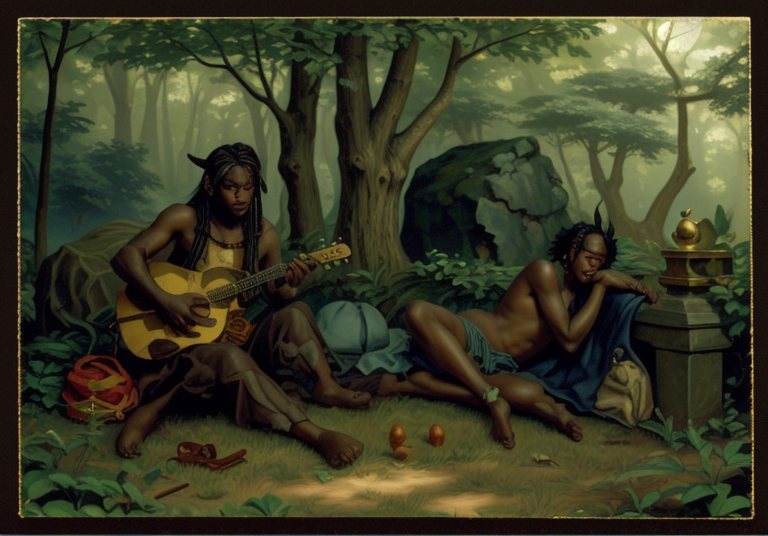
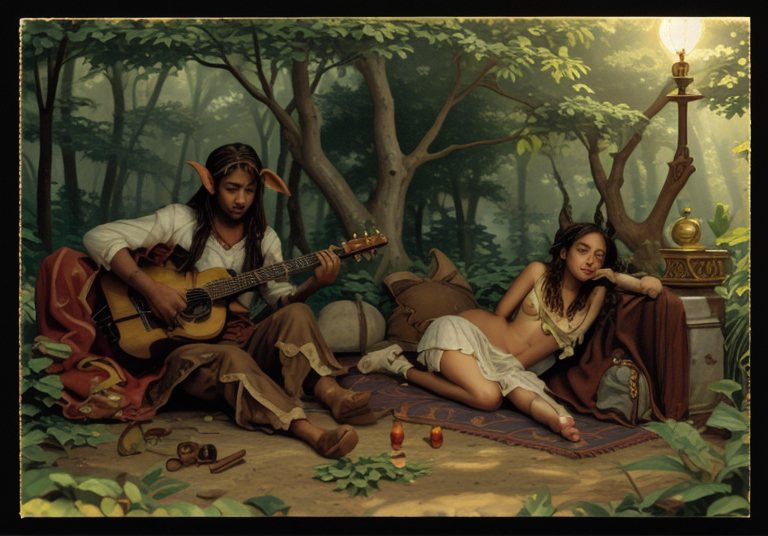
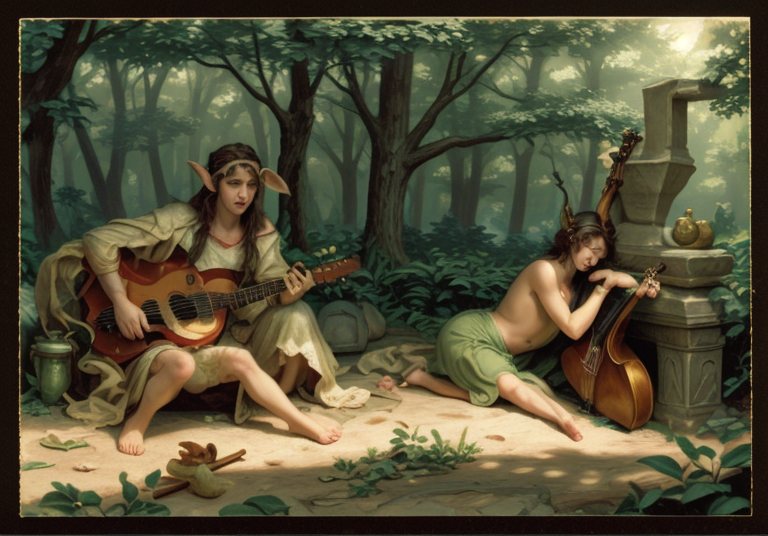
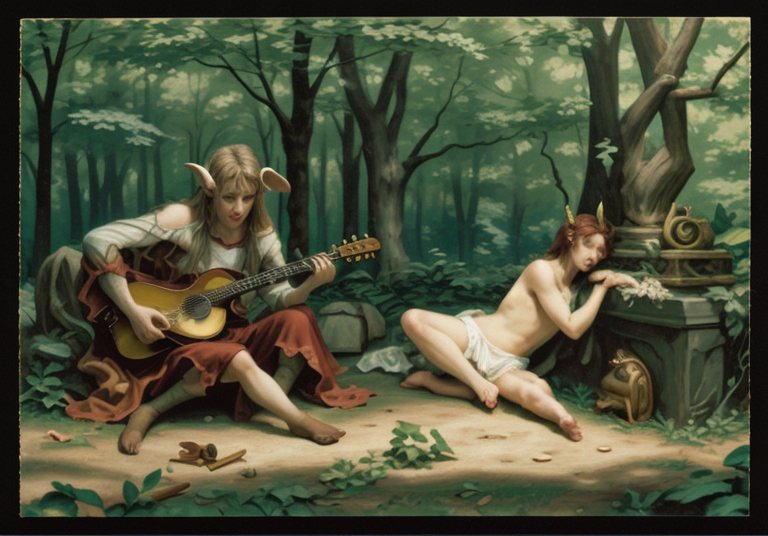
Satyrs at rest among ruins
Source: Gaetano Gherardo Zompini, Varii Capricci, e Paesi inventati, e disegnati dal celebre Gio. Benedetto Castiglione ... tratti dal raccolta Zanettiana, 1758–59, published 1786 · The Metropolitan Museum of Art 49.13.7 · Open Access CC0
Original: 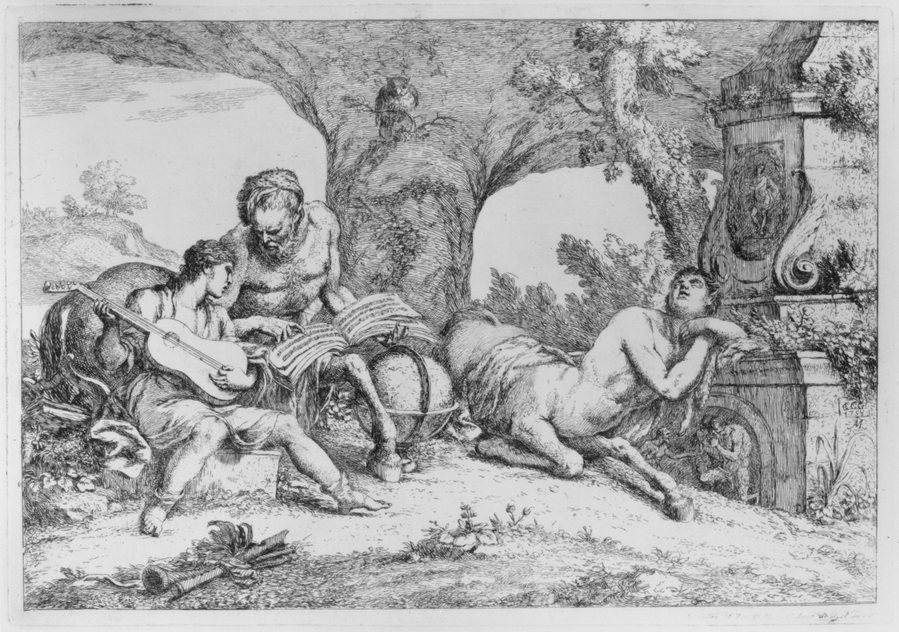
Realistic — Greek · Nubian · Libyan (Amazigh) · Levantine · Pale
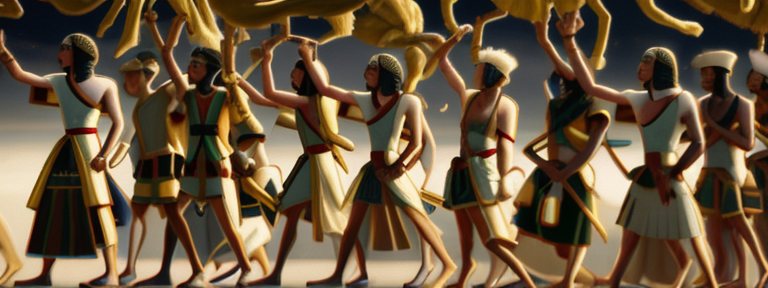
Sea Peoples captives led by Egyptian soldiers — Medinet Habu (drawing), left group
Source: Line drawing of the Sea Peoples relief, north-east wall, mortuary temple of Ramesses III, Medinet Habu; from Dorothea Gray, Seewesen (Archaeologia Homerica I, ch. G), Göttingen 1974, pp. 166–167; Public domain
Original: 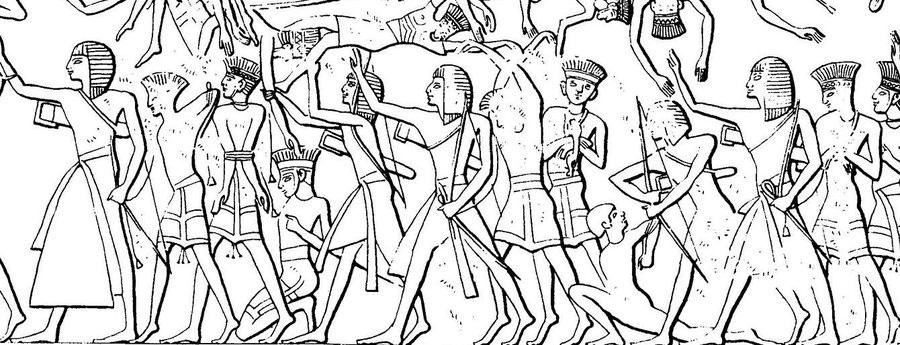
Realistic — As depicted
Sea Peoples captives led by Egyptian soldiers — Medinet Habu (drawing), right group
Source: Line drawing of the Sea Peoples relief, north-east wall, mortuary temple of Ramesses III, Medinet Habu; from Dorothea Gray, Seewesen (Archaeologia Homerica I, ch. G), Göttingen 1974, pp. 166–167; Public domain
Original: 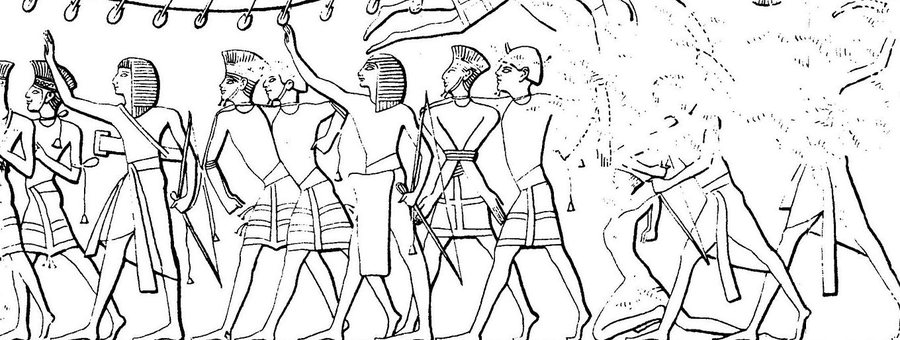
Realistic — As depicted
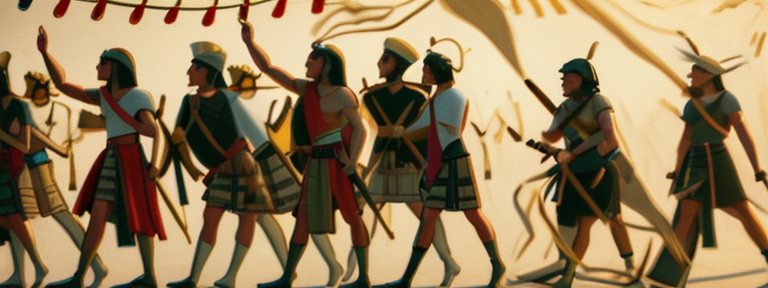
Ship of the Shekelesh or Sherden — Medinet Habu (drawing)
Source: Line drawing after the Sea Peoples relief, mortuary temple of Ramesses III, Medinet Habu; from Dorothea Gray, Seewesen (Archaeologia Homerica I, ch. G), Göttingen 1974, pp. 166–167; Public domain
Original: 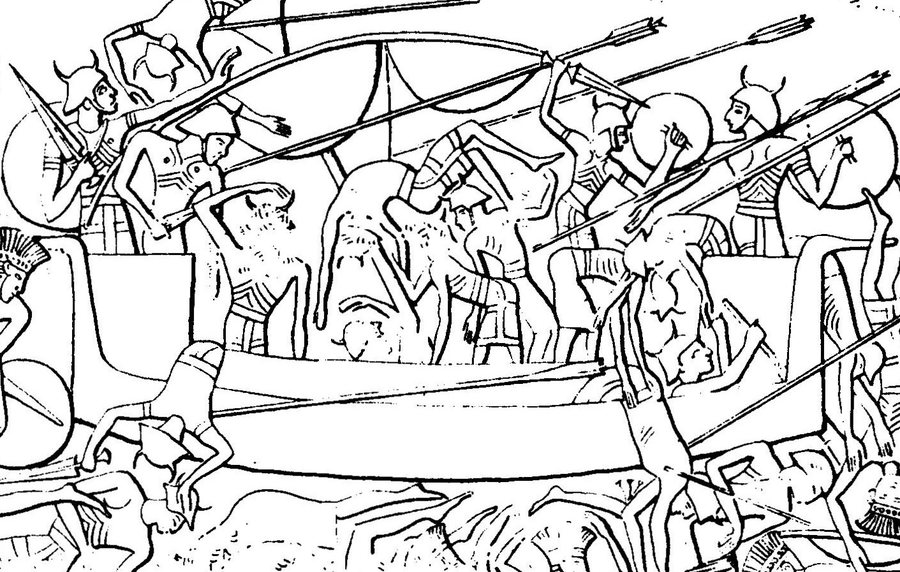
Realistic — As depicted
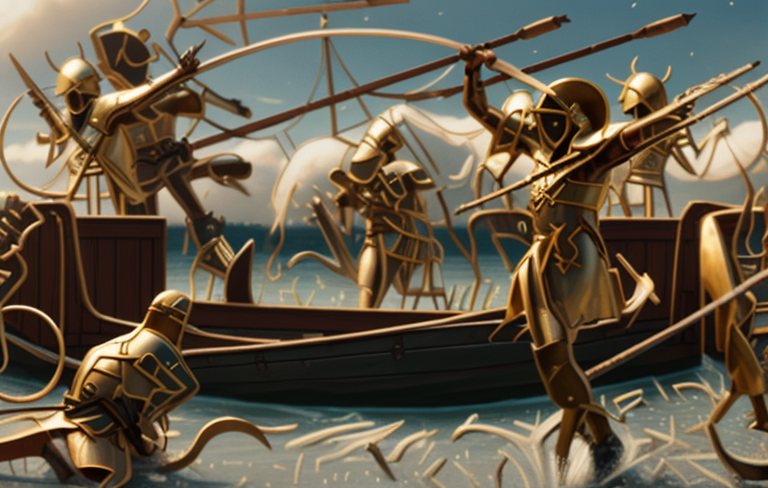
The naval battle against the Sea Peoples — Medinet Habu (drawing)
Source: Line drawing of the Sea Peoples relief, north-east wall, mortuary temple of Ramesses III, Medinet Habu; from Dorothea Gray, Seewesen (Archaeologia Homerica I, ch. G), Göttingen 1974, pp. 166–167; Public domain
Original: 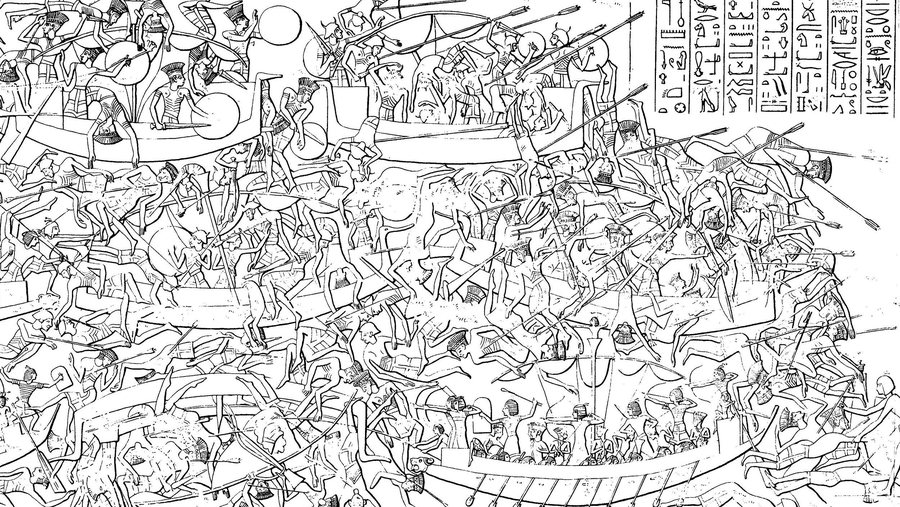
Realistic — As depicted
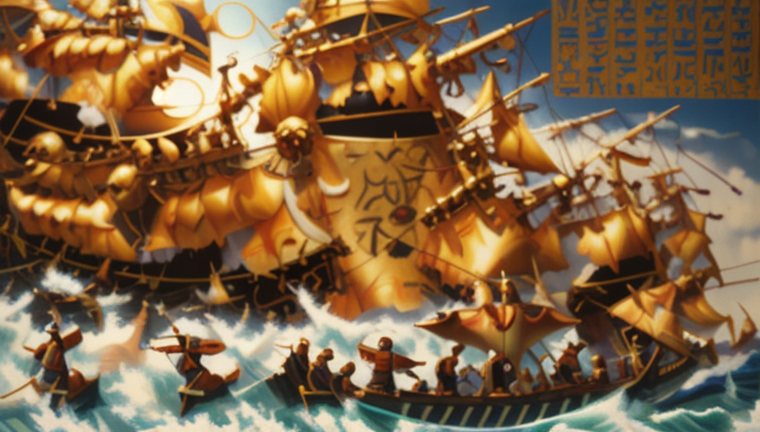
The peoples of the world in the tomb of Seti I (Book of Gates) — Asiatics
Source: Plate 'Neues Reich. Dynastie XIX. Theben, Bab el Meluk, Grab Sethos I.' (1849), tomb of Seti I; scan by NYPL; Public domain
Original: 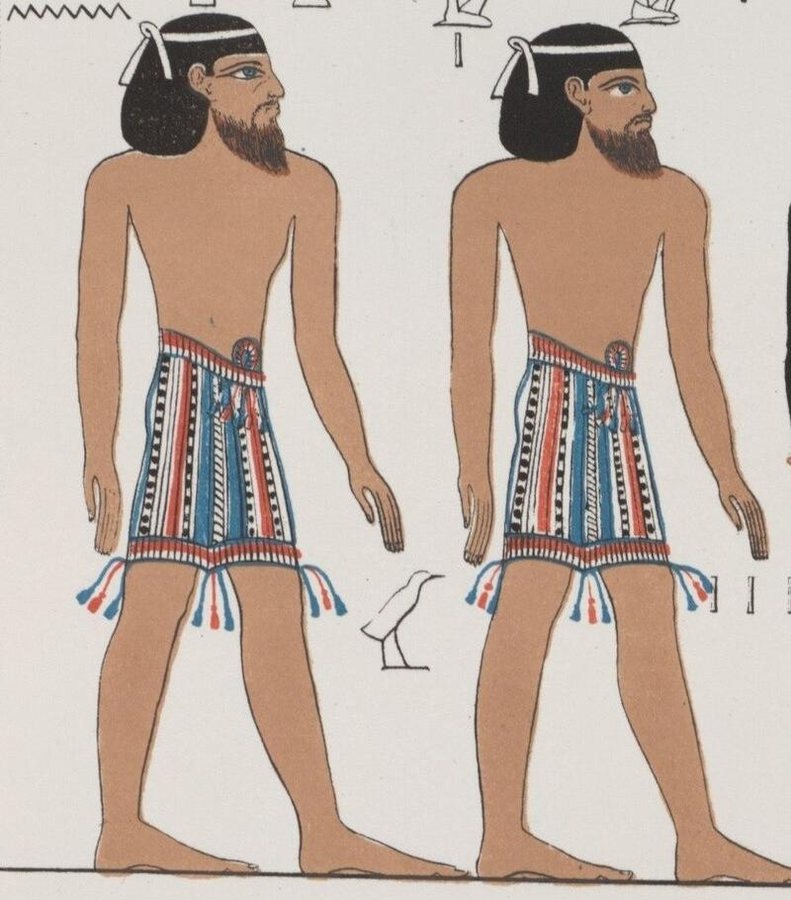
Realistic — As depicted
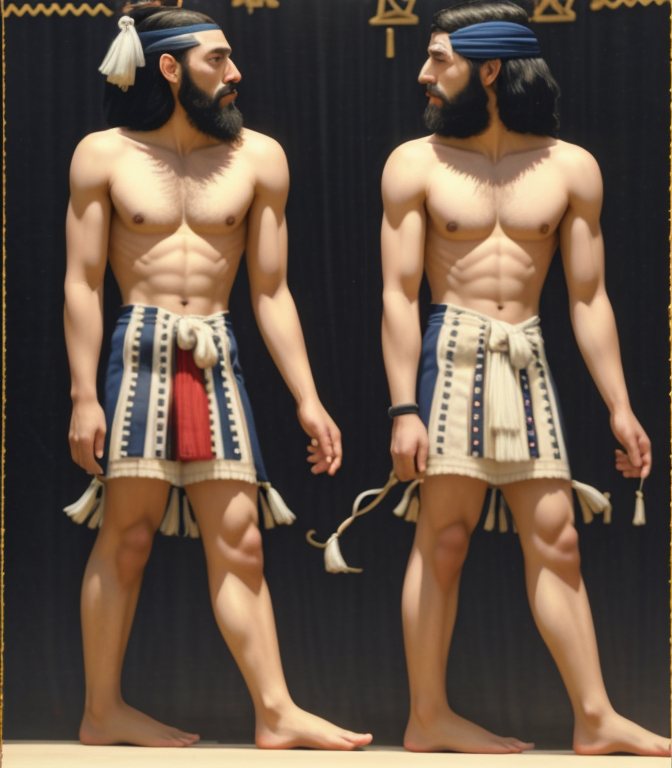
The peoples of the world in the tomb of Seti I (Book of Gates) — Horus leading the Egyptians
Source: Plate 'Neues Reich. Dynastie XIX. Theben, Bab el Meluk, Grab Sethos I.' (1849), tomb of Seti I; scan by NYPL; Public domain
Original: 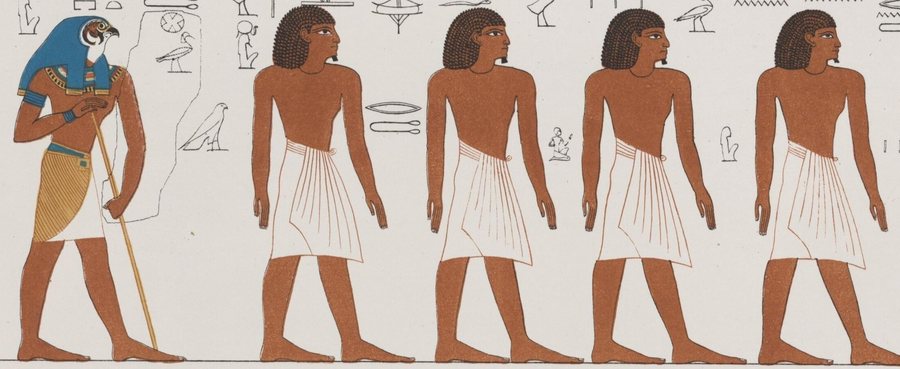
Realistic — As depicted
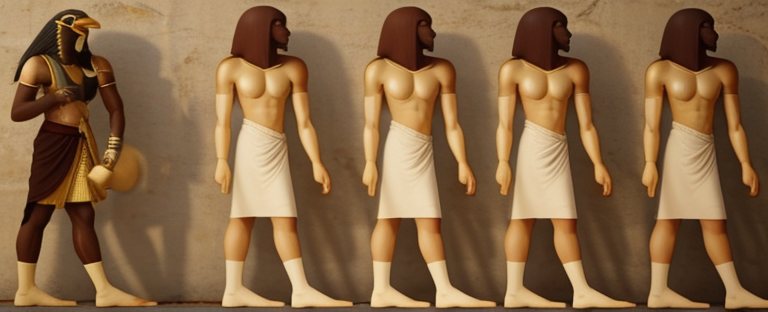
The peoples of the world in the tomb of Seti I (Book of Gates) — Libyans
Source: Plate 'Neues Reich. Dynastie XIX. Theben, Bab el Meluk, Grab Sethos I.' (1849), tomb of Seti I; scan by NYPL; Public domain
Original: 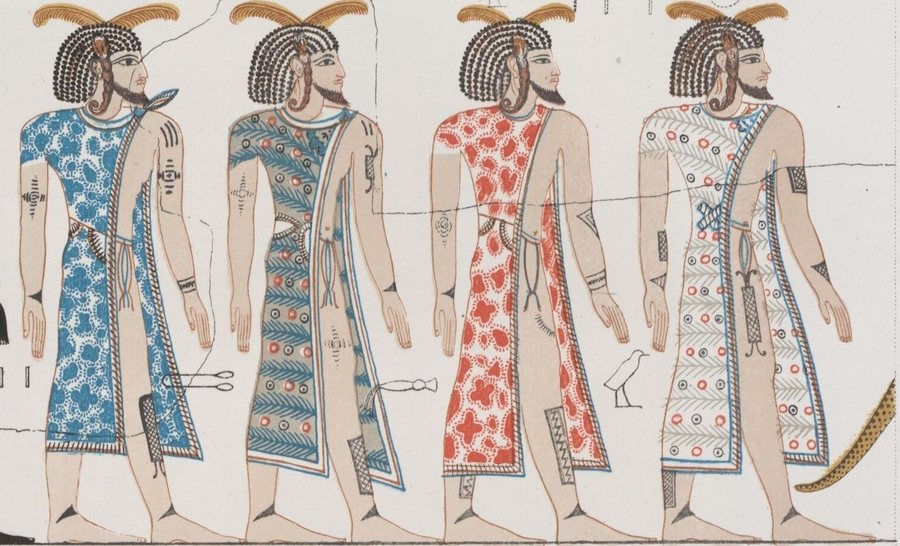
Realistic — As depicted
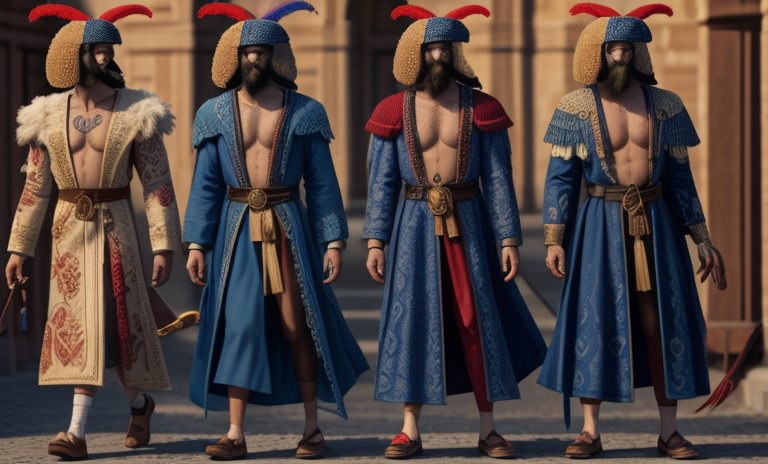
The peoples of the world in the tomb of Seti I (Book of Gates) — Nubians
Source: Plate 'Neues Reich. Dynastie XIX. Theben, Bab el Meluk, Grab Sethos I.' (1849), tomb of Seti I; scan by NYPL; Public domain
Original: 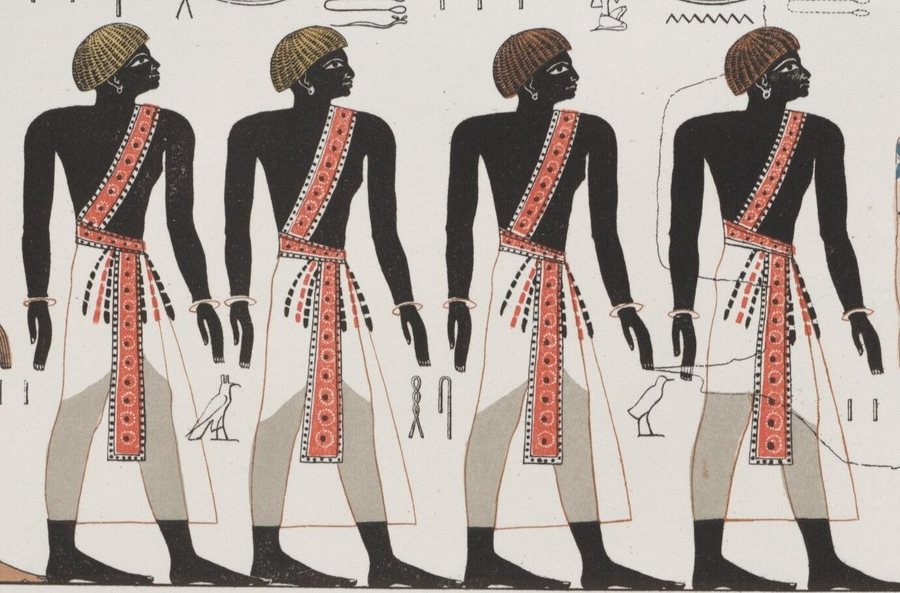
Realistic — As depicted
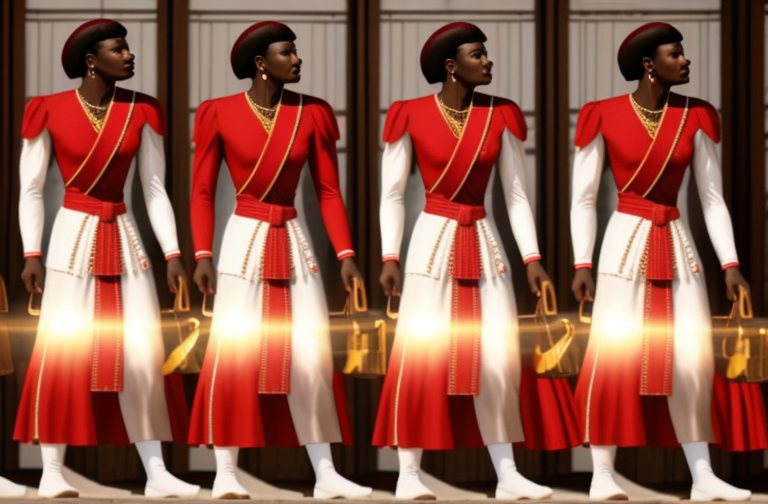
All 16 scenes in this set, and every other remake, are in the gallery: https://hathor.soapbox.community/remakes. Made on our own servers in Hathor Studio; each scene links to its place in the gallery.