A bronze Naṭarāja from Tamil Nadu and a painted one from Kerala share no single face, yet no one mistakes him. In Śilpa Śāstra the identity of a sacred figure lives in its lakṣaṇa: the gesture, the emblem, the headdress, the measured proportion. We remake ancient scenes the same way. Hathor keeps her horns, sun-disk and menat across every version, and the people who carry them change from Nile to Nubia to the Aegean. Here they are, side by side.
The king’s blueprint in stone. In the 11th century King Bhoja of Dhārā was credited with the Samarāṅgaṇa Sūtradhāra, 83 chapters on towns, temples, painting, sculpture and even mechanical automata. At his unfinished Bhojpur temple, the builders' working drawings are still engraved in the surrounding rock, a rare case where the treatise and the site survive side by side. (source)
We are testing these features and looking to develop them. This is Hathor's alpha work, made on our own servers — the images and videos she makes next are expected to be much better and more accurate. Tell us what works and what doesn't: every video page has 👍/👎, comments and timestamped notes.
The full gallery, every scene in every look: https://hathor.soapbox.community/remakes · Shilpa Shastra gallery: https://hathor.soapbox.community/gallery
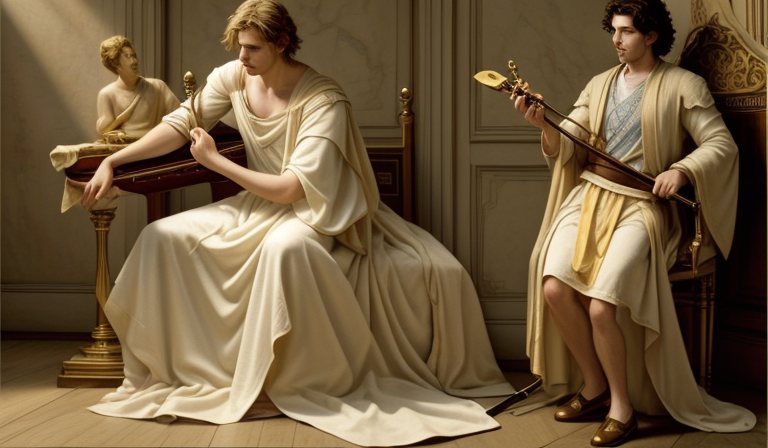
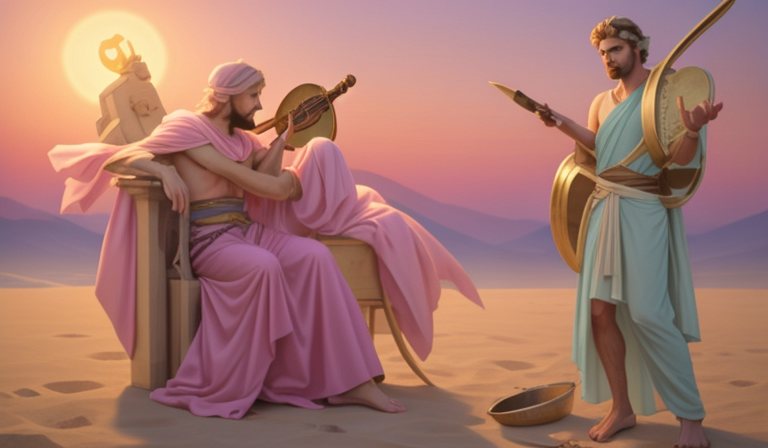
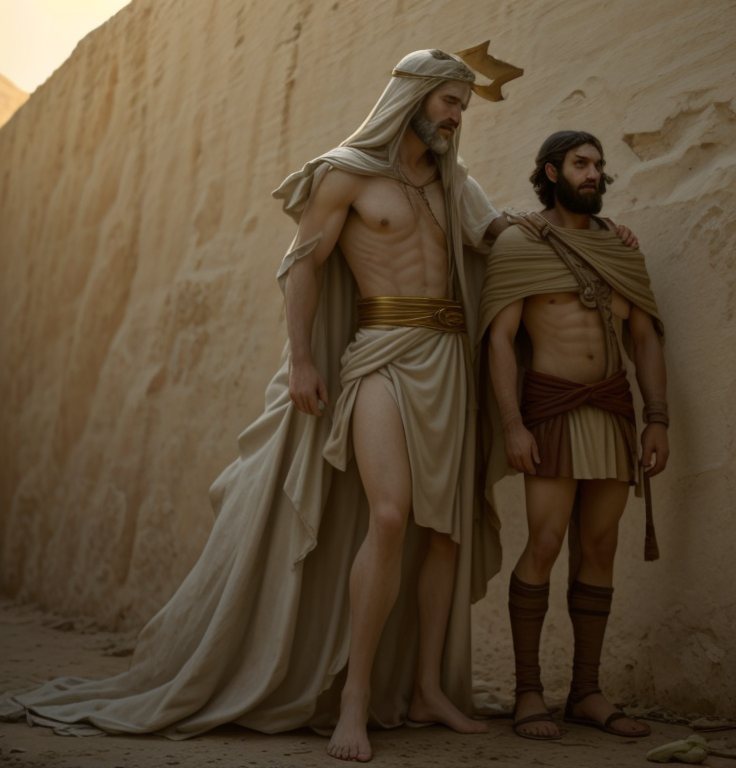
David plays the harp before Saul
Source: David playing the harp before Saul (c.1852), by Silvestro Lega.jpg · Silvestro Lega · Public domain · Wikimedia Commons · 
Original: 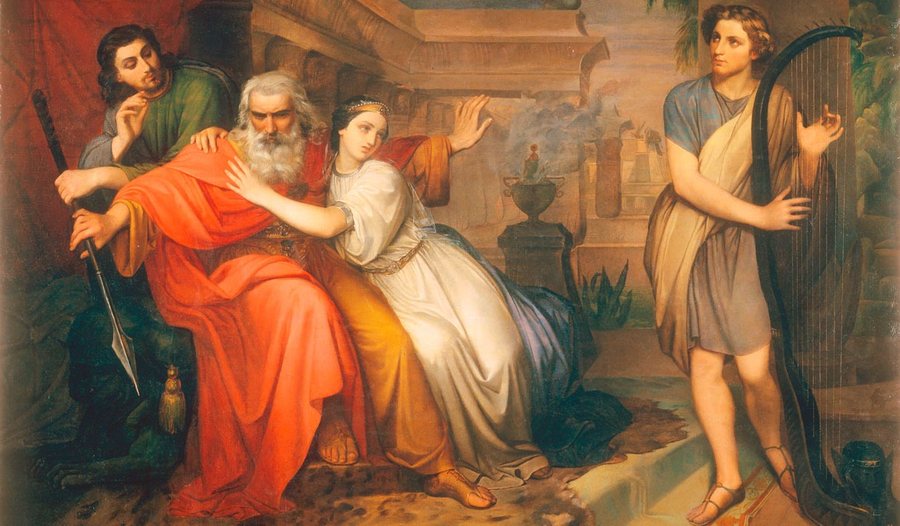
Realistic — Nubian · Libyan (Amazigh) · Levantine · Pale
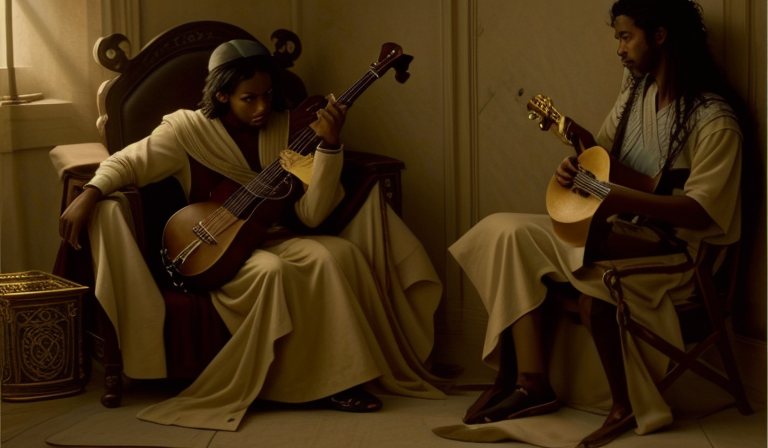
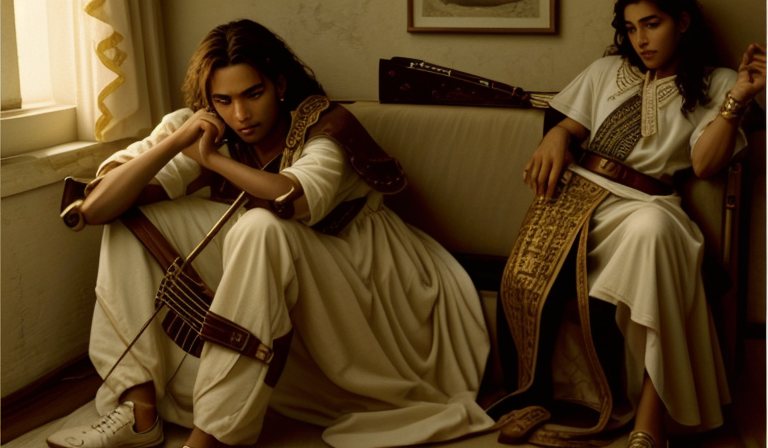
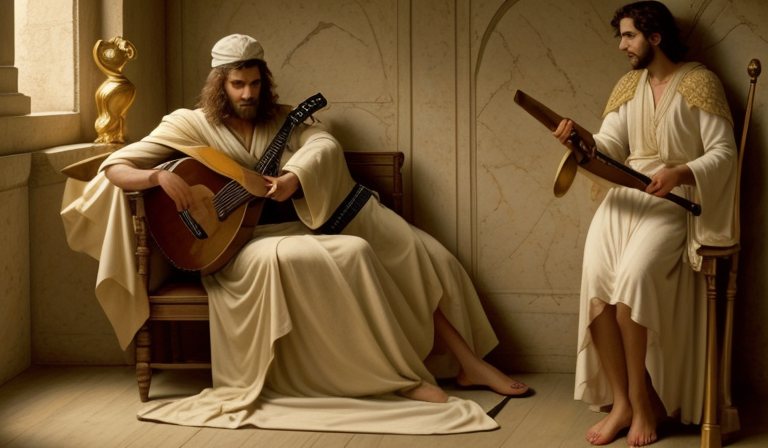
Half vaporwave — Levantine
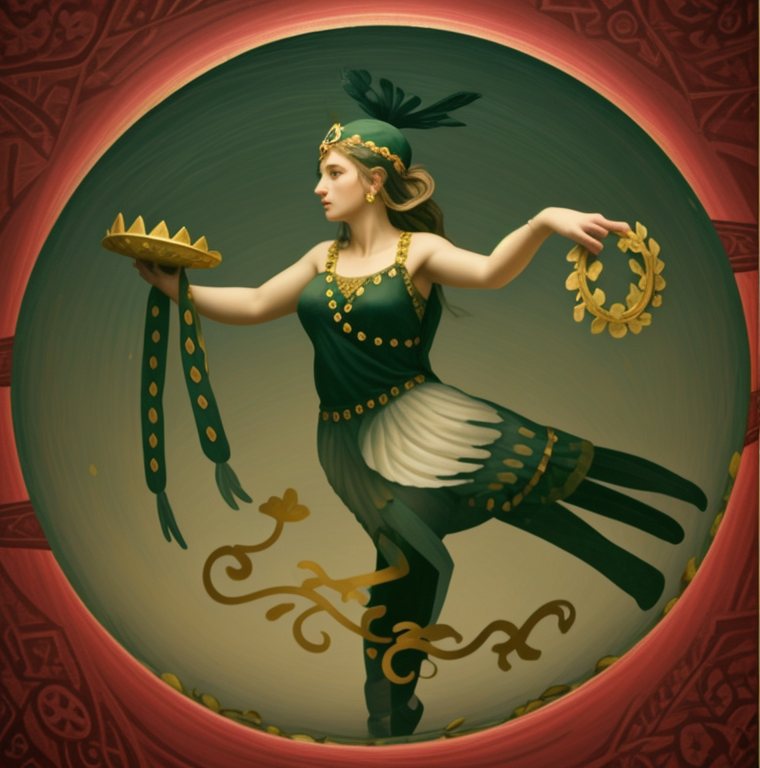
A siren with a wreath (red-figure cup)
Source: Asteas Workshop, Terracotta stemless kylix (drinking cup), Greek, South Italian, Paestan, late 4th century BCE · The Metropolitan Museum of Art 1989.11.12 · Open Access CC0 · cropped to the scene
Original: 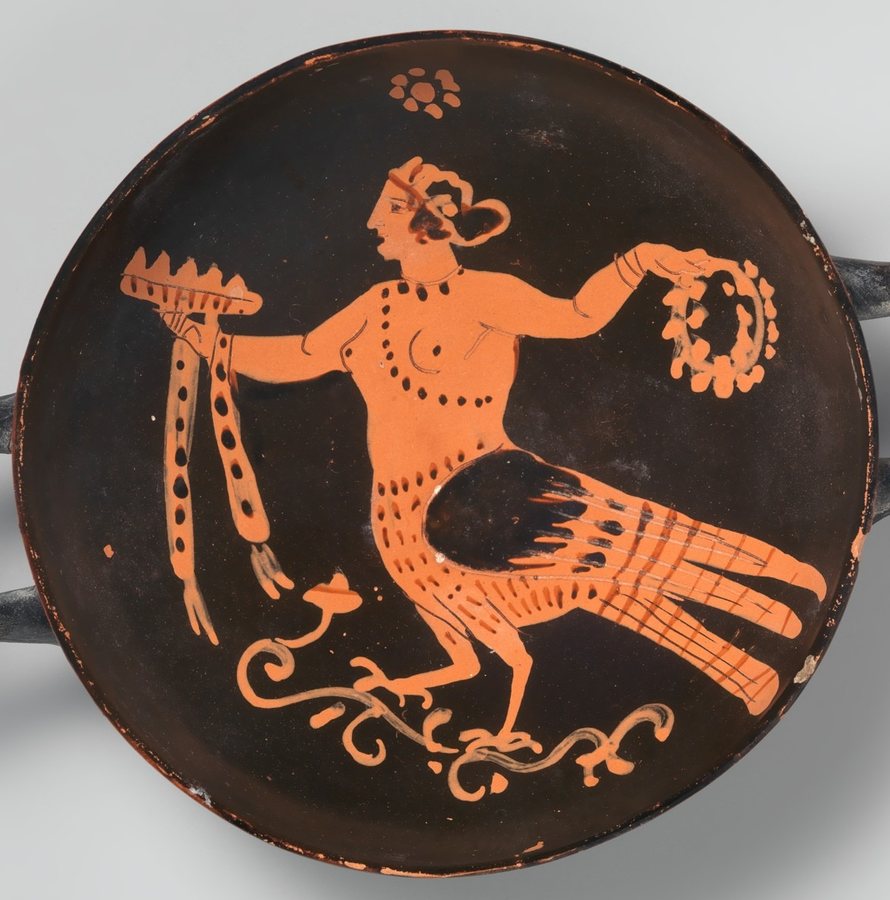
Realistic — Greek · Nubian · Libyan (Amazigh) · Levantine · Pale
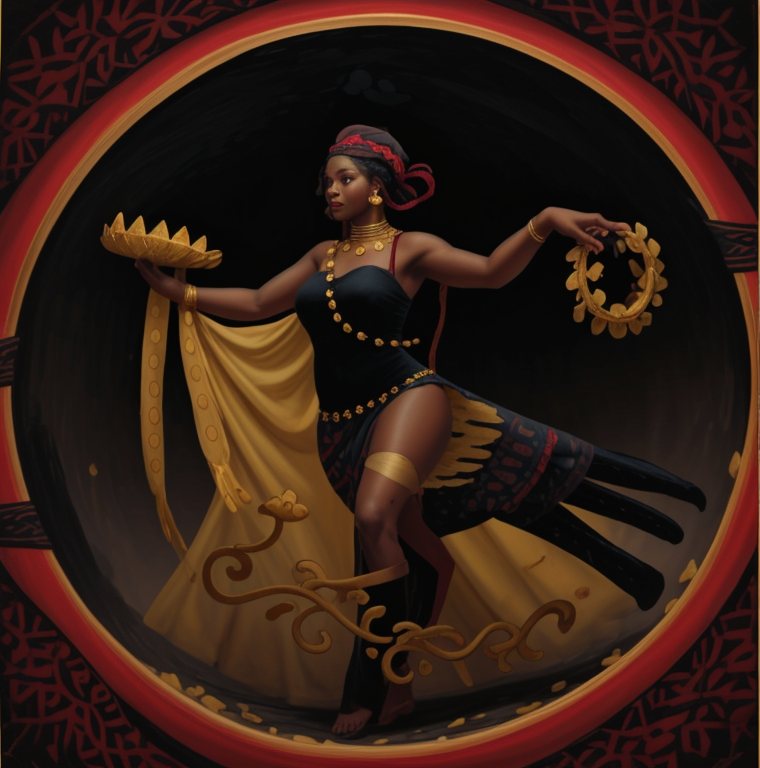
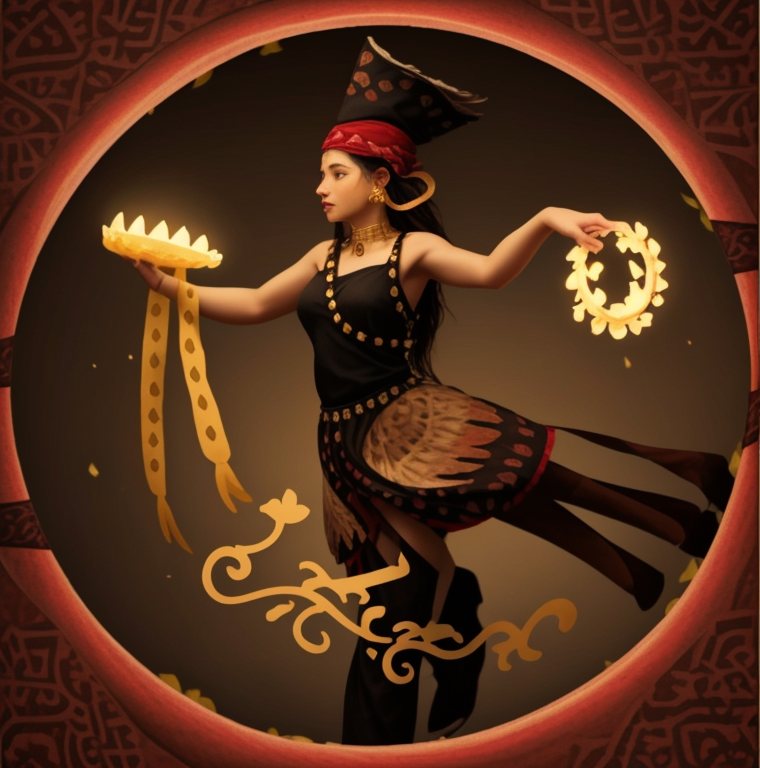
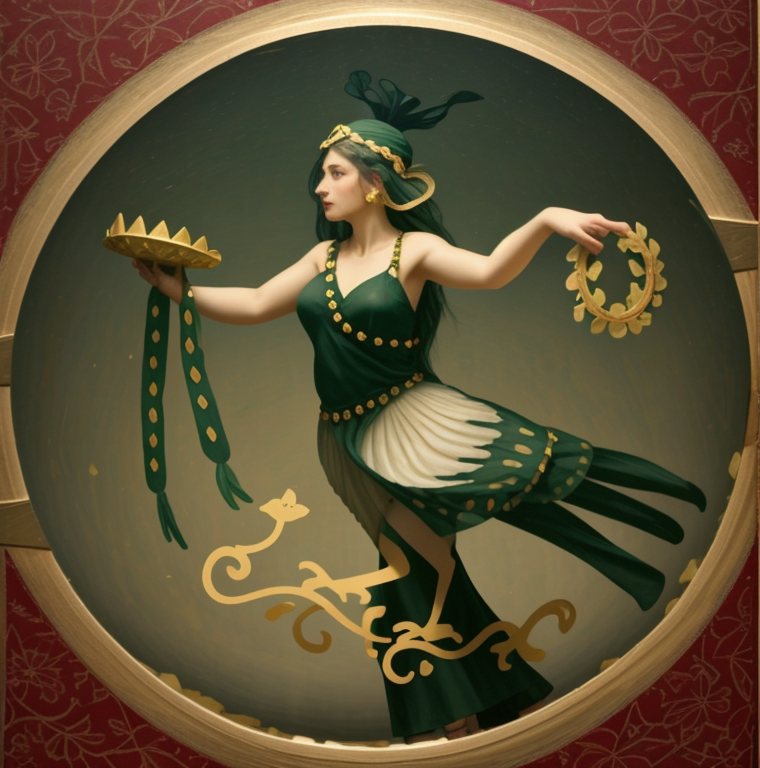
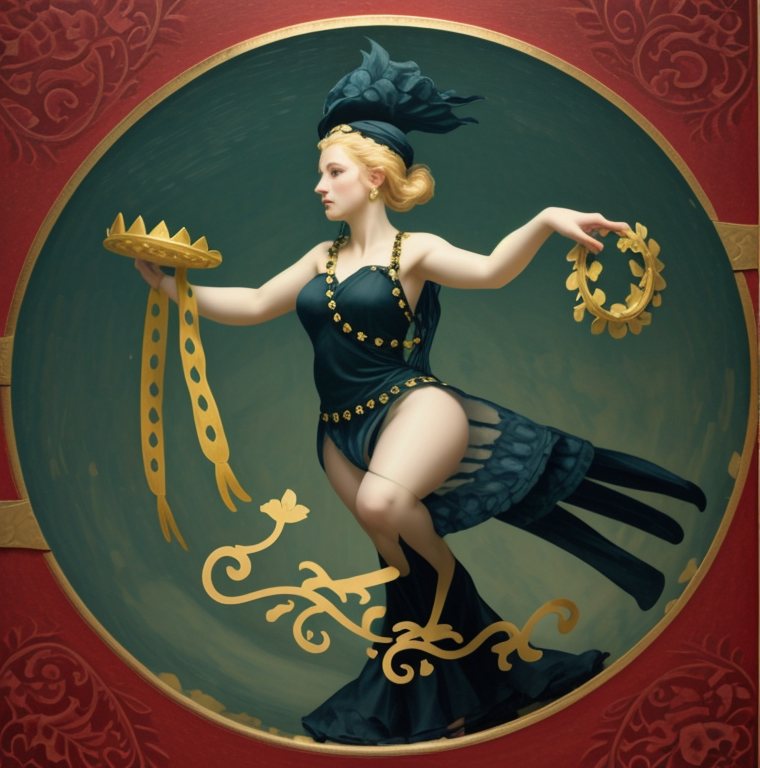
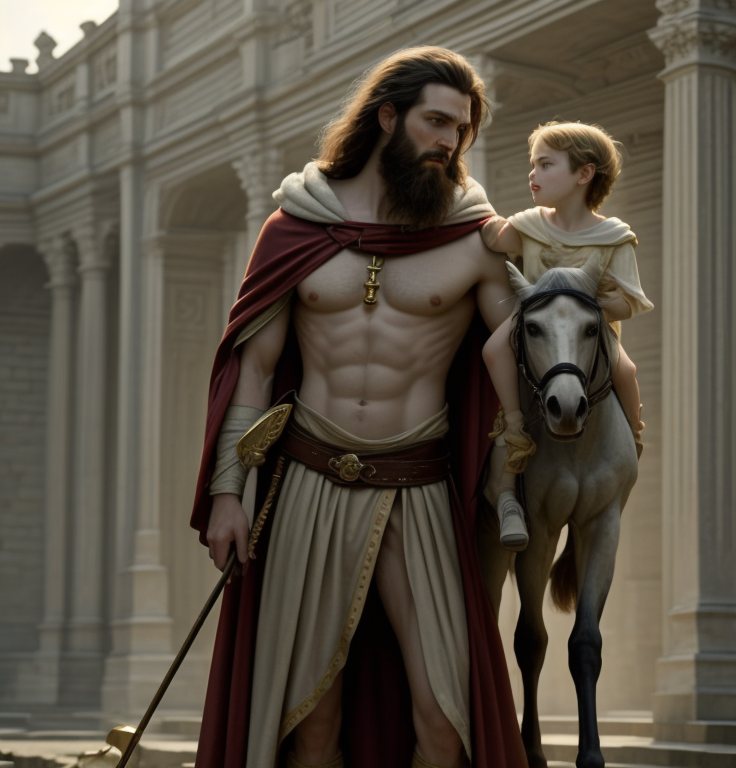
Chiron teaches the young Achilles to play the lyre
Source: Roman fresco from the Basilica at Herculaneum, 1st century AD, Naples National Archaeological Museum · Public domain · Wikimedia Commons
Original: 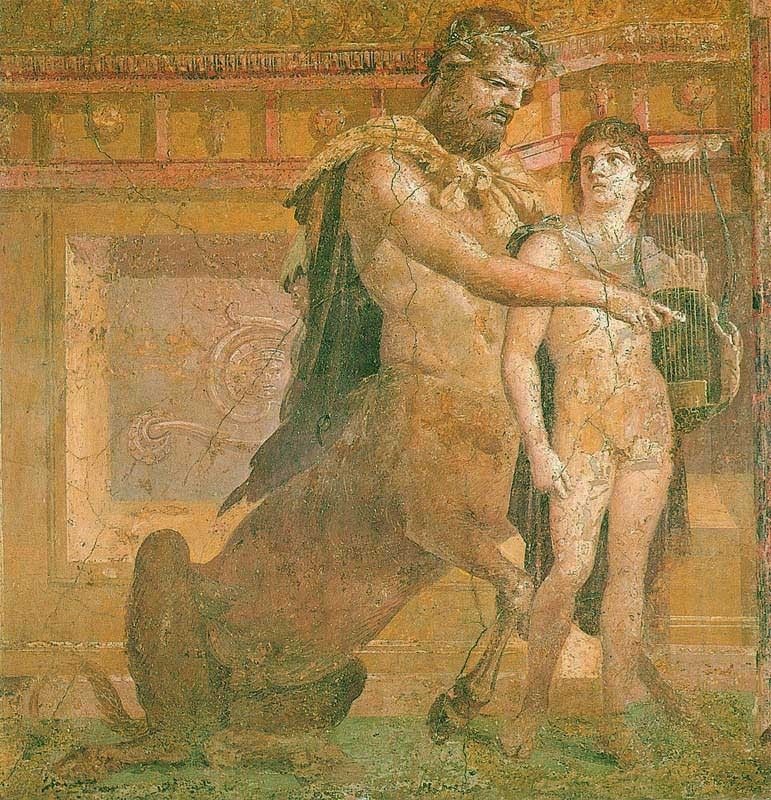
Realistic — Greek · Nubian · Libyan (Amazigh) · Levantine · Pale
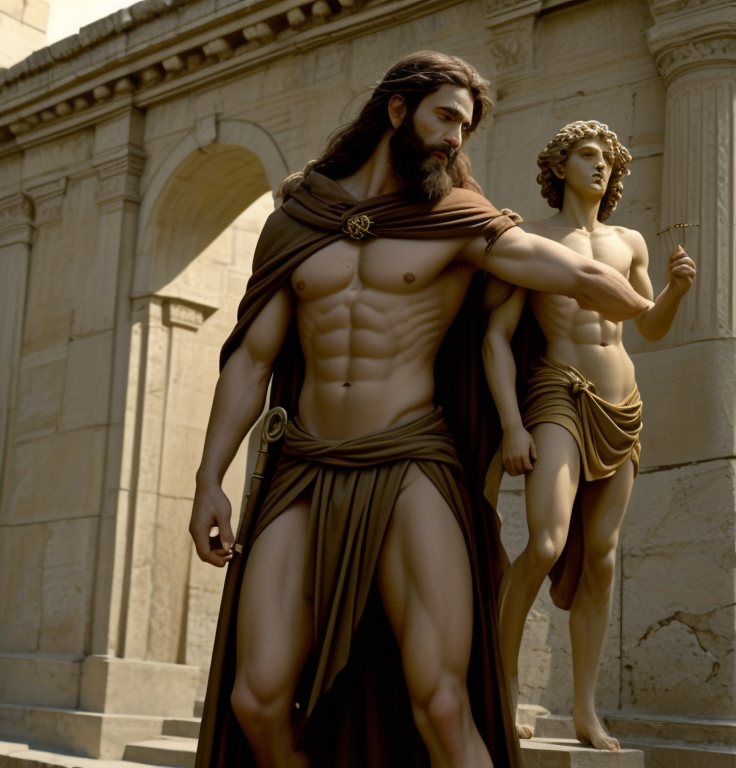
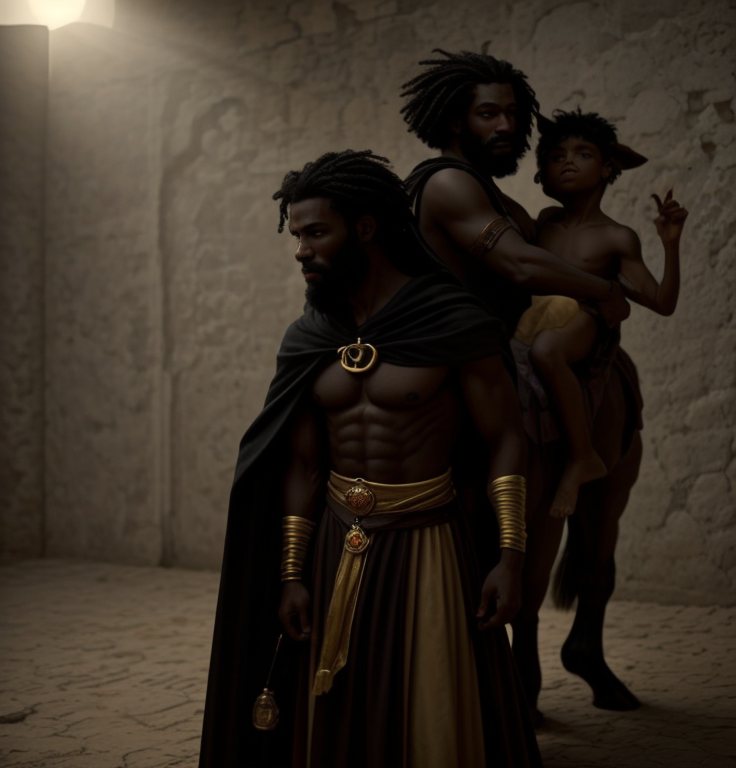
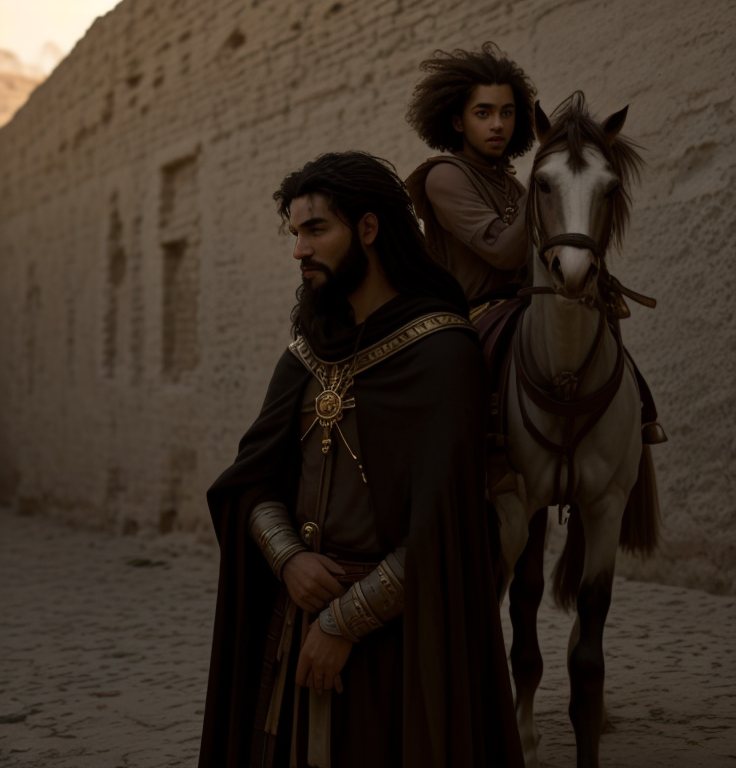
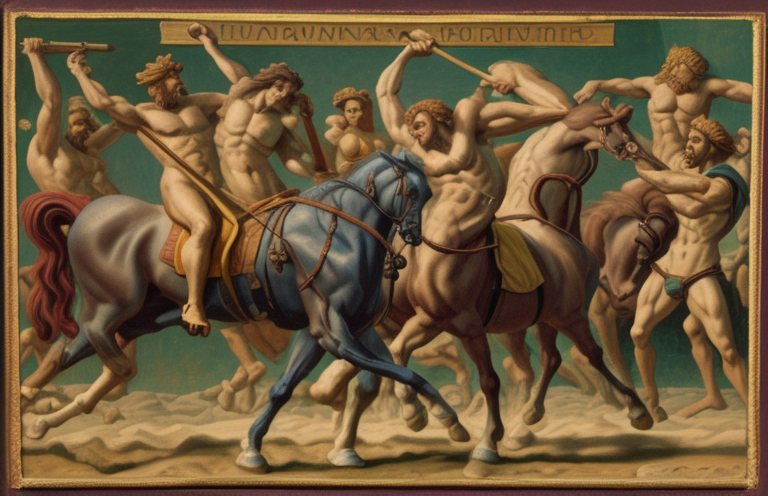
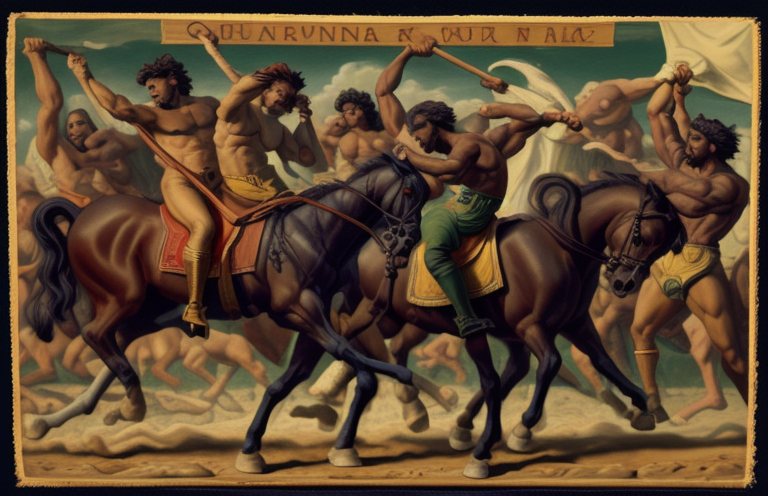
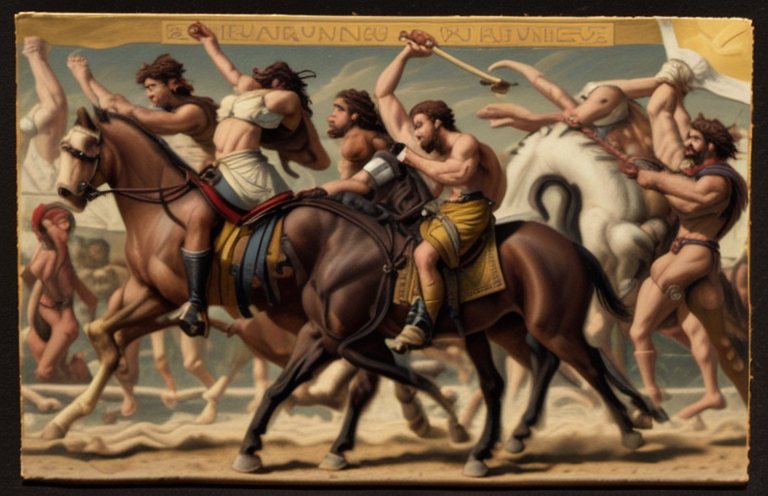
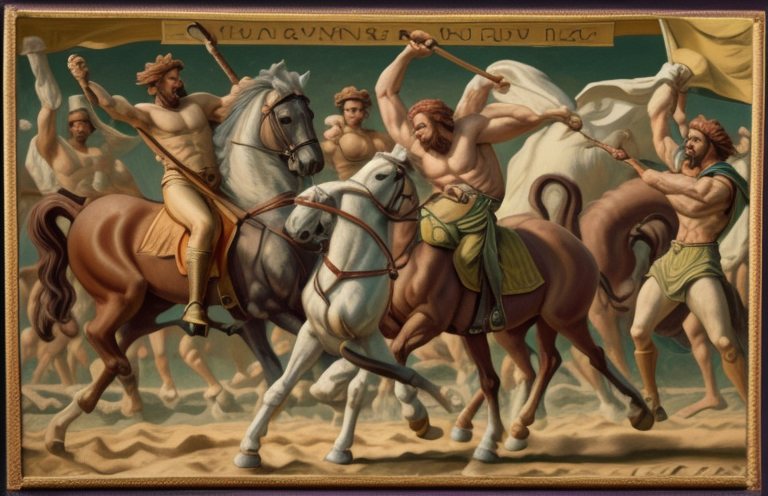
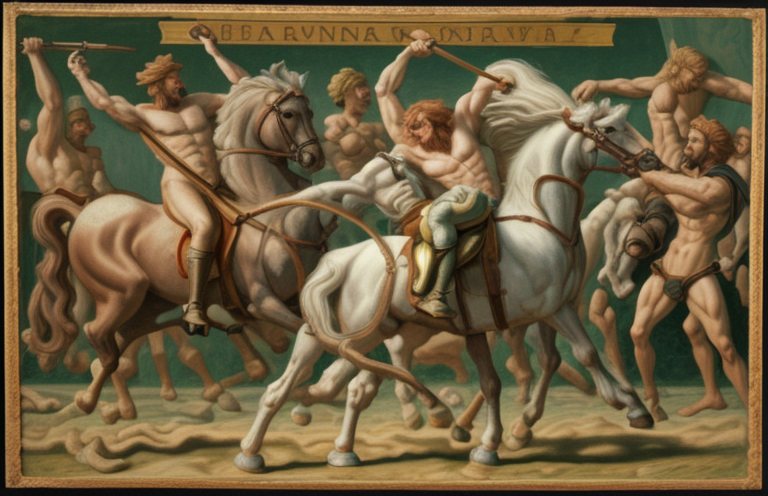
Hercules fights the centaurs
Source: Hans Sebald Beham, The Labors of Hercules: Hercules Defeating the Centaurs, Germany · Cleveland Museum of Art 1950.457 · Open Access CC0
Original: 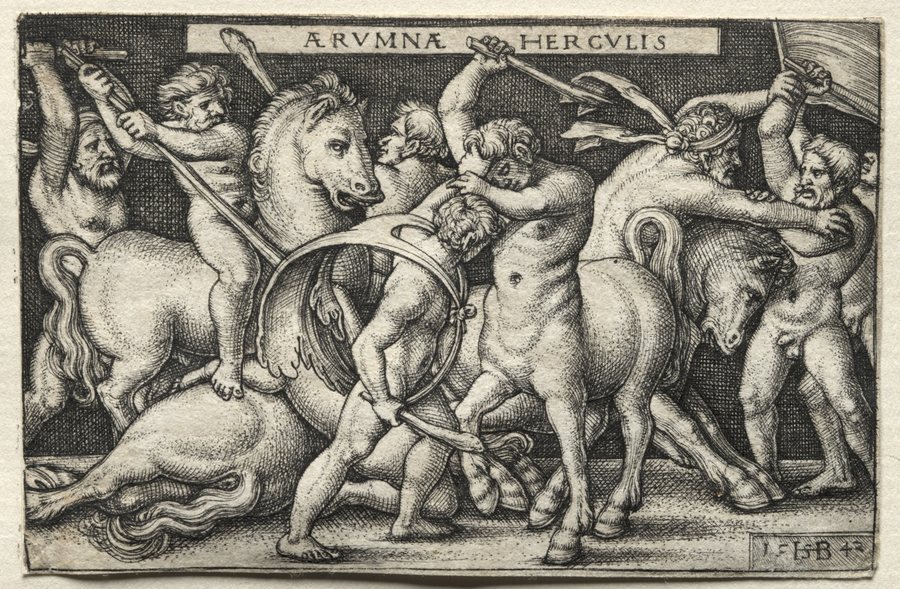
Realistic — Greek · Nubian · Libyan (Amazigh) · Levantine · Pale
Oedipus and the Sphinx
Source: Gustave Moreau, Oedipus and the Sphinx, 1864 · The Metropolitan Museum of Art 21.134.1 · Open Access CC0
Original: 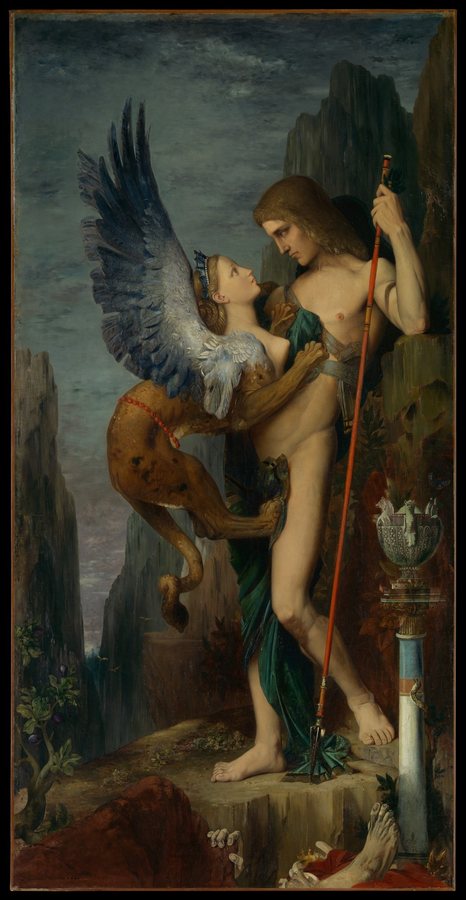
Realistic — Greek · Nubian · Libyan (Amazigh) · Levantine · Pale
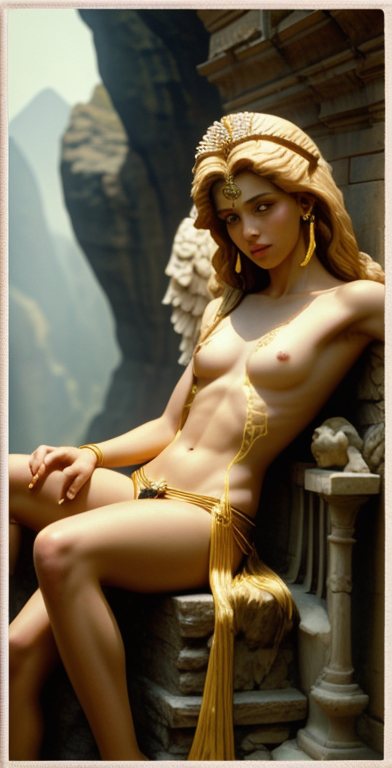
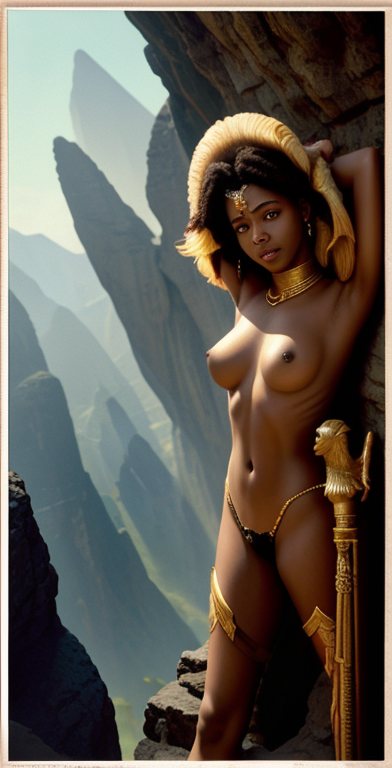
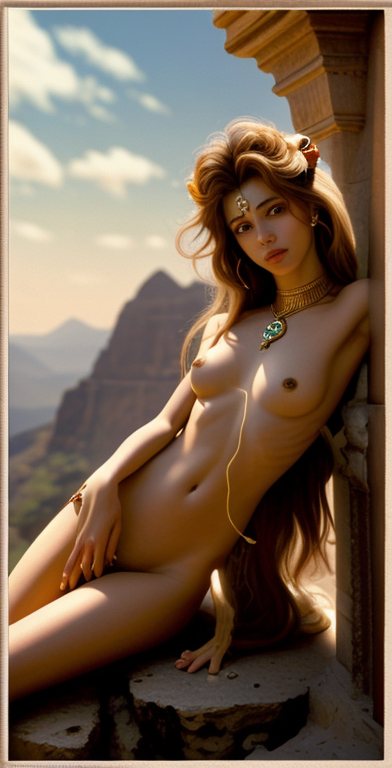
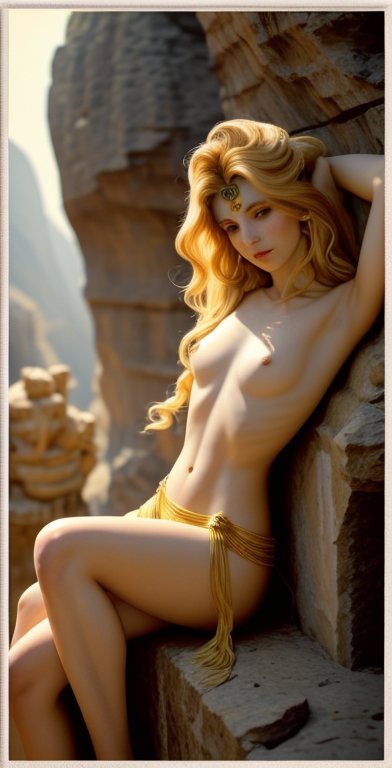
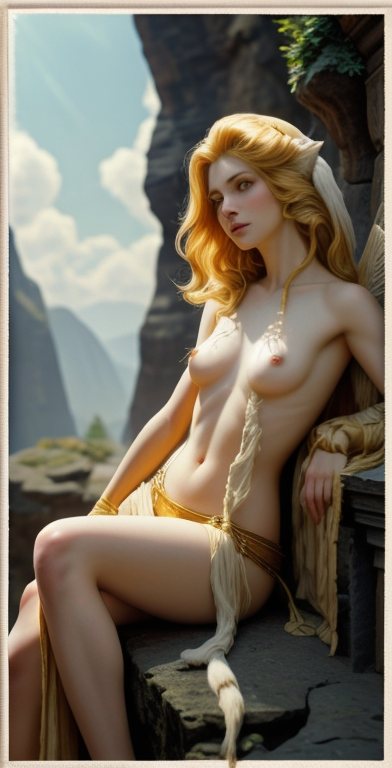
The Triumph of Neptune with his tritons
Source: Charles Joseph Natoire, The Triumph of Neptune, France · Cleveland Museum of Art 2013.48 · Open Access CC0
Original: 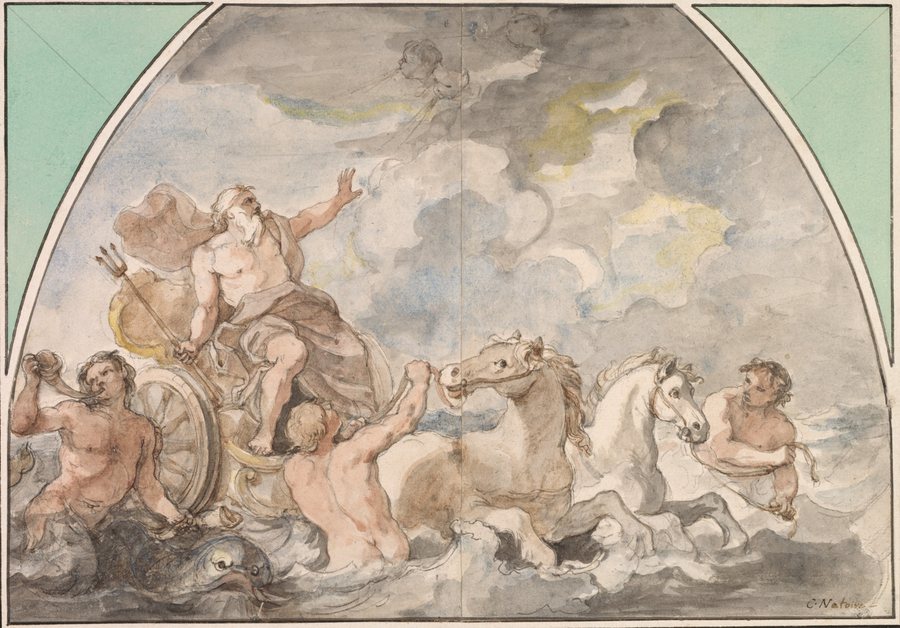
Realistic — Greek · Nubian · Libyan (Amazigh) · Levantine · Pale
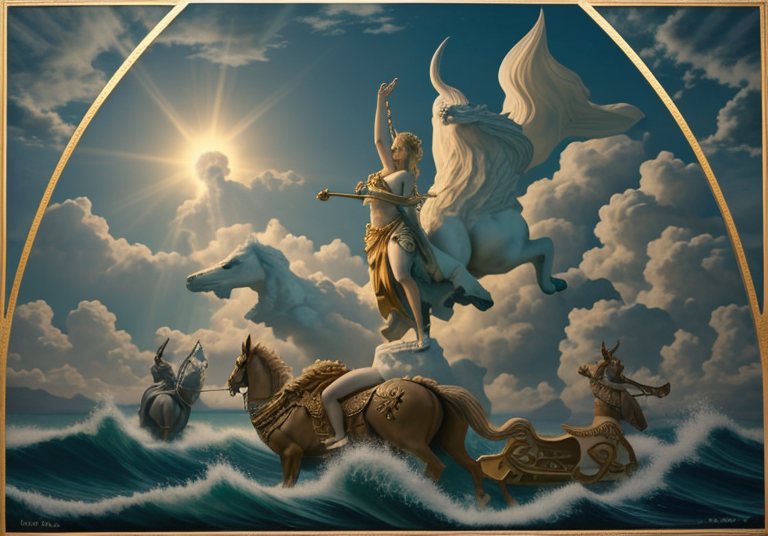
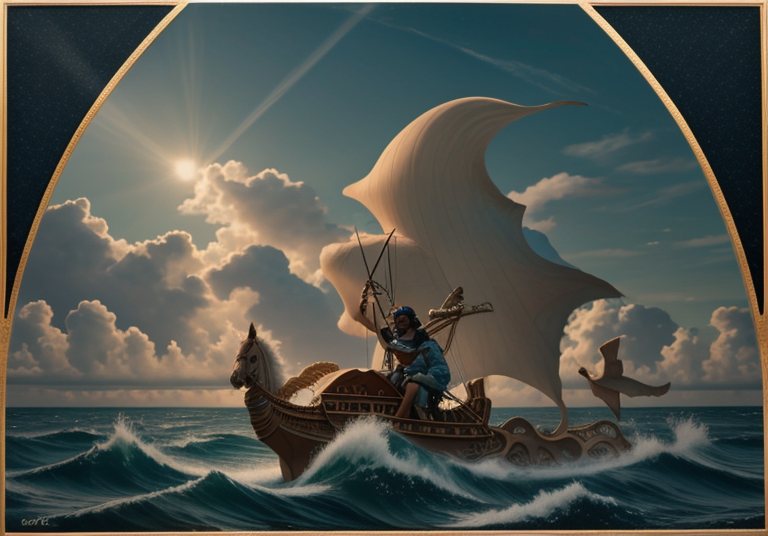

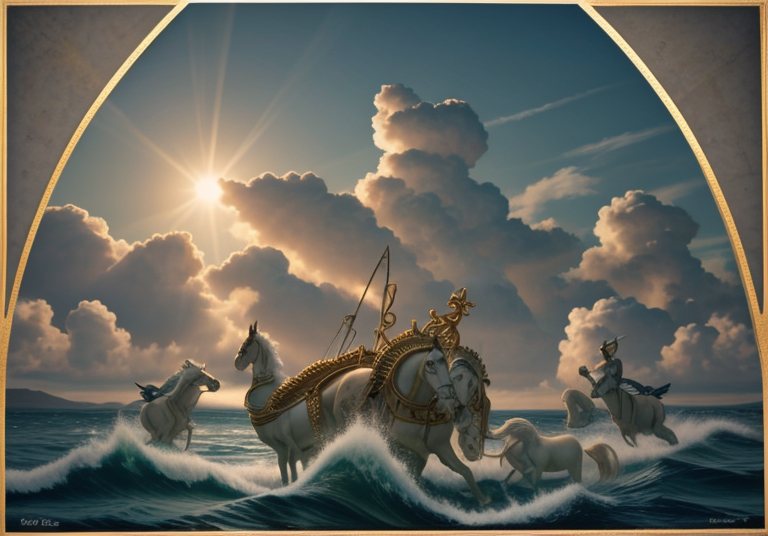

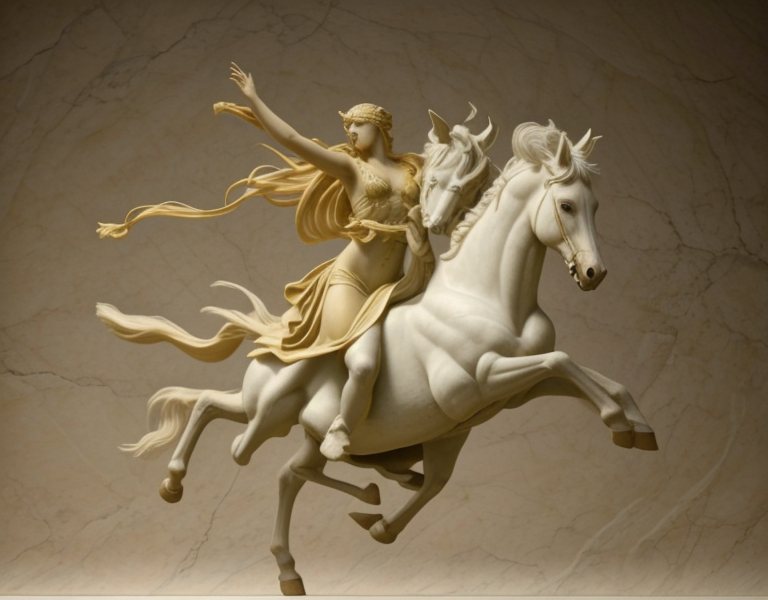
The centaur Nessus carries off Deianira
Source: Bertel Thorvaldsen, Nessus Abducting Dejanira, modeled 1814–15, carved 1821–23 or 1826 · The Metropolitan Museum of Art 2004.174 · Open Access CC0
Original: 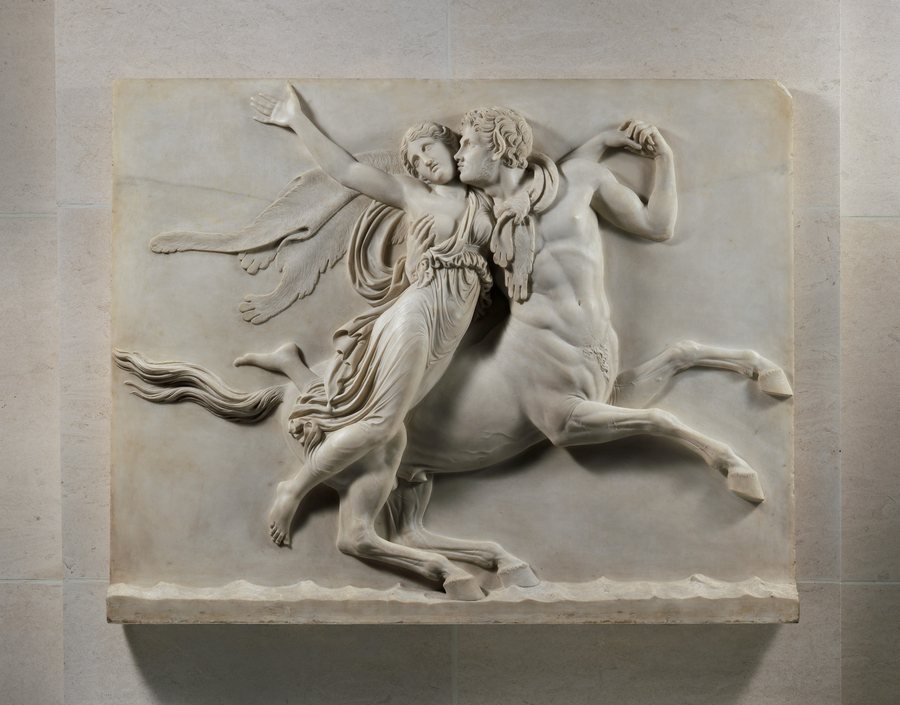
Realistic — Greek · Nubian · Libyan (Amazigh) · Levantine · Pale
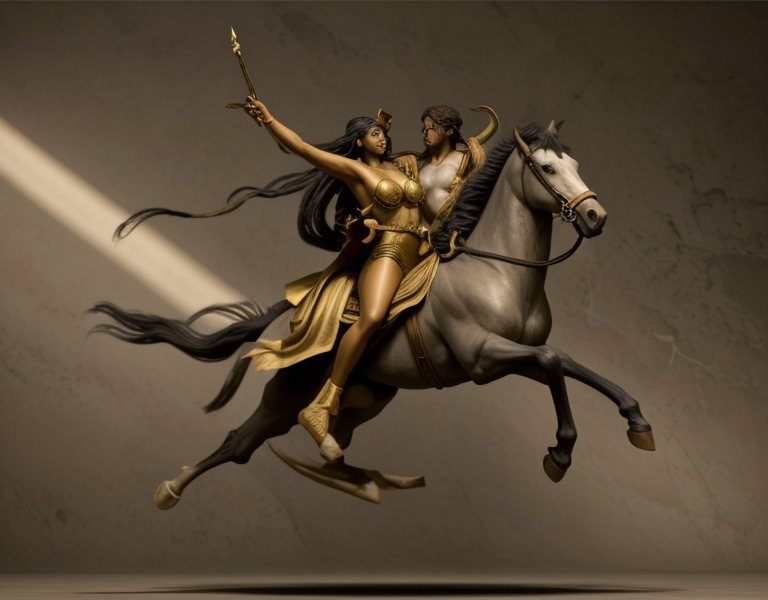
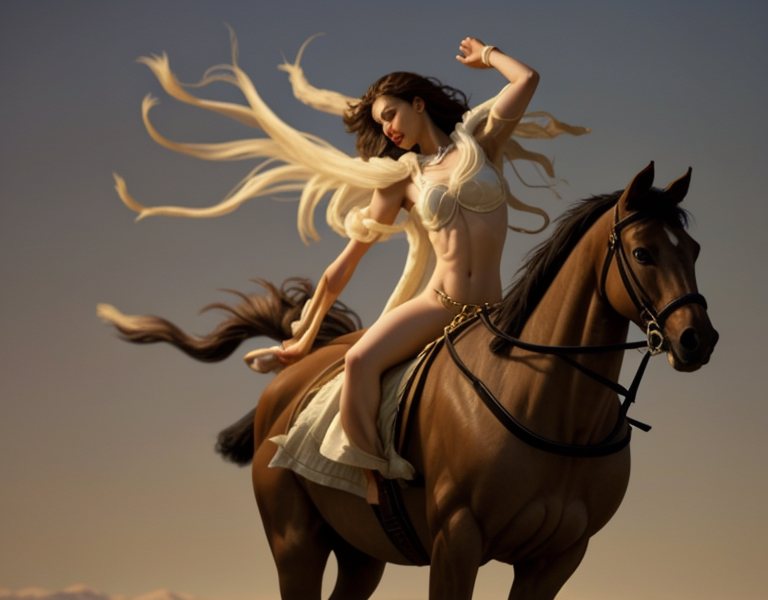
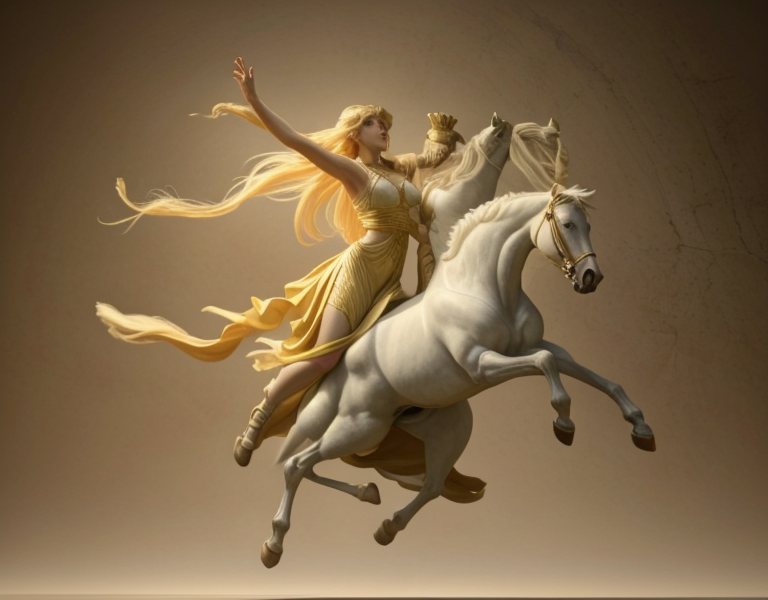
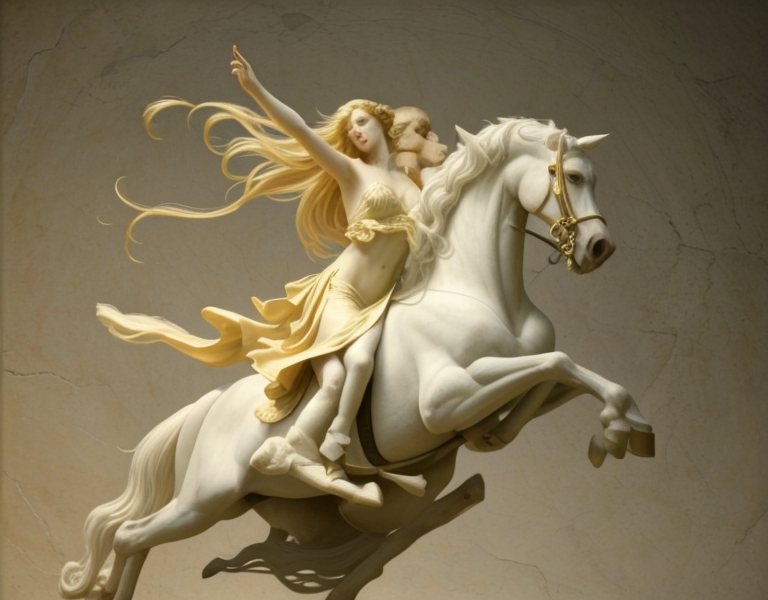
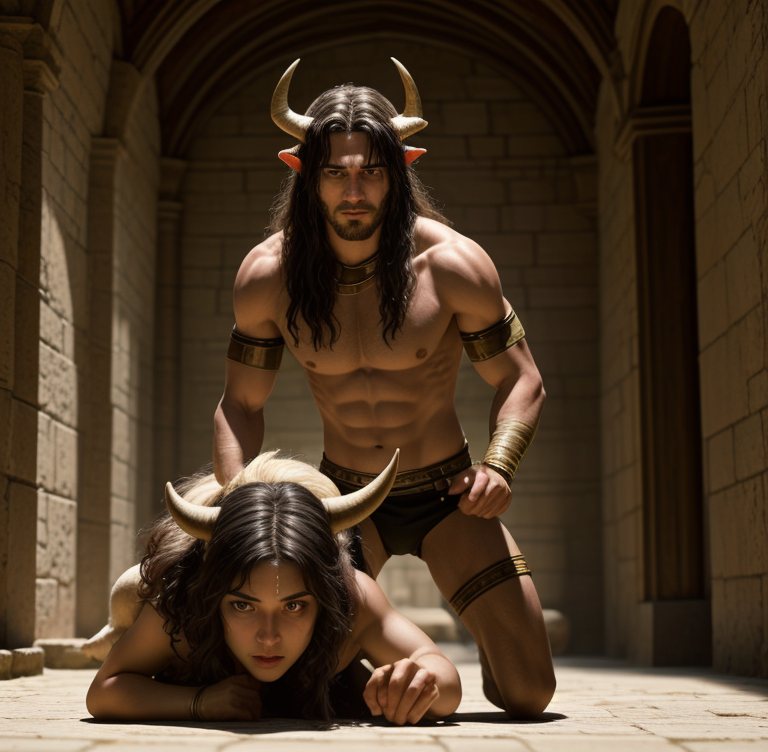
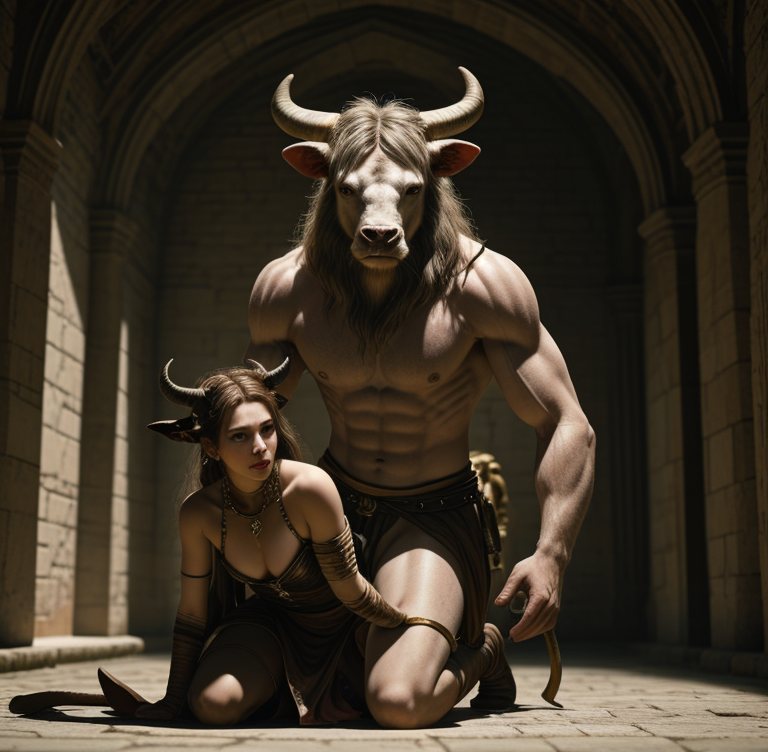
Theseus wrestles the Minotaur (Pompeii mosaic)
Source: Roman mosaic from Pompeii, Naples National Archaeological Museum · photo Carole Raddato · CC BY-SA 2.0 · Wikimedia Commons · cropped to the scene
Original: 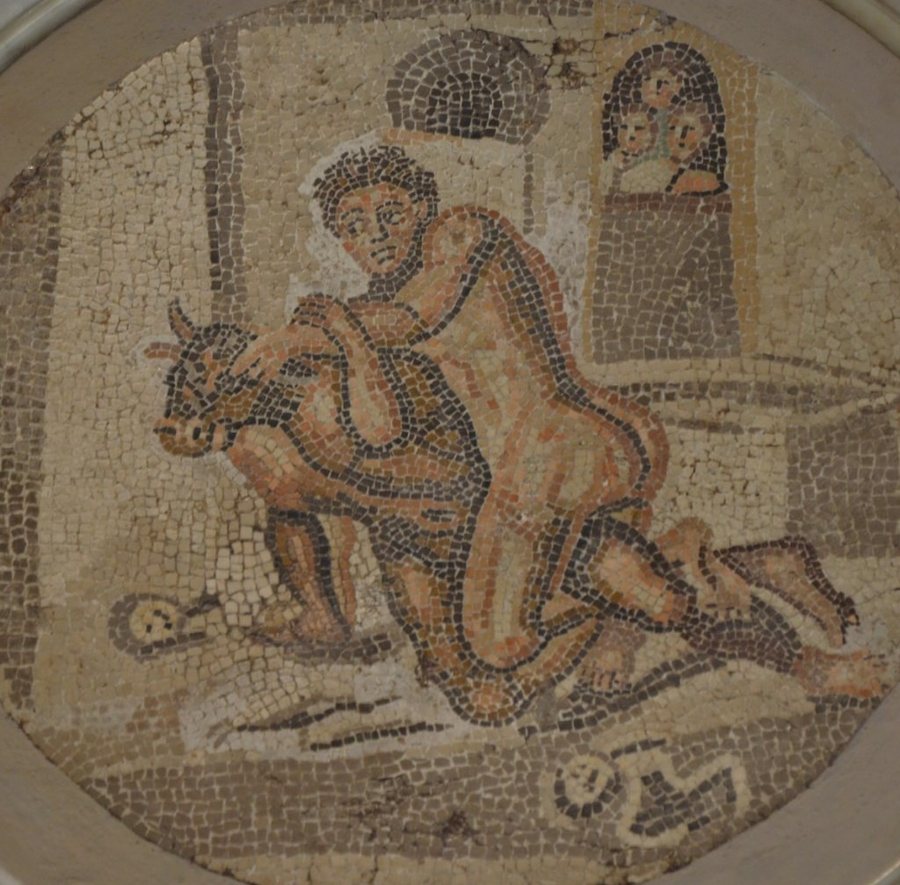
Realistic — Greek · Nubian · Libyan (Amazigh) · Levantine · Pale
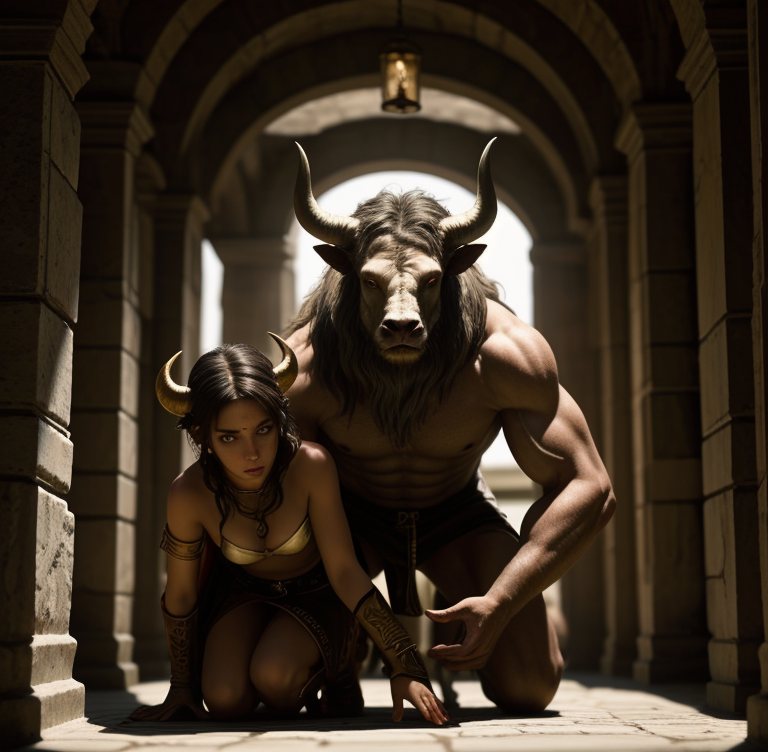
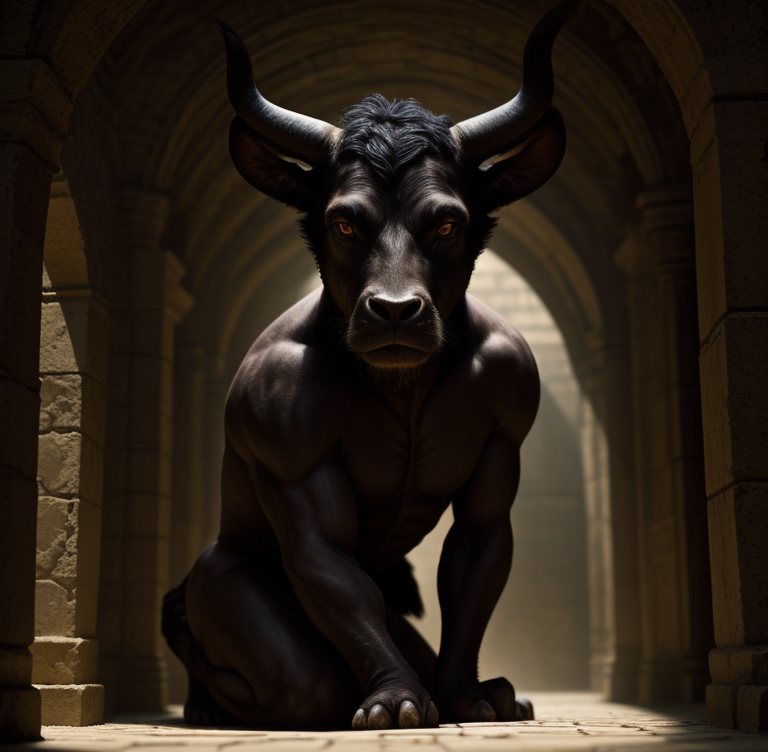
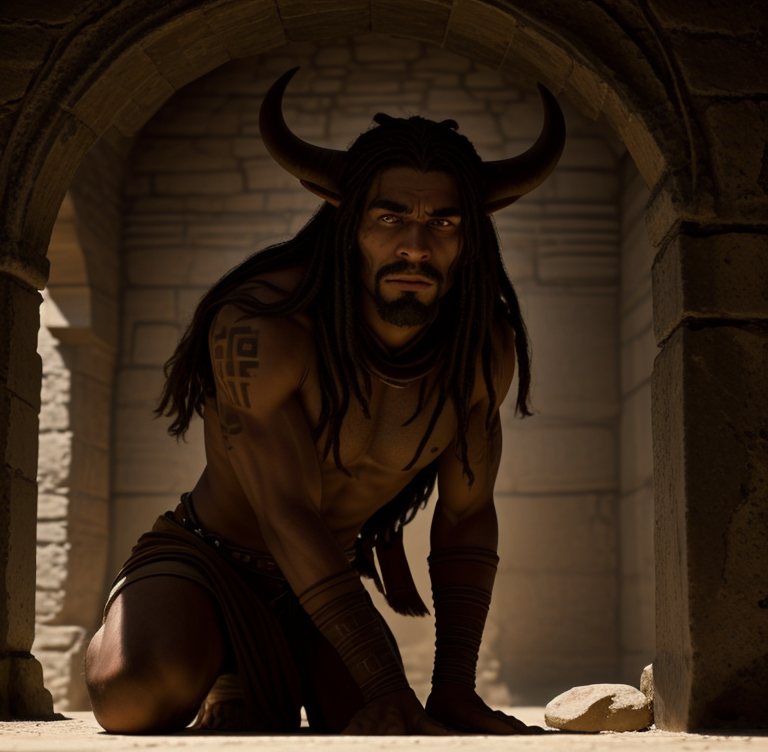
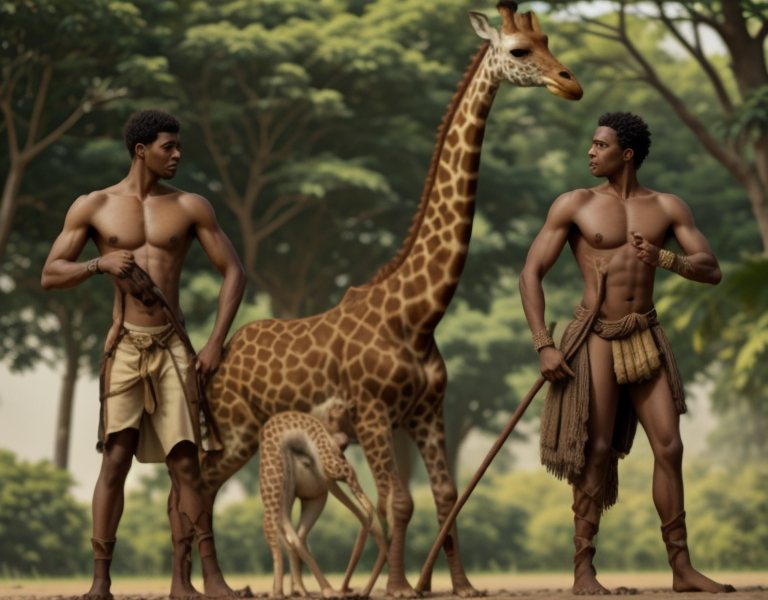
Nubians with a Giraffe and a Monkey, Tomb of Rekhmire
Source: Nina M. Davies, facsimile, Rekhmire (TT 100); Metropolitan Museum of Art, MET 31.6.40; CC0
Original: 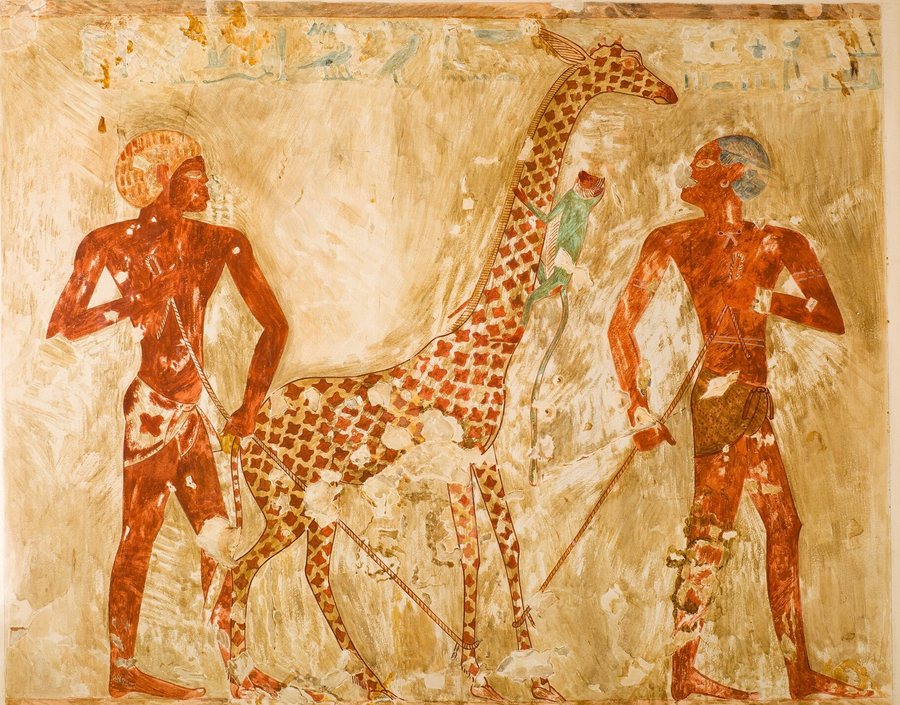
Realistic — As depicted
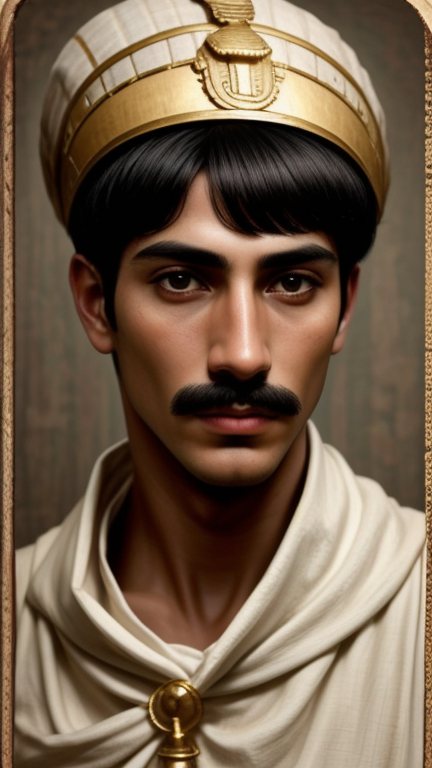
Portrait of a Youth with a Surgical Cut in one Eye (Fayum mummy portrait)
Source: Metropolitan Museum of Art, DP112592, Roman Period, A.D. 190–210; CC0
Original: 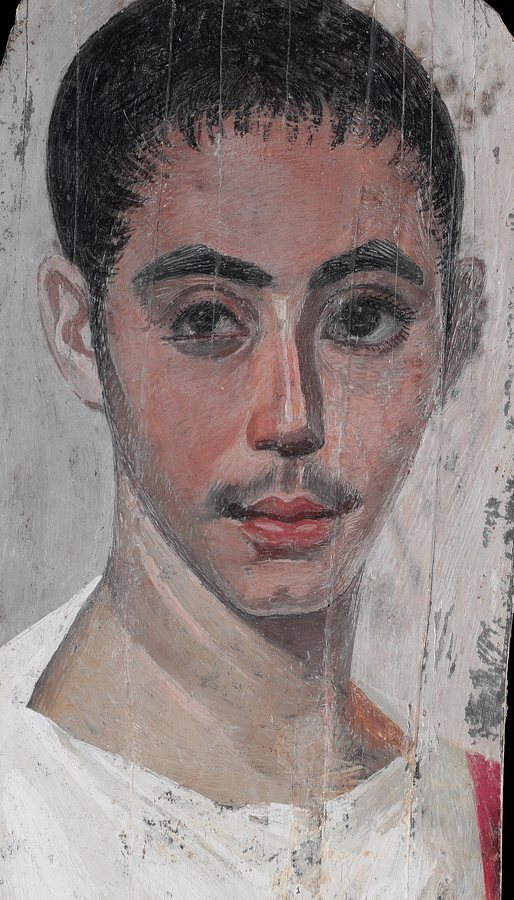
Realistic — As depicted
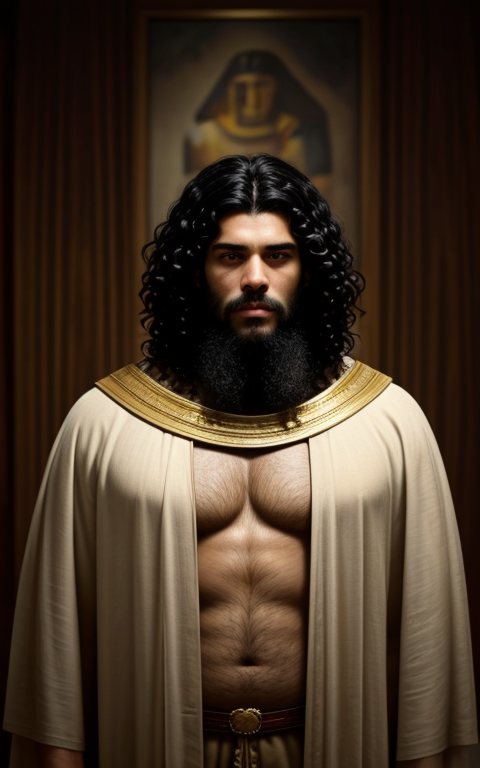
Portrait of a thin-faced, bearded man (Fayum mummy portrait)
Source: Metropolitan Museum of Art, DT202005, Roman Period, A.D. 160–180; CC0
Original: 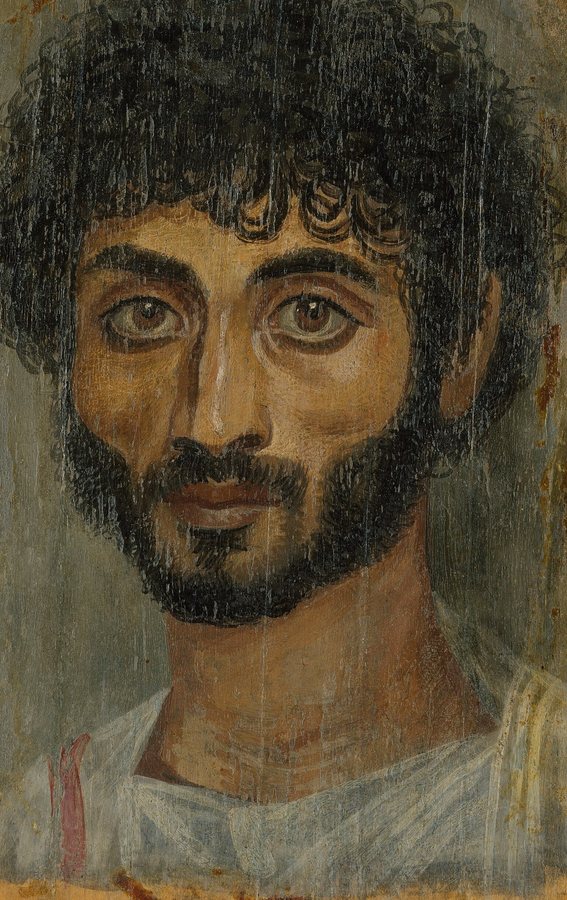
Realistic — As depicted
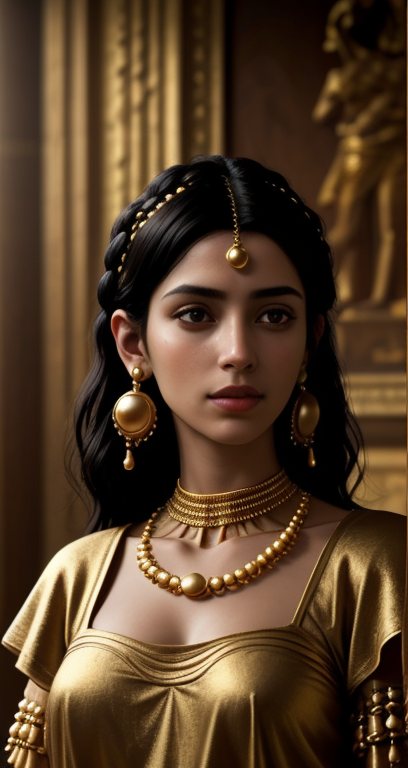
Portrait of a woman (Fayum mummy portrait), British Museum
Source: Photo by Ketone16; Fayum mummy portrait, British Museum, London; Public domain
Original: 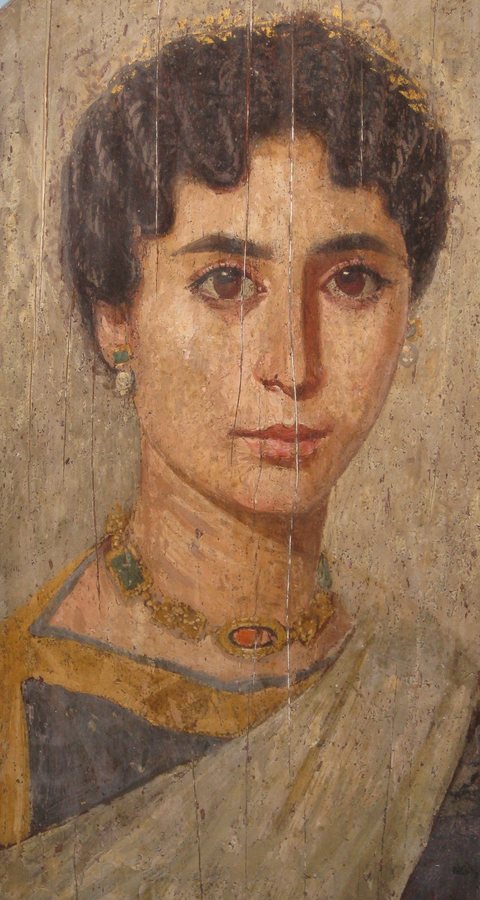
Realistic — As depicted
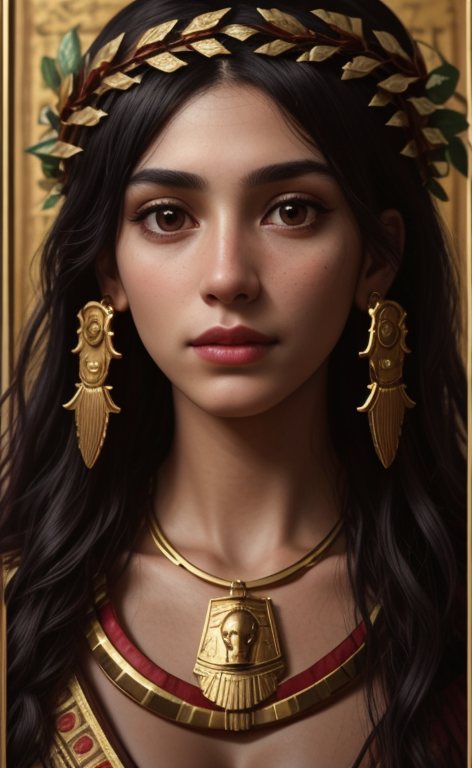
Portrait of a young woman in red (Fayum mummy portrait)
Source: Metropolitan Museum of Art, 09.181.6, Roman Period, A.D. 90–120; CC0
Original: 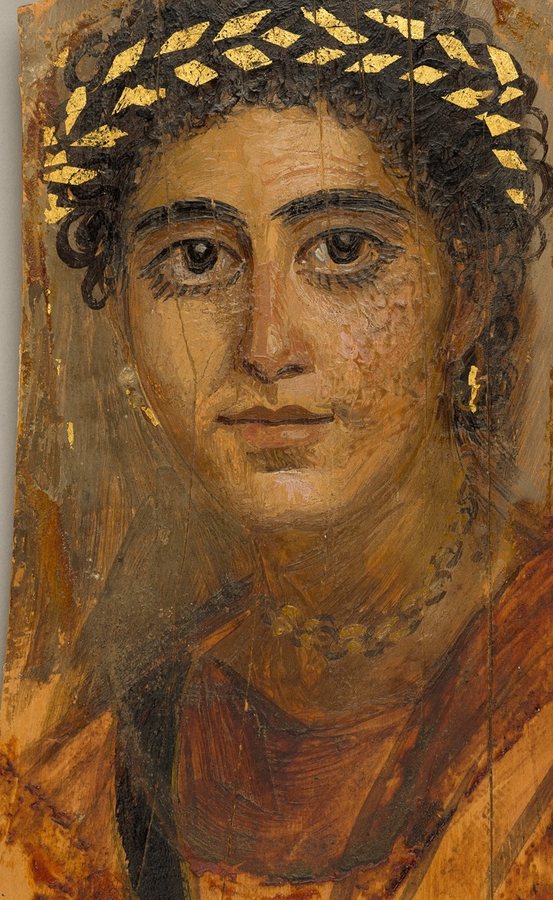
Realistic — As depicted
Portrait of an elderly lady with a gold wreath (Fayum mummy portrait)
Source: Metropolitan Museum of Art, 09.181.5, Roman Period, A.D. 100–125; CC0
Original: 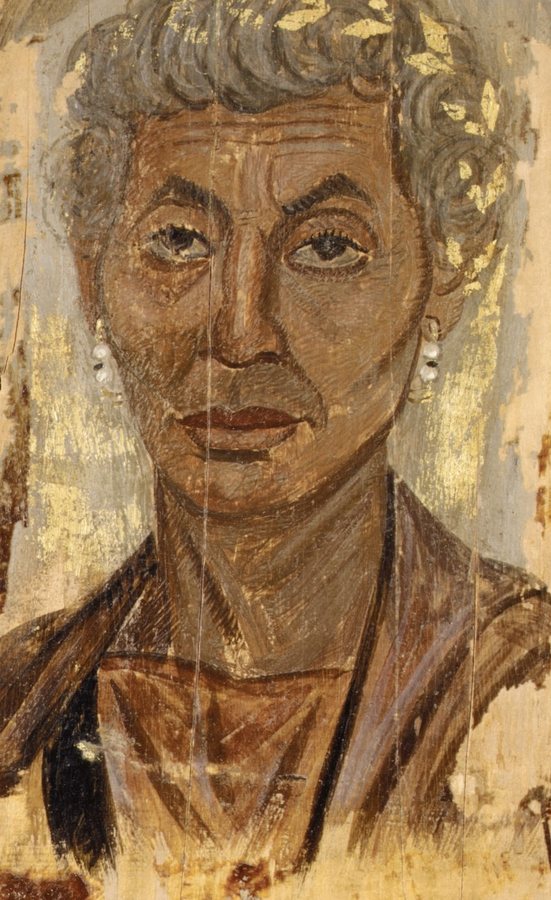
Realistic — As depicted
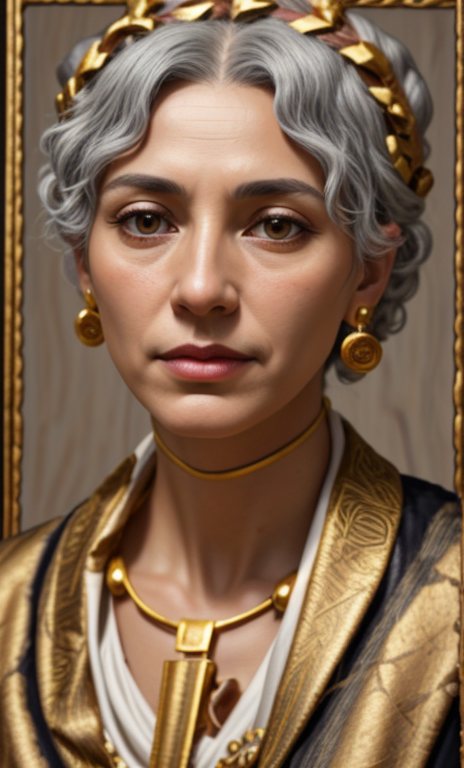
Portrait of an elderly woman, Er-Rubayat, Fayum (British Museum)
Source: Photo by Carole Raddato; encaustic on wood, about 300–325 AD, from a tomb at Er-Rubayat in the Fayum, British Museum; CC BY-SA 2.0
Original: 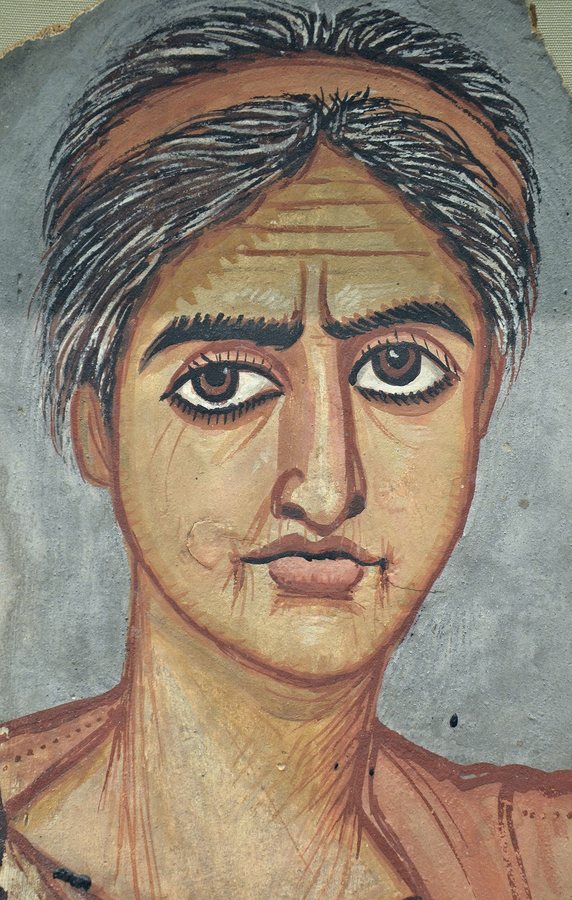
Realistic — As depicted
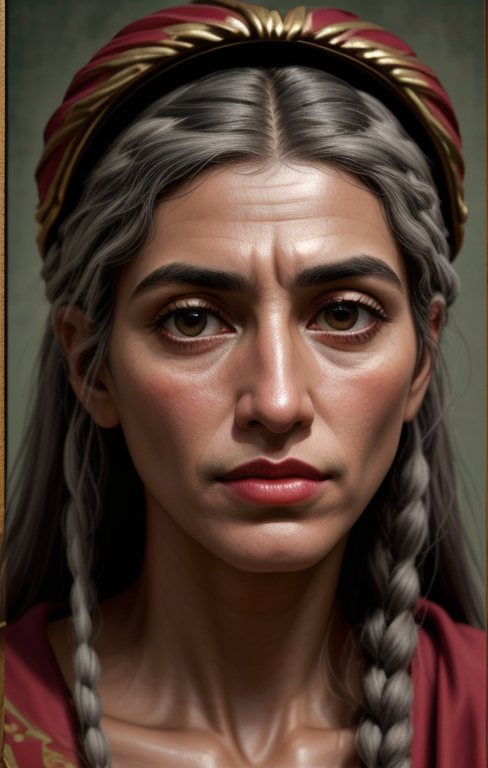
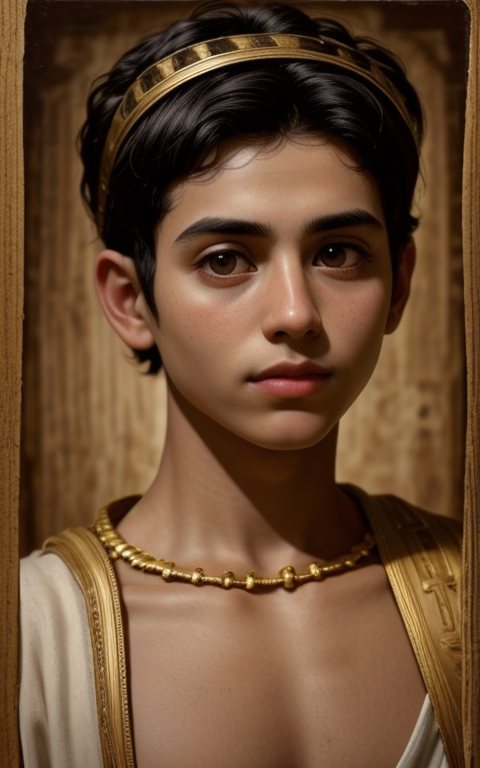
Portrait of the Boy Eutyches (Fayum mummy portrait)
Source: Metropolitan Museum of Art, 18.9.2, Roman Period, A.D. 100–150; CC0
Original: 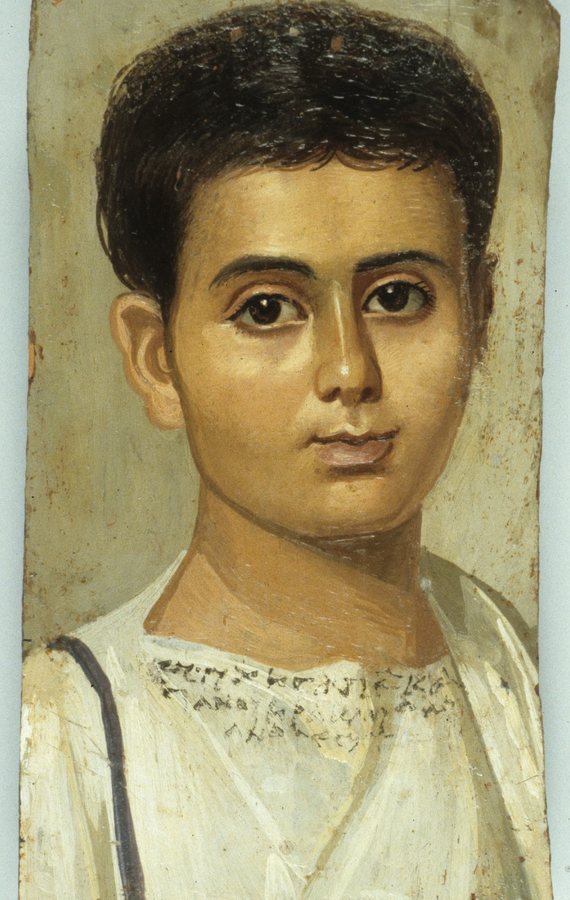
Realistic — As depicted
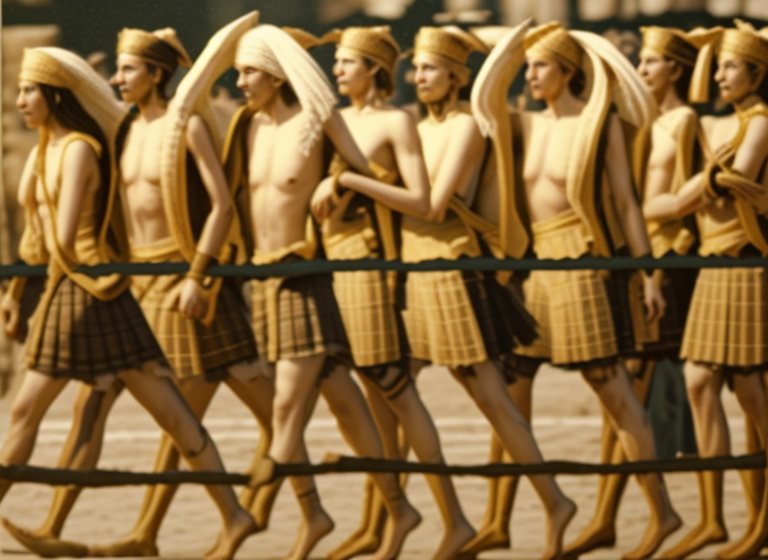
Procession of Philistine captives at Medinet Habu (engraving)
Source: Drawn by Faucher-Gudin from a photograph by Insinger; in G. Maspero, History of Egypt, Chaldea, Syria, Babylonia, and Assyria, ed. A.H. Sayce, London 1903–1904; Public domain
Original: 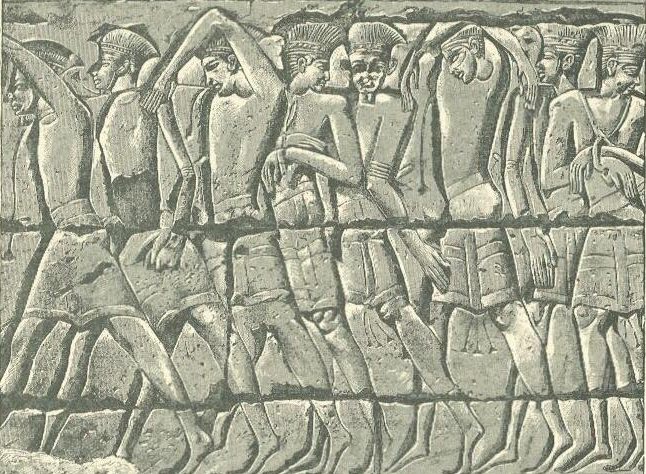
Realistic — As depicted
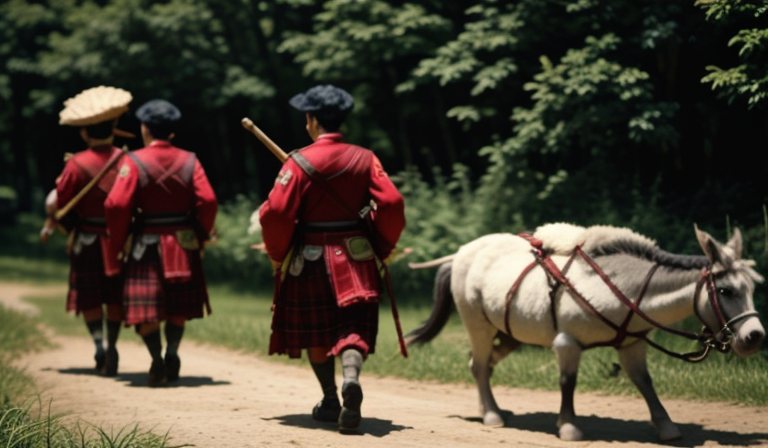
Procession of the Aamu: men with bow and lyre and a pack donkey — Beni Hasan
Source: Tomb of Khnumhotep II, Beni Hasan — composite photograph (A.D. Riddle; Brown University), Public domain (PD-Art), Wikimedia Commons
Original: 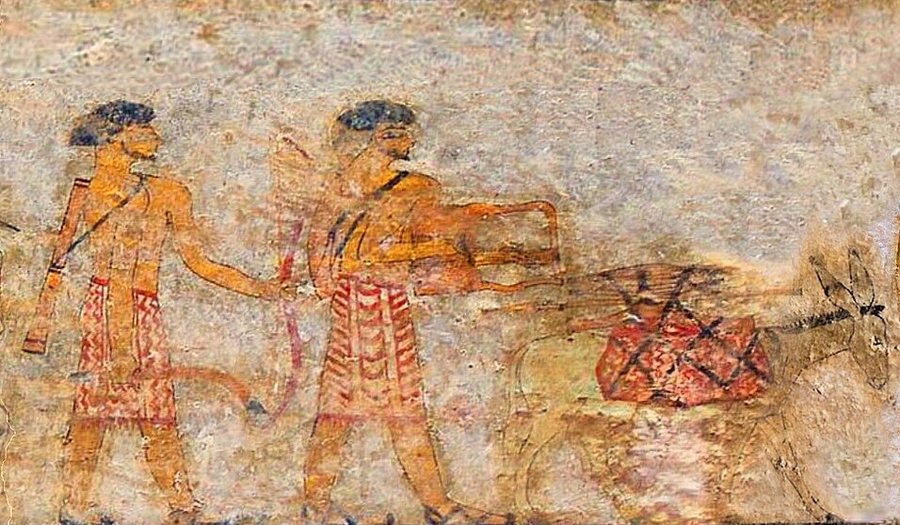
Realistic — As depicted
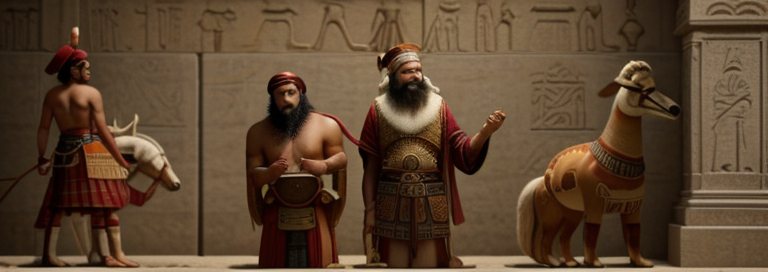
Procession of the Aamu: the leaders with gazelle and ibex before Egyptian officials — Beni Hasan
Source: Tomb of Khnumhotep II, Beni Hasan — composite photograph (A.D. Riddle; Brown University), Public domain (PD-Art), Wikimedia Commons
Original: 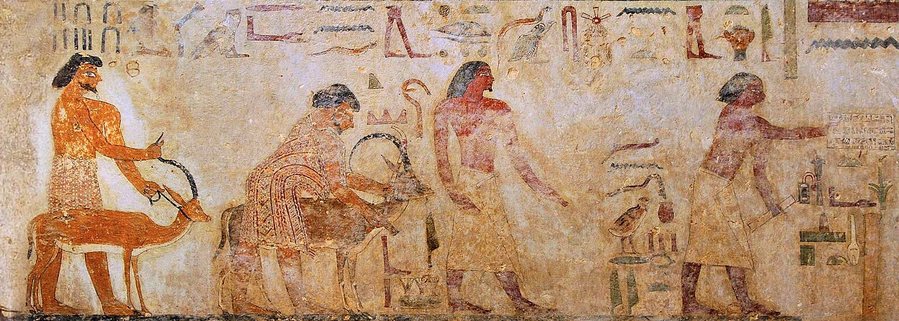
Realistic — As depicted
Procession of the Aamu: women, children on a donkey, and men — Beni Hasan
Source: Tomb of Khnumhotep II, Beni Hasan — composite photograph (A.D. Riddle; Brown University), Public domain (PD-Art), Wikimedia Commons
Original: 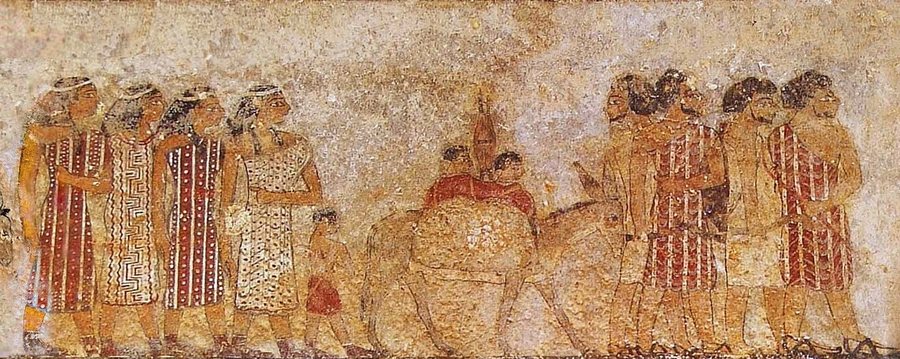
Realistic — As depicted
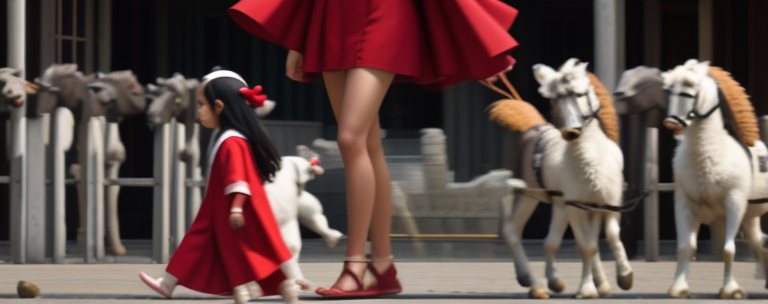
All 20 scenes in this set, and every other remake, are in the gallery: https://hathor.soapbox.community/remakes. Made on our own servers in Hathor Studio; each scene links to its place in the gallery.