Śilpa Śāstra is the Sanskrit science of arts and crafts. Its treatises teach how an image is measured, how its attributes are fixed, how its maker prepares, and how its eyes are finally opened. The canon measures a figure by its own face and keeps a deity's attributes fixed so that anyone, in any land, can know who is shown. This account publishes our historical remakes in that spirit. Each scene, whether Egyptian, Nubian, Minoan, Punic or Greek, is remade side by side for several peoples. The attributes stay constant and the people change. Today's set follows.
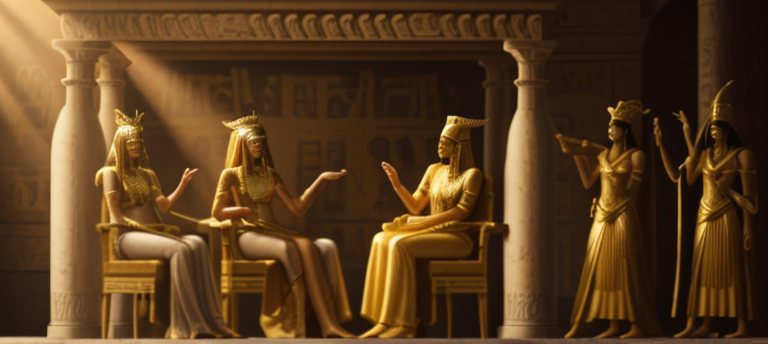
A parallel on the Nile. From the 4th Dynasty on, Egyptian priests performed the Opening of the Mouth on statues, often in the sculptor's workshop, the "House of Gold," so the image could breathe, see and eat. One Egyptian word for sculptor, sꜥnḫ, means "one who causes to live." These are parallels between two ancient workshops, not a claim that one borrowed from the other. (source)
We are testing these features and looking to develop them. This is Hathor's alpha work, made on our own servers — the images and videos she makes next are expected to be much better and more accurate. Tell us what works and what doesn't: every video page has 👍/👎, comments and timestamped notes.
The full gallery, every scene in every look: https://hathor.soapbox.community/remakes · Shilpa Shastra gallery: https://hathor.soapbox.community/gallery
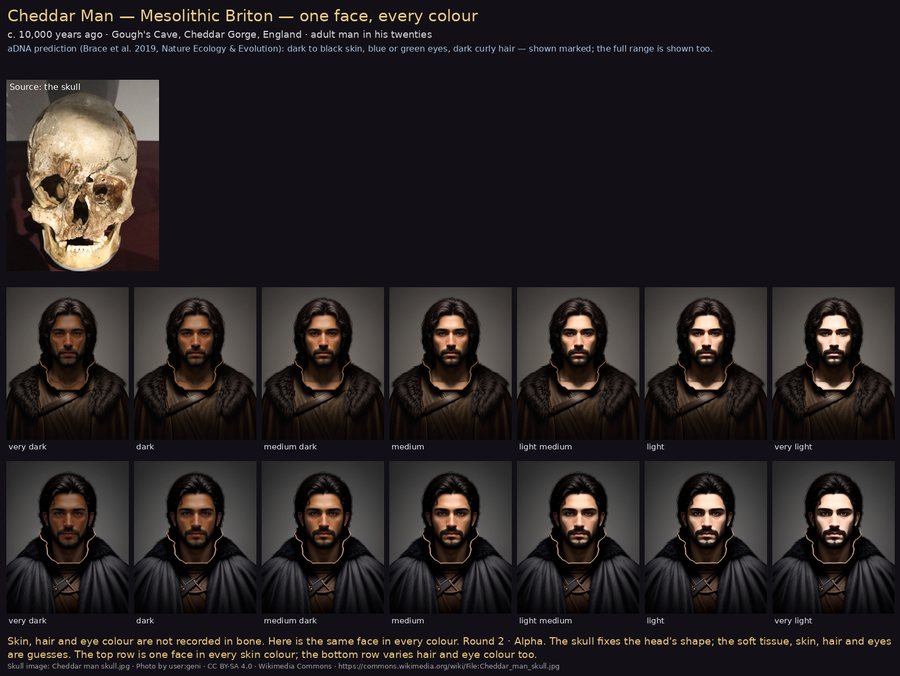
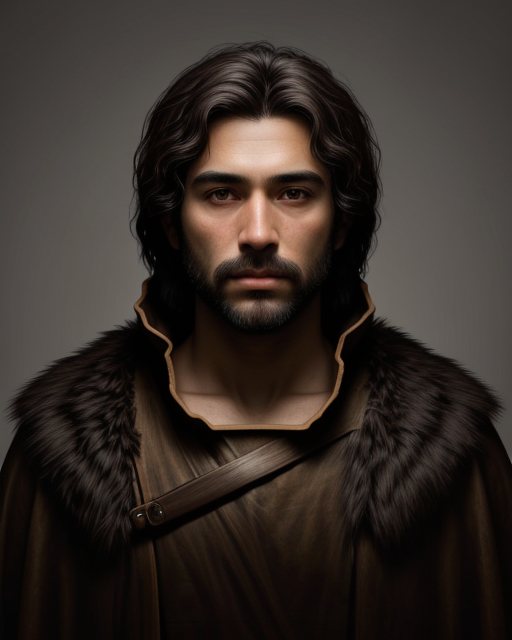
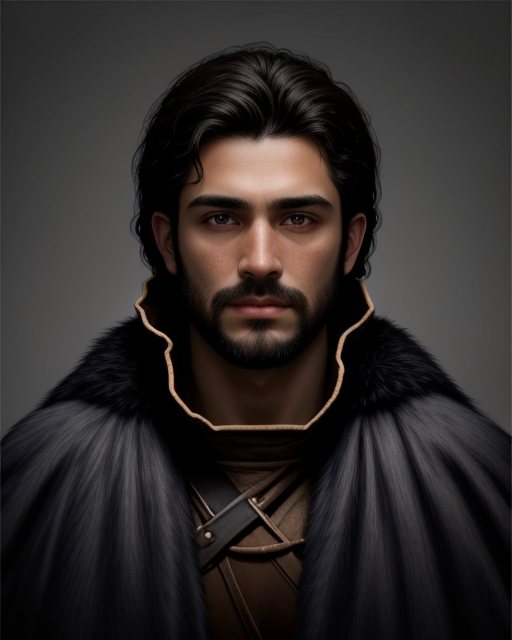
Cheddar Man — Mesolithic Briton — one face, every colour (round 2)
Source: c. 10,000 years ago · Gough's Cave, Cheddar Gorge, England · skull image: Cheddar man skull.jpg · Photo by user:geni · CC BY-SA 4.0 · Wikimedia Commons · 
Original: 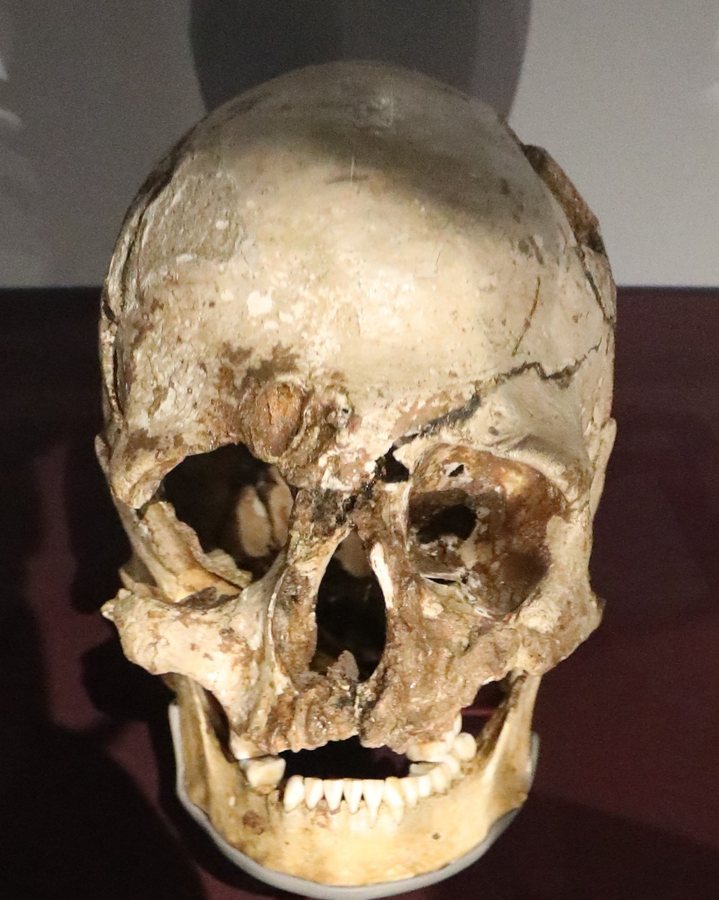
Realistic — sheet · face1 · face2
Jebel Irhoud 1 — early Homo sapiens — one face, every colour (round 2)
Source: c. 315,000 years ago (Hublin et al. 2017) · Jebel Irhoud, Morocco · skull image: Jebel Irhoud-1 NMNH.jpg · Jonathan Chen · CC BY-SA 4.0 · Wikimedia Commons · 
Original: 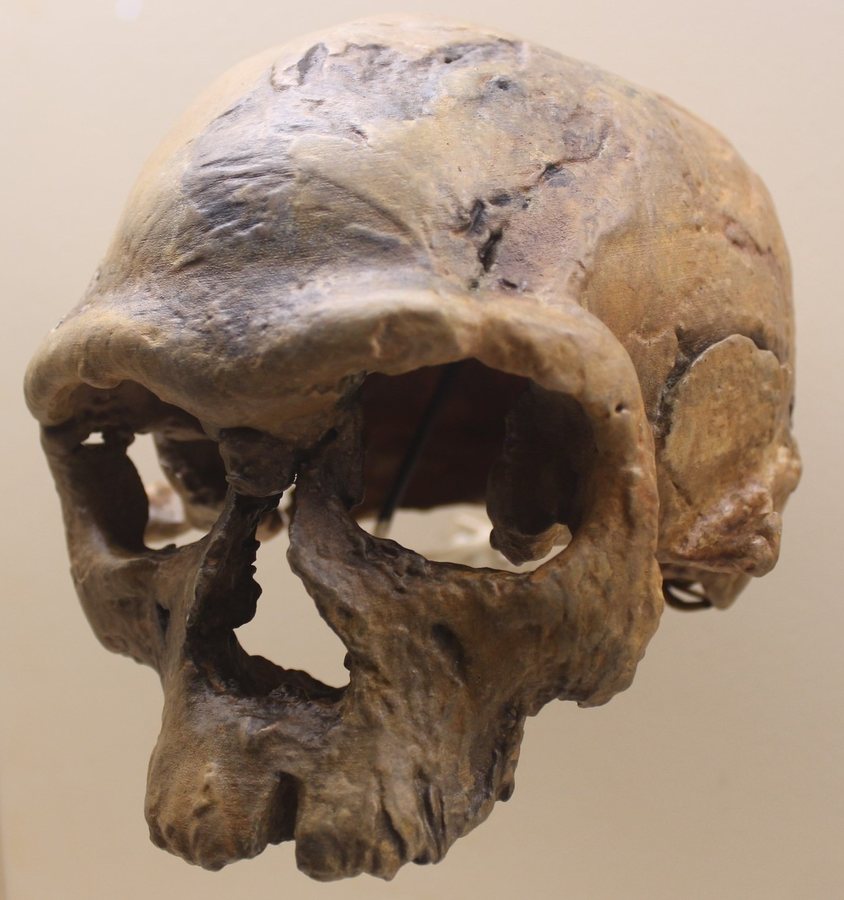
Realistic — sheet · face1 · face2
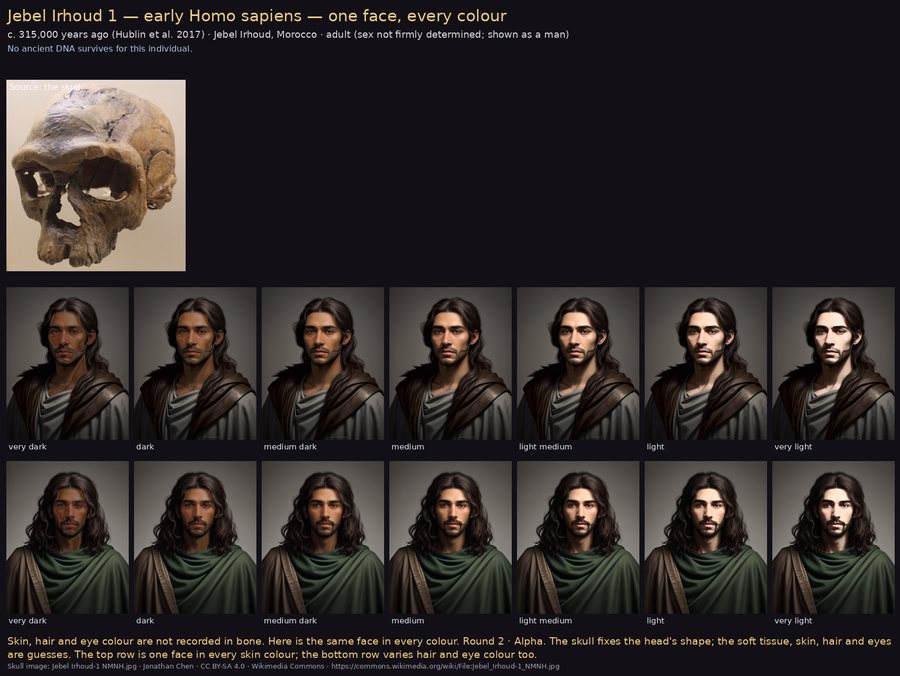
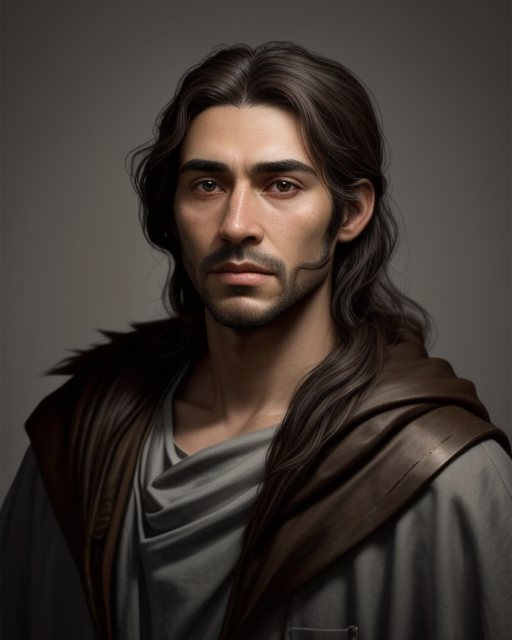
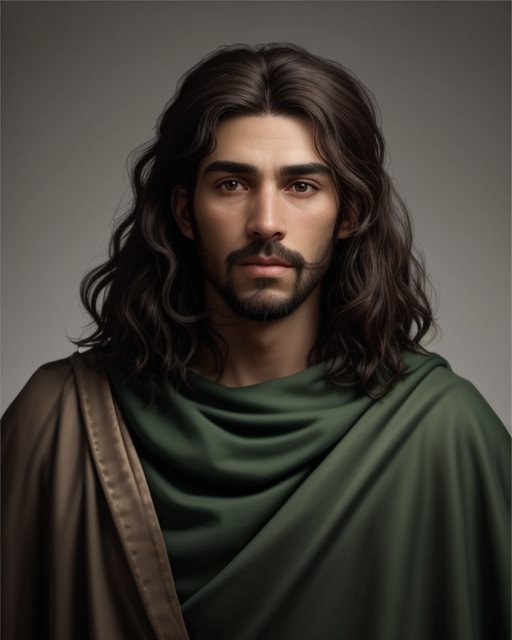
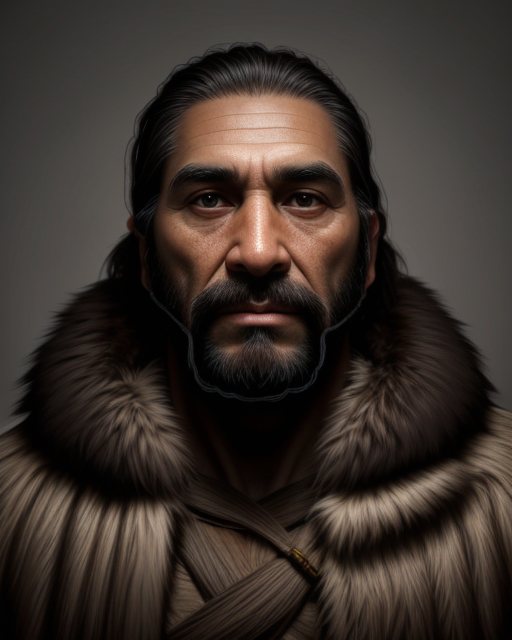
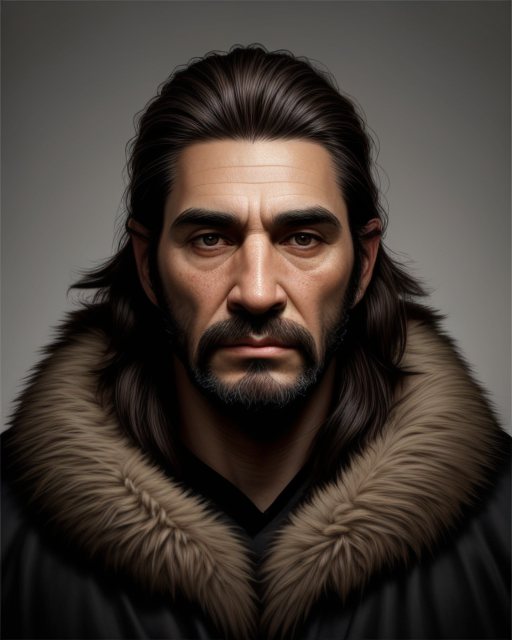
Shanidar 1 — Neanderthal of the Zagros — one face, every colour (round 2)
Source: c. 60,000–45,000 years ago · Shanidar Cave, Iraqi Kurdistan · skull image: Shanidar skull.jpg · James Gordon from Los Angeles, California, USA · CC BY 2.0 · Wikimedia Commons · 
Original: 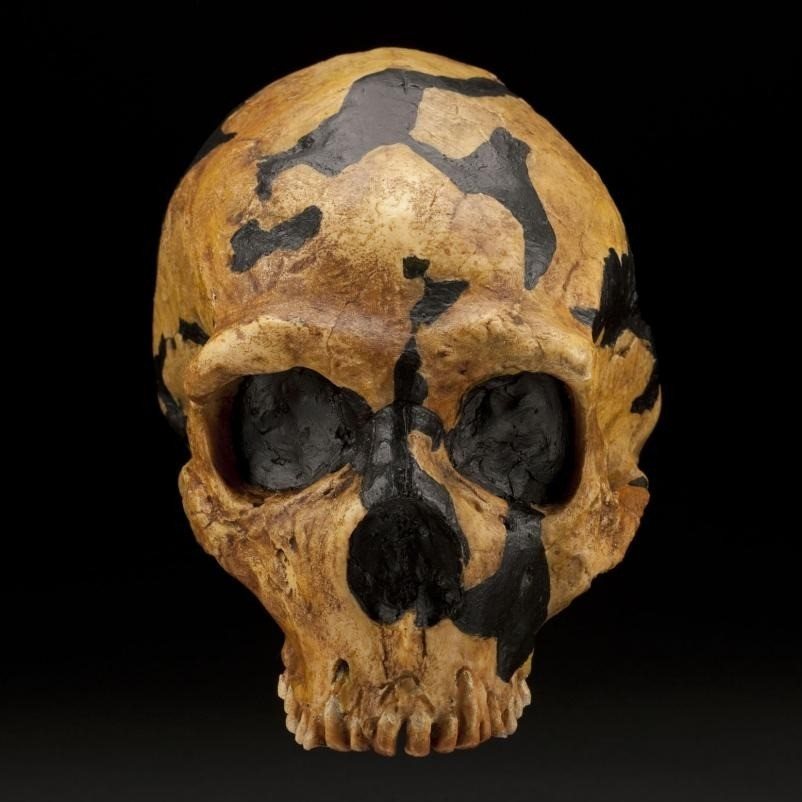
Realistic — sheet · face1 · face2
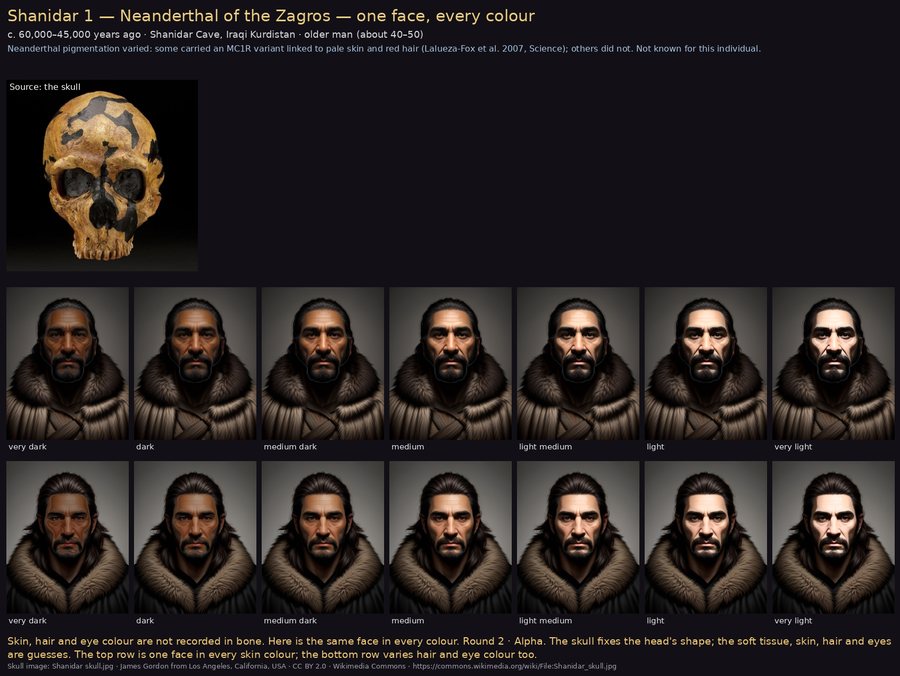
Skulls, colour and 'race': the history and the evidence
Source: Text card · sources cited on the card
Realistic — sheet

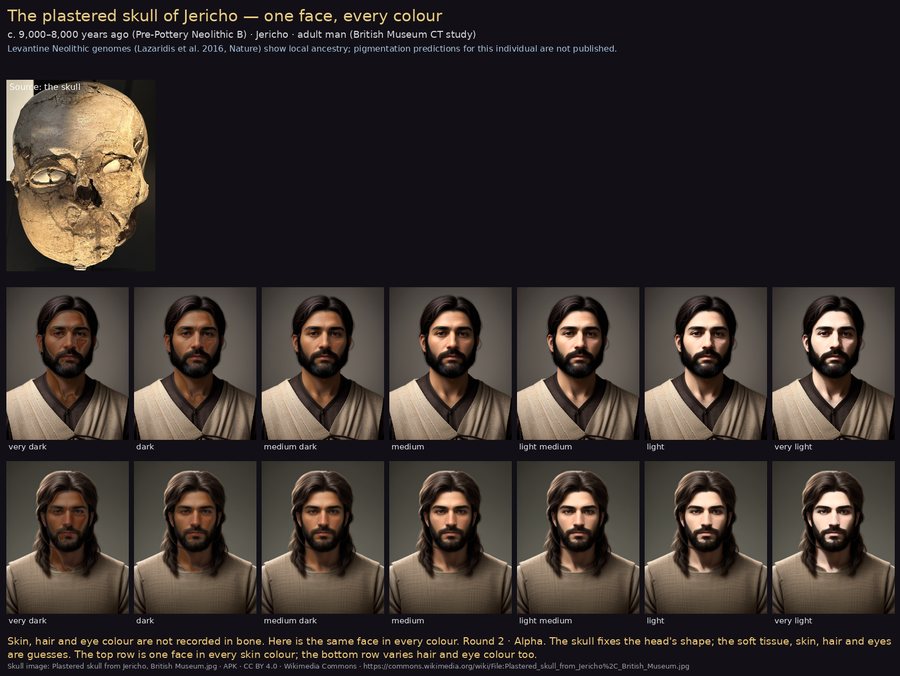
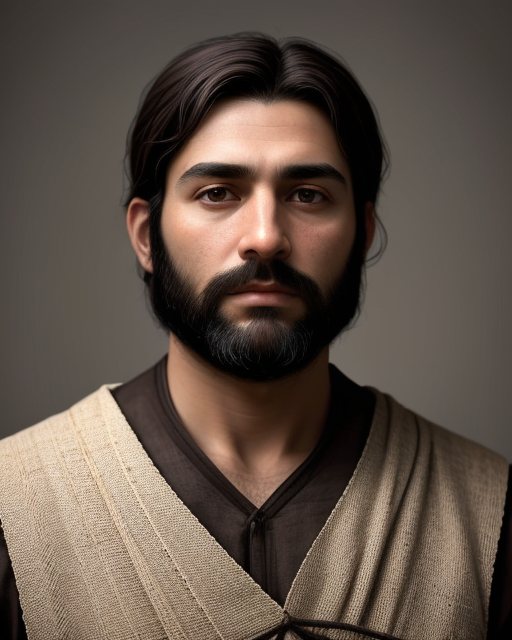
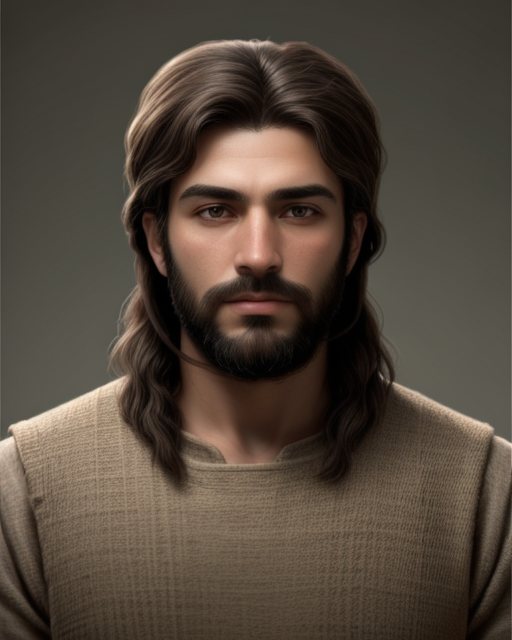
The plastered skull of Jericho — one face, every colour (round 2)
Source: c. 9,000–8,000 years ago (Pre-Pottery Neolithic B) · Jericho · skull image: Plastered skull from Jericho, British Museum.jpg · APK · CC BY 4.0 · Wikimedia Commons · 
Original: 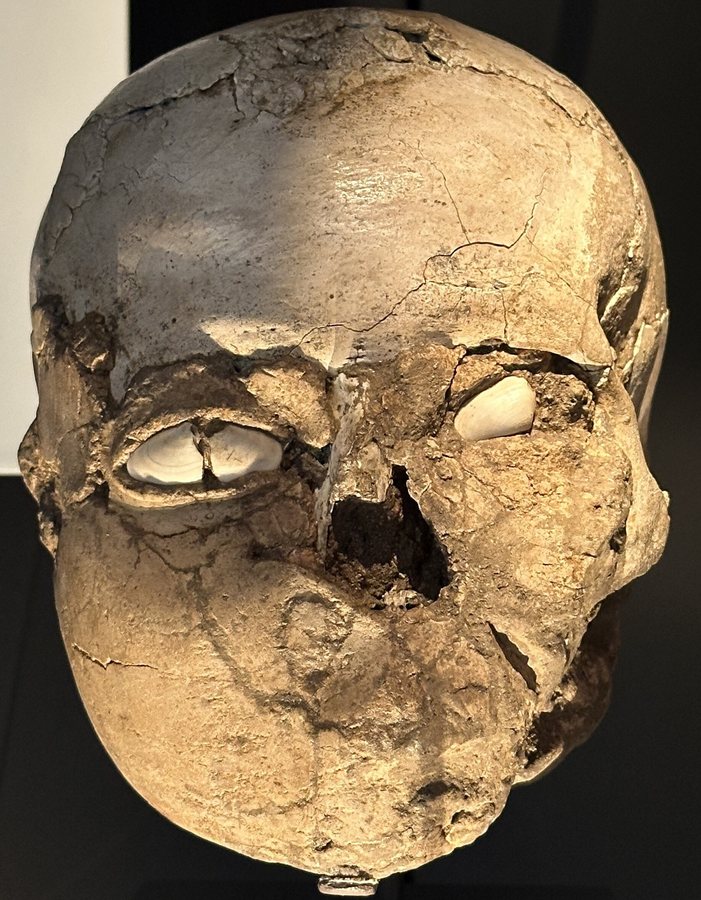
Realistic — sheet · face1 · face2
Centaurs guard the river of blood (Dante's Inferno XII)
Source: Gustave Doré, illustration for Dante's Inferno, Canto XII (1861) · Public domain · Wikimedia Commons
Original: 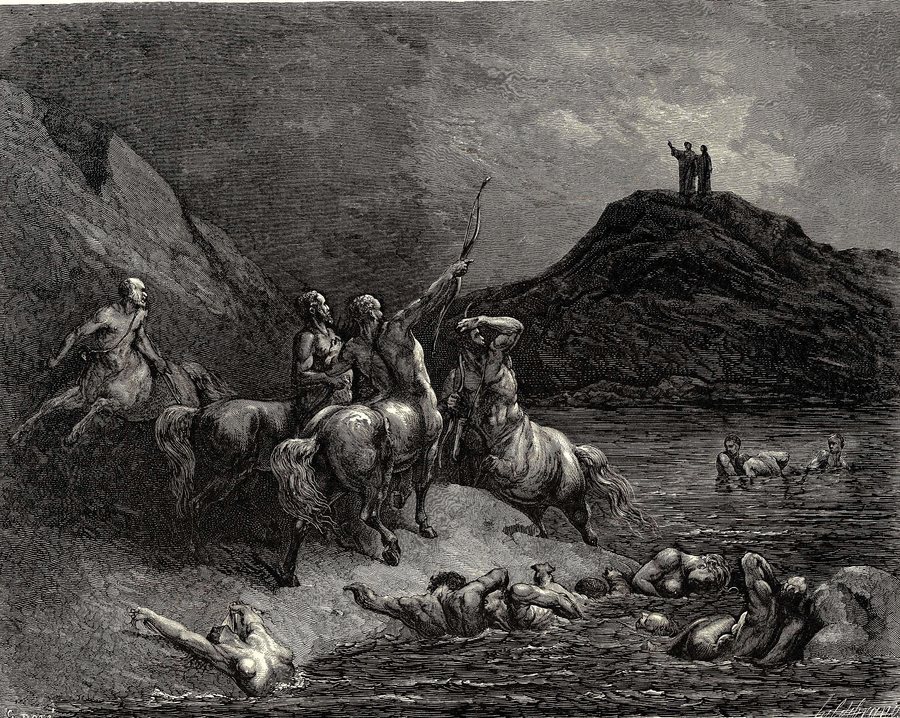
Realistic — Greek · Nubian · Libyan (Amazigh) · Levantine · Pale





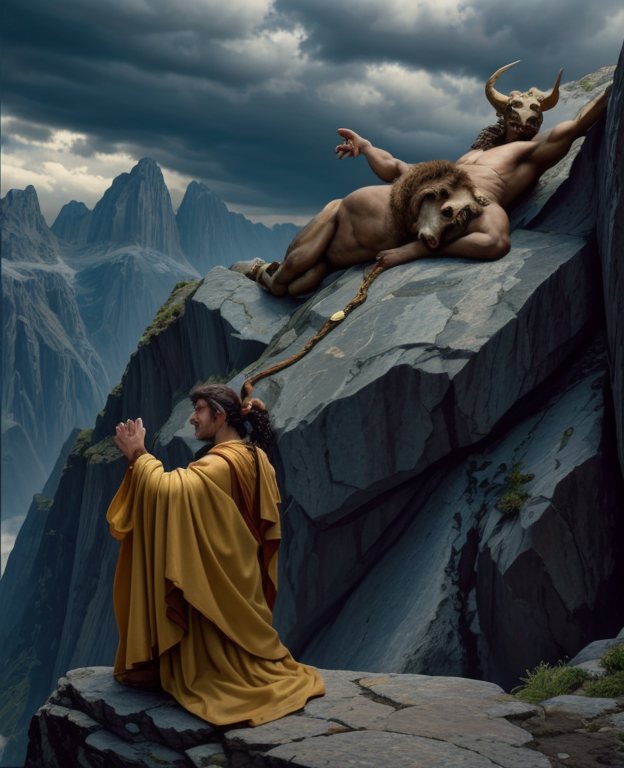
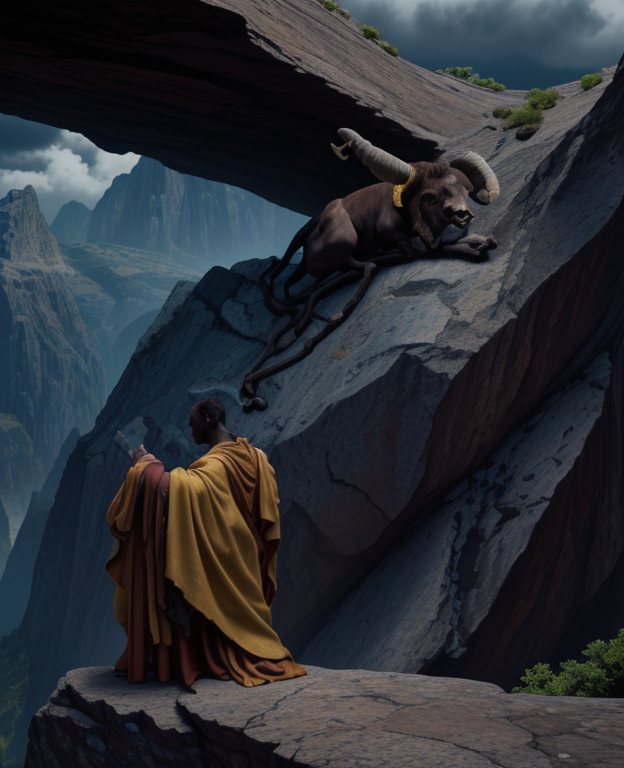
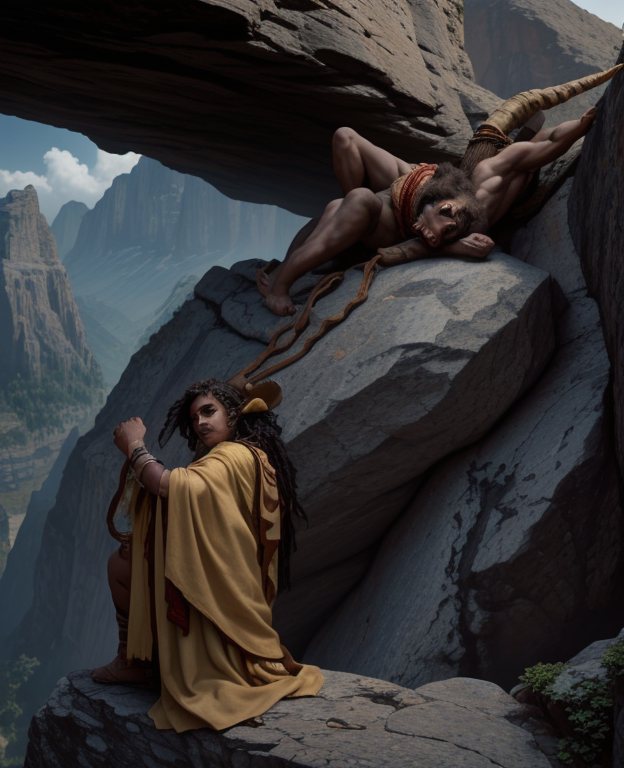
The Minotaur on the ruined slope
Source: Gustave Doré, Dante's Inferno, Canto XII (1861) · Public domain · Wikimedia Commons
Original: 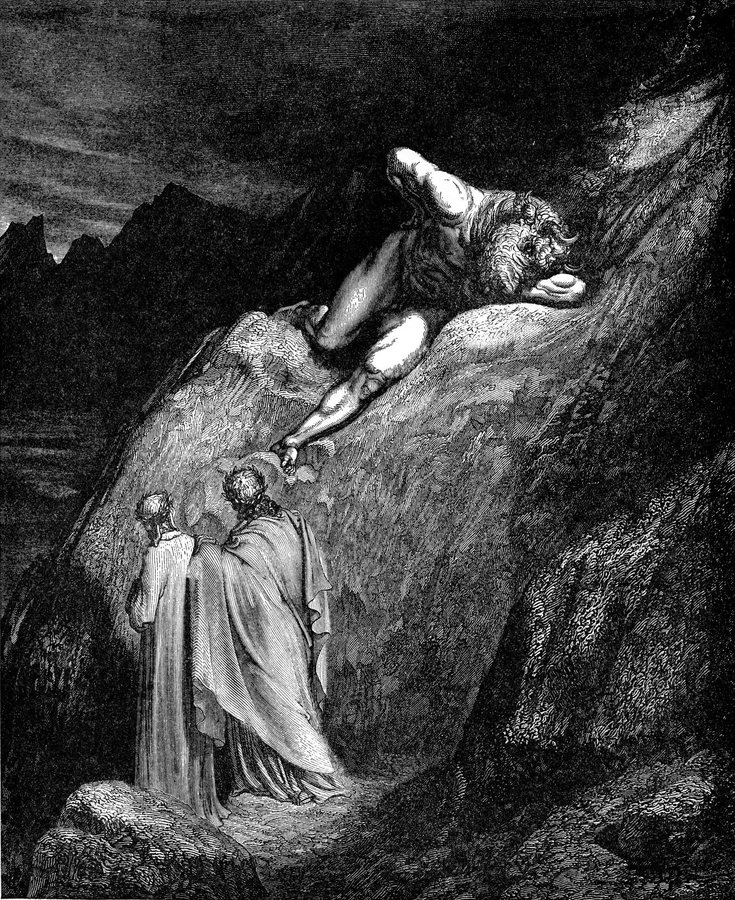
Realistic — Greek · Nubian · Libyan (Amazigh)
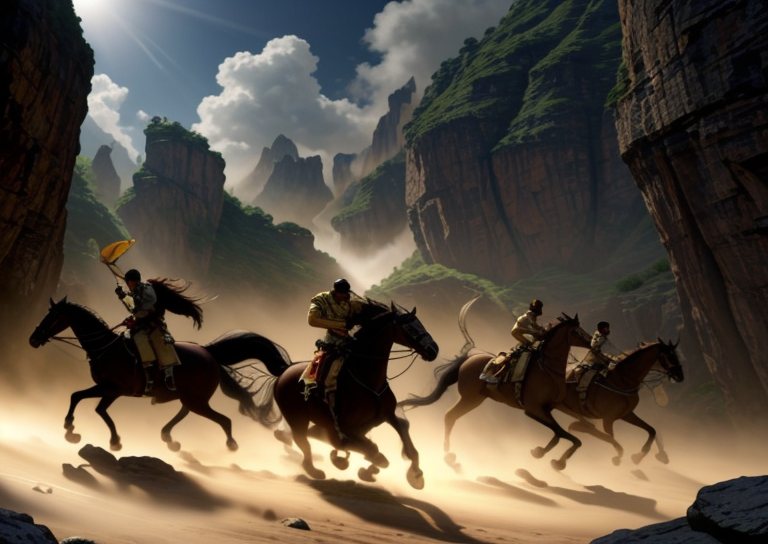
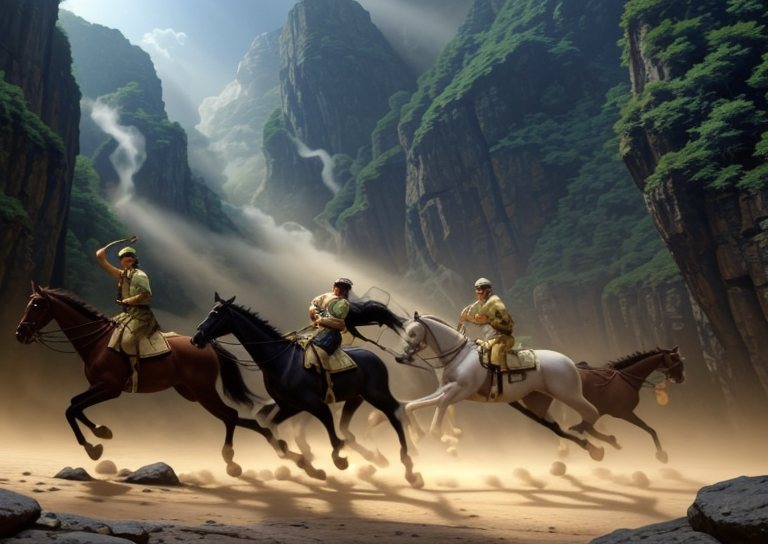
The centaurs ride out with their bows
Source: Gustave Doré, Dante's Inferno, Canto XII lines 73–74 (1861) · Public domain · Wikimedia Commons · cropped to the scene
Original: 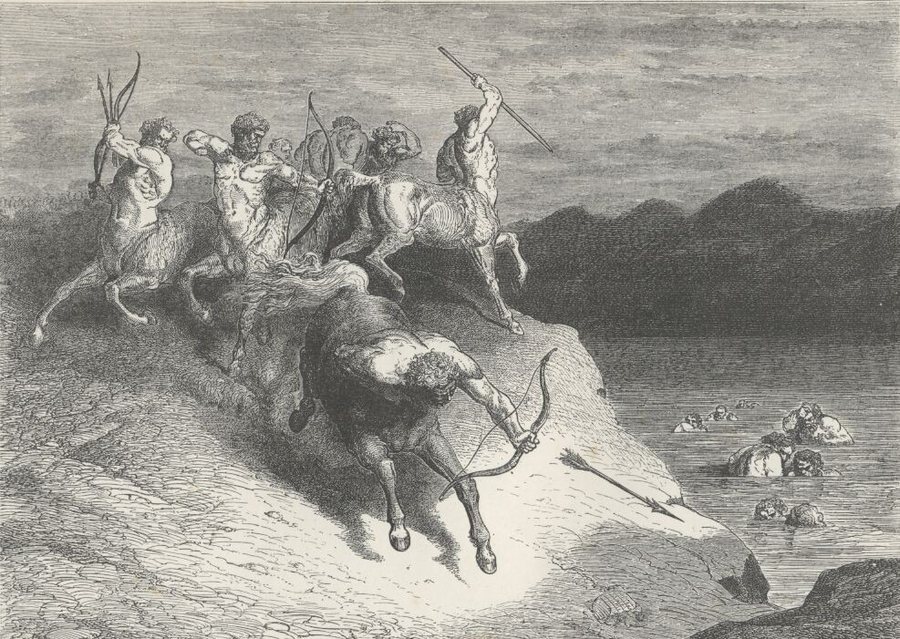
Realistic — Greek · Nubian · Libyan (Amazigh) · Levantine · Pale
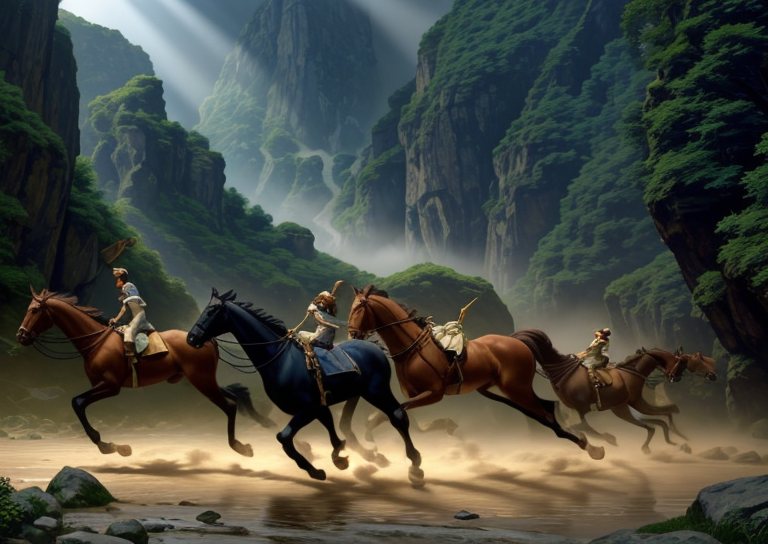
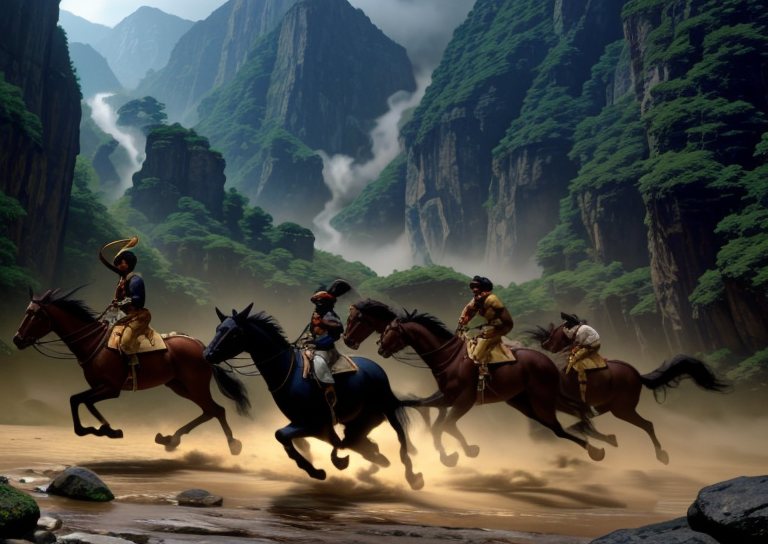

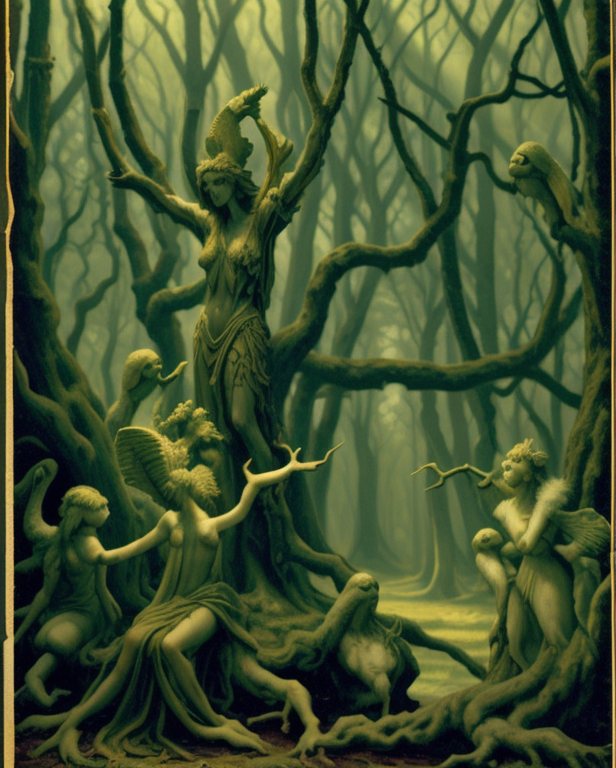
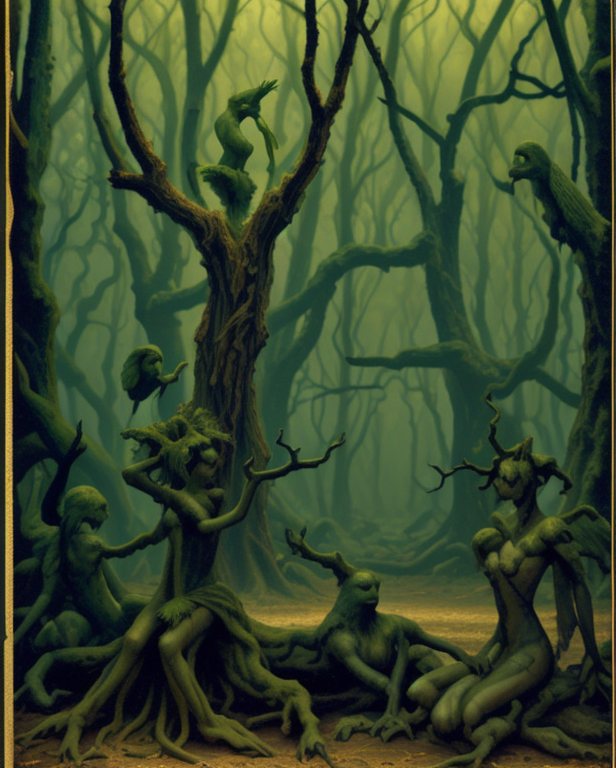
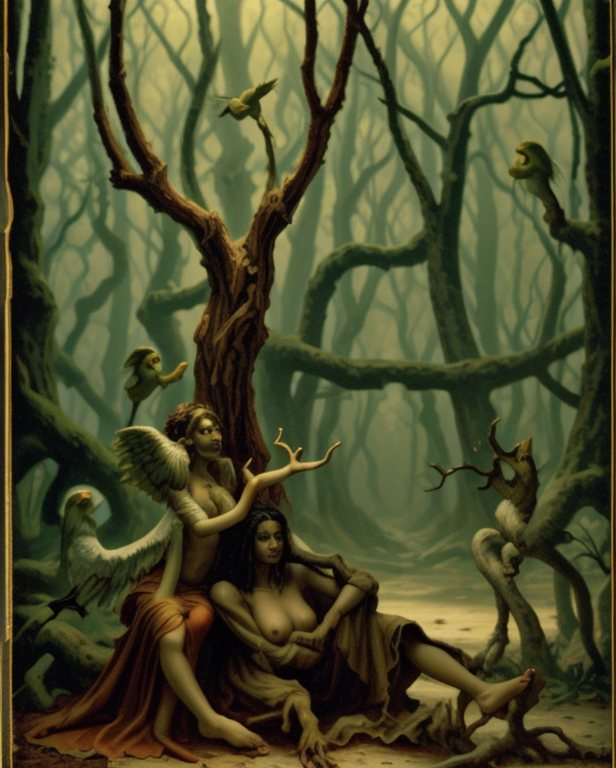
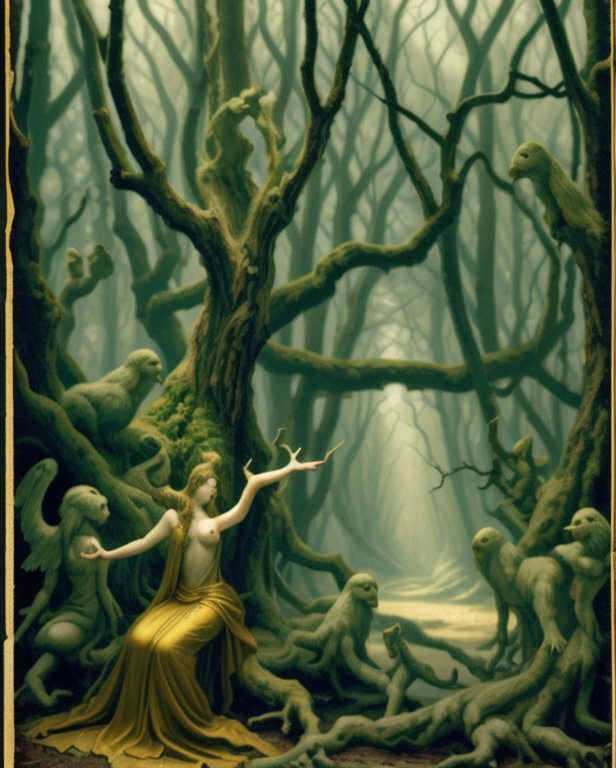
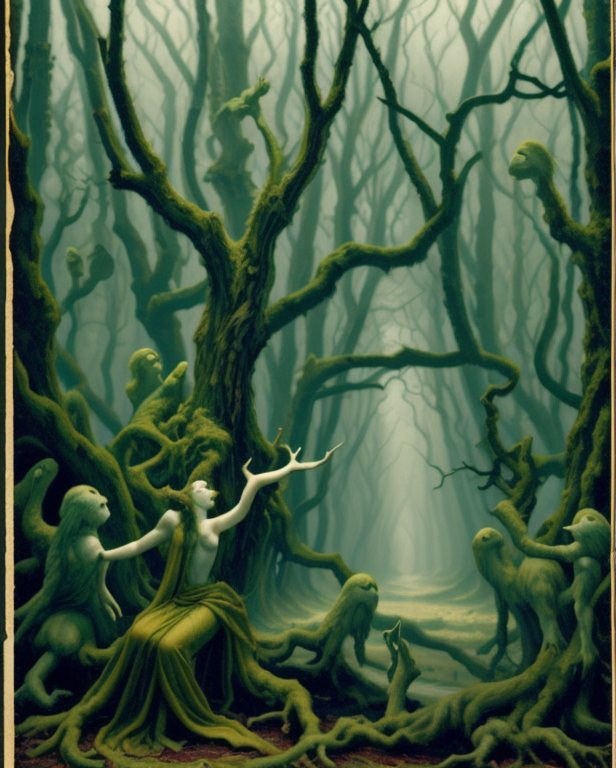
The harpies in the Wood of the Suicides
Source: Gustave Doré, Dante's Inferno, Canto XIII (1861) · Public domain · Wikimedia Commons
Original: 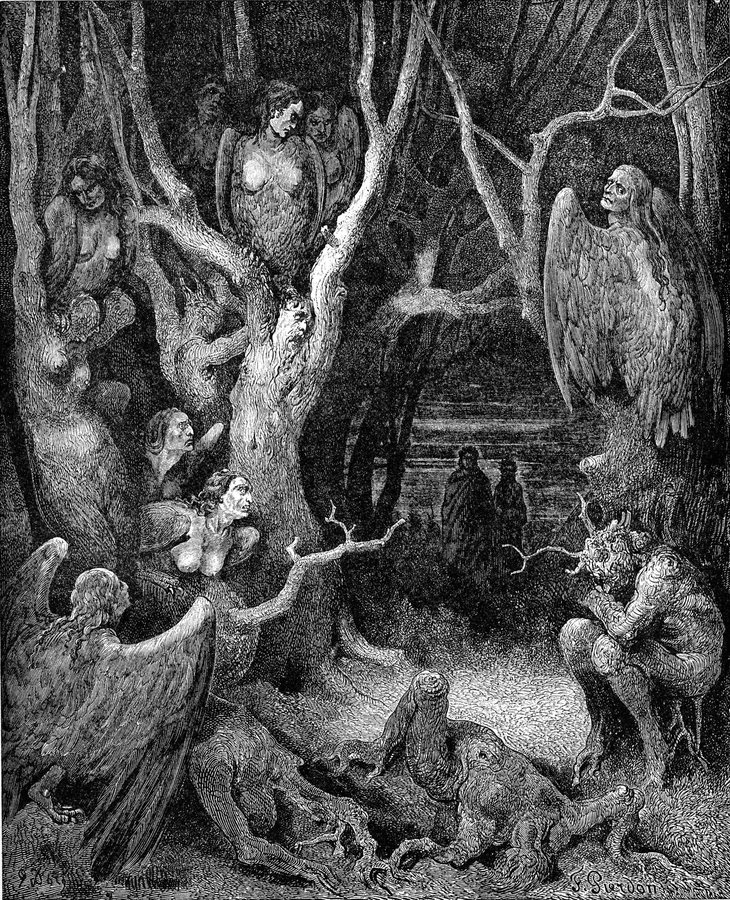
Realistic — Greek · Nubian · Libyan (Amazigh) · Levantine · Pale
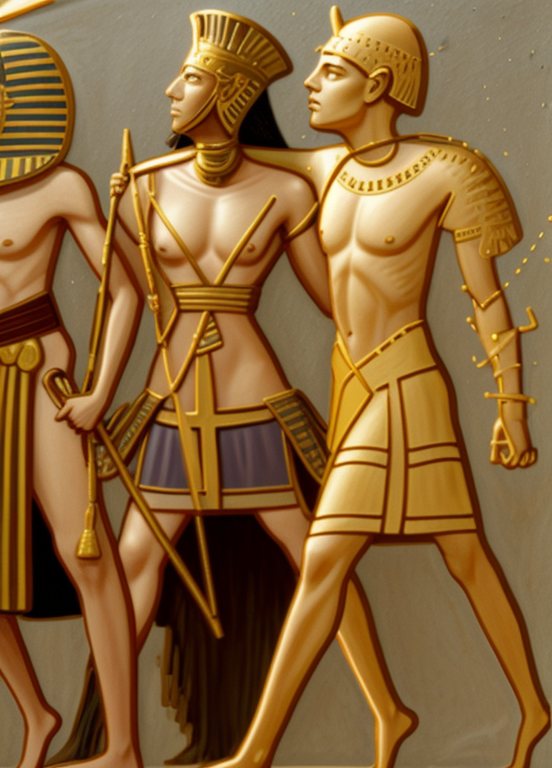
A Peleset / Sherden prisoner led by an Egyptian soldier — Medinet Habu
Source: Oltau, own work; Medinet Habu, temple of Ramesses III, north-east wall; CC BY-SA 4.0
Original: 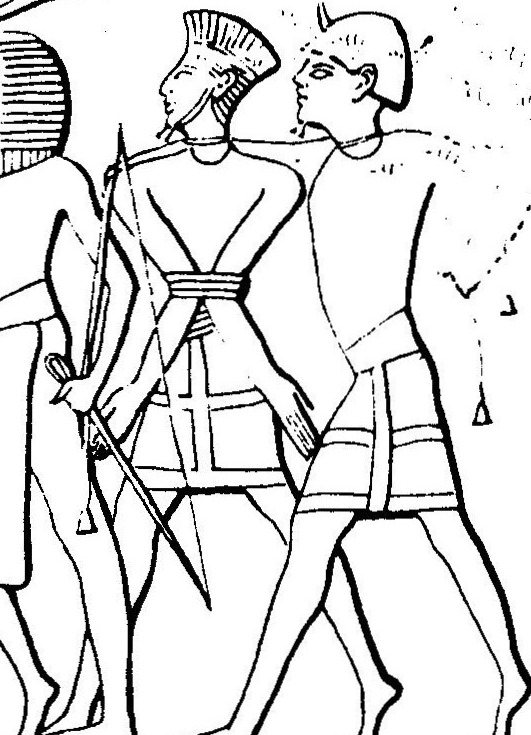
Realistic — As depicted
An Egyptian warship in the Sea Peoples battle — Medinet Habu (drawing)
Source: Line drawing of the Sea Peoples relief, north-east wall, mortuary temple of Ramesses III, Medinet Habu; from Dorothea Gray, Seewesen (Archaeologia Homerica I, ch. G), Göttingen 1974, pp. 166–167; Public domain
Original: 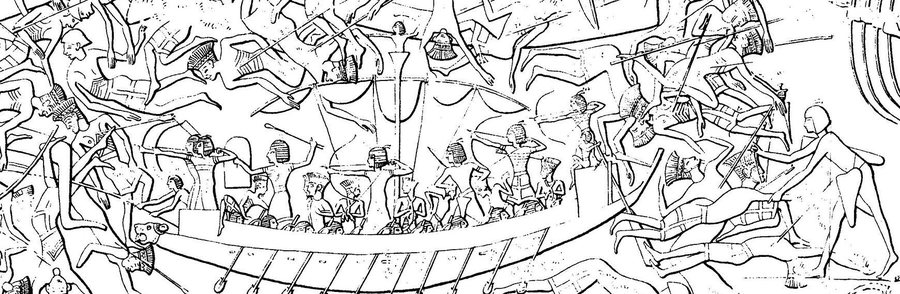
Realistic — As depicted

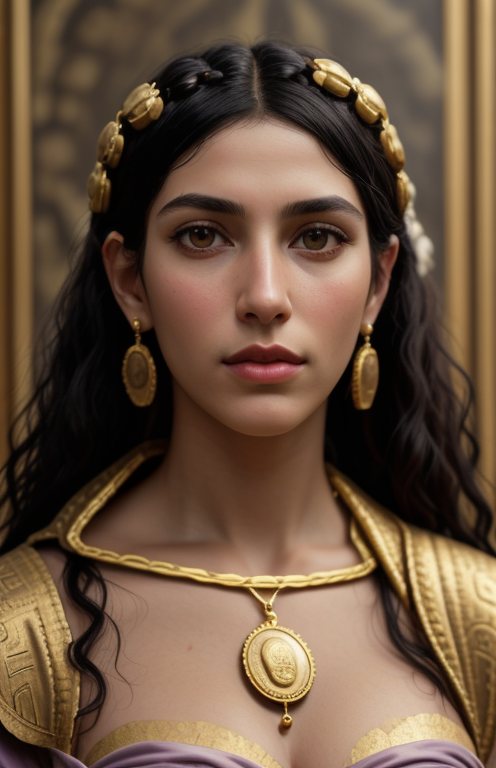
Fayum mummy portrait of a woman (c. 200), British Museum EA65344
Source: British Museum, EA65344; oak panel, encaustic; Public domain
Original: 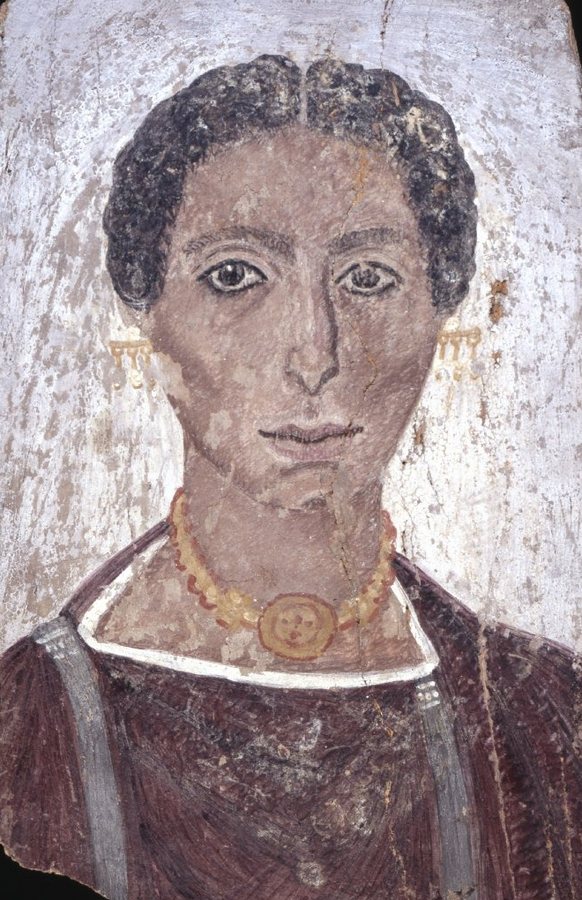
Realistic — As depicted
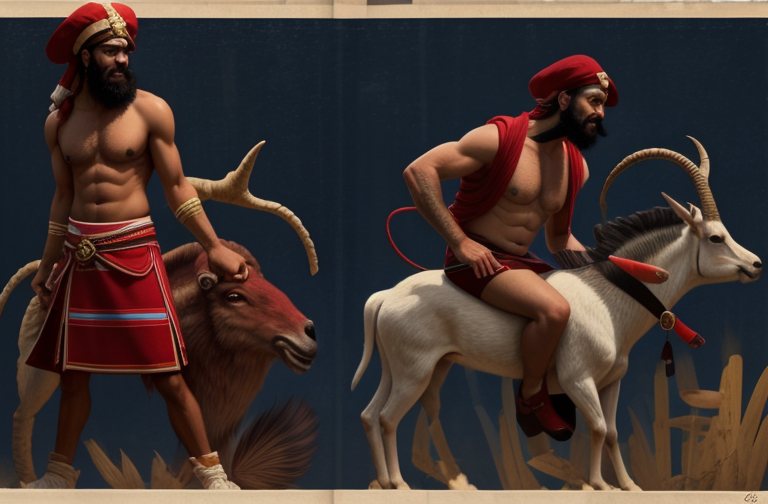
Leaders of the Aamu of Shu (facsimile, Beni Hasan tomb 3)
Source: Norman de Garis Davies, facsimile of Khnumhotep (Beni Hasan 3); Metropolitan Museum of Art, MET DT272586; CC0
Original: 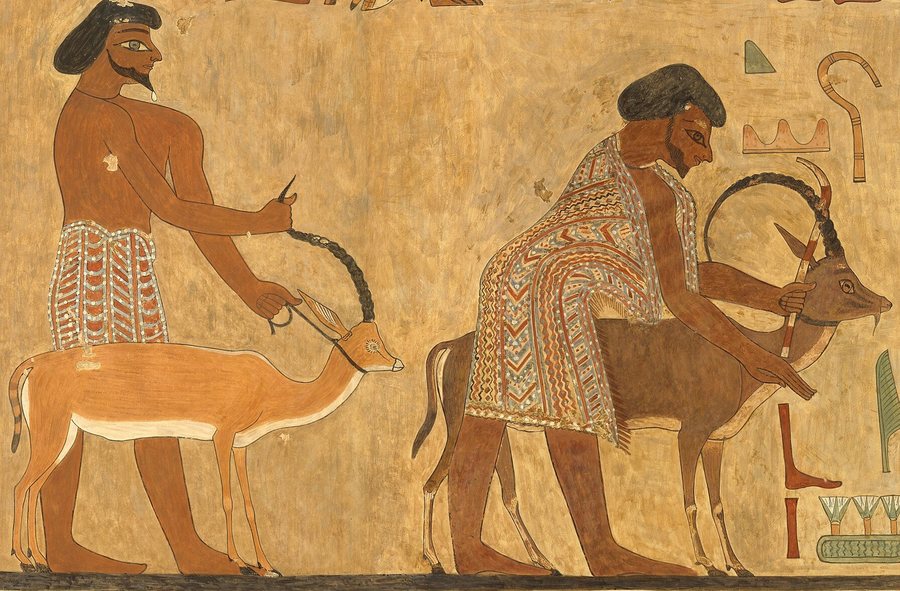
Realistic — As depicted
Marriage stela of Ramesses II, Abu Simbel (Lepsius plate)
Source: Richard Lepsius, Denkmäler aus Aegypten und Aethiopien, Abt. III, Bl. 196 (1897 ed.); Public domain
Original: 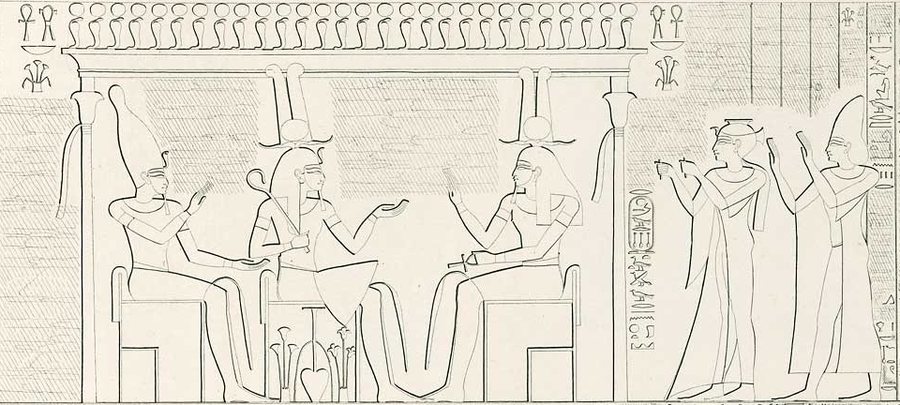
Realistic — As depicted
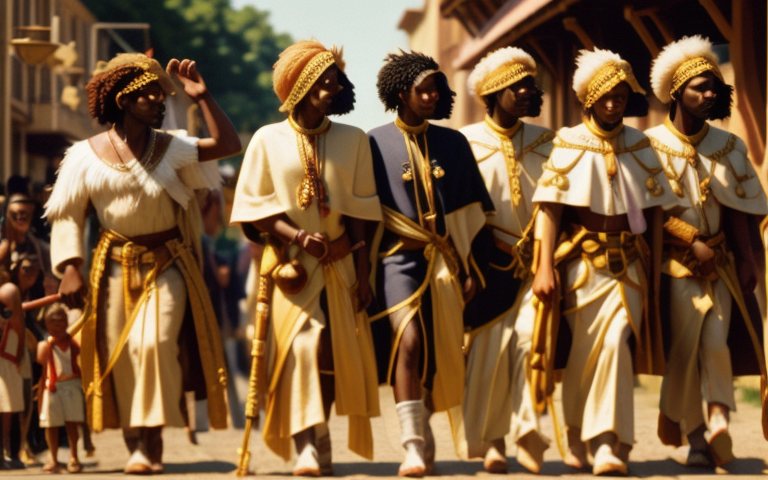
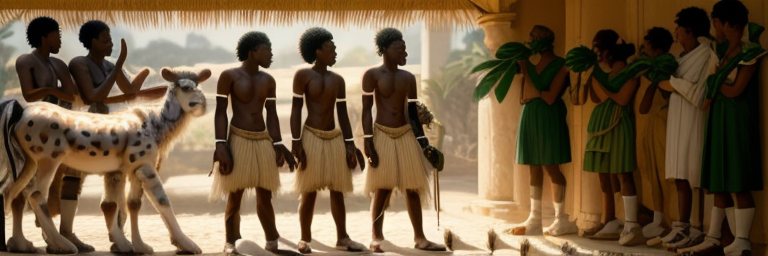
Nubian Tribute Presented to King Tutankhamun, Tomb of Huy — Nubian chiefs in procession
Source: Charles Wilkinson, facsimile of Amenhotep Huy (TT 40), Nubian tribute; Metropolitan Museum of Art, MET DT221112; CC0
Original: 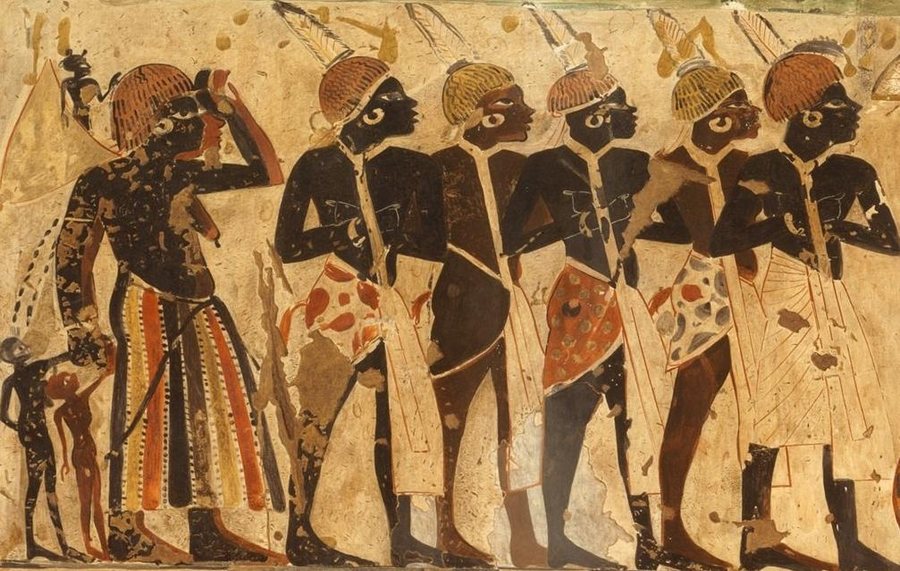
Realistic — As depicted
Nubian Tribute Presented to King Tutankhamun, Tomb of Huy — a garlanded ox and Nubian bearers
Source: Charles Wilkinson, facsimile of Amenhotep Huy (TT 40), Nubian tribute; Metropolitan Museum of Art, MET DT221112; CC0
Original: 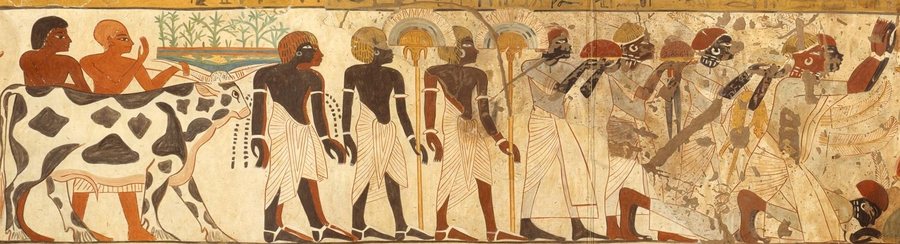
Realistic — As depicted
Nubian Tribute Presented to King Tutankhamun, Tomb of Huy — the Nubian princess in her ox-drawn chariot
Source: Charles Wilkinson, facsimile of Amenhotep Huy (TT 40), Nubian tribute; Metropolitan Museum of Art, MET DT221112; CC0
Original: 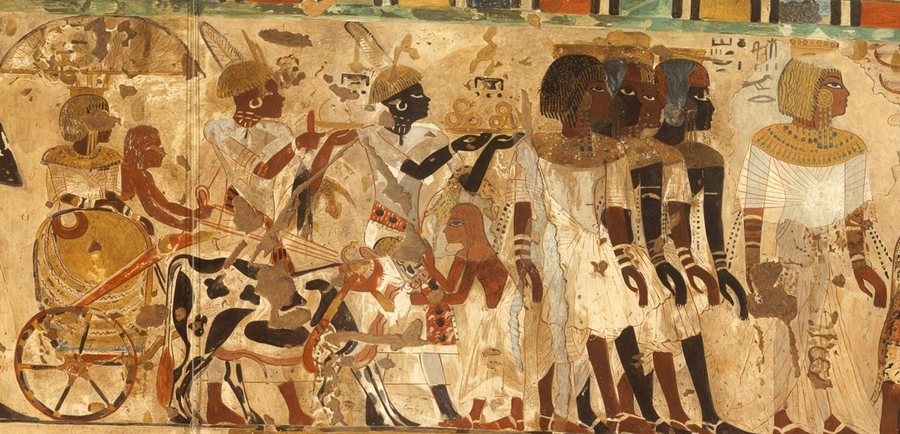
Realistic — As depicted
Nubian Tribute Presented to King Tutankhamun, Tomb of Huy — tribute bearers with cattle and a giraffe
Source: Charles Wilkinson, facsimile of Amenhotep Huy (TT 40), Nubian tribute; Metropolitan Museum of Art, MET DT221112; CC0
Original: 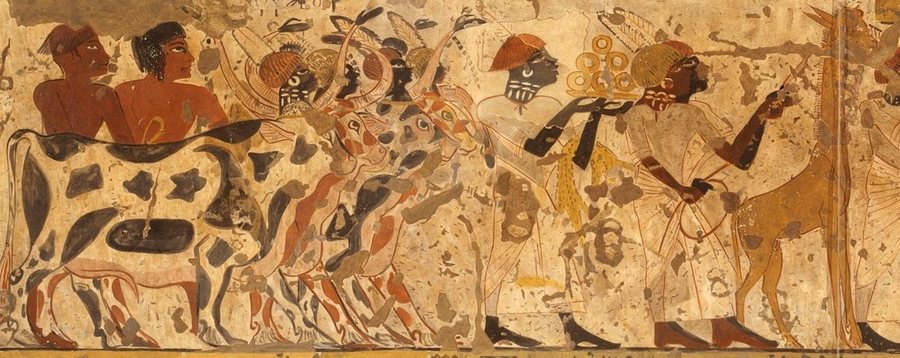
Realistic — As depicted
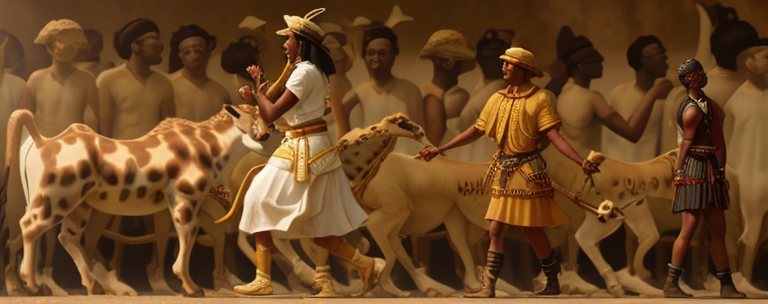
Nubian Tribute Presented to King Tutankhamun, Tomb of Huy — tribute bearers with gold rings, kneeling chief
Source: Charles Wilkinson, facsimile of Amenhotep Huy (TT 40), Nubian tribute; Metropolitan Museum of Art, MET DT221112; CC0
Original: 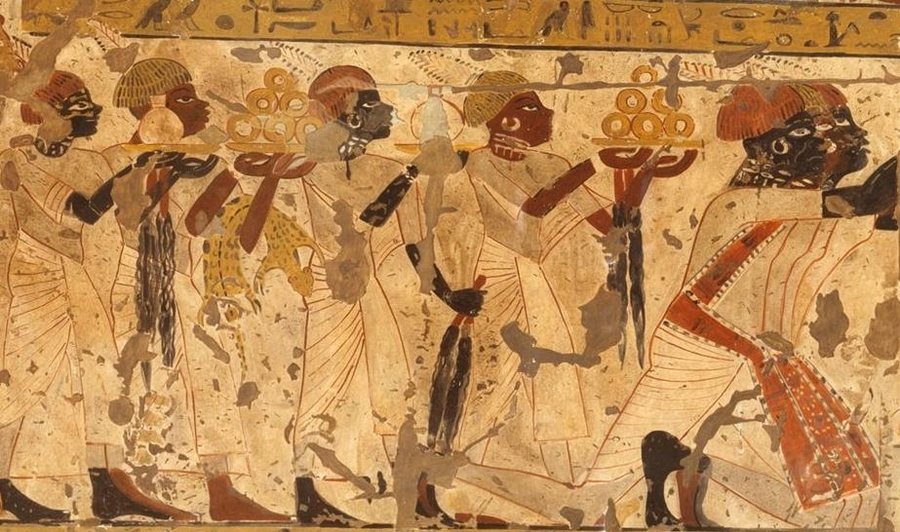
Realistic — As depicted
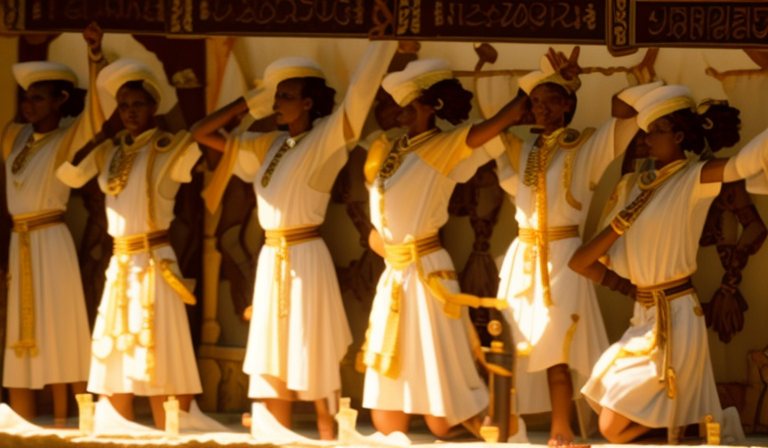
Nubians bringing tusks, ebony, a baboon and a leopard, Tomb of Rekhmire
Source: Nina M. Davies, facsimile, Rekhmire (TT 100); Metropolitan Museum of Art, MET 30.4.81; CC0
Original: 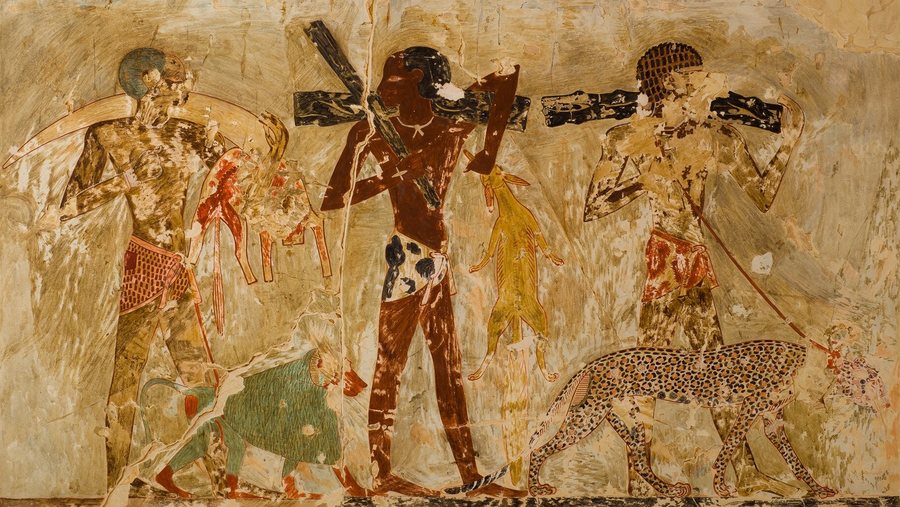
Realistic — As depicted
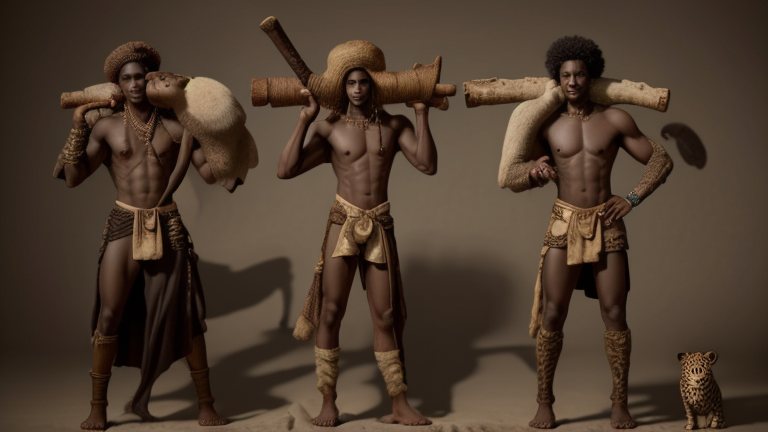
All 20 scenes in this set, and every other remake, are in the gallery: https://hathor.soapbox.community/remakes. Made on our own servers in Hathor Studio; each scene links to its place in the gallery.