Classical Indian image-makers used a unit taken from the figure itself: the tāla, one face-length, divided into twelve fingers. Gods, goddesses, humans and spirits each have their own count, so proportion itself says what order of being you are looking at. Egypt had a squared grid and Greece had Polykleitos' canon, each a sibling workshop with its own measure. Our remakes keep each scene's canon and attributes and let the peoples vary. Here is the next batch.
Made from vision, not from a model. The icon-maker was to enter meditation and see the deity described in its dhyāna verse before carving. As Coomaraswamy renders a verse of the Śukranīti, the imager must be "expert in vision… certainly not in the presence of a model" can the work be done. The brief is a poem, and the studio is the mind. (source)
We are testing these features and looking to develop them. This is Hathor's alpha work, made on our own servers — the images and videos she makes next are expected to be much better and more accurate. Tell us what works and what doesn't: every video page has 👍/👎, comments and timestamped notes.
The full gallery, every scene in every look: https://hathor.soapbox.community/remakes · Shilpa Shastra gallery: https://hathor.soapbox.community/gallery
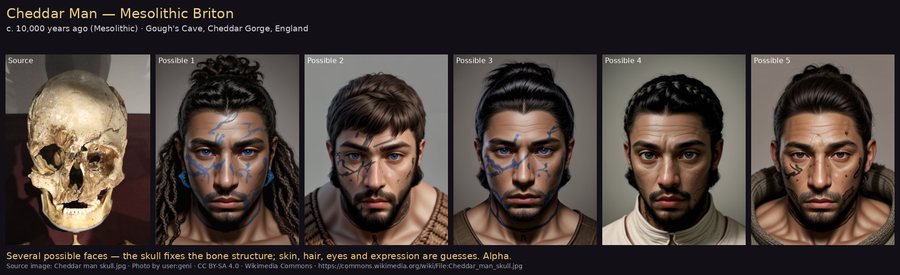
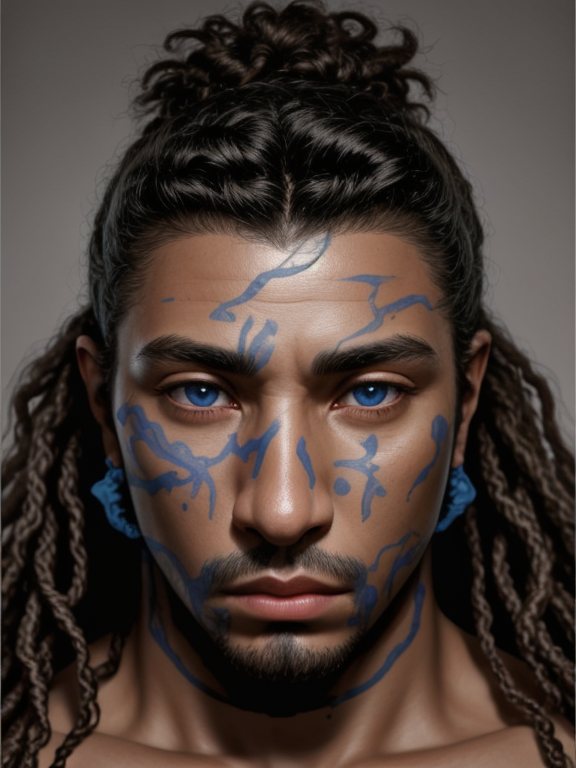
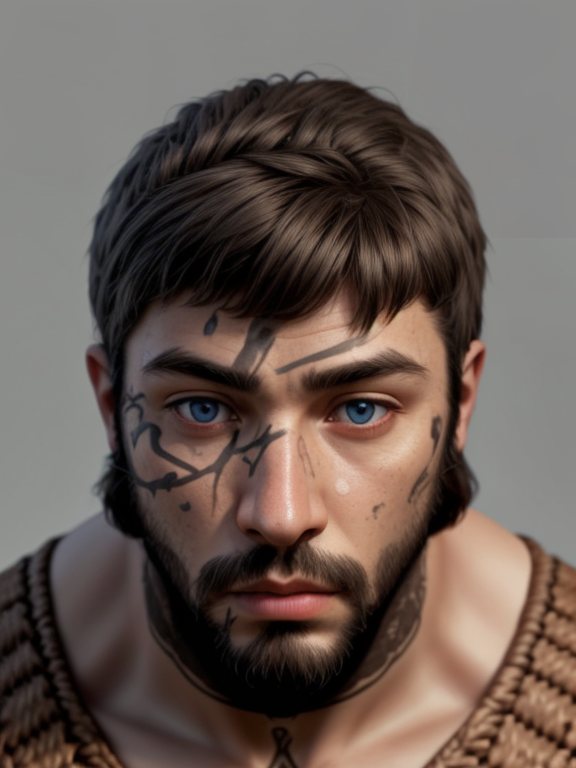
Cheddar Man — Mesolithic Briton — several possible faces
Source: c. 10,000 years ago (Mesolithic) · Gough's Cave, Cheddar Gorge, England · skull image: Cheddar man skull.jpg · Photo by user:geni · CC BY-SA 4.0 · Wikimedia Commons · 
Original: 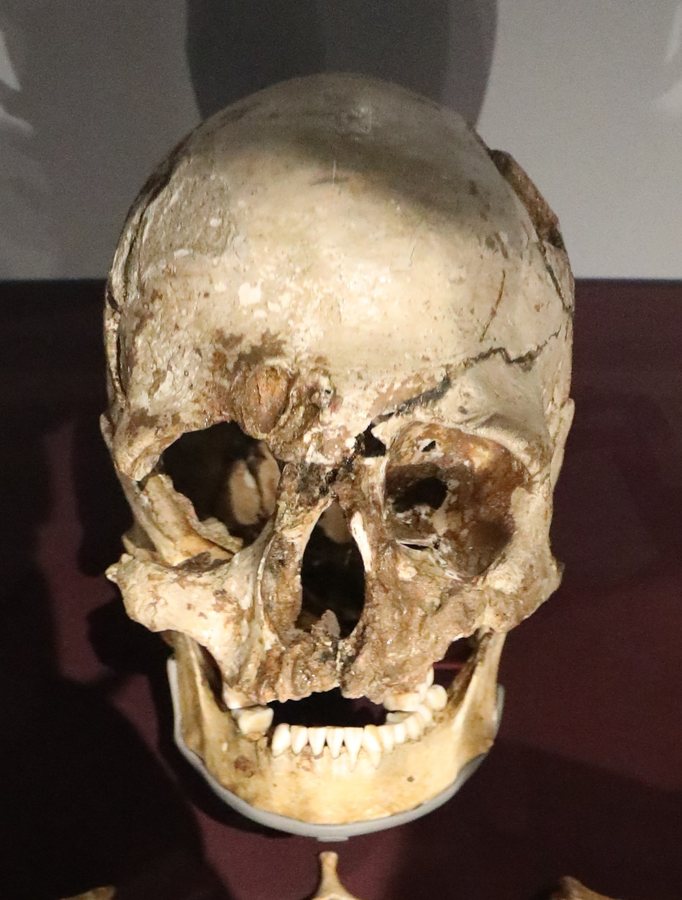
Realistic — sheet · face1 · face2 · face3 · face4 · face5
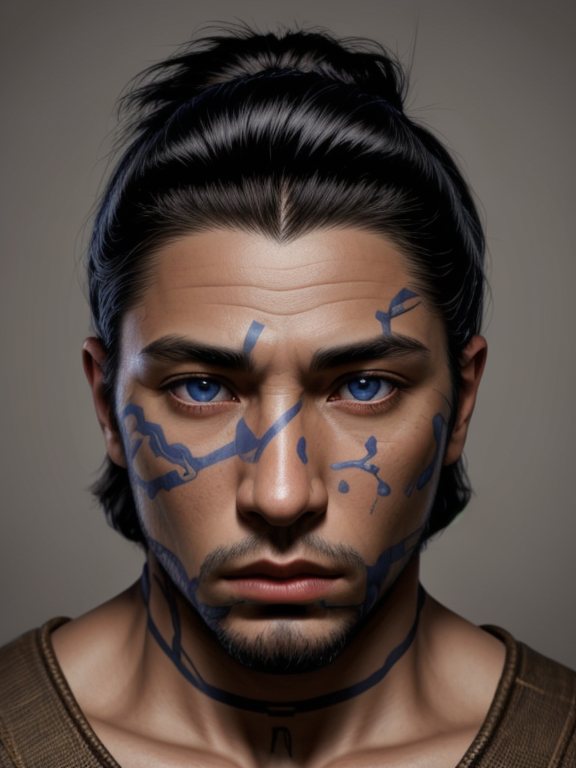
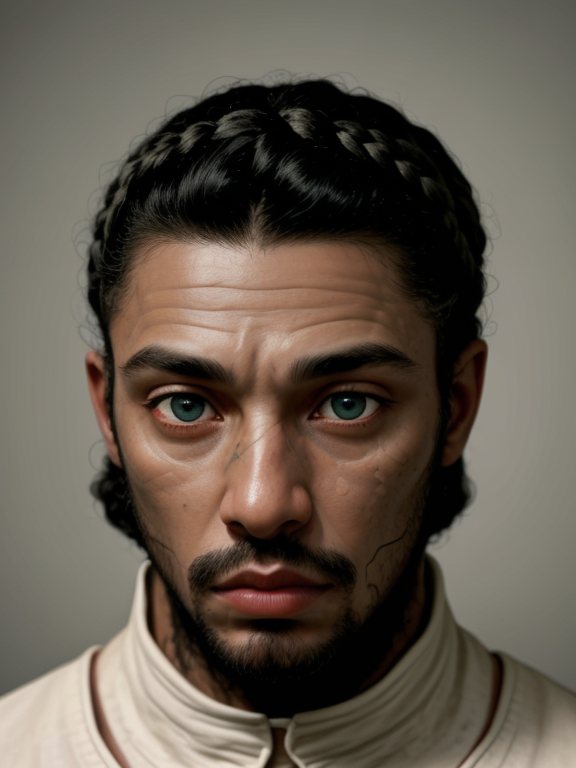
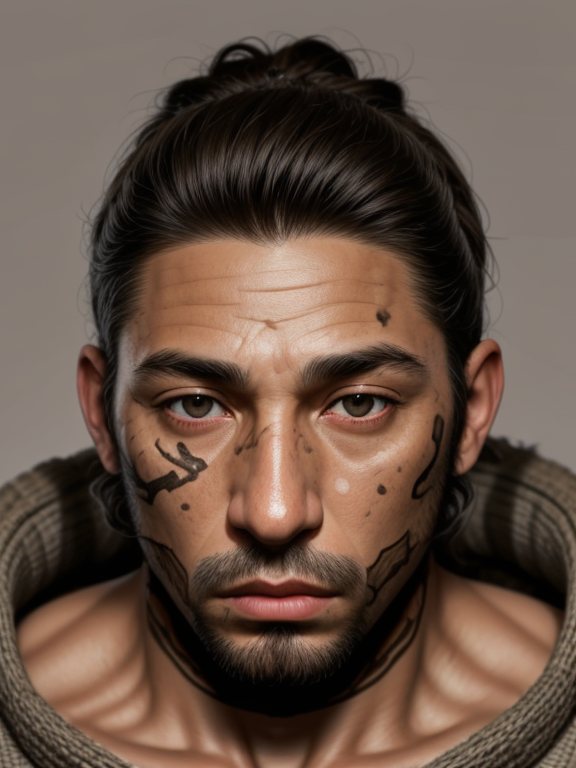
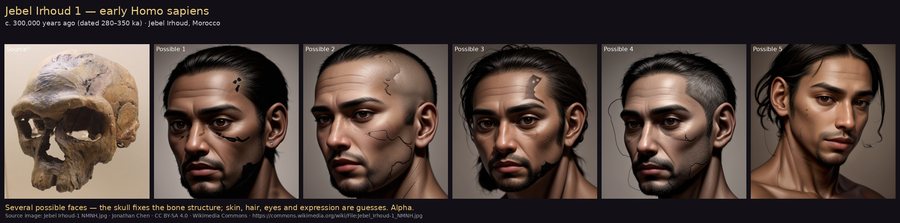
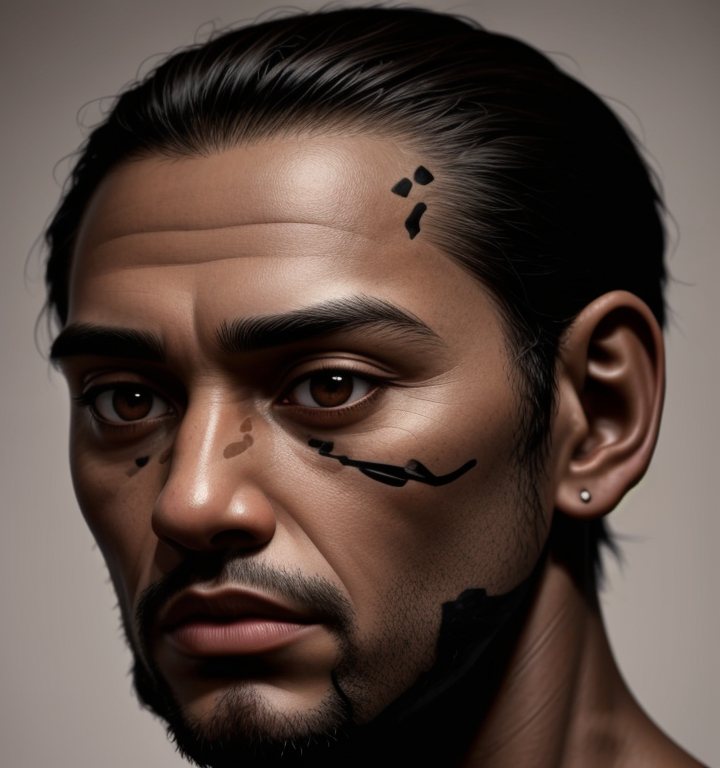
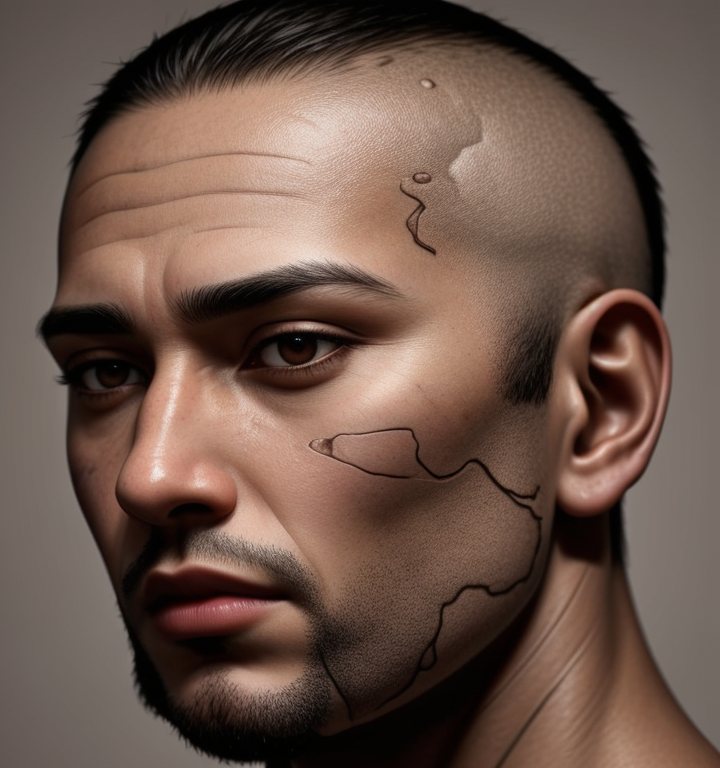
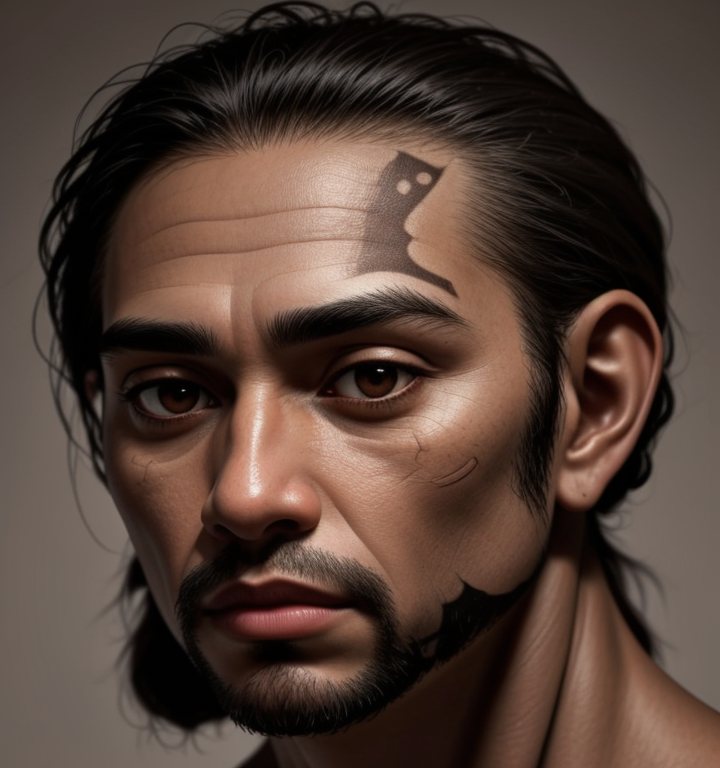
Jebel Irhoud 1 — early Homo sapiens — several possible faces
Source: c. 300,000 years ago (dated 280–350 ka) · Jebel Irhoud, Morocco · skull image: Jebel Irhoud-1 NMNH.jpg · Jonathan Chen · CC BY-SA 4.0 · Wikimedia Commons · 
Original: 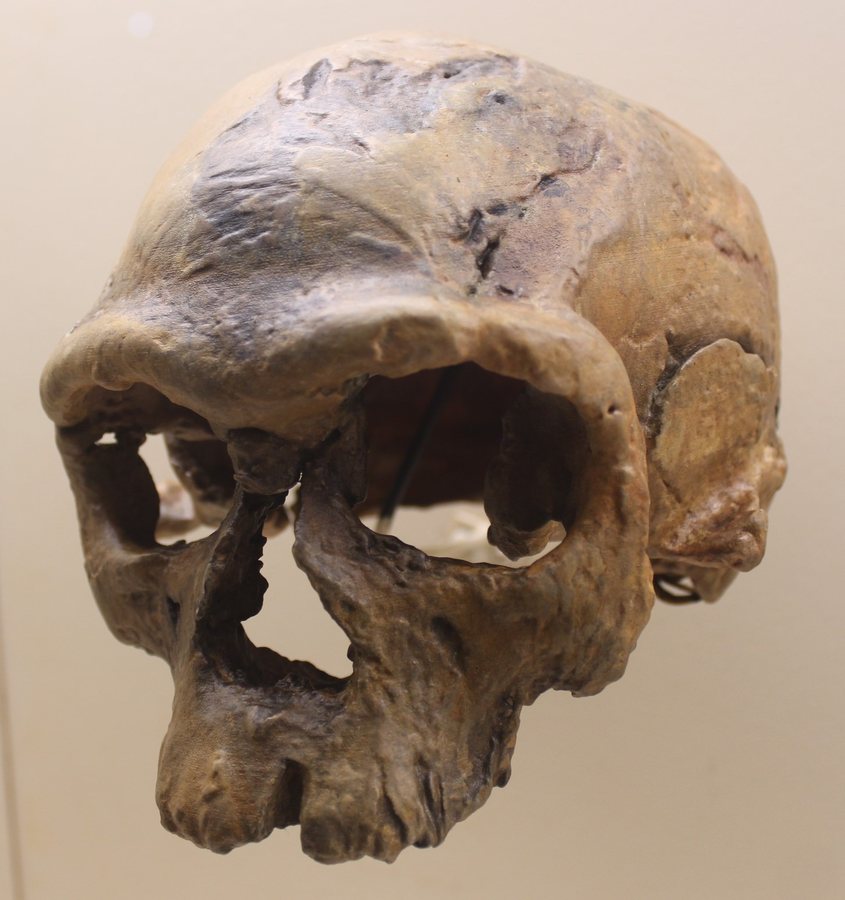
Realistic — sheet · face1 · face2 · face3 · face4 · face5
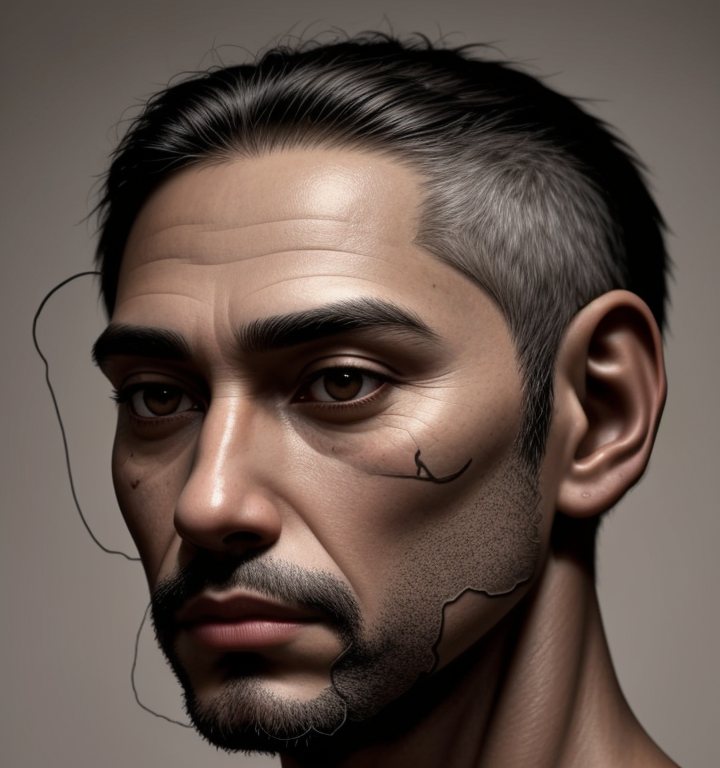
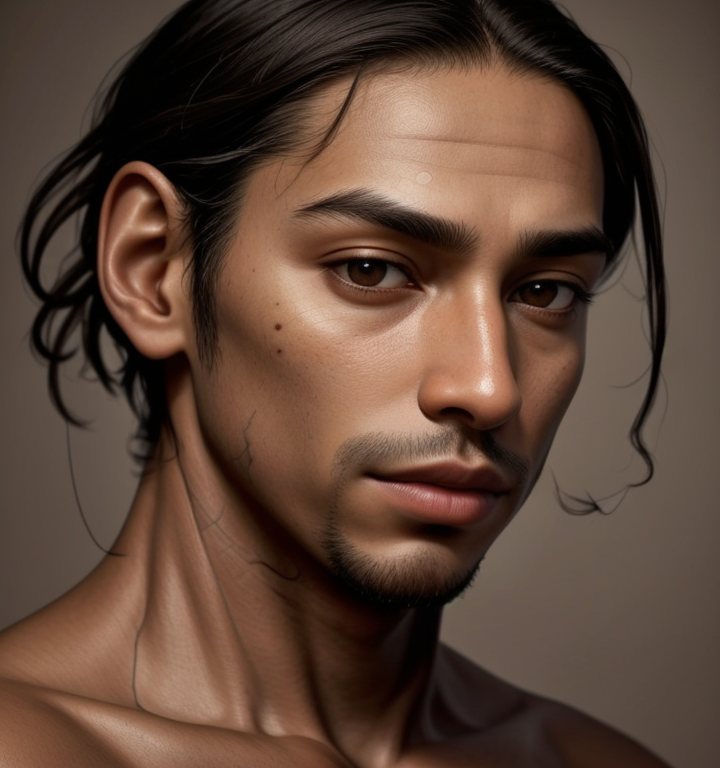
Shanidar — Neanderthals of the Zagros — several possible faces
Source: c. 75,000–45,000 years ago · Shanidar Cave, Iraqi Kurdistan (Shanidar Z found 2018) · skull image: Shanidar skull.jpg · James Gordon from Los Angeles, California, USA · CC BY 2.0 · Wikimedia Commons · 
Original: 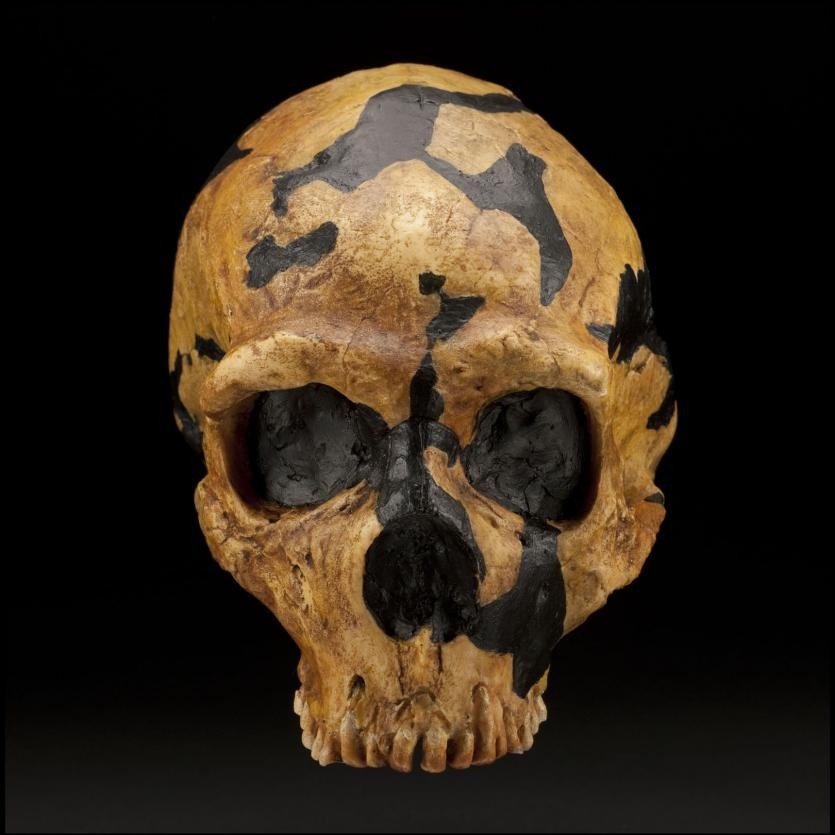
Realistic — sheet · face1 · face2 · face3 · face4 · face5
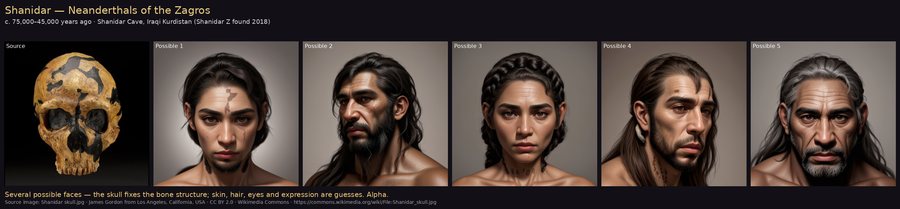
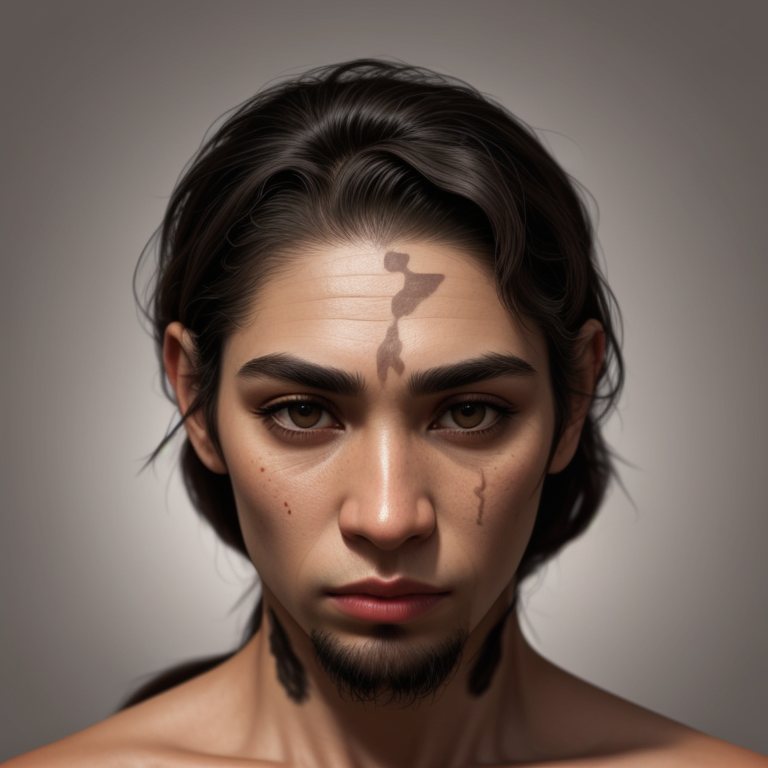
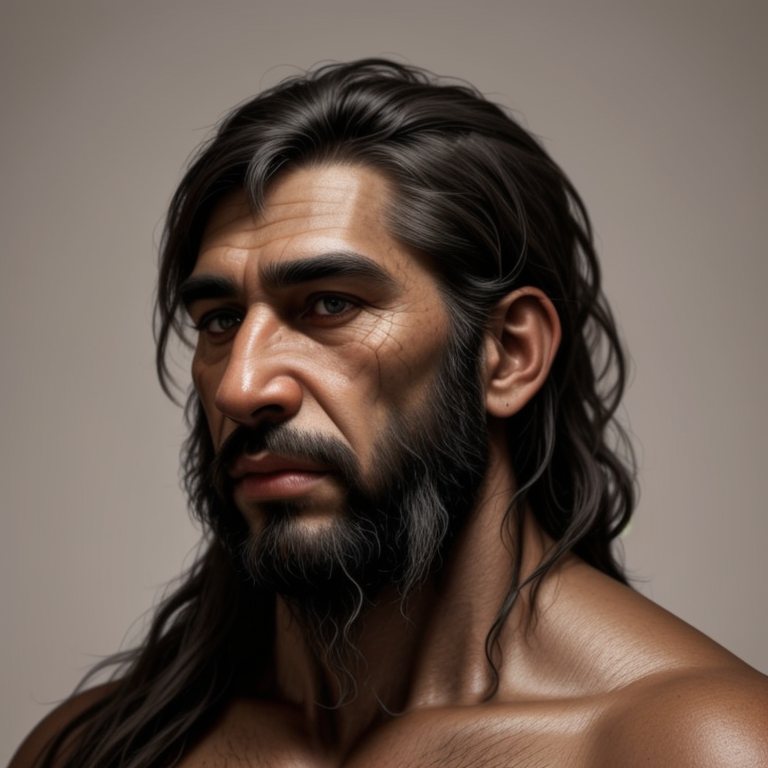
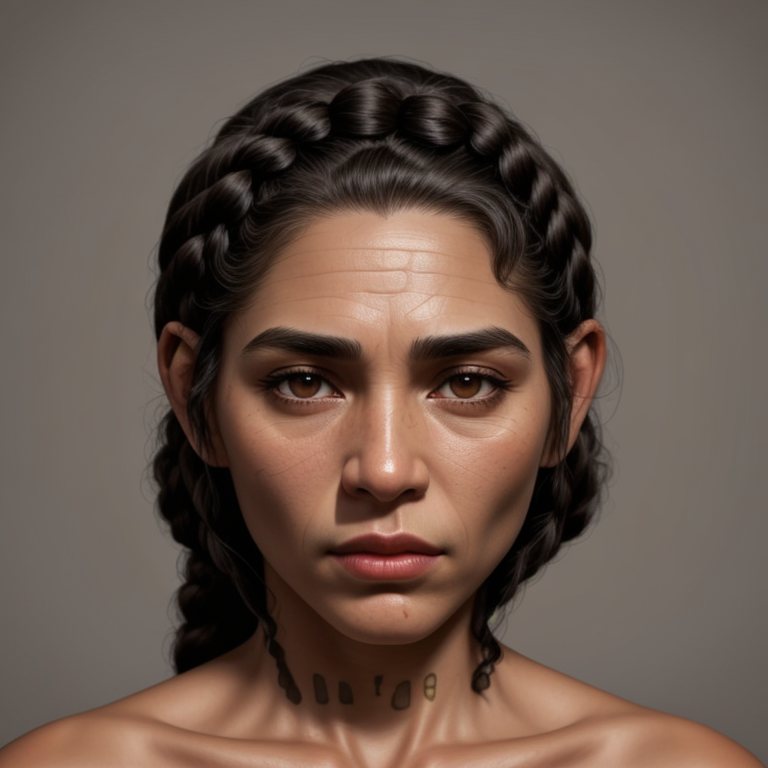
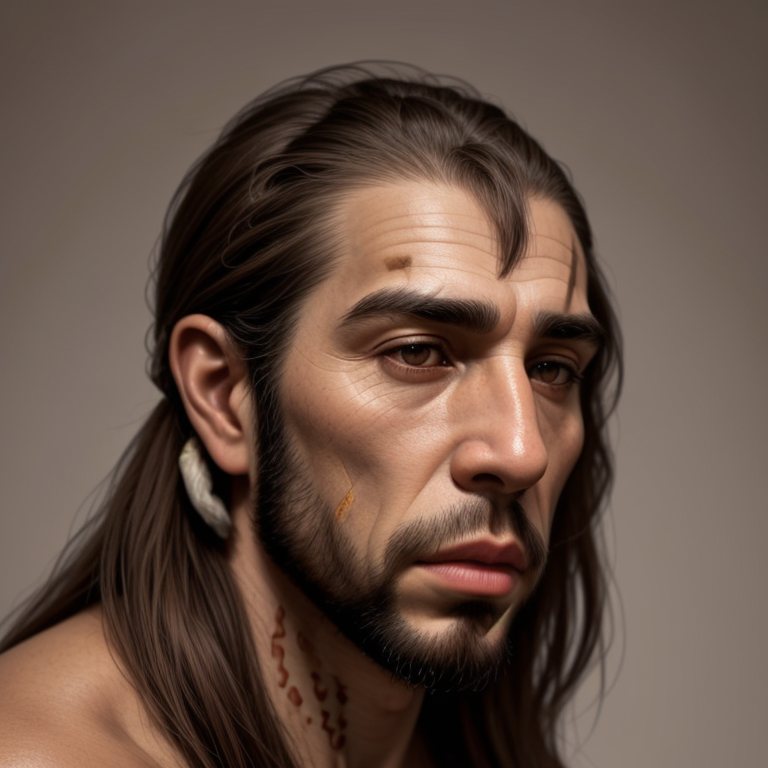
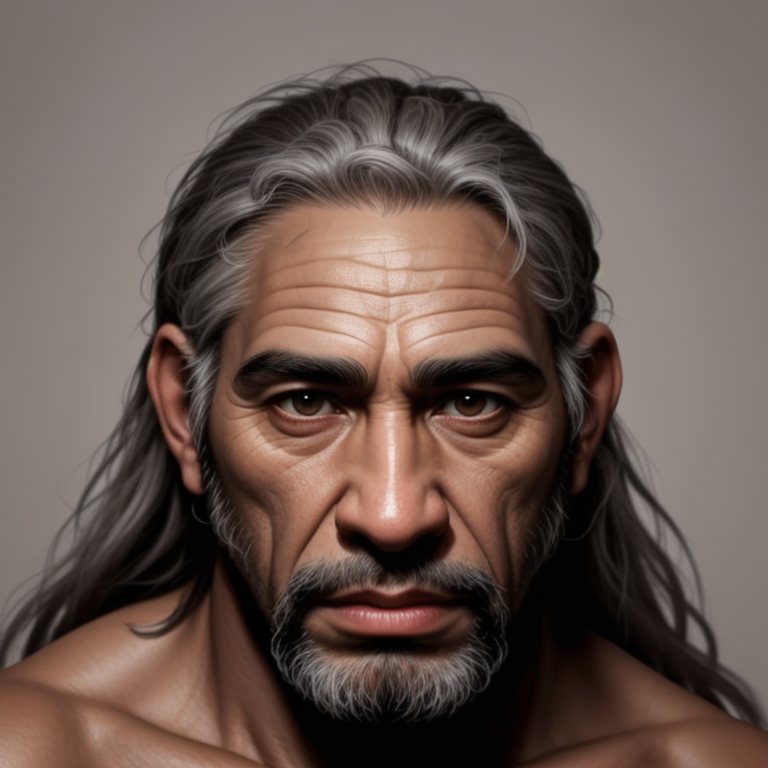
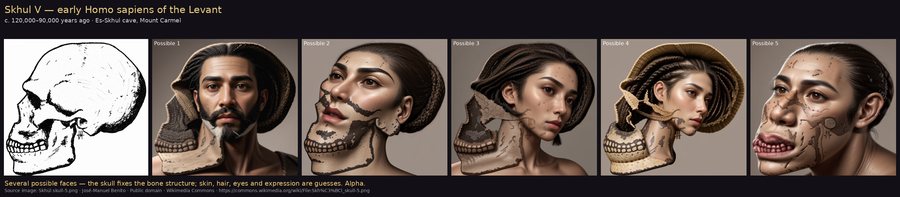
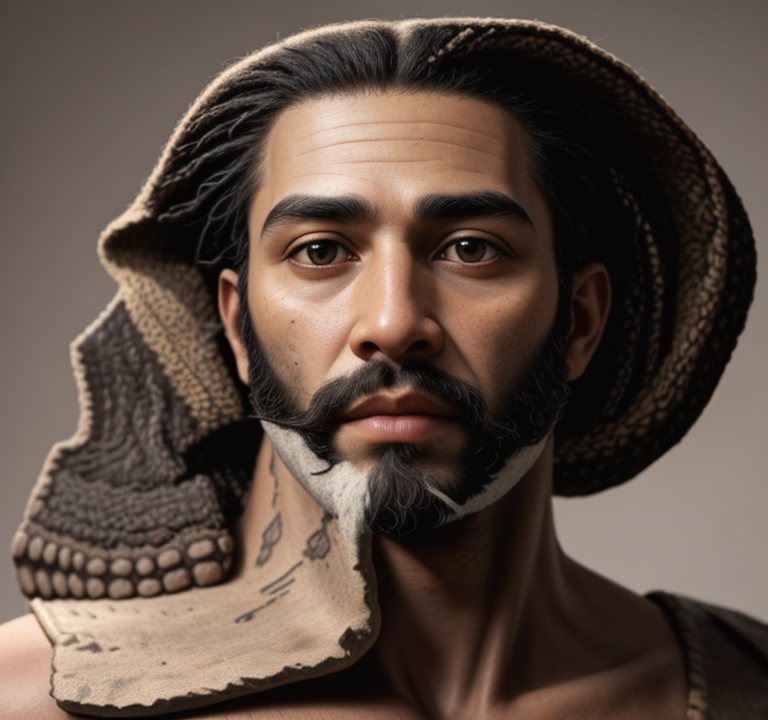
Skhul V — early Homo sapiens of the Levant — several possible faces
Source: c. 120,000–90,000 years ago · Es-Skhul cave, Mount Carmel · skull image: Skhül skull-5.png · José-Manuel Benito · Public domain · Wikimedia Commons · 
Original: 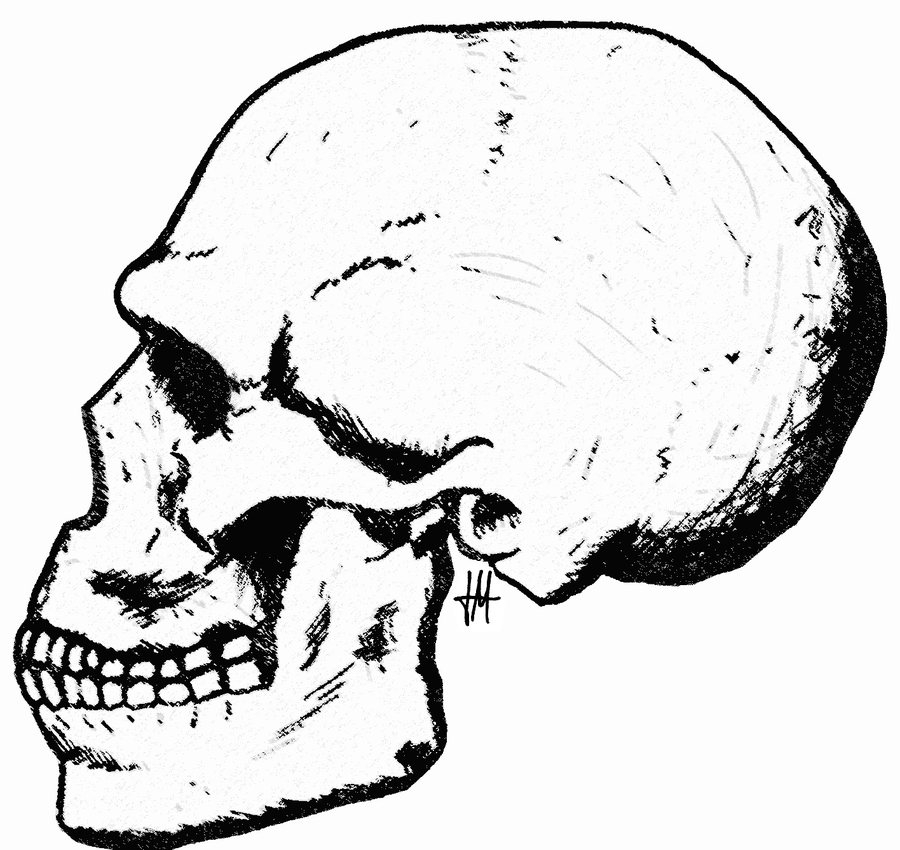
Realistic — sheet · face1 · face2 · face3 · face4 · face5
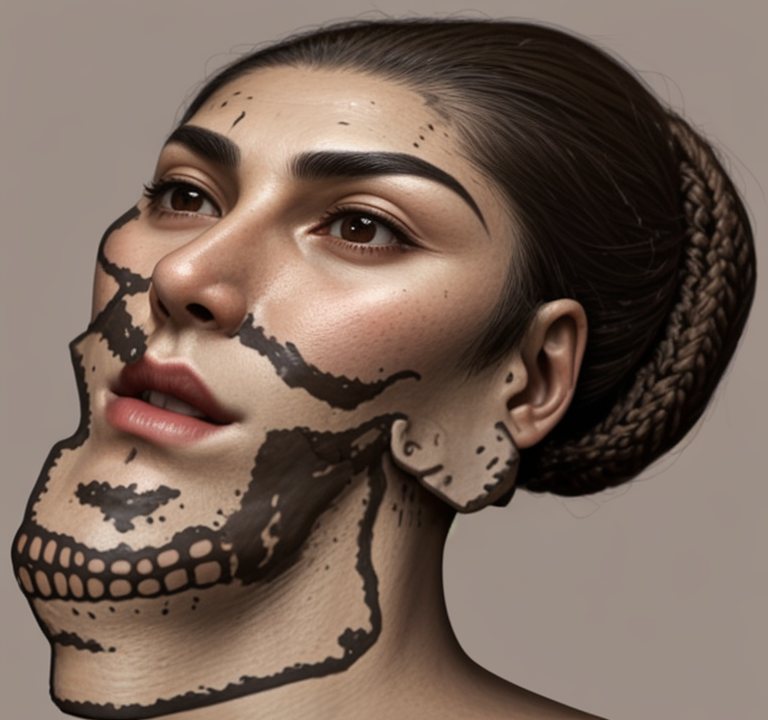
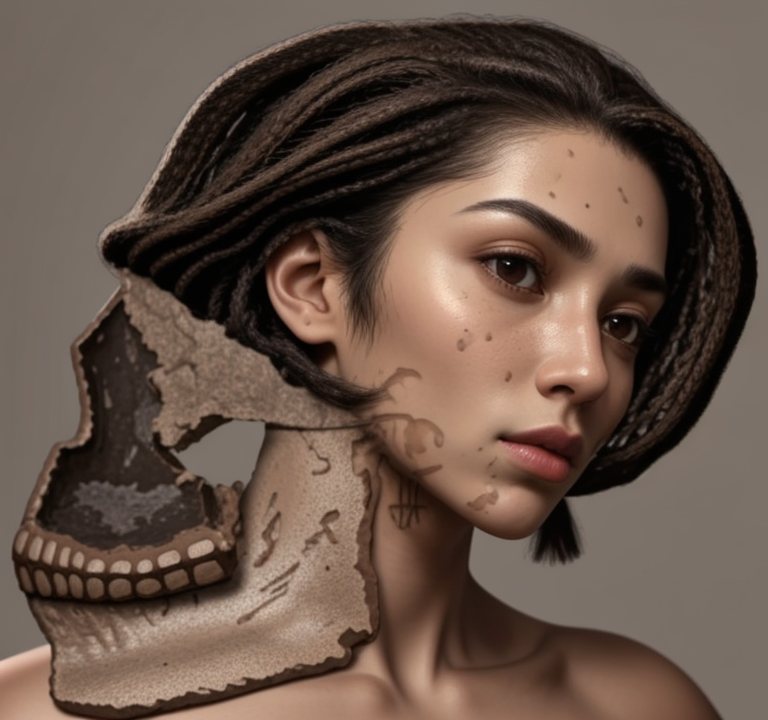
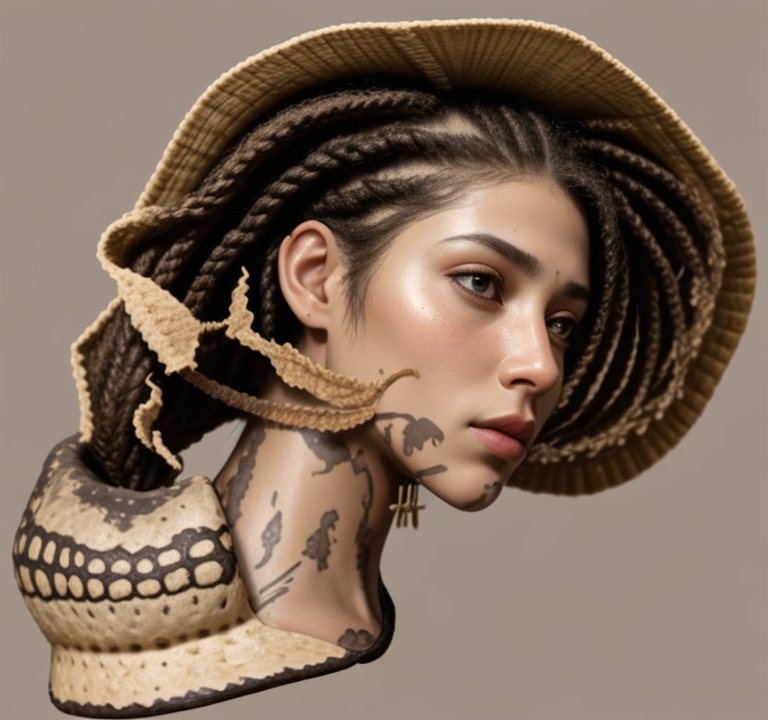
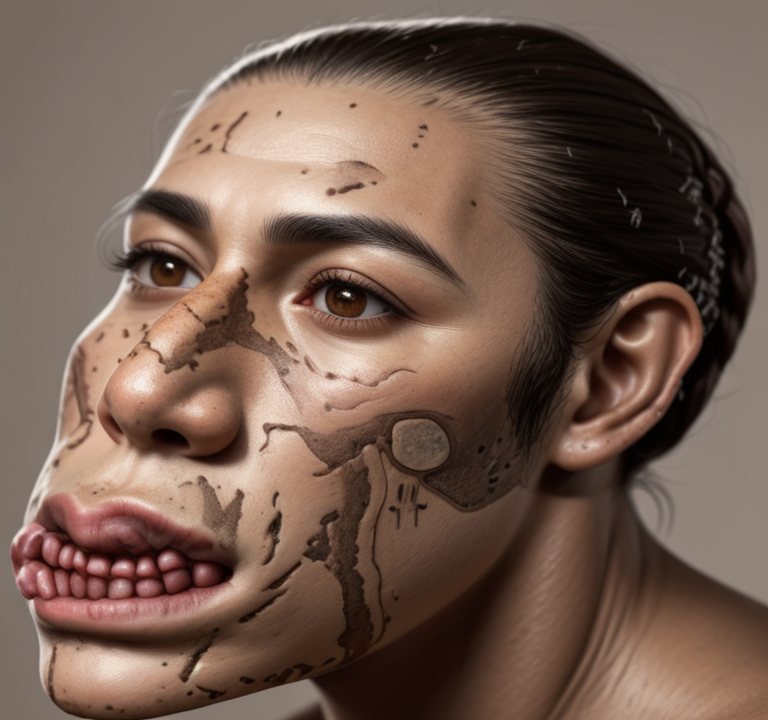
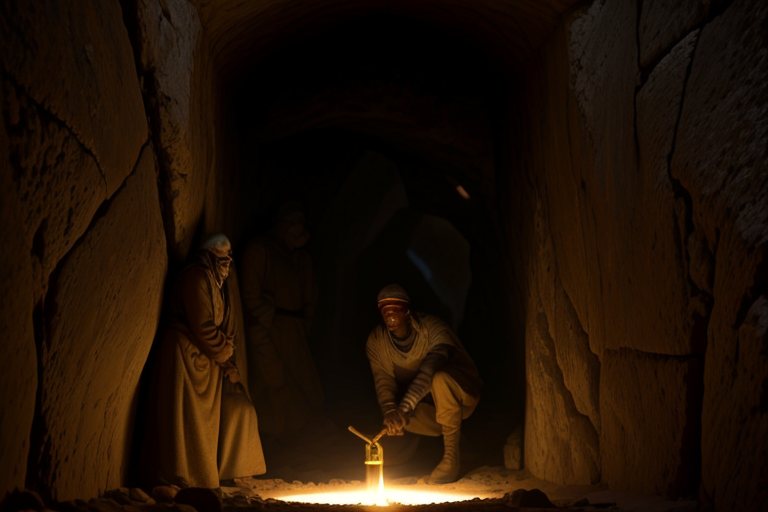
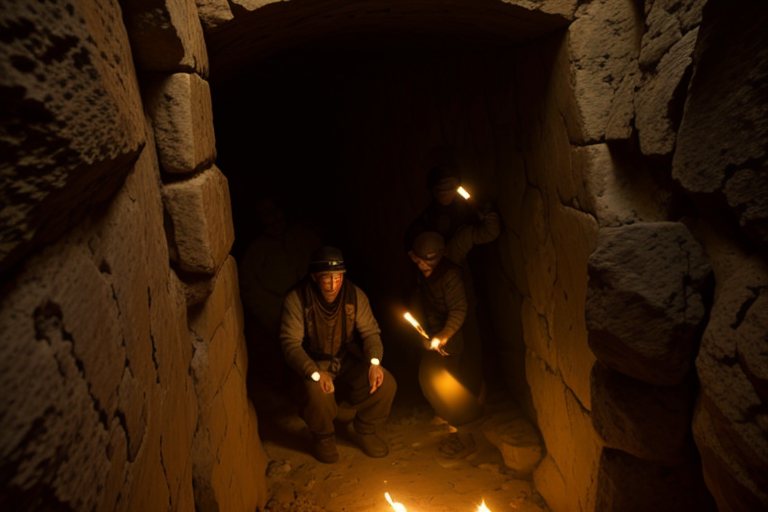
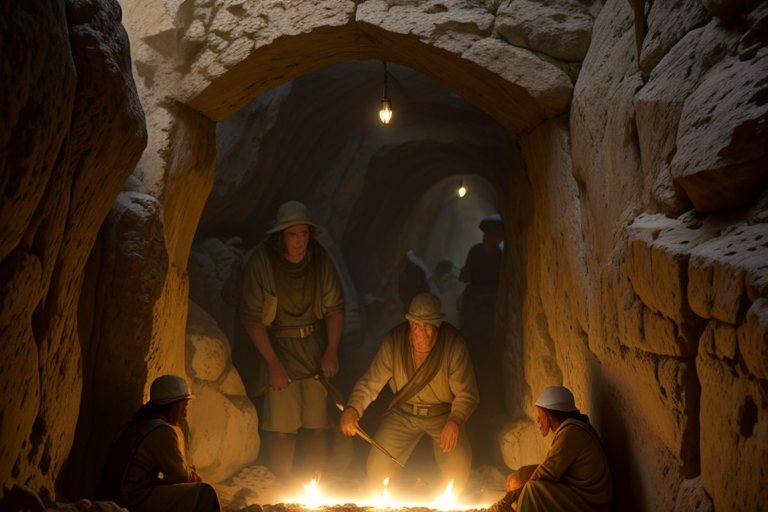
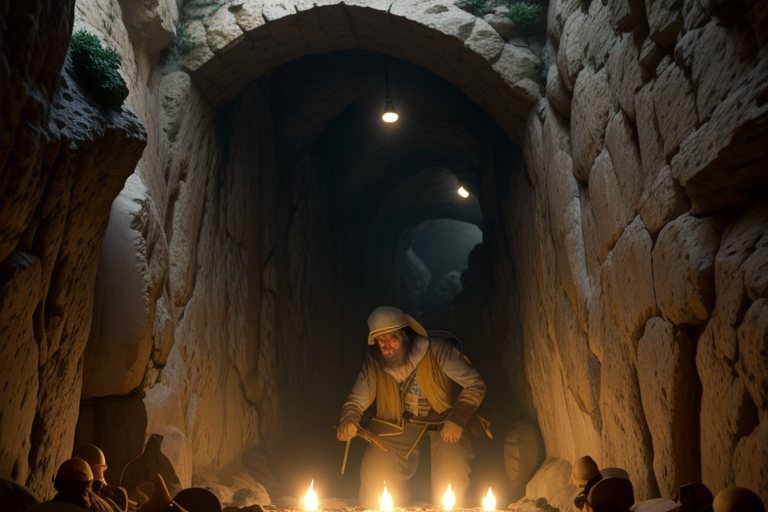
Hezekiah's tunnel
Source: Hezekiah's Tunnel enlightened.jpg · Davidbena · CC BY-SA 4.0 · Wikimedia Commons · 
Original: 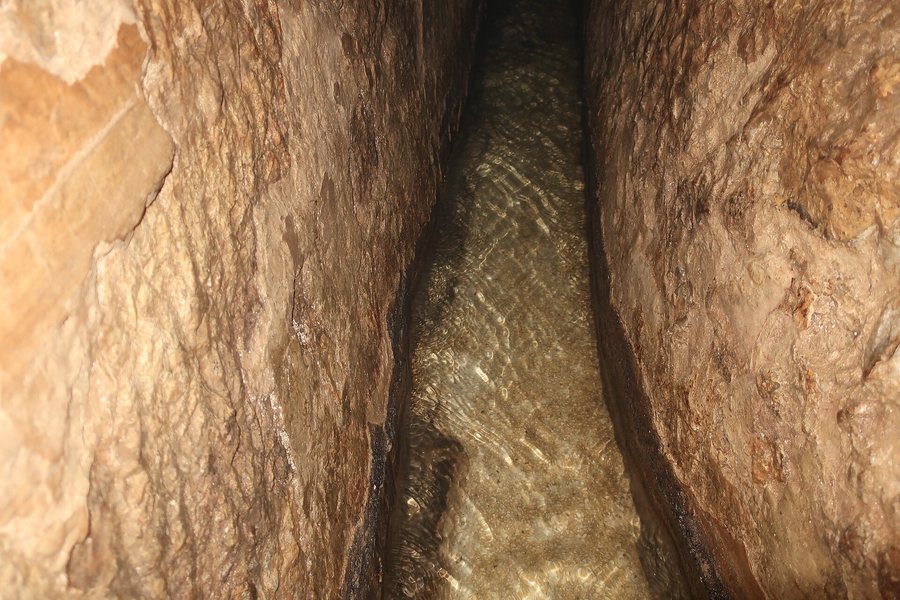
Realistic — Nubian · Libyan (Amazigh) · Levantine · Pale
Jaffa, formerly Joppa, looking south
Source: Coloured lithograph by Louis Haghe after David Roberts, 1843. Wellcome Collection. CC BY 4.0
Original: 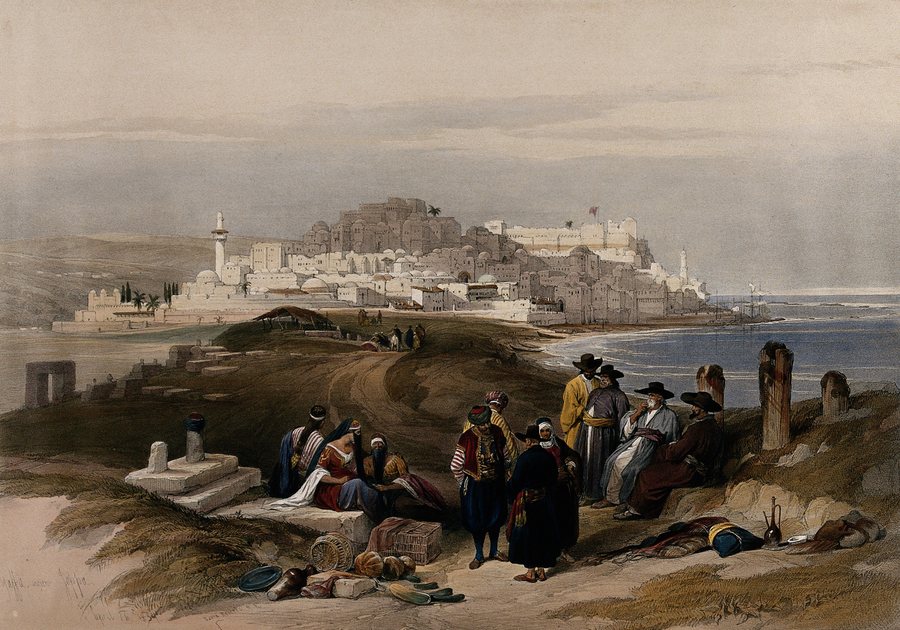
Realistic — Punic (Carthaginian) · Nubian · Libyan (Amazigh) · Levantine · Pale
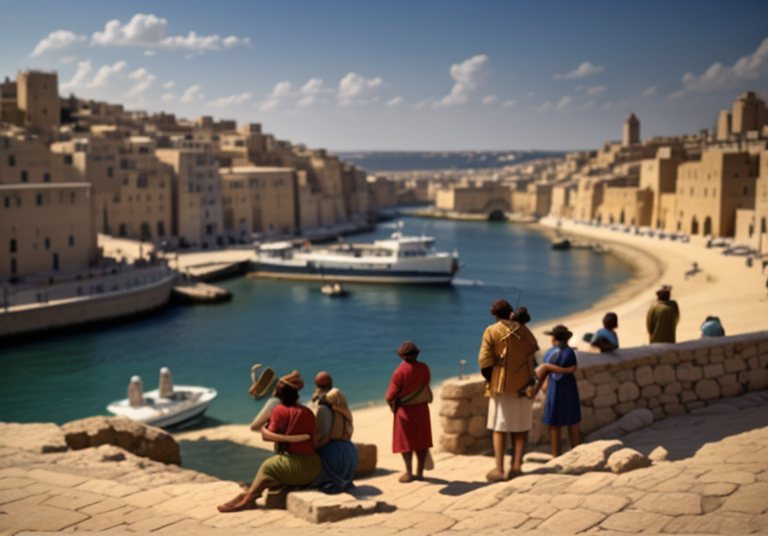
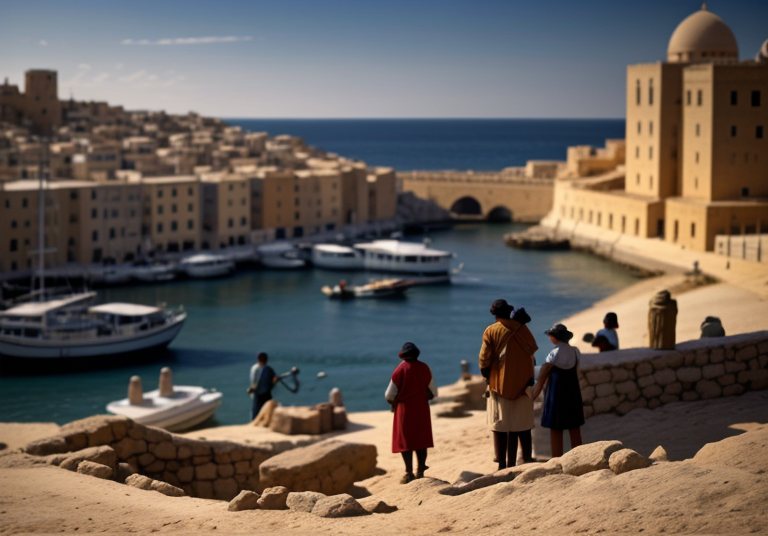
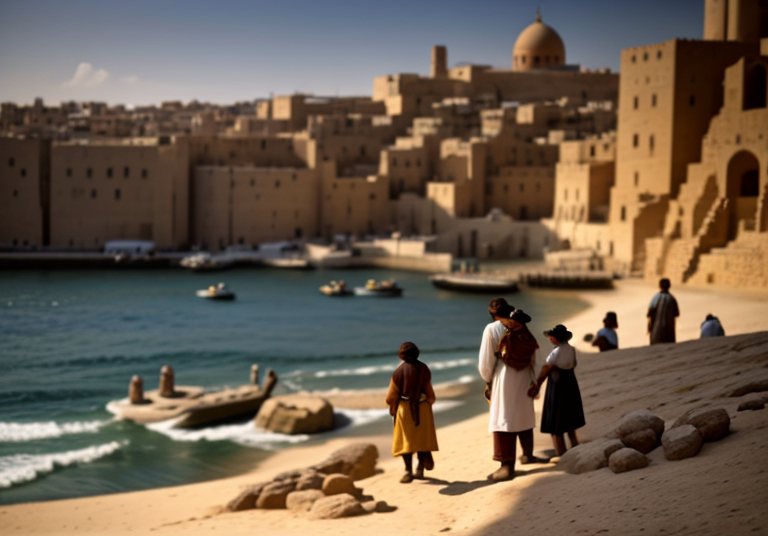
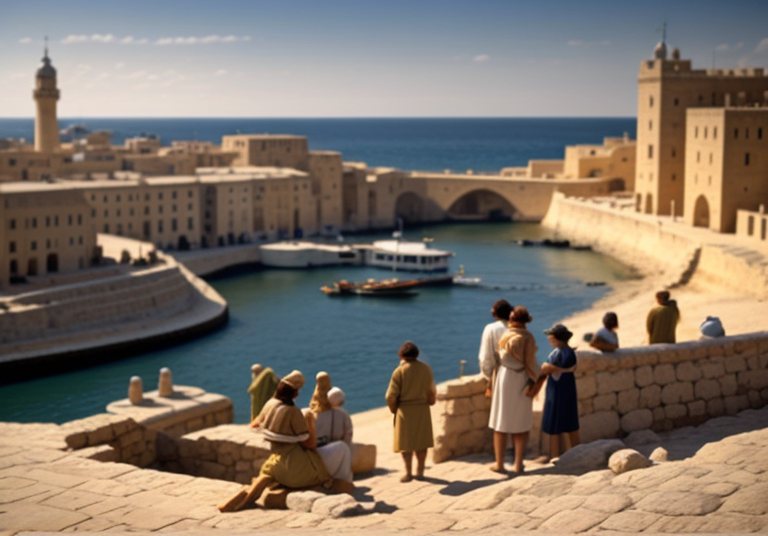
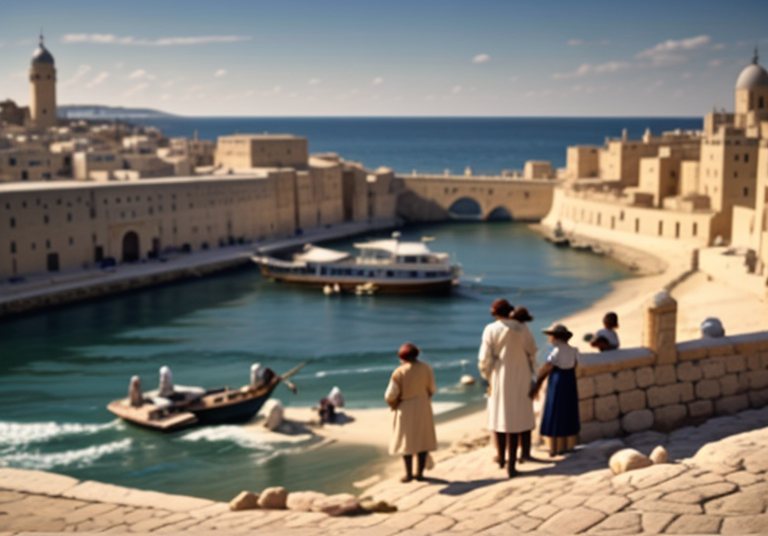
La dahabieh engravée, Égypte
Source: Léon Belly, 1877. Public domain
Original: 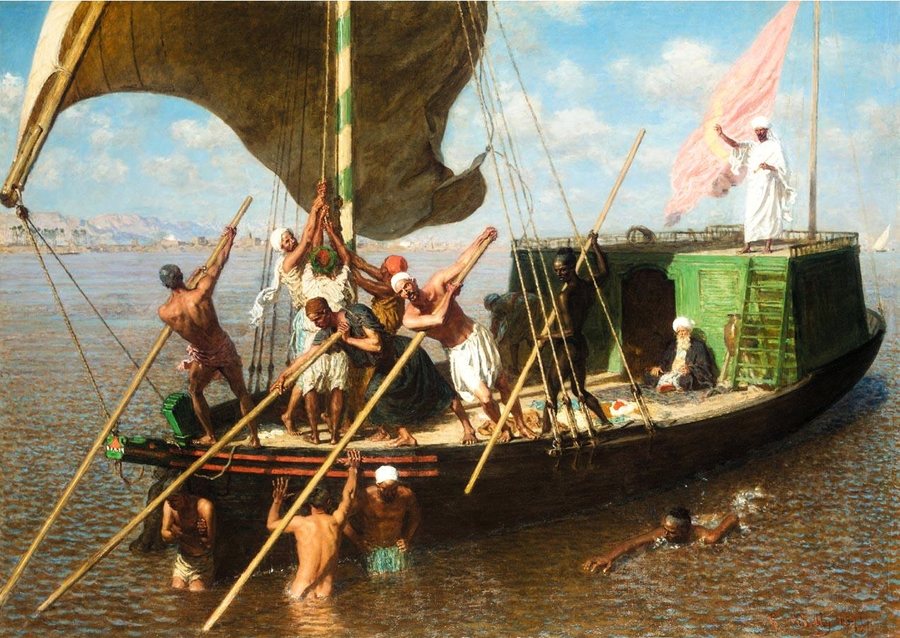
Realistic — Egyptian · Nubian · Libyan (Amazigh) · Levantine · Pale
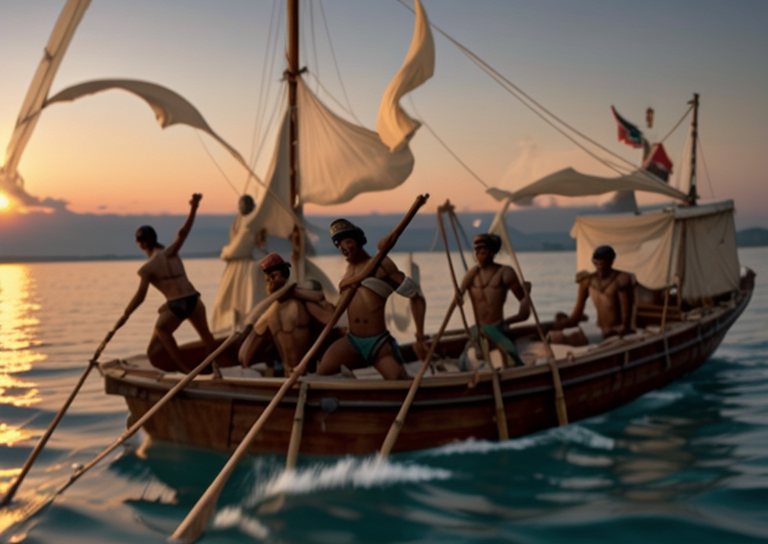
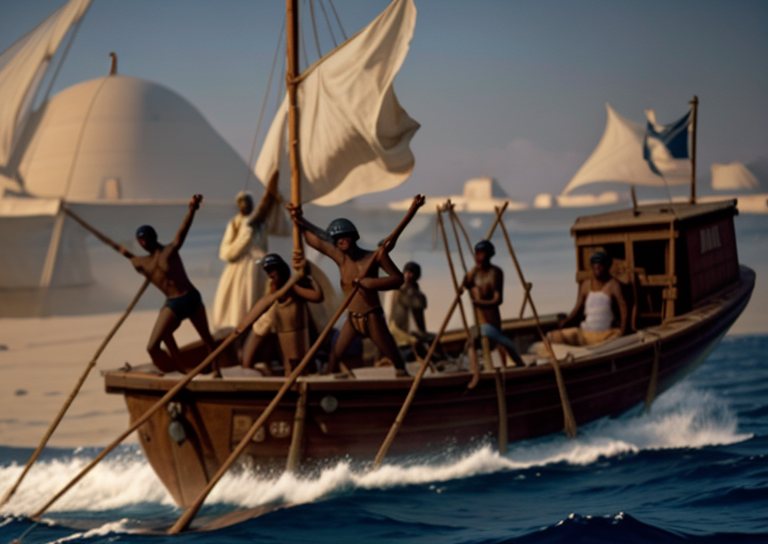
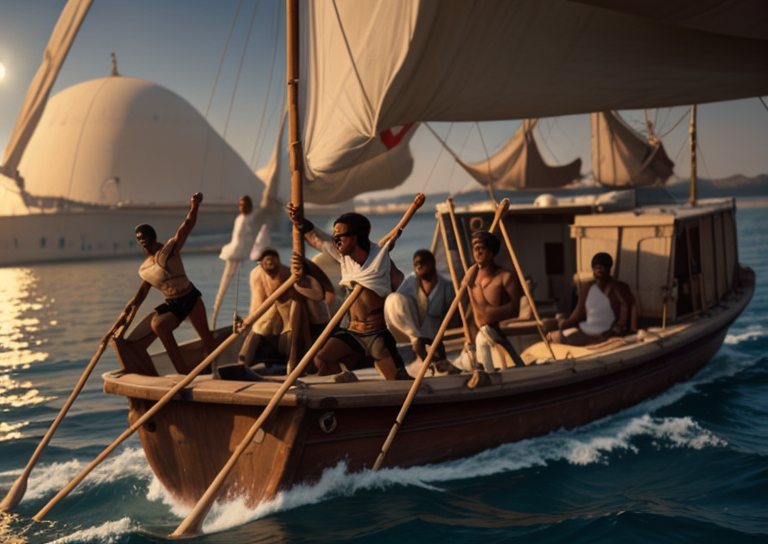
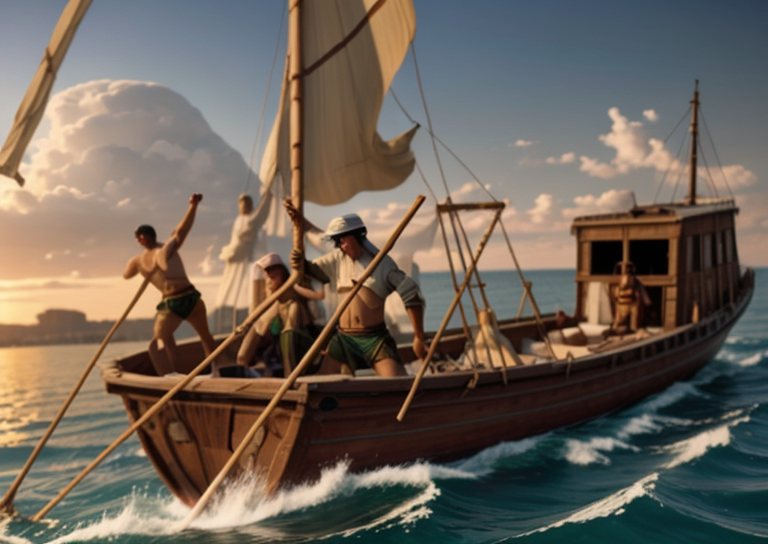
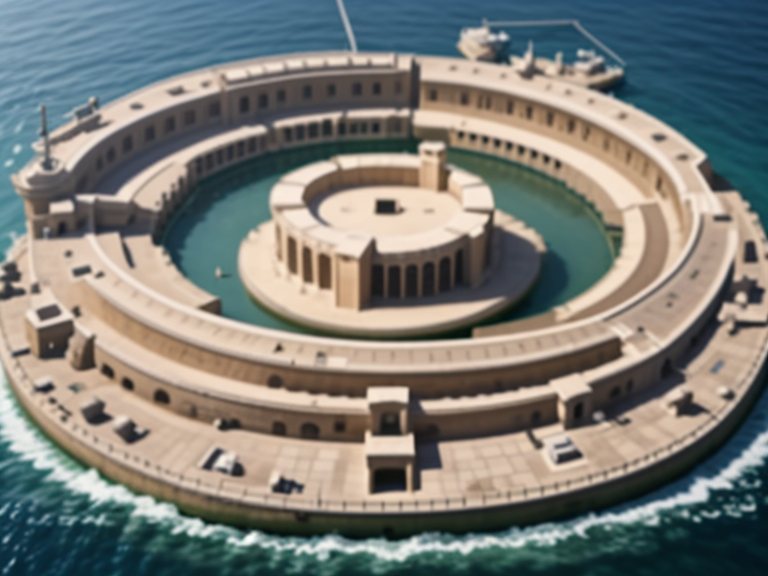
Model of the merchant port of Carthage
Source: Norbert Schnitzler, photograph of a model, 2008. CC BY-SA 2.0
Original: 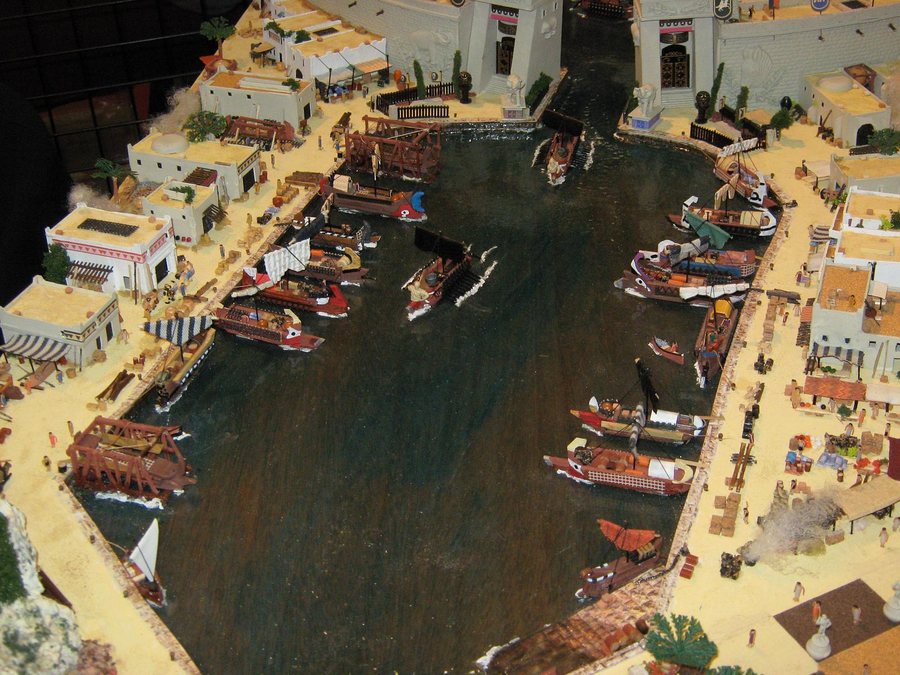
Realistic — Punic (Carthaginian) · Nubian · Libyan (Amazigh) · Levantine · Pale
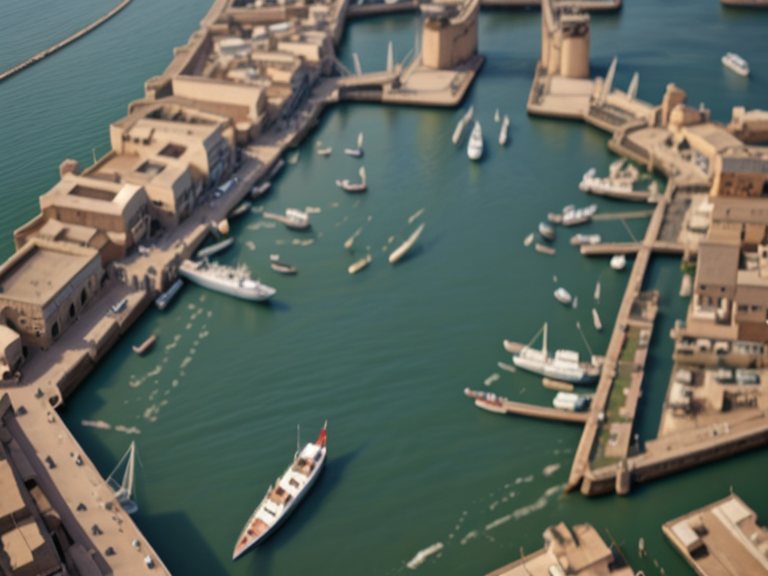
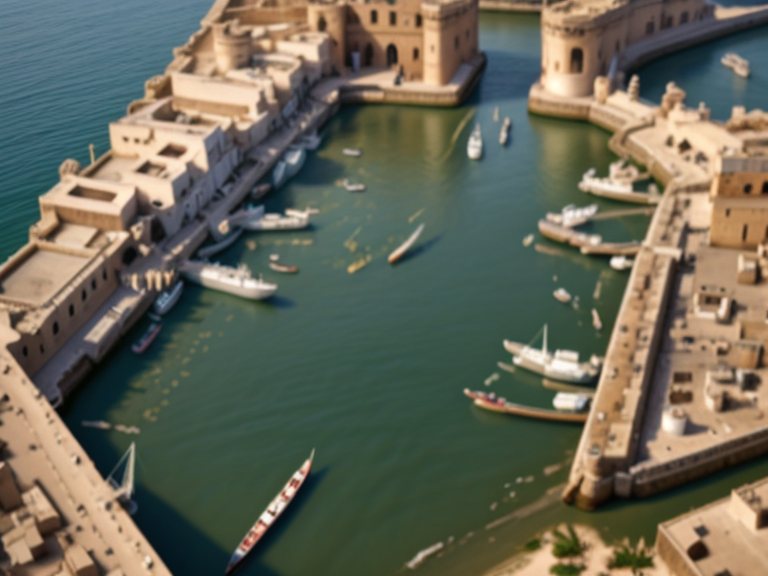
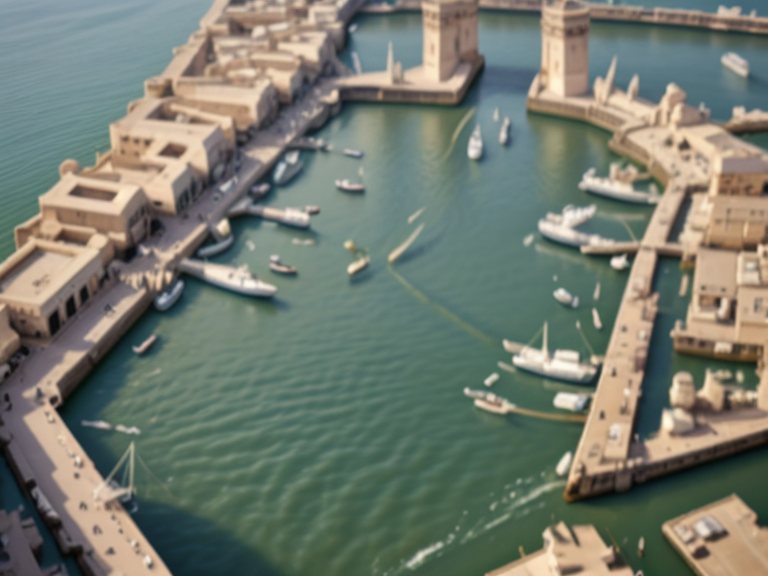
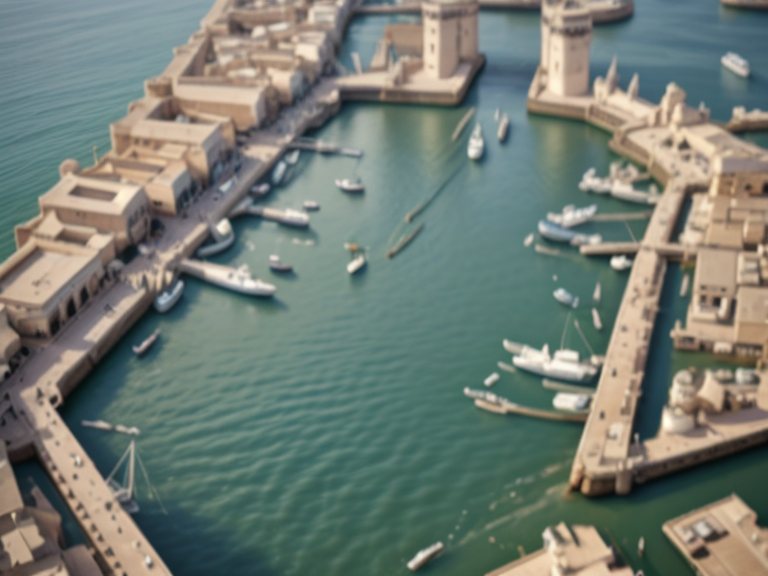
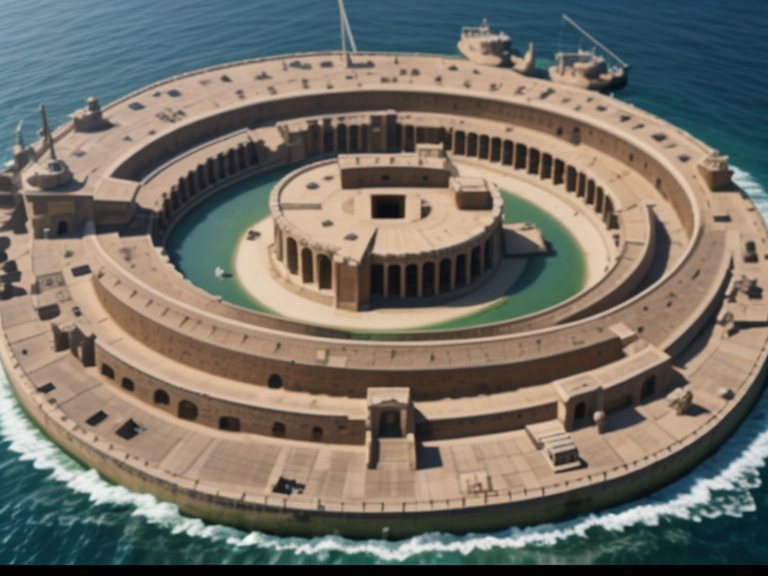
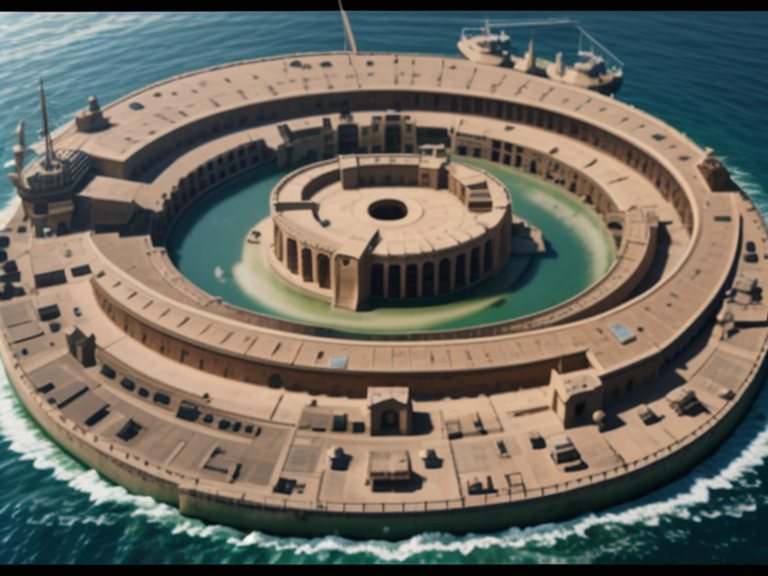
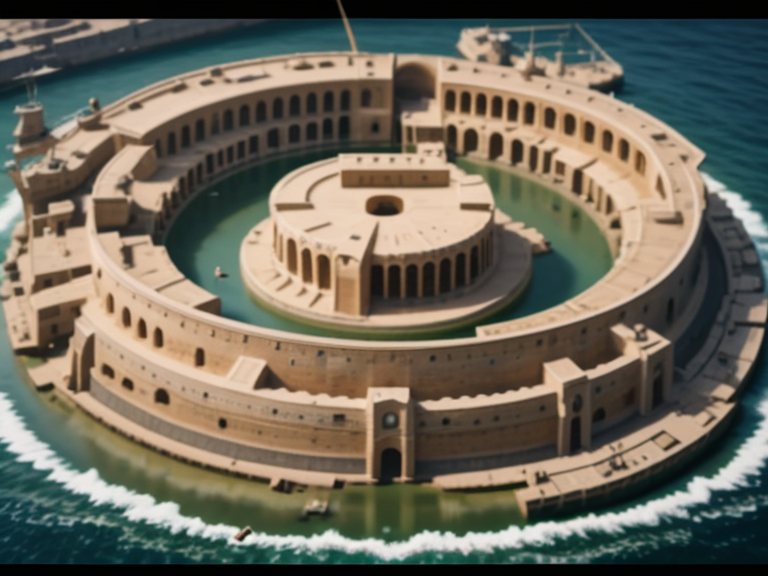
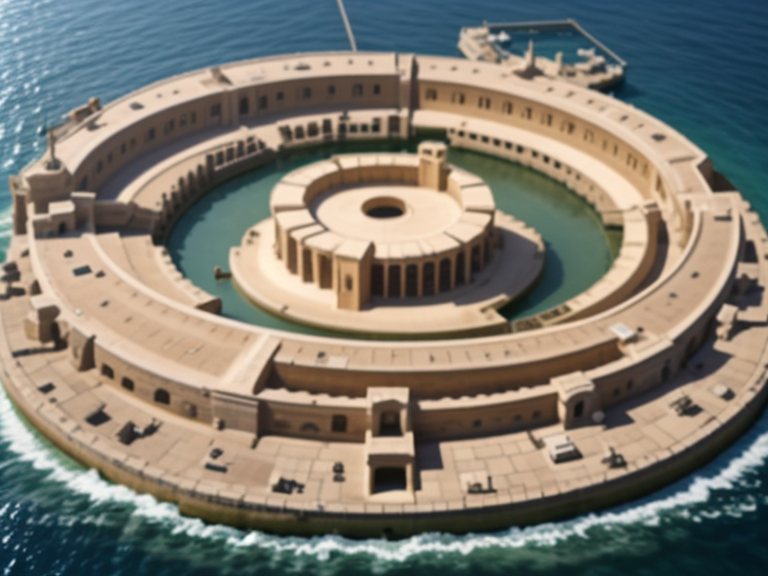
Model of the military port of Carthage
Source: Norbert Schnitzler, photograph of a model, 2008. CC BY-SA 2.0
Original: 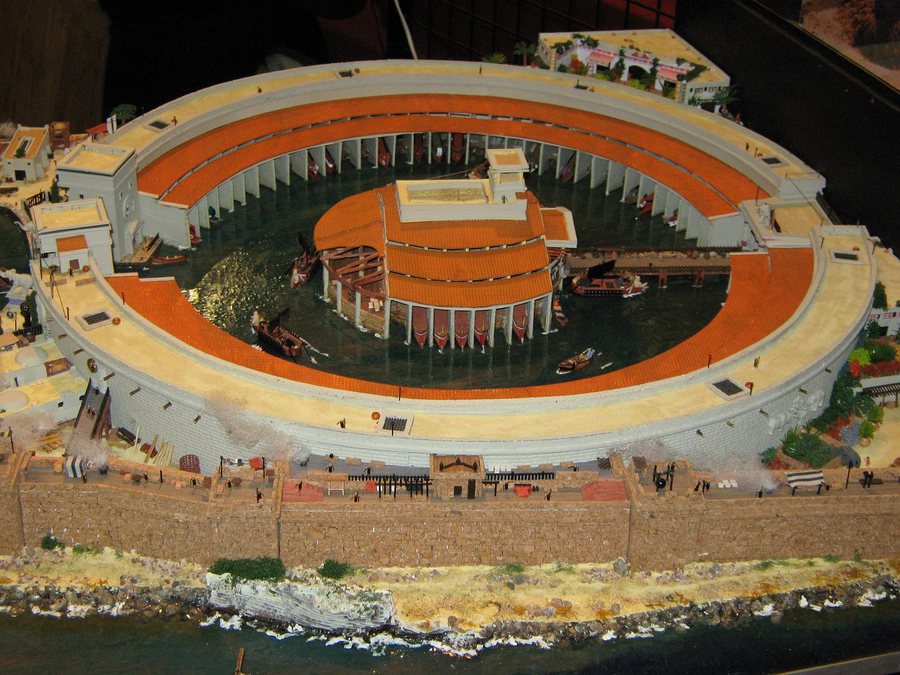
Realistic — Punic (Carthaginian) · Nubian · Libyan (Amazigh) · Levantine · Pale
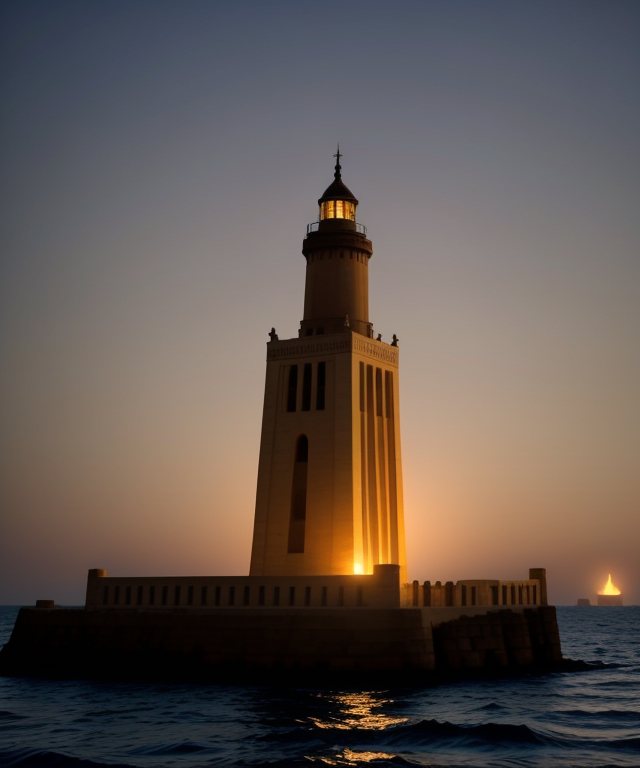
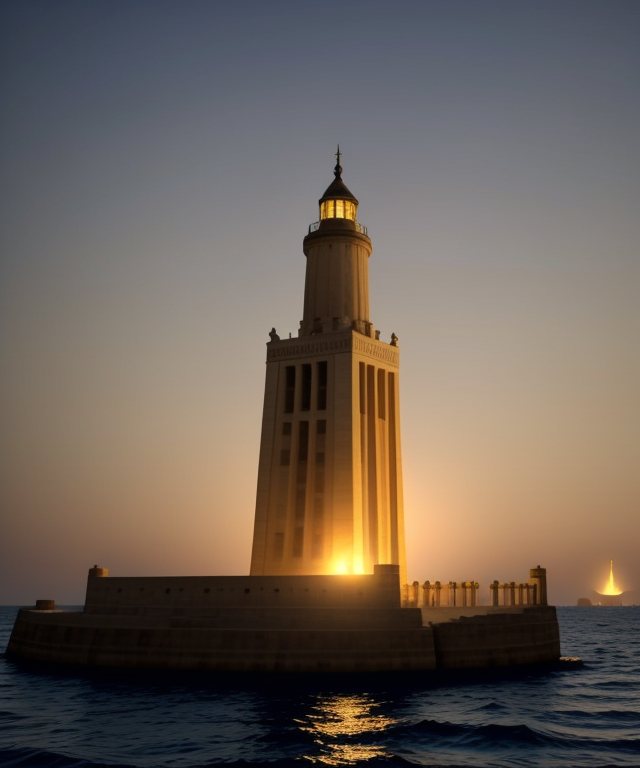
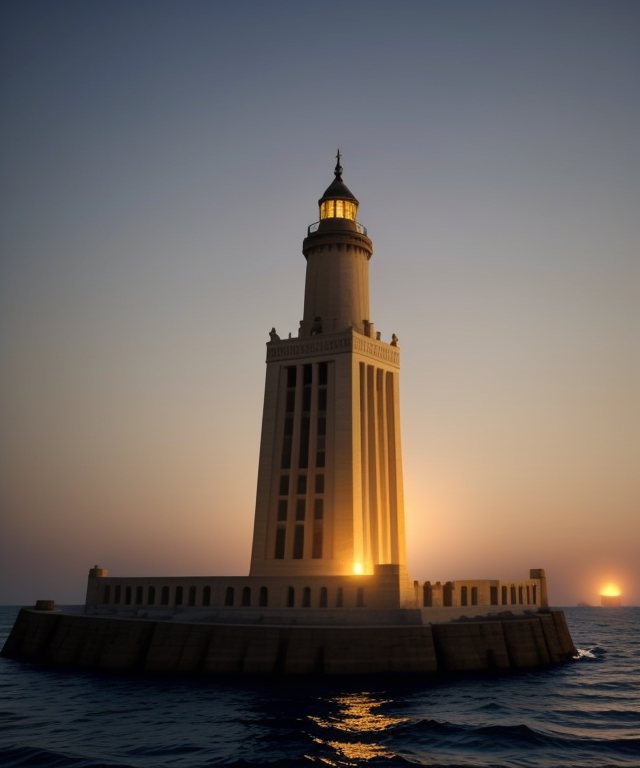
Pharos of Alexandria, reconstruction
Source: Віщун, digital reconstruction, 2021. CC BY-SA 4.0
Original: 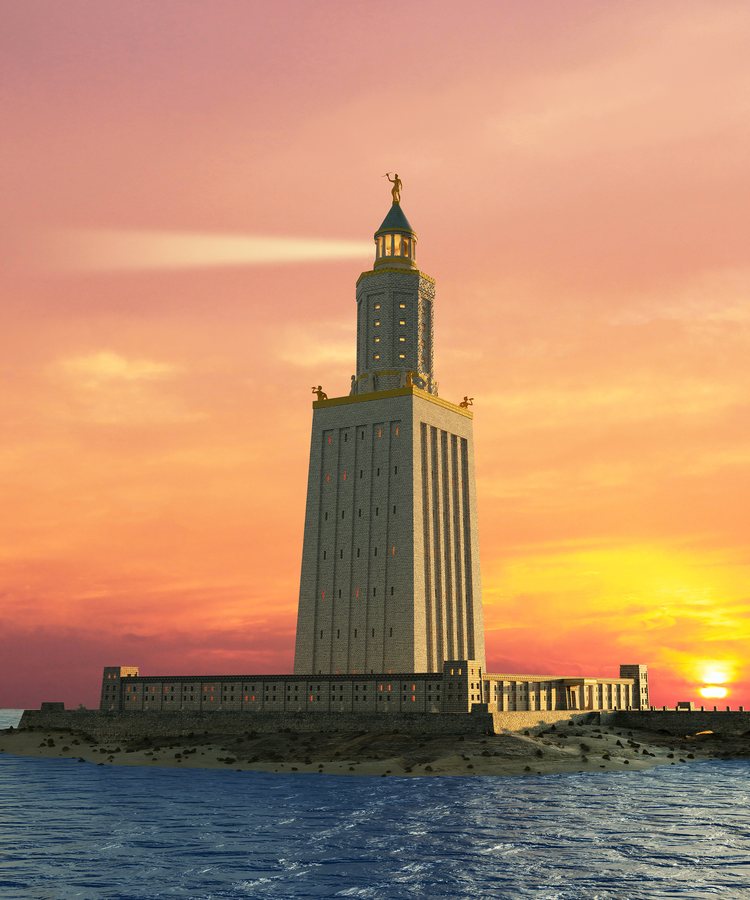
Realistic — Egyptian · Nubian · Libyan (Amazigh) · Levantine · Pale
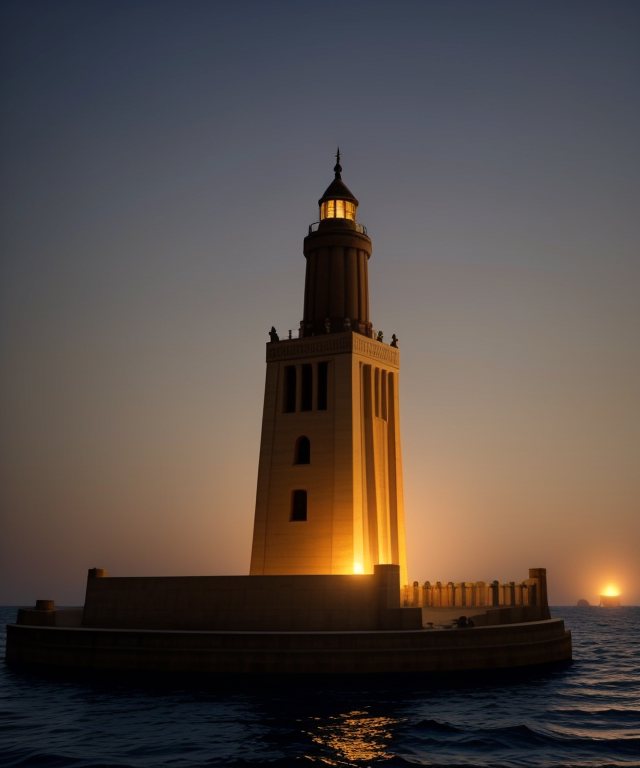
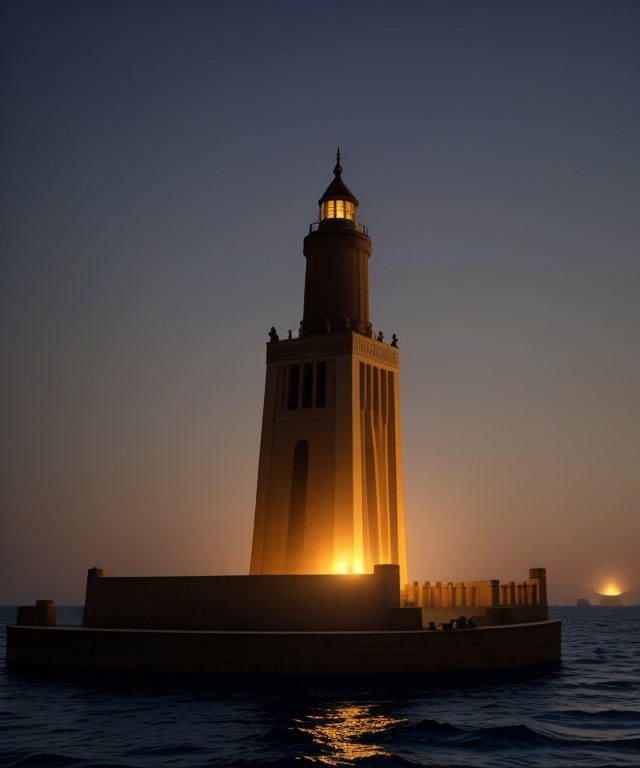
Port of Tyre
Source: David Roberts, 1839. Cleveland Museum of Art. CC0
Original: 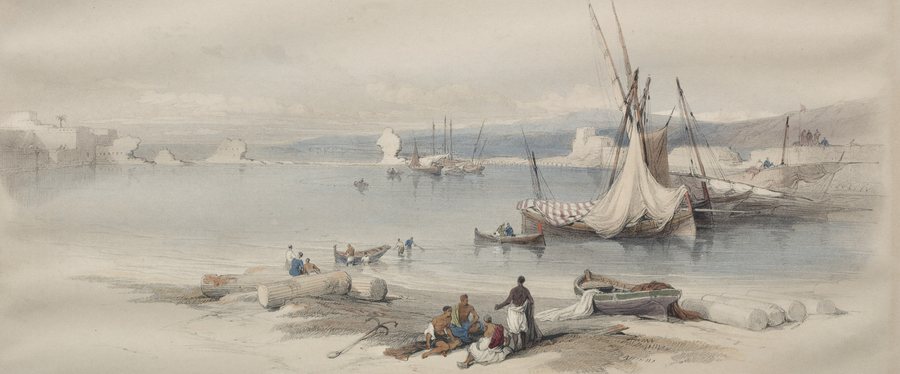
Realistic — Punic (Carthaginian) · Nubian · Libyan (Amazigh) · Levantine · Pale
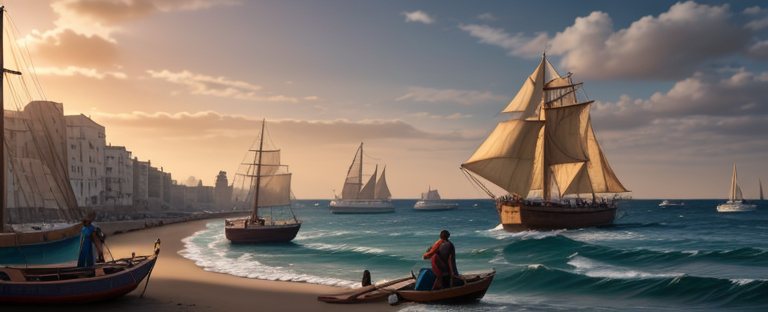
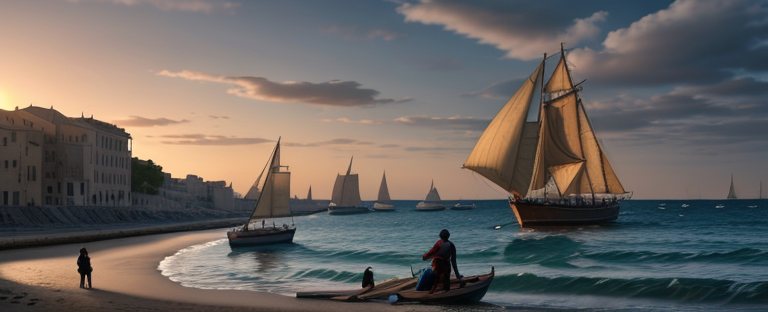
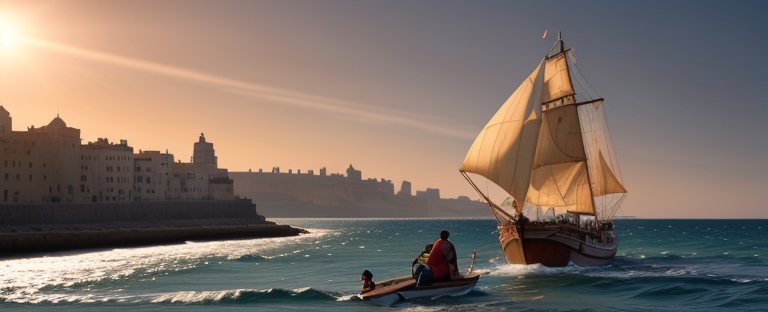
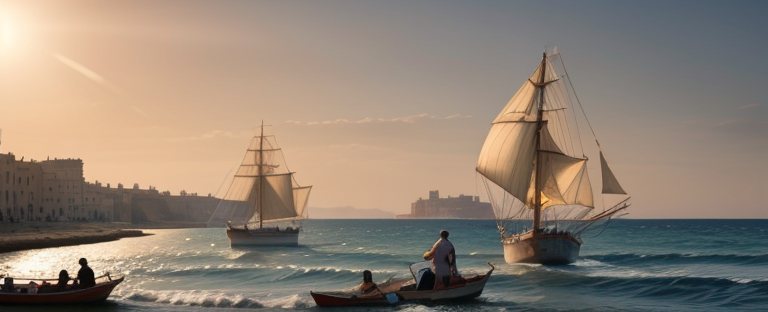
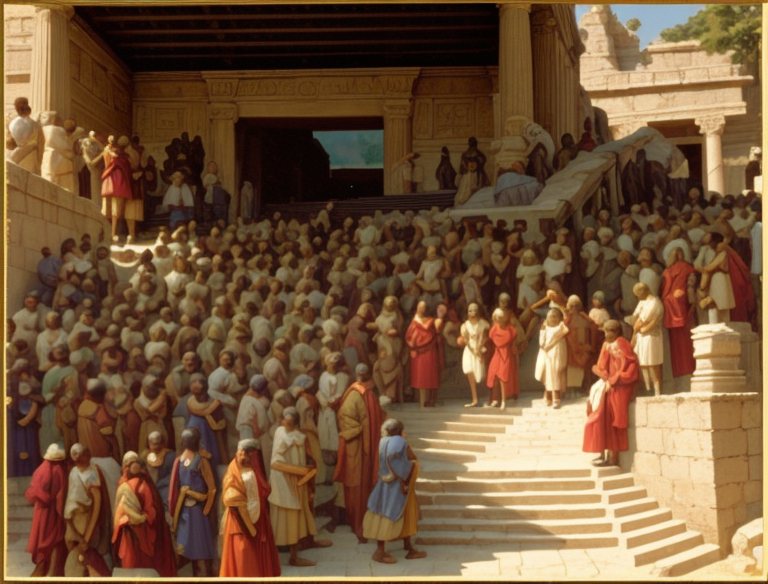
Salammbô illustration (crowd at the temple steps)
Source: Anonymous illustration, 1926 (Flaubert, Salammbô). Public domain
Original: 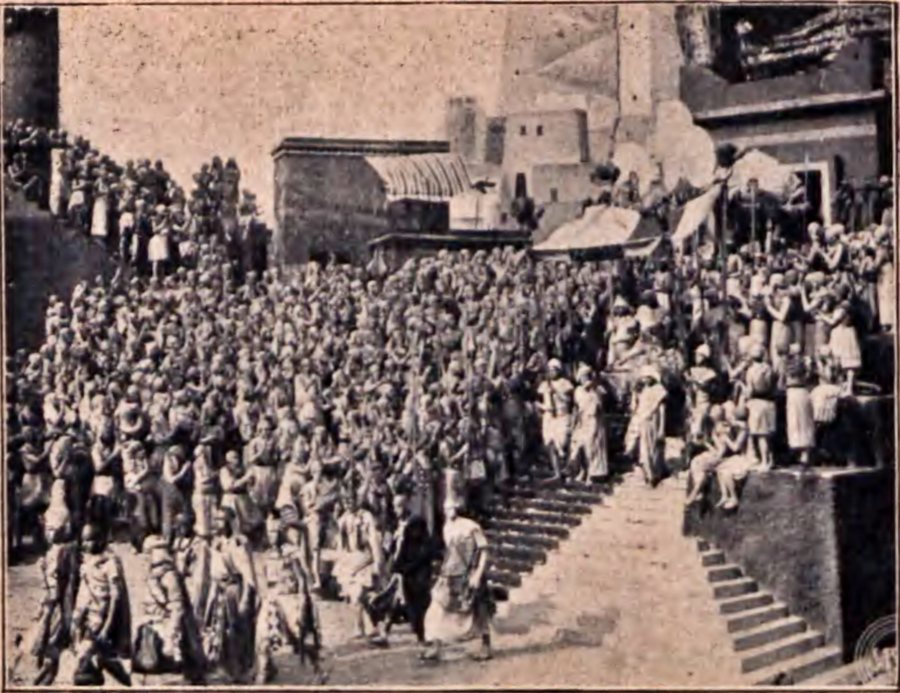
Realistic — Punic (Carthaginian) · Nubian · Libyan (Amazigh) · Levantine · Pale
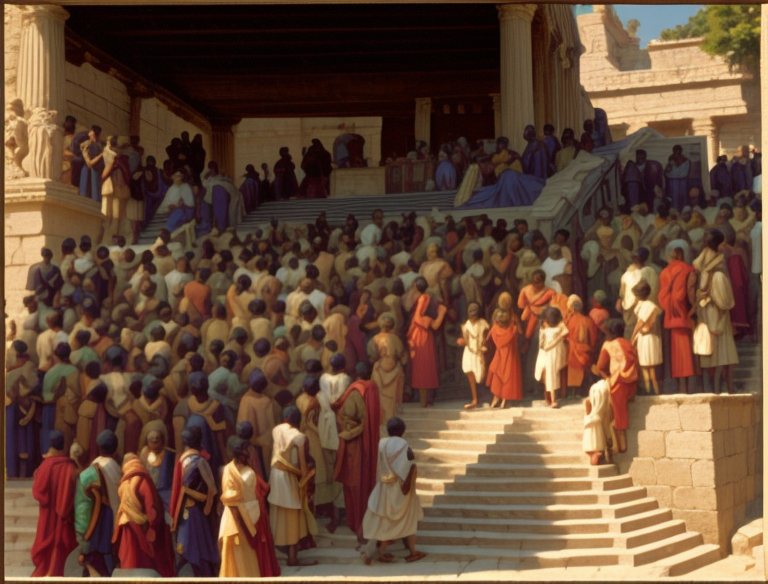
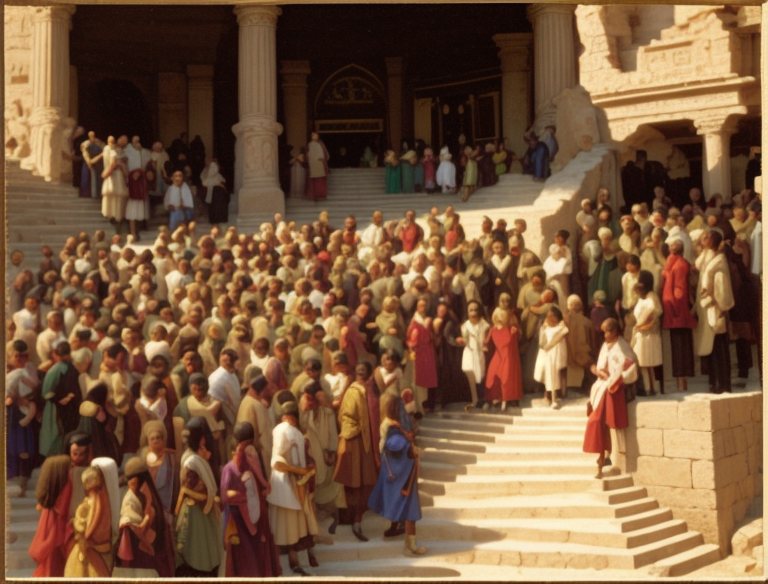
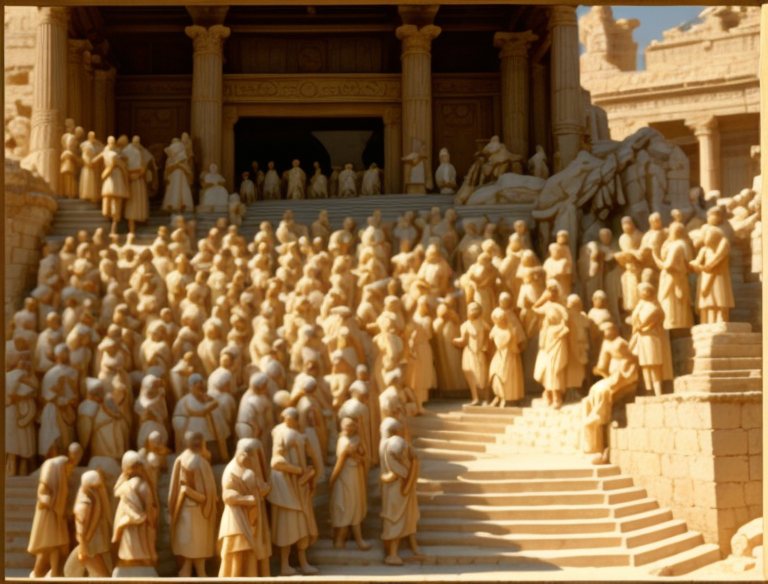
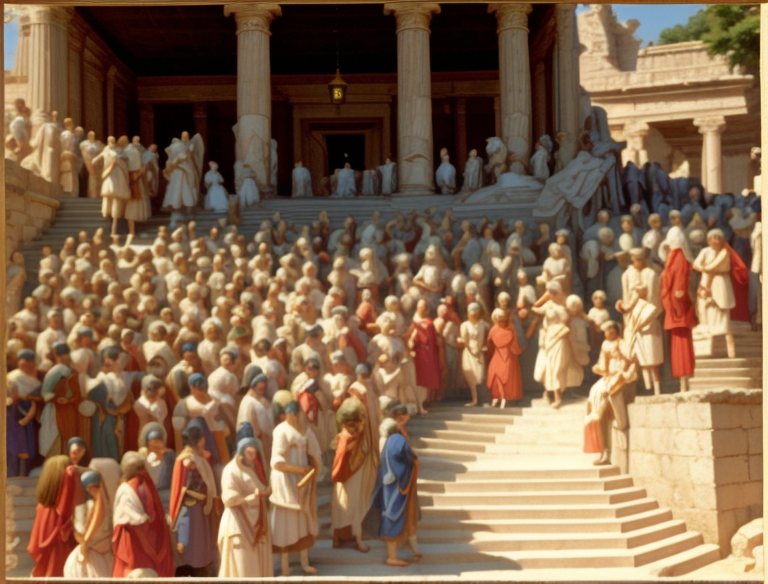
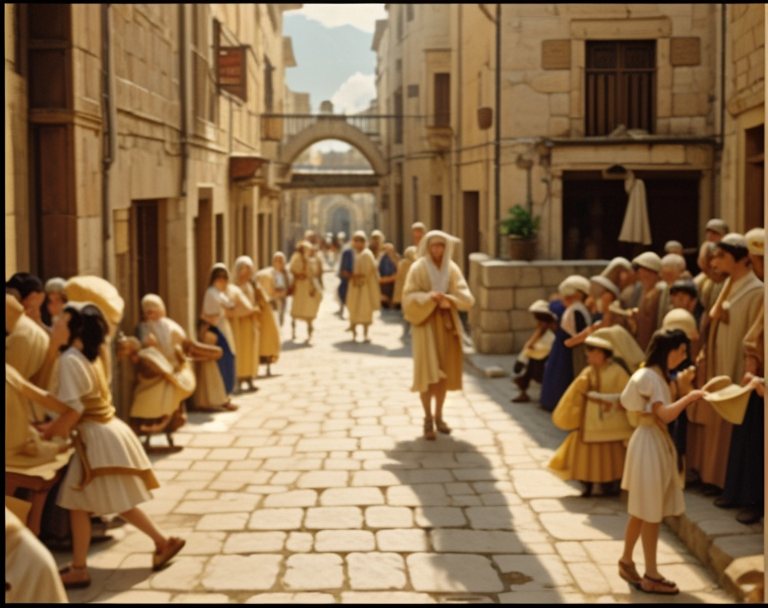
Salammbô illustration (street scene)
Source: Anonymous illustration, 1926 (Flaubert, Salammbô). Public domain
Original: 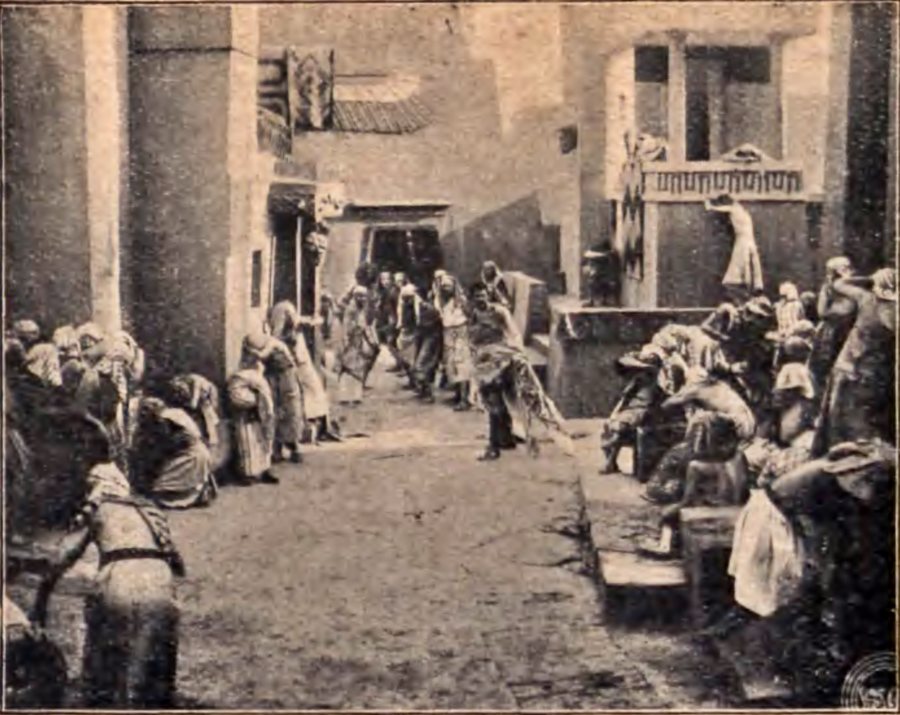
Realistic — Punic (Carthaginian) · Nubian · Libyan (Amazigh) · Levantine · Pale
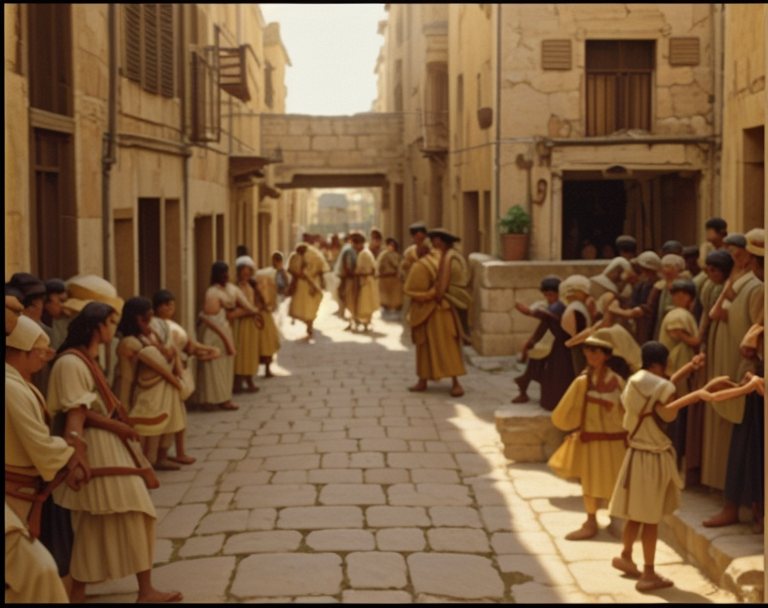
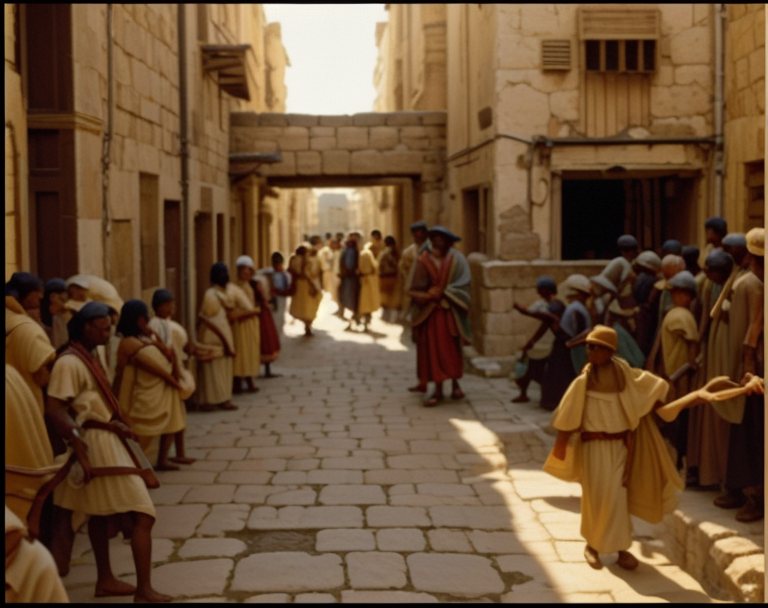
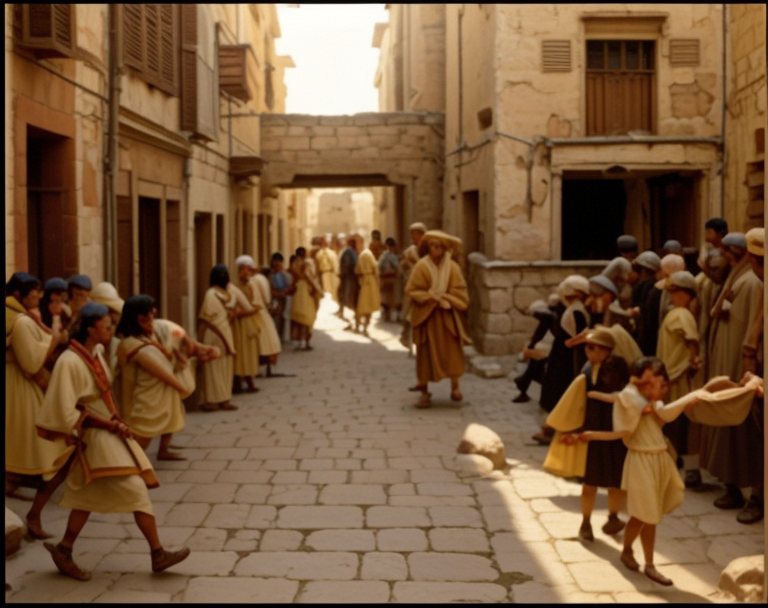
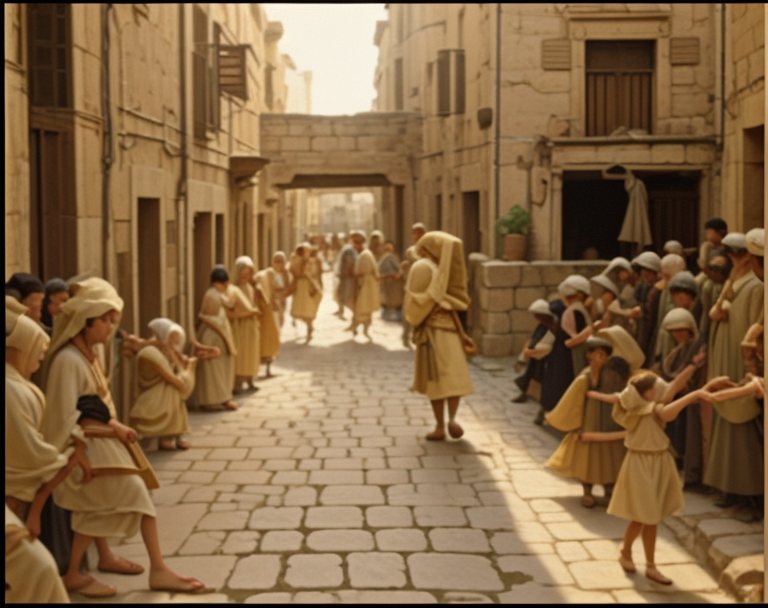
Salammbô illustration (the colossus and the crowd)
Source: Anonymous illustration, 1926 (Flaubert, Salammbô). Public domain
Original: 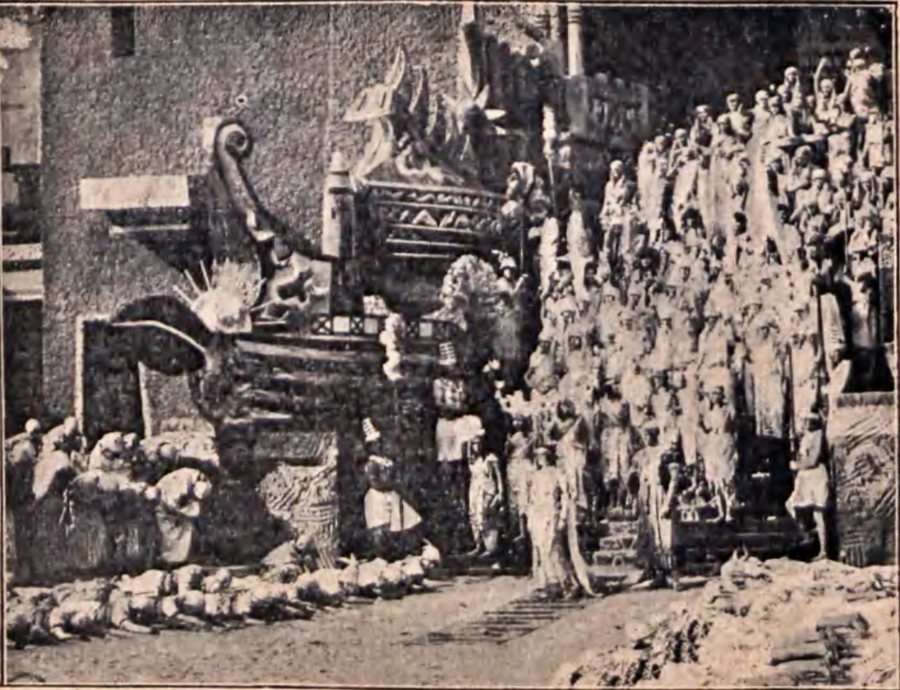
Realistic — Punic (Carthaginian) · Nubian · Libyan (Amazigh) · Levantine · Pale
Salammbô: Sous les murs de Carthage
Source: Eugène-André Champollion after Georges Rochegrosse, 1900 (Gallica). Public domain
Original: 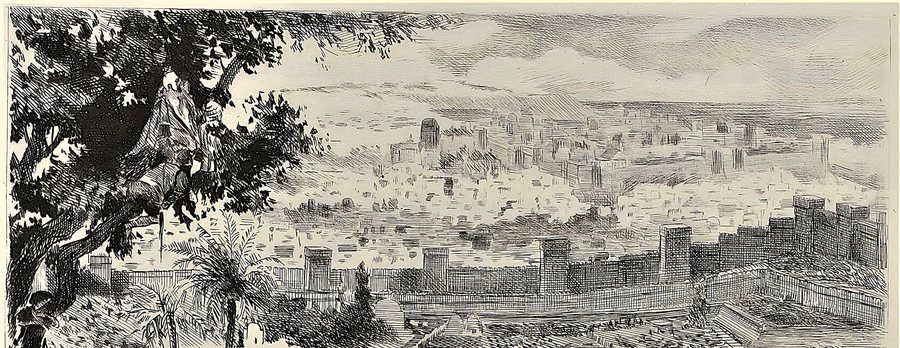
Realistic — Punic (Carthaginian) · Nubian · Libyan (Amazigh) · Levantine · Pale
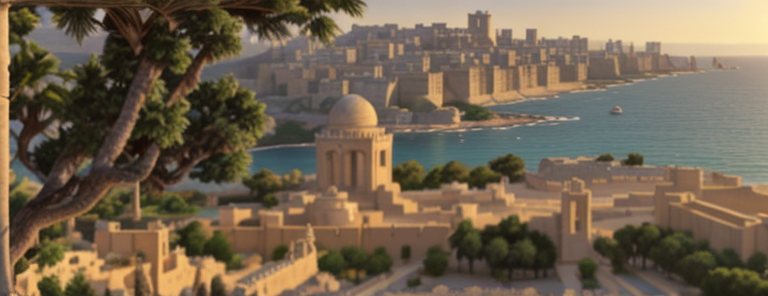
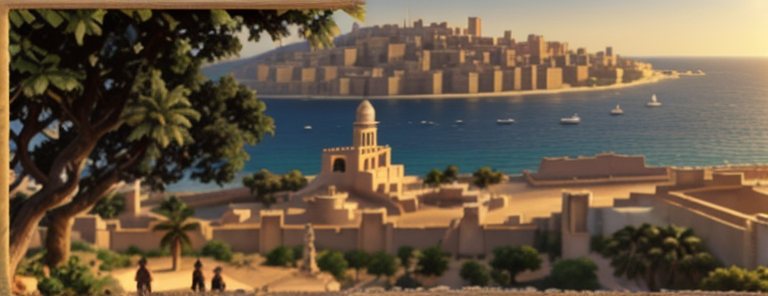
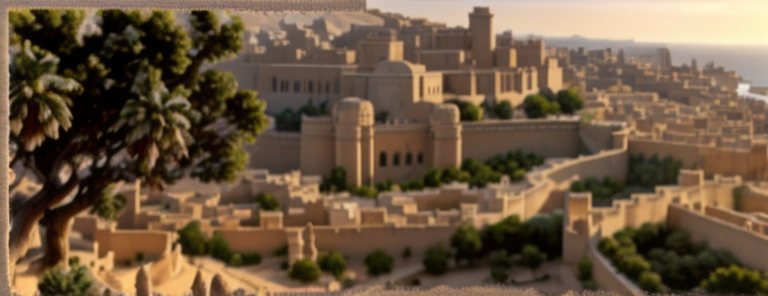
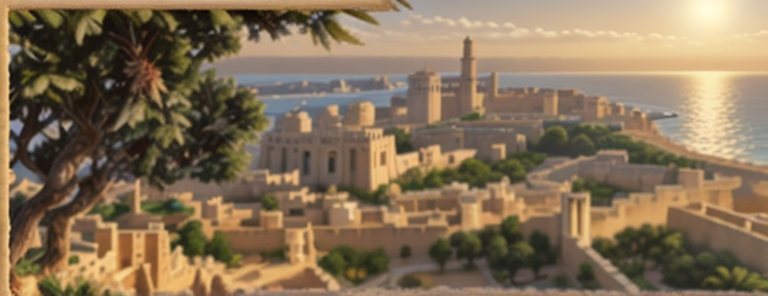
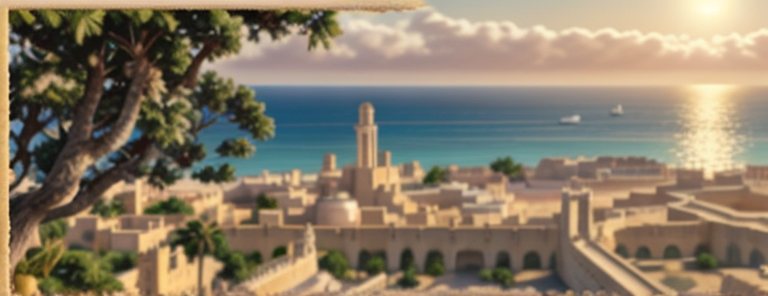
Sidon, looking towards Lebanon
Source: Coloured lithograph by Louis Haghe after David Roberts, 1843. Wellcome Collection. CC BY 4.0
Original: 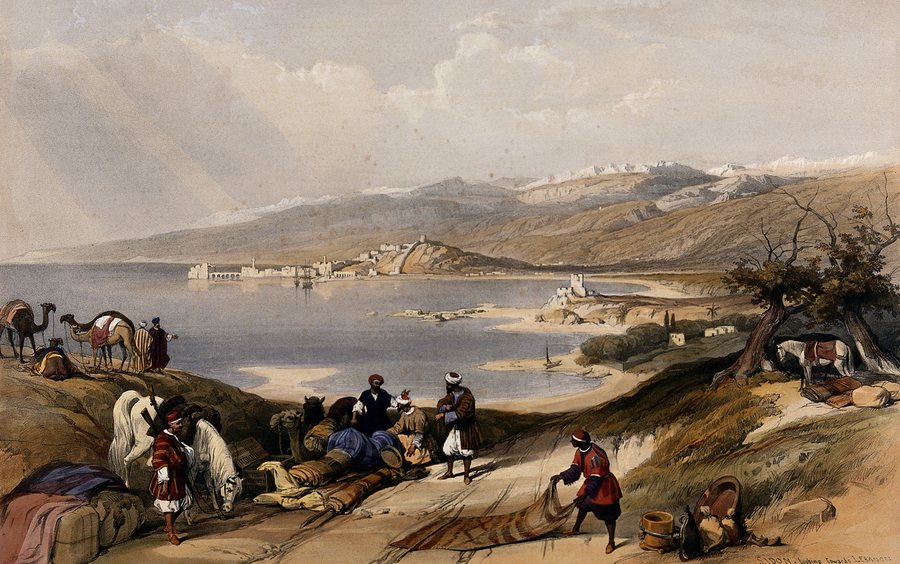
Realistic — Punic (Carthaginian) · Nubian · Libyan (Amazigh) · Levantine · Pale
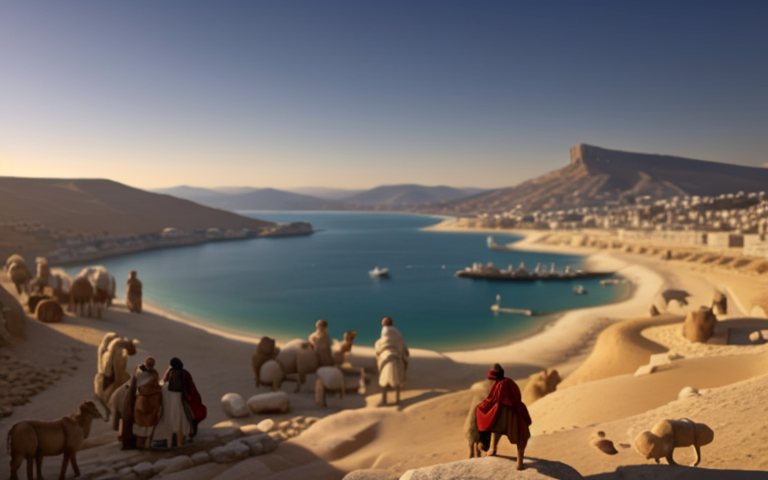
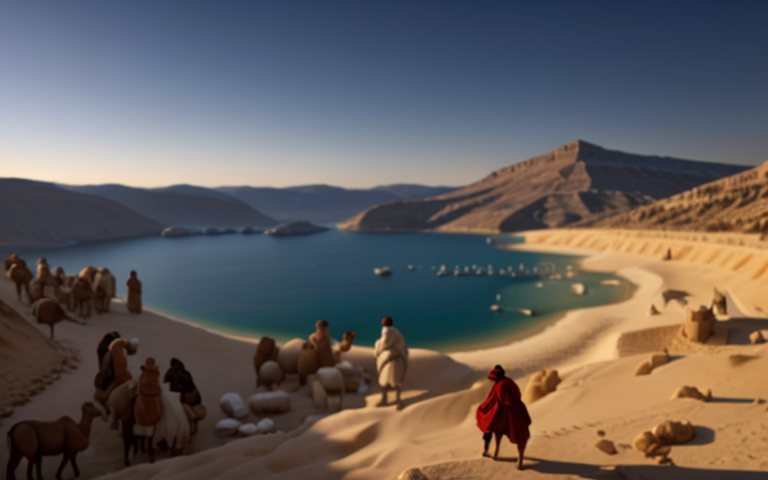
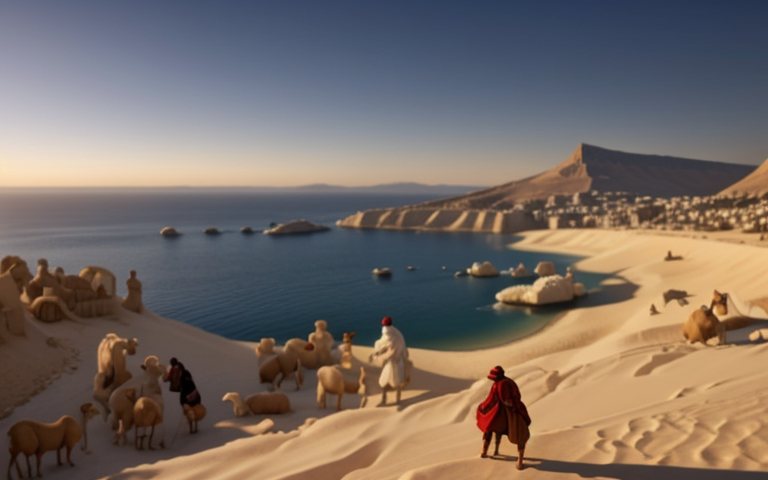
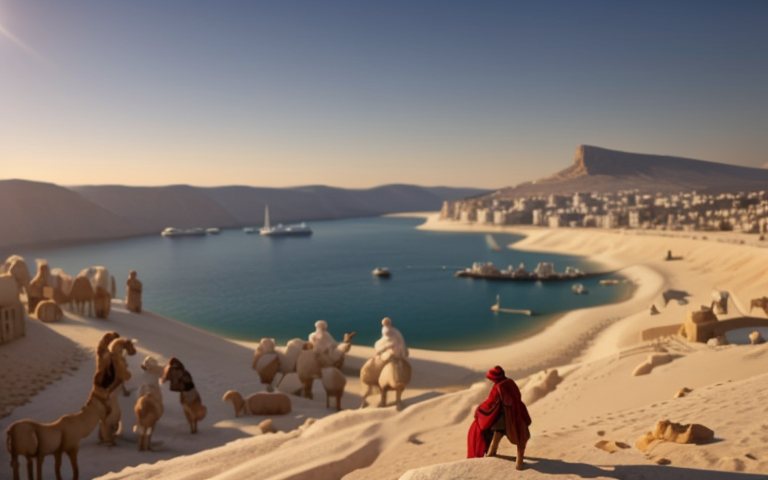
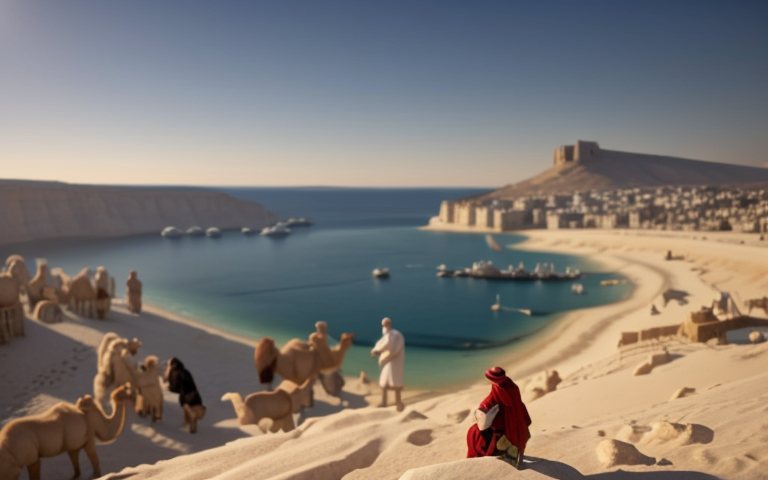
Sidon, with fishermen and other figures in the foreground
Source: Coloured lithograph by Louis Haghe after David Roberts, 1843. Wellcome Collection. CC BY 4.0
Original: 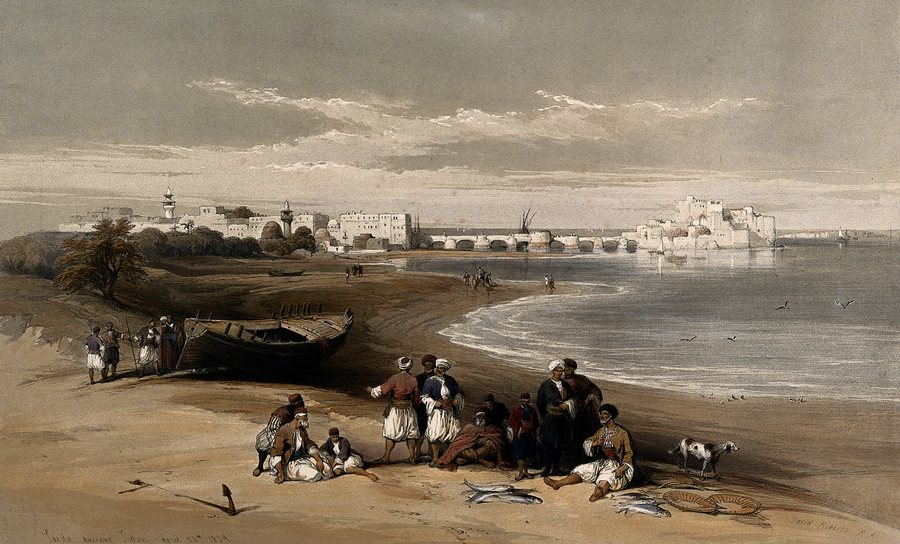
Realistic — Punic (Carthaginian) · Nubian · Libyan (Amazigh) · Levantine · Pale
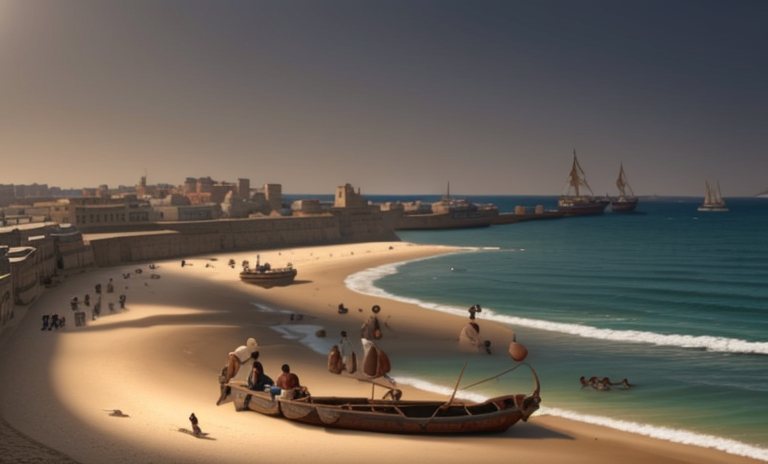
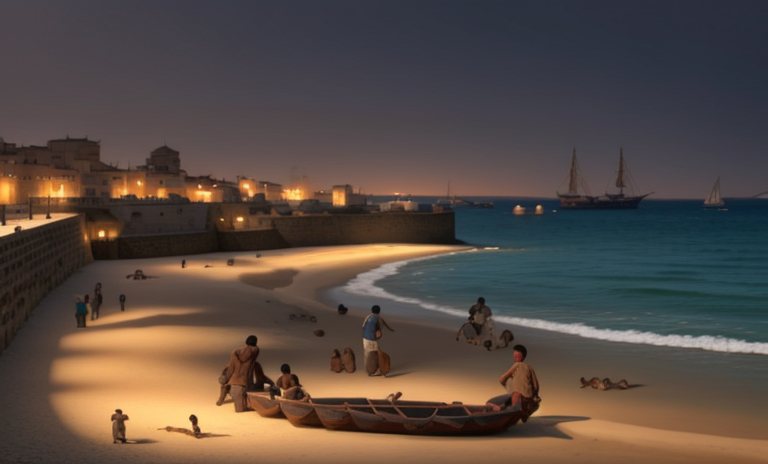
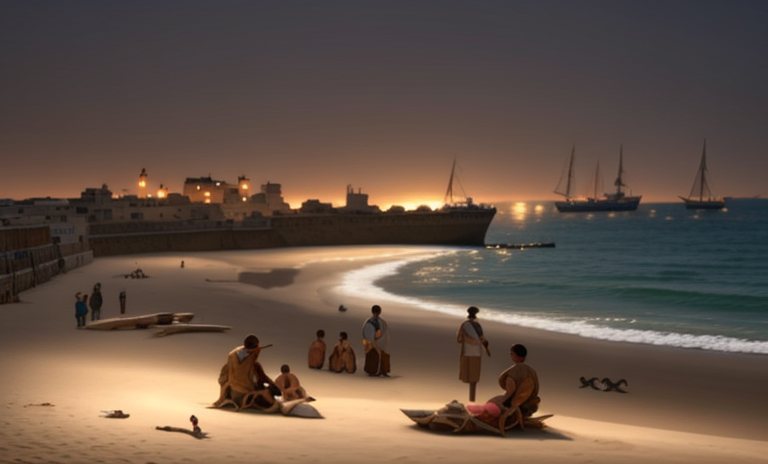
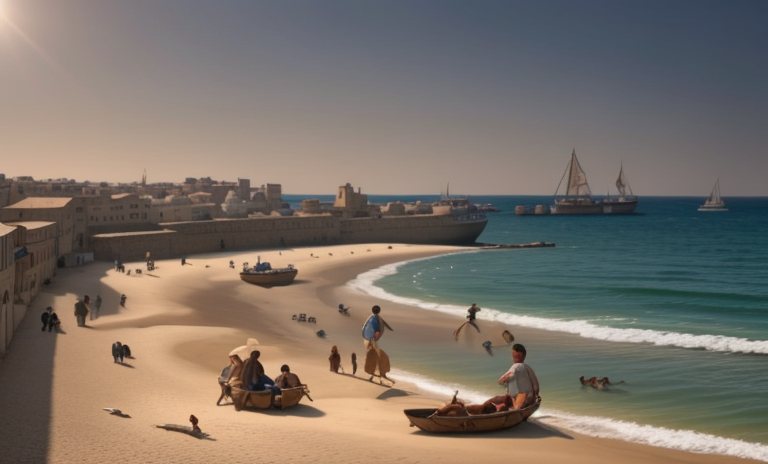
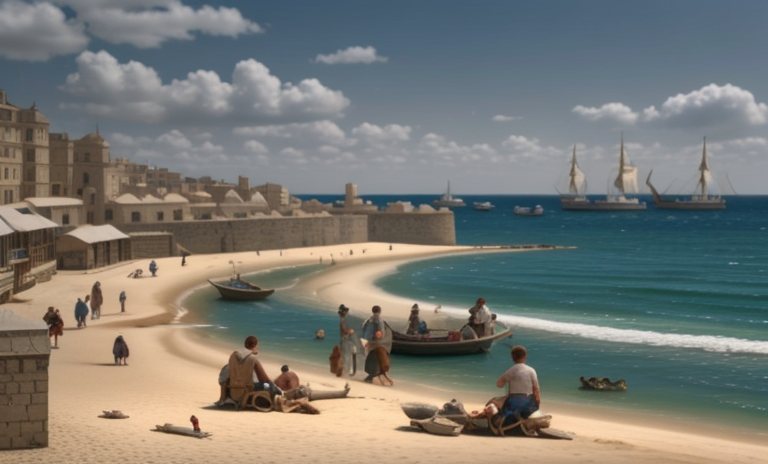
St. Jean d'Acre, looking from the sea
Source: Coloured lithograph by Louis Haghe after David Roberts, 1843. Wellcome Collection. CC BY 4.0
Original: 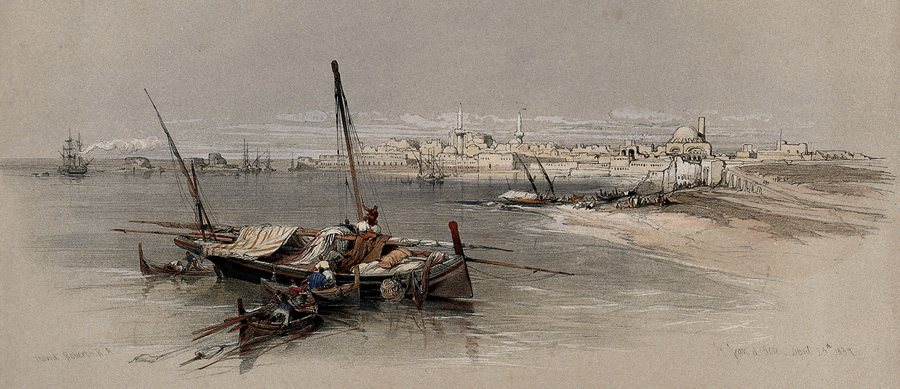
Realistic — Punic (Carthaginian) · Nubian · Libyan (Amazigh) · Levantine · Pale
Subsiding the Nile
Source: Frederick Goodall, 1873. Russell-Cotes Art Gallery & Museum. Public domain
Original: 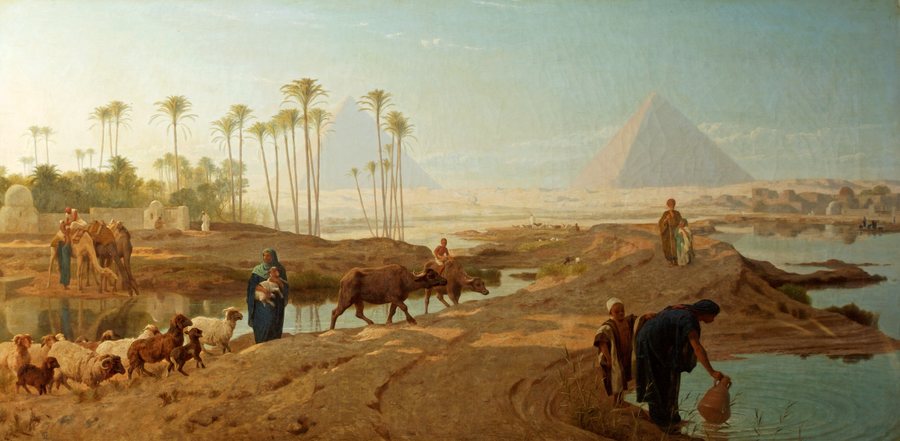
Realistic — Egyptian · Nubian · Libyan (Amazigh) · Levantine · Pale

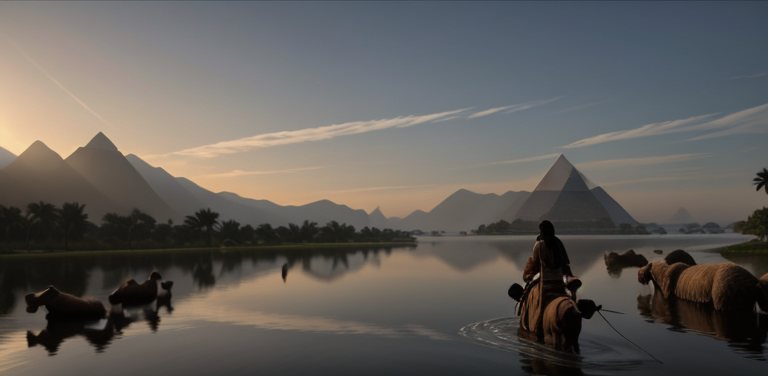


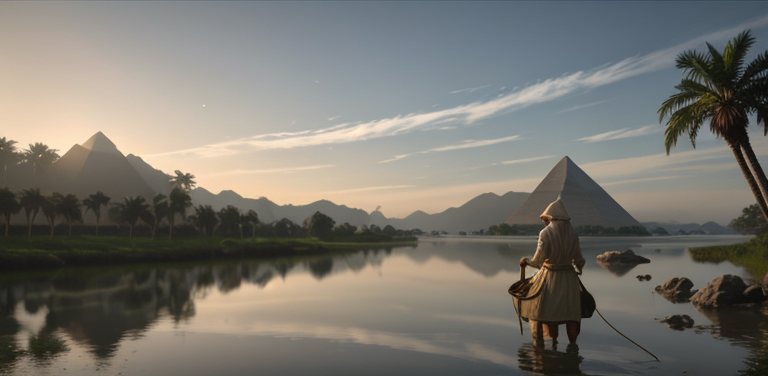
Temple Island, Philae
Source: David Roberts, 1838. Public domain
Original: 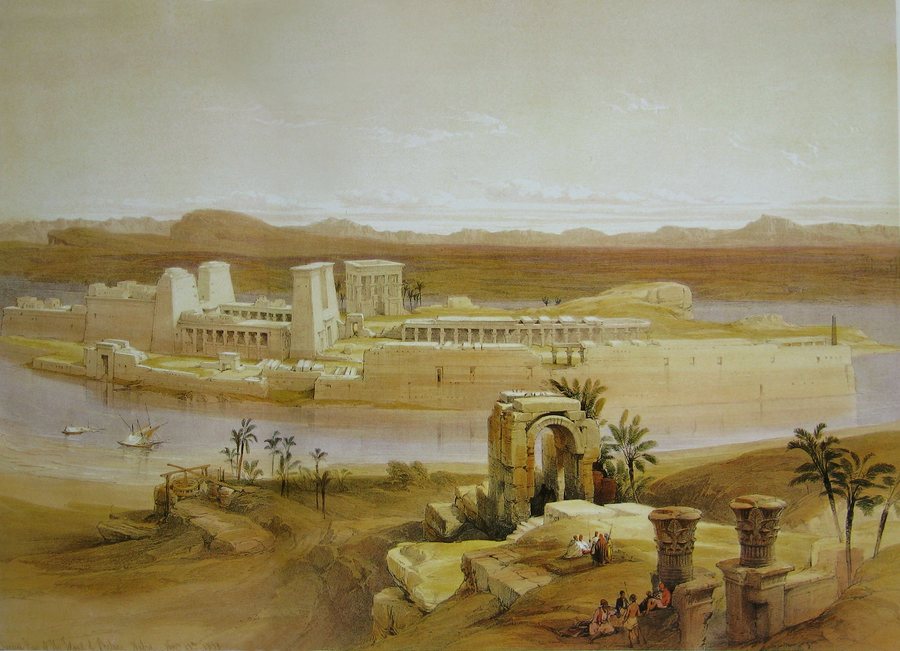
Realistic — Egyptian · Nubian · Libyan (Amazigh) · Levantine · Pale
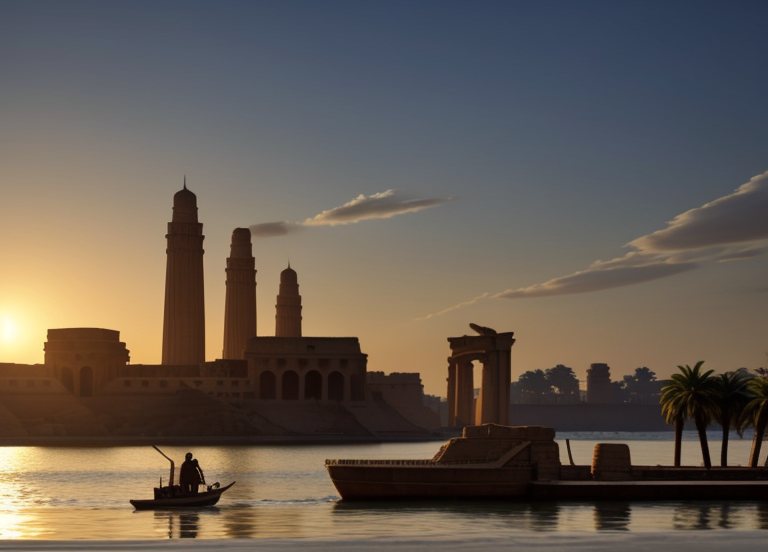
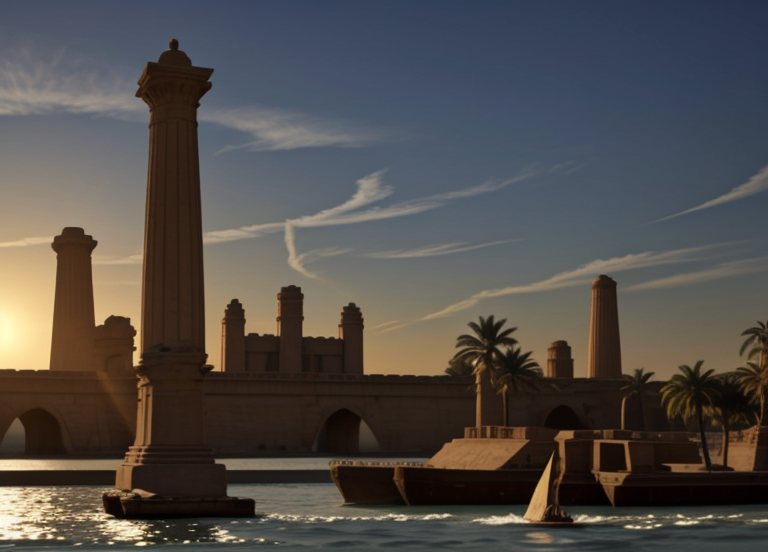
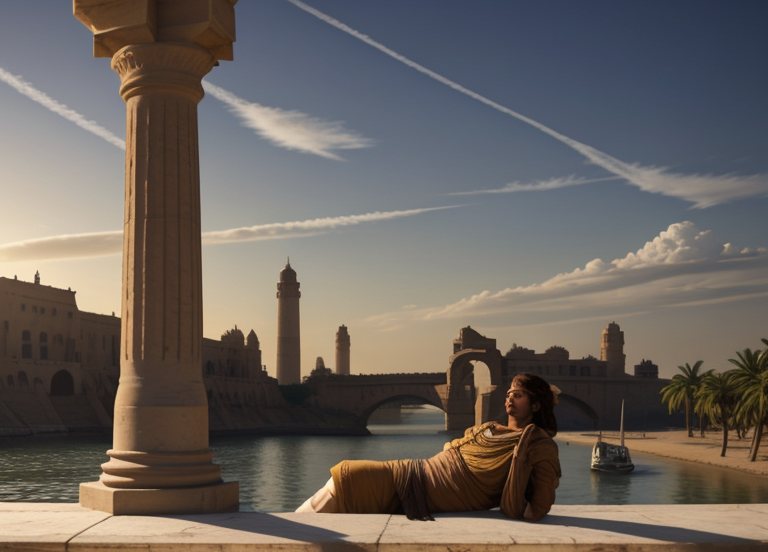
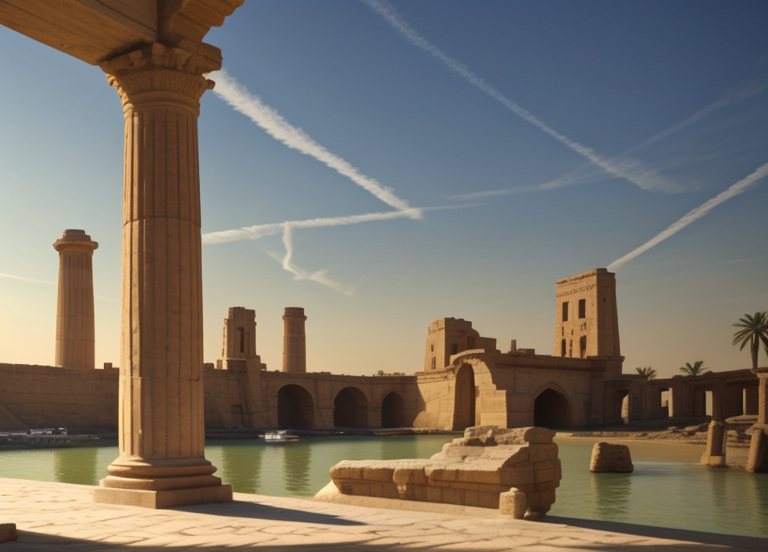
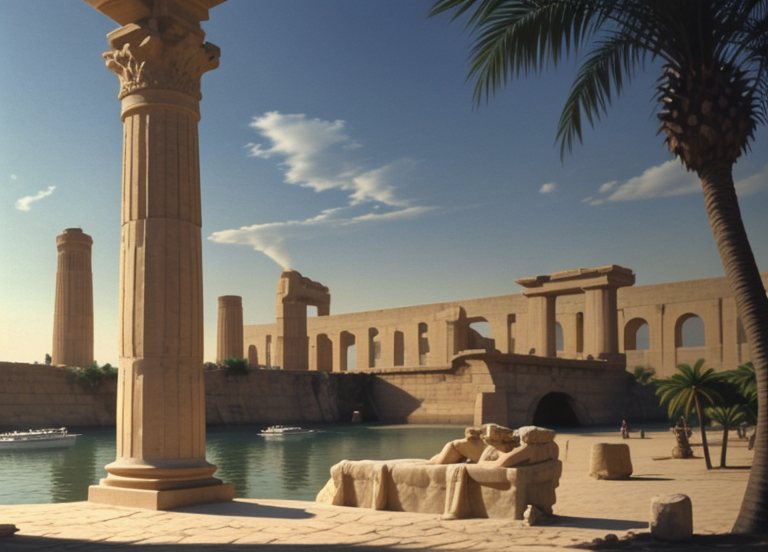
All 20 scenes in this set, and every other remake, are in the gallery: https://hathor.soapbox.community/remakes. Made on our own servers in Hathor Studio; each scene links to its place in the gallery.