Śilpa Śāstra is the Sanskrit science of arts and crafts. Its treatises teach how an image is measured, how its attributes are fixed, how its maker prepares, and how its eyes are finally opened. The canon measures a figure by its own face and keeps a deity's attributes fixed so that anyone, in any land, can know who is shown. This account publishes our historical remakes in that spirit. Each scene, whether Egyptian, Nubian, Minoan, Punic or Greek, is remade side by side for several peoples. The attributes stay constant and the people change. Today's set follows.
A ruler cut from the image itself. Hindu iconometry measures in tāla, one face-length from hairline to chin, divided into 12 aṅgulas. The aṅgula is the image's own "finger," so the same proportions hold for a hand-sized bronze or a colossus. (source)
We are testing these features and looking to develop them. This is Hathor's alpha work, made on our own servers — the images and videos she makes next are expected to be much better and more accurate. Tell us what works and what doesn't: every video page has 👍/👎, comments and timestamped notes.
The full gallery, every scene in every look: https://hathor.soapbox.community/remakes · Shilpa Shastra gallery: https://hathor.soapbox.community/gallery
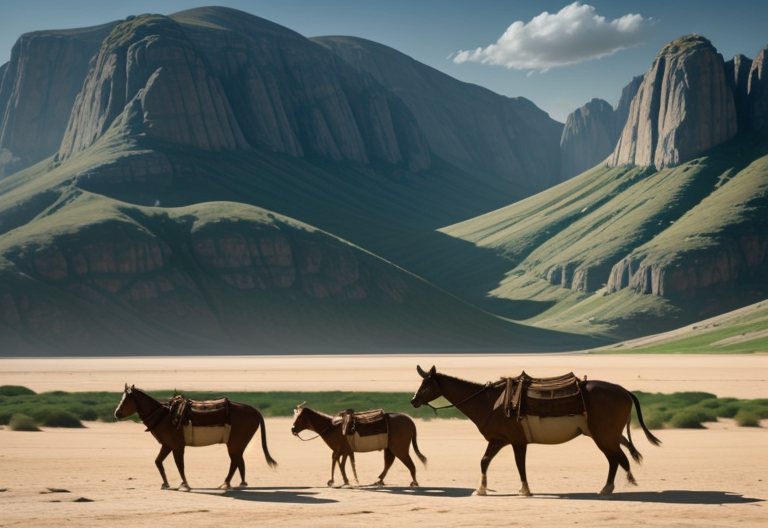
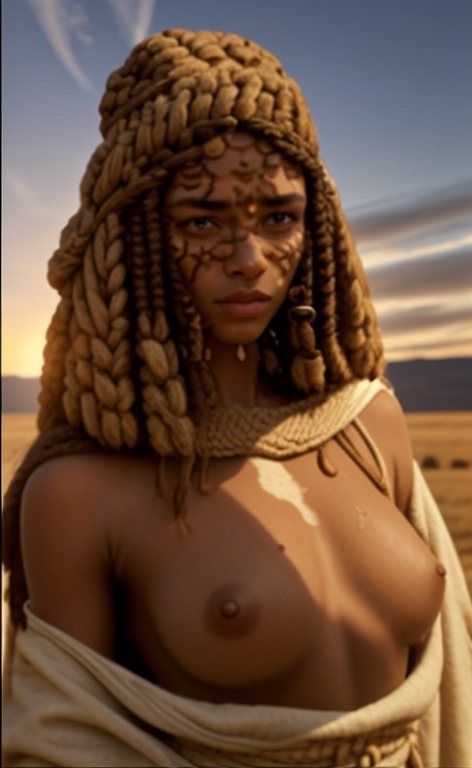
Herders of the green Sahara
Source: Fondazione Passaré V31 360.jpg · Alessandro Passaré · CC BY-SA 3.0 · Wikimedia Commons · 
Original: 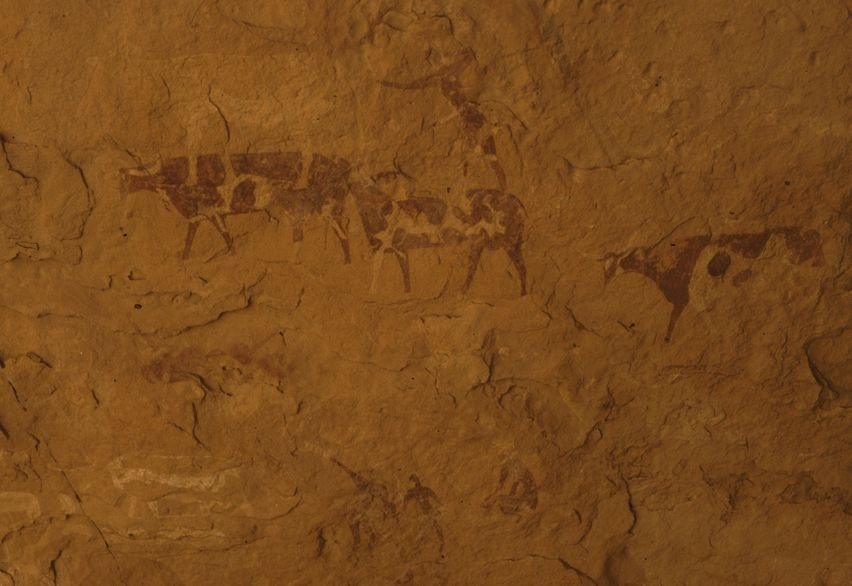
Realistic — Nubian · Libyan (Amazigh) · Levantine · Pale
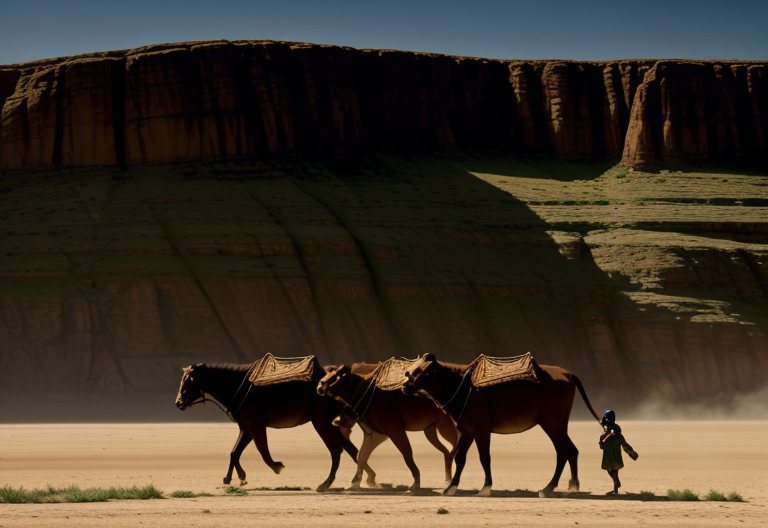
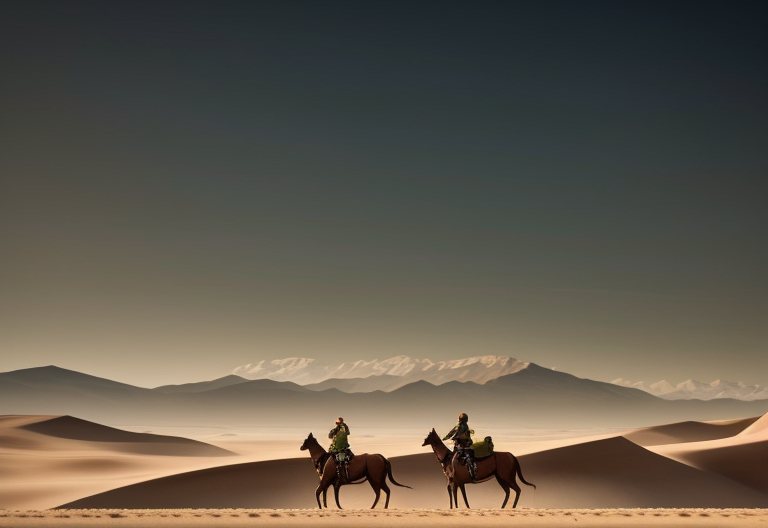
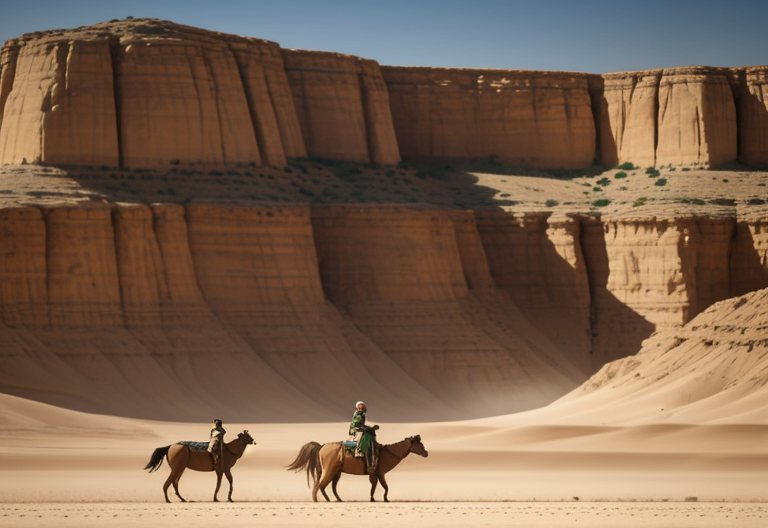
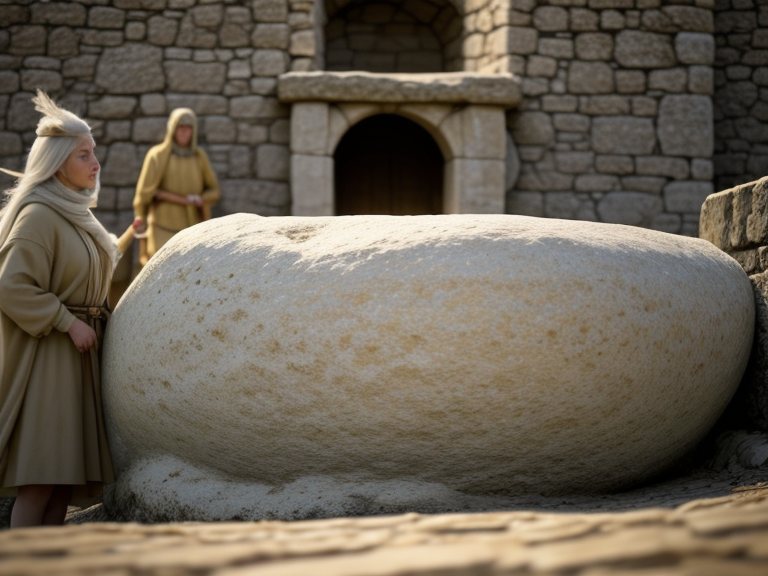
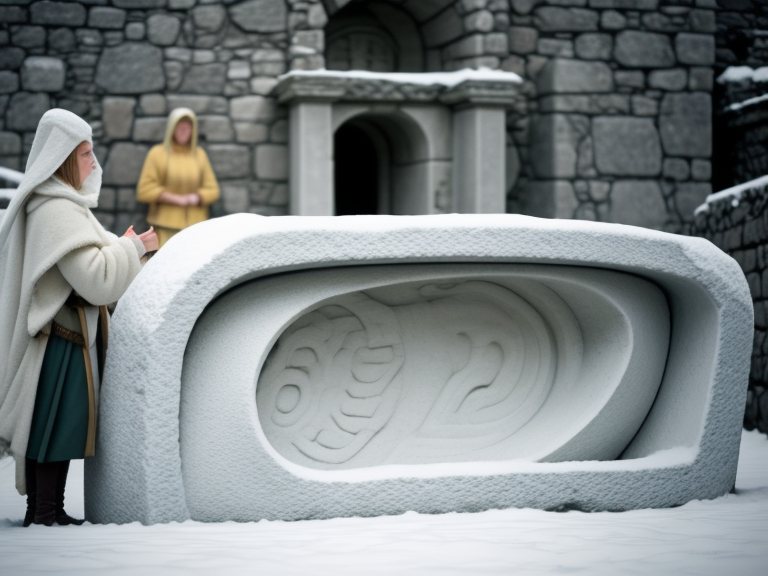
Newgrange at the winter solstice
Source: Intricately carved stones at the entrance to the Newgrange Tomb - geograph.org.uk - 2640009.jpg · Eric Jones · CC BY-SA 2.0 · Wikimedia Commons · https://commons.wikimedia.org/wiki/File:Intricately_carved_stones_at_the_entrance_to_the_Newgrange_Tomb_-geograph.org.uk-_2640009.jpg
Original: 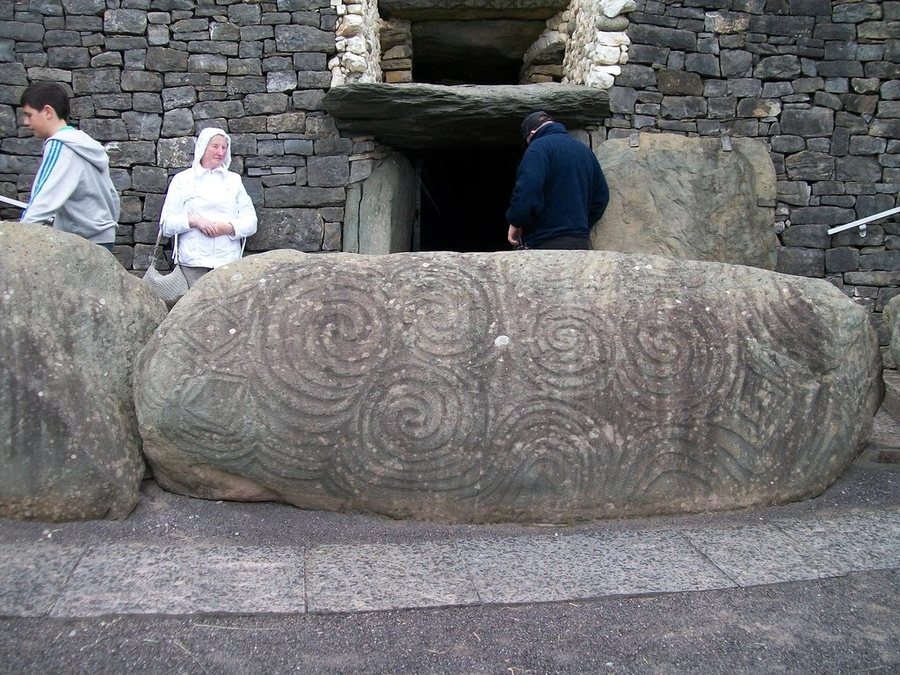
Realistic — Nubian · Libyan (Amazigh) · Levantine · Pale
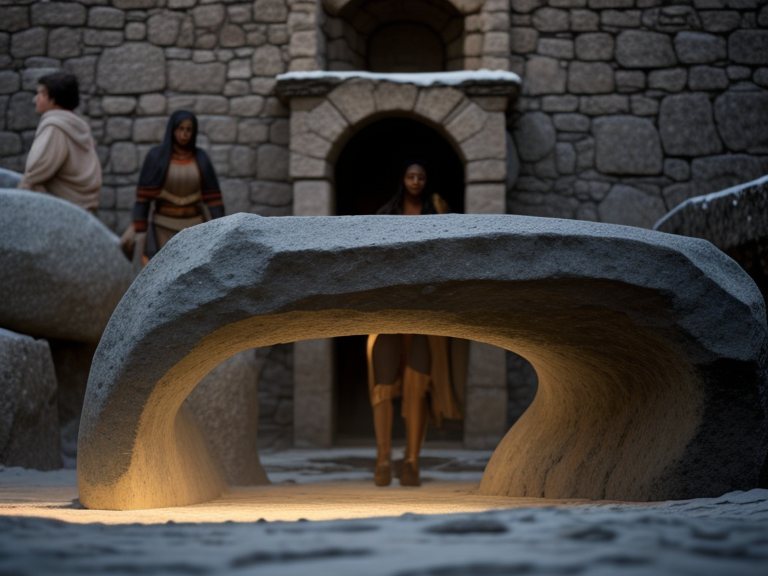
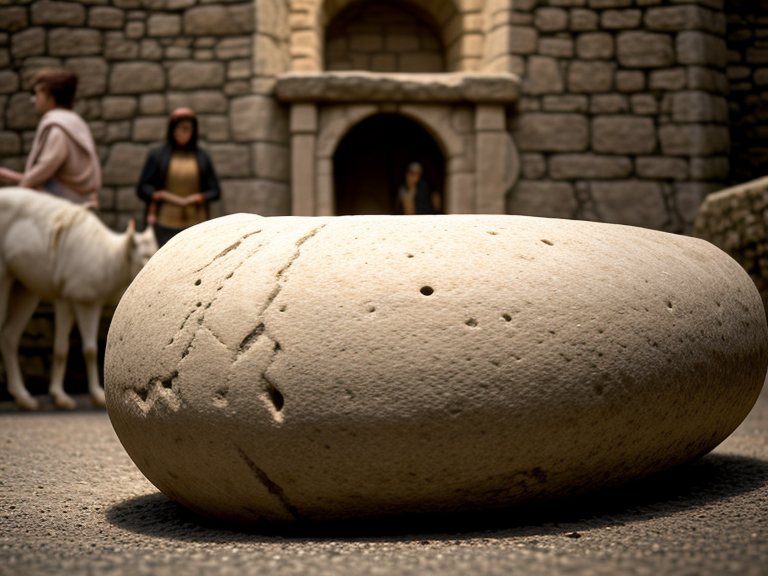
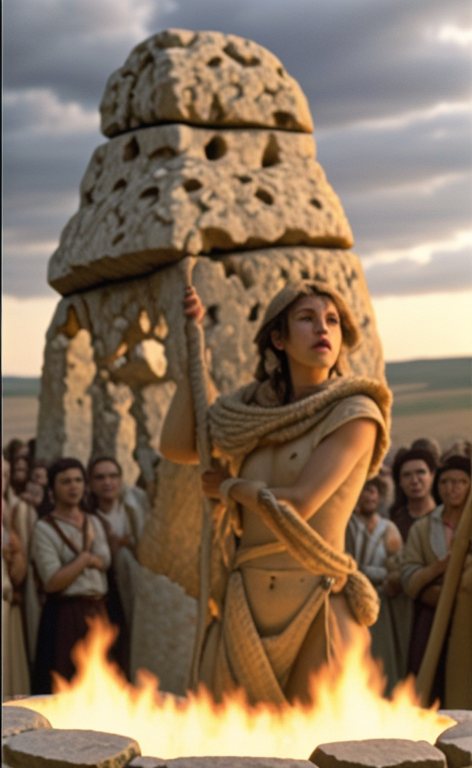
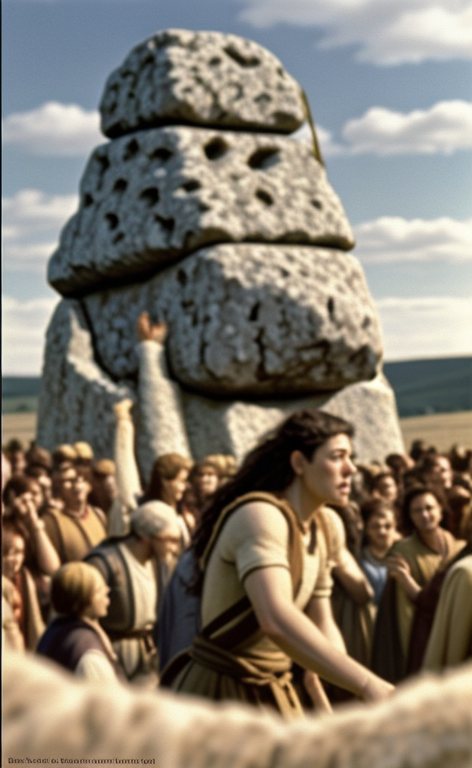
Raising the stones at Stonehenge
Source: Stonehenge Heel Stone.jpg · DeFacto · CC BY-SA 4.0 · Wikimedia Commons · 
Original: 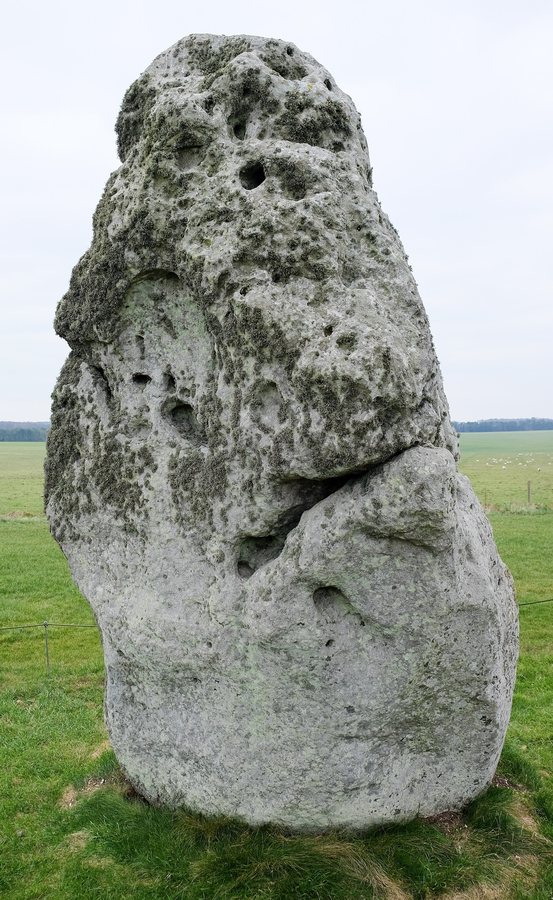
Realistic — Nubian · Libyan (Amazigh) · Levantine · Pale
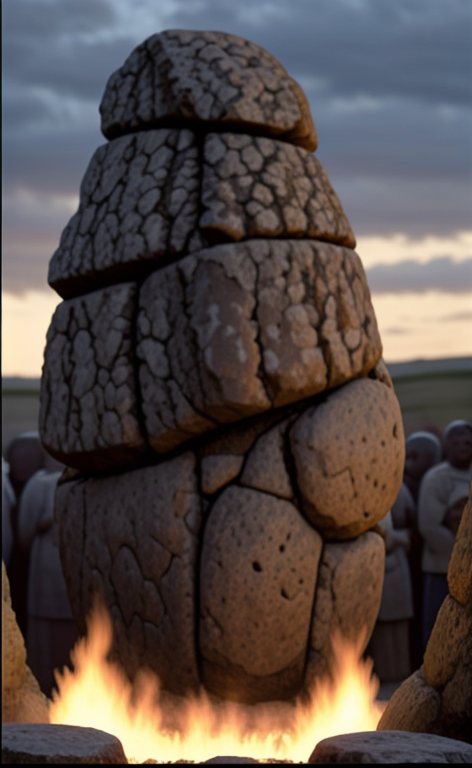
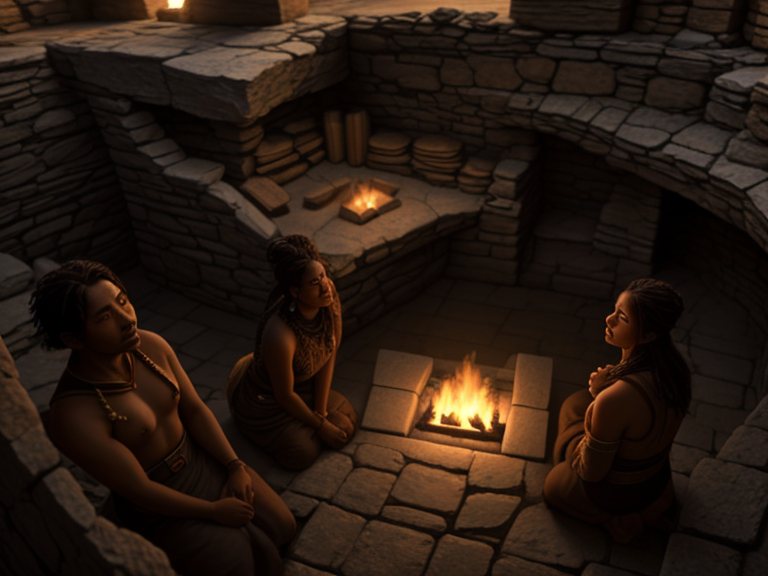
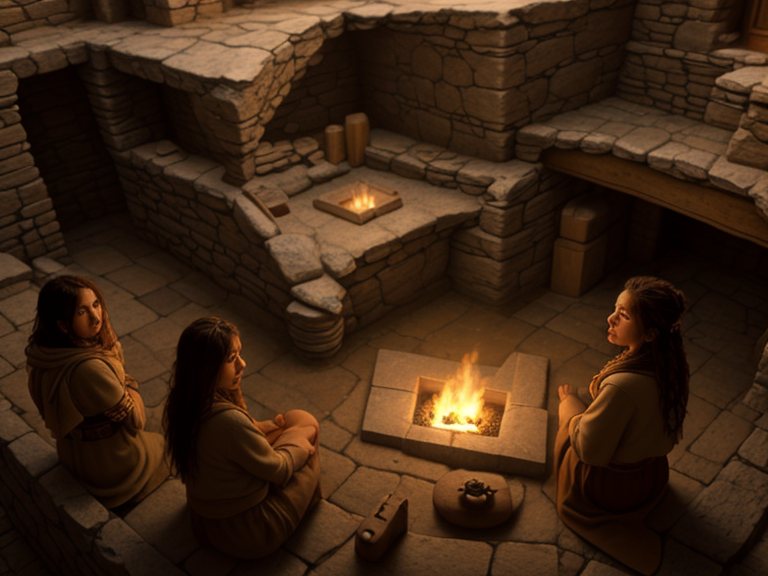
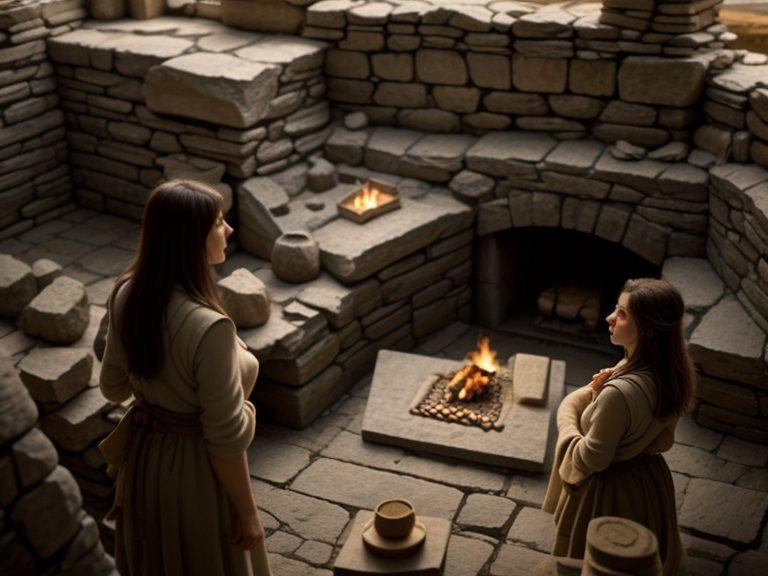
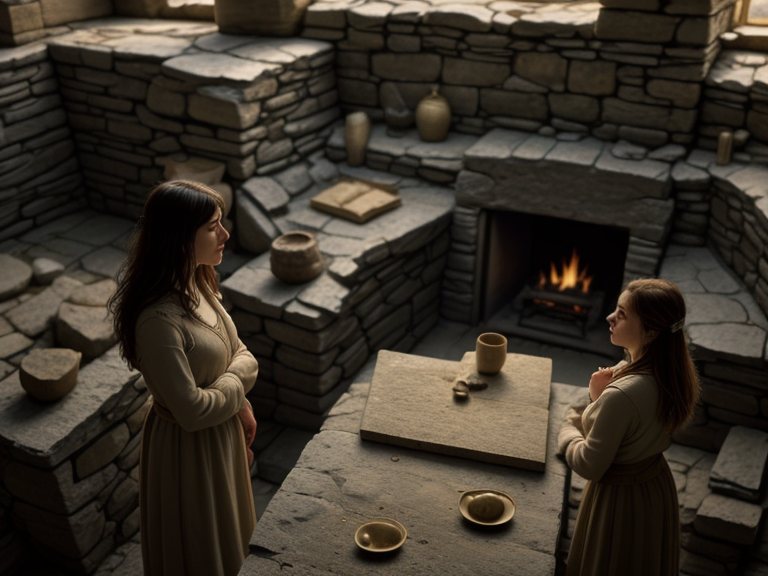
Skara Brae, Orkney
Source: Early house at Skara Brae - geograph.org.uk - 7445679.jpg · Eirian Evans · CC BY-SA 2.0 · Wikimedia Commons · https://commons.wikimedia.org/wiki/File:Early_house_at_Skara_Brae_-geograph.org.uk-_7445679.jpg
Original: 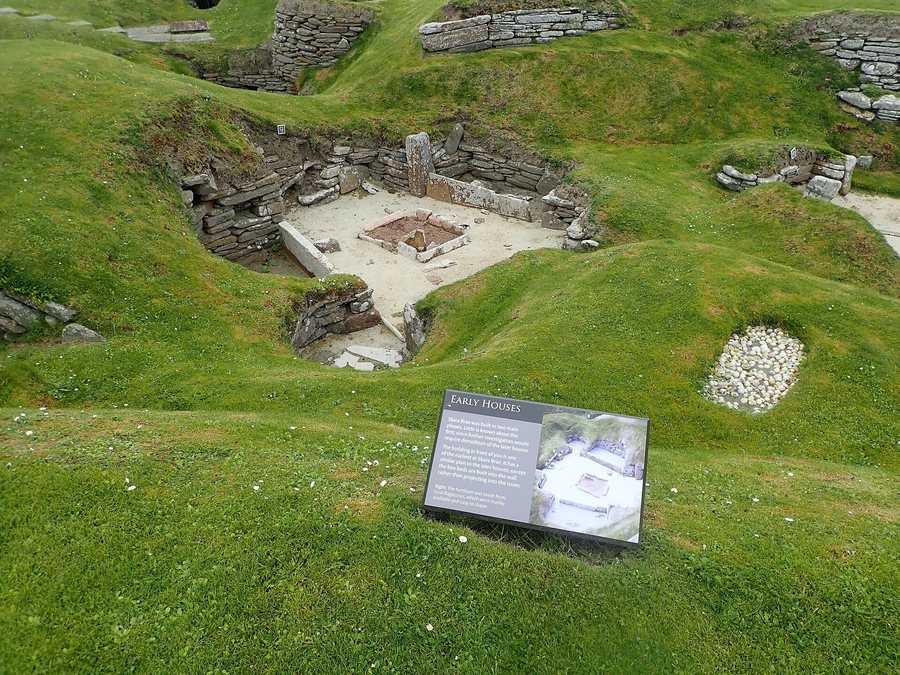
Realistic — Nubian · Libyan (Amazigh) · Levantine · Pale
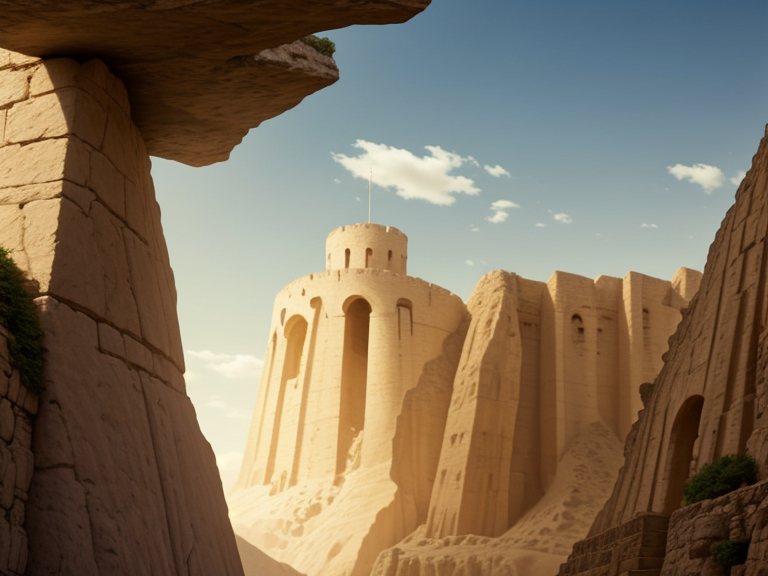
The Neolithic tower of Jericho
Source: Tower of Jericho.jpg · Reinhard Dietrich · Public domain · Wikimedia Commons · 
Original: 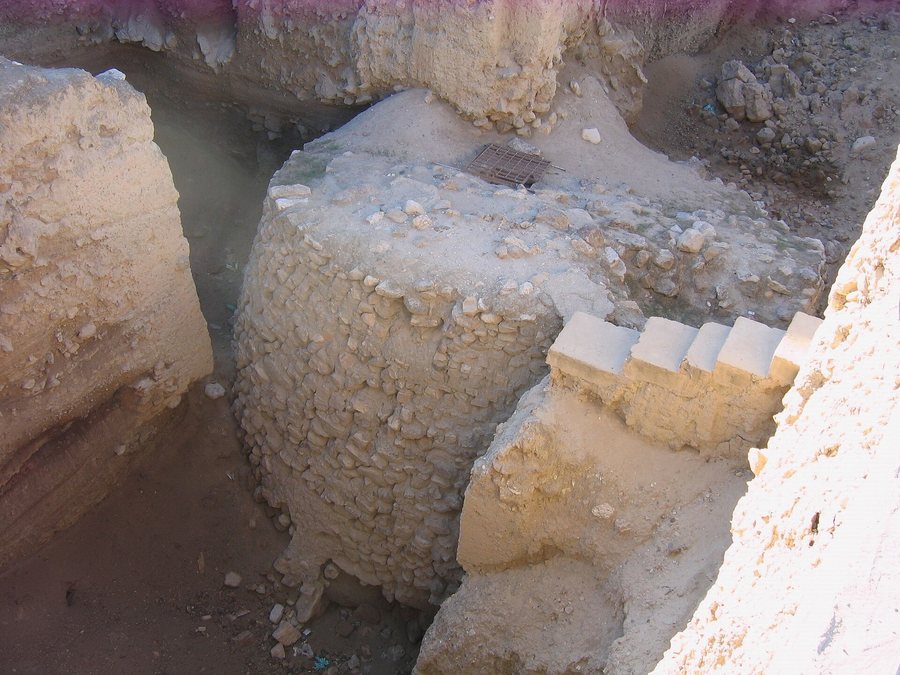
Realistic — Nubian · Libyan (Amazigh) · Levantine · Pale
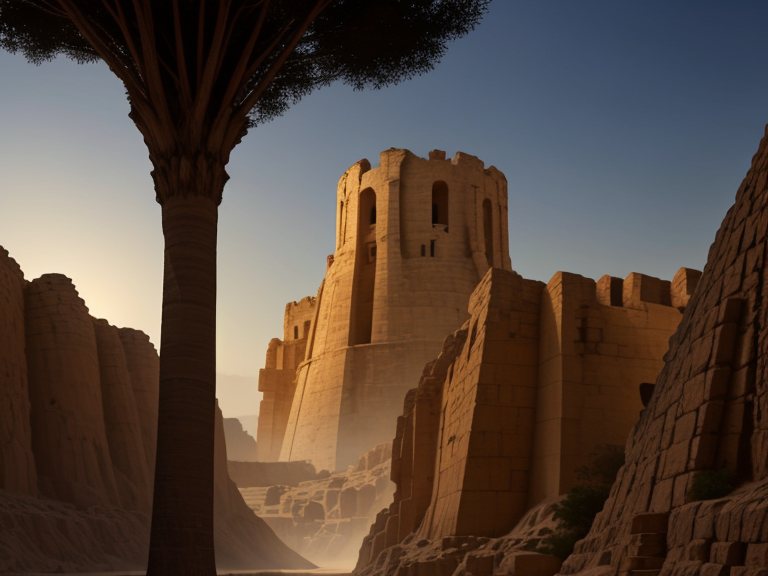
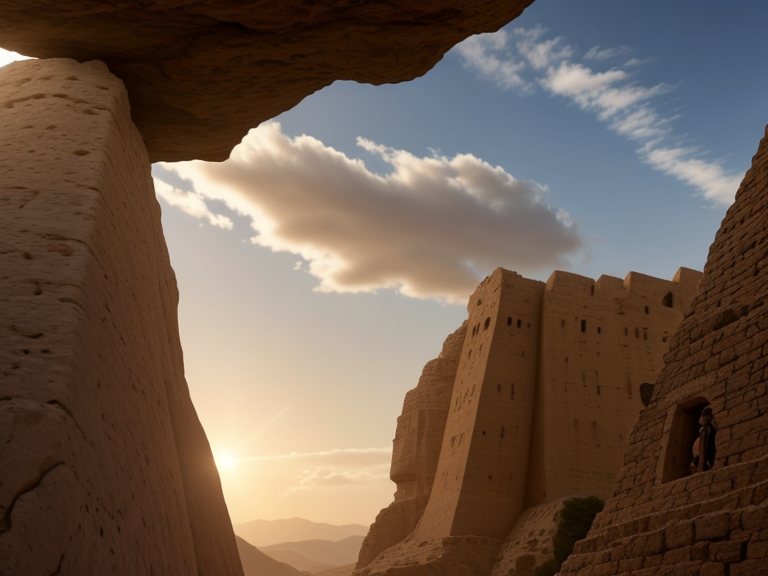
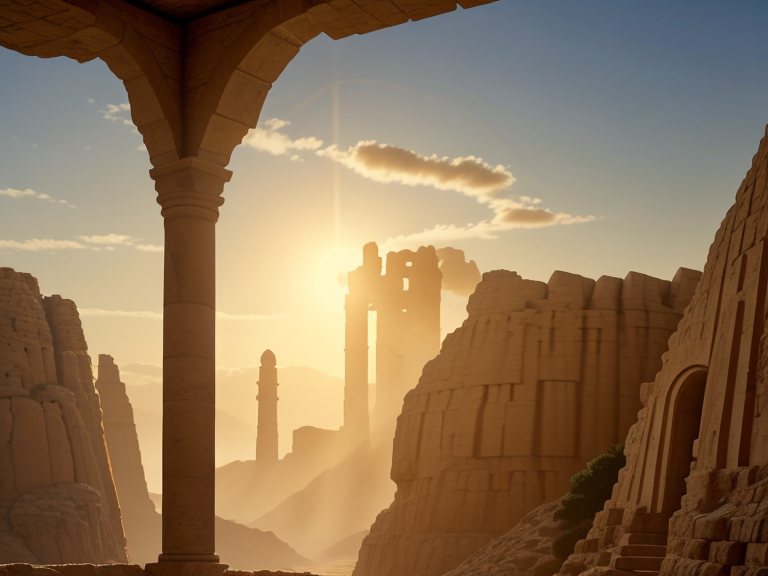
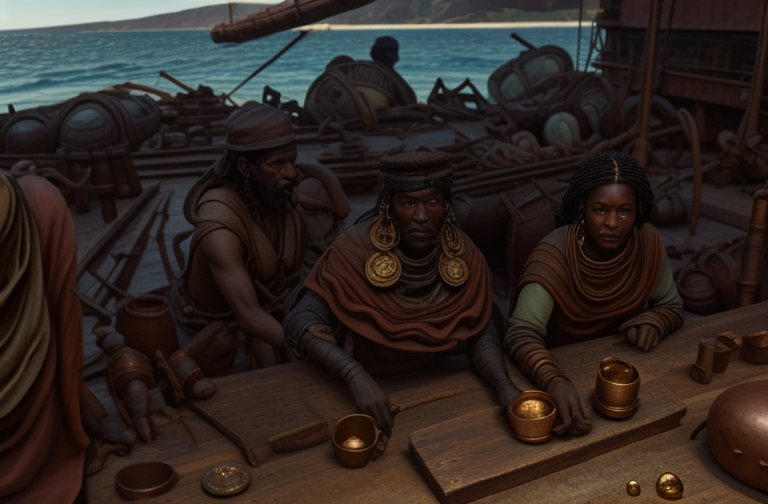
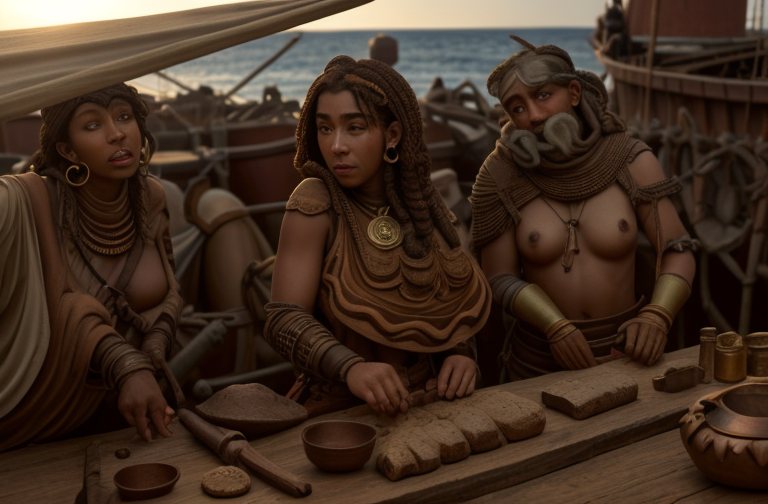
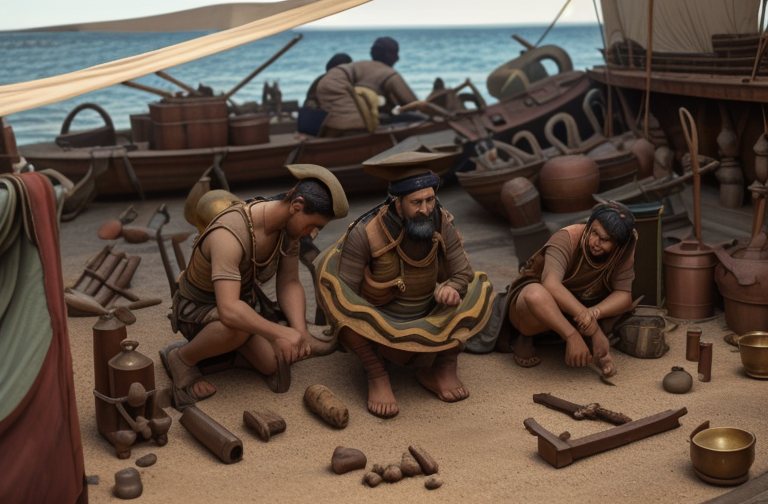
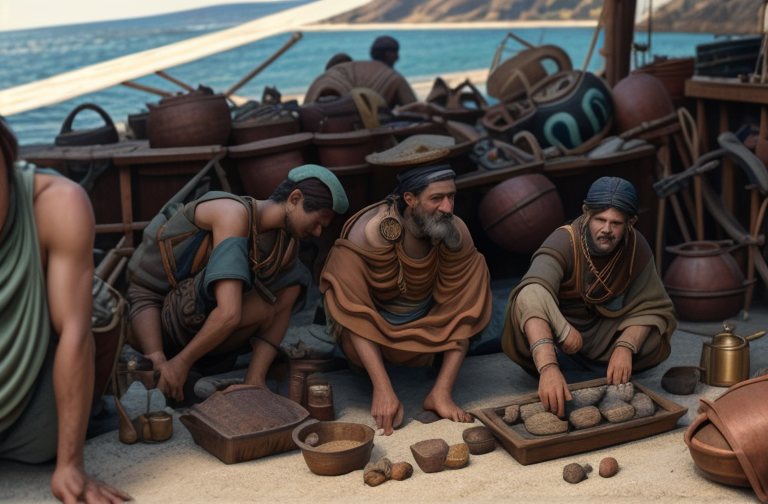
The Uluburun ship
Source: Uluburun5.jpg · Martin Bahmann · CC BY-SA 3.0 · Wikimedia Commons · 
Original: 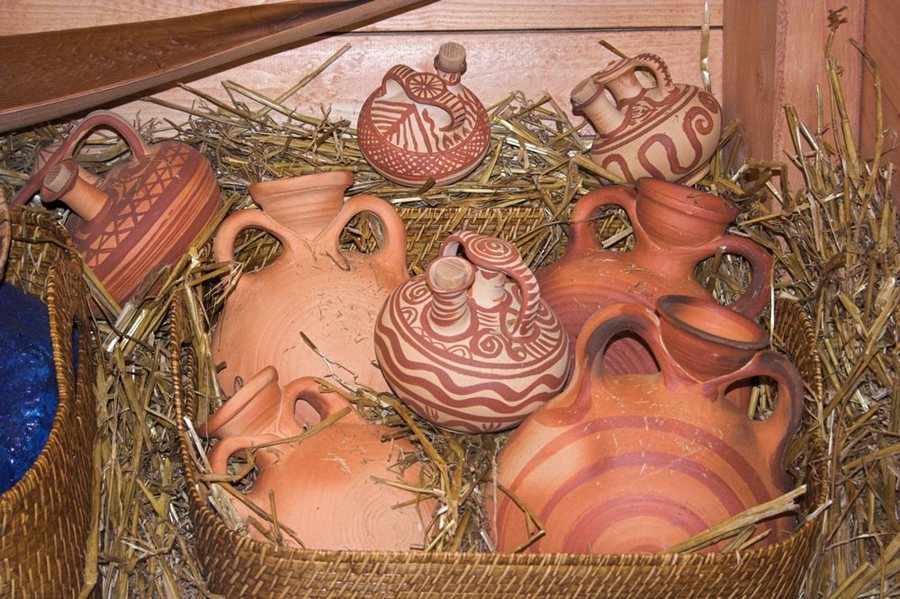
Realistic — Nubian · Libyan (Amazigh) · Levantine · Pale
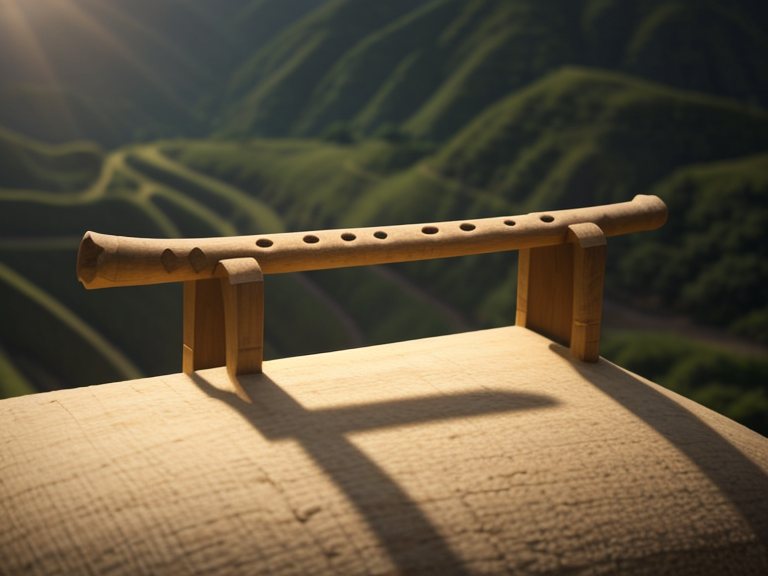
The bone flutes of Jiahu
Source: Jiahu Bone Flute.jpg · ASHillocks · CC BY-SA 4.0 · Wikimedia Commons · 
Original: 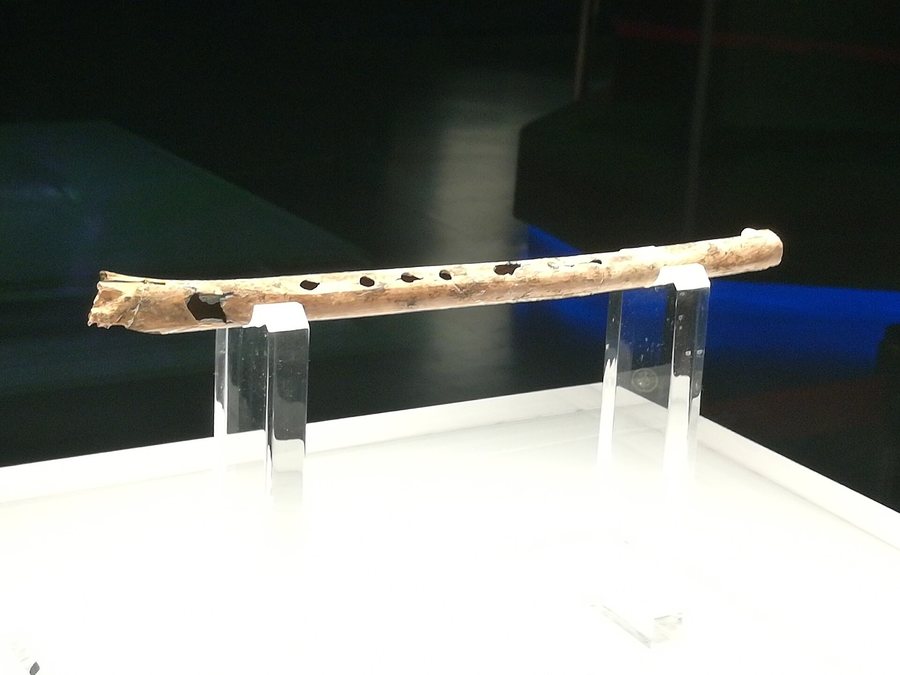
Realistic — As depicted
The gold of Varna
Source: Varna Necropolis Gold Display.jpg · CryolophosaurusEllioti · CC BY 4.0 · Wikimedia Commons · 
Original: 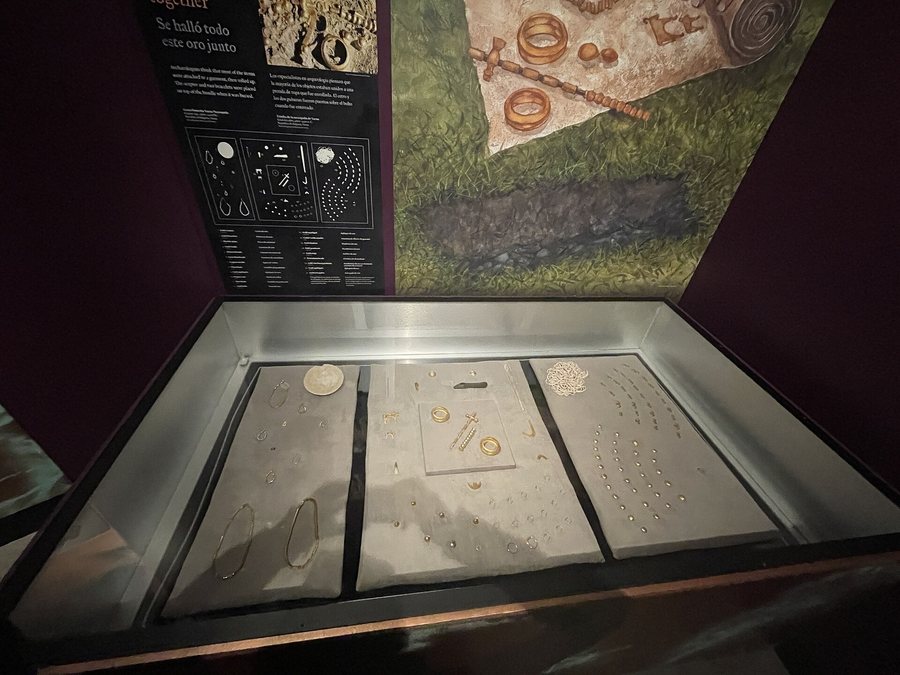
Realistic — Nubian · Libyan (Amazigh) · Levantine · Pale
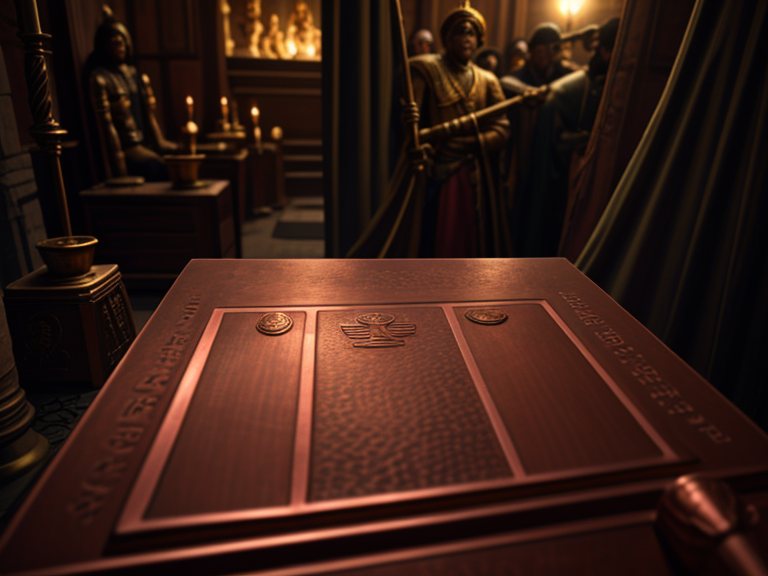
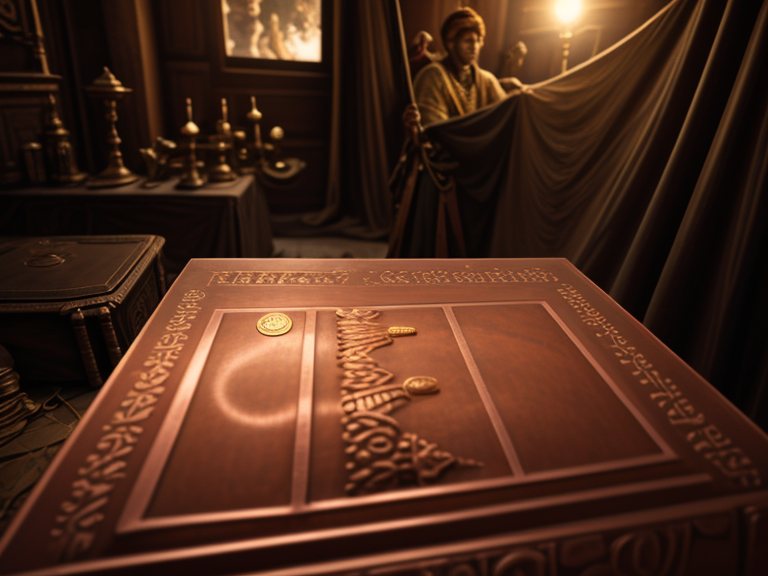
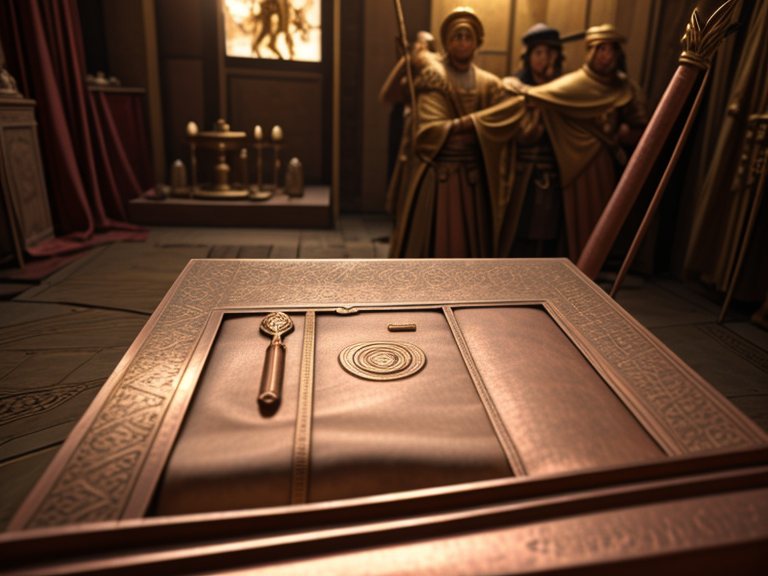
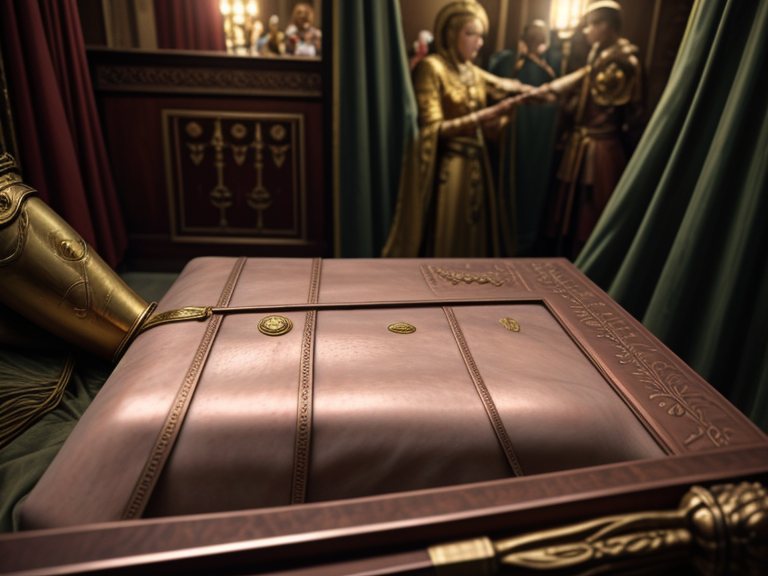
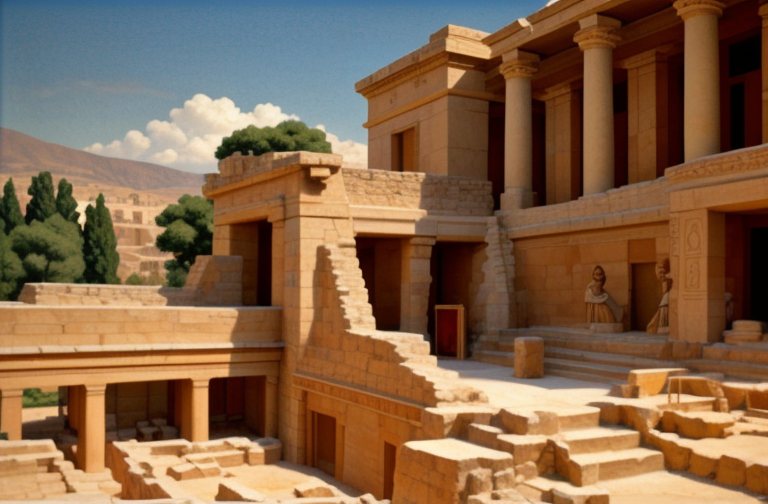
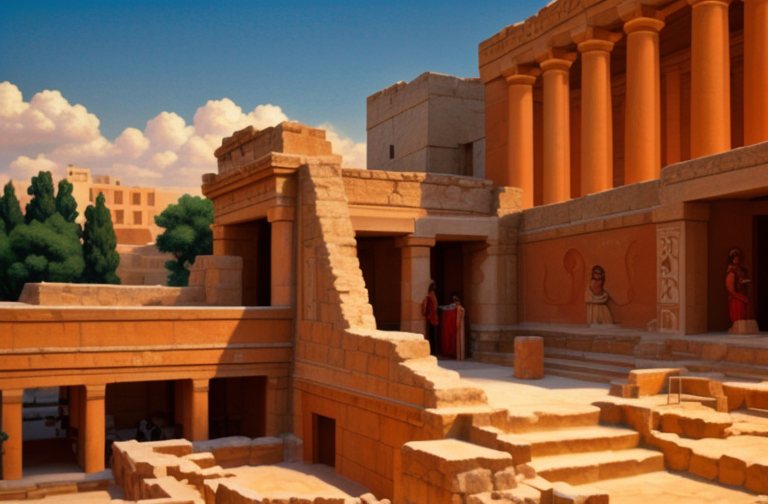
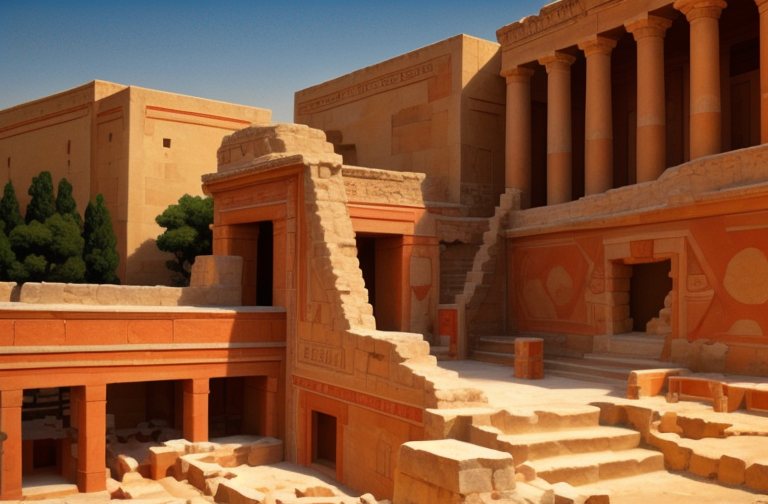
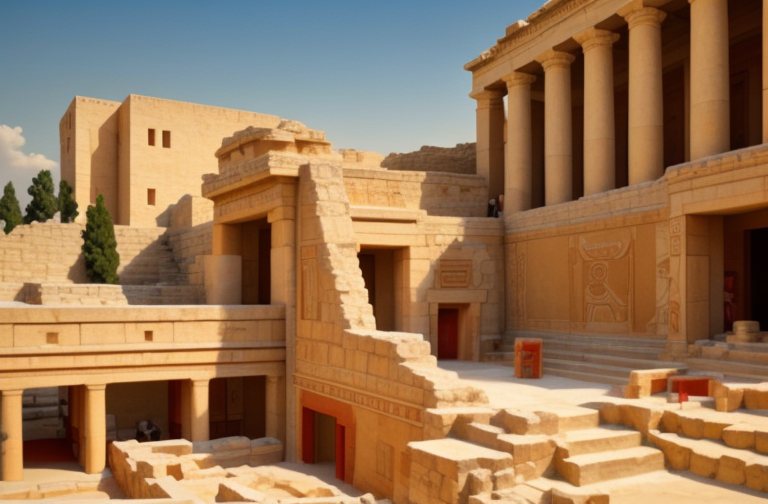
The palace of Knossos
Source: Knossos north entrance, Crete 001.JPG · Moonik · CC BY-SA 3.0 · Wikimedia Commons · 
Original: 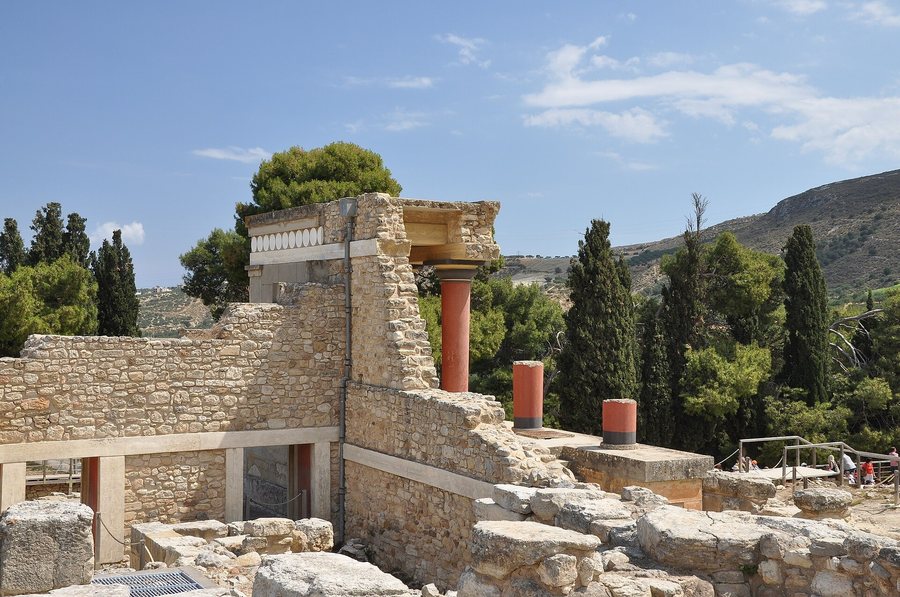
Realistic — Minoan · Nubian · Libyan (Amazigh) · Levantine
The statues of 'Ain Ghazal
Source: Ain Ghazal Statue Jordan Archaeological Museum Amman Jordan0821.jpg · Michael Gunther · CC BY-SA 4.0 · Wikimedia Commons · 
Original: 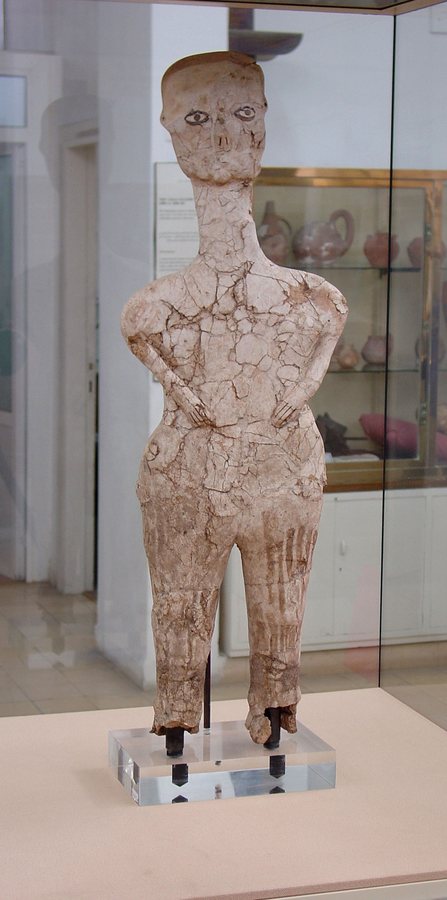
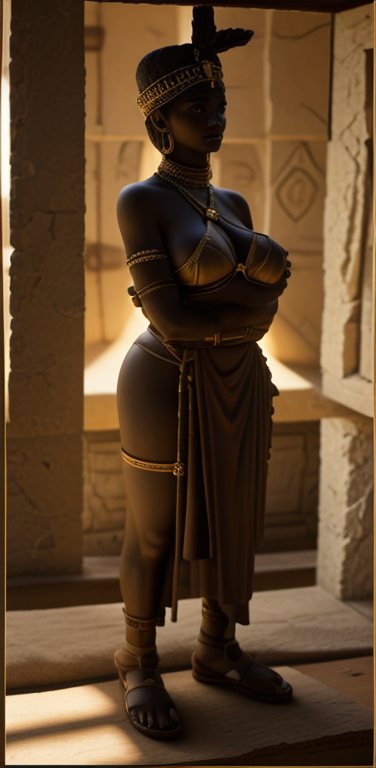
Realistic — Nubian · Libyan (Amazigh) · Levantine · Pale
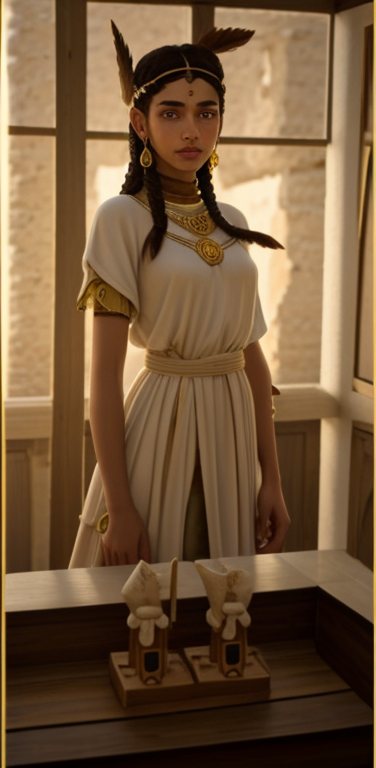
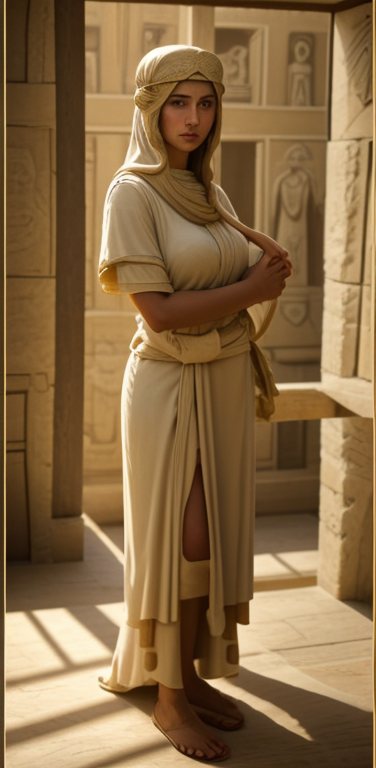
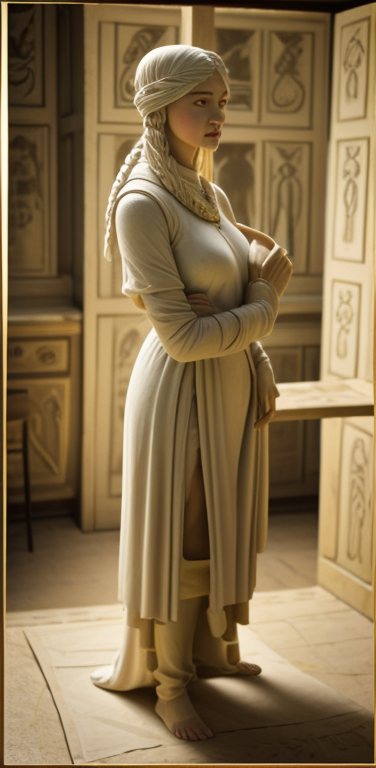
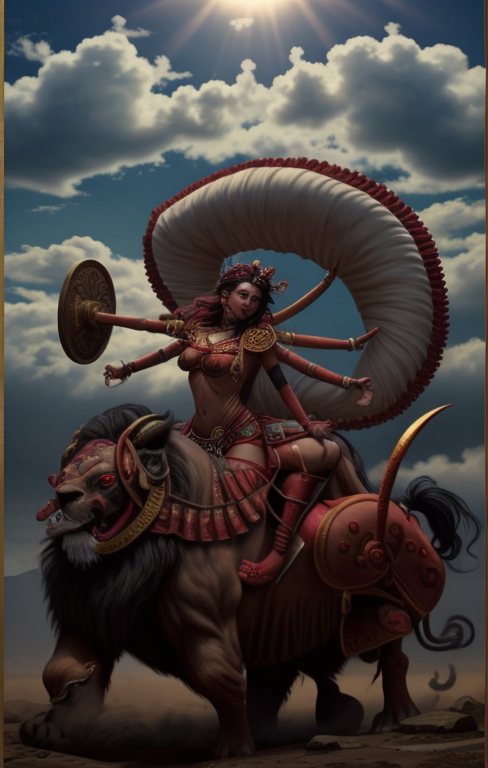
Durga slays the buffalo demon Mahishasura
Source: Durga Mahishasuramardini, painting (public domain) · Public domain · Wikimedia Commons
Original: 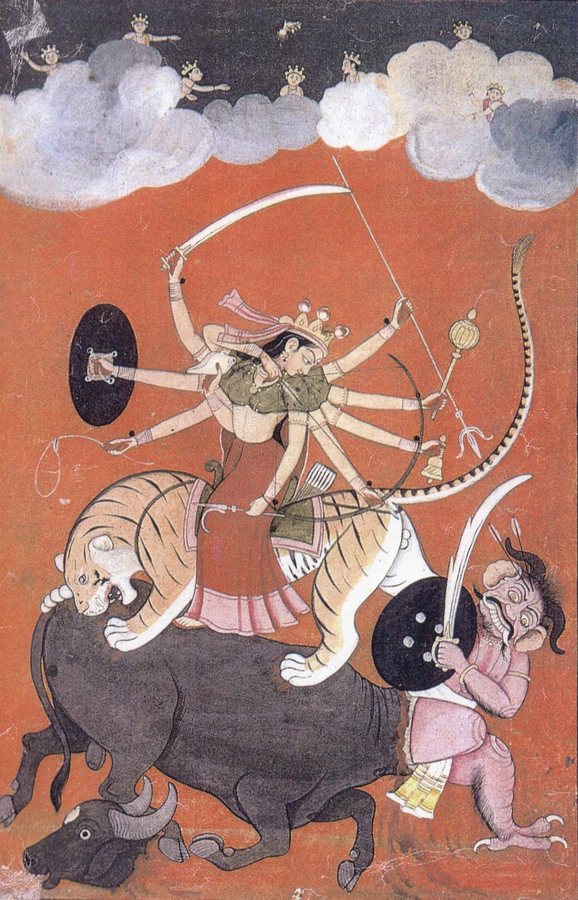
Realistic — As depicted
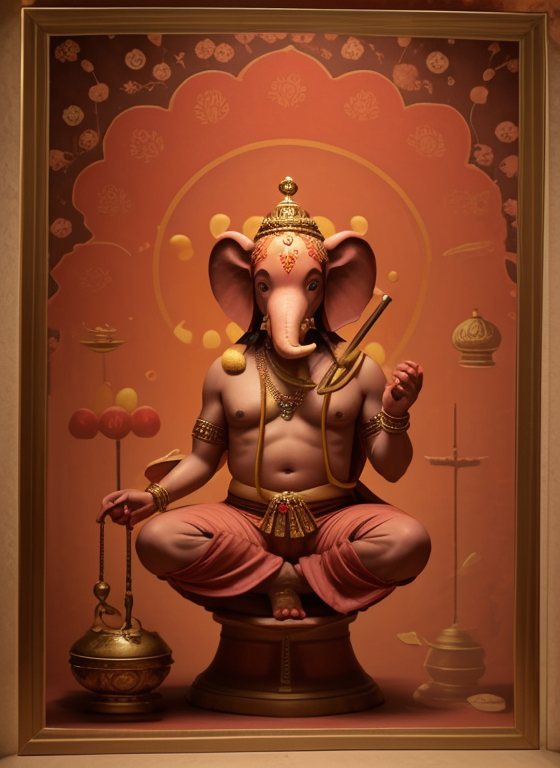
Ganesha enthroned on a lotus
Source: Basohli school miniature, circa 1730 · Public domain · Wikimedia Commons
Original: 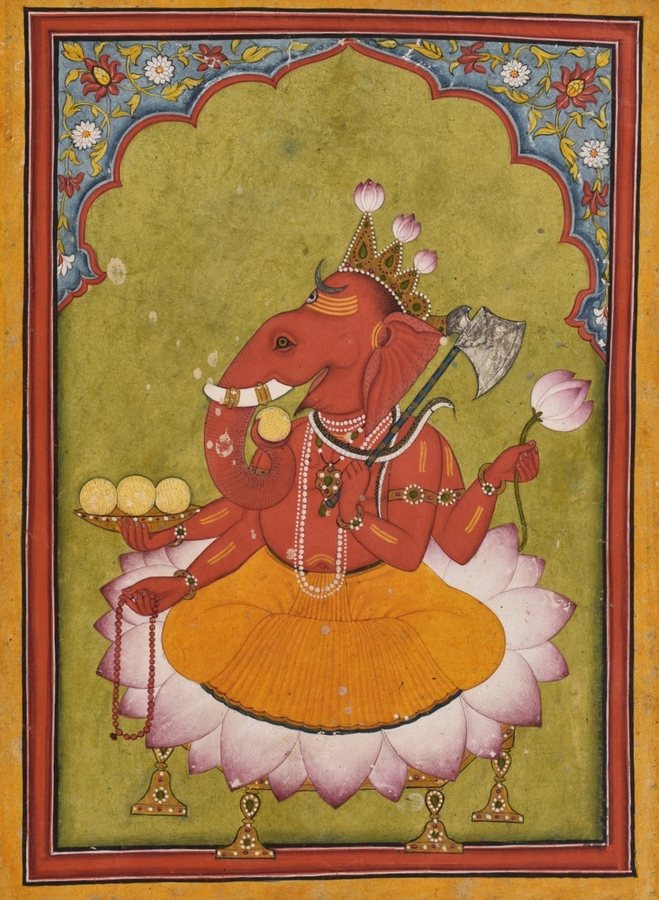
Realistic — As depicted
Kali and the Devi attack the demon armies
Source: Leaf from a Devi Mahatmya, Kangra school, 19th century, Cleveland Museum of Art 1934.220 · CC0 · Wikimedia Commons
Original: 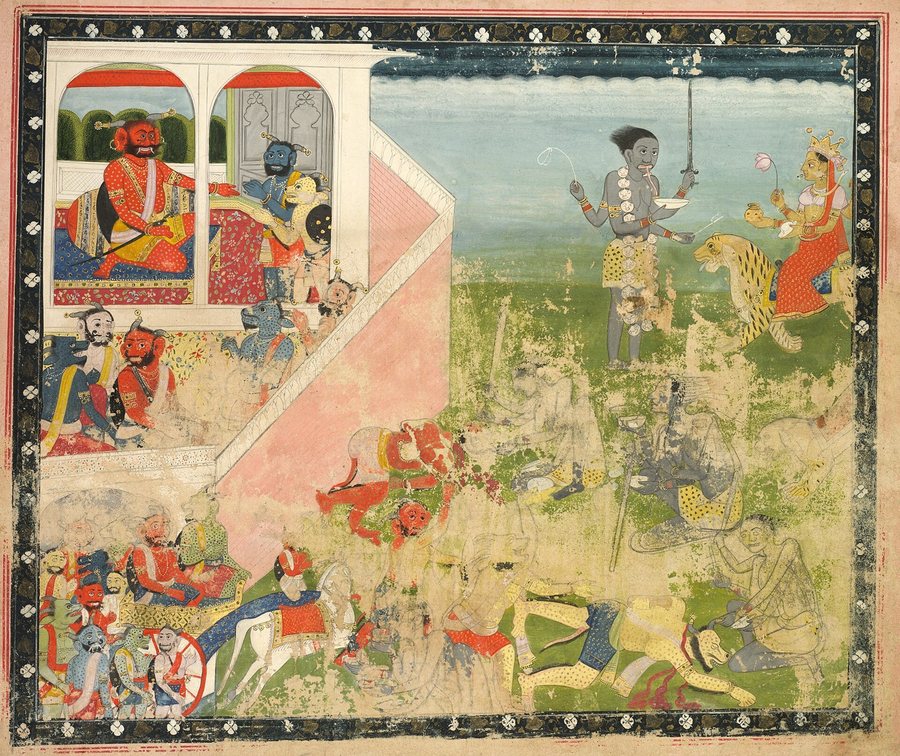
Realistic — As depicted
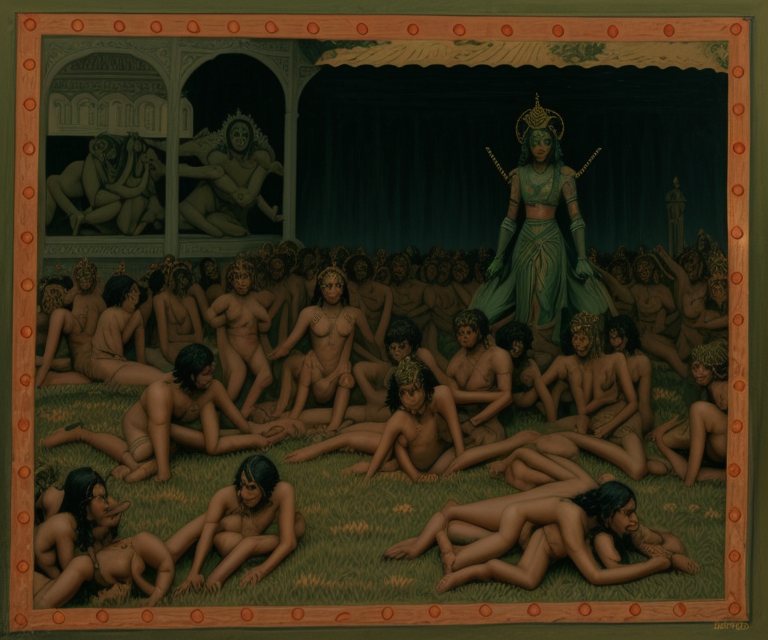
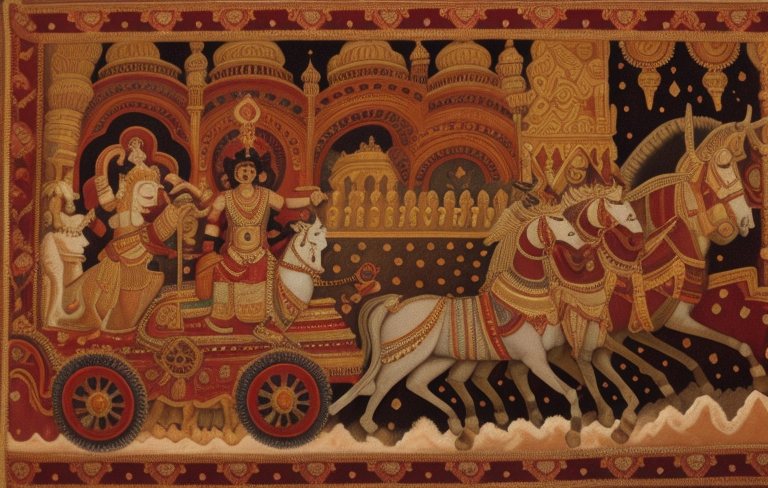
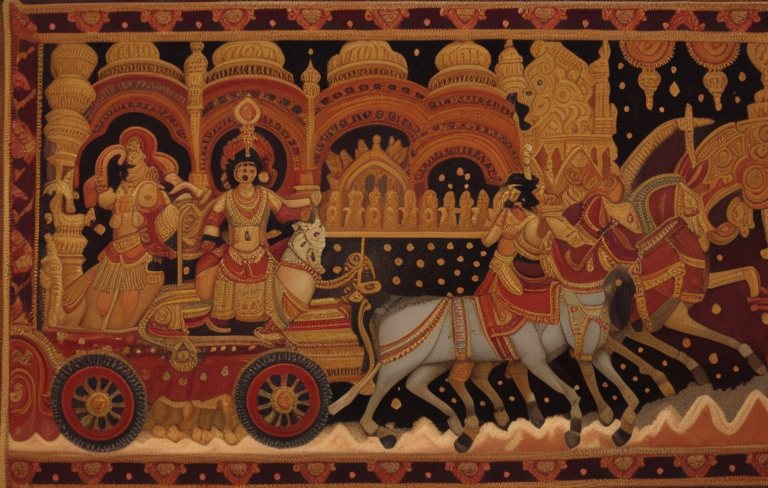
Krishna and Arjuna in the chariot at Kurukshetra
Source: Kalamkari painted cloth, Andhra Pradesh tradition · photo/scan: కాసుబాబు · CC BY-SA 3.0 · Wikimedia Commons
Original: 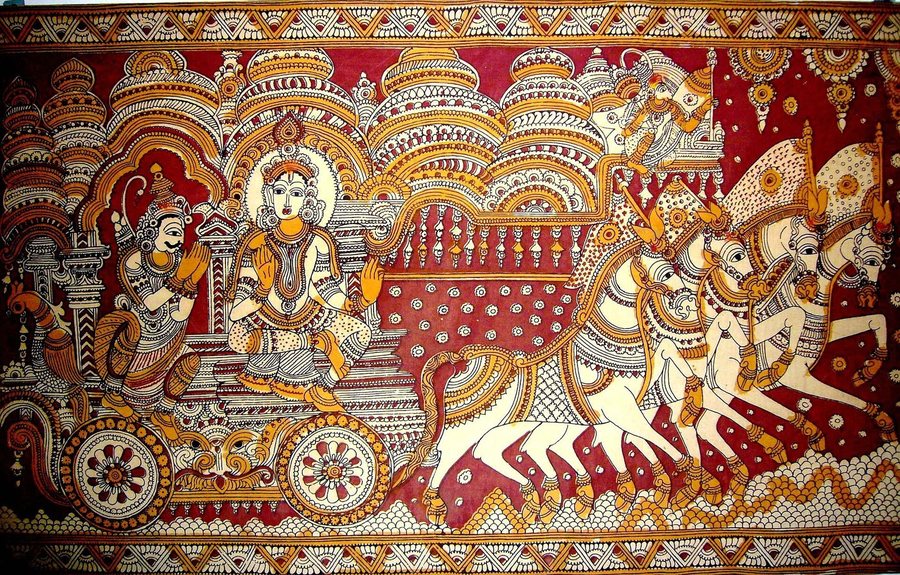
Realistic — indian · dravidian
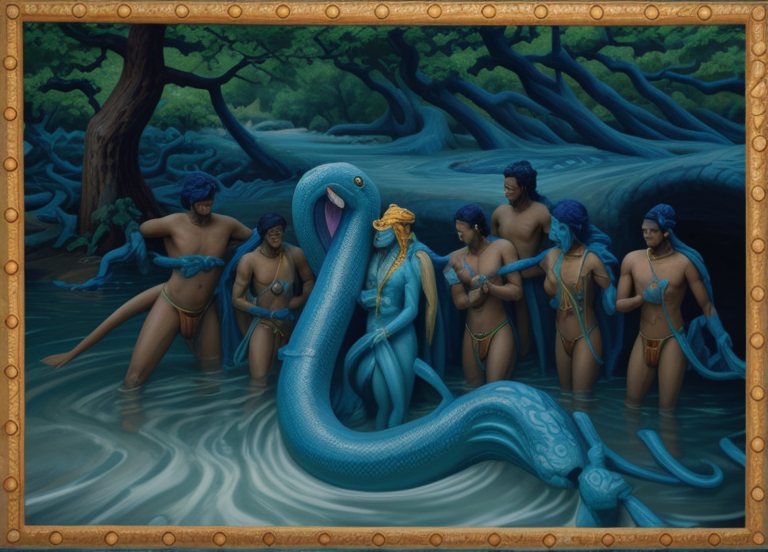
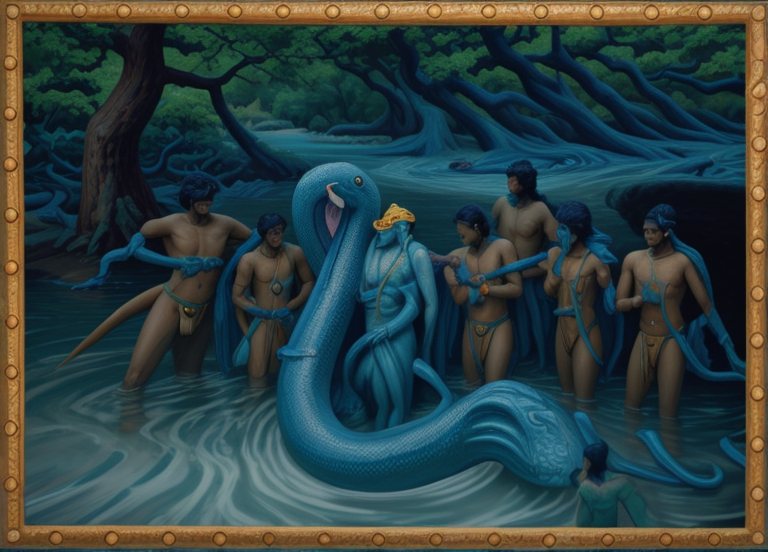
Krishna subdues the serpent Kaliya
Source: Walters Art Museum W881 · Public domain · Wikimedia Commons
Original: 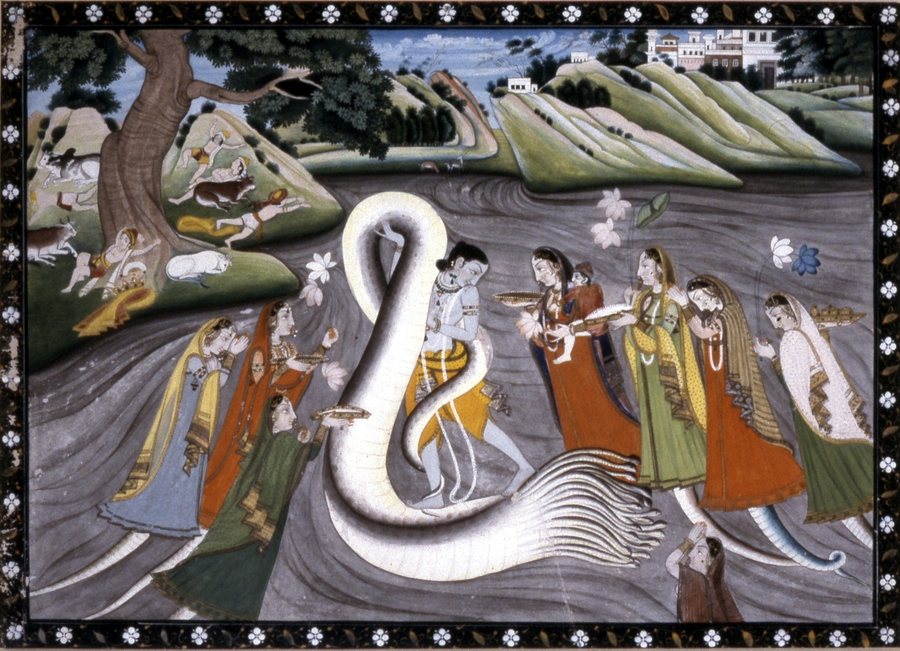
Realistic — indian · dravidian
Krishna with the gopis
Source: Wall painting, Ramtatwali Dham, Hoshiarpur, Punjab, 19th century · photo/scan: Unknown Kangra muralists (and at-least one artist from Jalandhar named Sarfuddin · Public domain · Wikimedia Commons · cropped to the scene
Original: 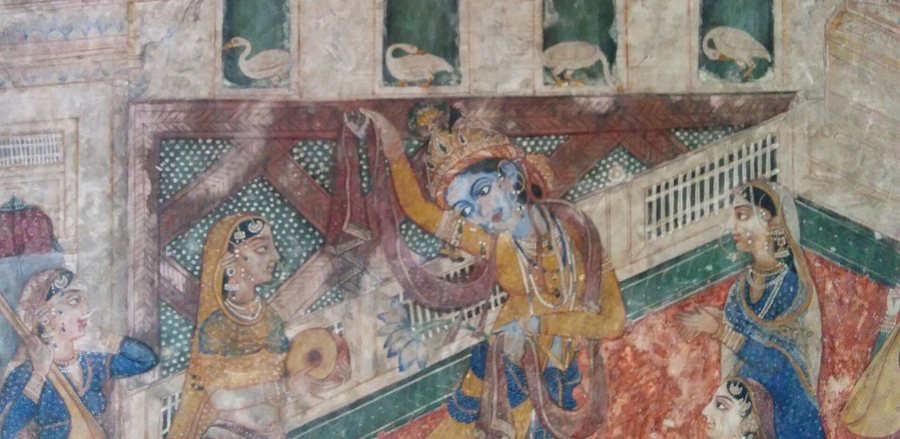
Realistic — indian · dravidian
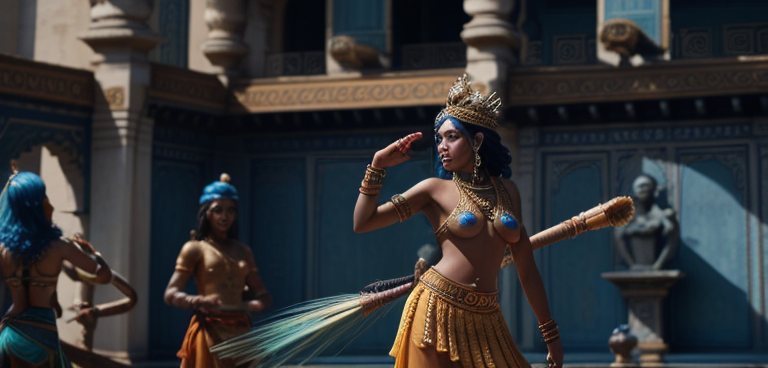
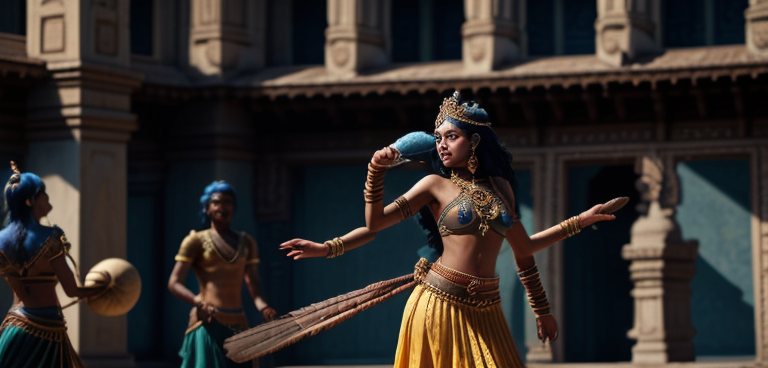
Narasimha destroys Hiranyakashipu
Source: Folio from a Bhagavata Purana, LACMA M.82.42.8 · Public domain · Wikimedia Commons
Original: 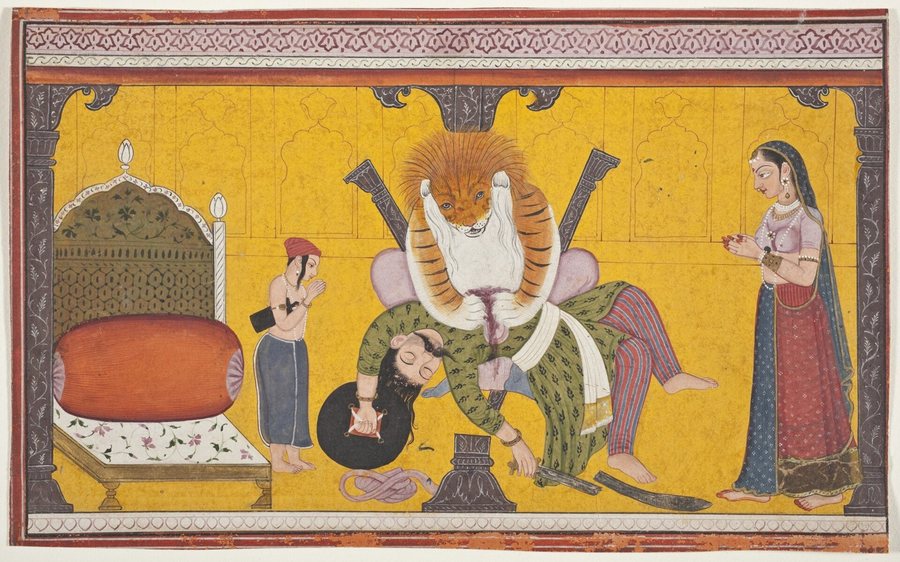
Realistic — indian · dravidian
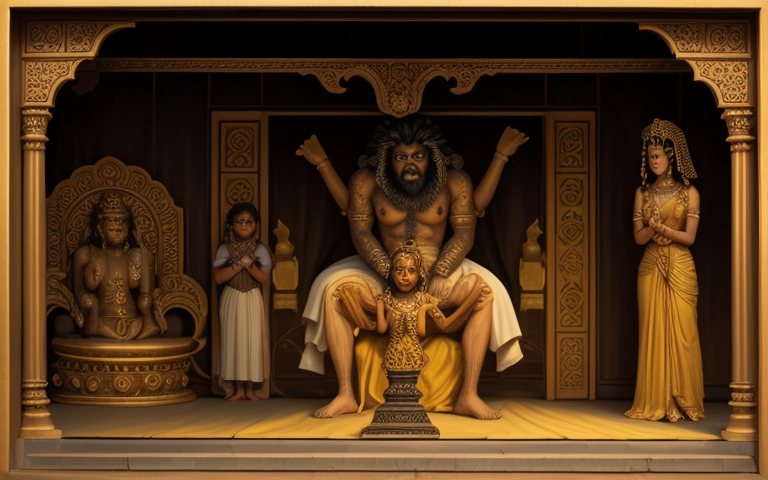
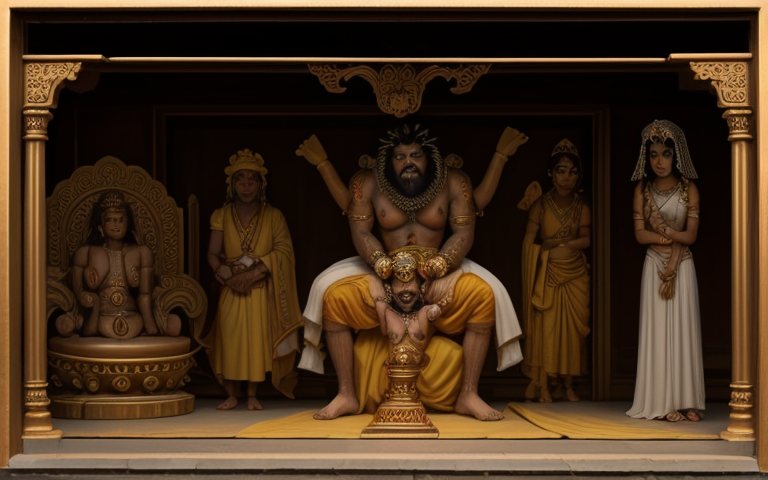
Rama and Lakshmana search in vain for Sita
Source: Folio from a dispersed Ramayana series, Metropolitan Museum · Public domain · Wikimedia Commons
Original: 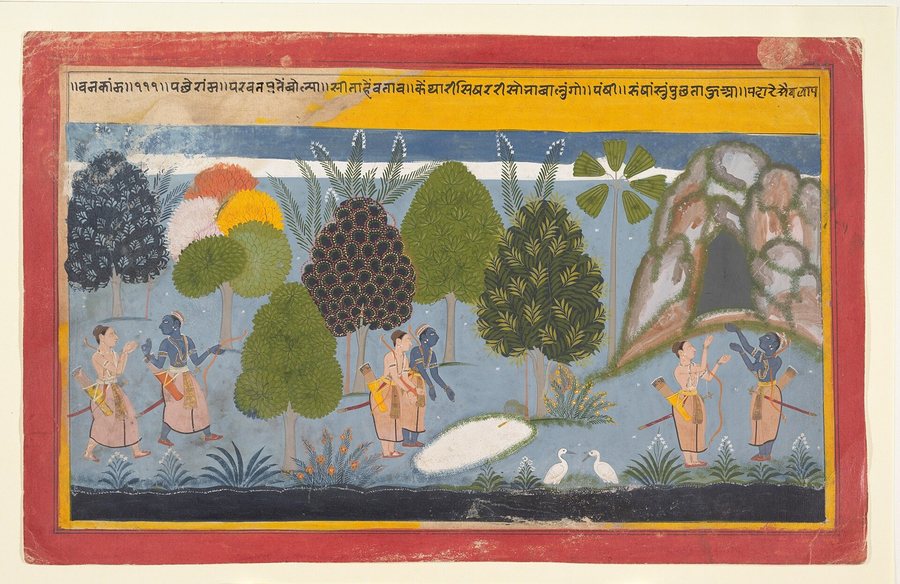
Realistic — As depicted

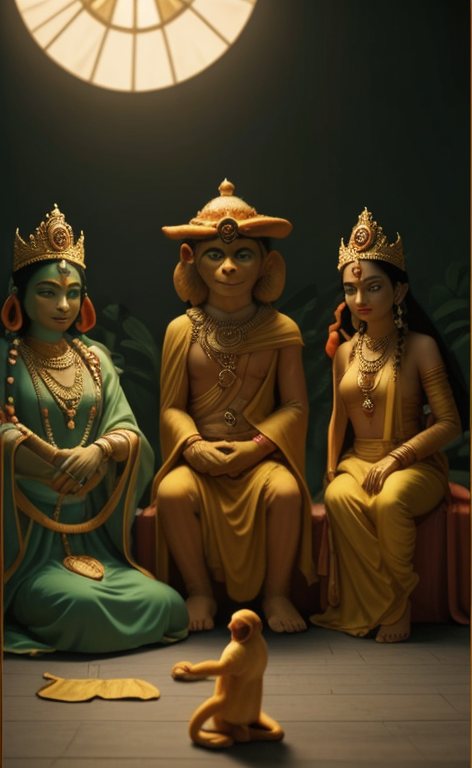
Rama and Sita enthroned, with Lakshmana and Hanuman
Source: Kalighat painting, Calcutta, 19th century, Cleveland Museum of Art · CC0 · Wikimedia Commons
Original: 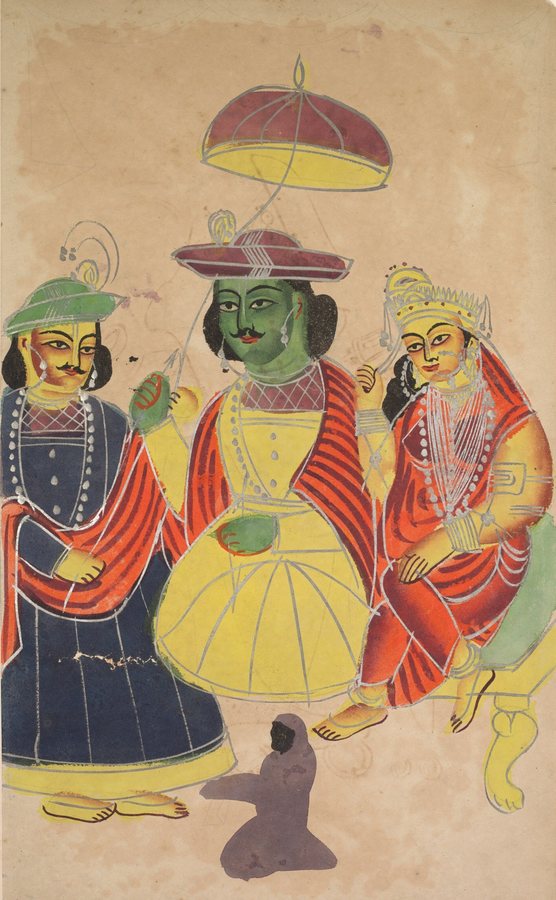
Realistic — As depicted
Shiva and Parvati with Ganesha and Karttikeya
Source: Pahari school, National Museum, New Delhi · Public domain · Wikimedia Commons
Original: 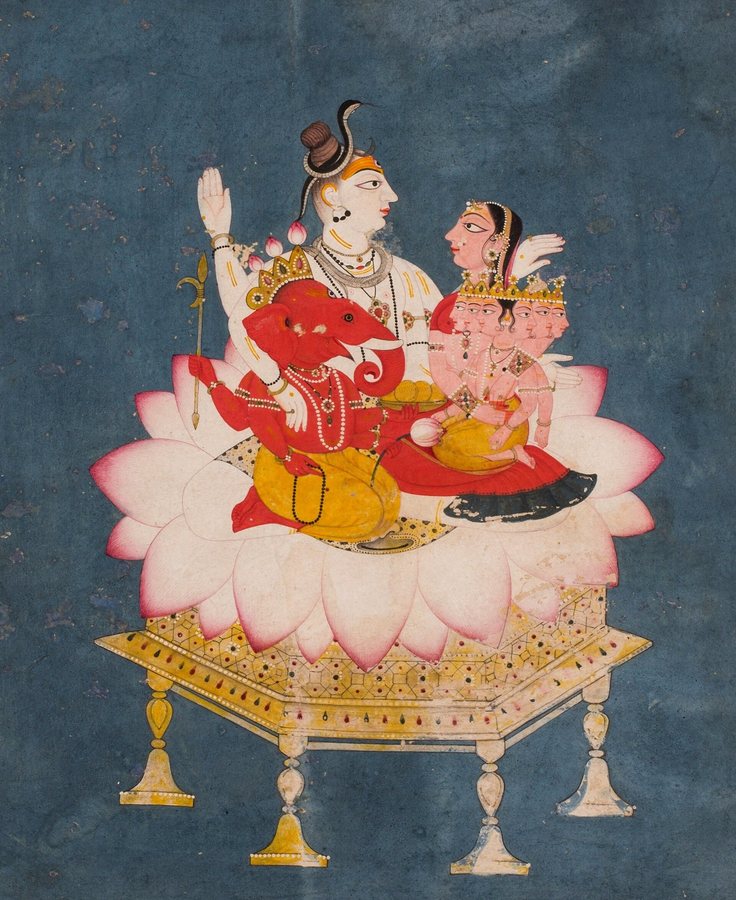
Realistic — As depicted
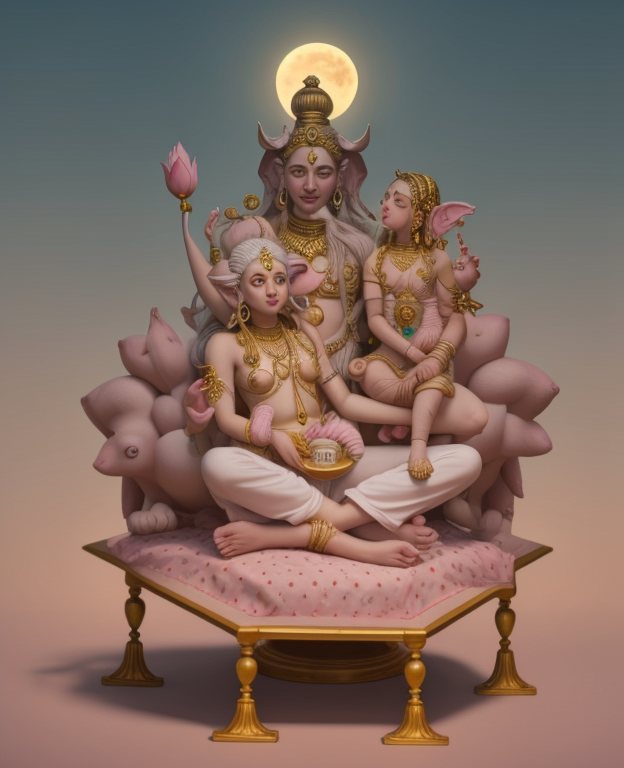
All 20 scenes in this set, and every other remake, are in the gallery: https://hathor.soapbox.community/remakes. Made on our own servers in Hathor Studio; each scene links to its place in the gallery.