The old manuals told the image-maker to meditate first and to see the deity described in its dhyāna verse before touching stone. The verse was the brief. Finished images were brought to life by opening their eyes. Egypt's sculptors knew a parallel rite, the Opening of the Mouth, and one of their words for sculptor meant "one who causes to live." We work in that lineage of attention. Each scene below is remade for several peoples with its sacred attributes kept intact.
Imitating the divine workshop. The Aitareya Brāhmaṇa (VI.27), as rendered by Coomaraswamy, says every human work of art is made "in imitation of the angelic works of art." Human craft is a copy of a heavenly original. That idea sits at the root of the Indian arts. (source)
We are testing these features and looking to develop them. This is Hathor's alpha work, made on our own servers — the images and videos she makes next are expected to be much better and more accurate. Tell us what works and what doesn't: every video page has 👍/👎, comments and timestamped notes.
The full gallery, every scene in every look: https://hathor.soapbox.community/remakes · Shilpa Shastra gallery: https://hathor.soapbox.community/gallery
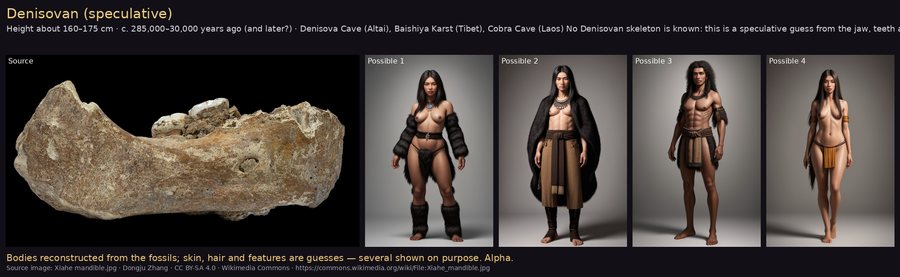
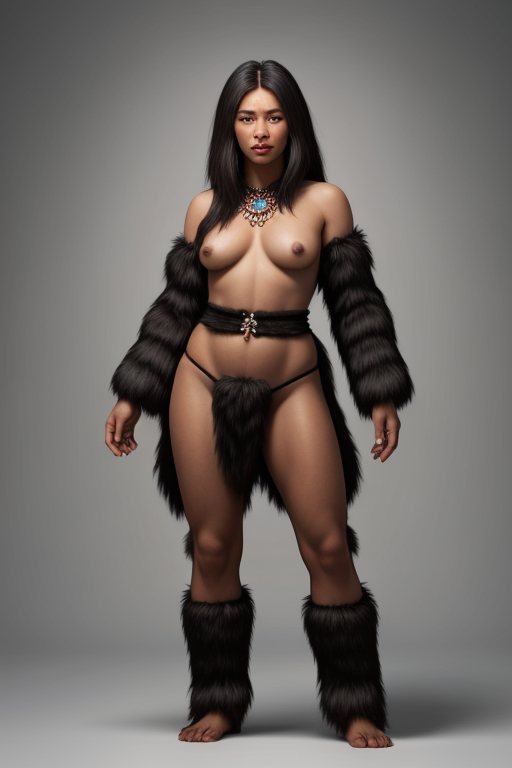
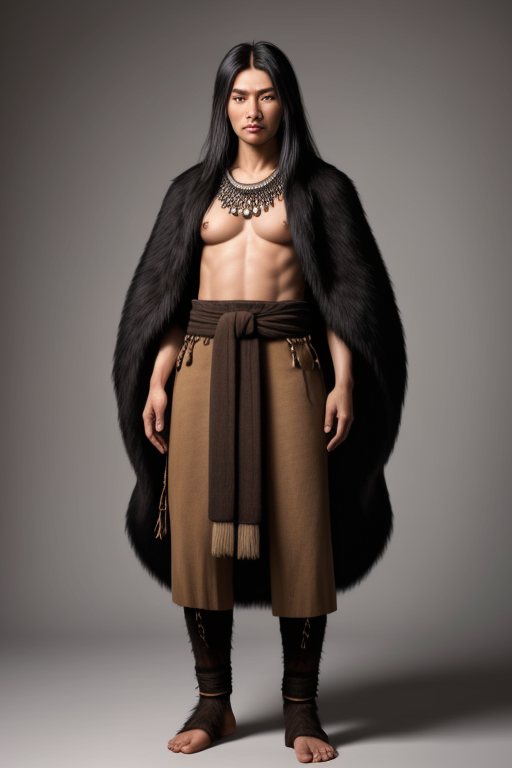
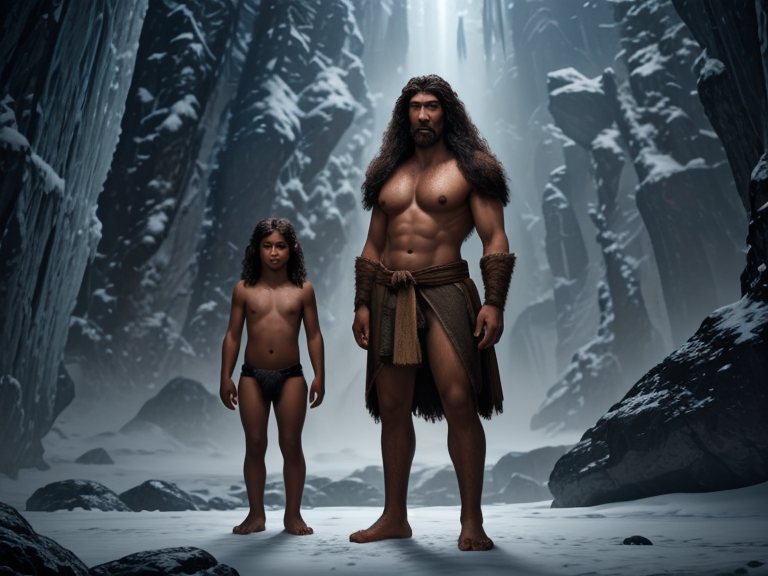
Denisovan (speculative) — several possible bodies
Source: Denisovan (speculative) · height about 160–175 cm · c. 285,000–30,000 years ago (and later?) · Denisova Cave (Altai), Baishiya Karst (Tibet), Cobra Cave (Laos). No Denisovan skeleton is known: this is a speculative guess from the jaw, teeth and genome. · image: Xiahe mandible.jpg · Dongju Zhang · CC BY-SA 4.0 · Wikimedia Commons · 
Original: 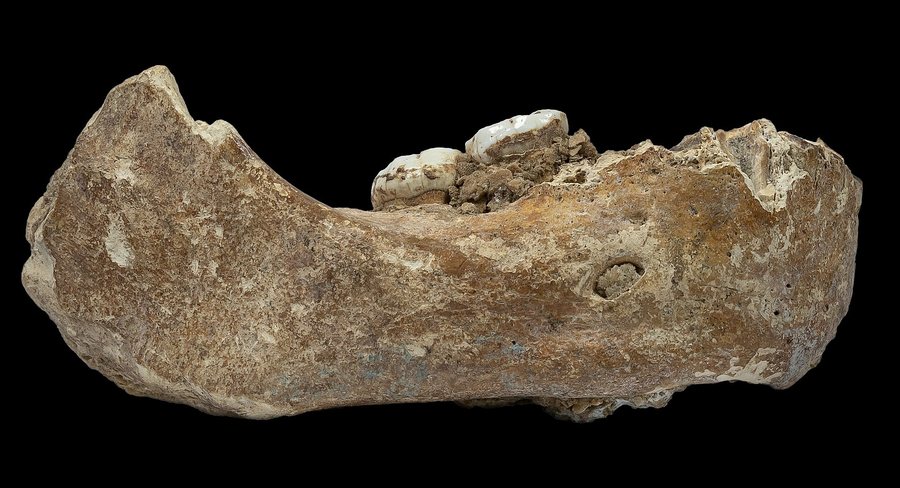
Realistic — sheet · body1 · body2 · body3 · body4
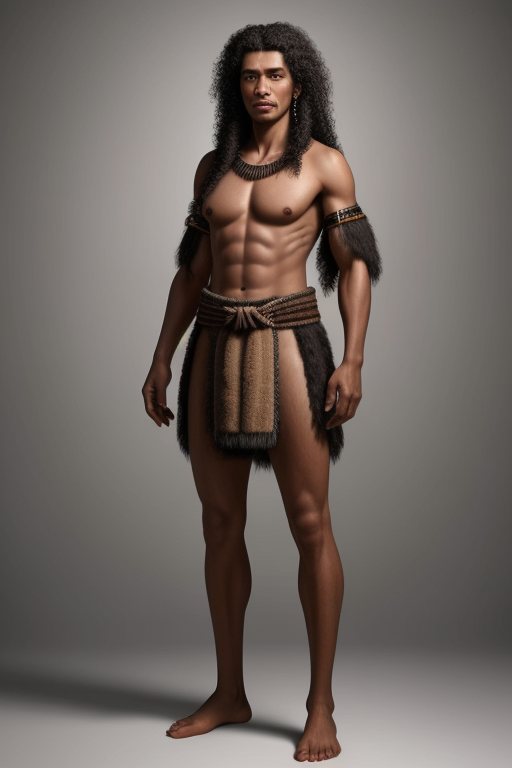
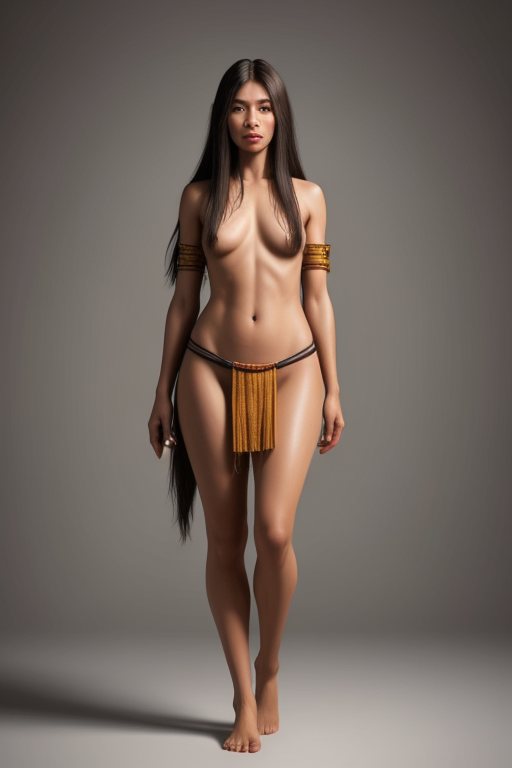
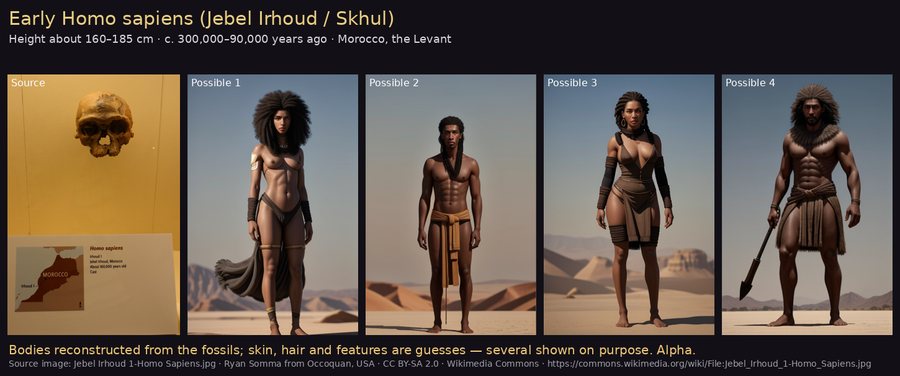
Early Homo sapiens (Jebel Irhoud / Skhul) — several possible bodies
Source: Early Homo sapiens (Jebel Irhoud / Skhul) · height about 160–185 cm · c. 300,000–90,000 years ago · Morocco, the Levant. · image: Jebel Irhoud 1-Homo Sapiens.jpg · Ryan Somma from Occoquan, USA · CC BY-SA 2.0 · Wikimedia Commons · 
Original: 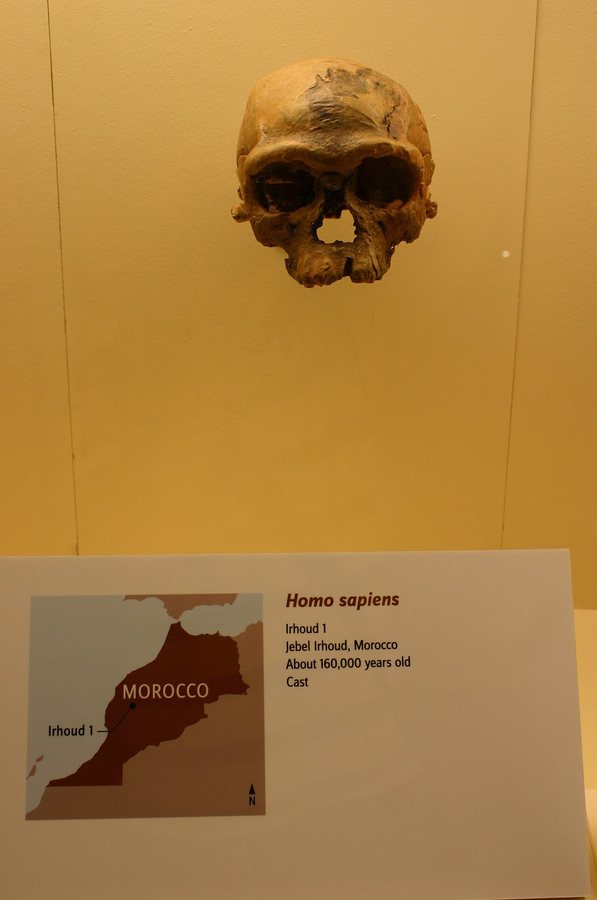
Realistic — sheet · body1 · body2 · body3 · body4
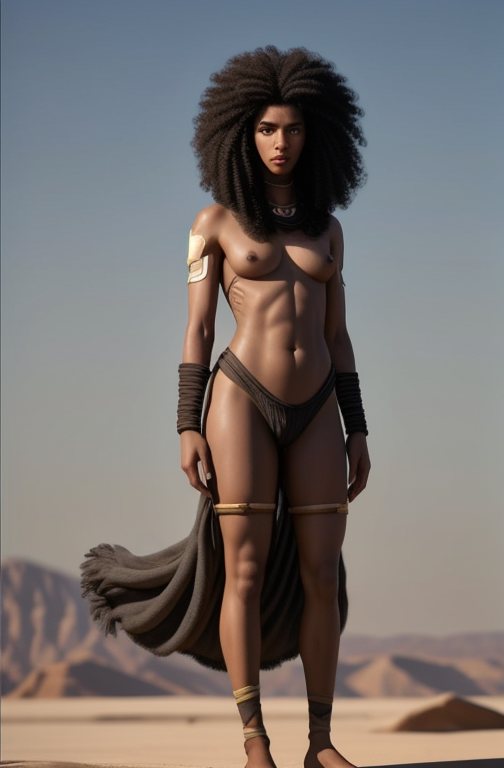
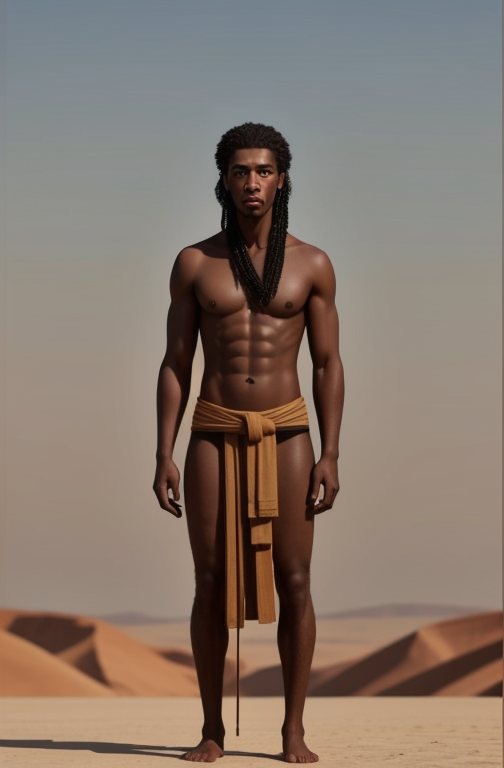
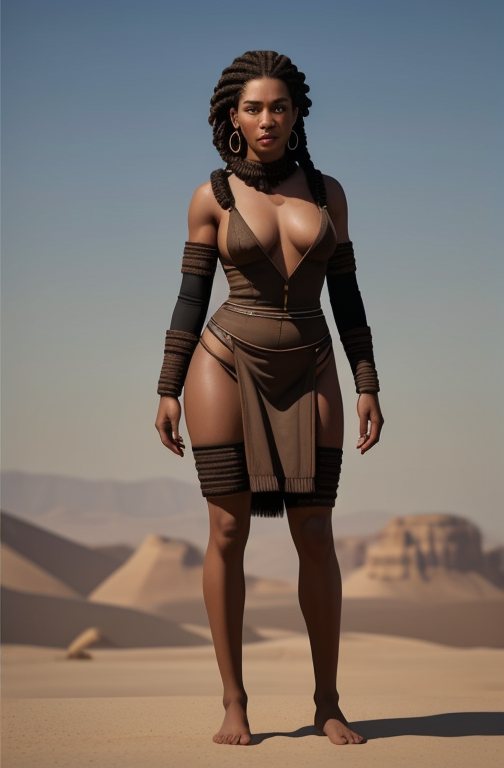
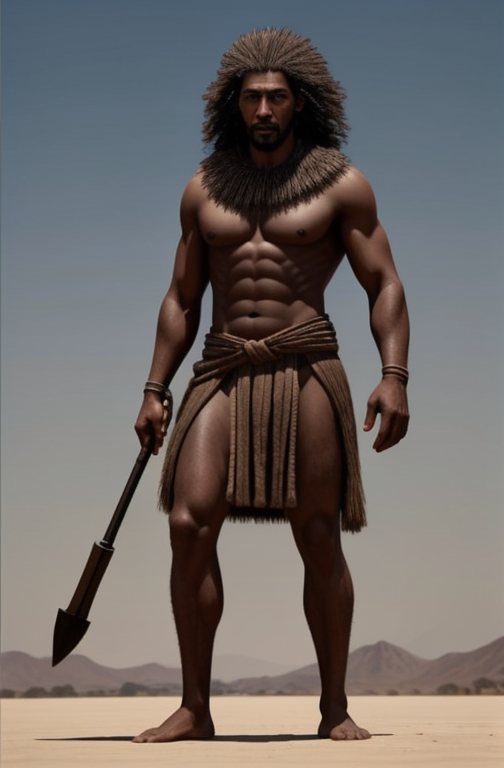
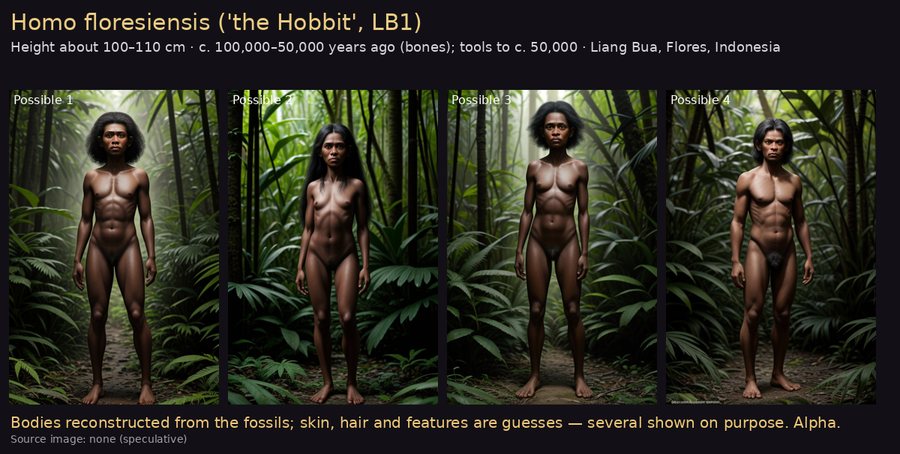
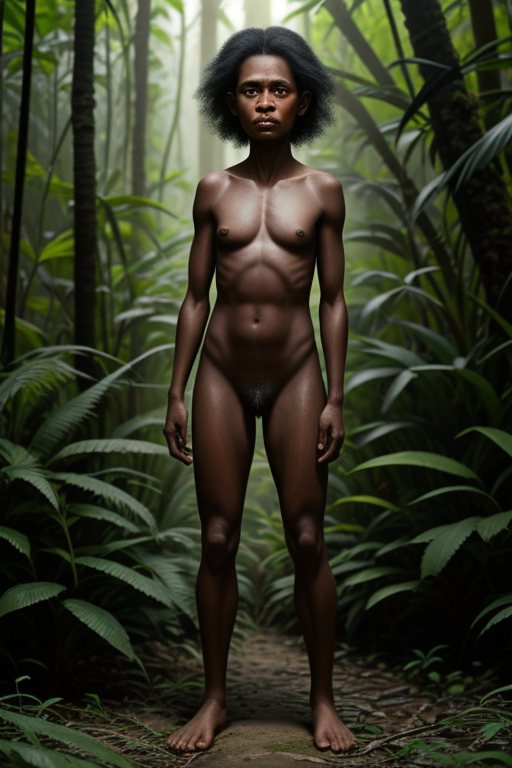
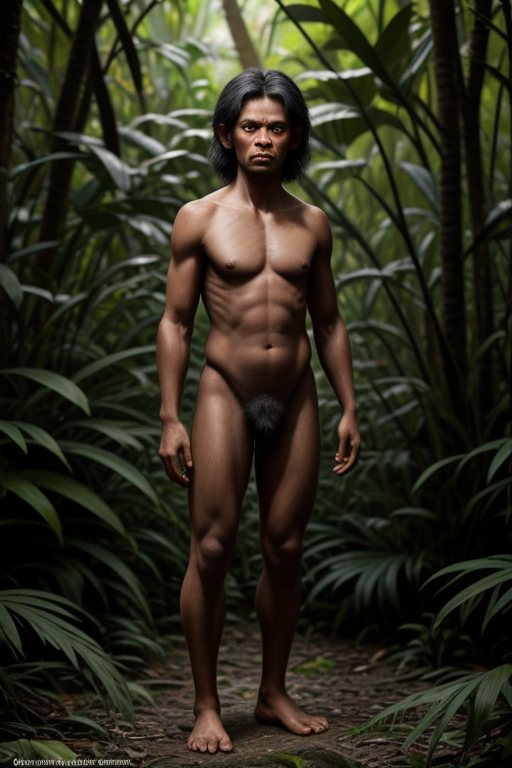
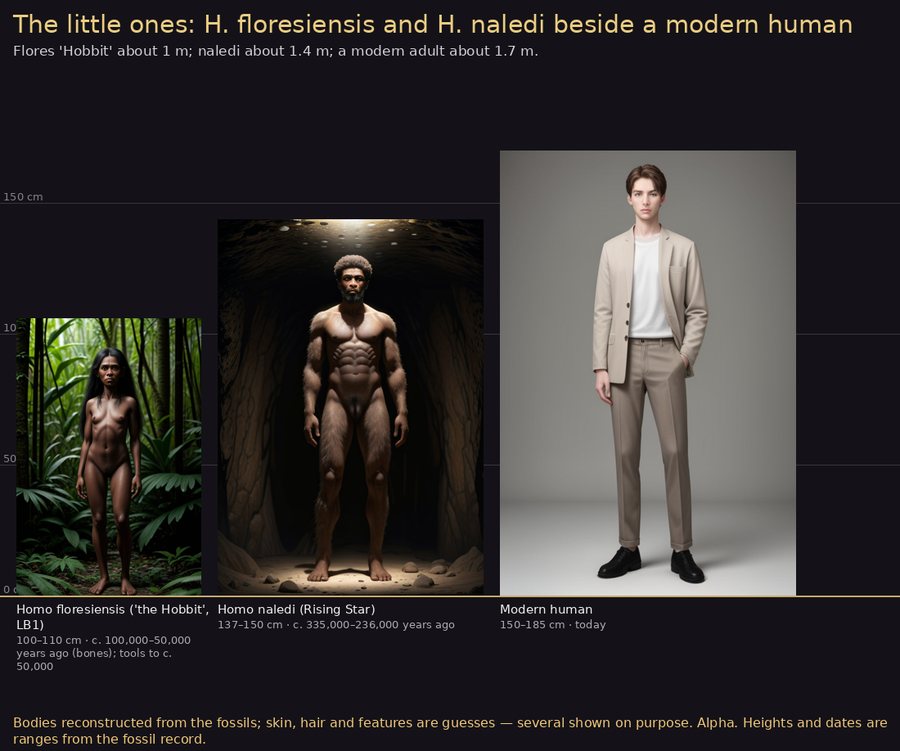
Homo floresiensis ('the Hobbit', LB1) — several possible bodies
Source: Homo floresiensis ('the Hobbit', LB1) · height about 100–110 cm · c. 100,000–50,000 years ago (bones); tools to c. 50,000 · Liang Bua, Flores, Indonesia. · image: none
Realistic — sheet · body1 · body2 · body3 · body4


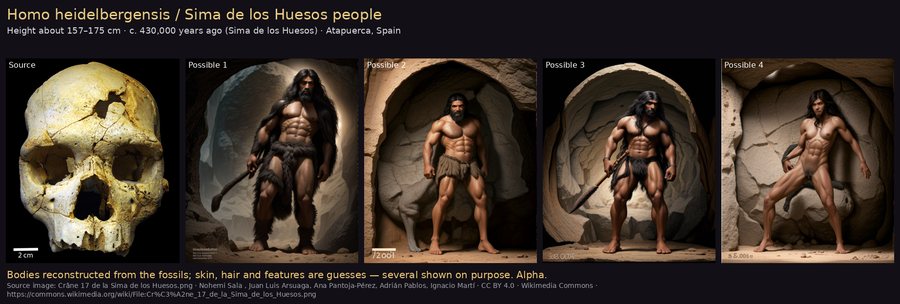
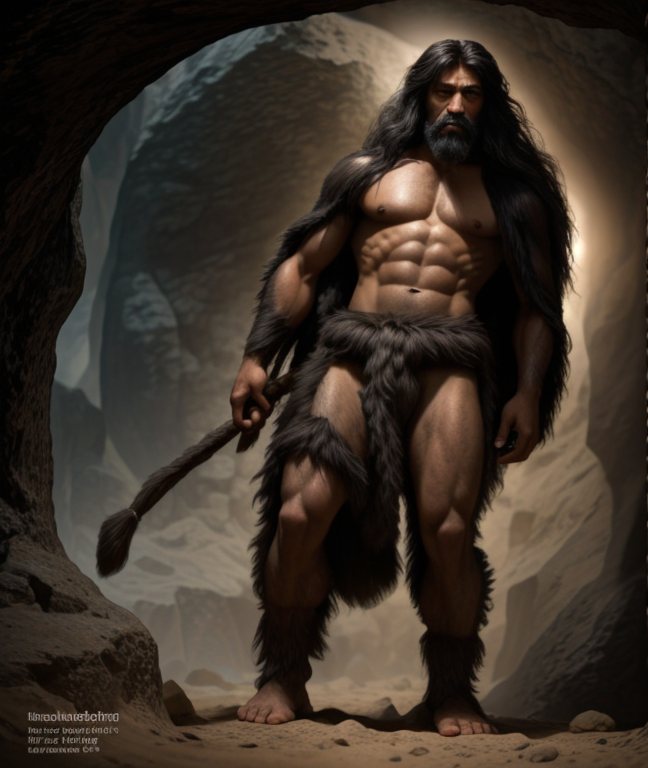
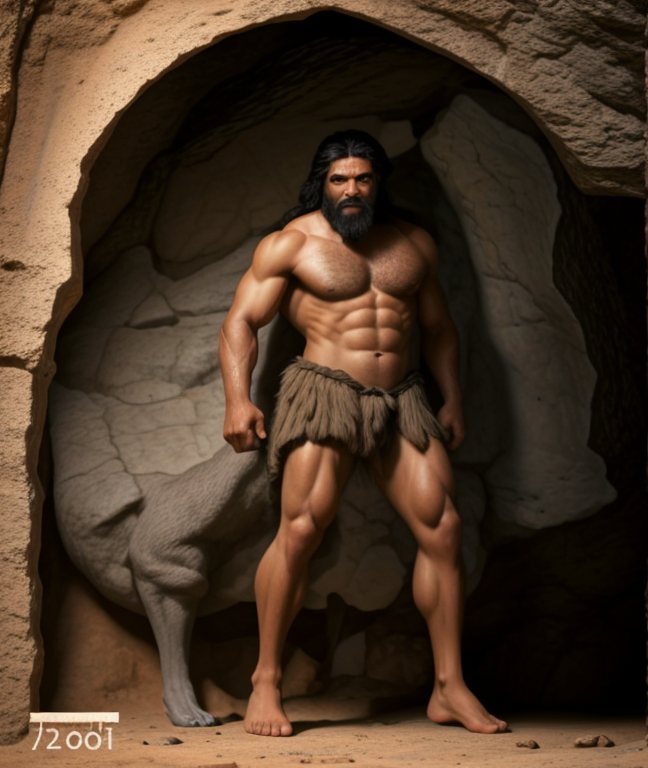
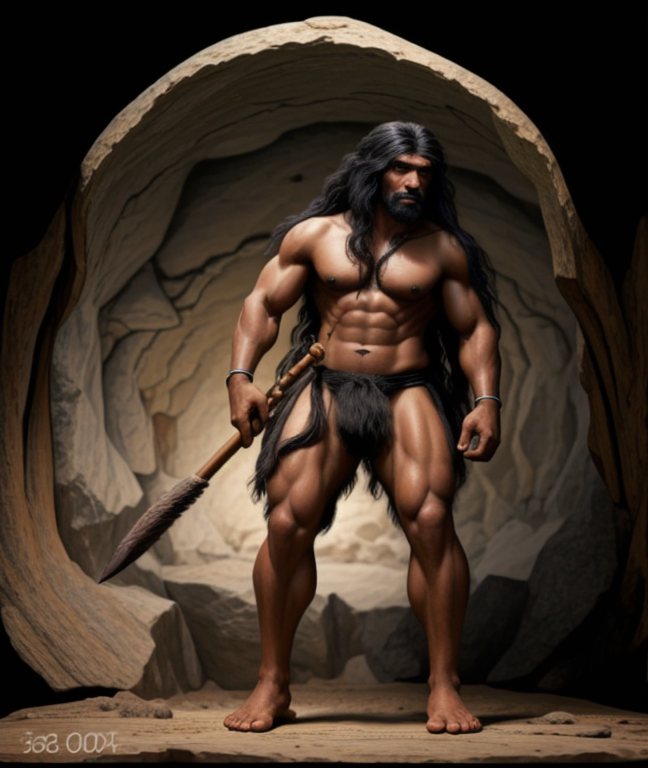
Homo heidelbergensis / Sima de los Huesos people — several possible bodies
Source: Homo heidelbergensis / Sima de los Huesos people · height about 157–175 cm · c. 430,000 years ago (Sima de los Huesos) · Atapuerca, Spain. · image: Crâne 17 de la Sima de los Huesos.png · Nohemi Sala , Juan Luis Arsuaga, Ana Pantoja-Pérez, Adrián Pablos, Ignacio Martí · CC BY 4.0 · Wikimedia Commons · 
Original: 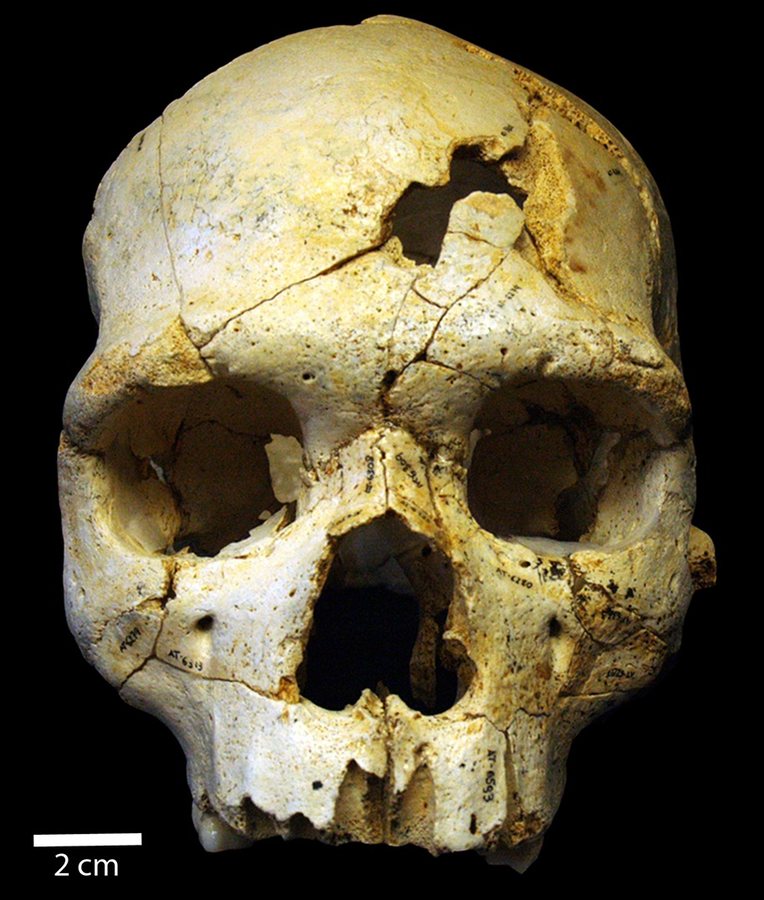
Realistic — sheet · body1 · body2 · body3 · body4
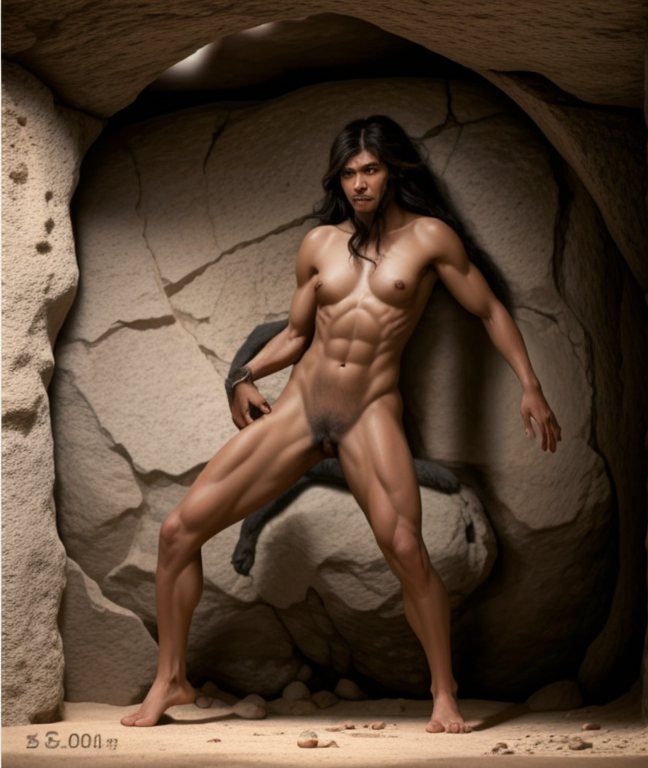
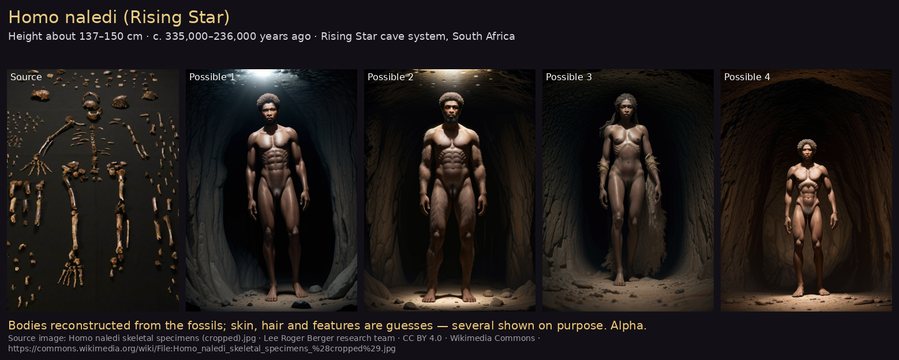
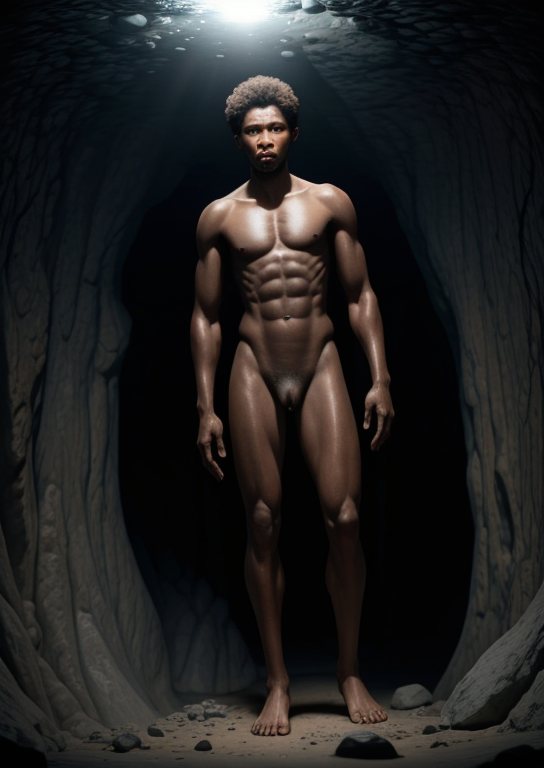
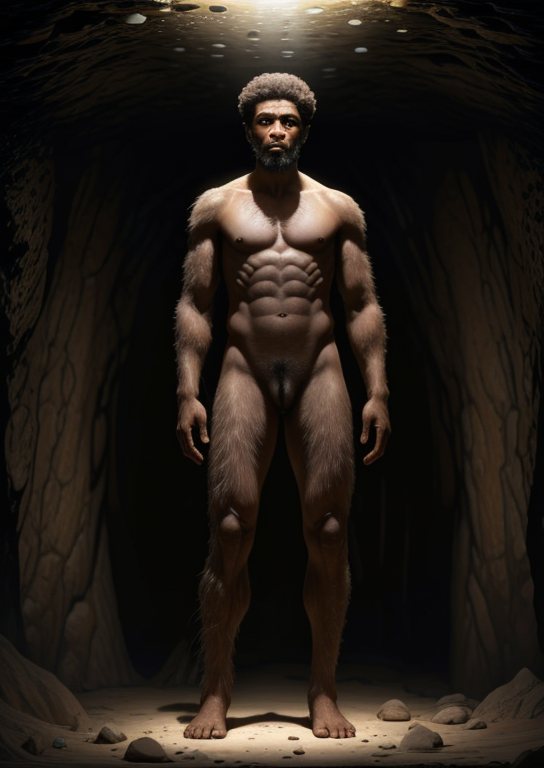
Homo naledi (Rising Star) — several possible bodies
Source: Homo naledi (Rising Star) · height about 137–150 cm · c. 335,000–236,000 years ago · Rising Star cave system, South Africa. · image: Homo naledi skeletal specimens (cropped).jpg · Lee Roger Berger research team · CC BY 4.0 · Wikimedia Commons · 
Original: 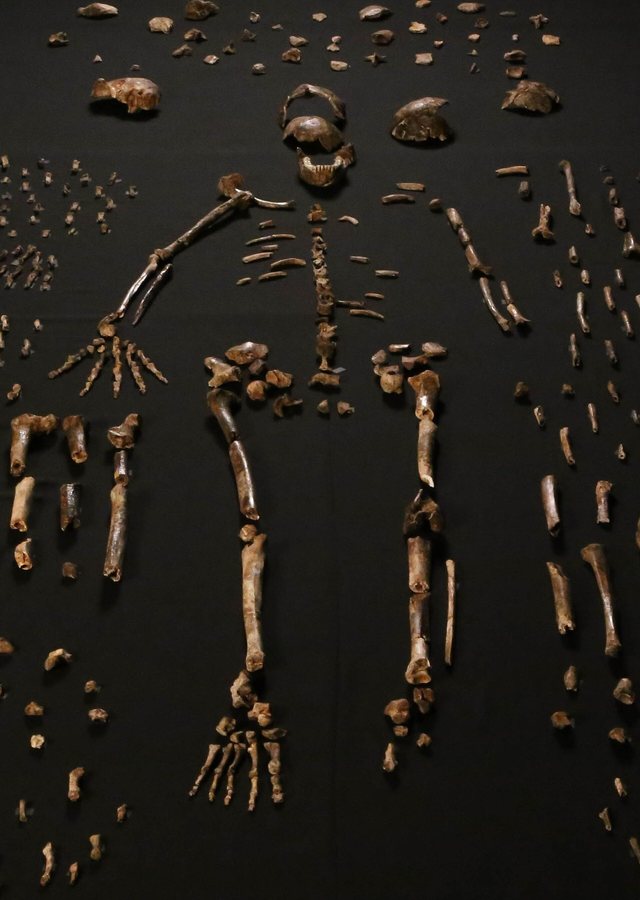
Realistic — sheet · body1 · body2 · body3 · body4
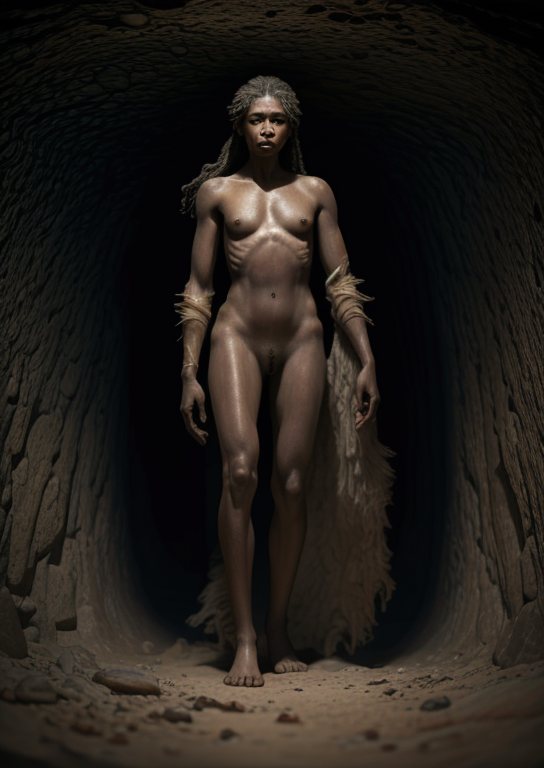
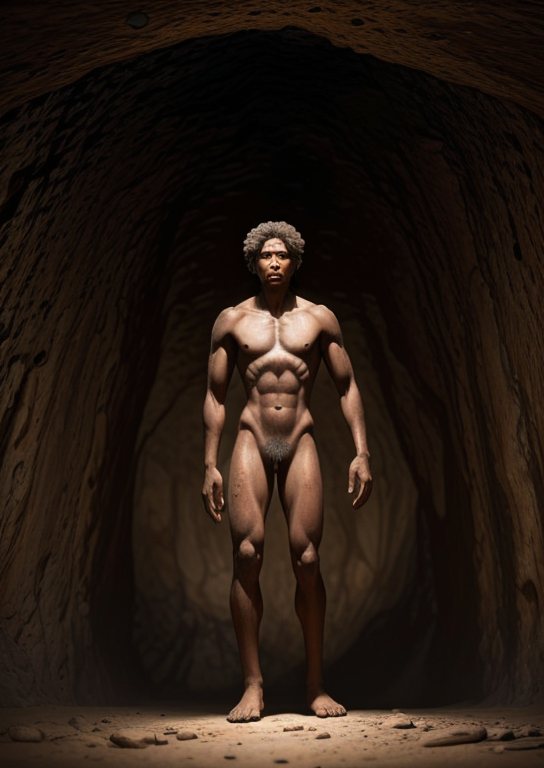
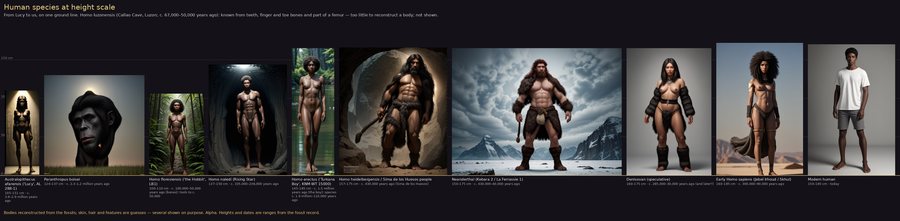
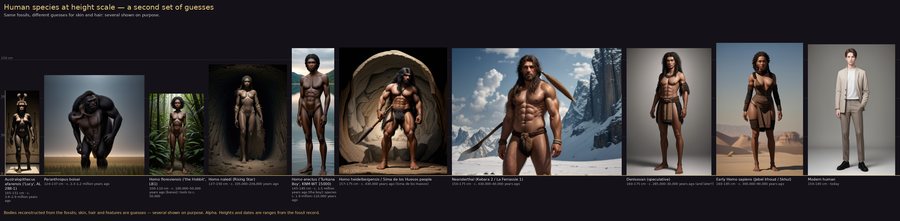
Human species side by side, at height scale
Source: Composited from our renders; heights and dates are ranges from the fossil literature. Homo luzonensis (Callao Cave, Luzon; c. 67,000–50,000 years ago): known from teeth, finger and toe bones and part of a femur — too little to reconstruct a body; not shown.
Realistic — lineup1 · lineup2 · lineup3 · lineup4
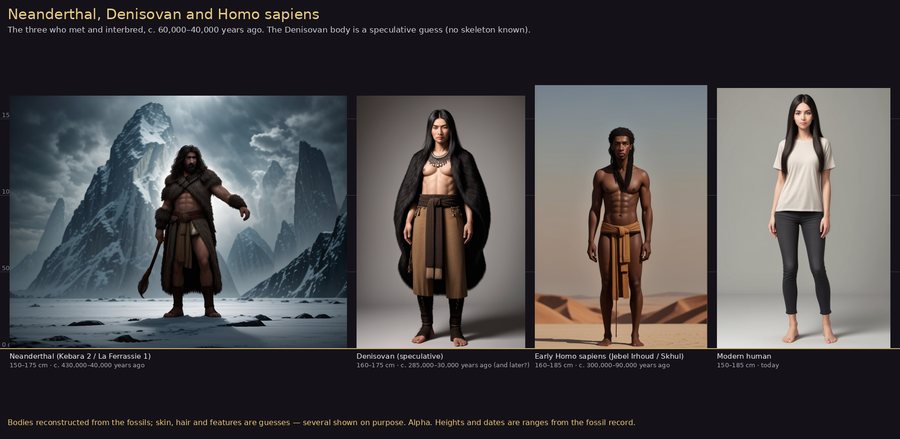
Neanderthal (Kebara 2 / La Ferrassie 1) — several possible bodies
Source: Neanderthal (Kebara 2 / La Ferrassie 1) · height about 150–175 cm · c. 430,000–40,000 years ago · Europe, Near East, Central Asia. · image: Kebara 2 skeleton replica.jpg · Velatrix · CC0 · Wikimedia Commons · 
Original: 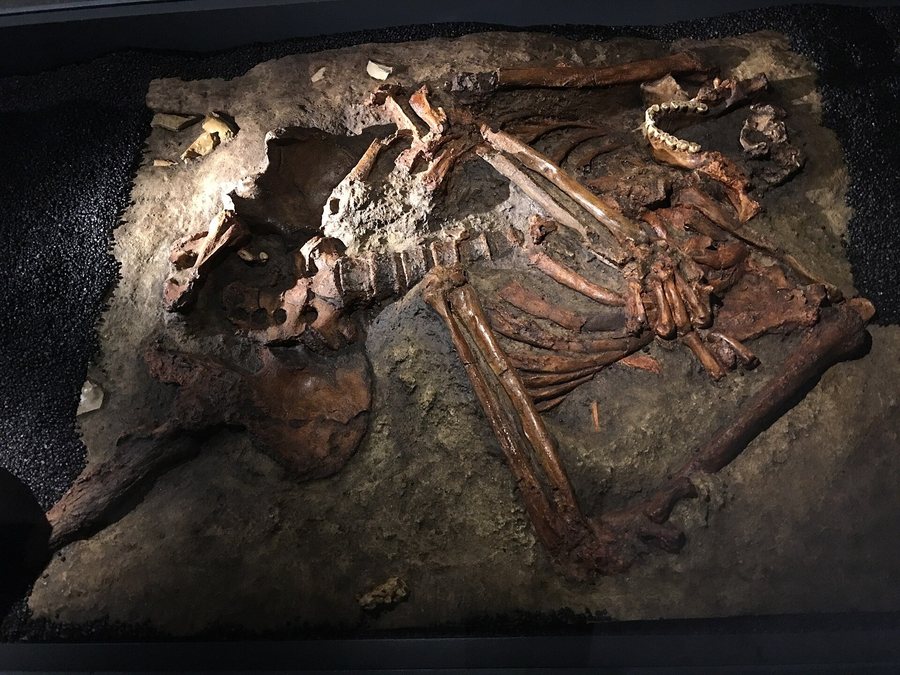
Realistic — sheet · body1 · body2 · body3 · body4
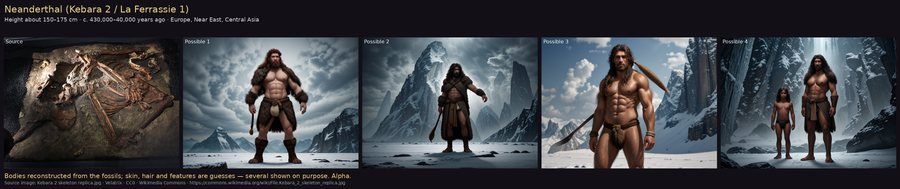
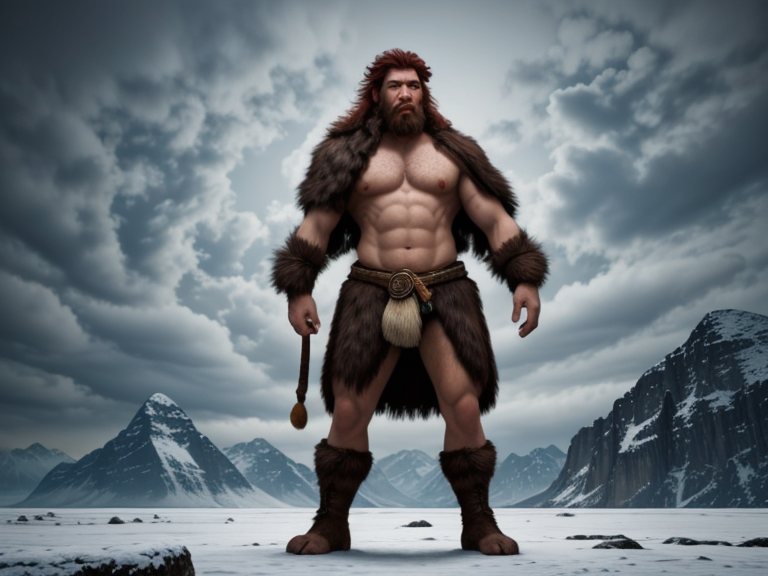
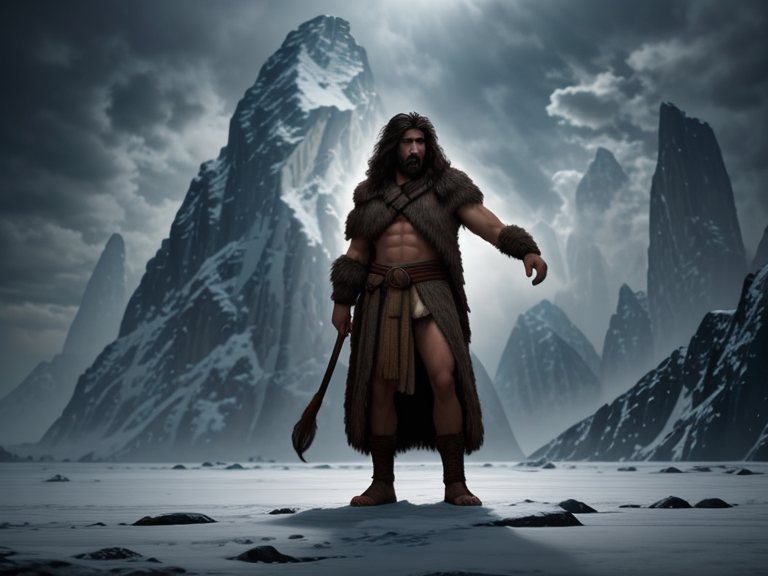
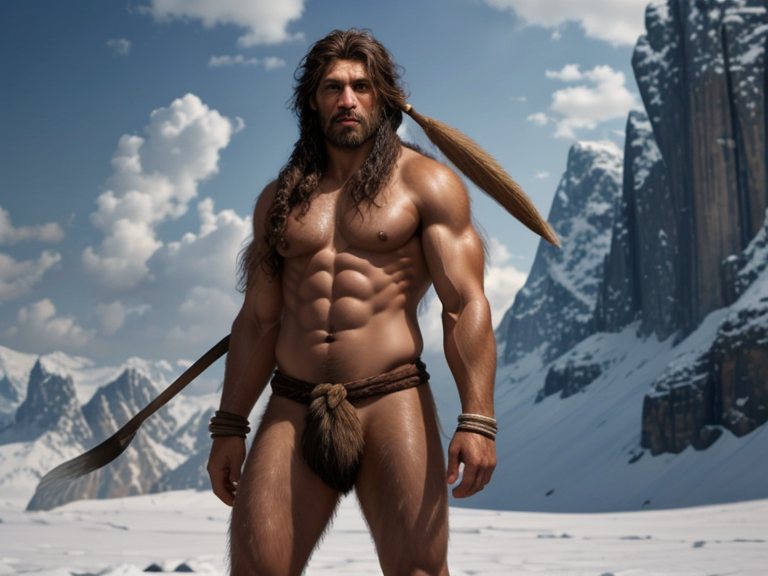
Feasting at Göbekli Tepe
Source: Göbekli Tepe Enclosure C Pillar 27 relief.jpg · Kerimove · CC0 · Wikimedia Commons · 
Original: 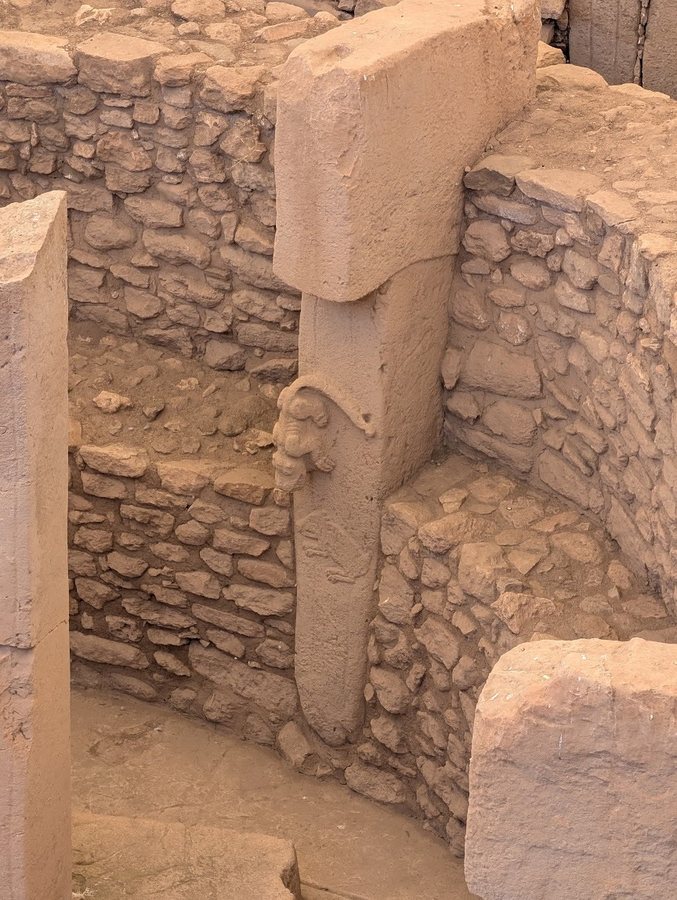
Realistic — Nubian · Levantine
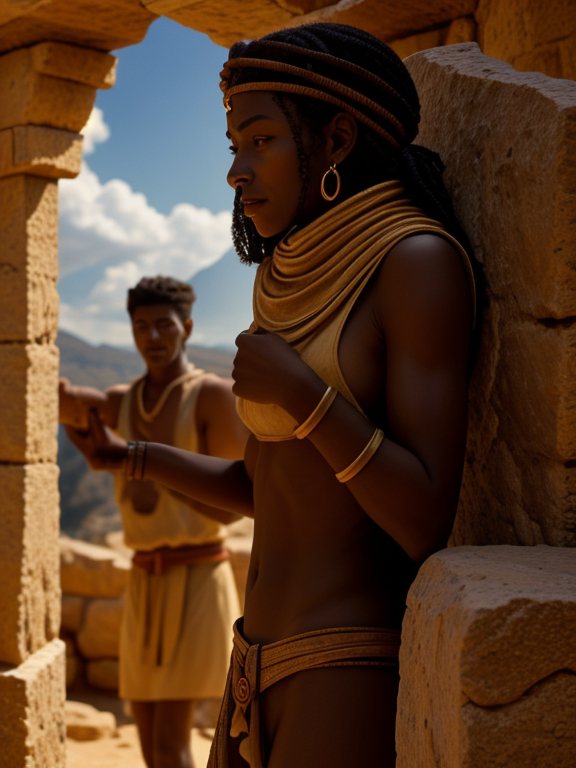
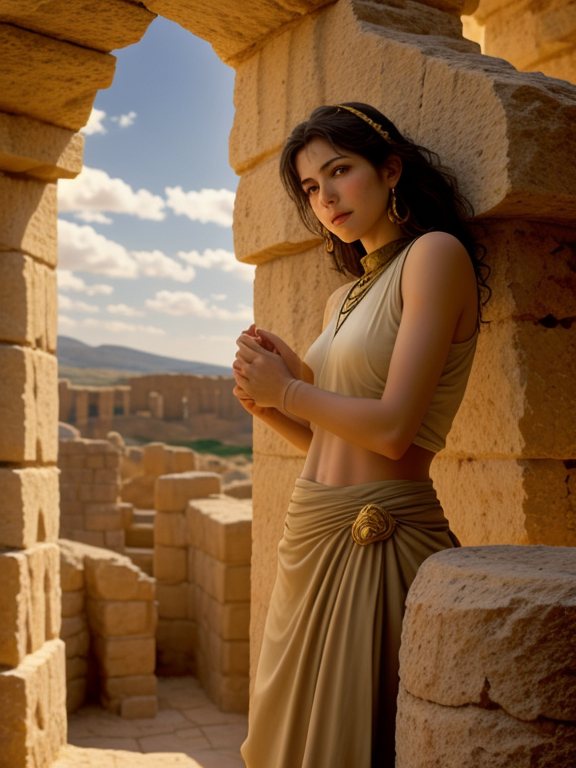
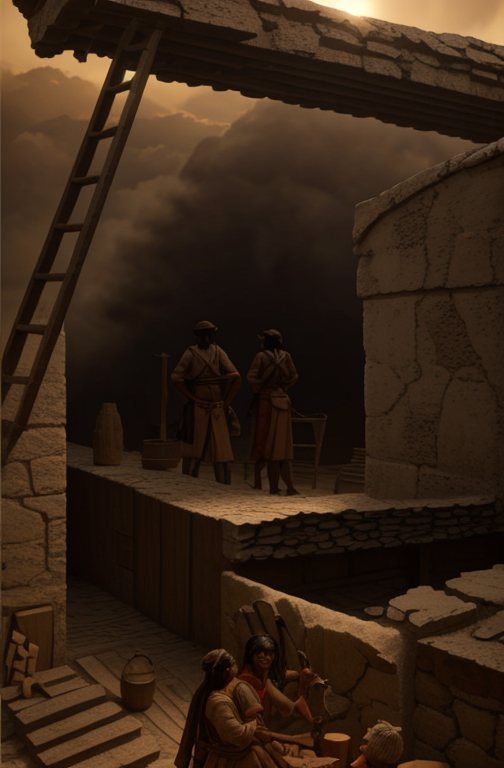
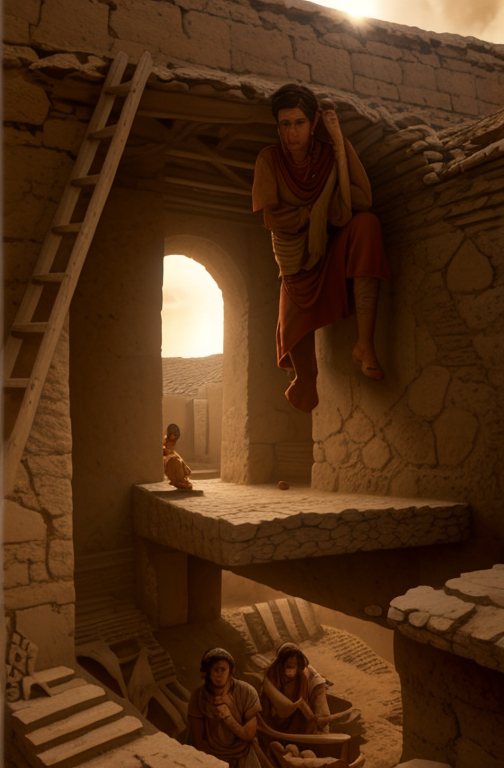
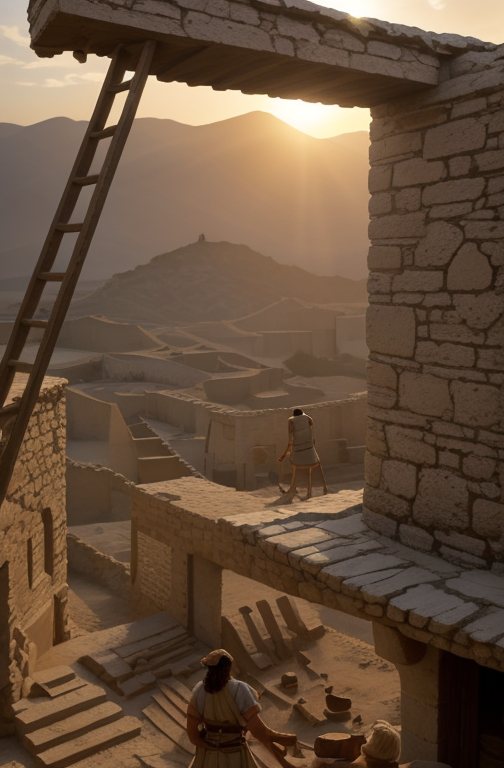
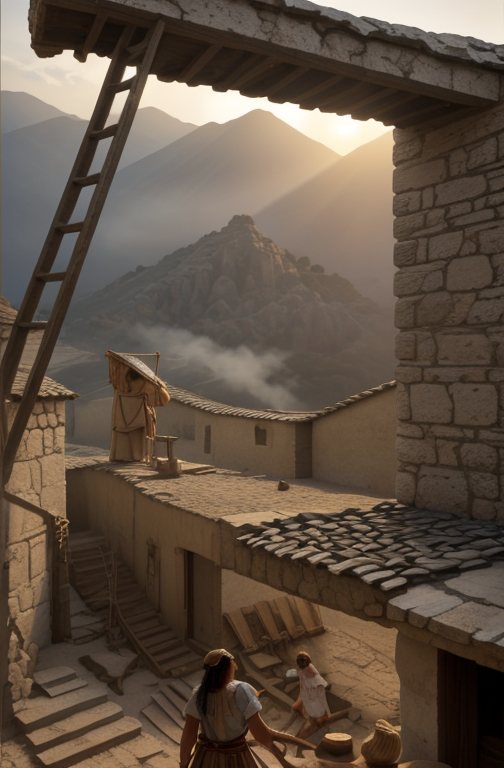
Neolithic Çatalhöyük: the town of rooftops
Source: Museum of Anatolian Civilizations Çatalhöyük reconstructed room in 2011 04.jpg · Dosseman · CC BY-SA 4.0 · Wikimedia Commons · 
Original: 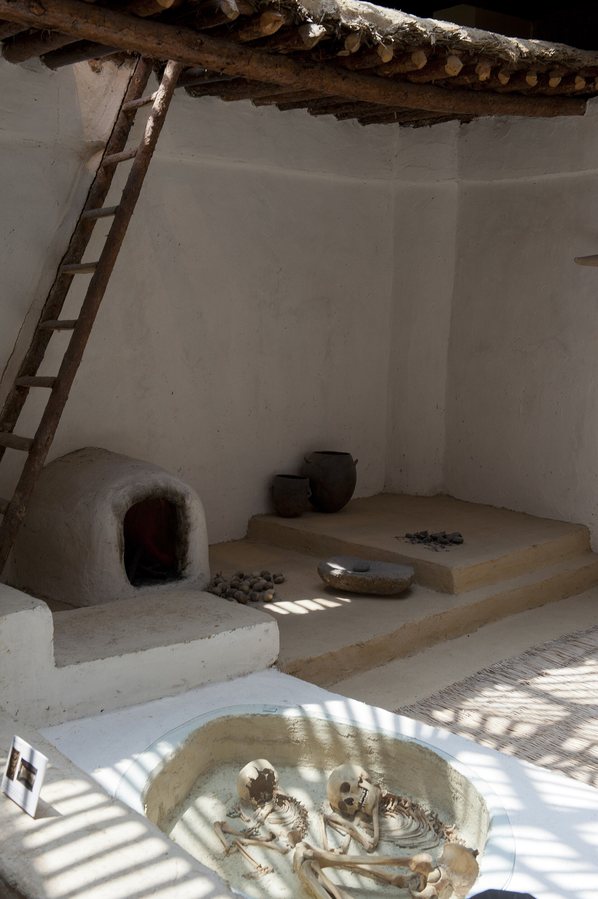
Realistic — Nubian · Libyan (Amazigh) · Levantine · Pale
Athena pours wine for Herakles
Source: Douris, Attic red-figure kylix, Munich Staatliche Antikensammlungen 2648 · photo/scan: Python (potter) and Douris (painter) · Public domain · Wikimedia Commons
Original: 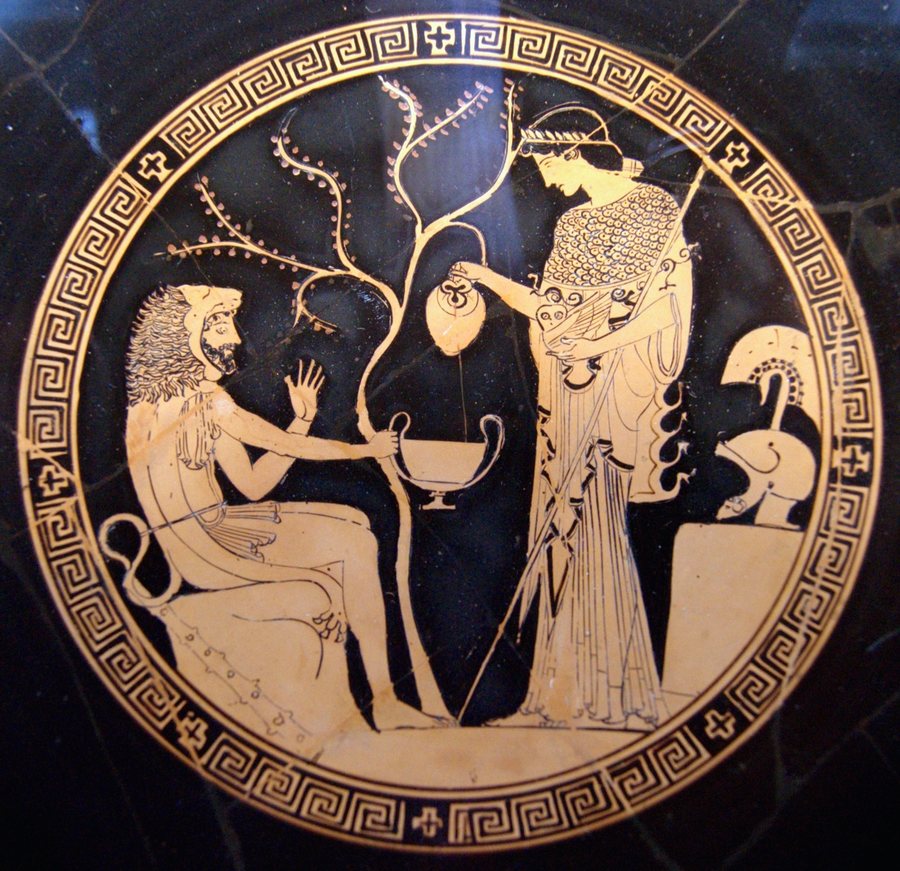
Realistic — Greek · Nubian · Libyan (Amazigh) · Levantine · Pale
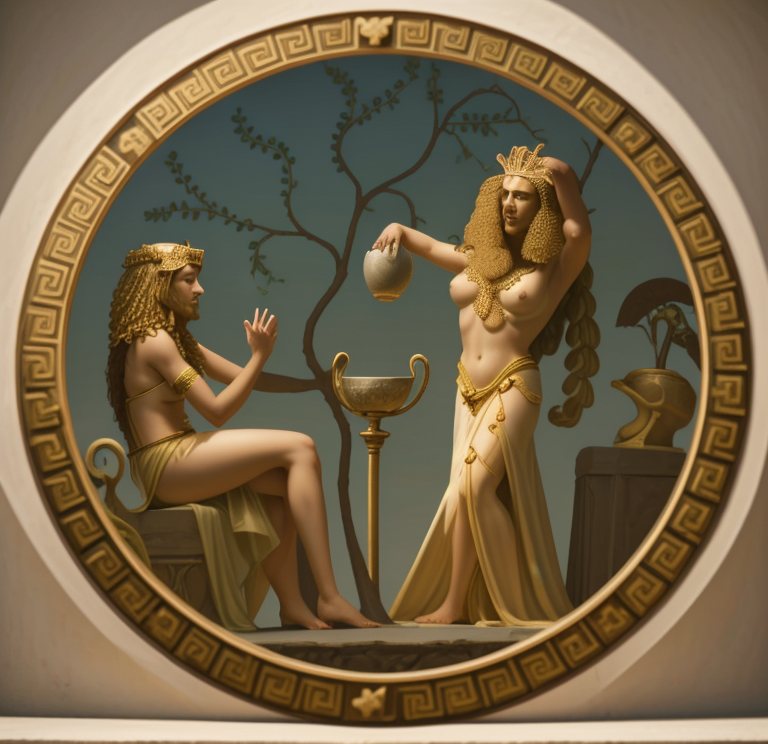
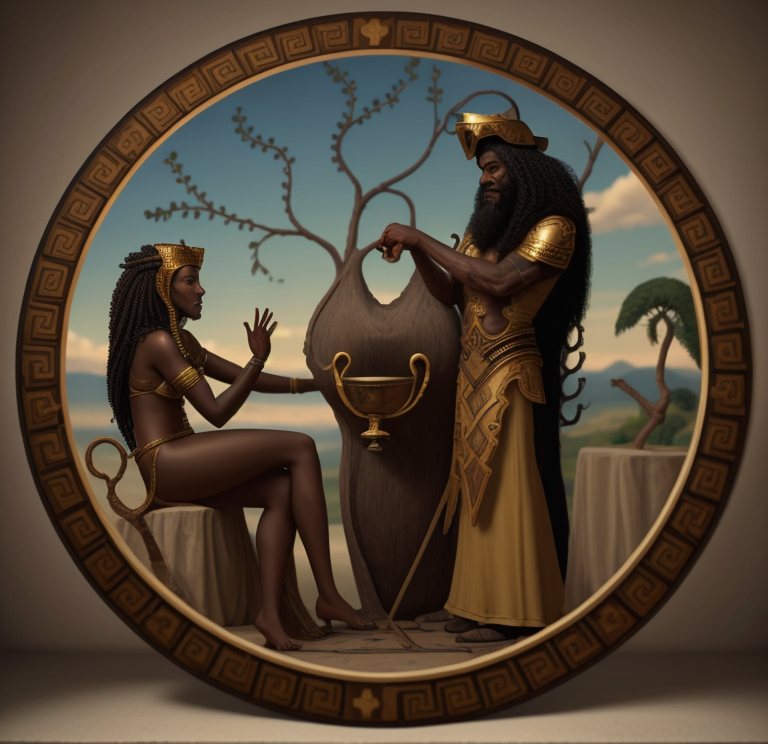
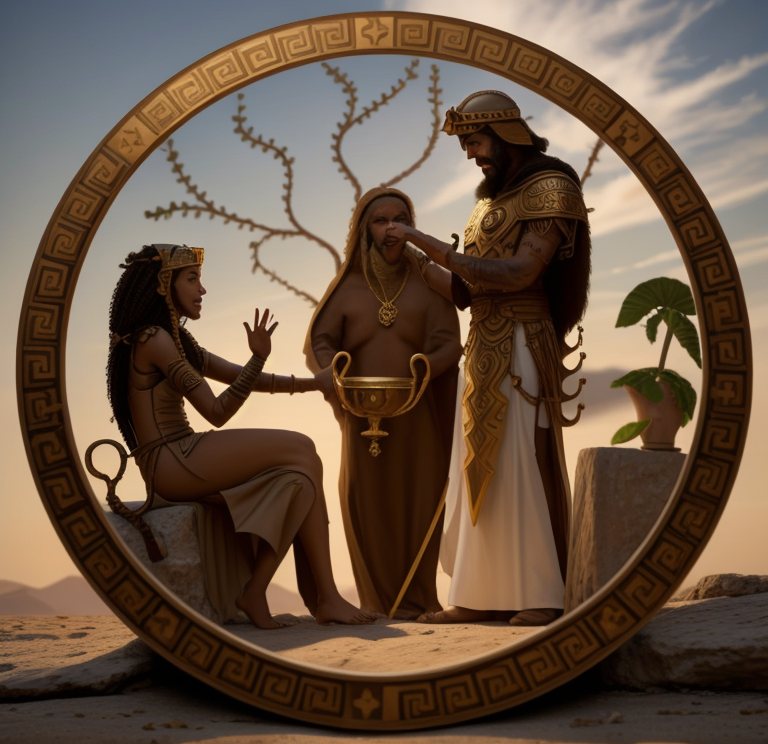
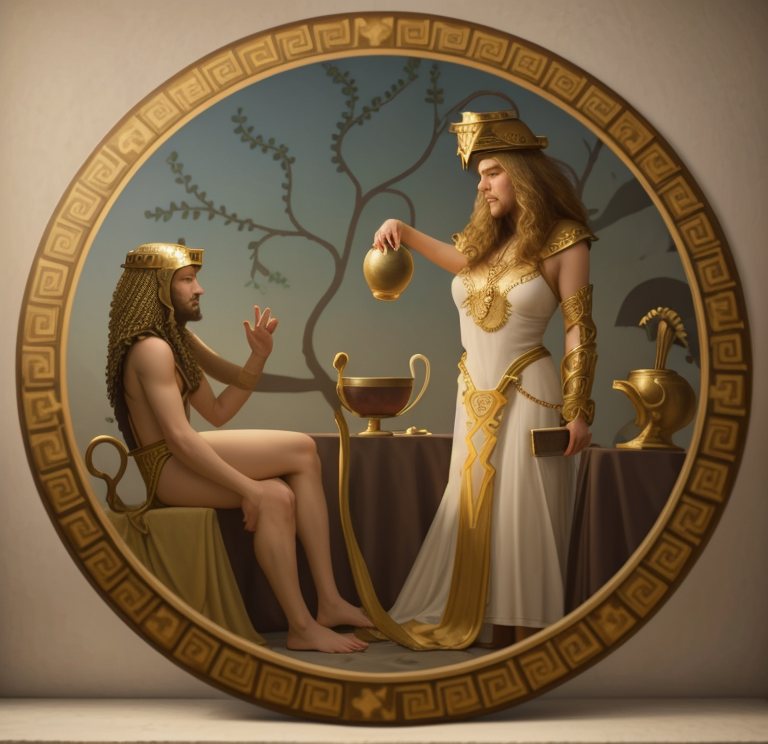
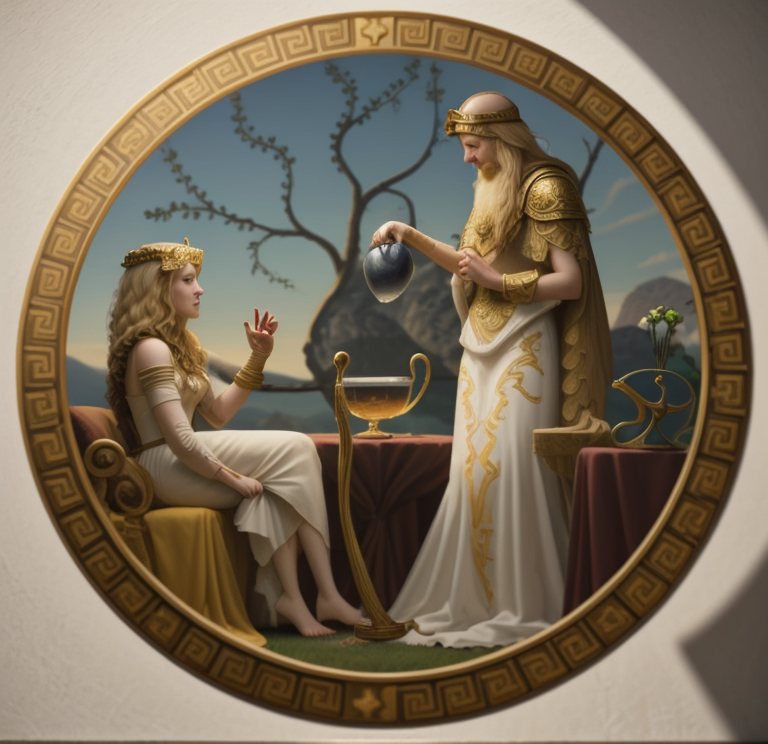
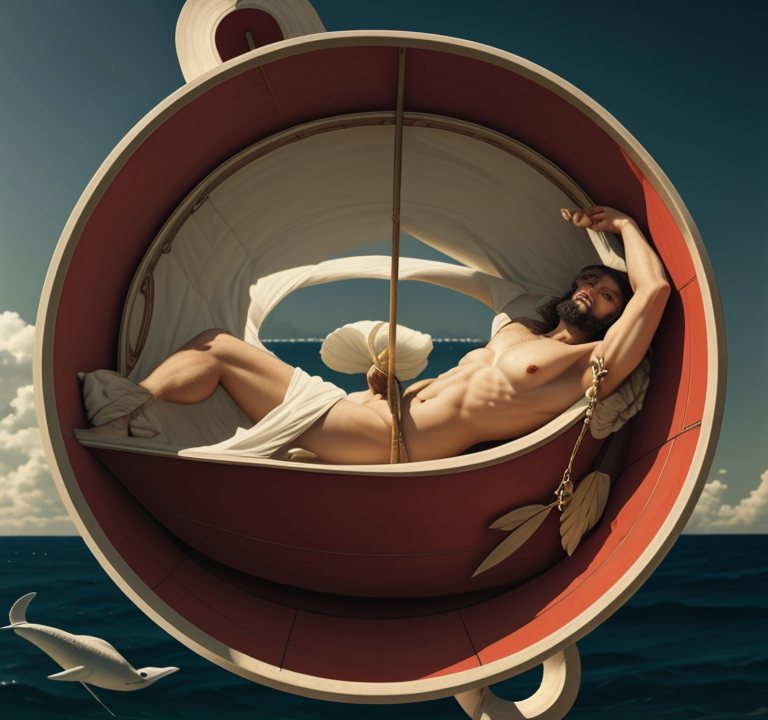
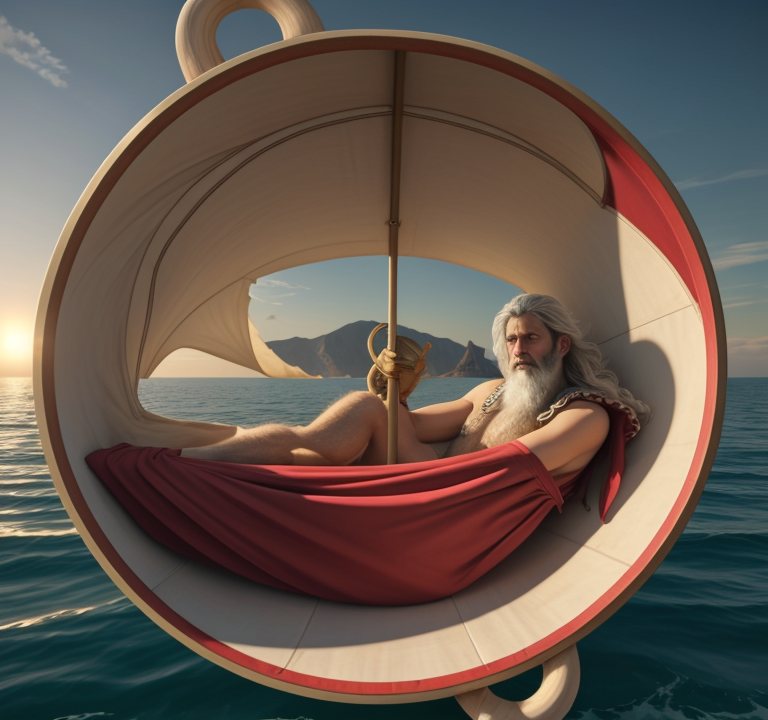
Dionysos sailing on the wine-dark sea
Source: Exekias, Attic black-figure kylix, Munich Staatliche Antikensammlungen 2044 · photo/scan: Exekias · Public domain · Wikimedia Commons
Original: 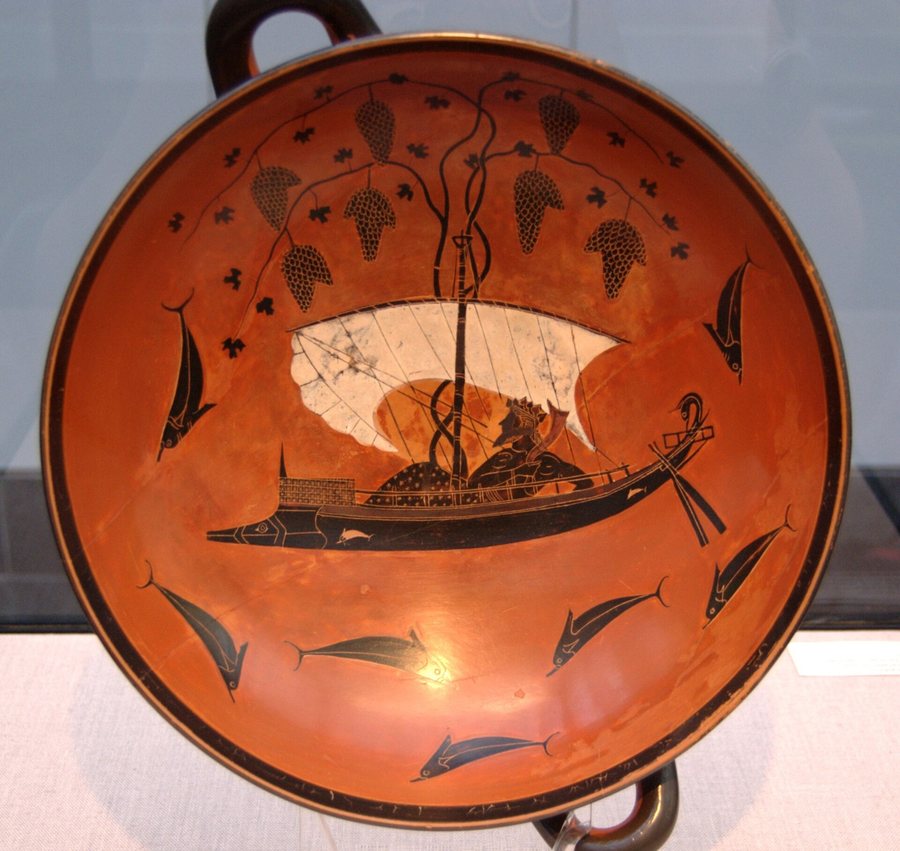
Realistic — Greek · Nubian · Libyan (Amazigh) · Levantine · Pale



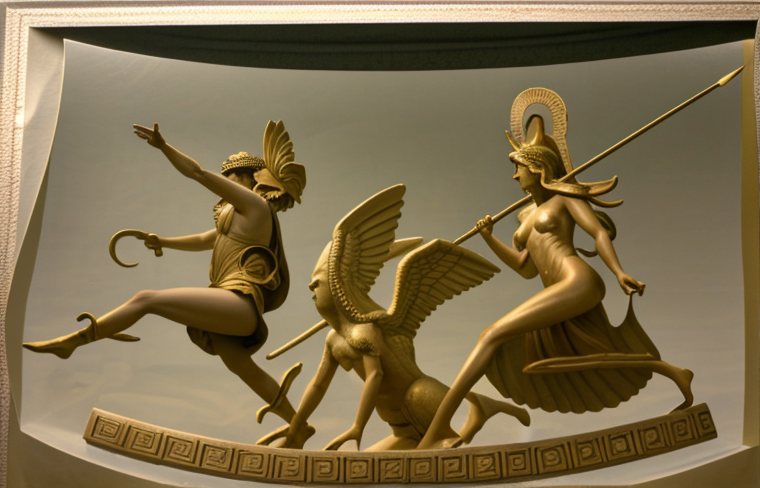
Perseus flees after beheading Medusa
Source: Pan Painter, Attic red-figure hydria, British Museum E181 (historic glass lantern slide) · photo/scan: Pan painter (Greek painter, active c. 480-450 BC) (artist) · Public domain · Wikimedia Commons · cropped to the scene
Original: 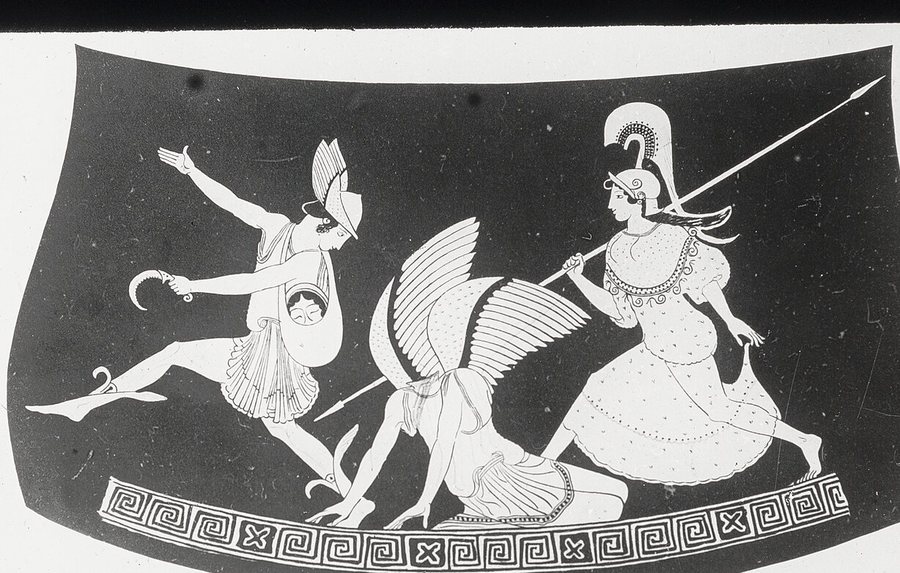
Realistic — Greek · Nubian · Libyan (Amazigh) · Levantine · Pale
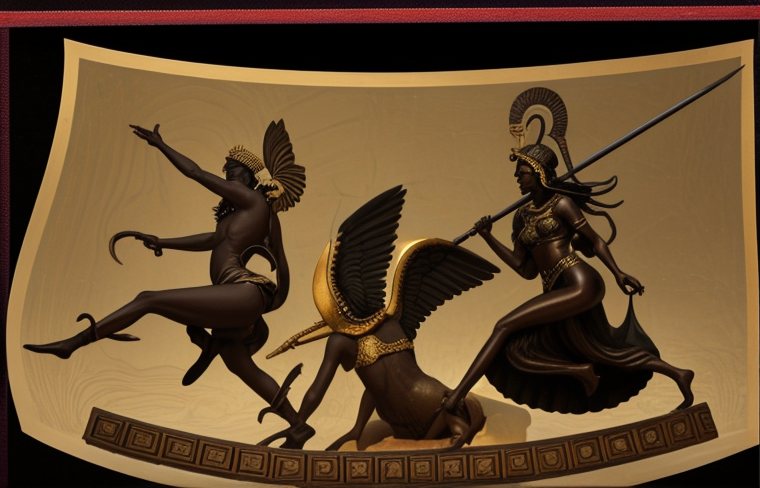
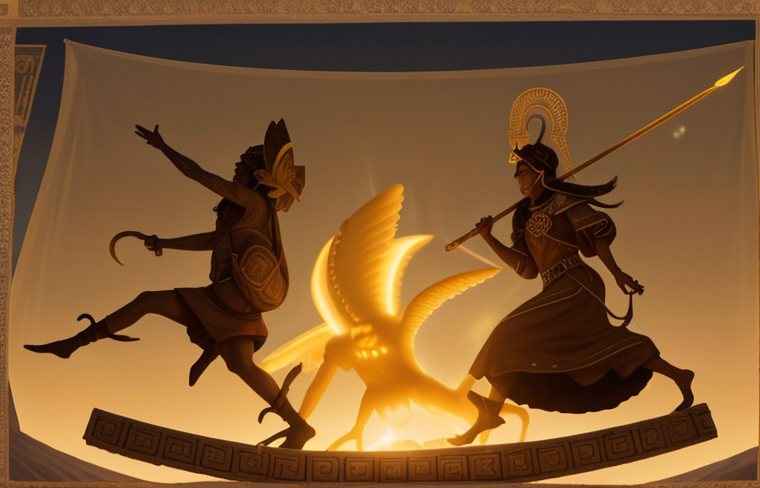
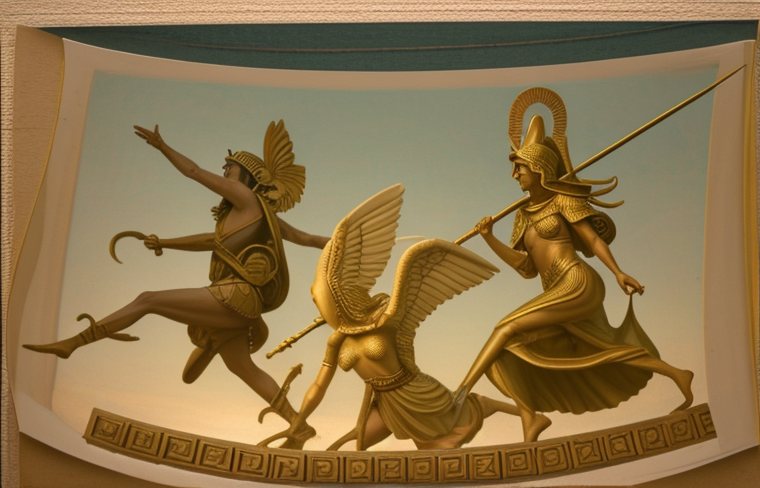
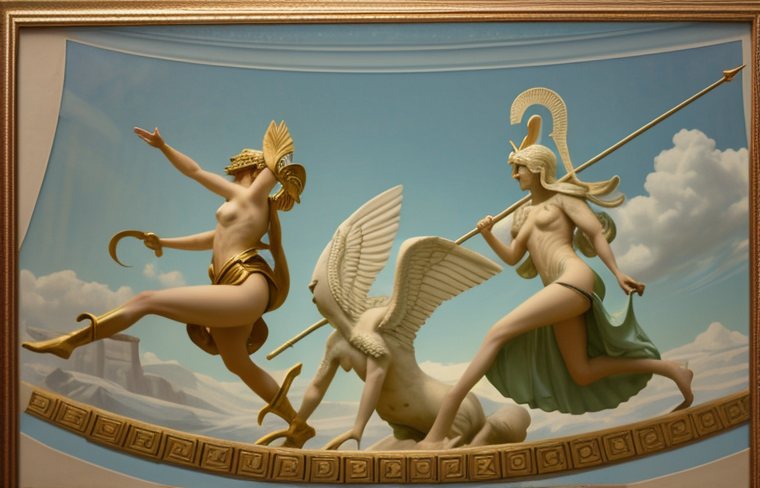
The birth of Athena from the head of Zeus
Source: Attic black-figure amphora, Louvre F32 · photo/scan: User:Bibi Saint-Pol · Public domain · Wikimedia Commons
Original: 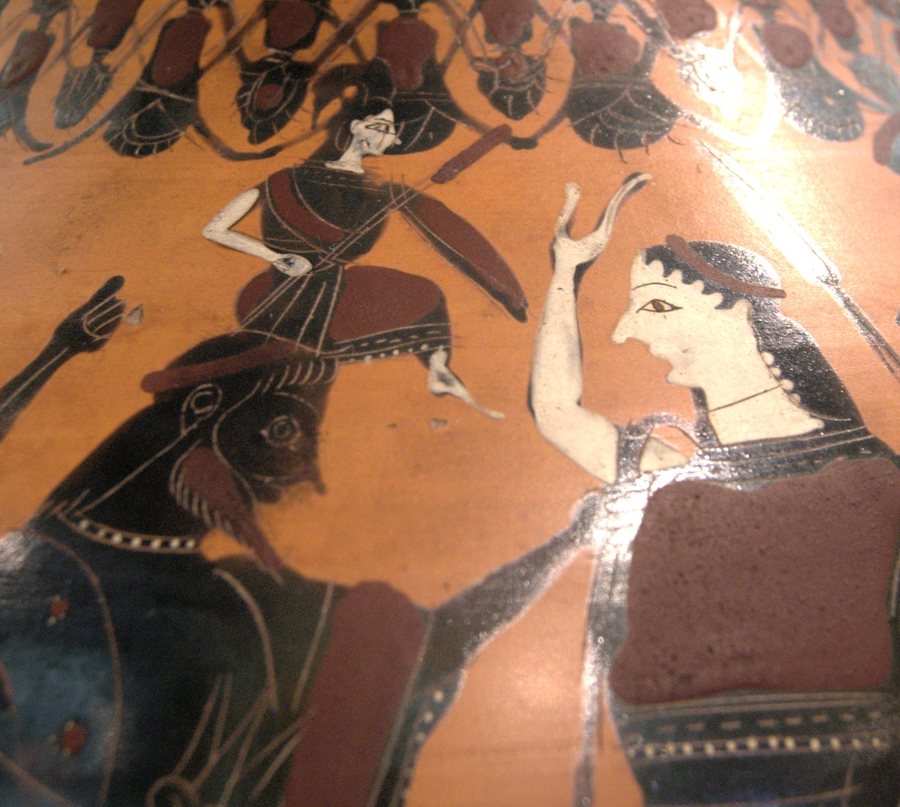
Realistic — Greek · Nubian · Libyan (Amazigh) · Levantine · Pale
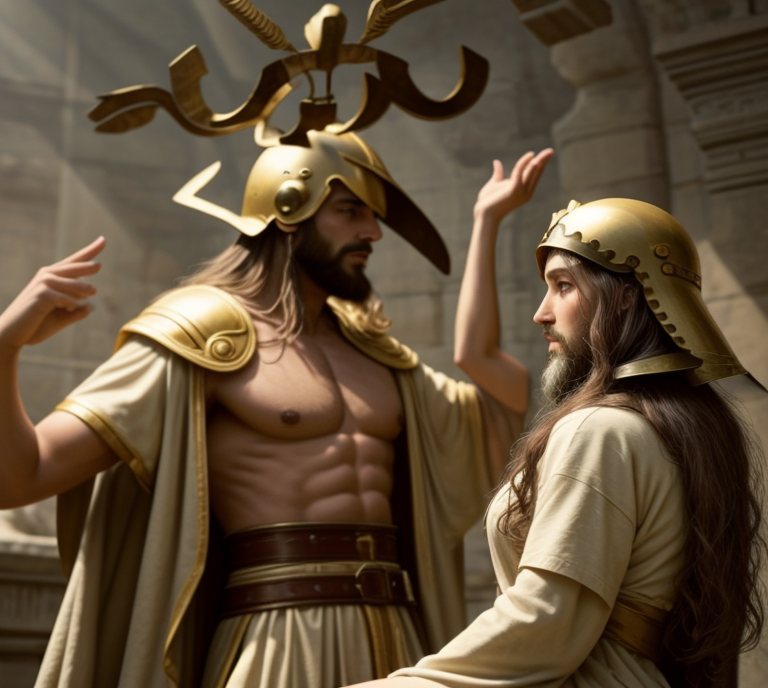
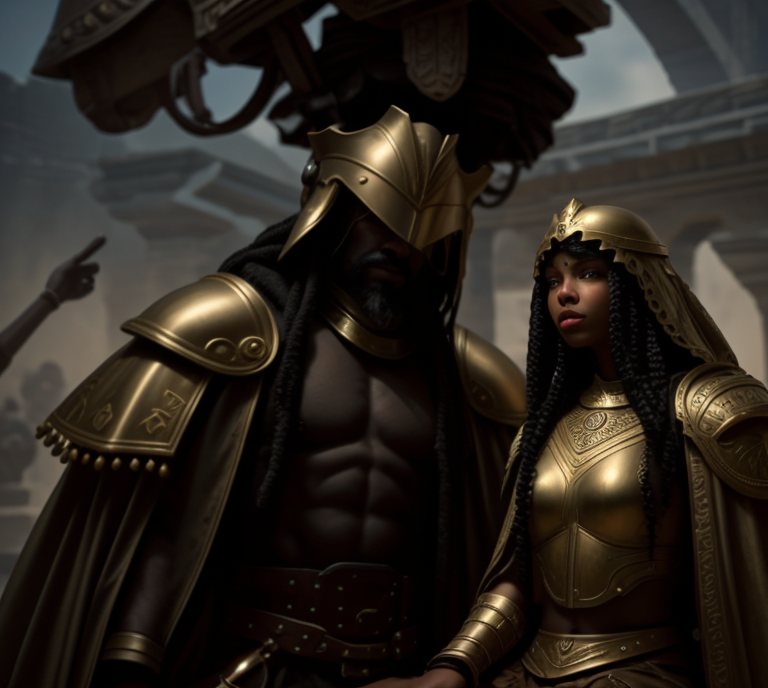
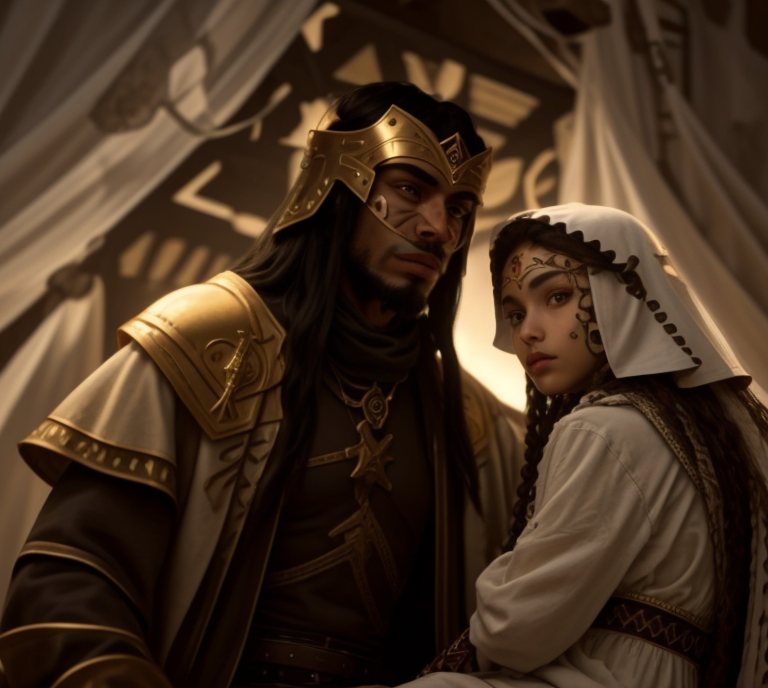
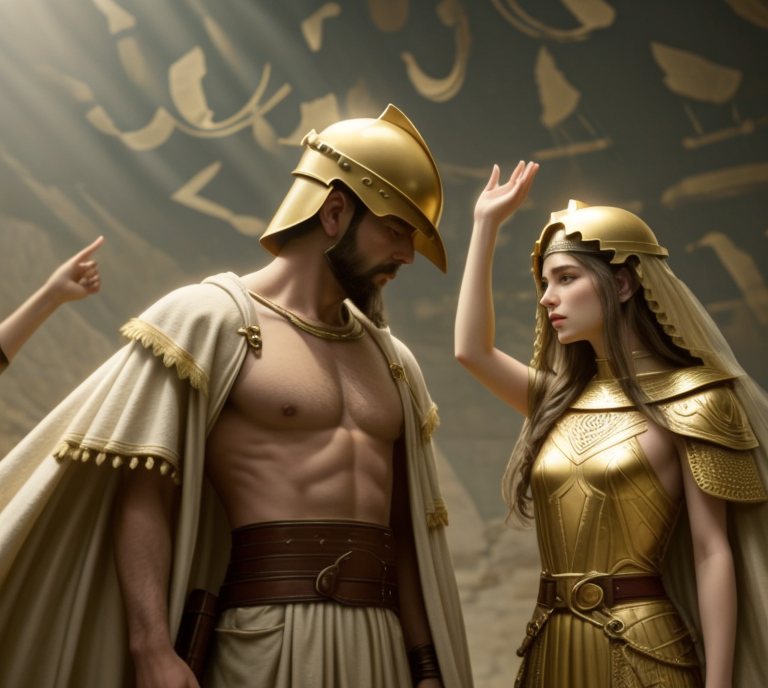
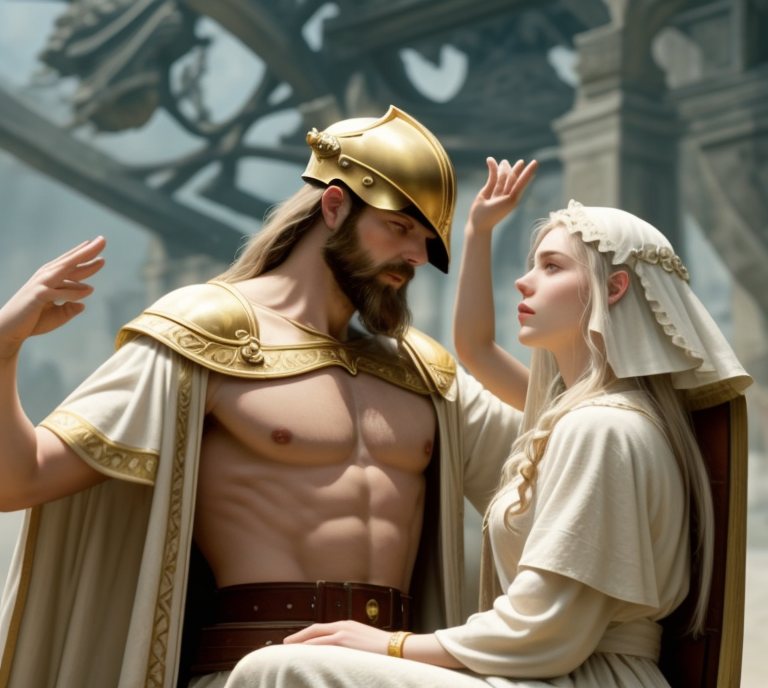
Triptolemos with Demeter and Persephone
Source: Triptolemos Painter (ARV 362, 19), Attic red-figure pelike · photo/scan: ArchaiOptix · CC BY-SA 4.0 · Wikimedia Commons · cropped to the scene
Original: 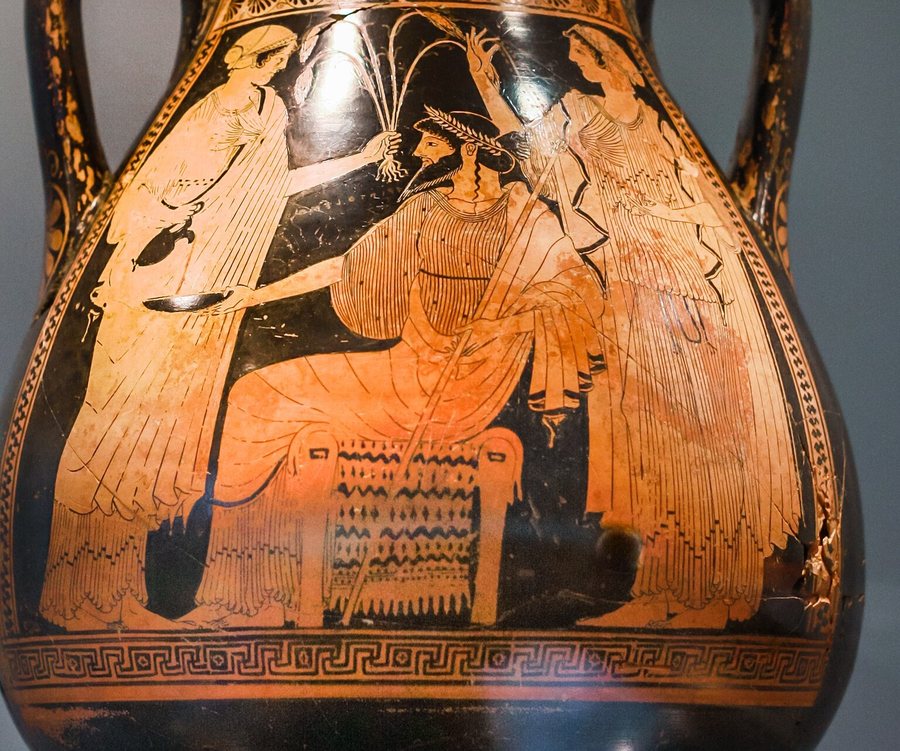
Realistic — Greek · Nubian · Libyan (Amazigh) · Levantine · Pale
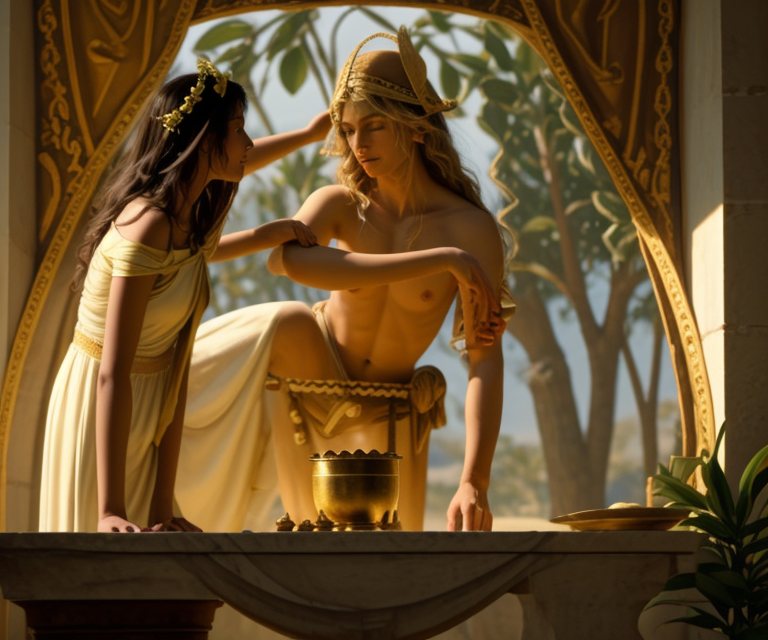
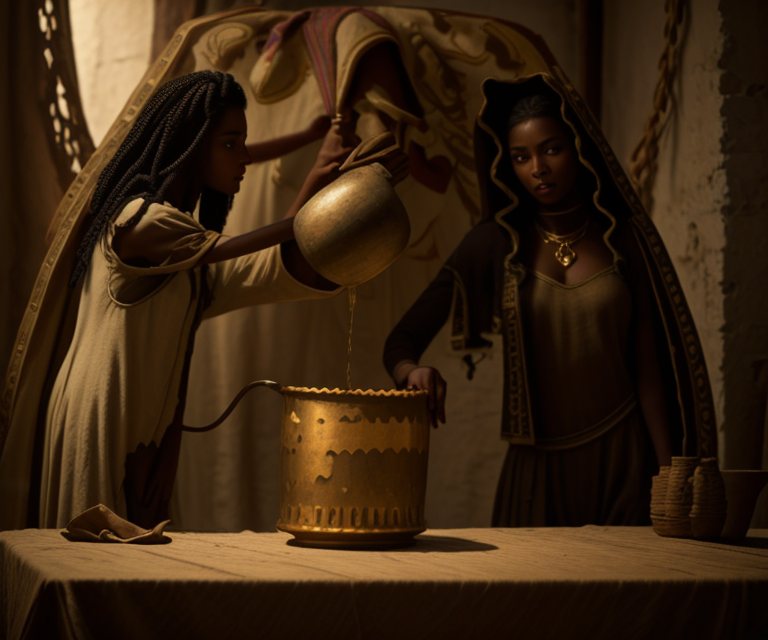
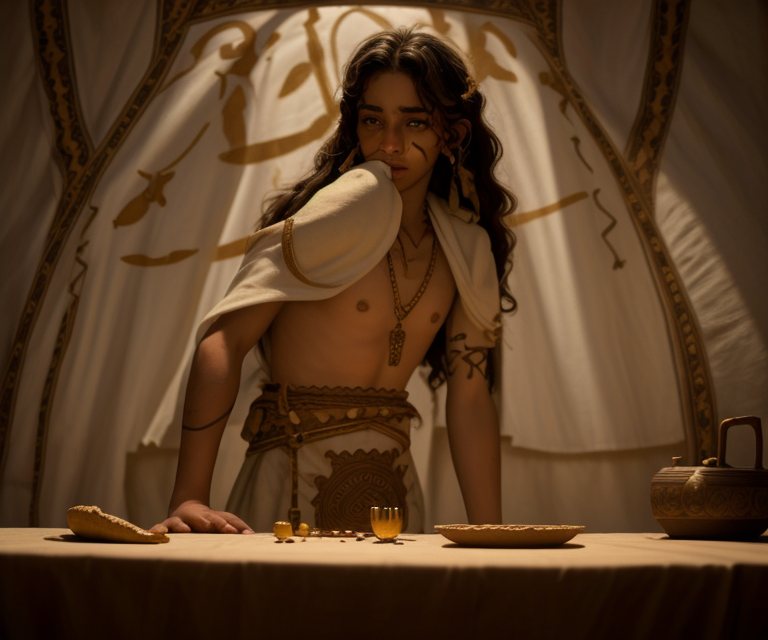
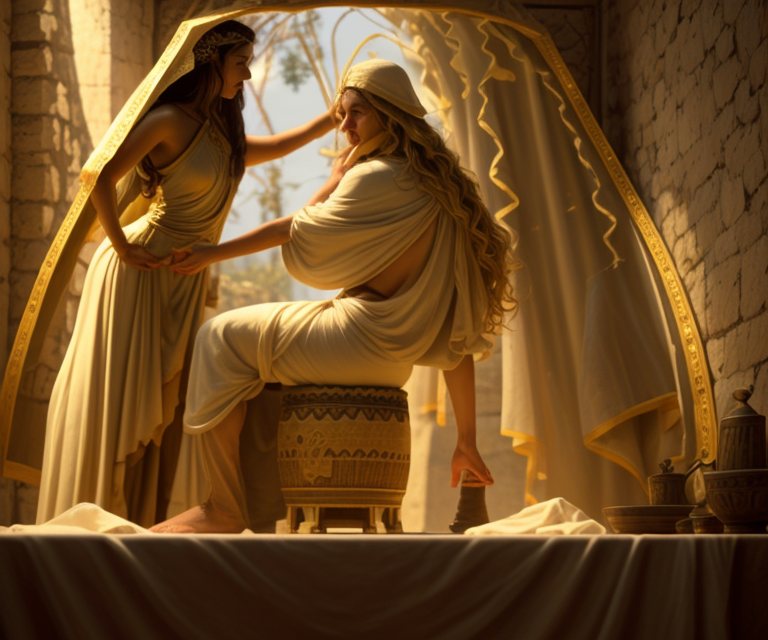
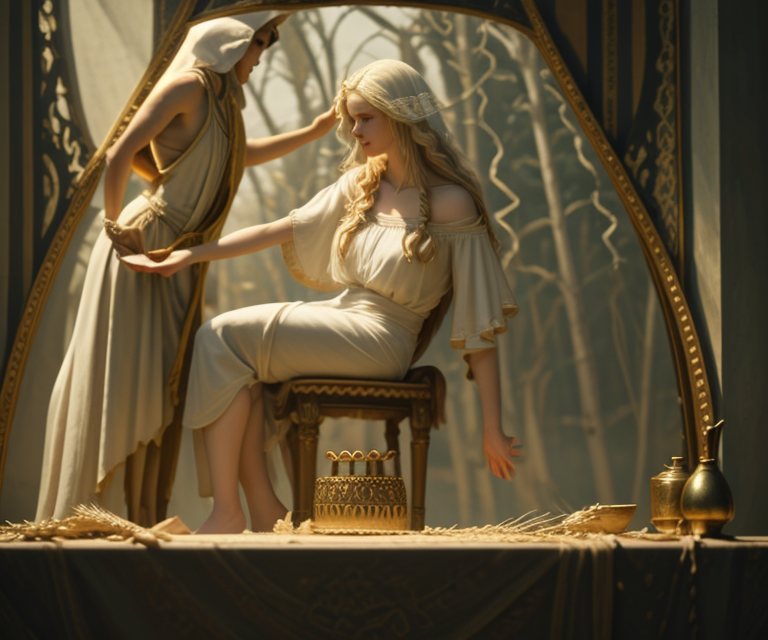
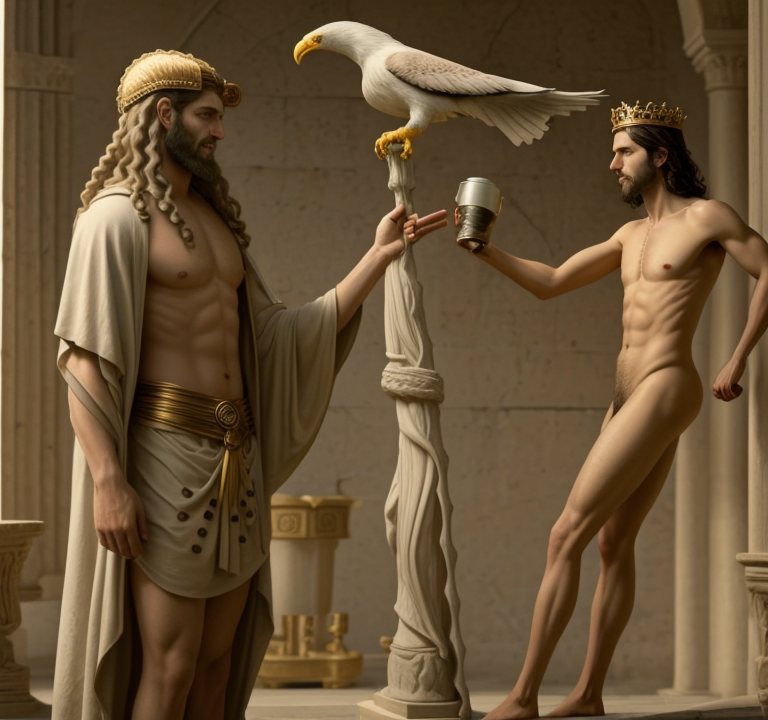
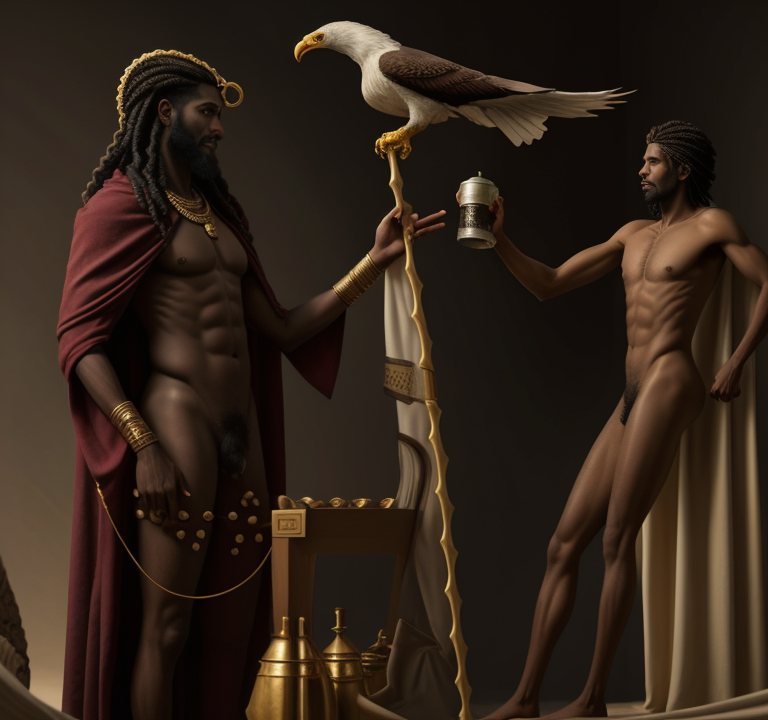
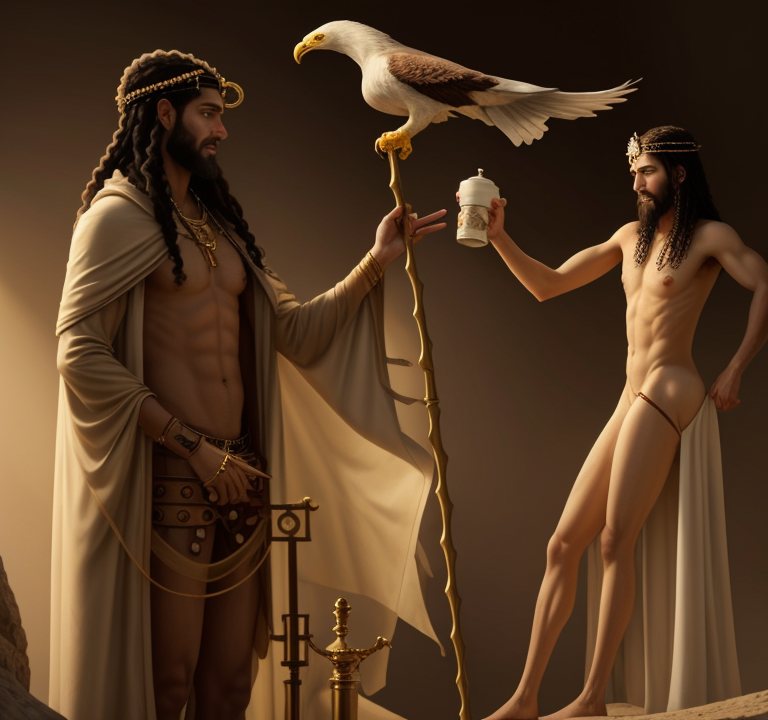
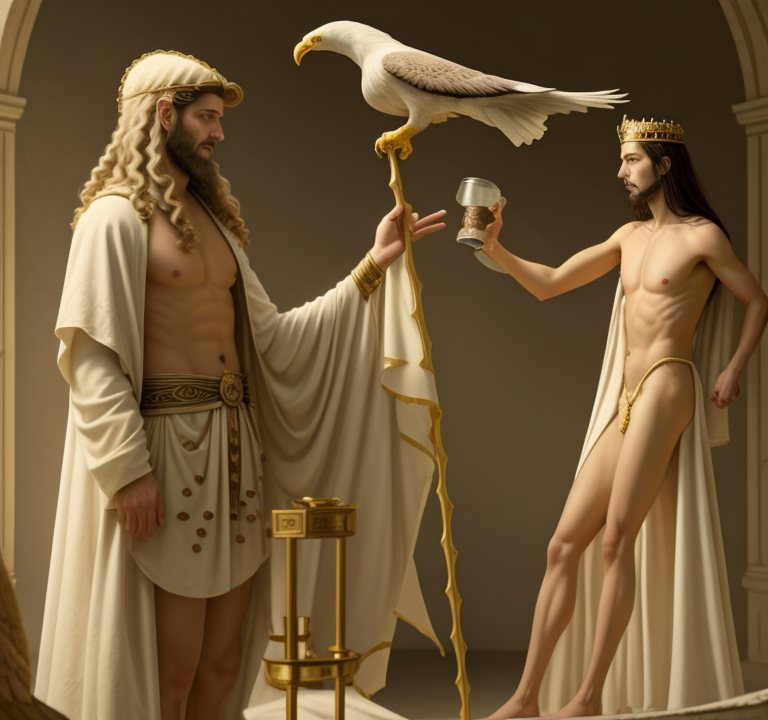
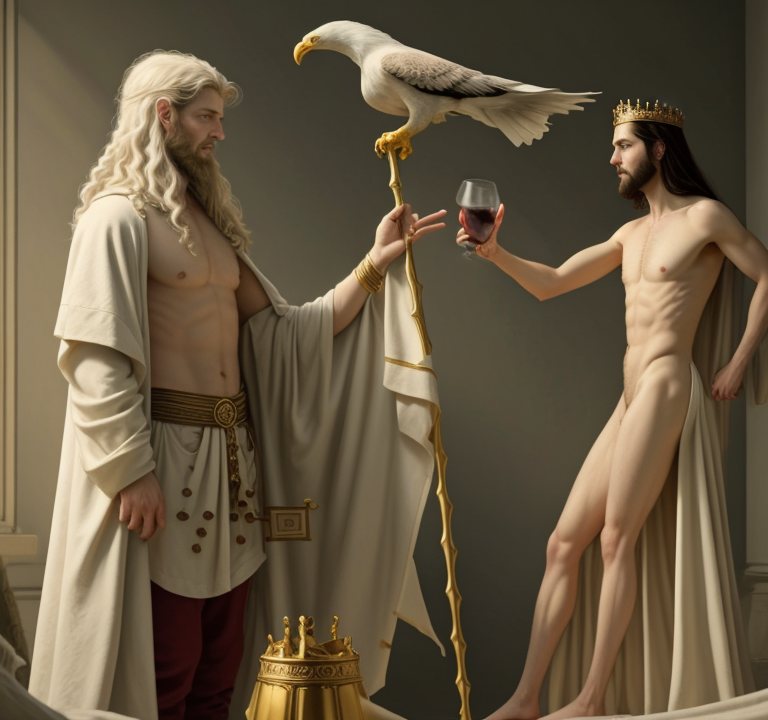
Zeus and Ganymede
Source: Eucharides Painter, Attic red-figure calyx-krater, Metropolitan Museum (Levy-White Collection, L.1999.10.14) · photo/scan: David Liam Moran (= User:One dead president) · CC BY-SA 3.0 · Wikimedia Commons · cropped to the scene
Original: 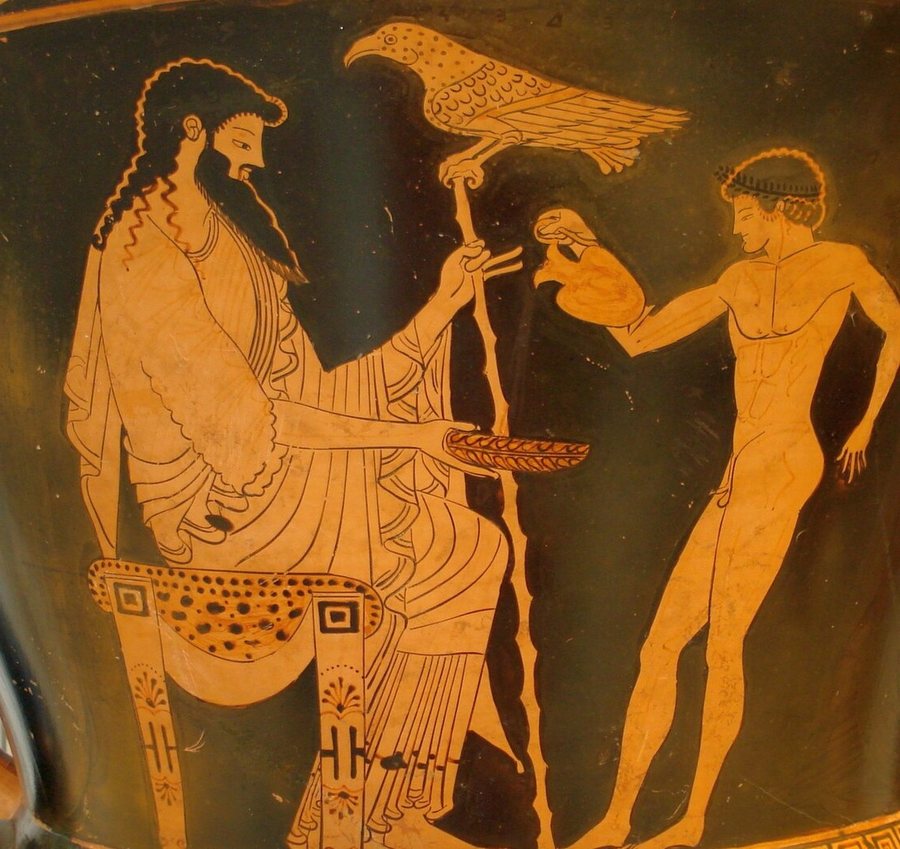
Realistic — Greek · Nubian · Libyan (Amazigh) · Levantine · Pale
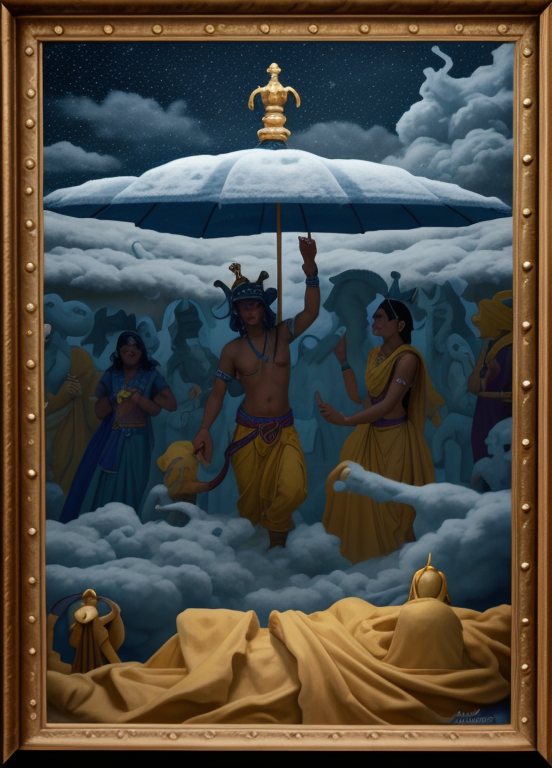
Krishna lifts Mount Govardhan
Source: Kangra school, Pahari Hills, 18th century, Cleveland Museum of Art 2001.45 · CC0 · Wikimedia Commons
Original: 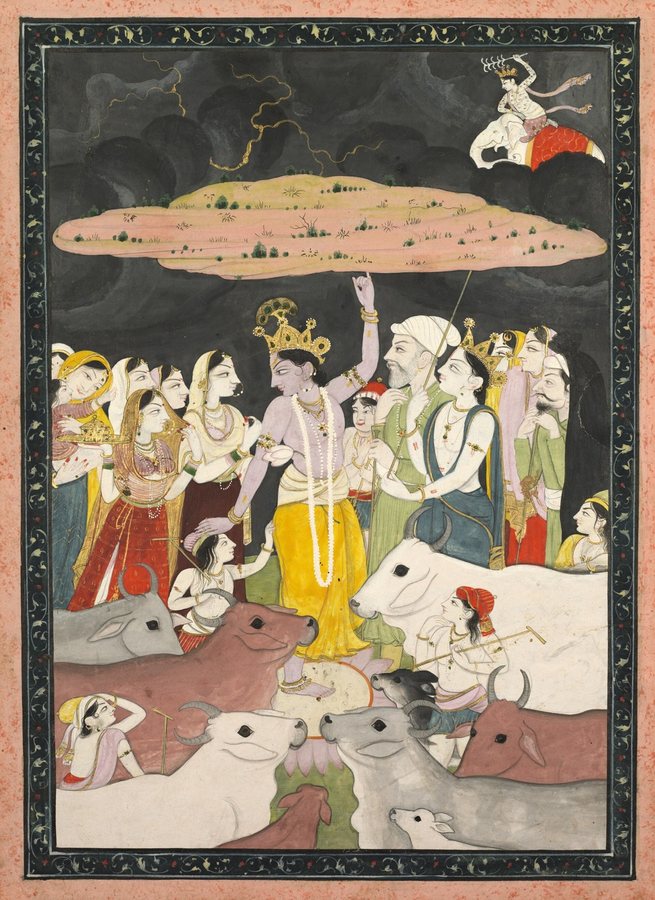
Realistic — indian · dravidian
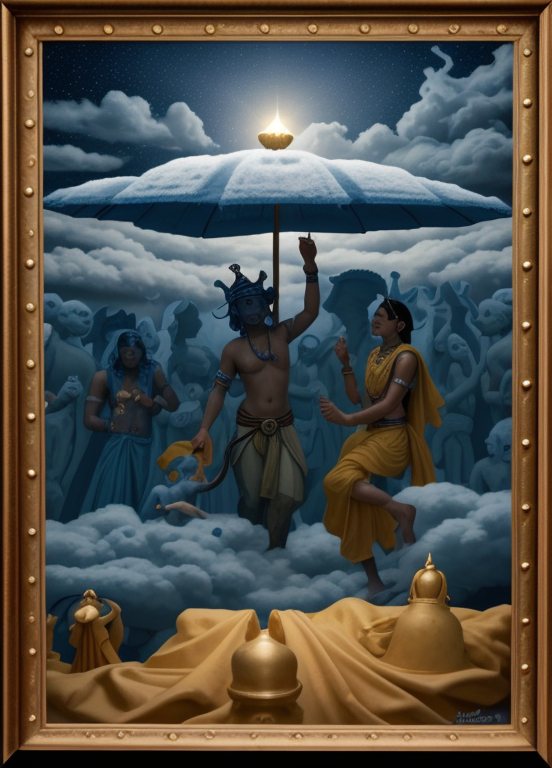
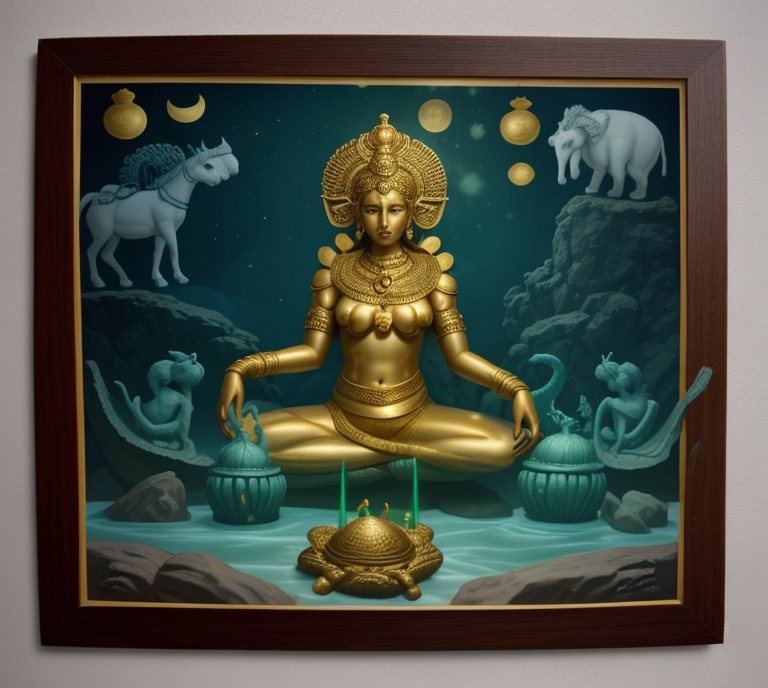
The churning of the Ocean of Milk
Source: Anonymous, Metropolitan Museum 1977.443.2 · Public domain · Wikimedia Commons
Original: 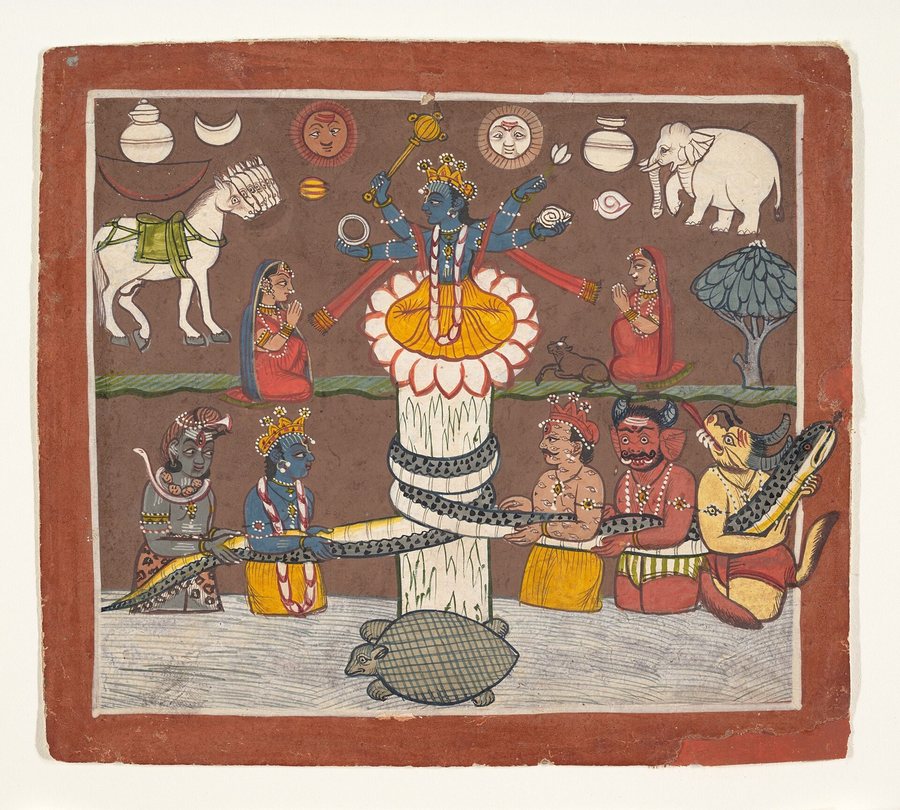
Realistic — As depicted
Fortress of Ibrim, Nubia
Source: David Roberts, 1838 (Library of Congress). Public domain
Original: 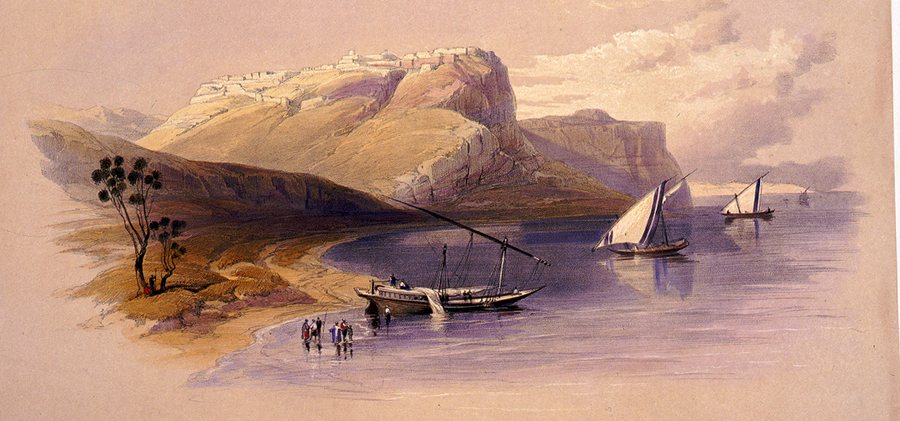
Realistic — Egyptian · Nubian · Libyan (Amazigh) · Levantine · Pale
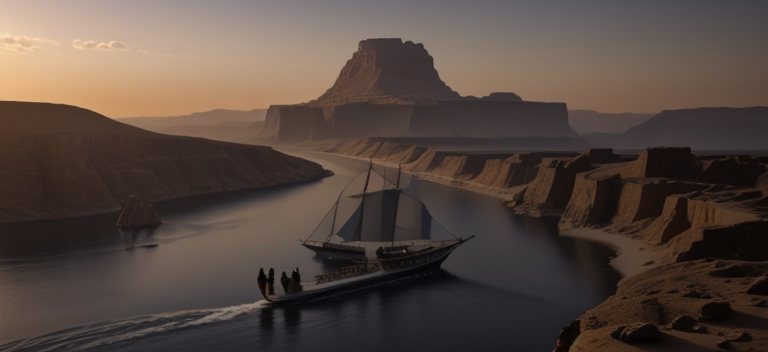
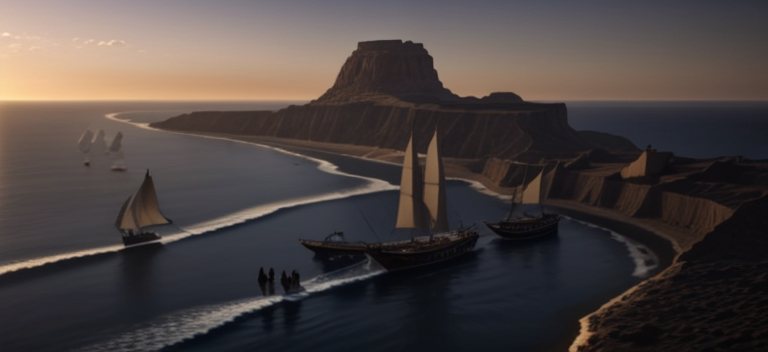
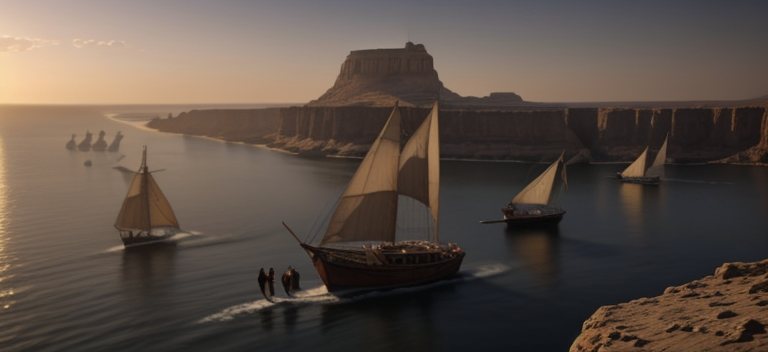
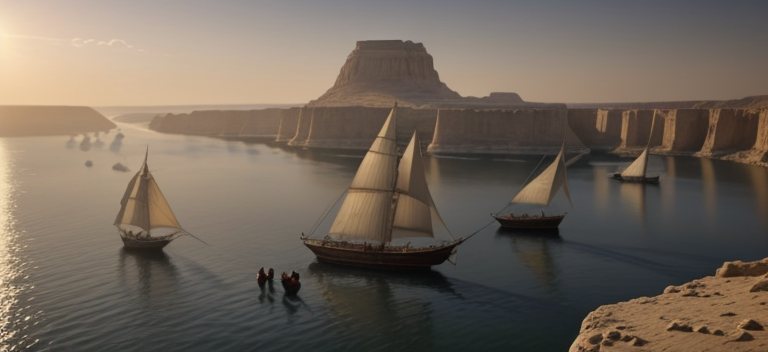
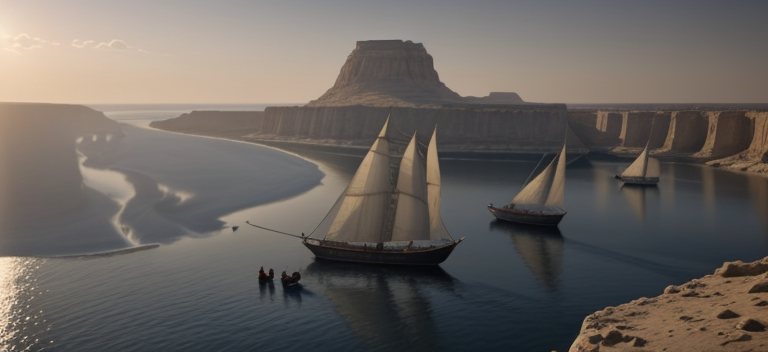
Funeral of a Mummy on the Nile
Source: Frederick Arthur Bridgman, 1877. Public domain
Original: 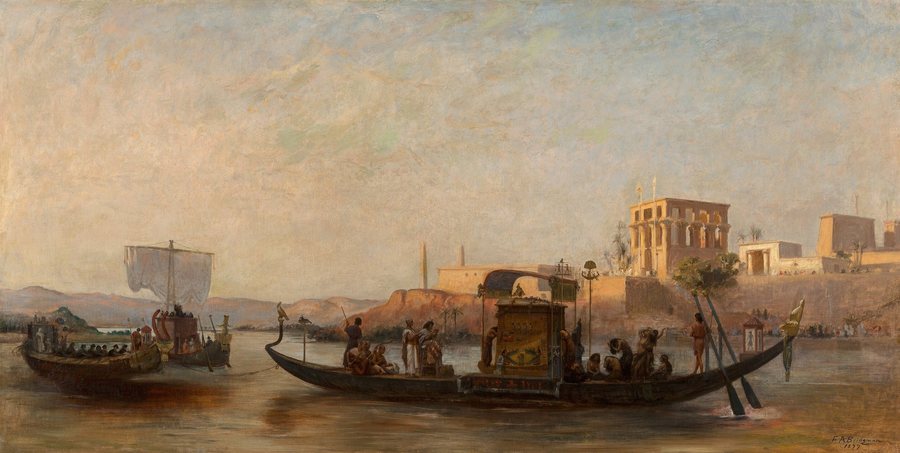
Realistic — Egyptian · Nubian · Libyan (Amazigh) · Levantine · Pale
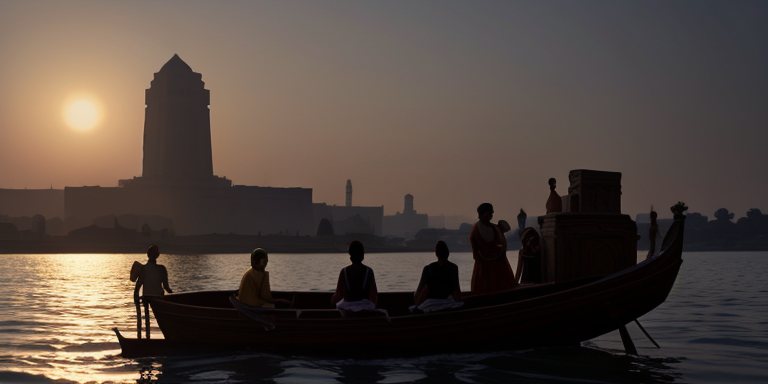

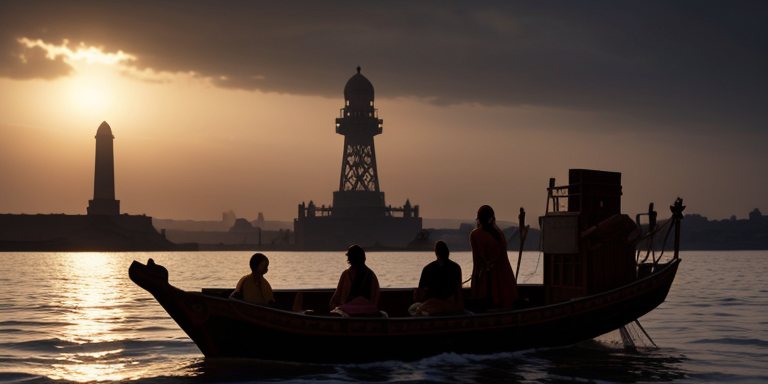
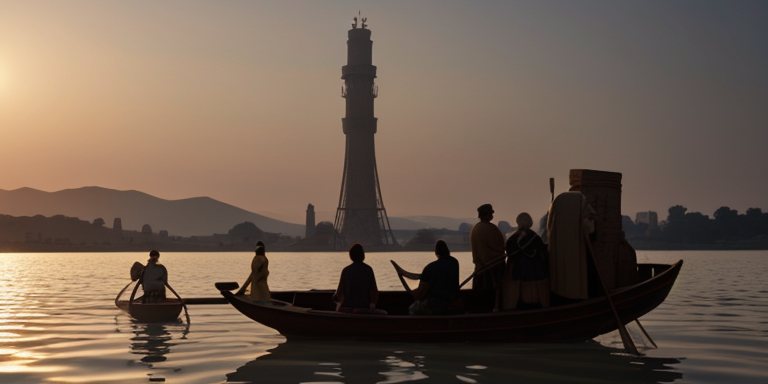
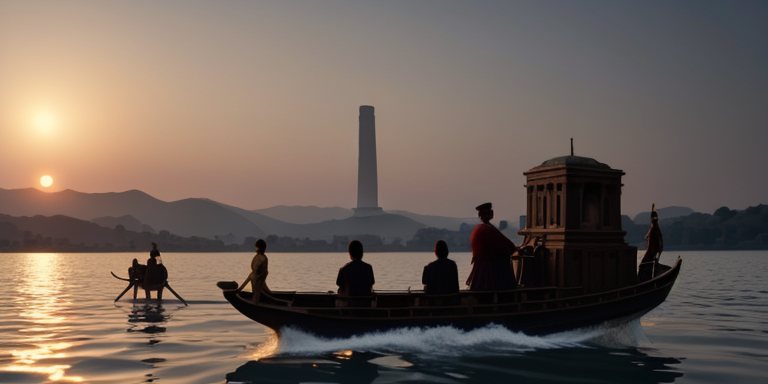
Gades ab occiduis insulae partibus
Source: Joris Hoefnagel (after), between 1564 and 1640. Bibliothèque nationale de France. Public domain
Original: 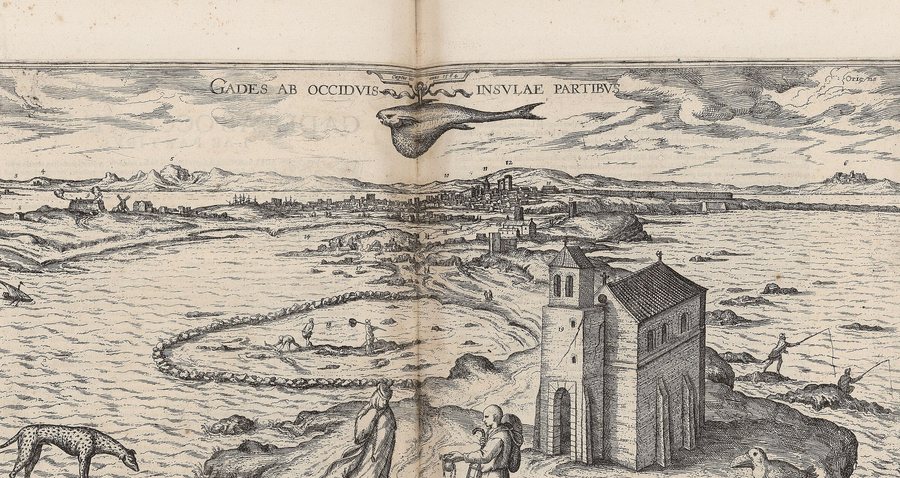
Realistic — Punic (Carthaginian) · Nubian · Libyan (Amazigh) · Levantine · Pale
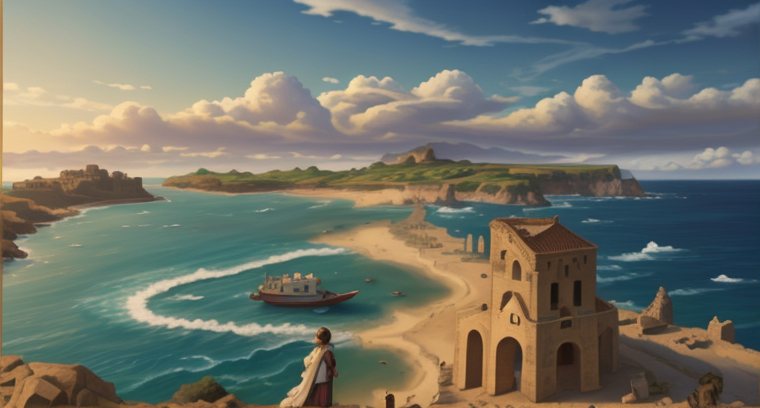
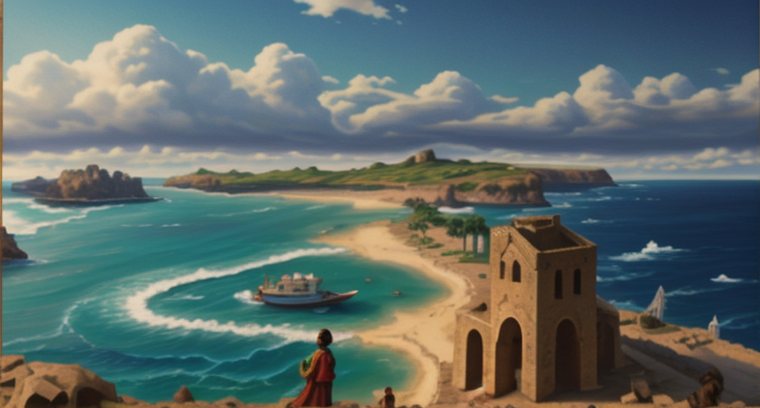
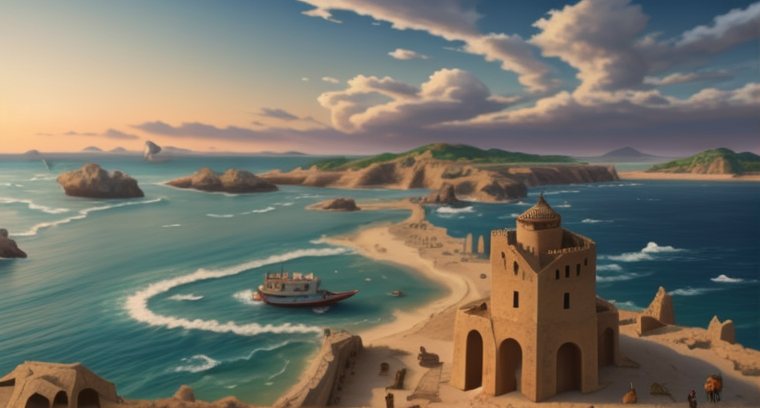
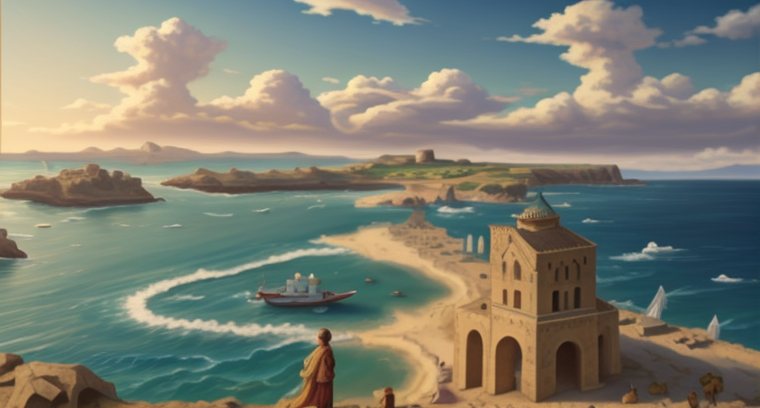
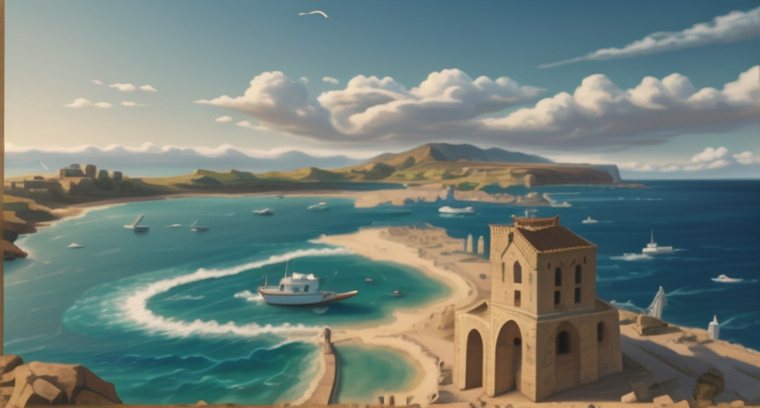
All 20 scenes in this set, and every other remake, are in the gallery: https://hathor.soapbox.community/remakes. Made on our own servers in Hathor Studio; each scene links to its place in the gallery.