Classical Indian image-makers used a unit taken from the figure itself: the tāla, one face-length, divided into twelve fingers. Gods, goddesses, humans and spirits each have their own count, so proportion itself says what order of being you are looking at. Egypt had a squared grid and Greece had Polykleitos' canon, each a sibling workshop with its own measure. Our remakes keep each scene's canon and attributes and let the peoples vary. Here is the next batch.
The All-Maker. Two hymns of the Ṛgveda (10.81–82) praise Viśvakarman, "All-Maker," the one with eyes, faces, arms and feet on every side, who forged heaven and earth. Later tradition made him architect of the gods, and artisans across India still worship their tools on his festival. (source)
We are testing these features and looking to develop them. This is Hathor's alpha work, made on our own servers — the images and videos she makes next are expected to be much better and more accurate. Tell us what works and what doesn't: every video page has 👍/👎, comments and timestamped notes.
The full gallery, every scene in every look: https://hathor.soapbox.community/remakes · Shilpa Shastra gallery: https://hathor.soapbox.community/gallery
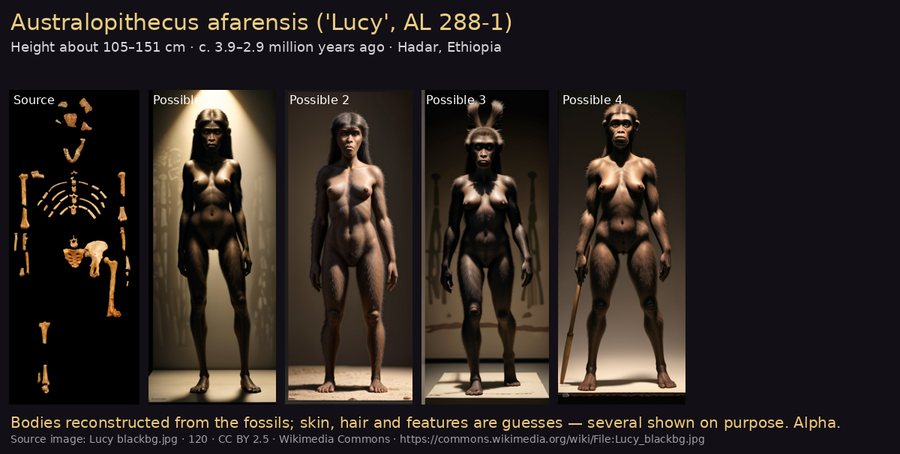
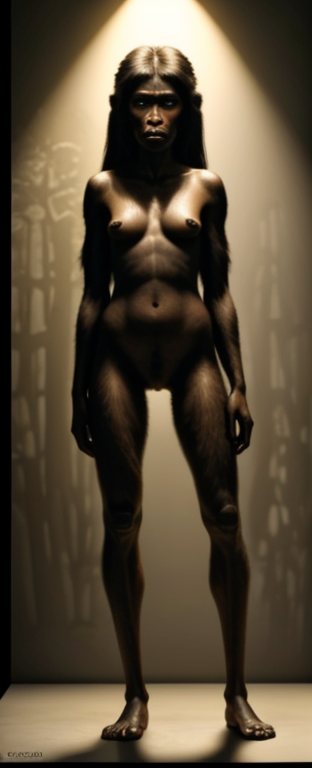
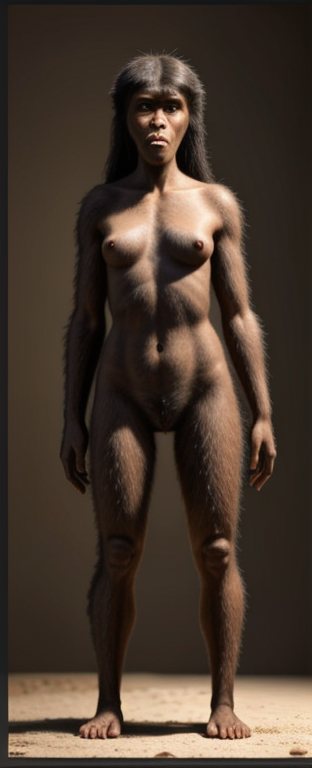
Australopithecus afarensis ('Lucy', AL 288-1) — several possible bodies
Source: Australopithecus afarensis ('Lucy', AL 288-1) · height about 105–151 cm · c. 3.9–2.9 million years ago · Hadar, Ethiopia. · image: Lucy blackbg.jpg · 120 · CC BY 2.5 · Wikimedia Commons · 
Original: 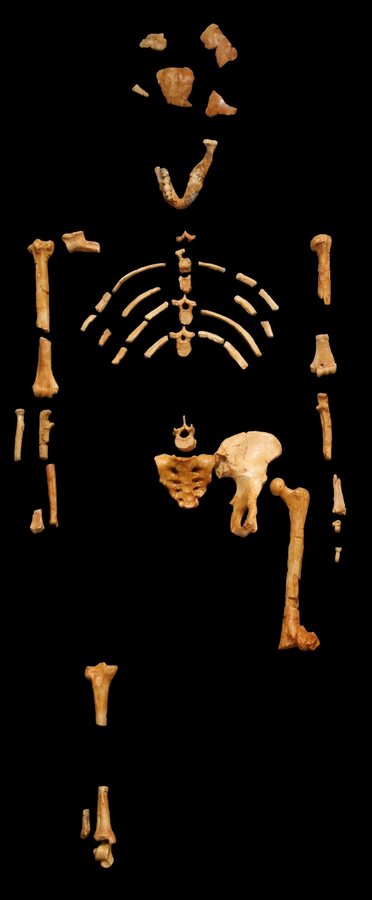
Realistic — sheet · body1 · body2 · body3 · body4
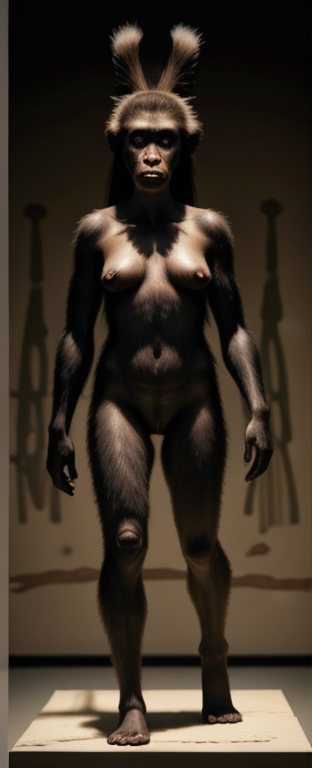
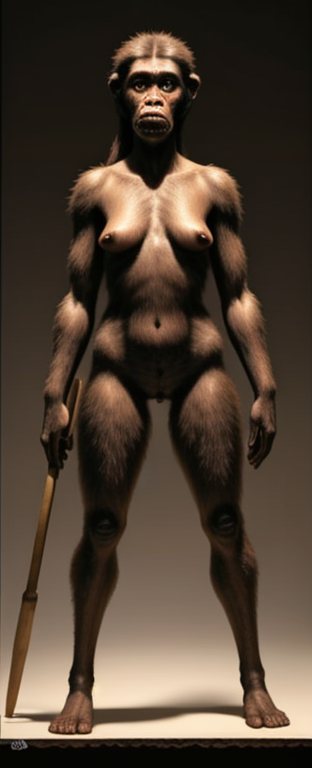
Homo erectus ('Turkana Boy', KNM-WT 15000) — several possible bodies
Source: Homo erectus ('Turkana Boy', KNM-WT 15000) · height about 145–185 cm · c. 1.5 million years ago (the boy); species c. 1.9 million–110,000 years ago · Nariokotome, Kenya. · image: Turkana Boy at the American Museum of Natural History.jpg · Photograph by Mike Peel (www.mikepeel.net). · CC BY-SA 4.0 · Wikimedia Commons · 
Original: 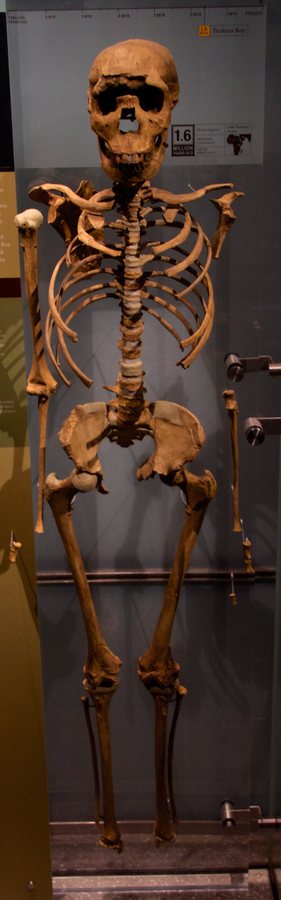
Realistic — body1 · body2 · body3
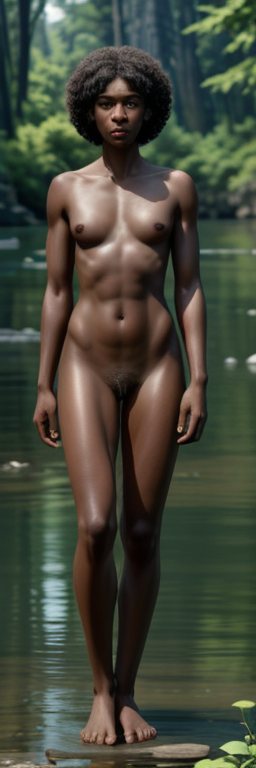
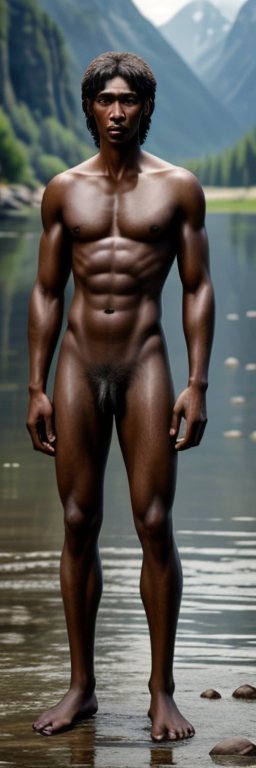
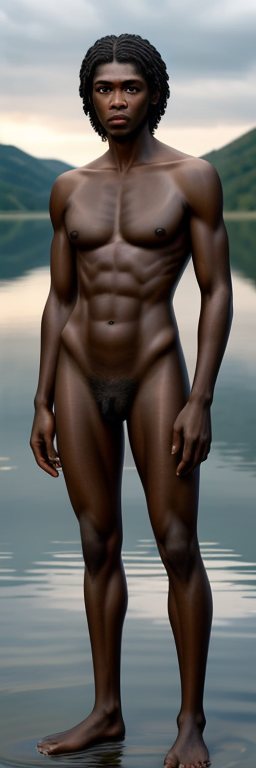
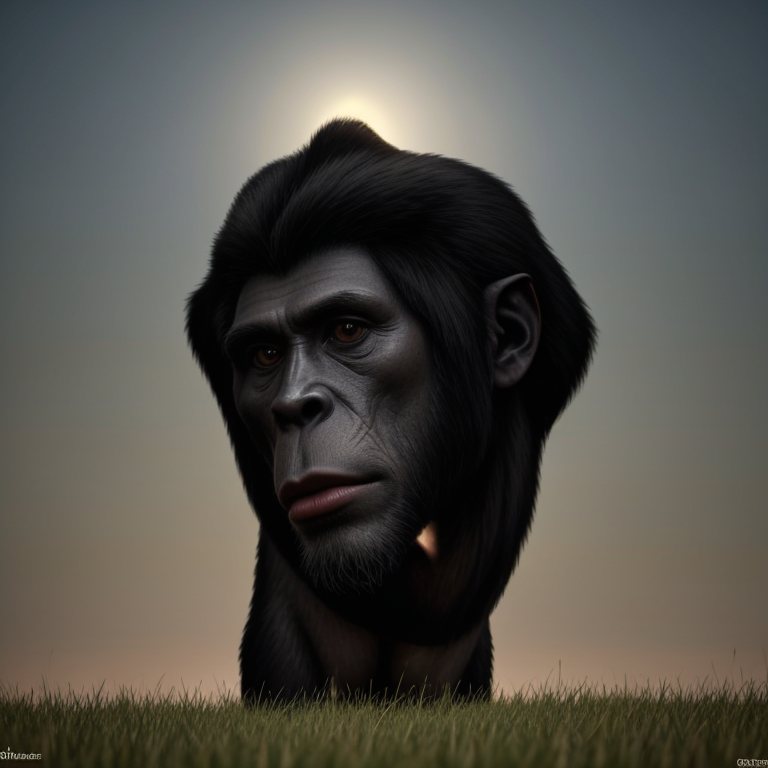
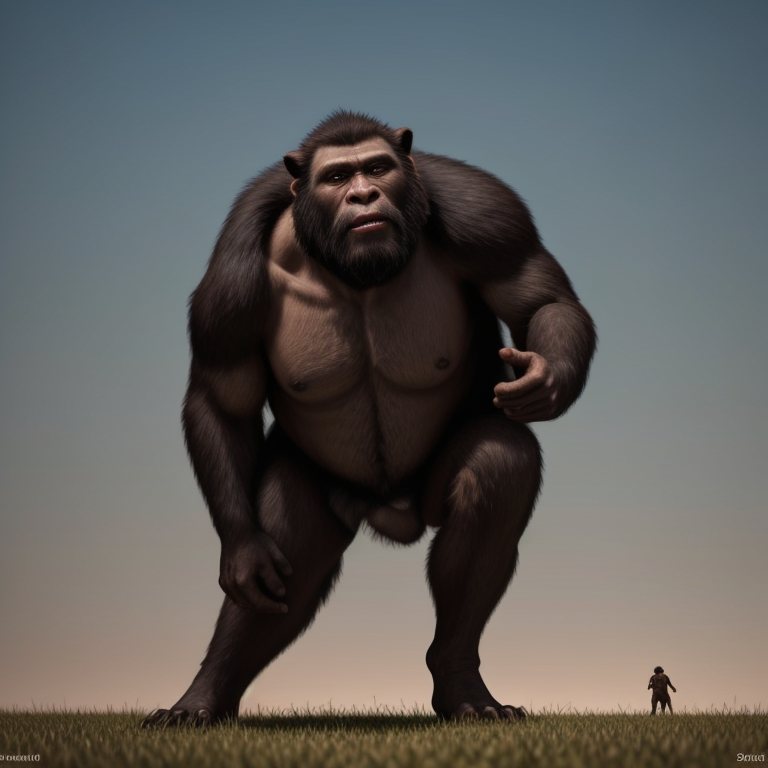
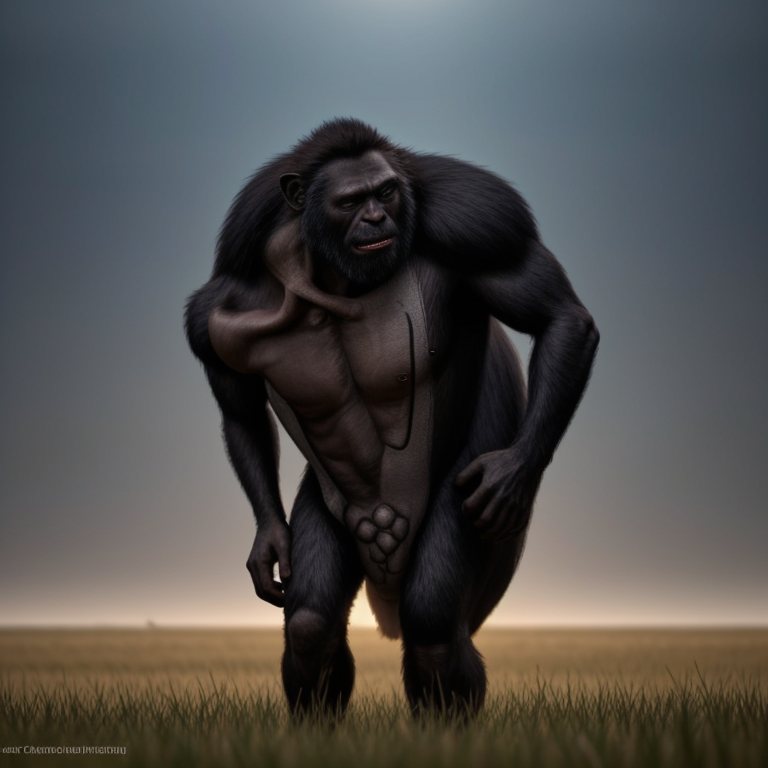
Paranthropus boisei — several possible bodies
Source: Paranthropus boisei · height about 124–137 cm · c. 2.3–1.2 million years ago · East Africa (Olduvai, Koobi Fora). · image: Paranthropus boisei IMG 2933-black.jpg · Rama · CC BY-SA 3.0 fr · Wikimedia Commons · 
Original: 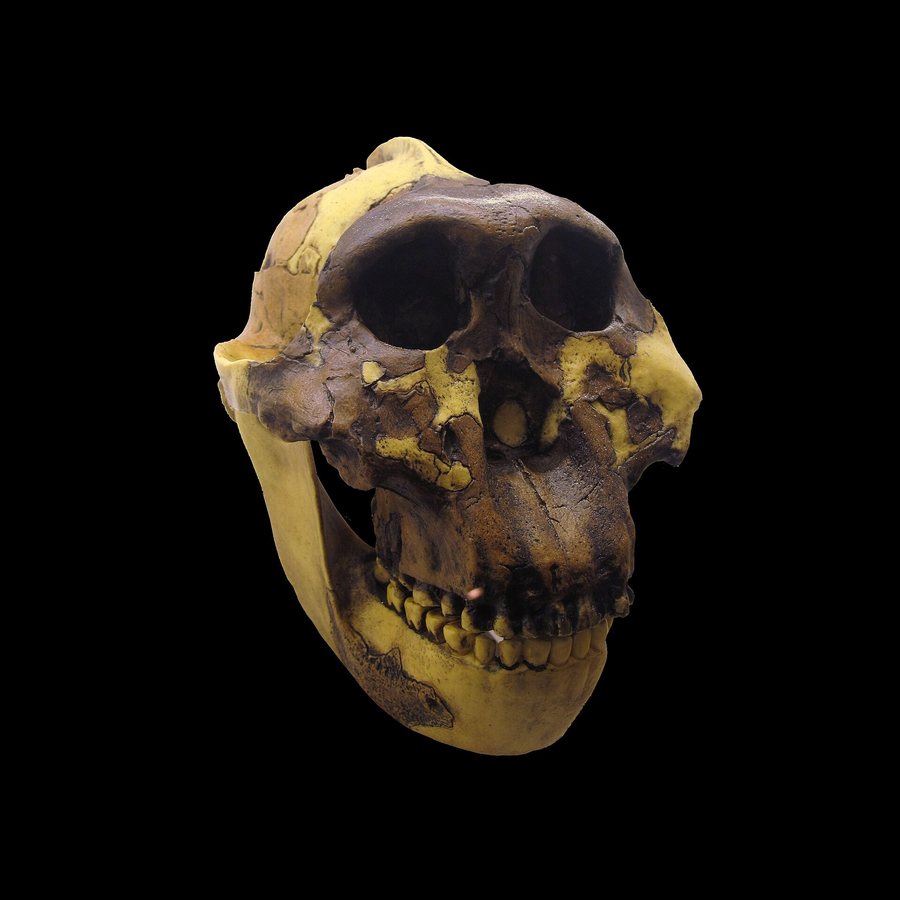
Realistic — sheet · body1 · body2 · body3 · body4
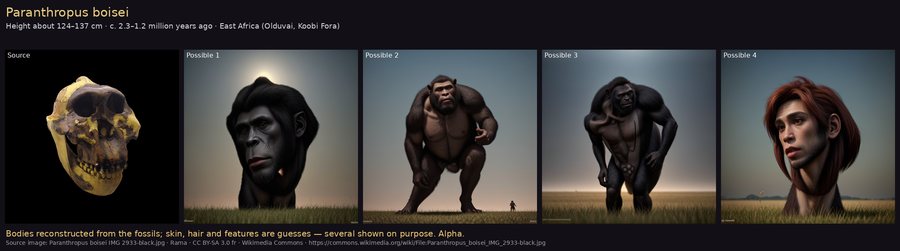
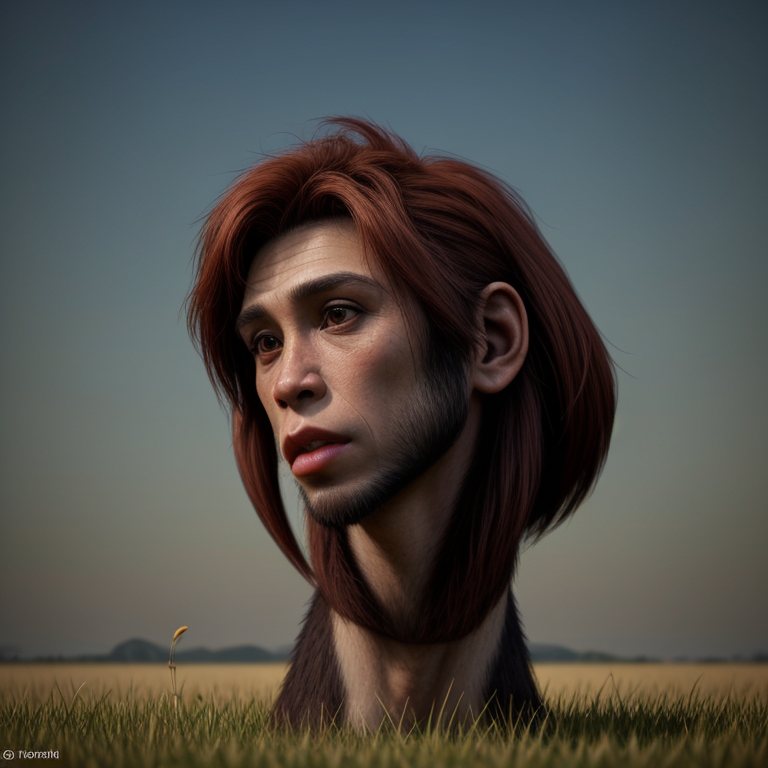
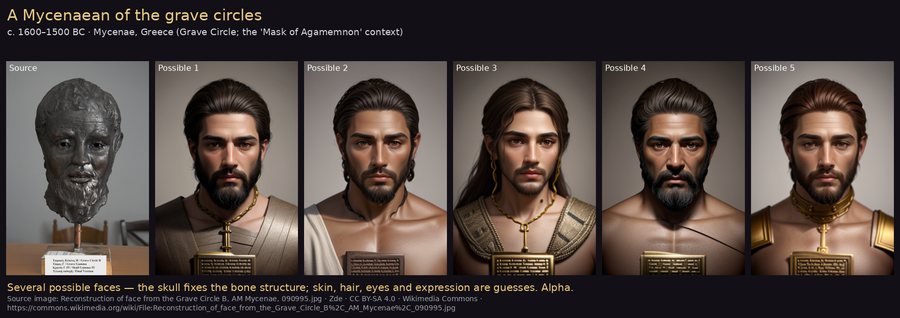
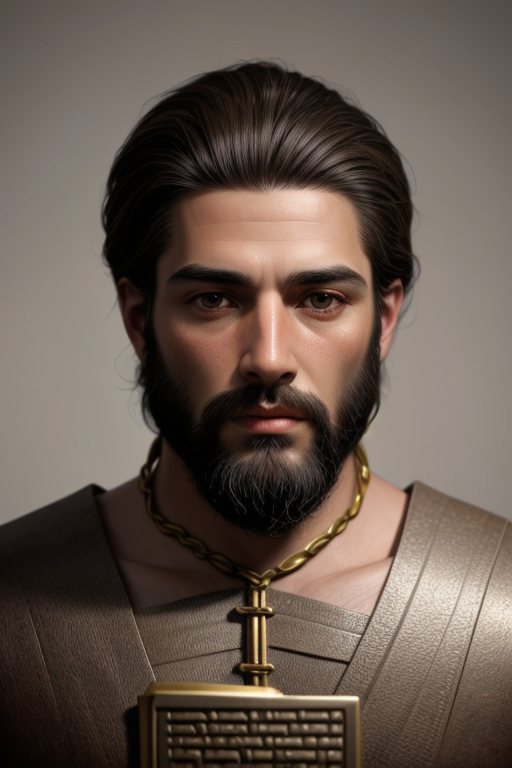
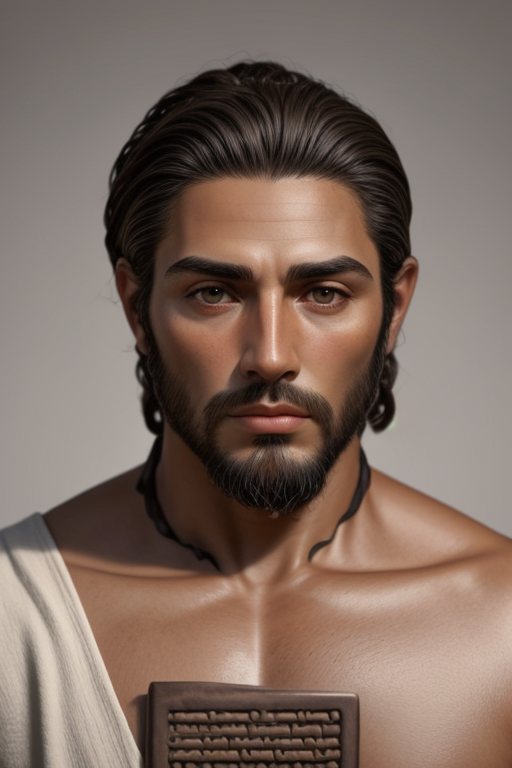
A Mycenaean of the grave circles — several possible faces
Source: c. 1600–1500 BC · Mycenae, Greece (Grave Circle; the 'Mask of Agamemnon' context) · skull image: Reconstruction of face from the Grave Circle B, AM Mycenae, 090995.jpg · Zde · CC BY-SA 4.0 · Wikimedia Commons · 
Original: 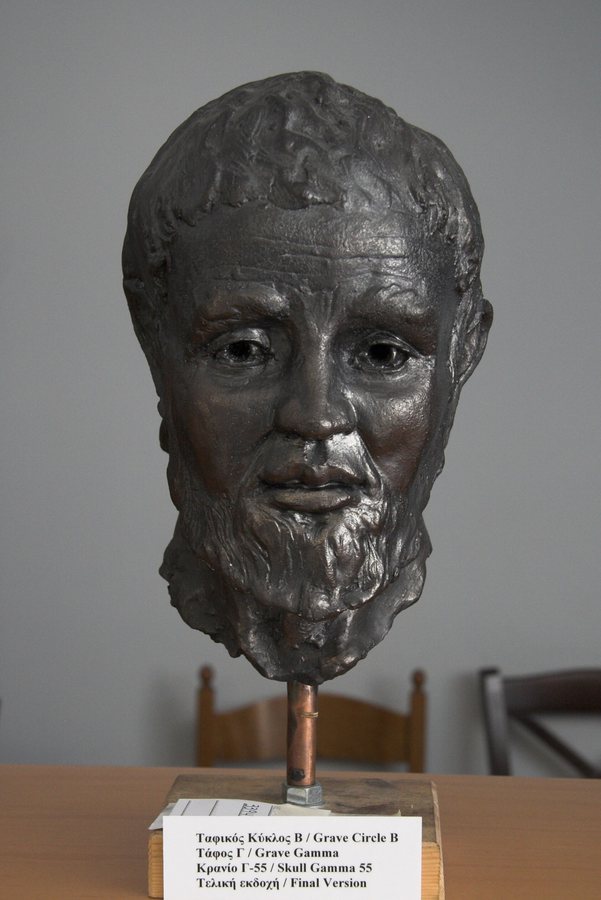
Realistic — sheet · face1 · face2 · face3 · face4 · face5
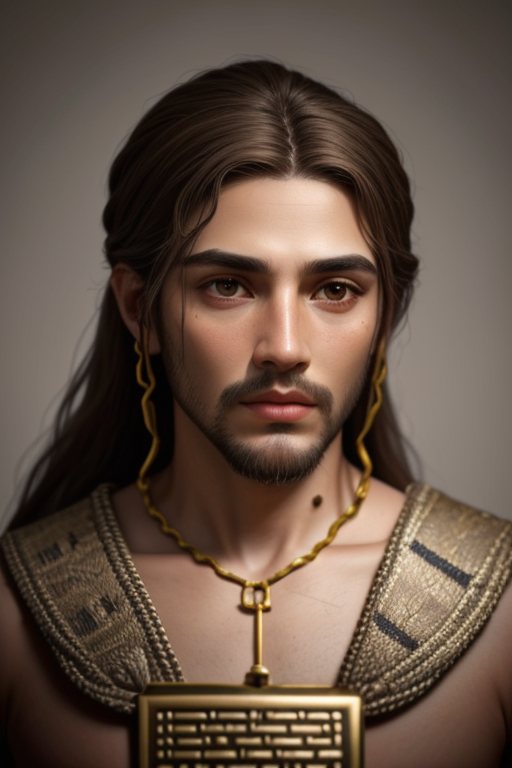
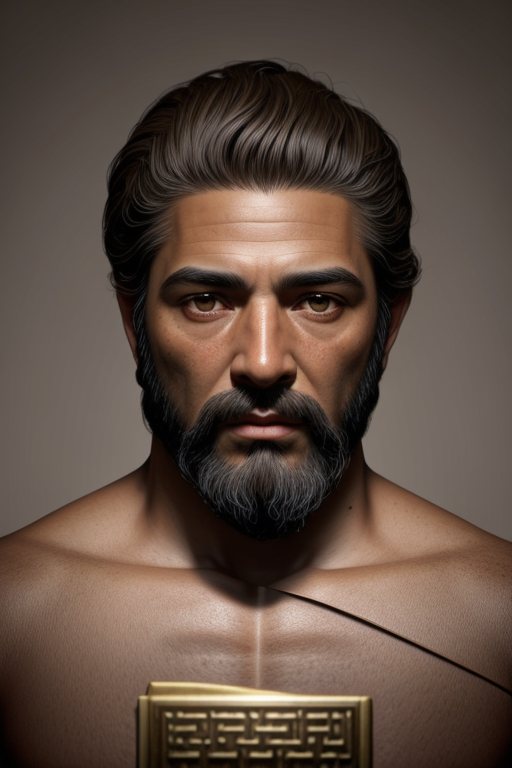
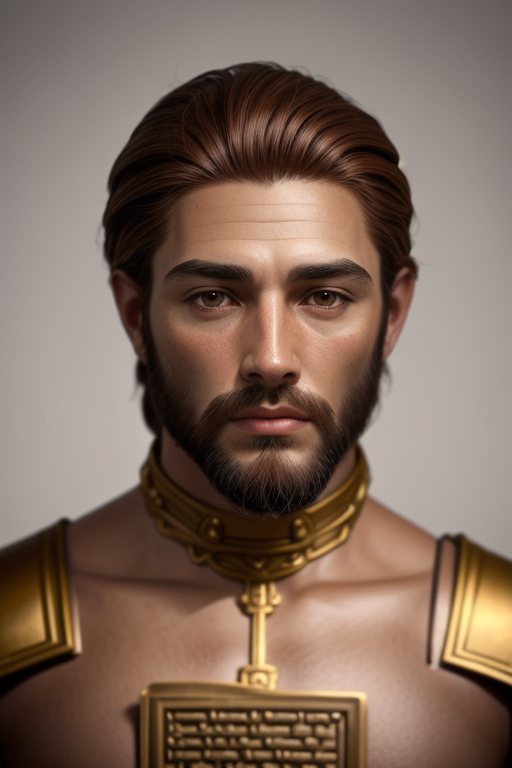
A Natufian of the Levant — several possible faces
Source: c. 15,000–11,500 years ago (Natufian) · southern Levant · skull image: Human skeleton (Rockefeller Museum).jpg · Davidbena · CC BY-SA 4.0 · Wikimedia Commons · 
Original: 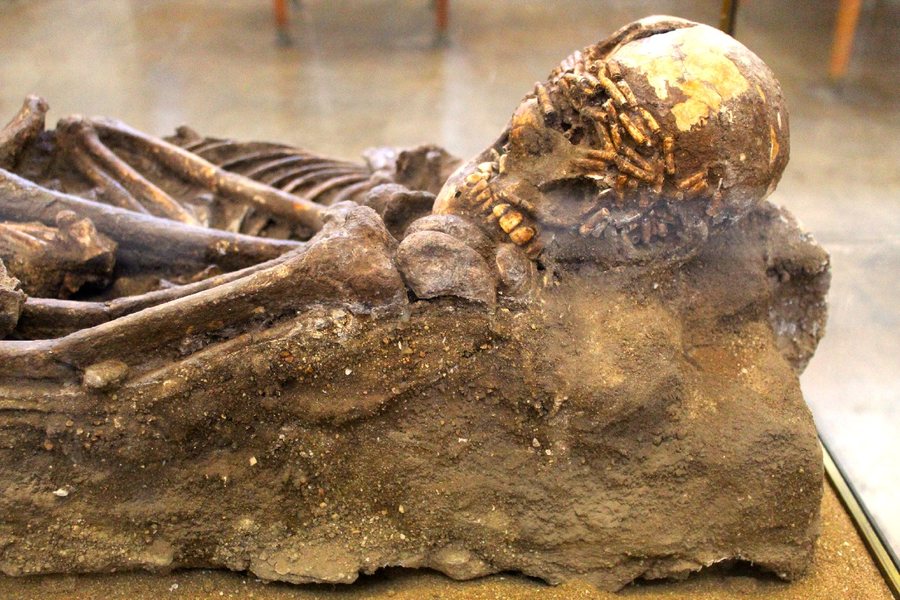
Realistic — sheet · face1 · face2 · face3 · face4 · face5

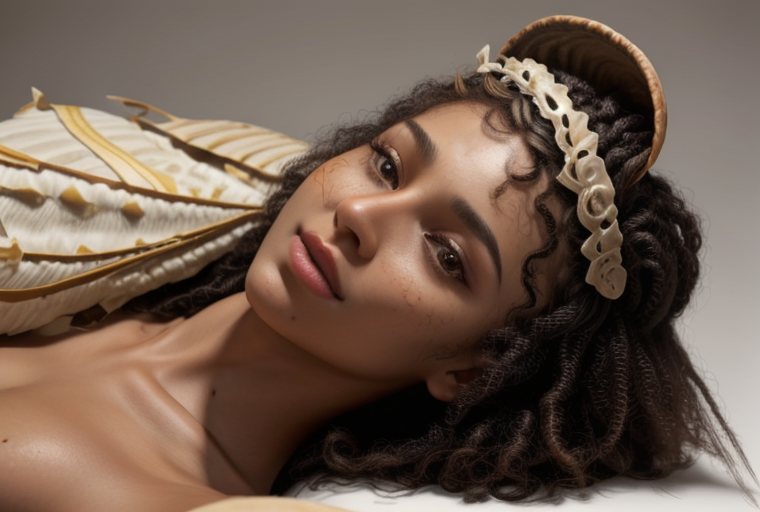
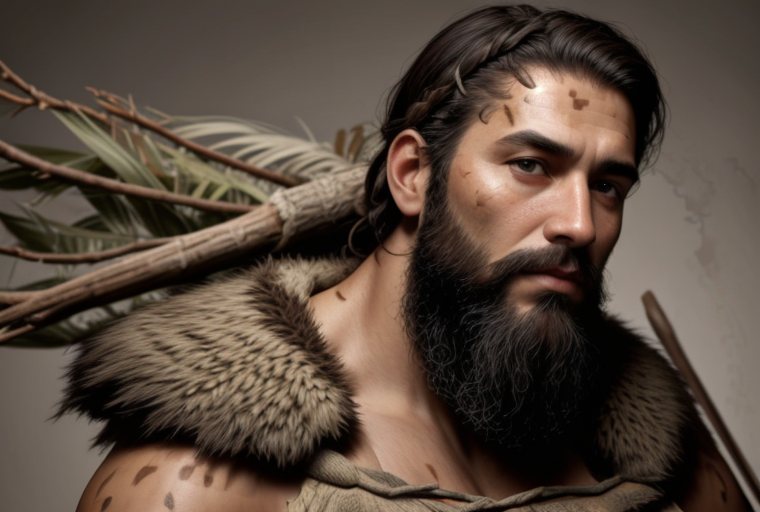
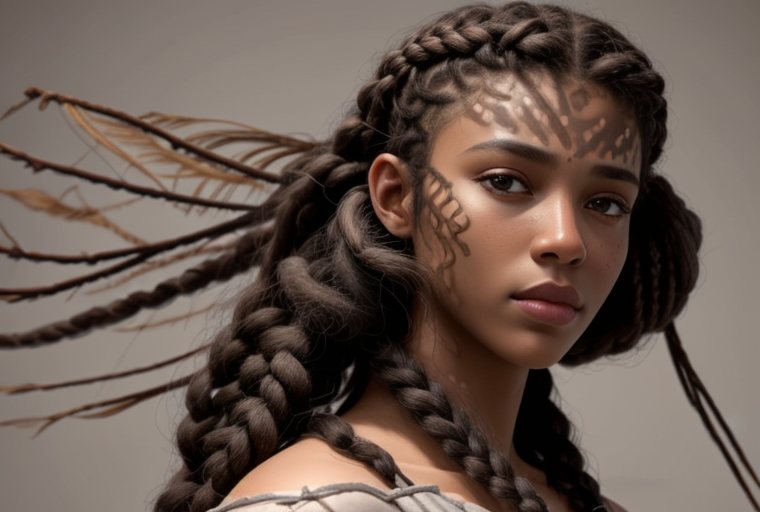
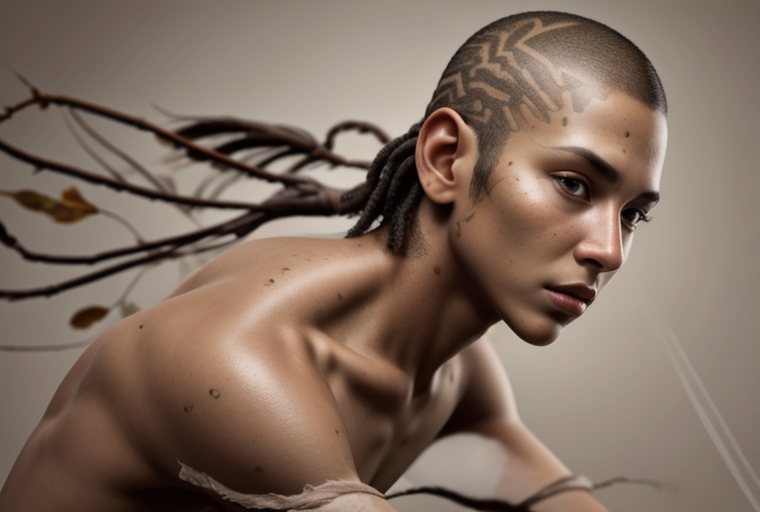
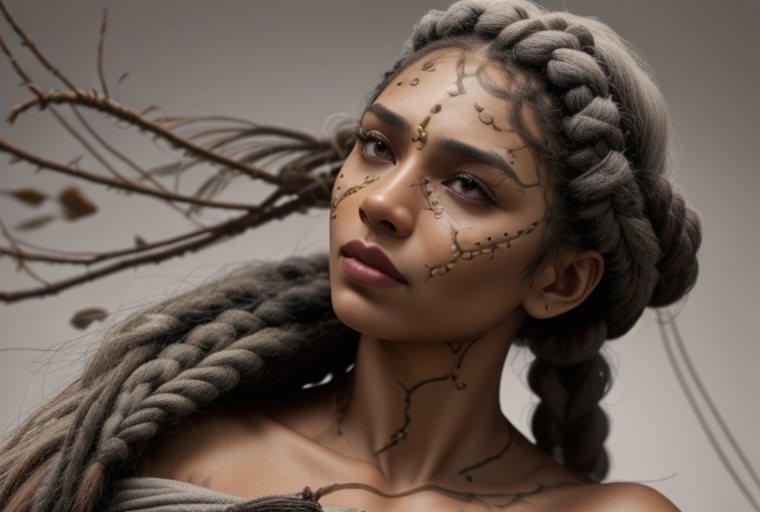
An ancient Egyptian skull — several possible faces
Source: Dynastic Egypt (dates vary by specimen) · Nile Valley · skull image: Skull - Egyptian Human Mummy - Egyptian Gallery - Indian Museum - Kolkata 2014-04-04 4355.JPG · Biswarup Ganguly · CC BY 3.0 · Wikimedia Commons · https://commons.wikimedia.org/wiki/File:Skull_-Egyptian_Human_Mummy-Egyptian_Gallery-Indian_Museum-_Kolkata_2014-04-04_4355.JPG
Original: 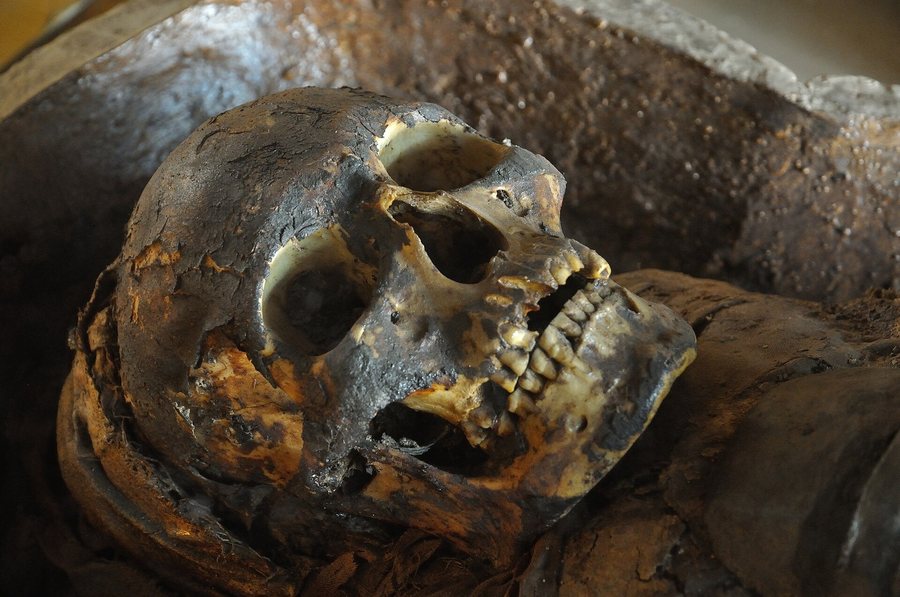
Realistic — sheet · face1 · face2 · face3 · face4 · face5

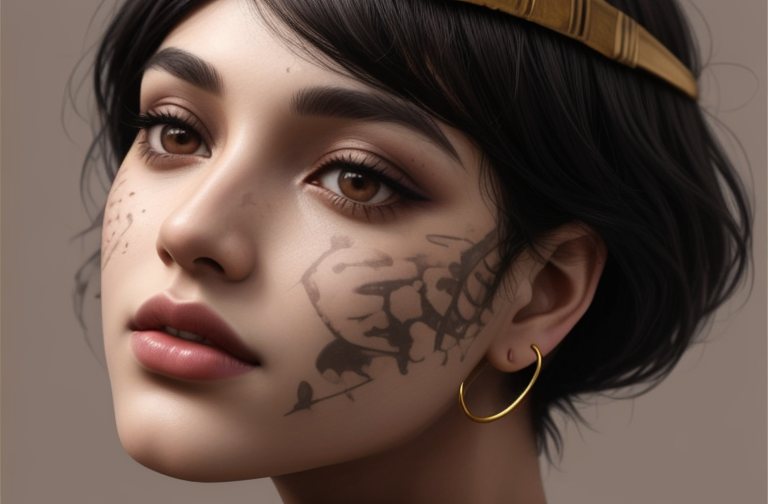
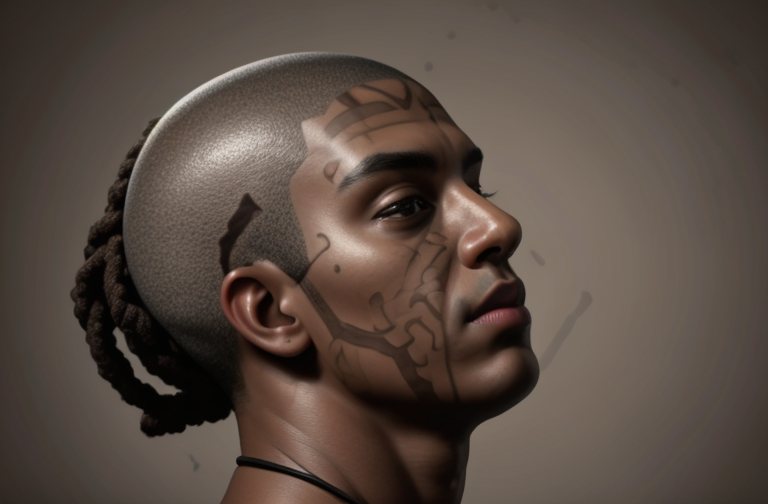
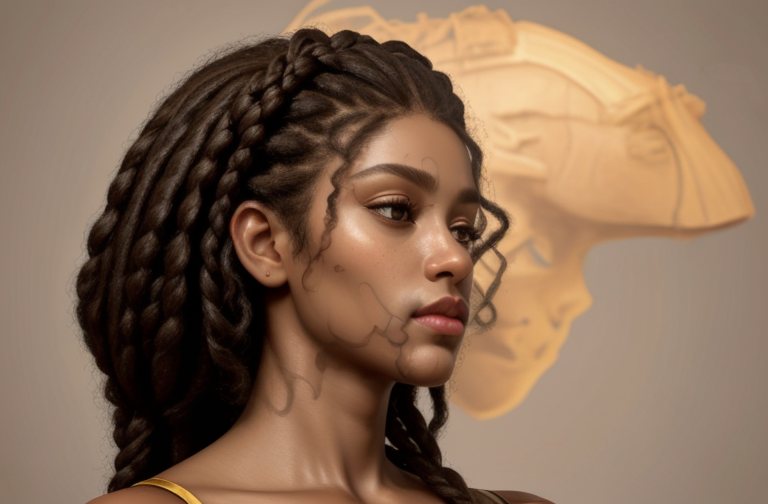
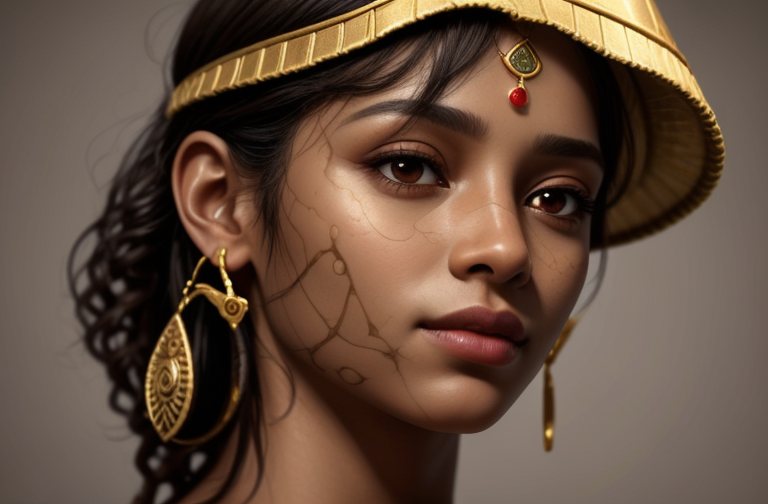
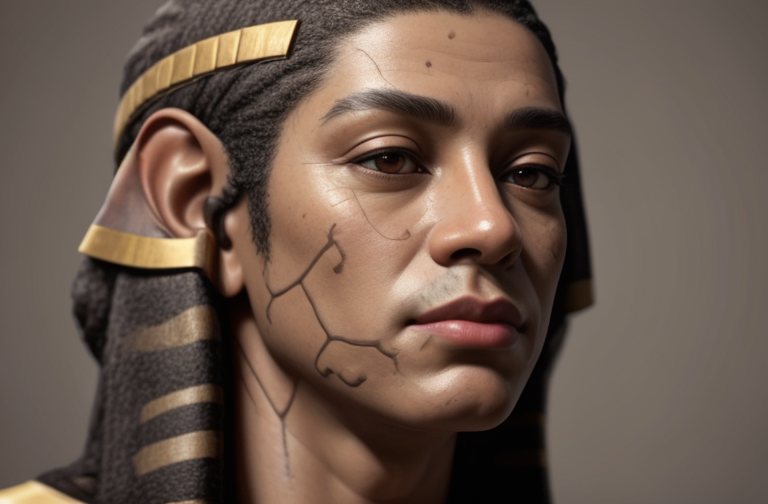
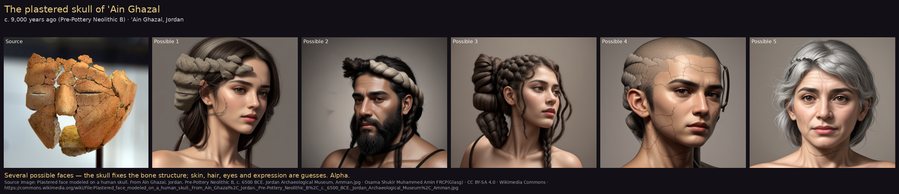
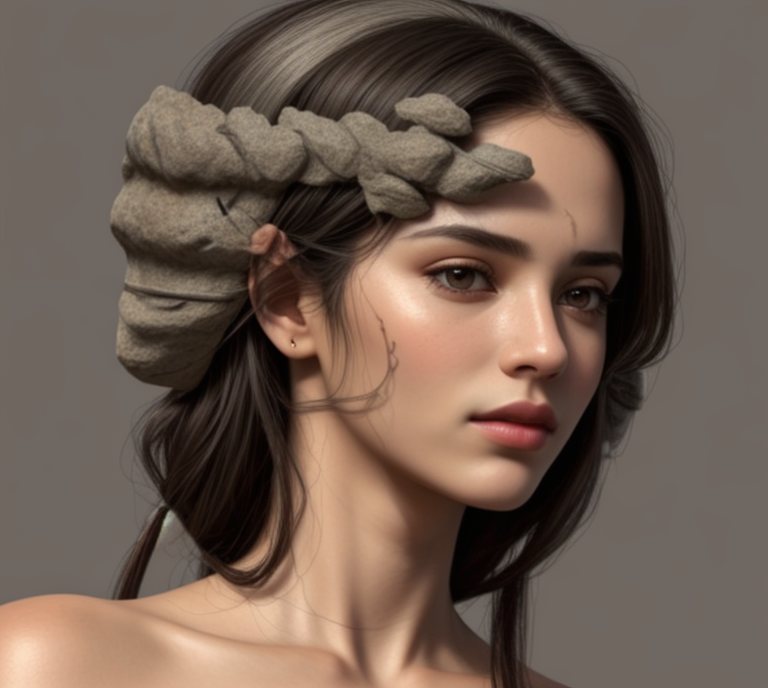
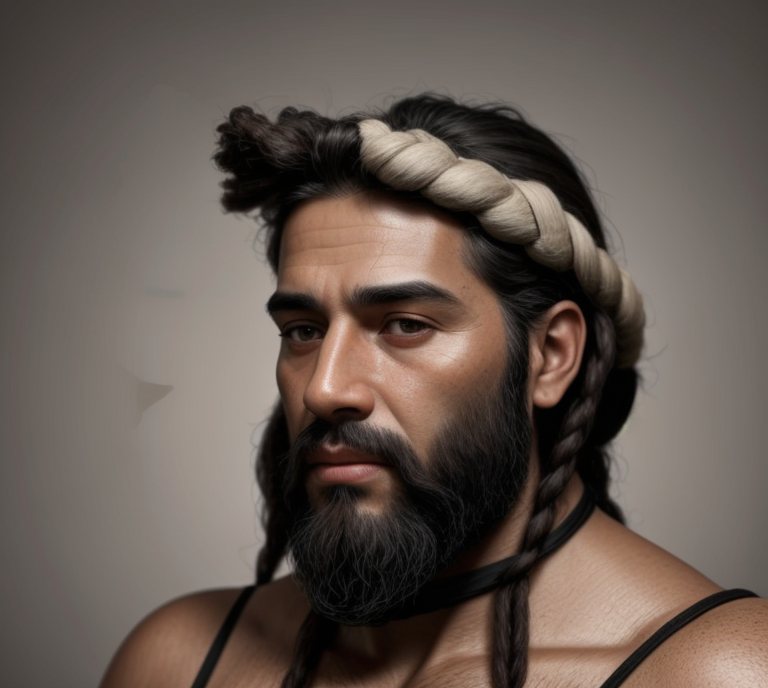
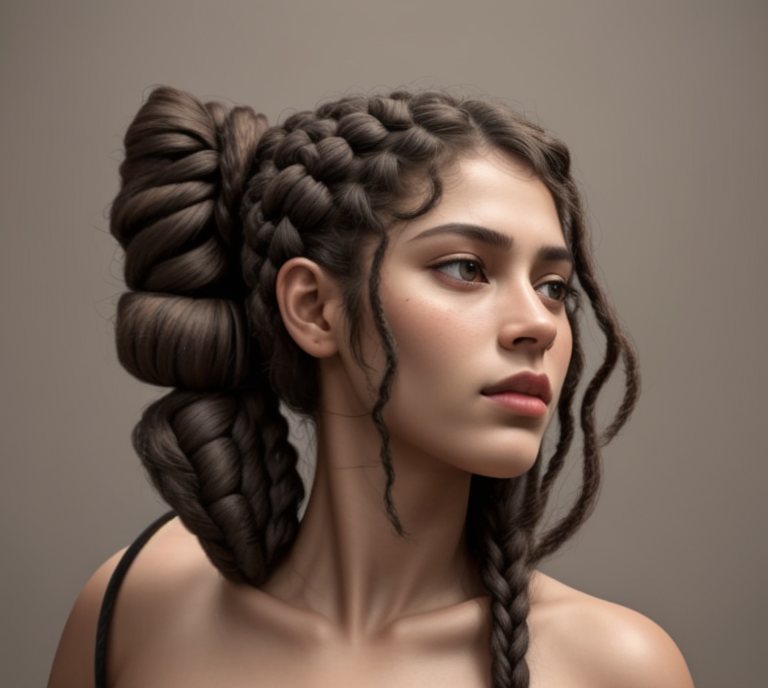
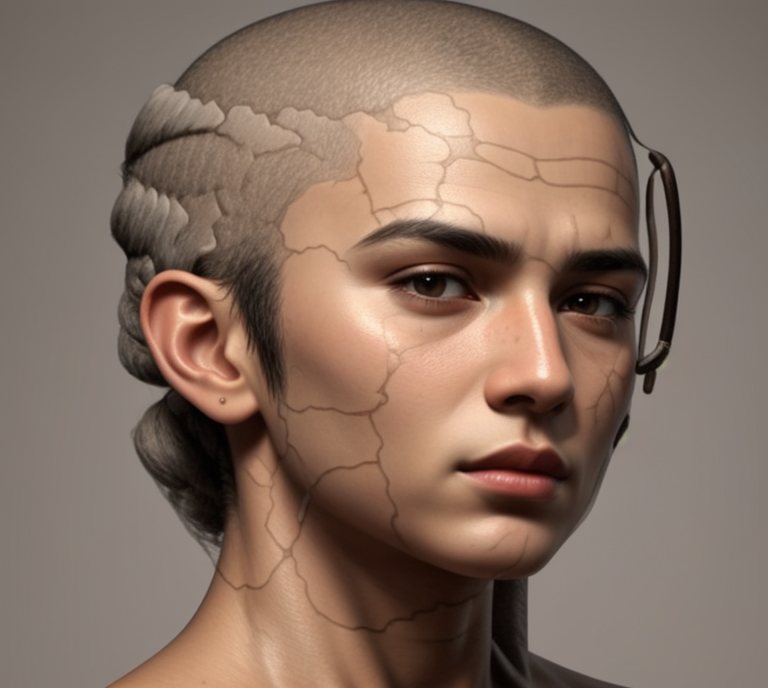
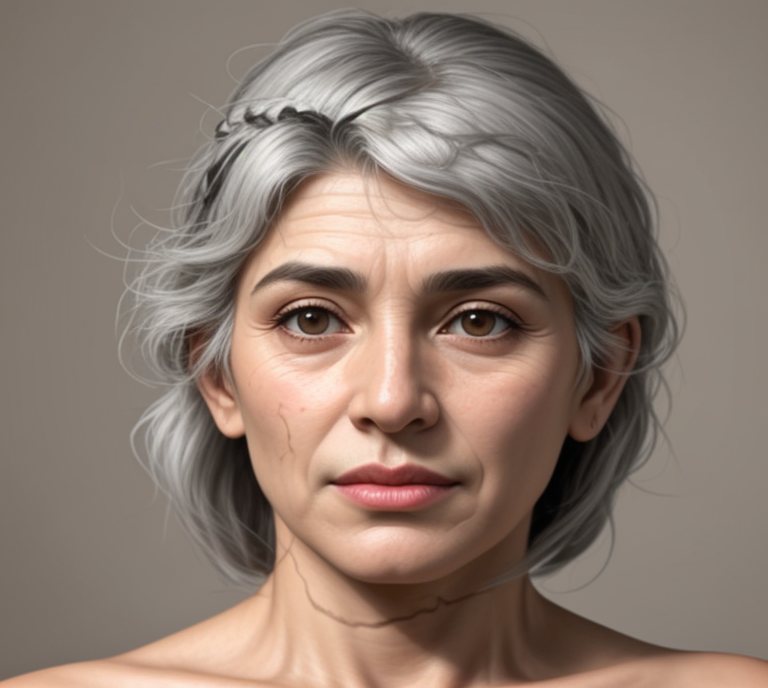
The plastered skull of 'Ain Ghazal — several possible faces
Source: c. 9,000 years ago (Pre-Pottery Neolithic B) · 'Ain Ghazal, Jordan · skull image: Plastered face modeled on a human skull. From Ain Ghazal, Jordan. Pre-Pottery Neolithic B, c. 6500 BCE. Jordan Archaeological Museum, Amman.jpg · Osama Shukir Muhammed Amin FRCP(Glasg) · CC BY-SA 4.0 · Wikimedia Commons · 
Original: 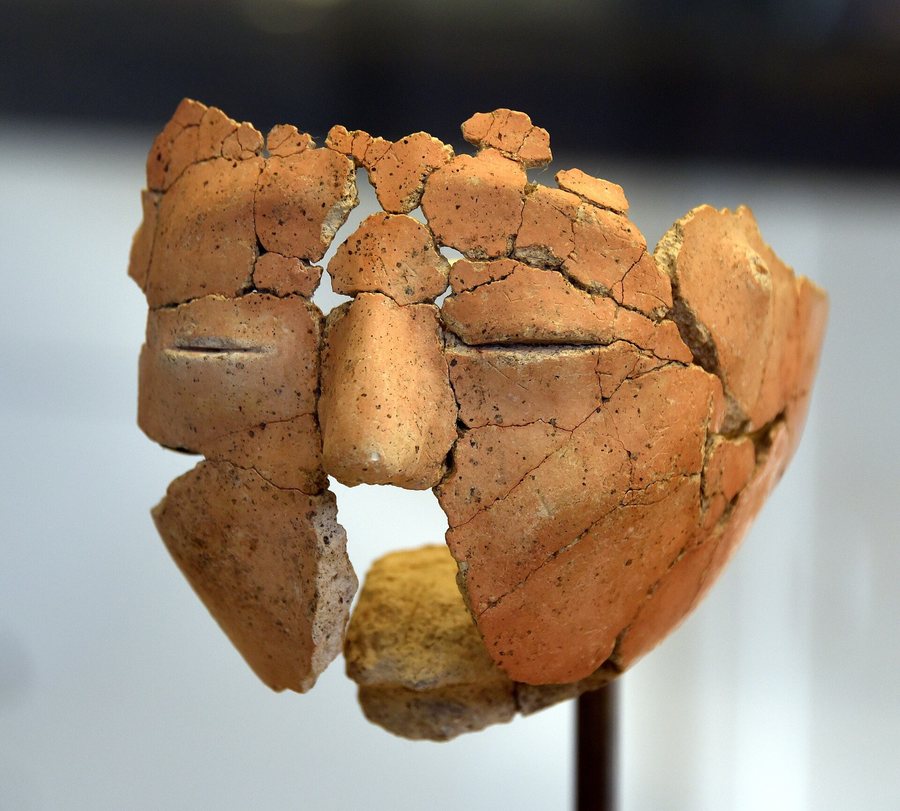
Realistic — sheet · face1 · face2 · face3 · face4 · face5
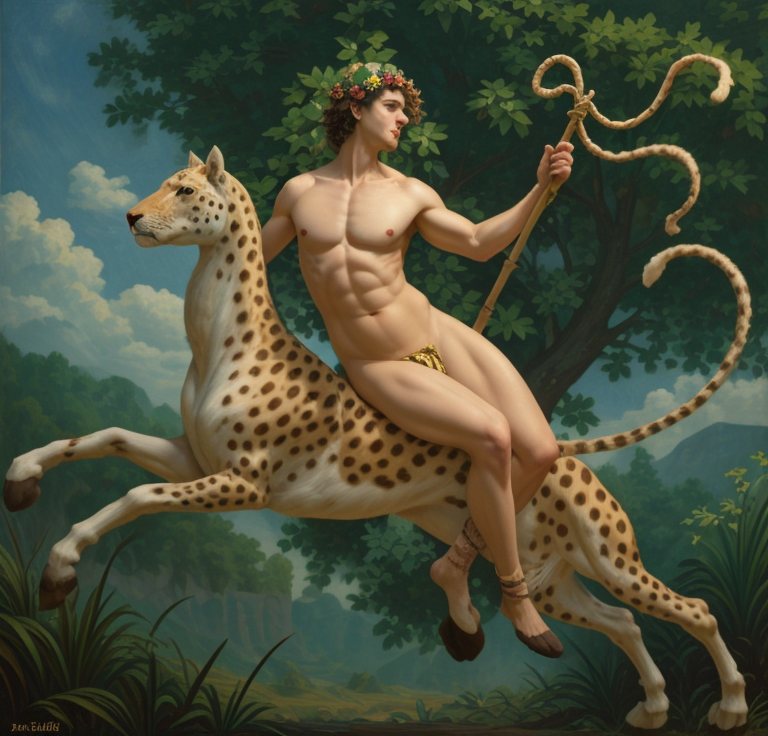
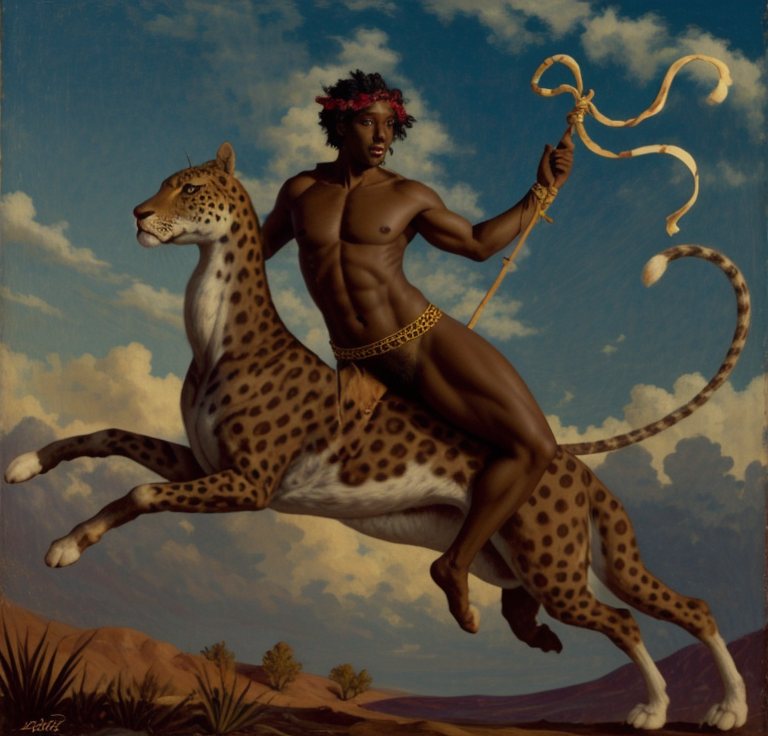
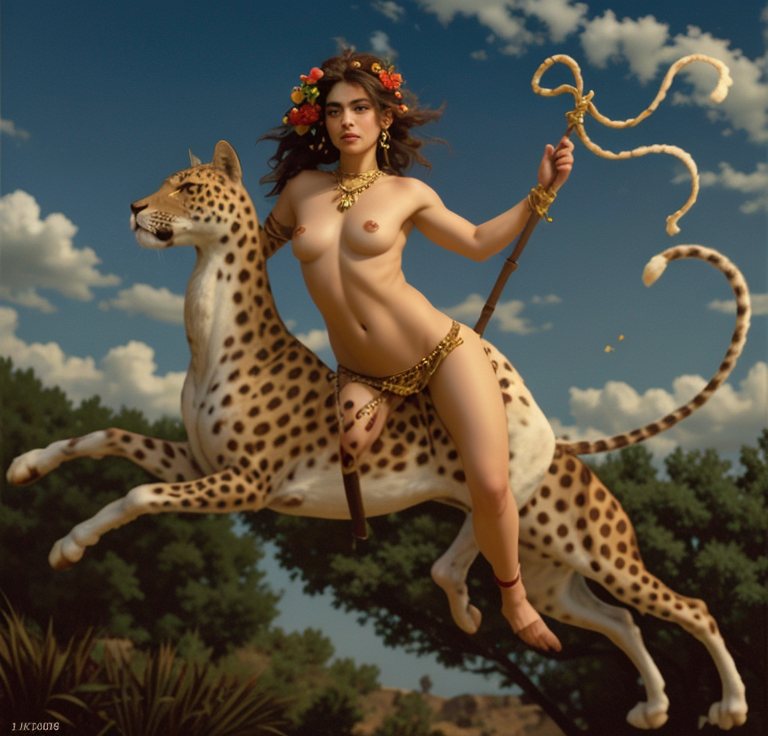
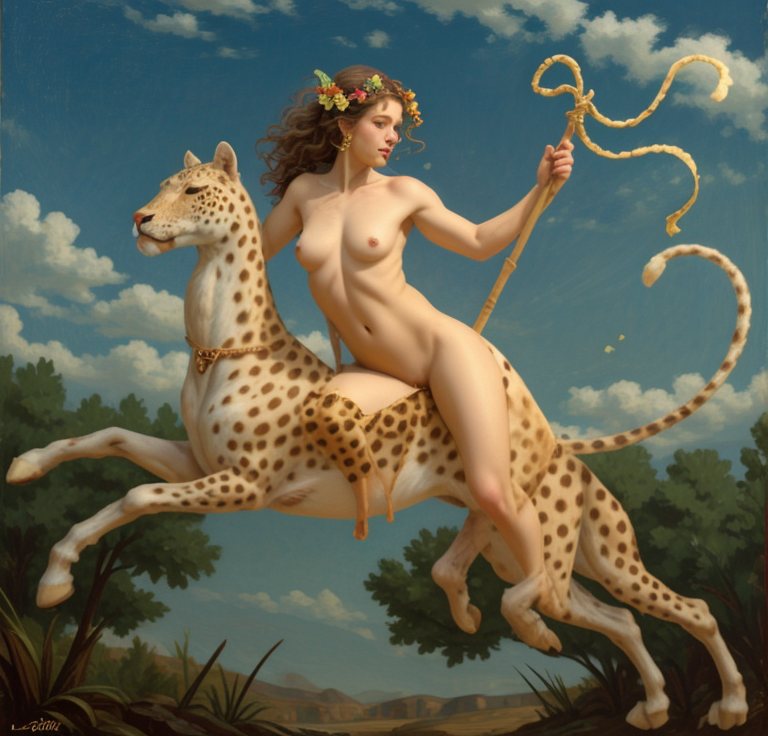
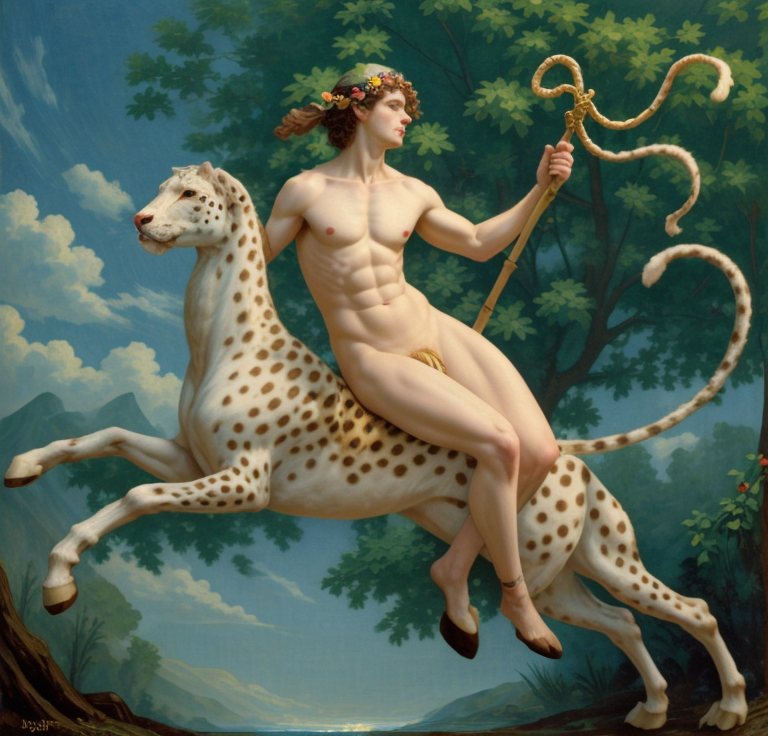
Dionysos riding a leopard
Source: Pebble mosaic, House of Dionysos, Pella Archaeological Museum · Public domain · Wikimedia Commons
Original: 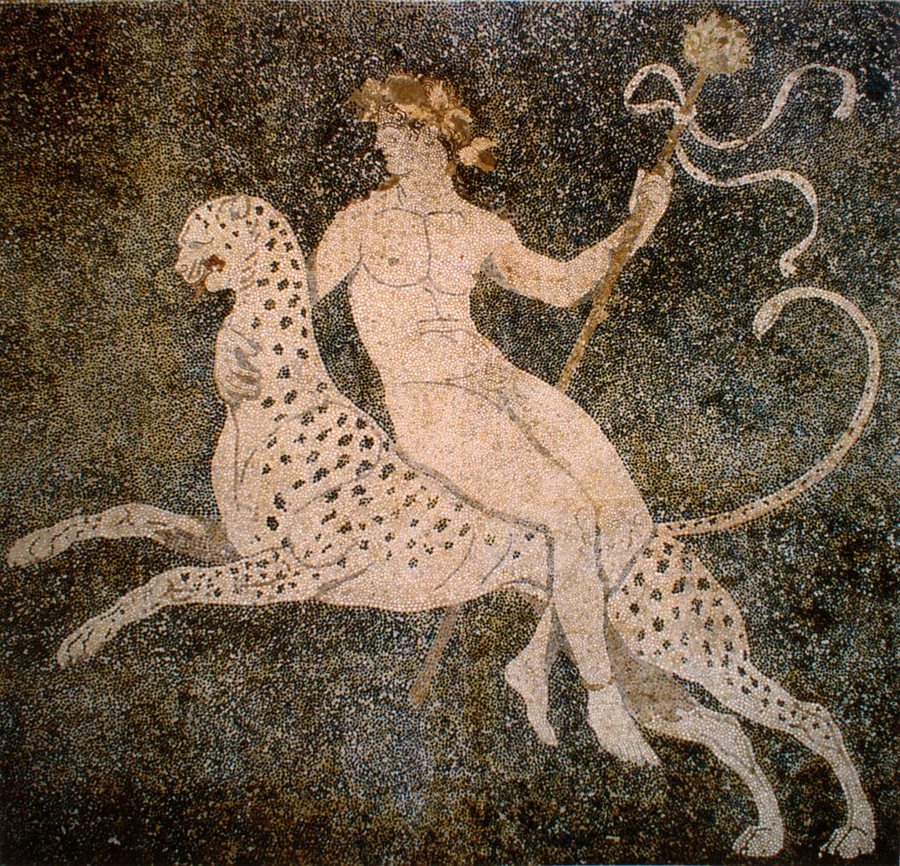
Realistic — Greek · Nubian · Libyan (Amazigh) · Levantine · Pale
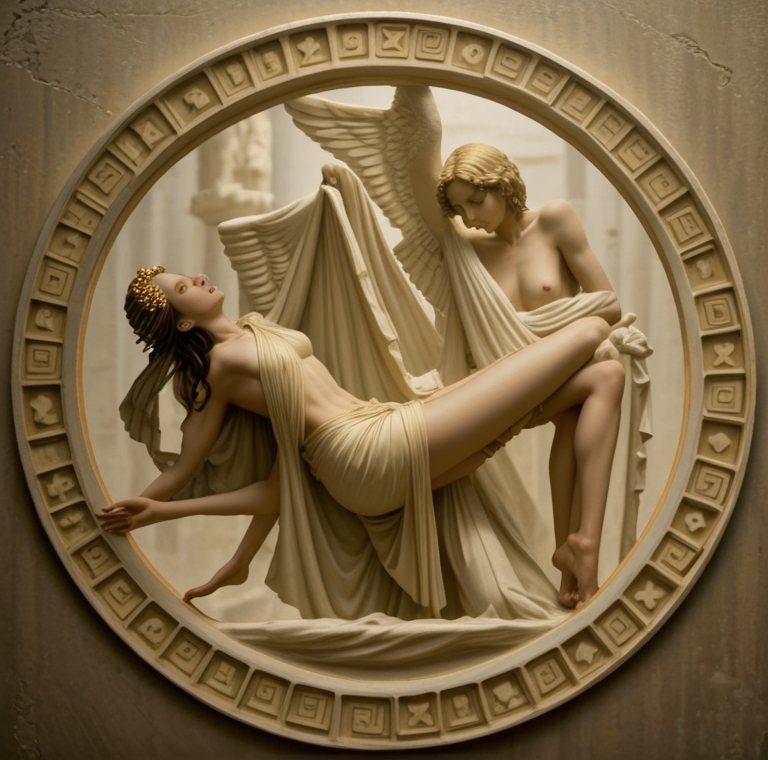
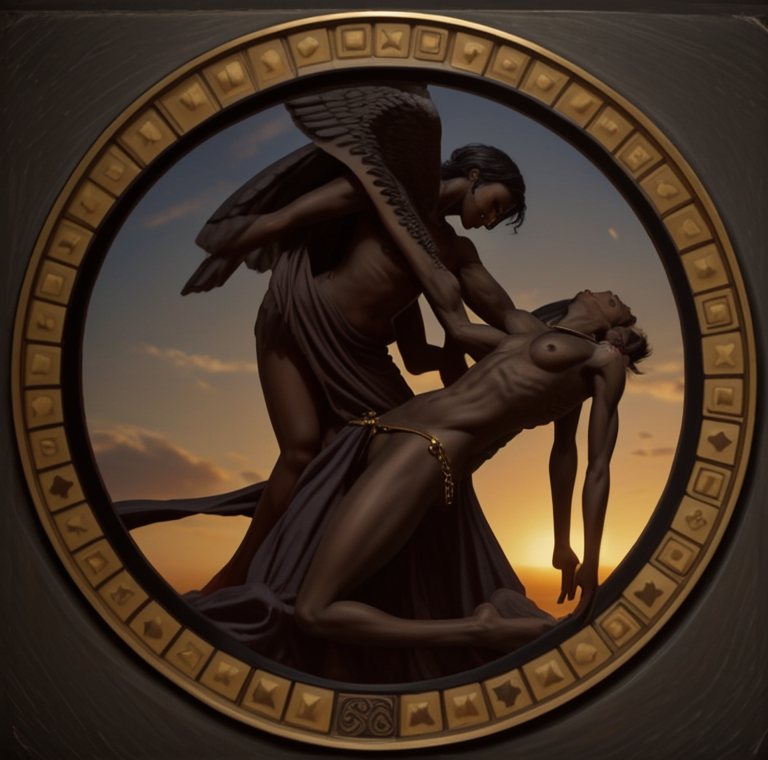
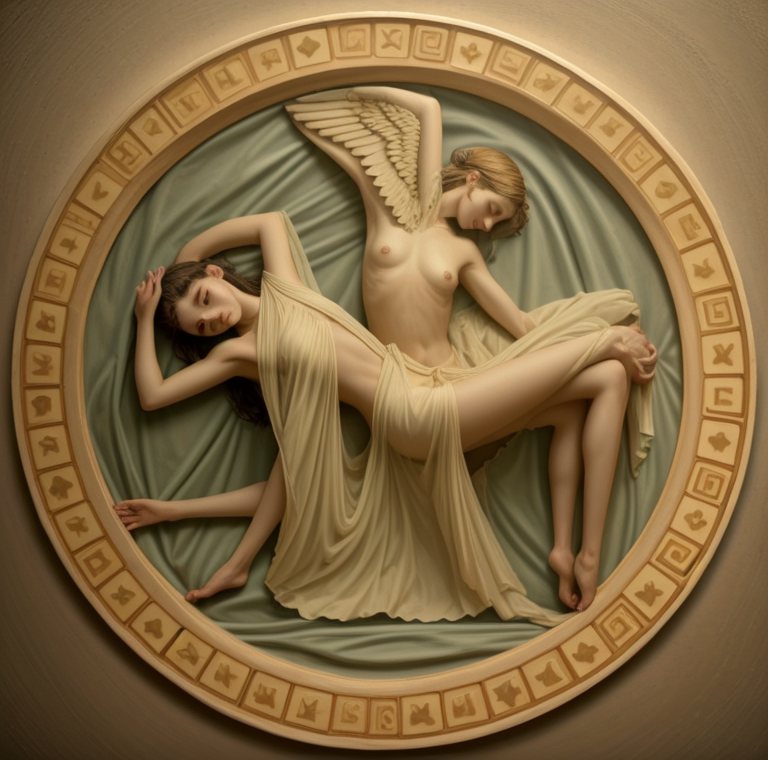
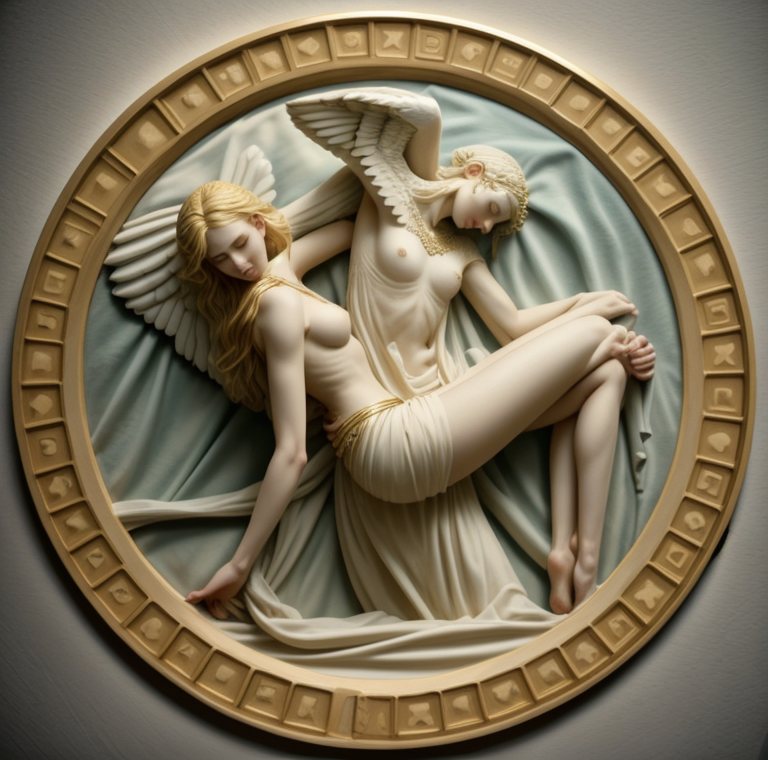
Eos lifts the body of her son Memnon
Source: Douris, Attic red-figure kylix, Louvre G115 · photo/scan: Signed by Douris (painter) and Kalliades (potter) · Public domain · Wikimedia Commons
Original: 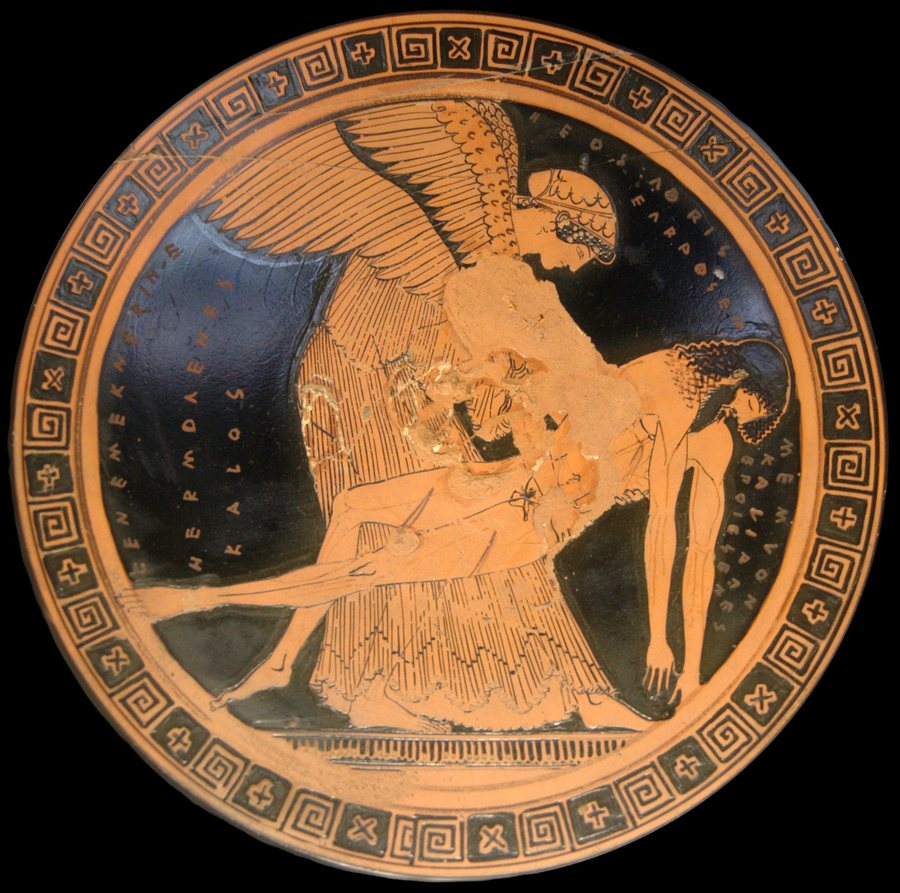
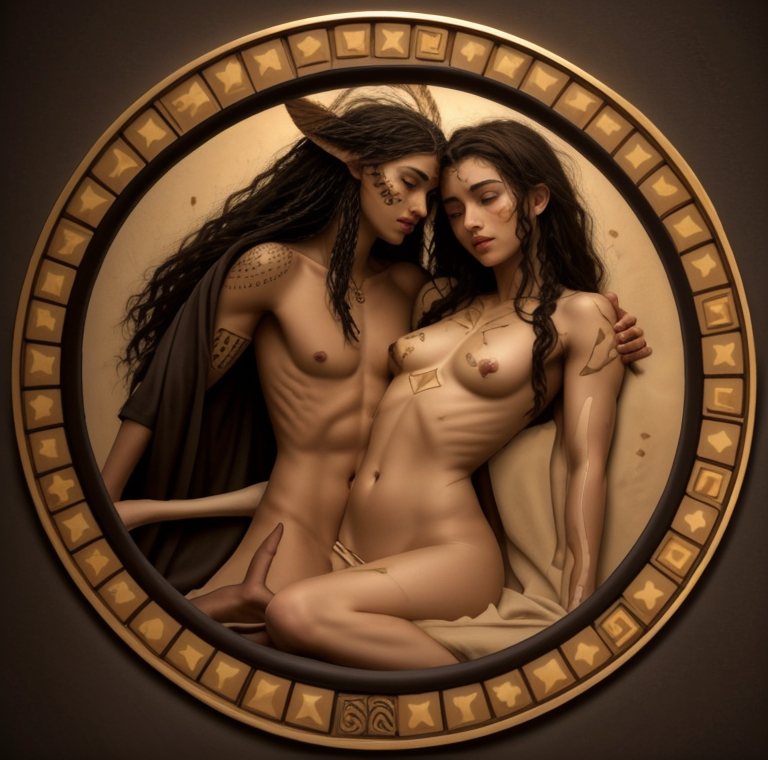
Realistic — Greek · Nubian · Libyan (Amazigh) · Levantine · Pale
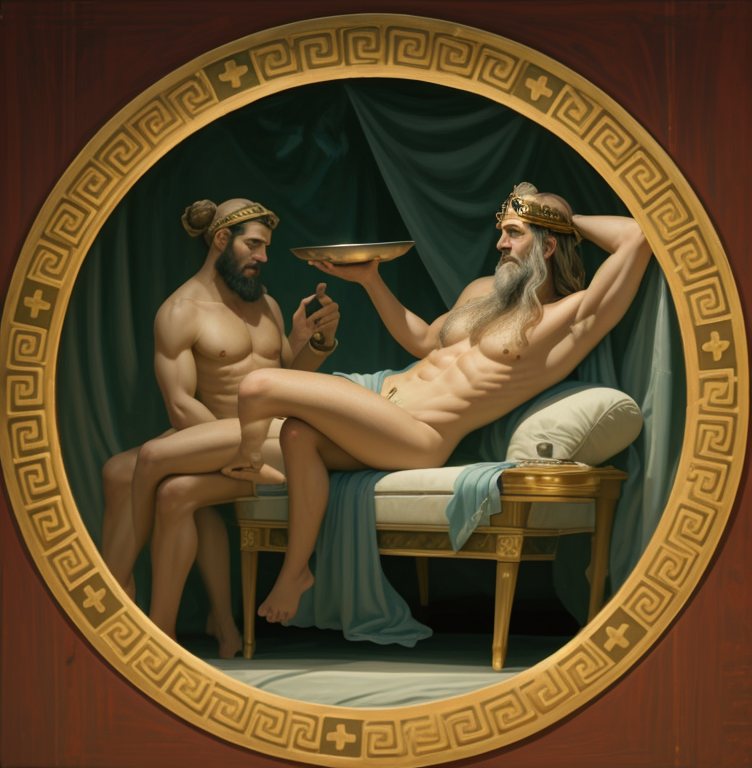
Hades and Persephone at a banquet
Source: Kodros Painter (ARV 1269, 3), Attic red-figure kylix, interior · photo/scan: ArchaiOptix · CC BY-SA 4.0 · Wikimedia Commons · cropped to the scene
Original: 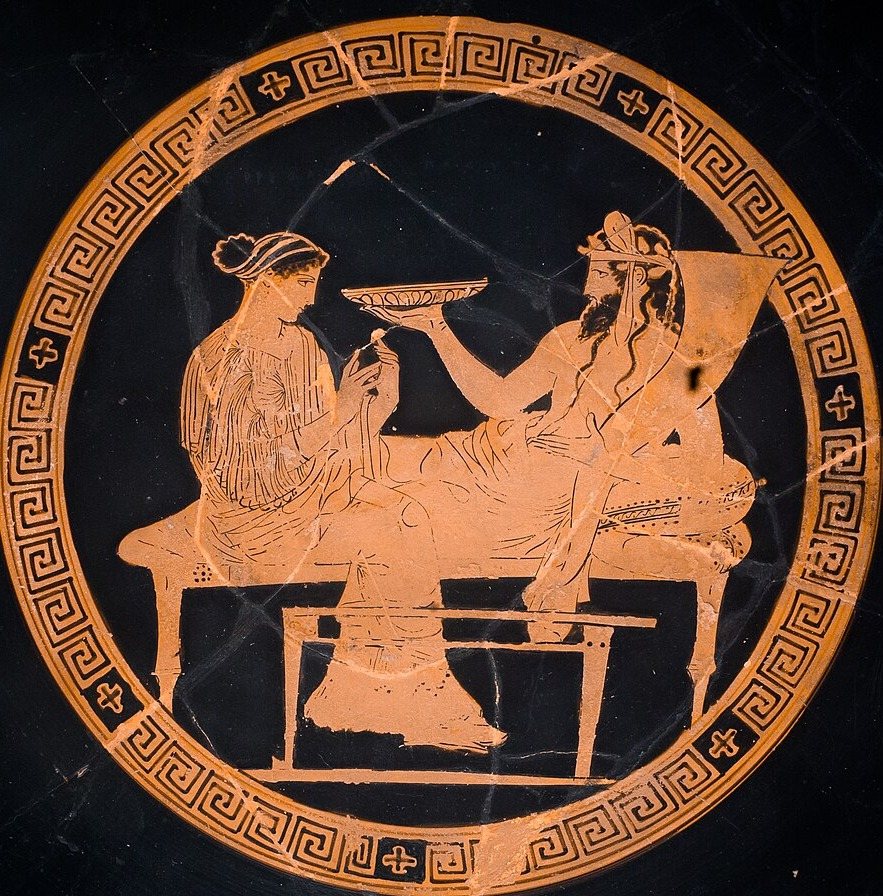
Realistic — Greek · Nubian · Libyan (Amazigh)
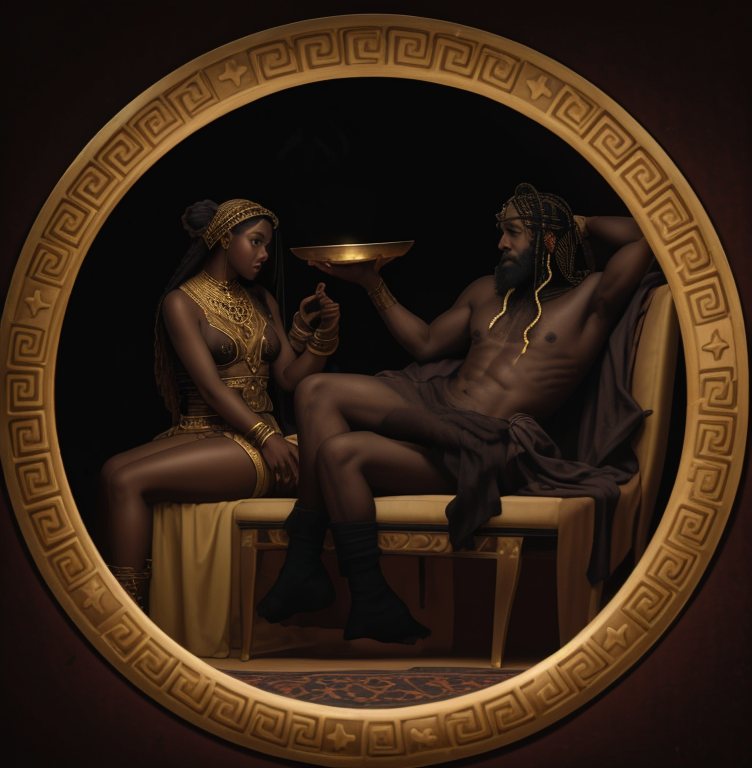
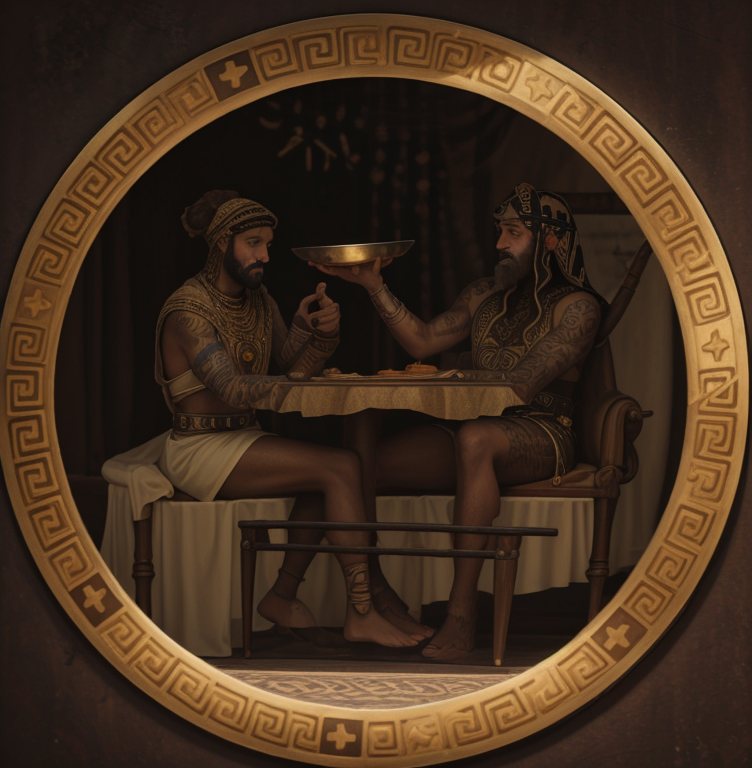
The gods on Olympus: Hermes and Maia, Apollo, Dionysos
Source: Nikoxenos Painter, Attic red-figure belly-amphora (side B), Munich Staatliche Antikensammlungen 2304 · photo/scan: Nikoxenos Painter · Public domain · Wikimedia Commons
Original: 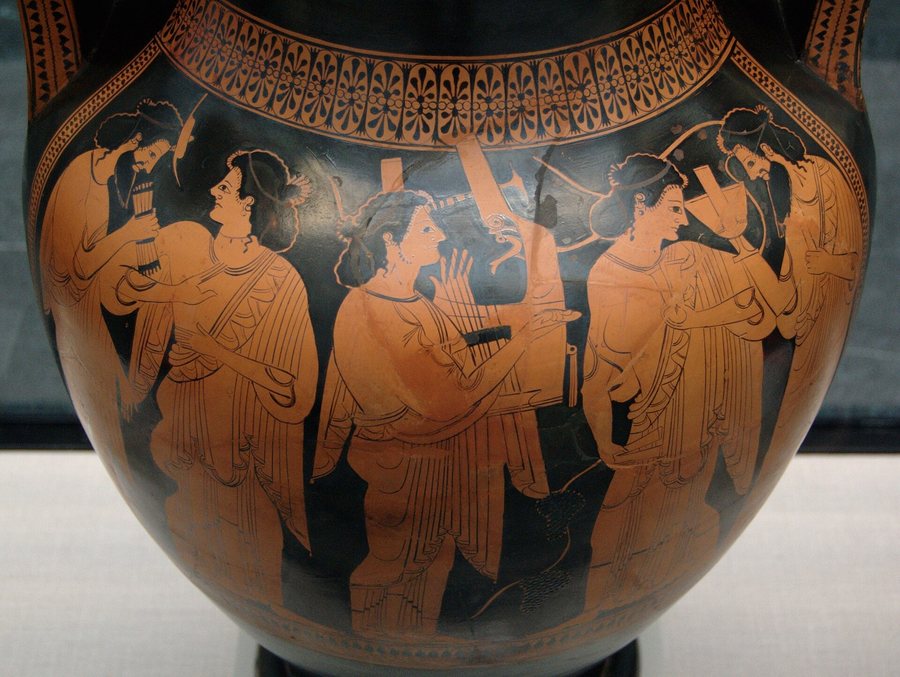
Realistic — Greek · Nubian · Libyan (Amazigh) · Levantine · Pale
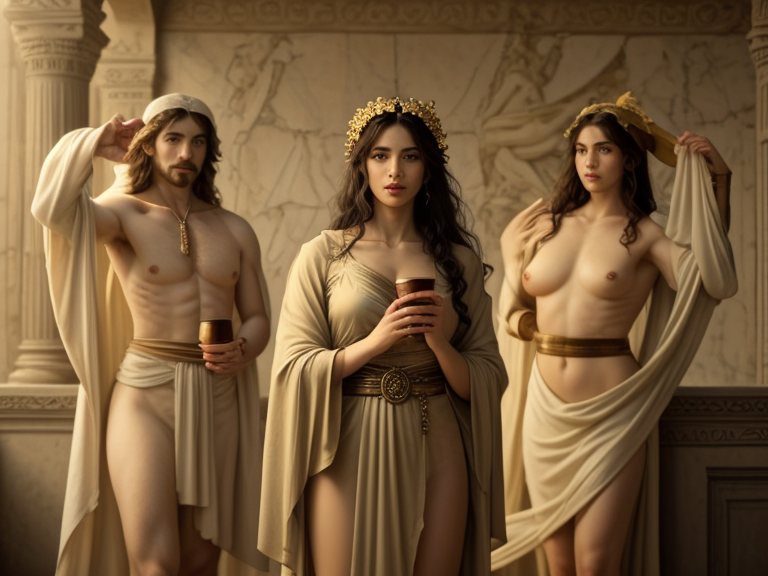
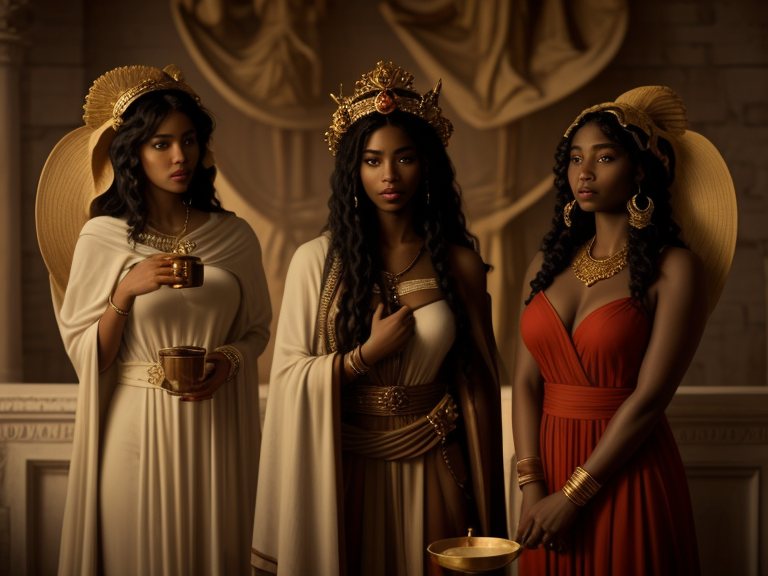
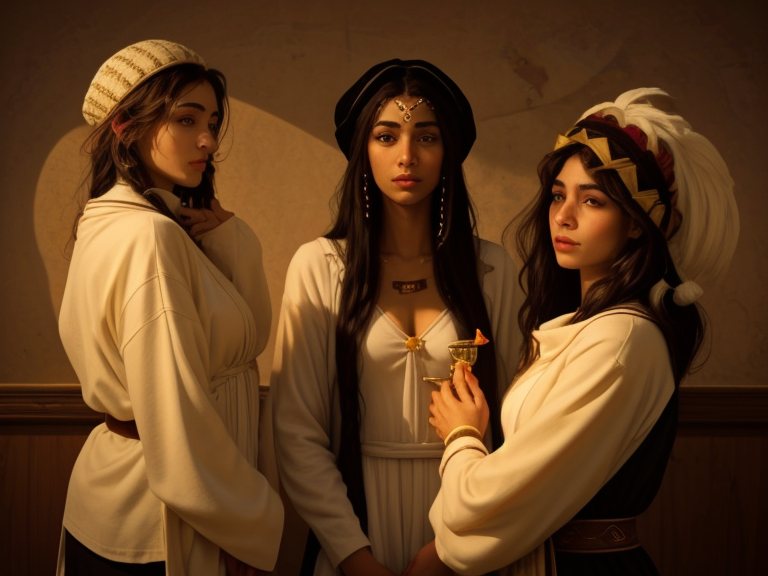
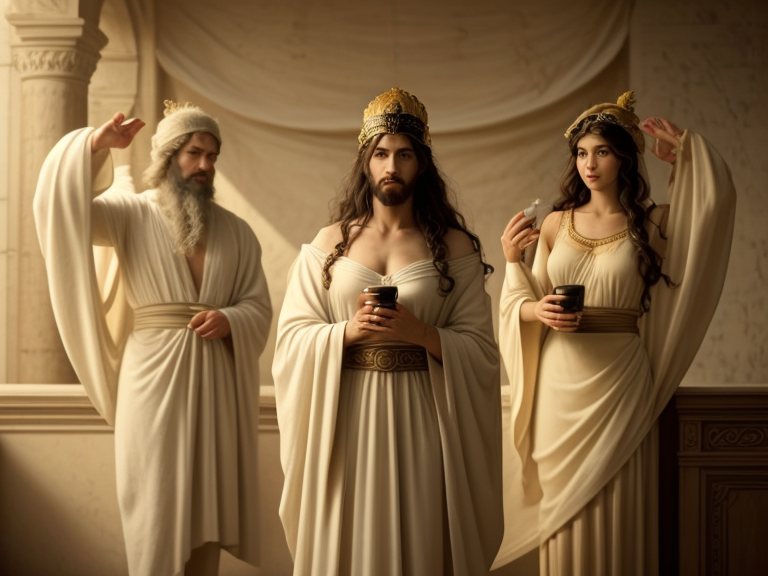
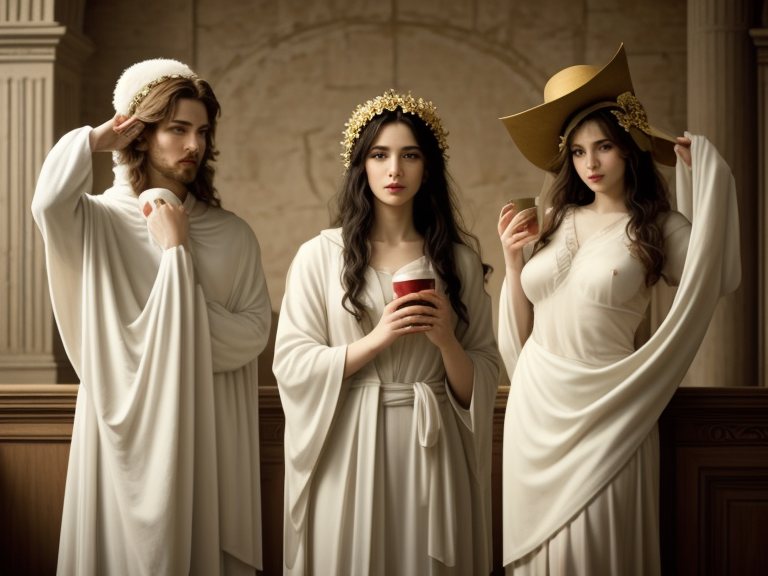
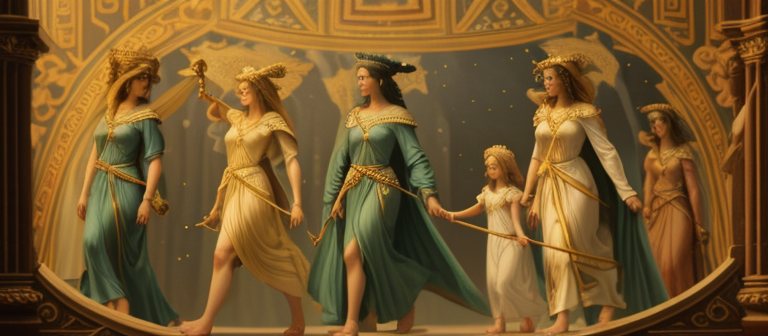
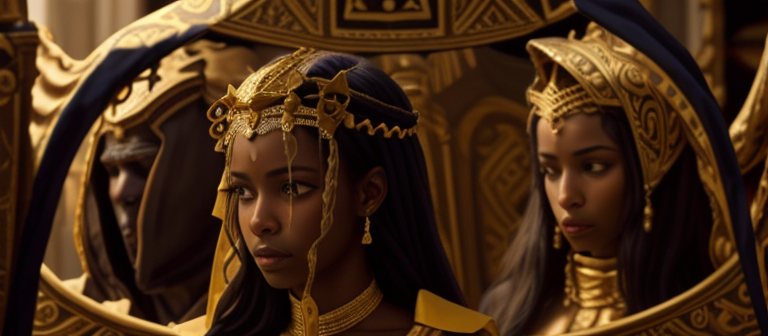
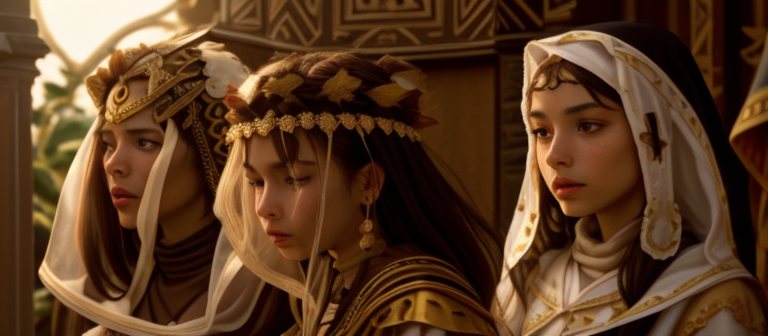
The procession to the Judgement of Paris
Source: Attic black-figure amphora, Munich Staatliche Antikensammlungen 837 · photo/scan: Paris Painter (name vase) · Public domain · Wikimedia Commons · cropped to the scene
Original: 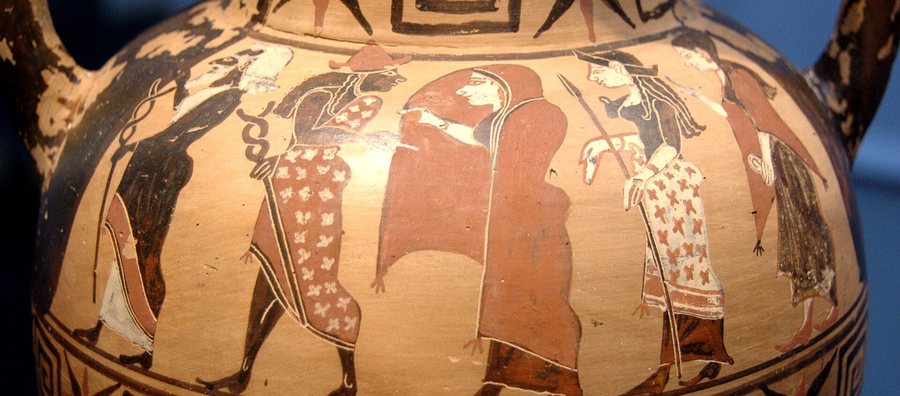
Realistic — Greek · Nubian · Libyan (Amazigh) · Levantine · Pale
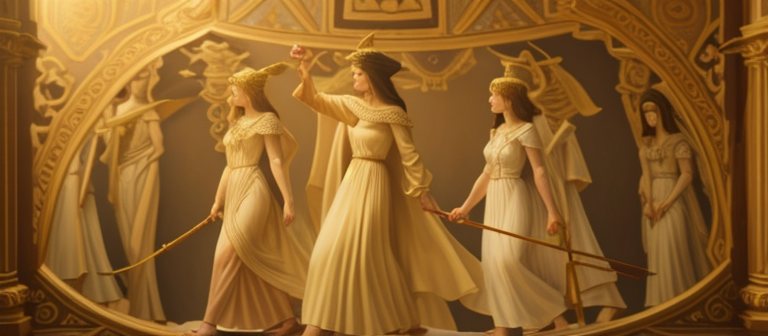
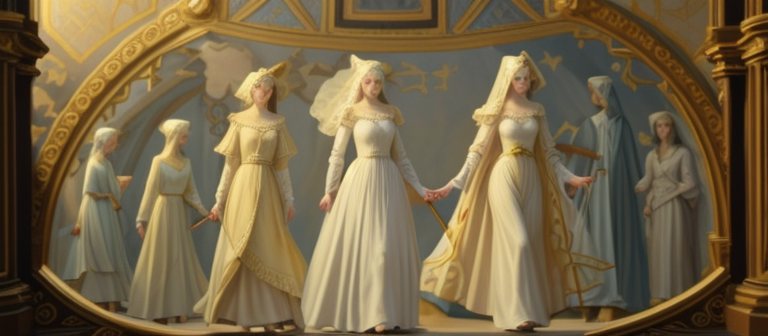
The triumph of Poseidon and Amphitrite
Source: Roman mosaic from Pompeii, Naples National Archaeological Museum 10007 · Public domain · Wikimedia Commons · cropped to the scene
Original: 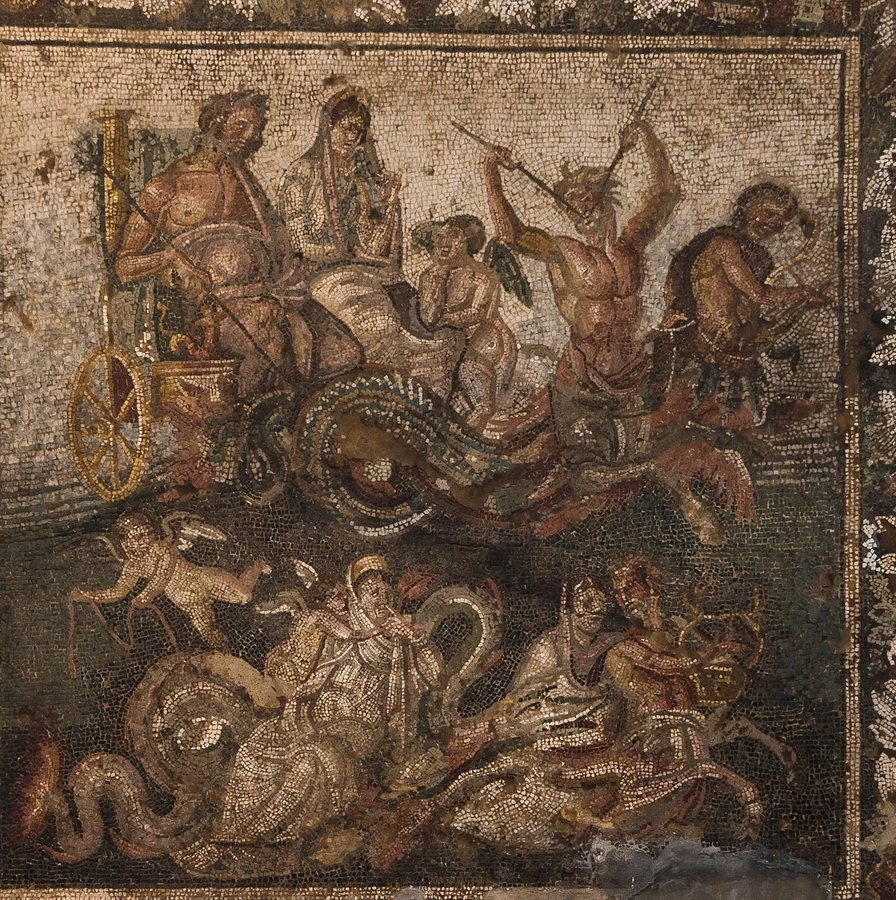
Realistic — Greek · Nubian · Libyan (Amazigh) · Levantine · Pale
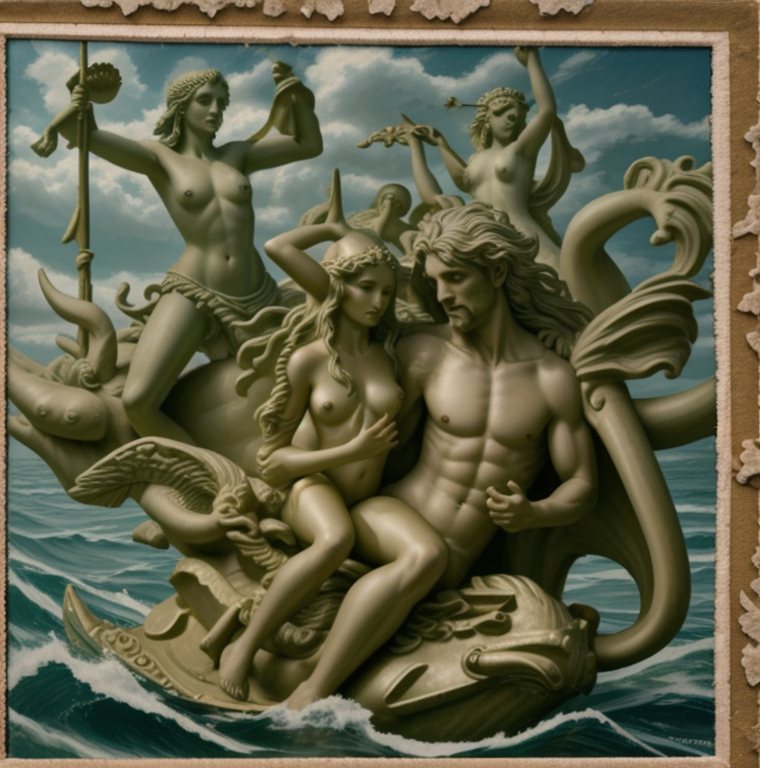
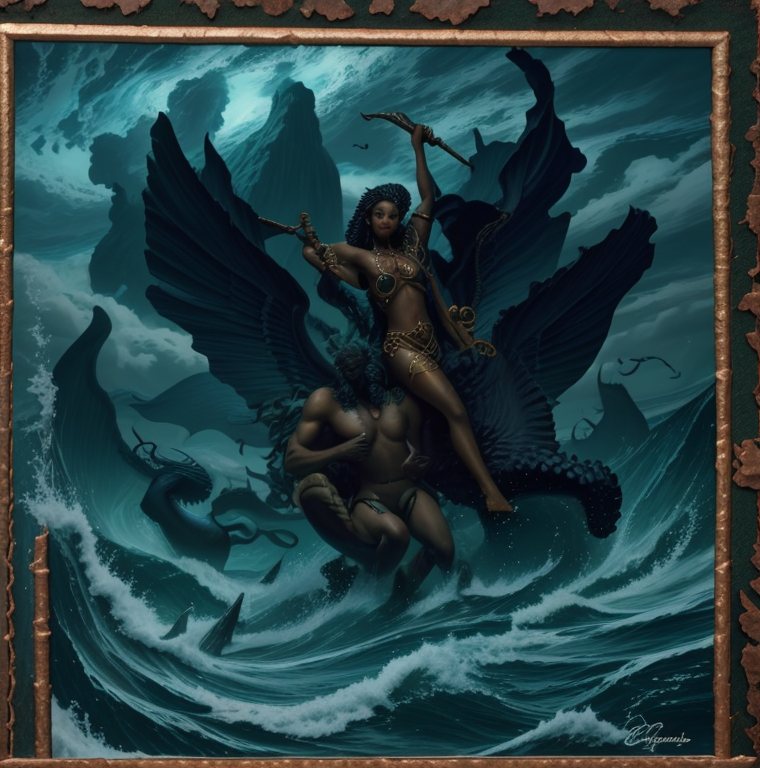
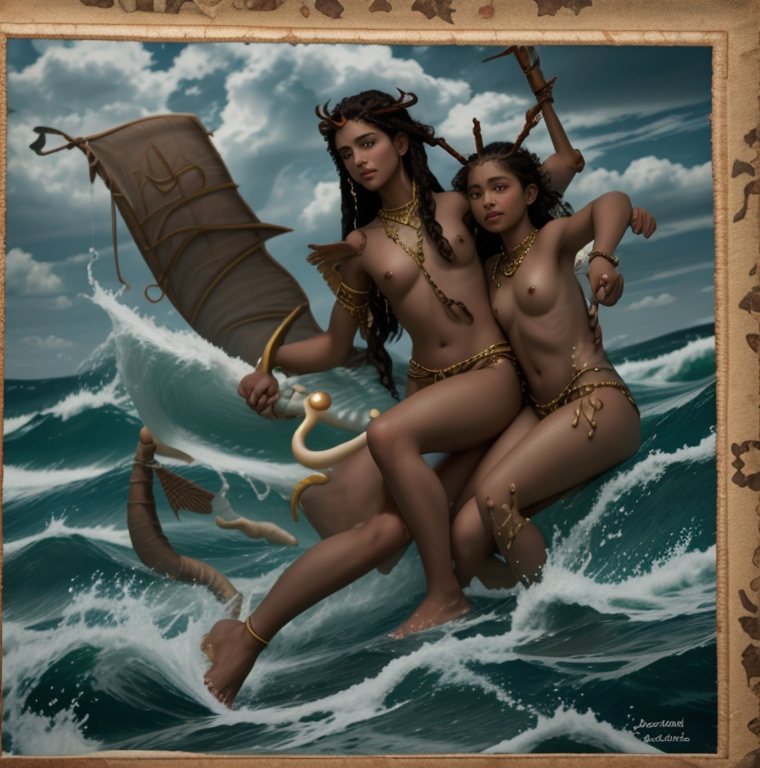
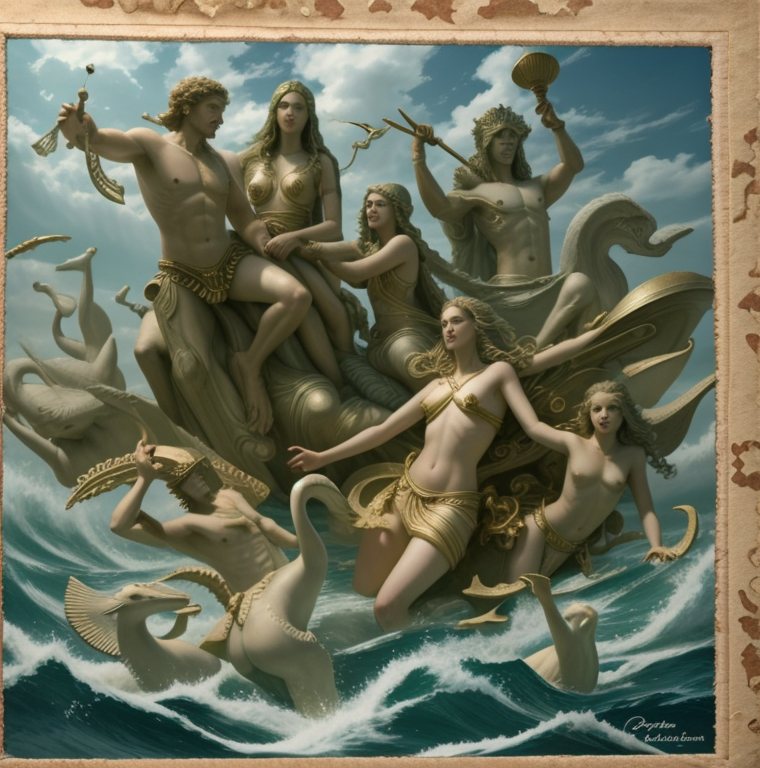
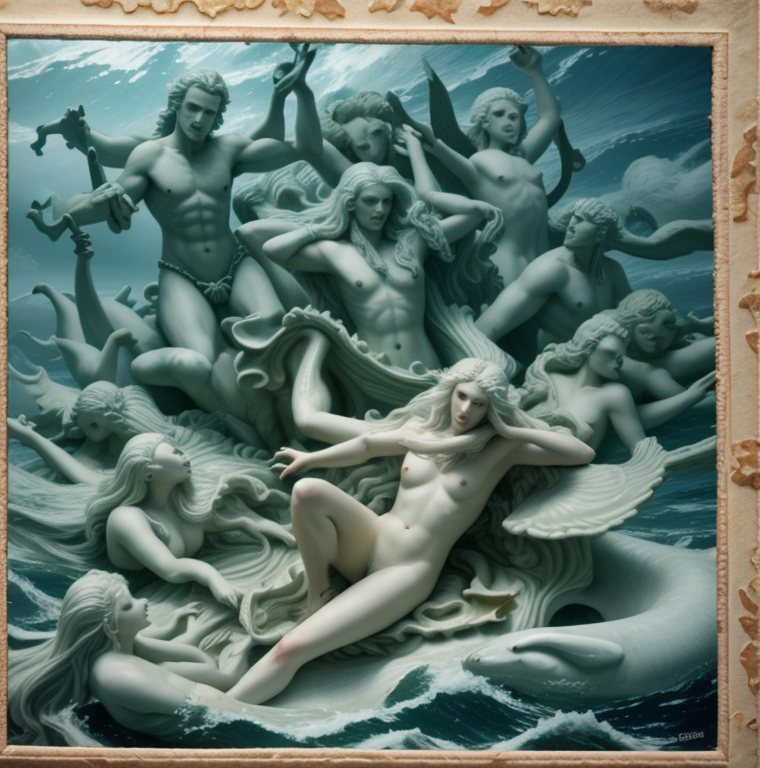
Egypt and Nubia, Vol. I, No. 10: Edfou
Source: Louis Haghe after David Roberts, 1838. Cleveland Museum of Art. CC0
Original: 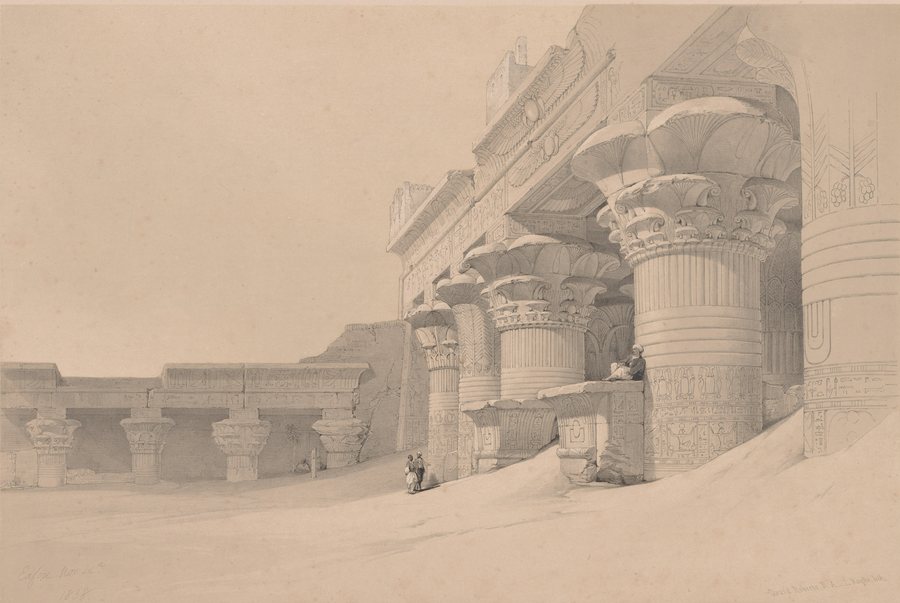
Realistic — Egyptian · Nubian · Libyan (Amazigh) · Levantine · Pale
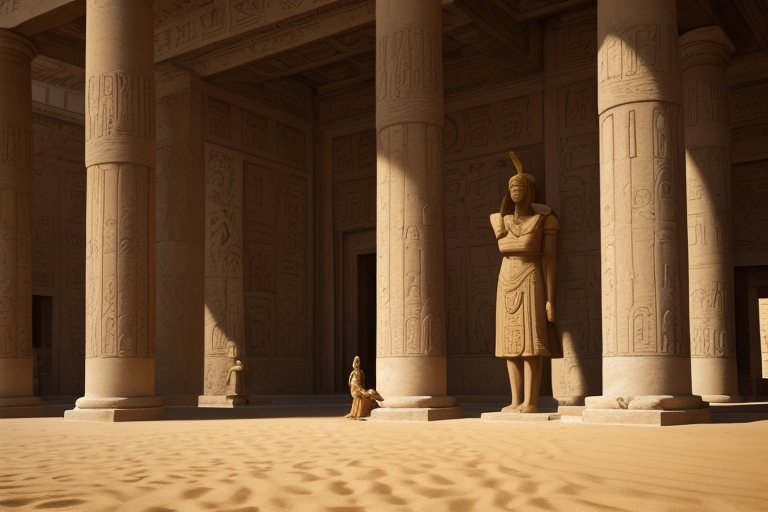
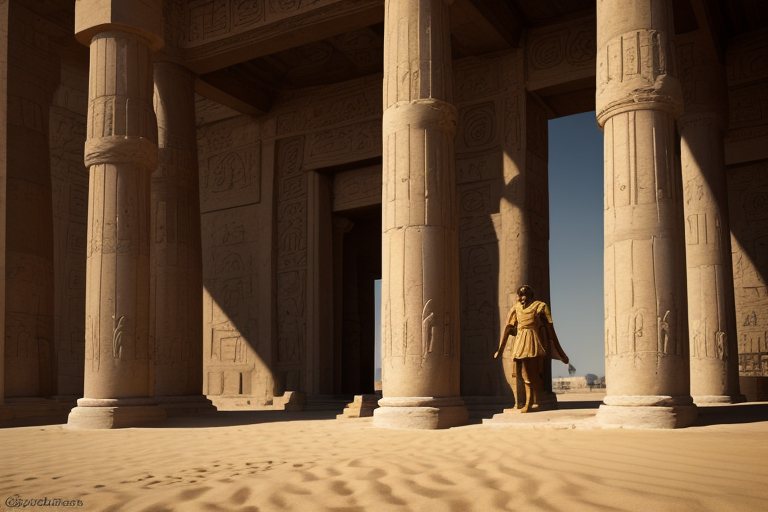
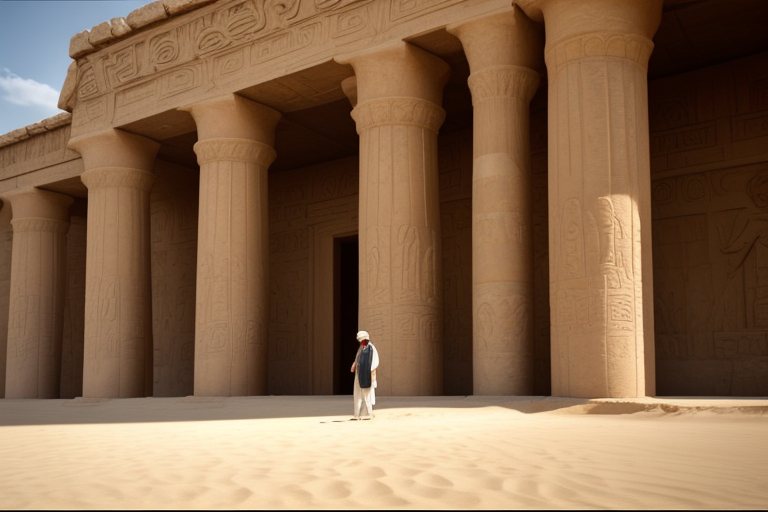
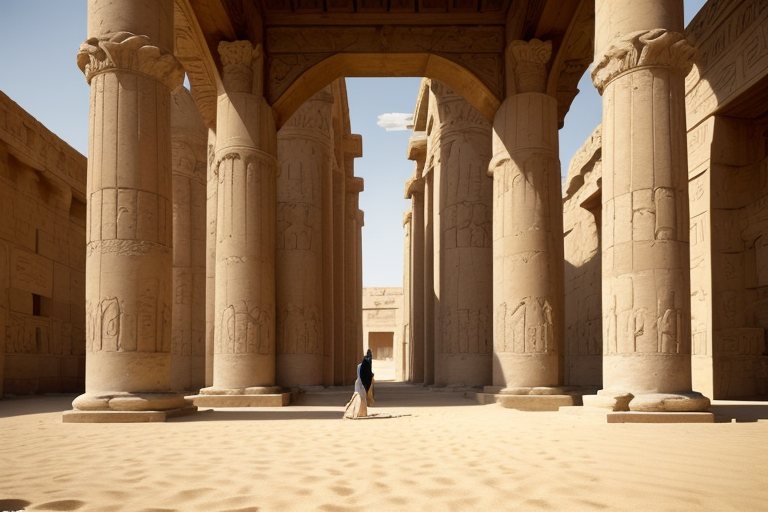
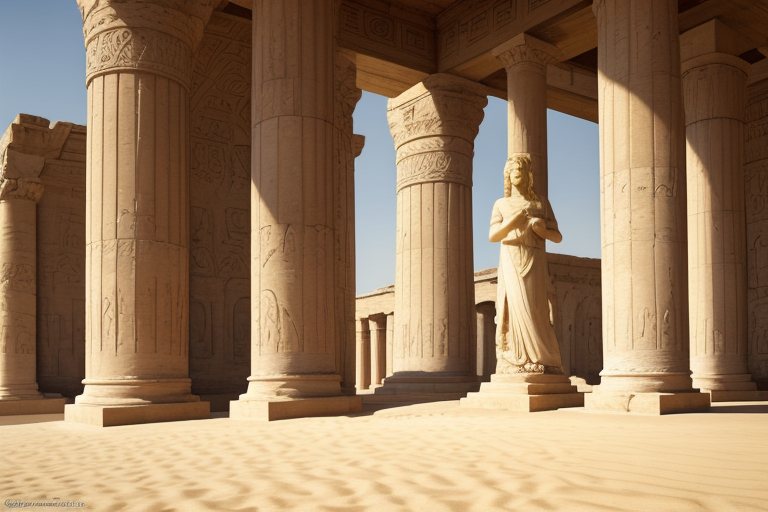
Egypt and Nubia, Vol. I: Luxor
Source: Louis Haghe after David Roberts, 1846. Cleveland Museum of Art. CC0
Original: 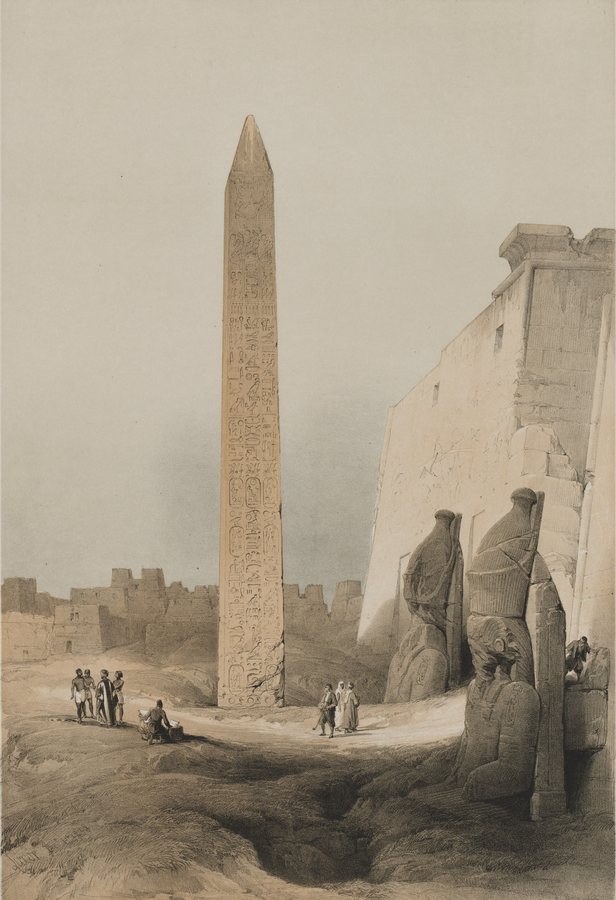
Realistic — Egyptian · Nubian · Libyan (Amazigh) · Levantine · Pale
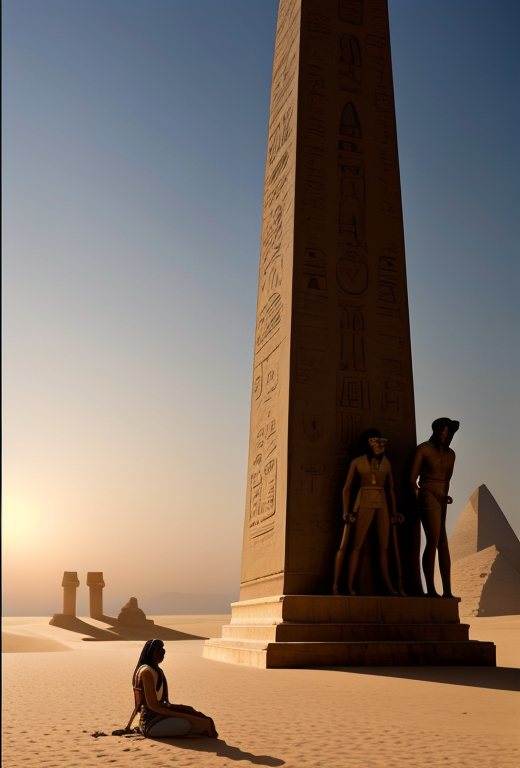
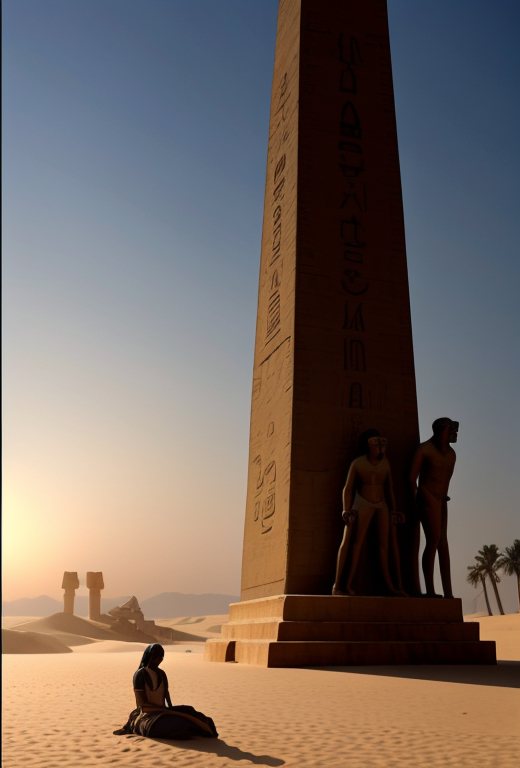
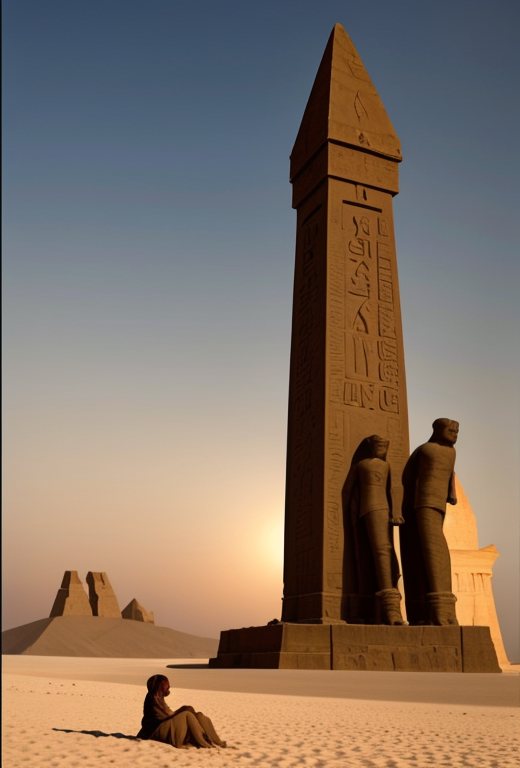
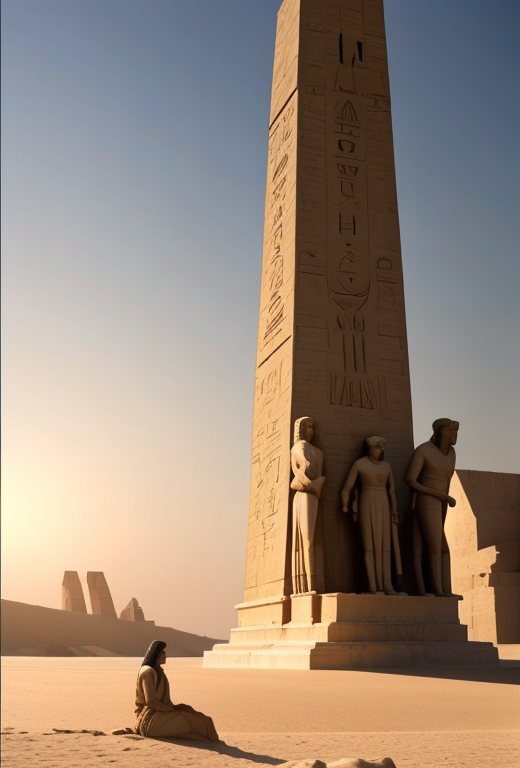
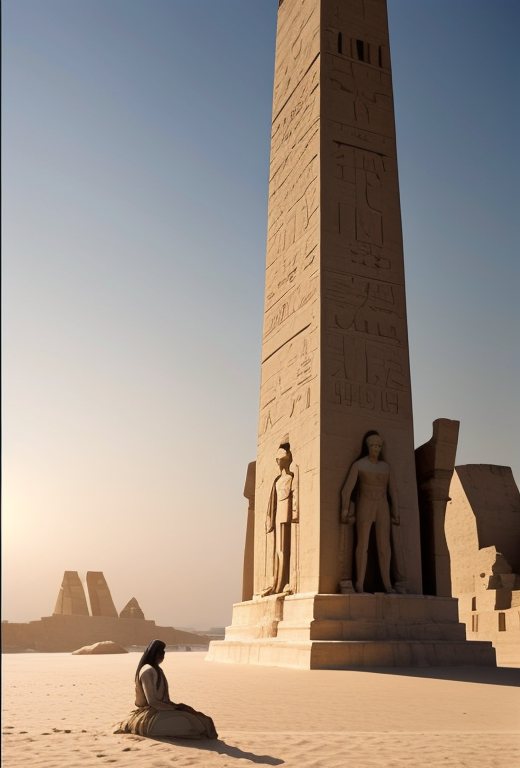
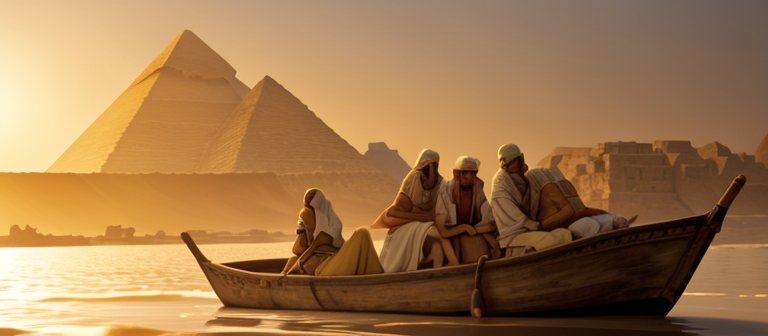
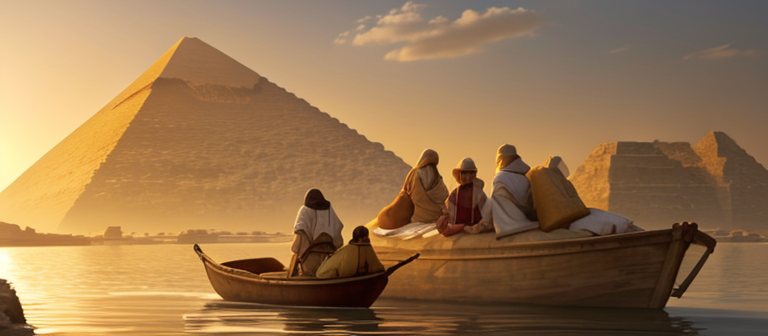
Egypt and Nubia, Vol. I: Pyramids of Geezeh, from the Nile
Source: Louis Haghe after David Roberts, 1846. Cleveland Museum of Art. CC0
Original: 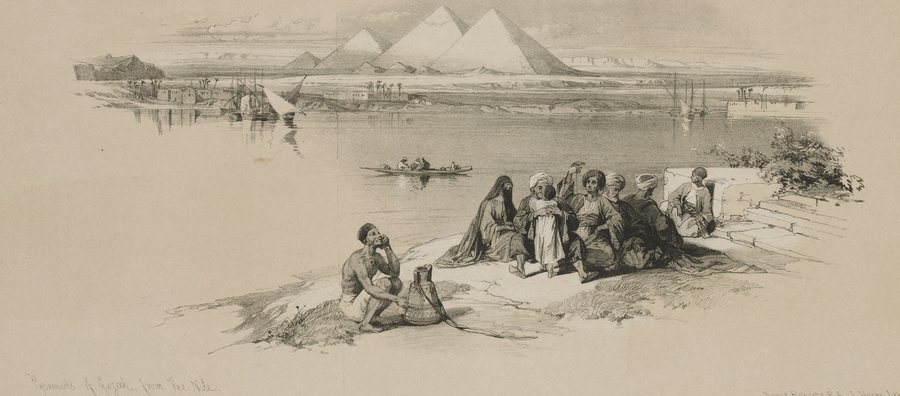
Realistic — Egyptian · Nubian · Libyan (Amazigh) · Levantine · Pale



Egypt and Nubia, Vol. I: Siout, Upper Egypt
Source: Louis Haghe after David Roberts, 1847. Cleveland Museum of Art. CC0
Original: 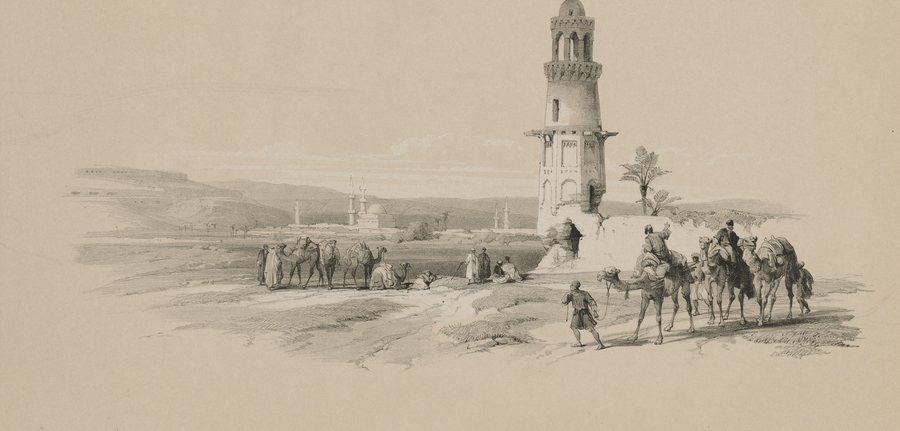
Realistic — Egyptian · Nubian · Libyan (Amazigh) · Levantine · Pale
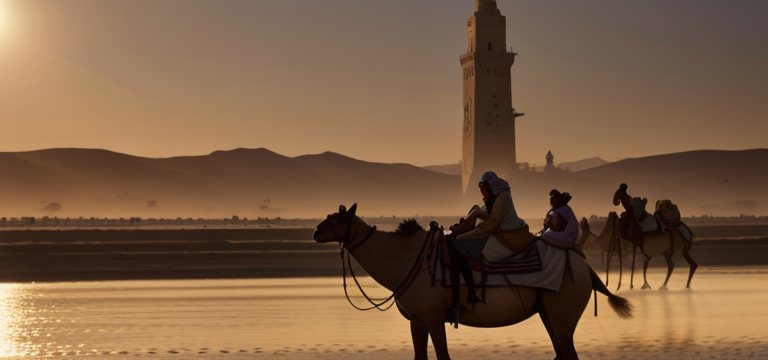

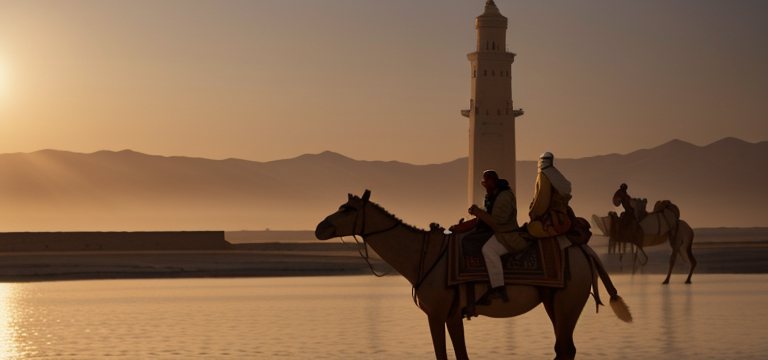


Egypt and Nubia, Vol. I: View on the Nile looking towards the pyramids of Dashour and Sakkarah
Source: Louis Haghe after David Roberts, 1846. Cleveland Museum of Art. CC0
Original: 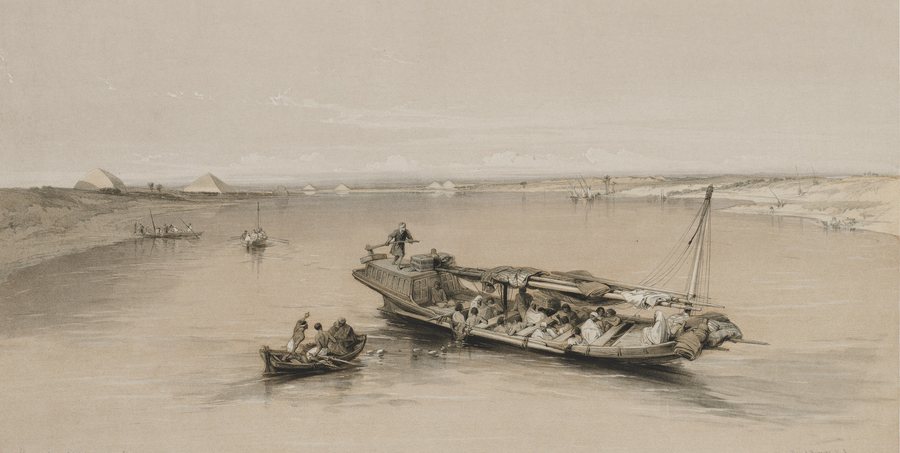
Realistic — Egyptian · Nubian · Libyan (Amazigh) · Levantine · Pale
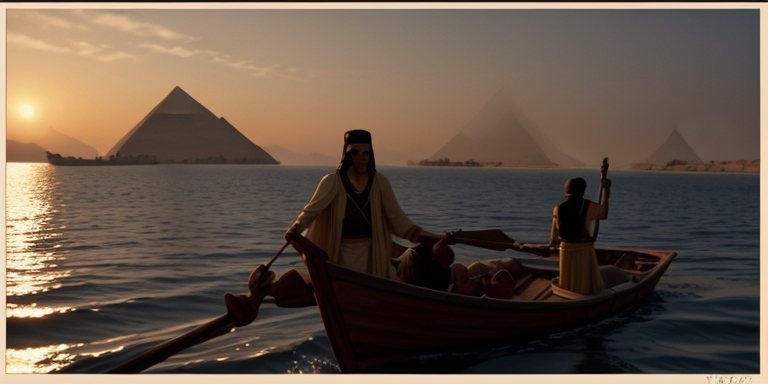
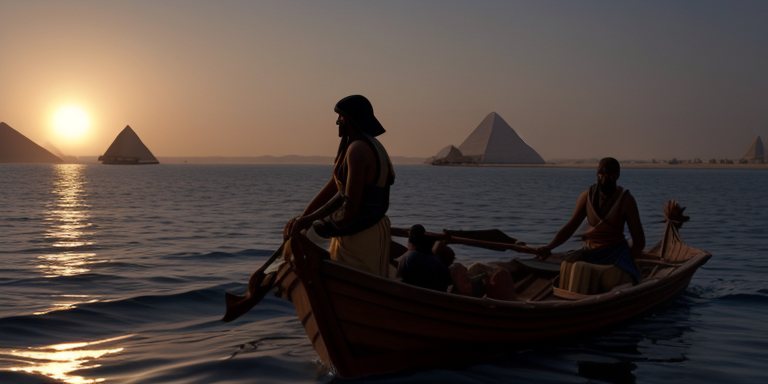
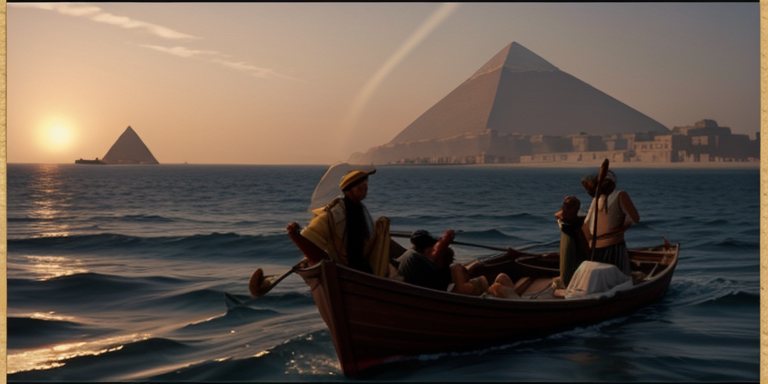

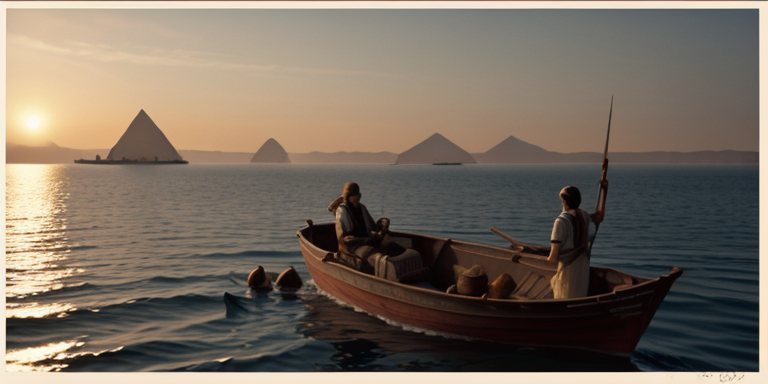
Egypt and Nubia, Vol. II: Hagar Setsilis
Source: Louis Haghe after David Roberts, 1847. Cleveland Museum of Art. CC0
Original: 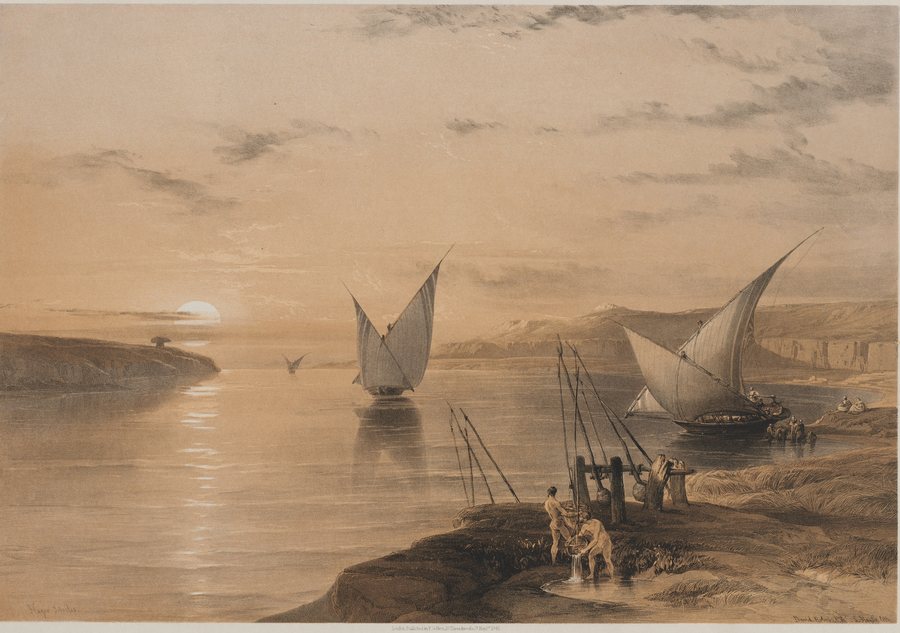
Realistic — Egyptian · Nubian · Libyan (Amazigh) · Levantine · Pale


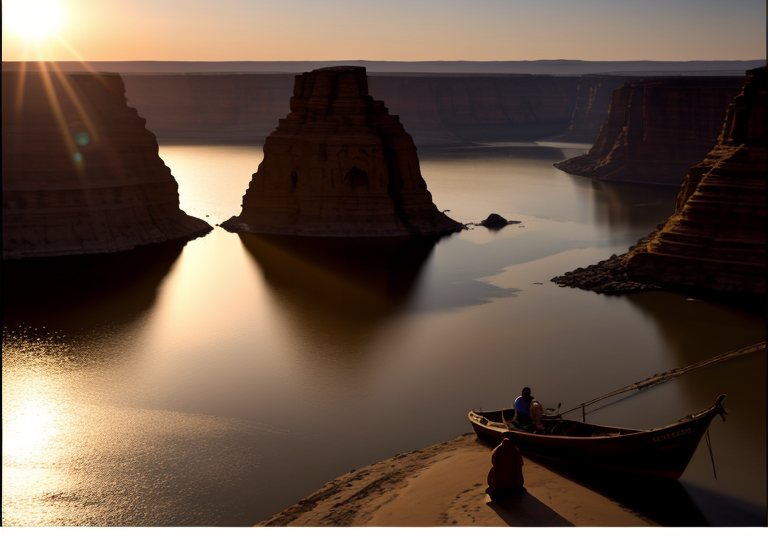

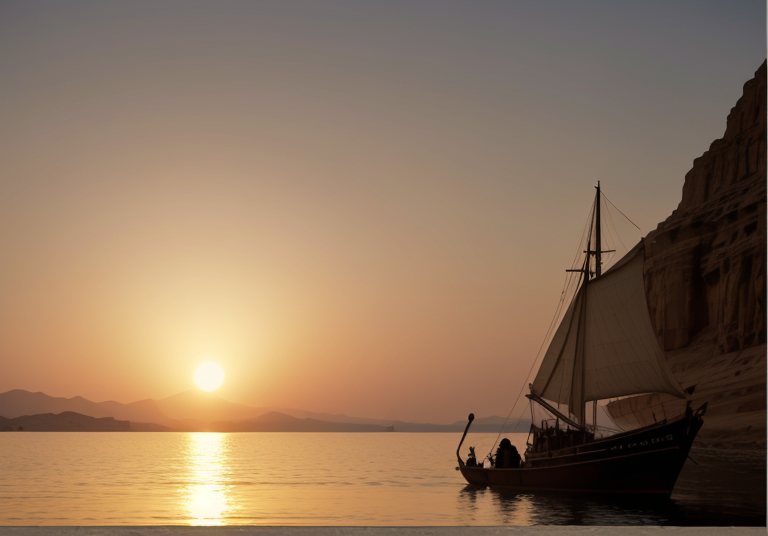
Egypt and Nubia, Vol. III: Alexandria
Source: Louis Haghe after David Roberts, 1848. Cleveland Museum of Art. CC0
Original: 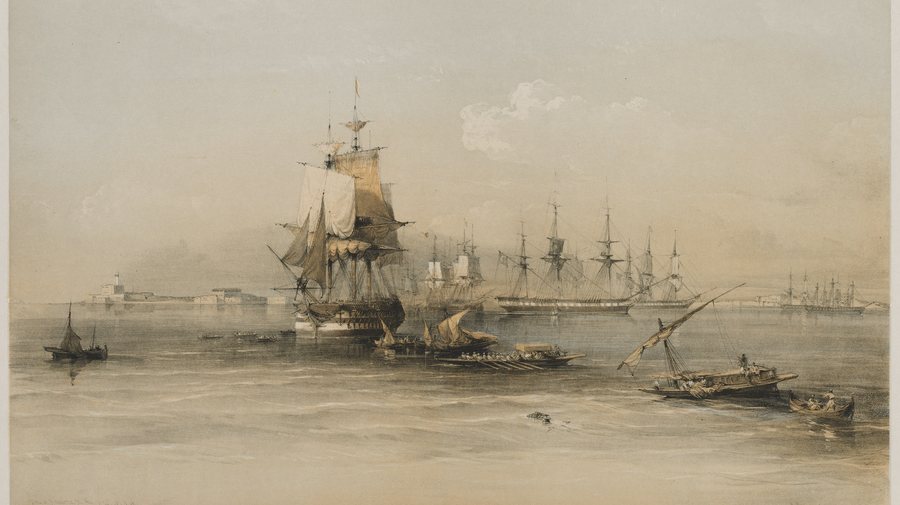
Realistic — Egyptian · Nubian · Libyan (Amazigh) · Levantine · Pale
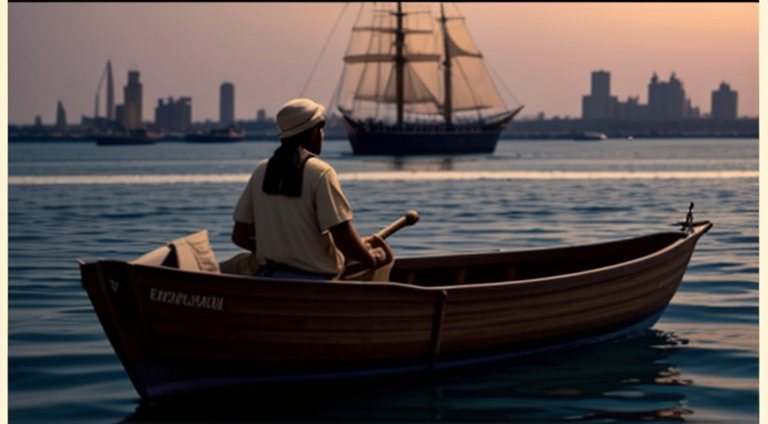
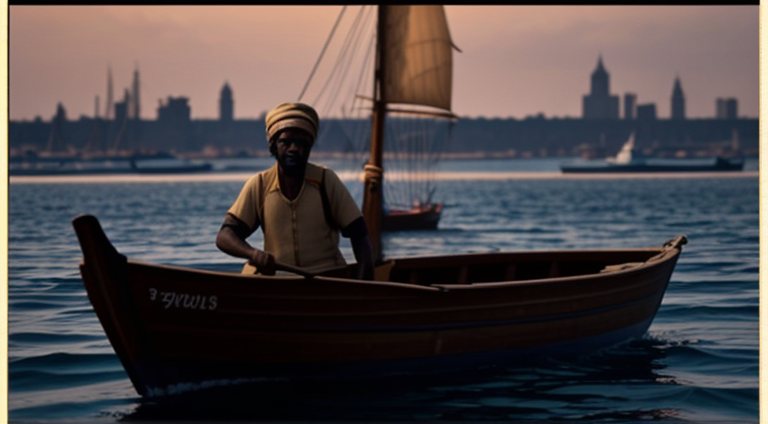
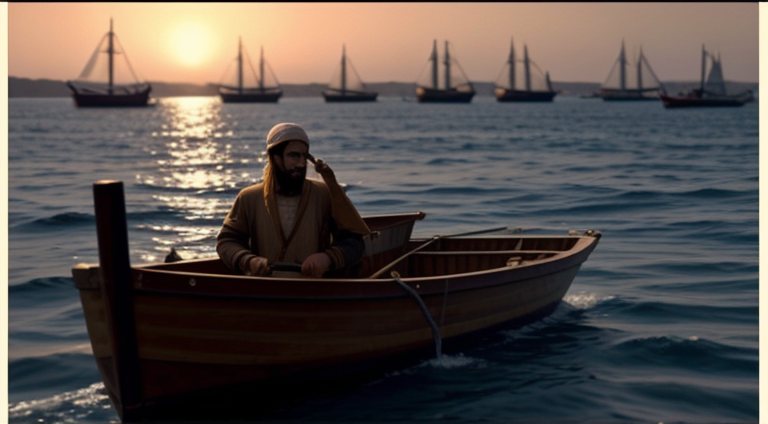
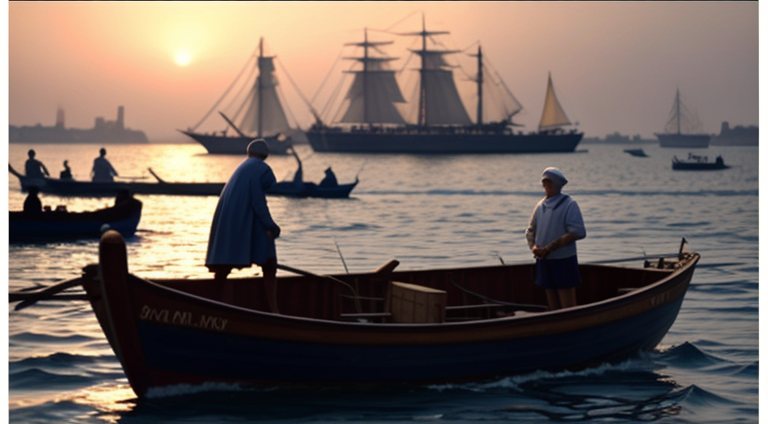
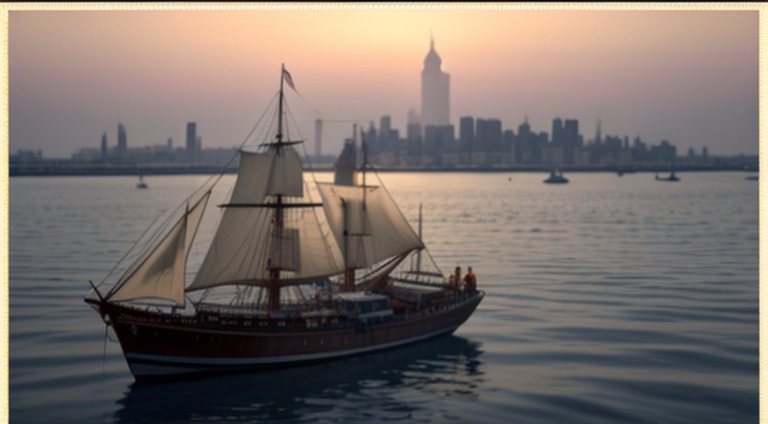
All 20 scenes in this set, and every other remake, are in the gallery: https://hathor.soapbox.community/remakes. Made on our own servers in Hathor Studio; each scene links to its place in the gallery.