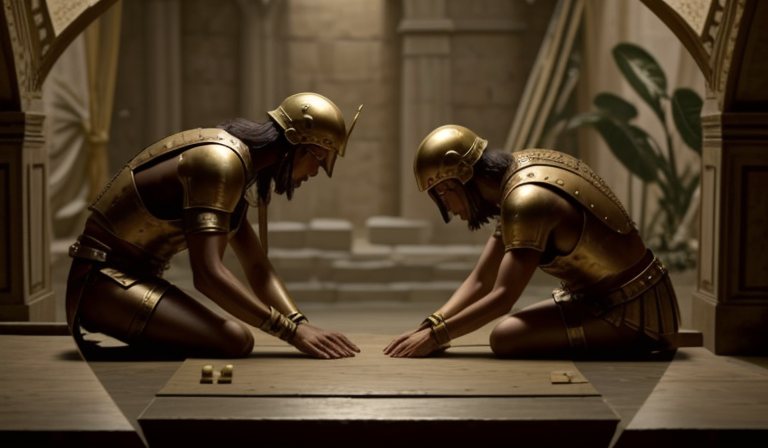
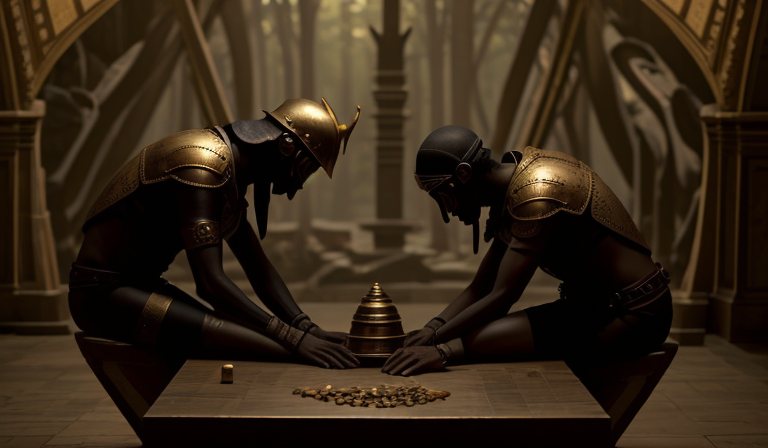
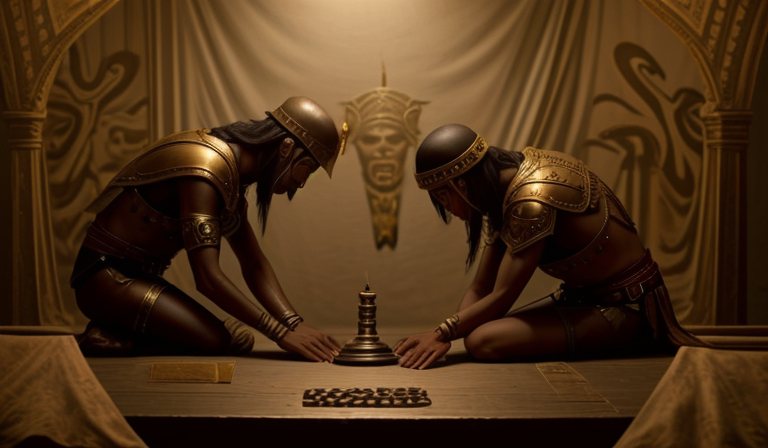
A bronze Naṭarāja from Tamil Nadu and a painted one from Kerala share no single face, yet no one mistakes him. In Śilpa Śāstra the identity of a sacred figure lives in its lakṣaṇa: the gesture, the emblem, the headdress, the measured proportion. We remake ancient scenes the same way. Hathor keeps her horns, sun-disk and menat across every version, and the people who carry them change from Nile to Nubia to the Aegean. Here they are, side by side.
The science of making. Śilpa means art, craft and skill; śāstra means a systematic teaching. Stella Kramrisch read śilpa as spanning "art, skill, craft, labor, ingenuity, rite and ritual, form and creation." Śilpa Śāstra is the body of treatises that governs how images, paintings, bronzes, carvings and crafted things are made, measured and consecrated. (source)
We are testing these features and looking to develop them. This is Hathor's alpha work, made on our own servers — the images and videos she makes next are expected to be much better and more accurate. Tell us what works and what doesn't: every video page has 👍/👎, comments and timestamped notes.
The full gallery, every scene in every look: https://hathor.soapbox.community/remakes · Shilpa Shastra gallery: https://hathor.soapbox.community/gallery
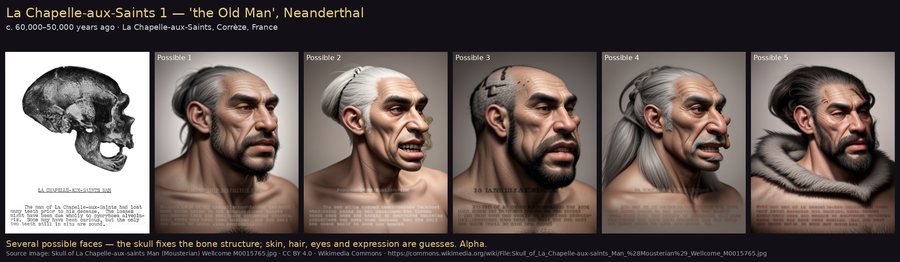
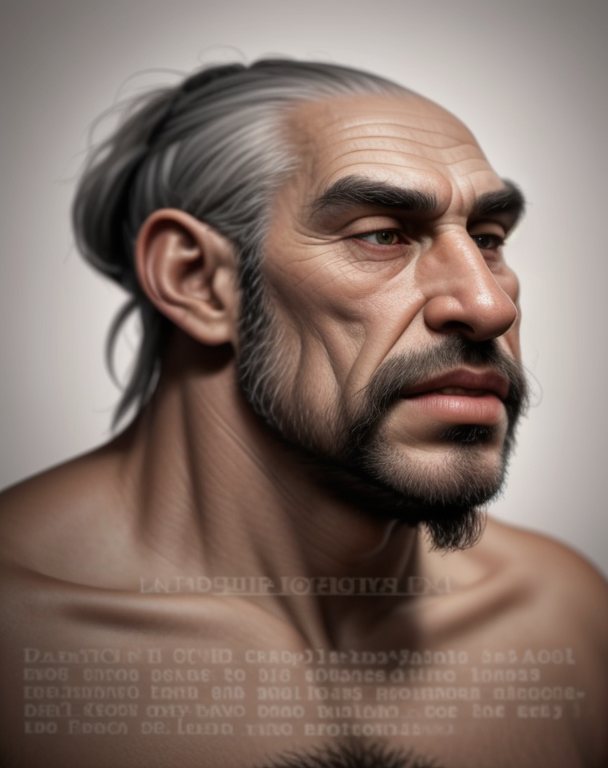
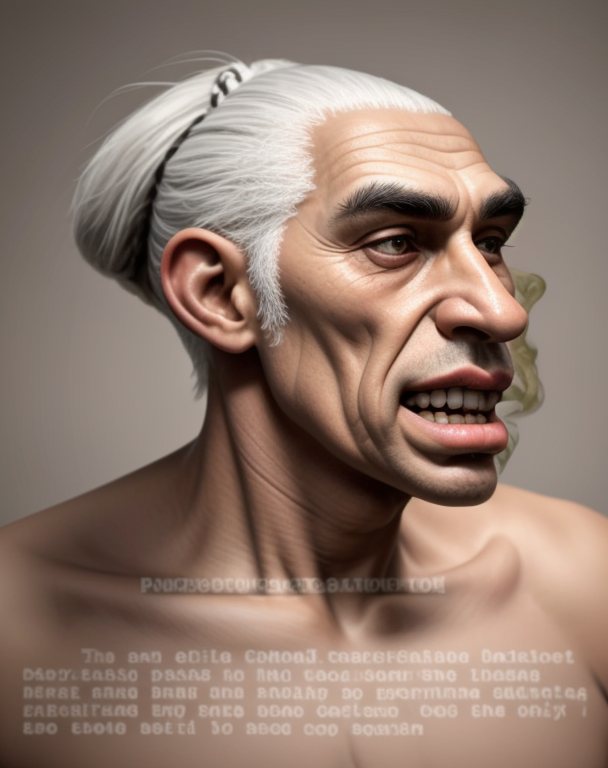
La Chapelle-aux-Saints 1 — 'the Old Man', Neanderthal — several possible faces
Source: c. 60,000–50,000 years ago · La Chapelle-aux-Saints, Corrèze, France · skull image: Skull of La Chapelle-aux-saints Man (Mousterian) Wellcome M0015765.jpg · CC BY 4.0 · Wikimedia Commons · 
Original: 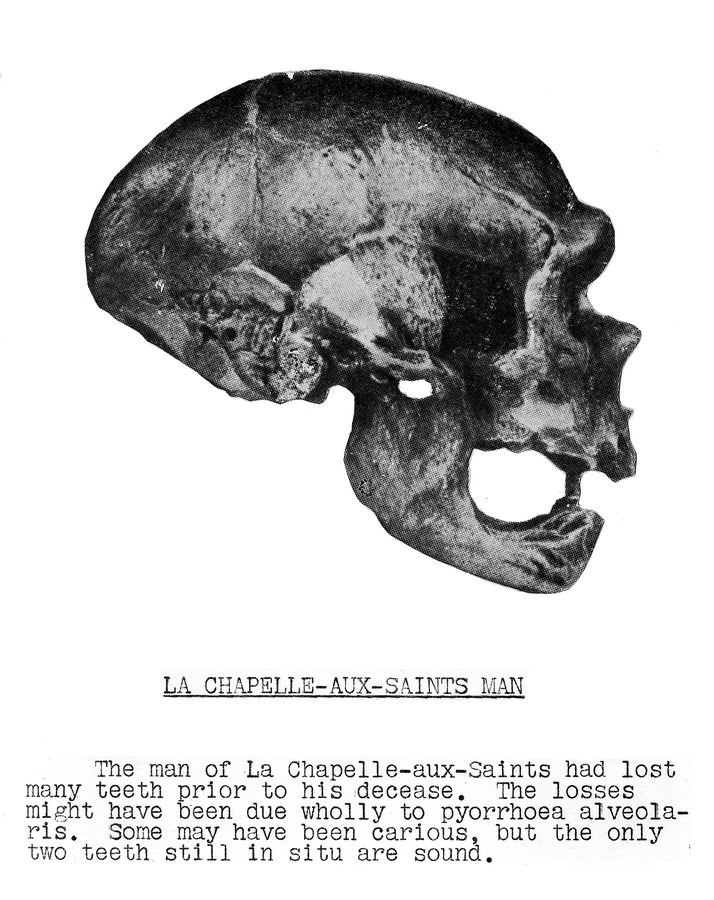
Realistic — sheet · face1 · face2 · face3 · face4 · face5
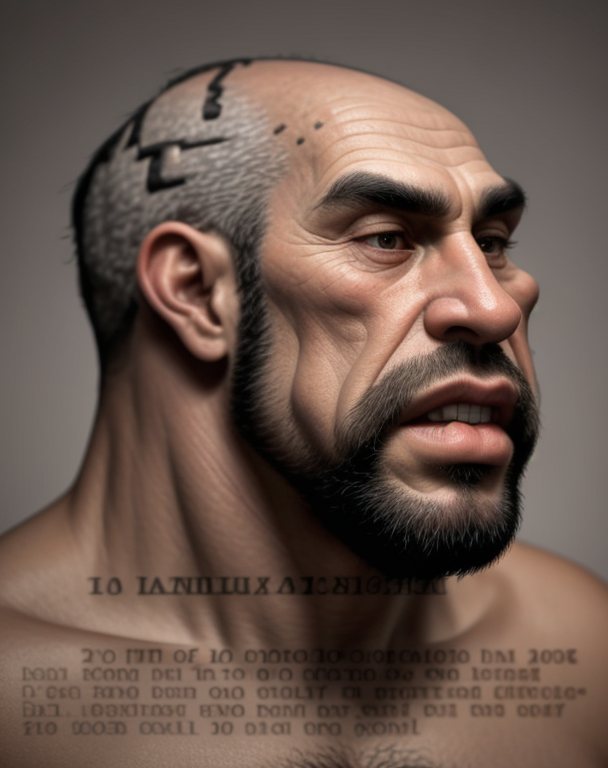
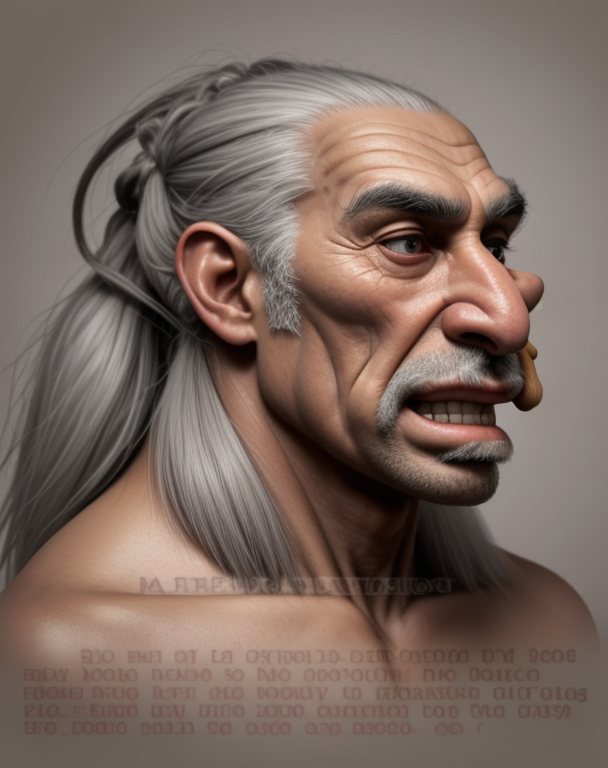
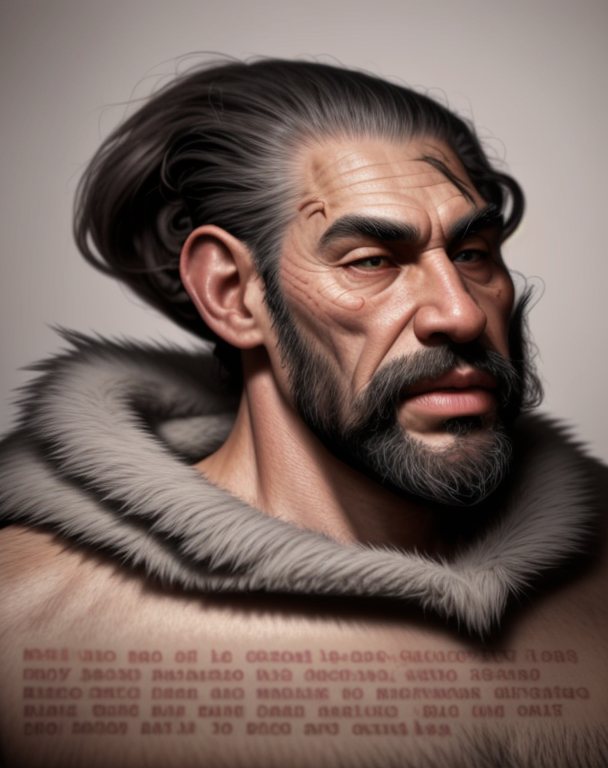
La Ferrassie 1 — Neanderthal — several possible faces
Source: c. 70,000–50,000 years ago · La Ferrassie, Dordogne, France · skull image: Ferrassie skull.jpg · 120 · CC BY 2.5 · Wikimedia Commons · 
Original: 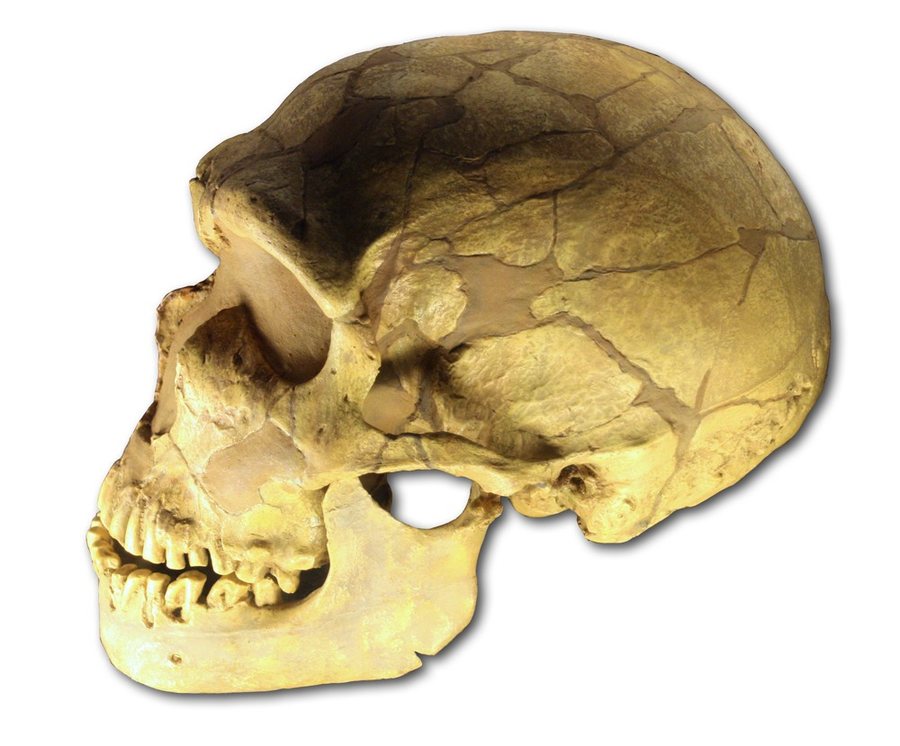
Realistic — sheet · face1 · face2 · face3 · face4 · face5

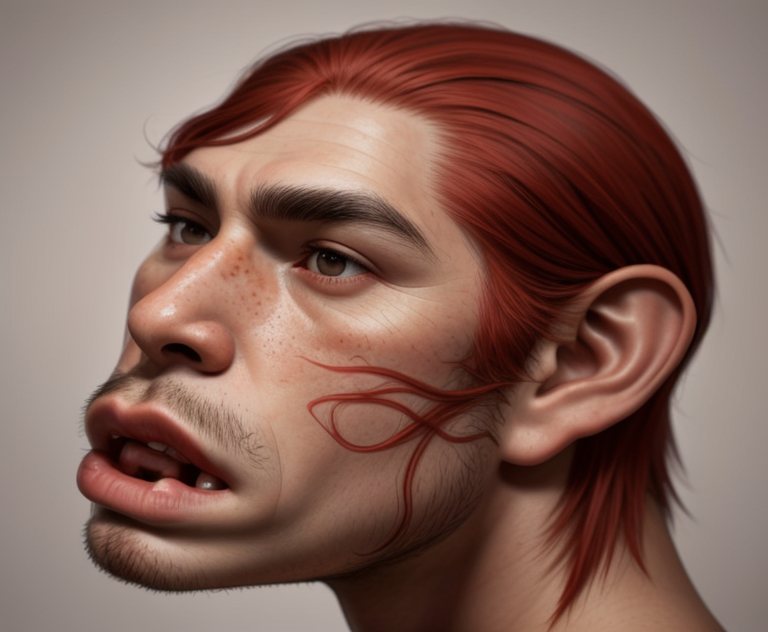
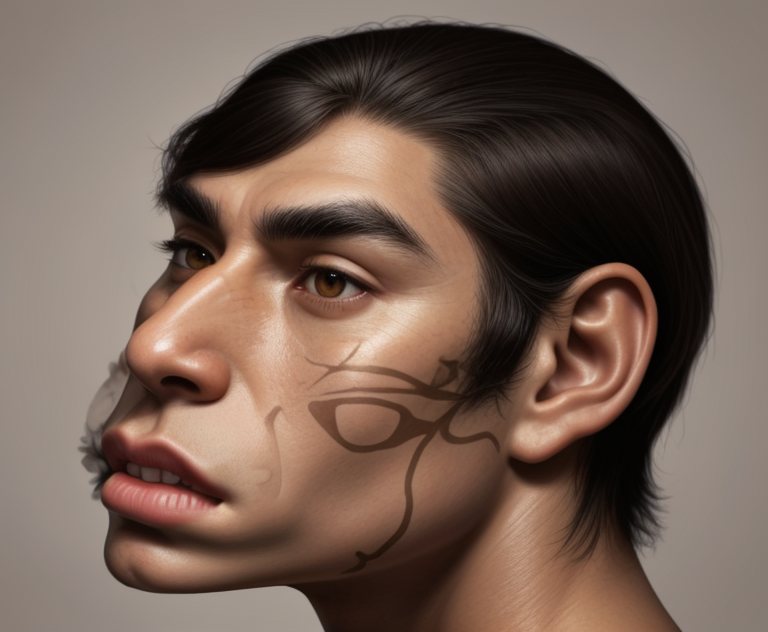
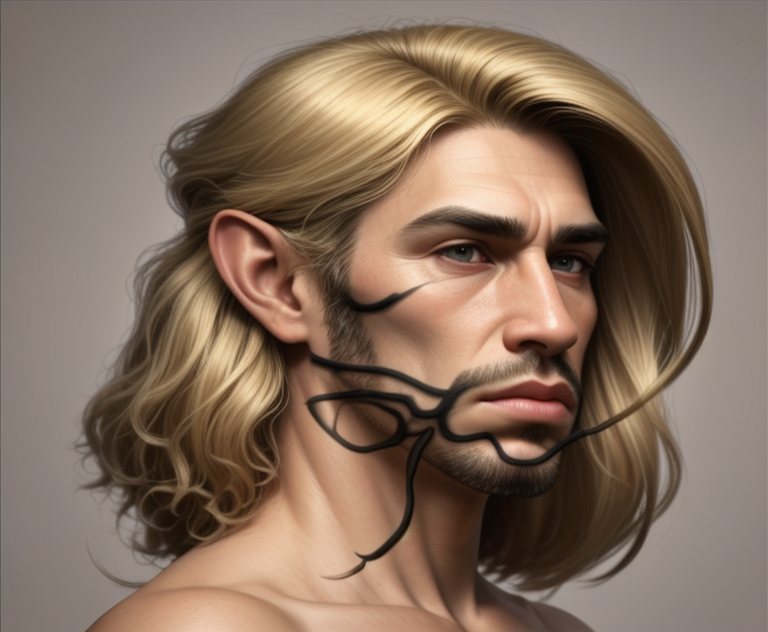
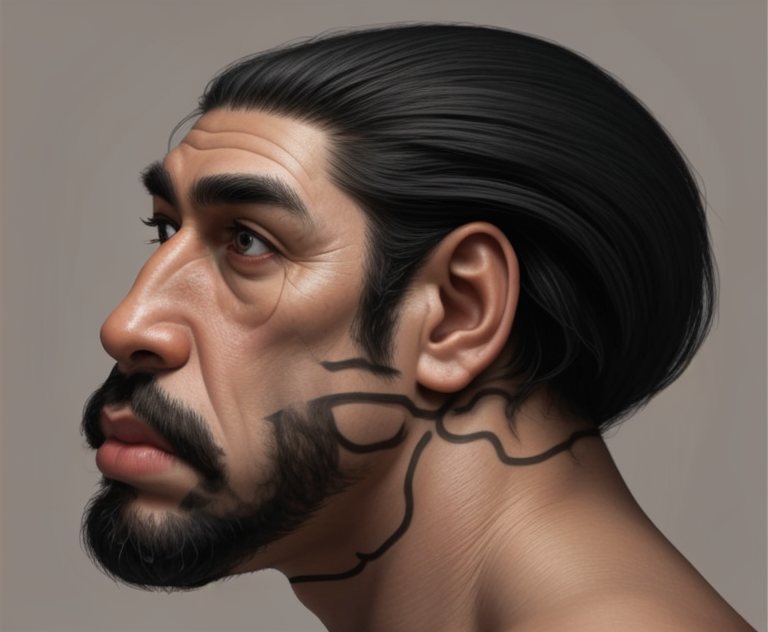
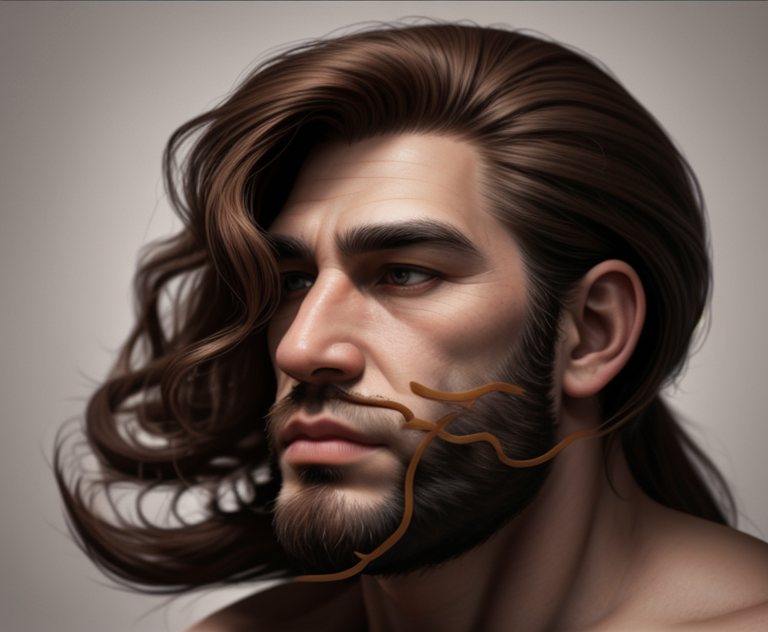
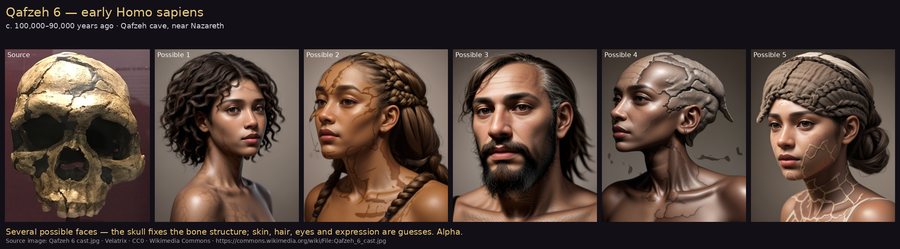
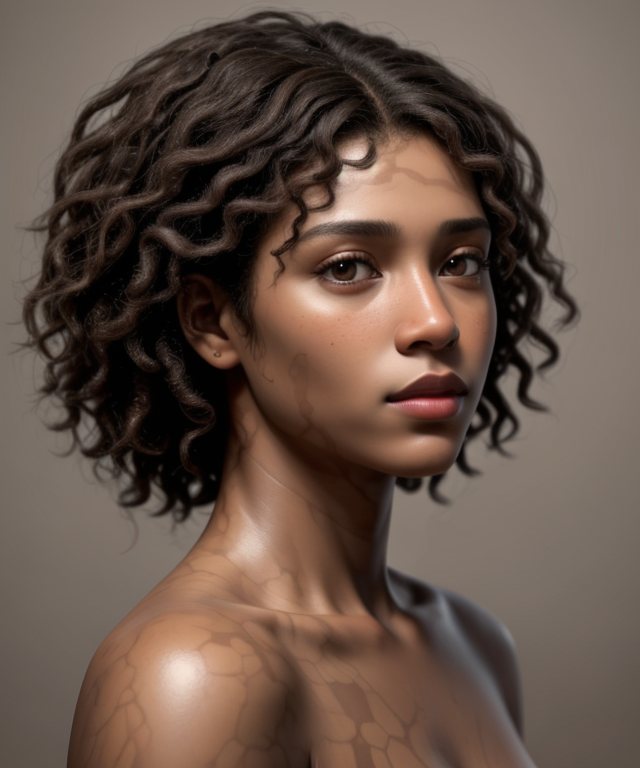
Qafzeh 6 — early Homo sapiens — several possible faces
Source: c. 100,000–90,000 years ago · Qafzeh cave, near Nazareth · skull image: Qafzeh 6 cast.jpg · Velatrix · CC0 · Wikimedia Commons · 
Original: 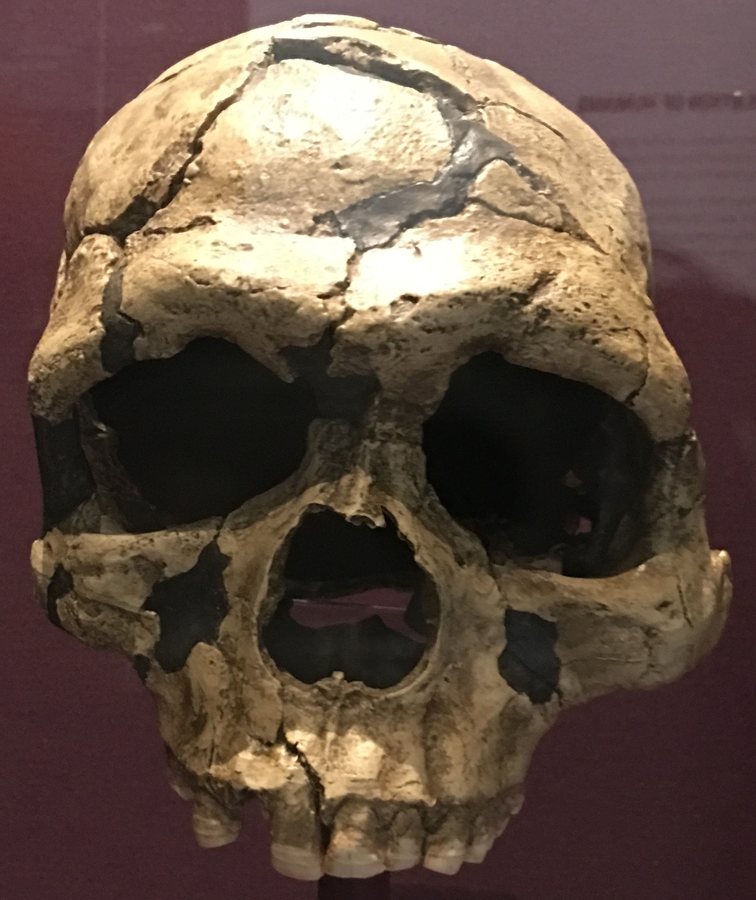
Realistic — sheet · face1 · face2 · face3 · face4 · face5
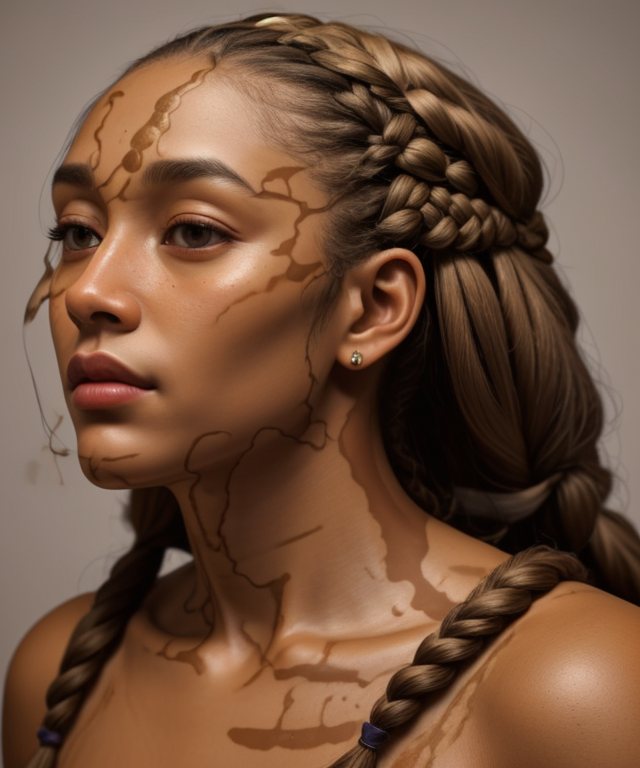

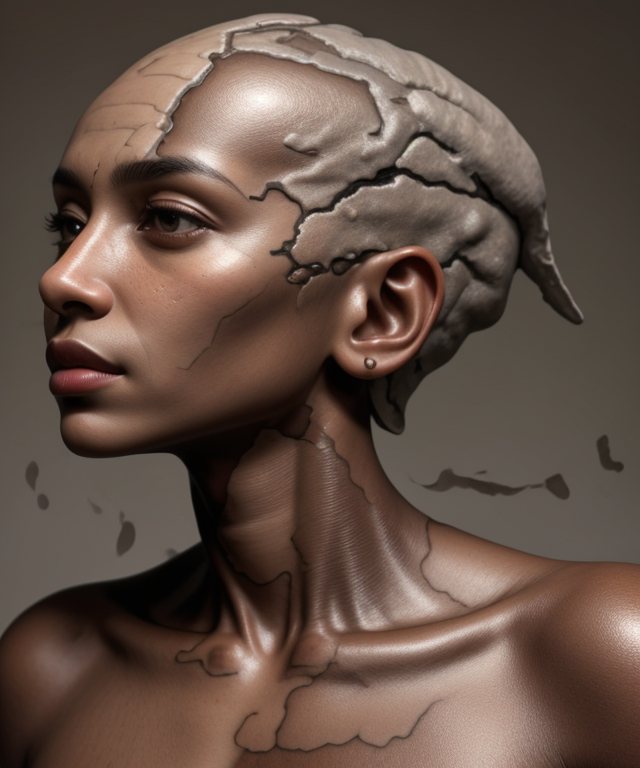
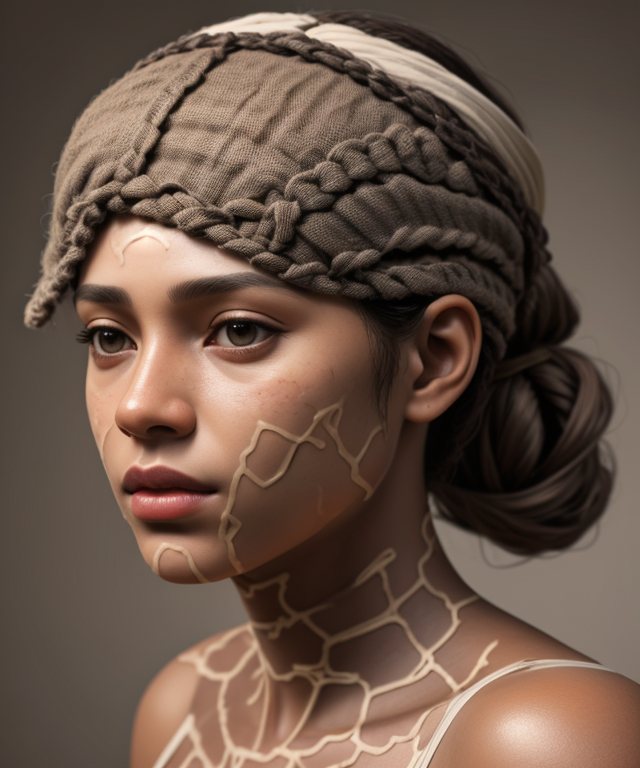
The plastered skull of Jericho — several possible faces
Source: c. 9,000–8,000 years ago (Pre-Pottery Neolithic B) · Jericho · skull image: Plastered skull from Jericho, British Museum.jpg · APK · CC BY 4.0 · Wikimedia Commons · 
Original: 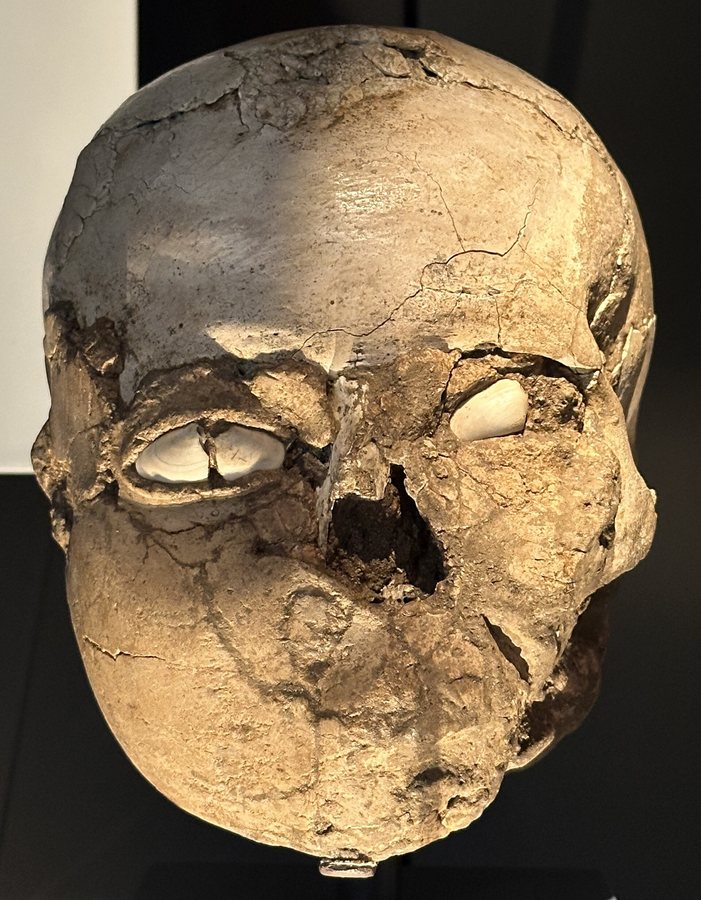
Realistic — face1 · face2 · face3 · face4
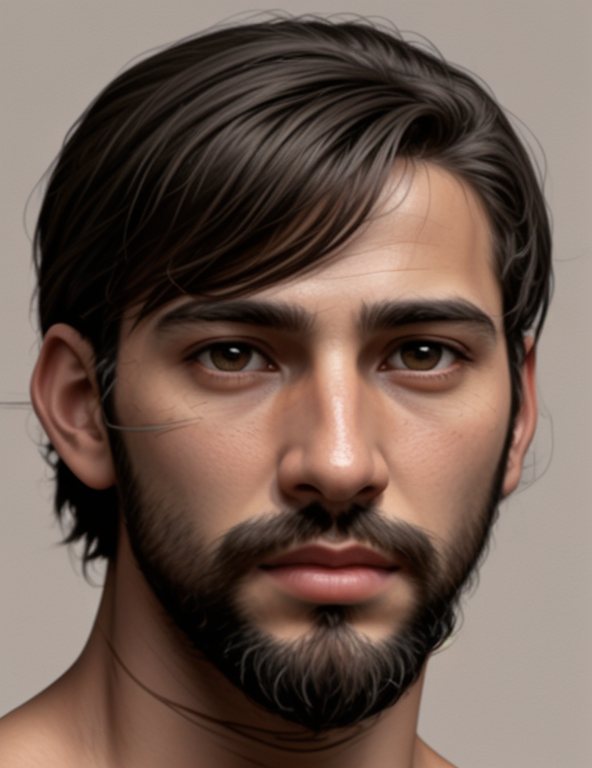
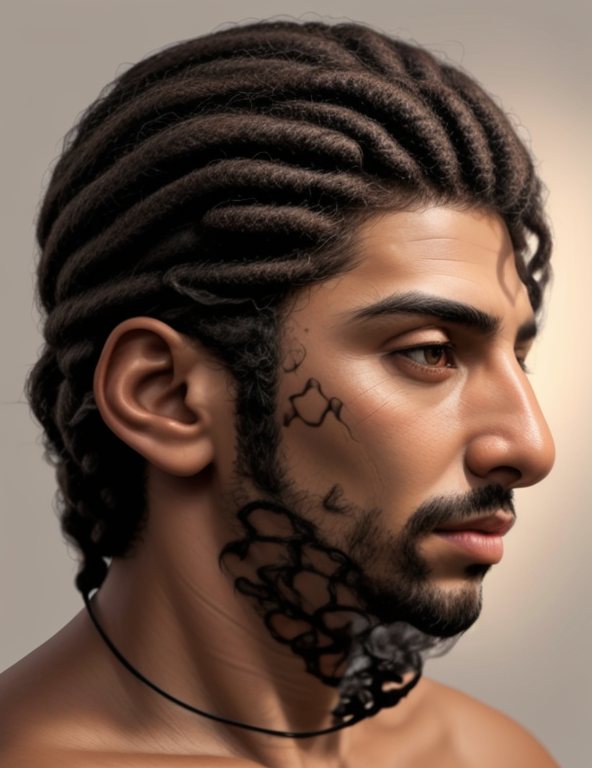
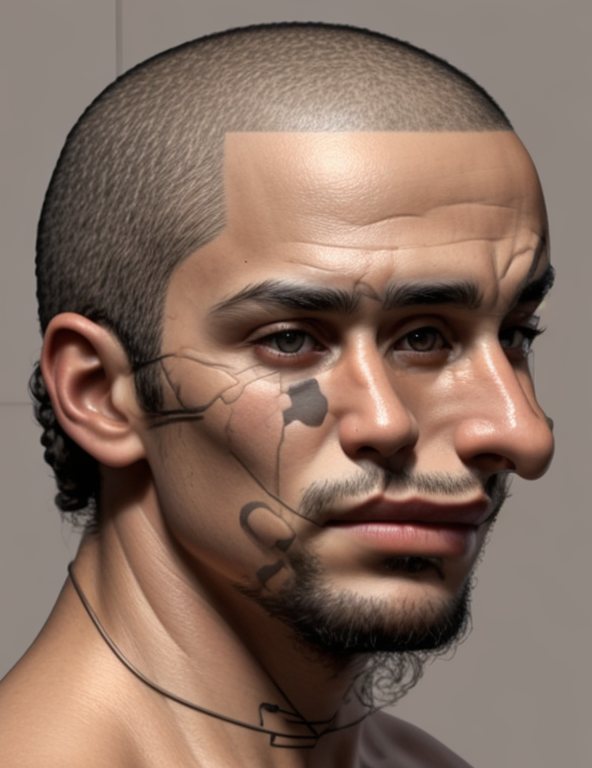
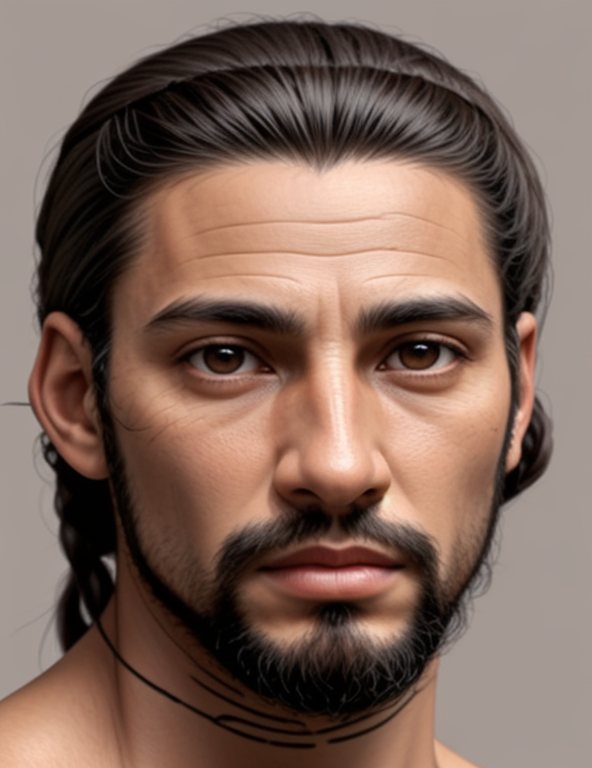
Achilles and Ajax playing a board game
Source: Exekias, Attic black-figure amphora, Vatican Museums 344 · photo/scan: Daderot · Public domain · Wikimedia Commons · cropped to the scene
Original: 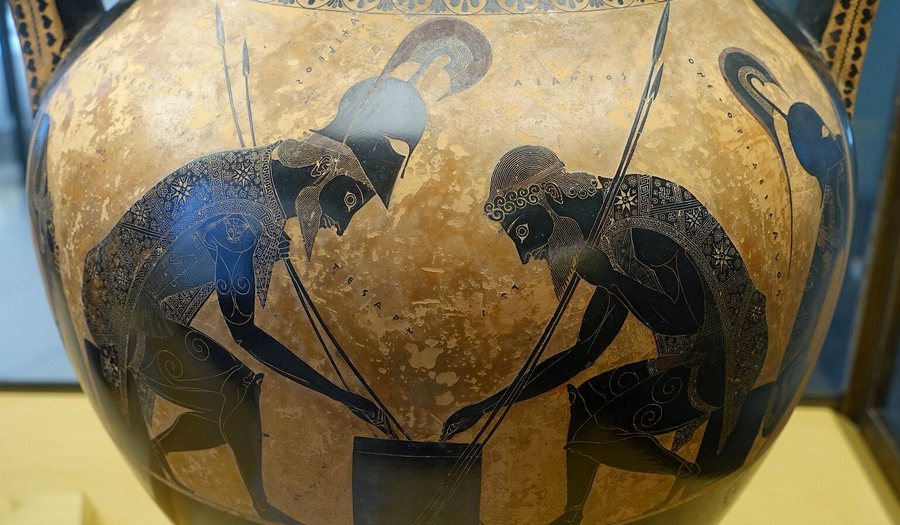
Realistic — Greek · Nubian · Libyan (Amazigh) · Levantine · Pale
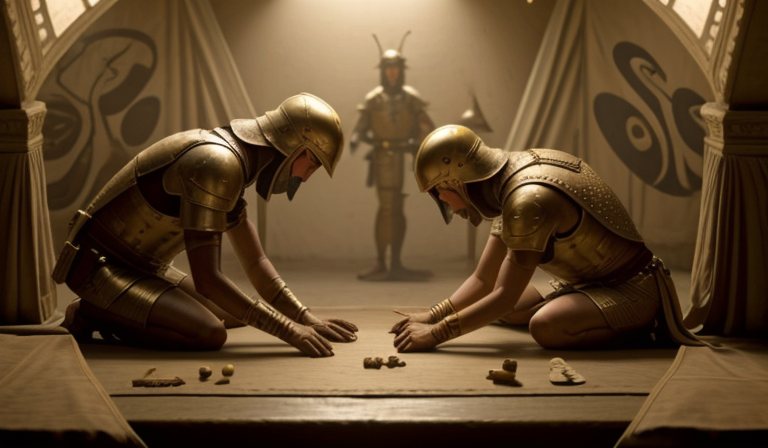
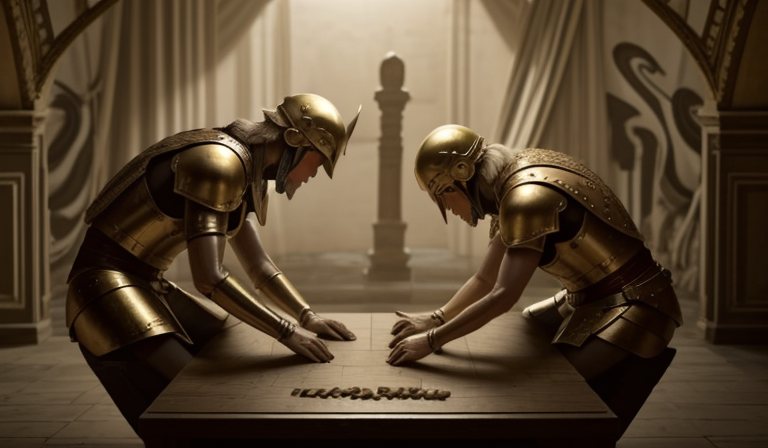
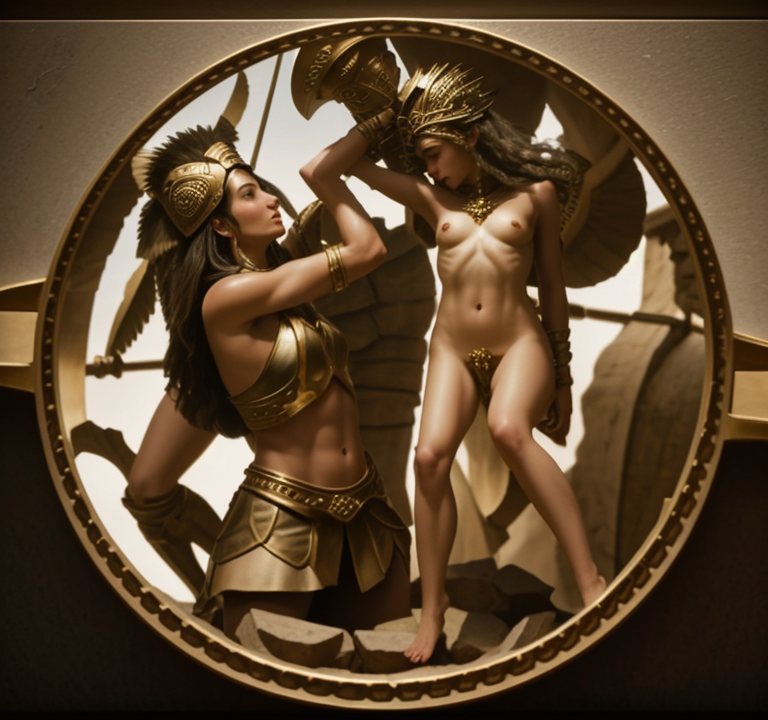
Achilles slays the Amazon queen Penthesilea
Source: Penthesilea Painter, Attic red-figure kylix, Munich Staatliche Antikensammlungen 2688 · photo/scan: Penthesilea Painter · Public domain · Wikimedia Commons
Original: 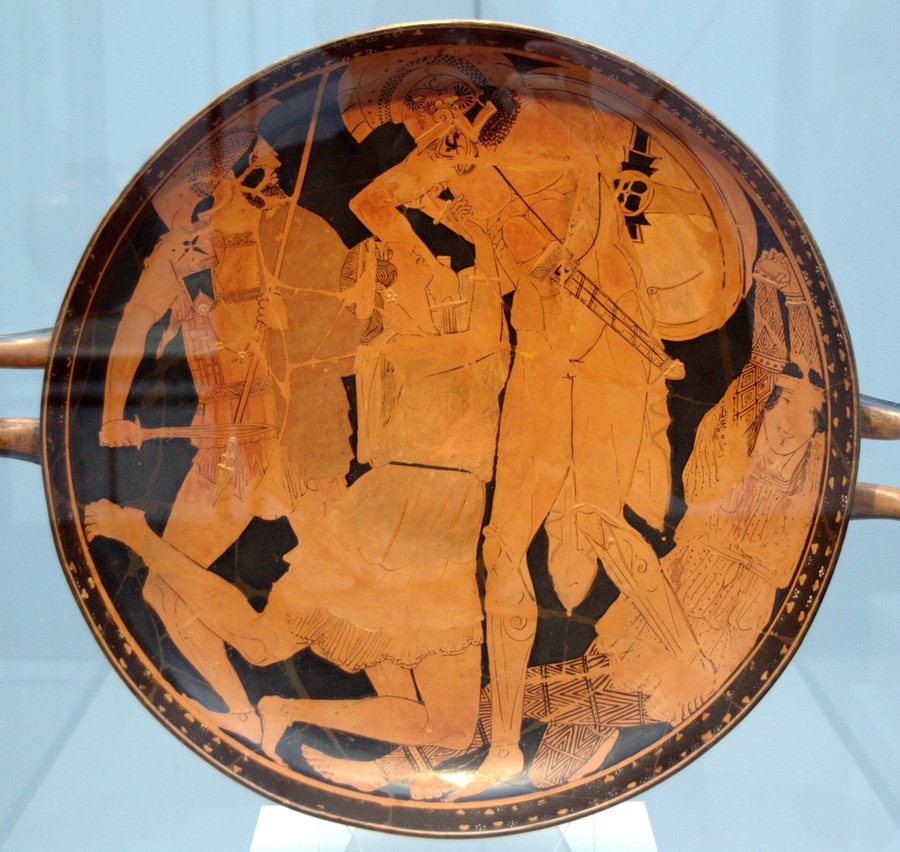
Realistic — Greek · Nubian · Libyan (Amazigh) · Levantine · Pale
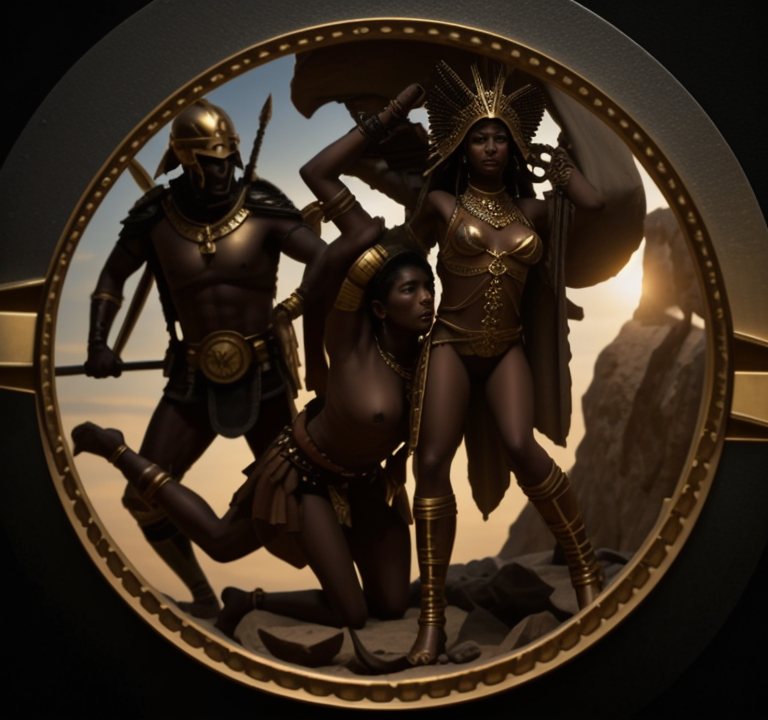
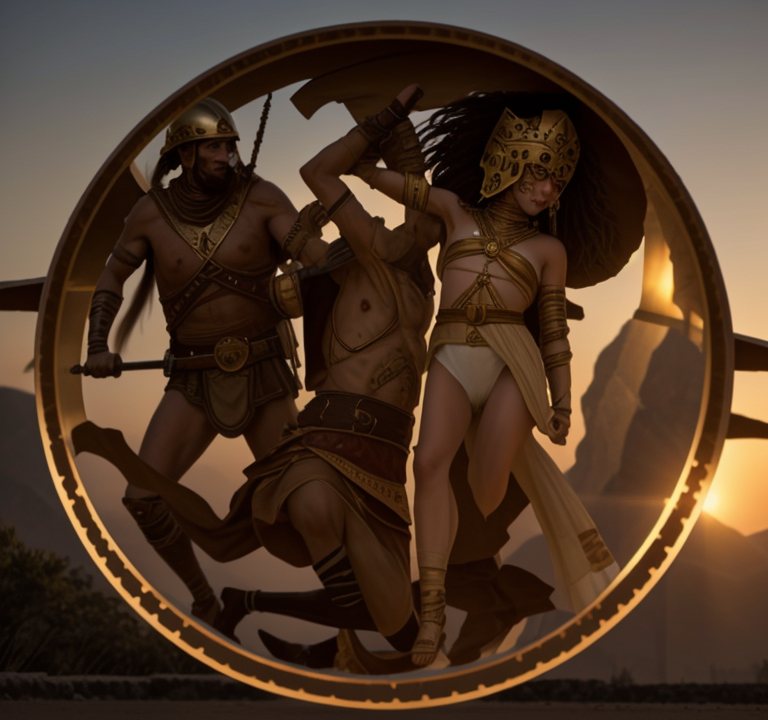
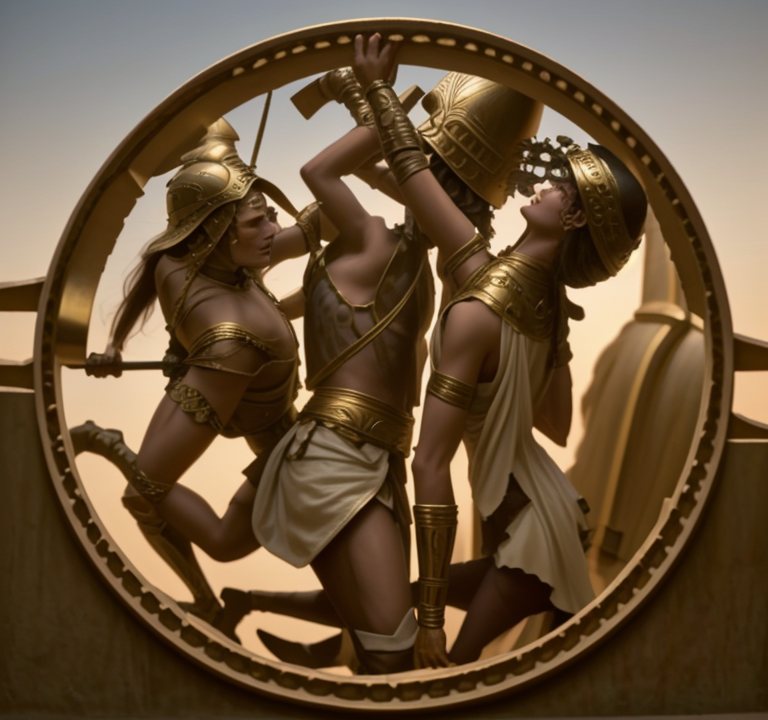
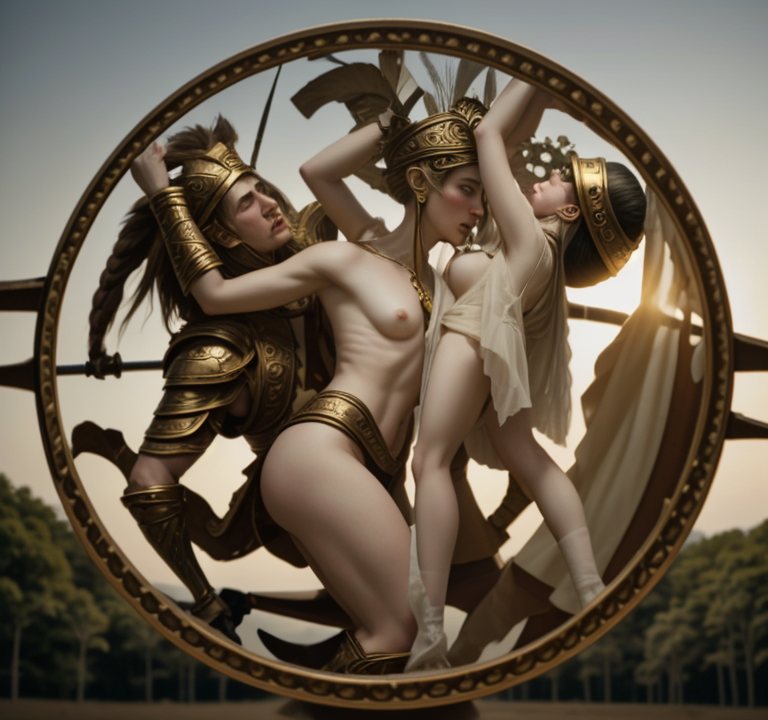
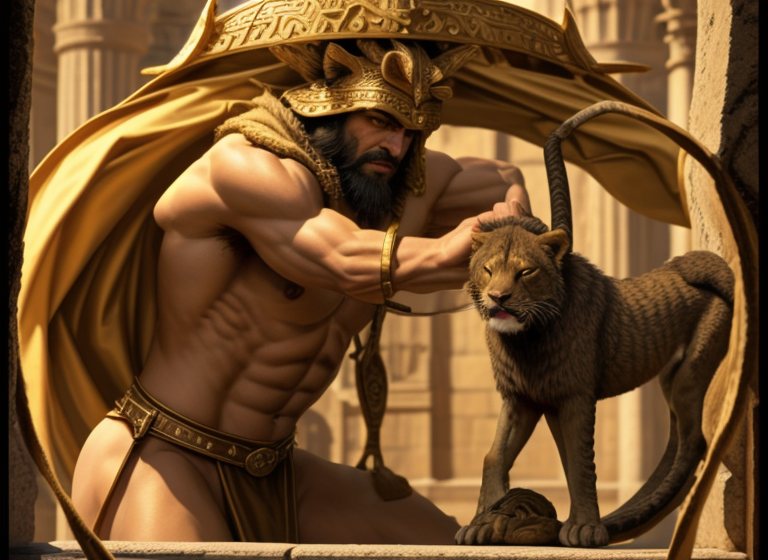
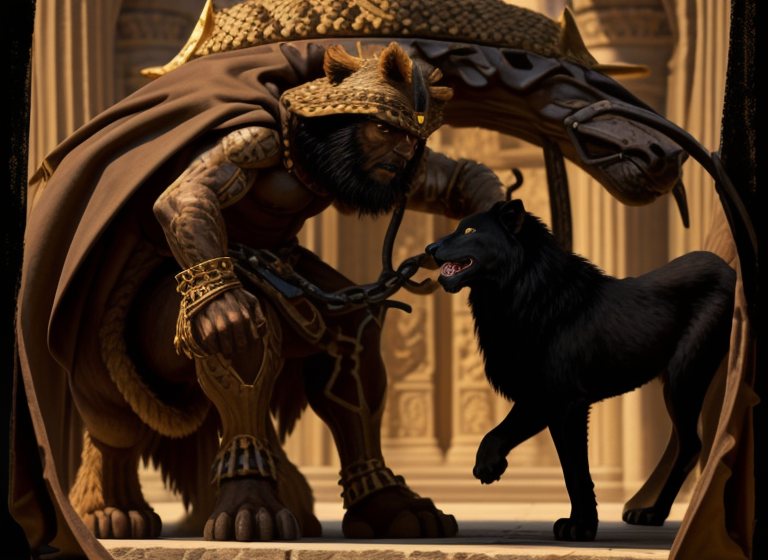
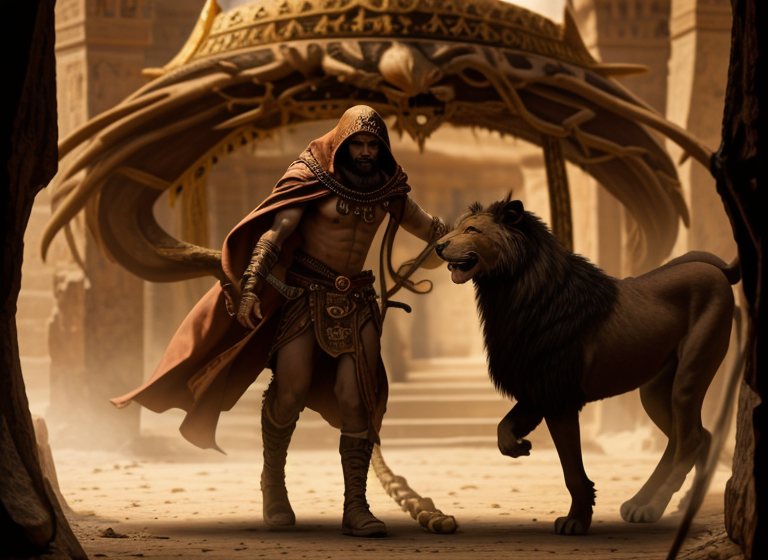
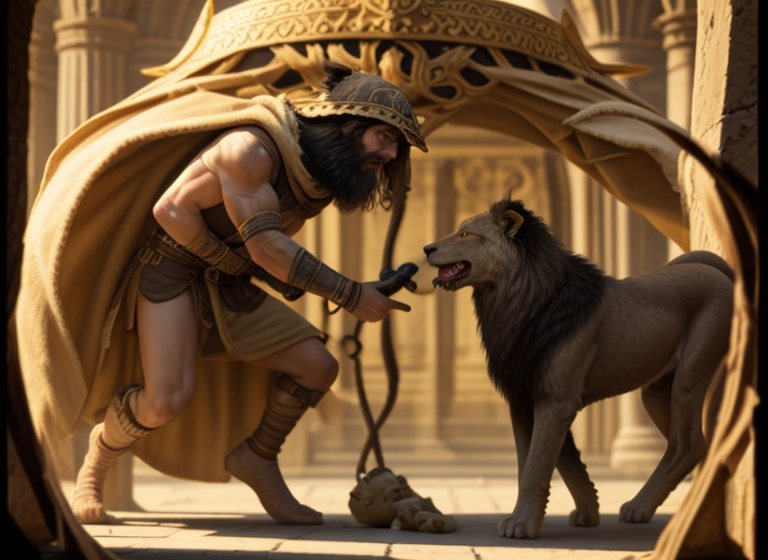
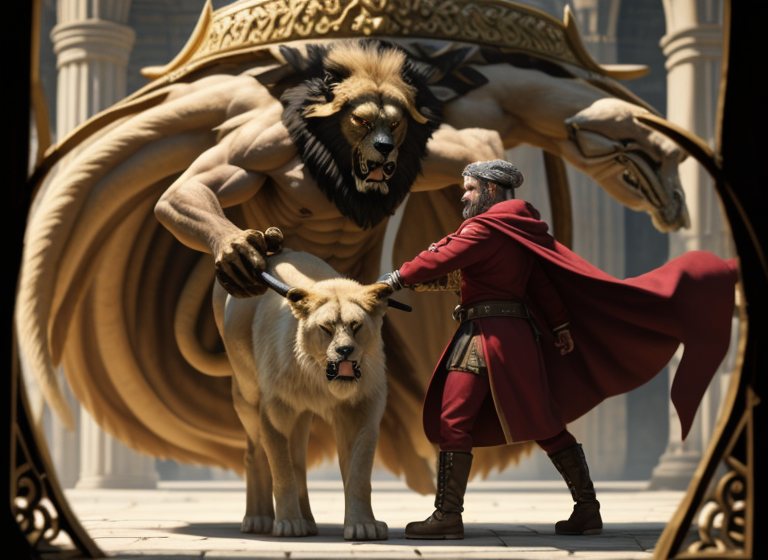
Herakles leads Kerberos from the Underworld
Source: Andokides Painter, Attic bilingual amphora, Louvre F204 · photo/scan: Andokides Painter · Public domain · Wikimedia Commons
Original: 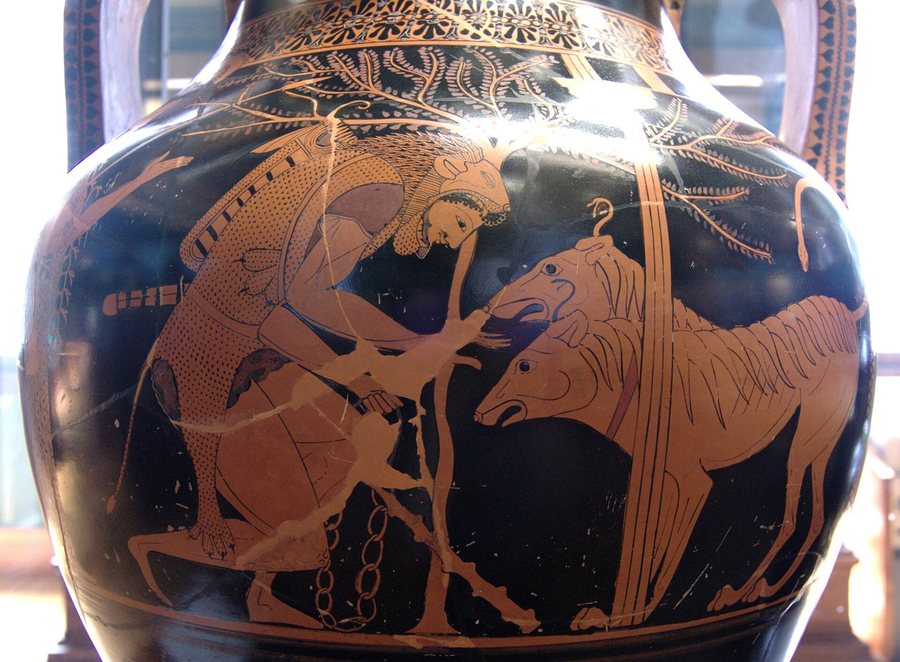
Realistic — Greek · Nubian · Libyan (Amazigh) · Levantine · Pale
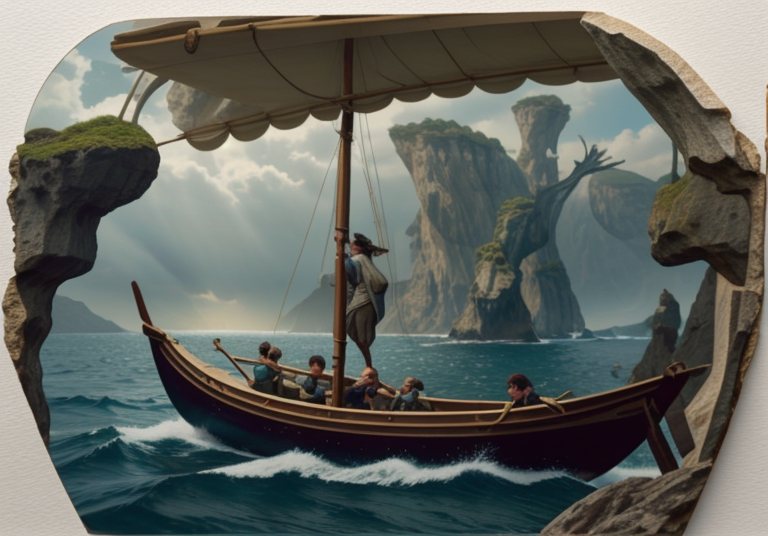
Odysseus and the Sirens
Source: Siren Painter, Attic red-figure stamnos, British Museum E440 · photo/scan: Siren Painter (eponymous vase) · Public domain · Wikimedia Commons
Original: 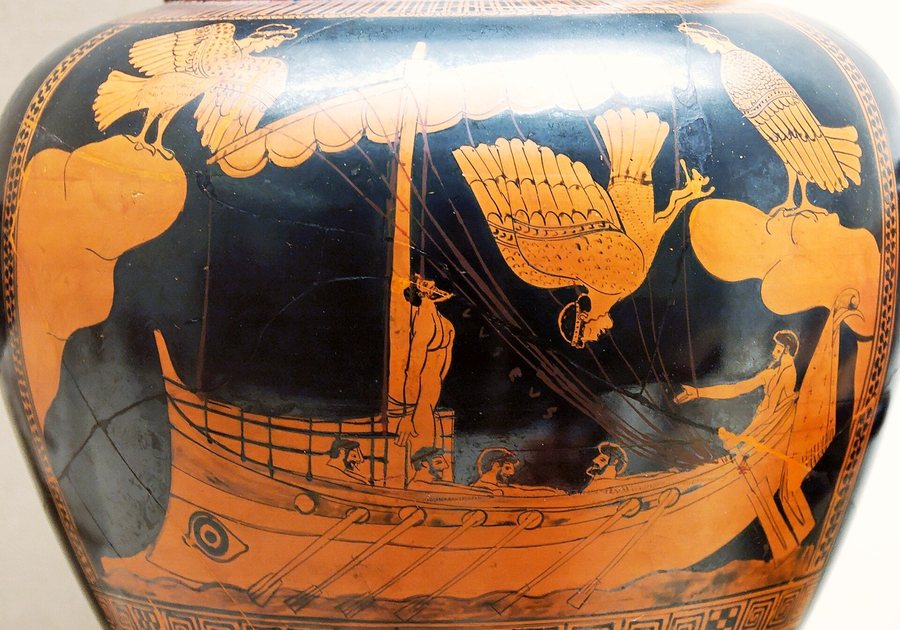
Realistic — Greek · Nubian · Libyan (Amazigh) · Levantine · Pale
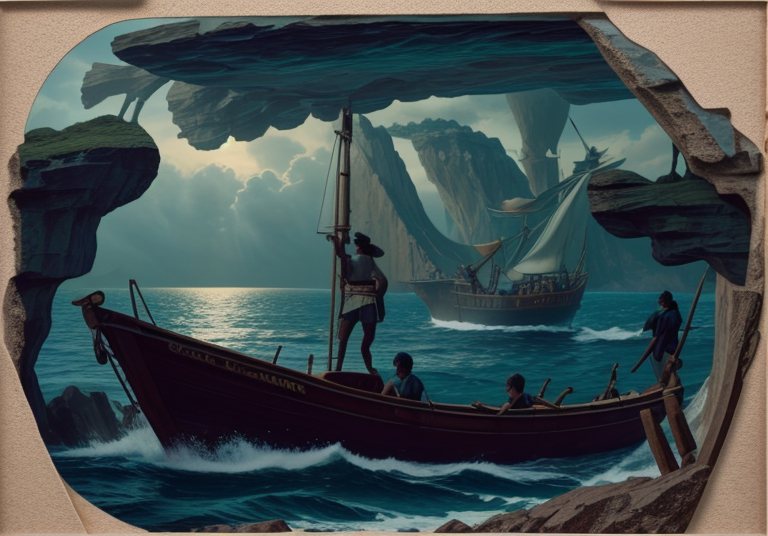
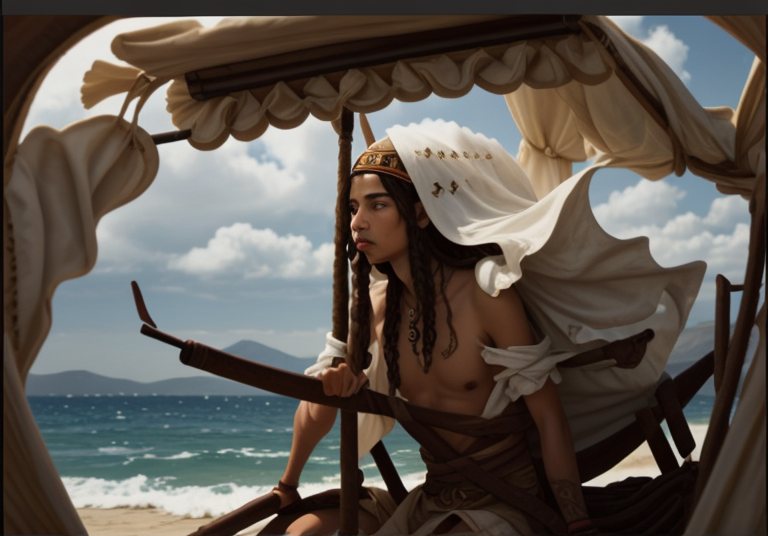
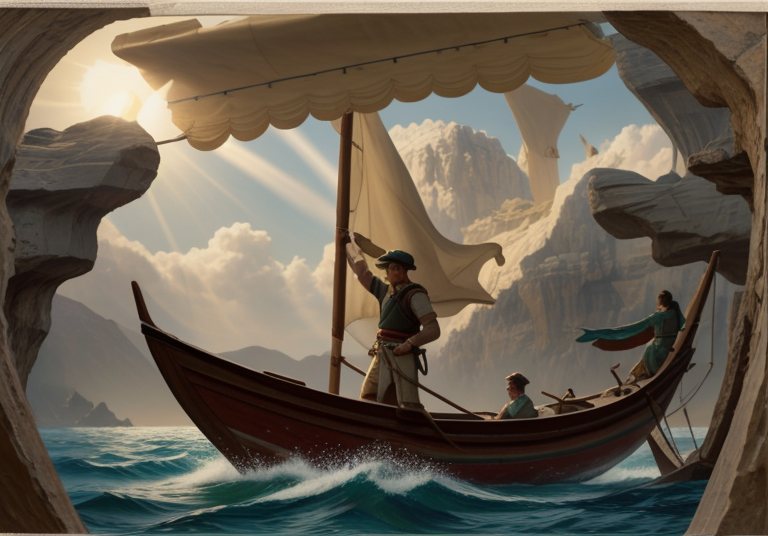
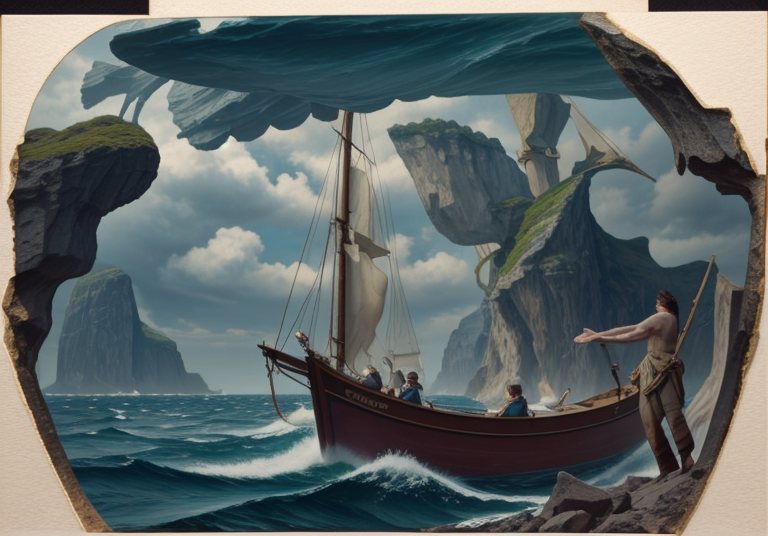
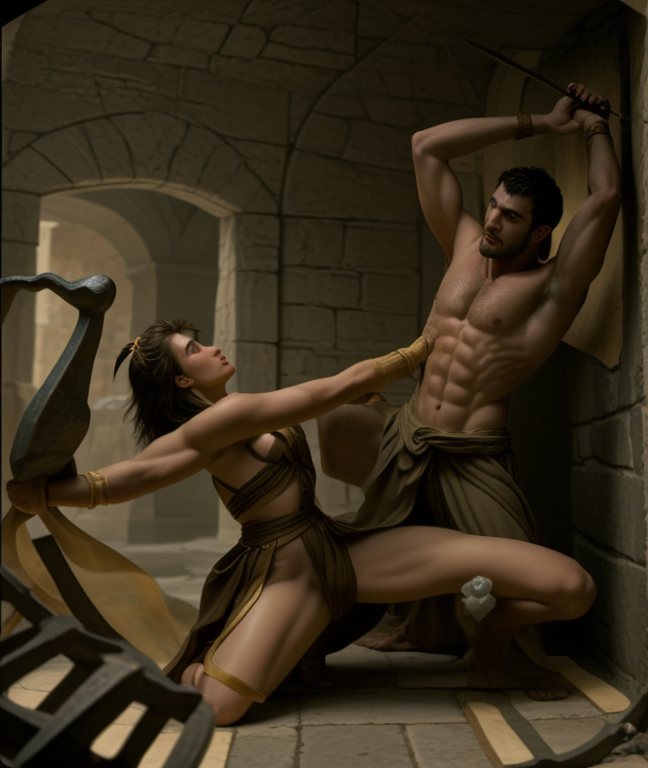
Theseus kills the Minotaur
Source: Attic black-figure kylix (tondo), Louvre F83 · Public domain · Wikimedia Commons · cropped to the scene
Original: 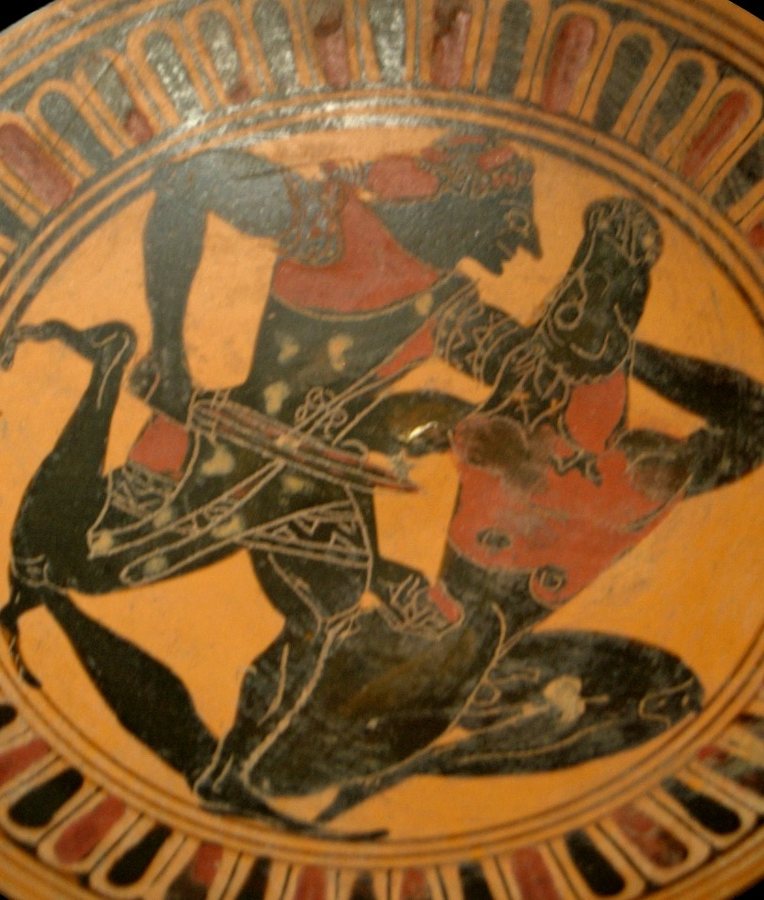
Realistic — Greek
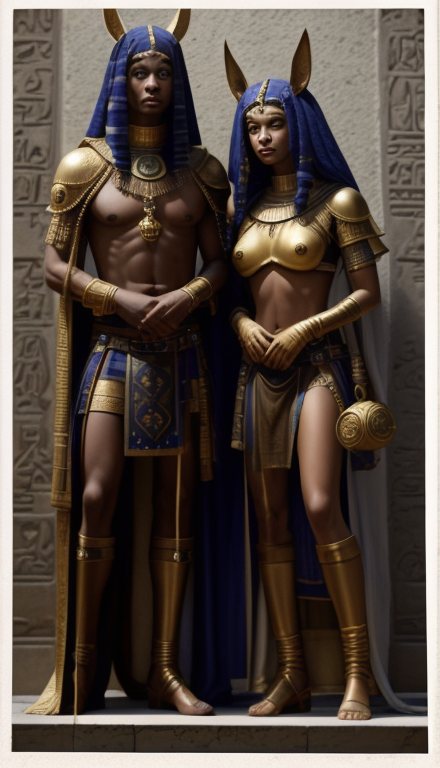
The king offers wine to Anubis
Source: Tomb of Horemheb (KV57); facsimile by Lancelot Crane, Metropolitan Museum · photo/scan: Creator:Lancelot Crane · CC0 · Wikimedia Commons
Original: 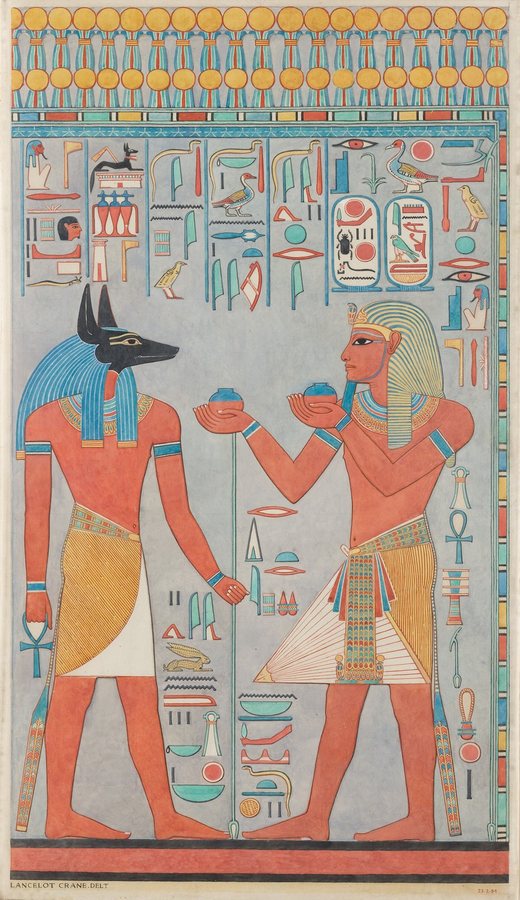
Realistic — Egyptian · Nubian · Libyan (Amazigh) · Levantine · Pale
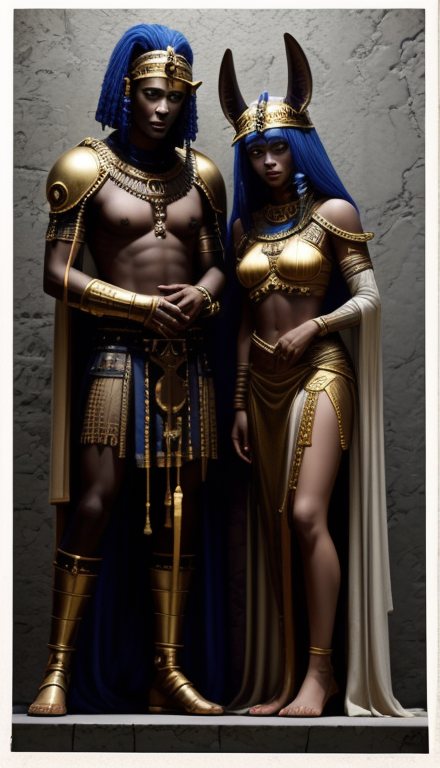
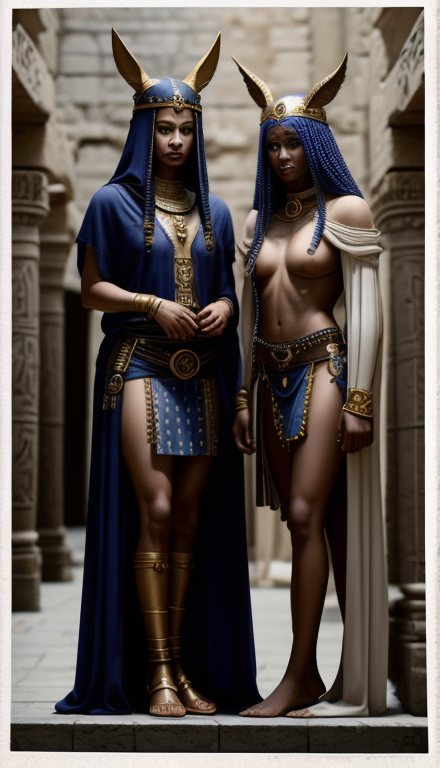
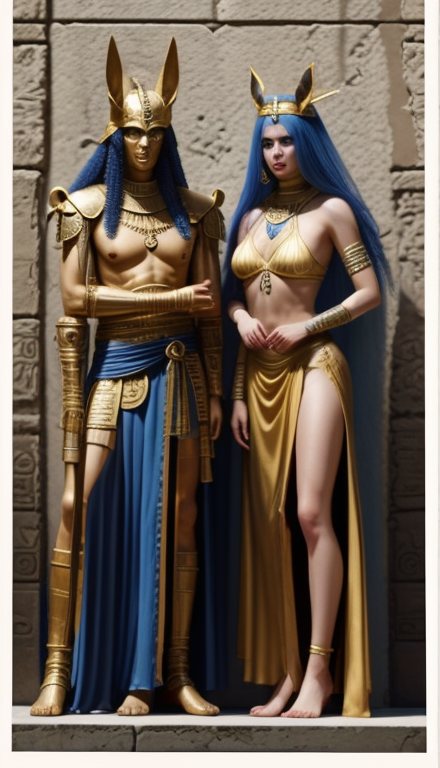
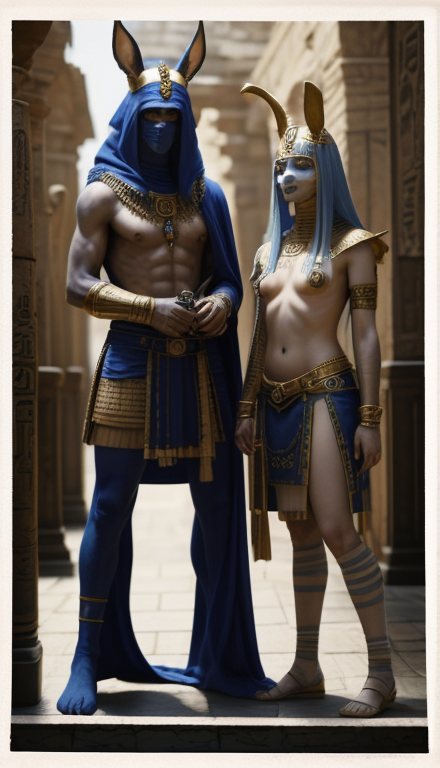
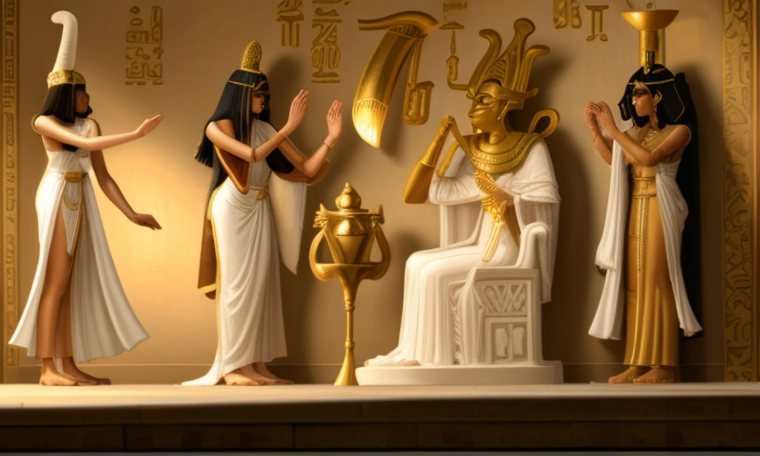
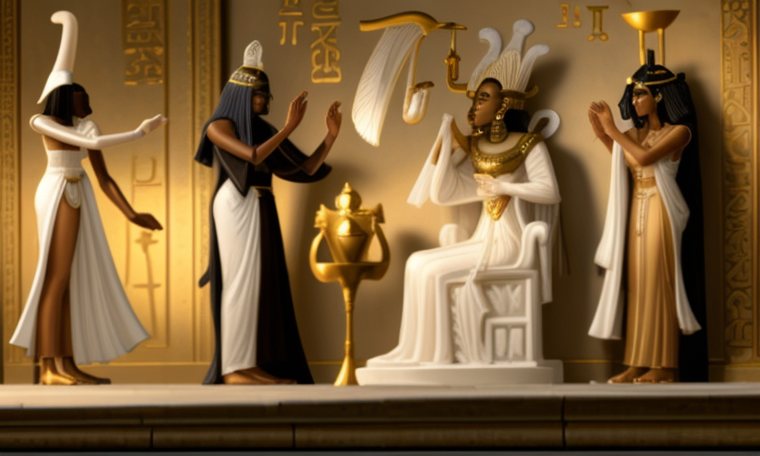
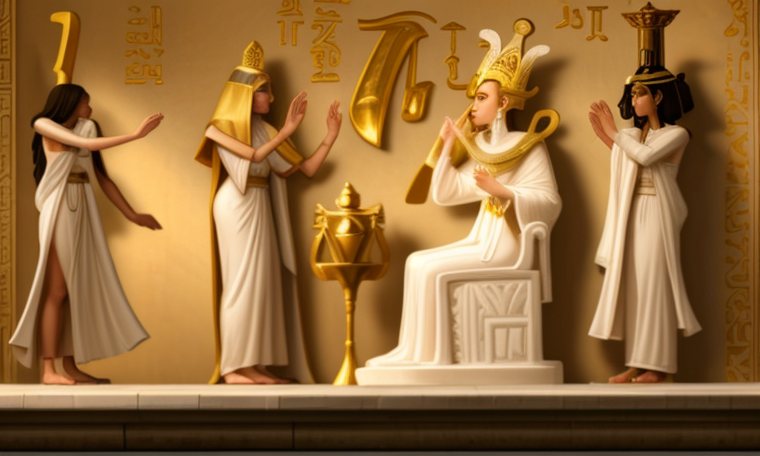
The singer Nany before Osiris and Isis
Source: Funerary papyrus of the Singer of Amun Nany, Metropolitan Museum · CC0 · Wikimedia Commons · cropped to the scene
Original: 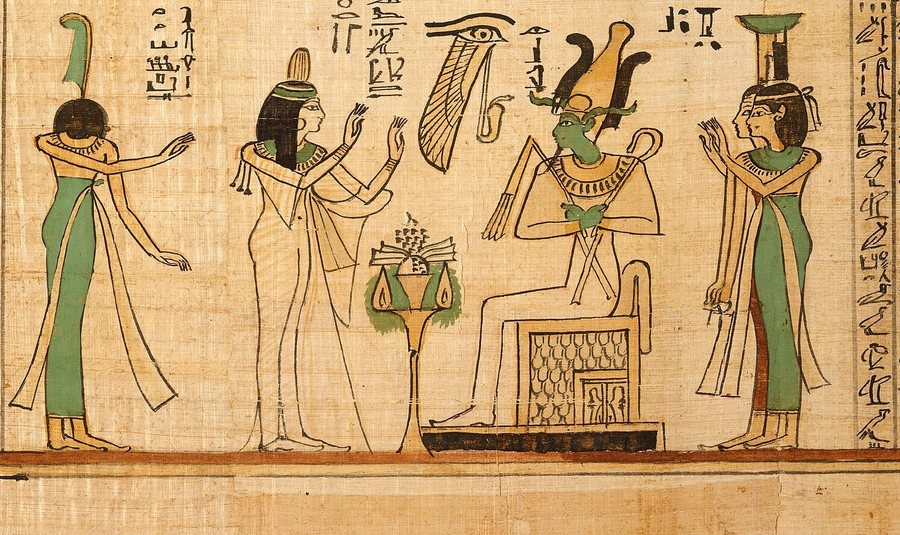
Realistic — Egyptian · Nubian · Libyan (Amazigh) · Levantine · Pale
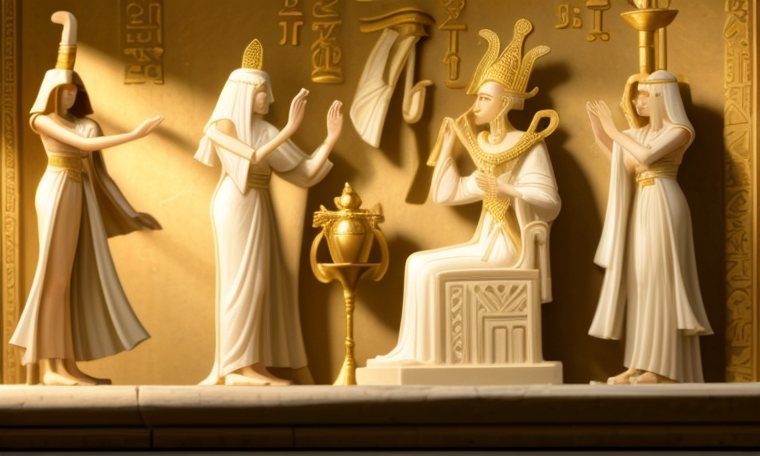
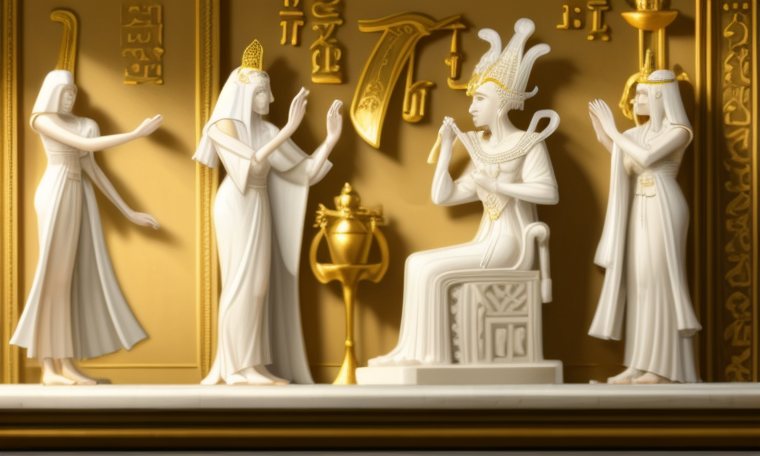
Userhat kneels before Osiris and the Goddess of the West
Source: Tomb of Userhat (TT51); facsimile, Metropolitan Museum · photo/scan: Norman de Garis Davies · CC0 · Wikimedia Commons
Original: 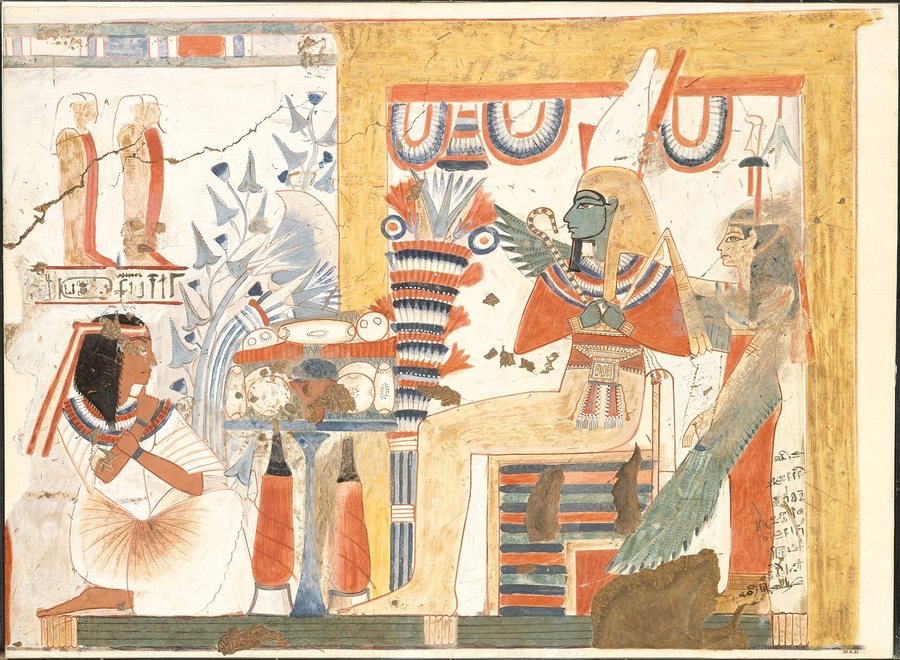
Realistic — Egyptian · Nubian · Libyan (Amazigh) · Levantine · Pale
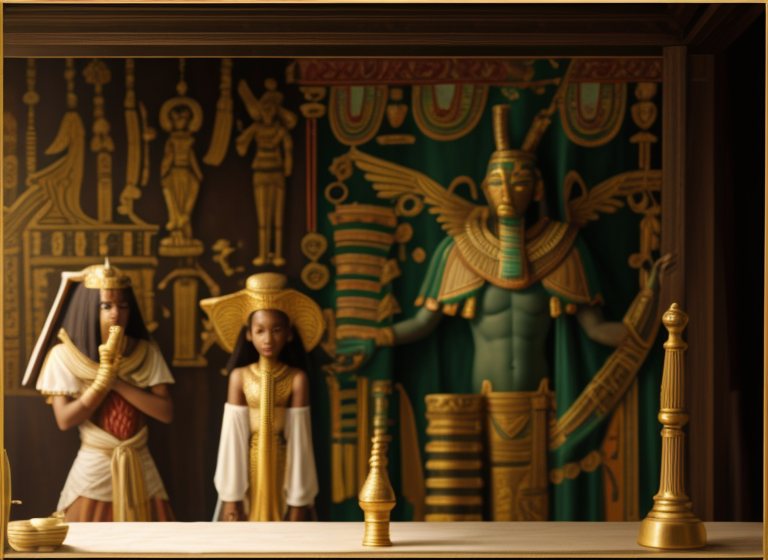
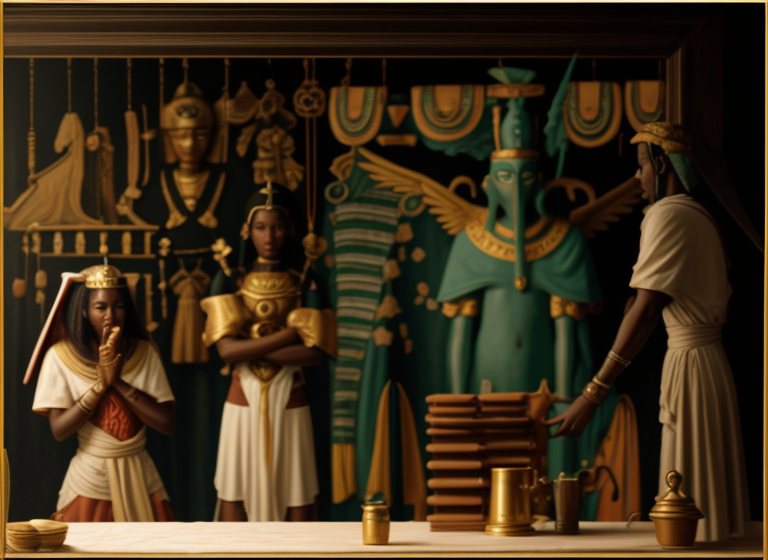
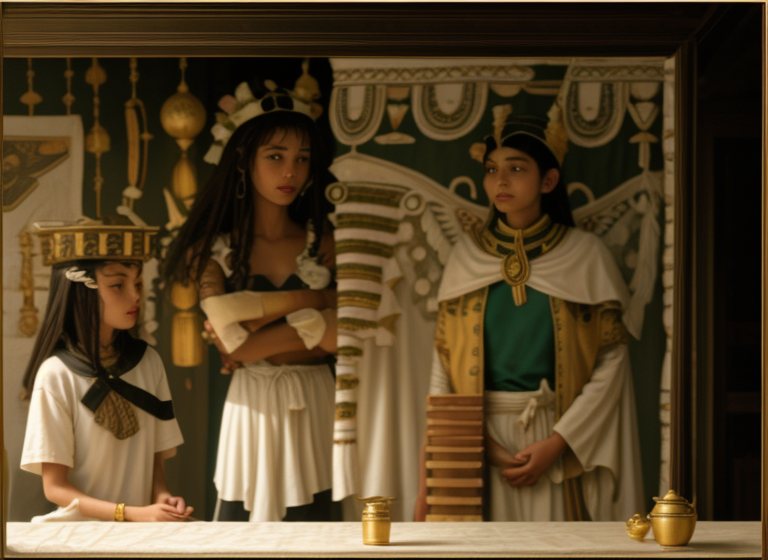
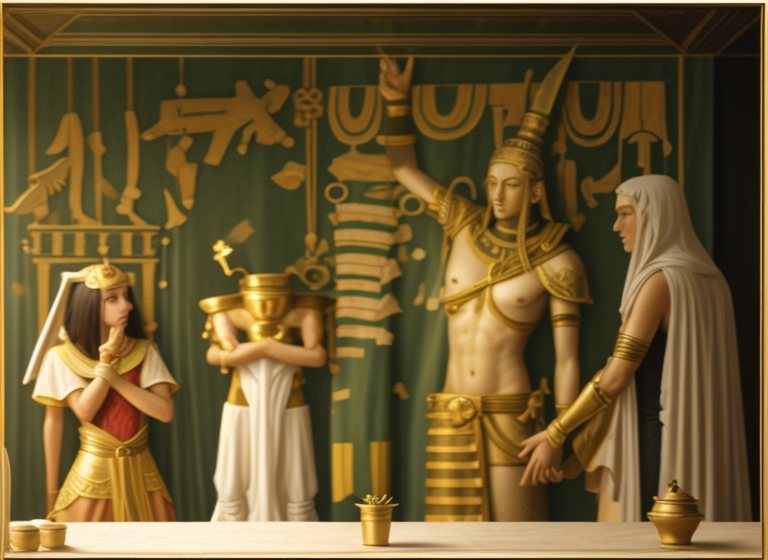
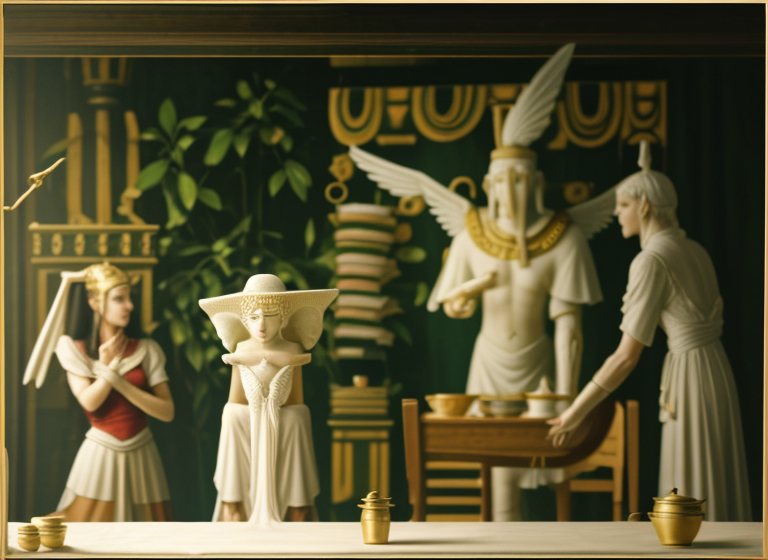
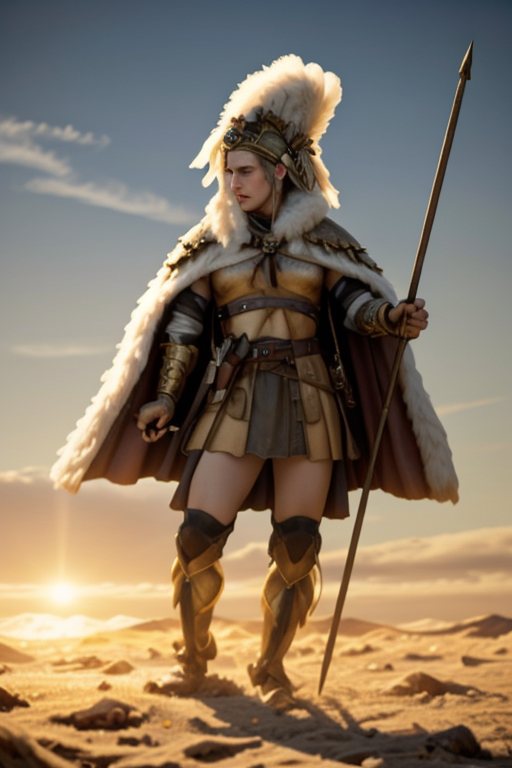
Canario hombre
Source: Leonardo Torriani, 1592. Public domain
Original: 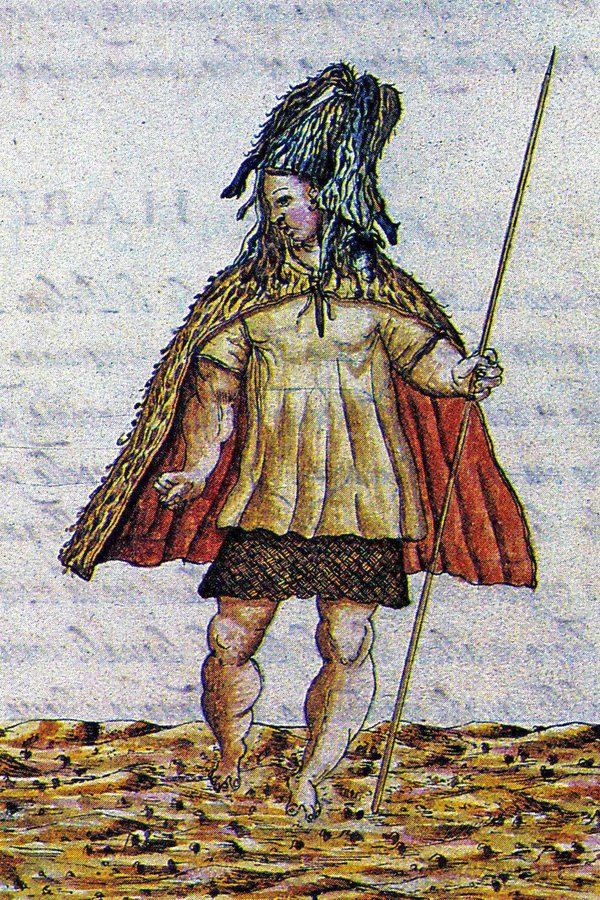
Realistic — Nubian · Libyan (Amazigh) · Levantine · Pale
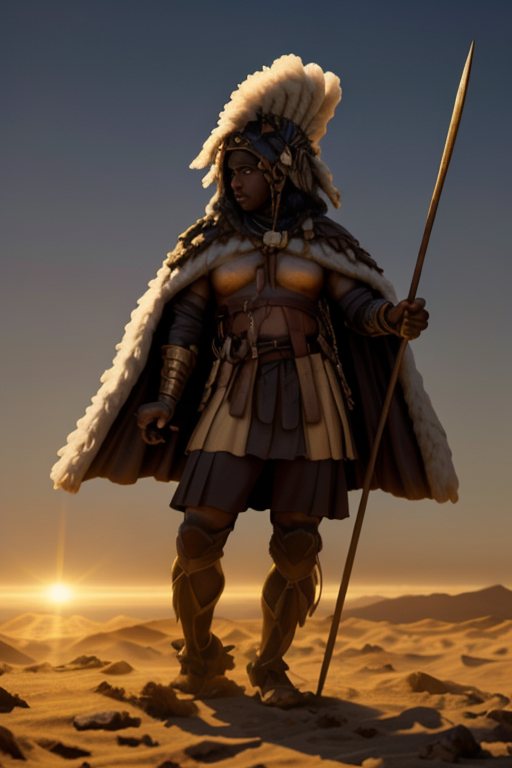
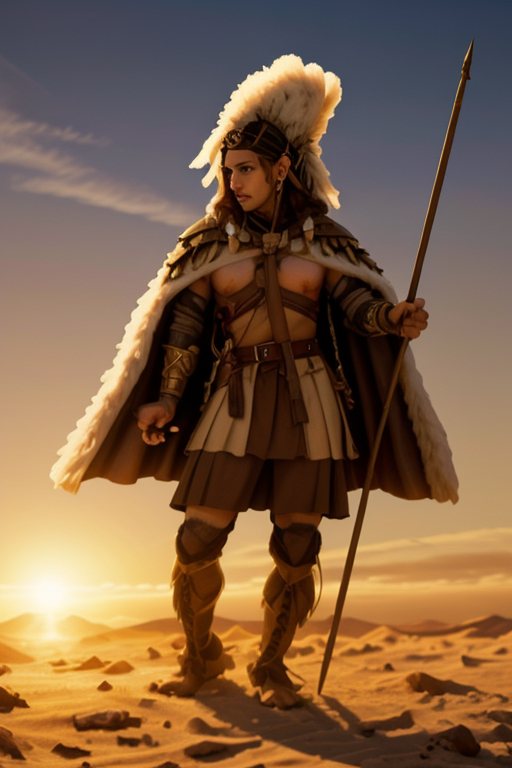
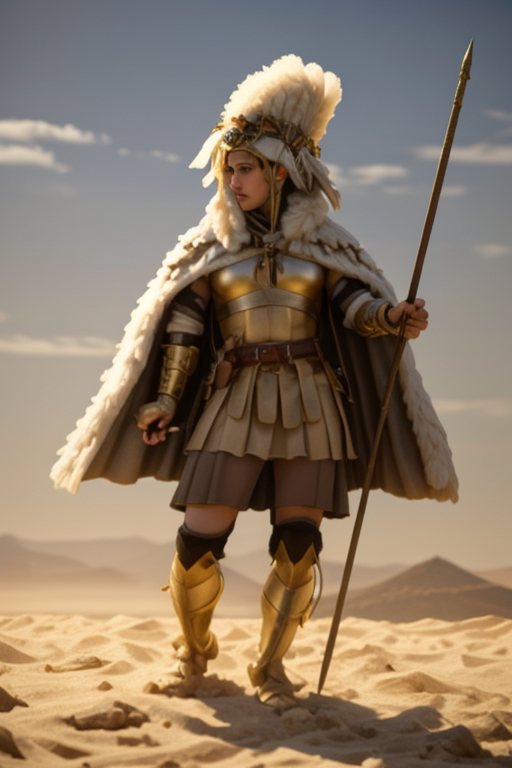
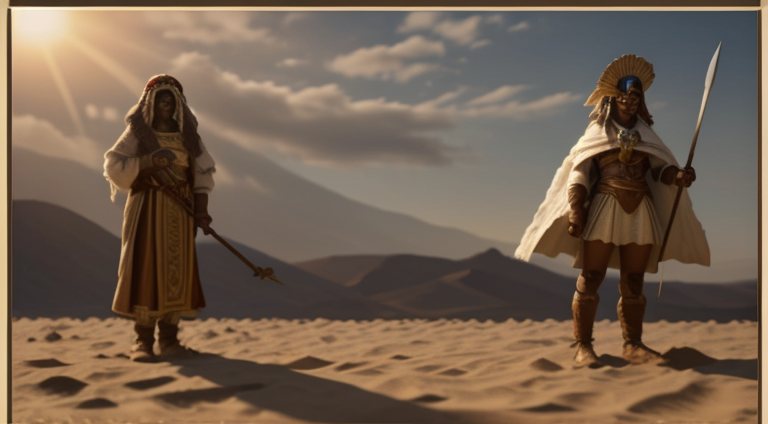
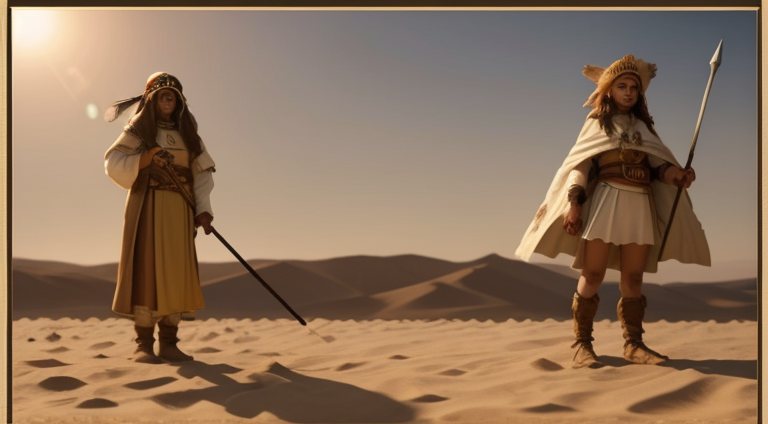
Canarios
Source: Leonardo Torriani, 1592. Public domain
Original: 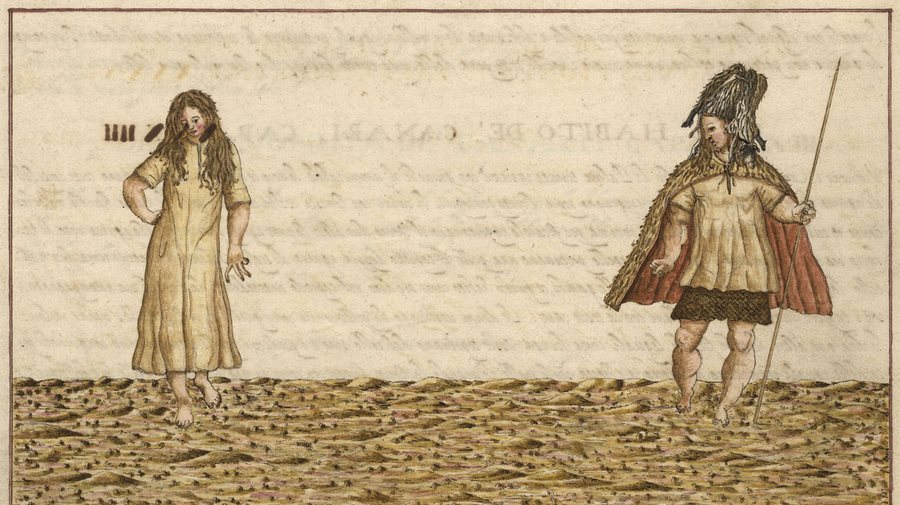
Realistic — Nubian · Libyan (Amazigh) · Levantine · Pale
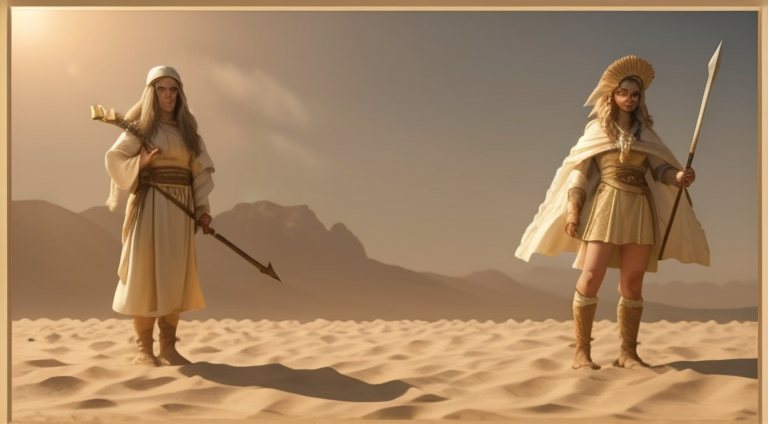
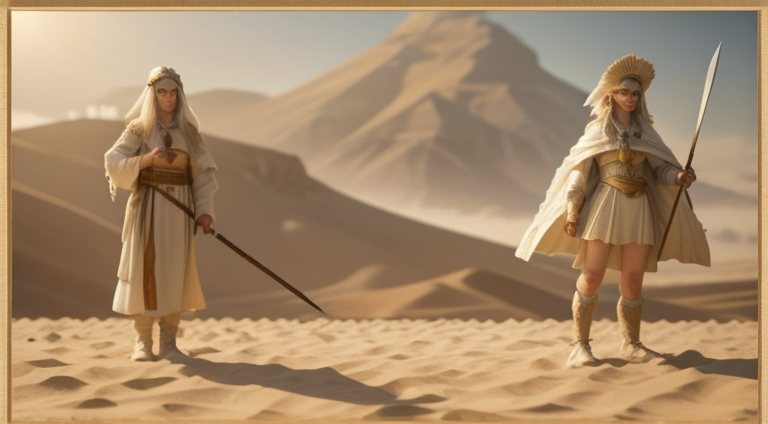
Carthage
Source: William Linton, 1825. Cleveland Museum of Art. CC0
Original: 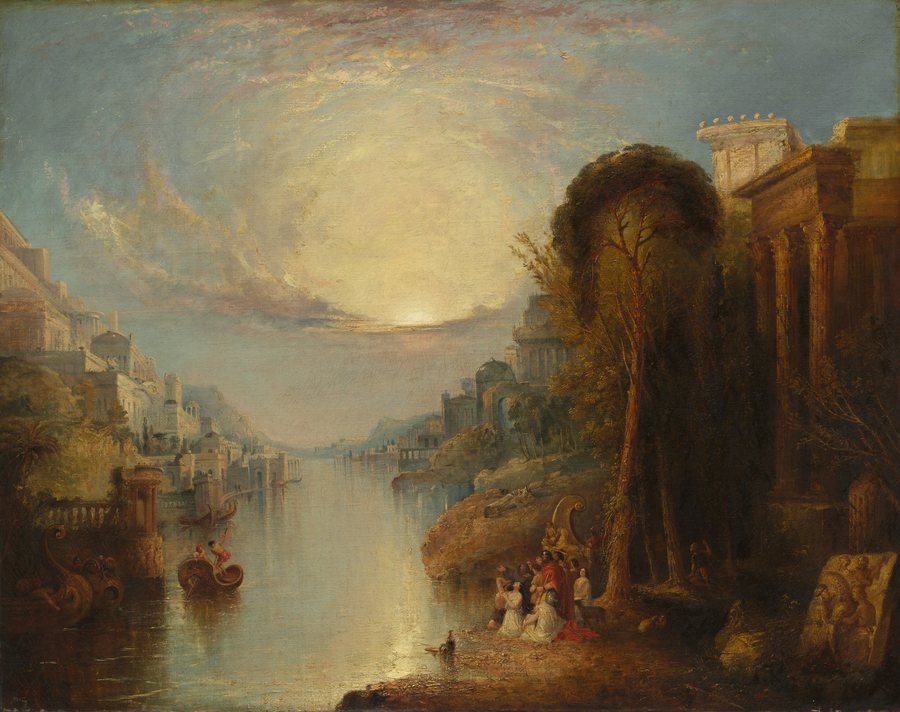
Realistic — Punic (Carthaginian) · Nubian · Libyan (Amazigh) · Levantine · Pale
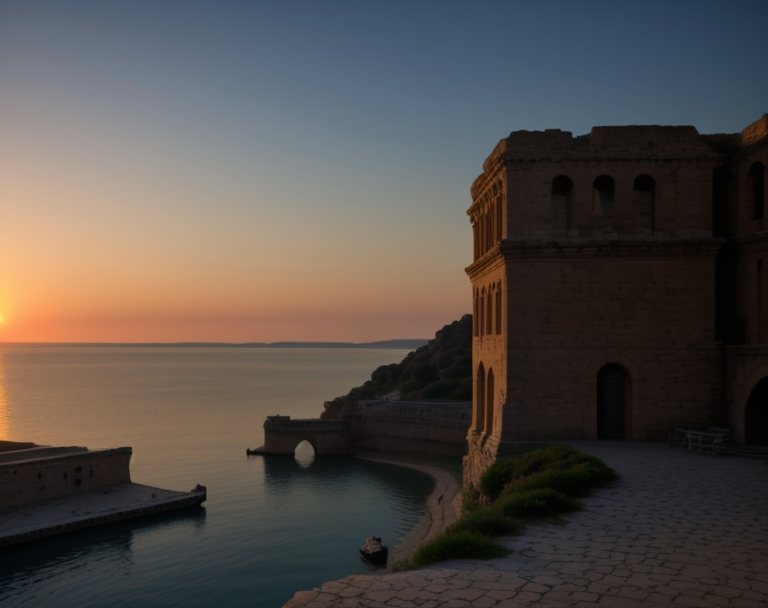
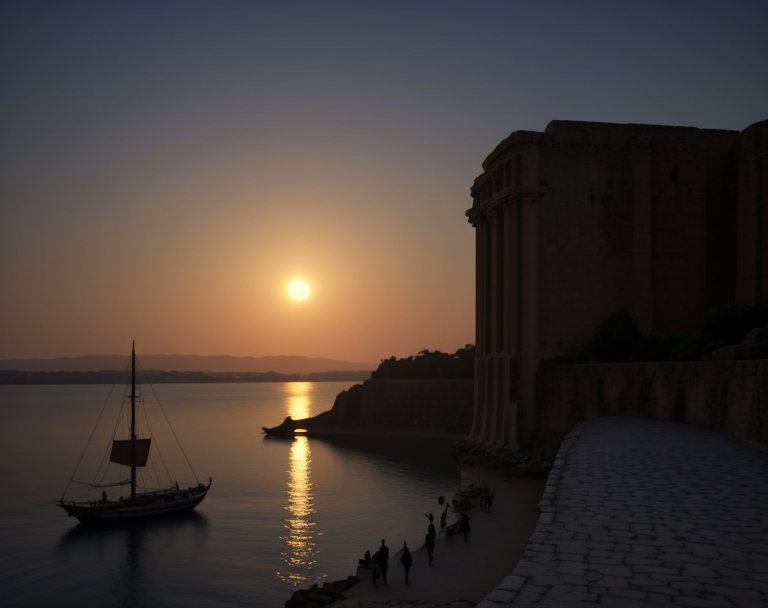
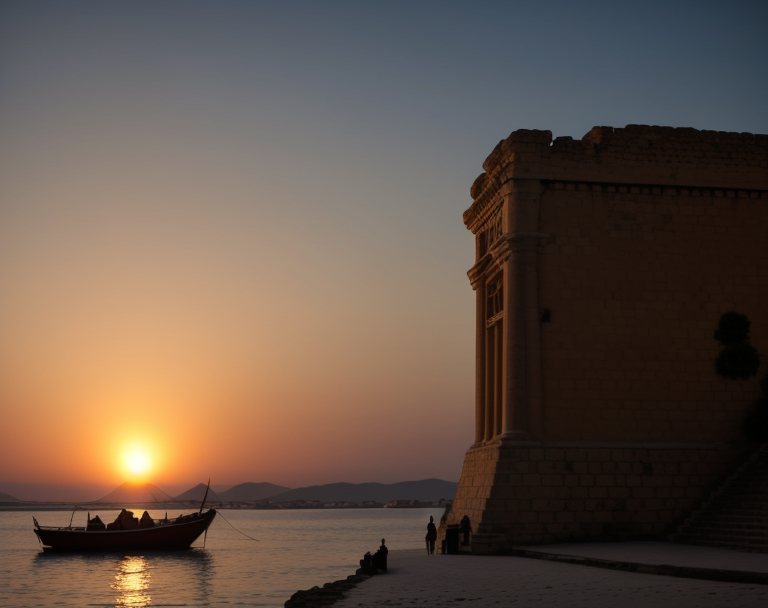
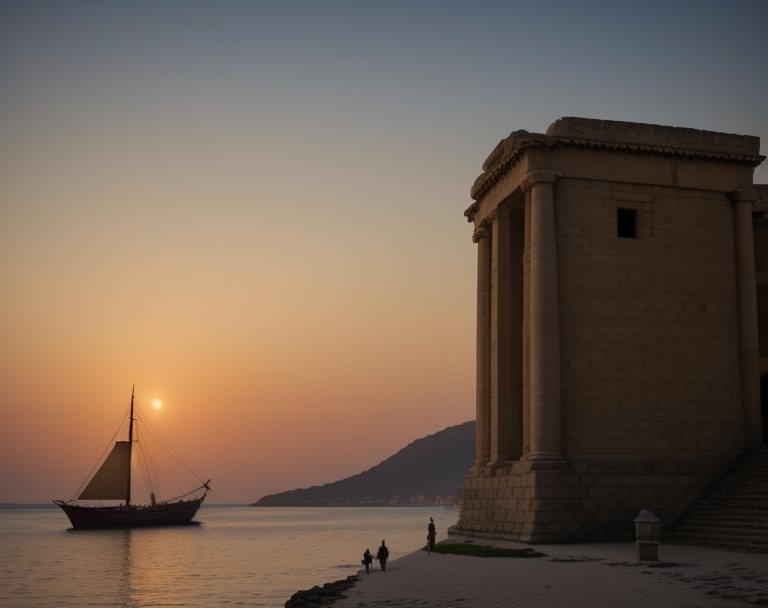
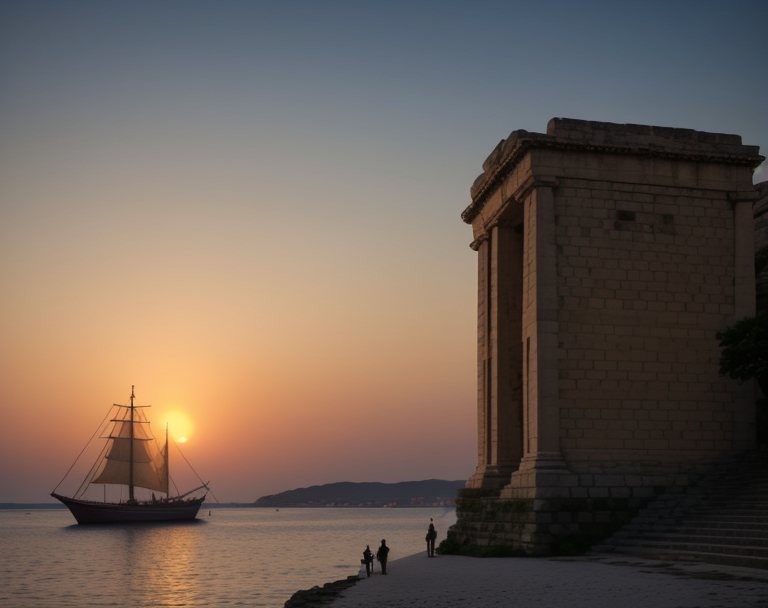
Carthage, Byrsa hill
Source: Noomen9, photograph, 2021. CC BY-SA 4.0
Original: 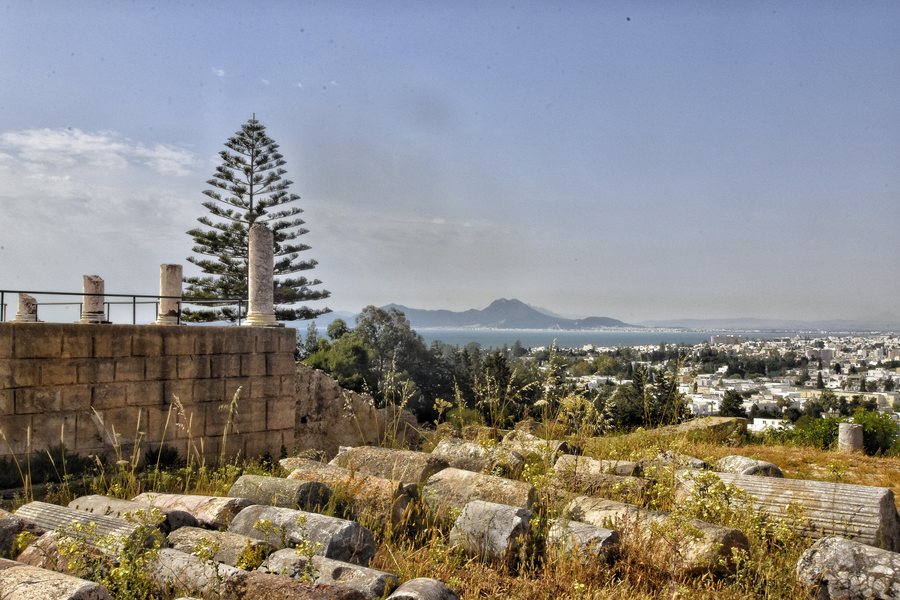
Realistic — Punic (Carthaginian) · Nubian · Libyan (Amazigh) · Levantine · Pale
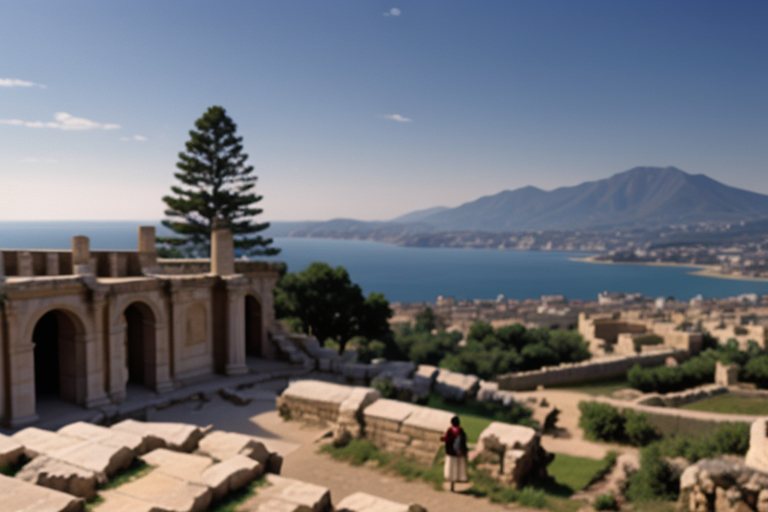
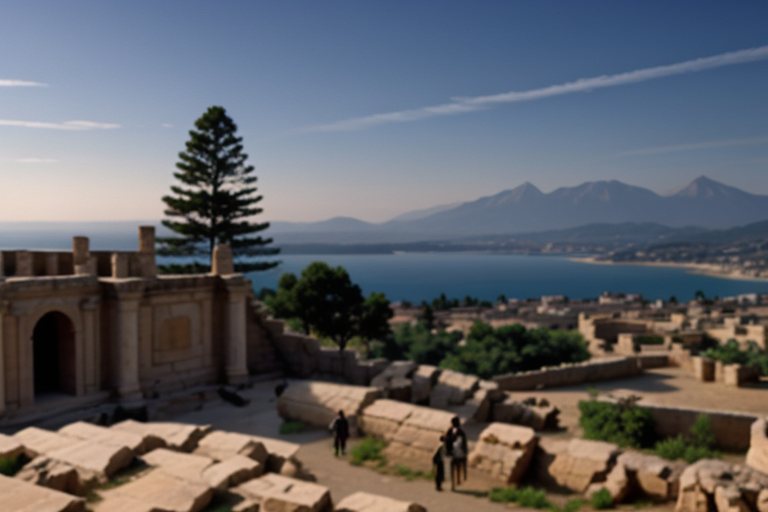
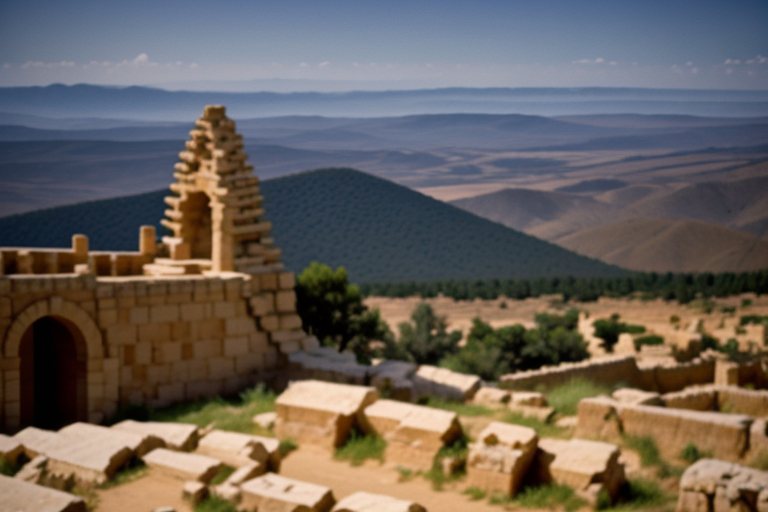
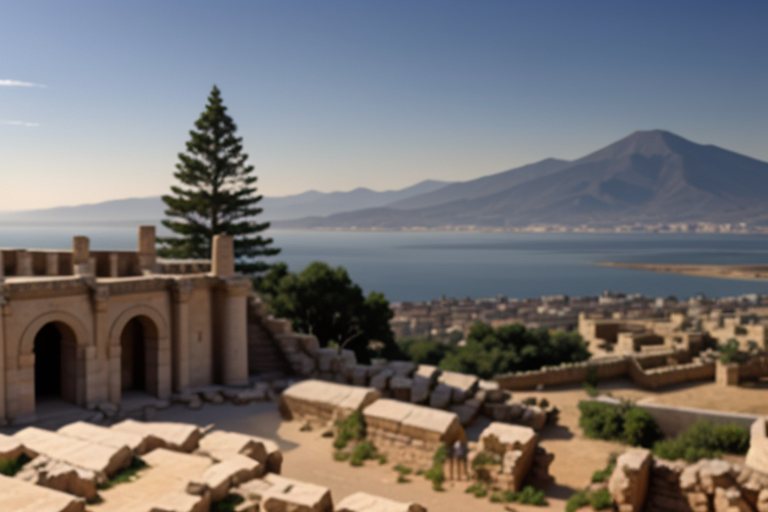
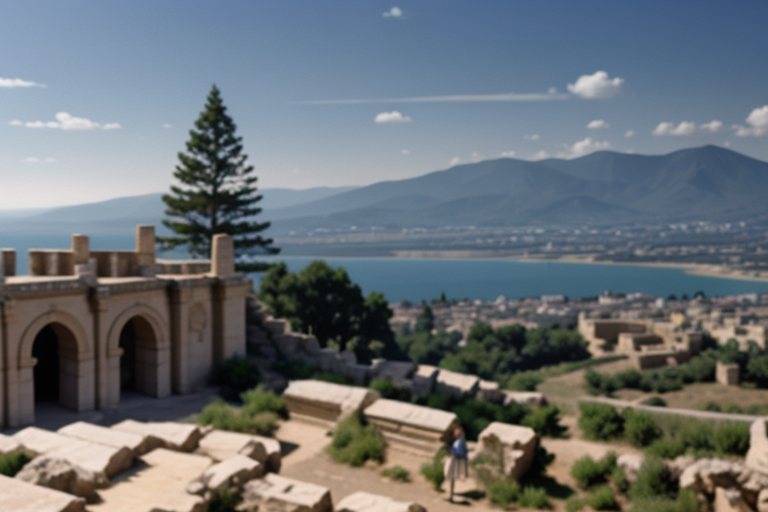
Carthage, the Punic ports
Source: Unknown author, before 1958. Public domain
Original: 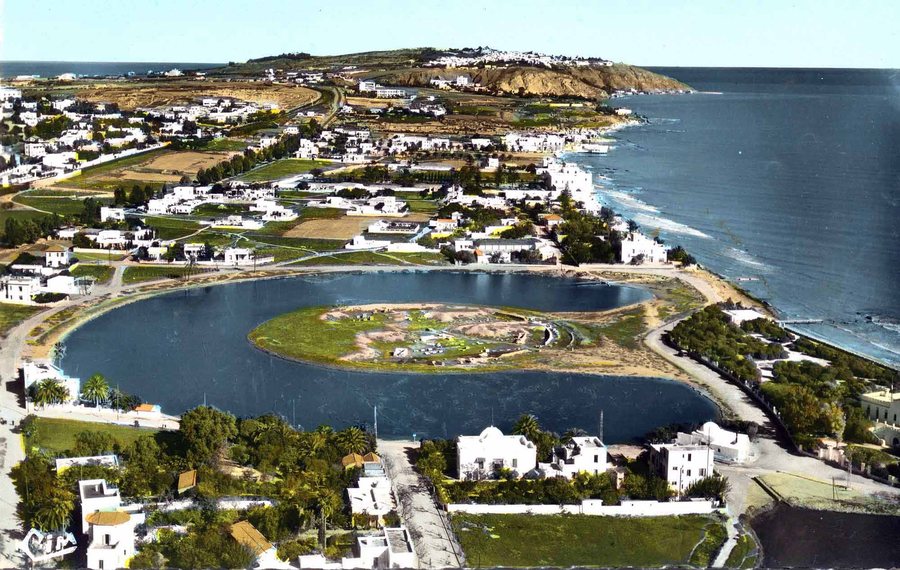
Realistic — Punic (Carthaginian) · Nubian · Libyan (Amazigh) · Levantine · Pale
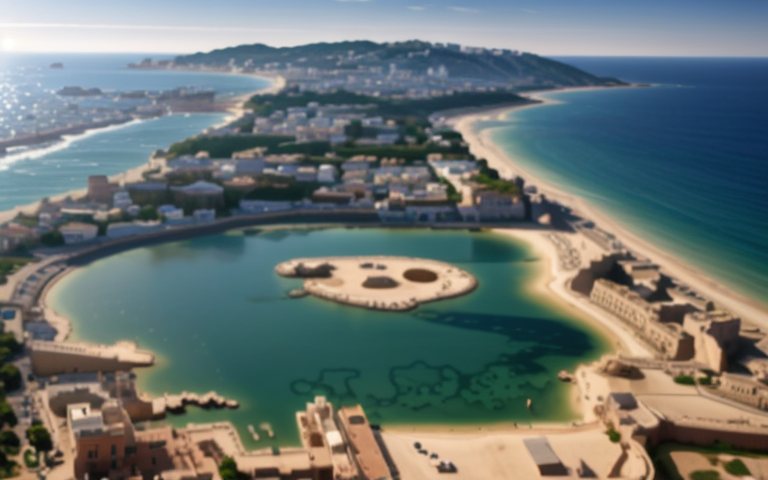
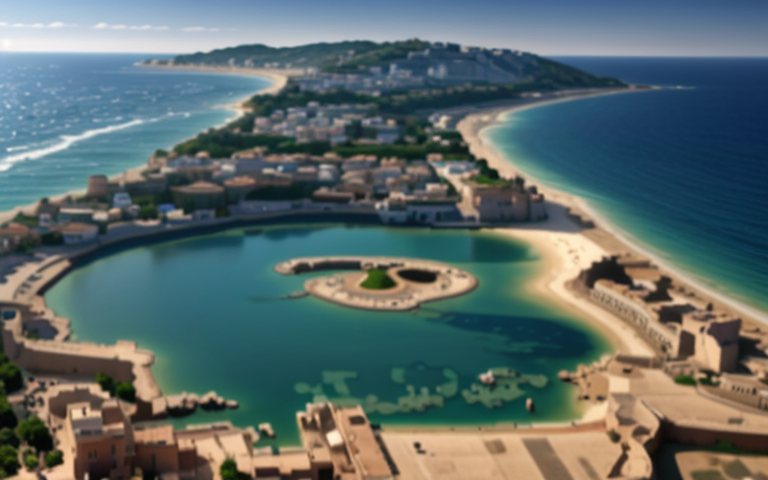
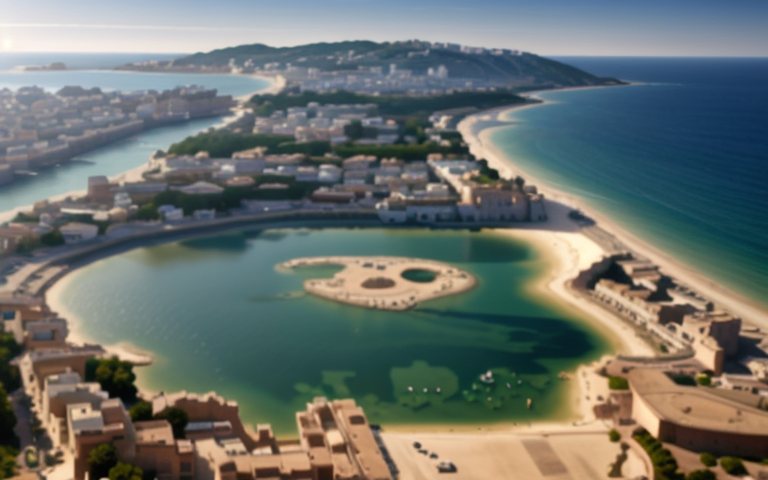
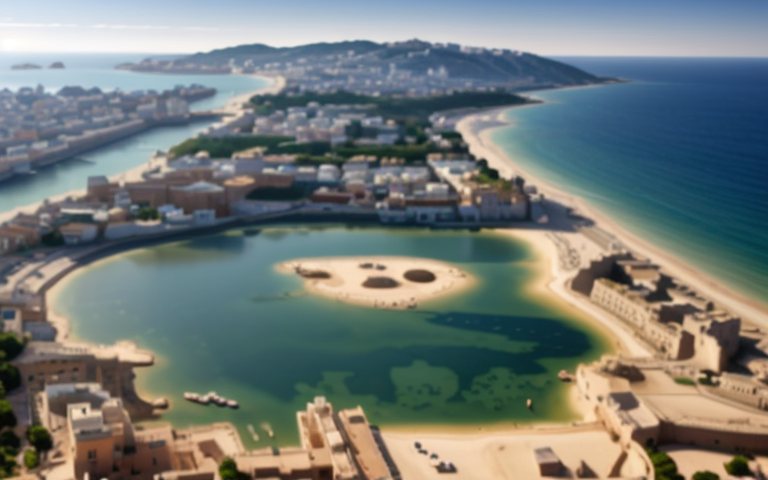

Citadel of Sidon
Source: David Roberts, 1839. Cleveland Museum of Art. Public domain
Original: 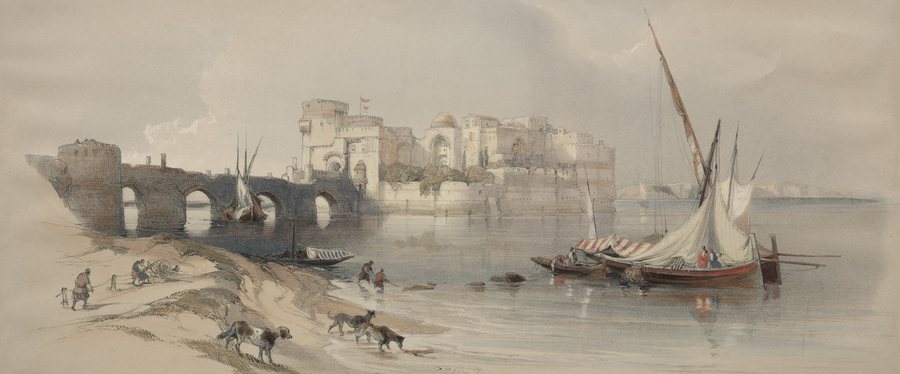
Realistic — Punic (Carthaginian) · Nubian · Libyan (Amazigh) · Levantine · Pale
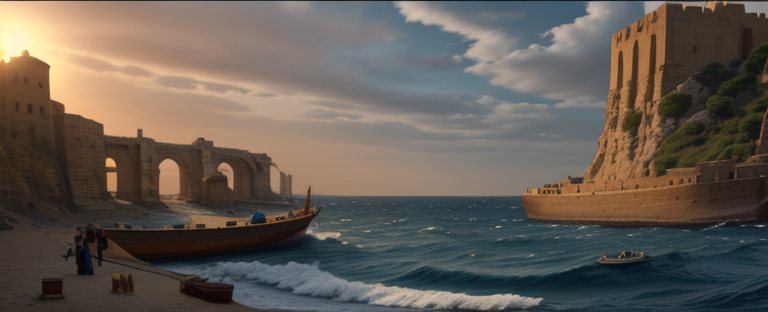
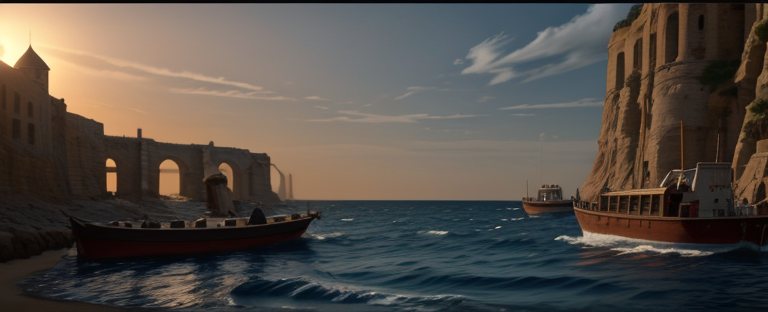
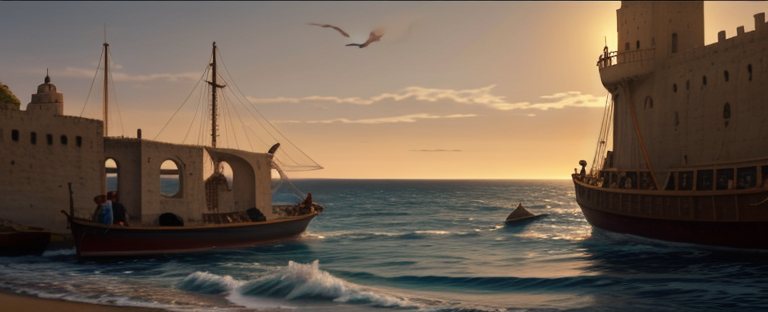
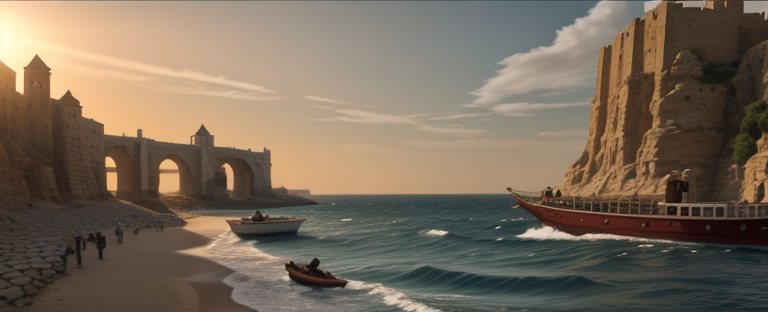
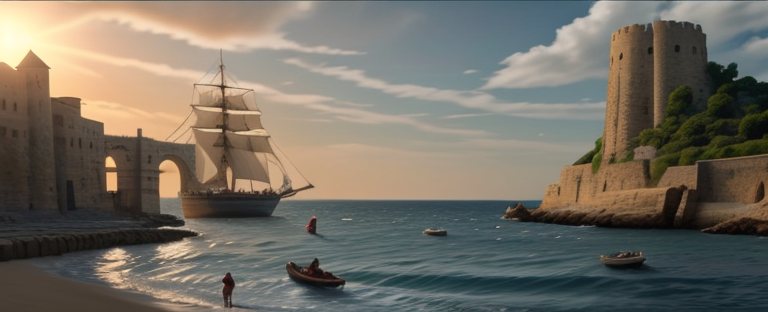
Dido building Carthage
Source: J. M. W. Turner, 1815. Public domain
Original: 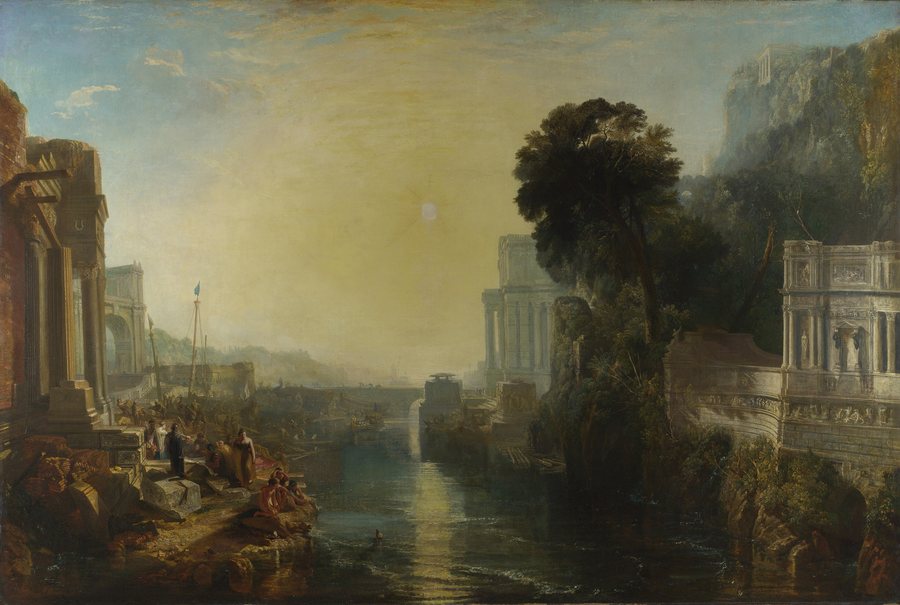
Realistic — Punic (Carthaginian) · Nubian · Libyan (Amazigh) · Levantine · Pale
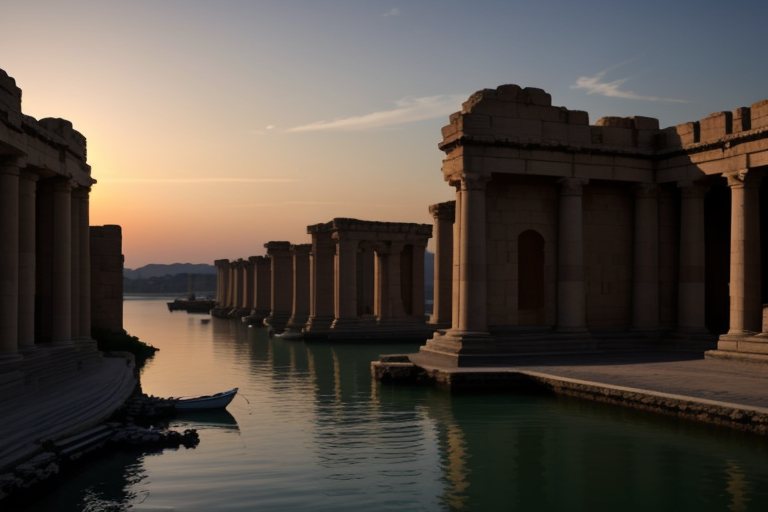
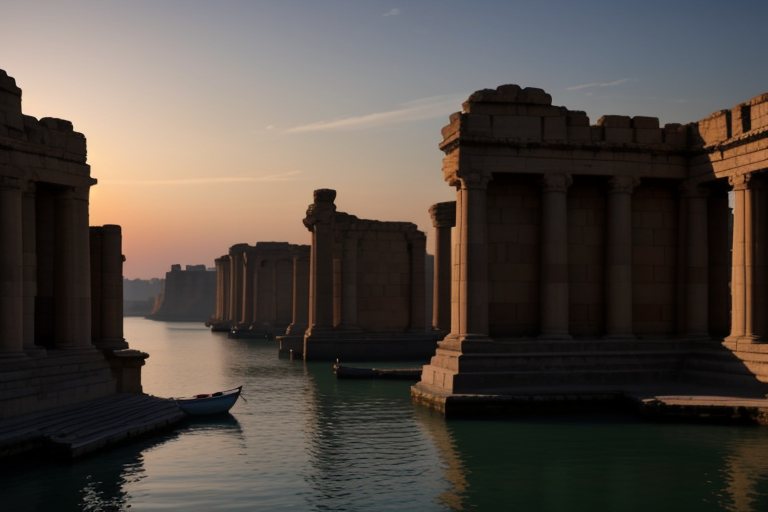

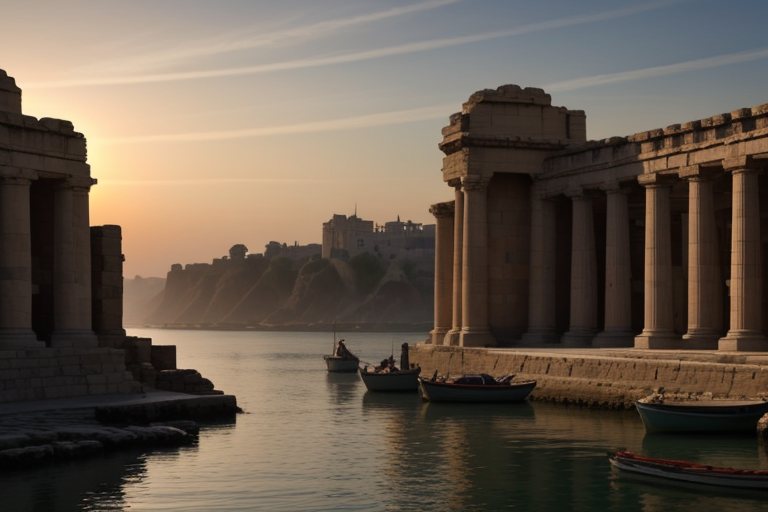
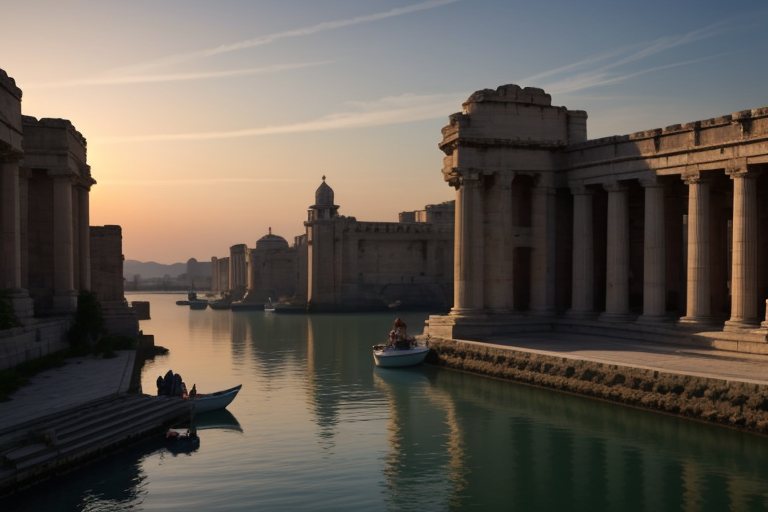
Half vaporwave — Punic (Carthaginian) · Nubian
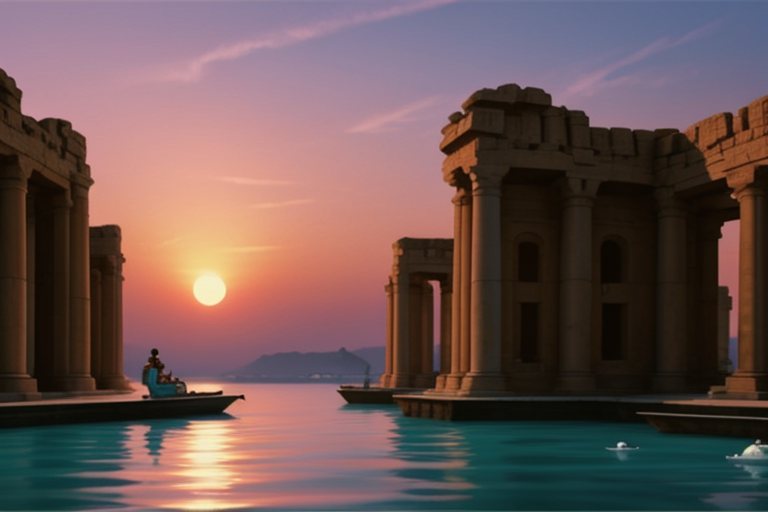
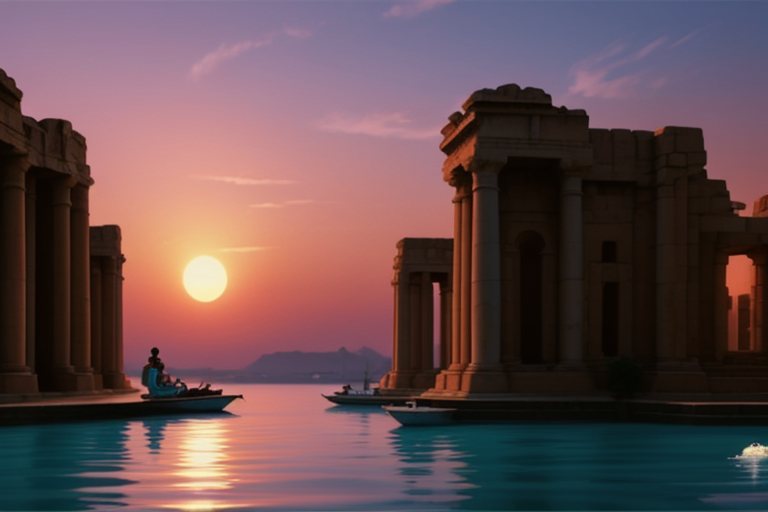
Efequén (Torriani)
Source: Leonardo Torriani, 1592. Public domain
Original: 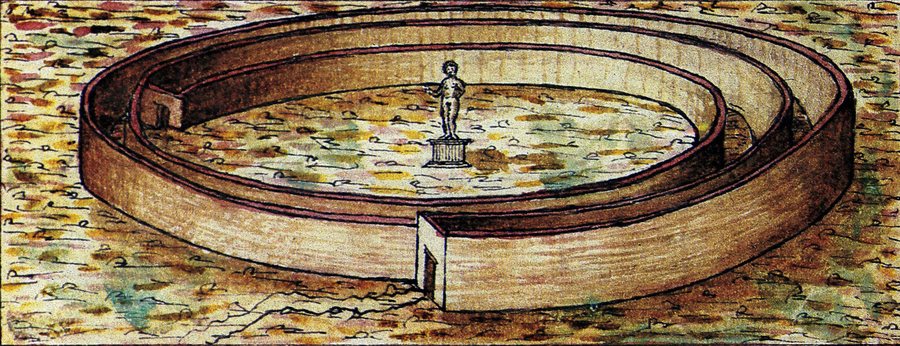
Realistic — Nubian · Libyan (Amazigh) · Levantine · Pale
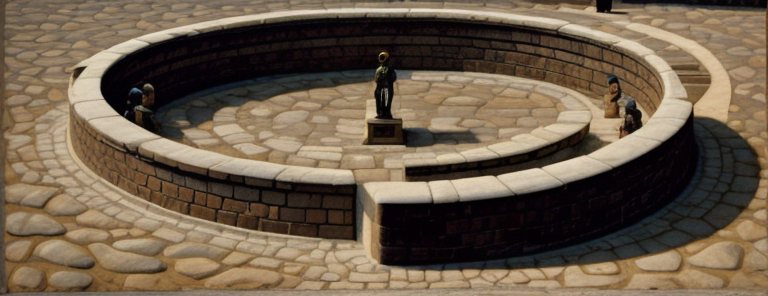
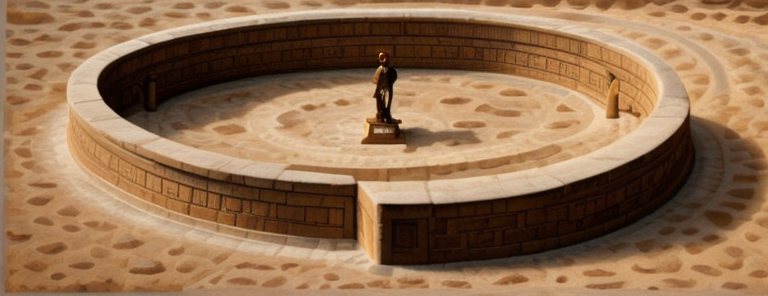
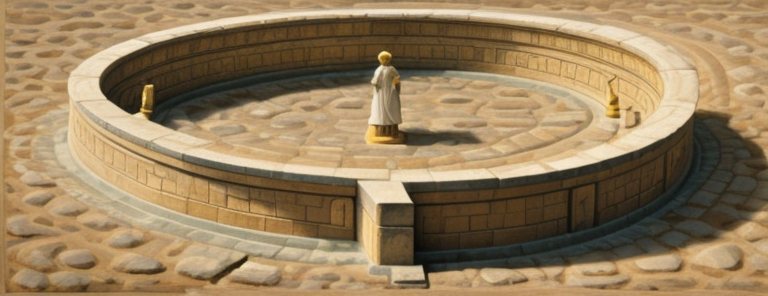
All 20 scenes in this set, and every other remake, are in the gallery: https://hathor.soapbox.community/remakes. Made on our own servers in Hathor Studio; each scene links to its place in the gallery.