Śilpa Śāstra is the Sanskrit science of arts and crafts. Its treatises teach how an image is measured, how its attributes are fixed, how its maker prepares, and how its eyes are finally opened. The canon measures a figure by its own face and keeps a deity's attributes fixed so that anyone, in any land, can know who is shown. This account publishes our historical remakes in that spirit. Each scene, whether Egyptian, Nubian, Minoan, Punic or Greek, is remade side by side for several peoples. The attributes stay constant and the people change. Today's set follows.
Sibling workshops, each with its own measure. Egypt drew figures on a grid of 18 squares from soles to hairline, later 21 to the upper eyelid; Polykleitos built the Greek body from finger-to-palm symmetria; Song China's Yingzao Fashi (1103) sized buildings by the cai–fen module; the Topkapı Scroll kept the geometry of Islamic craft. Each is its own canon, set beside Śilpa Śāstra, not above it. (source)
We are testing these features and looking to develop them. This is Hathor's alpha work, made on our own servers — the images and videos she makes next are expected to be much better and more accurate. Tell us what works and what doesn't: every video page has 👍/👎, comments and timestamped notes.
The full gallery, every scene in every look: https://hathor.soapbox.community/remakes · Shilpa Shastra gallery: https://hathor.soapbox.community/gallery
Offering to the deified Mentuhotep and Ahmose-Nefertari, with the Hathor cow
Source: Tomb of Ameneminet (TT277); facsimile by Charles K. Wilkinson, Metropolitan Museum · photo/scan: Charles Wilkinson · CC0 · Wikimedia Commons
Original: 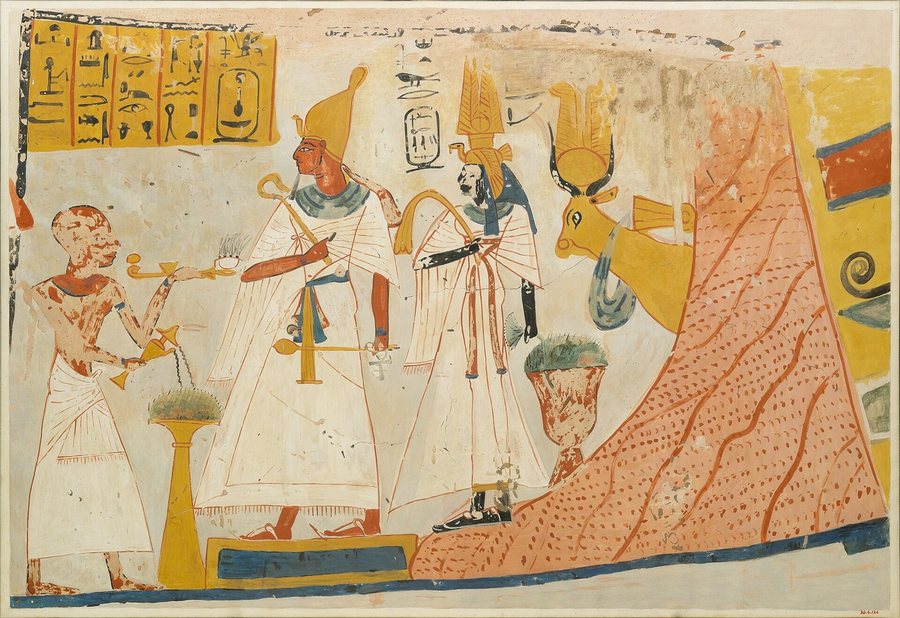
Realistic — Egyptian · Nubian · Libyan (Amazigh) · Levantine · Pale
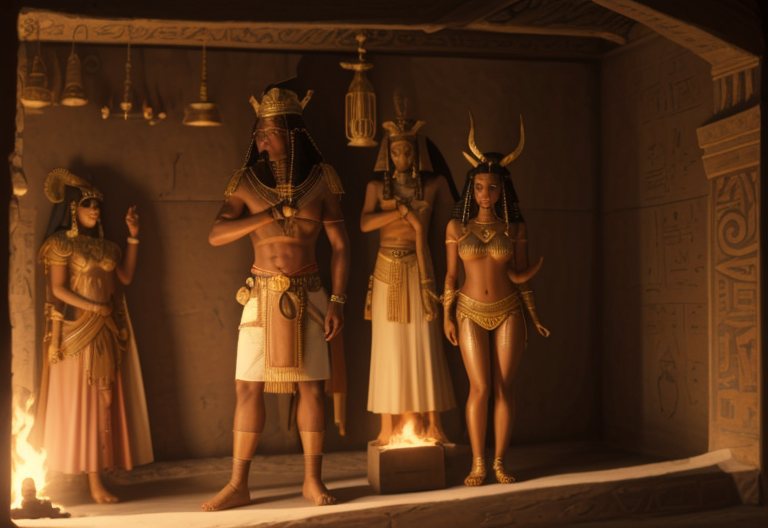
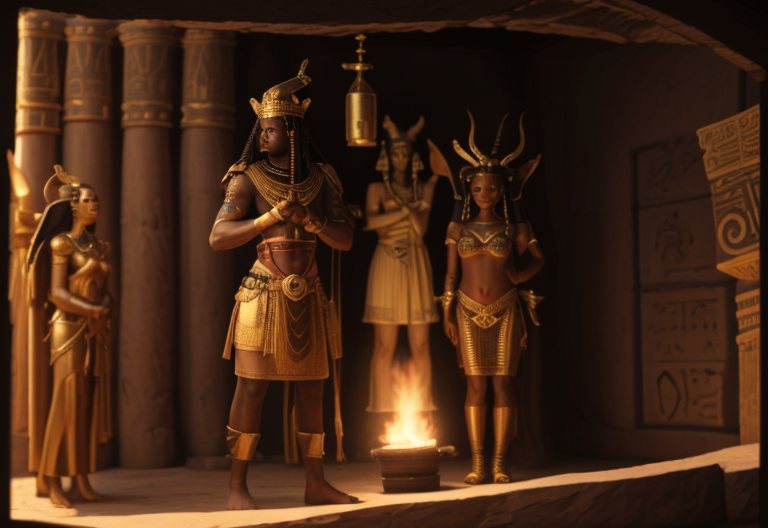
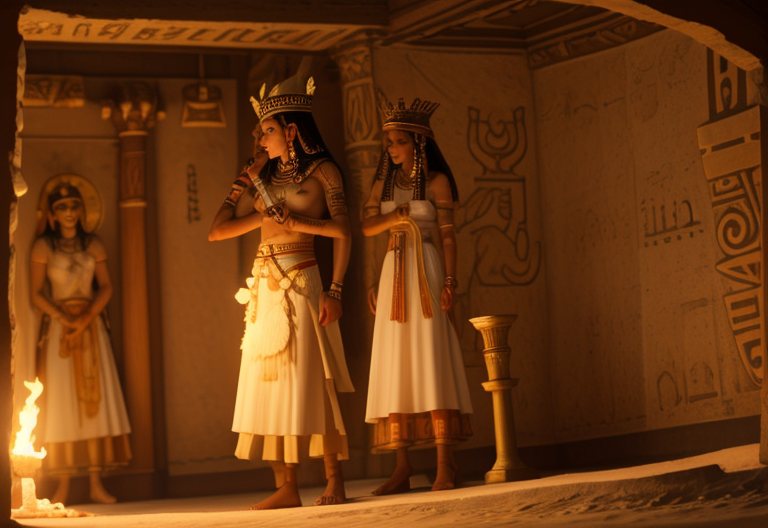
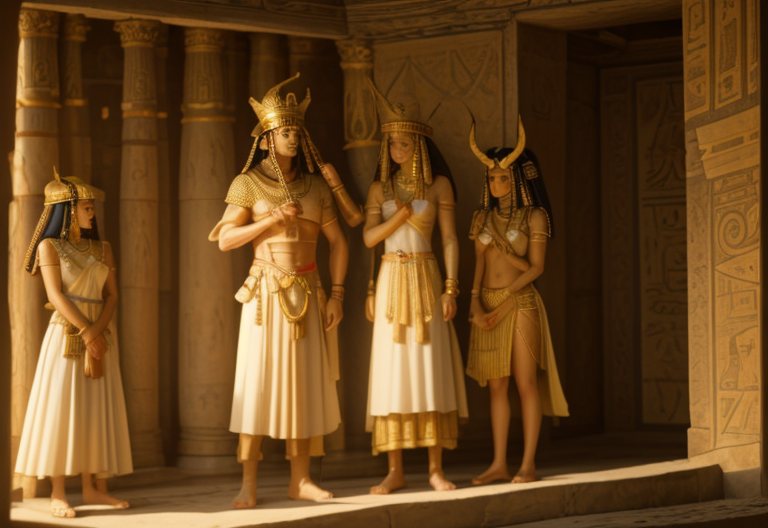
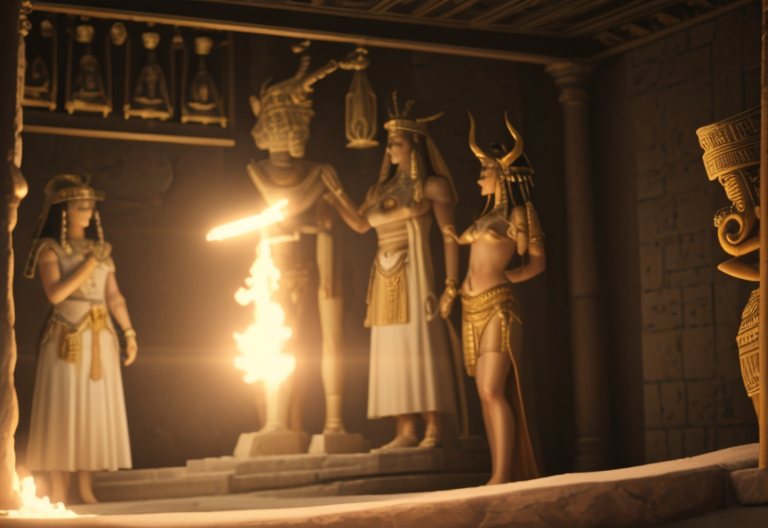
Osiris and the Four Sons of Horus
Source: Tomb of Nebamun and Ipuky (TT181); facsimile by Nina de Garis Davies, Metropolitan Museum 30.4.157 · photo/scan: Nina M. Davies · CC0 · Wikimedia Commons
Original: 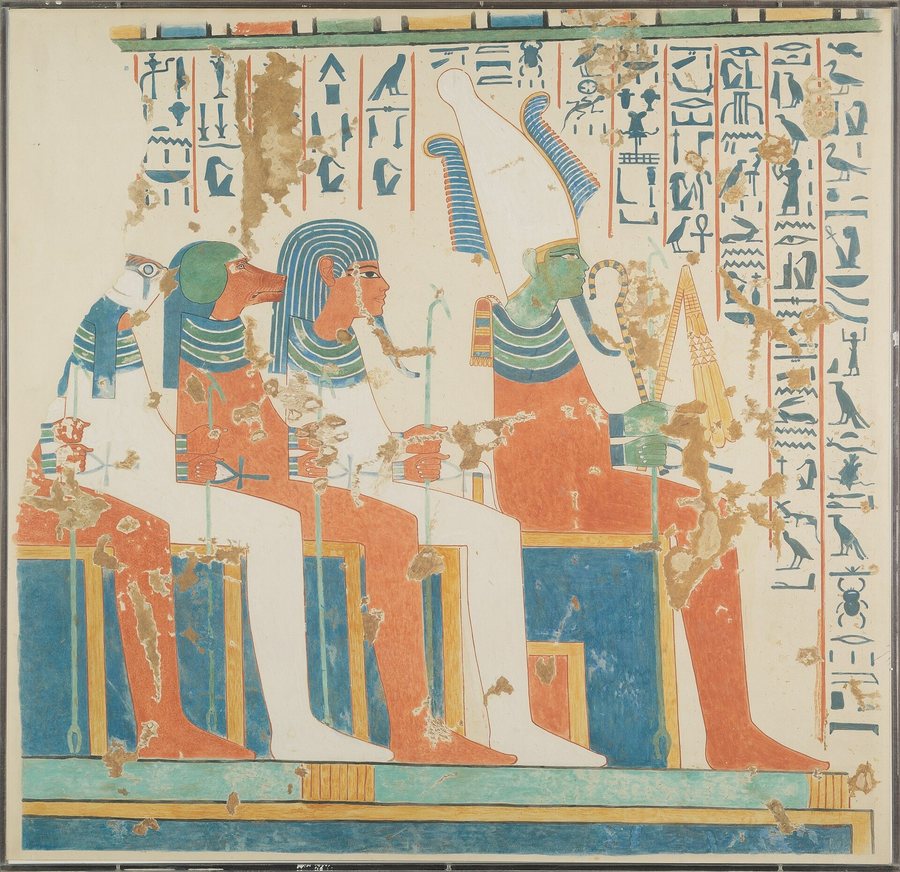
Realistic — As depicted
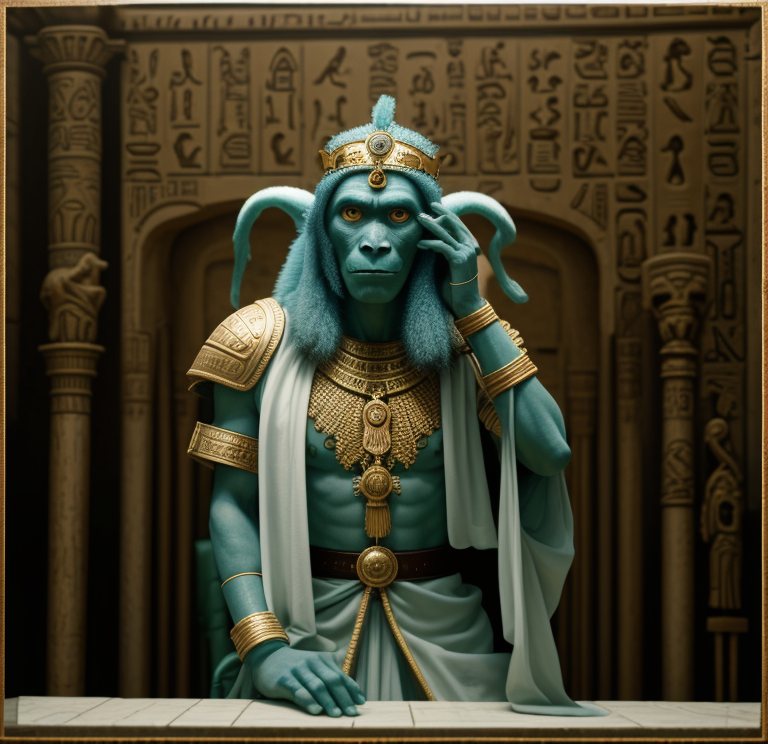
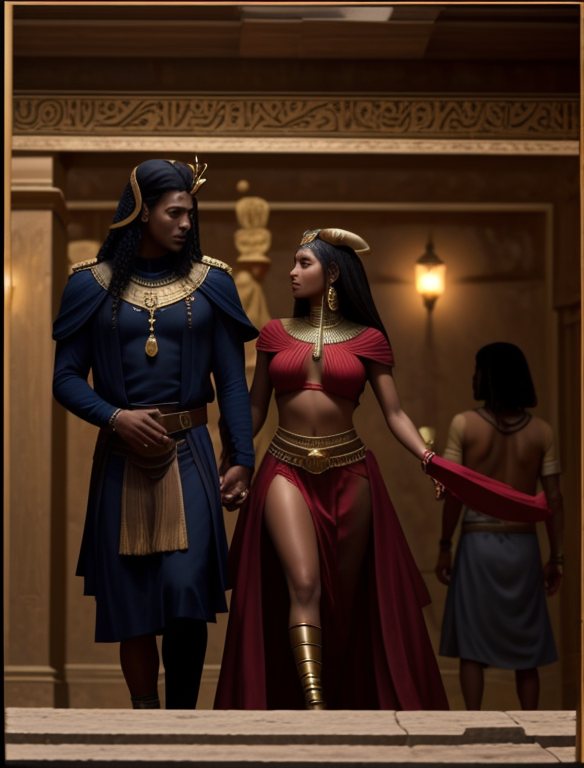
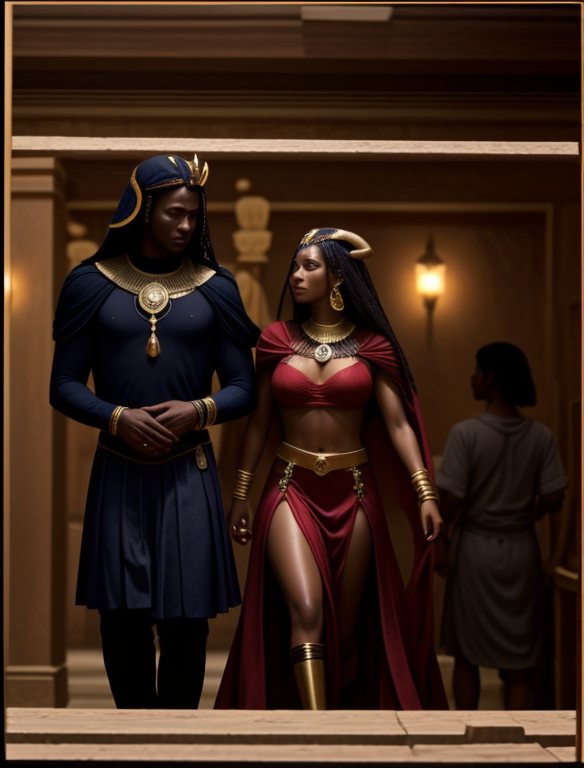
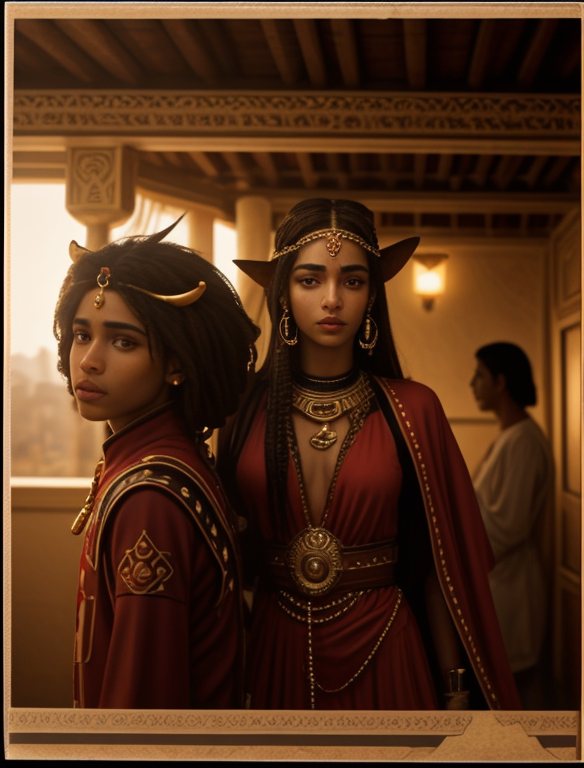
Ramesses III and his son before Hathor
Source: Tomb of Amenherkhepeshef (QV55); facsimile by Nina de Garis Davies, Metropolitan Museum · photo/scan: Nina M. Davies · CC0 · Wikimedia Commons
Original: 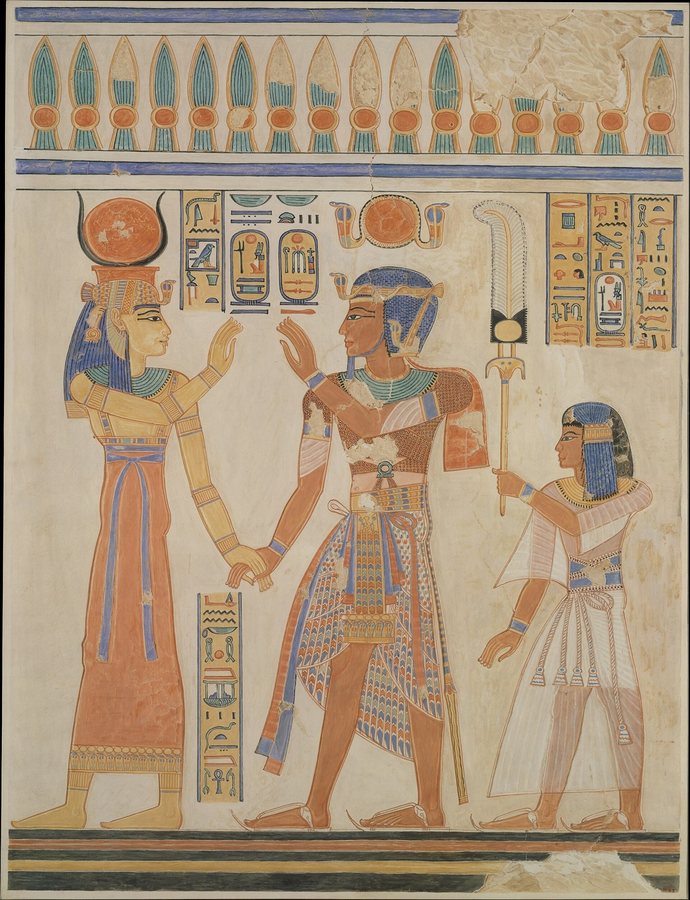
Realistic — Egyptian · Nubian · Libyan (Amazigh)
Mummy portrait of a woman wearing a golden myrtle wreath
Source: Staatliches Museum Ägyptischer Kunst, München, SMÄK 2; tempera on linen on wood; photo ArchaiOptix; CC BY-SA 4.0
Original: 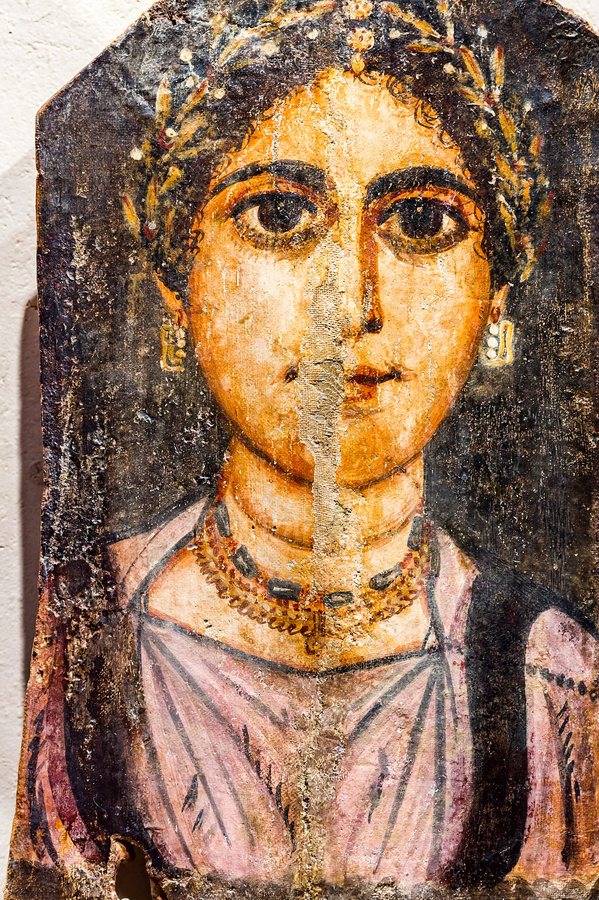
Realistic — As depicted · Nubian · Libyan (Amazigh) · Levantine · Pale
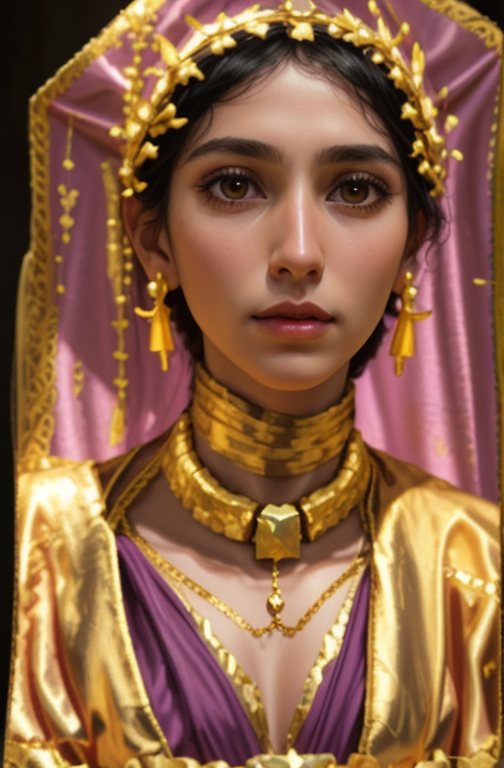
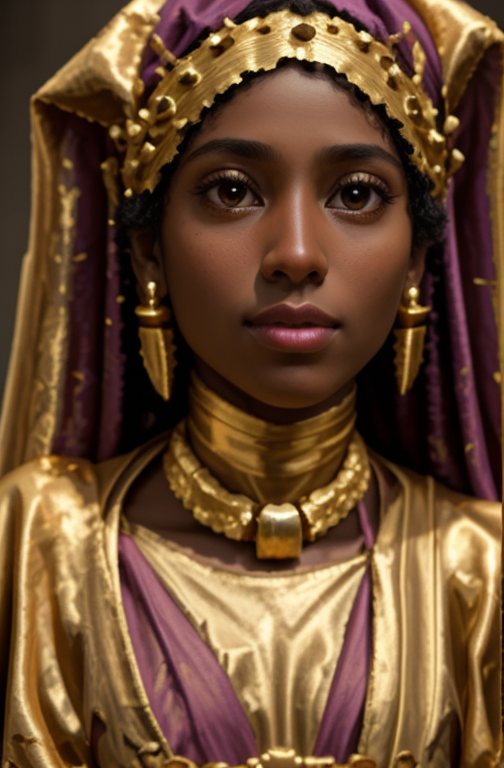
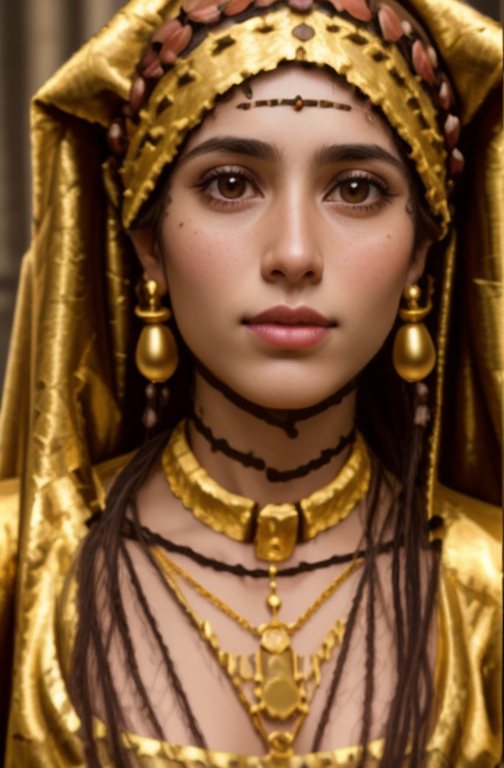
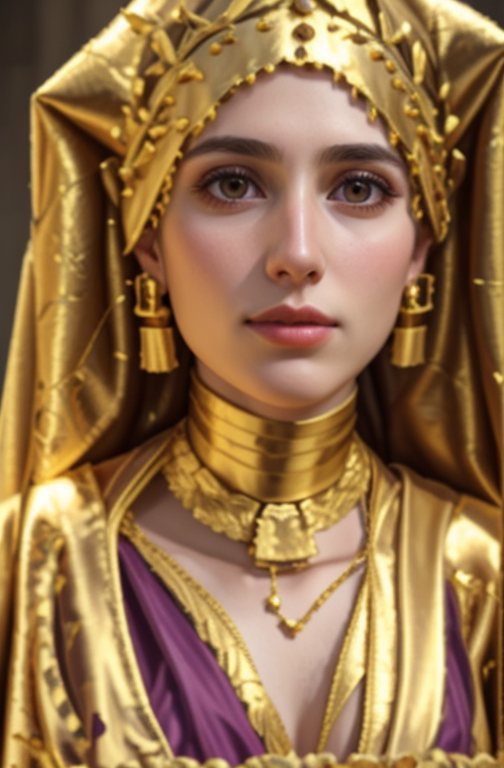
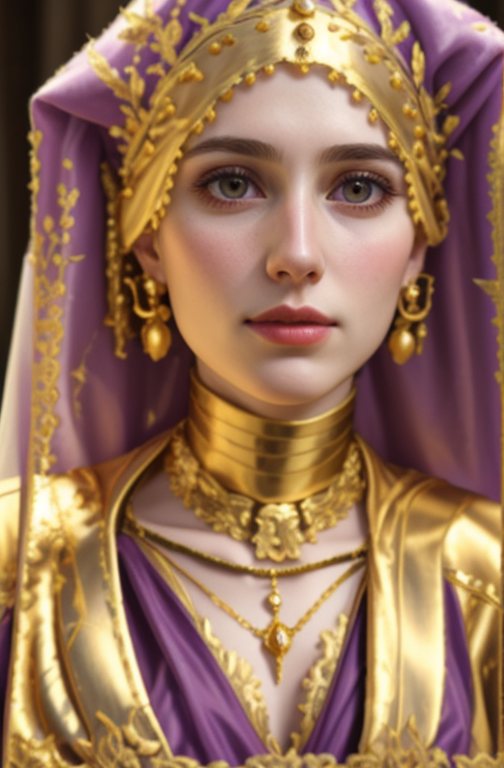
Mummy portrait of a woman, Athens EAM 1628
Source: National Archaeological Museum, Athens, EAM 1628; encaustic on wood; photo ArchaiOptix; CC BY-SA 4.0
Original: 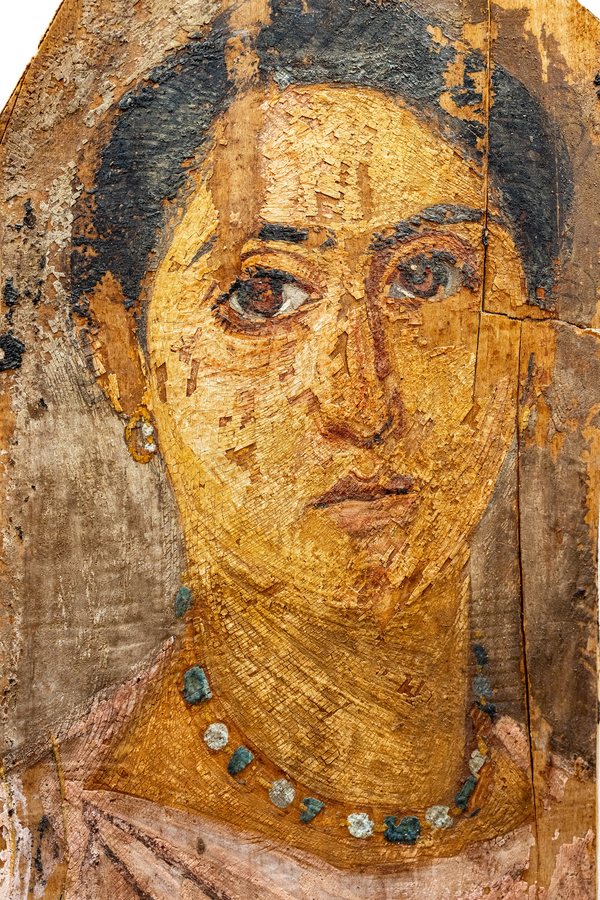
Realistic — As depicted · Nubian · Libyan (Amazigh) · Levantine · Pale
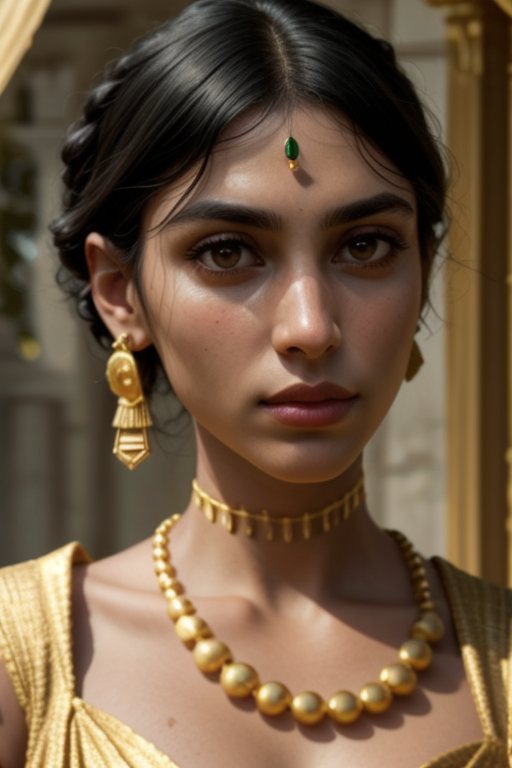
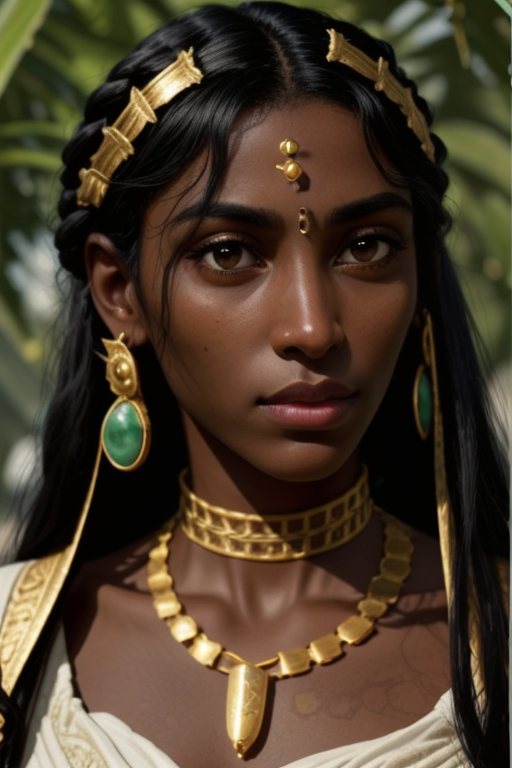
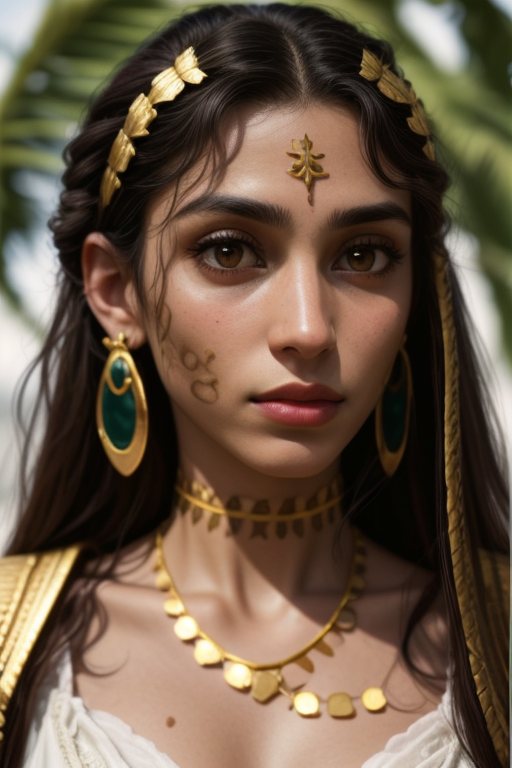
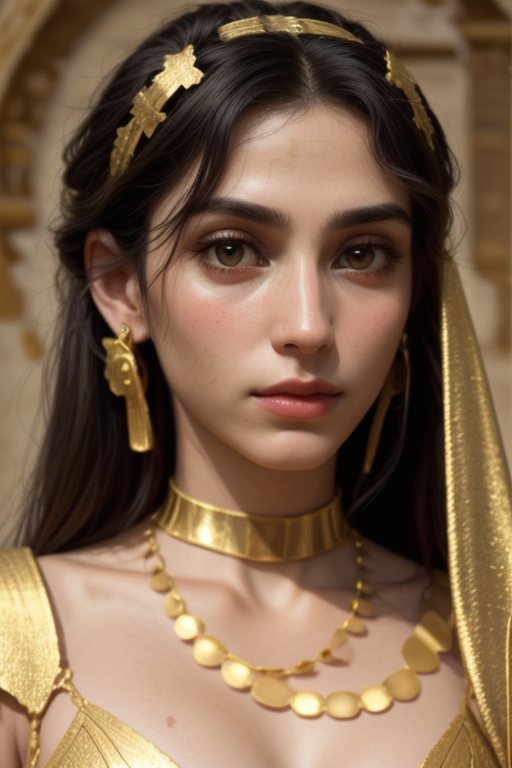
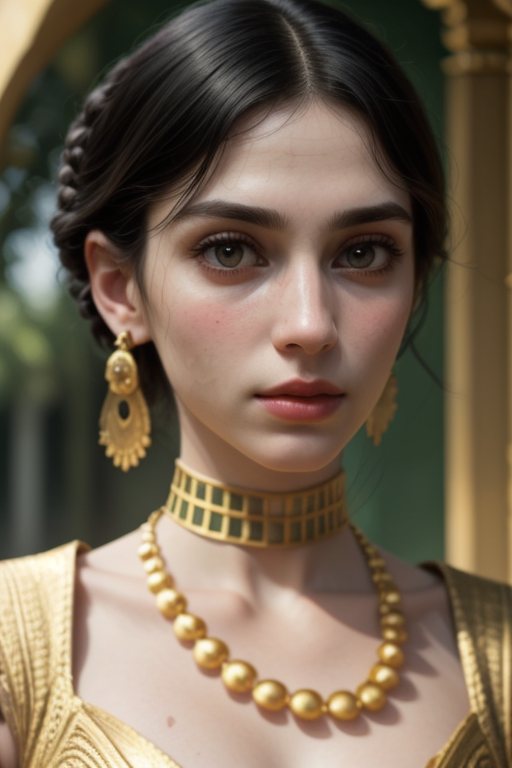
Mummy portrait of a woman, Berlin ÄM 22606
Source: Ägyptisches Museum Berlin, ÄM 22606; tempera on wood panel; photo ArchaiOptix; CC BY-SA 4.0
Original: 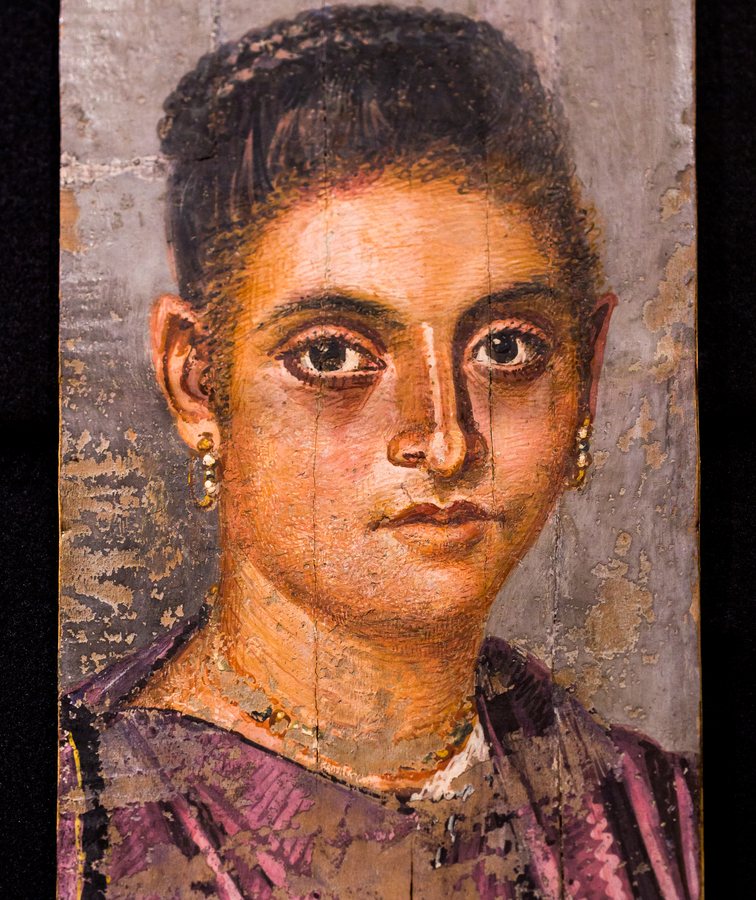
Realistic — As depicted · Nubian · Libyan (Amazigh) · Levantine · Pale
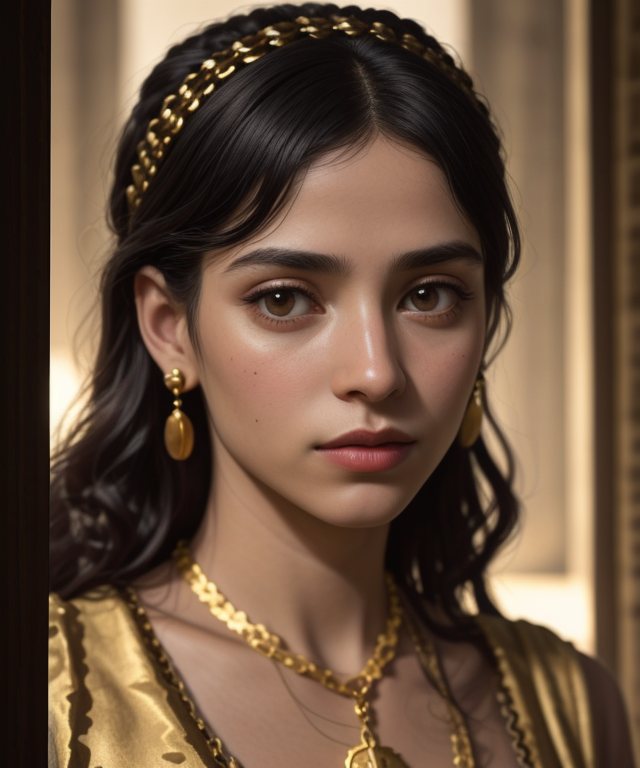
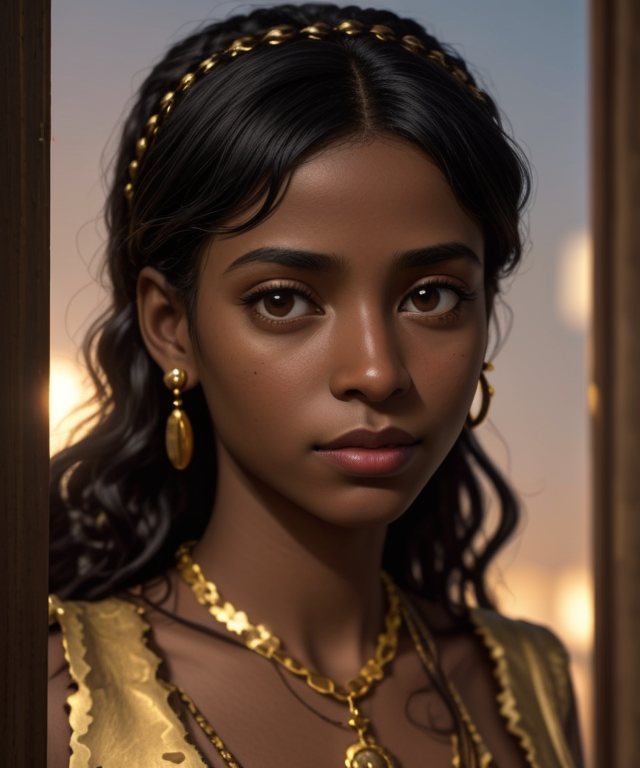

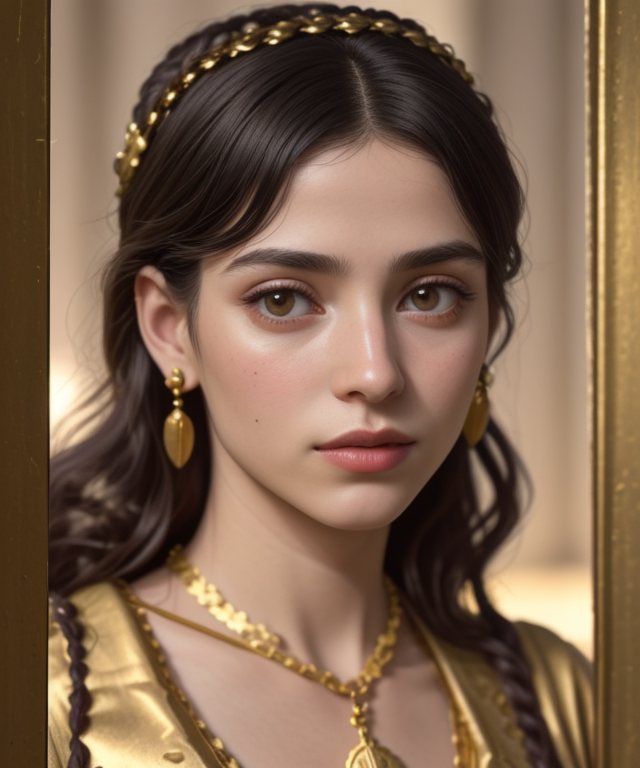
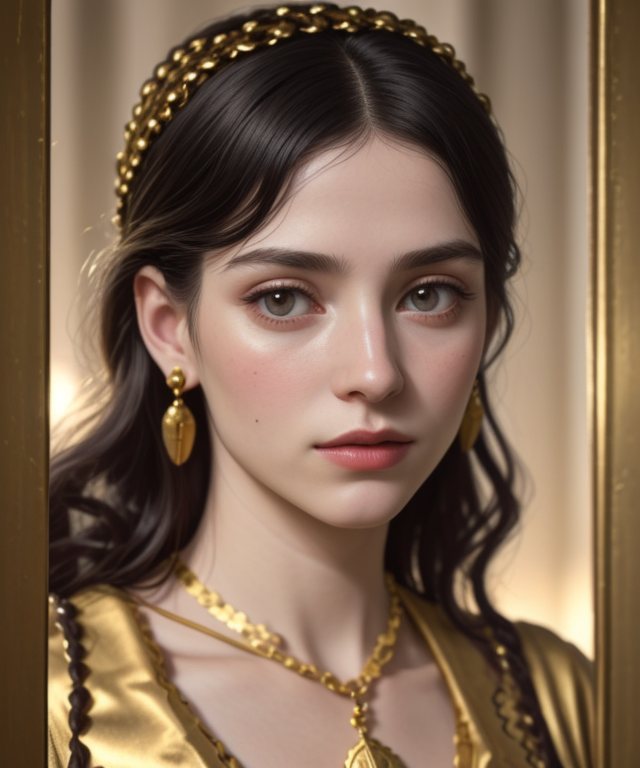
Mummy portrait of a woman, Karlsruhe BLM H 1166
Source: Badisches Landesmuseum Karlsruhe, H 1166; encaustic on wood; photo ArchaiOptix; CC BY-SA 4.0
Original: 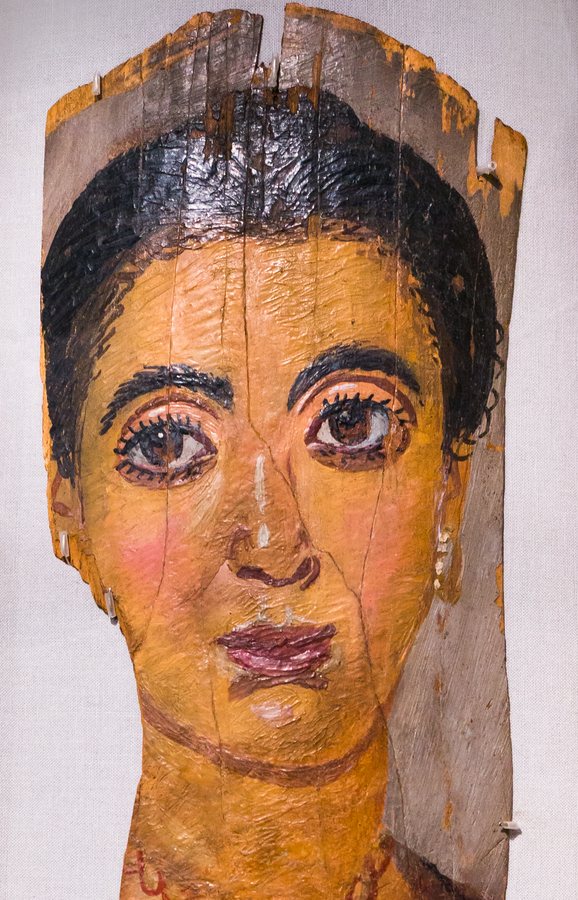
Realistic — As depicted · Nubian · Libyan (Amazigh) · Levantine · Pale
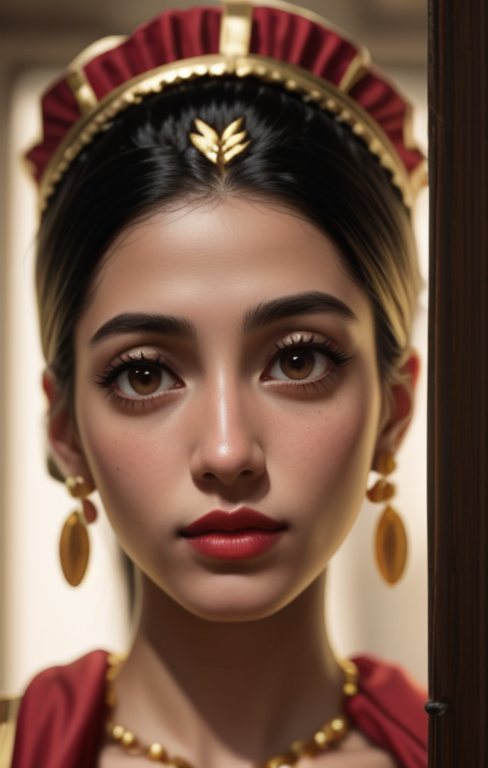
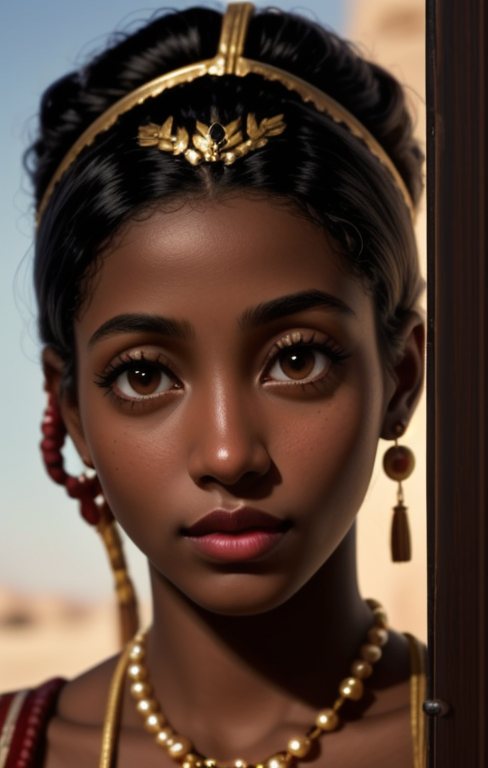



Mummy portrait of a woman, er-Rubayat, KHM AS X 302
Source: Kunsthistorisches Museum Wien, AS X 302; tempera on wood; photo ArchaiOptix; CC BY-SA 4.0
Original: 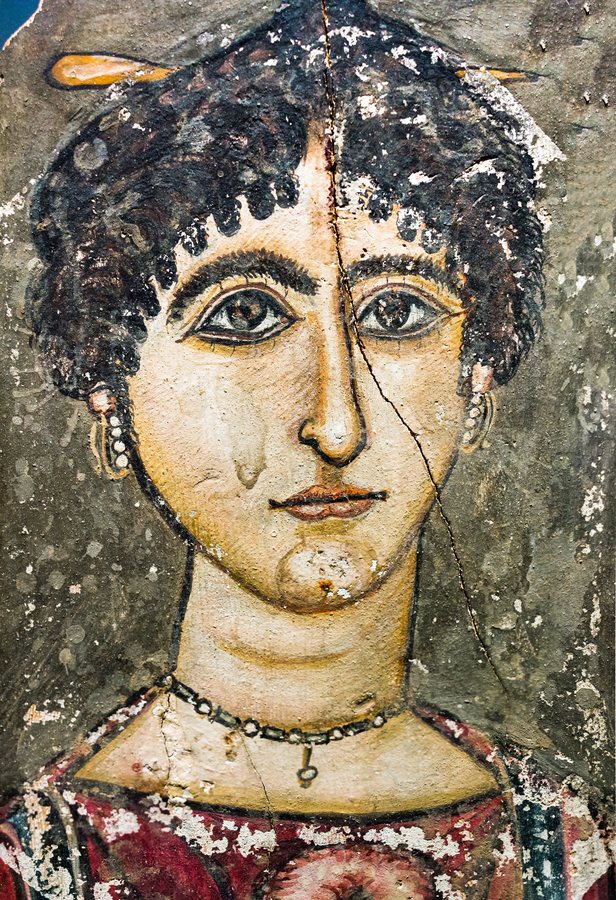
Realistic — As depicted · Nubian · Libyan (Amazigh) · Levantine · Pale
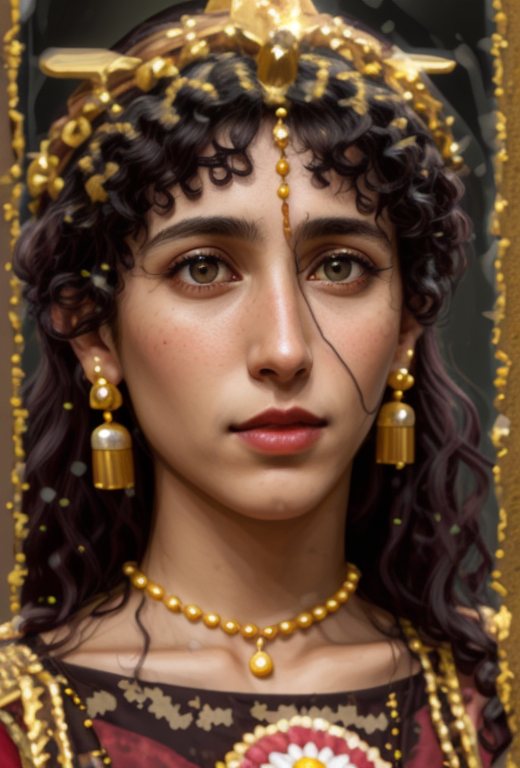
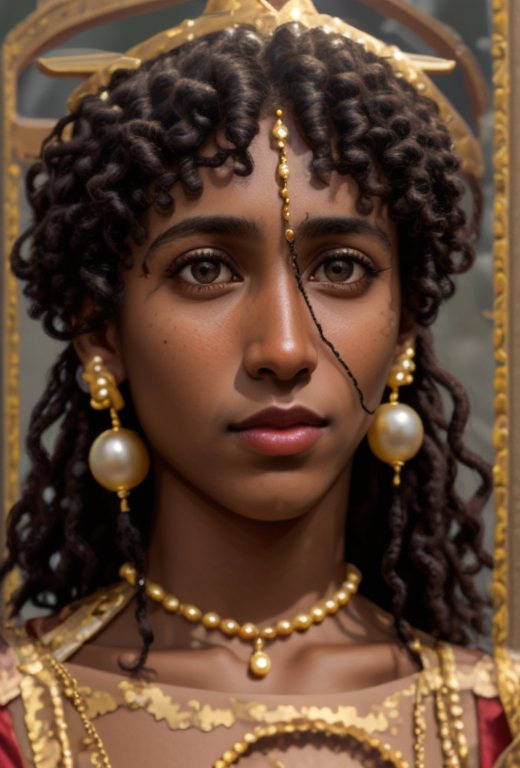
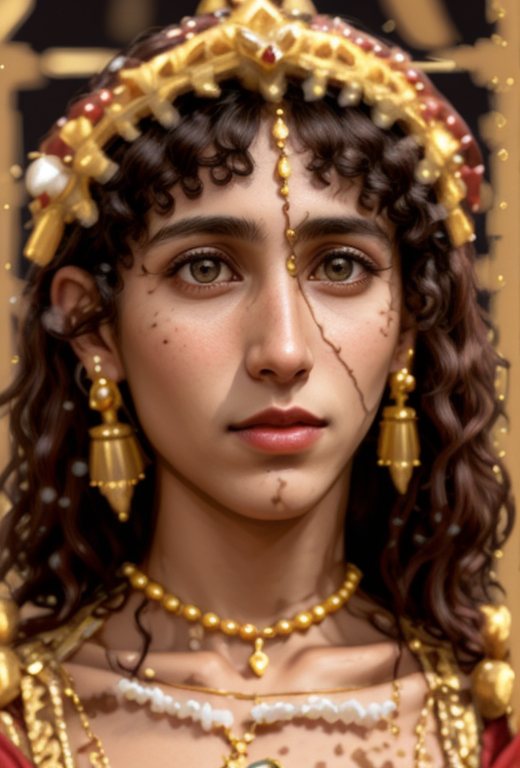
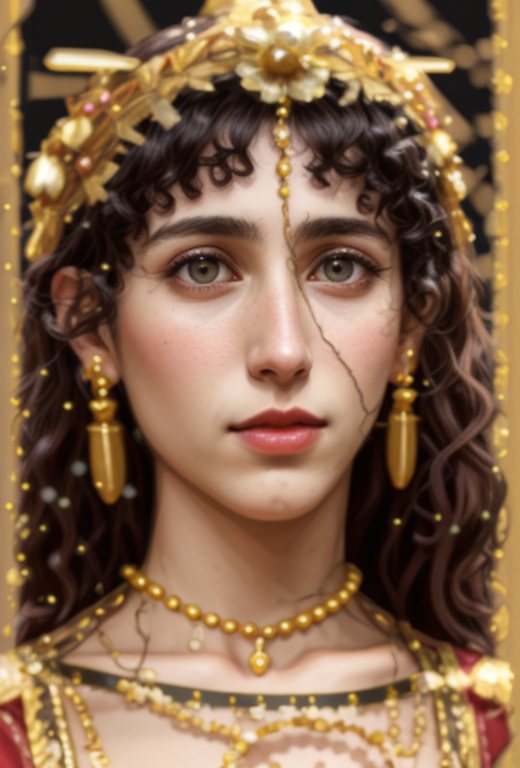
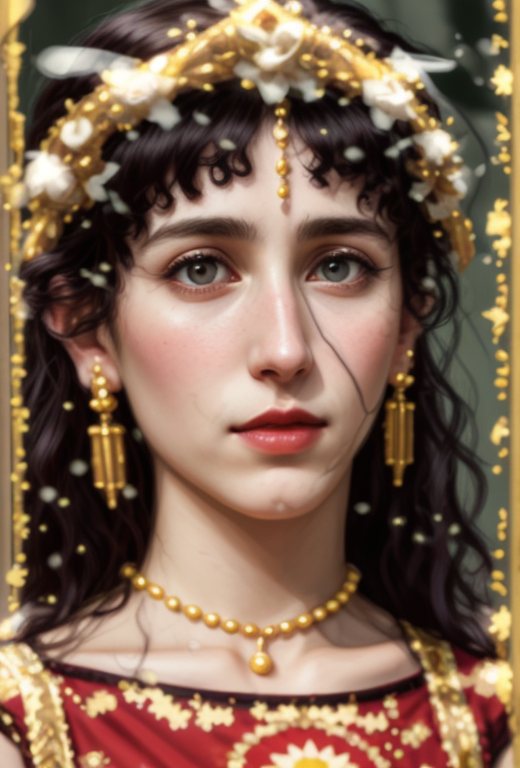
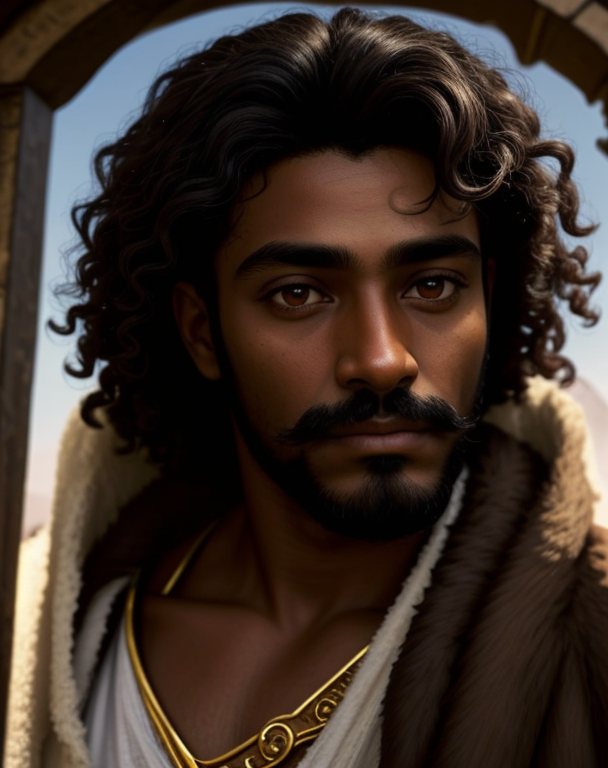
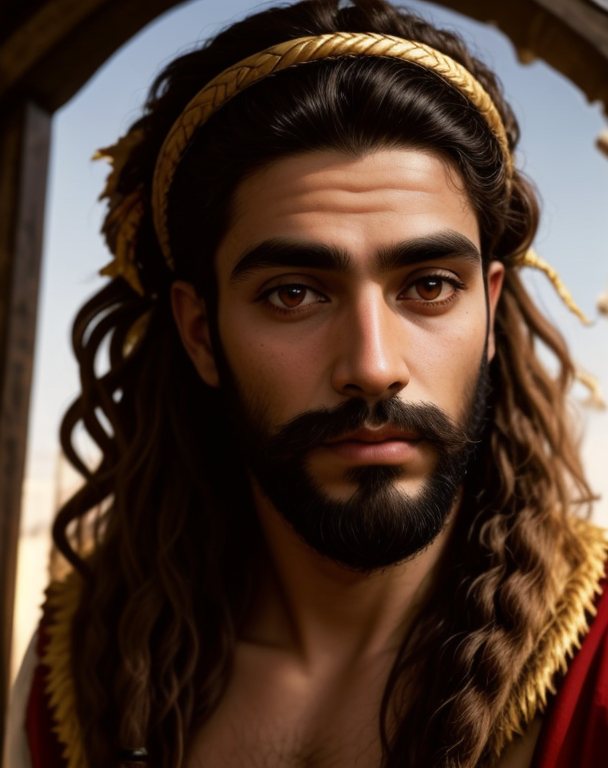
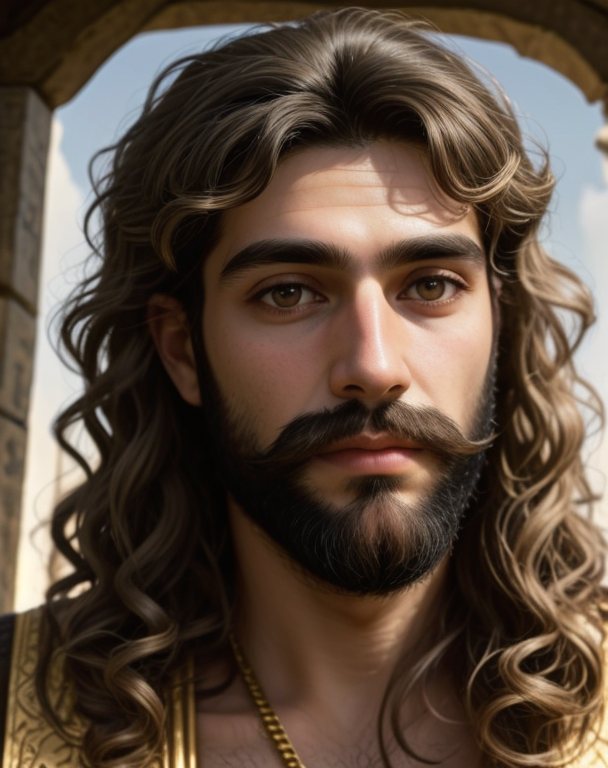
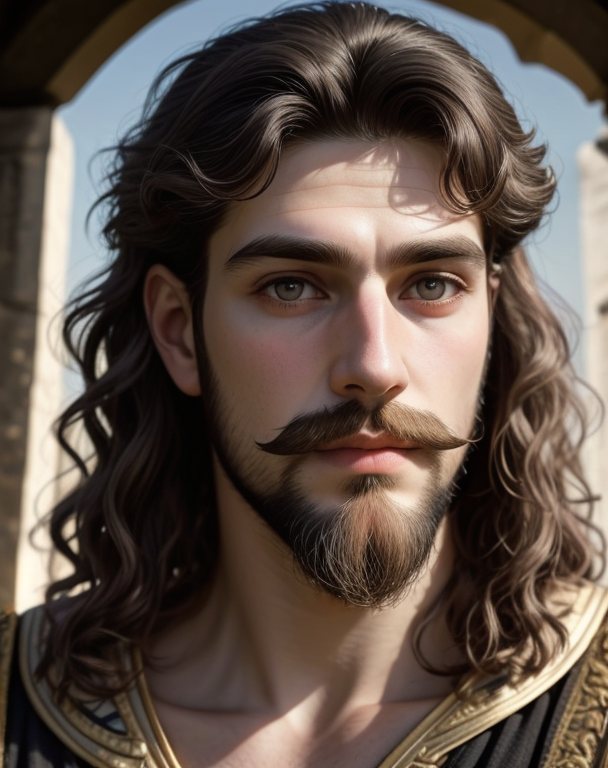
Mummy portrait of a young man, er-Rubayat
Source: Altes Museum, Berlin; Roman Egypt, 2nd century CE; encaustic-wax tempera on wood; photo Osama Shukir Muhammed Amin; CC BY-SA 4.0
Original: 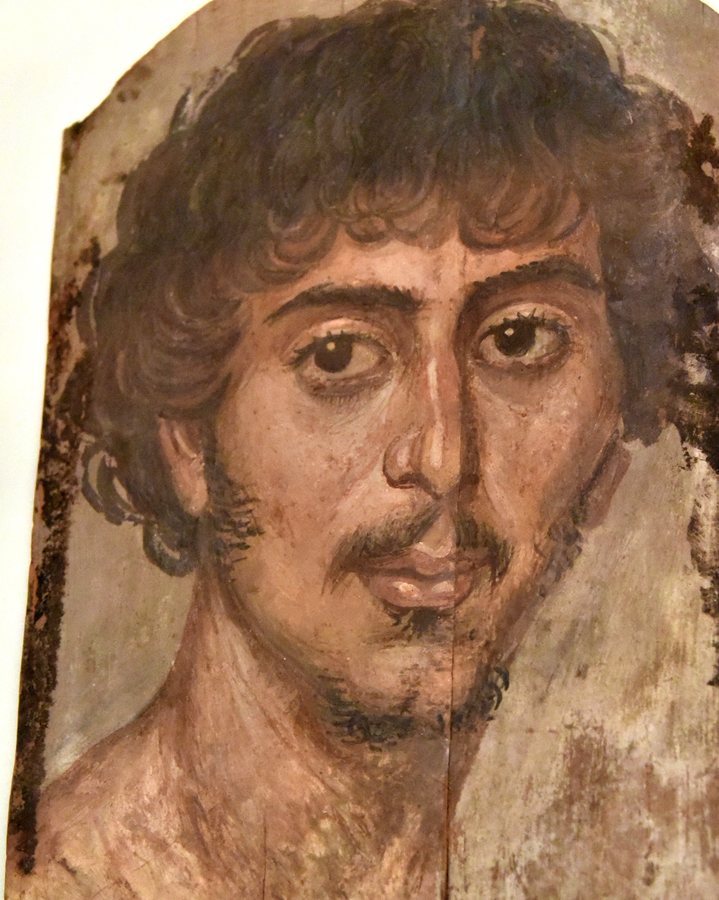
Realistic — As depicted · Nubian · Libyan (Amazigh) · Levantine · Pale
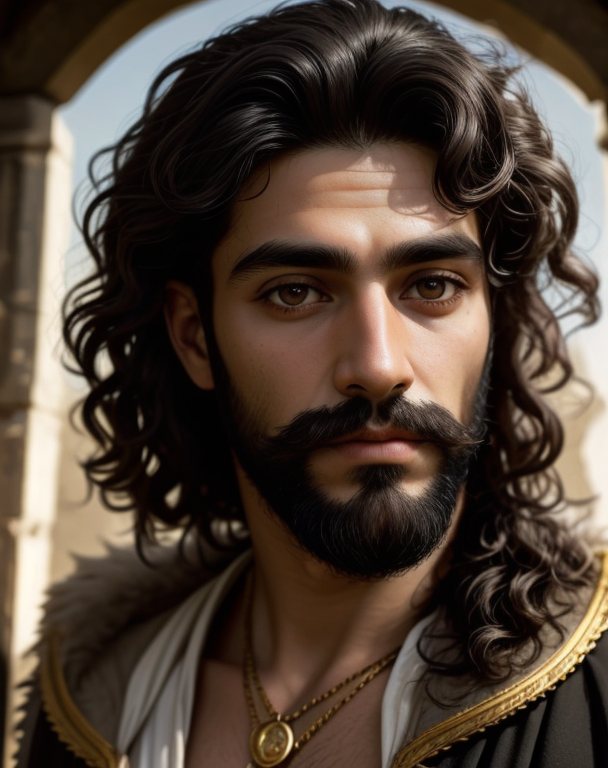
Mummy portrait of a young man, er-Rubayat, KHM AS X 432
Source: Kunsthistorisches Museum Wien, AS X 432; tempera on wood; photo ArchaiOptix; CC BY-SA 4.0
Original: 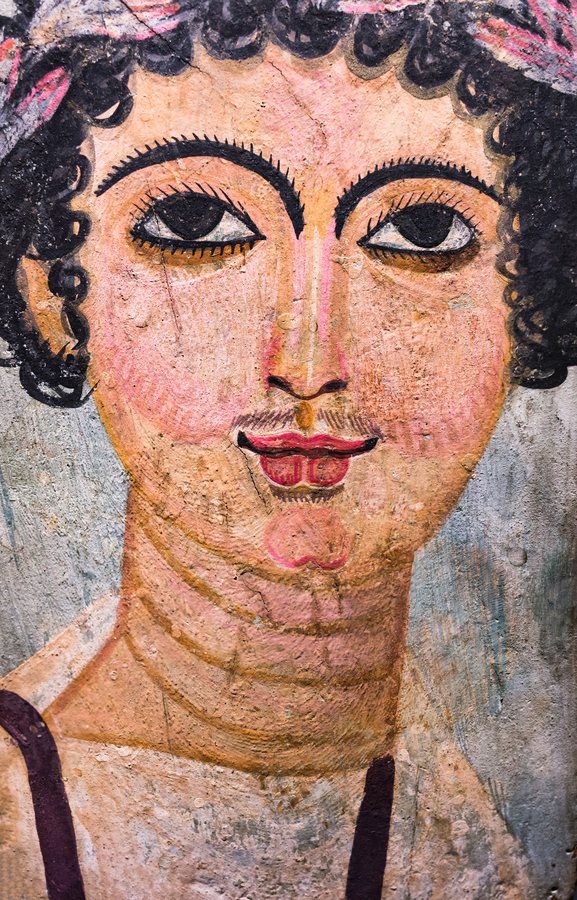
Realistic — As depicted · Nubian · Libyan (Amazigh) · Levantine · Pale
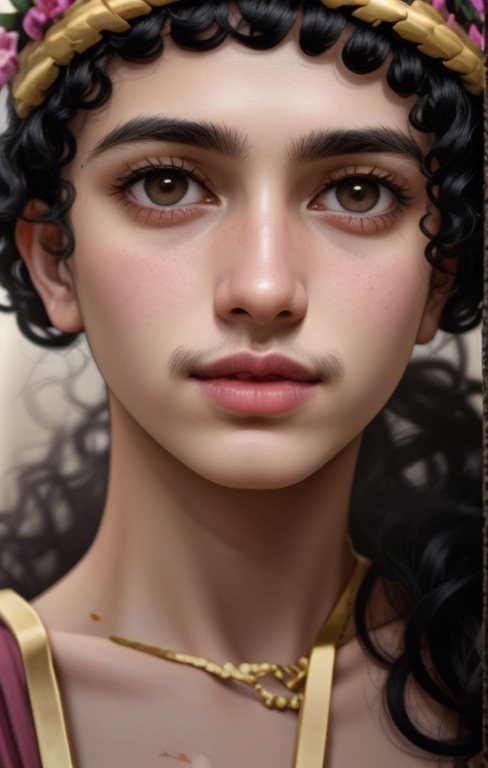
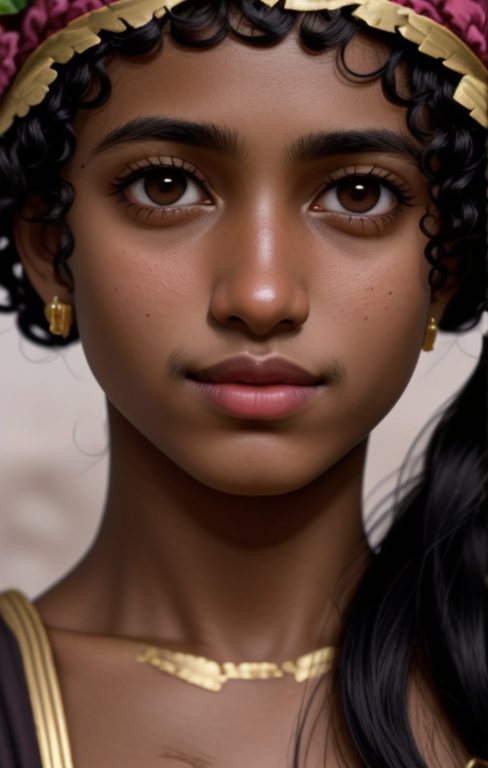
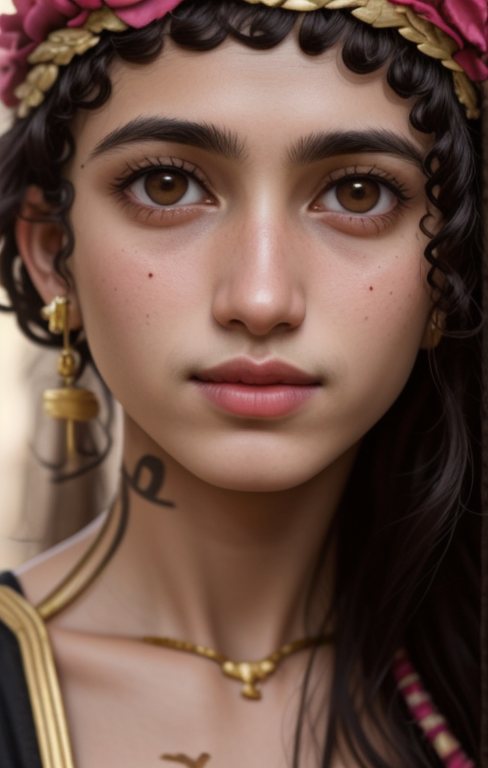
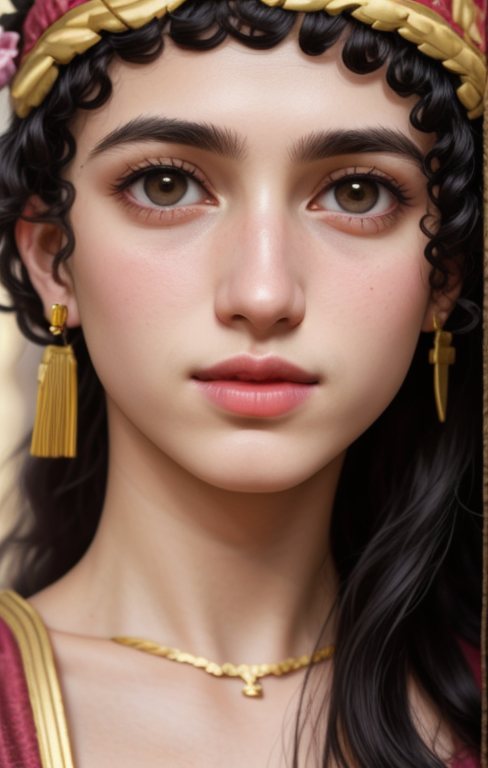
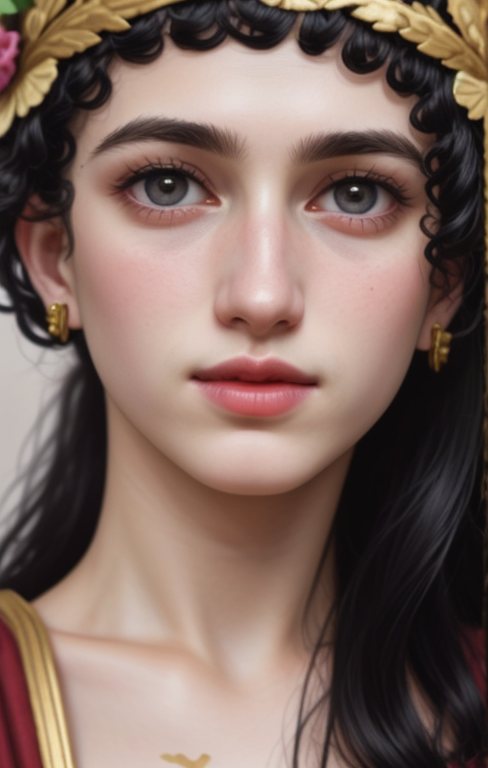
Mummy portrait of an elderly man, Stuttgart LMW AS 7.3
Source: Landesmuseum Württemberg, Stuttgart, AS 7.3; encaustic on wood; photo ArchaiOptix; CC BY-SA 4.0
Original: 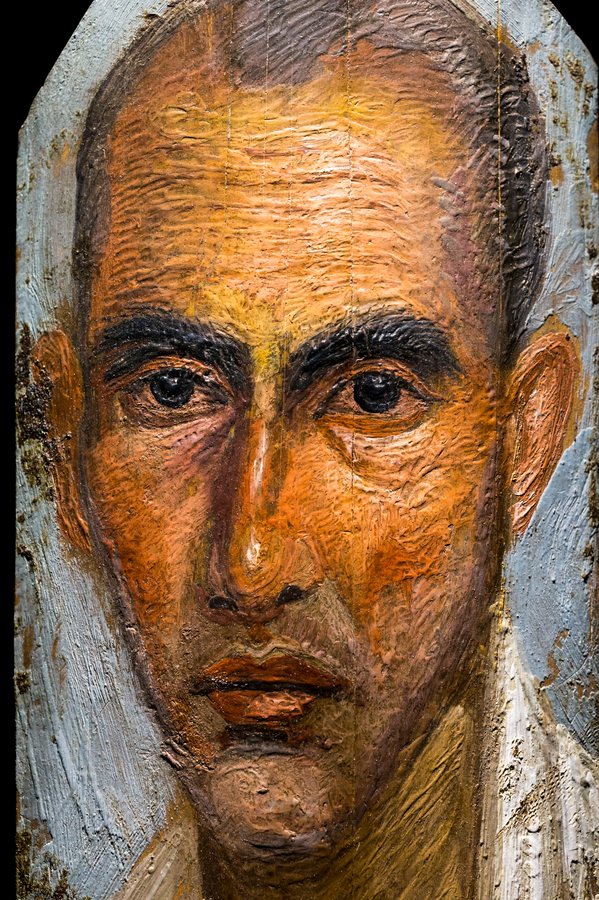
Realistic — As depicted · Nubian · Libyan (Amazigh) · Levantine · Pale
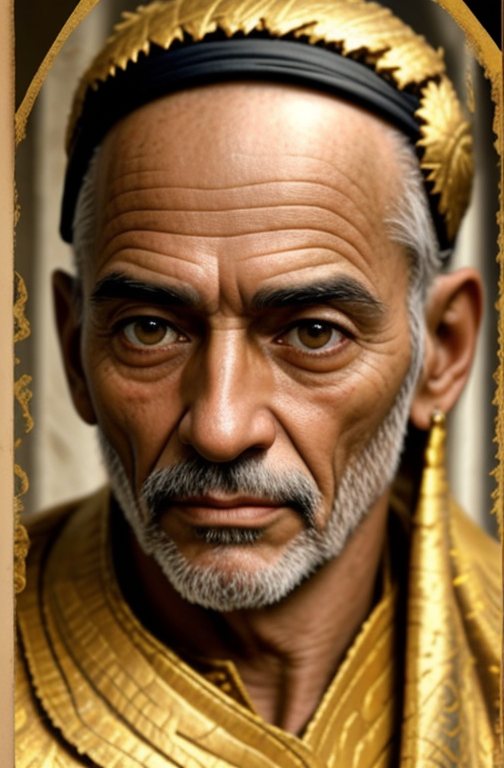
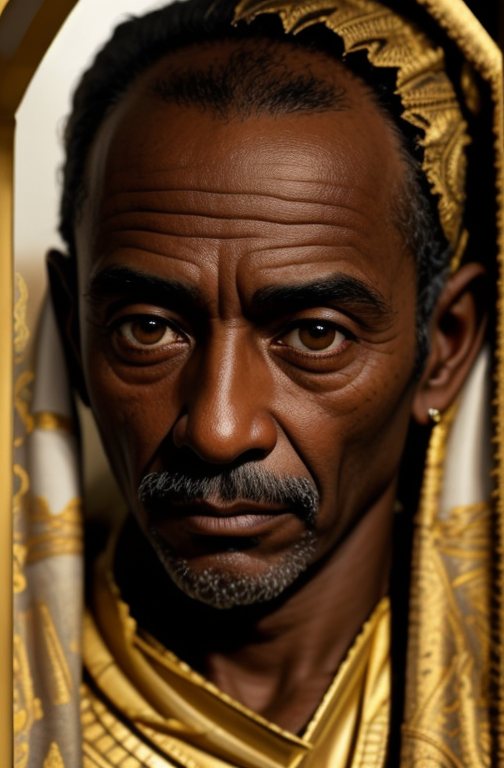
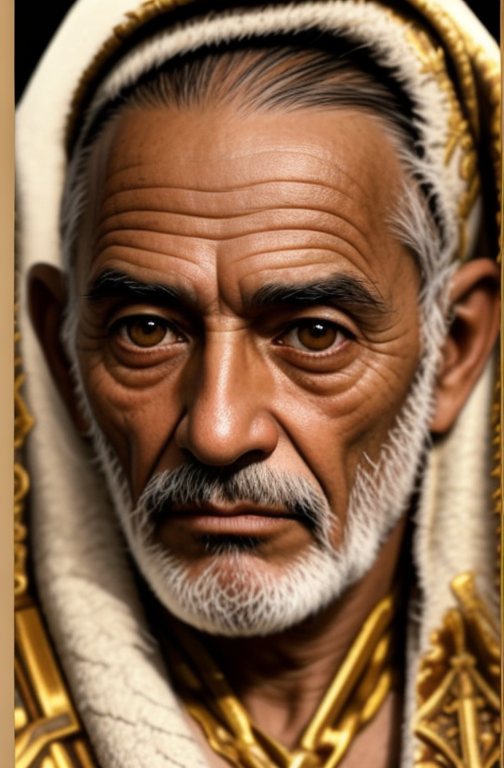
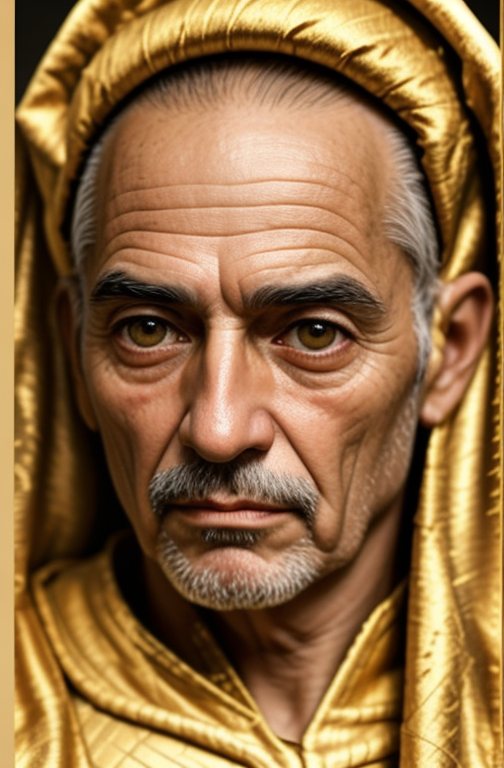
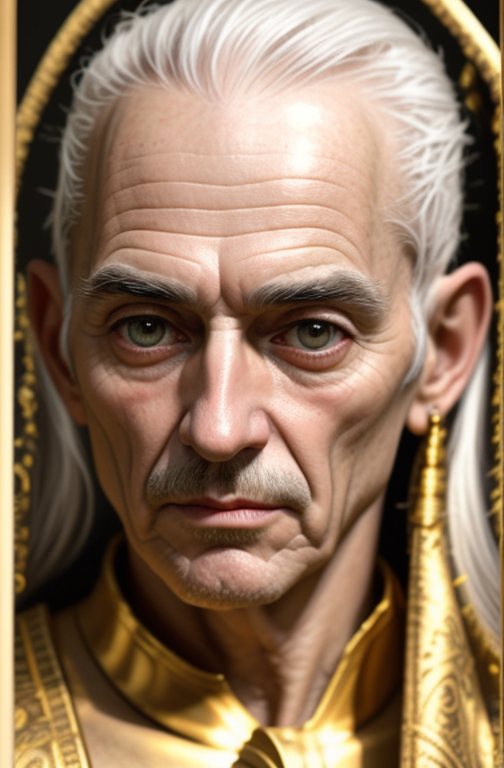
Painted plaster mummy portrait, 80–120 AD
Source: British Museum, London; Roman period, 80–120 AD; photo Gary Todd; CC0
Original: 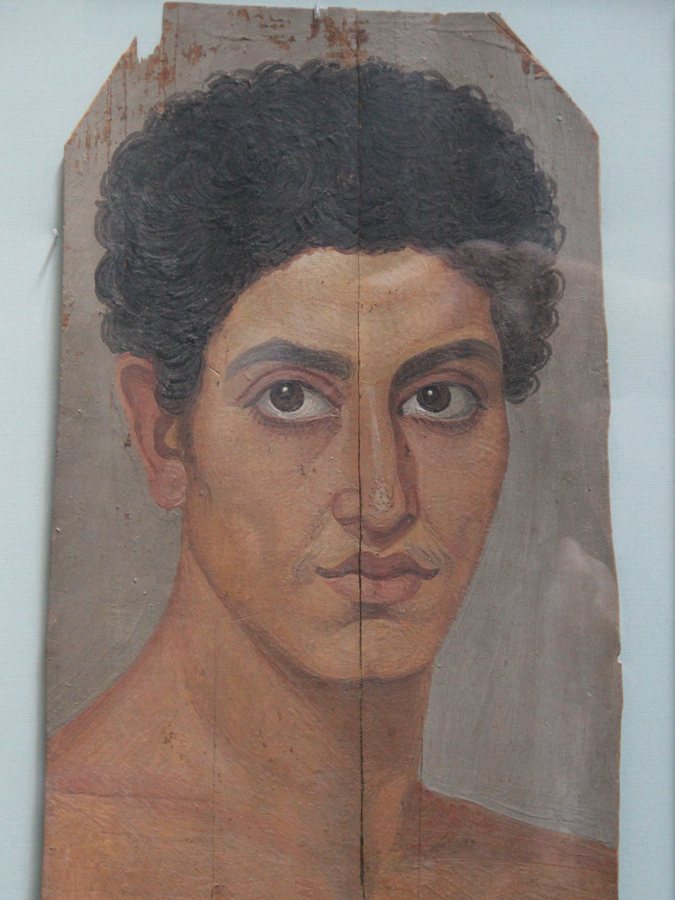
Realistic — As depicted · Nubian · Libyan (Amazigh) · Levantine · Pale





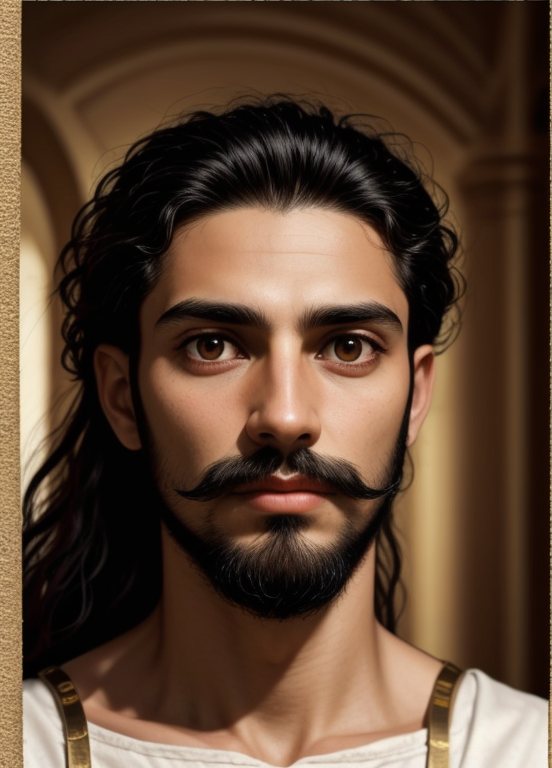
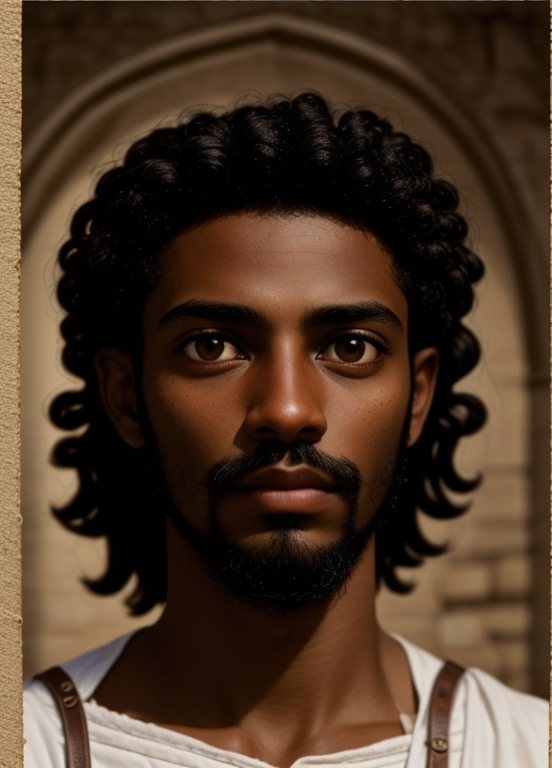
Painted plaster portrait, early 2nd century
Source: British Museum, London; Roman period, early 2nd century; photo Gary Todd; CC0
Original: 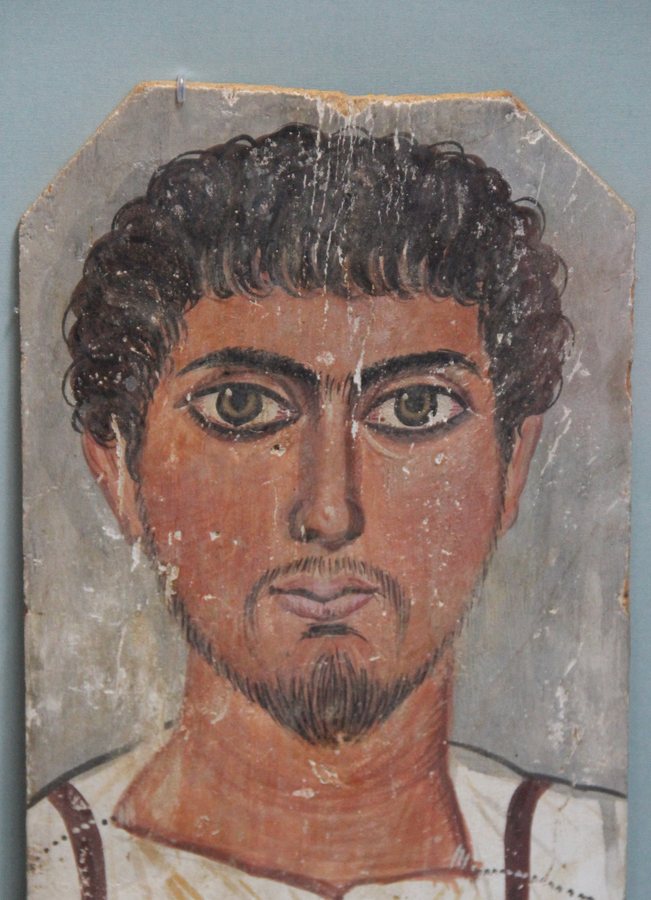
Realistic — As depicted · Nubian · Libyan (Amazigh) · Levantine · Pale
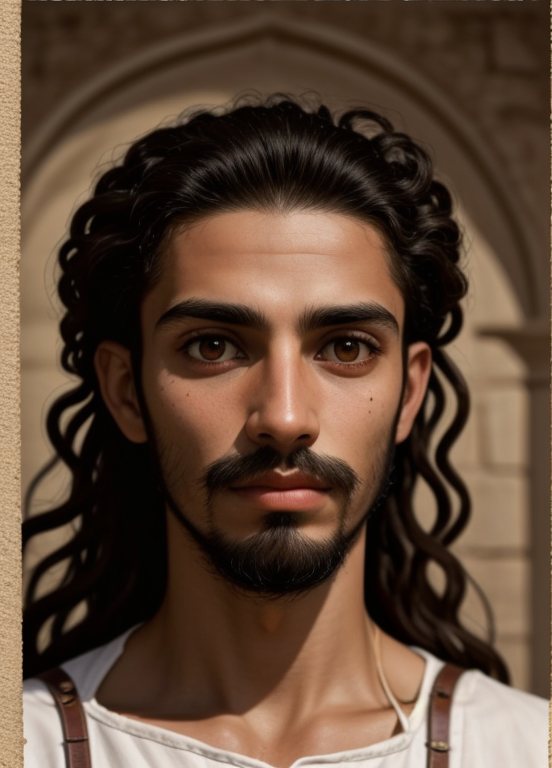
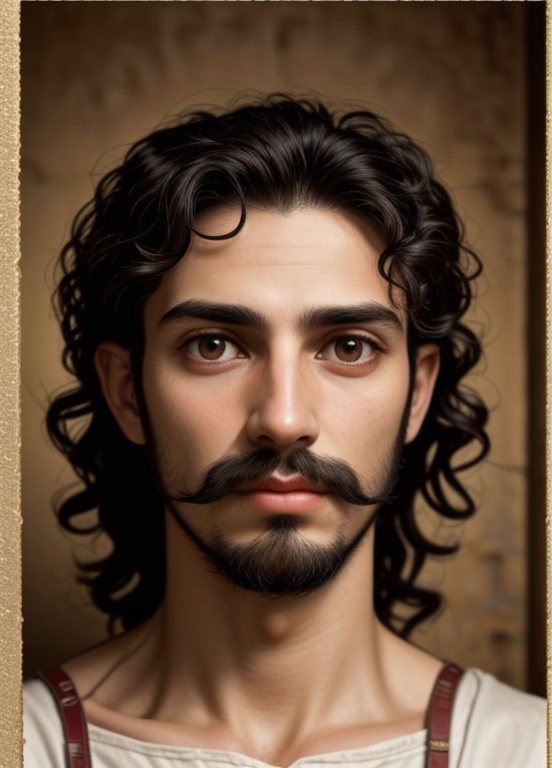
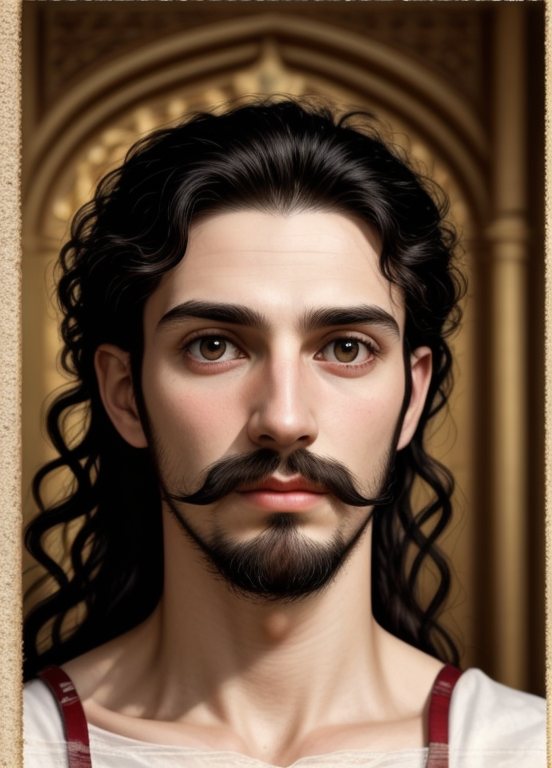
Panel painting of a woman in a blue mantle
Source: Metropolitan Museum of Art (DP310140); A.D. 54–68; CC0
Original: 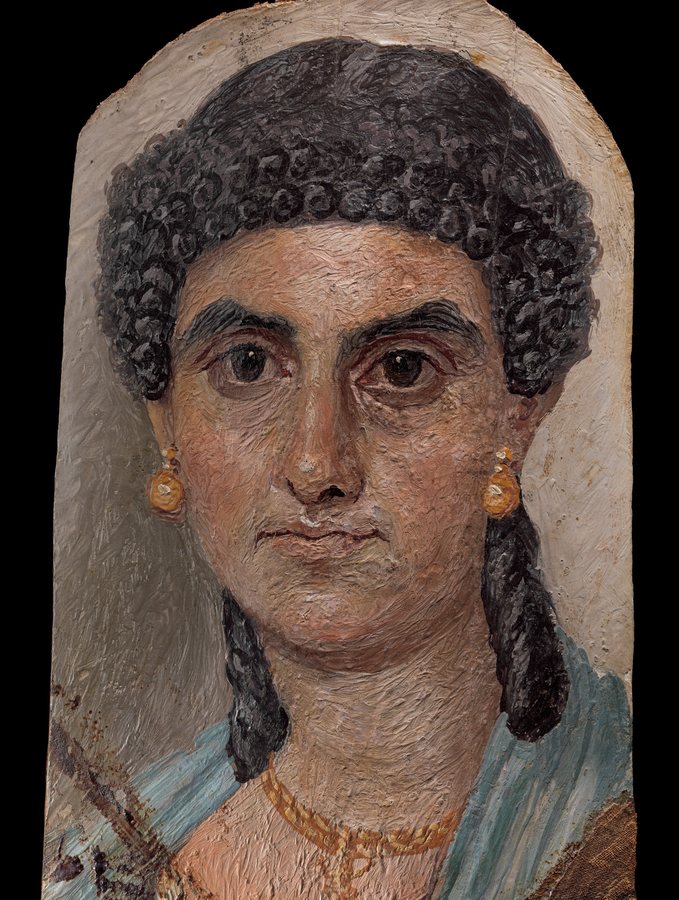
Realistic — As depicted · Nubian · Libyan (Amazigh) · Levantine · Pale

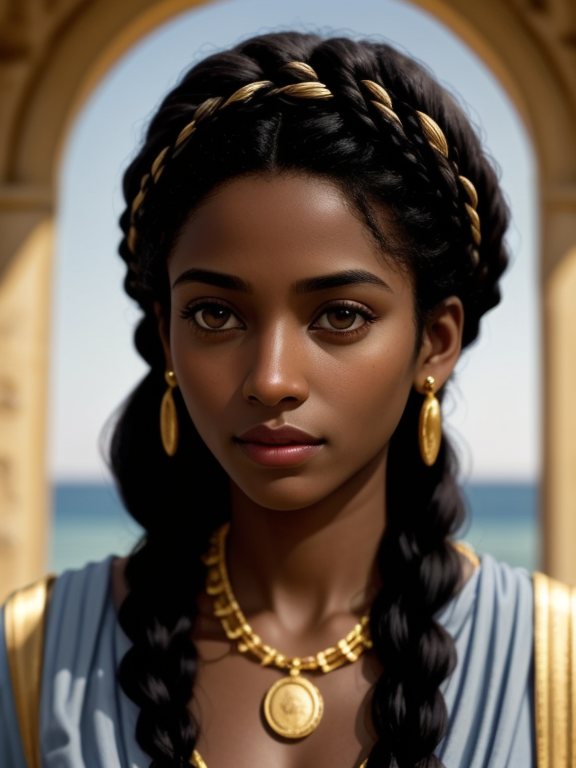
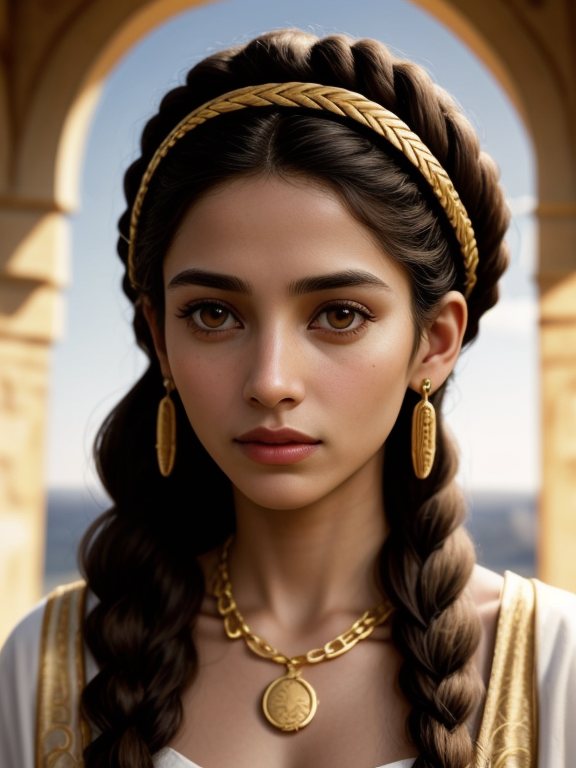
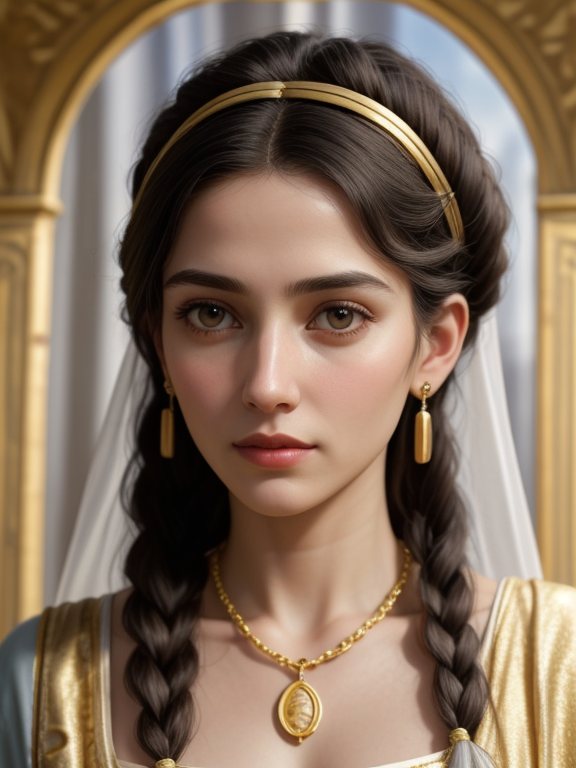
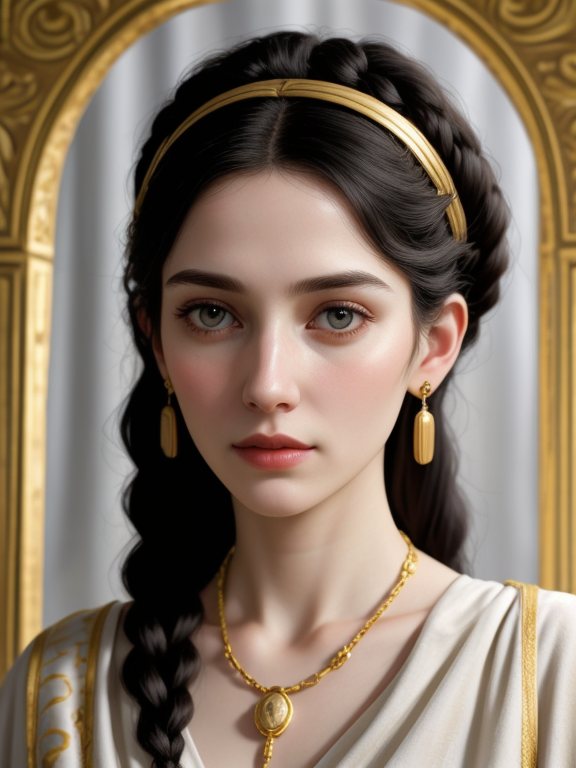
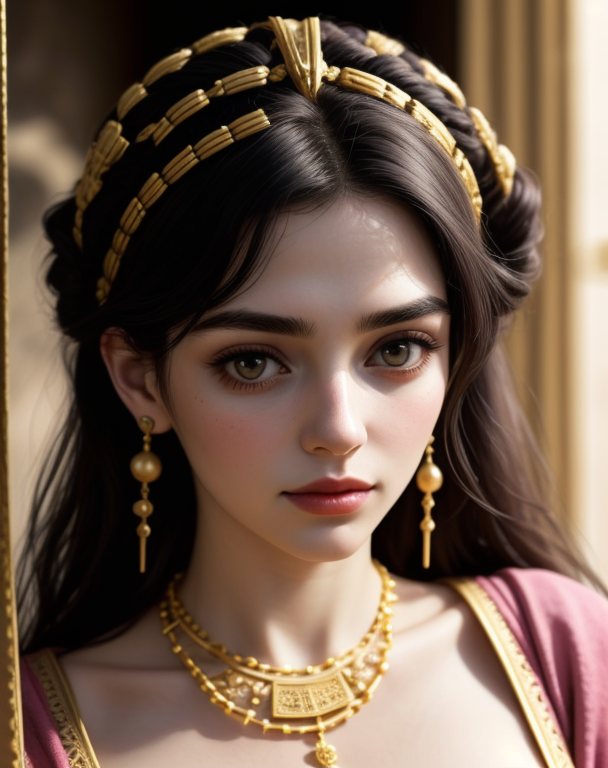
Portrait de momie, Louvre N 2733 3
Source: Musée du Louvre, Antiquités égyptiennes, N 2733 3 (P 212); c. 150–200 CE; public domain
Original: 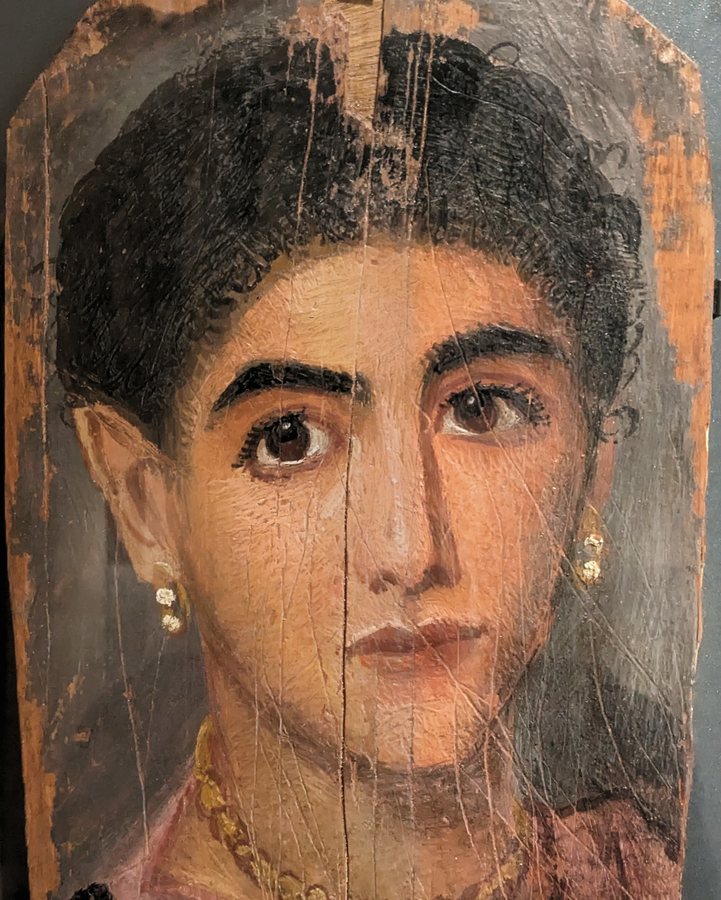
Realistic — As depicted · Nubian · Libyan (Amazigh) · Levantine · Pale




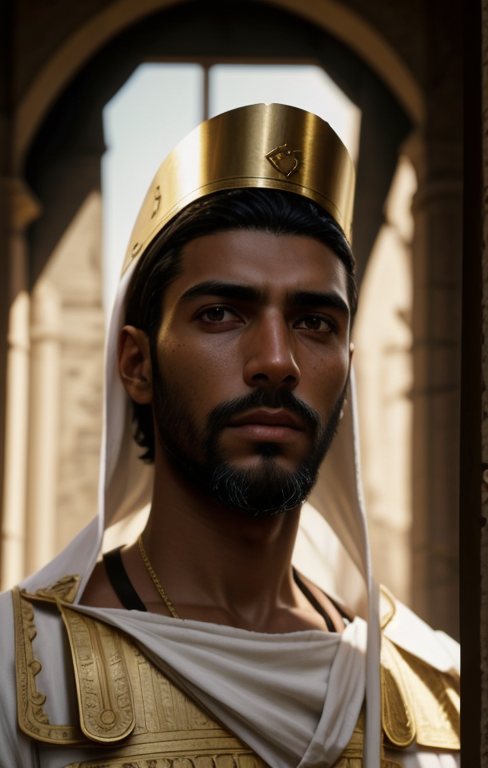
Portrait of a man from Antinoé, 190–230 AD
Source: Musée du Louvre; from Antinoé, c. 190–230 CE; photo Sailko; CC BY 3.0
Original: 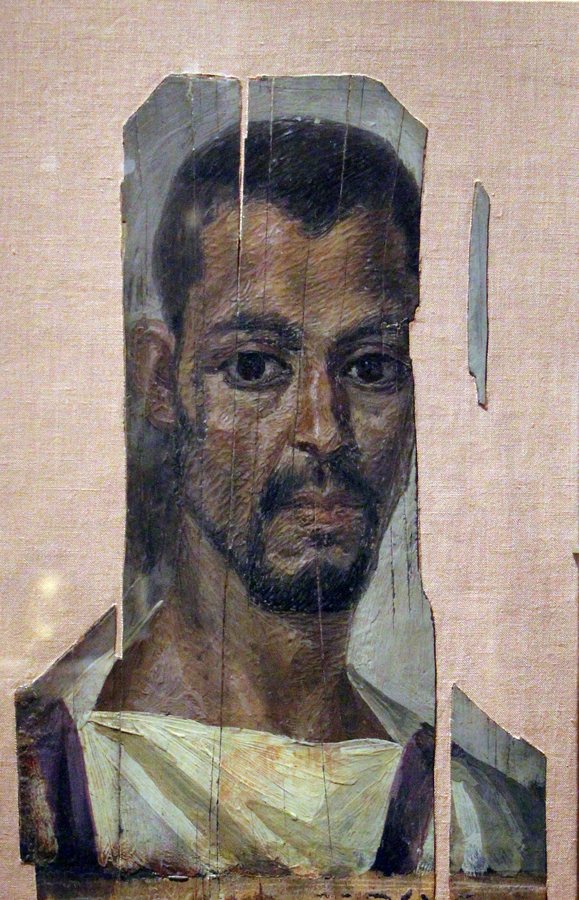
Realistic — As depicted · Nubian · Libyan (Amazigh) · Levantine · Pale
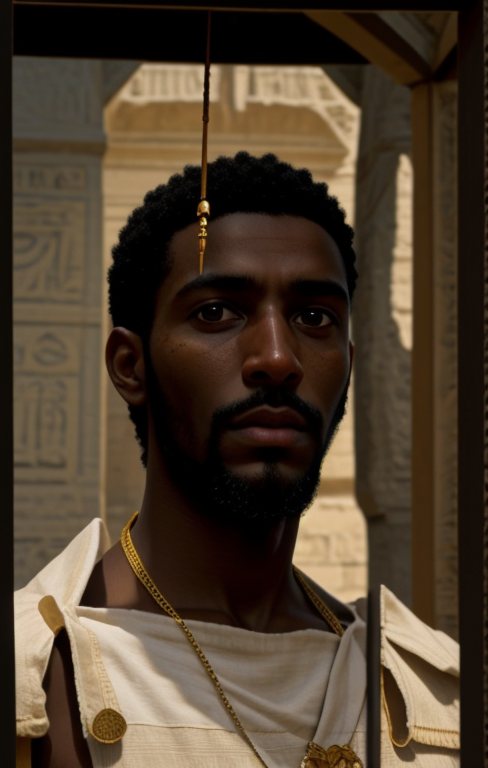
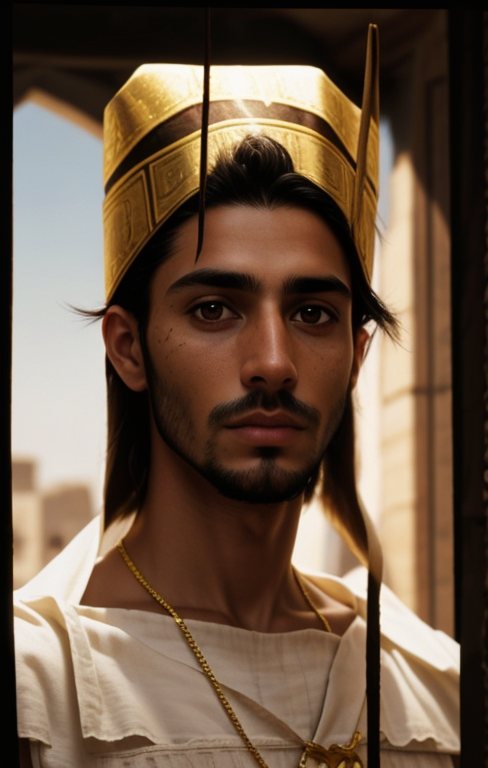
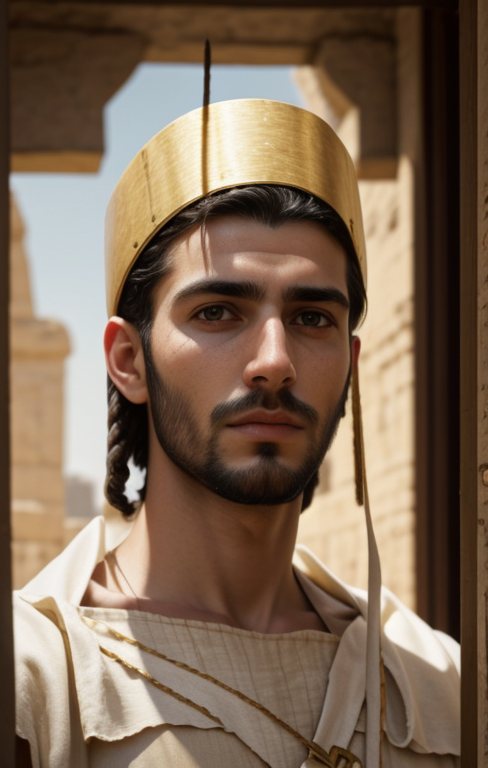
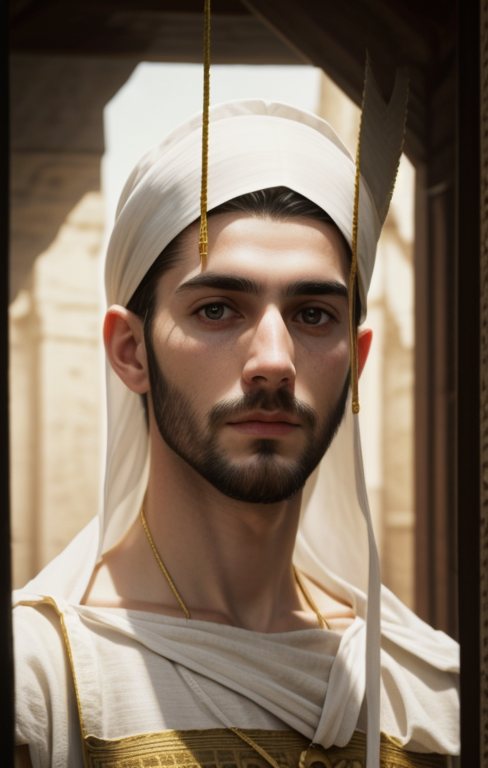
Portrait of a man, RISD Museum
Source: Rhode Island School of Design Museum; encaustic on limewood, AD 100–150; photo Ad Meskens; CC BY-SA 3.0
Original: 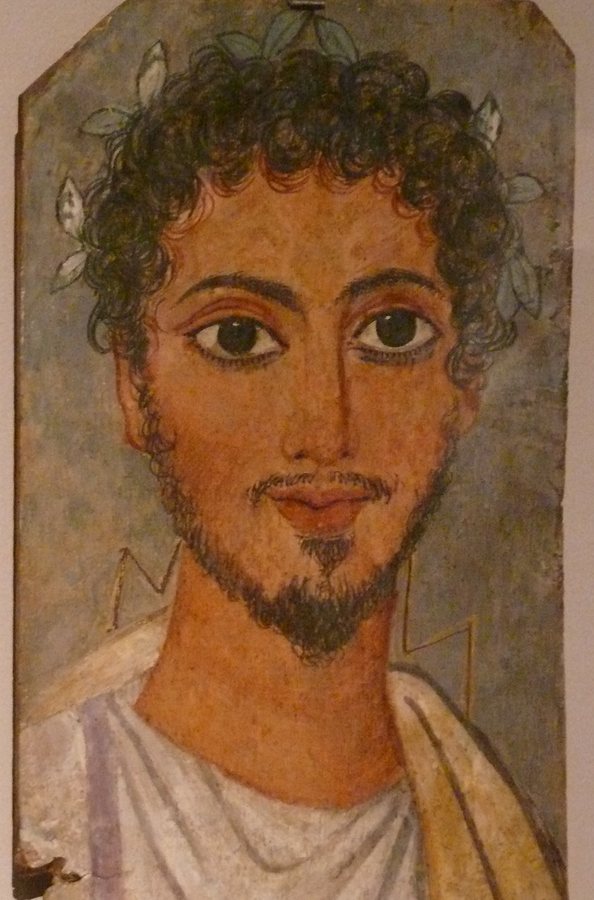
Realistic — As depicted · Nubian · Libyan (Amazigh) · Levantine · Pale
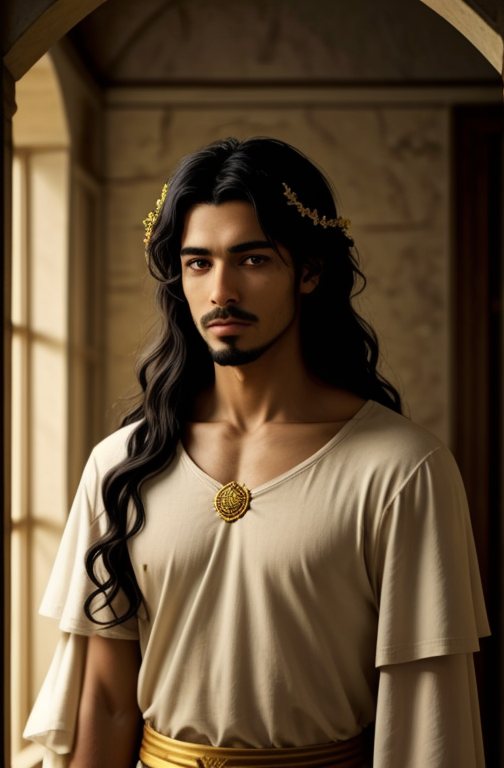
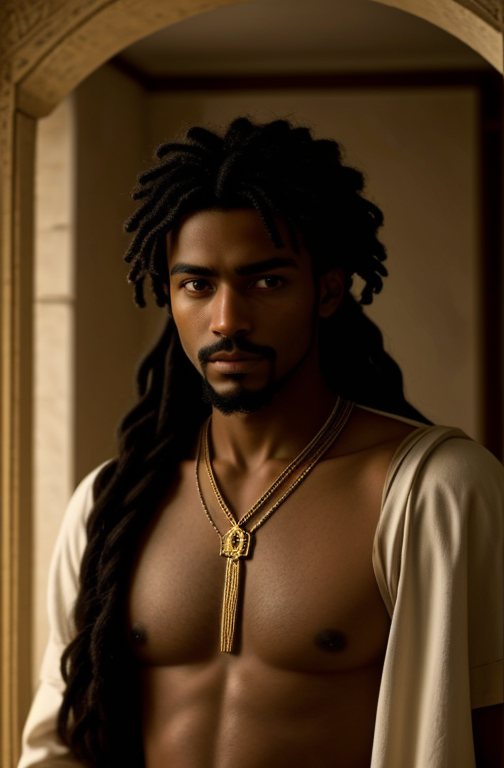
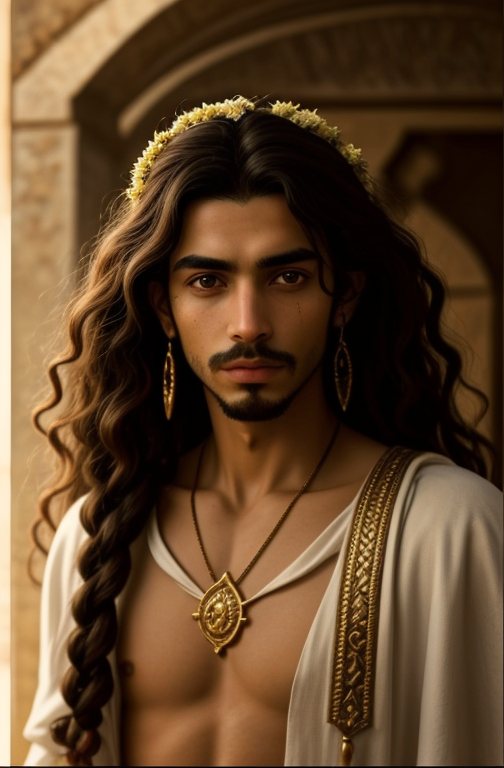
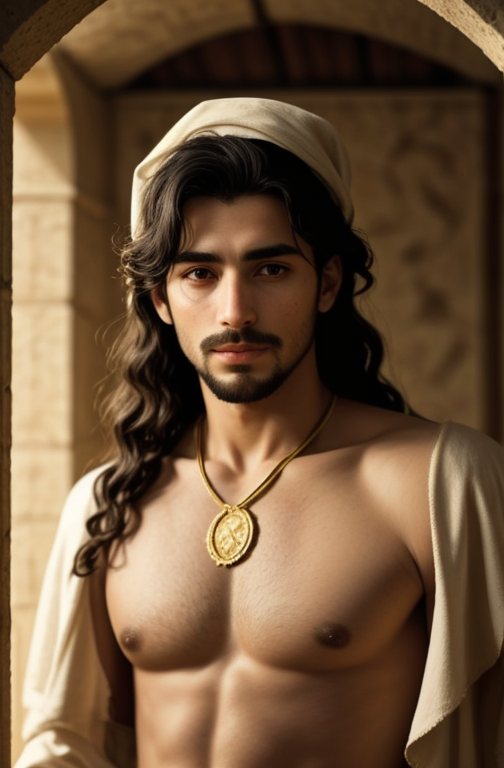
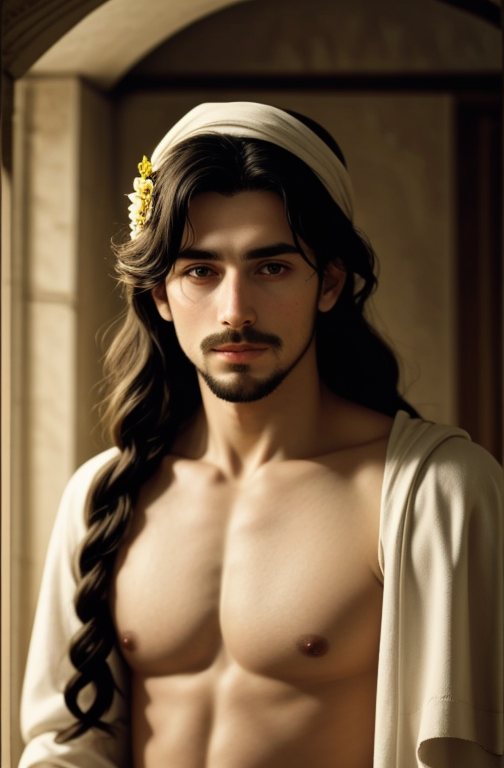
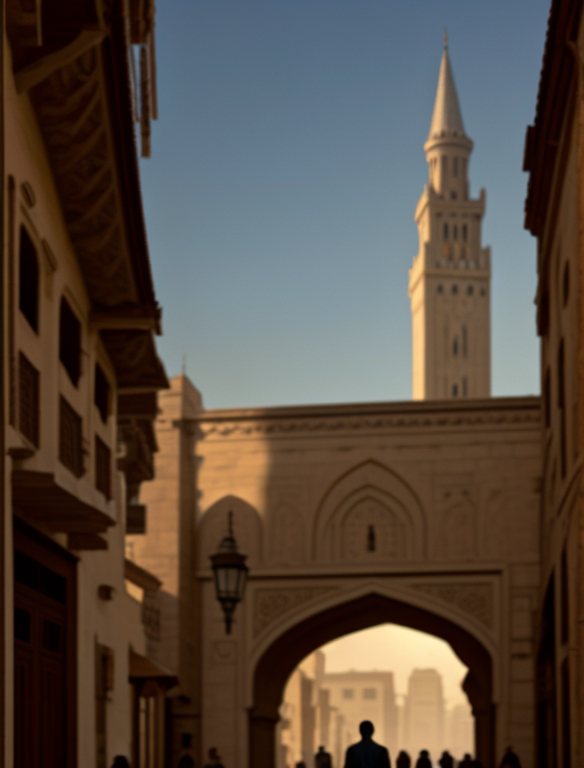
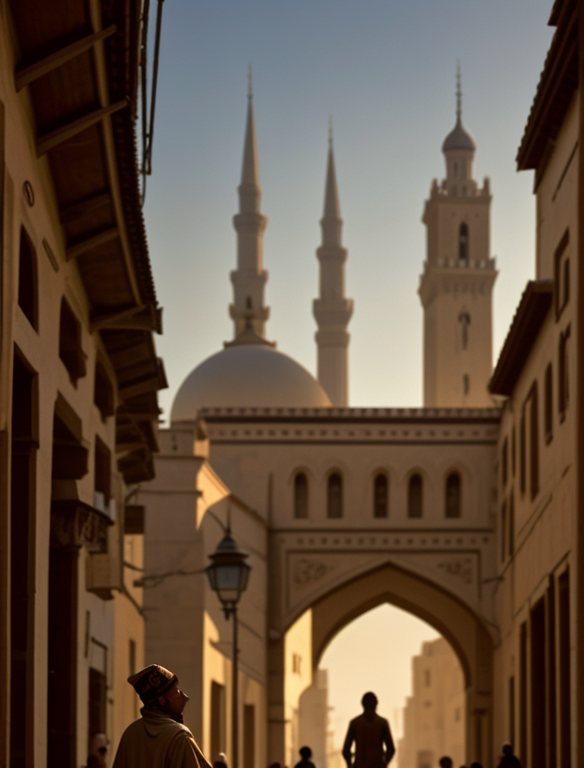
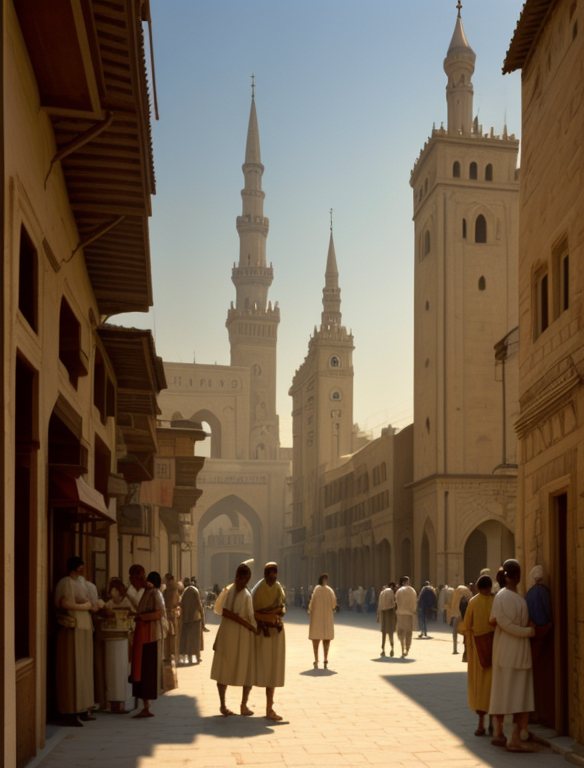
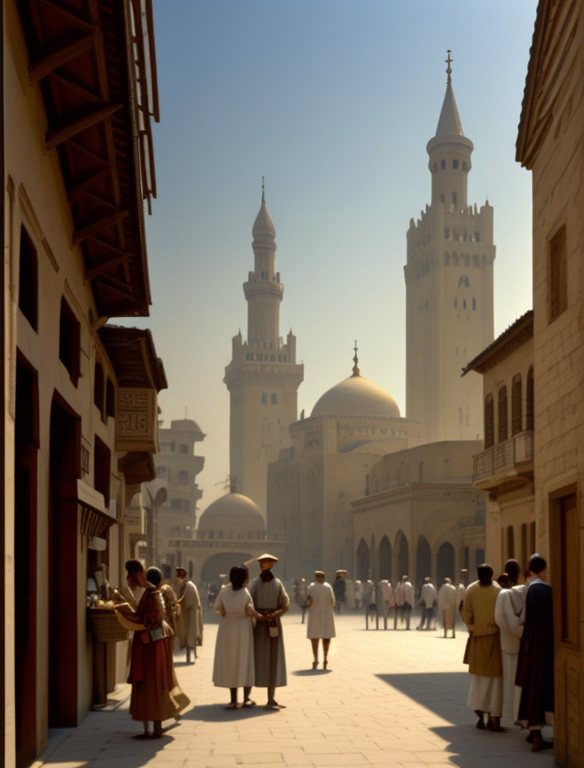
A View in Cairo
Source: David Roberts, 1840. Royal Collection. Public domain
Original: 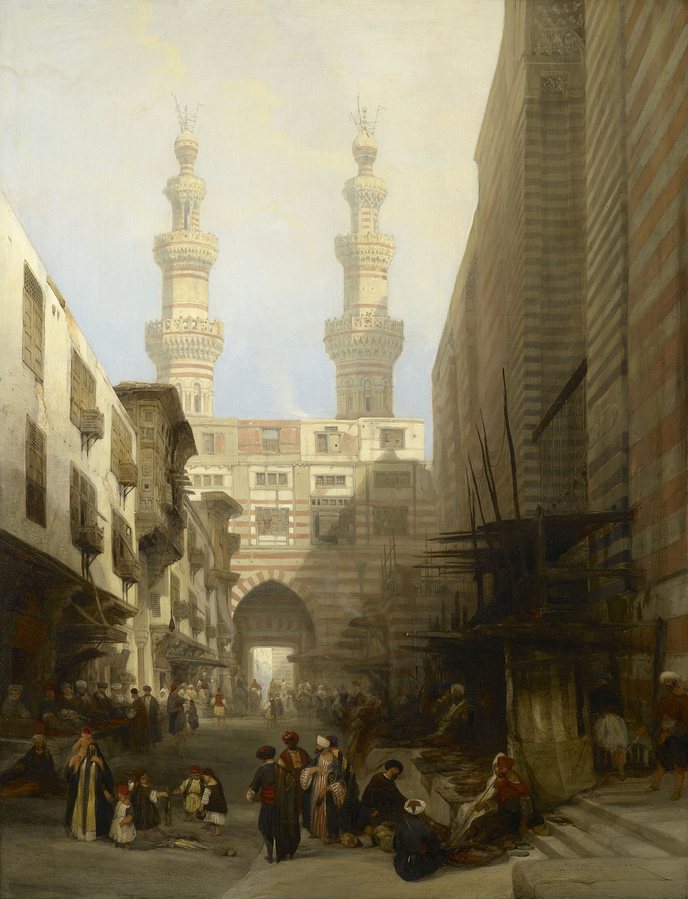
Realistic — Egyptian · Nubian · Libyan (Amazigh) · Levantine · Pale
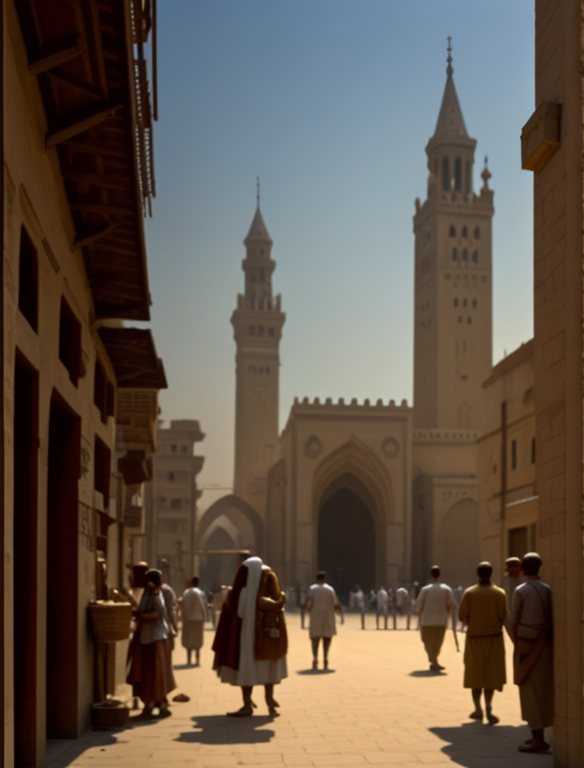
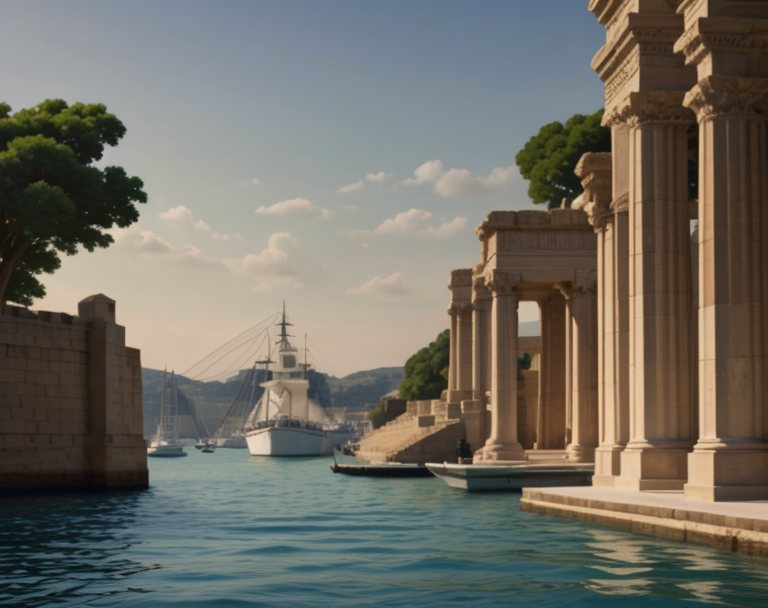
Aeneas's Farewell to Dido in Carthage
Source: Claude Lorrain, 1676. Public domain
Original: 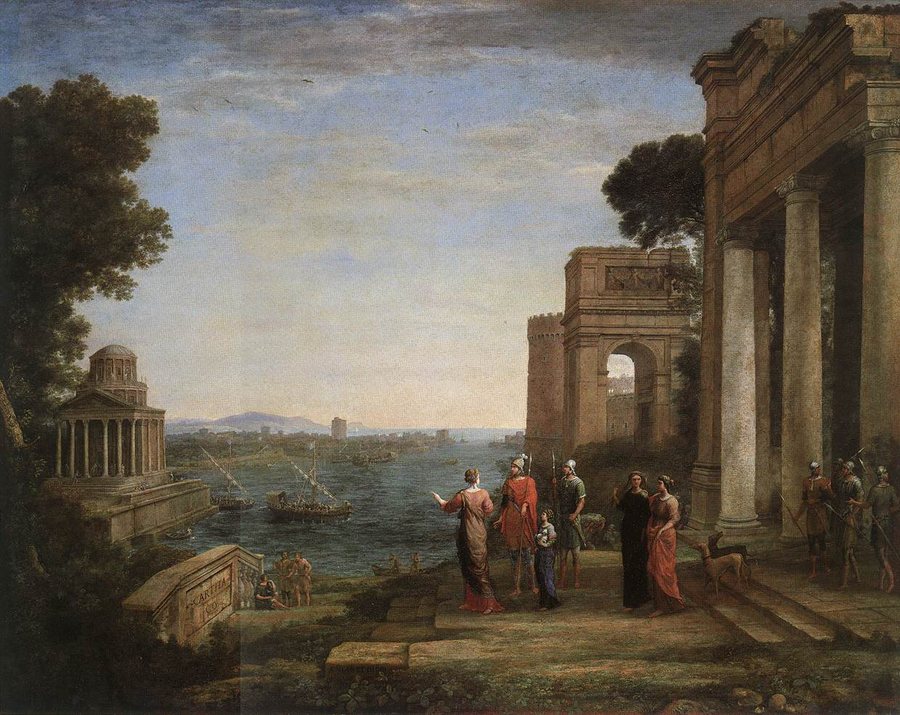
Realistic — Punic (Carthaginian) · Nubian · Libyan (Amazigh) · Levantine · Pale




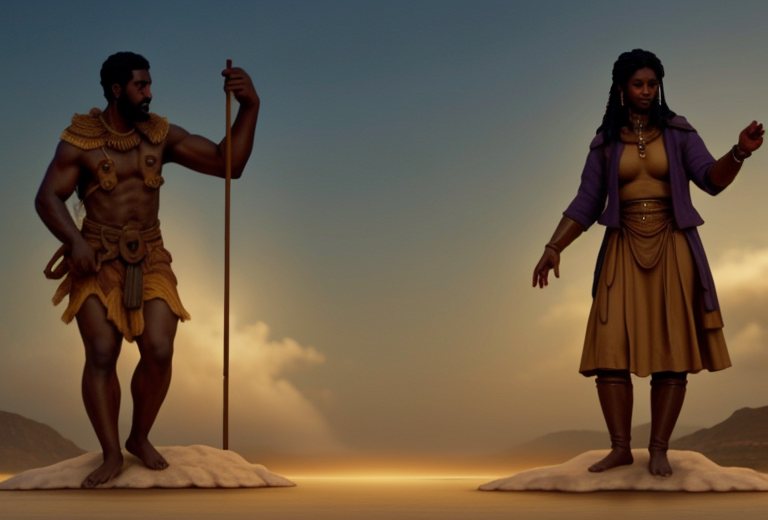
Bimbaches
Source: Leonardo Torriani, 1592. Public domain
Original: 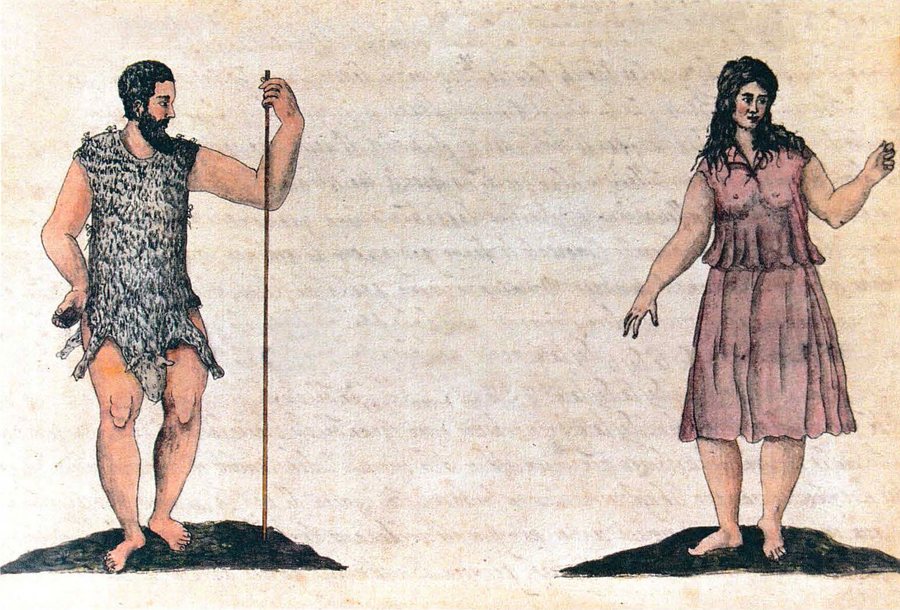
Realistic — Nubian · Libyan (Amazigh) · Levantine · Pale
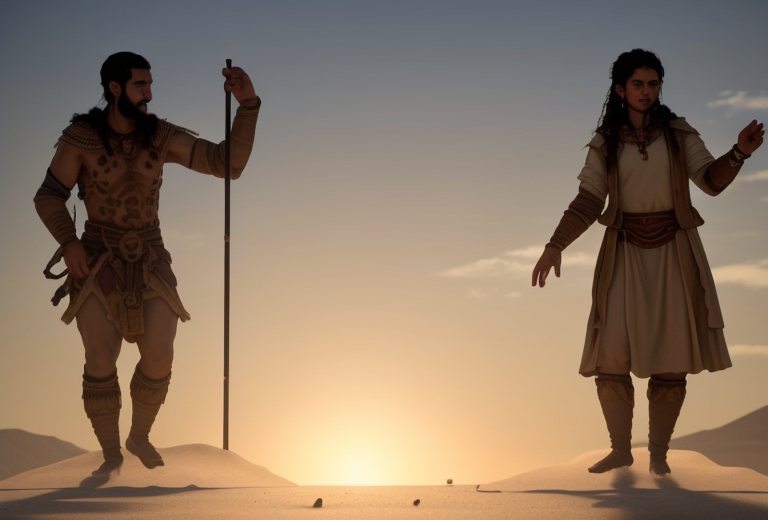
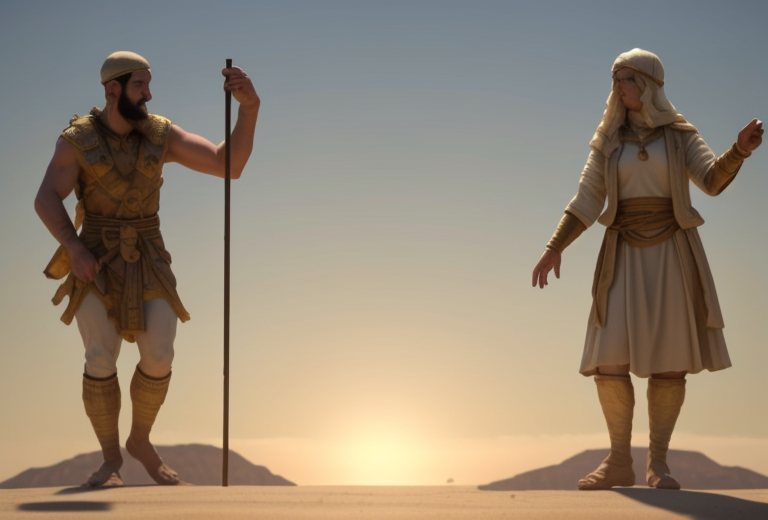
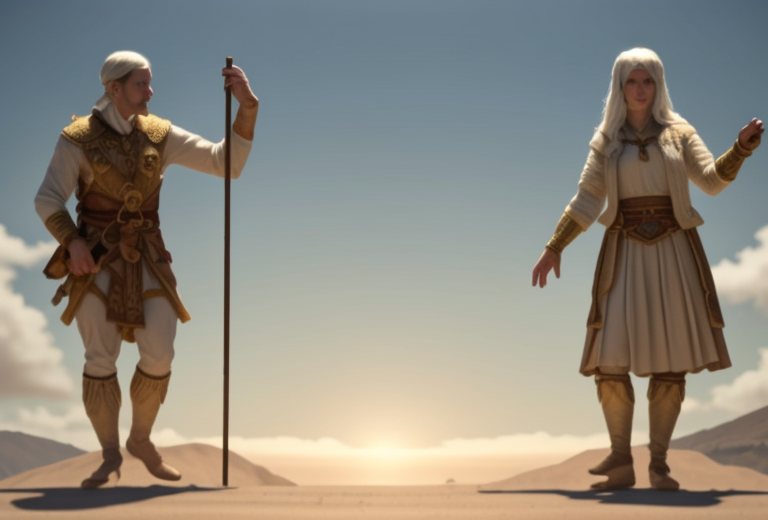
All 20 scenes in this set, and every other remake, are in the gallery: https://hathor.soapbox.community/remakes. Made on our own servers in Hathor Studio; each scene links to its place in the gallery.