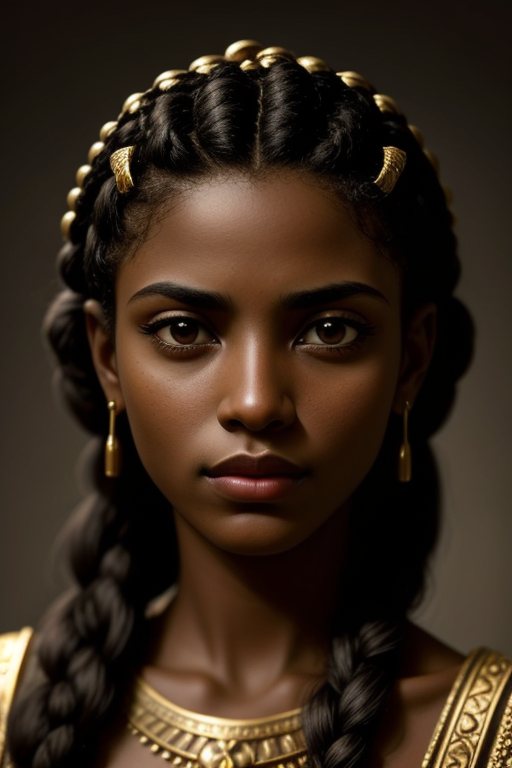
Classical Indian image-makers used a unit taken from the figure itself: the tāla, one face-length, divided into twelve fingers. Gods, goddesses, humans and spirits each have their own count, so proportion itself says what order of being you are looking at. Egypt had a squared grid and Greece had Polykleitos' canon, each a sibling workshop with its own measure. Our remakes keep each scene's canon and attributes and let the peoples vary. Here is the next batch.
Likeness to the type. The six limbs of painting include pramāṇa (measure), bhāva (feeling) and sādṛśya (likeness). In a sacred image, likeness means fidelity to the canonical type, not to a sitter. That is why a deity's weapon, gesture, mount and headdress are fixed by the texts: the attributes carry the identity. The Bṛhat Saṃhitā (6th c.) sets Yama on a buffalo with a club and puts a noose in Varuṇa's hand. (source)
We are testing these features and looking to develop them. This is Hathor's alpha work, made on our own servers — the images and videos she makes next are expected to be much better and more accurate. Tell us what works and what doesn't: every video page has 👍/👎, comments and timestamped notes.
The full gallery, every scene in every look: https://hathor.soapbox.community/remakes · Shilpa Shastra gallery: https://hathor.soapbox.community/gallery
Relief of Cleopatra VII and Caesarion, Temple of Hathor, Dendera
Source: Temple of Hathor, Dendera, south wall; photo Olaf Tausch (2014); CC BY 3.0
Original: 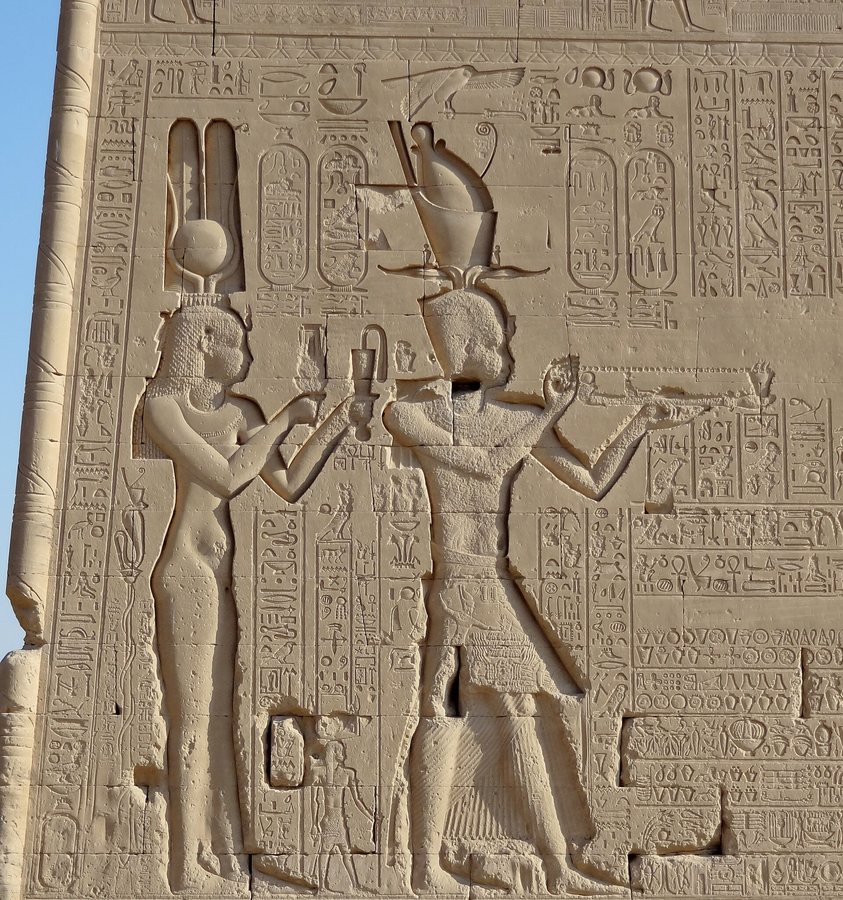
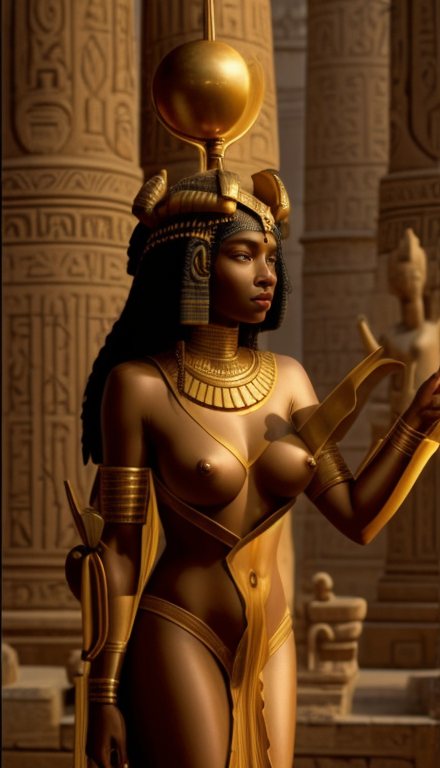
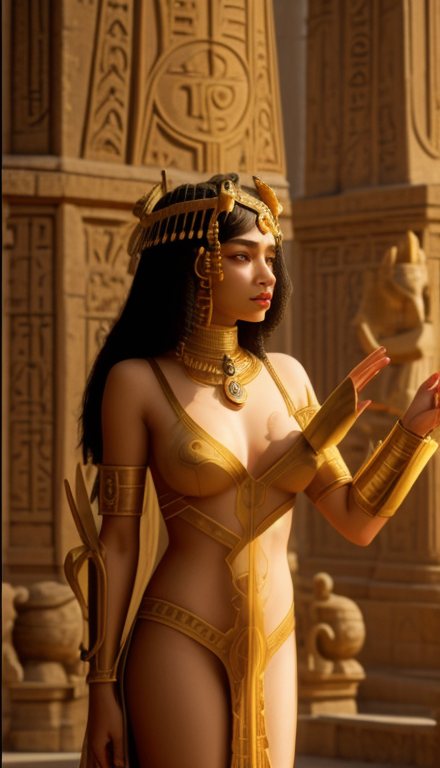
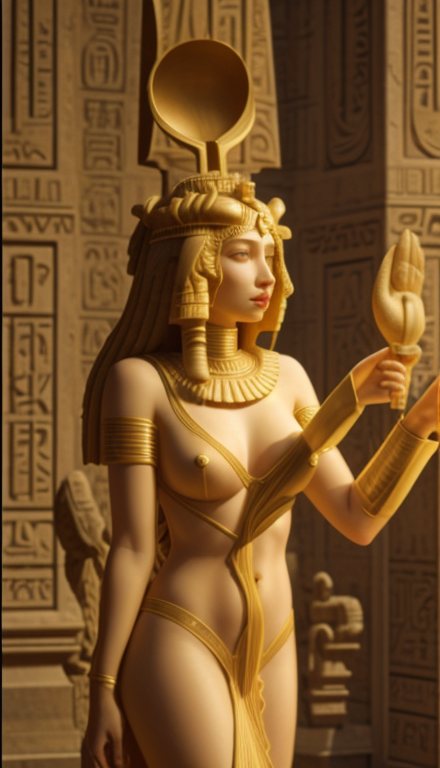
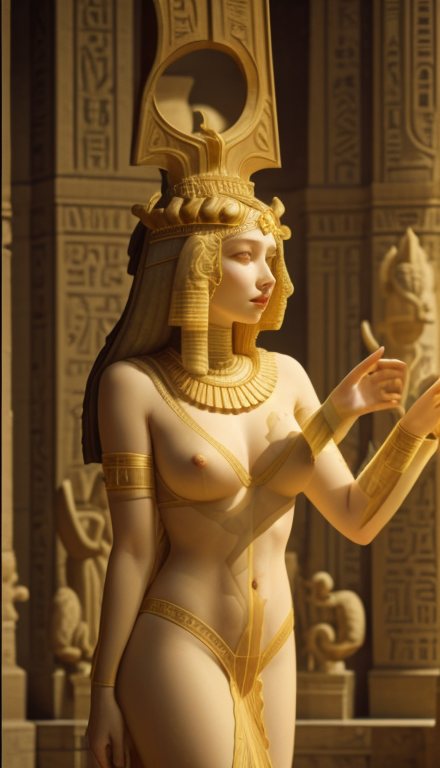
Realistic — As depicted · Nubian · Libyan (Amazigh) · Levantine · Pale
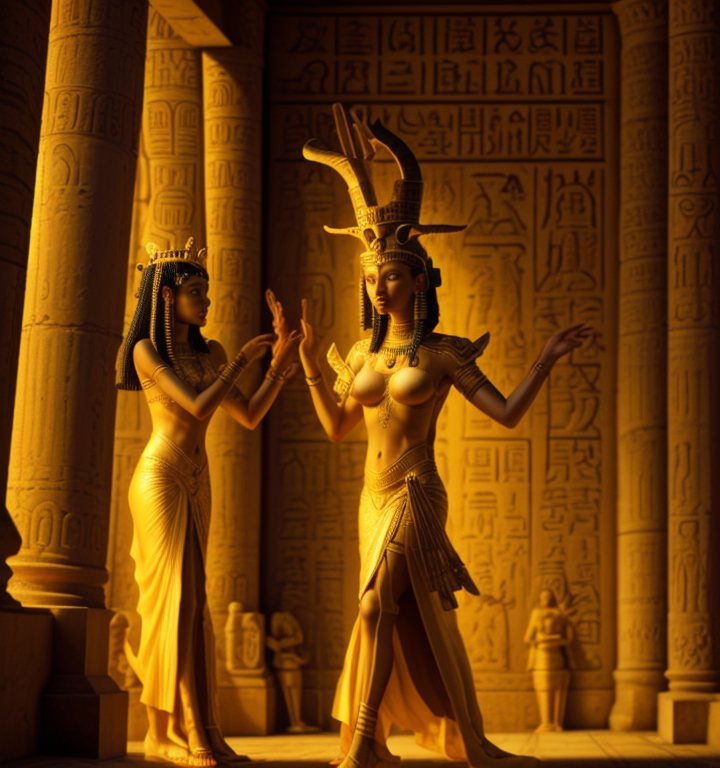
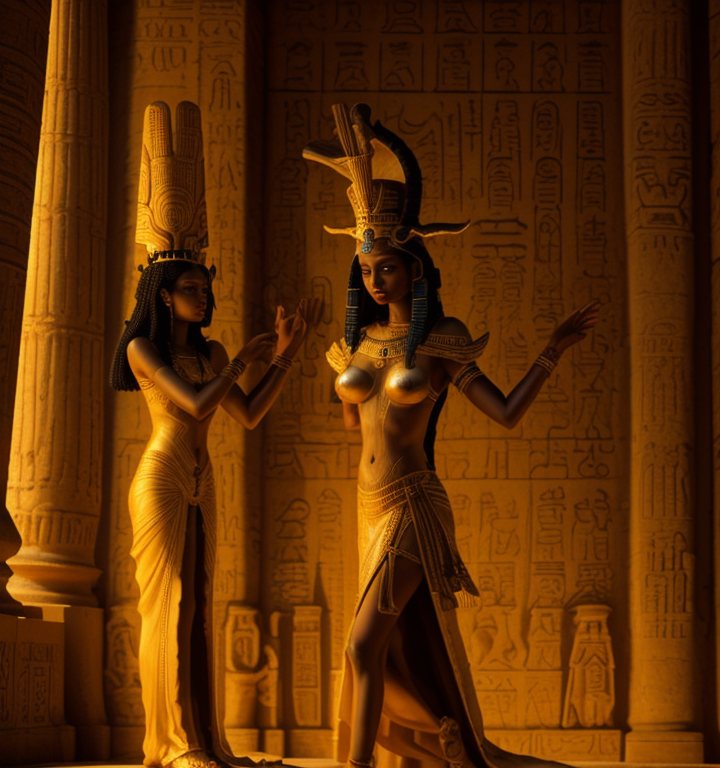
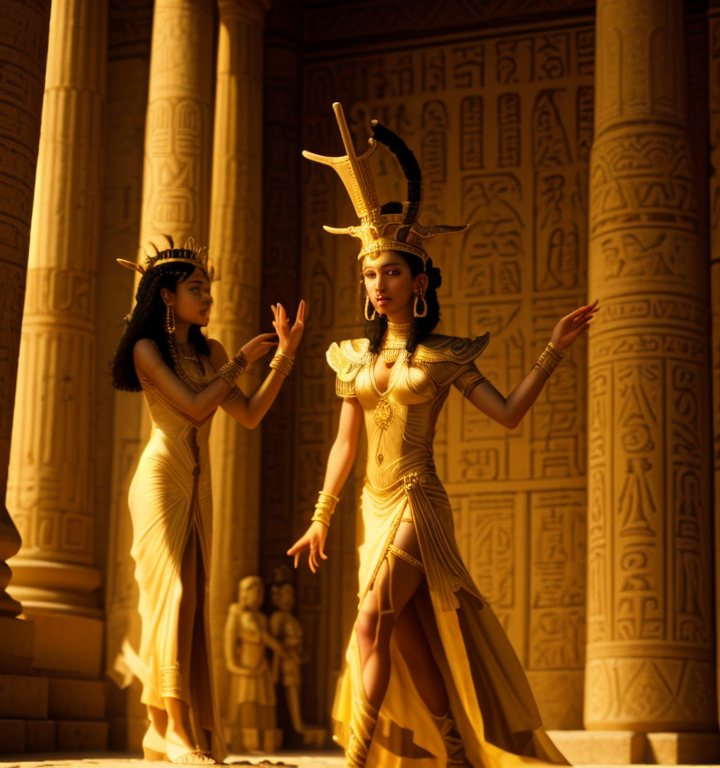
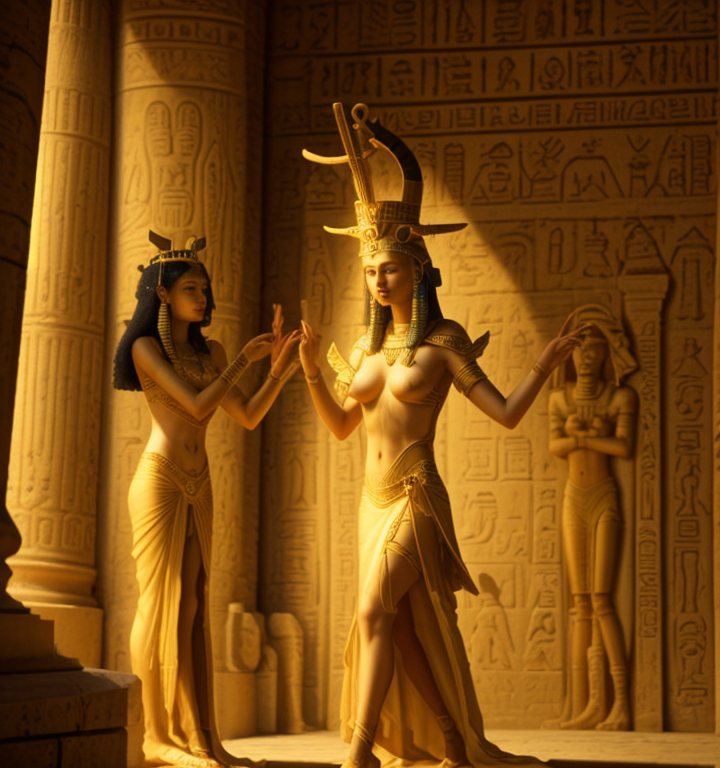
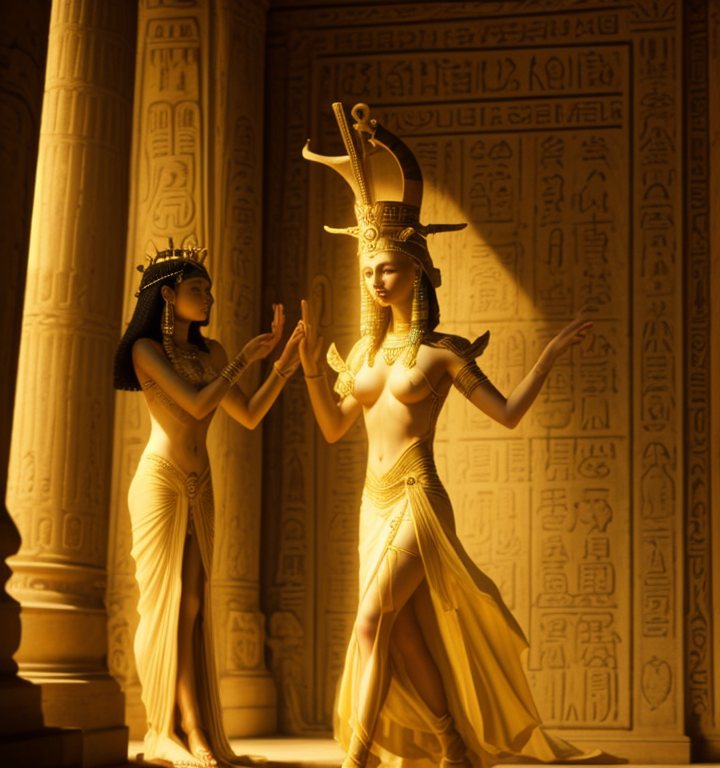
Relief of Cleopatra VII, Temple of Hathor, Dendera (detail)
Source: Temple of Hathor, Dendera, south wall; photo Olaf Tausch (2014); CC BY 3.0
Original: 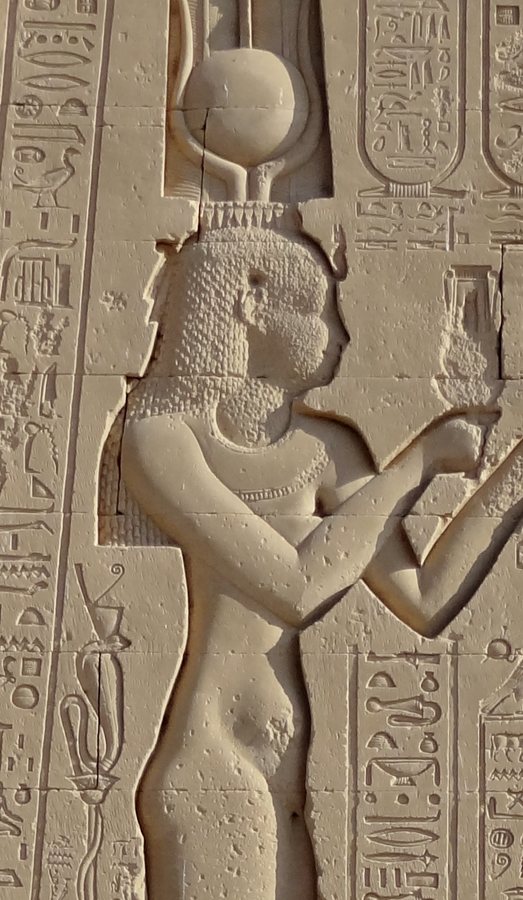
Realistic — As depicted · Nubian · Libyan (Amazigh) · Levantine · Pale
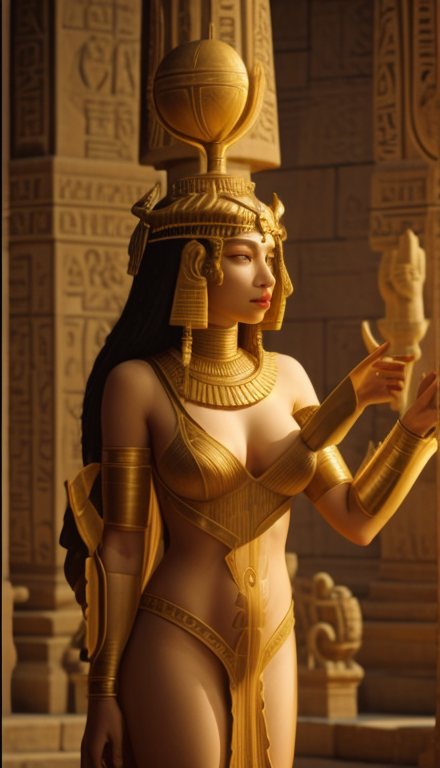
Silver drachm of Cleopatra VII, Alexandria
Source: Bibliothèque nationale de France (btv1b8509077n); public domain
Original: 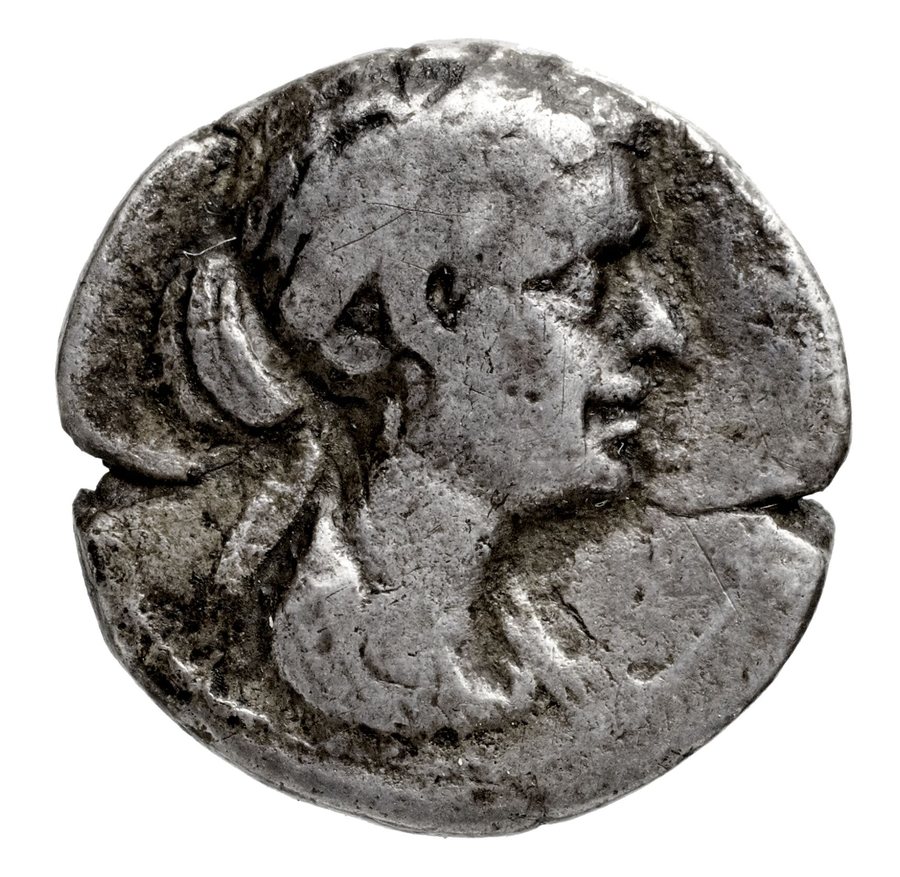
Realistic — As depicted · Nubian · Libyan (Amazigh) · Levantine · Pale
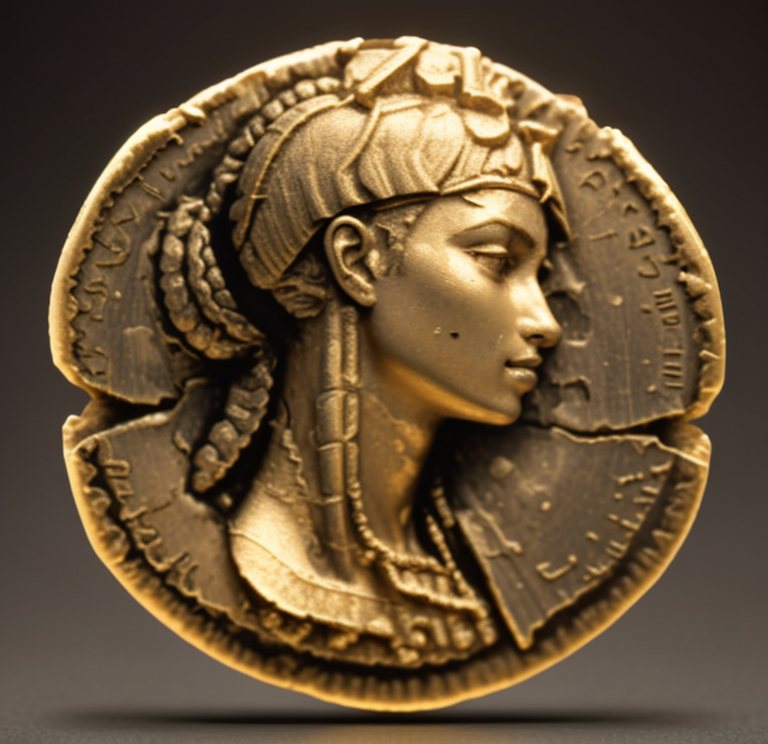
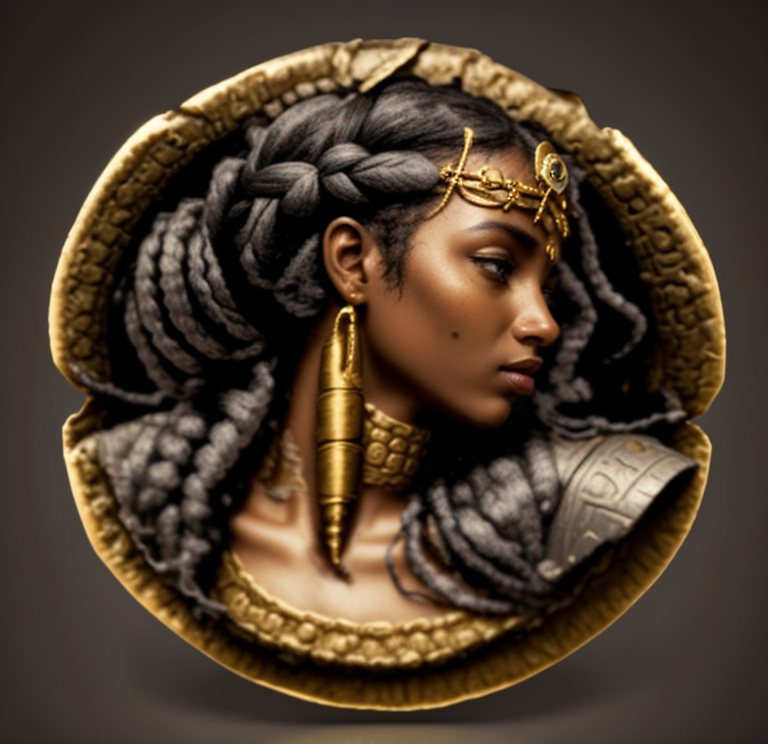
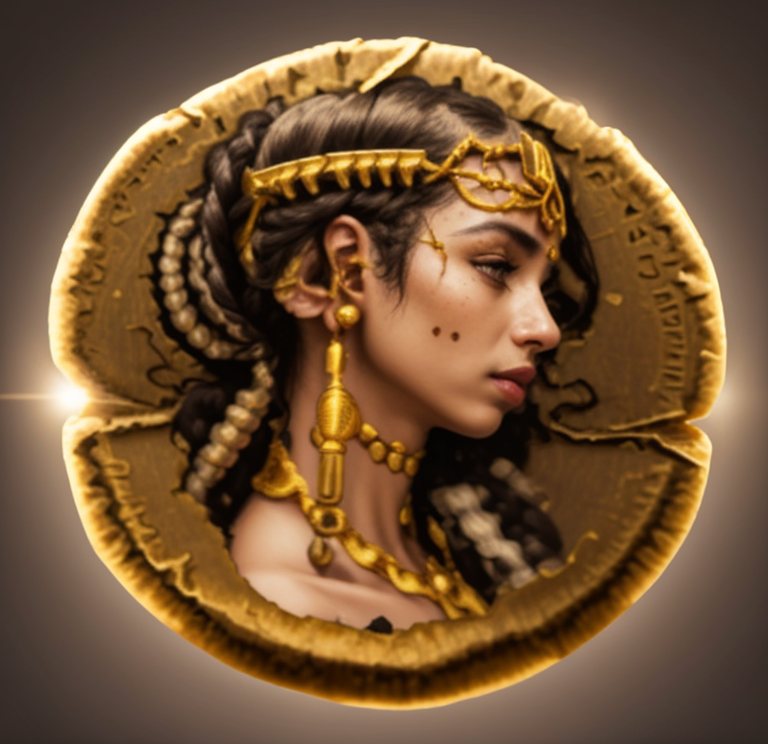
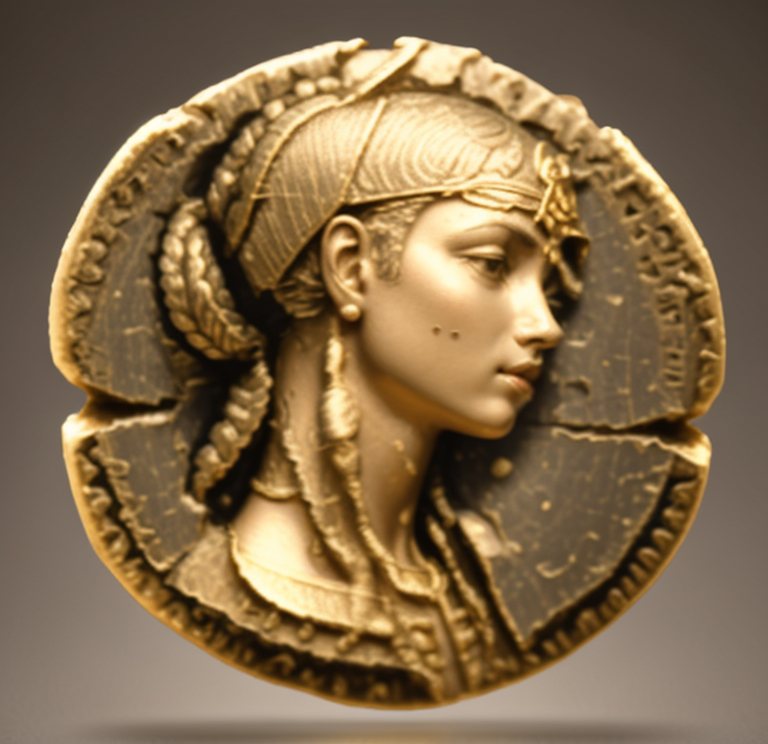
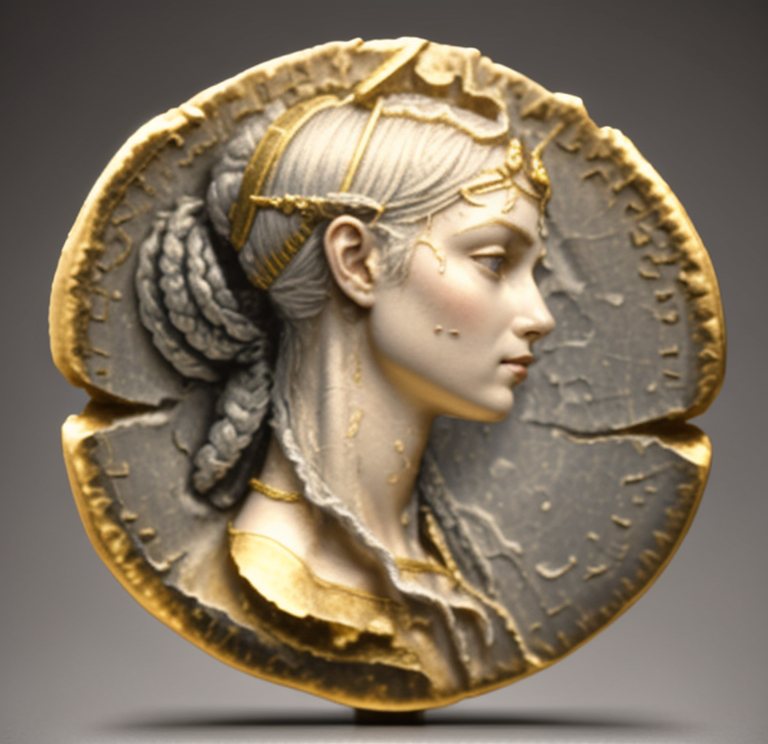
Silver tetradrachm of Cleopatra VII
Source: Numismatic Museum of Athens; photo Francesco Bini; CC BY-SA 4.0
Original: 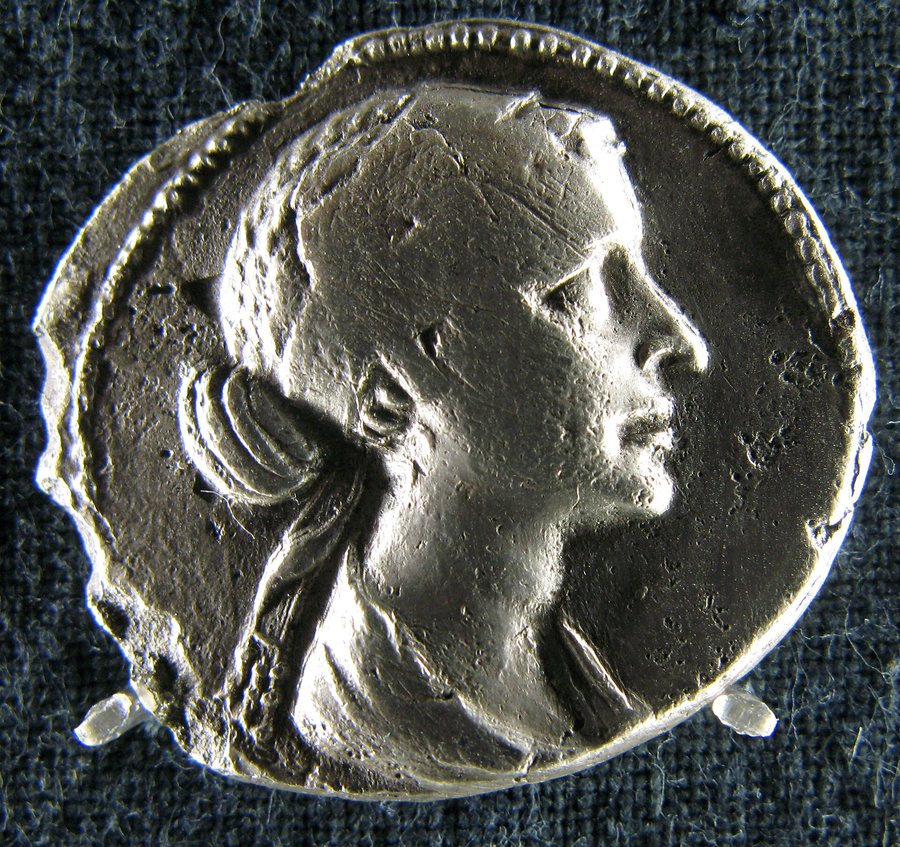
Realistic — As depicted · Nubian · Libyan (Amazigh) · Levantine · Pale
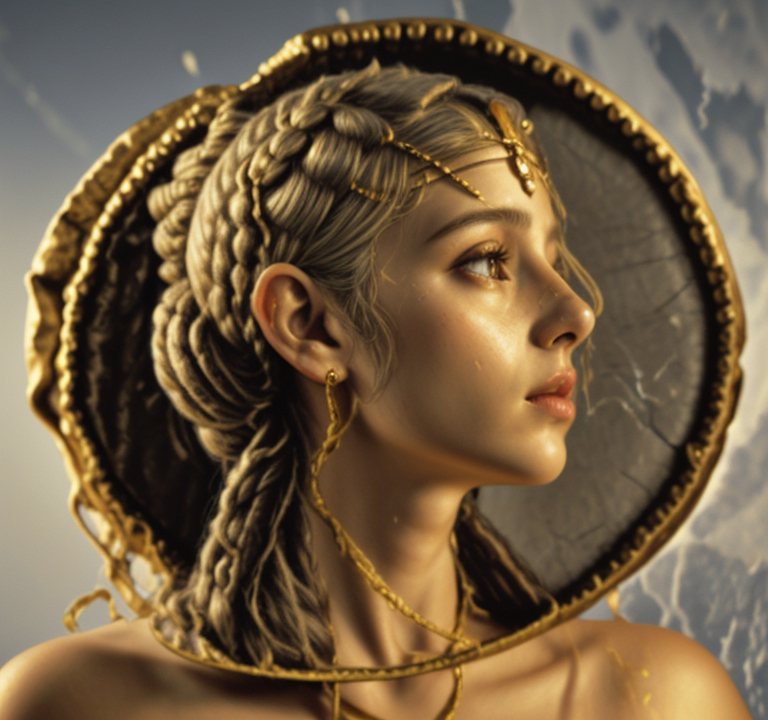
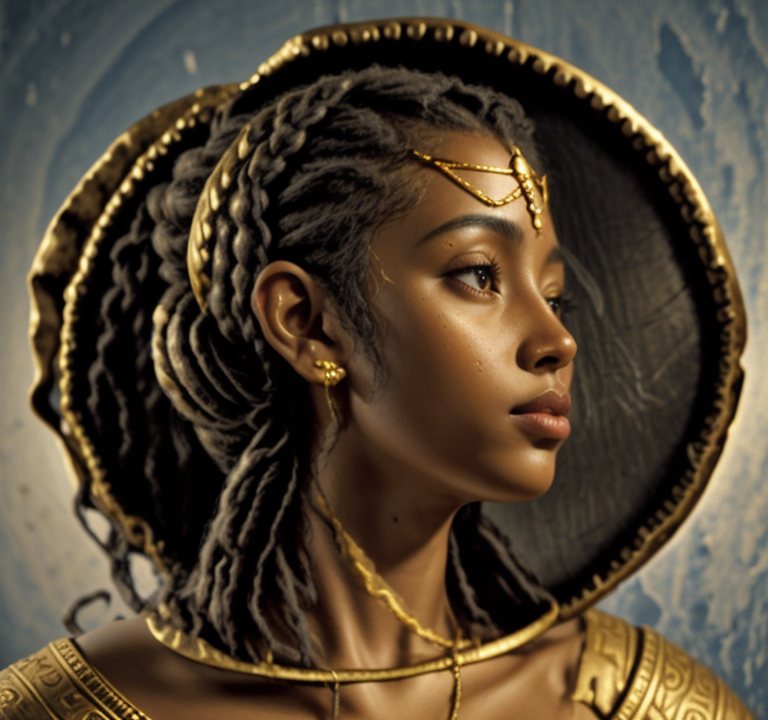
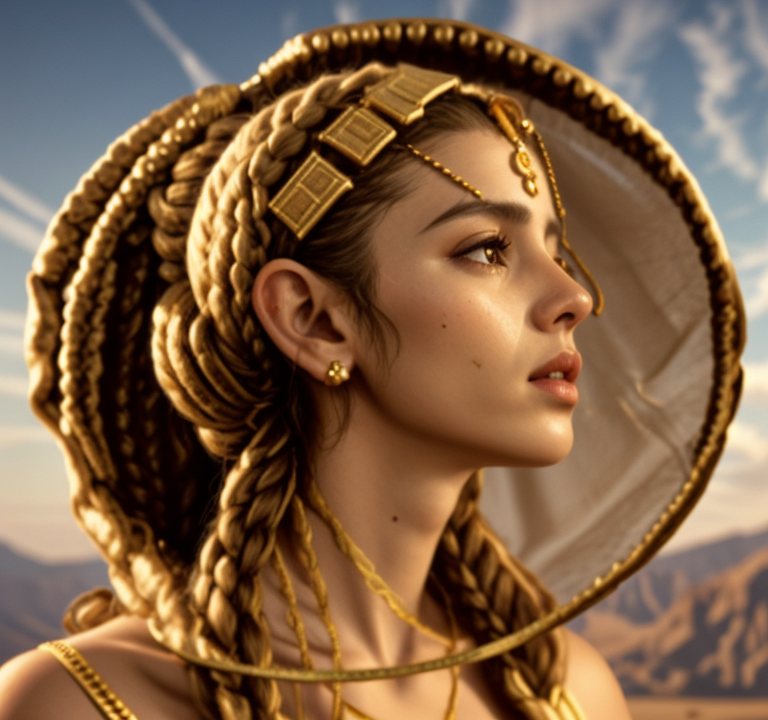
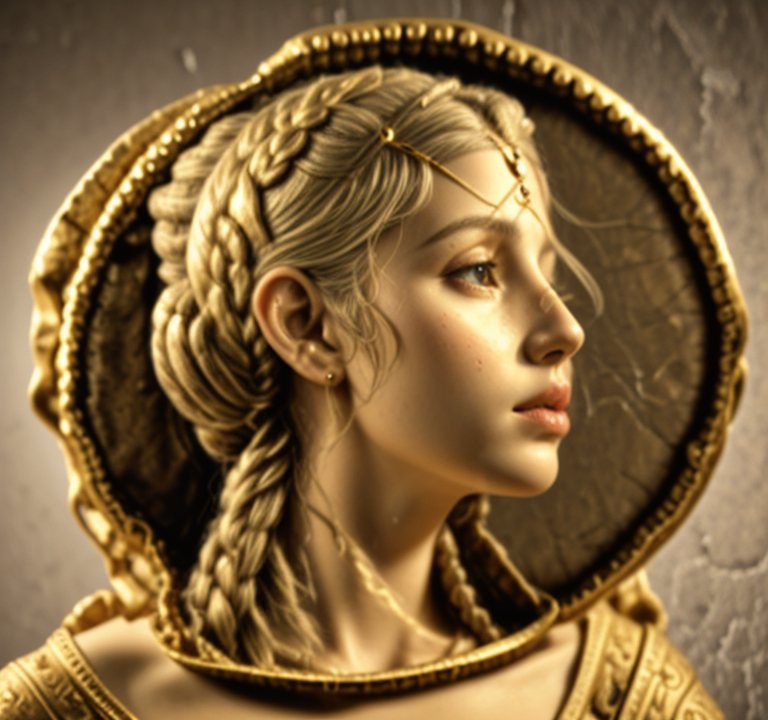
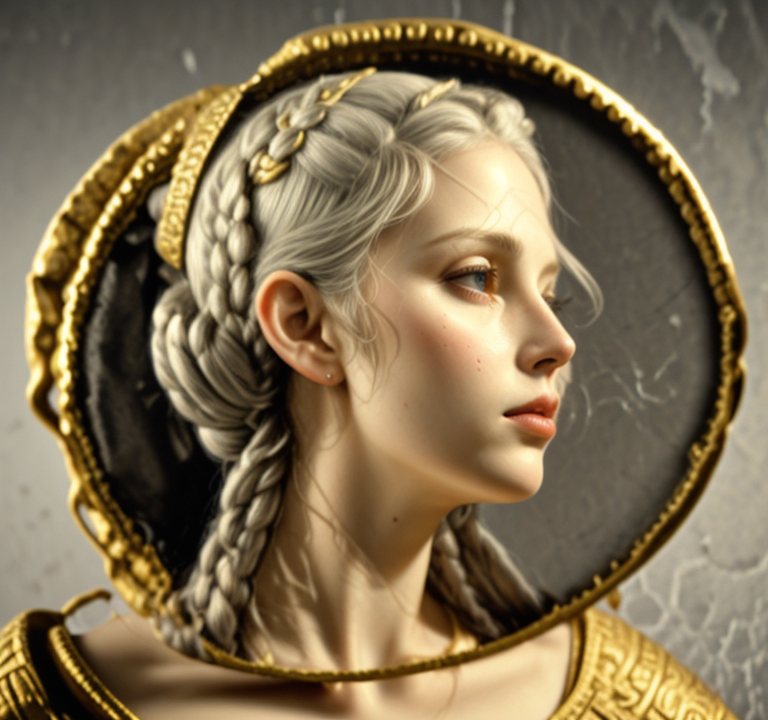
Statue of Cleopatra VII (basalt), Hermitage
Source: State Hermitage Museum, Saint Petersburg; basalt, 1st century BC; photo Don-vip (2019); CC BY-SA 4.0
Original: 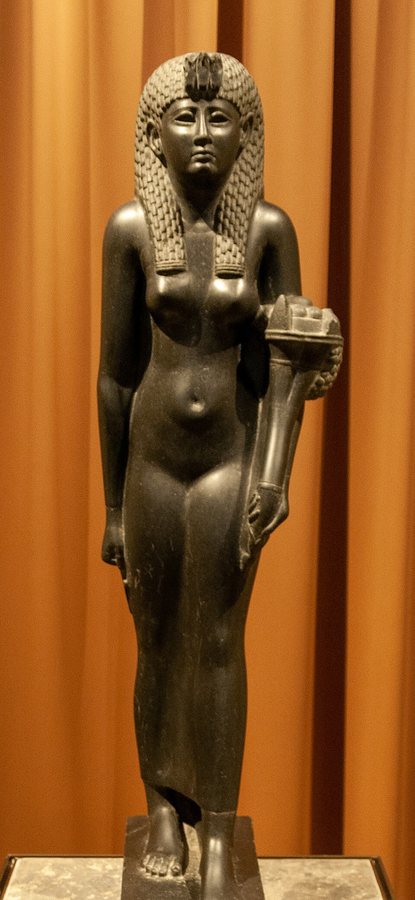
Realistic — As depicted · Nubian · Libyan (Amazigh) · Levantine · Pale


Statue of Cleopatra VII (basalt), Hermitage, upper body
Source: State Hermitage Museum, Saint Petersburg, Inv. ДВ-3936; basalt, 51–30 BCE; photo Sergey Sosnovskiy; CC BY-SA 2.0
Original: 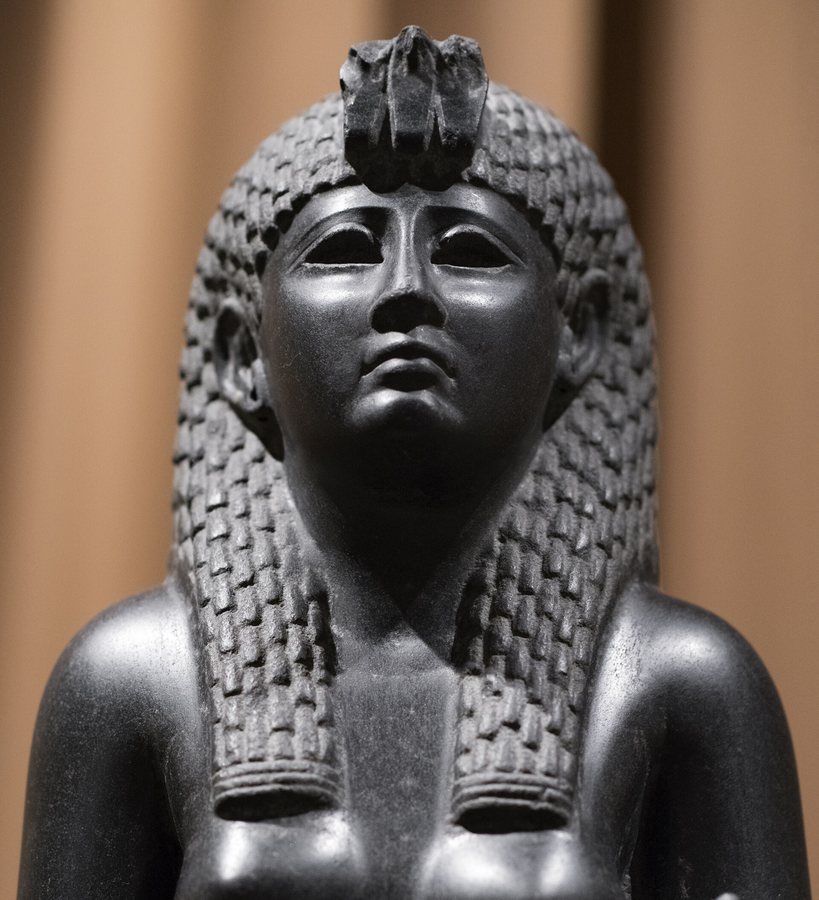
Realistic — As depicted · Nubian · Libyan (Amazigh) · Levantine · Pale


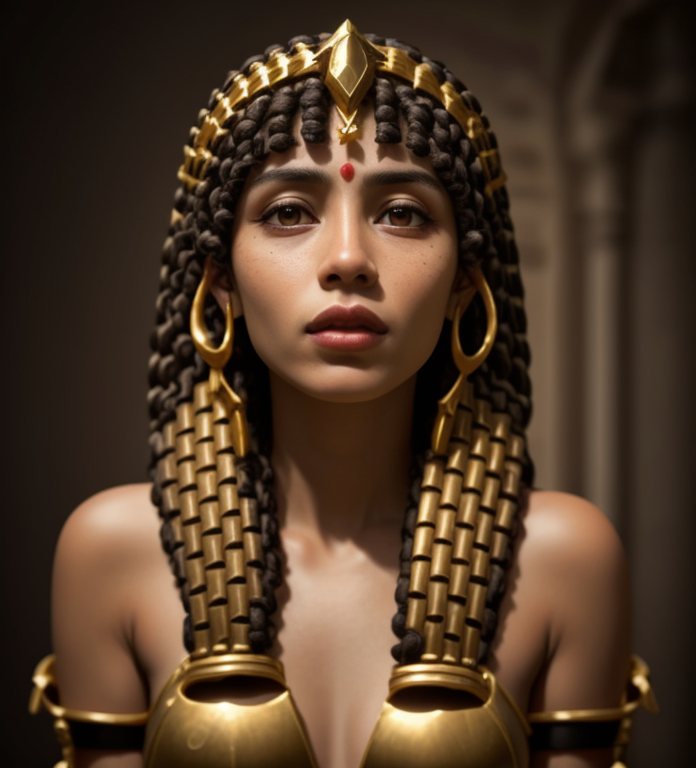


The 'Nahman Cleopatra'
Source: Private collection (shown at 'Moi, Auguste, Empereur de Rome', Grand Palais); marble, circa 33–30 BC; photo Following Hadrian; CC BY-SA 2.0
Original: 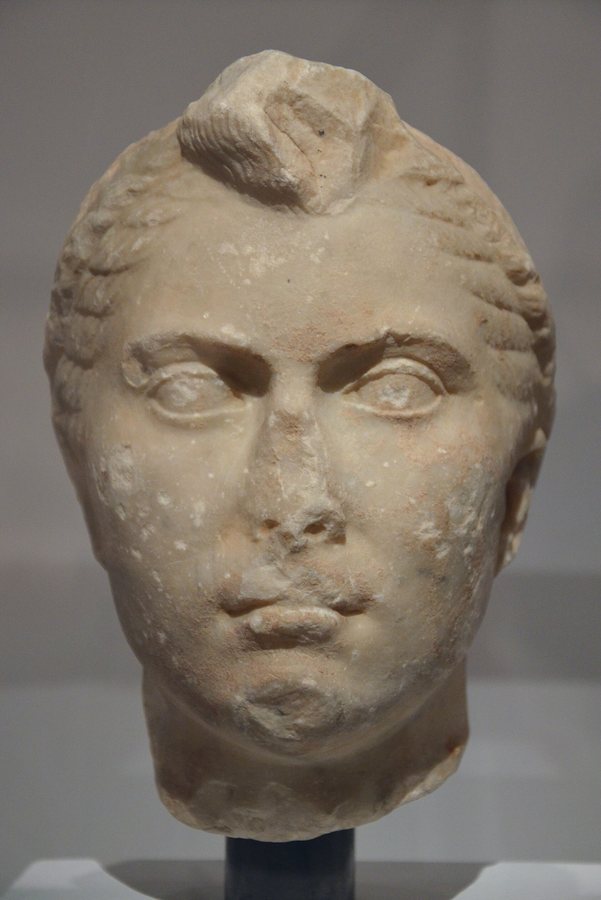
Realistic — As depicted · Nubian · Libyan (Amazigh) · Levantine · Pale




The Death of Cleopatra (later imagining)
Source: Guido Cagnacci, after 1659 (Kunsthistorisches Museum, Vienna); public domain — Baroque painting, not a portrait
Original: 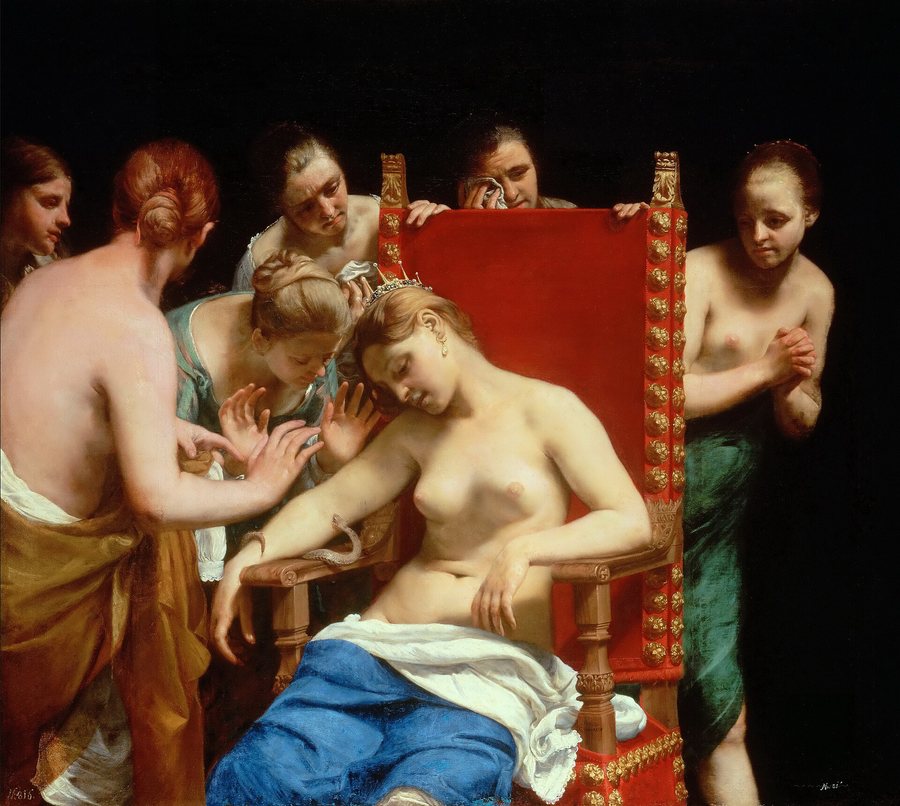
Realistic — As depicted · Nubian · Libyan (Amazigh) · Levantine · Pale
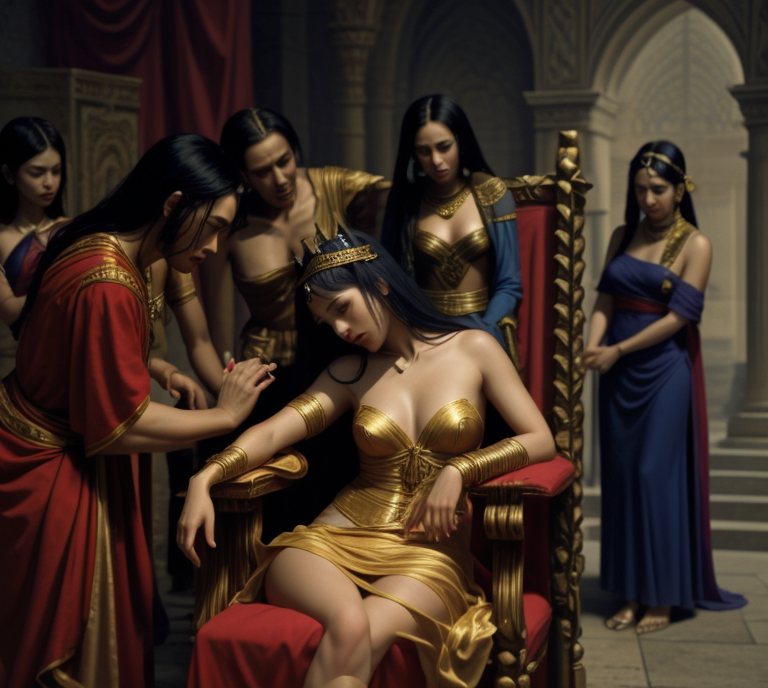
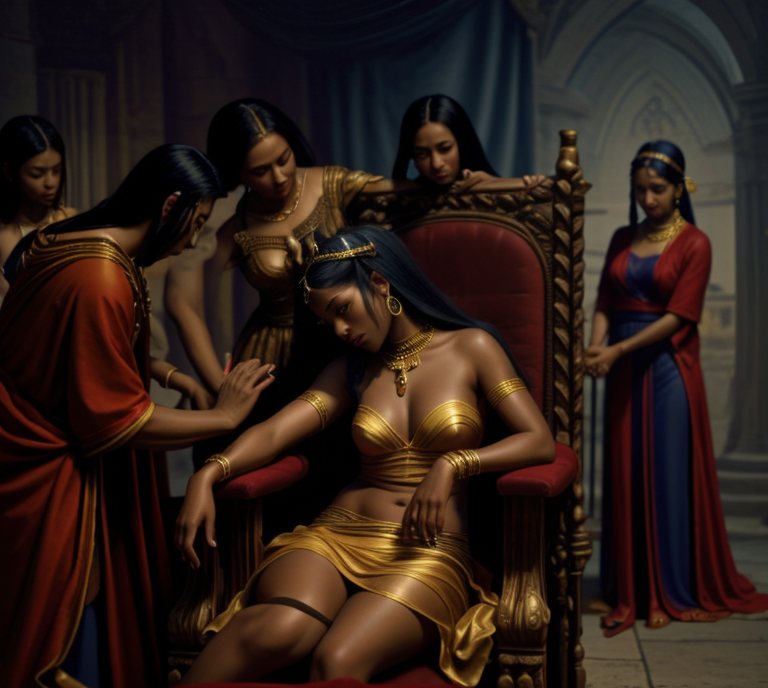
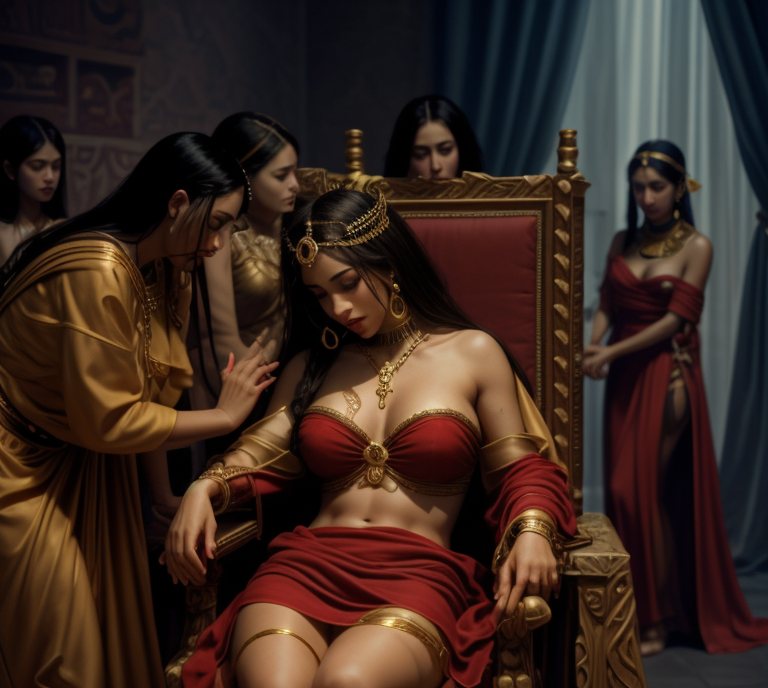
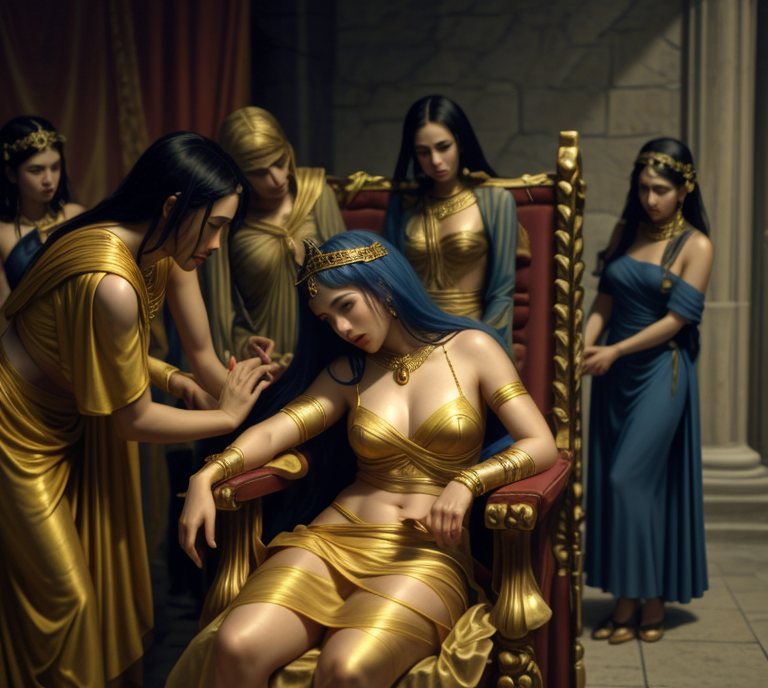
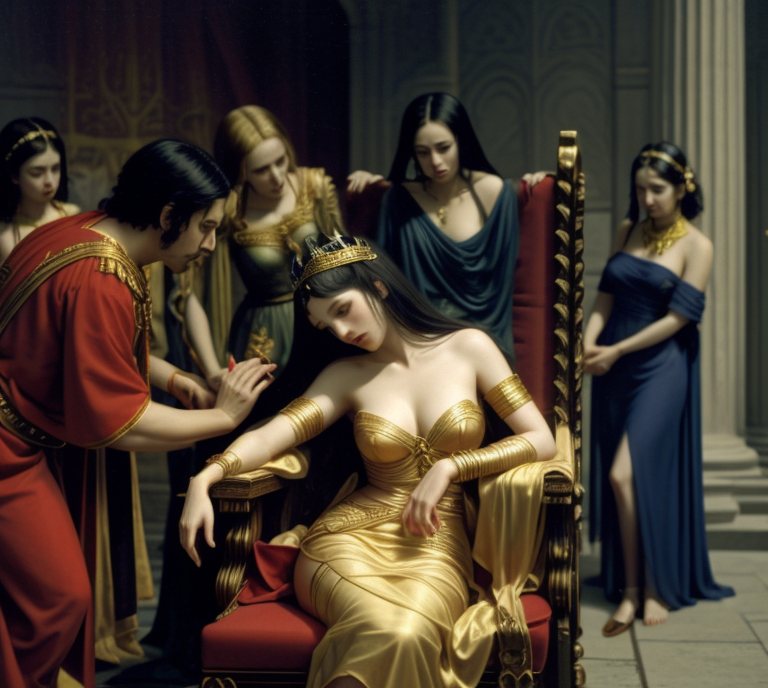
The Meeting of Antony and Cleopatra (later imagining)
Source: Lawrence Alma-Tadema, 1885; public domain — 19th-century history painting, not a portrait
Original: 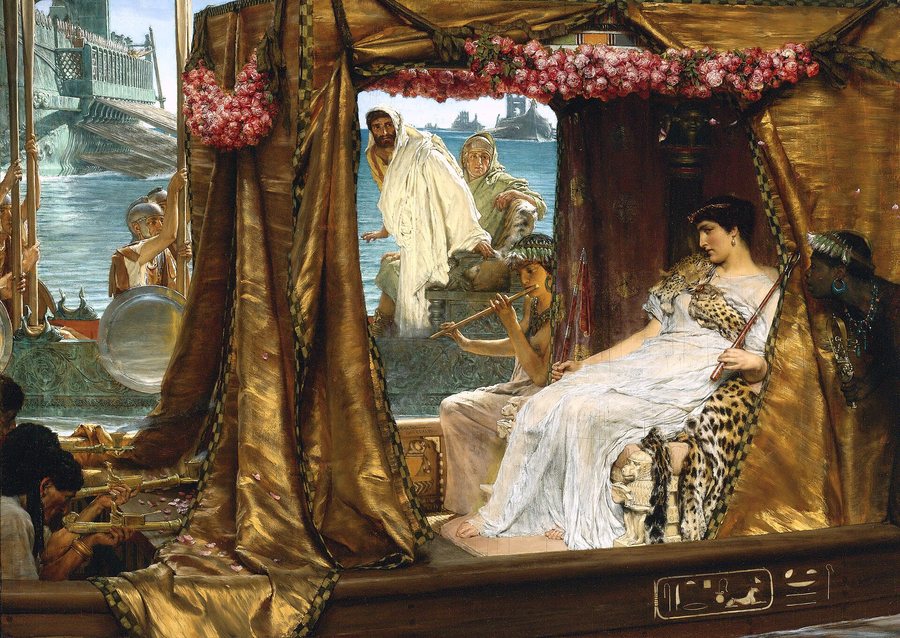
Realistic — As depicted · Nubian · Libyan (Amazigh) · Levantine · Pale
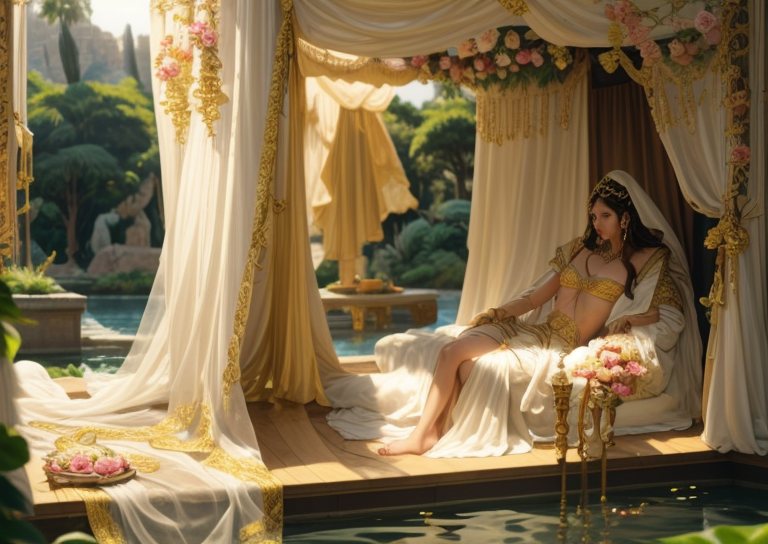
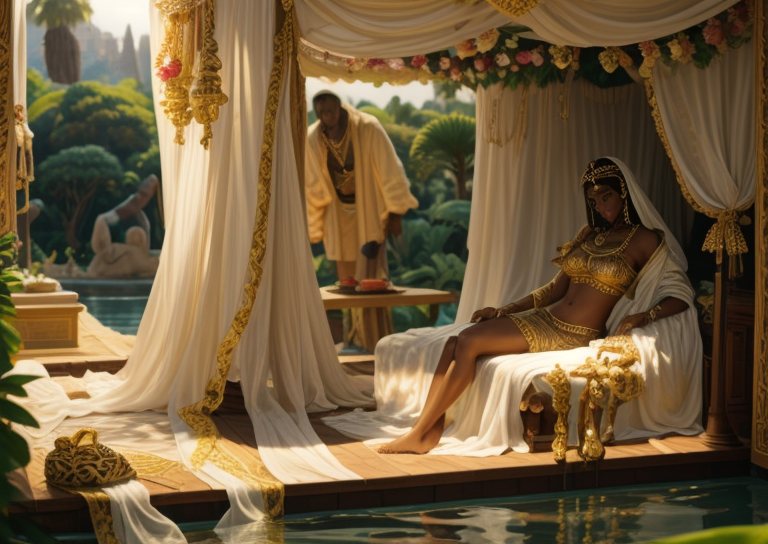
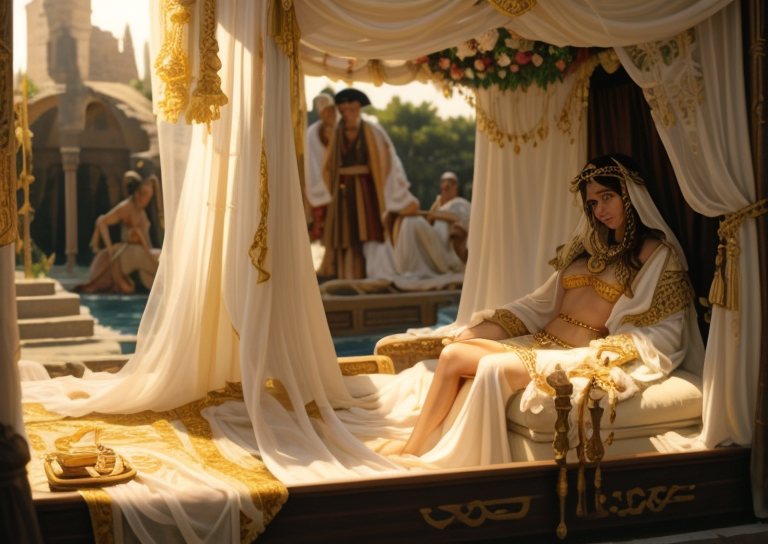
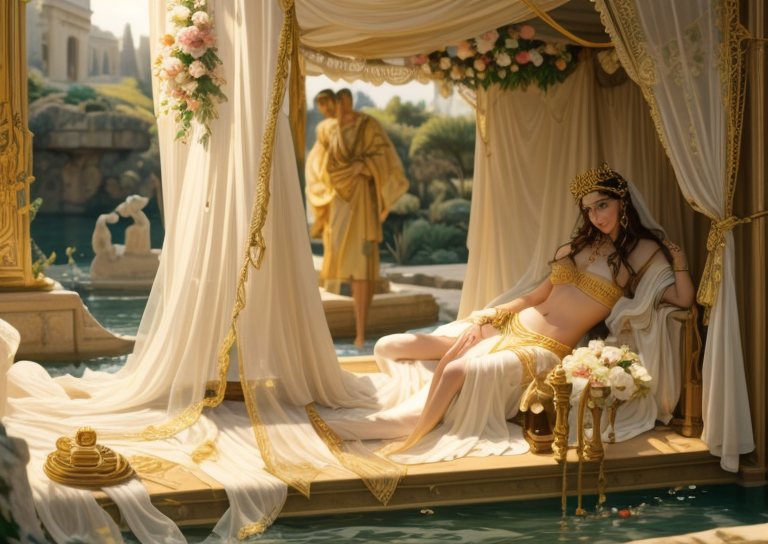
Boy with a Floral Garland in His Hair
Source: Brooklyn Museum (Google Art Project); ca. 200–230 CE; public domain
Original: 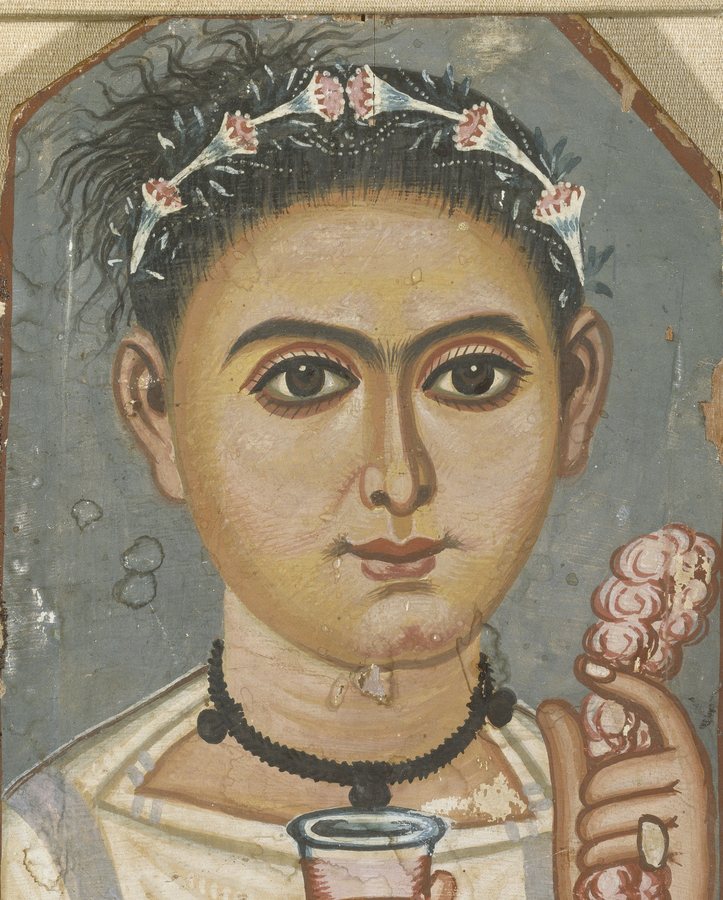
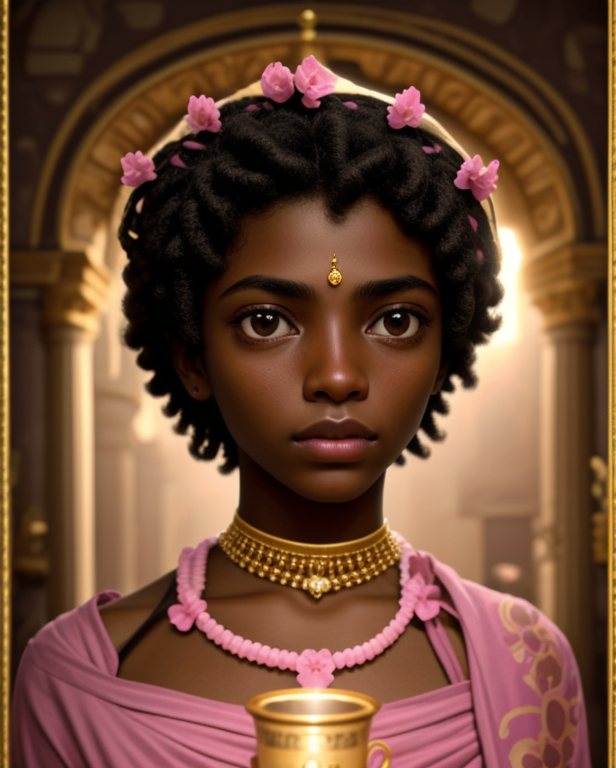
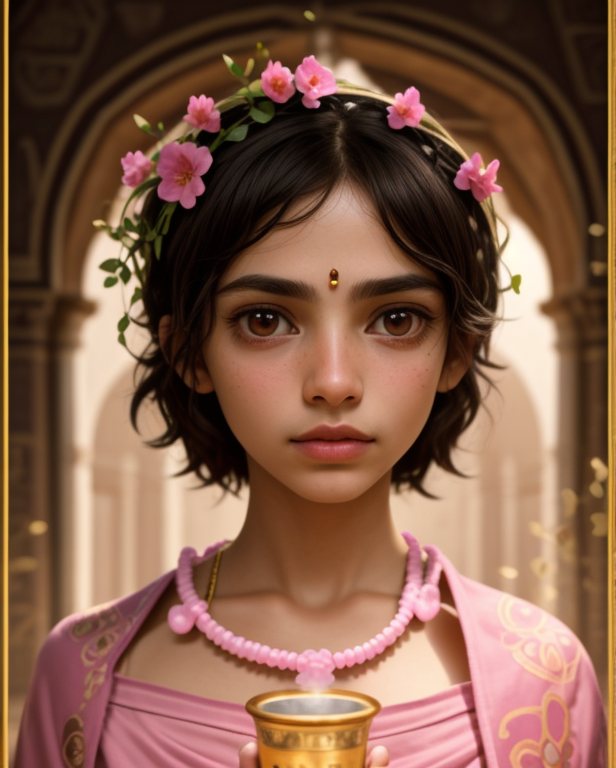
Realistic — As depicted · Nubian · Libyan (Amazigh) · Levantine · Pale

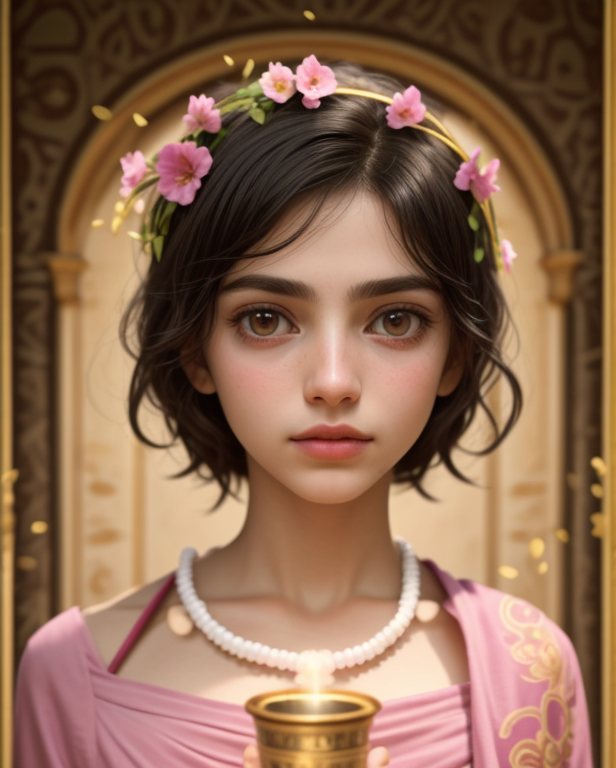
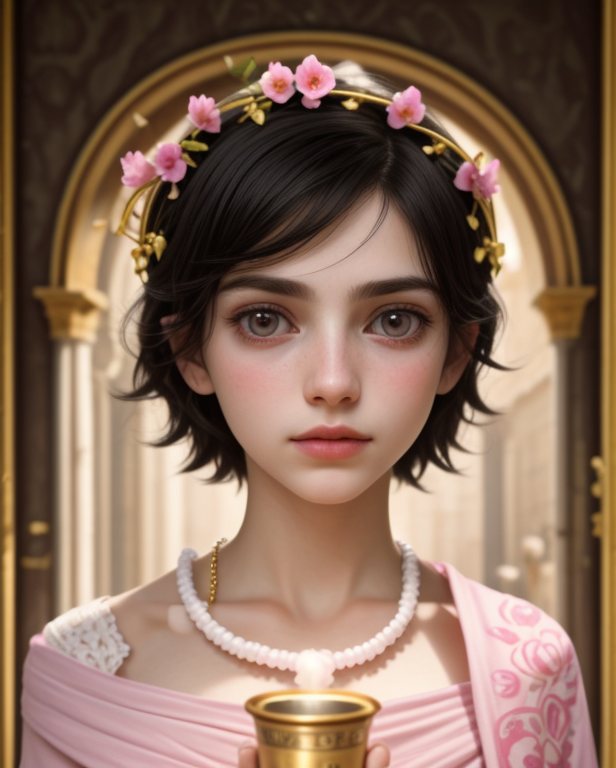
Fayum funerary portrait of a woman
Source: Museo Archeologico Nazionale, Florence; 4th century (per Commons); photo Miguel Hermoso Cuesta; CC BY-SA 4.0
Original: 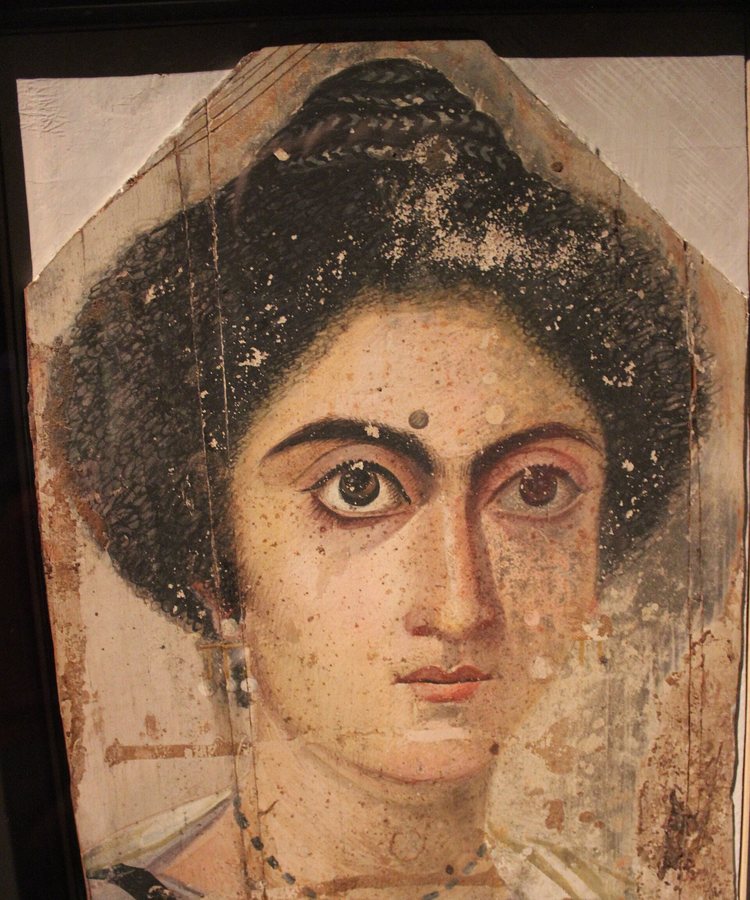
Realistic — As depicted · Nubian · Libyan (Amazigh) · Levantine · Pale

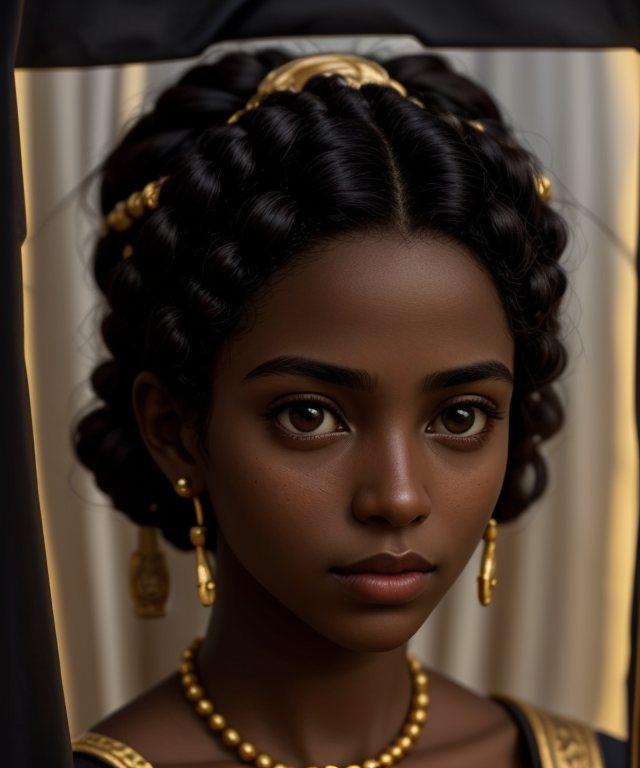



Fayum mummy portrait of a woman (Pushkin 06)
Source: Pushkin Museum, Moscow; 1st–4th century AD; photo NearEMPTiness; CC BY-SA 4.0
Original: 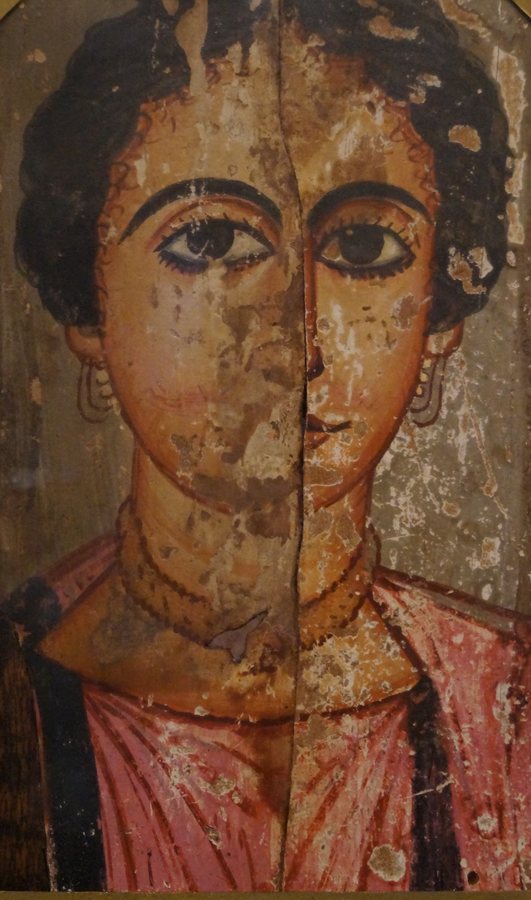
Realistic — As depicted · Nubian · Libyan (Amazigh) · Levantine · Pale
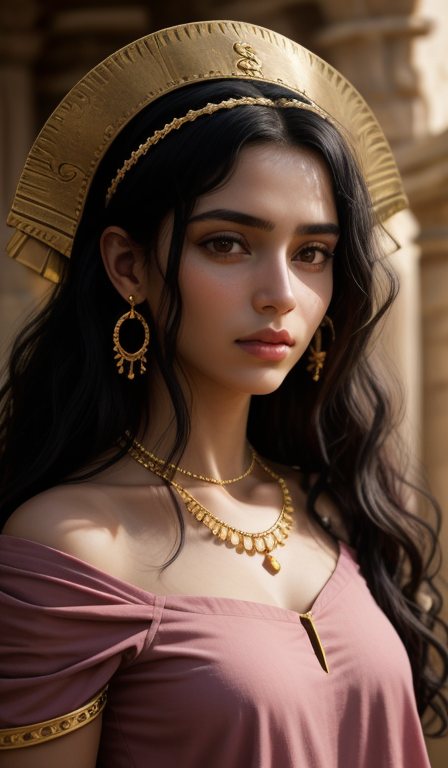
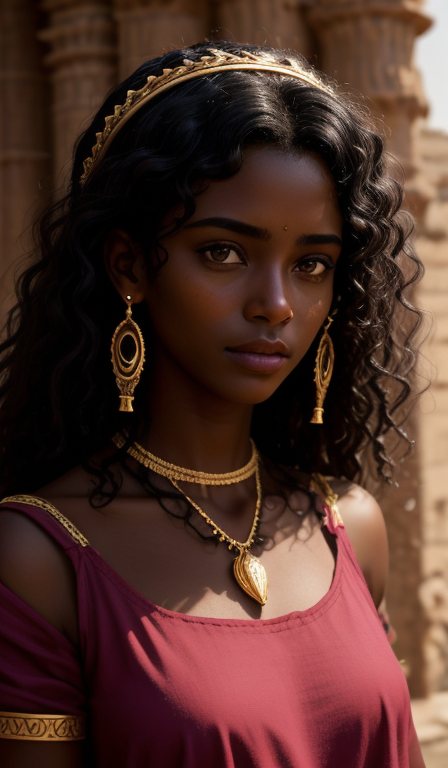
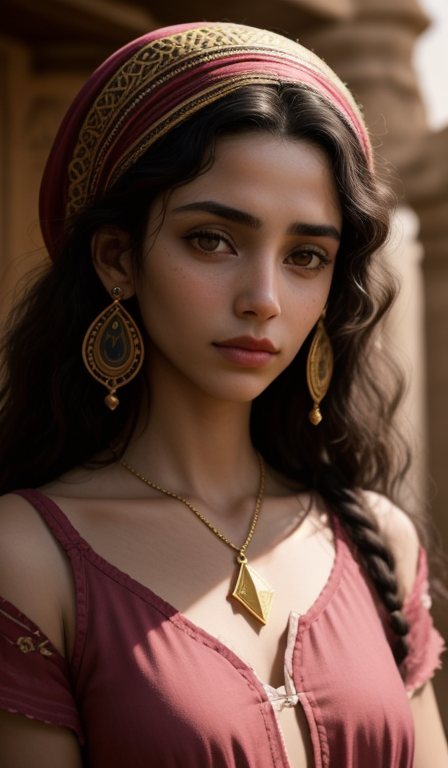
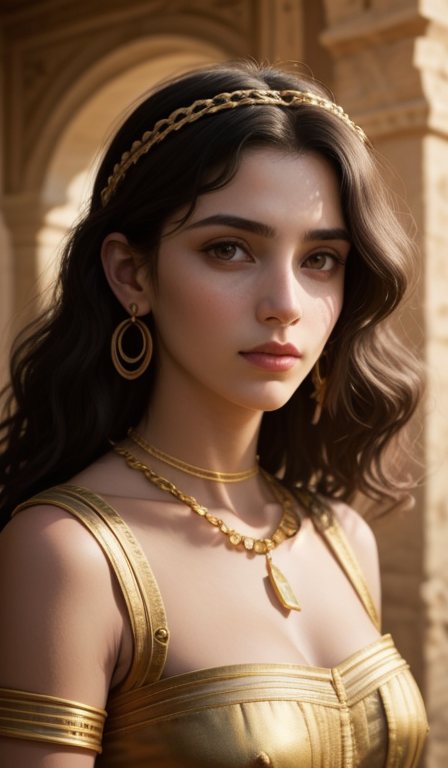
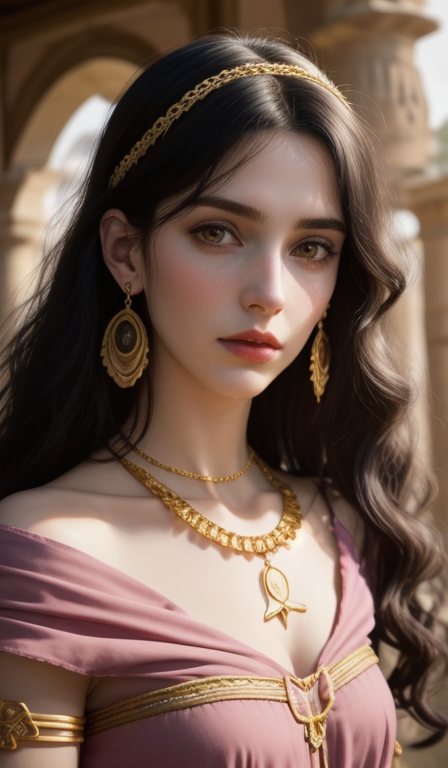
Fayum portrait of a man
Source: Ashmolean Museum, Oxford; public domain
Original: 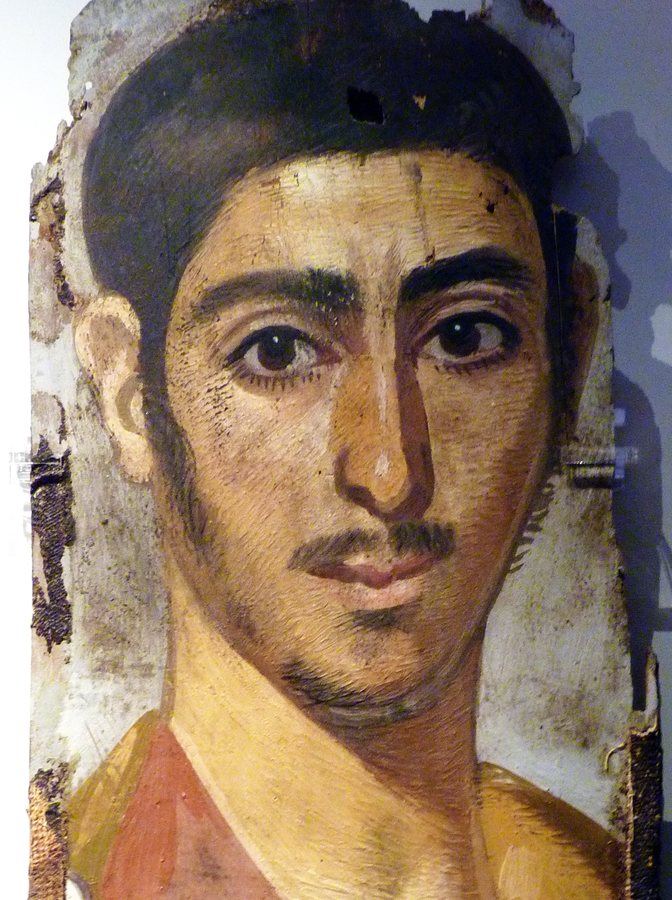
Realistic — As depicted · Nubian · Libyan (Amazigh) · Levantine · Pale
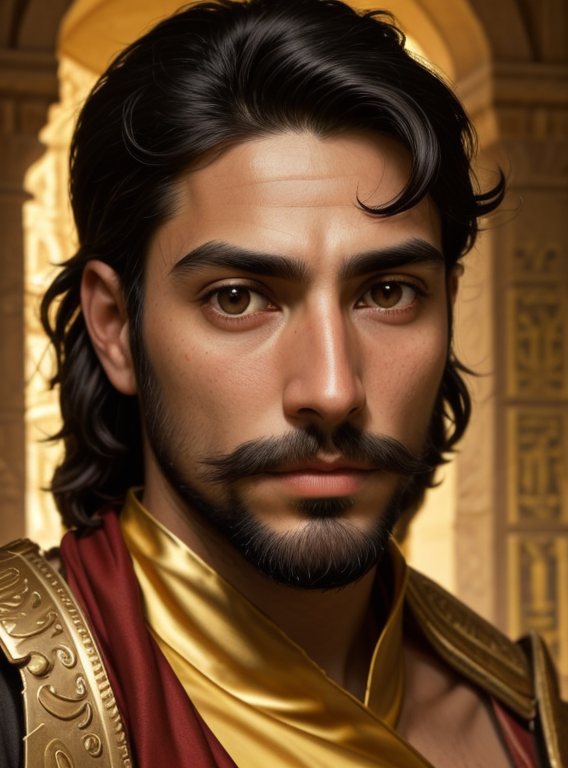
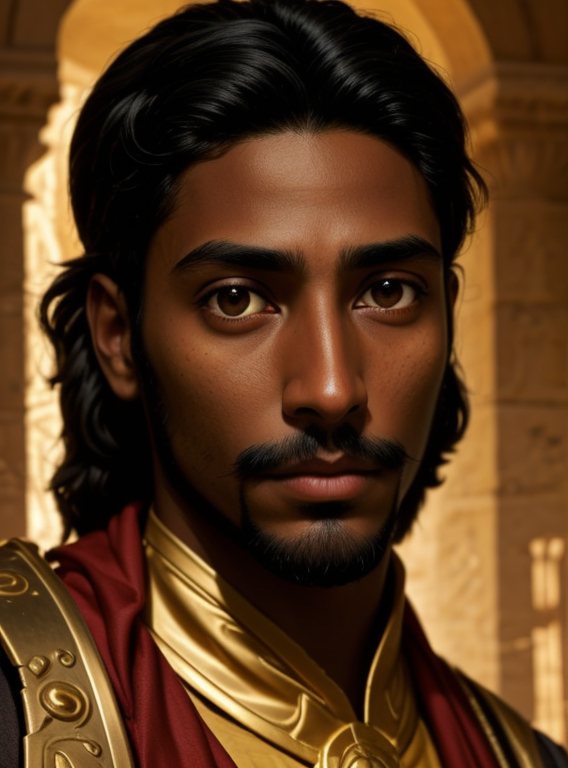
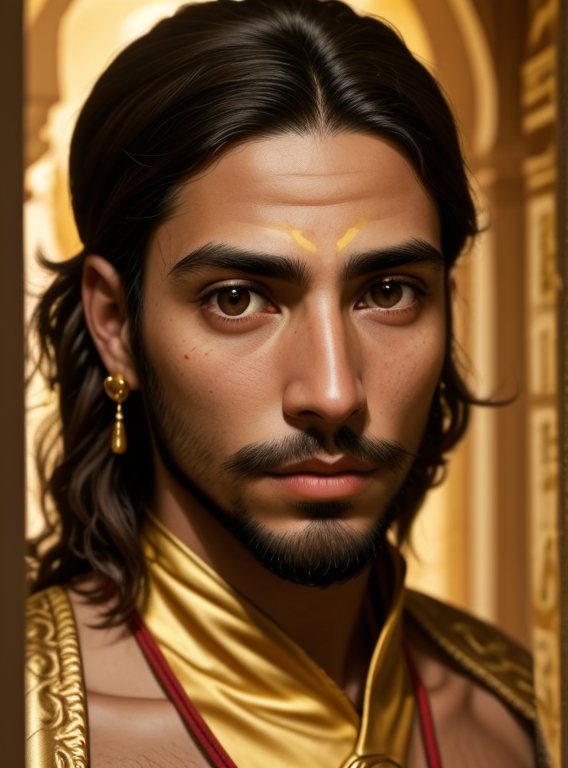
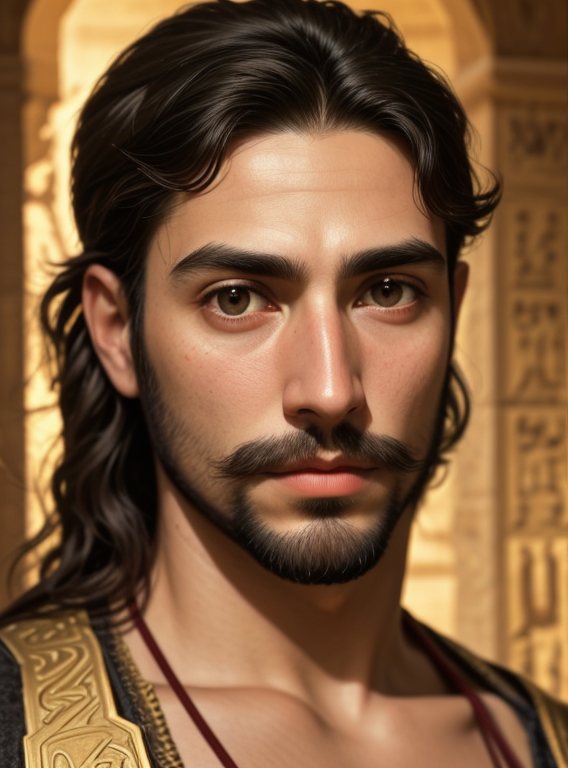
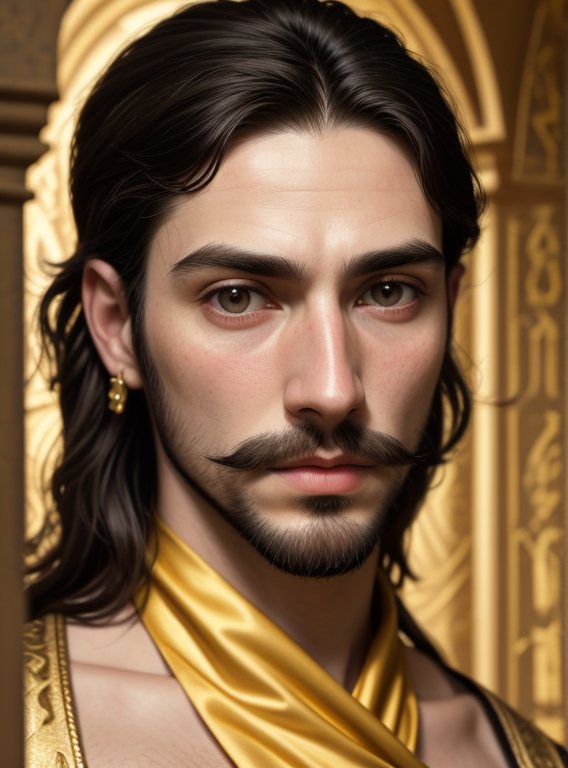
Female Portrait Mask
Source: Walters Art Museum, Baltimore (Walters 325); 2nd century AD; public domain
Original: 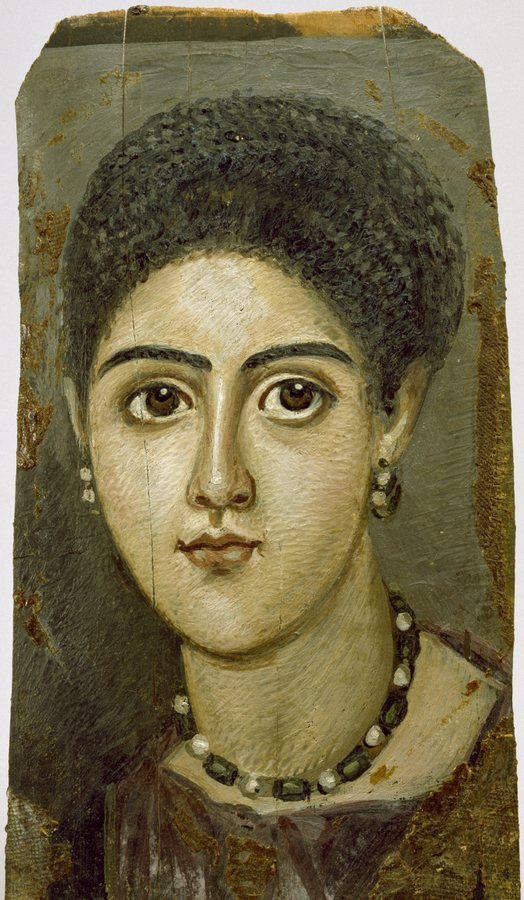
Realistic — As depicted · Nubian · Libyan (Amazigh) · Levantine · Pale
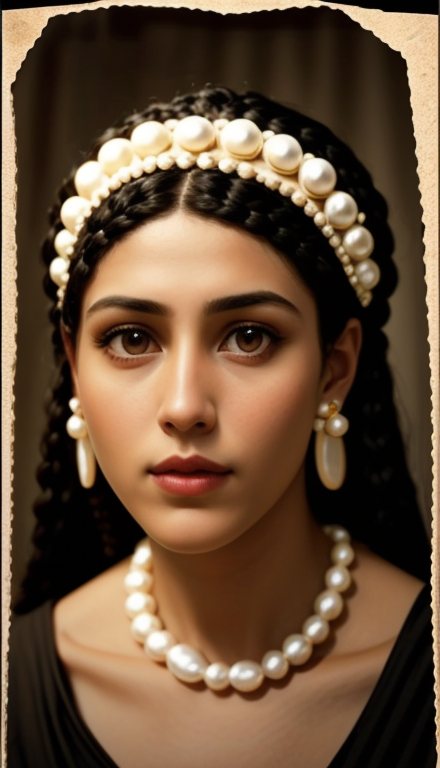
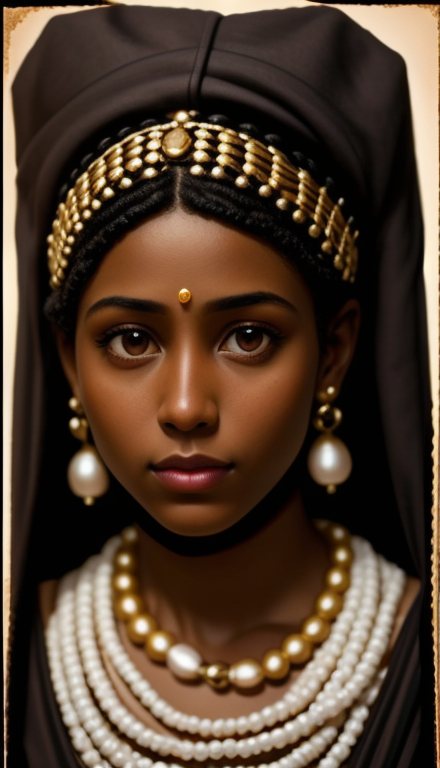
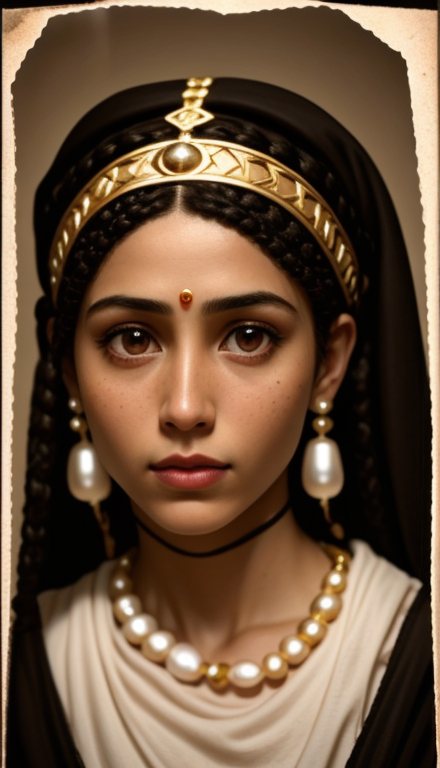
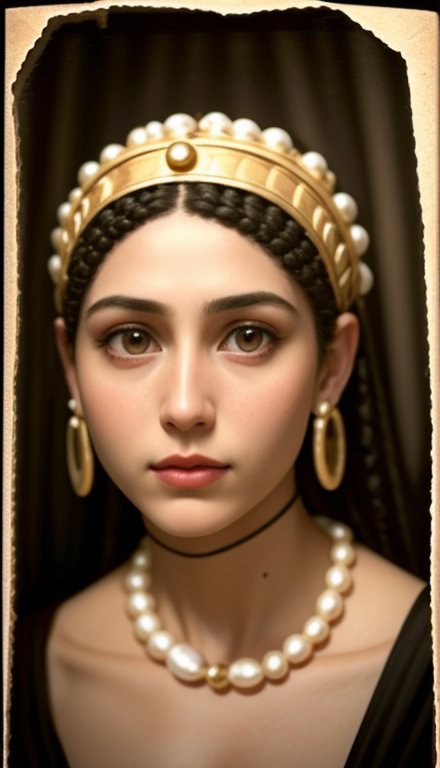
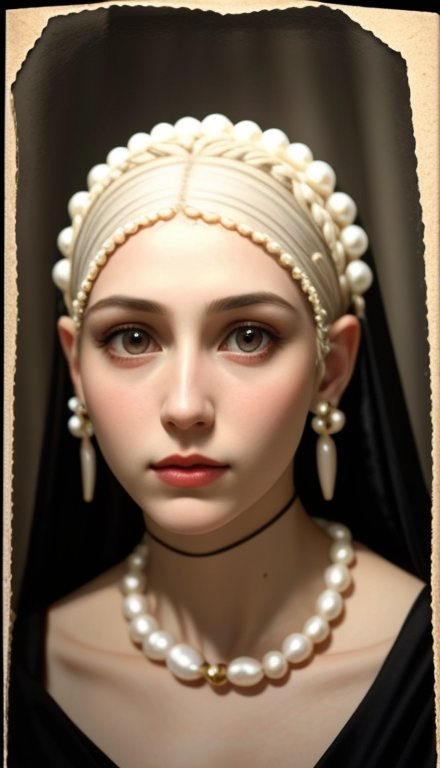
Funeral portrait of a man
Source: Benaki Museum, Athens (Google Art Project); c. 225–250 CE; public domain
Original: 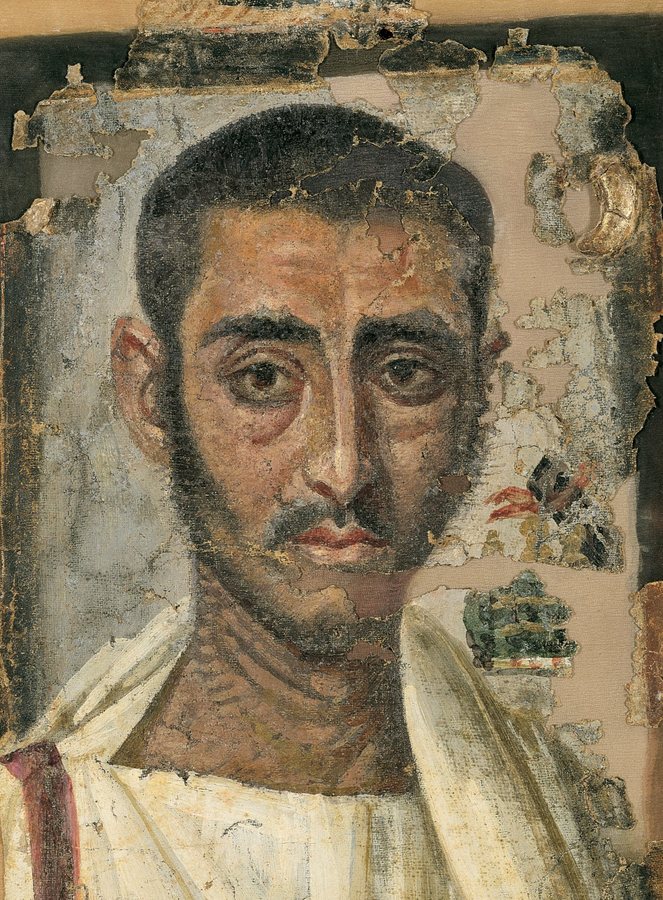
Realistic — As depicted · Nubian · Libyan (Amazigh) · Levantine · Pale
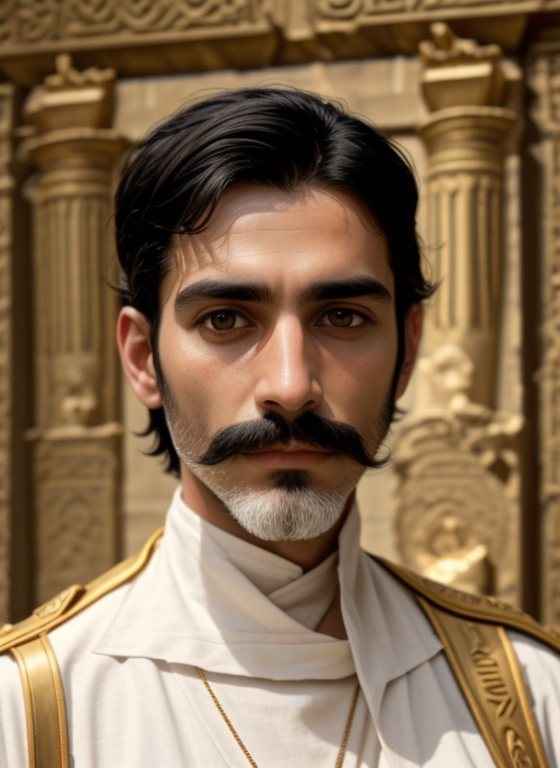
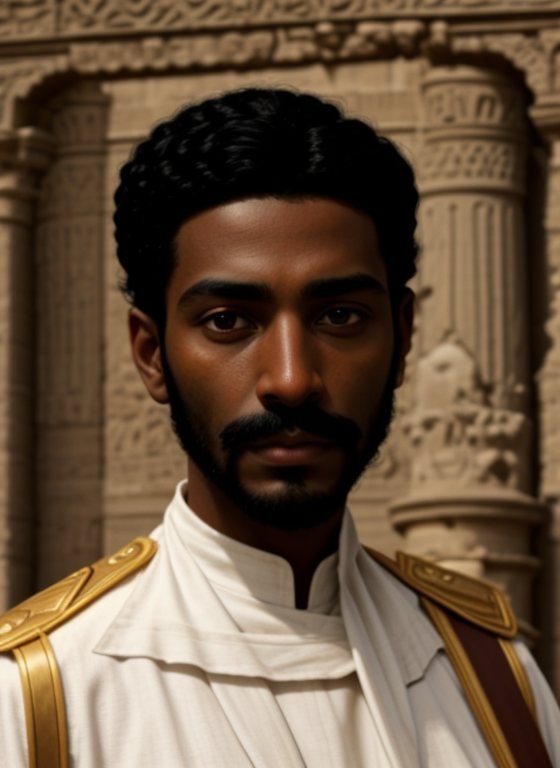
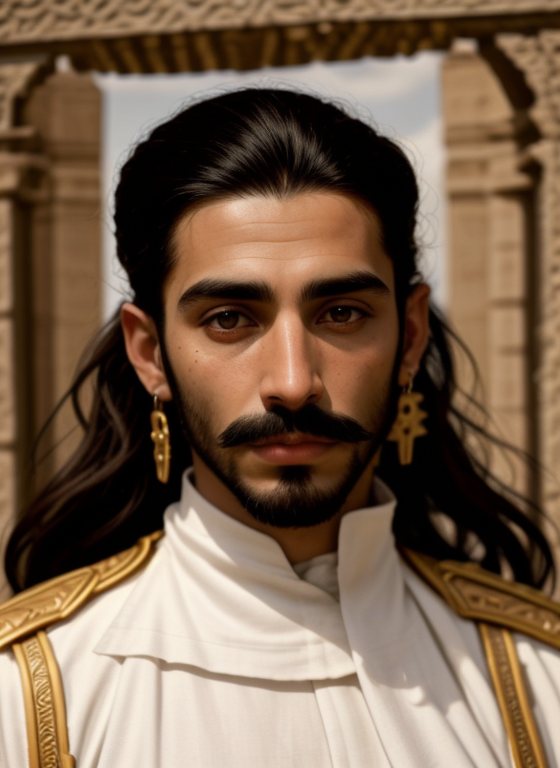
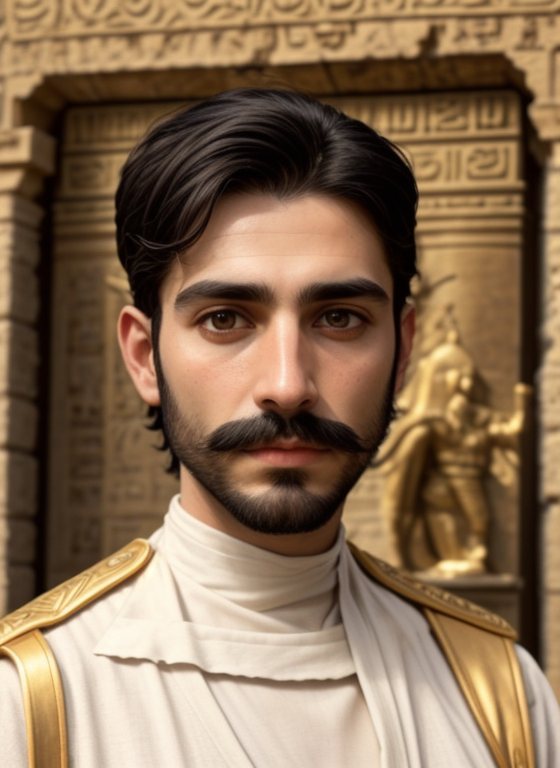
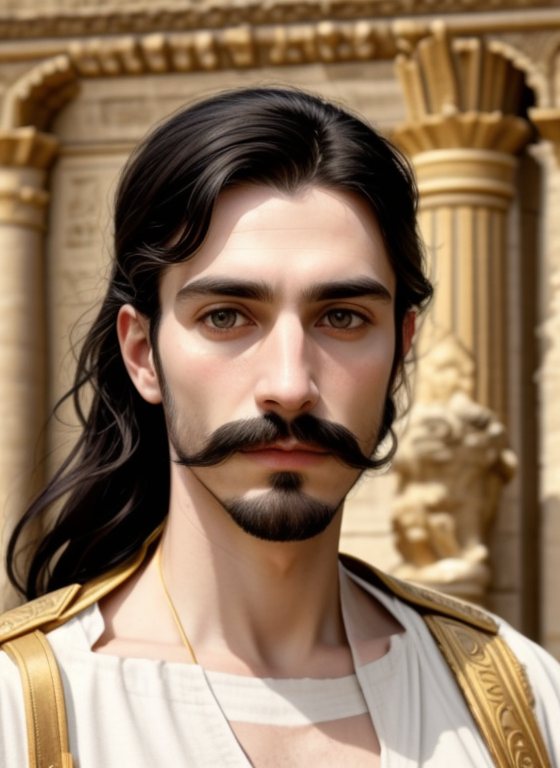
Funerary Portrait of a Man
Source: Cleveland Museum of Art, 1971.135; public domain
Original: 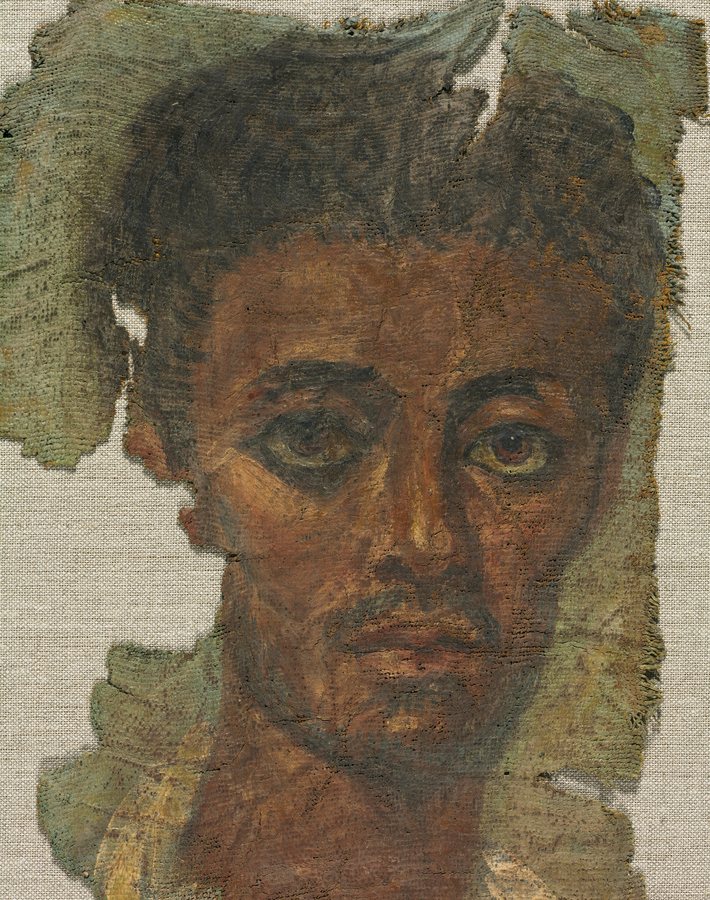
Realistic — As depicted · Nubian · Libyan (Amazigh) · Levantine · Pale
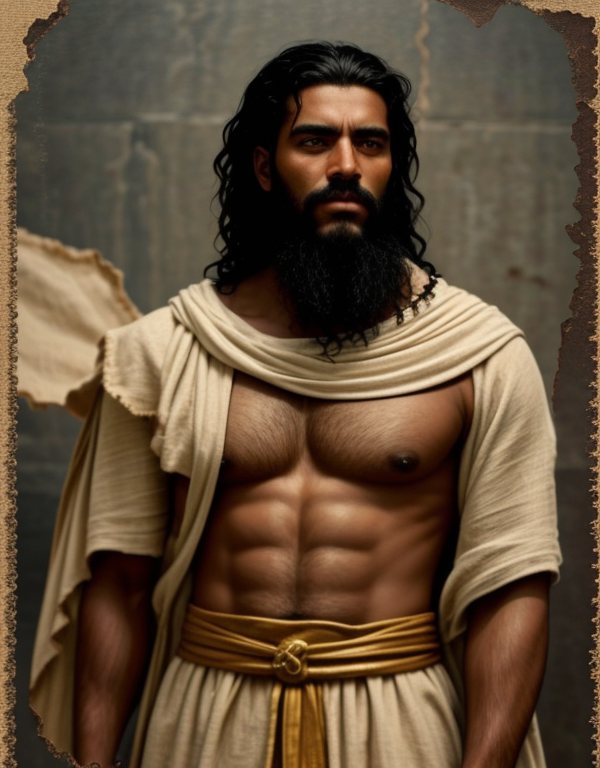
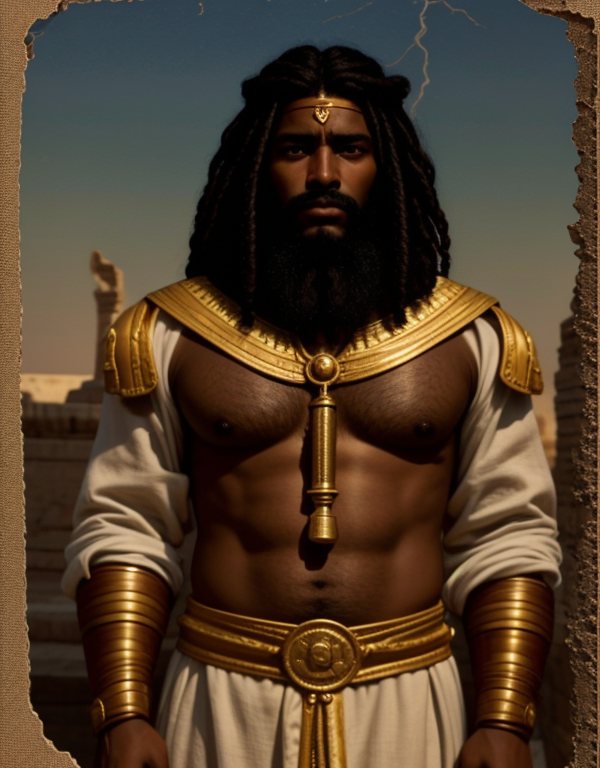
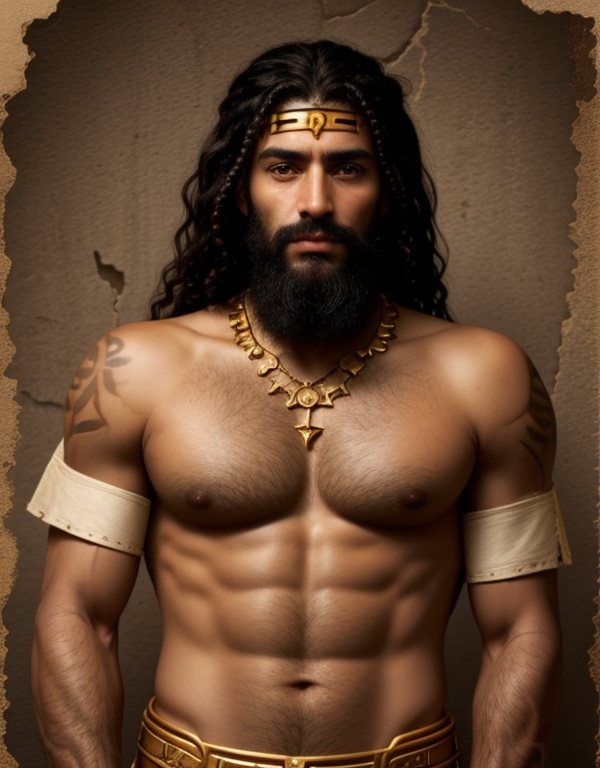
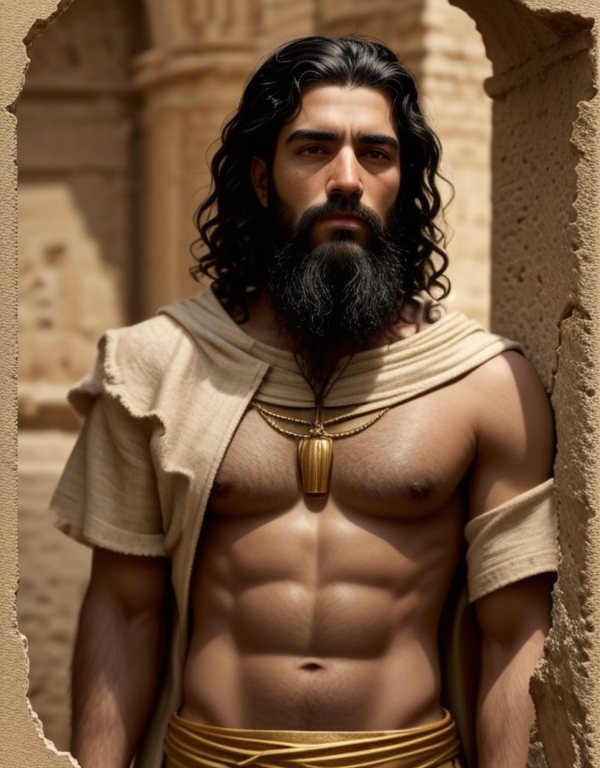
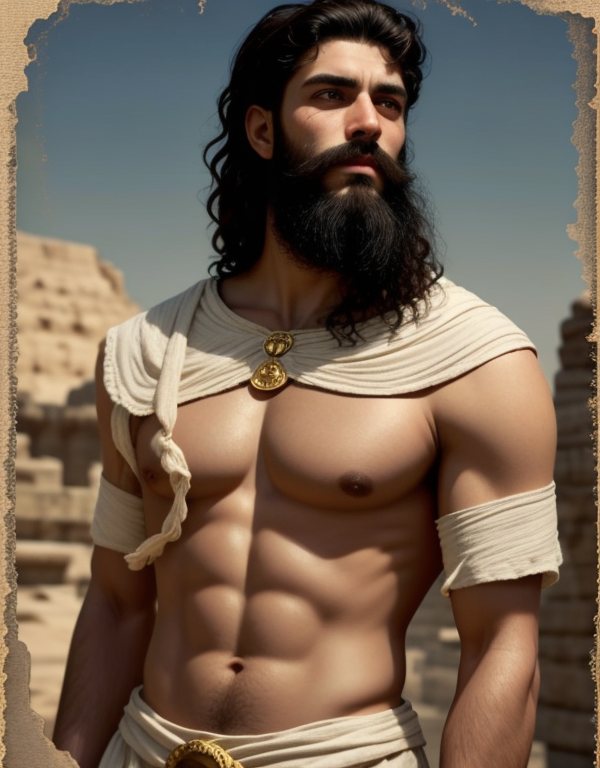
Funerary Portrait of a Woman
Source: Cleveland Museum of Art, 1971.136; CC0
Original: 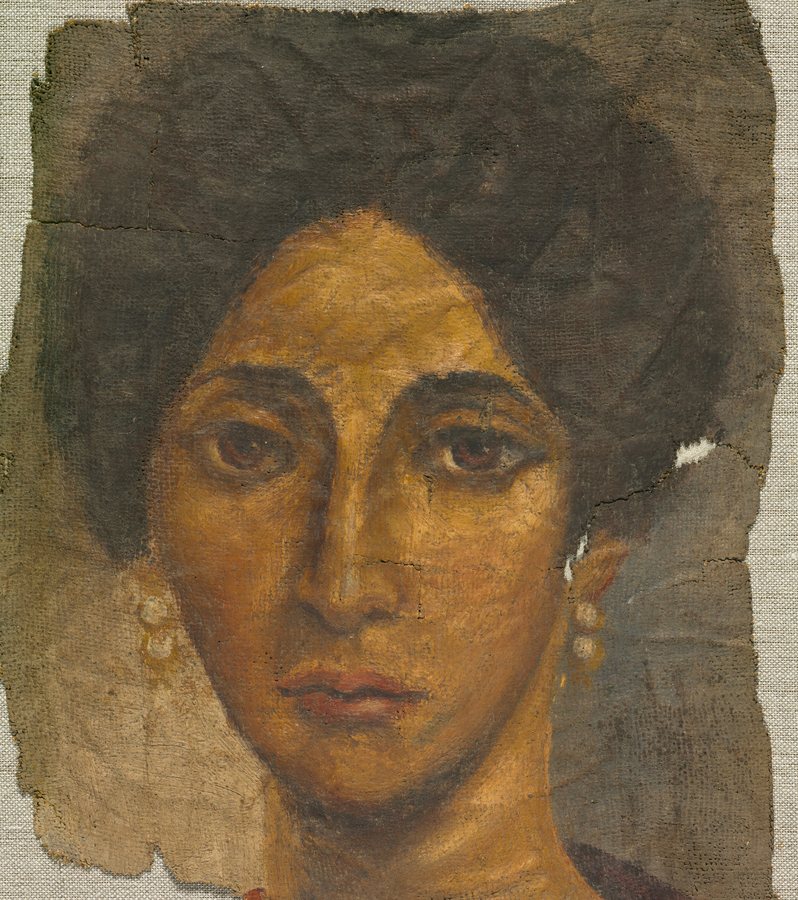
Realistic — As depicted · Nubian · Libyan (Amazigh) · Levantine · Pale
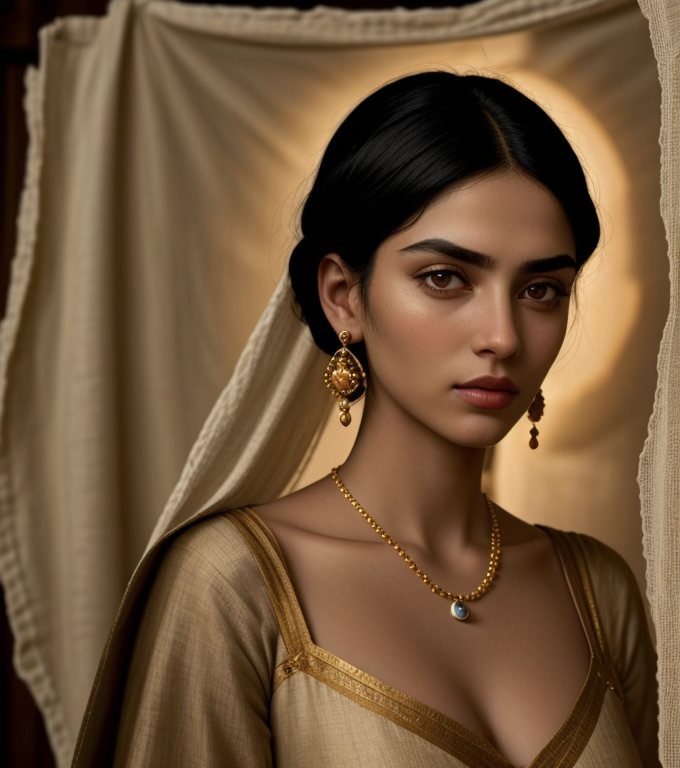
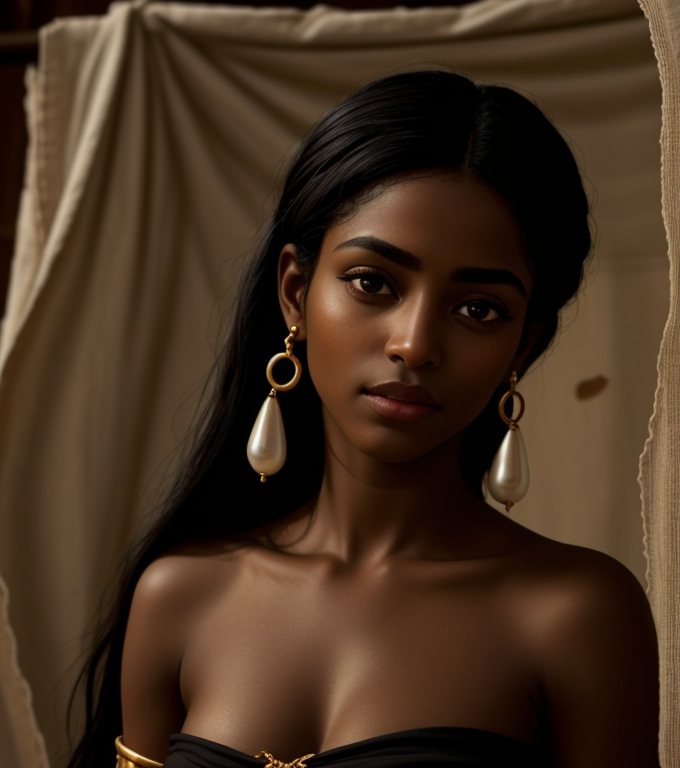
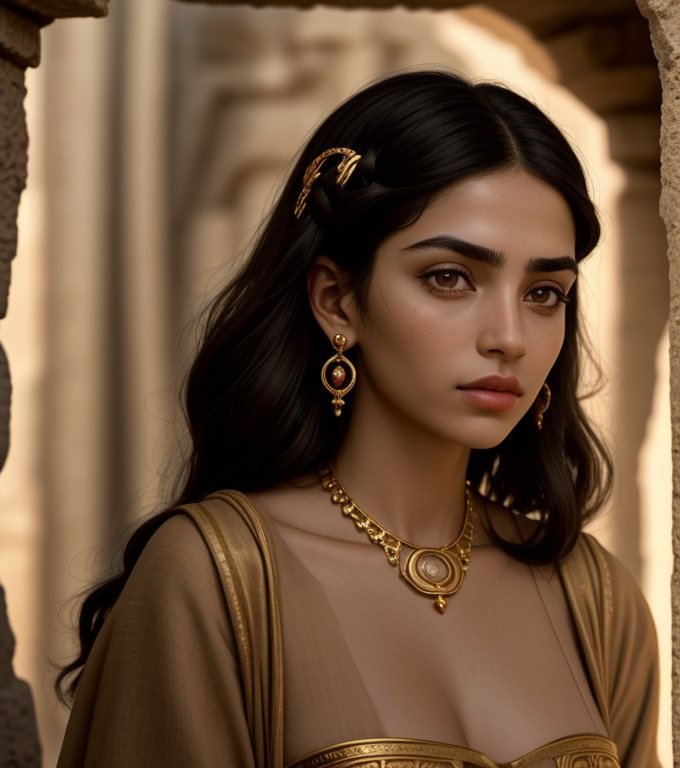
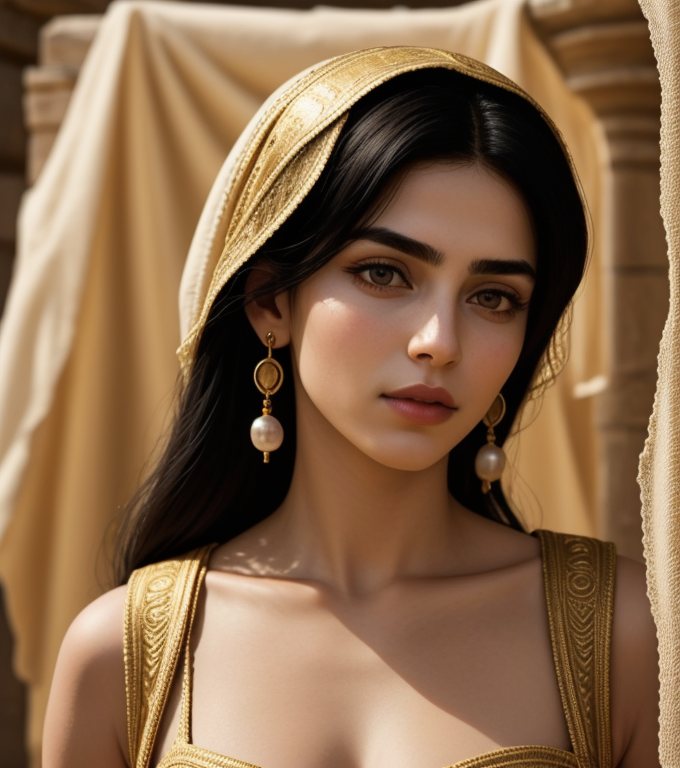

Funerary Portrait of a Young Girl
Source: Cleveland Museum of Art, 1971.137; public domain
Original: 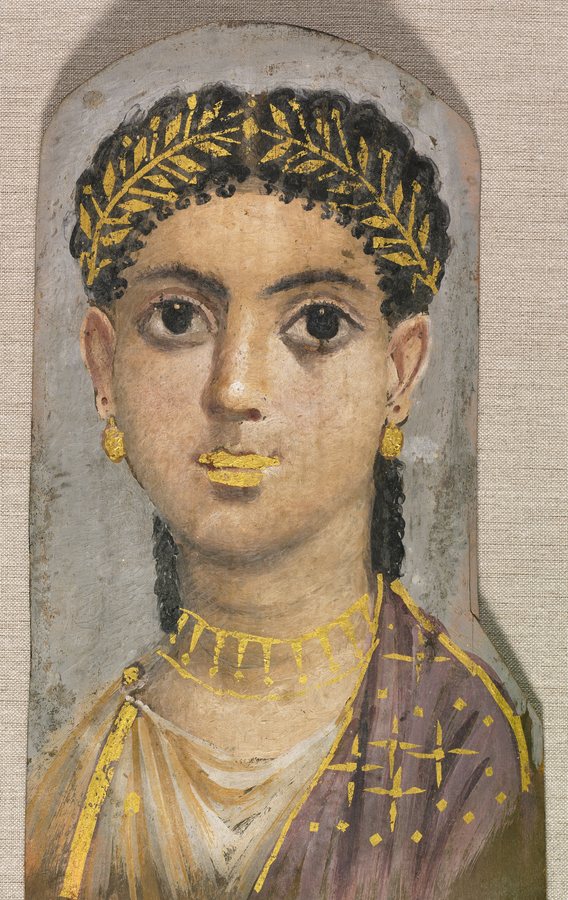
Realistic — As depicted · Nubian · Libyan (Amazigh) · Levantine · Pale
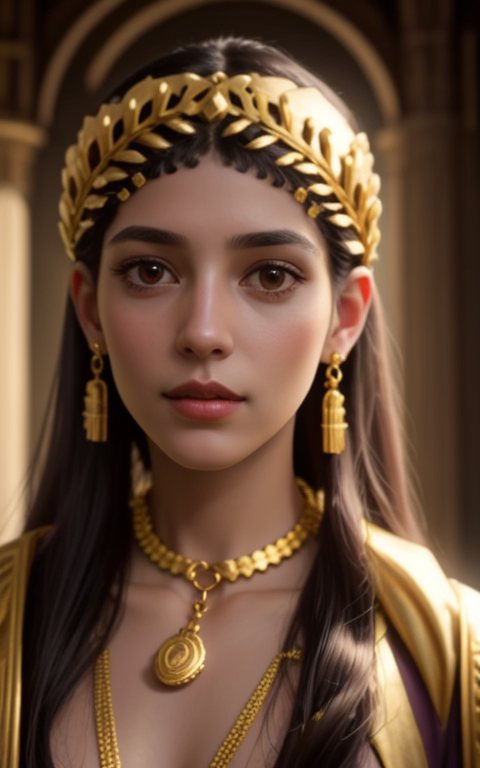
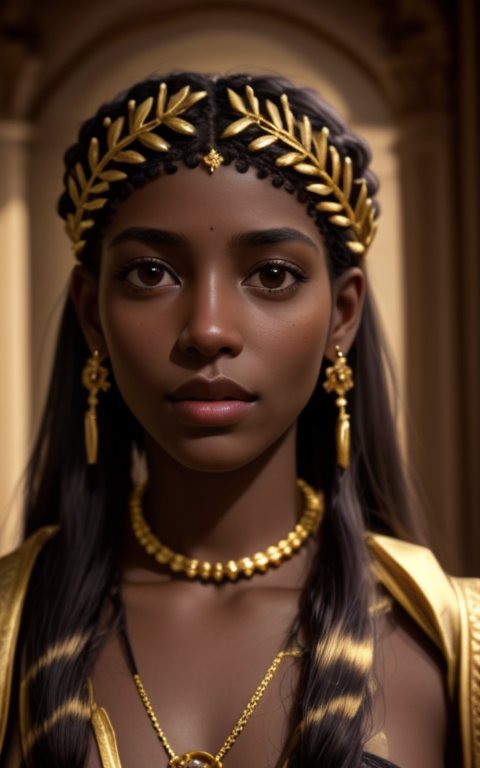
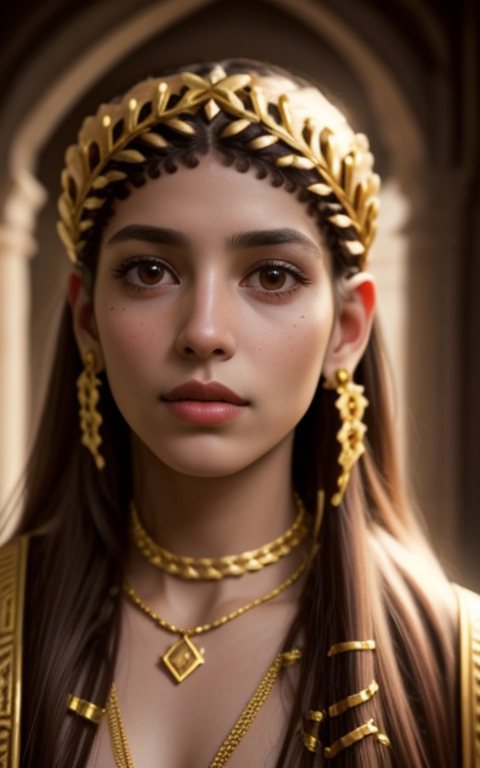


Funerary portrait of a man, 175–225
Source: Rijksmuseum van Oudheden, Leiden; c. 175–225 CE; photo Sailko; CC BY 3.0
Original: 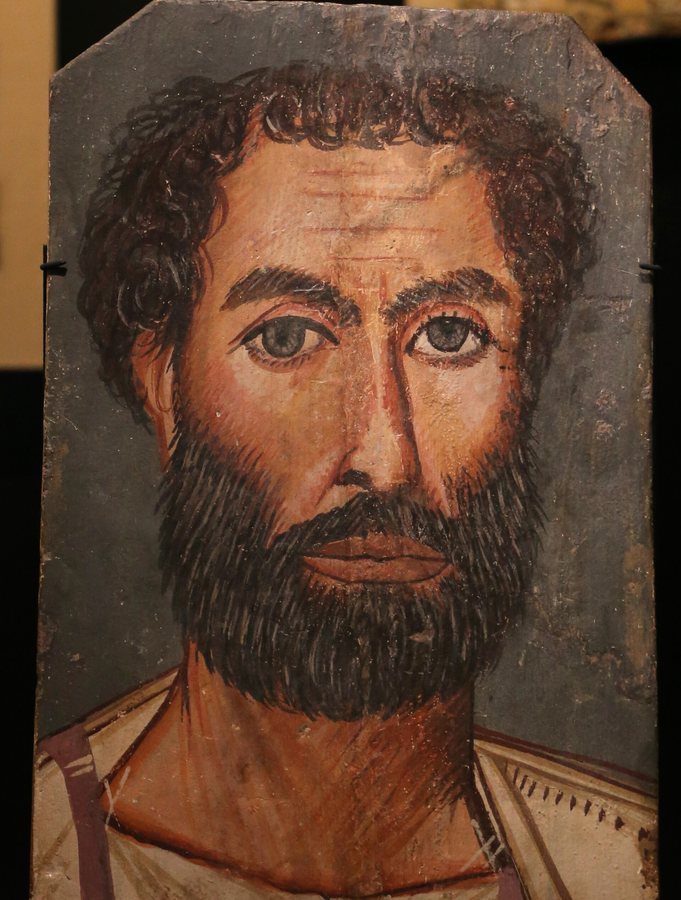
Realistic — As depicted · Nubian · Libyan (Amazigh) · Levantine · Pale
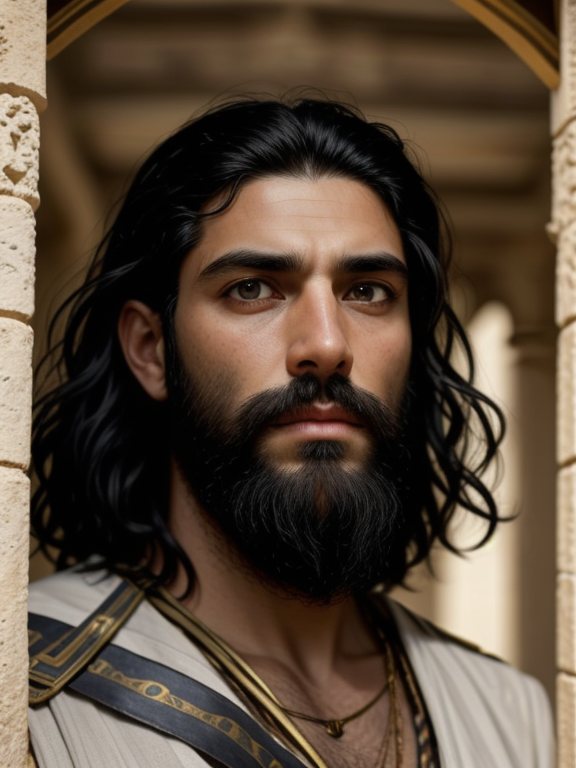
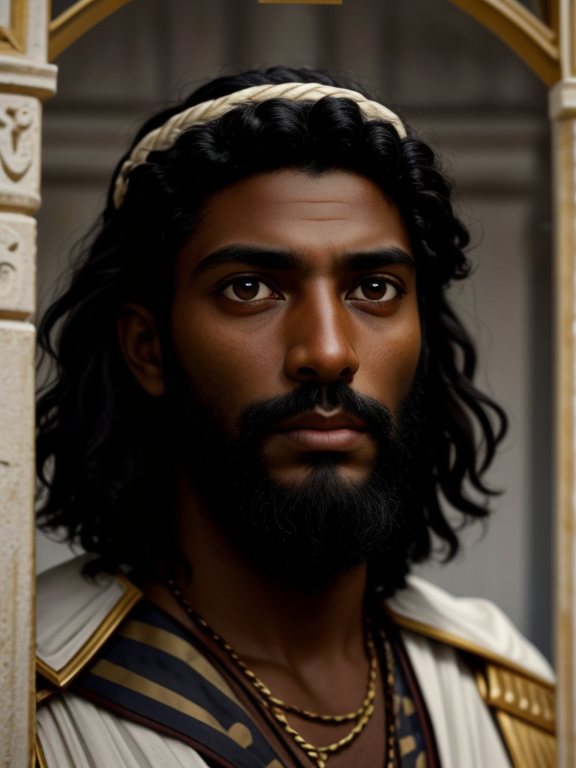
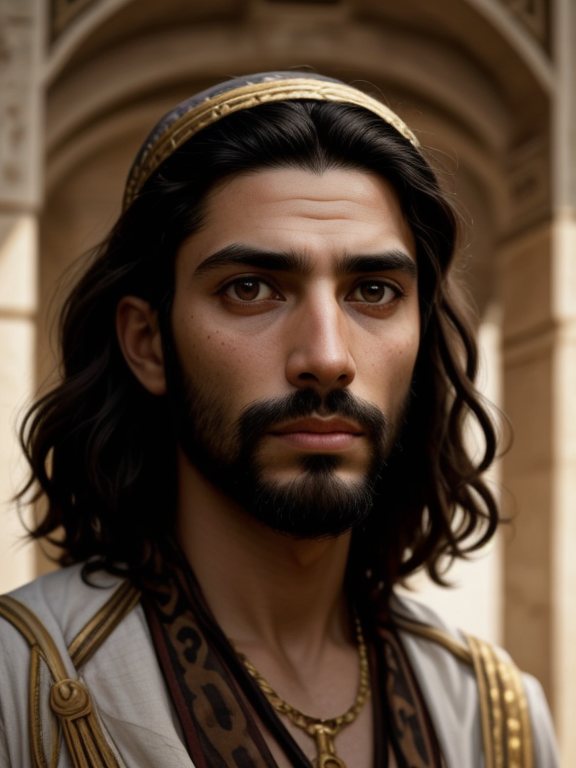
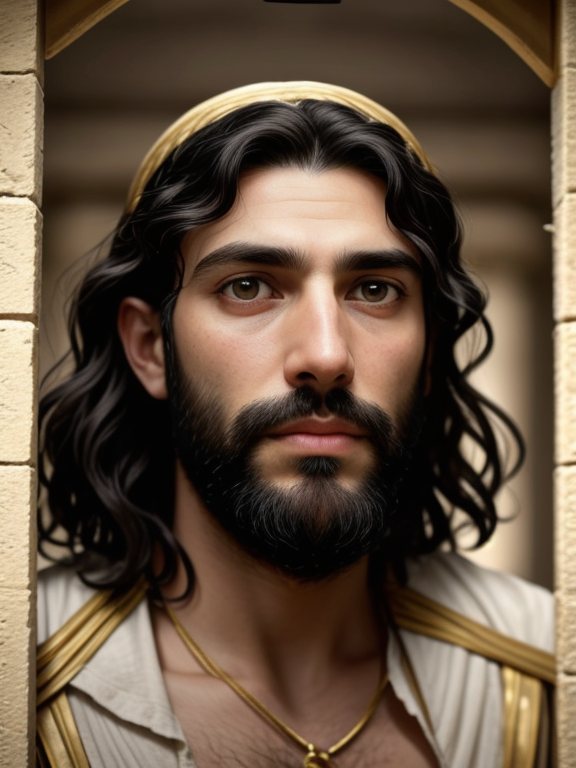
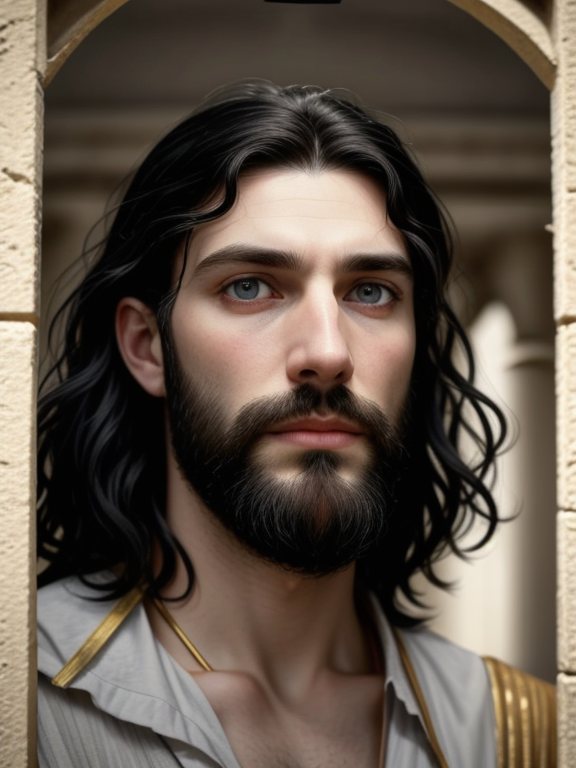
Mummy Portrait of a Bearded Man
Source: Harvard Art Museums, 1923.59; c. 250 CE; public domain
Original: 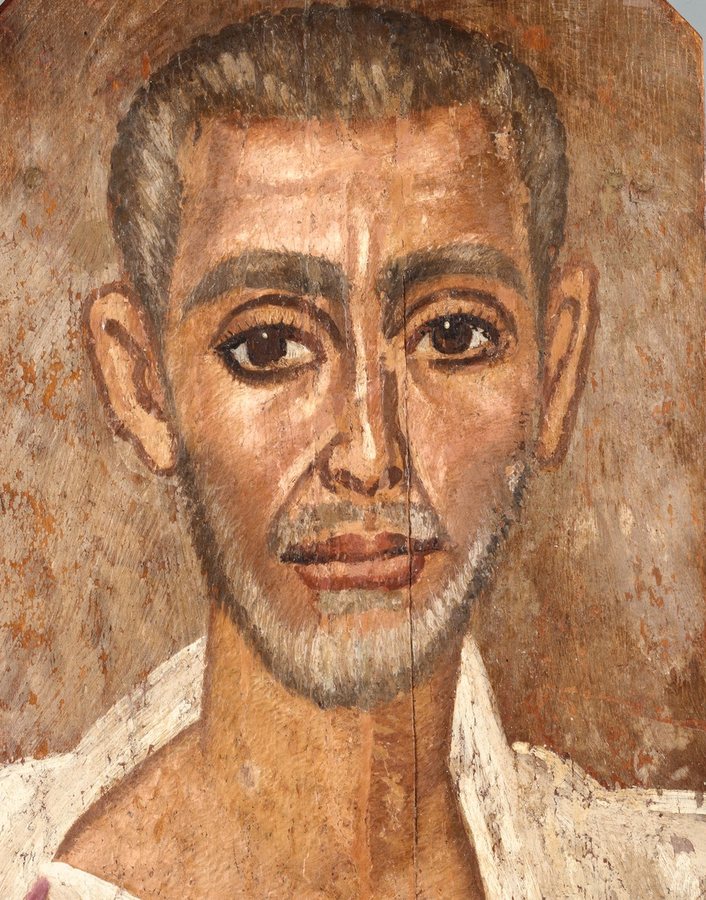
Realistic — As depicted · Nubian · Libyan (Amazigh) · Levantine · Pale
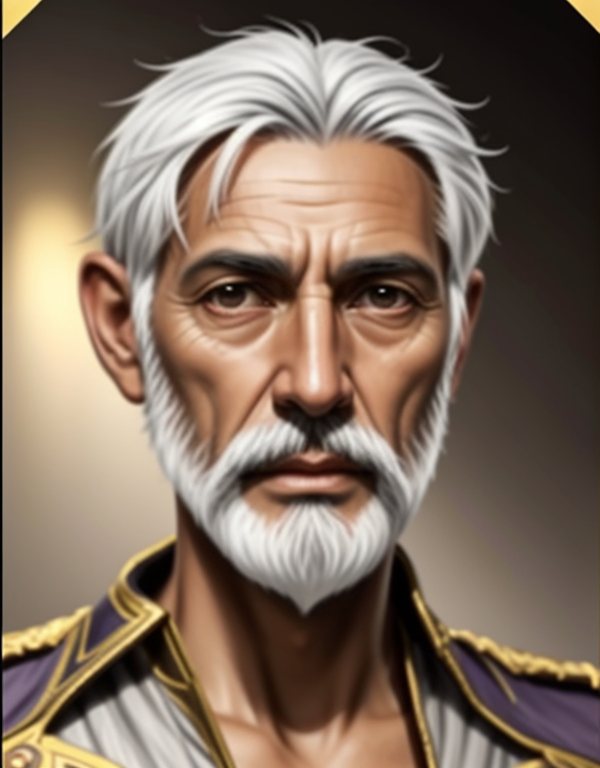
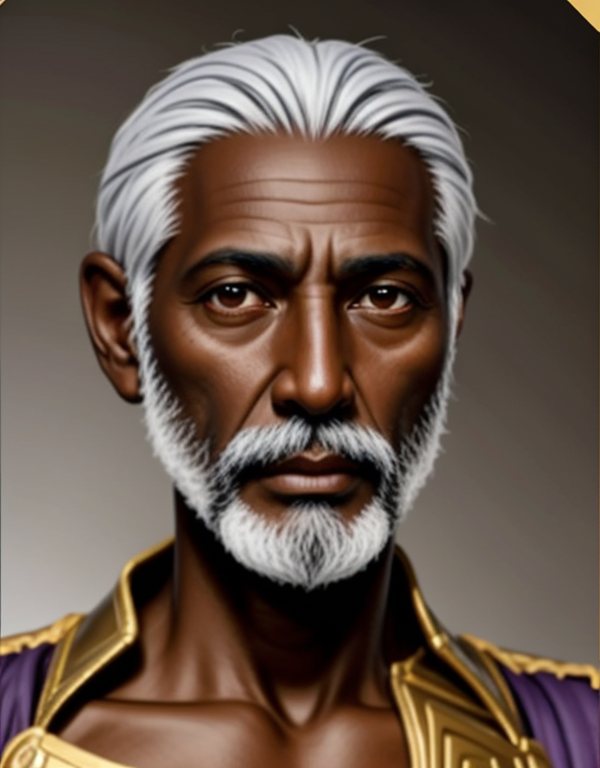
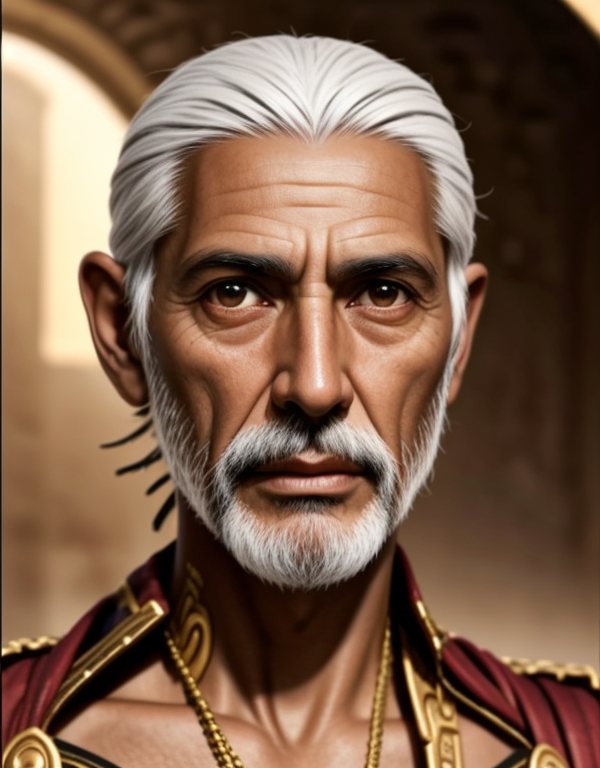
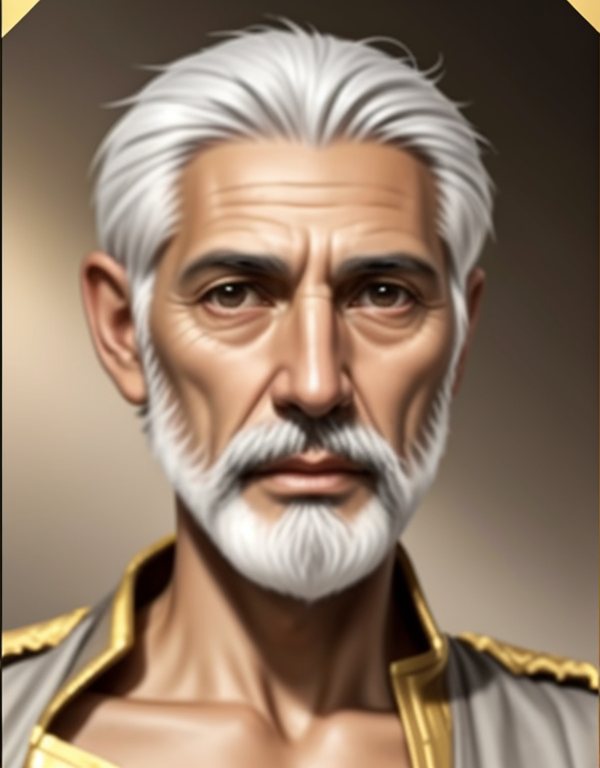
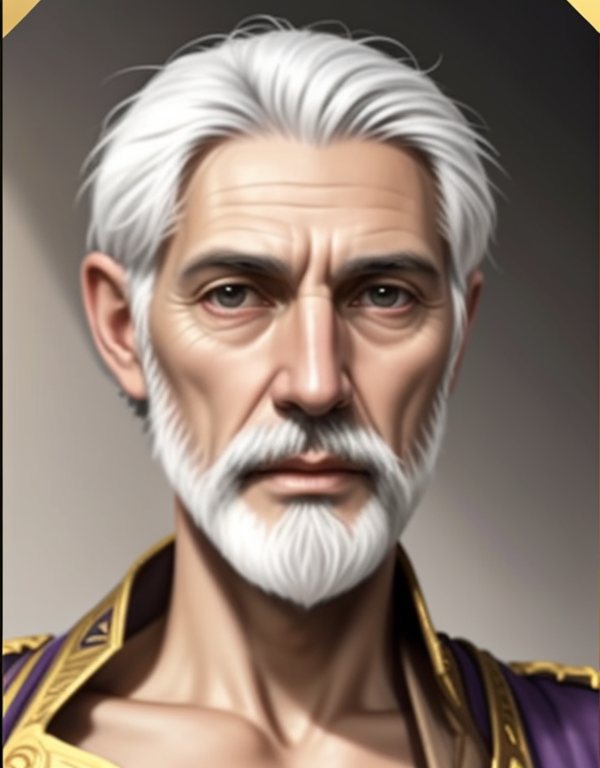
All 20 scenes in this set, and every other remake, are in the gallery: https://hathor.soapbox.community/remakes. Made on our own servers in Hathor Studio; each scene links to its place in the gallery.