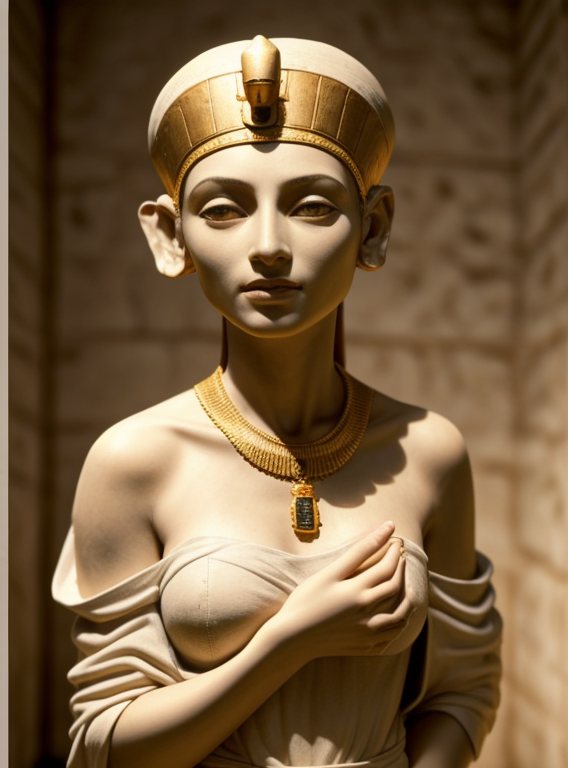
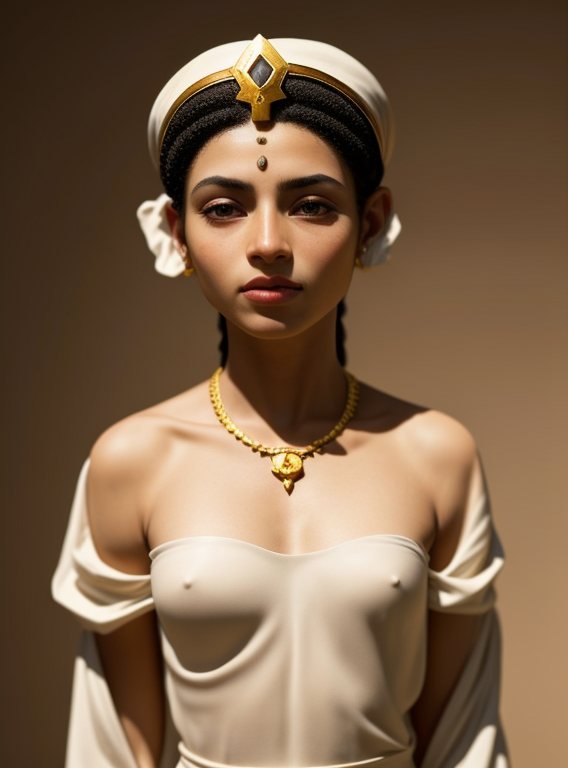
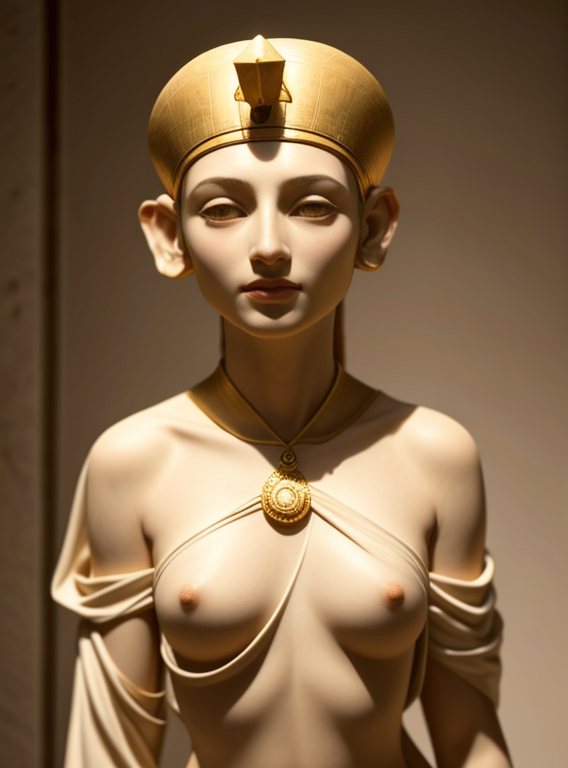
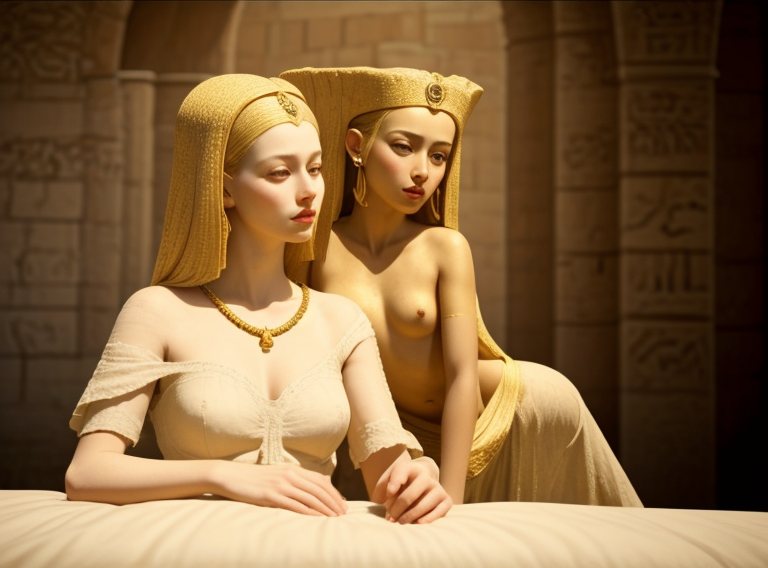
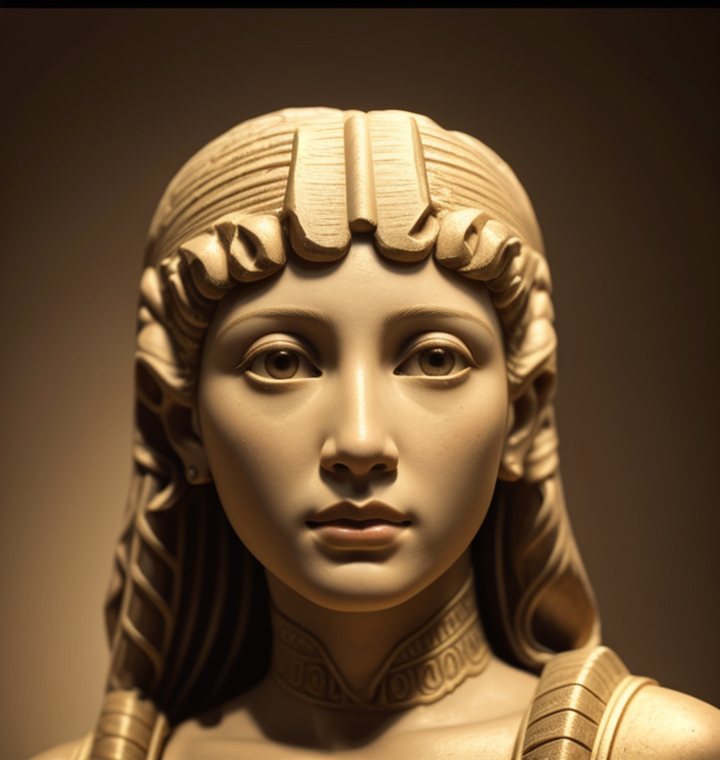
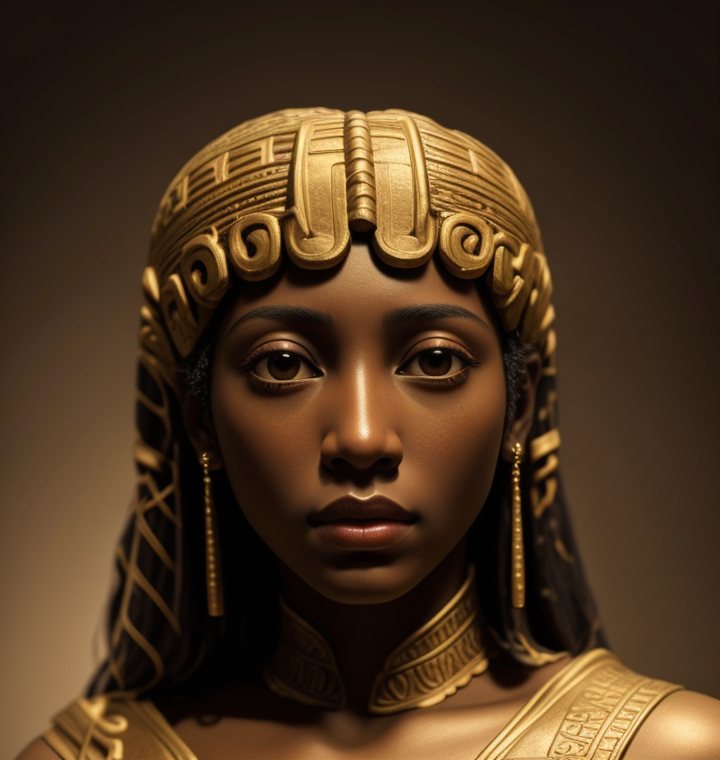
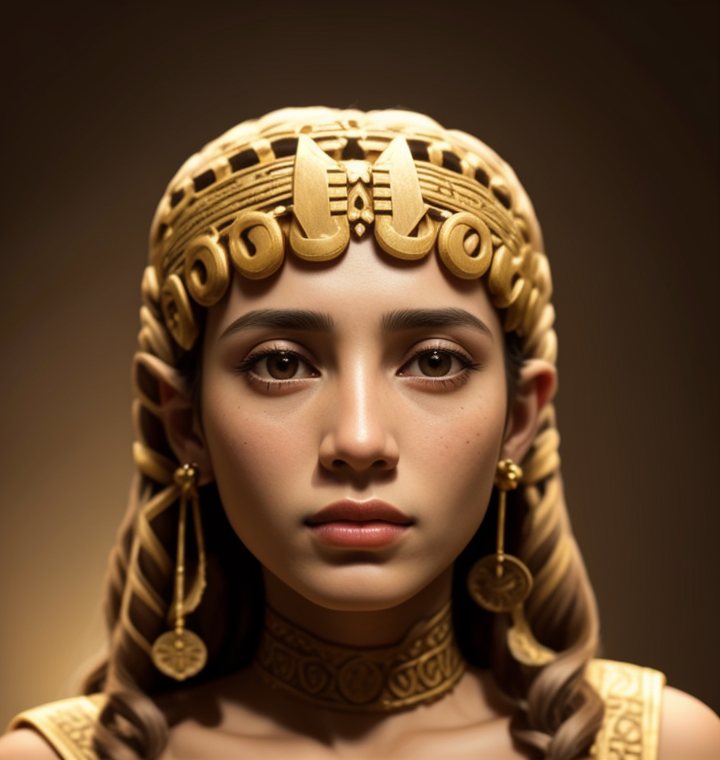
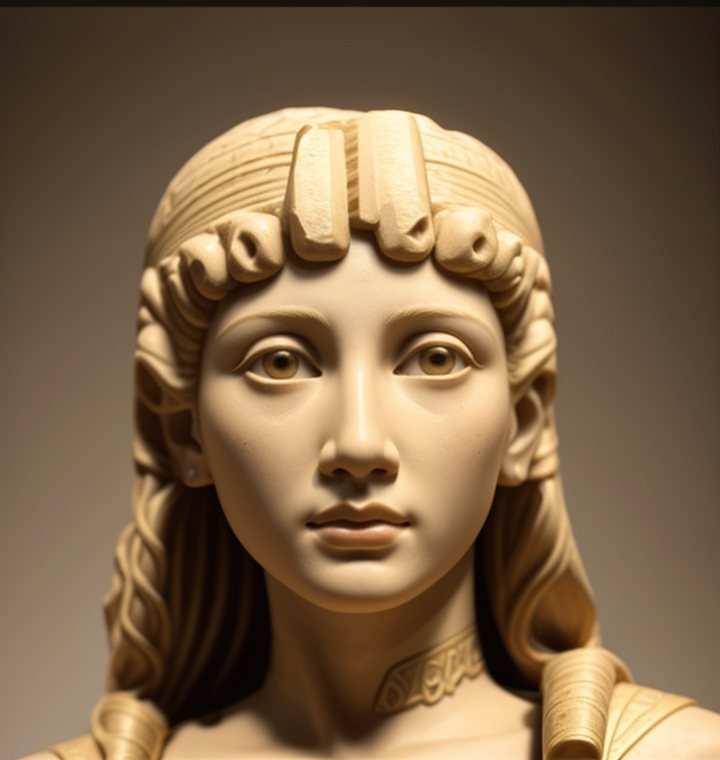
A bronze Naṭarāja from Tamil Nadu and a painted one from Kerala share no single face, yet no one mistakes him. In Śilpa Śāstra the identity of a sacred figure lives in its lakṣaṇa: the gesture, the emblem, the headdress, the measured proportion. We remake ancient scenes the same way. Hathor keeps her horns, sun-disk and menat across every version, and the people who carry them change from Nile to Nubia to the Aegean. Here they are, side by side.
The oldest painting manual. The Citrasūtra, chapters 35–43 of the third book of the Viṣṇudharmottara Purāṇa (c. 5th–7th century CE, date debated), is the oldest complete Sanskrit treatise on painting. It covers proportion, colour, shading, the feelings a picture should carry, and the arts painting depends on. Stella Kramrisch translated it in 1924. (source)
We are testing these features and looking to develop them. This is Hathor's alpha work, made on our own servers — the images and videos she makes next are expected to be much better and more accurate. Tell us what works and what doesn't: every video page has 👍/👎, comments and timestamped notes.
The full gallery, every scene in every look: https://hathor.soapbox.community/remakes · Shilpa Shastra gallery: https://hathor.soapbox.community/gallery
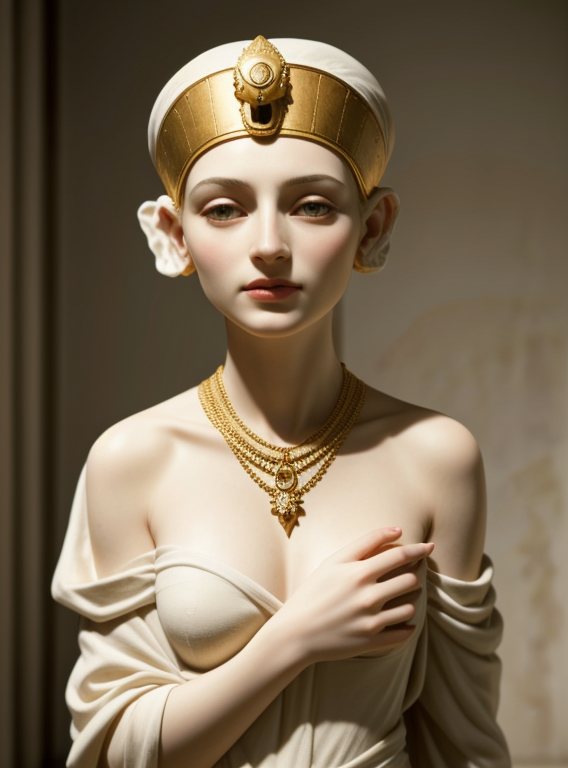
Standing statue of Nefertiti, Neues Museum
Source: Neues Museum, Berlin; photo Miguel Hermoso Cuesta (2014); CC BY-SA 4.0
Original: 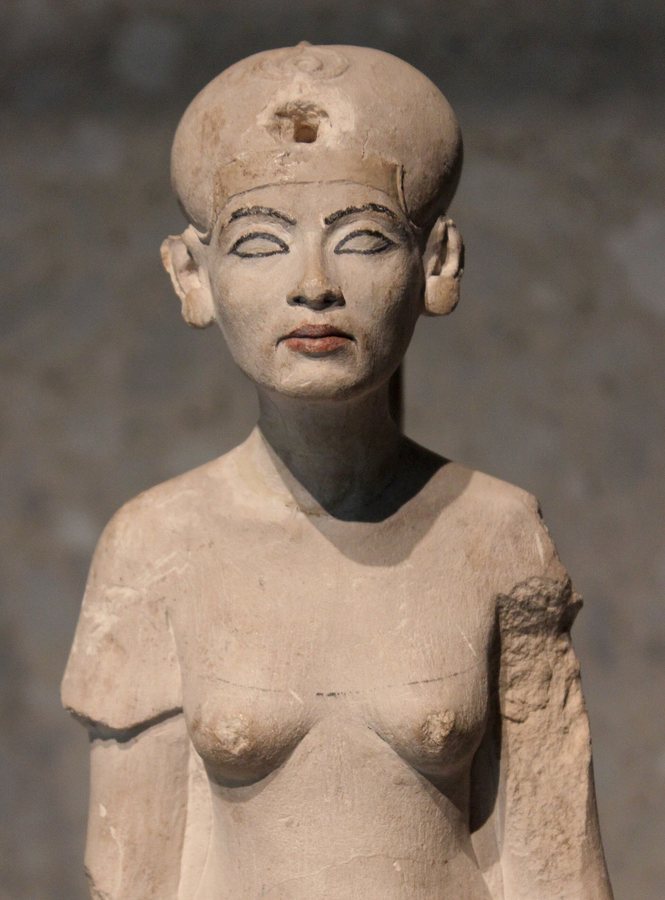
Realistic — As depicted · Nubian · Libyan (Amazigh) · Levantine · Pale

The Wilbour Plaque
Source: Brooklyn Museum; ca. 1352–1336 BCE; photo riegl (2025); CC BY-SA 4.0
Original: 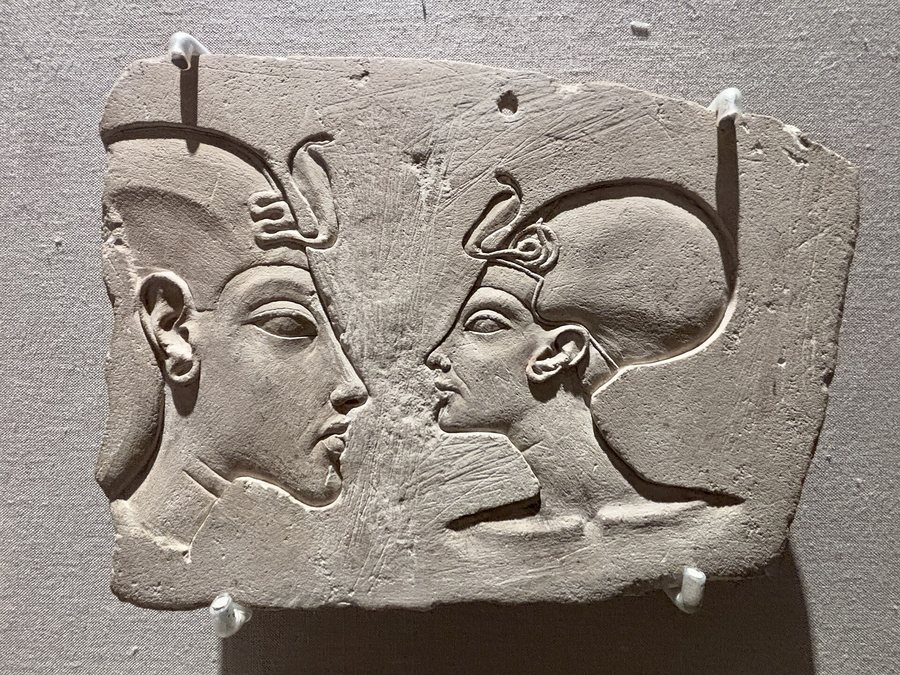
Realistic — As depicted · Nubian · Libyan (Amazigh) · Levantine · Pale
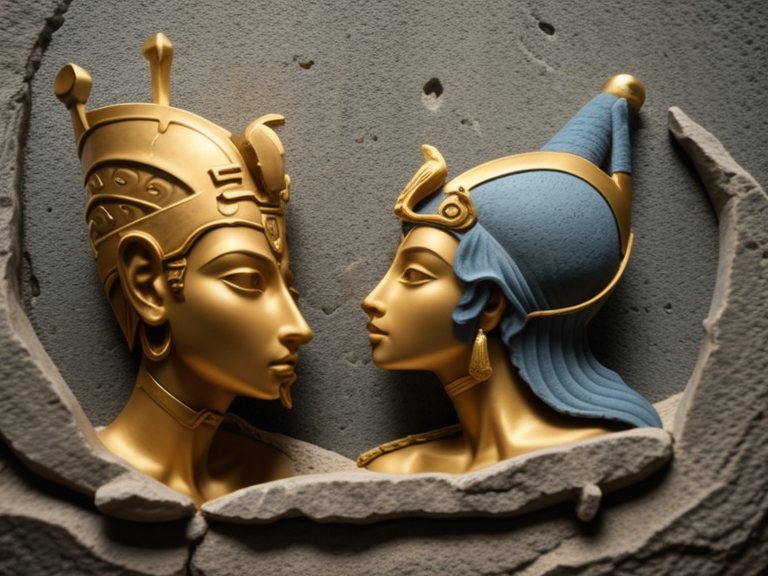
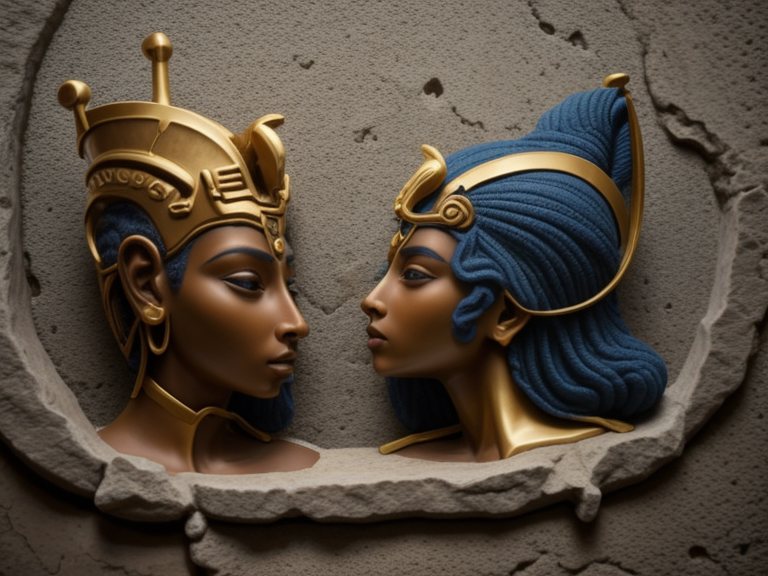
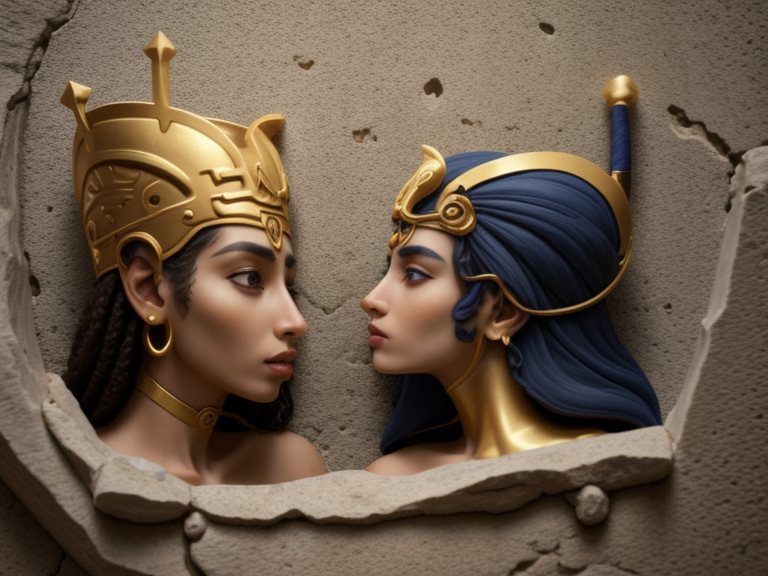
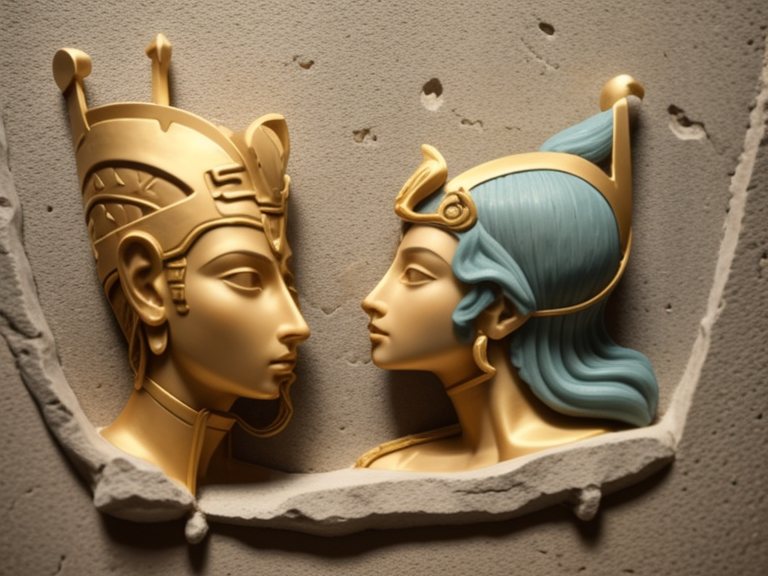
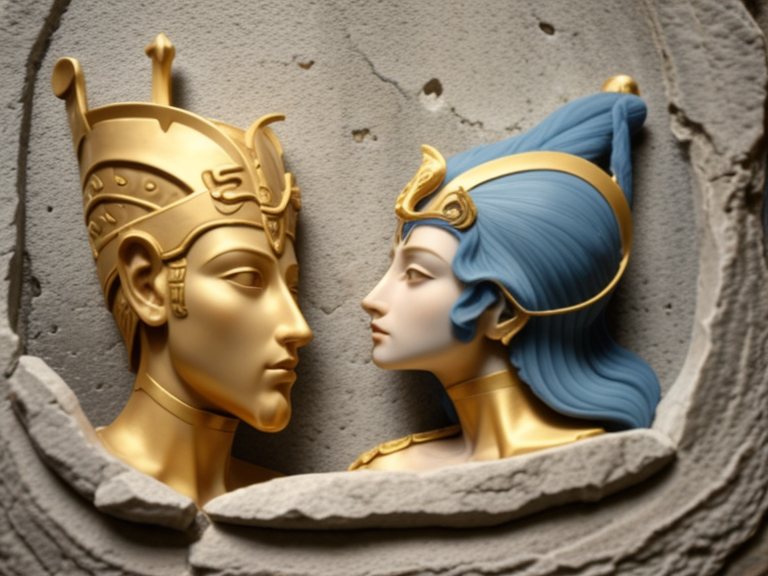
Two princesses, daughters of Akhenaten (Nefertiti's daughters)
Source: Metropolitan Museum of Art, 1985.328.6; circa 1353 BCE; CC0
Original: 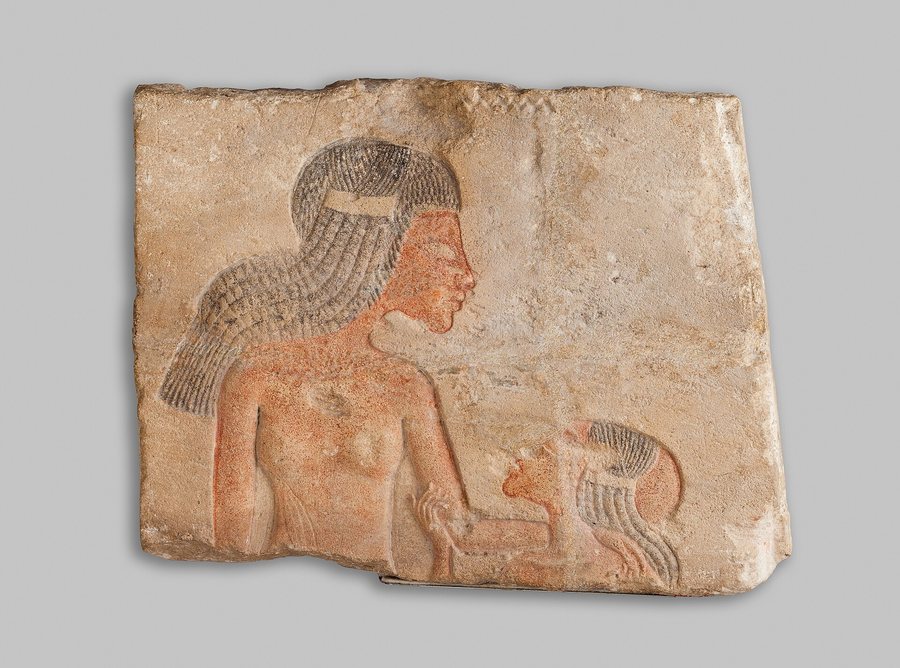
Realistic — As depicted · Nubian · Libyan (Amazigh) · Levantine · Pale
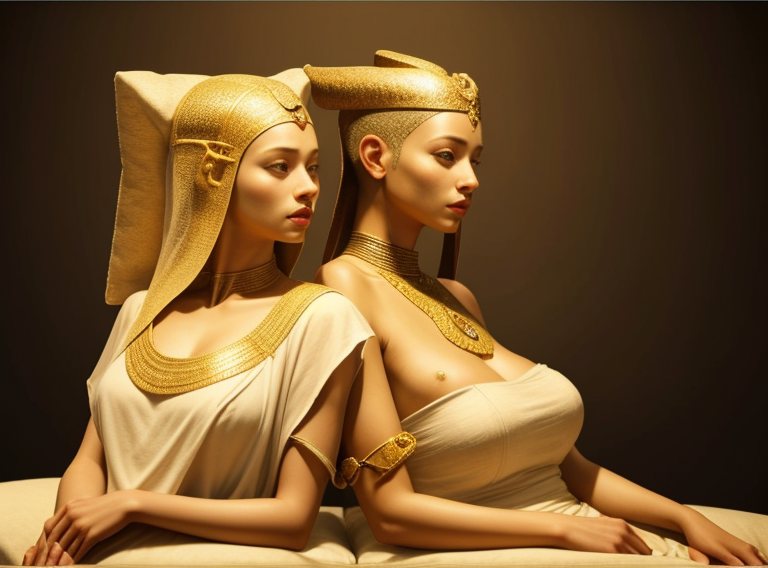
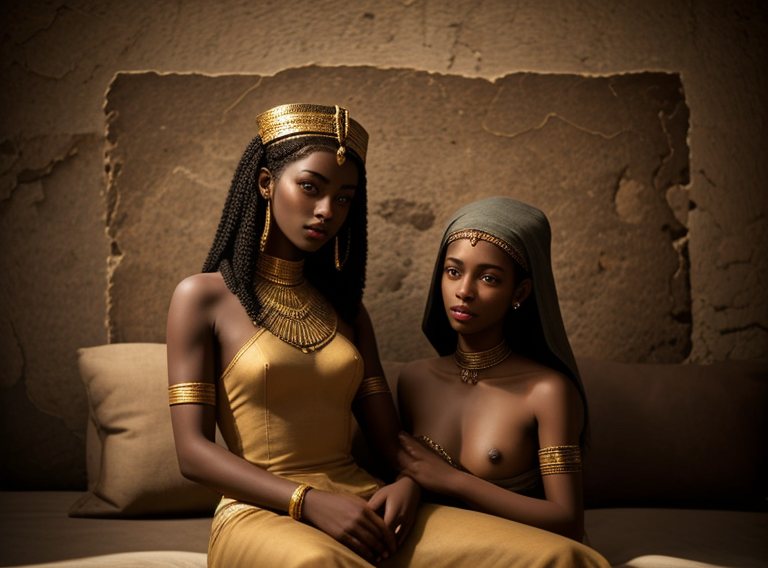
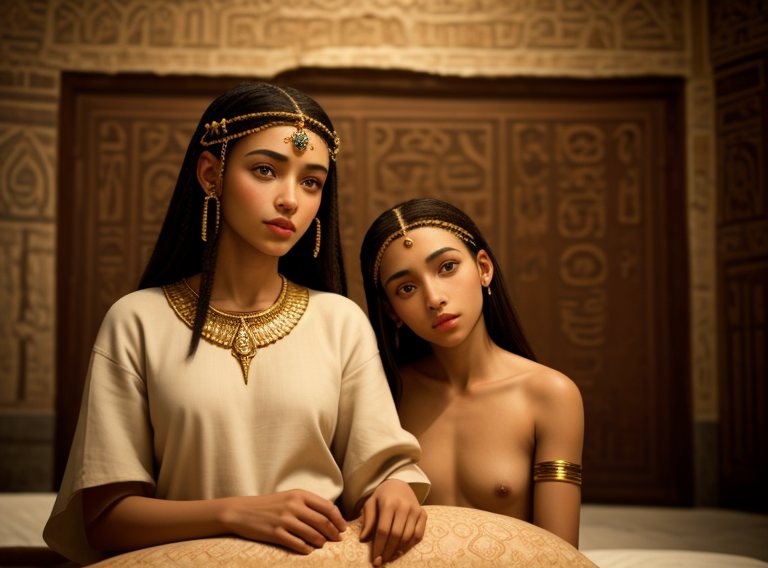
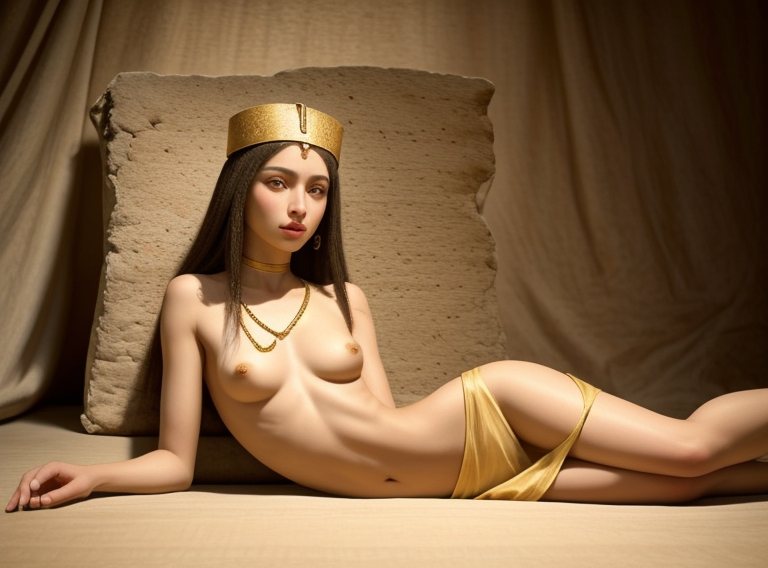
Unfinished model head of a statue of Nefertiti
Source: Neues Museum, Berlin; 18th dynasty, 1351–1334 BC; photo Following Hadrian; CC BY-SA 2.0
Original: 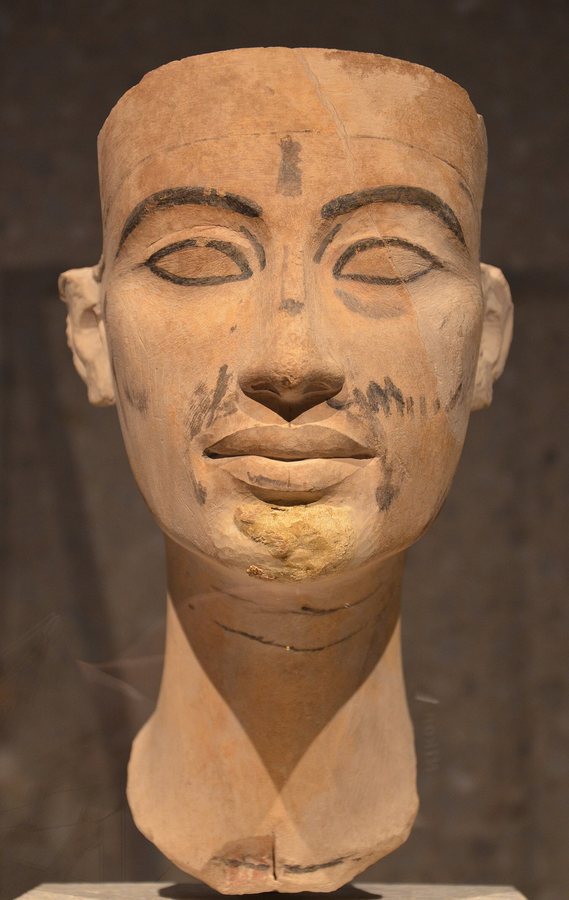
Realistic — As depicted · Nubian · Libyan (Amazigh) · Levantine · Pale
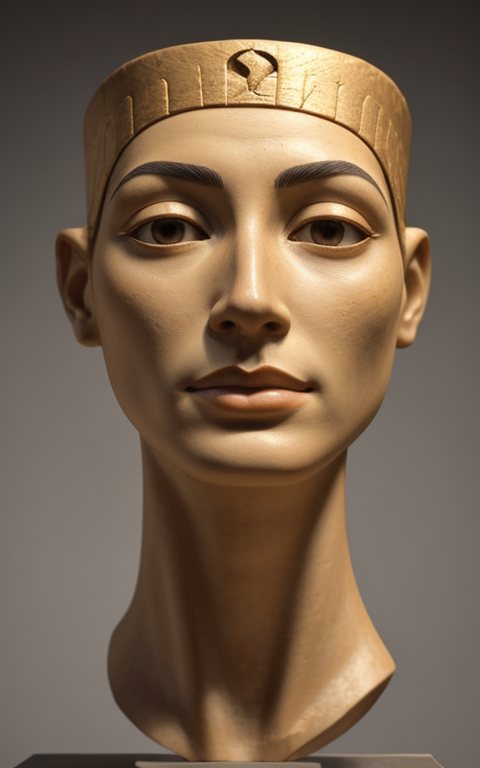
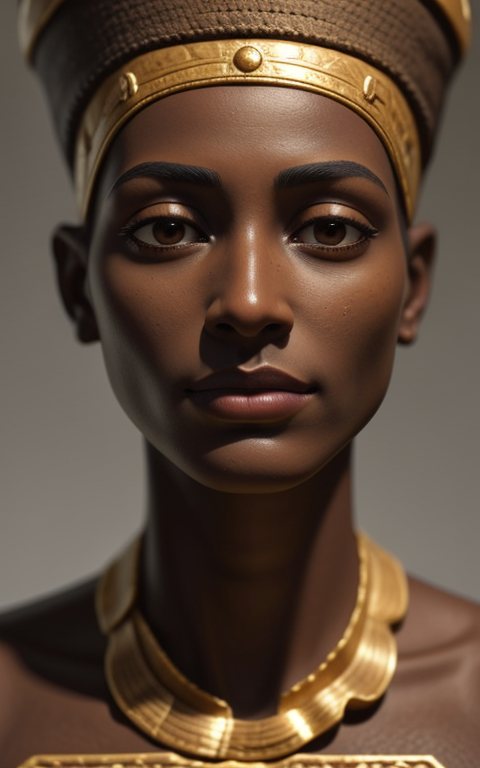
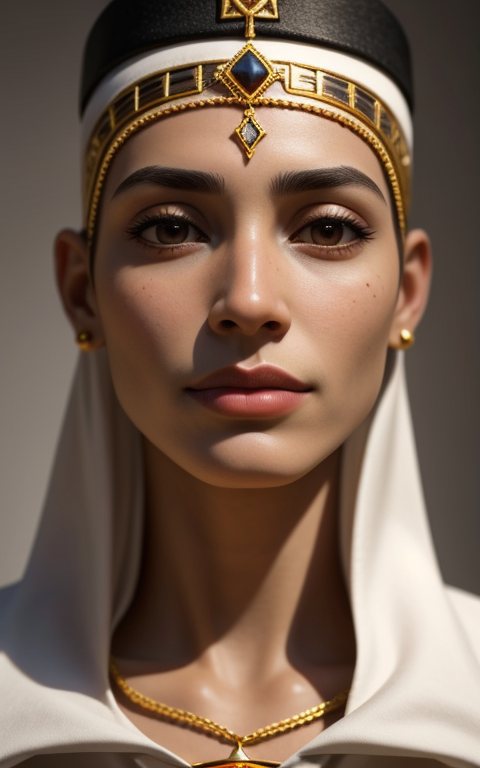
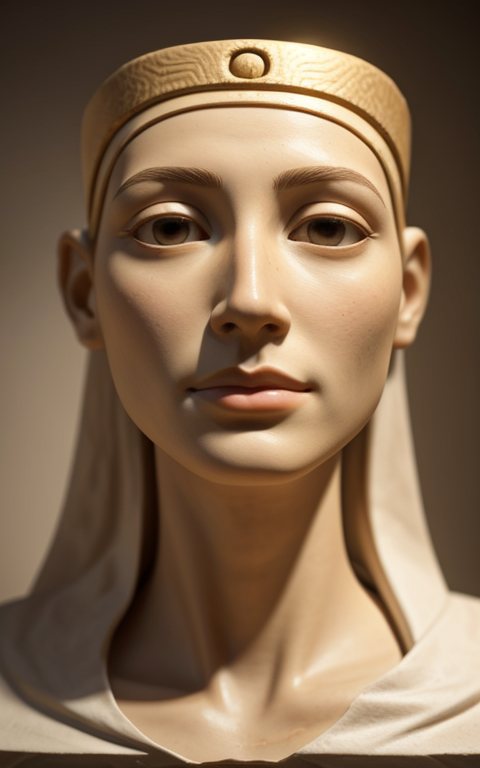
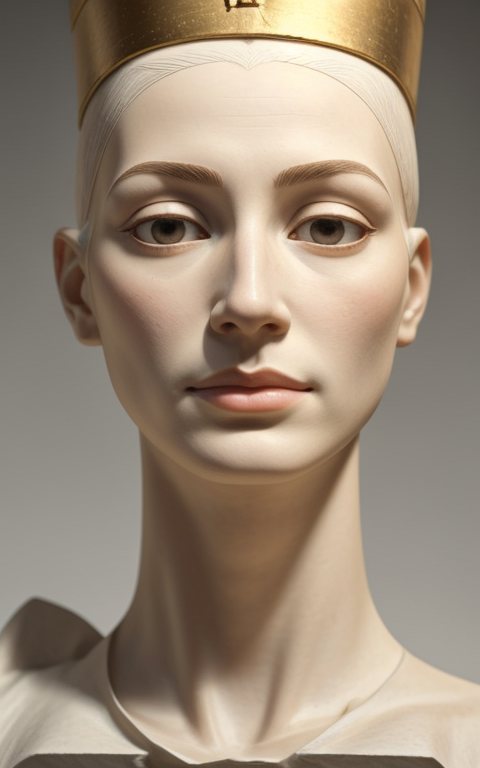
Unfinished portrait head of Queen Nefertiti with sketches
Source: Ägyptisches Museum Berlin; from Achet-Aton / Amarna, later 18th dynasty; photo ArchaiOptix (2014); CC BY-SA 4.0
Original: 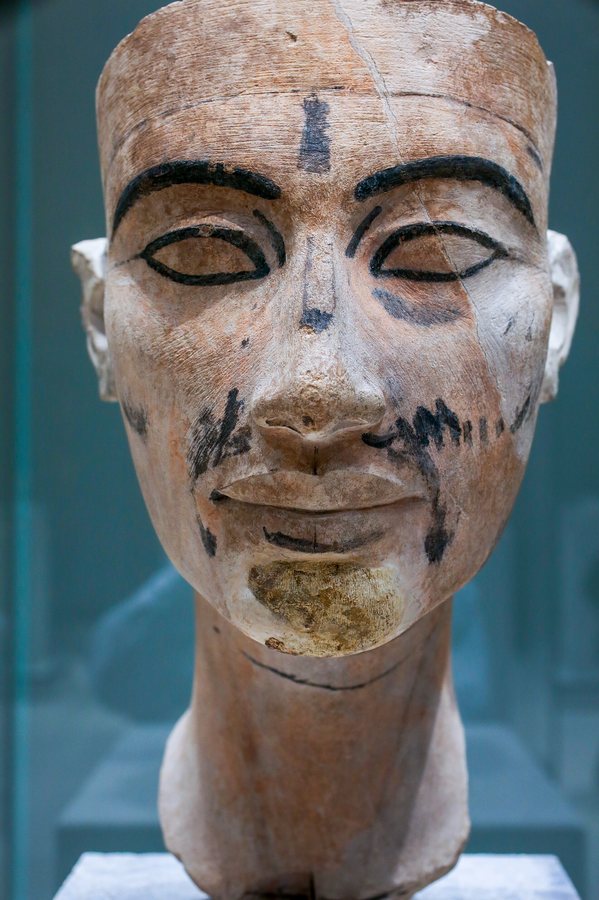
Realistic — As depicted · Nubian · Libyan (Amazigh) · Levantine · Pale
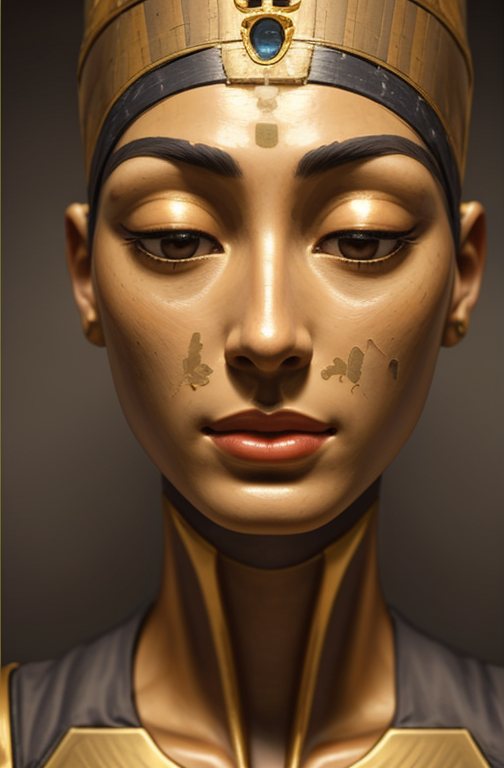
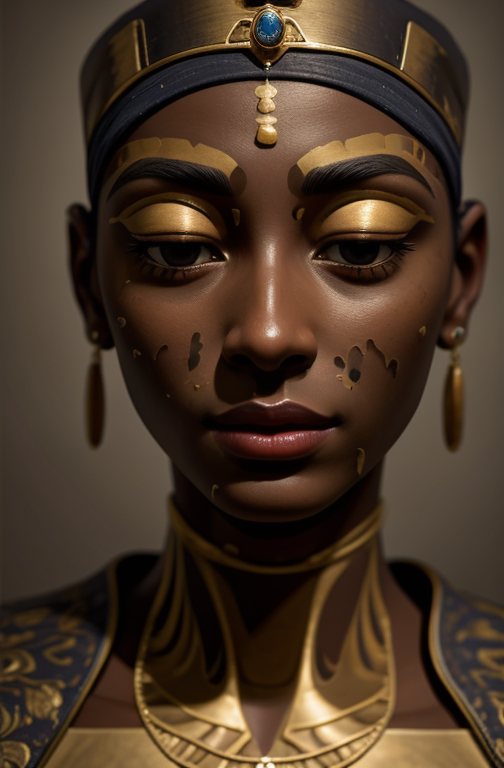
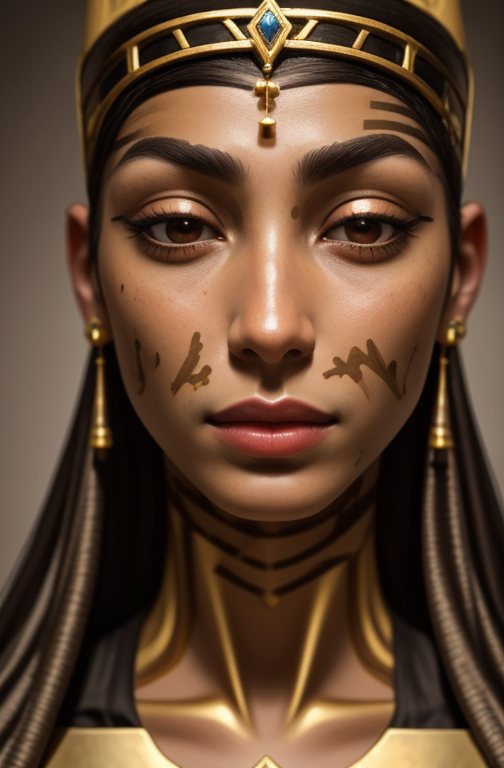
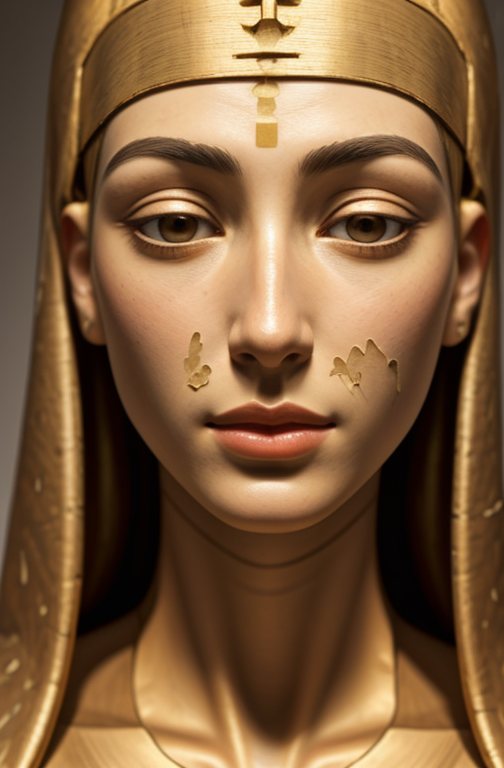
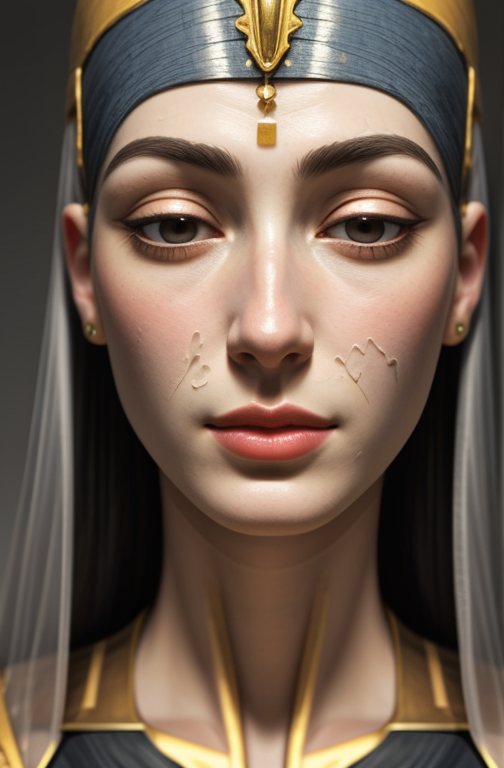
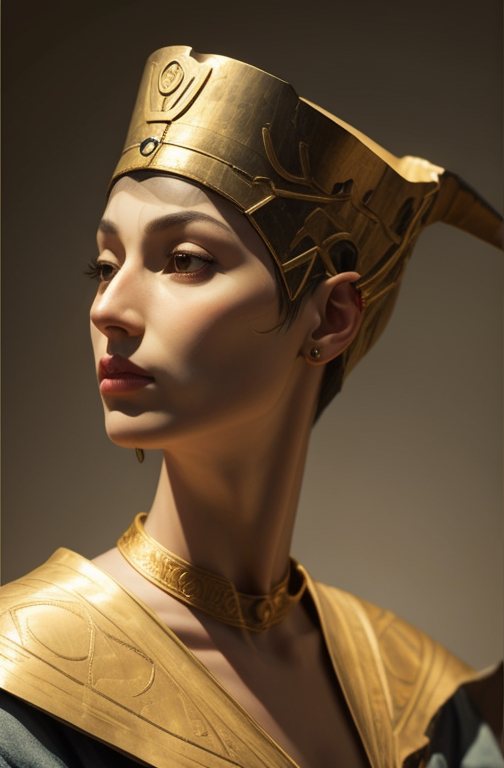
Unfinished portrait head of Queen Nefertiti with sketches (profile)
Source: Ägyptisches Museum Berlin; from Achet-Aton / Amarna, later 18th dynasty; photo ArchaiOptix (2014); CC BY-SA 4.0
Original: 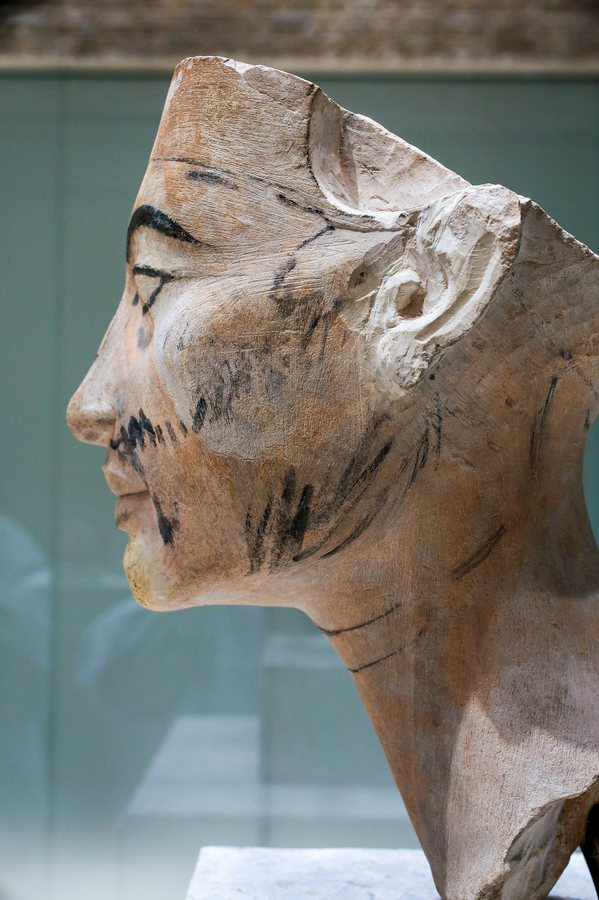
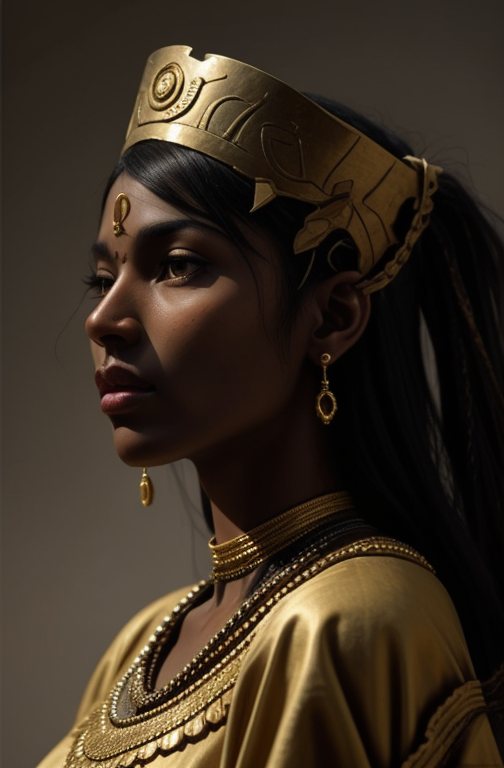
Realistic — As depicted · Nubian · Libyan (Amazigh) · Levantine · Pale
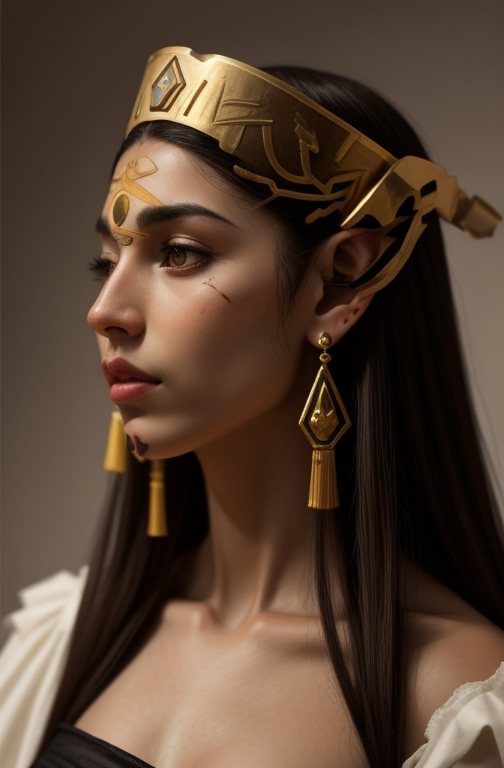
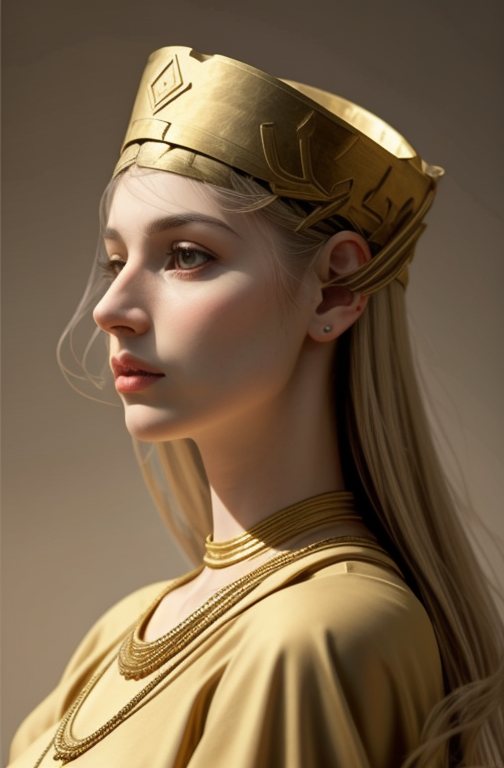
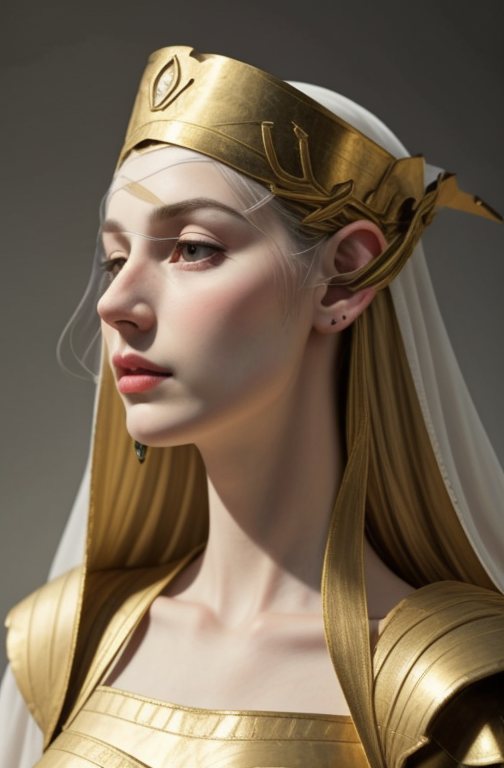
Ancient Roman bust of Cleopatra VII (Cherchell)
Source: Archaeological Museum of Cherchell, Algeria; photo Hichem algerino (2018); public domain (identification varies: Cleopatra VII or Cleopatra Selene II)
Original: 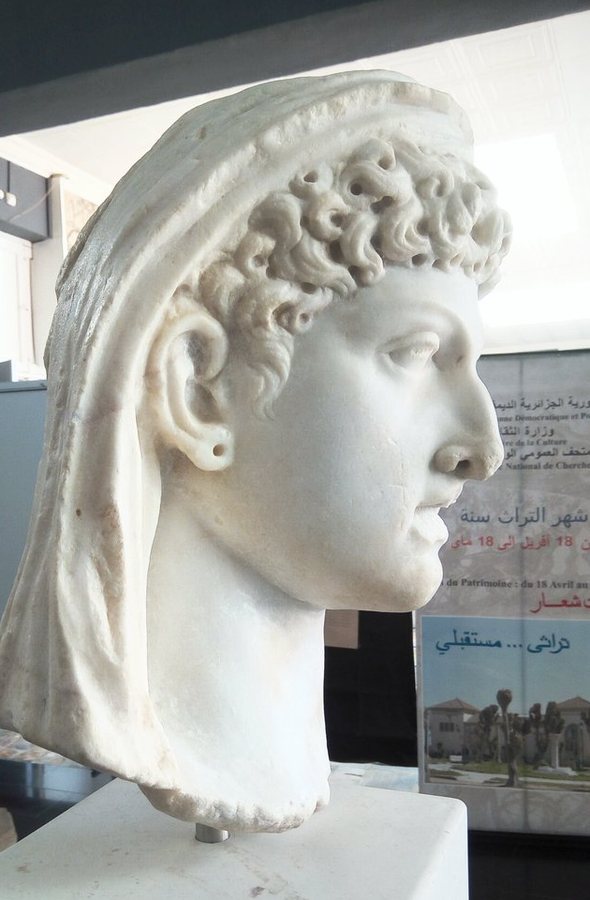
Realistic — As depicted · Nubian · Libyan (Amazigh) · Levantine · Pale
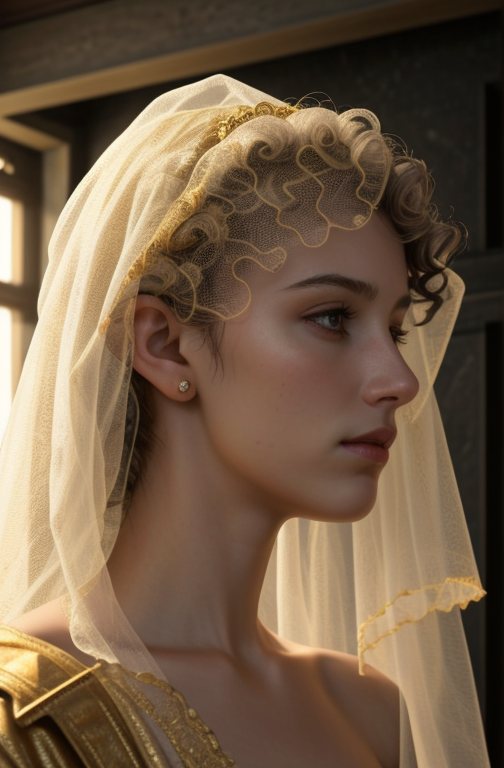
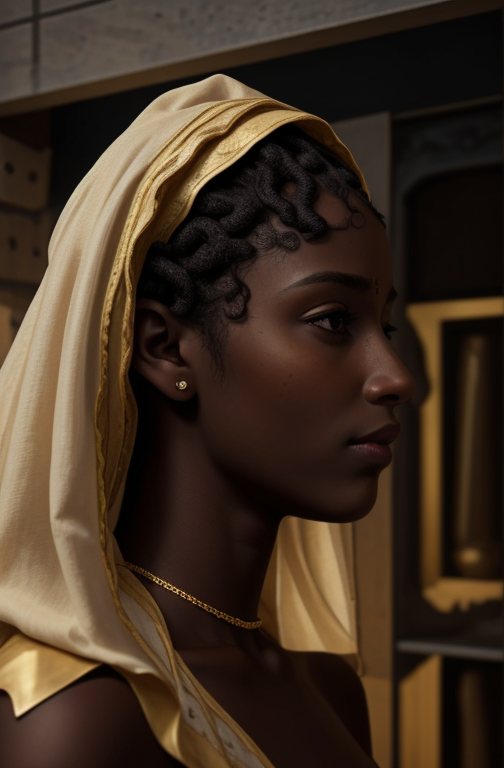
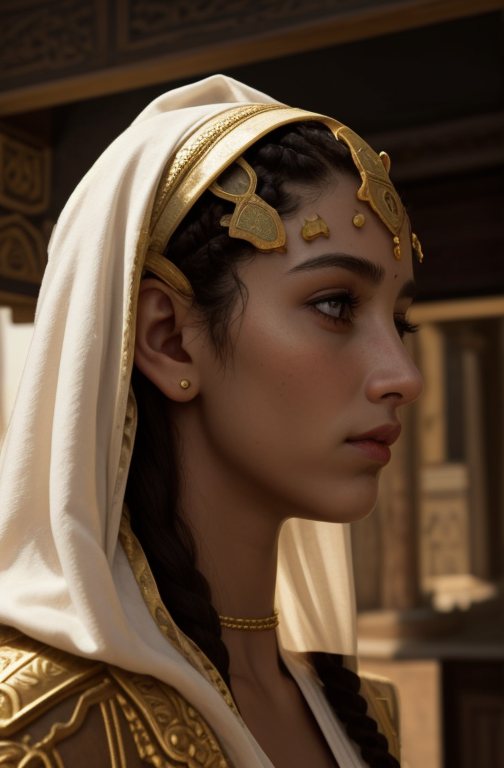
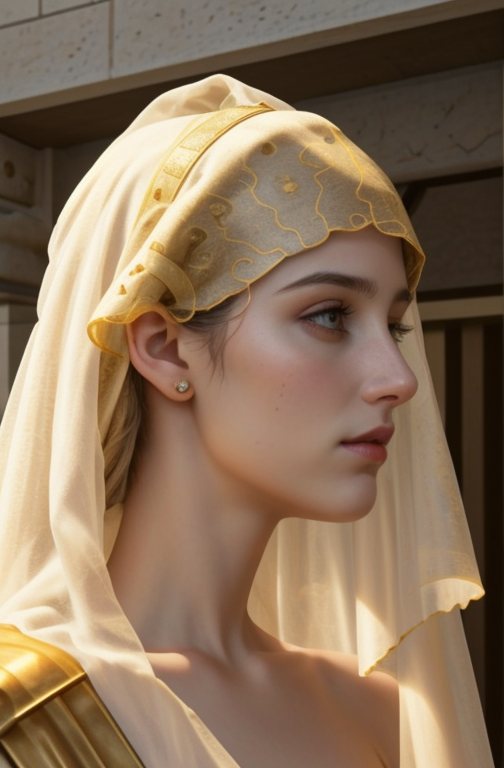
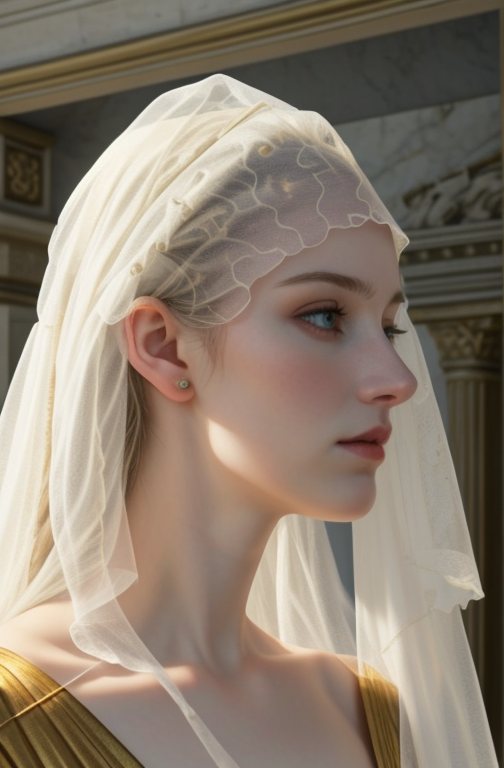
Bronze coin of Cleopatra VII, Alexandria
Source: Bibliothèque nationale de France (btv1b8509164c); public domain
Original: 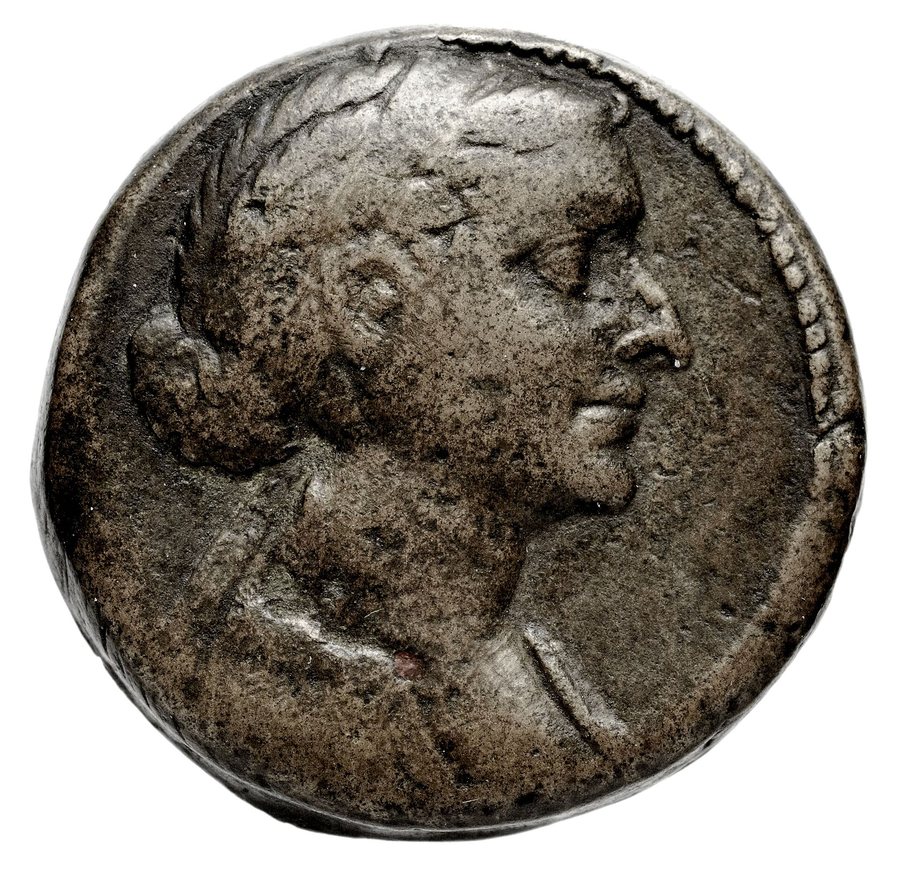
Realistic — As depicted · Nubian · Libyan (Amazigh) · Levantine · Pale
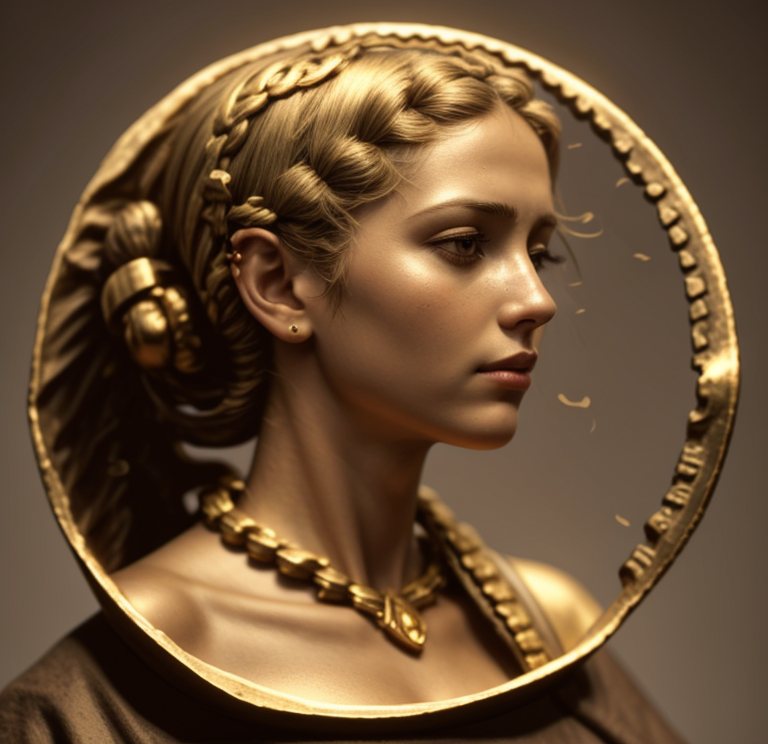
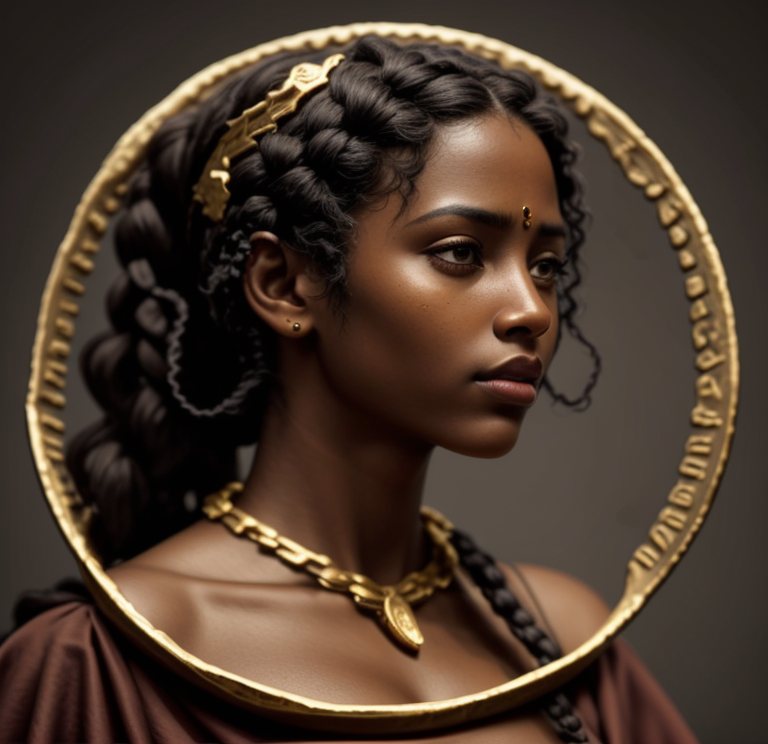
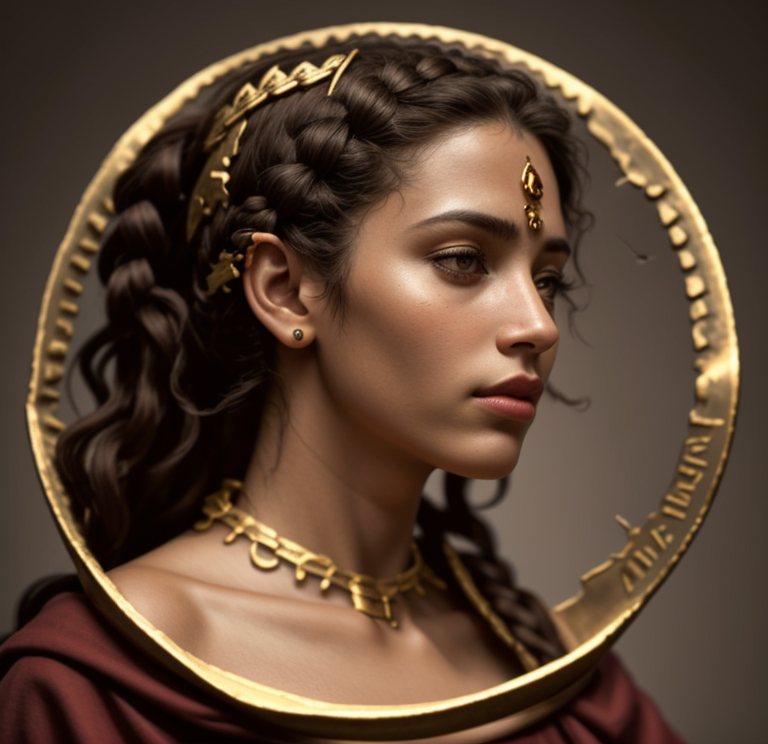
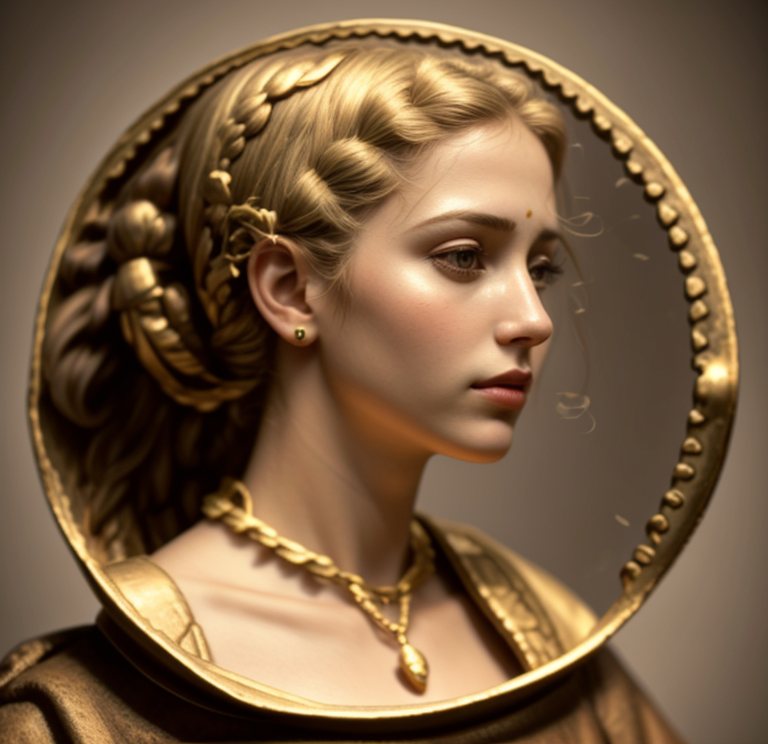
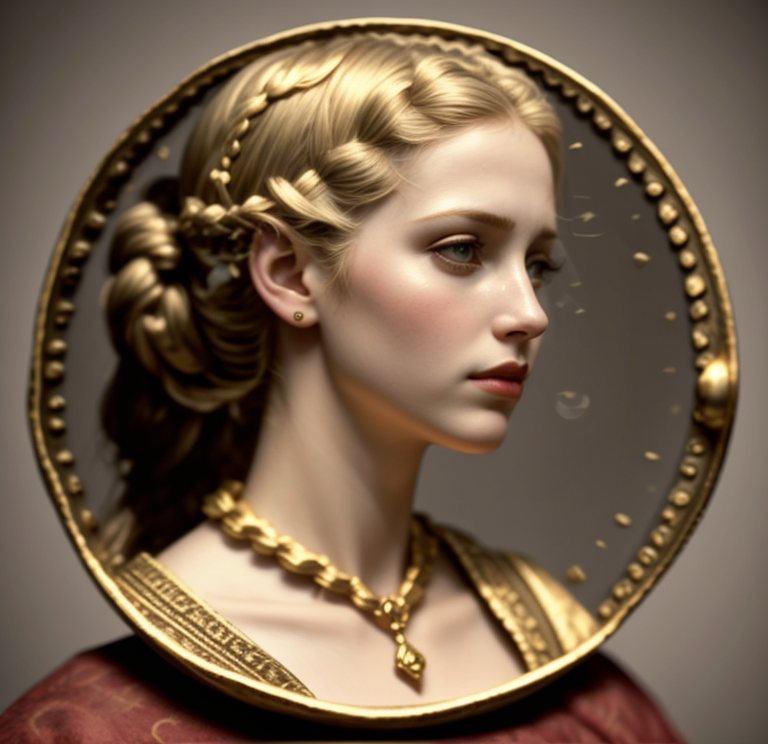
Cleopatra (later imagining)
Source: Lawrence Alma-Tadema, 1875 (Google Art Project); public domain — 19th-century painting, not a portrait
Original: 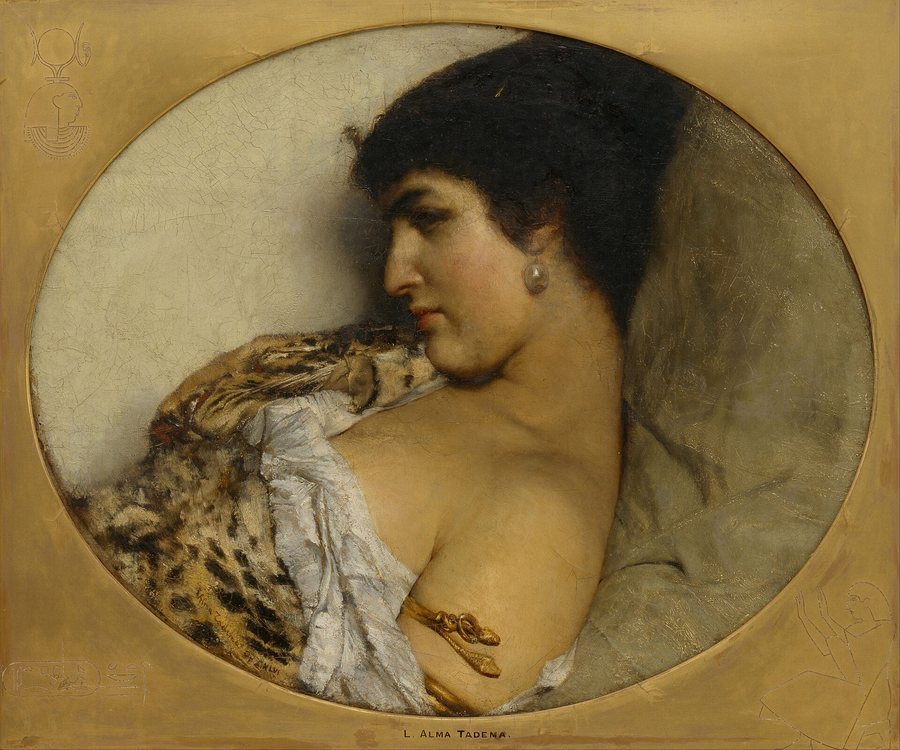
Realistic — As depicted · Nubian · Libyan (Amazigh) · Levantine · Pale
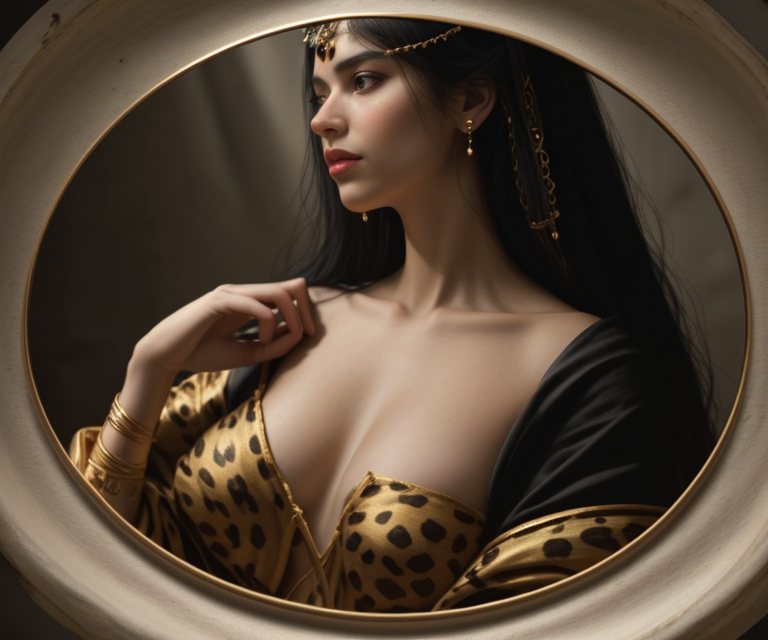
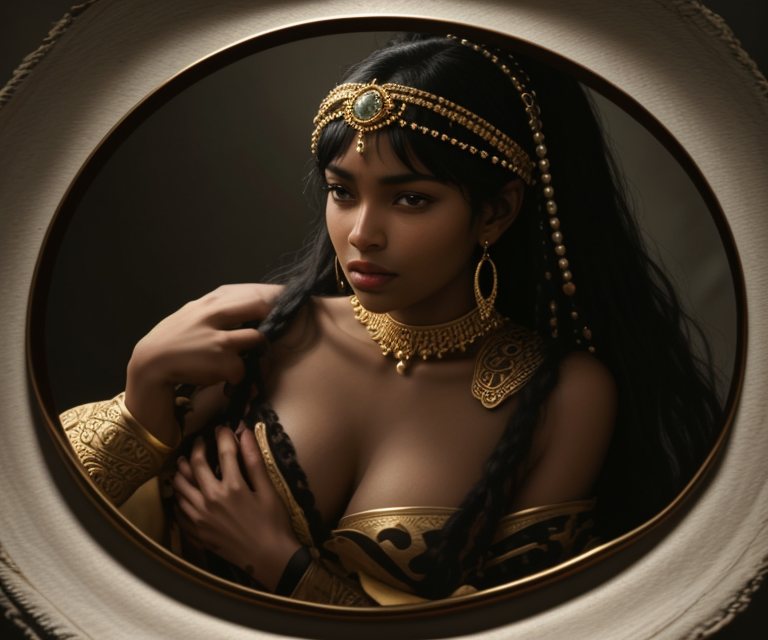
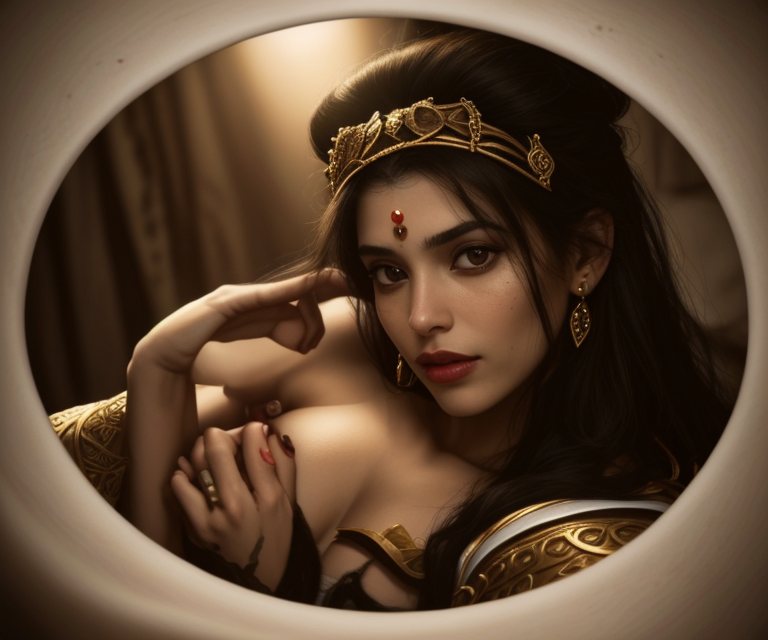
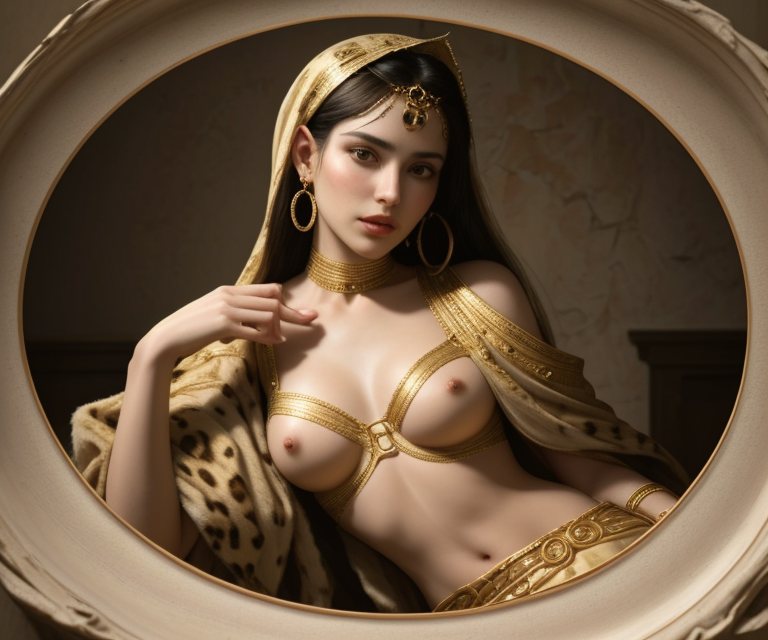
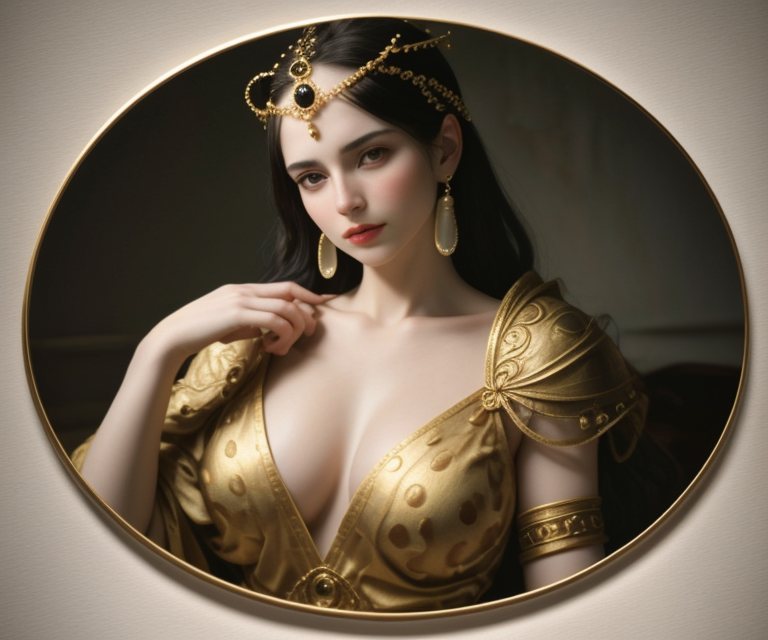
Cleopatra (later imagining)
Source: John William Waterhouse, circa 1887 (private collection); CC BY 2.0 — Victorian painting, not a portrait
Original: 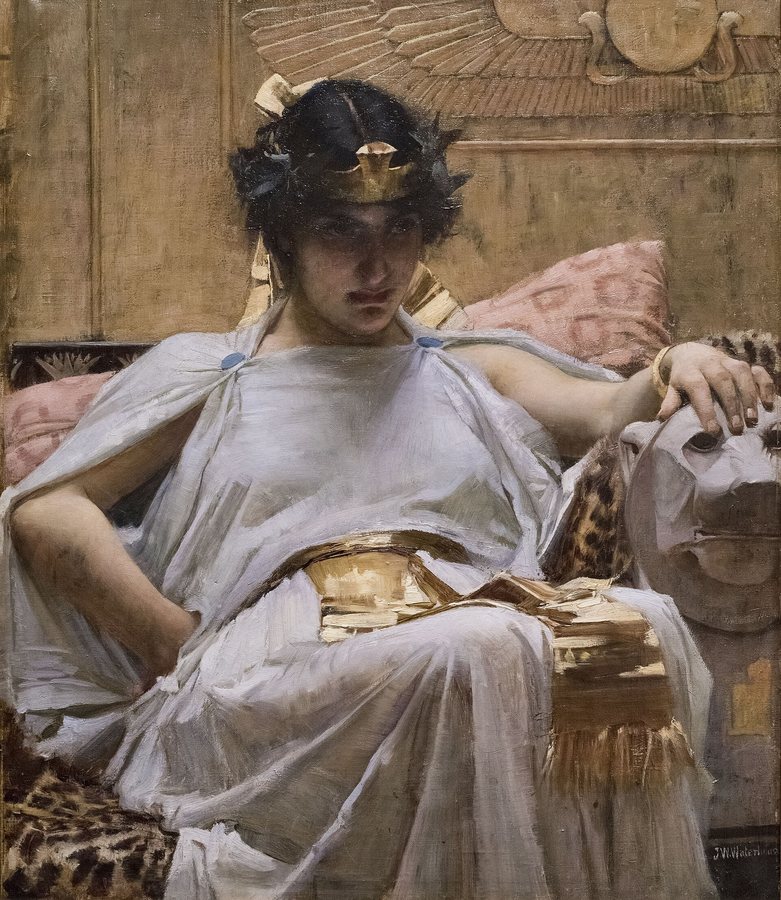
Realistic — As depicted · Nubian · Libyan (Amazigh) · Levantine · Pale
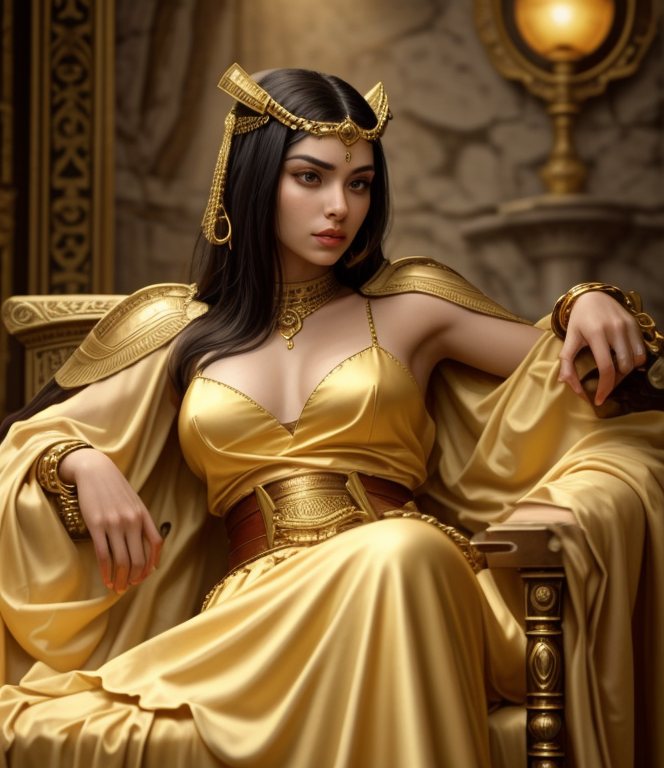
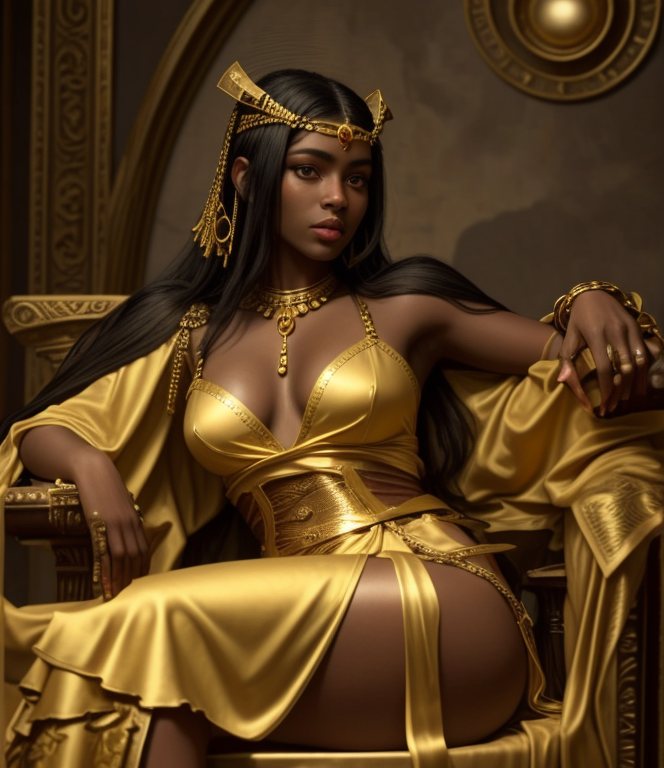
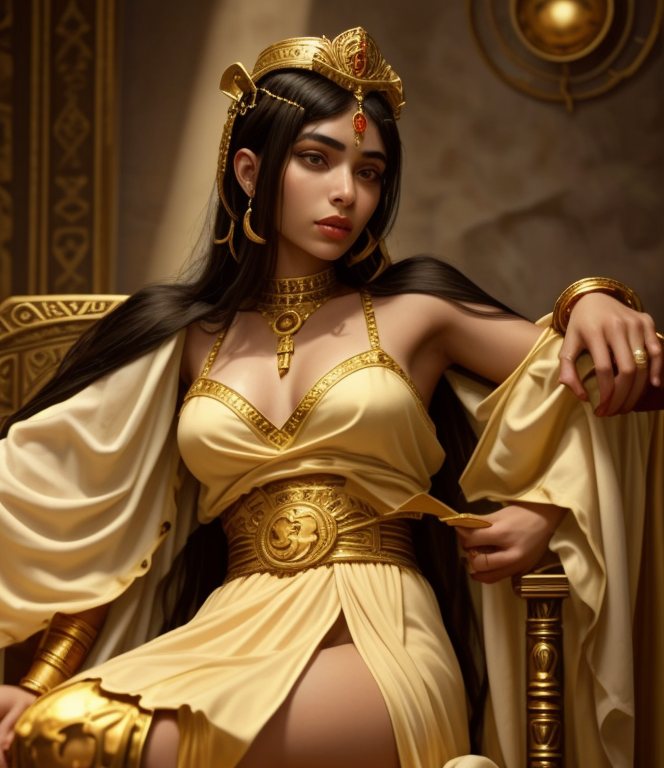
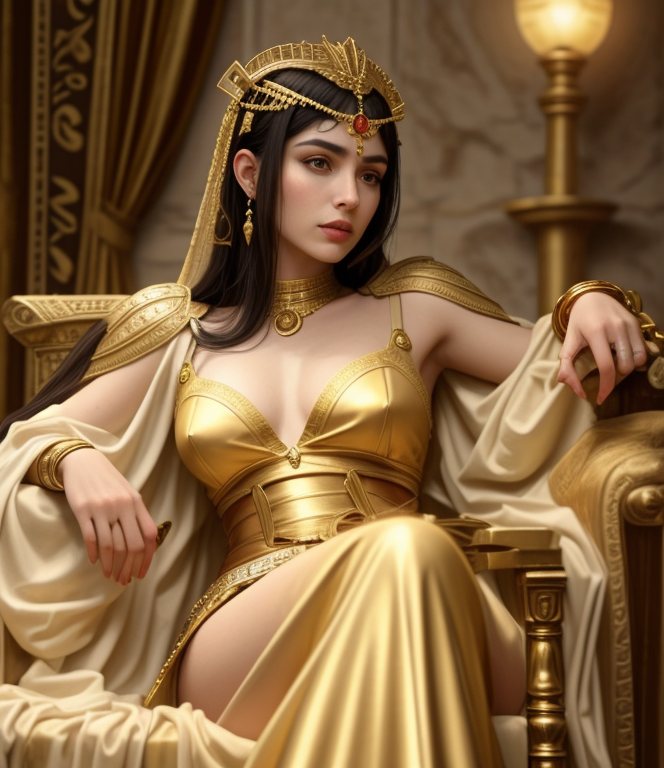
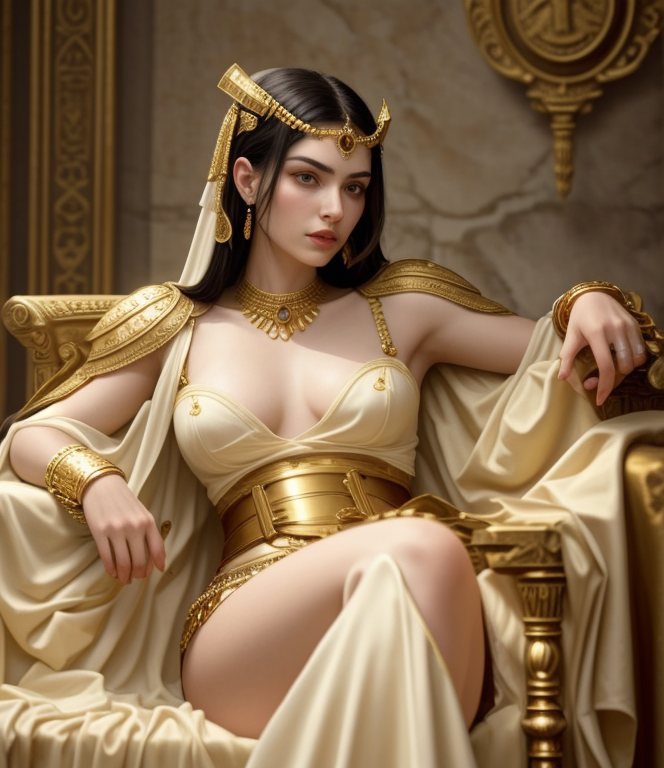
Cleopatra Testing Poisons on Condemned Prisoners (later imagining)
Source: Alexandre Cabanel, 1887; Koninklijk Museum voor Schone Kunsten Antwerpen, 1505; CC0 — 19th-century history painting, not a portrait
Original: 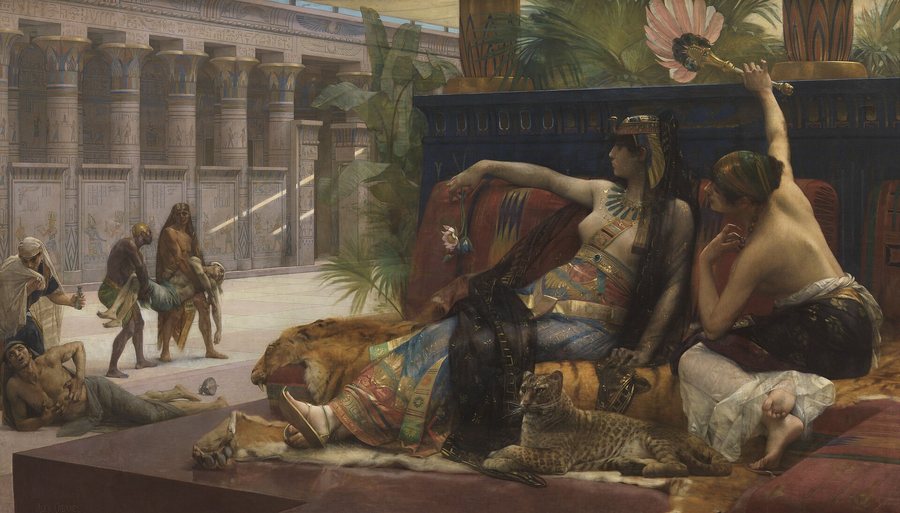
Realistic — As depicted · Nubian · Libyan (Amazigh) · Levantine · Pale
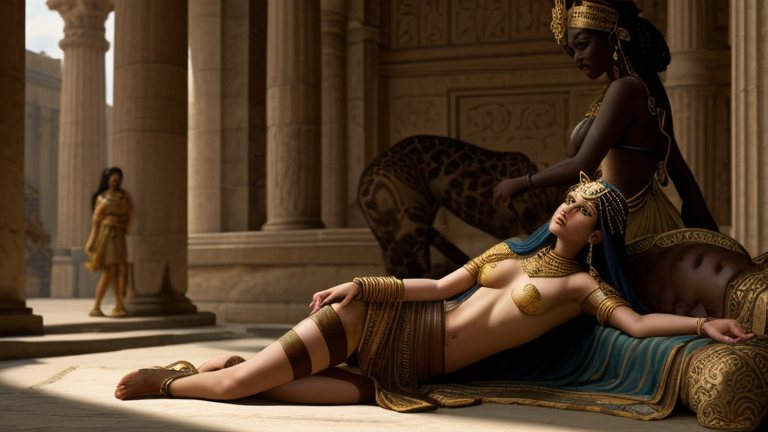
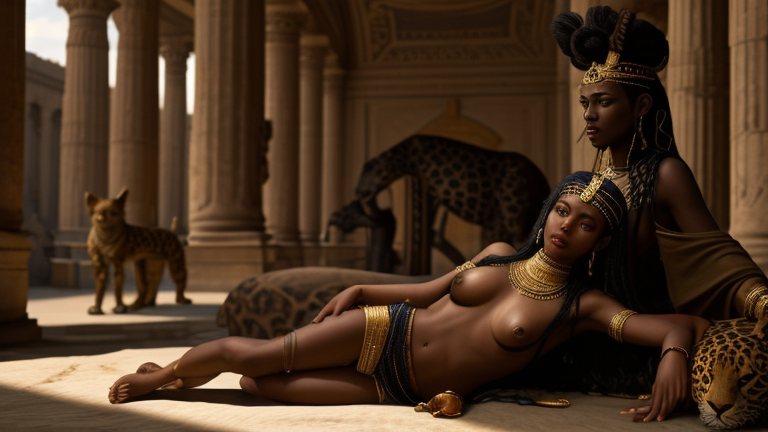
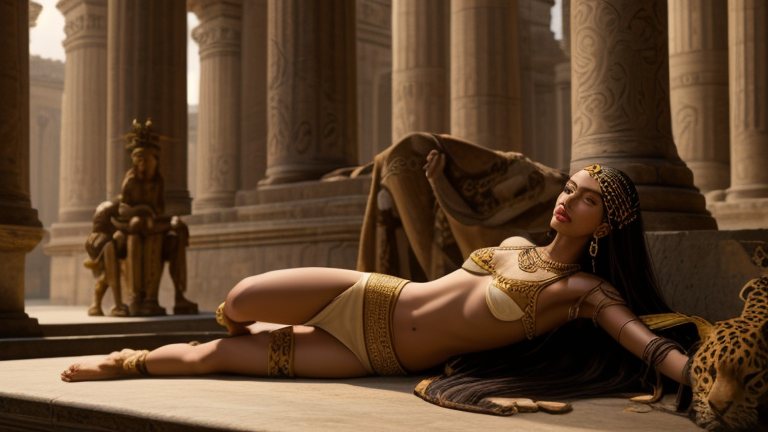
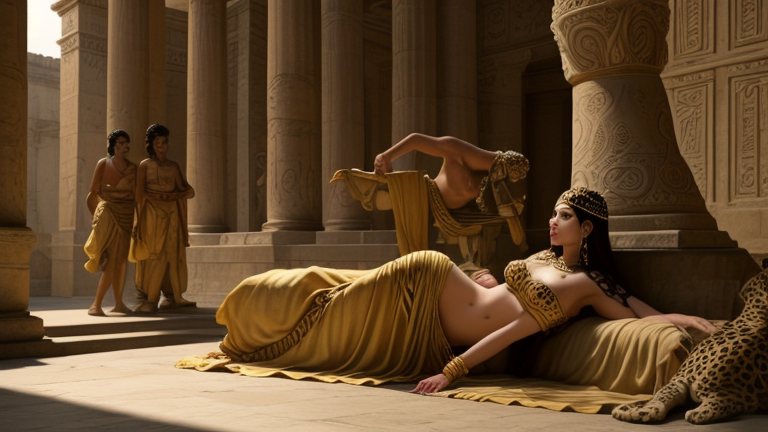
Cleopatra VII tetradrachm, Ascalon mint
Source: Coin photographed by PHGCOM (2009); public domain
Original: 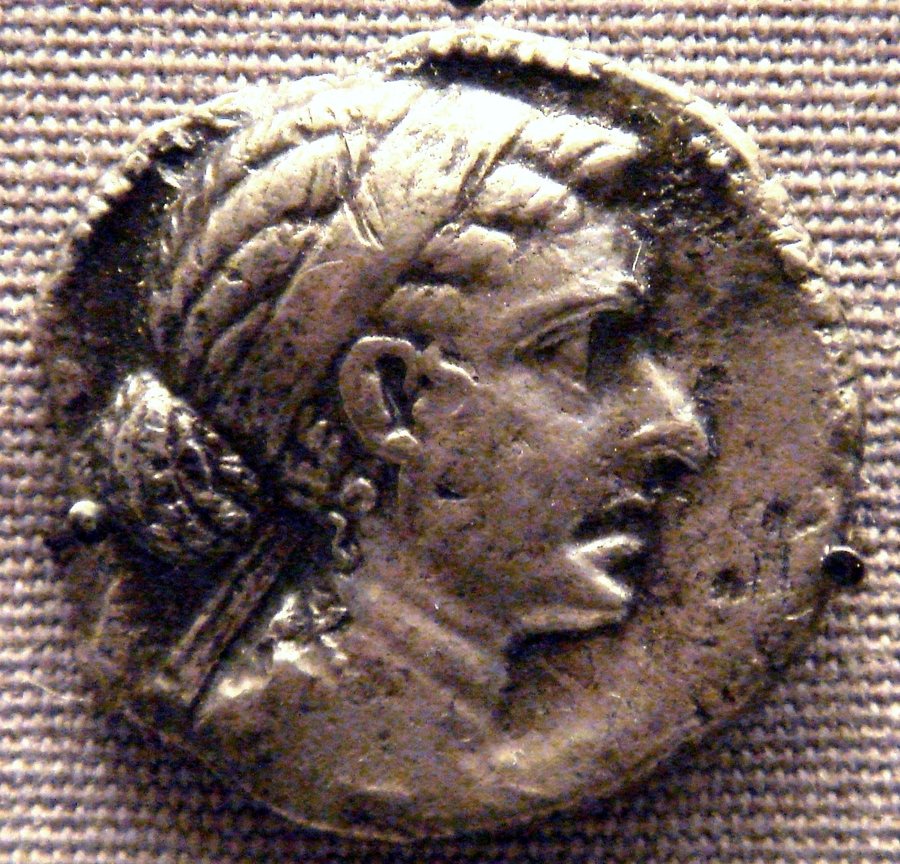
Realistic — As depicted · Nubian · Libyan (Amazigh) · Levantine · Pale
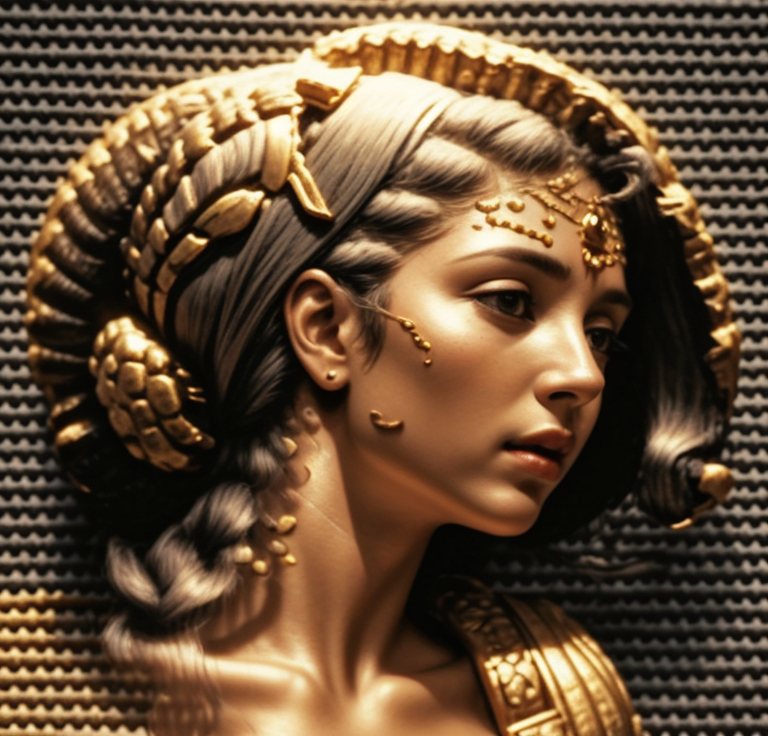
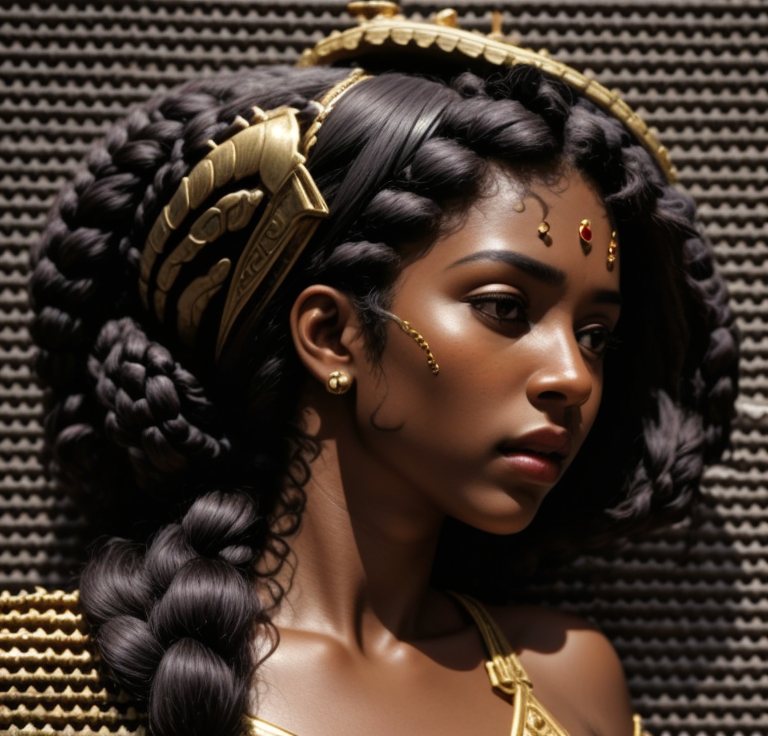
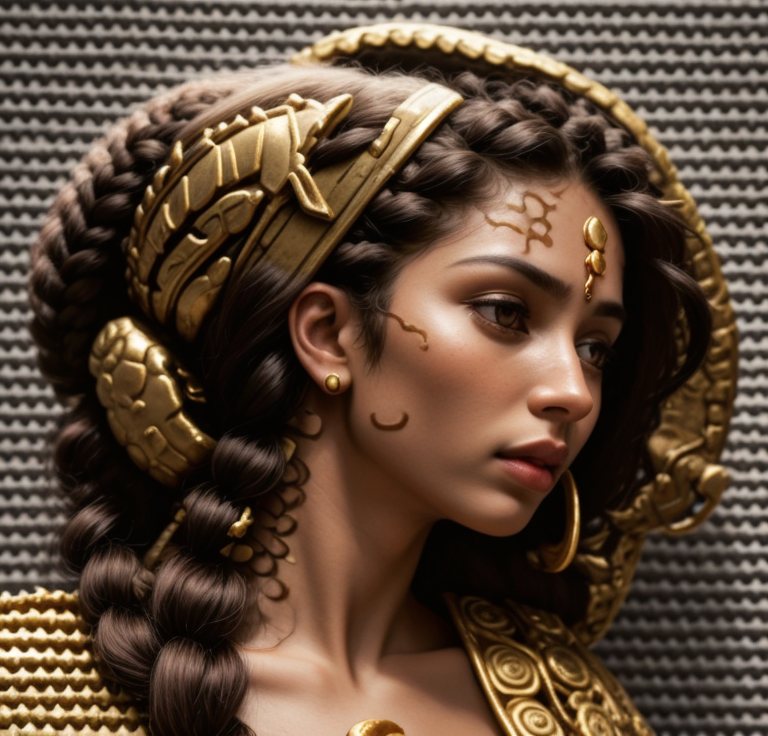
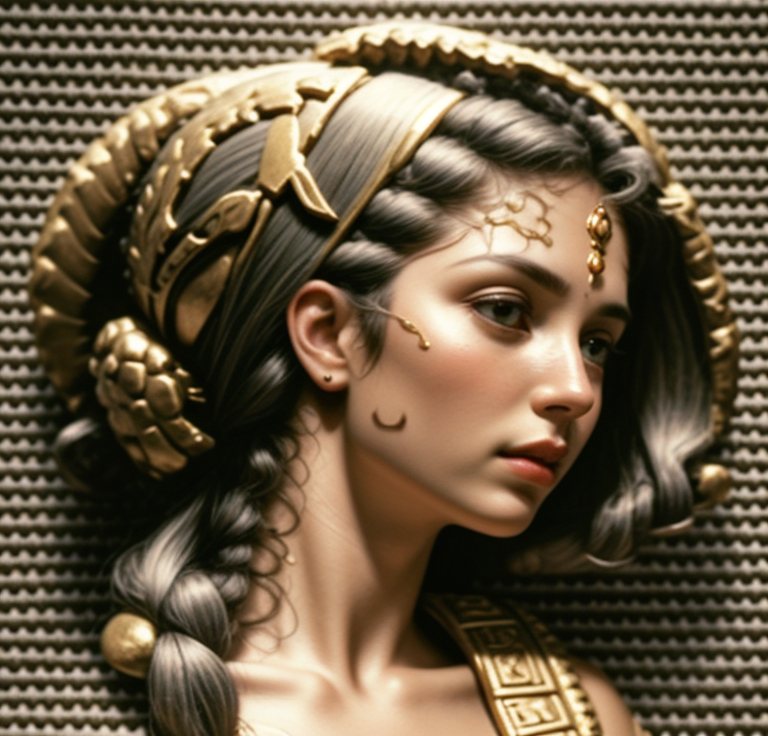
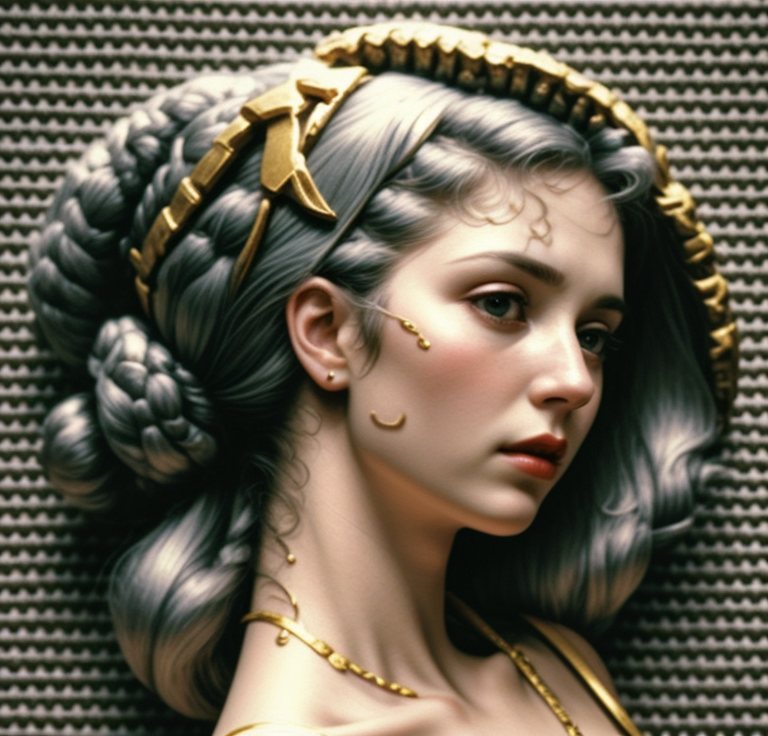
Cleopatra VII, marble portrait head, Vatican
Source: Vatican Museums, Gregoriano Profano, Inv. 38511; marble, 40–30 BC; public domain
Original: 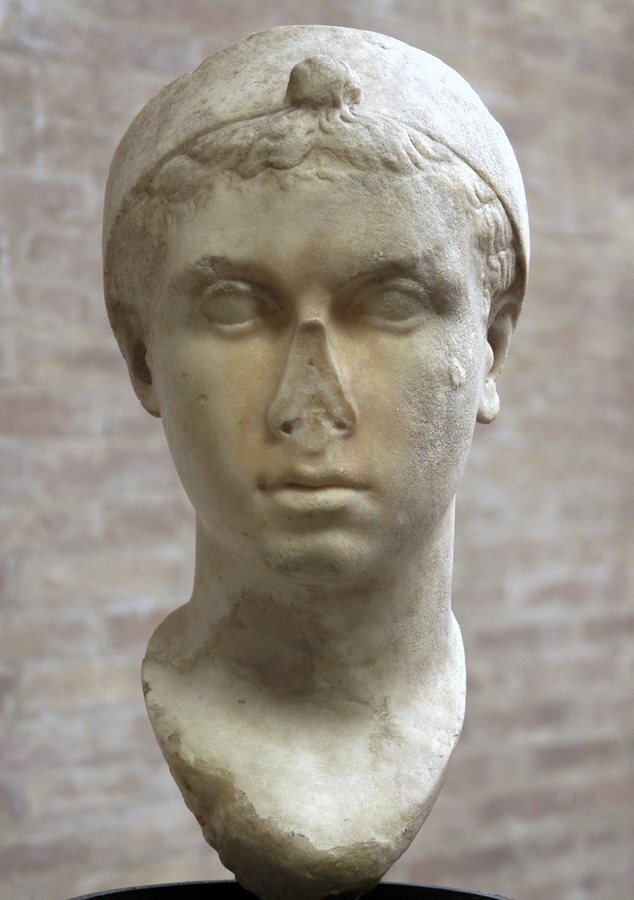
Realistic — As depicted · Nubian · Libyan (Amazigh) · Levantine · Pale

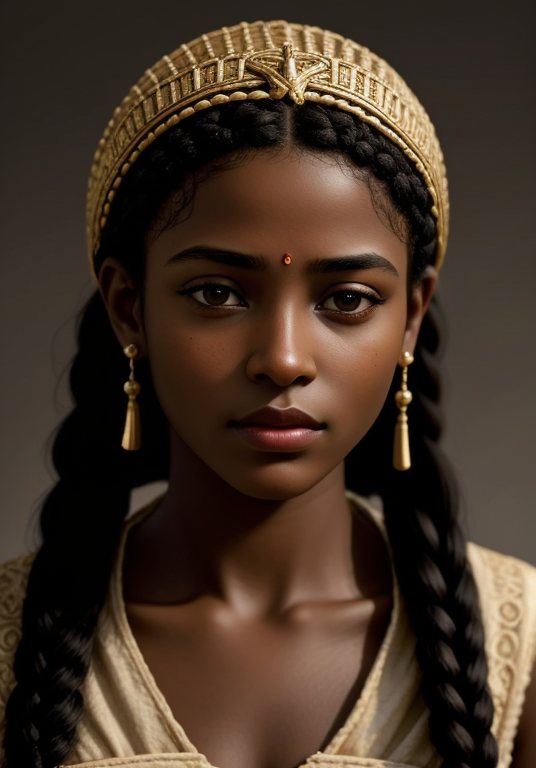



Cleopatra VII, marble portrait head, Vatican (profile)
Source: Vatican Museums, Gregoriano Profano, Inv. 38511; marble, 40–30 BC; public domain
Original: 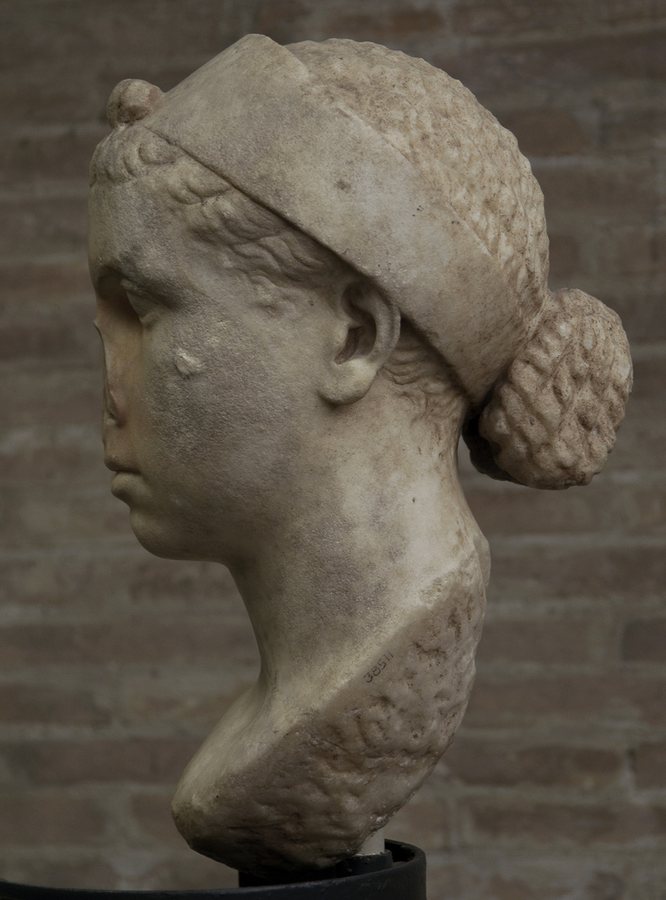
Realistic — As depicted · Nubian · Libyan (Amazigh) · Levantine · Pale

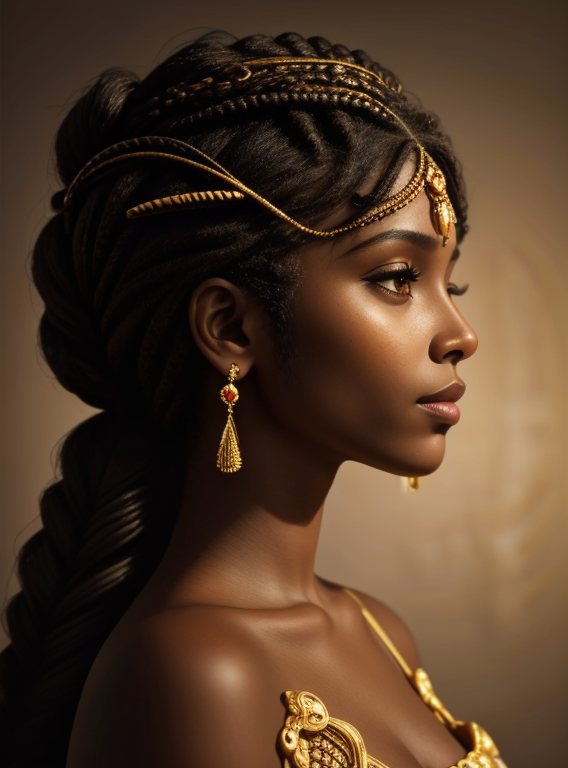
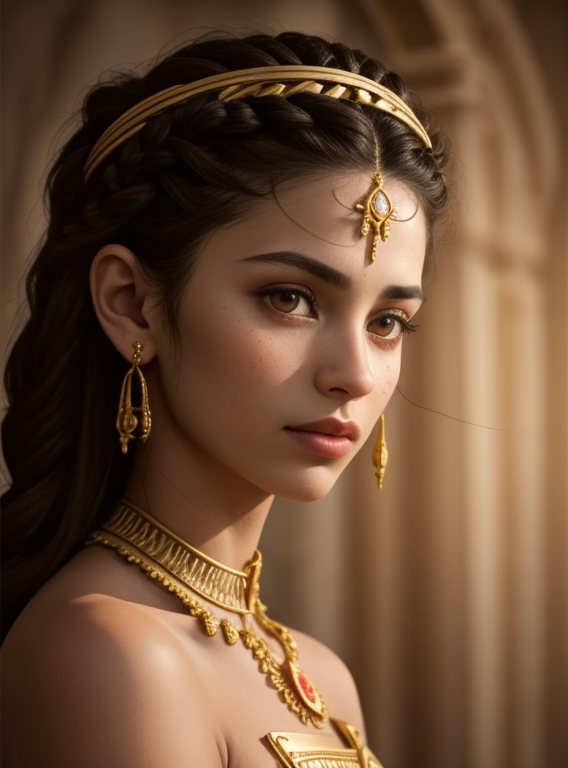


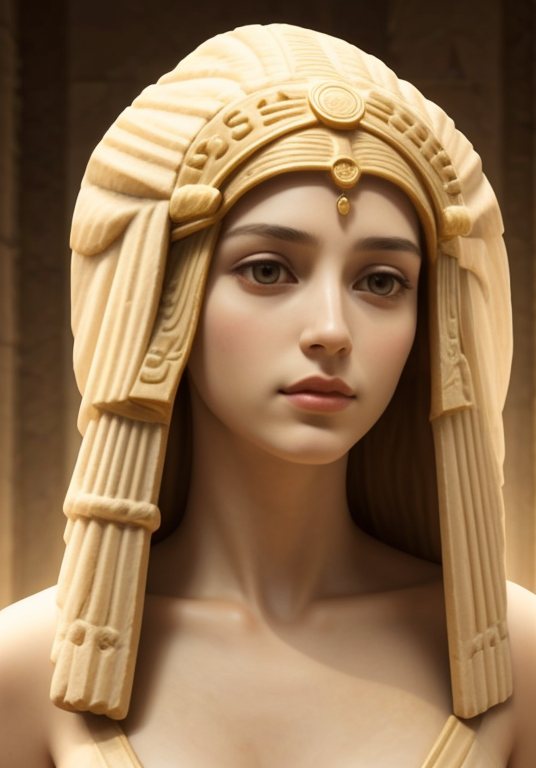
Head of Isis, or portrait of a Ptolemaic princess attired as Isis
Source: Centrale Montemartini, Rome; Late Hellenistic; photo Carole Raddato; CC BY-SA 2.0 (sometimes called 'Cleopatra as Isis')
Original: 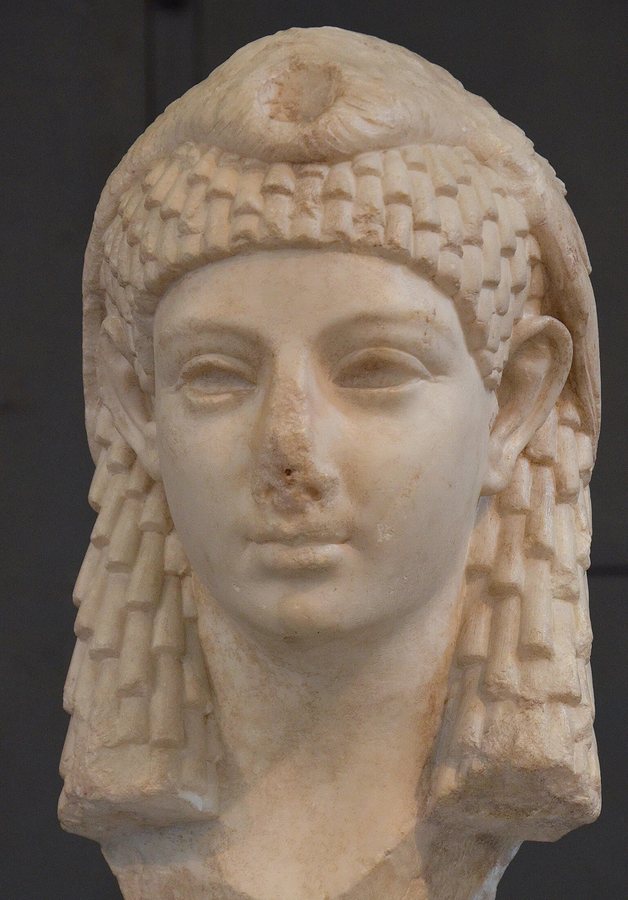
Realistic — As depicted · Nubian · Libyan (Amazigh) · Levantine · Pale




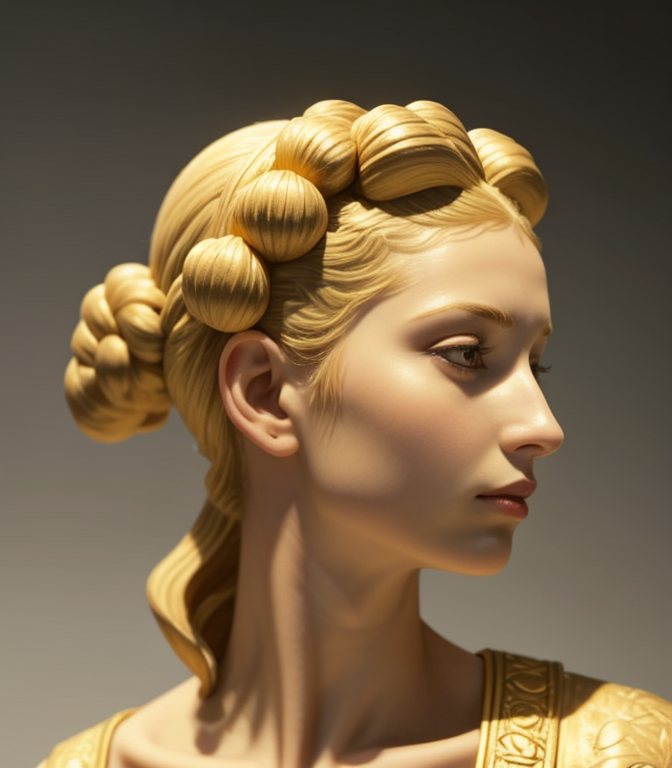
Marble portrait head of Cleopatra VII, the 'Berlin Cleopatra', profile
Source: Altes Museum, Berlin; marble; photo Chappsnet; CC BY-SA 4.0
Original: 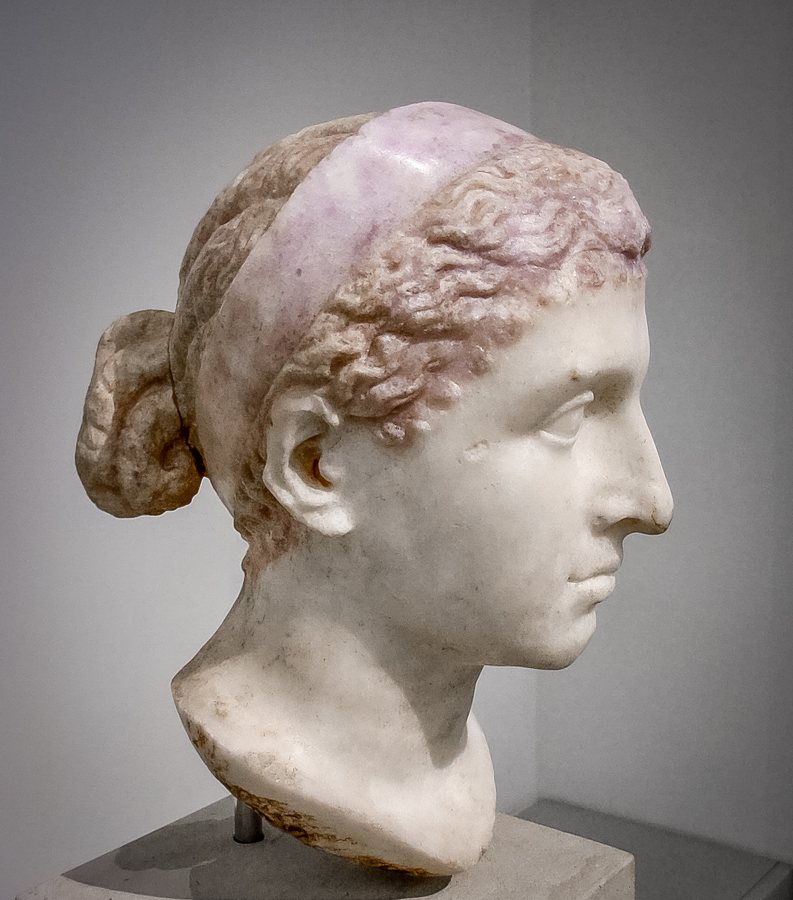
Realistic — As depicted · Nubian · Libyan (Amazigh) · Levantine · Pale
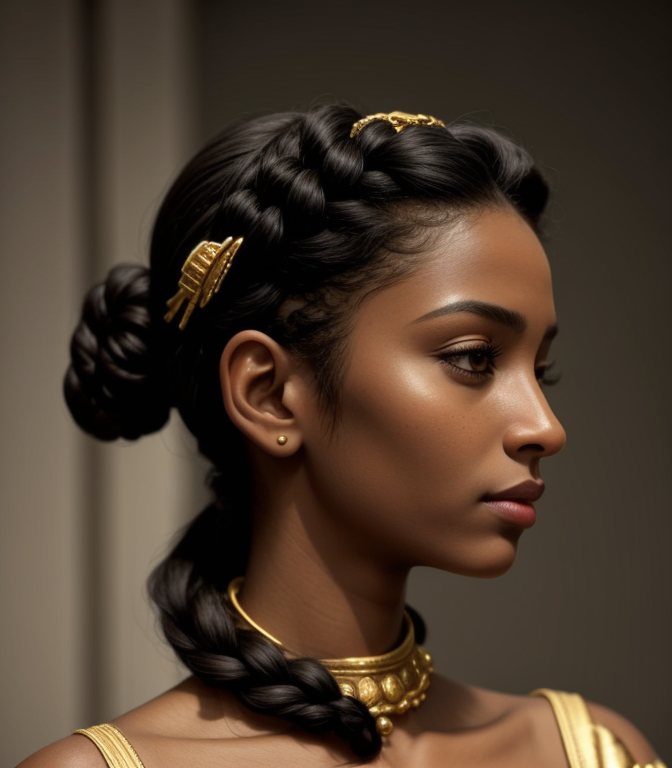
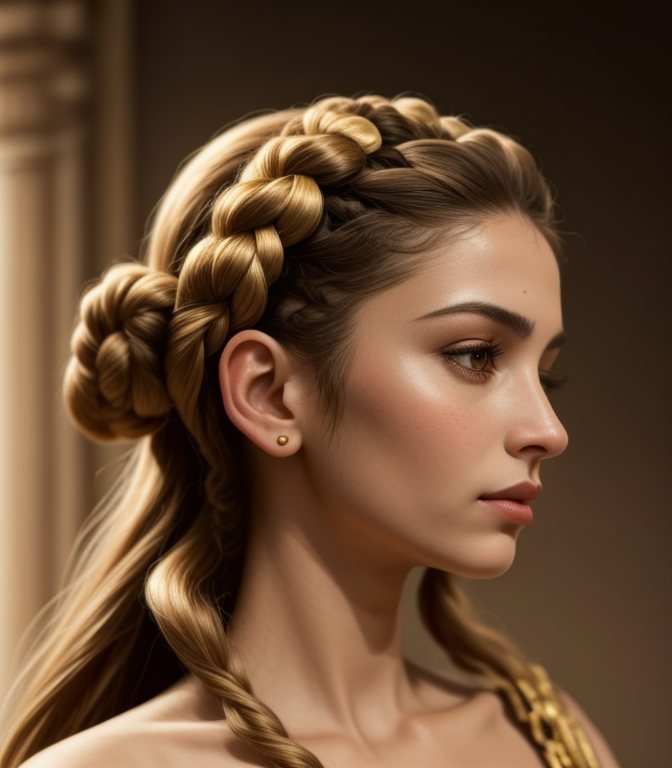
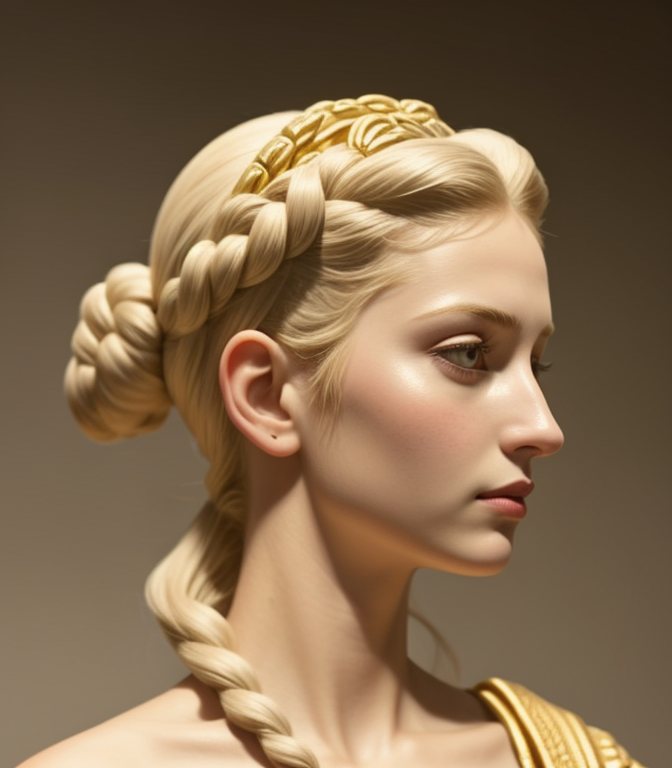
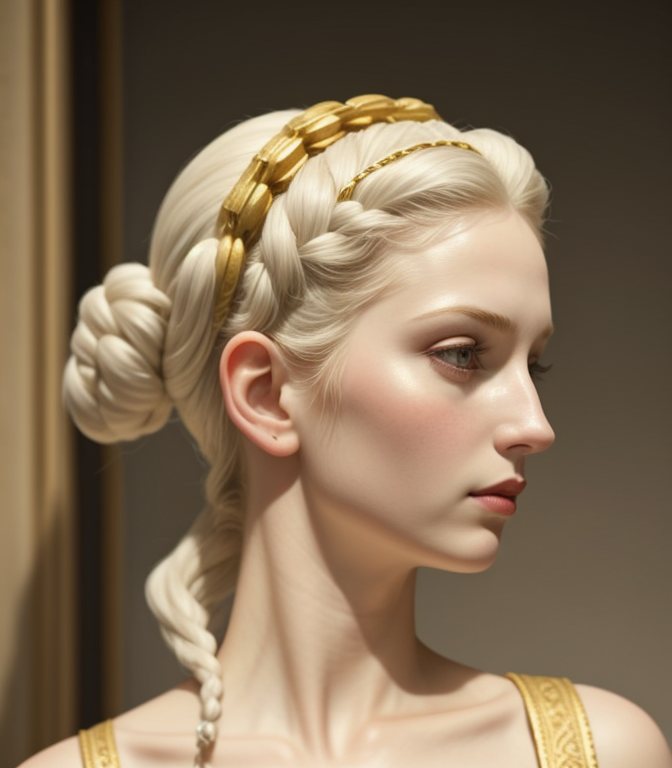
Portrait head of Cleopatra VII (Berlin), three-quarter view
Source: Altes Museum, Berlin; marble; photo Phyrexian (8 May 2025); public domain
Original: 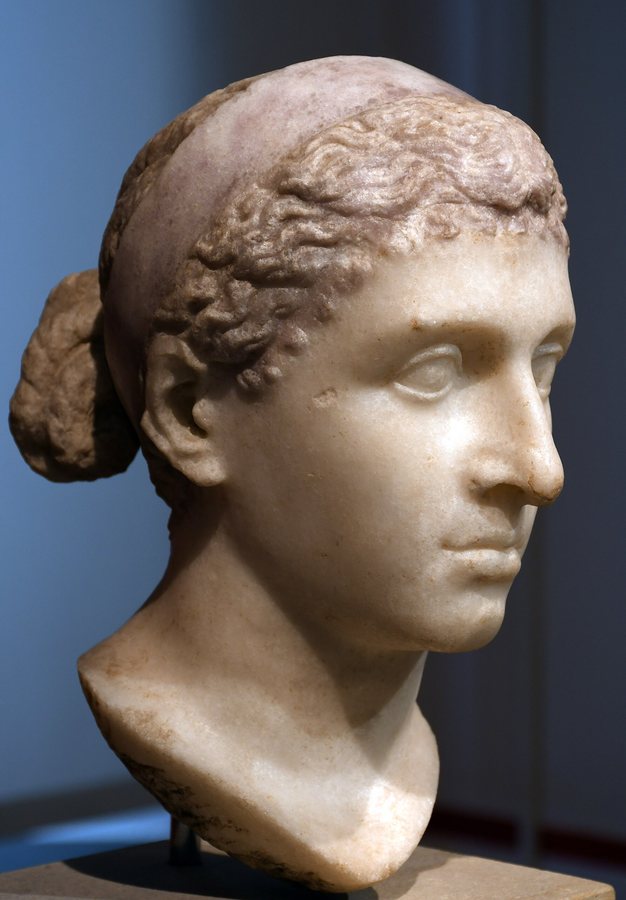
Realistic — As depicted · Nubian · Libyan (Amazigh) · Levantine · Pale

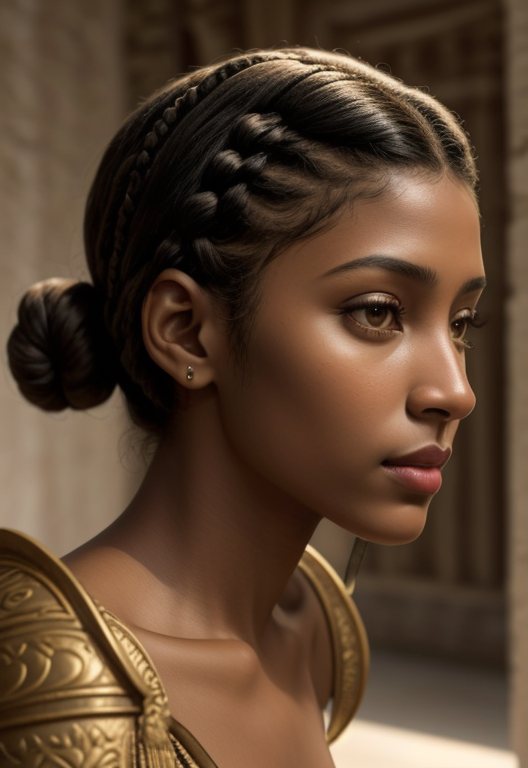

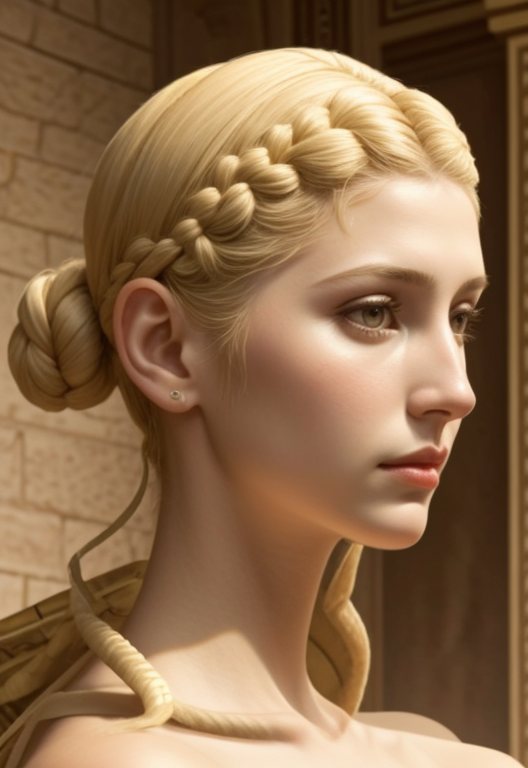
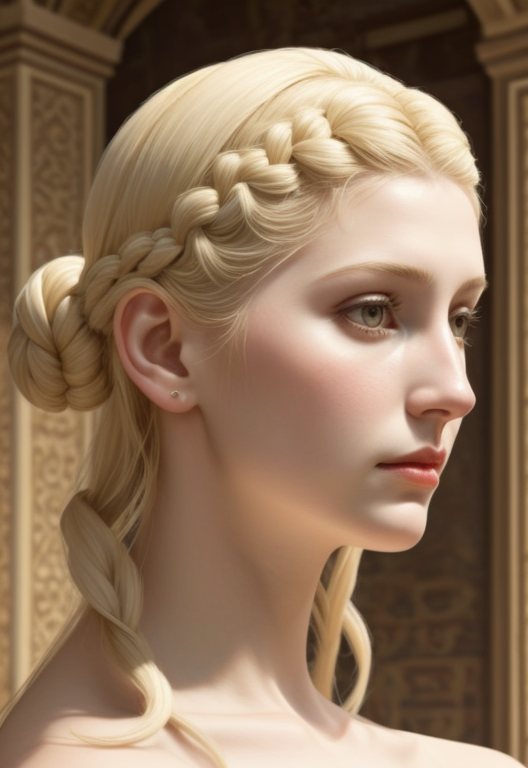
Portrait head of Cleopatra VII (the 'Berlin Cleopatra'), front
Source: Altes Museum, Berlin (Staatliche Museen zu Berlin); marble, 30–40 BC; photo Anagoria; public domain
Original: 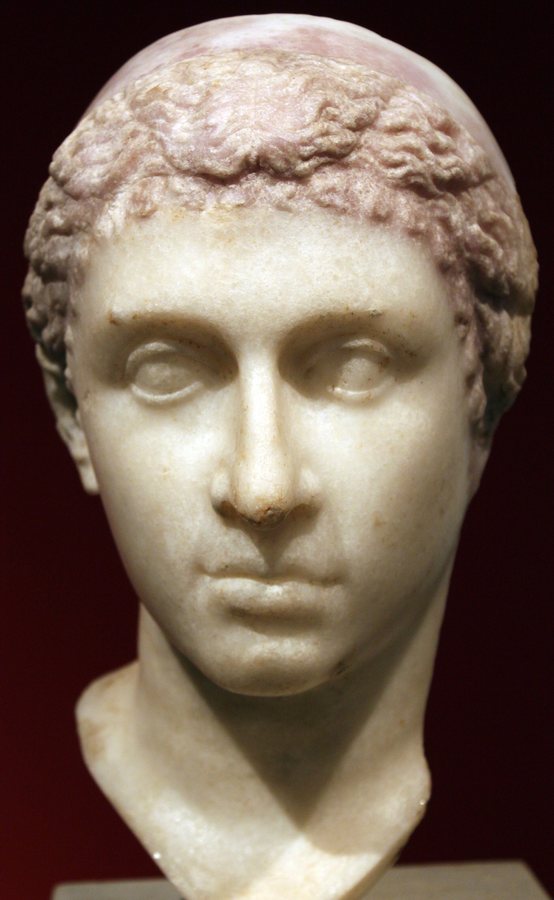
Realistic — As depicted · Nubian · Libyan (Amazigh) · Levantine · Pale
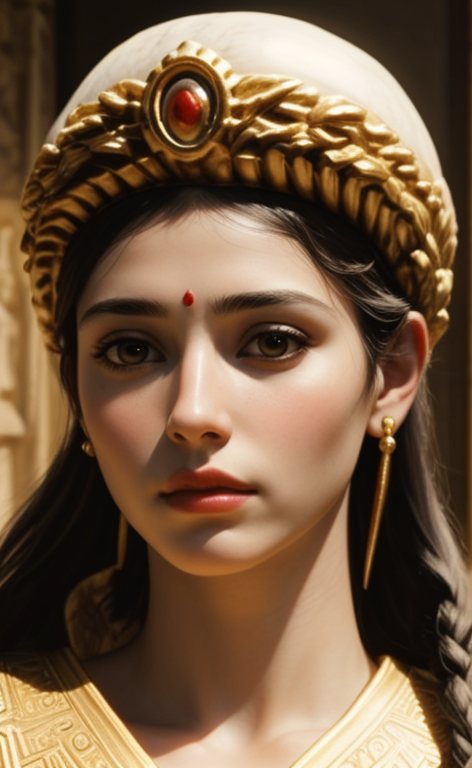
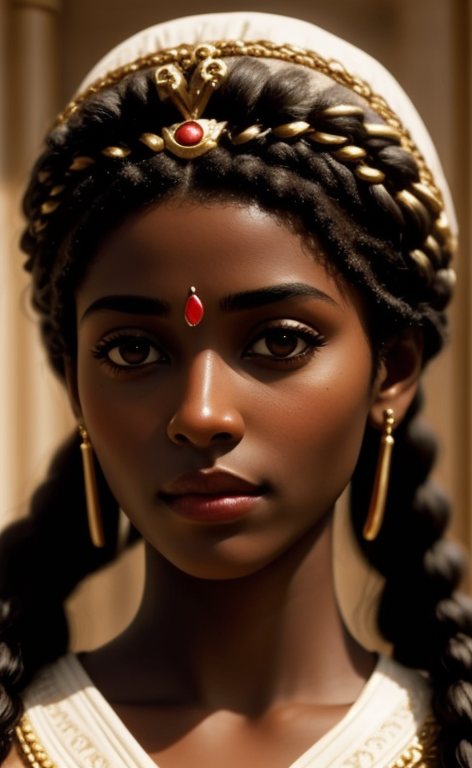
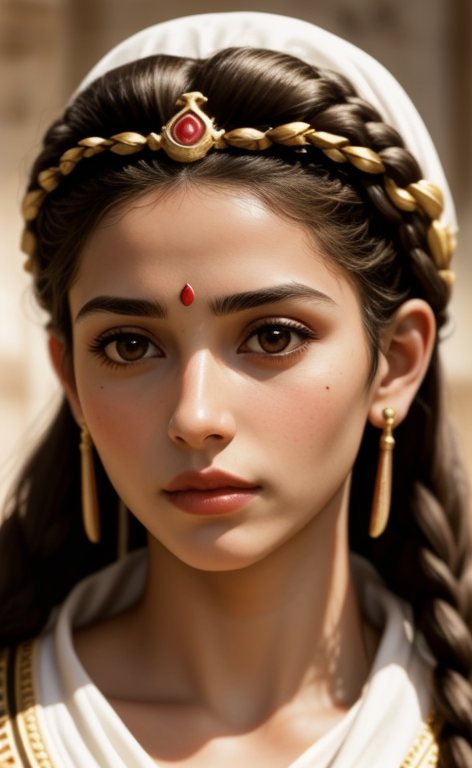
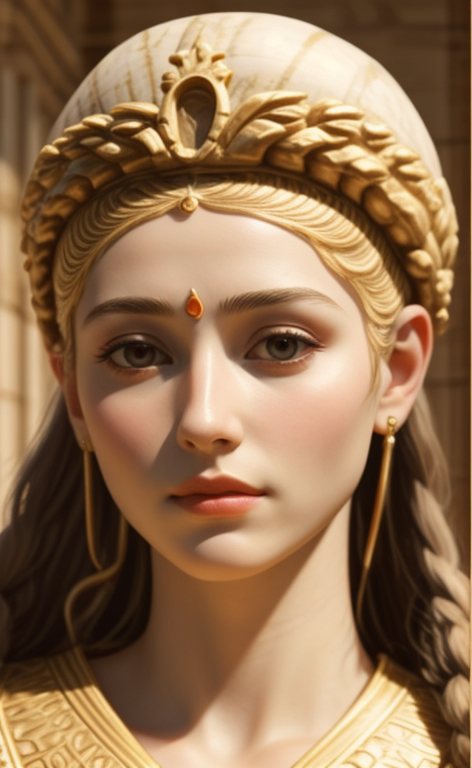
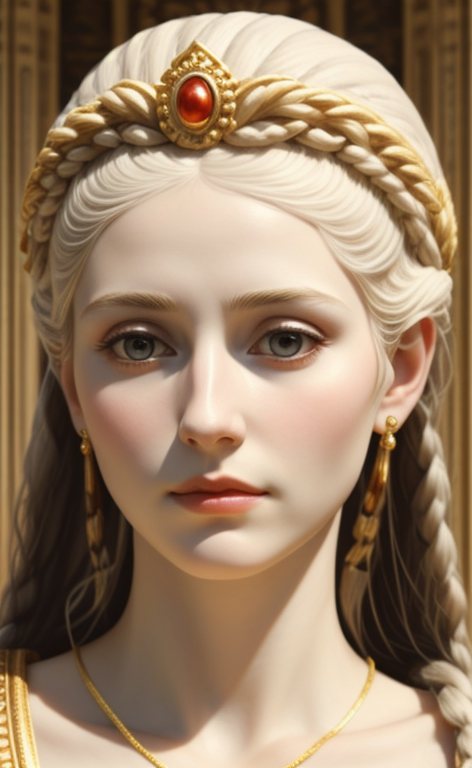
Posthumous painted portrait of Cleopatra VII, Herculaneum
Source: Ancient Roman wall painting from Herculaneum, 1st century AD (identification as Cleopatra VII per Commons description); public domain
Original: 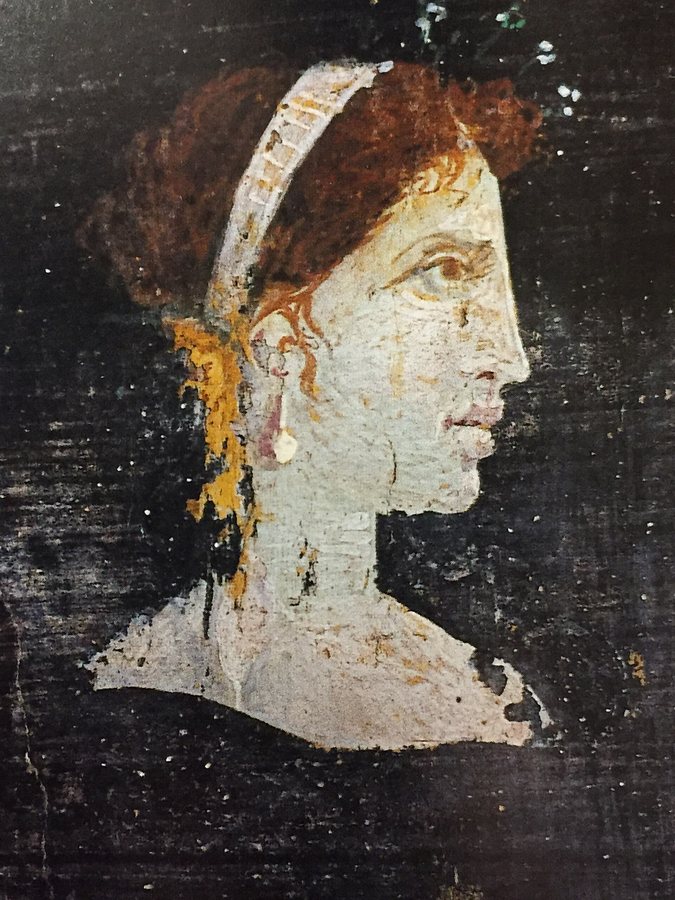
Realistic — As depicted · Nubian · Libyan (Amazigh) · Levantine · Pale
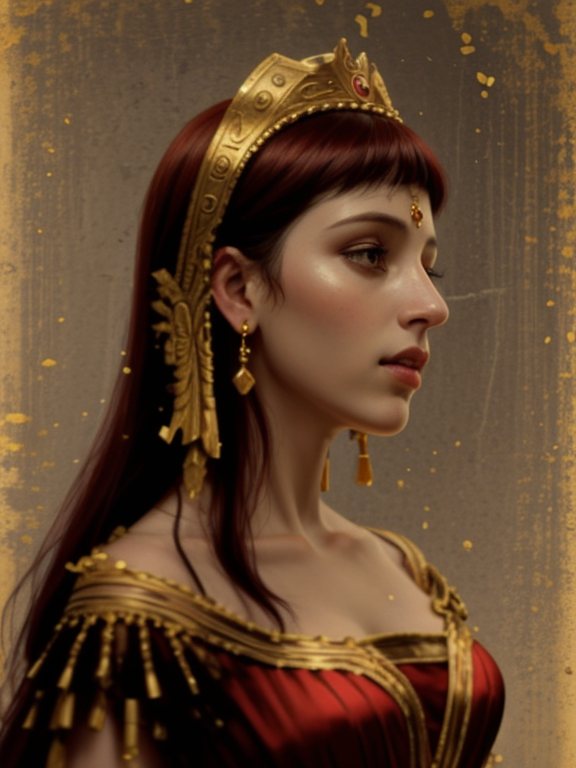
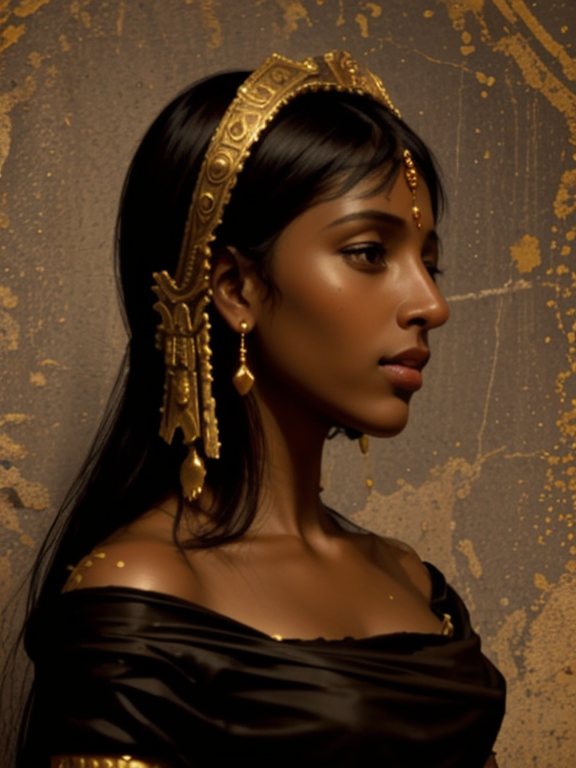
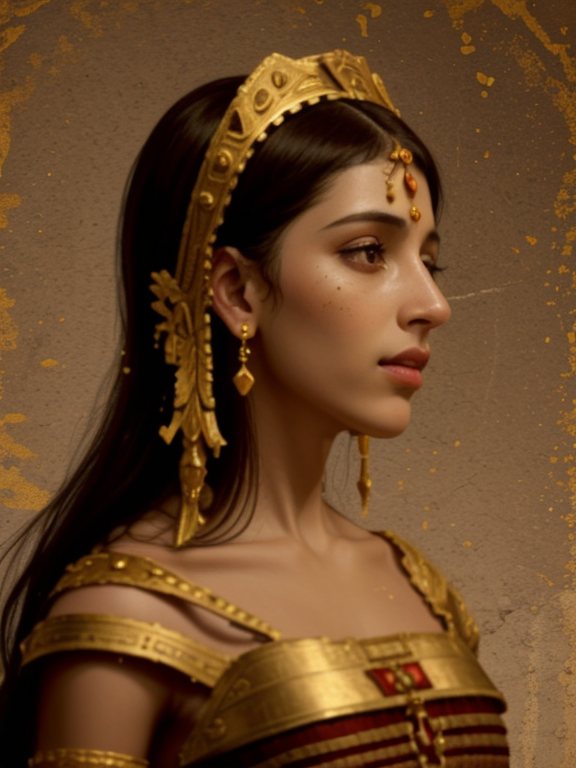
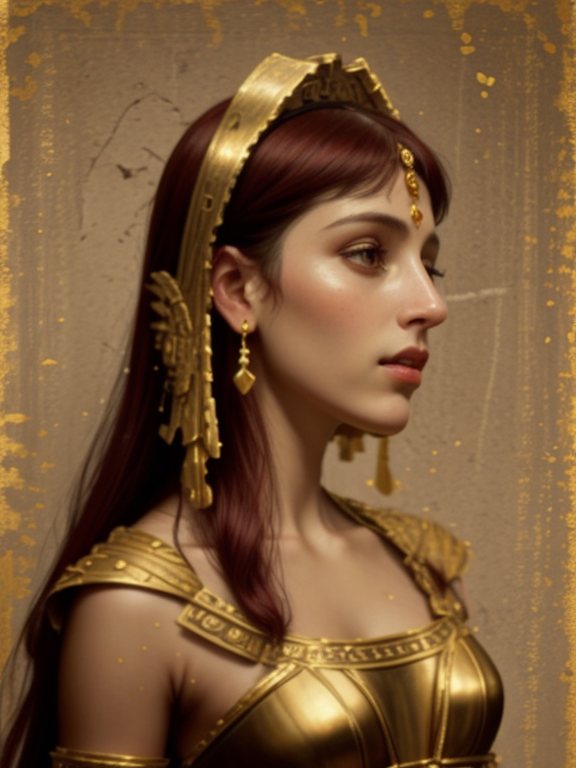

Ptolemaic Queen (Cleopatra VII?), 50–30 B.C.E.
Source: Brooklyn Museum, 71.12; 50–30 B.C.E.; public domain
Original: 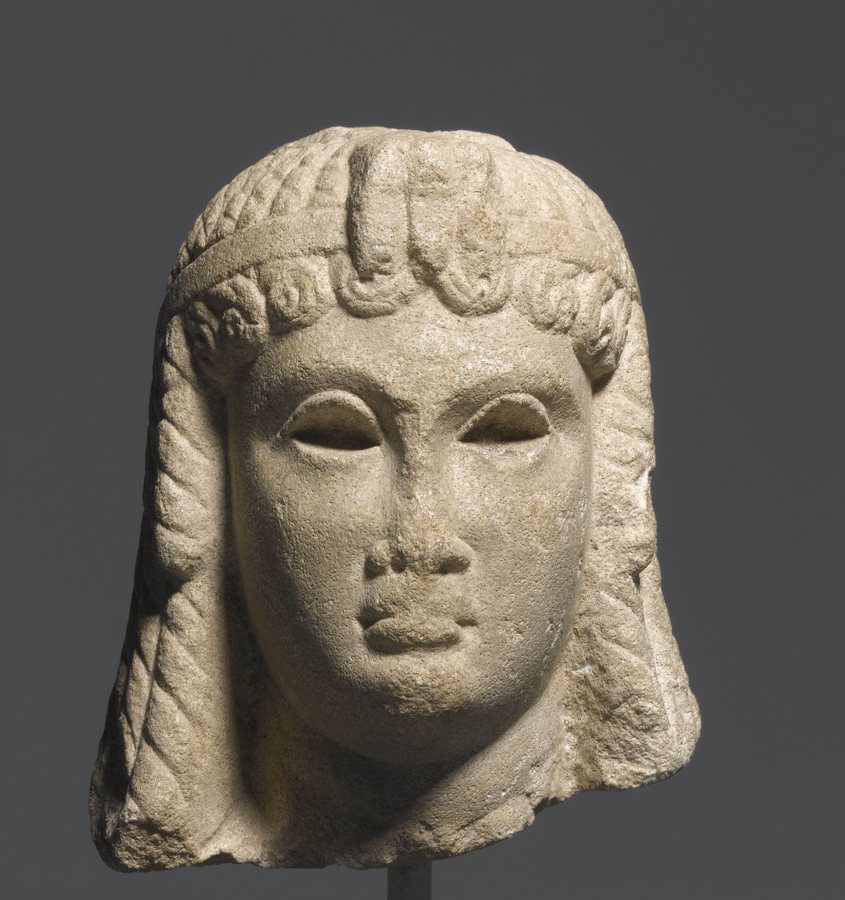
Realistic — As depicted · Nubian · Libyan (Amazigh) · Levantine · Pale
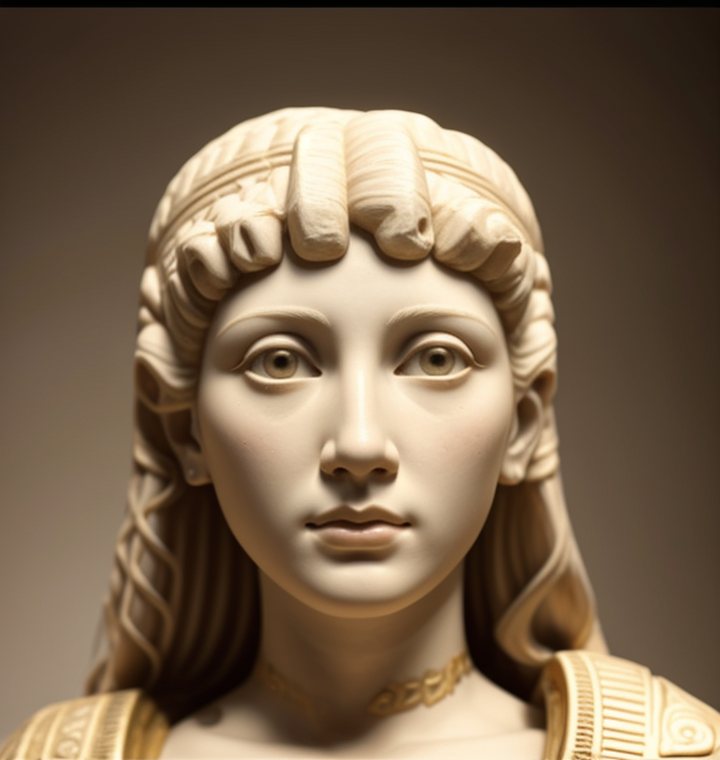
All 20 scenes in this set, and every other remake, are in the gallery: https://hathor.soapbox.community/remakes. Made on our own servers in Hathor Studio; each scene links to its place in the gallery.