Śilpa Śāstra is the Sanskrit science of arts and crafts. Its treatises teach how an image is measured, how its attributes are fixed, how its maker prepares, and how its eyes are finally opened. The canon measures a figure by its own face and keeps a deity's attributes fixed so that anyone, in any land, can know who is shown. This account publishes our historical remakes in that spirit. Each scene, whether Egyptian, Nubian, Minoan, Punic or Greek, is remade side by side for several peoples. The attributes stay constant and the people change. Today's set follows.
The science of making. Śilpa means art, craft and skill; śāstra means a systematic teaching. Stella Kramrisch read śilpa as spanning "art, skill, craft, labor, ingenuity, rite and ritual, form and creation." Śilpa Śāstra is the body of treatises that governs how images, paintings, bronzes, carvings and crafted things are made, measured and consecrated. (source)
The full gallery, every scene in every look: https://hathor.soapbox.community/remakes · Shilpa Shastra gallery: https://hathor.soapbox.community/gallery
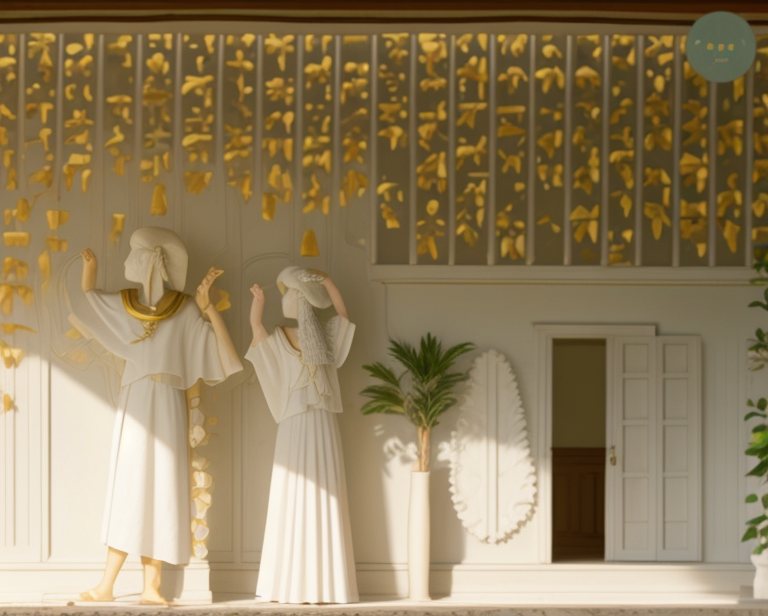
A couple adoring the sun
Source: Book of the Dead · operator reference
Realistic — Egyptian · Nubian · Libyan (Amazigh) · Levantine · Pale
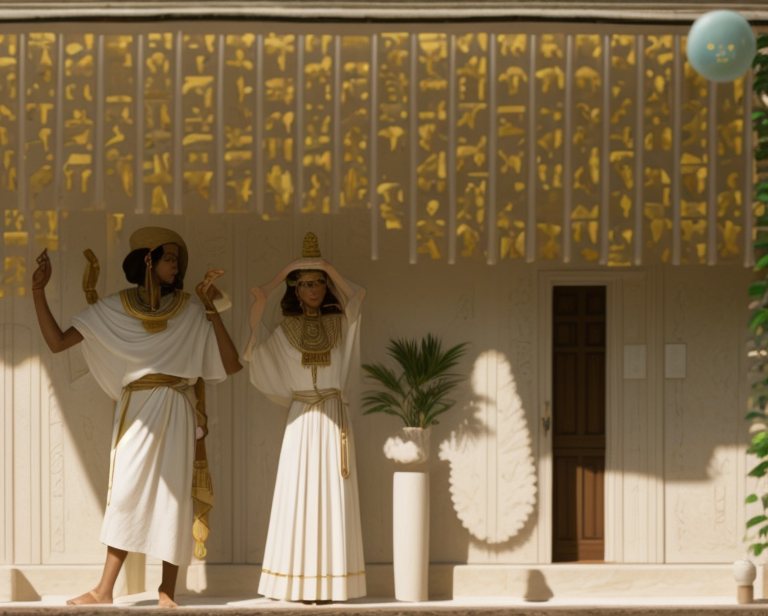
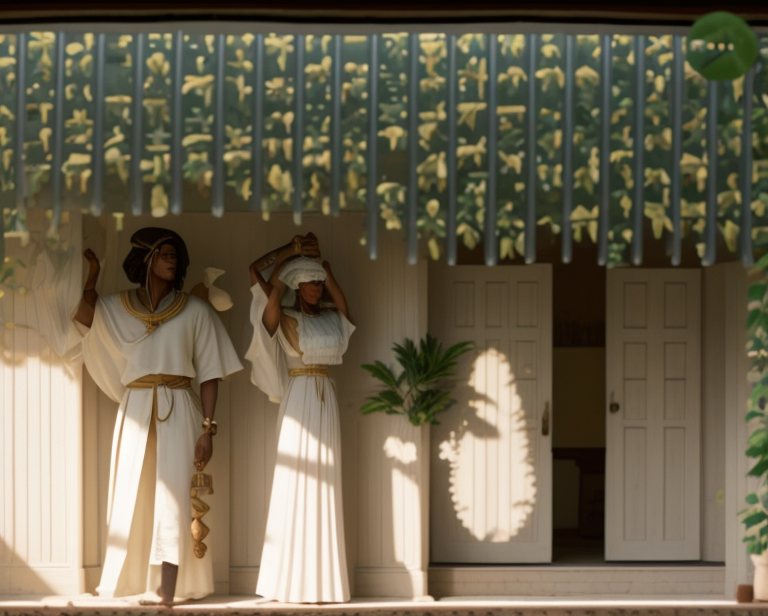
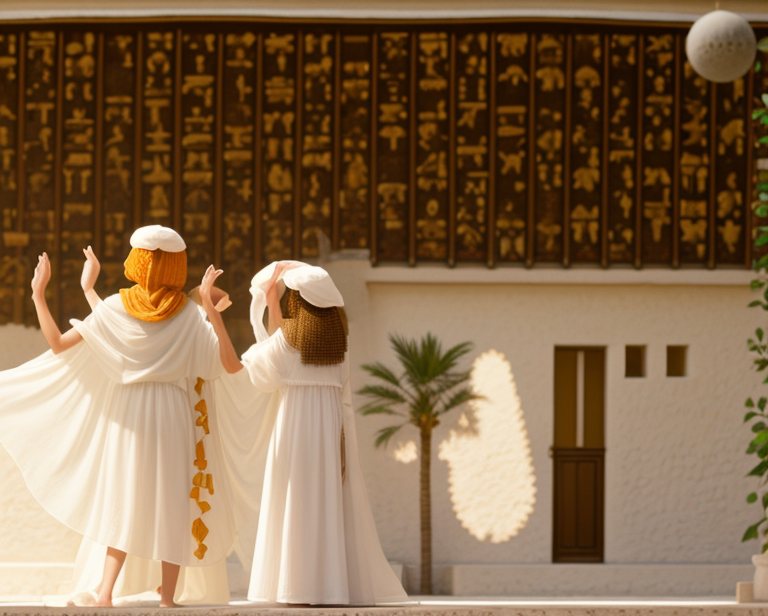
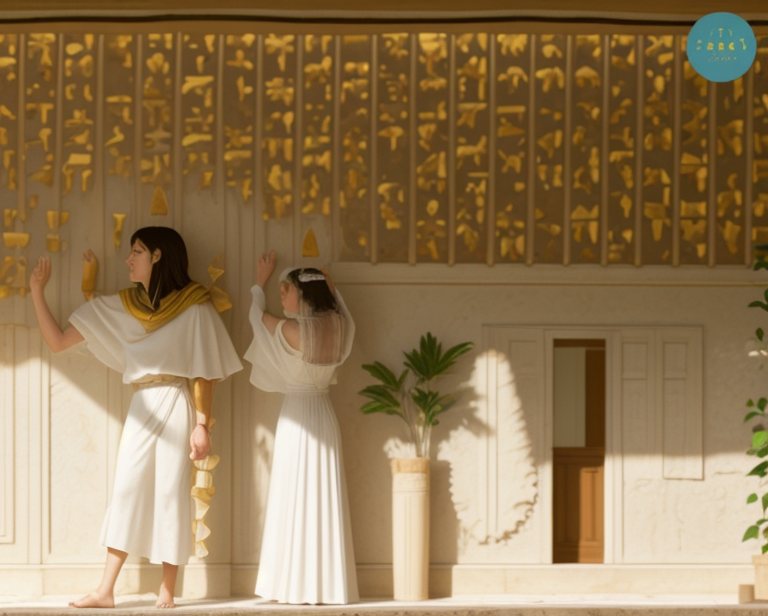
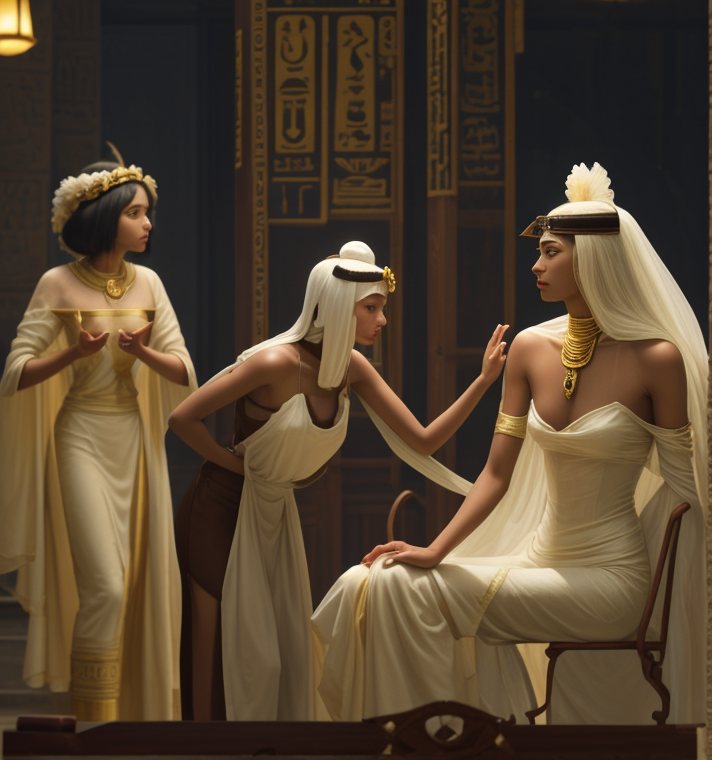
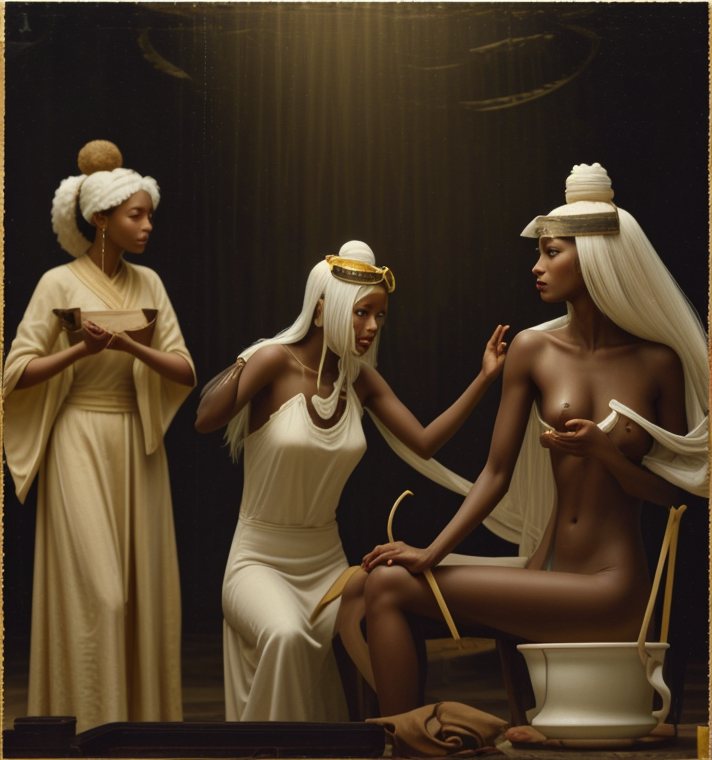
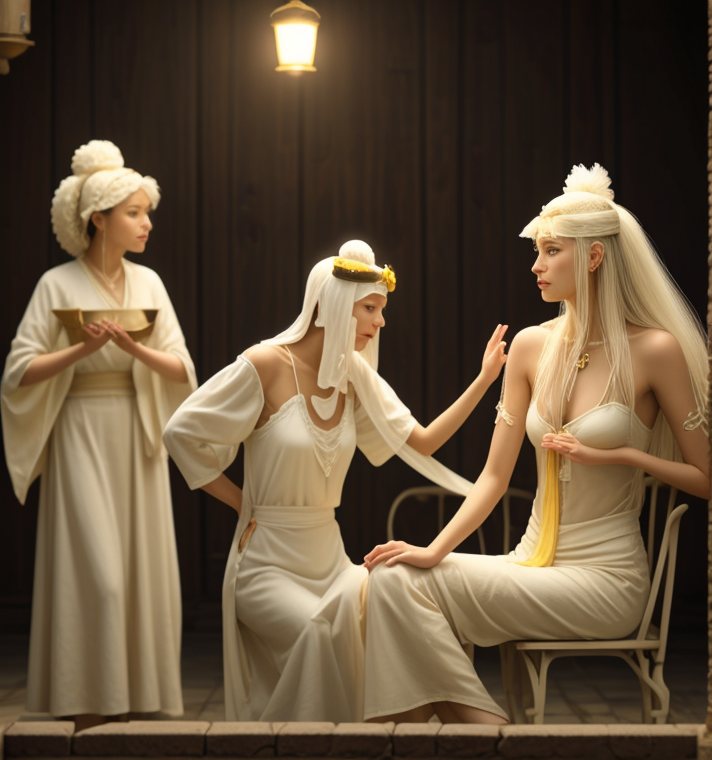
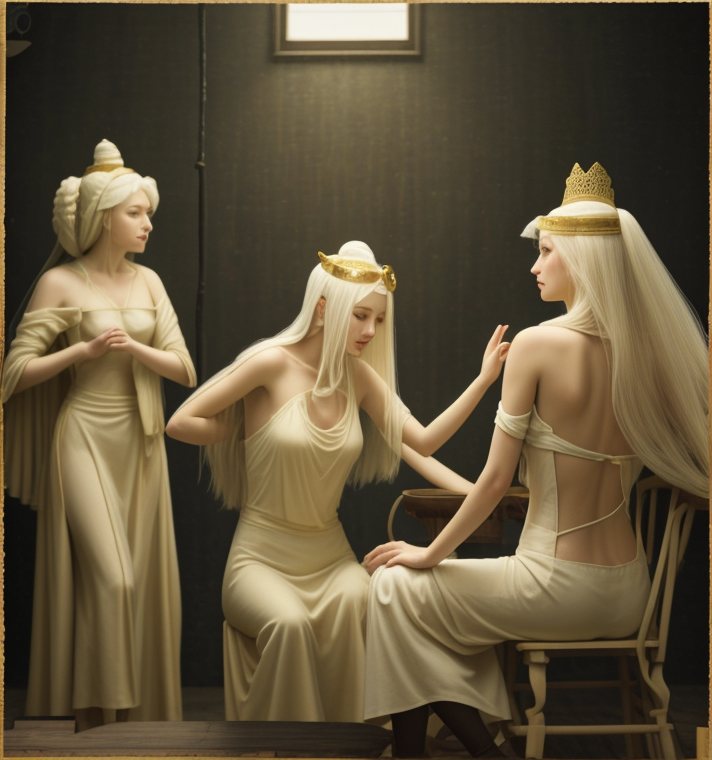
A servant anoints a lady's headcone
Source: Theban tomb painting · operator reference
Realistic — Egyptian · Nubian · Libyan (Amazigh) · Levantine · Pale
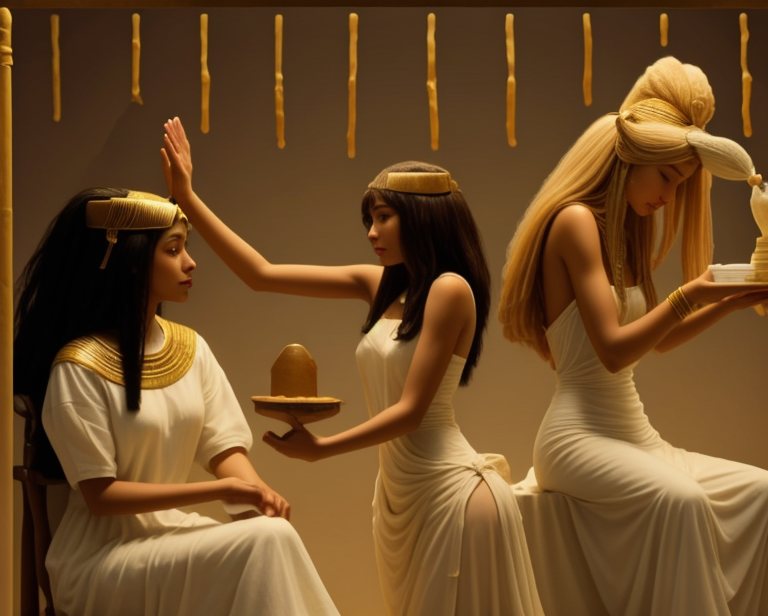
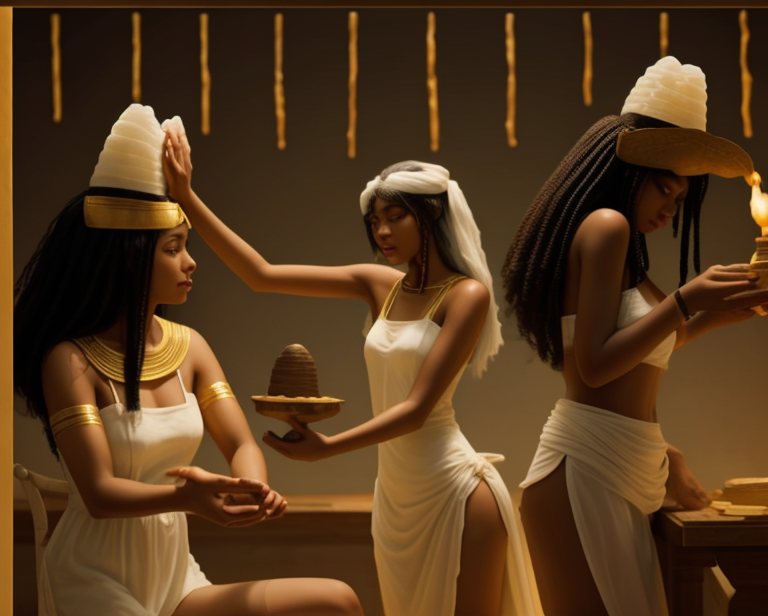
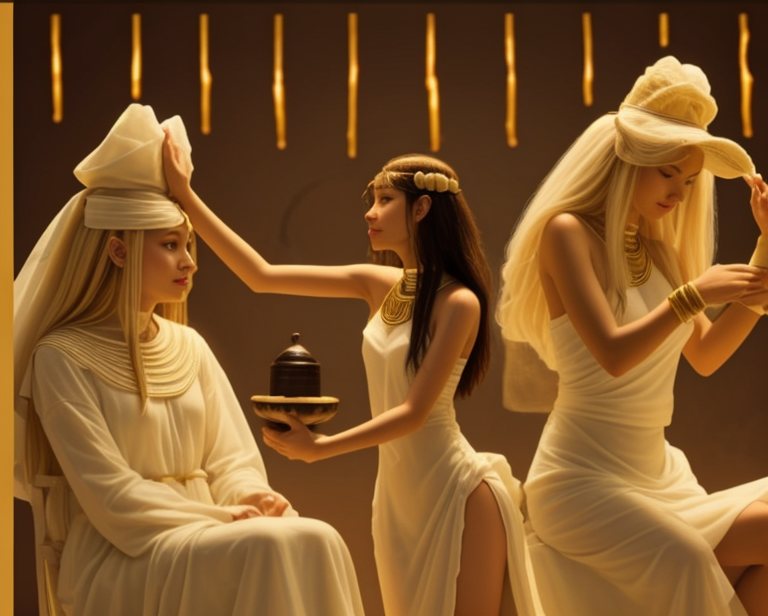
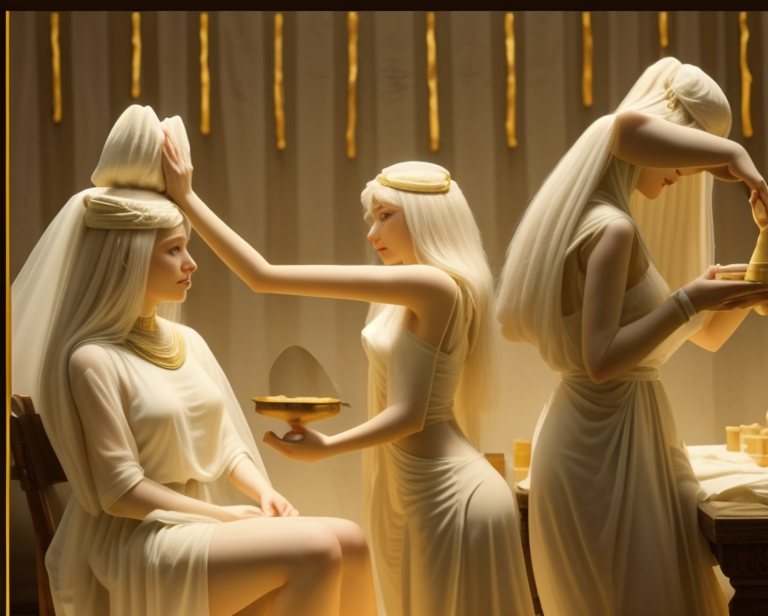
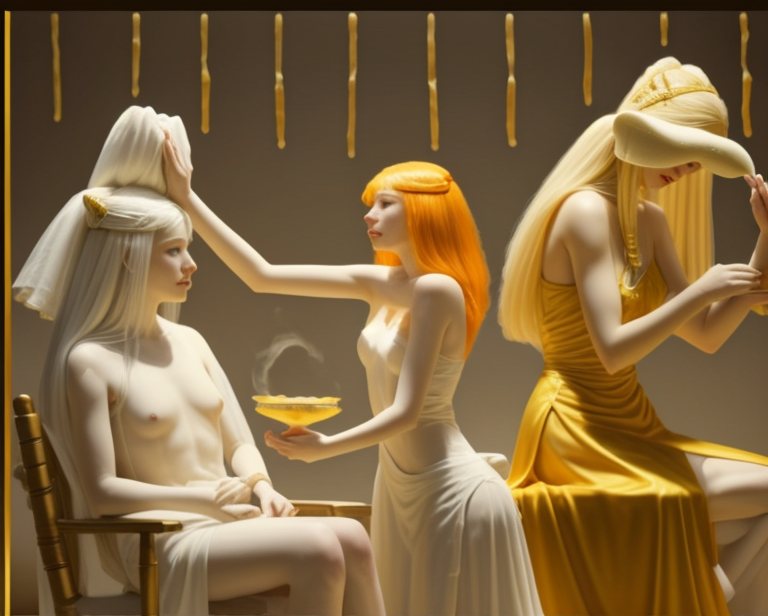
Anointing at the banquet
Source: Facsimile, Metropolitan Museum 30.4.105 (CC0)
Realistic — Egyptian · Nubian · Libyan (Amazigh) · Levantine · Pale
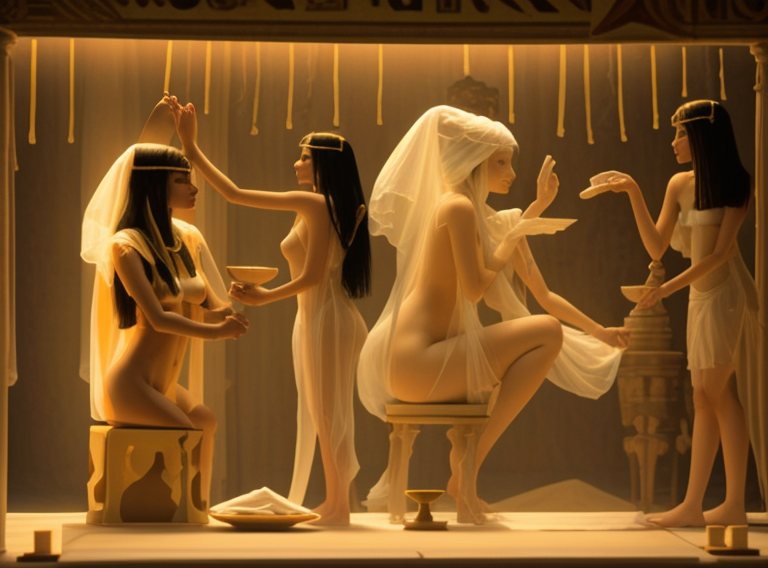
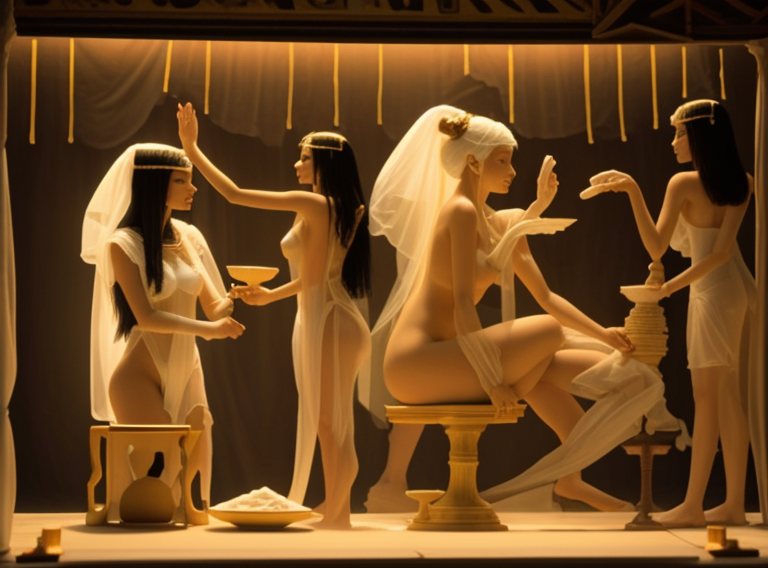
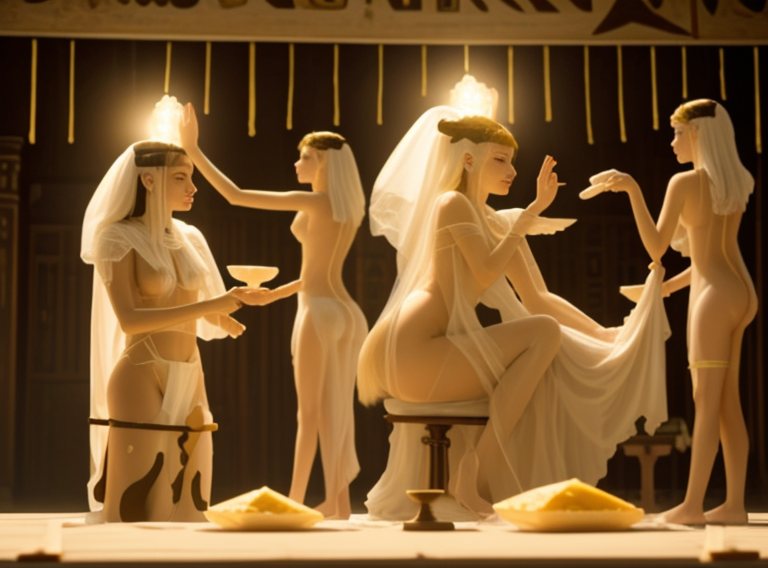
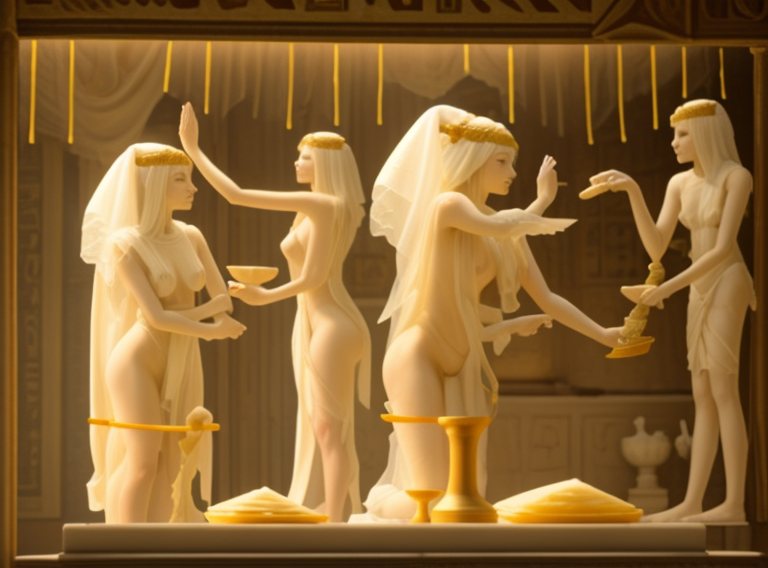
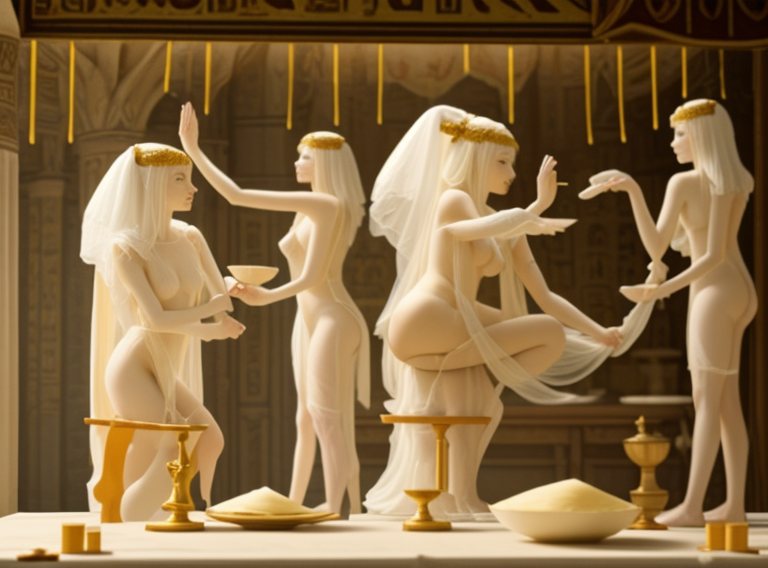
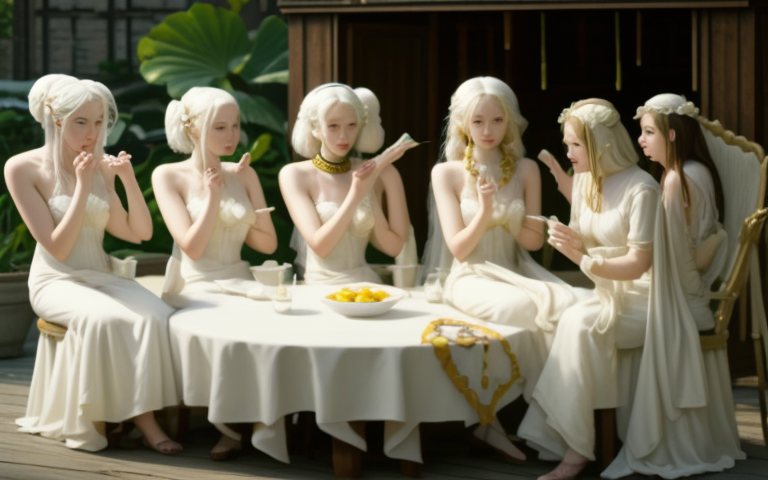
Banquet ladies with wax perfume headcones
Source: Theban tomb painting (18th Dynasty) · operator reference
Realistic — Egyptian · Nubian · Libyan (Amazigh) · Levantine · Pale
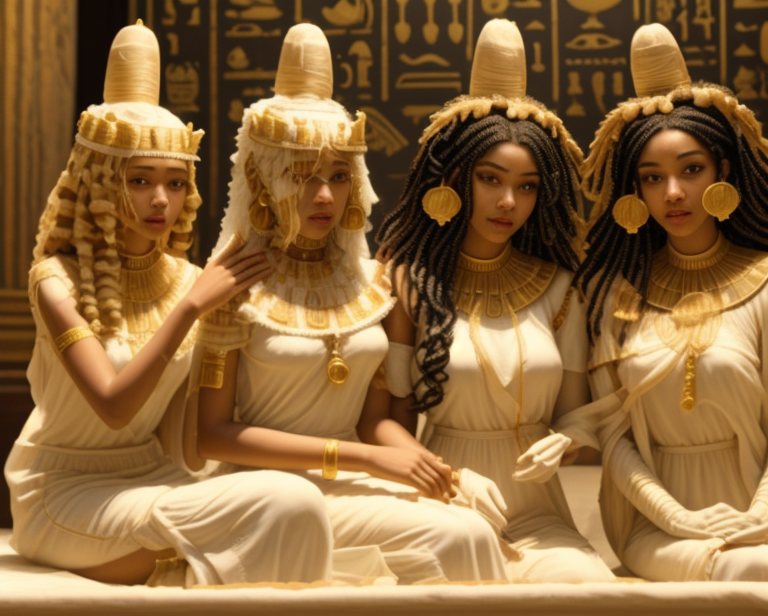
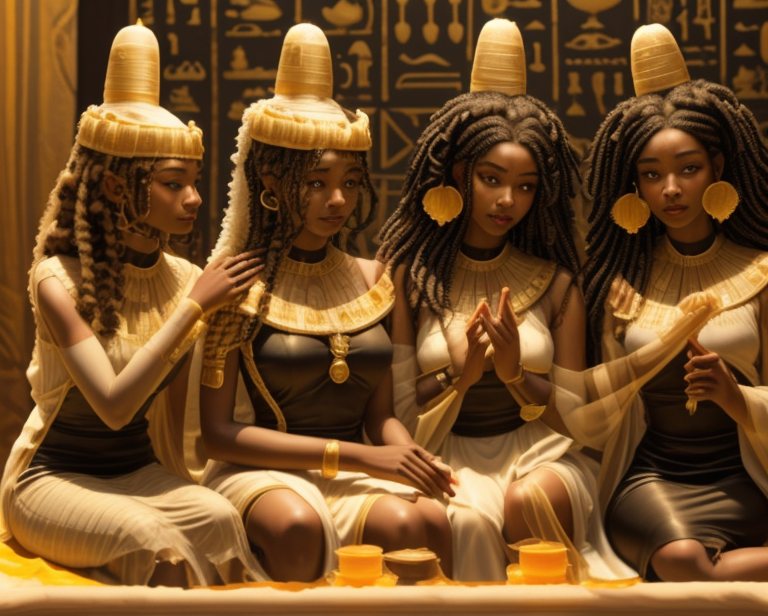
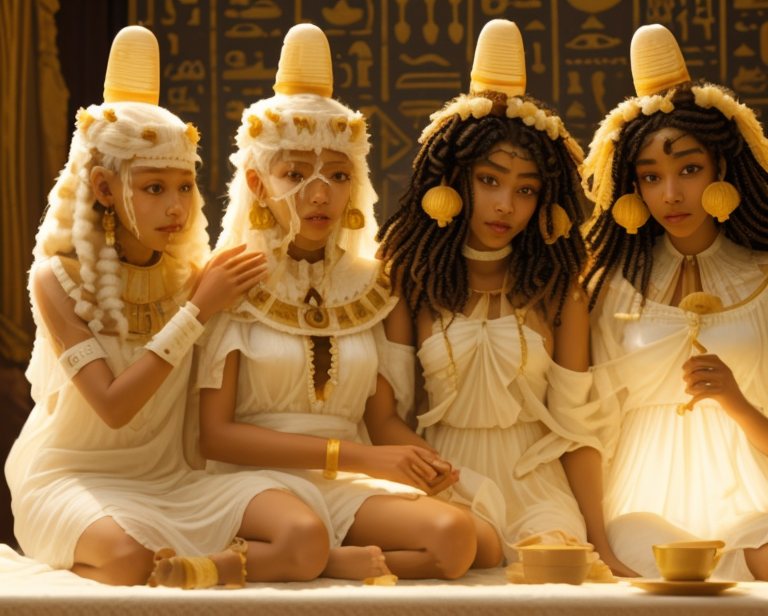
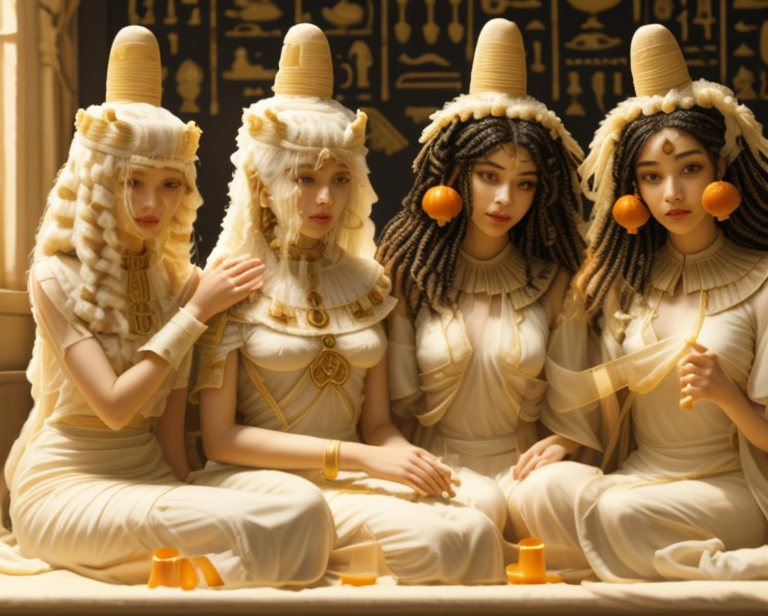
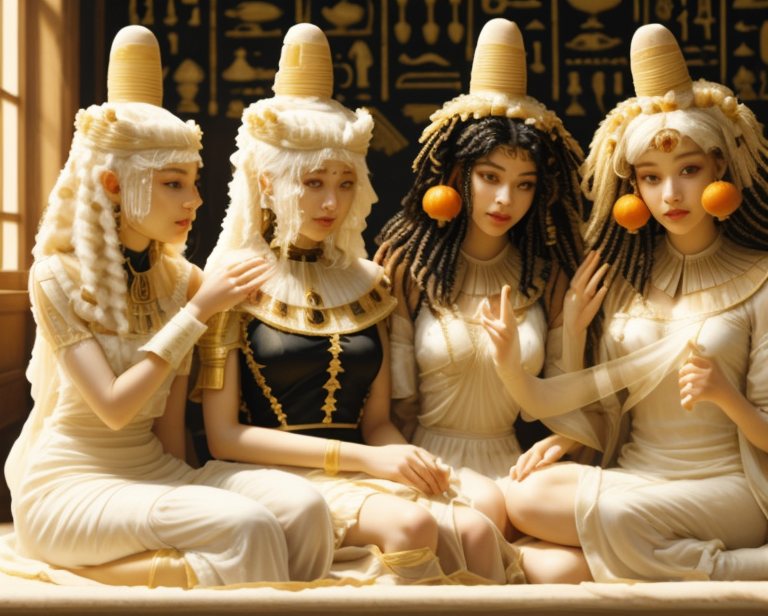
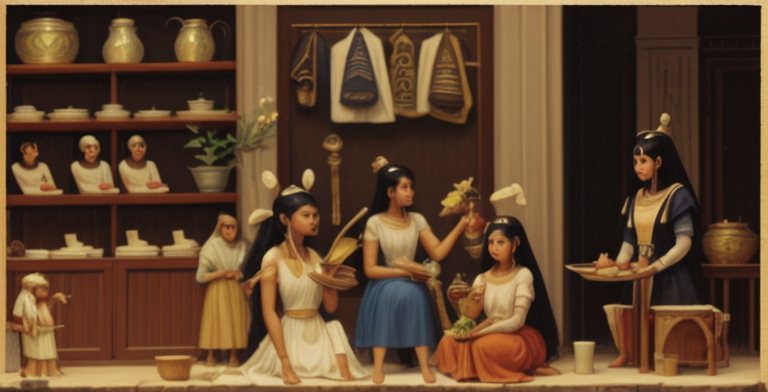
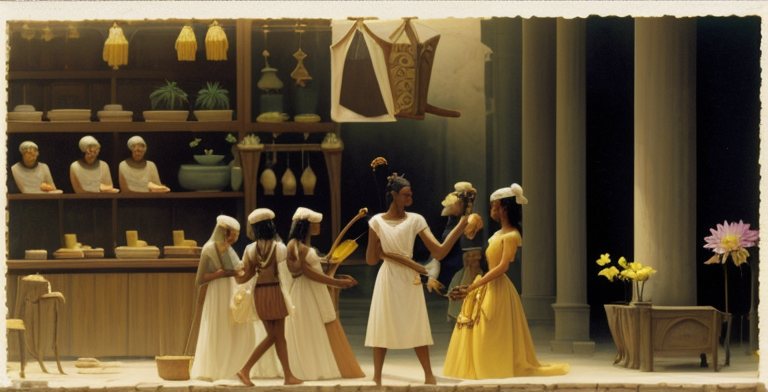
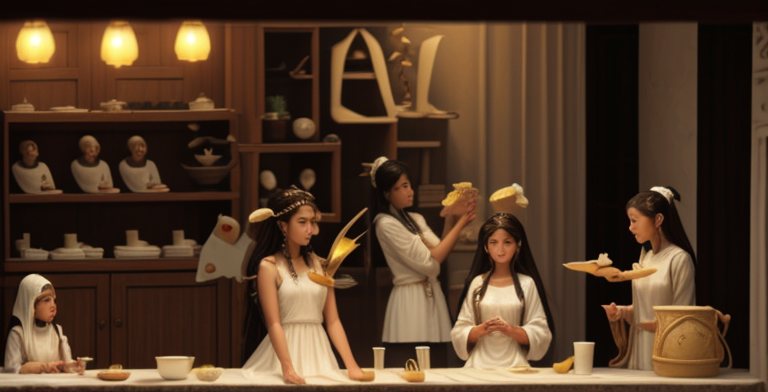
Banquet of Nakht with musicians
Source: Tomb of Nakht (TT52), Met Museum facsimile, CC0
Original: 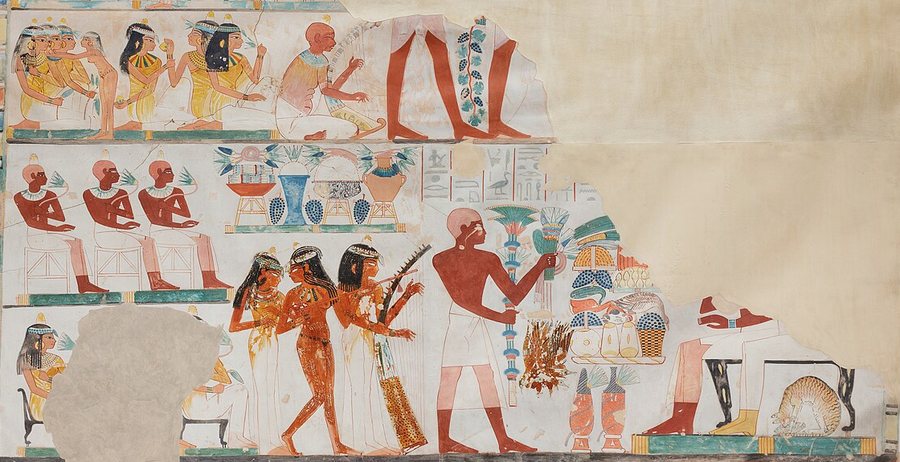
Realistic — Egyptian · Nubian · Libyan (Amazigh) · Levantine · Pale
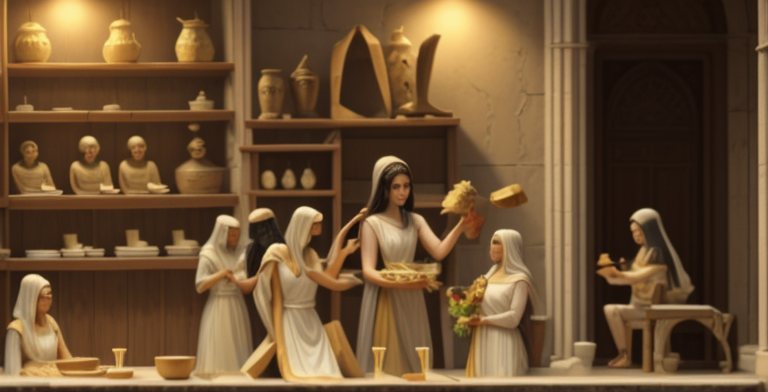
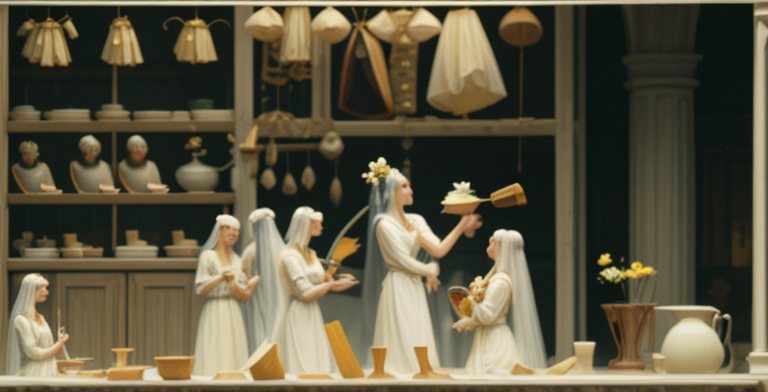
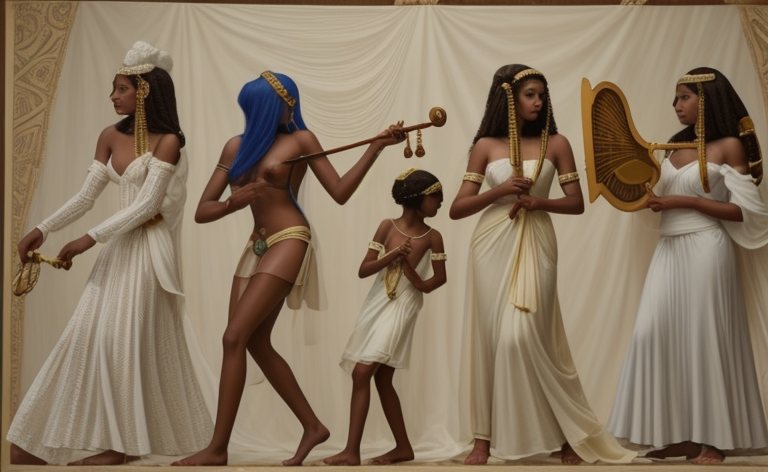
Female musicians at a banquet
Source: Tomb of Djeserkareseneb (TT38), Met Museum facsimile, CC0
Original: 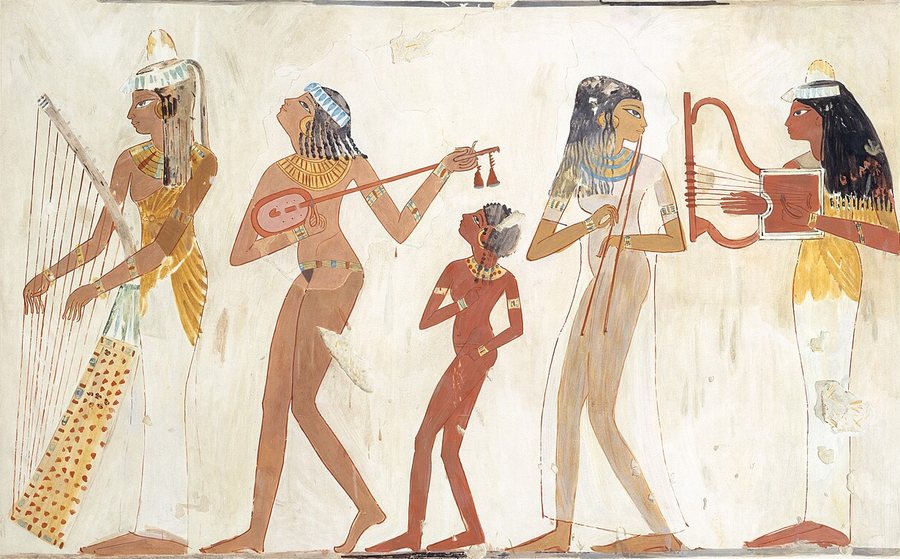
Realistic — Egyptian · Nubian · Libyan (Amazigh) · Levantine · Pale
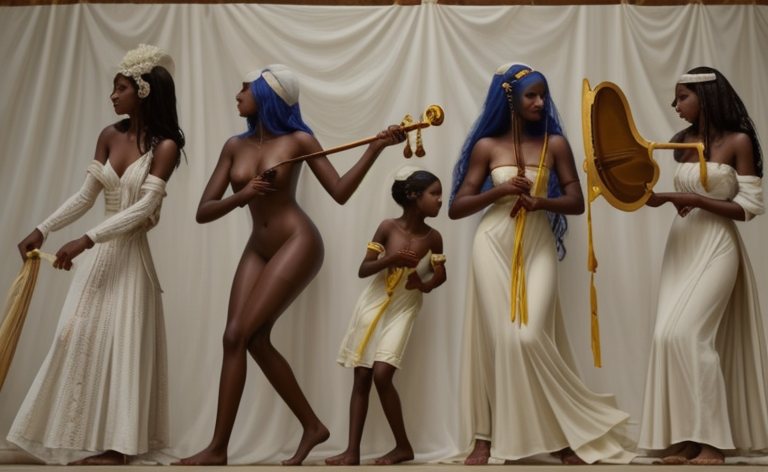
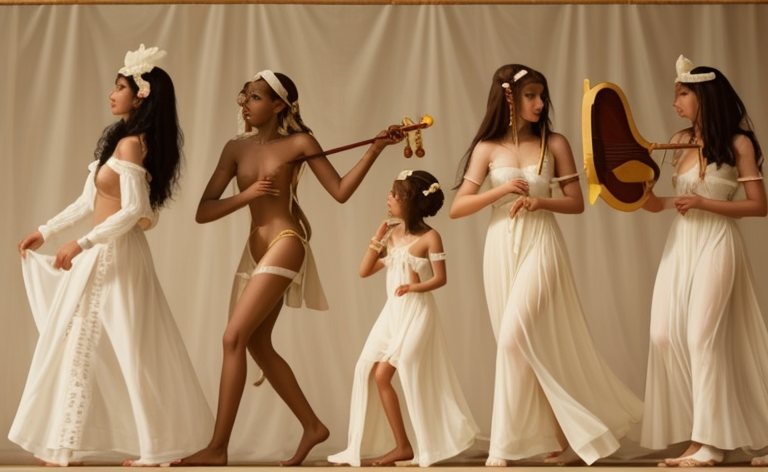
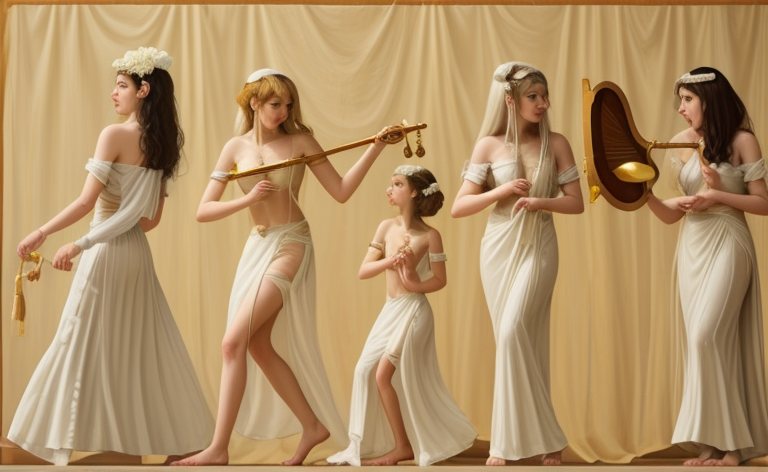
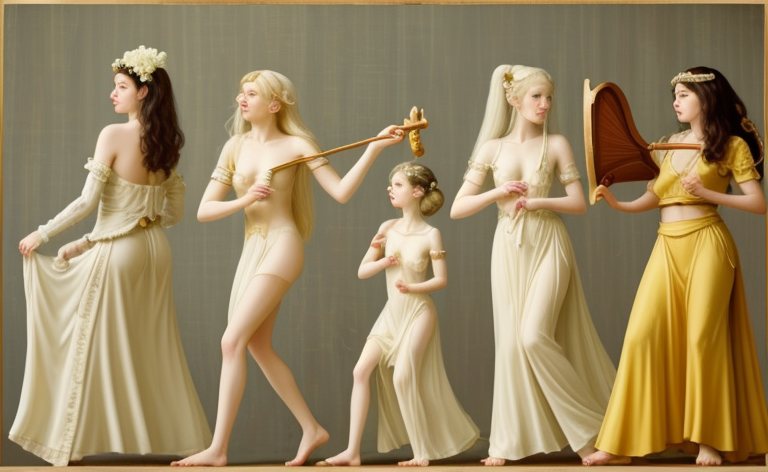
Guests at a banquet, smelling lotus
Source: Facsimile, Metropolitan Museum 30.4.105 (CC0)
Realistic — Egyptian · Nubian · Libyan (Amazigh) · Levantine · Pale
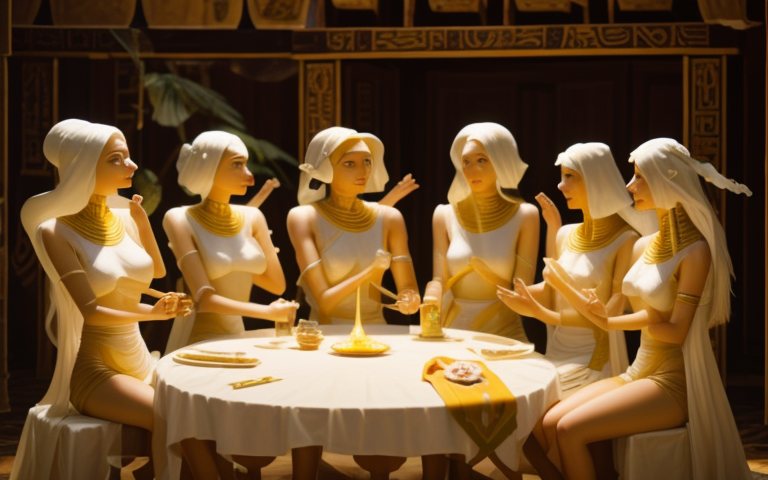
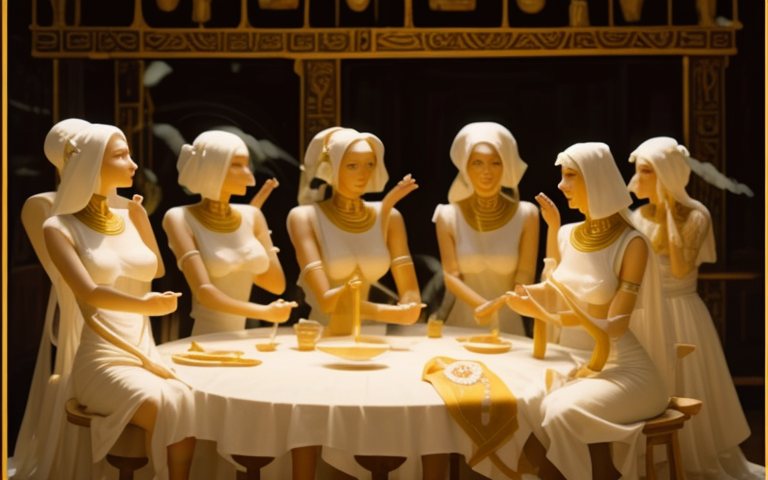
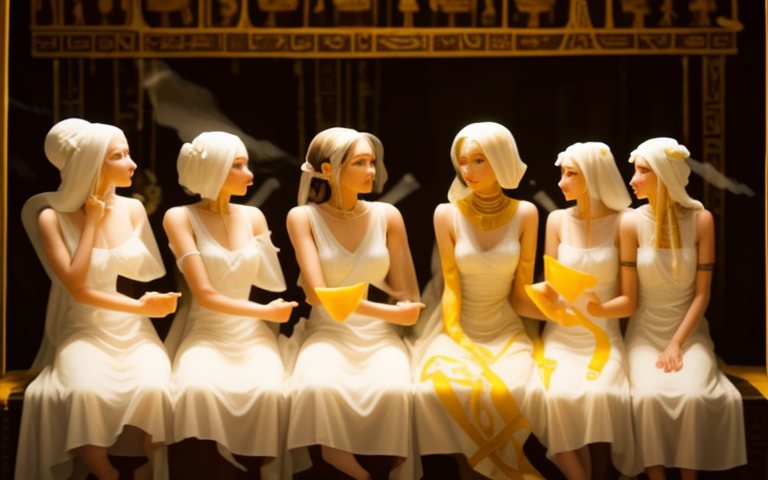
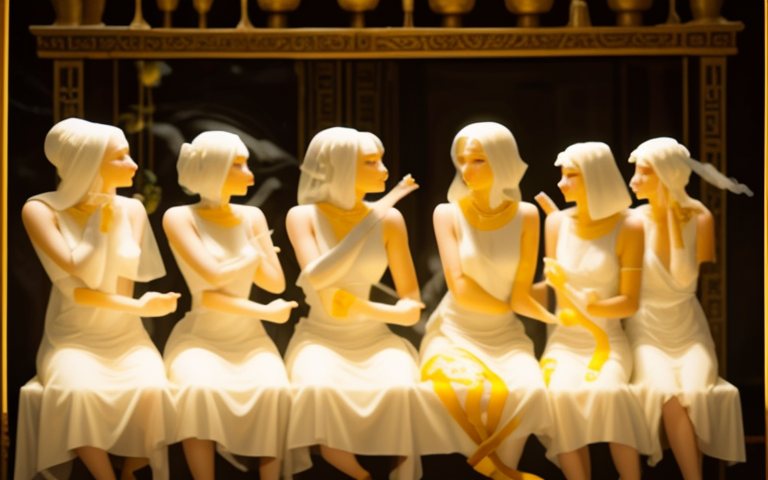
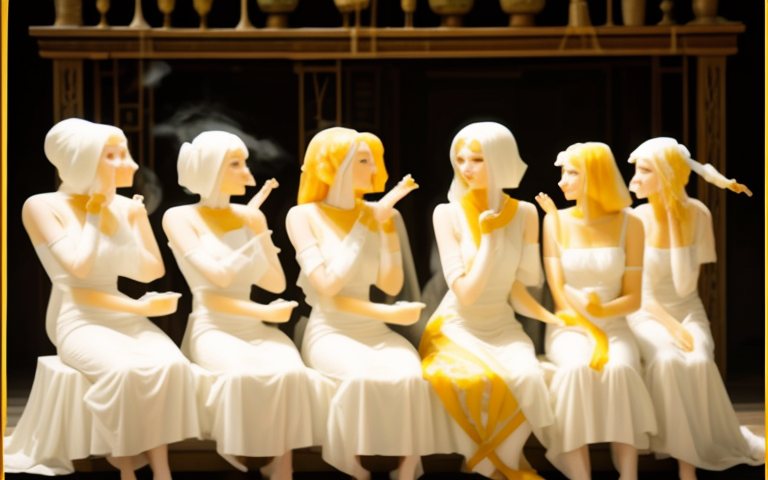
Maids attending women guests
Source: Theban tomb (TT38 Djeserkareseneb), Wellcome Collection photograph, CC BY 4.0
Original: 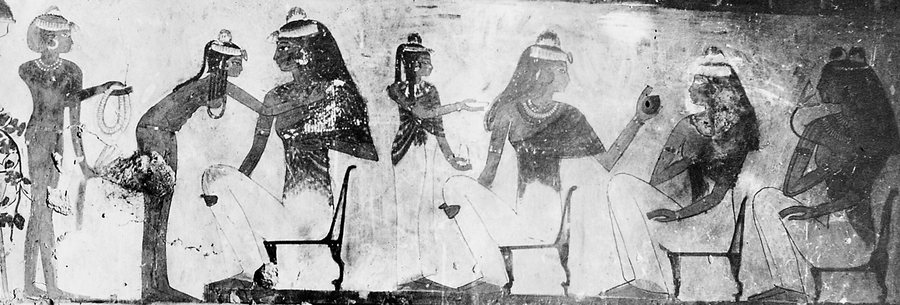
Realistic — Egyptian · Nubian · Libyan (Amazigh) · Levantine · Pale
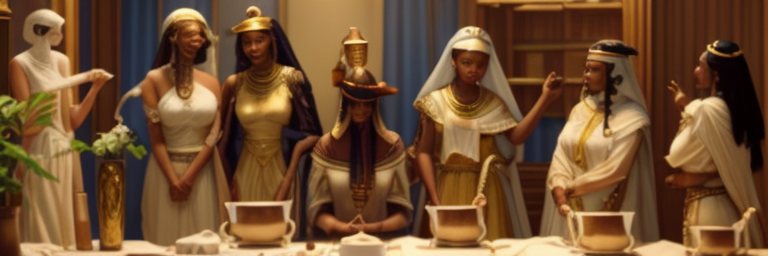
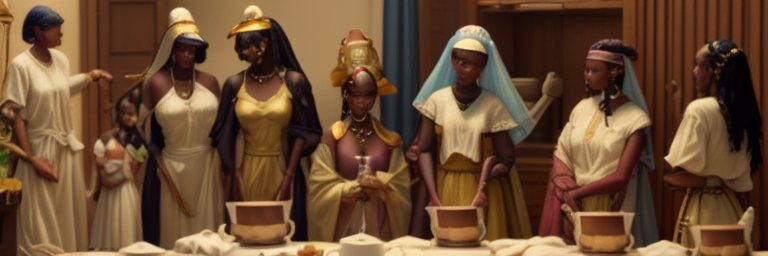
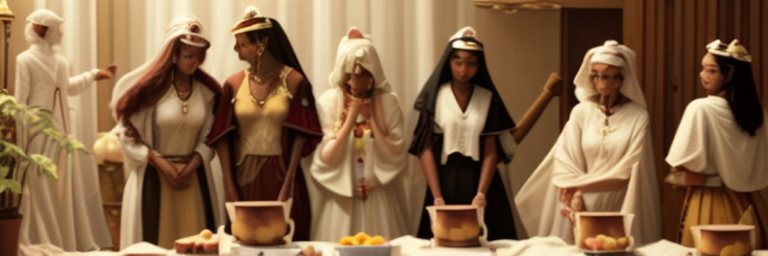
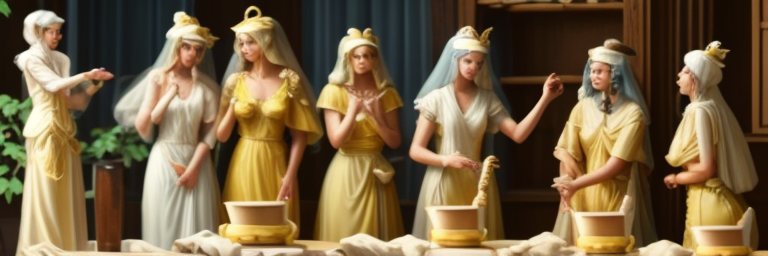
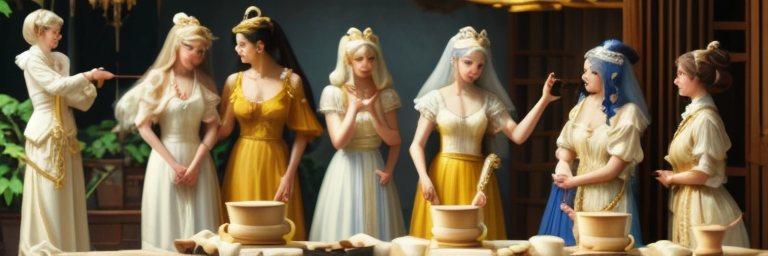
Male guests served at a banquet
Source: Tomb of Nebamun & Ipuky (TT181), Met Museum facsimile by Nina de Garis Davies, CC0
Original: 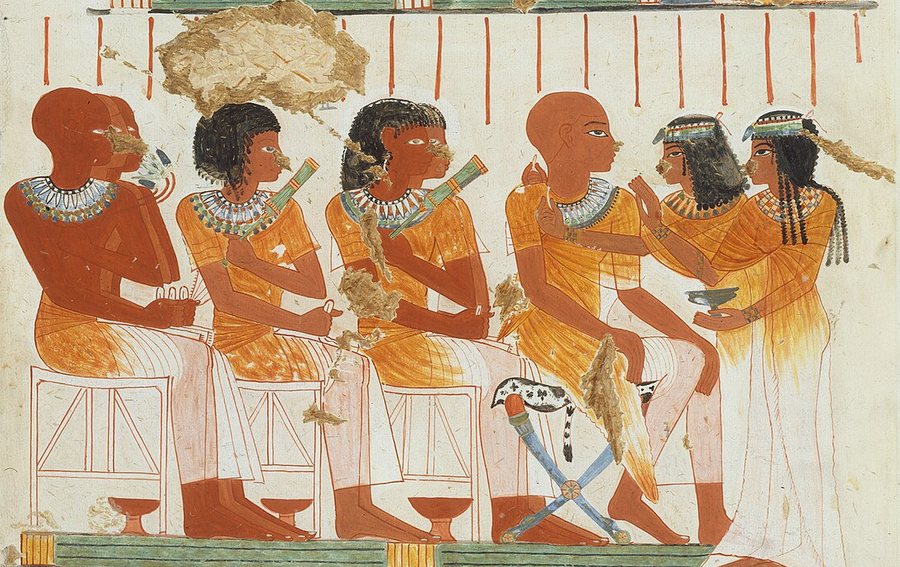
Realistic — Egyptian · Nubian · Libyan (Amazigh) · Levantine · Pale
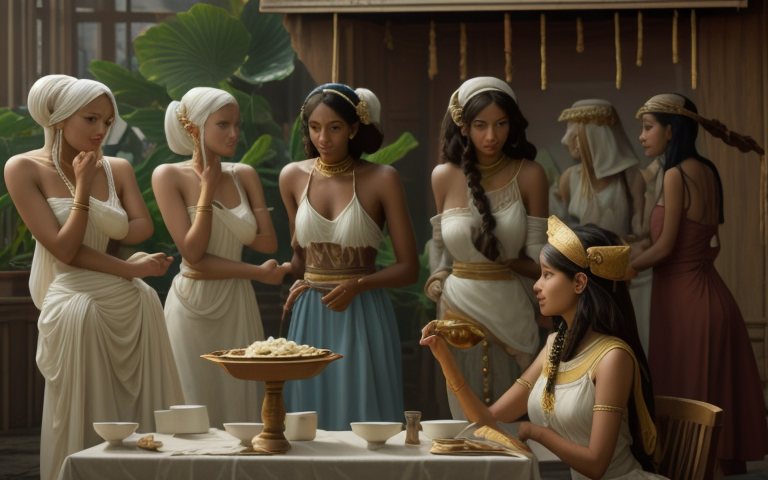
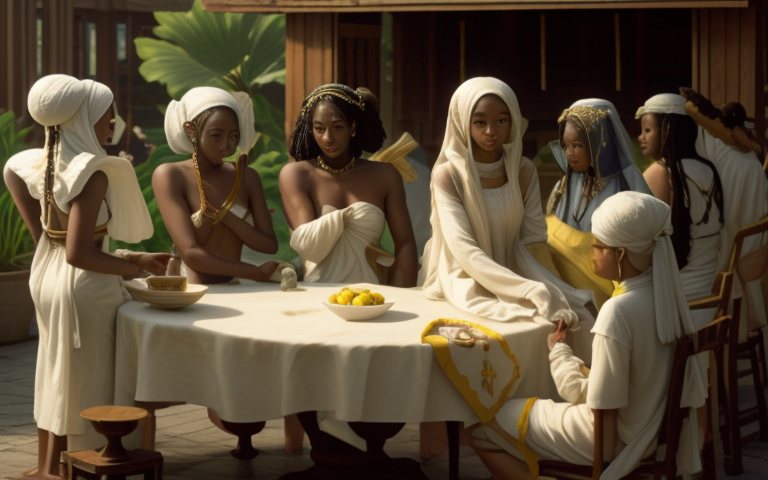
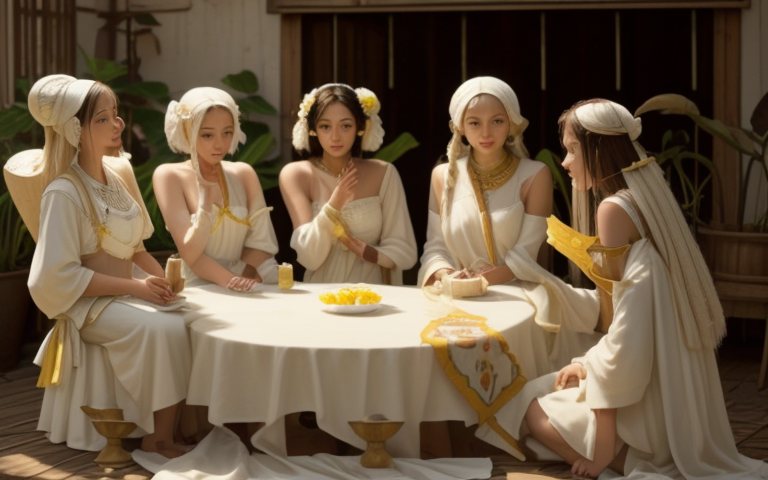
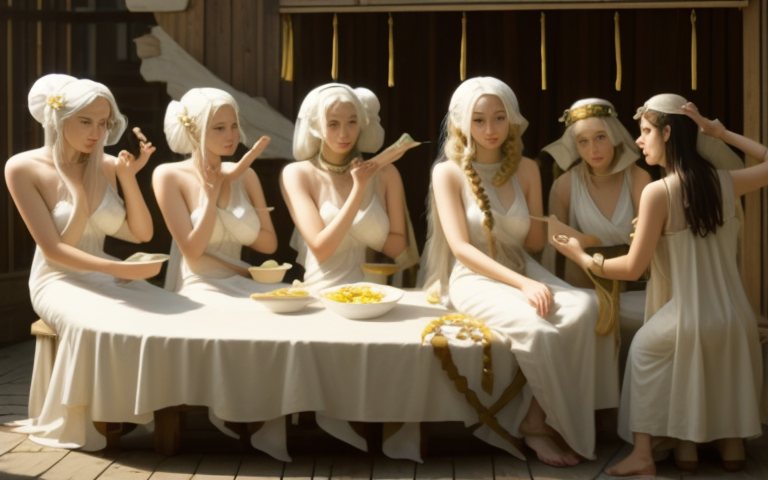
Menna's daughter offering
Source: Tomb of Menna (TT69), Met Museum facsimile, CC0
Original: 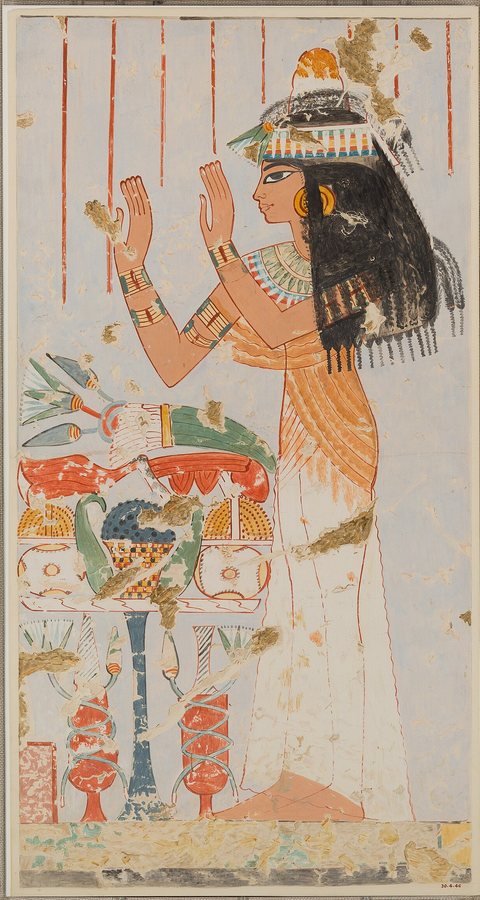
Realistic — Egyptian · Nubian · Libyan (Amazigh) · Levantine · Pale
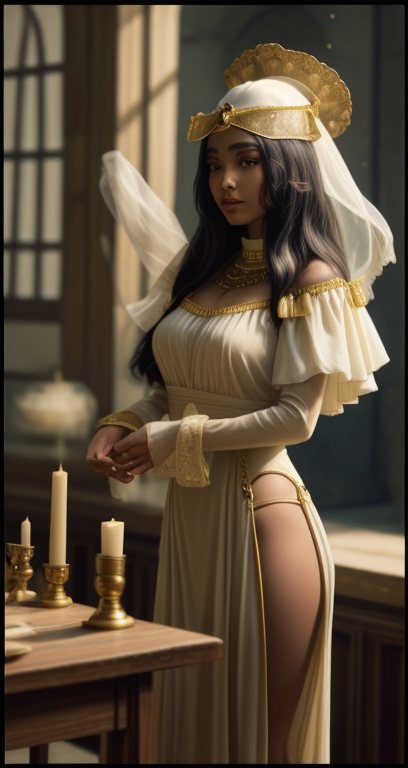
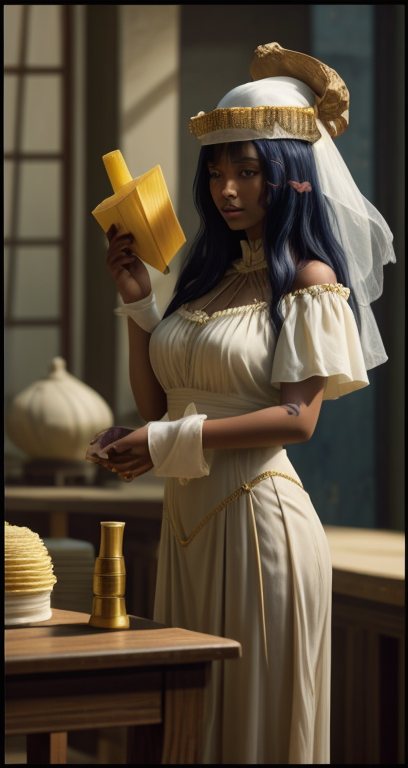
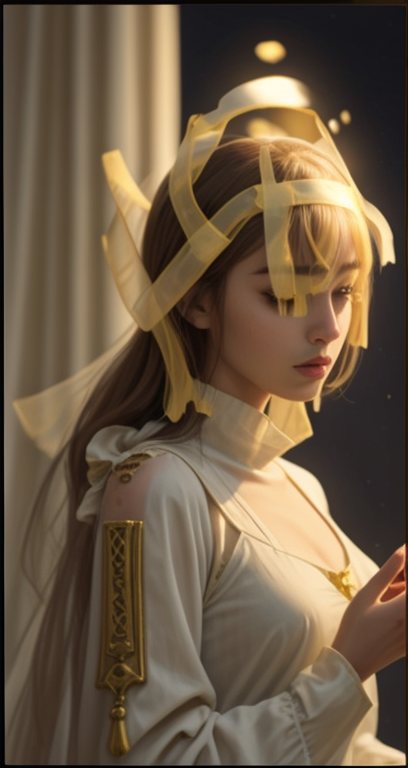

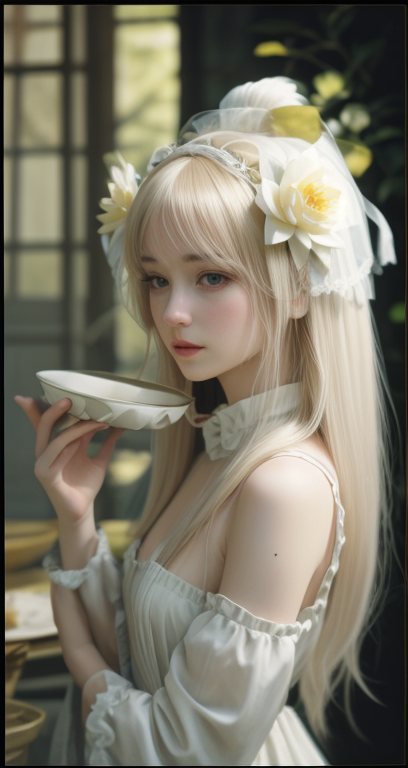
Mother and wife of Userhat
Source: Tomb of Userhat (TT51), Met Museum facsimile, CC0
Original: 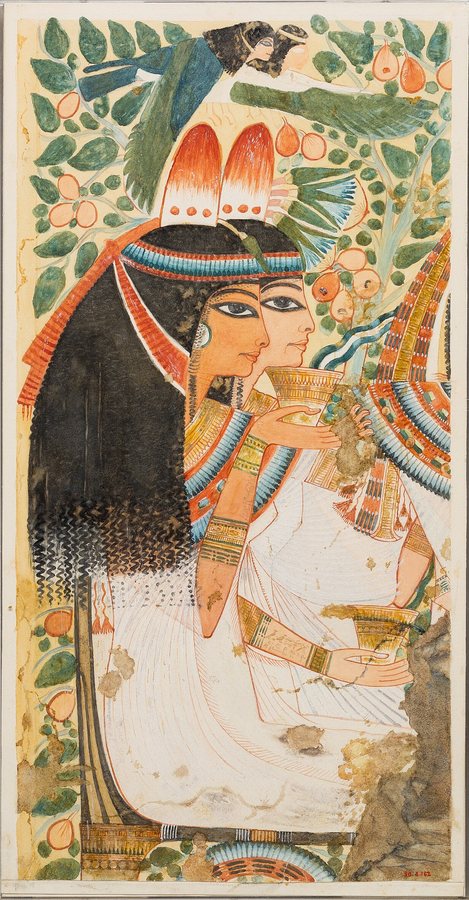
Realistic — Egyptian · Nubian · Libyan (Amazigh) · Levantine · Pale
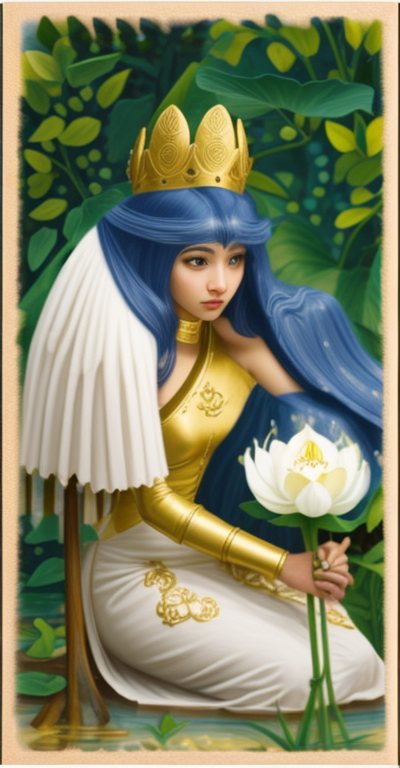
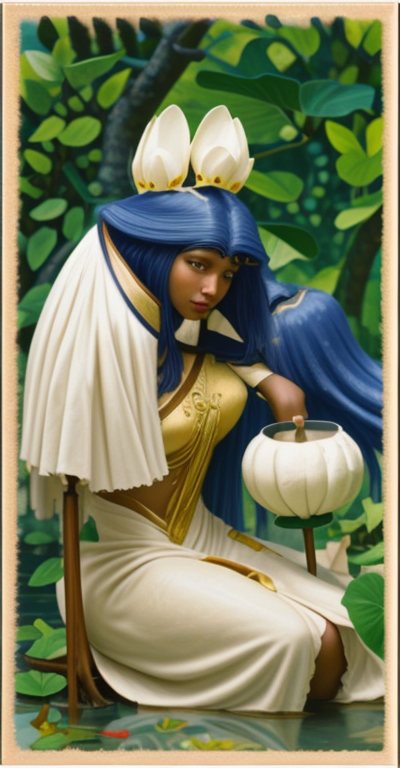
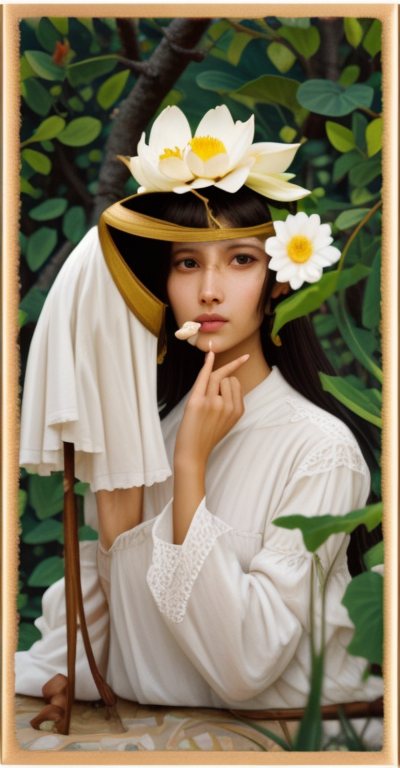
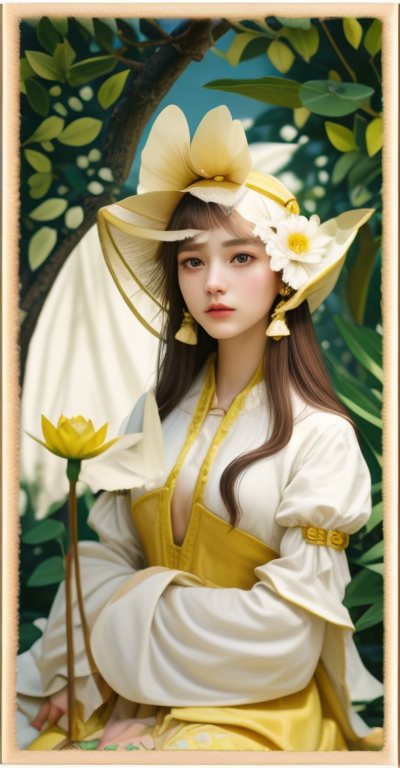
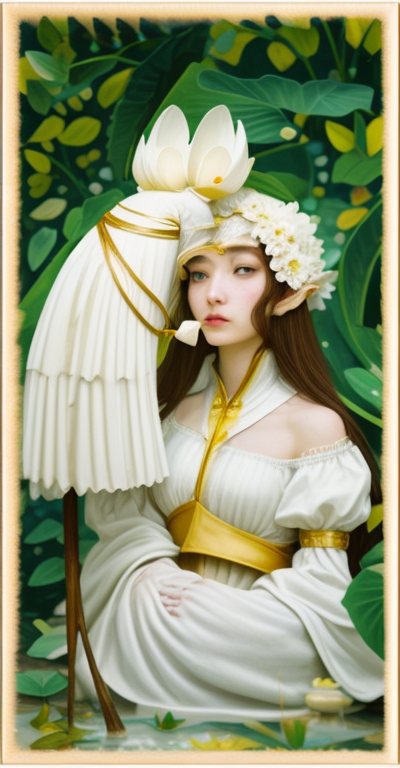
Musicians and women guests
Source: Theban tomb (TT38 Djeserkareseneb), Wellcome Collection photograph, CC BY 4.0
Original: 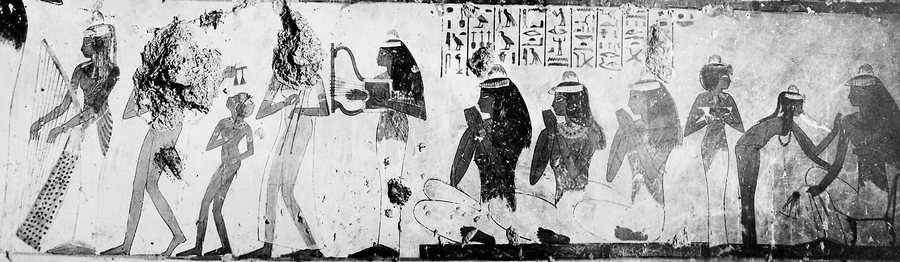
Realistic — Egyptian · Nubian · Libyan (Amazigh) · Levantine · Pale
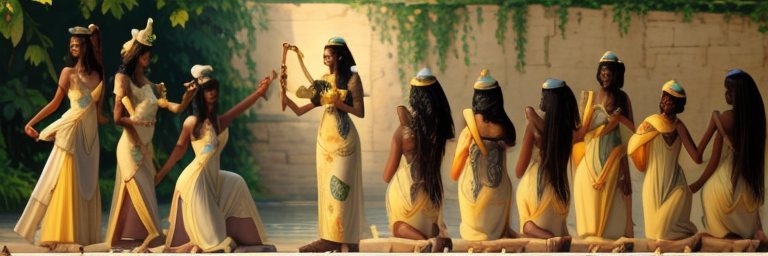
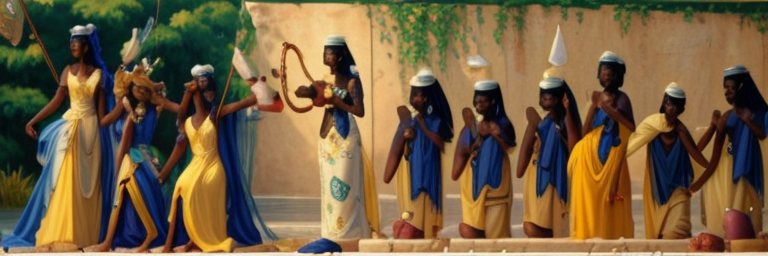
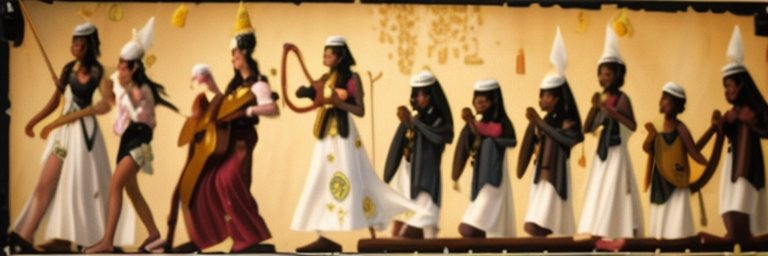
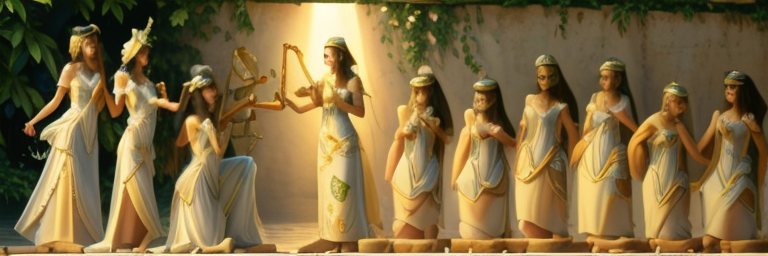
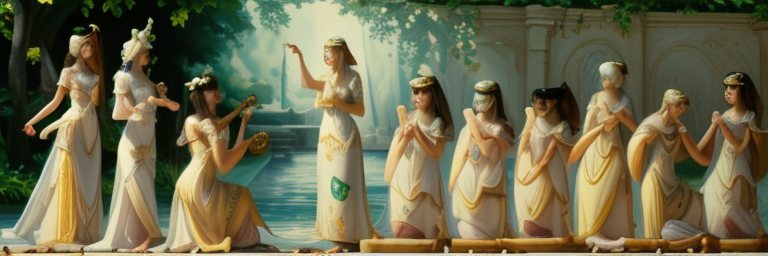
Nebamun and his wife at a banquet
Source: Tomb of Nebamun & Ipuky (TT181), Met Museum facsimile by Nina de Garis Davies, CC0
Original: 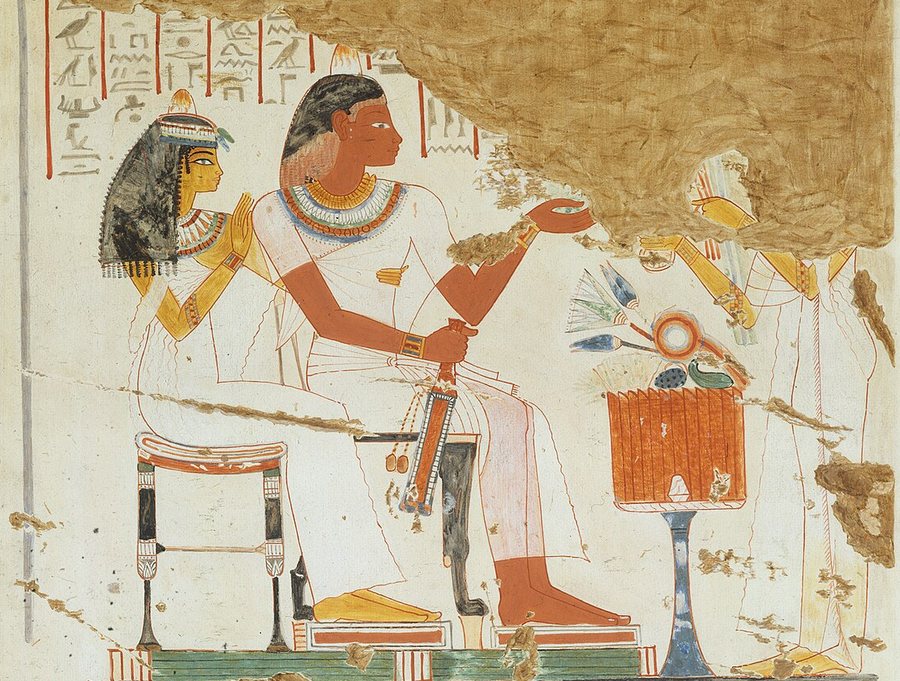
Realistic — Egyptian · Nubian · Libyan (Amazigh) · Levantine · Pale
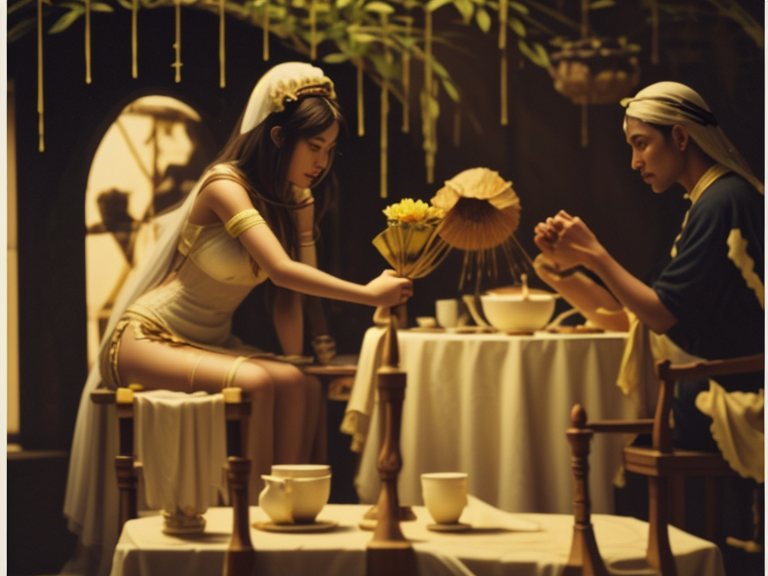
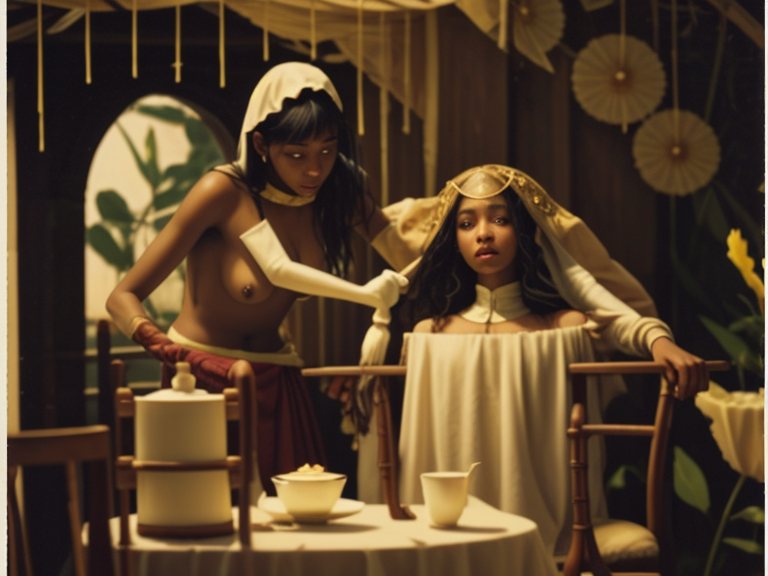
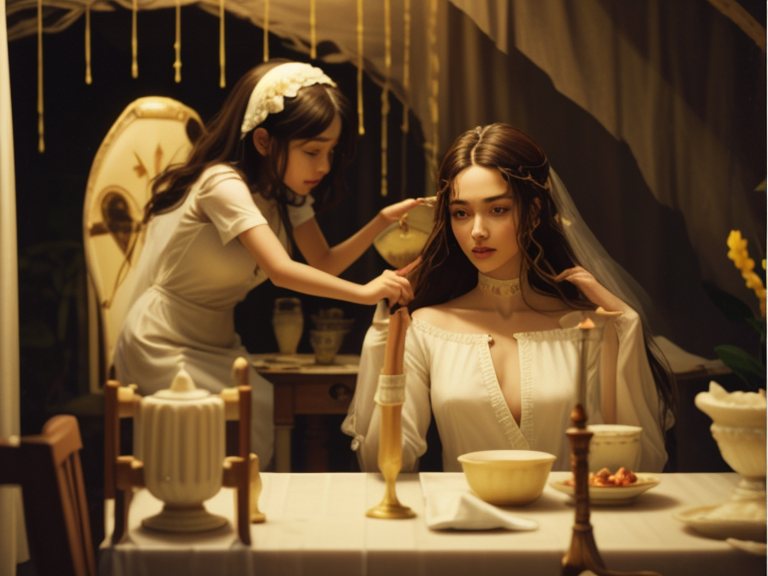
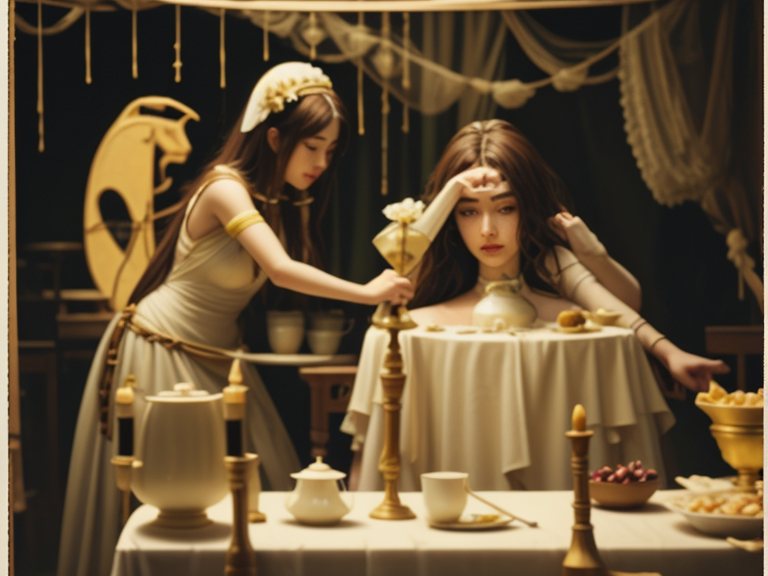
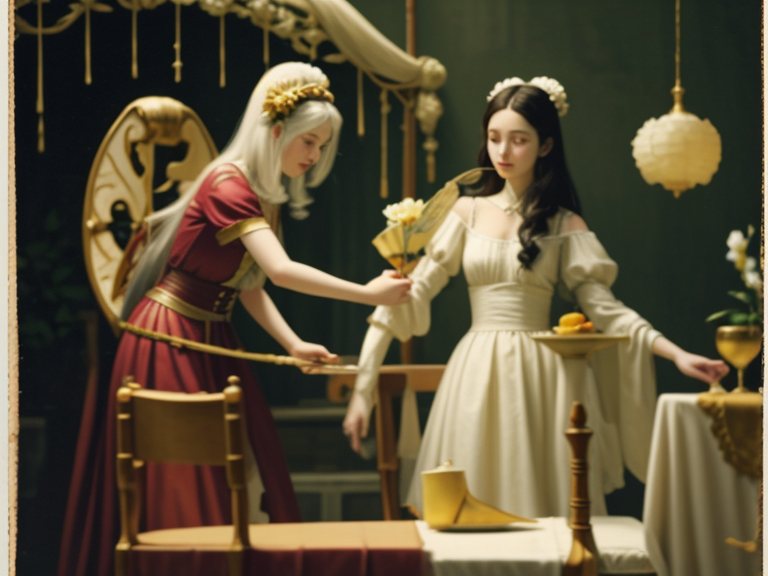
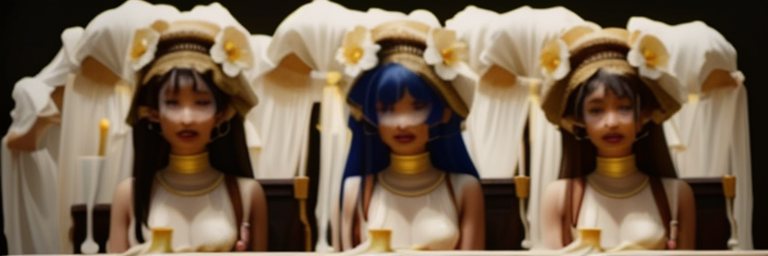
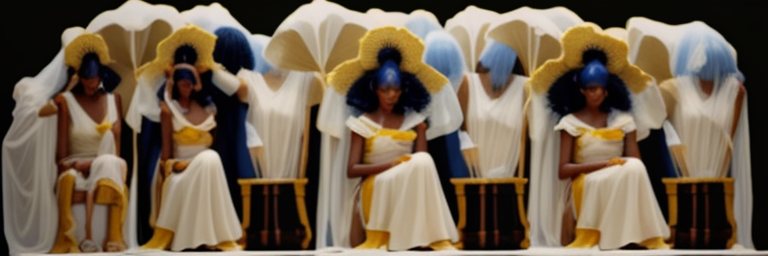
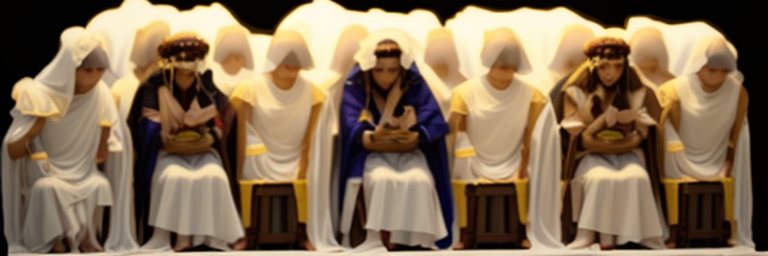
Nebamun banquet: guests and servants
Source: Tomb of Nebamun, British Museum EA 37986, Public domain
Original: 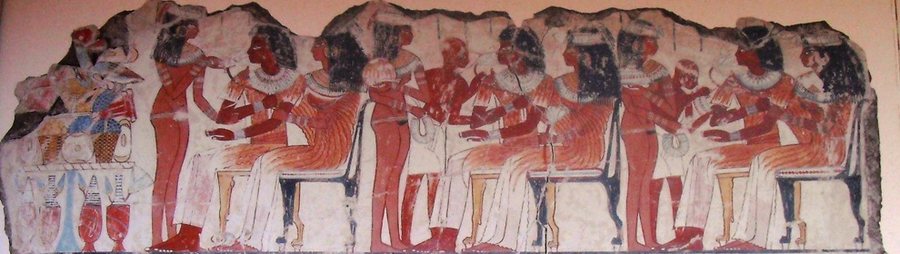
Realistic — Egyptian · Nubian · Libyan (Amazigh) · Levantine · Pale
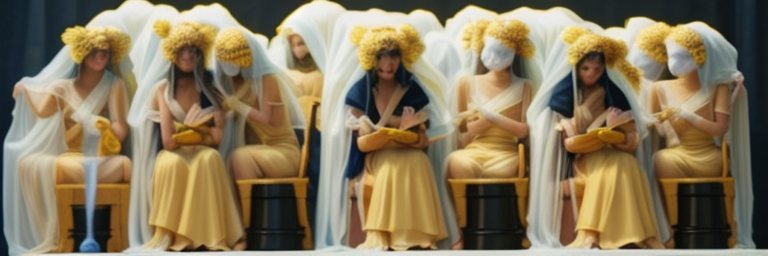
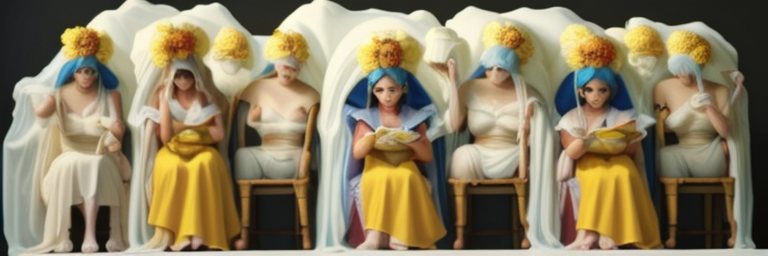
Nebamun banquet: musicians and dancers
Source: Tomb of Nebamun, British Museum EA 37984, Public domain
Original: 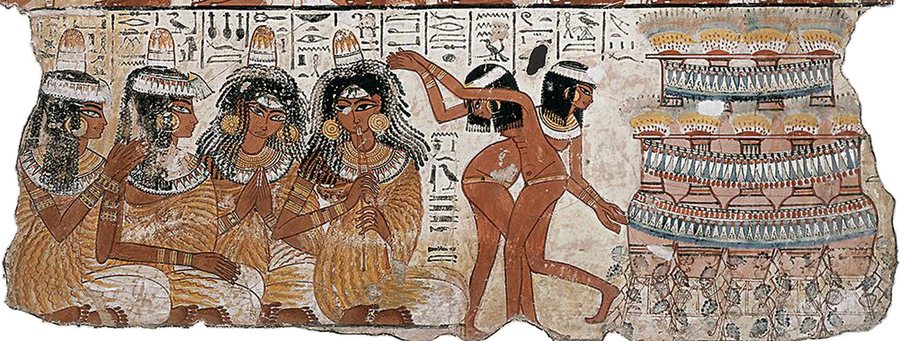
Realistic — Egyptian · Nubian · Libyan (Amazigh) · Levantine · Pale
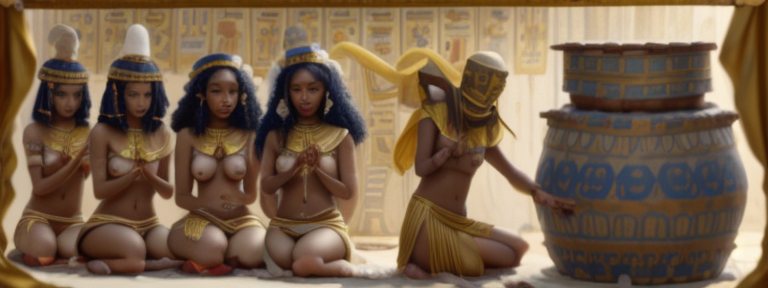
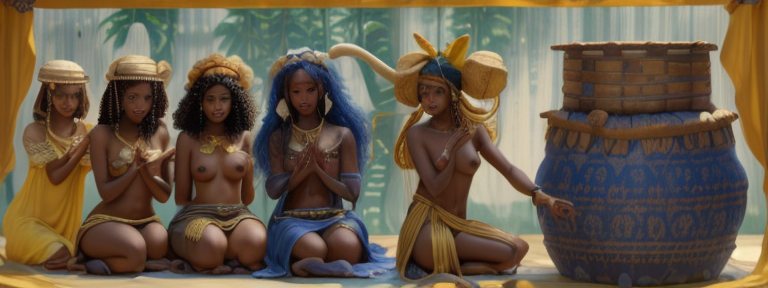
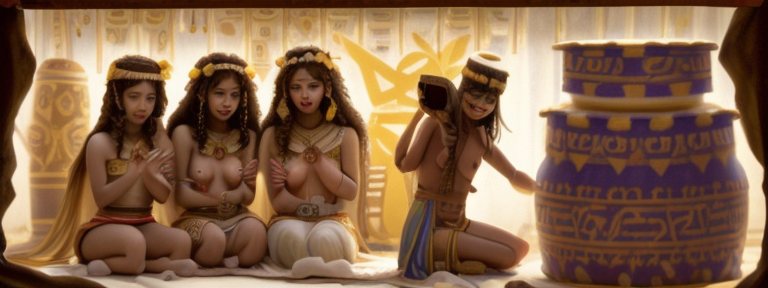
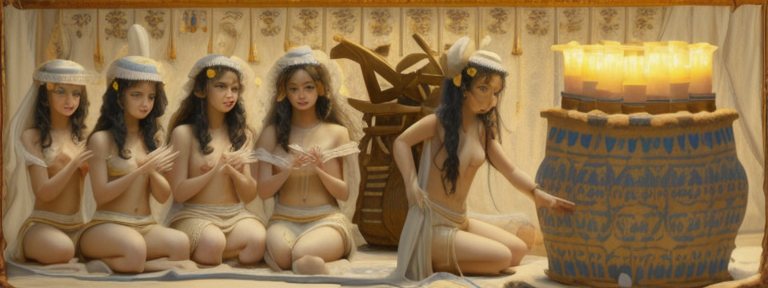
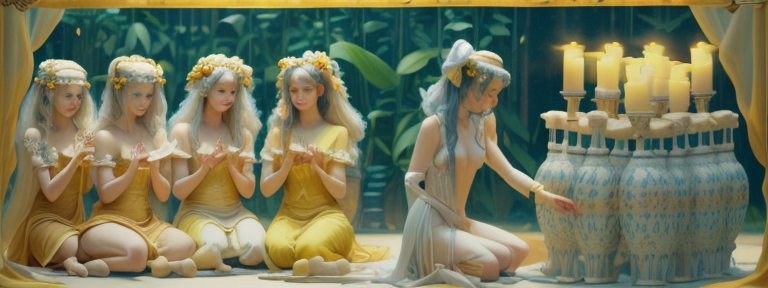
Nebamun banquet: servant among guests
Source: Tomb of Nebamun, British Museum EA 37984, Public domain
Original: 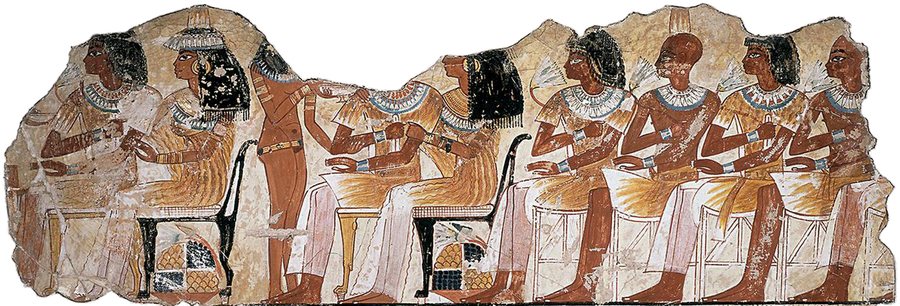
Realistic — Egyptian · Nubian · Libyan (Amazigh) · Levantine · Pale
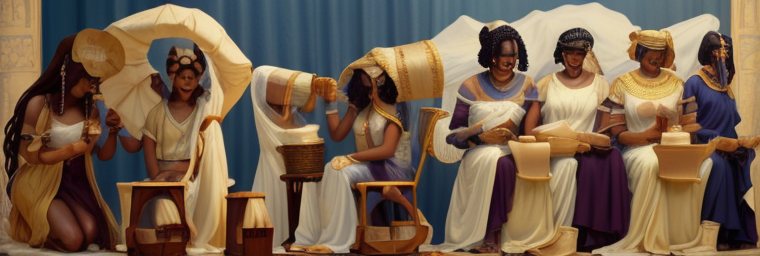
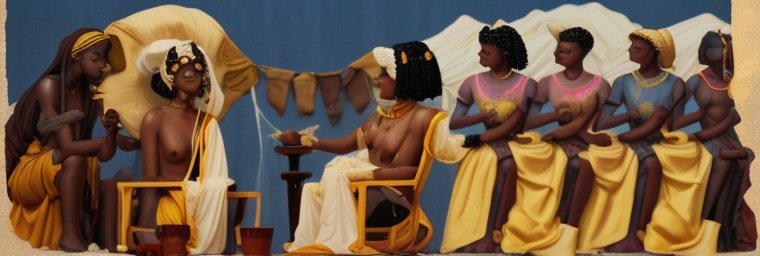
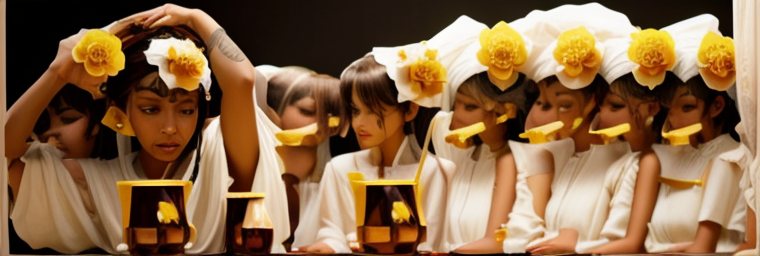
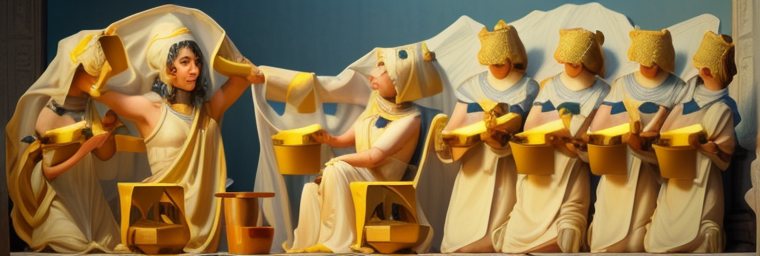
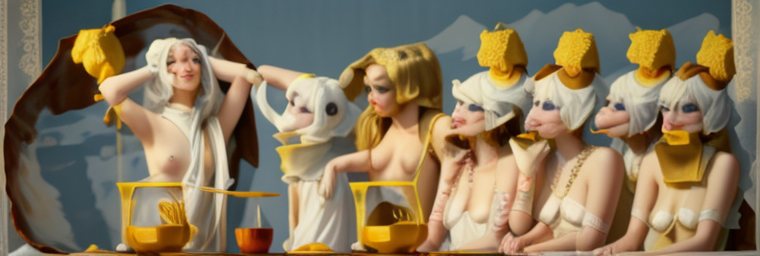
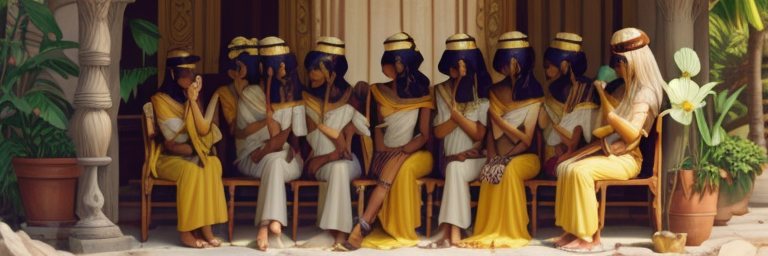
Nebamun banquet: women with headcones
Source: Tomb of Nebamun, British Museum EA 37986, Public domain
Original: 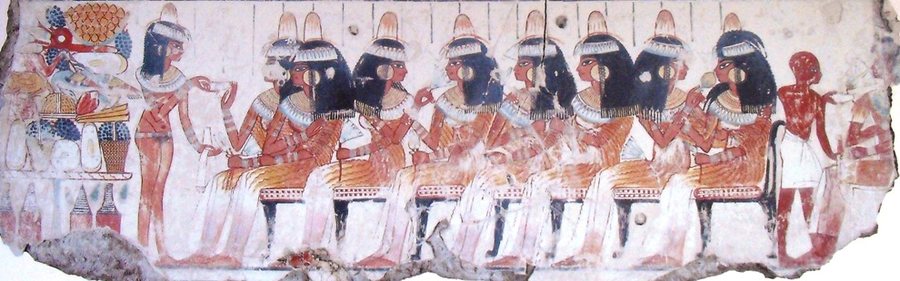
Realistic — Egyptian · Nubian · Libyan (Amazigh) · Levantine · Pale
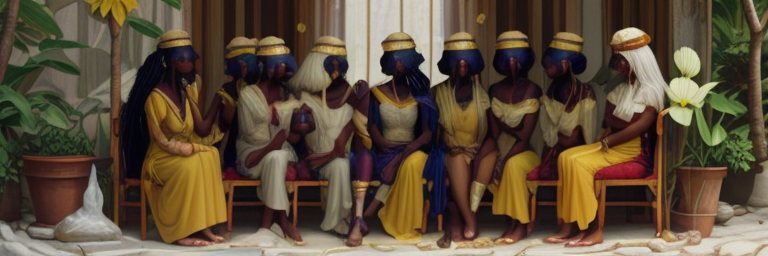
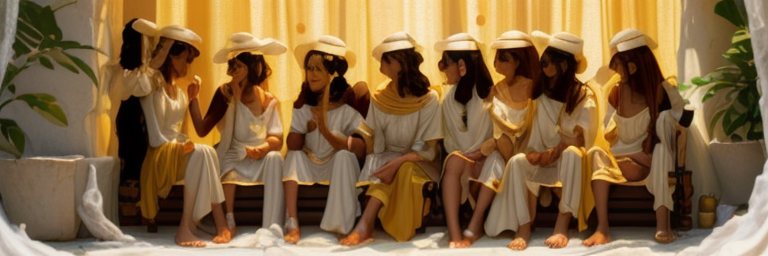
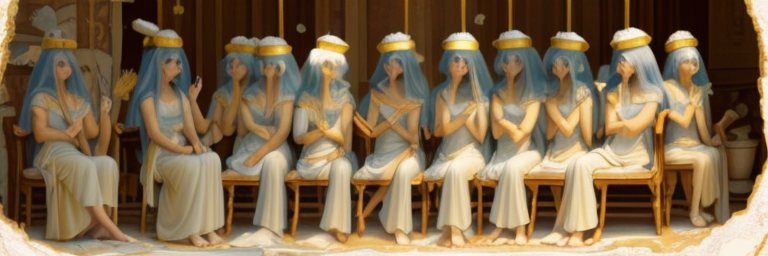
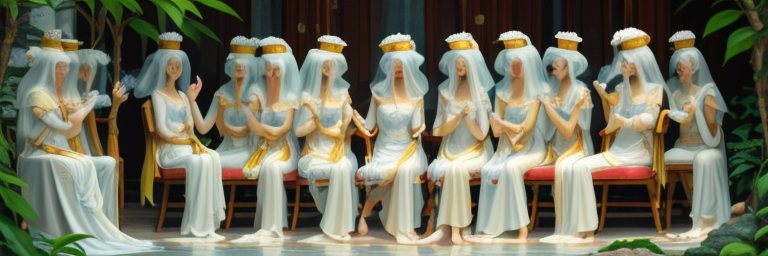
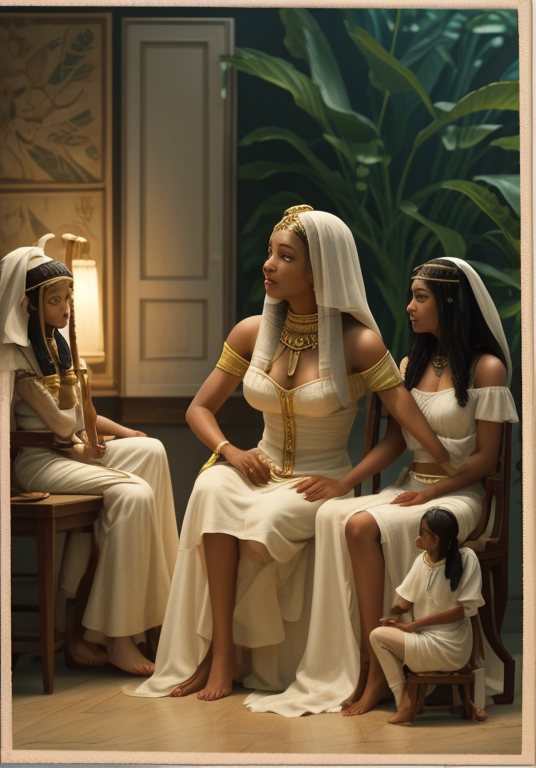
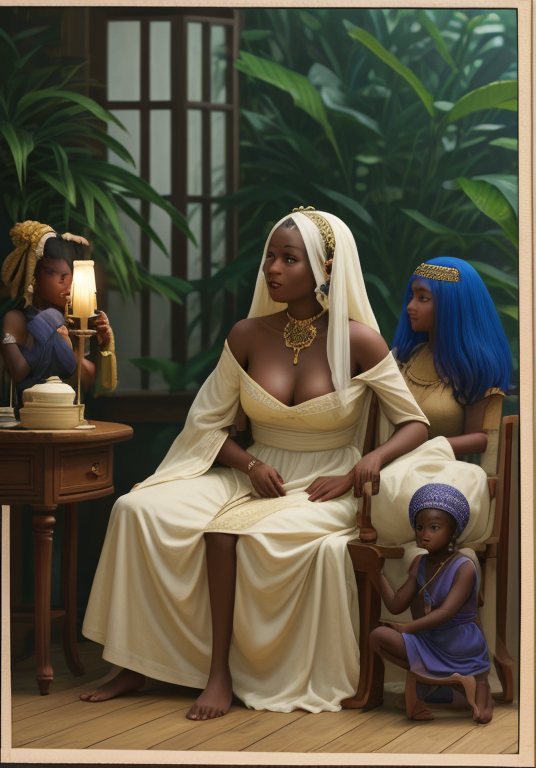
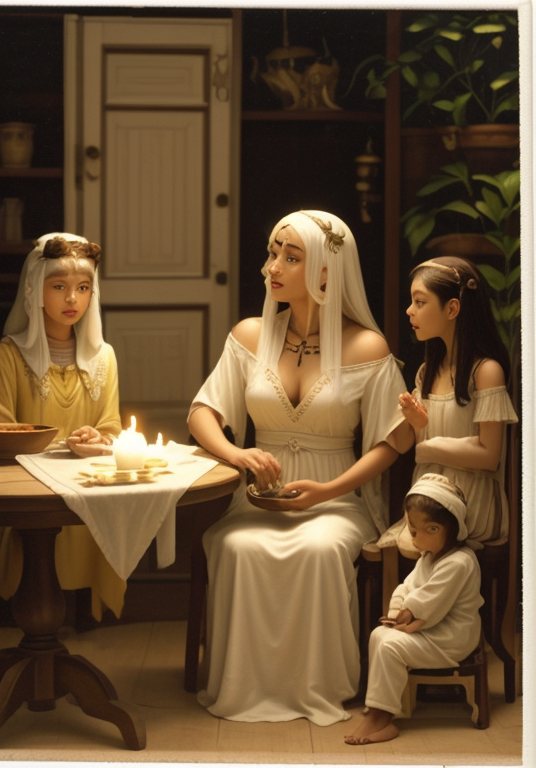
Nebamun receives wine
Source: Tomb of Nebamun & Ipuky (TT181), Met Museum facsimile, CC0
Original: 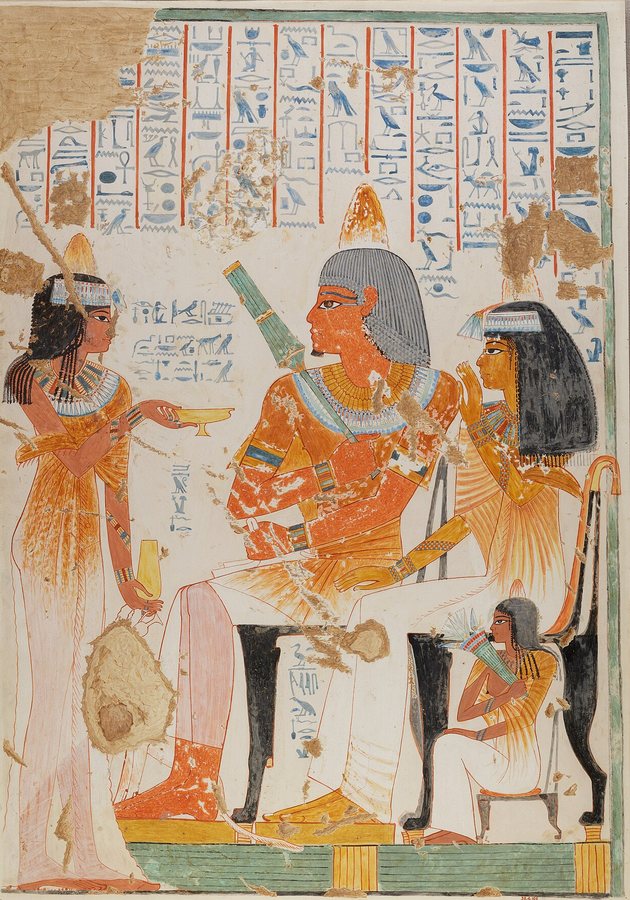
Realistic — Egyptian · Nubian · Libyan (Amazigh) · Levantine · Pale
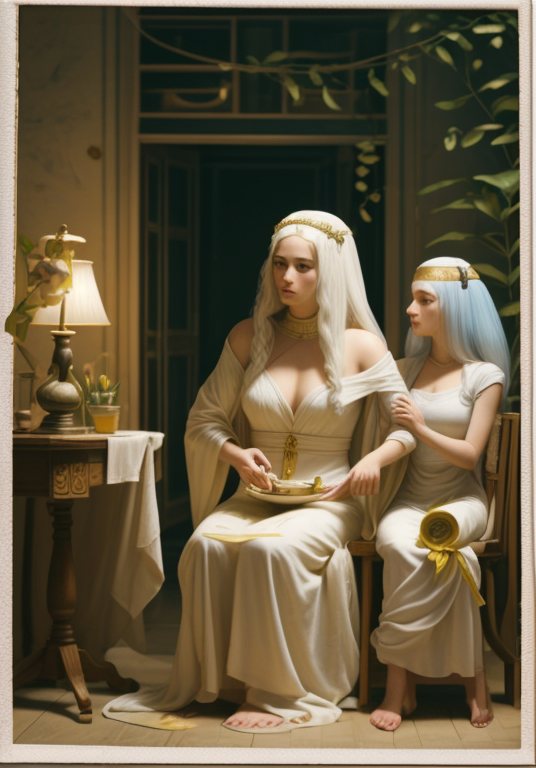
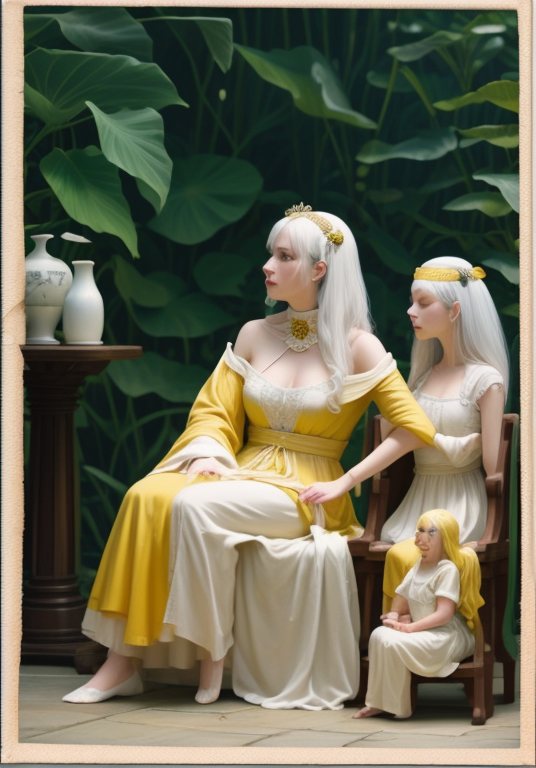
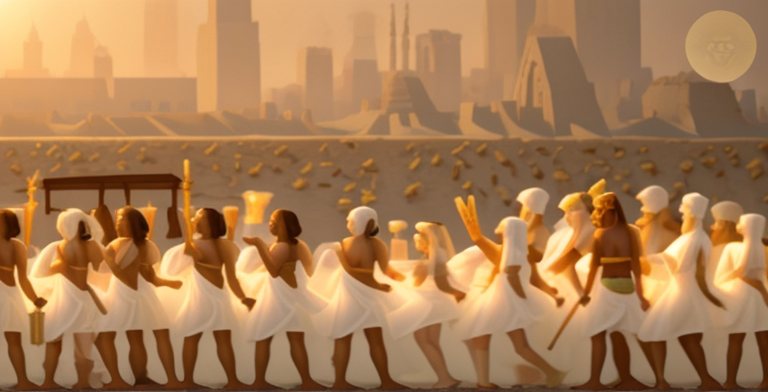
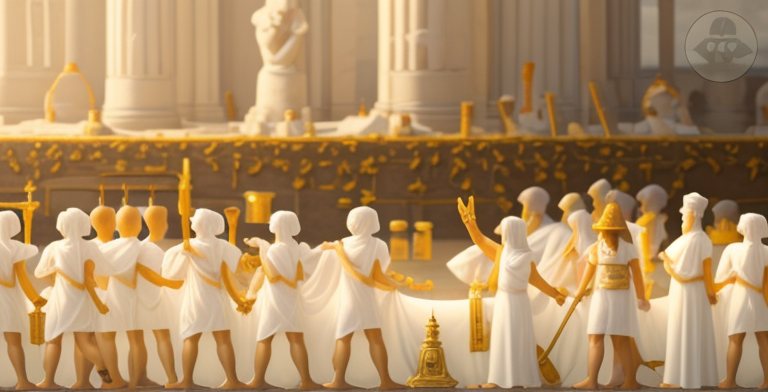
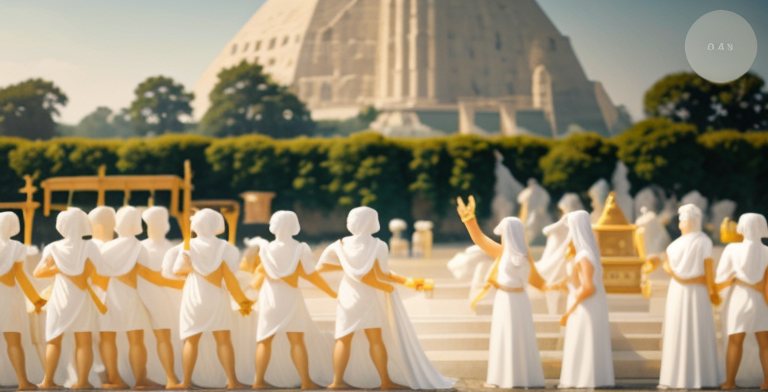
Procession with headcones
Source: Egyptian tomb painting · operator reference
Realistic — Egyptian · Nubian · Libyan (Amazigh) · Levantine · Pale
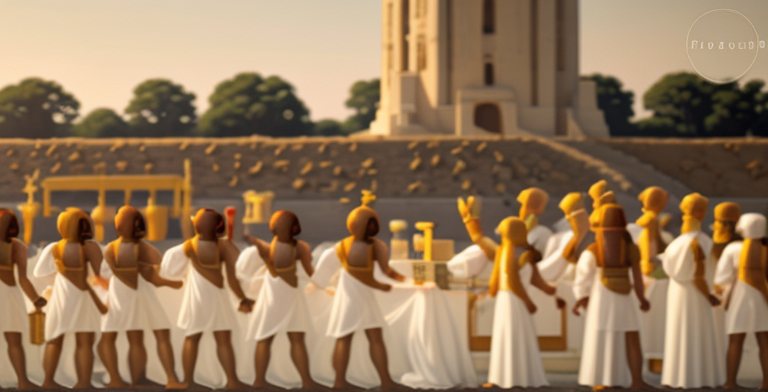
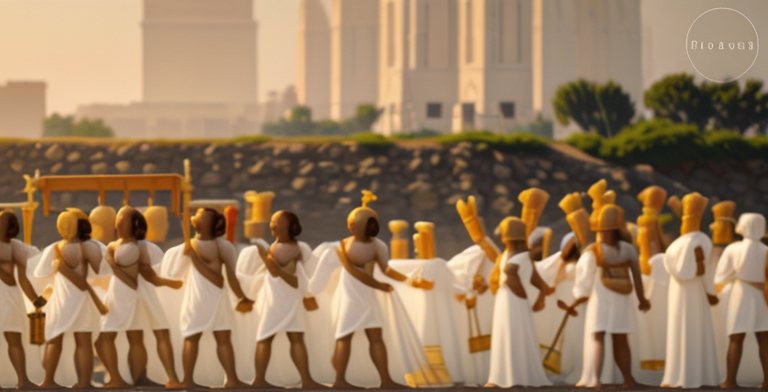
Servant girl adjusting a guest's earring
Source: Tomb of Djeserkareseneb (TT38), Met Museum facsimile, CC0
Original: 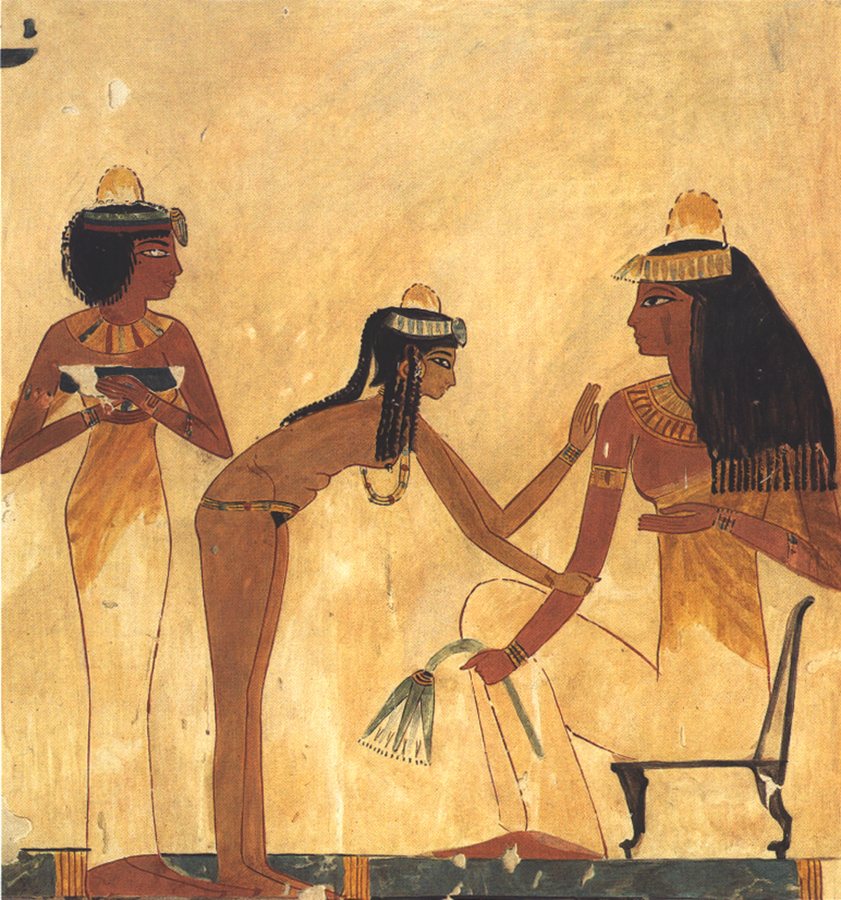
Realistic — Egyptian · Nubian · Libyan (Amazigh) · Levantine · Pale
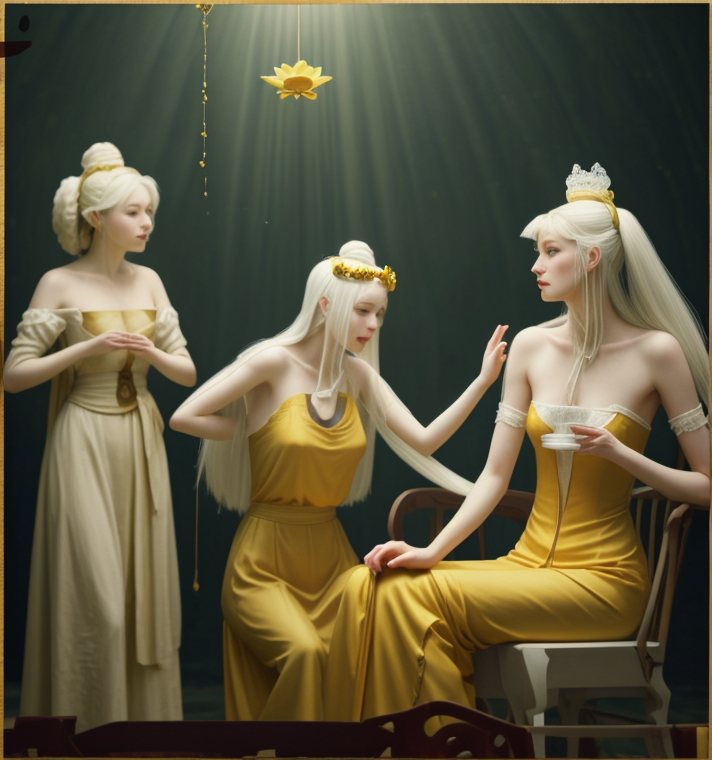
All 20 scenes in this set, and every other remake, are in the gallery: https://hathor.soapbox.community/remakes. Made on our own servers in Hathor Studio; each scene links to its place in the gallery.