Cards from the herb atlas. Each card carries what the atlas actually holds for that plant: the Latin name, the traditions that use it, what it is used for, the active compounds, the proposed mechanism, the evidence grade, the dose range, and the interactions and cautions. Two renders of each card — one in the house Art Nouveau register, one in a plainer botanical-guide register. The labels are not printed in the images; the words that belong on each card are the headings below it.
St John's Wort — Hypericum perforatum
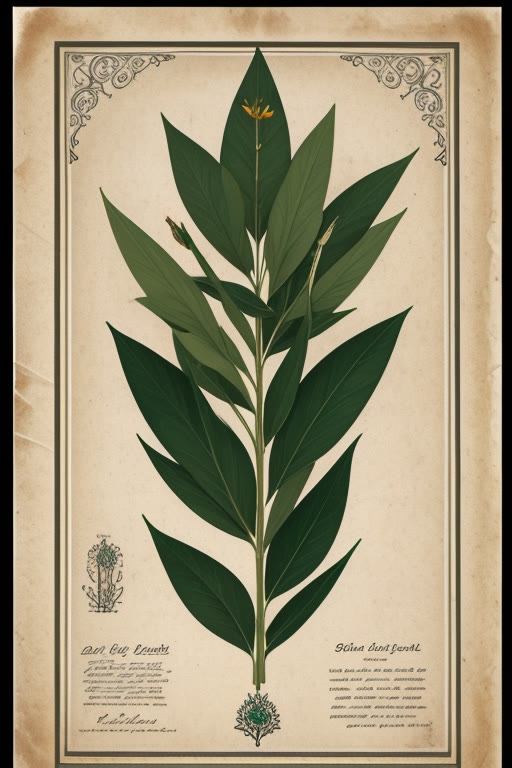
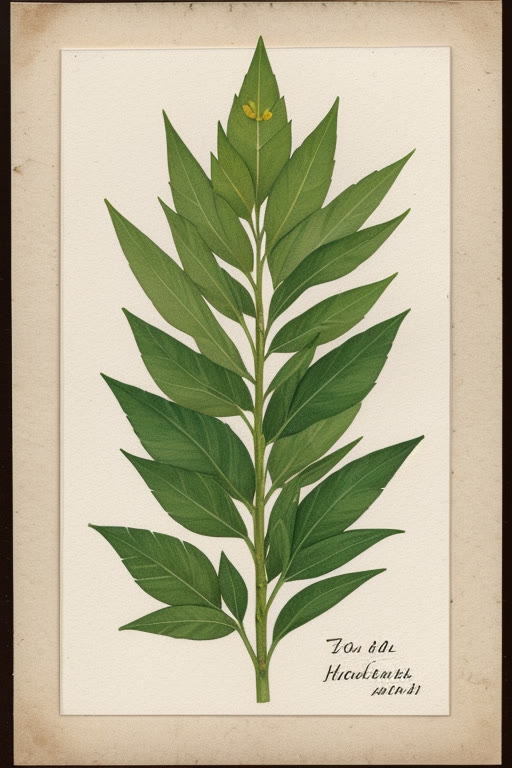
Traditions: folk-European
Used for: mild to moderate depression; nerve pain (topical oil, folk); wound healing (red oil, folk)
Active compounds: hyperforin, hypericin, pseudohypericin, flavonoids (quercetin, hyperoside)
How it is thought to work: Hyperforin is one of the most potent known natural agonists of the pregnane X receptor (PXR), strongly inducing CYP3A4, CYP2C9, CYP2C19 and P-glycoprotein; it also broadly inhibits reuptake of serotonin, noradrenaline and dopamine by raising intracellular sodium.
Evidence: established — Cochrane (29 trials, 5489 patients) found standardized extracts better than placebo and similar to standard antidepressants for mild-to-moderate major depression, with fewer side effects; EMA grants well-established use.
Dose: 300 mg extract (standardized to 0.3% hypericin and/or 3-5% hyperforin) three times daily (900 mg/day); allow 4-6 weeks.
Cautions and interactions:
- MAJOR interactions via CYP3A4/P-gp induction: can cause failure of oral contraceptives (breakthrough pregnancy), transplant rejection (ciclosporin, tacrolimus), HIV treatment failure (protease inhibitors, NNRTIs), reduced warfarin, digoxin, irinotecan, imatinib, some statins and opioids
- Serotonin syndrome with SSRIs, SNRIs, triptans, tramadol, MAOIs - do not combine
- Photosensitivity (hypericin), especially fair skin or with UV therapy
- Can trigger mania in bipolar disorder
- Induction persists ~2 weeks after stopping
Folk correspondence: Sun, in Leo (Culpeper, 'under the celestial sign Leo, and the dominion of the Sun')
Cranberry — Vaccinium macrocarpon
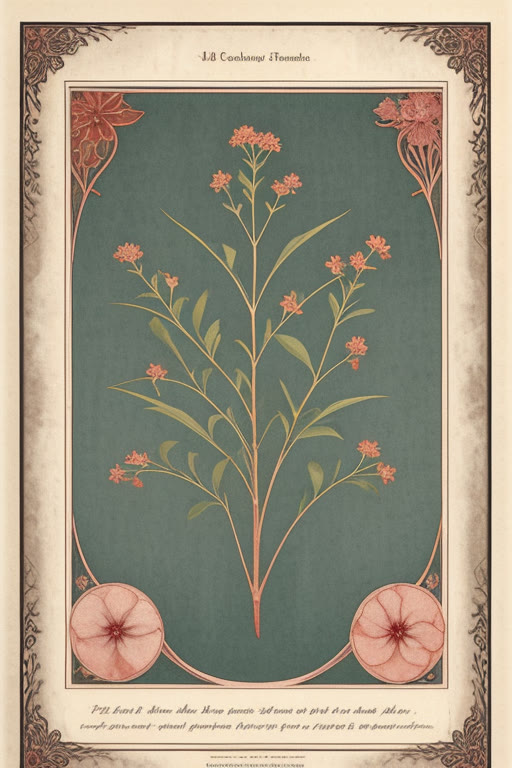
Traditions: Indigenous North American · folk-European
Used for: prevention of recurrent urinary tract infection
Active compounds: A-type proanthocyanidins (PACs), quercetin, ursolic acid, hippuric acid precursors
How it is thought to work: A-type proanthocyanidins block P-fimbriae adhesion of uropathogenic E. coli to bladder epithelium (anti-adhesion, not urine acidification); cranberry is a weak CYP2C9 inhibitor at most.
Evidence: established — The 2023 Cochrane update (50 trials, 8857 people) concluded cranberry products reduce the risk of symptomatic UTI in women with recurrent UTIs, children, and after interventions - but not in elderly institutionalised people, pregnant women or people with neurogenic bladder. It does not treat an active infection.
Dose: Prevention: products delivering about 36 mg PACs (DMAC/BL-DMAC method) daily, e.g. 240-300 mL 27% juice cocktail or standardized capsules (often 500 mg twice daily).
Cautions and interactions:
- Not a treatment for active UTI or kidney infection - fever/flank pain needs antibiotics
- Warfarin: case reports of raised INR; trials show small effect - monitor
- Large amounts may raise oxalate kidney-stone risk
- Juice cocktails are high in sugar
Folk correspondence: Culpeper has no cranberry entry; his related whortleberries are given to Jupiter
Mercury: quicksilver, emerald, Wednesday


Evidence: tradition (correspondence system)
Planet: Mercury · metal: quicksilver · gem: emerald · day: Wednesday
Herbs ruled by it (Culpeper): fennel, lavender, dill, valerian
Dose ranges and cautions are the atlas’s own record, with the evidence grade it carries — "established" and "tradition" are not the same claim, and the card says which it is.