Cards from the herb atlas. Each card carries what the atlas actually holds for that plant: the Latin name, the traditions that use it, what it is used for, the active compounds, the proposed mechanism, the evidence grade, the dose range, and the interactions and cautions. Two renders of each card — one in the house Art Nouveau register, one in a plainer botanical-guide register. The labels are not printed in the images; the words that belong on each card are the headings below it.
Feverfew — Tanacetum parthenium
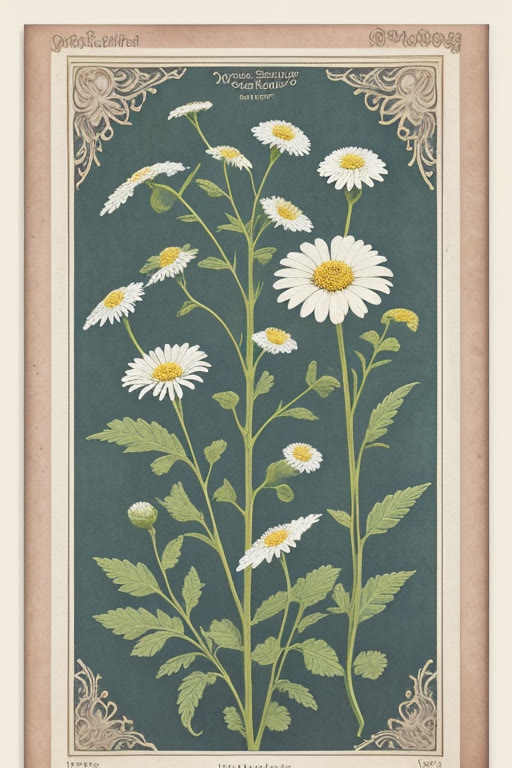
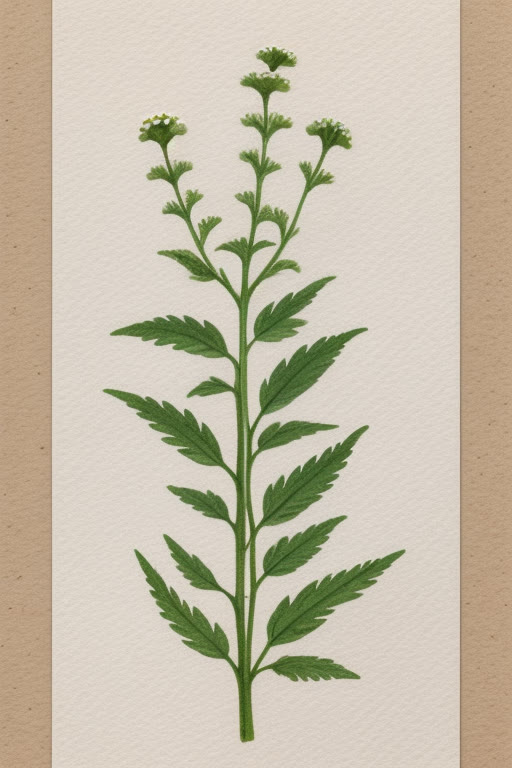
Traditions: folk-European
Used for: migraine prevention; fever (historical); menstrual complaints (Culpeper)
Active compounds: parthenolide (sesquiterpene lactone), flavonoid glycosides, camphor
How it is thought to work: Parthenolide inhibits NF-kB and IKK, blocks platelet serotonin release, and modulates TRPA1 on trigeminal nerves; it also inhibits phospholipase A2-driven prostaglandin release.
Evidence: traditional-with-some-evidence — Cochrane (6 trials, 561 people) found only a small preventive effect - about 0.6 fewer migraines a month - with low-quality evidence; EMA lists traditional use for migraine prophylaxis.
Dose: Dried leaf powder 50-150 mg/day (often standardized to 0.2-0.4% parthenolide) taken continuously; benefit assessed after 4-6 weeks. Folk practice: 2-3 fresh leaves daily (chewing causes mouth ulcers in some).
Cautions and interactions:
- Pregnancy: avoid (emmenagogue; historical abortifacient)
- Asteraceae allergy
- Antiplatelet effect - caution with anticoagulants
- 'Post-feverfew syndrome' on abrupt stop: rebound headache, anxiety, joint stiffness - taper
- Mouth ulcers and tongue swelling from chewing fresh leaves
Folk correspondence: Venus (Culpeper, 'Venus commands this herb... to succour her sisters (women)')
Valerian — Valeriana officinalis
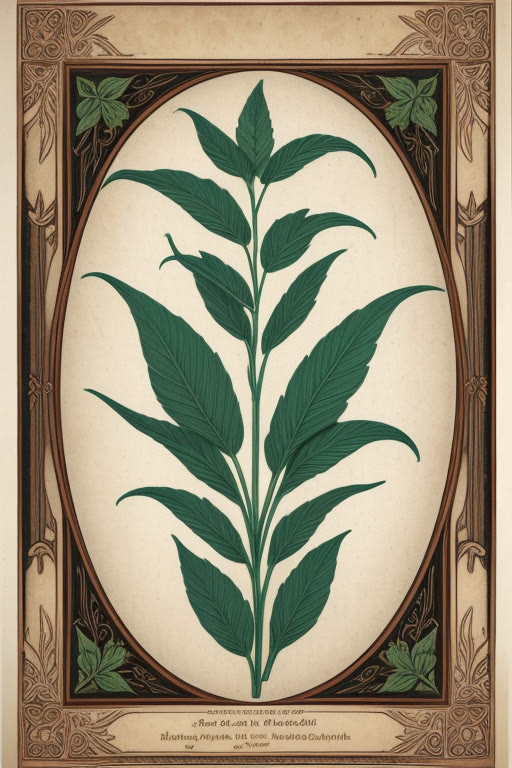
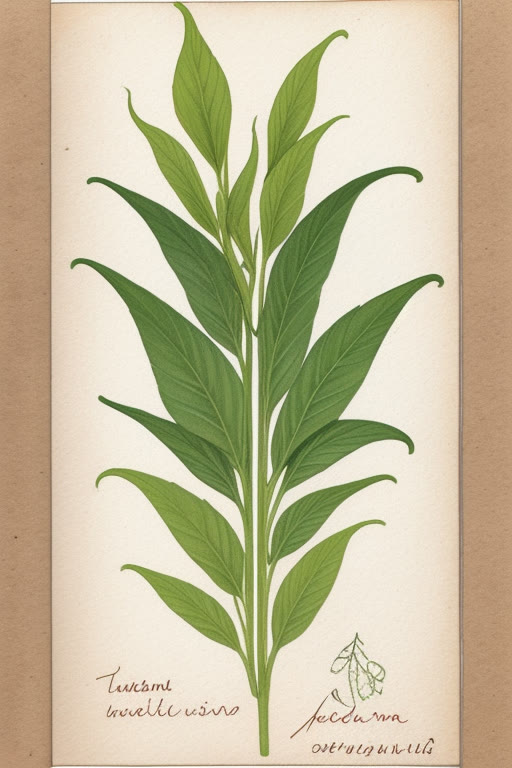
Traditions: folk-European · Ayurveda (tagara, V. wallichii)
Used for: insomnia; nervous tension; mild anxiety
Active compounds: valerenic acid, valepotriates (valtrate), isovaleric acid (the smell), hesperidin/linarin
How it is thought to work: Valerenic acid positively modulates GABA-A receptors containing beta2/beta3 subunits and inhibits GABA transaminase (the enzyme that breaks down GABA); in humans CYP effects are minor (no meaningful CYP3A4/2D6 change at normal doses).
Evidence: traditional-with-some-evidence — Systematic reviews are inconsistent: some subjective sleep-quality improvement but objective sleep measures rarely change; EMA nonetheless grants well-established use for the ethanolic root extract.
Dose: 300-600 mg root extract (or 2-3 g dried root as tea) 30 min-2 h before bed; effects build over 2-4 weeks.
Cautions and interactions:
- Additive sedation with alcohol, benzodiazepines, barbiturates, opioids, other sedatives
- Do not drive if drowsy
- Rare liver injury reports (often multi-herb products)
- Paradoxical stimulation/headache in some
- Taper after long use; not for under-12s (EMA)
In the traditional systems: Ayurveda (tagara): bitter, pungent, heating; pacifies Vata and Kapha.
Folk correspondence: Mercury (Culpeper, 'Garden Valerian... under the influence of Mercury')
Lavender — Lavandula angustifolia
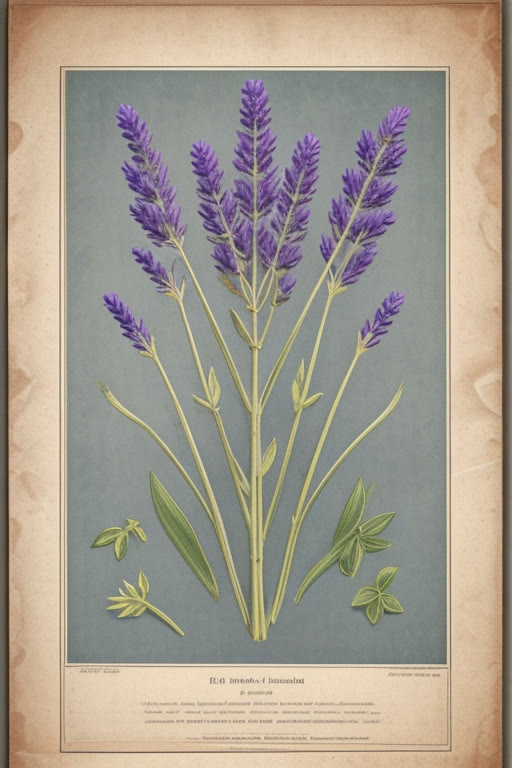
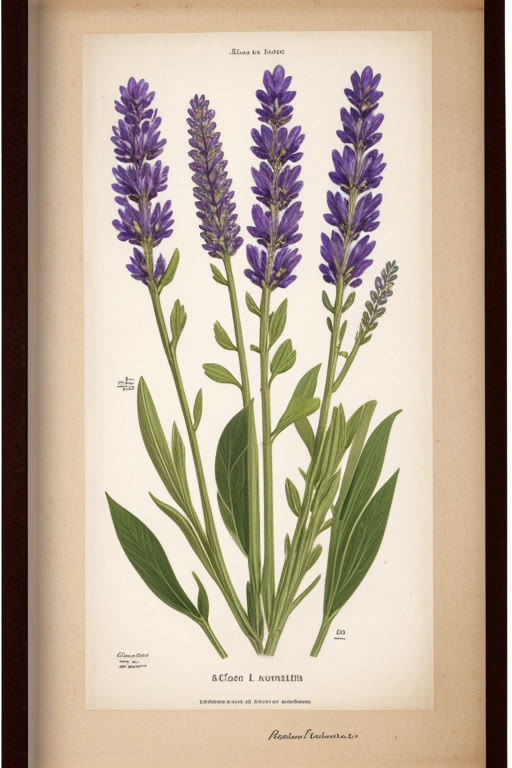
Traditions: folk-European · Unani
Used for: anxiety (oral oil capsules); sleep (aromatherapy); minor burns and insect bites (folk)
Active compounds: linalool, linalyl acetate, 1,8-cineole, camphor (low in L. angustifolia)
How it is thought to work: Linalool and linalyl acetate inhibit voltage-gated calcium channels and modulate GABA-A transmission; the standardized oral oil Silexan reduces serotonin-1A-related anxiety without benzodiazepine-like dependence.
Evidence: traditional-with-some-evidence — Several RCTs of oral lavender oil (Silexan, 80-160 mg/day) show anxiety reduction similar to low-dose lorazepam or paroxetine in some trials; aromatherapy evidence is weaker and hard to blind.
Dose: Anxiety: 80-160 mg standardized oral lavender oil (Silexan) once daily. Tea: 1-2 tsp dried flower per cup. Aromatherapy: 2-4 drops in diffuser. Topical: dilute 1-2% in carrier oil.
Cautions and interactions:
- Additive sedation with CNS depressants
- Oral capsules: burping, GI upset
- Possible link between topical lavender/tea-tree products and prepubertal gynecomastia in boys (case series; disputed)
- Contact dermatitis, especially oxidised oil
- Essential oil should not be swallowed except as a formulated capsule
In the traditional systems: Unani (ustukhudus): hot and dry, a 'brain-cleanser'.
Folk correspondence: Mercury (Culpeper, 'Mercury owns the herb; and it carries his effects very potently')
Dose ranges and cautions are the atlas’s own record, with the evidence grade it carries — "established" and "tradition" are not the same claim, and the card says which it is.