Cards from the herb atlas. Each card carries what the atlas actually holds for that plant: the Latin name, the traditions that use it, what it is used for, the active compounds, the proposed mechanism, the evidence grade, the dose range, and the interactions and cautions. Two renders of each card — one in the house Art Nouveau register, one in a plainer botanical-guide register. The labels are not printed in the images; the words that belong on each card are the headings below it.
Elderberry — Sambucus nigra
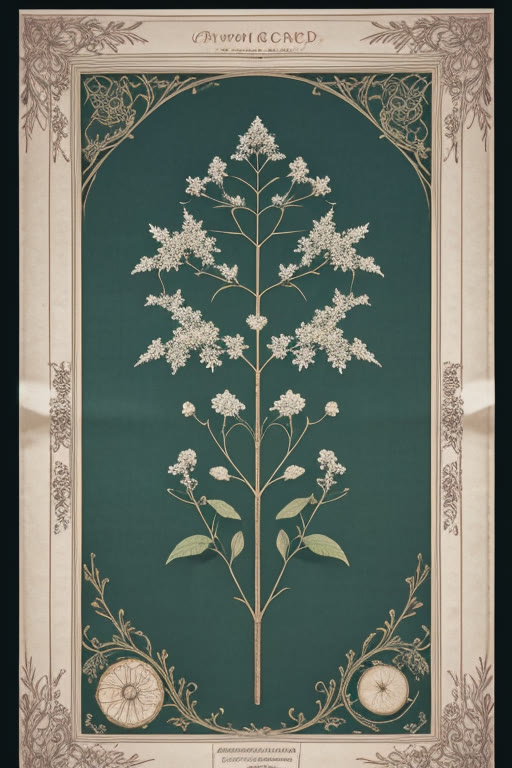
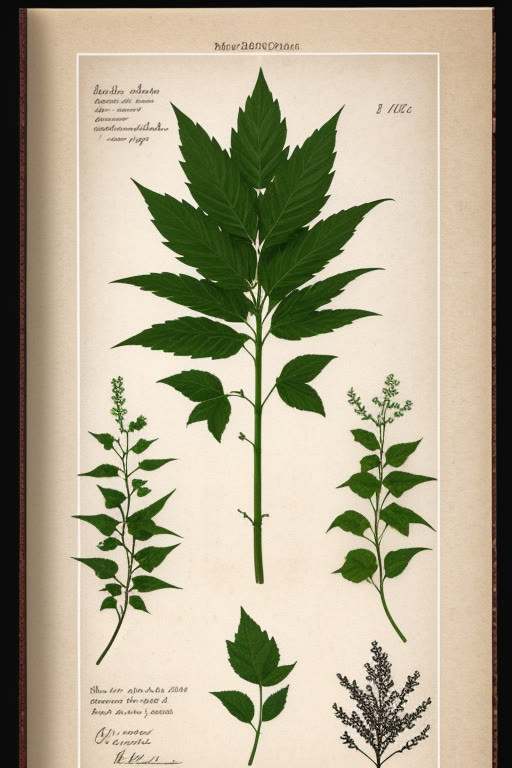
Traditions: folk-European
Used for: colds and flu (folk; syrup); fever (flowers, as diaphoretic tea)
Active compounds: anthocyanins (cyanidin-3-glucoside, cyanidin-3-sambubioside), flavonols (quercetin, rutin), sambunigrin (cyanogenic glycoside, in unripe/raw parts)
How it is thought to work: Anthocyanins inhibit viral neuraminidase and haemagglutination in vitro; cooking matters because raw seeds, bark, leaves and unripe berries contain sambunigrin, which the plant enzyme beta-glucosidase hydrolyses to release hydrogen cyanide.
Evidence: traditional-with-some-evidence — Mixed: a few small, often industry-funded trials suggested shorter flu duration, but a larger 2019 RCT found no benefit in influenza; NCCIH rates evidence as insufficient.
Dose: Standardized syrup (e.g. Sambucol-type) studied at 15 mL four times daily for 5 days in adults; EMA traditional flower tea: 2-5 g dried flower per cup, up to 3 times daily.
Cautions and interactions:
- Never eat raw berries, leaves, stems, bark or unripe fruit - cyanogenic glycosides cause vomiting, diarrhoea and in larger amounts cyanide poisoning; cook ripe berries thoroughly
- Theoretical immunostimulant concern with immunosuppressants (transplant, autoimmune)
- Insufficient pregnancy/breast-feeding data
- Mild diuretic/laxative effect
Folk correspondence: Venus (Culpeper, 'Elder and Dwarf Tree are under the dominion of Venus')
Echinacea (purple coneflower) — Echinacea purpurea (also E. angustifolia, E. pallida)
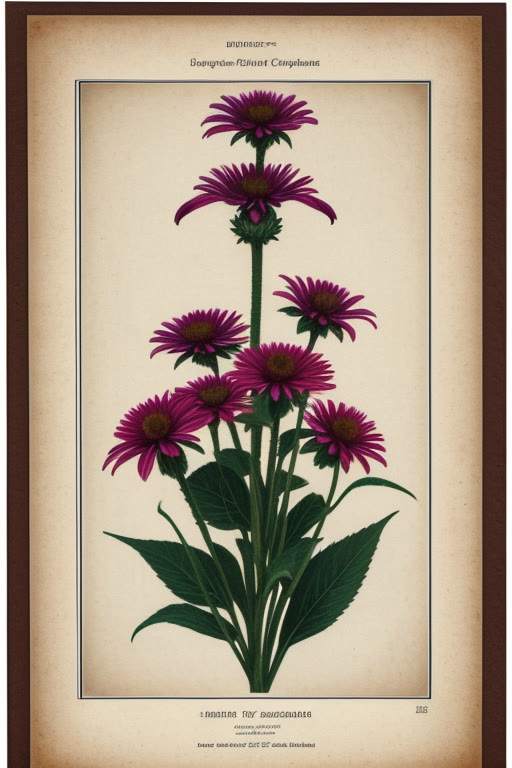
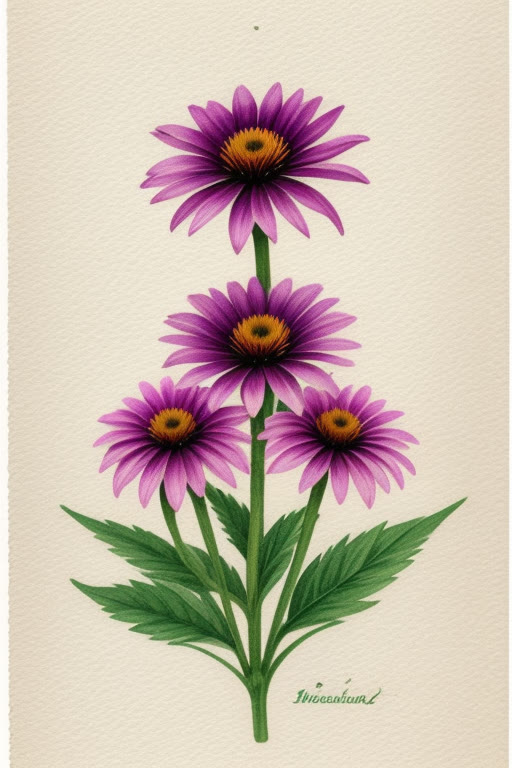
Traditions: Indigenous North American · folk-European
Used for: short-term prevention and treatment of common cold; wound healing (Plains nations, topical)
Active compounds: alkamides (dodeca-tetraenoic acid isobutylamides), caffeic acid derivatives (cichoric acid, echinacoside), polysaccharides
How it is thought to work: Alkamides bind cannabinoid CB2 receptors on immune cells and modulate cytokine release; echinacea inhibits intestinal CYP3A4 but induces hepatic CYP3A4, a mixed net effect on drugs like midazolam.
Evidence: traditional-with-some-evidence — Cochrane (24 RCTs) found products generally did not significantly beat placebo for treating colds, with a possible weak preventive effect; products vary wildly in species, part and extraction, which explains much of the inconsistency.
Dose: E. purpurea pressed juice (aerial parts): 6-9 mL daily for up to 10 days at first symptoms (EMA). Dried root/extracts: commonly 300-500 mg 3 times daily, max 10 days for treatment.
Cautions and interactions:
- Asteraceae allergy - rash and rare anaphylaxis; avoid in atopic people
- Theoretical conflict with immunosuppressants; EMA advises against in progressive systemic/autoimmune disease (TB, MS, HIV, collagenoses)
- Not for children under 12 (EMA) due to rash risk
- Mixed CYP3A4 effects - monitor narrow-range drugs
White Willow Bark — Salix alba (also S. purpurea, S. fragilis)
Traditions: folk-European · TCM · Indigenous North American
Used for: low back pain; osteoarthritis pain (mixed); fever and headache (historical)
Active compounds: salicin, salicortin, tremulacin, flavonoids, tannins
How it is thought to work: Salicin is a prodrug: gut bacterial beta-glucosidases cleave it to saligenin, which the liver oxidises to salicylic acid, a weak reversible COX inhibitor - unlike aspirin it does not irreversibly acetylate platelet COX-1, so antiplatelet effect is milder and onset slower.
Evidence: traditional-with-some-evidence — Cochrane's herbal-medicine-for-low-back-pain review found moderate evidence that willow bark extracts (120-240 mg salicin/day) reduce short-term pain better than placebo; osteoarthritis results are mixed. EMA lists it as well-established/traditional for back pain.
Dose: Extract standardized to 120-240 mg salicin per day in divided doses (EMA up to 240 mg salicin/day), for up to 4 weeks. Decoction: 1-3 g dried bark simmered 10-15 min, up to 3-4 times daily (salicin content varies by species).
Cautions and interactions:
- Salicylate allergy or aspirin-induced asthma: avoid
- Children/teens with viral illness: theoretical Reye's syndrome risk - avoid
- Additive effect with anticoagulants, antiplatelets, NSAIDs, methotrexate
- Peptic ulcer, kidney disease, G6PD deficiency: caution
- Pregnancy (third trimester) and breast-feeding: avoid
Folk correspondence: Moon (Culpeper, 'The Willow Tree... The Moon owns it')
Dose ranges and cautions are the atlas’s own record, with the evidence grade it carries — "established" and "tradition" are not the same claim, and the card says which it is.