Cards from the herb atlas. Each card carries what the atlas actually holds for that plant: the Latin name, the traditions that use it, what it is used for, the active compounds, the proposed mechanism, the evidence grade, the dose range, and the interactions and cautions. Two renders of each card — one in the house Art Nouveau register, one in a plainer botanical-guide register. The labels are not printed in the images; the words that belong on each card are the headings below it.
Garlic — Allium sativum

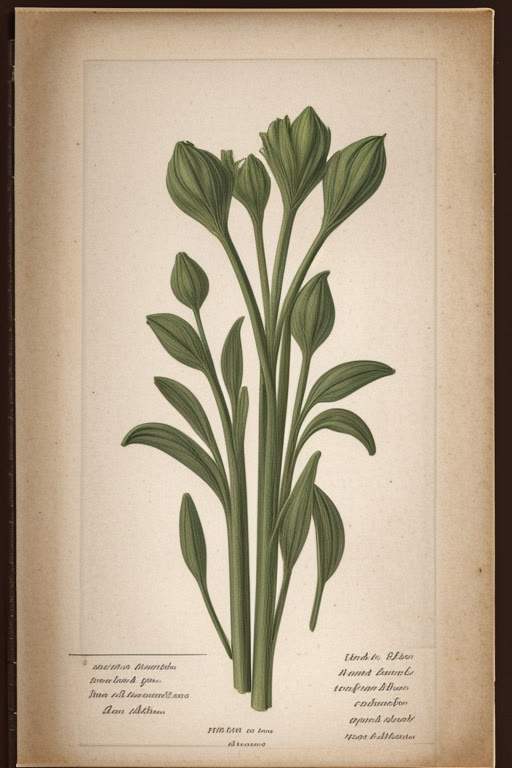
Traditions: folk-European · TCM · Ayurveda · Unani
Used for: modest blood-pressure lowering; modest cholesterol lowering; common cold prevention (weak); antimicrobial (folk)
Active compounds: alliin, allicin, ajoene, S-allyl cysteine (aged extract), diallyl disulfide
How it is thought to work: Crushing triggers the enzyme alliinase to convert alliin to allicin within seconds (so chop and wait ~10 min before heating, which destroys alliinase); ajoene inhibits platelet aggregation, and garlic supplements lower saquinavir levels via CYP3A4/P-gp induction.
Evidence: traditional-with-some-evidence — Meta-analyses show small BP reductions in hypertensive people and small lipid effects; the Cochrane review on preventing colds rests on a single trial and is insufficient.
Dose: 1 fresh clove (about 2-5 g) daily; or 600-1200 mg dried garlic powder daily in divided doses; or aged garlic extract 600-2400 mg daily.
Cautions and interactions:
- Bleeding risk with warfarin/antiplatelets and before surgery (stop 7-10 days prior)
- Reduces blood levels of saquinavir and possibly other HIV protease inhibitors
- Raw garlic on skin can cause chemical burns
- Heartburn, body/breath odour
In the traditional systems: TCM (da suan): pungent, warm. Ayurveda (lasuna): five tastes except sour, hot; reduces Vata and Kapha, aggravates Pitta.
Folk correspondence: Mars (Culpeper, 'Mars owns this herb... the poor man's treacle')
Turmeric — Curcuma longa
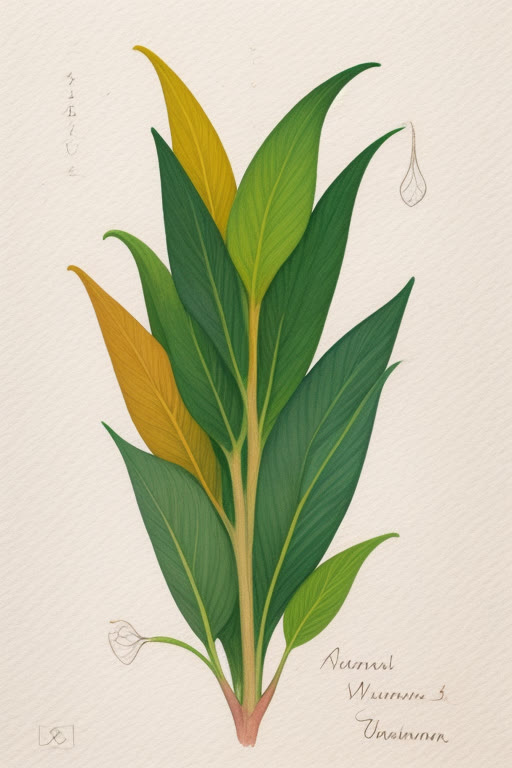
Traditions: Ayurveda · TCM · Unani
Used for: osteoarthritis pain (modest); dyspepsia; anti-inflammatory (general claims); culinary spice
Active compounds: curcumin, demethoxycurcumin, bisdemethoxycurcumin, ar-turmerone
How it is thought to work: Curcumin suppresses NF-kB signalling and COX-2/LOX expression, and inhibits CYP3A4, CYP2C9 and UGT glucuronidation; its own bioavailability is very low because it is rapidly glucuronidated - piperine (black pepper) blocks that glucuronidation and raises plasma curcumin roughly 20-fold.
Evidence: traditional-with-some-evidence — Several small trials support knee-osteoarthritis pain relief comparable to NSAIDs, but most claims (cancer, depression, Alzheimer's) are unproven, and LiverTox now documents over a dozen cases of turmeric-supplement liver injury, especially with piperine-enhanced products.
Dose: Culinary: 1-3 g turmeric powder/day is typical dietary intake. Osteoarthritis trials: 500-2000 mg curcumin extract/day in divided doses for 8-12 weeks. EMA traditional use: 1.5-3 g dried rhizome per day.
Cautions and interactions:
- Liver injury reported with concentrated supplements (LiverTox), higher risk with piperine/bioavailability-enhanced forms
- Antiplatelet effect - caution with anticoagulants
- CYP3A4/2C9 inhibition: may raise levels of drugs like tacrolimus, some chemotherapies
- Gallstones/bile-duct obstruction: avoid (cholagogue)
- May lower blood sugar with diabetes drugs; iron absorption reduced
In the traditional systems: TCM (jiang huang): pungent, bitter, warm; moves blood and qi. Ayurveda (haridra): tikta and katu rasa, ushna virya; balances all three doshas, especially Kapha.
Honey (cough and wound) — Mel (from Apis mellifera); medical-grade Manuka from Leptospermum scoparium nectar

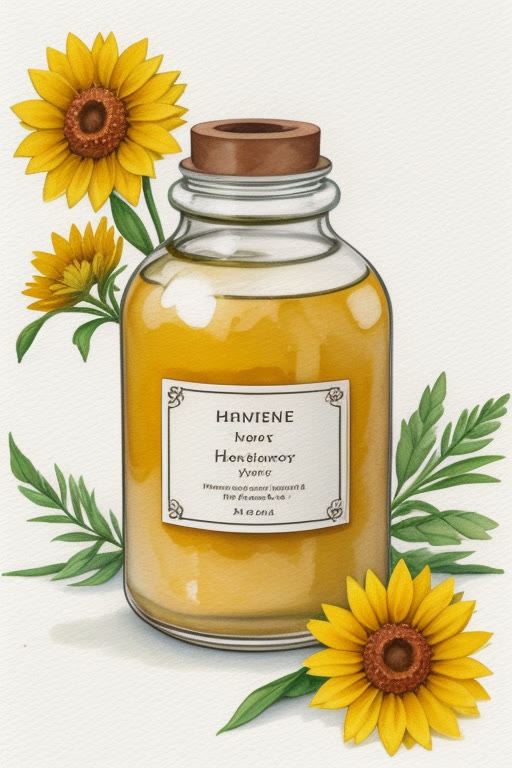
Traditions: folk-European · Ayurveda · Unani · Egyptian
Used for: acute cough in children over 1 year; topical wound and burn dressing (medical-grade); sore throat
Active compounds: glucose oxidase (yields hydrogen peroxide), methylglyoxal (Manuka), phenolic acids and flavonoids, bee defensin-1
How it is thought to work: Bee-added glucose oxidase slowly generates hydrogen peroxide when honey is diluted by wound fluid, while high sugar osmolarity and low pH inhibit bacteria; Manuka's non-peroxide activity comes from methylglyoxal (formed from nectar dihydroxyacetone). Heating destroys glucose oxidase.
Evidence: established — Cochrane (2018, 6 RCTs, 899 children) found honey probably relieves cough symptoms better than no treatment, diphenhydramine or placebo and may be similar to dextromethorphan; for wounds, Cochrane finds honey heals partial-thickness burns faster than conventional dressings but evidence for other wounds is mixed.
Dose: Cough: 2.5-10 mL (1/2-2 teaspoons) at bedtime for children over 1 year (age-scaled: 1-5 y 1/2 tsp, 6-11 y 1 tsp, 12+ 2 tsp). Wounds: sterile medical-grade honey dressing changed daily or as exudate requires - not kitchen honey on deep or infected wounds.
Cautions and interactions:
- NEVER give honey to infants under 12 months - risk of infant botulism (Clostridium botulinum spores)
- Raw kitchen honey is not sterile - use gamma-irradiated medical-grade honey on open wounds
- Blood sugar: counts as sugar for diabetics
- Bee/pollen allergy
- 'Mad honey' from Rhododendron nectar (grayanotoxins) causes bradycardia and hypotension
In the traditional systems: Ayurveda (madhu): sweet and astringent, heating when consumed, reduces Kapha; never to be cooked or heated per classical texts. Unani: hot and dry in second degree.
Dose ranges and cautions are the atlas’s own record, with the evidence grade it carries — "established" and "tradition" are not the same claim, and the card says which it is.