Yesterday, I visited a local market near my area, where I had the opportunity to see different kinds of domestic birds and animals. The market was full of people, farmers, traders, and buyers who had come to purchase and sell various agricultural products, vegetables, fish, poultry, and livestock. While walking through the market, something particularly caught my attention: a beautiful breed of duck known as the Chinese duck. I had seen different types of domestic ducks before, but these ducks looked quite interesting because of their distinctive appearance, body structure, and attractive features. Several Chinese ducks were being displayed for sale, and people were gathering around them to observe their size, feathers, movement, and overall condition. Some buyers were asking about their prices, egg production, feeding habits, and suitability for farming. Watching these ducks reminded me how important poultry and duck farming are for rural families in Bangladesh. Many people in our country depend on domestic birds and livestock for their livelihood, and duck farming is becoming an attractive agricultural activity because it can provide eggs, meat, and additional income. Chinese ducks are particularly interesting because different Chinese-origin duck breeds are known for their attractive appearance, good growth, and usefulness in commercial and household farming. My visit to the market gave me an opportunity to learn more about these birds and understand why people are interested in raising them.
Chinese ducks are generally associated with duck breeds that originated in China or were developed through Chinese breeding traditions. China has a long history of domestic duck farming, and Chinese duck breeds have contributed significantly to poultry production in different parts of the world. Among the best-known Chinese-origin duck breeds are the Pekin duck, the Shaoxing duck, the Cherry Valley commercial duck line, and several local varieties. The Pekin duck is especially famous for its white feathers, orange bill, orange legs, broad body, and fast-growing nature. It is widely raised for meat production and is one of the most commercially important domestic duck types in the world. However, when people use the general term Chinese duck in local markets, they may refer to different breeds or crossbred ducks rather than one specific variety. Therefore, it is important to identify the exact breed before discussing its production capacity, egg-laying ability, growth rate, and farming requirements. In Bangladesh, farmers and traders sometimes use popular market names for imported or crossbred poultry varieties, so buyers should ask about the bird's origin and characteristics before purchasing it.
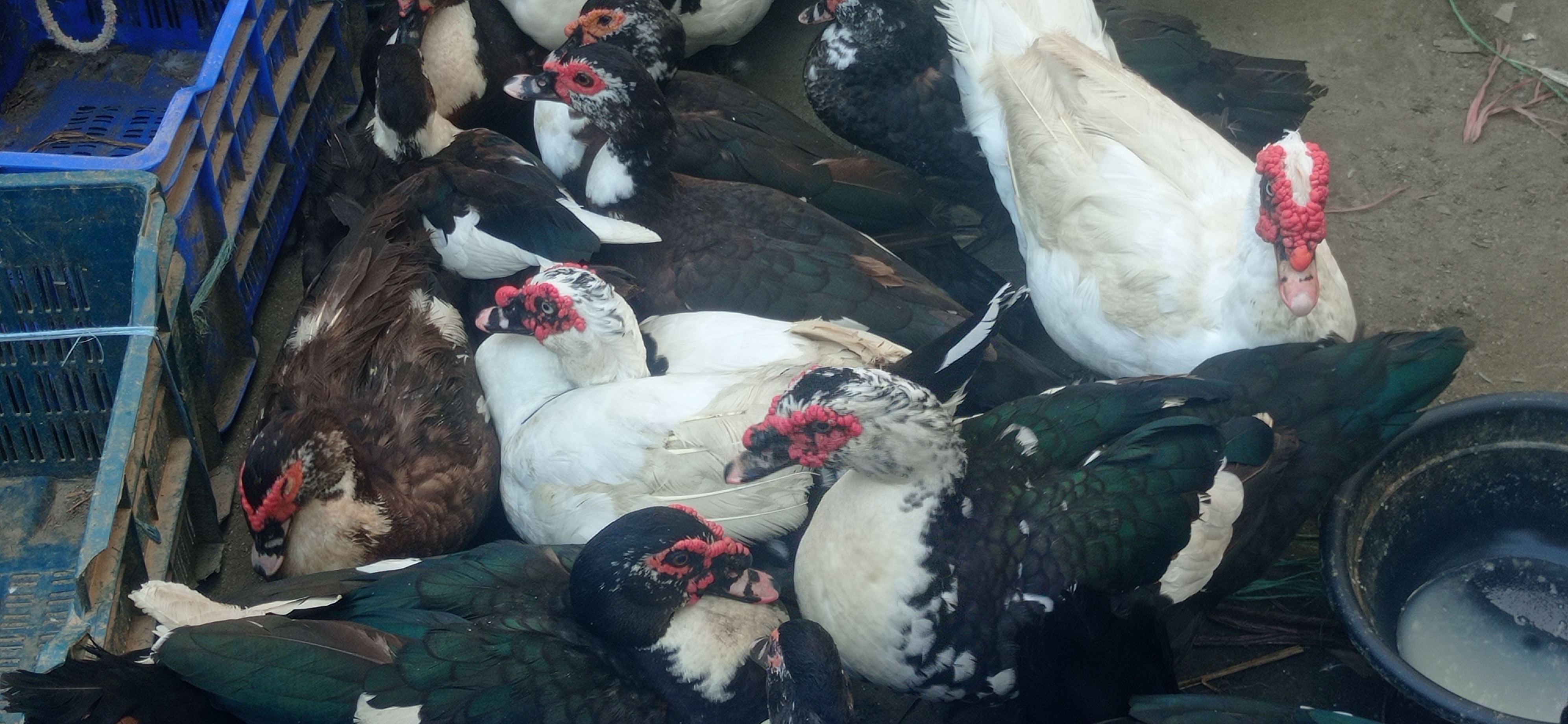
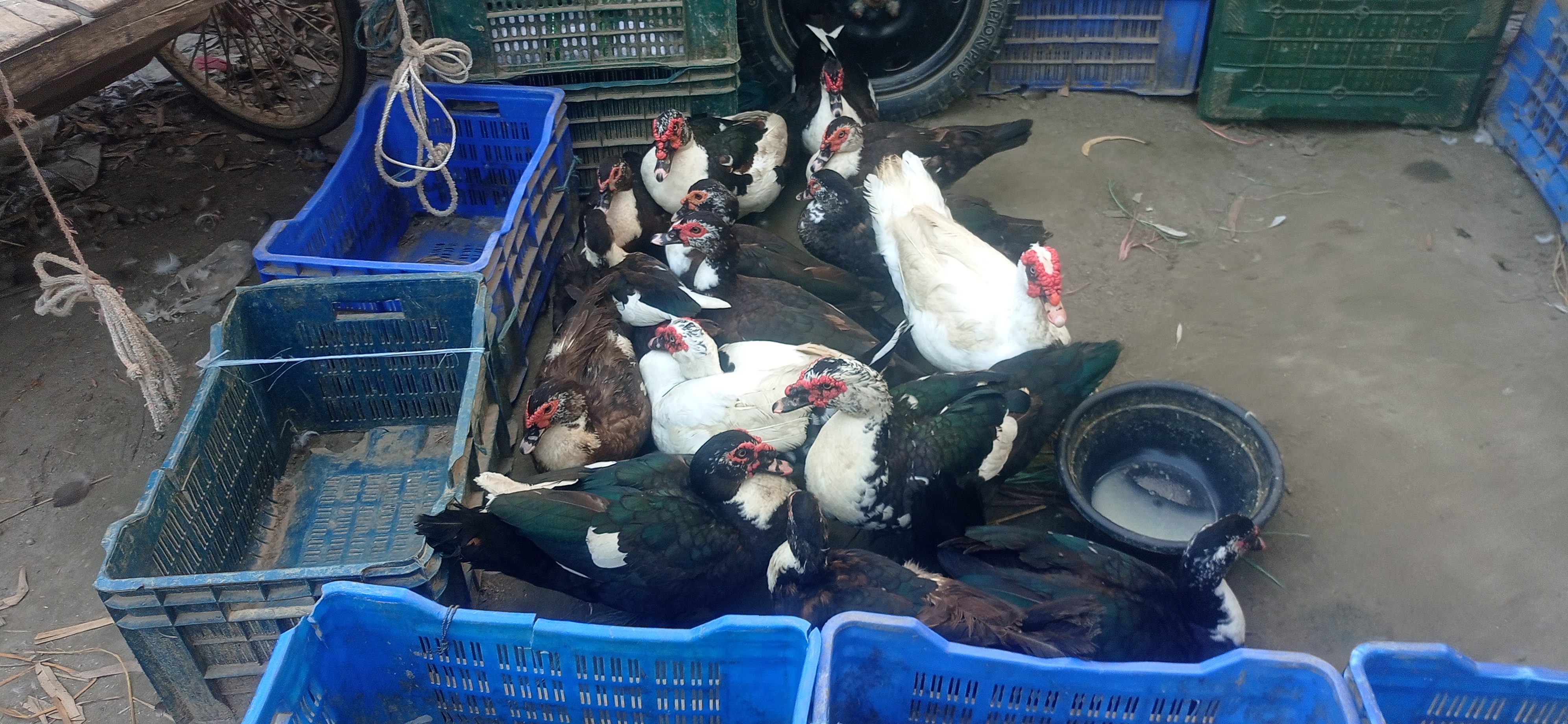
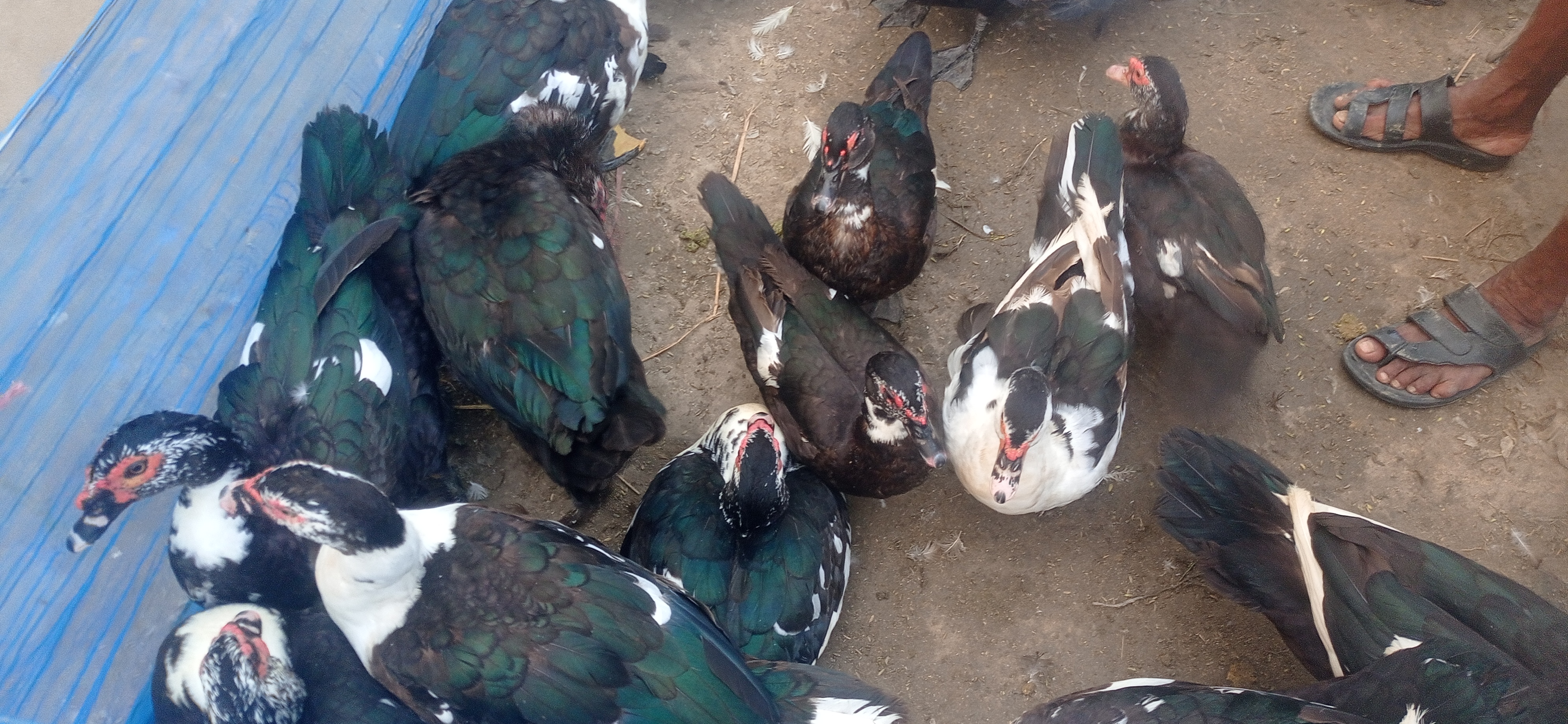
One of the most attractive characteristics of many Chinese-origin ducks is their beautiful and distinctive appearance. Pekin ducks, for example, usually have completely white feathers that give them a clean and attractive look. Their bodies are broad, their chests are well developed, and their legs are relatively short compared with their body size. Their bills and feet are usually orange, while their eyes are dark and alert. Their feathers are dense and help protect their bodies from ordinary environmental conditions. These ducks have a strong body structure and can adapt to different farming systems when they receive proper food, clean water, and suitable shelter. Their calm appearance and relatively manageable nature make them attractive to farmers who want to establish small or medium-sized duck farms. Other Chinese-origin breeds may have different feather colours, body shapes, and production characteristics. Some are raised mainly for eggs, while others are more suitable for meat production. This diversity makes Chinese duck varieties valuable in modern poultry farming.
The Pekin duck is particularly well known for its meat-producing ability. Under suitable commercial conditions, it grows quickly and can reach market weight within approximately seven to eight weeks, although the exact time depends on genetics, feed quality, health, and management. Commercial Pekin-type ducks may reach around 2.5 to 3.5 kilograms or more at market age, depending on the production system. This relatively rapid growth makes them attractive to commercial farmers who want to produce duck meat within a shorter period. Their broad bodies and developed breast muscles are important characteristics for meat production. Compared with some traditional local ducks, properly managed meat-type Chinese-origin ducks can provide a larger quantity of meat in a shorter period. However, farmers should not assume that every duck sold under the name Chinese duck will have the same growth performance. The actual breed and quality of the ducklings are important factors in determining production results.