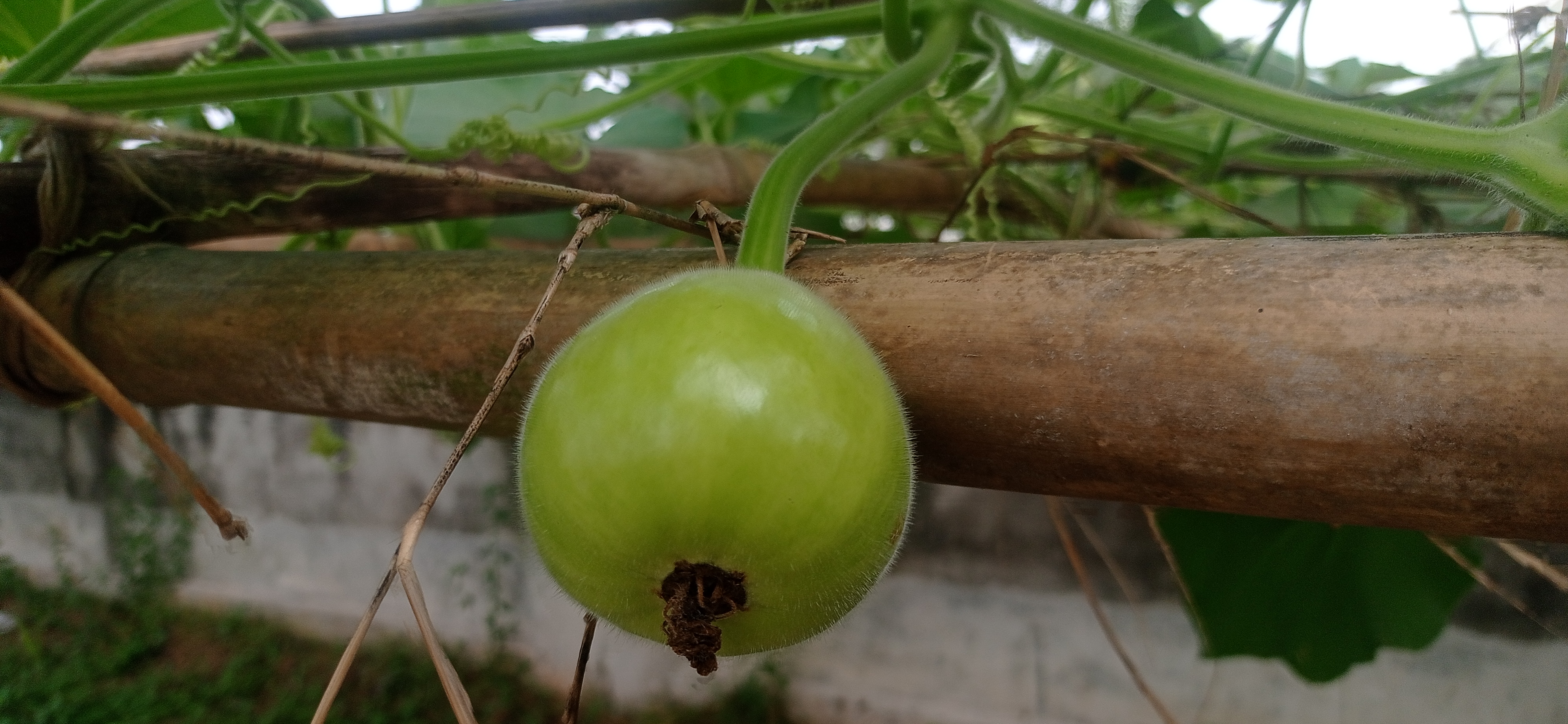
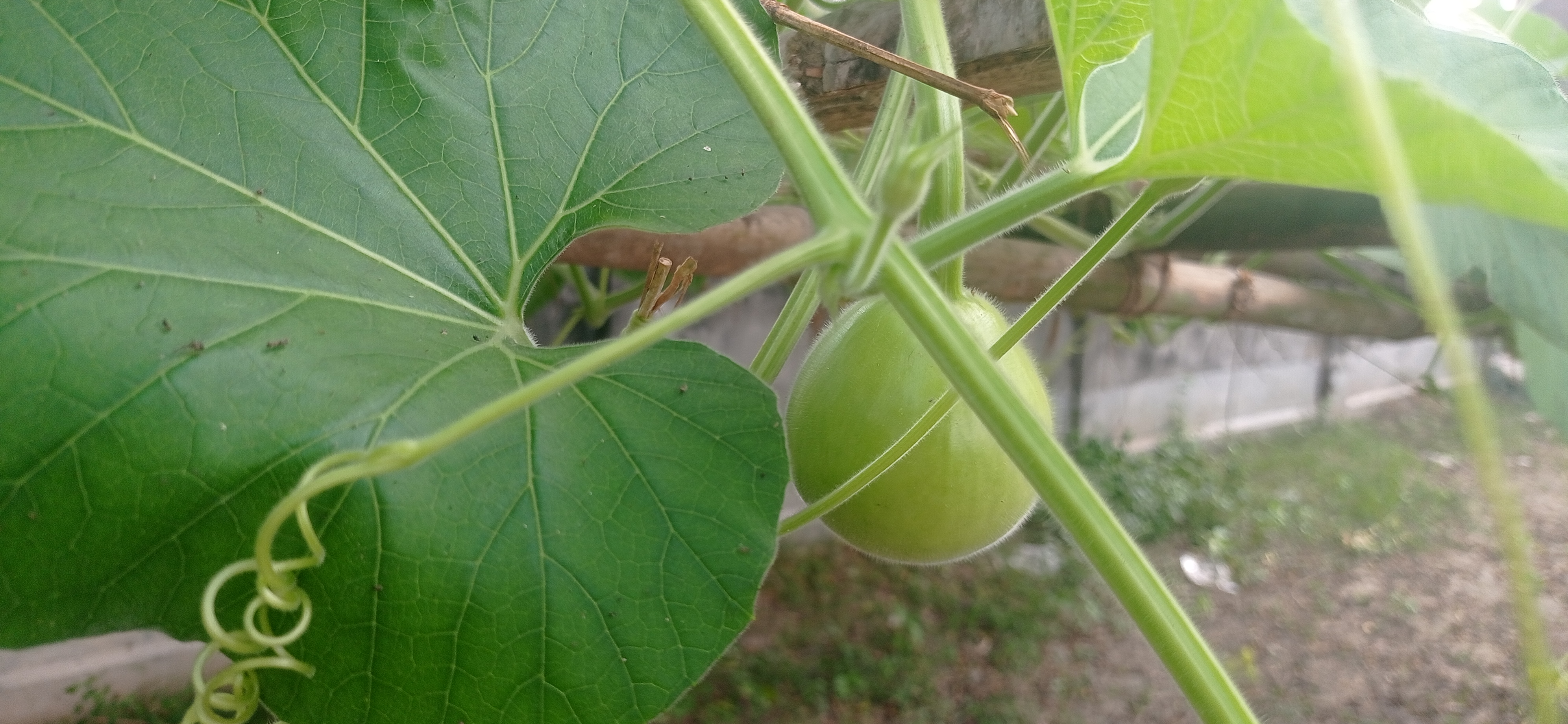
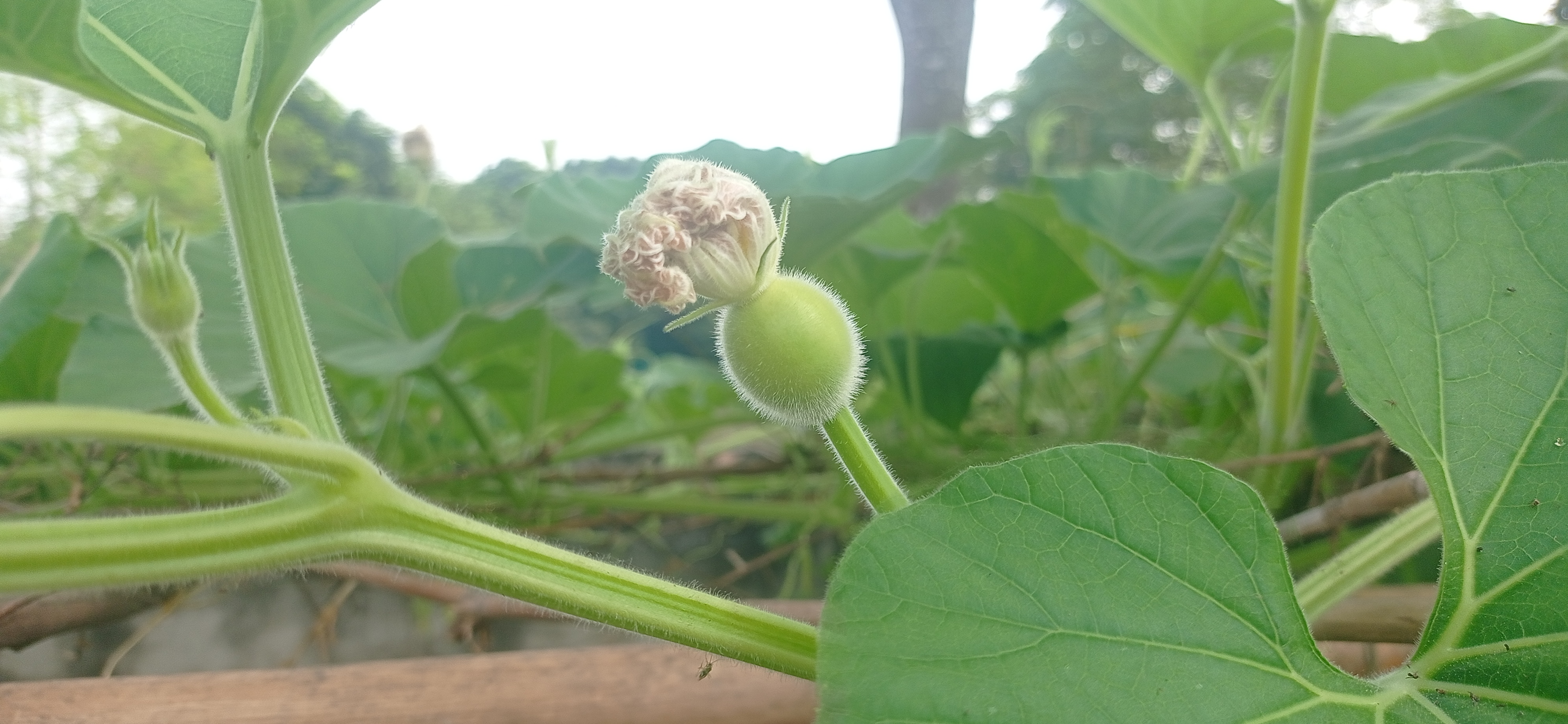
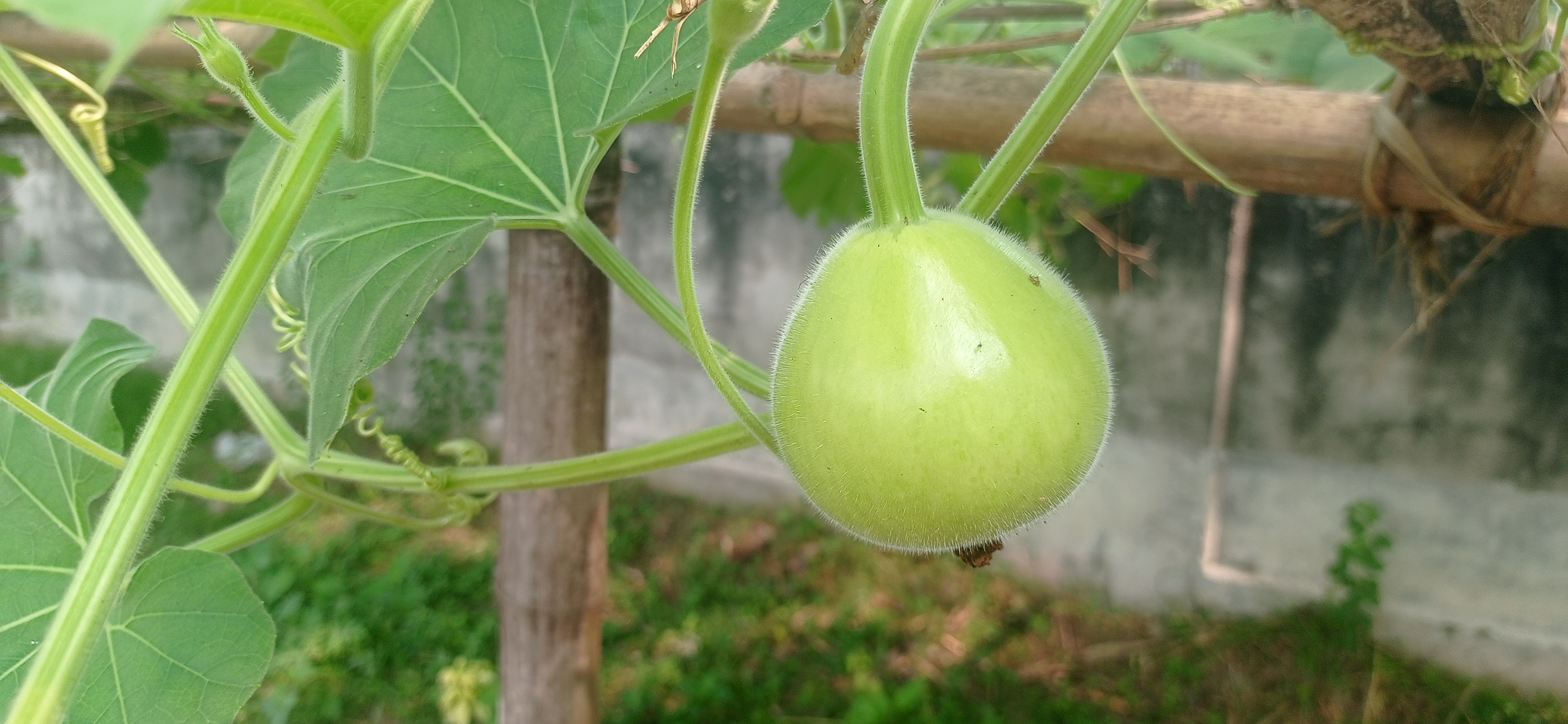
Native bottle gourd, commonly known as Lau in Bangladesh, is one of the most popular and nutritious vegetables in our country. It is widely cultivated in villages, towns, and rural agricultural areas throughout Bangladesh. Bottle gourd is a familiar vegetable in almost every Bangladeshi household because it is affordable, delicious, easy to cook, and beneficial for human health. It is scientifically known as Lagenaria siceraria. In Bangladesh, people grow different varieties of bottle gourd, including local and improved varieties. The native bottle gourd is especially popular because of its natural taste, soft texture, and suitability for traditional Bangladeshi dishes. It is commonly cooked with fish, lentils, small shrimps, potatoes, and other vegetables. Some people prepare bottle gourd curry, while others cook it with fish heads or dried fish. Bottle gourd can also be used to prepare soups, vegetable mixtures, and delicious traditional recipes. Apart from its excellent taste, it contains a high amount of water, dietary fibre, vitamins, and minerals that support different functions of the human body. It is also a valuable vegetable for farmers because it can be cultivated in different seasons and provides good economic opportunities when proper farming methods are followed.
Bottle gourd is particularly famous for its high water content. A fresh bottle gourd generally contains approximately 90–95 percent water, making it a hydrating vegetable for people living in hot and humid climates like Bangladesh. During the summer season, people often experience excessive sweating and lose water from their bodies. Eating water-rich vegetables such as bottle gourd can help support daily hydration when combined with sufficient drinking water. Its light and refreshing nature makes it suitable for people who prefer simple and easily digestible meals. Unlike many oily and heavy foods, bottle gourd can be prepared using a small amount of cooking oil and spices. This makes it an excellent choice for people who want to maintain a balanced diet. It is also suitable for older people who prefer soft and lightly cooked vegetables. However, individual digestion and dietary needs can vary, so everyone should include it according to their personal requirements.
One of the most important benefits of eating native bottle gourd is that it provides several essential vitamins and minerals. It contains small amounts of vitamin C, vitamin B1, vitamin B2, vitamin B3, vitamin B6, and folate, along with other beneficial plant compounds. Vitamin C helps support the immune system and contributes to normal collagen production, which is important for healthy skin, blood vessels, bones, and wound healing. It also acts as an antioxidant that helps protect body cells from damage caused by free radicals. Although bottle gourd is not among the richest sources of vitamin C, it can contribute to daily vitamin intake as part of a varied diet. Folate, also known as vitamin B9, plays an important role in cell division and the formation of red blood cells. It is particularly important during pregnancy because adequate folate intake supports the normal development of the baby's nervous system. The B-group vitamins help the body convert food into energy and support normal nervous system functions.
Bottle gourd also contains important minerals such as potassium, calcium, magnesium, phosphorus, iron, and small quantities of zinc. Potassium is essential for maintaining fluid balance, supporting normal muscle function, and helping regulate blood pressure. A balanced diet containing potassium-rich fruits and vegetables can contribute to cardiovascular health. Magnesium is involved in hundreds of chemical reactions in the body, including muscle function, nerve signalling, and energy production. Calcium is necessary for maintaining strong bones and teeth, while phosphorus works together with calcium to support bone structure and energy metabolism. Iron plays an important role in producing haemoglobin, the protein in red blood cells responsible for carrying oxygen throughout the body. Although bottle gourd contains these minerals in varying and generally modest amounts, it can contribute to overall nutritional intake when eaten regularly with other nutritious foods.