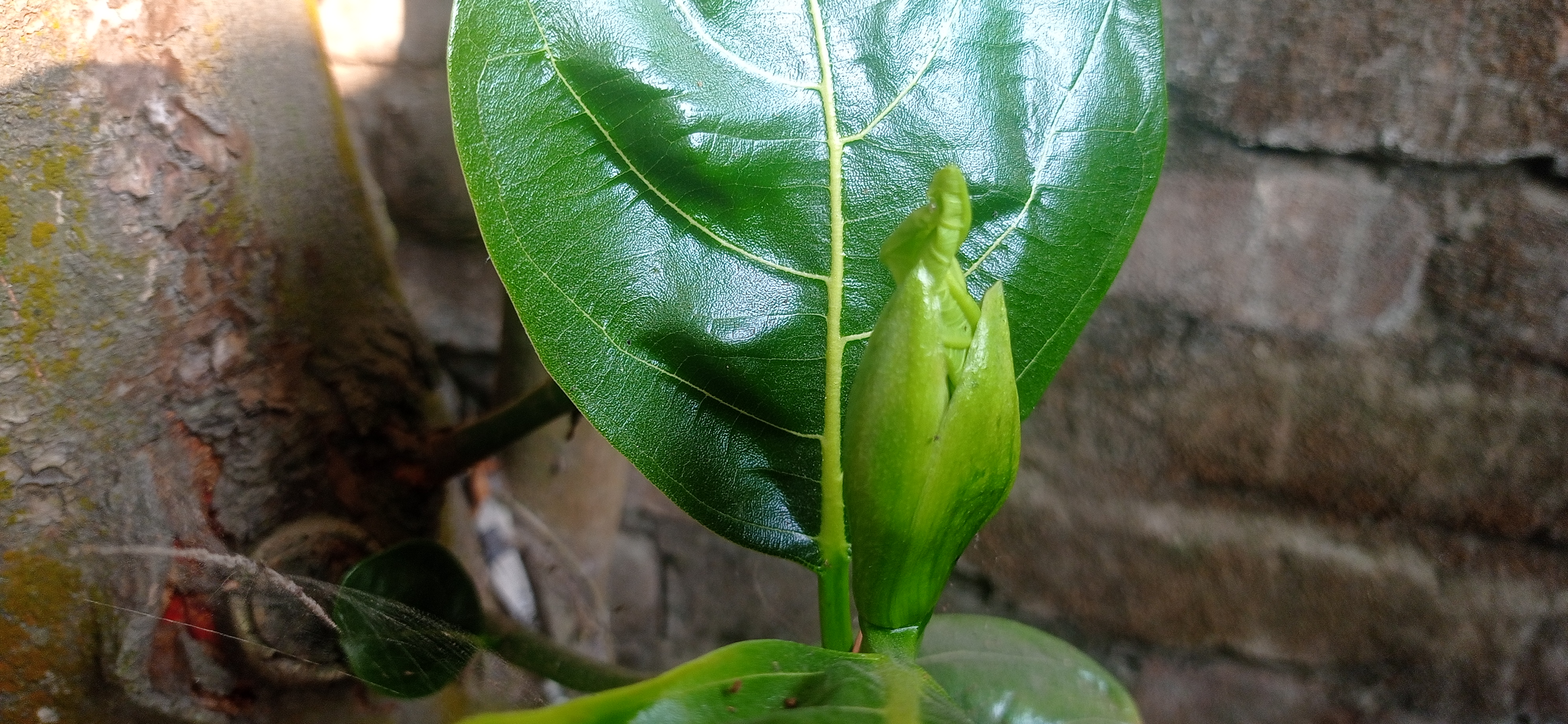
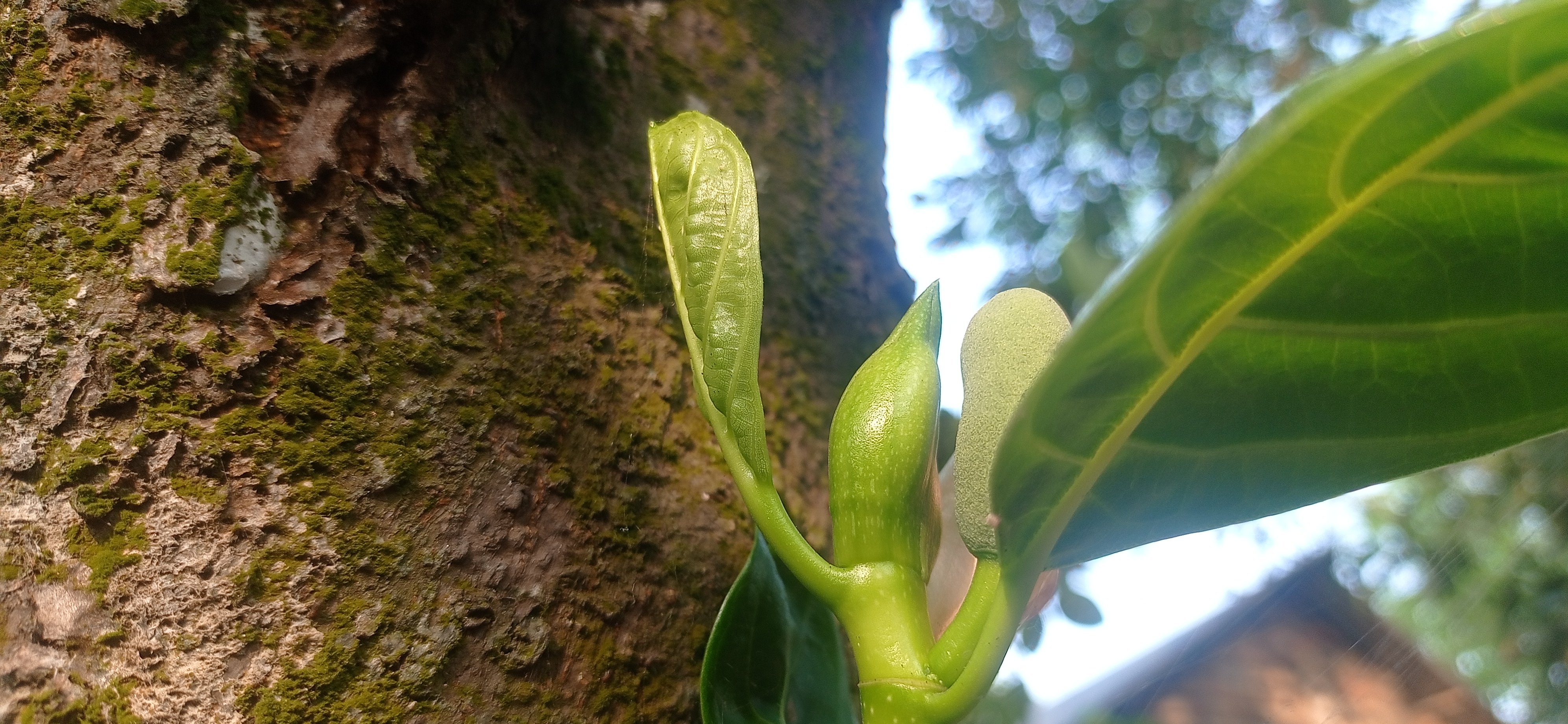
Jackfruit is the national fruit of Bangladesh and one of the most popular tropical fruits in the country. It is widely grown in villages, towns, and rural homesteads because of its delicious taste, large size, nutritional value, and economic importance. The scientific name of jackfruit is Artocarpus heterophyllus. It belongs to the Moraceae family and is believed to have originated in the Indian subcontinent. Today, jackfruit is cultivated in Bangladesh, India, Sri Lanka, Thailand, Malaysia, Indonesia, and many other tropical countries. In Bangladesh, jackfruit has a special place in people's hearts because it represents the beauty of rural life, traditional agriculture, and seasonal abundance. During the summer season, jackfruit trees become full of large green fruits, creating a beautiful natural scene in village gardens and orchards. Many families have one or more jackfruit trees around their houses, and these trees provide delicious fruits for family consumption as well as additional income. Jackfruit is not only a tasty seasonal fruit but also an important source of carbohydrates, dietary fibre, vitamins, minerals, and natural energy. Its ripe yellow bulbs are sweet, soft, and aromatic, while its young green fruit is commonly cooked as a vegetable in Bangladesh. Both ripe and unripe jackfruit are valuable parts of traditional Bangladeshi food culture.