Rice is one of the most important agricultural crops in Bangladesh and is deeply connected with the country’s food security, rural economy, culture, traditions, and everyday life. Bangladesh is a land of rivers, fertile floodplains, wetlands, and agricultural fields, and its natural environment is particularly suitable for rice cultivation. Although Bangladesh has many important crops, rice occupies a special position
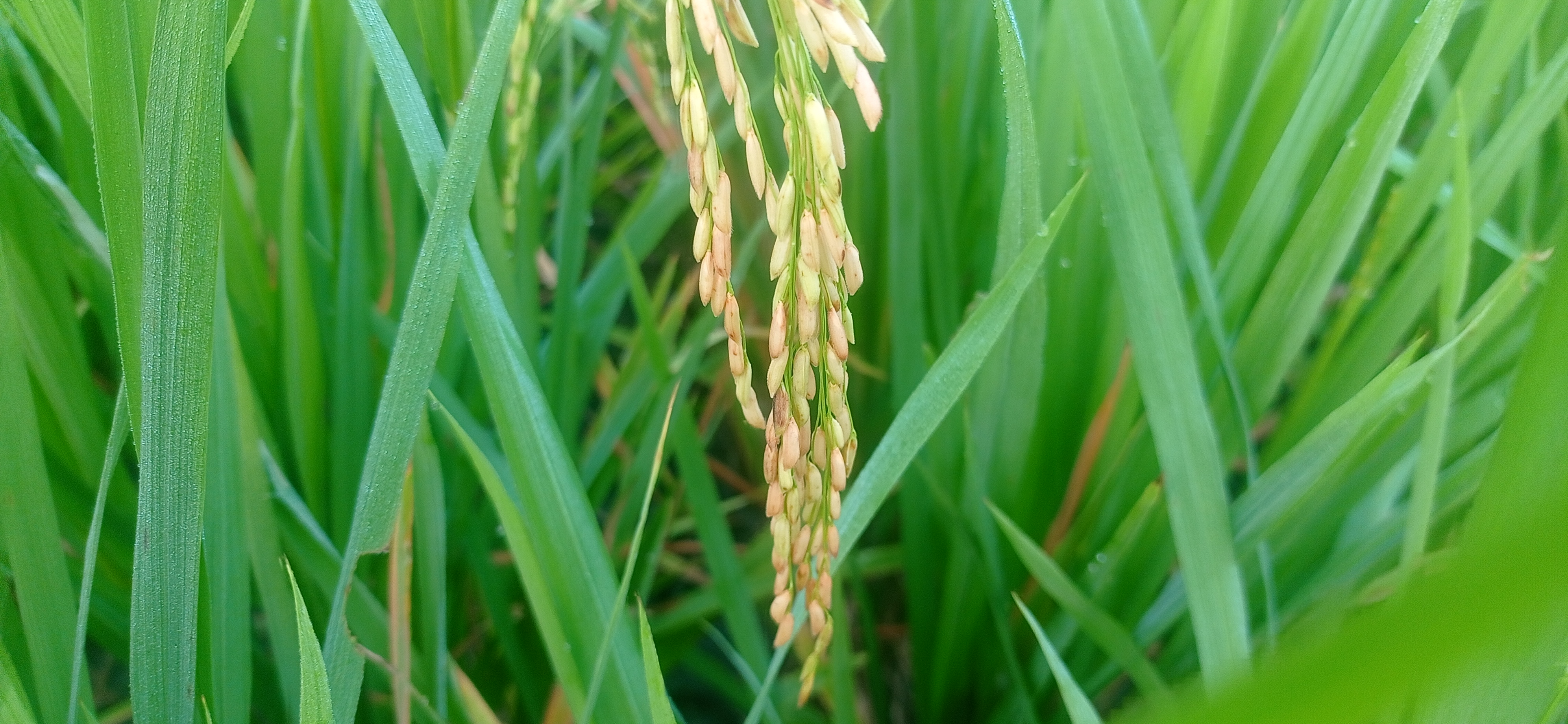
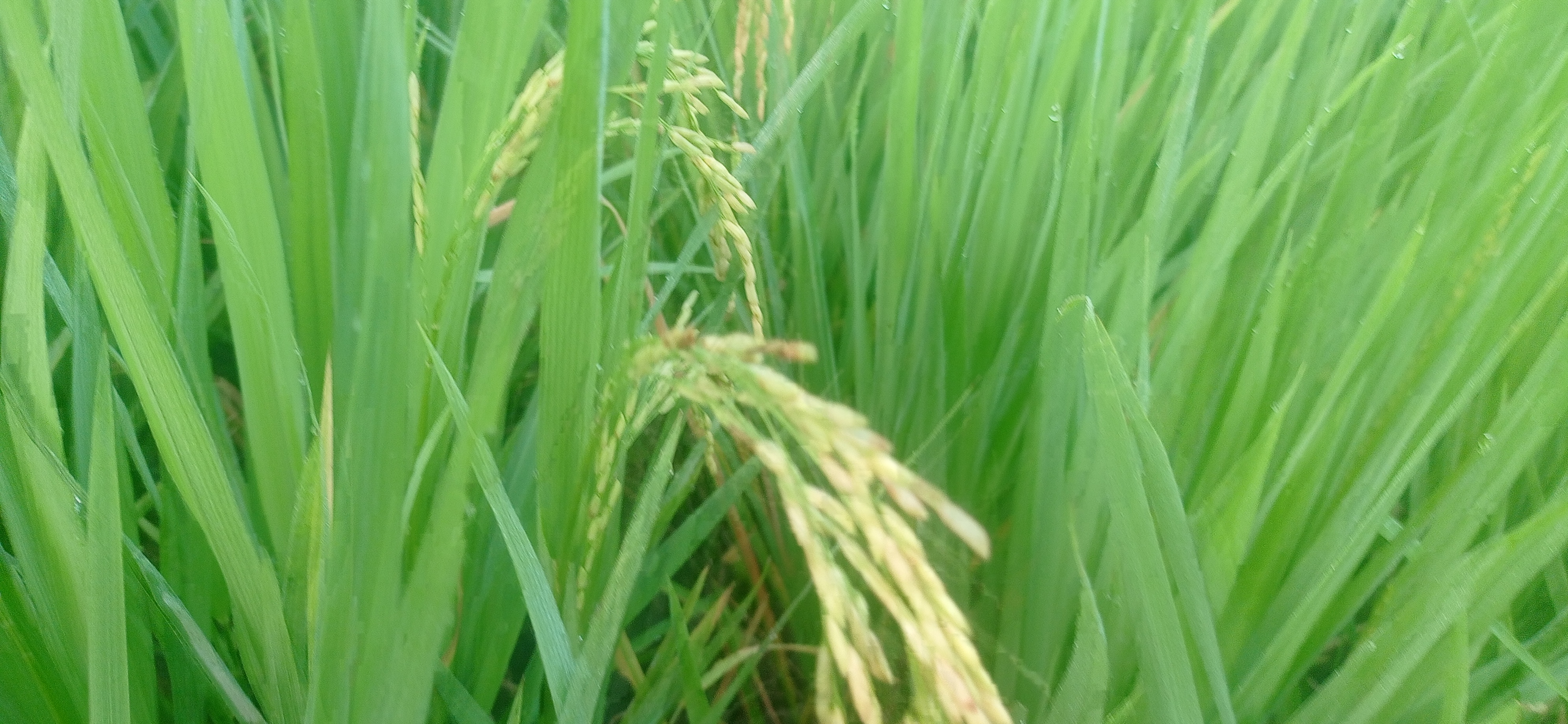
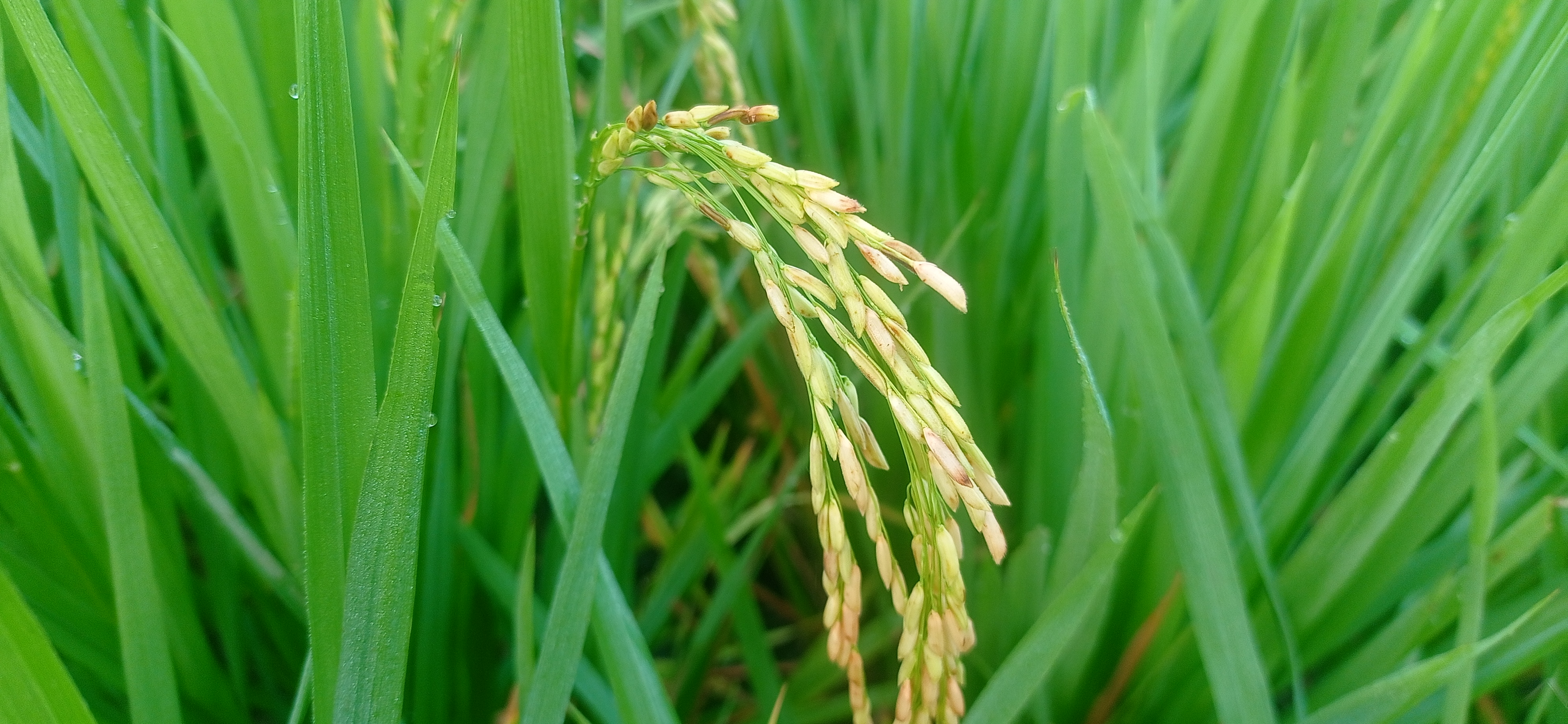
because it is the principal staple food of the people. Almost every household in the country depends on rice as a major source of energy, and millions of farmers depend directly or indirectly on rice cultivation for their livelihood. Rice is cultivated in different seasons and under different environmental conditions throughout the country, allowing farmers to produce rice in areas with varying soil types, water availability, and climatic conditions. The three major rice-growing seasons are Aus, Aman, and Boro.