Neem is one of the most valuable traditional plants found in South Asia, especially in Bangladesh, India, Pakistan, and several other tropical and subtropical regions. Its scientific name is Azadirachta indica, and it belongs to the Meliaceae family. For generations, neem has been considered an important household plant because almost every part of the tree—including its leaves, bark, flowers, fruits, seeds, and oil—has been used in traditional practices.
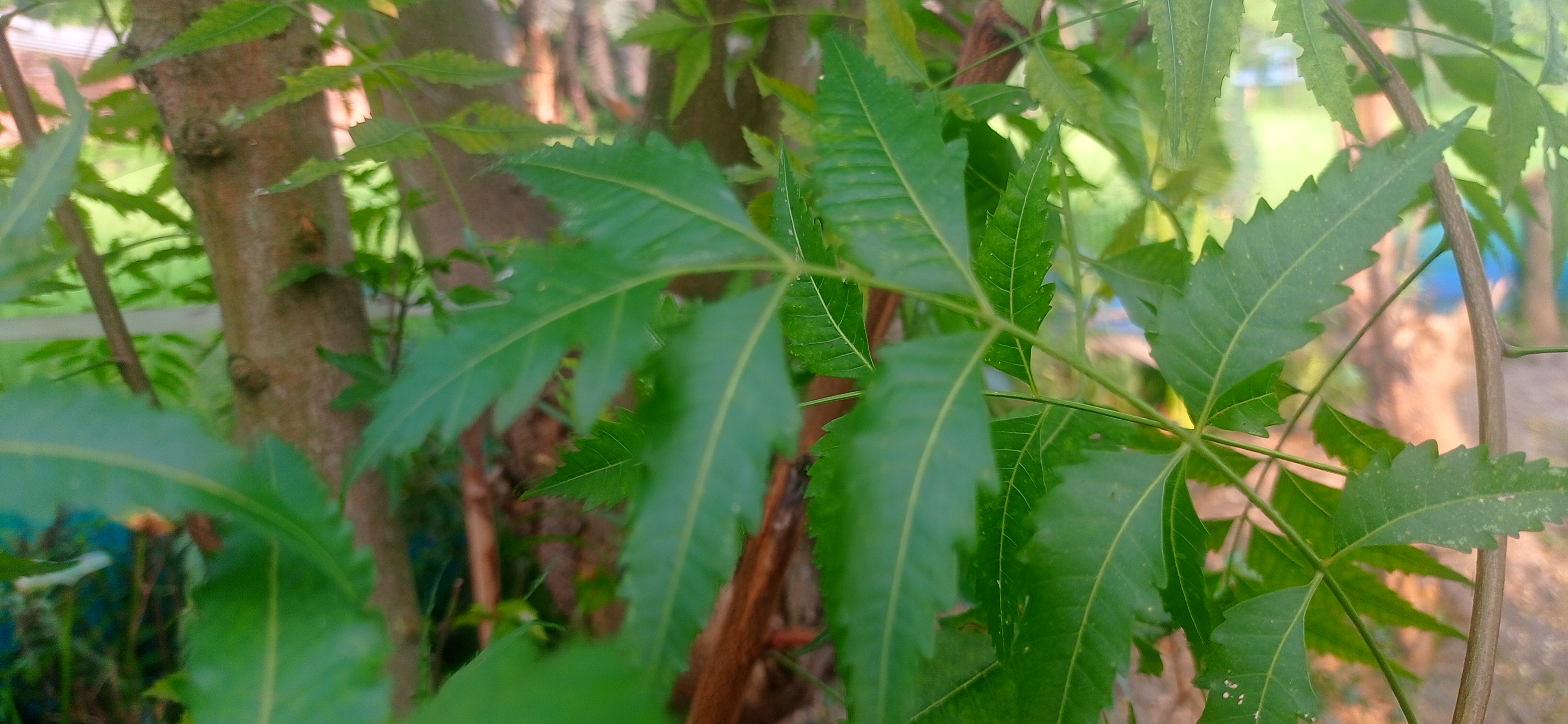
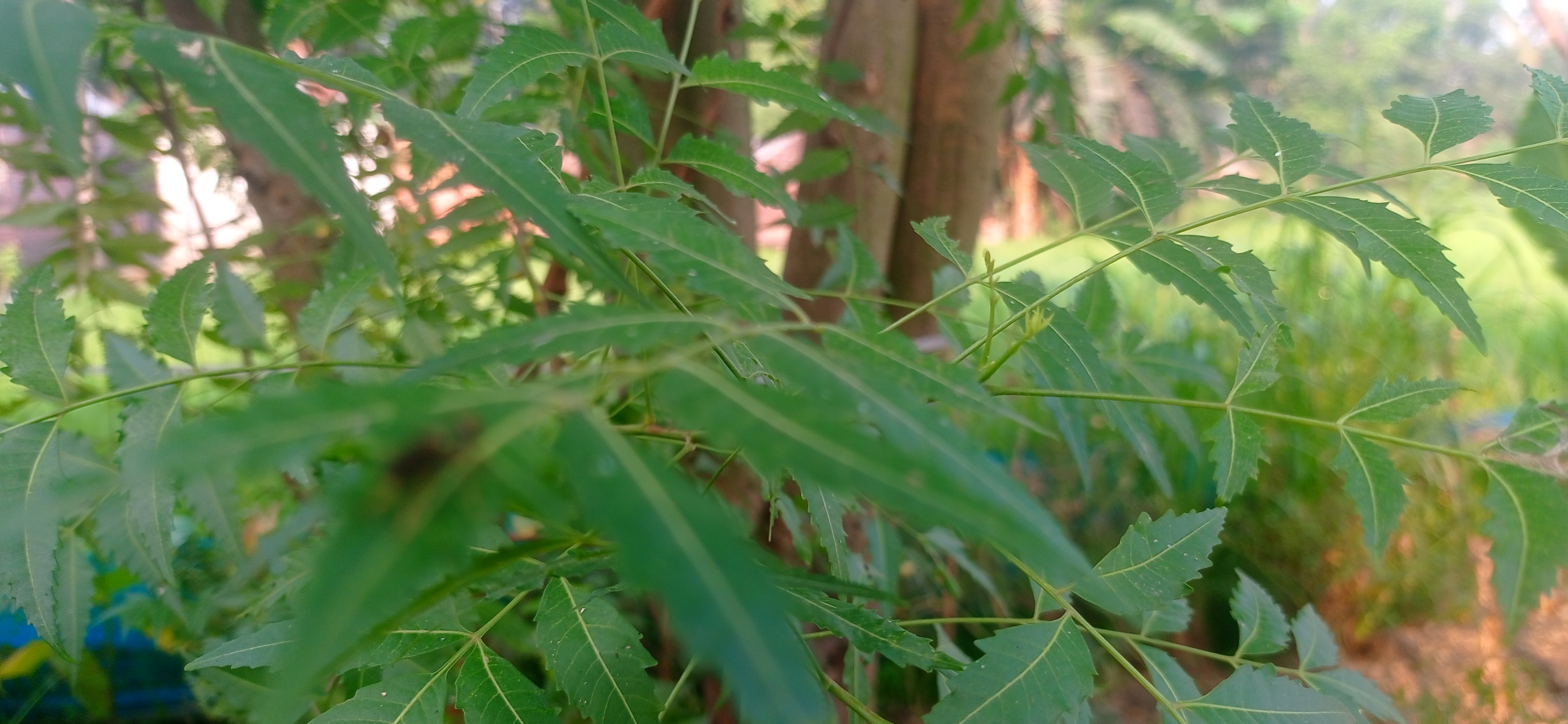
Among all these parts, neem leaves are particularly famous because they are easily available throughout much of the year and have been traditionally used for personal hygiene, household purposes, gardening, agriculture, and various forms of traditional health care. In many rural areas of Bangladesh, people have traditionally collected fresh neem leaves and used them in different ways according to local customs and knowledge.