Moringa, scientifically known as Moringa oleifera, is one of the most valuable multipurpose trees found in tropical and subtropical regions. In Bangladesh, it is commonly known as Sajna or সজনে, and its leaves are widely consumed as a nutritious vegetable. Moringa is sometimes called the “Miracle Tree” because almost every part of the plant—including leaves, flowers, pods, and seeds—has traditional food and household uses. Among all parts of the tree, the leaves are especially important because they are rich in several nutrients and can be used in many different dishes.
Moringa leaves are small, soft, green leaves that can be eaten fresh, cooked, dried, or processed into powder. They can be added to curries, soups, vegetables, lentil dishes, omelets, and other foods. Because the tree grows relatively quickly and can tolerate warm conditions, it is suitable for home gardens, small farms, and commercial cultivation in many parts of Bangladesh.
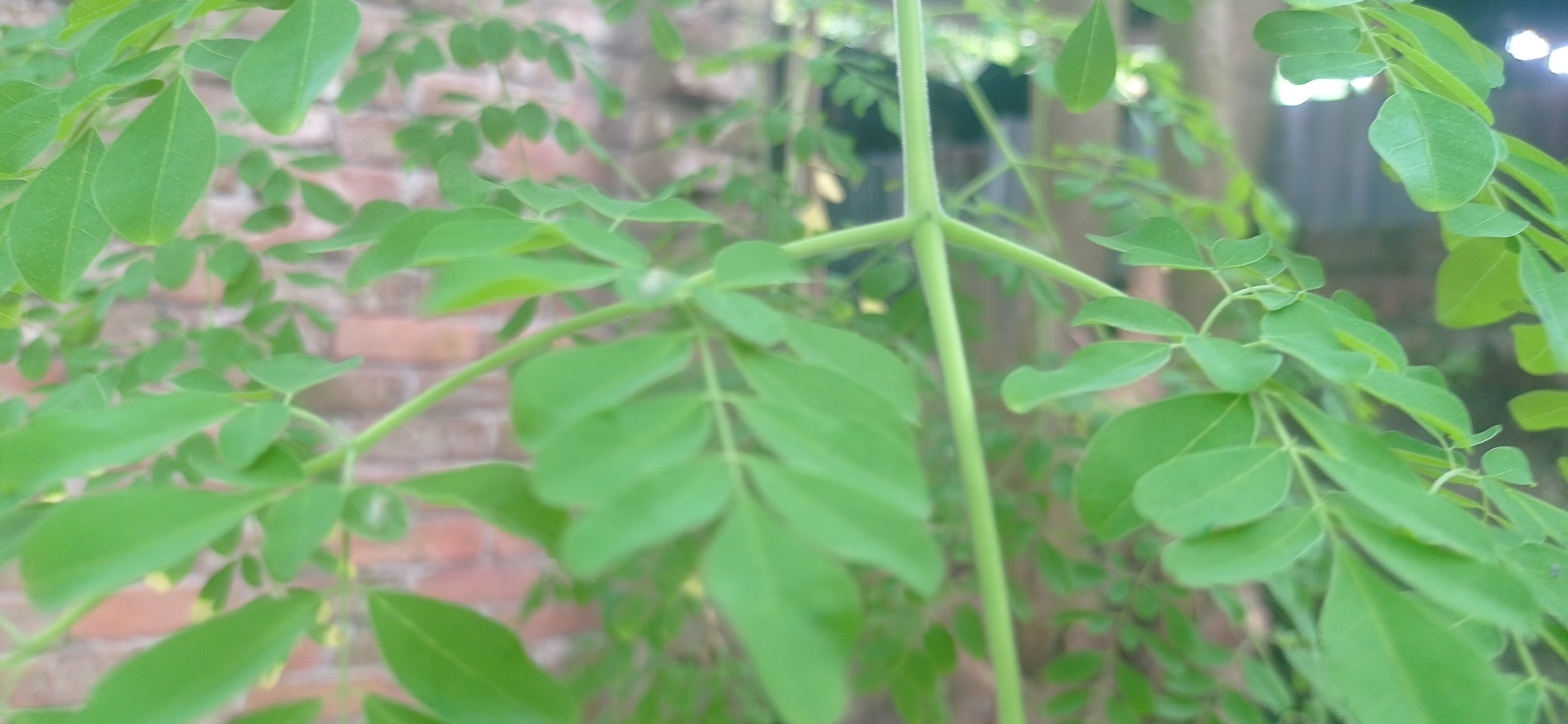


Moringa cultivation can also provide an additional source of income for farmers. Once established, a healthy moringa tree can produce leaves repeatedly when it is properly pruned and managed. The crop generally requires comparatively simple care, although good soil preparation, adequate sunlight, proper watering, weed management, pruning, and pest control are important for obtaining good-quality leaves.
Nutritional Value of Moringa Leaves
Moringa leaves are considered highly nutritious because they contain a variety of vitamins, minerals, plant compounds, fiber, and protein. The exact nutritional composition depends on the variety, growing conditions, maturity of the leaves, and preparation method. Fresh leaves can contribute vitamins and minerals to the daily diet, while dried leaves and moringa powder are more concentrated because much of their water has been removed.
Moringa leaves contain vitamin A-related carotenoids, vitamin C, vitamin E, vitamin K, calcium, potassium, iron, magnesium, and other nutrients. They also contain plant antioxidants and various phytochemicals. However, it is important to understand that eating moringa leaves should be considered part of a balanced diet rather than a replacement for medical treatment or a complete source of every nutrient.
The leaves also contain dietary fiber, which can contribute to normal digestive function. Fiber-rich foods can help support a healthy diet when consumed along with adequate water and other nutritious foods. The leaves also provide plant-based protein compared with many other leafy vegetables.
Supports a Nutritious Diet
One of the most important benefits of eating moringa leaves is their ability to add nutritional variety to the diet. Green leafy vegetables are generally recommended as part of a healthy eating pattern, and moringa can be one of the available choices. Adding cooked moringa leaves to meals can increase the intake of vegetables and provide several important micronutrients.
Moringa leaves can be particularly useful in traditional diets where vegetables are eaten regularly. They can be cooked with lentils, potatoes, pumpkin, fish, or other vegetables. Their slightly earthy flavor makes them suitable for a wide range of recipes.
Rich in Antioxidant Compounds
Moringa leaves contain several antioxidant compounds. Antioxidants help protect cells from oxidative stress caused by reactive molecules produced naturally in the body. Moringa contains compounds such as flavonoids, polyphenols, carotenoids, and vitamin-related antioxidants.
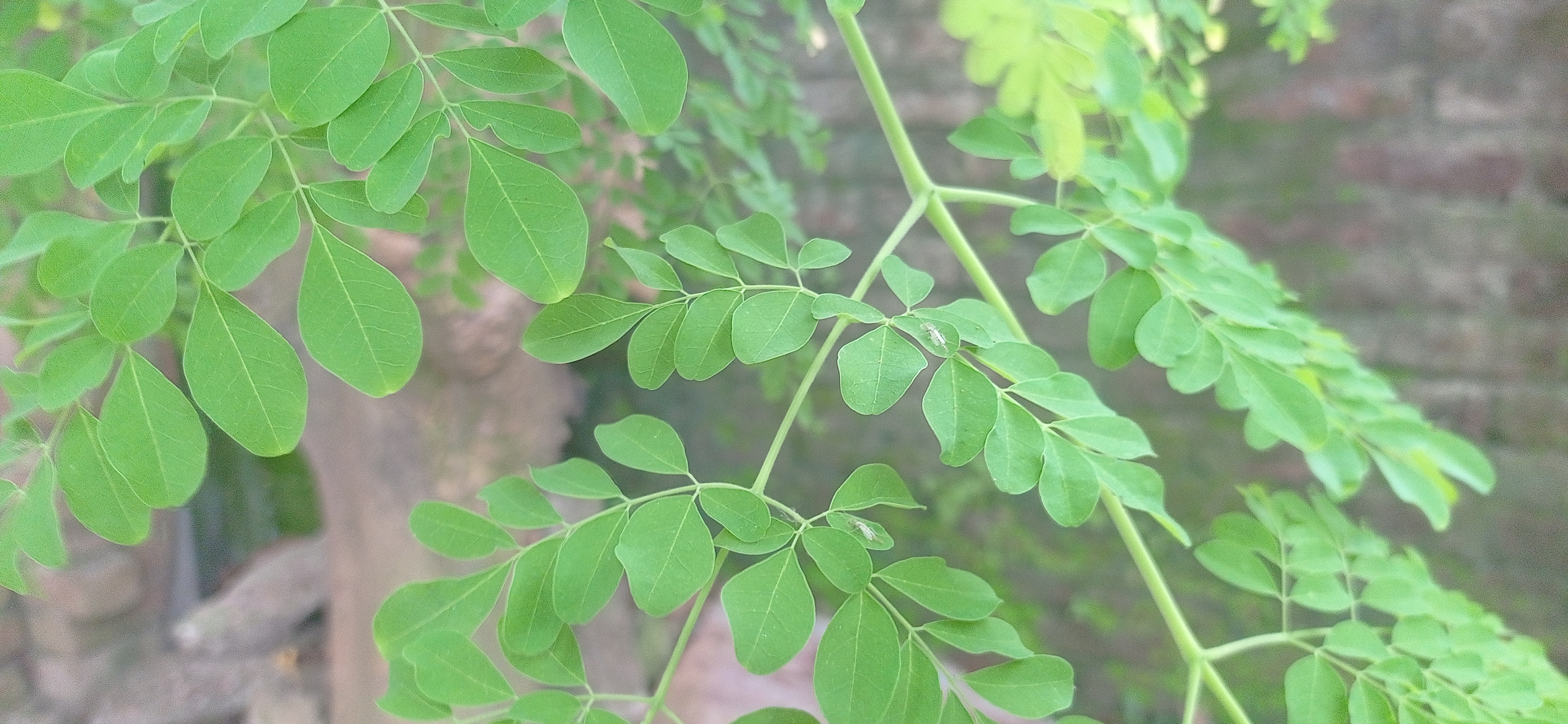
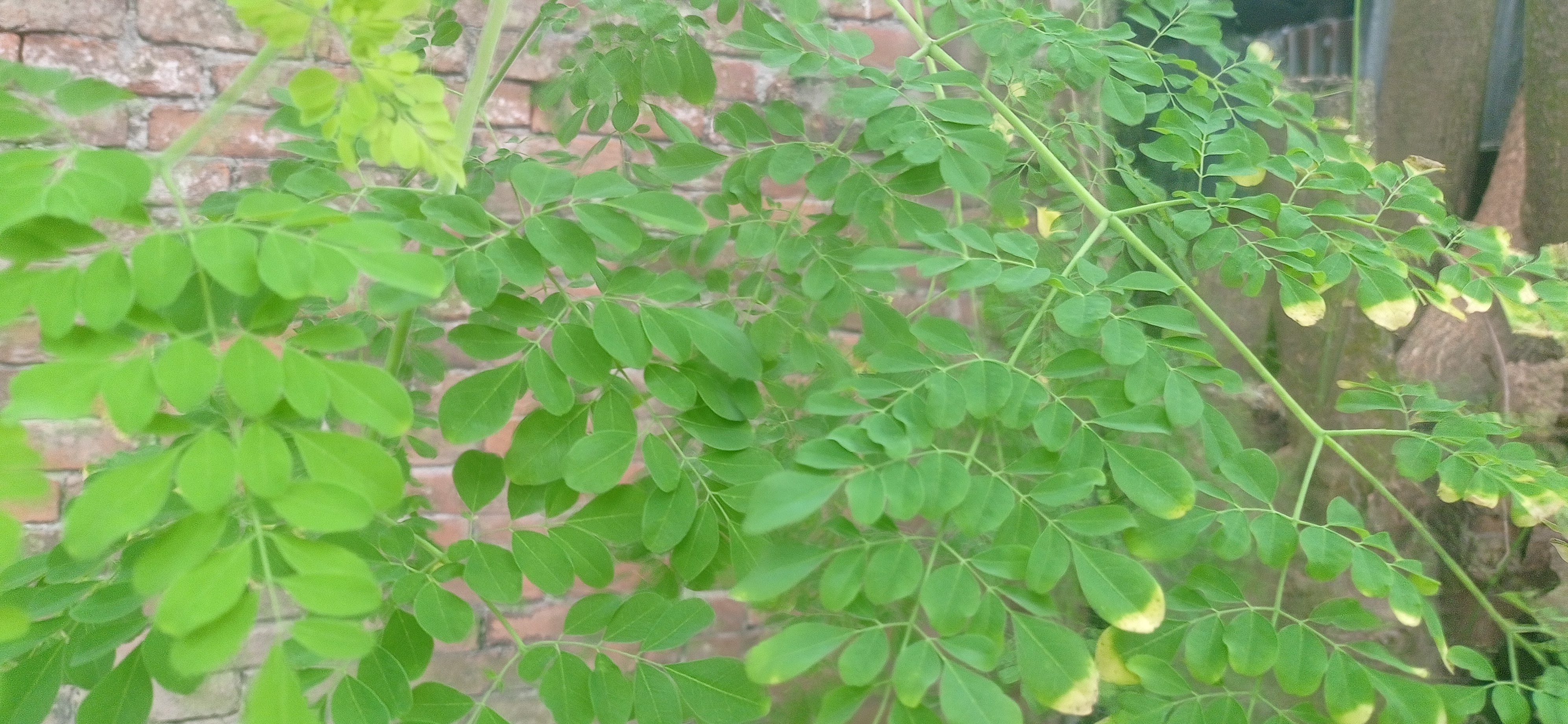


A diet containing a variety of fruits and vegetables provides many different protective plant compounds. Therefore, moringa leaves can be included as one component of an overall healthy diet.
May Support Normal Immune Function
Moringa leaves provide nutrients that are involved in normal immune function. Vitamins and minerals such as vitamin C, vitamin A-related compounds, vitamin E, and zinc-related dietary sources are important components of a healthy immune system.
Eating nutritious vegetables does not guarantee protection from infections, but maintaining a balanced diet can help the body obtain nutrients necessary for normal physiological functions. Moringa leaves can therefore contribute to dietary quality when consumed as part of a varied diet.
May Support Eye Health
Moringa leaves contain carotenoids that can contribute to vitamin A nutrition. Vitamin A is important for normal vision and healthy epithelial tissues. Adequate intake of vitamin A is especially important for maintaining normal eye function.
Including green leafy vegetables such as moringa in a balanced diet may help provide carotenoid precursors. However, people with serious vision problems should consult an eye-care professional rather than relying on any single food.
Supports Bone Nutrition
Moringa leaves contain calcium, magnesium, vitamin K, and other nutrients involved in maintaining normal bones. Calcium is an important structural mineral for bones and teeth, while vitamin K plays a role in normal bone-related processes.
Regular consumption of nutritious vegetables, combined with other calcium-containing foods and adequate physical activity, can support a healthy lifestyle. Moringa leaves can be included as one part of this dietary approach.
May Support Digestive Health
The dietary fiber present in moringa leaves can support normal digestion. Fiber helps add bulk to food and can contribute to regular bowel movements. A fiber-rich diet is generally associated with better digestive health.
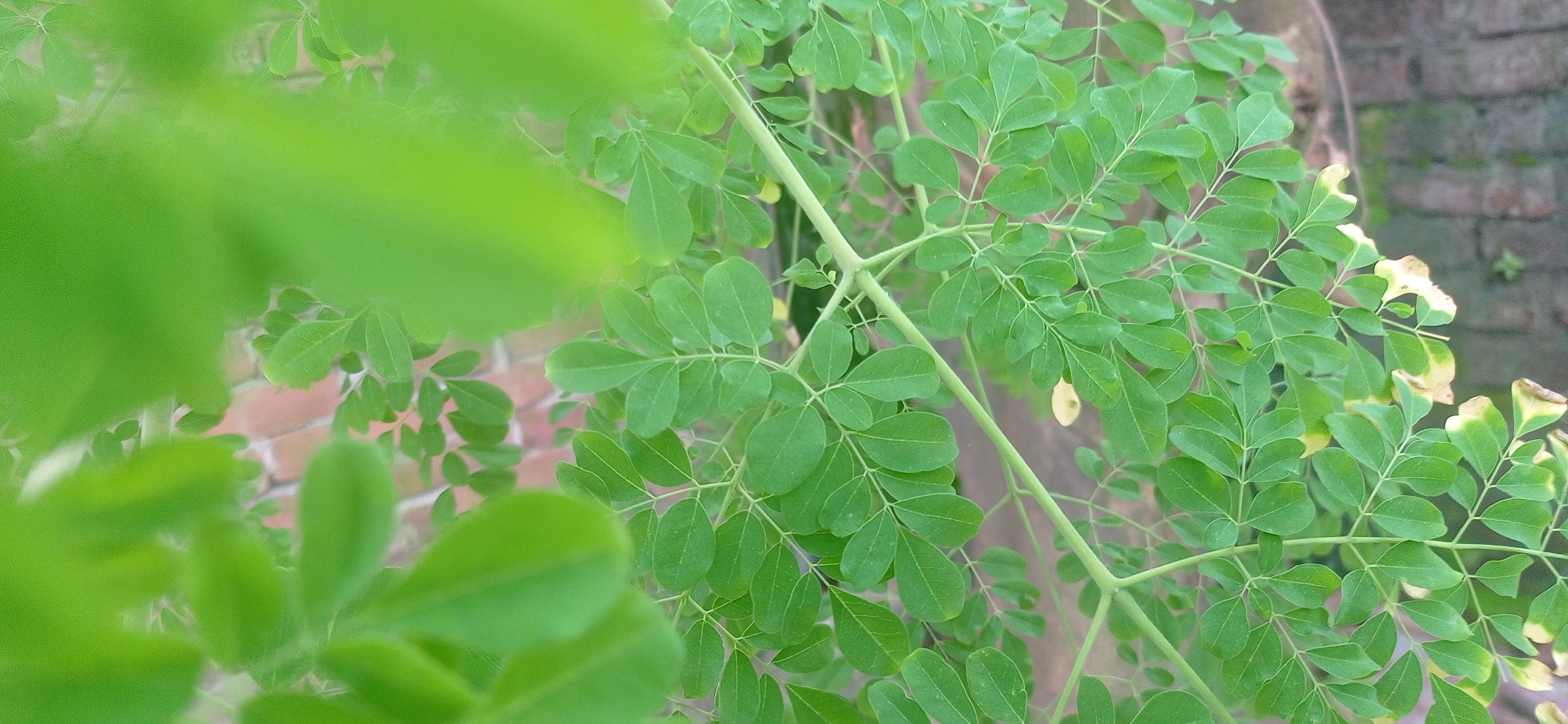


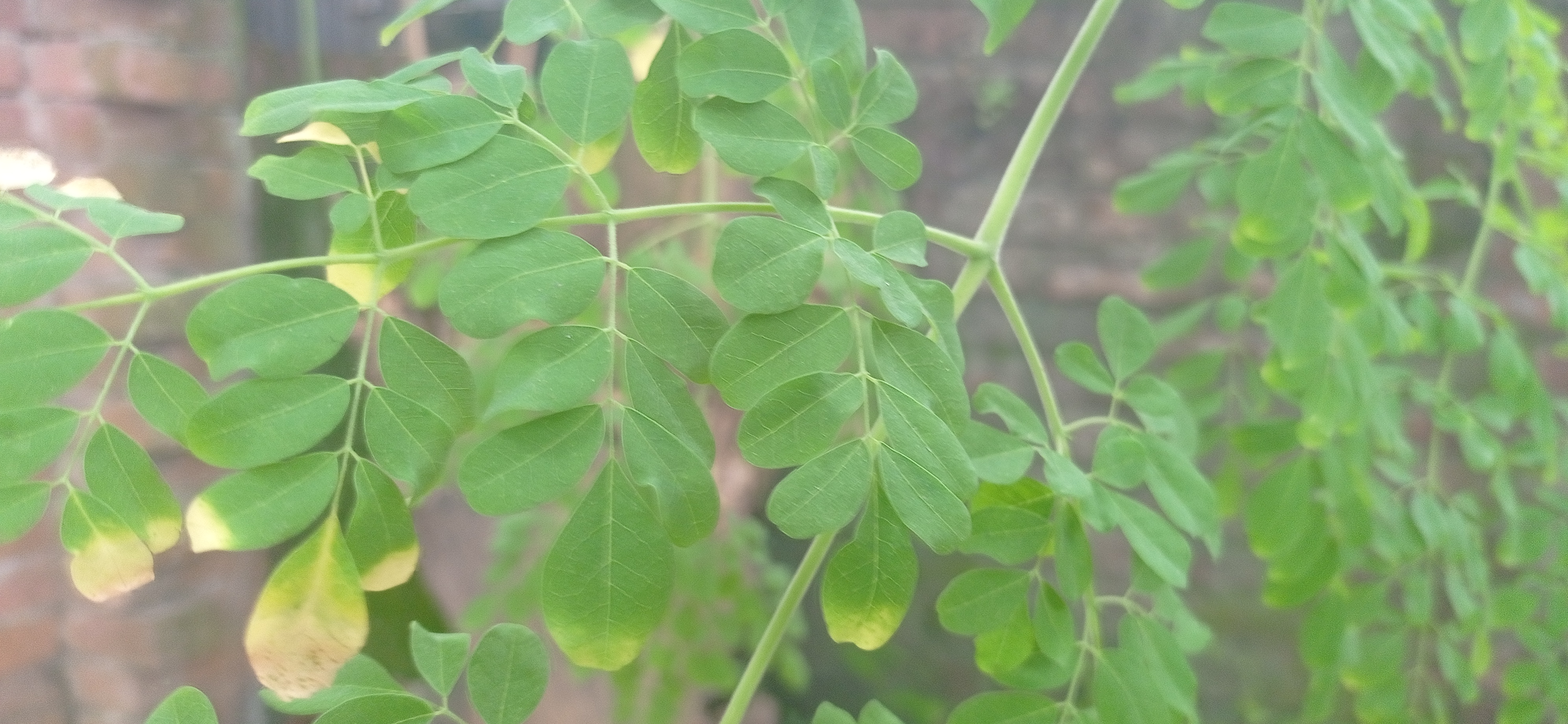
Moringa leaves can be cooked with other vegetables and legumes to create fiber-rich meals. People who are not accustomed to eating much fiber should increase their intake gradually and drink enough water.
May Support Heart-Healthy Eating
Moringa leaves contain potassium, fiber, antioxidants, and other plant nutrients. A diet rich in vegetables and minimally processed foods is generally considered beneficial for cardiovascular health.
However, moringa itself should not be considered a treatment for heart disease, high blood pressure, or high cholesterol. People with cardiovascular conditions should follow the advice of qualified healthcare professionals and use nutritious foods as part of an overall healthy eating pattern.
Potential Role in Blood Sugar Management
Moringa has been studied for its possible effects on blood glucose, and some research suggests that certain moringa compounds may influence glucose metabolism. However, evidence in humans is not strong enough to consider moringa leaves a treatment for diabetes.
People with diabetes should be especially careful if they consume concentrated moringa supplements or large quantities of moringa powder because they may interact with diet or medication. Fresh or cooked leaves in ordinary food portions are a more practical way to include moringa in the diet.
May Support Healthy Skin
The nutrients and antioxidant compounds found in moringa leaves may contribute to overall skin nutrition. Vitamins and plant antioxidants help support normal skin structure and cellular protection.
Eating vegetables regularly is generally a better nutritional strategy than relying on a single “superfood.” Moringa leaves can be included alongside colorful fruits and vegetables for a diverse range of nutrients.
May Support Healthy Hair
Moringa leaves contain nutrients such as protein, iron, vitamins, and minerals that are relevant to general nutritional health. Adequate nutrition is important for maintaining healthy hair.
However, hair loss can have many different causes, including nutritional deficiencies, hormonal factors, genetics, stress, and medical conditions. Moringa should therefore not be promoted as a guaranteed cure for hair loss.
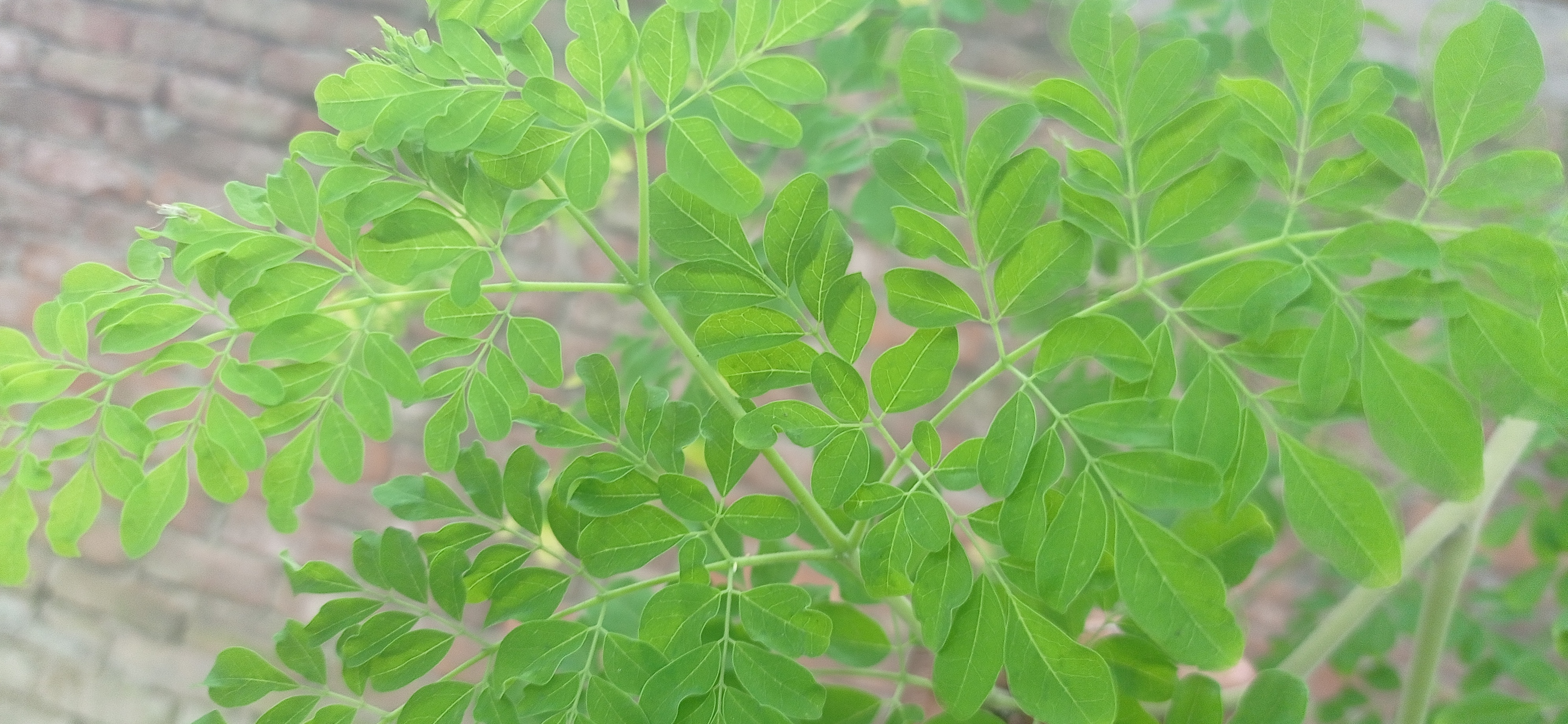




May Help Improve Dietary Mineral Intake
Moringa leaves contain several minerals, including calcium, potassium, magnesium, and iron. The amount absorbed by the body depends on several factors, including the overall meal composition and the presence of compounds that can reduce mineral absorption.
Eating moringa together with a varied diet can contribute to overall mineral intake. For people with diagnosed nutrient deficiencies, however, medical advice and appropriate treatment remain important.