A computer is one of the most important inventions in human history, and modern life has become deeply connected with computers in almost every field. Computers are used in education, business, banking, communication, agriculture, medicine, transportation, entertainment, scientific research, government services, manufacturing, and many other areas. Although a modern computer may look like a simple machine from the outside, it is actually a complex system made up of many different electronic and mechanical components that work together. Among these components, the motherboard and hard disk are two extremely important parts. The motherboard can be described as the main communication and connection center of a computer because it allows the processor, memory, storage devices, graphics hardware, power systems, and other components to communicate with one another.
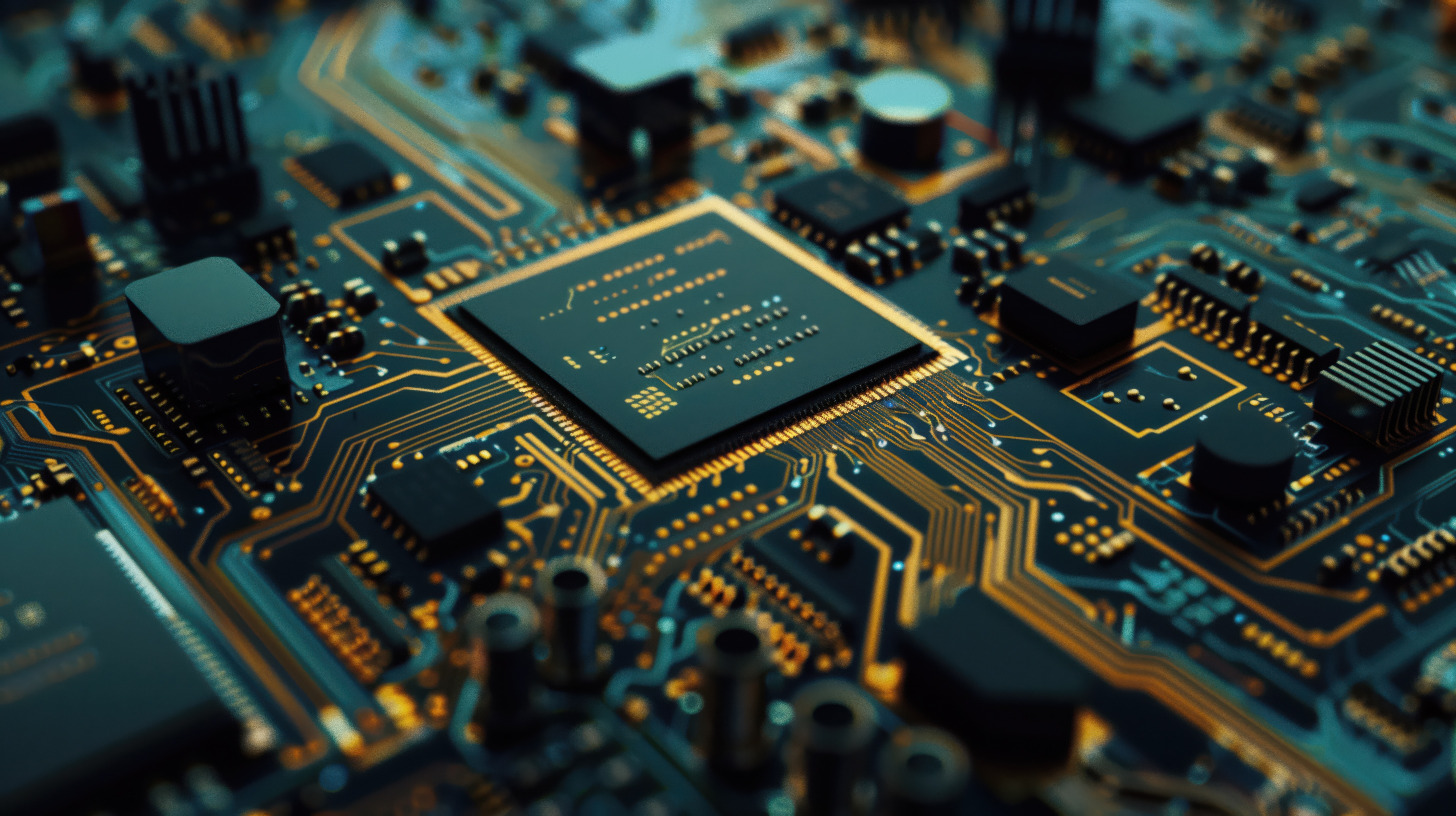
The hard disk, on the other hand, is a storage device that keeps operating systems, software, documents, photographs, videos, music, and many other types of digital information even when the computer is turned off. Without a motherboard, the different parts of a computer could not communicate properly, and without storage, a computer would have difficulty permanently keeping the user's programs and personal information. Understanding these two components gives us a better understanding of how a computer works as a complete machine. At the same time, understanding the history of computers helps us appreciate how far technology has developed from simple calculating devices to today's powerful digital systems. The history of computers is a long story involving mathematics, mechanical inventions, electrical engineering, electronics, programming, semiconductor technology, networking, and artificial intelligence. From ancient counting tools to modern laptops, smartphones, cloud computers, and artificial intelligence systems, computer technology has developed through many stages. This article explains the functions of the motherboard and hard disk in detail and then explores the major stages of computer history, showing how computers evolved from basic calculating machines into powerful and highly connected systems.