Mustard is one of the most important oilseed crops cultivated in Bangladesh and many other parts of South Asia. The crop is well suited to the cool and relatively dry season, and its seeds are widely used for extracting cooking oil, preparing traditional foods, making pickles, and producing various food products. Mustard oil has been a familiar part of South Asian cuisine for generations because of its strong aroma, distinctive flavor, and versatility in cooking. In rural Bangladesh, mustard cultivation is also economically important because it provides farmers with an additional cash crop during the winter season when many rice fields become available for short-duration crops. The mustard plant grows relatively quickly, requires comparatively less water than many other crops, and can be cultivated successfully when proper soil preparation, seed selection, fertilizer management, irrigation, weed control, and pest management are followed. Besides its agricultural value, mustard oil contains unsaturated fatty acids and other naturally occurring compounds that can contribute to a balanced diet when consumed in appropriate amounts. However, like all edible oils, mustard oil is calorie-dense and should be used in moderation as part of an overall healthy diet.
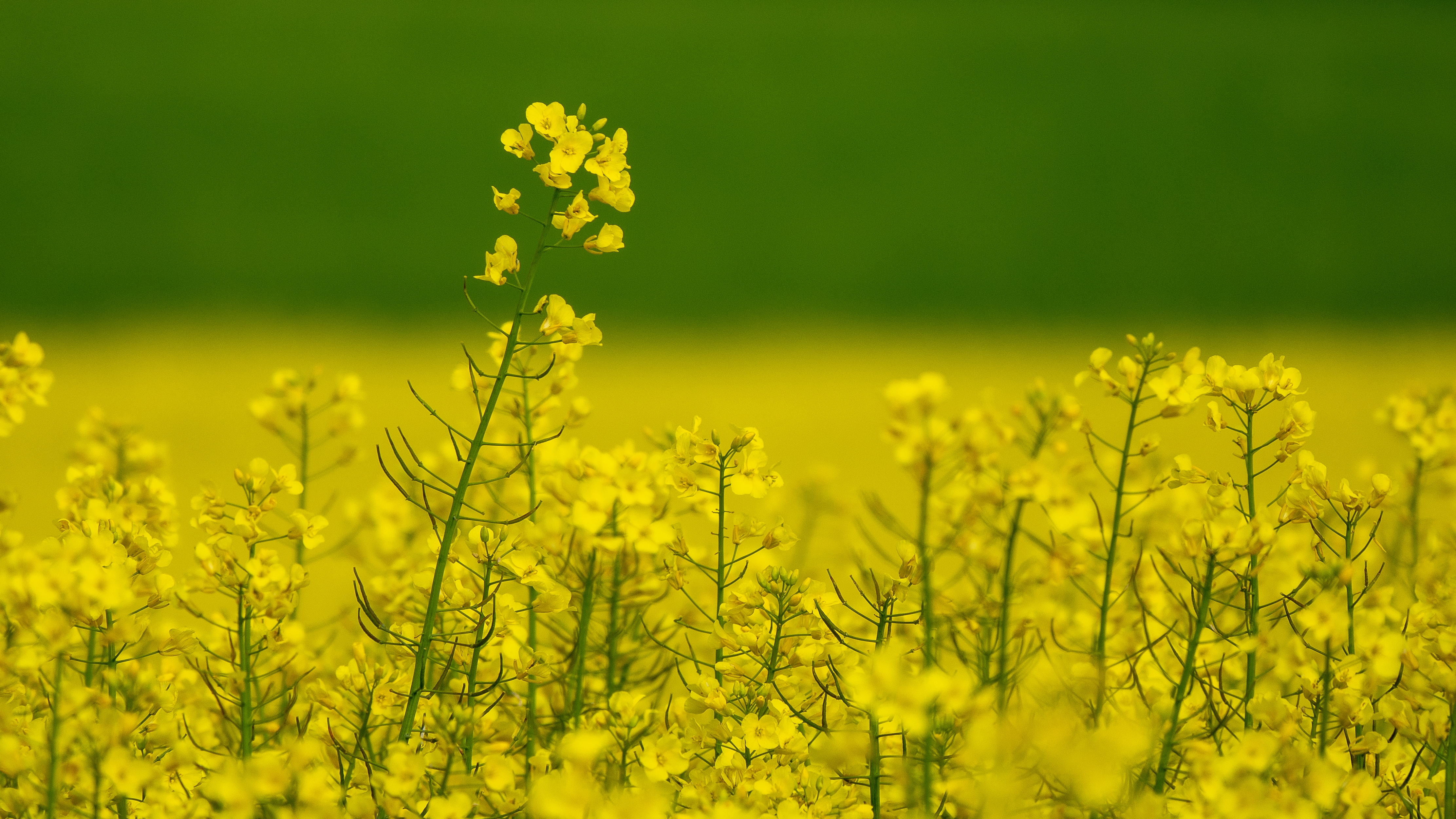
Understanding both the nutritional qualities of mustard oil and the correct cultivation practices of mustard can help farmers, consumers, and home gardeners appreciate this valuable crop from field to kitchen.