Fig is a nutritious and valuable fruit that has been cultivated for thousands of years in different parts of the world. The fruit is scientifically known as Ficus carica and belongs to the Moraceae family, which also includes mulberry and jackfruit. Fig trees are well known for their broad leaves, spreading branches, and sweet, soft fruits that can be eaten fresh or dried. The fruit is enjoyed in many countries because of its pleasant taste, natural sweetness, and nutritional value. Although fig cultivation is not as widespread in Bangladesh as mango, banana, jackfruit, guava, or papaya cultivation, it has considerable potential for home gardening, commercial orchards, and small-scale agricultural businesses. With suitable varieties, proper soil preparation, careful watering, balanced fertilization, and appropriate pruning, farmers can grow fig trees successfully in many areas of Bangladesh. The country's warm climate allows fig trees to grow in suitable locations, especially where the soil drains well and the roots do not remain waterlogged. Fig cultivation can be an interesting opportunity for farmers who want to diversify their fruit production, reduce dependence on a few traditional crops, and explore fruits that may attract customers in urban markets.
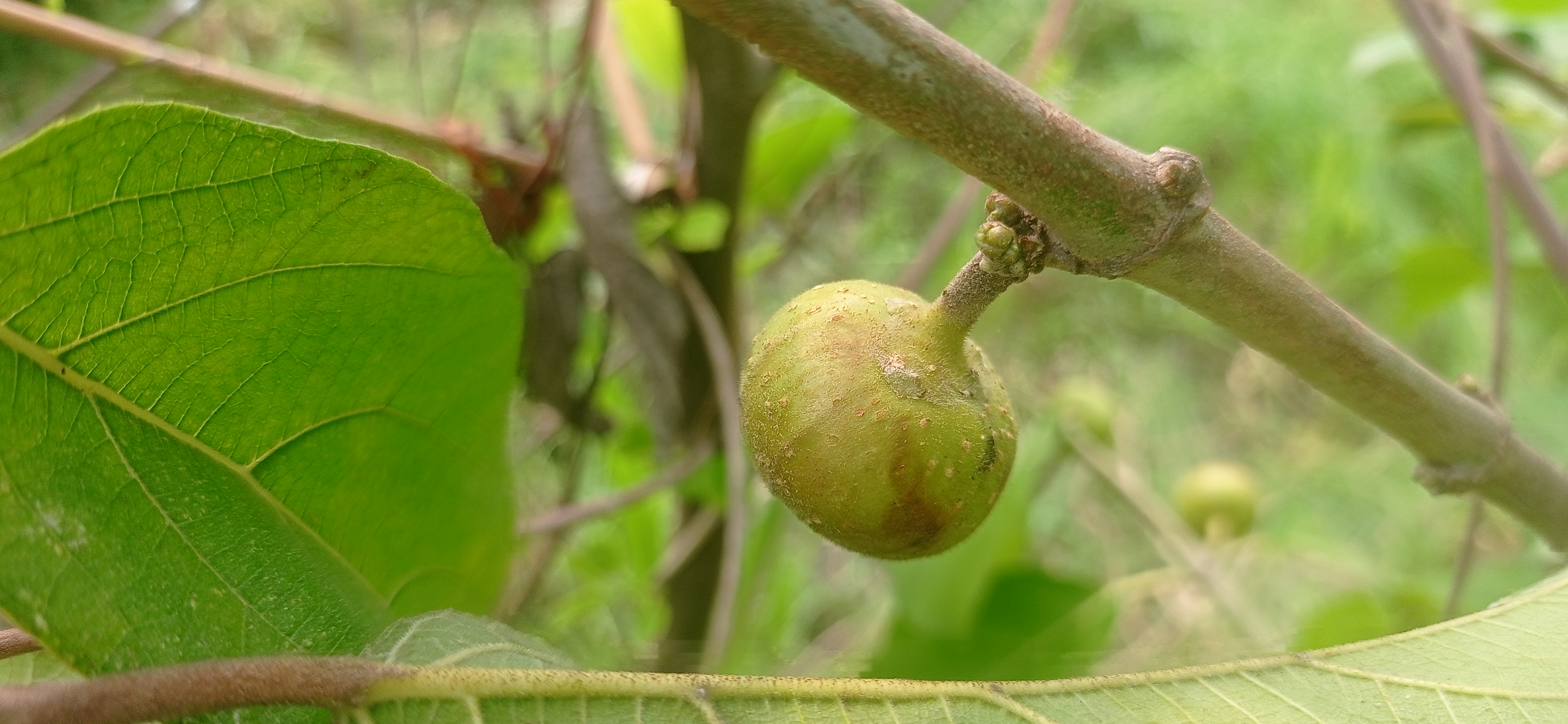
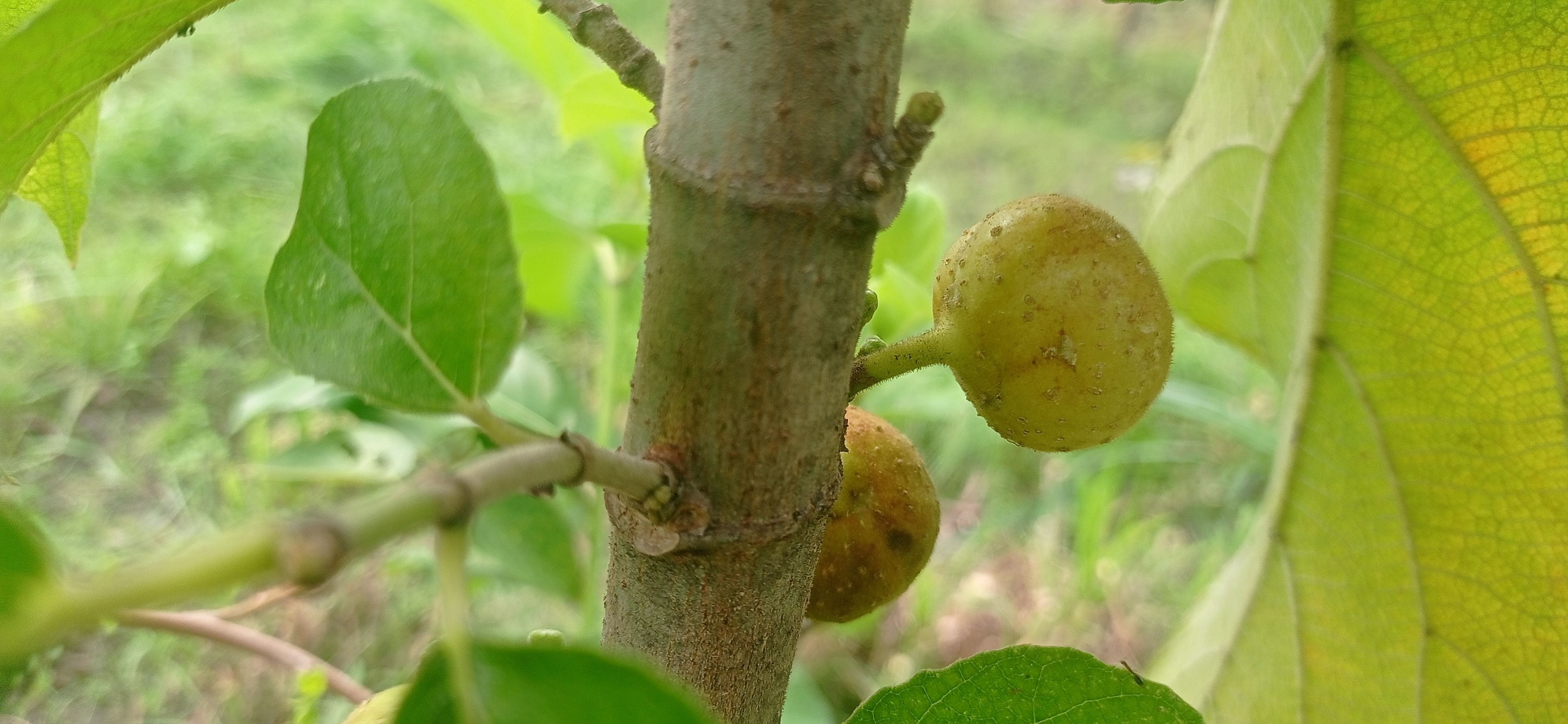
However, success depends on selecting suitable planting materials, understanding the growth characteristics of the tree, protecting the fruit from excessive rain and pests, and identifying a market before investing in a large orchard. By learning the complete cultivation process, farmers can make informed decisions about growing figs in their gardens, homesteads, or agricultural fields.