Seedling bed preparation: First, a seedbed should be prepared in a fertile and well-drained area. Good quality, disease-free rice seeds should be selected and sown evenly in the seedbed. The seedlings in your photo have already grown well.
Seedling care: After the seeds have sprouted, excess water should not be allowed to accumulate in the seedbed. Water as needed and remove weeds. If the seedlings are too dense, you can thin them out by lifting the excess seedlings.
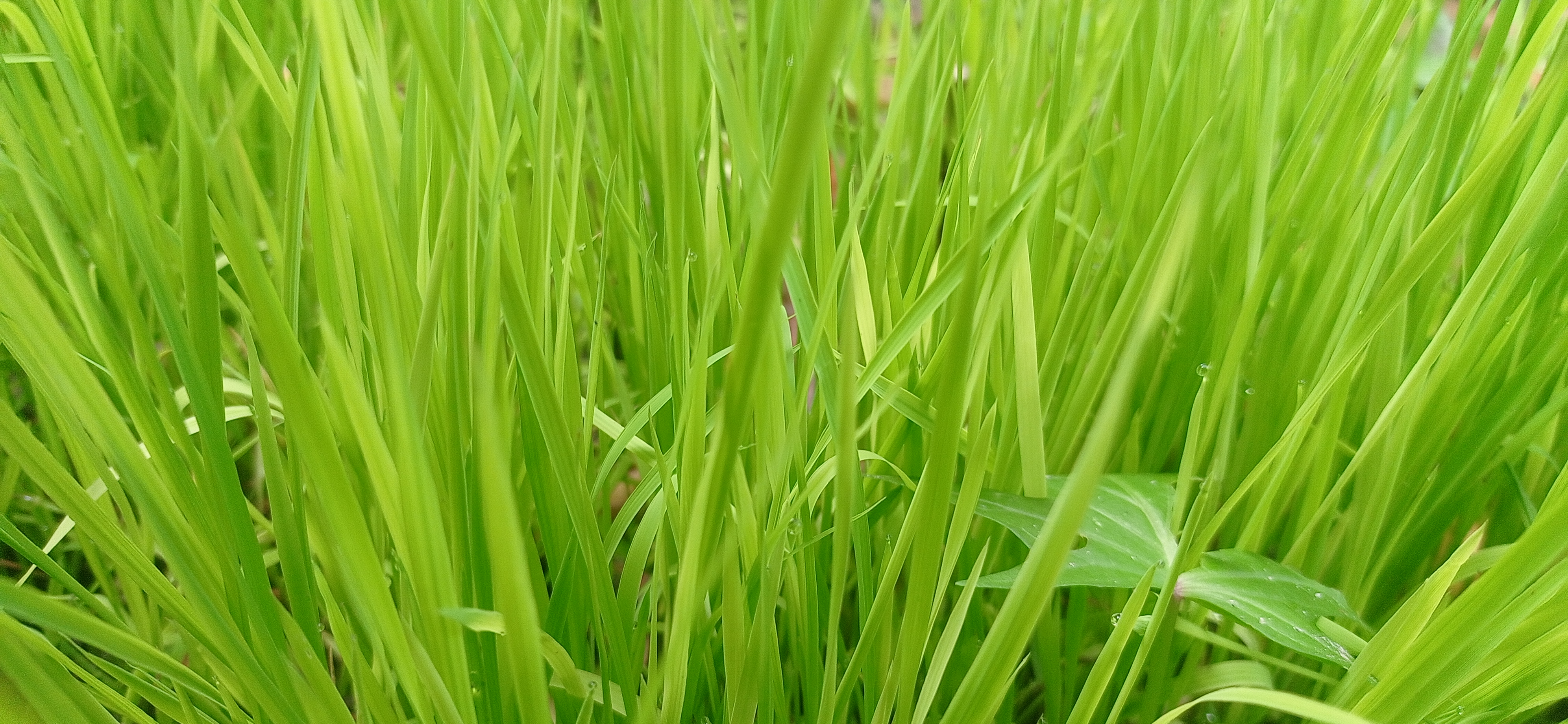
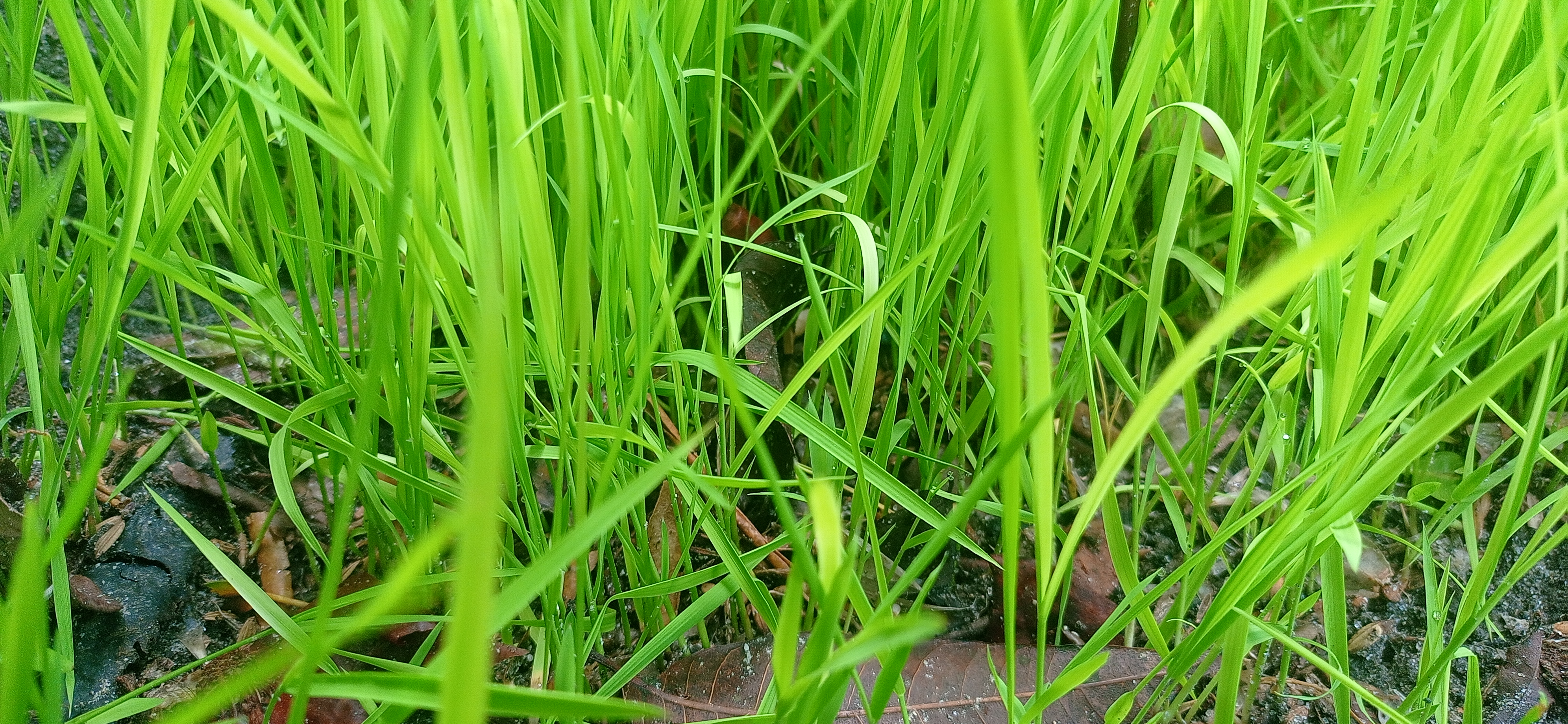
Main land preparation: The soil should be loosened and leveled by cultivating and hoeing the main land several times. It is better to use sufficient organic fertilizer or rotted cow dung in the land. Chemical fertilizers should be applied according to the soil type and rice variety.
Transplanting: When the seedlings reach the appropriate age, they should be carefully lifted from the seedbed and planted in the main land. Generally, it is better to select healthy and strong seedlings and plant them shallowly. If you do not plant too many seedlings in one place and maintain a certain distance, the trees can grow well.
Water management: After planting, water the land as needed. It is not necessary to keep too much water in the land throughout the entire rice season. Irrigation and drainage should be done based on the growth of rice and soil conditions.
Fertilizer application: Balanced fertilizer is required for good rice growth, tillering, and grain formation. Urea, TSP/DAP, MO, and other necessary nutrients are best used according to soil tests and advice from local agricultural officials.
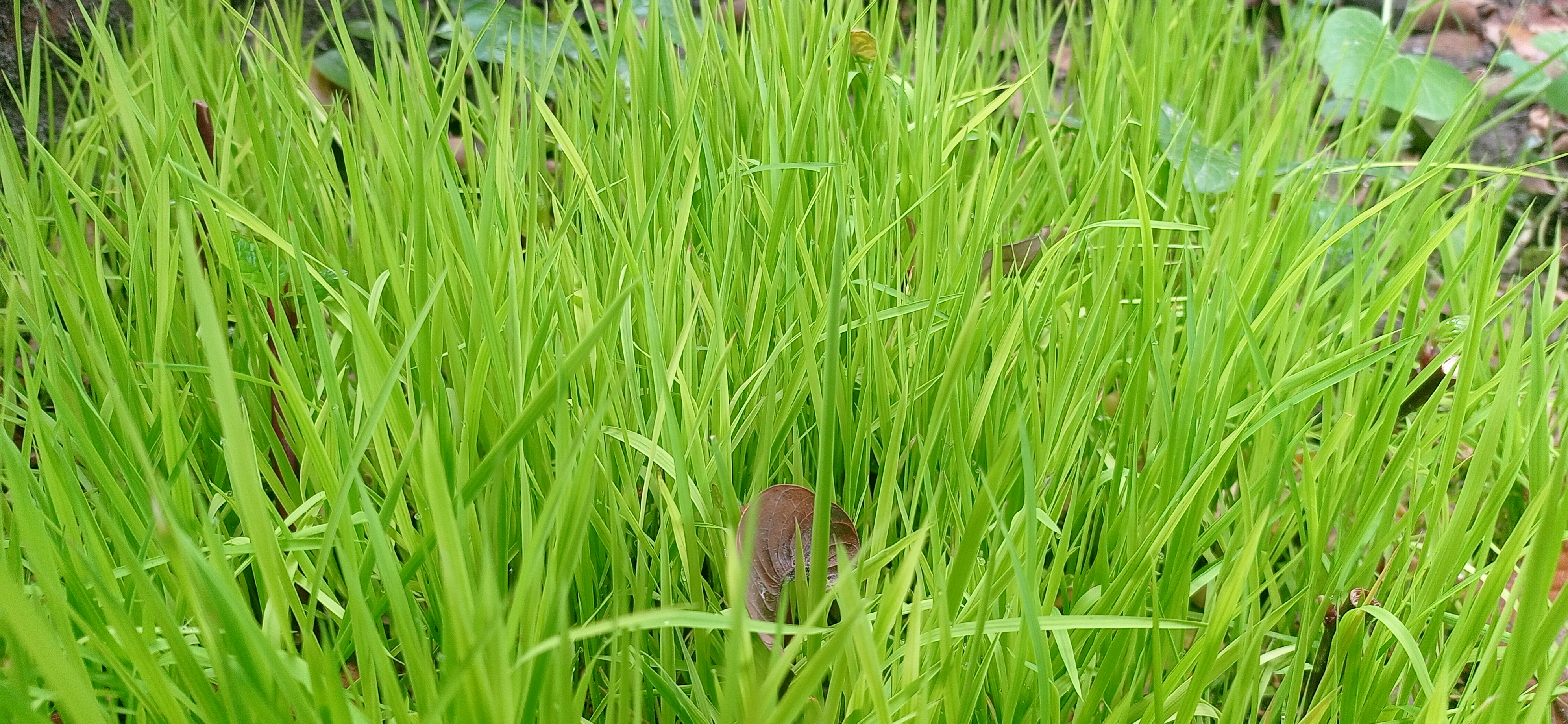
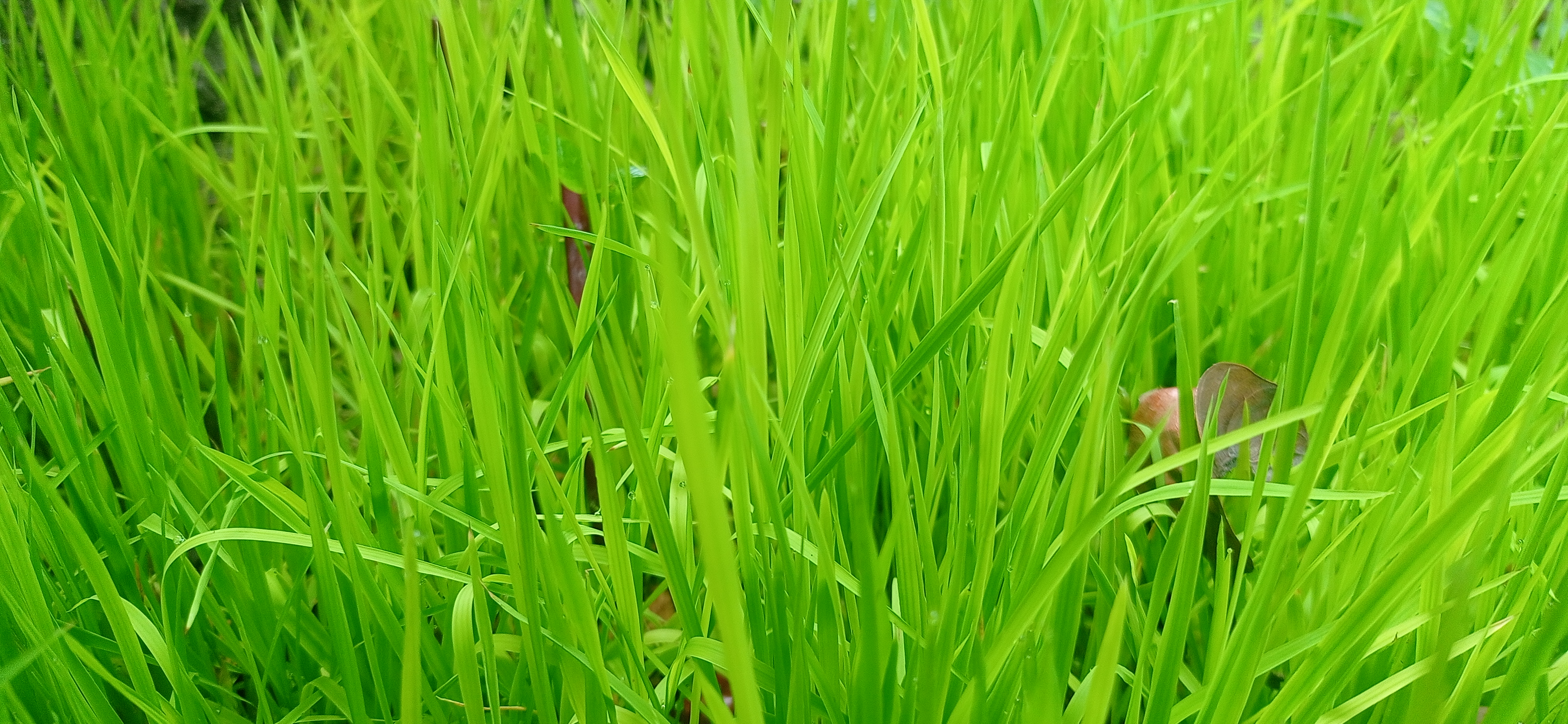
Weed and pest control: If weeds appear in the land, they should be cleaned quickly. If there are spots on the leaves, rotting of the roots of the plant, leaf curling, or insect attacks, regularly monitor the land. If necessary, use approved pesticides after consulting the local agricultural office.
Harvesting: When the rice ears ripen and most of the rice grains become hard and yellowish, the rice should be harvested at the appropriate time. Harvesting too early can reduce the quality and yield of the grains, while if it is too late, it can cause dropping or damage to birds.