Plant Medicine for Humans: The 2021 Log
When I wrote Biohacking Is Becoming a Pillar of the MELEK Ecosystem — Part 1, I said in the opening lines that Plant Medicine for Humans went up in 2021 under @punicwax, and then I moved on. That was a reference where it should have been a reading. So here is the series itself — every post, with its photographs and charts, each one linking home to the original — and, under each, where that thread actually went.
I am covering it rather than summarising it, because the point of the series is that it is dated. Every picture below is the original, recovered and rehosted so it stays up. Every claim the Institute now makes about bioavailability, chelation, enzyme work and the plant-to-human translation has a public record standing behind it from September 2021. Several of these posts close with the line "Originally posted by my Wife on HIVE before the new HIVE War" — so the work is older than even the Blurt timestamps show.
The premise is stated plainly in the first post: a Unified Theory of Nutrition based on how plants are grown indoors, primarily marijuana, which itself borrows from the tomato industry — and grounded in epigenetics, in gene expression. If chelated minerals are what a root will actually take up, buy chelated minerals for the human. If silicates build cell walls in banana and in cannabis, ask what silicates do in a human cell wall. That is the method. In five years it has not changed; it has only gone deeper.
1. Adding Quartz to Human Cells — silicates and collagen
8 September 2021 — the post that opens the series and announces the log.
The entry point is orthosilicic acid, which plant science had already identified as the most bioavailable form of silica — the form that most readily becomes part of the cell wall. Silicates strengthen cell walls in cannabis and in banana plantations, and in both cases the stronger wall is what carries the larger harvest. It is paired with horsetail extract, a plant unusually efficient at using silicates, so that it arrives carrying both the silica and the enzymes that handle it — "ready to be eaten up by Cells like Agar in a Petri Dish" — and with collagen, cited to four PubMed and PMC papers on the silicate–collagen interaction.
This is also the post that makes the open-source claim on combining plant extracts with beeswax and saponifying it. That is the Punic wax work, and it is now its own economy.

Original: Plant Medicine for Humans: Adding Quartz to Human Cells — Blurt, @punicwax, 8 Sept 2021
Where it went: collagen is now being formulated, not just read about — Sea Grape Collagen Peptide and Making a Skin Cream on @kalivankush's profile, and the structural-material argument in Biohacking Part 4.
2. Chelated Minerals and Liposomal Vitamin C
8 September 2021.
The plant-to-human translation stated outright: when feeding elements to a plant, chelated metals are best — so chelated metals were bought for the humans. The post prints the whole label, which is worth keeping as a record of exactly what was taken: calcium as DimaCal di-calcium malate and TRAACS calcium bisglycinate chelate, iodine from kelp, magnesium as Albion di-magnesium malate and TRAACS magnesium bisglycinate chelate, and zinc, selenium, copper, manganese, chromium, molybdenum, potassium, boron and vanadium each as a named glycinate or bisglycinate chelate.
Alongside it, liposomal vitamin C — chosen because the liposome makes it a secondary molecule able to enter fat cells rather than leaving as urine or sweat, and because vitamin C raises the body's absorption of everything else, chelated minerals included. The post also makes the point that humans are among the very few animals that do not synthesise their own vitamin C and must eat plants that contain it.
And underneath it, an older frame: in ancient times this was alchemy, and the planting schedule tied to planets, metals and gemstones is still printed in the Old Farmer's Almanac.

Original: Plant Medicine for Humans: Chelated Minerals and Liposomal Vitamin C — Blurt, @punicwax, 8 Sept 2021
Where it went: Biohacking Part 2 — the stacks.
3. B Vitamins — and how to dose vitamins and minerals
8 September 2021.
The dosing post, and the one that sets the method for all the others. B vitamins are treated as basic building blocks rather than a daily-value checkbox, with niacin as the teaching example — vasodilation, and the itching, sunburned skin that tells you you have taken too much, which passes overnight. Picamilon is the illustration of why a bond matters: niacin joined to GABA, and the peptide bond is what carries it across the blood–brain barrier.
The instruction is observational rather than table-driven: read your own urine and your own skin before you read the daily value. Take more on day one if you believe you are deficient — excepting iron, the other toxic minerals, and niacin. Daily values belong to calories, fats, sugars and cholesterol; for most vitamins the real limit is what the body can absorb, so space the doses across the day.

Original: B Vitamins and How-to Dose Vitamins & Mineral — Blurt, @punicwax, 8 Sept 2021
Where it went: Biohacking Part 2 — the stacks, and the log discipline in Part 4: lie down deliberately, and write down what happened.
4. Bone Vitamins and Creatine
8 September 2021.
The plant cycle read onto the body — germination, seedling, veg, flower — with bone growth as the veg stage, branches and roots. A forty-foot apple tree generally out-yields a twenty-foot one, depending on the root system; build the frame first and it will carry more. The feeding charts are the bridge, because calcium, magnesium and sulfur are on both sides of the comparison, and epsom salt is a fertiliser.
What was actually taken: Bone Up — noted for containing MK-7, which most diets do not supply, and as sufficient on its own at six a day for general health — together with the chelated multi-minerals. Then creatine in three forms, "Three-atine", on the reasoning that three forms enter at different points in the cycle and that the attached group may be cleaved by stomach acid, improving absorption. Creatine is measured in steak to grade meat quality, and muscle is meat. You make your bones stronger to carry more meat.
The post ends by naming what was coming next — arginine, acetyl creatine, carnitine and protein — which is precisely what the 21 September post delivers. The series was planned.


Original: Plant Medicine for Humans: Bone Vitamins and Creatine — Blurt, @punicwax, 8 Sept 2021
Where it went: straight into the bone mineral itself — Hydroxyapatite, now being made into a whitening gel and a mouthwash, with papain.
5. Human Growth Hormone
8 September 2021.
Opened, again, against plant hormones: auxins drive branch and upward growth, cytokinins drive roots, buds and leaf ageing. Against that baseline the post works the human side and makes the distinction that matters — HGH itself is illegal and carries real harms, including abnormal growth of internal organs, so what is actually sold is releasers, and those are better compared to insulin than to testosterone.
The walk-through is careful. IGF-1 LR3, active up to 120 times longer than IGF-1, is presented as the clearest demonstration in the whole series that an adduct can transform bioavailability — with the explicit parallel to DMT being orally inactive until an MAOI is present, which is the ayahuasca case. Then GHRH, and GHRP-2 and GHRP-6 as releasers active orally or sublingually, GHRP-6 noted for appetite and muscle density. Then gonadorelin and hCG — the hormone a pregnancy test looks for, because the body uses it to begin a pregnancy — described as a further step back along the chain, and as both a growth and a testosterone releaser.
What was actually taken was SeroVital, which contains none of them: a plant blend, cited to its ClinicalTrials.gov registration, NCT02987868.

Original: Plant Medicine for Humans: Human Growth Hormone — Blurt, @punicwax, 8 Sept 2021
Where it went: Biohacking Part 3 — what they plug into, and the peptide work now running on @kalivankush's bench — Salmon DNA PDRN & Volufiline + PAL-Isoleucine.
6. L-MethylFolate — the post the paper came from
18 September 2021.
This is the anchor of the series, and the direct ancestor of the Institute's paper.
The argument: the body needs folate, but the stomach breaks it down, so 1 mg DFE eaten is less than 1 mg delivered. An ester, a free acid or a free base shields the molecule through digestion. 5-MTHF — L-methylfolate, a methyl group at the 5 position — arrives intact, is cleaved by esterase and other enzymes, and then serves both the DFE and the 5-MTHF requirement. The post also reads the label properly, which few people do: 15 mg of 5-MTHF stated as equal to 25,000 mcg DFE is not a claim about how well a healthy person absorbs, it is a statement that 15,000 mcg of 5-MTHF absorbs as if it were 25,000 mcg of DFE — the inverse of the "667 mcg DFE (400 mcg folic acid)" convention printed on other bottles.
The structural observation is the one that carried into everything after. Between folate, 5-MTHF and folinic acid the difference is one small hydrocarbon stick, and one oxygen on top of it — and it matters enormously, because the stomach is hydrochloric acid.
It already states the clinical case, too: 5-MTHF is prescribed for depression, deficiency can produce hyperhomocysteinemia, and the post is explicit that it was not being taken for mental reasons at all — it was simply the most bioavailable folate available.
And then the sentence that the Amplification Framework grew out of: "You could call it 'Heroinized Folate'" — esterification, with heroin as a morphine ester; free base, as with crack cocaine; free acid, as with most street-drug powders — and the note that any molecule can be esterified, amino acids and carboxylic acids included. Said in 2021, about a vitamin.
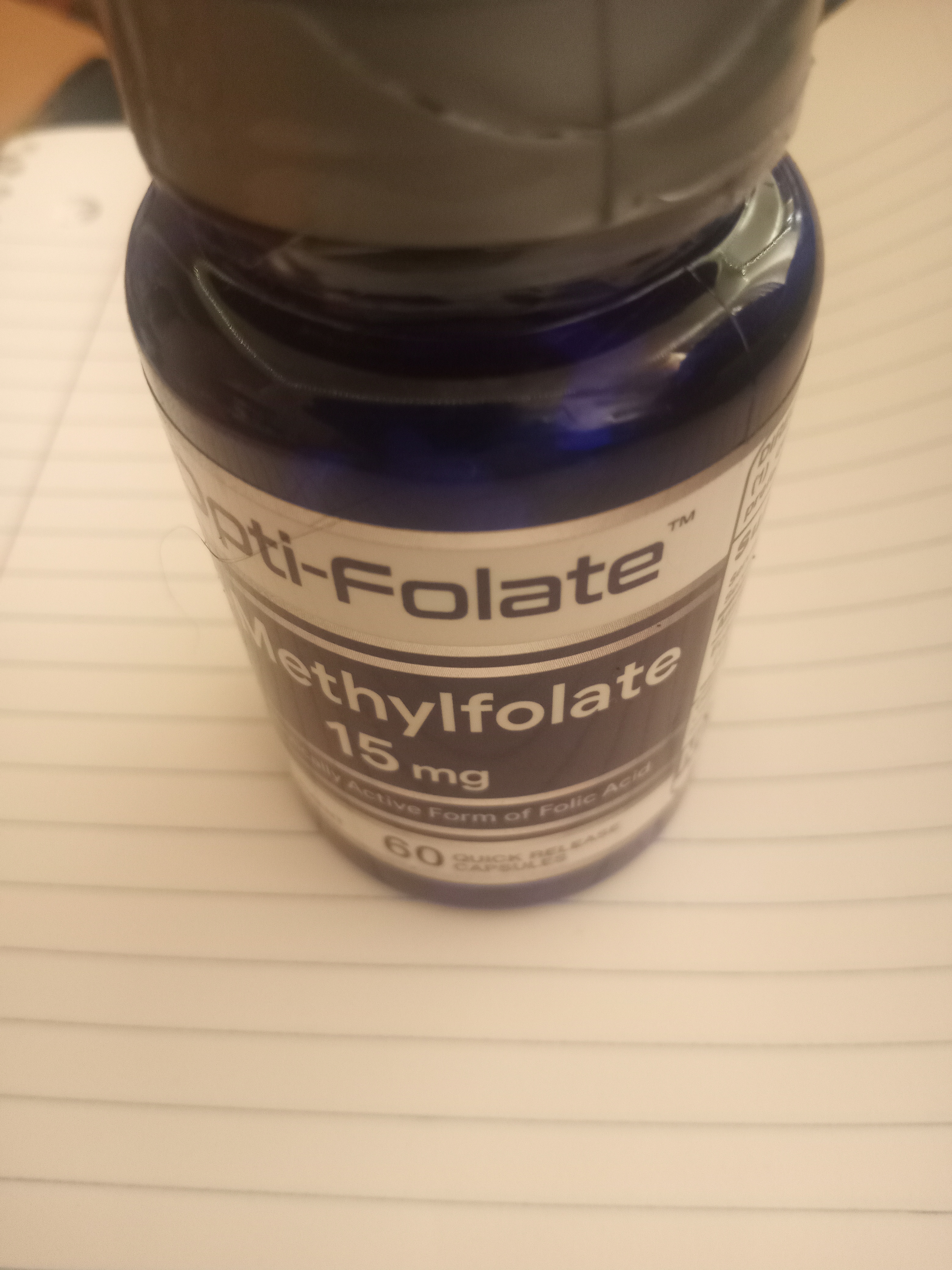
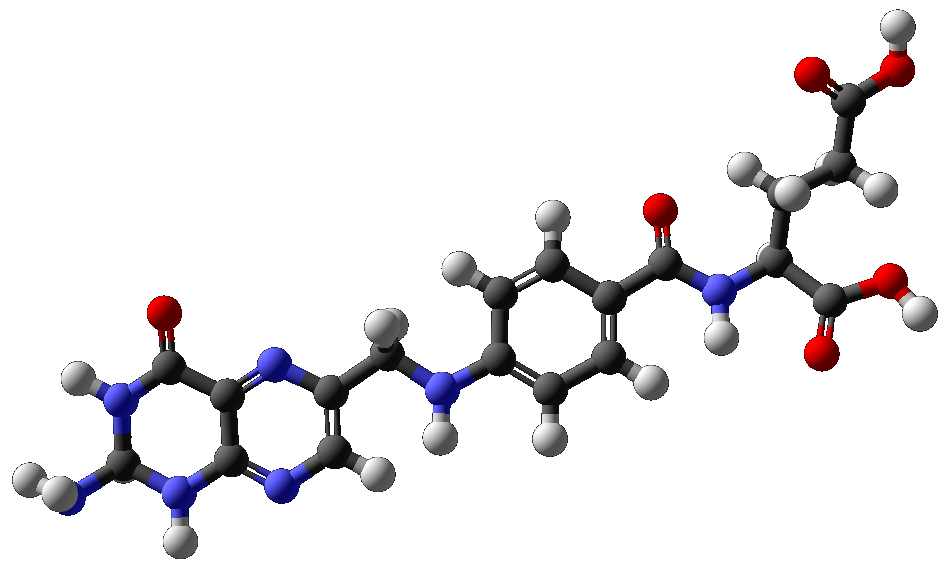
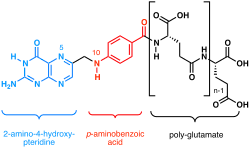
Folate images from Wikipedia: Folate.
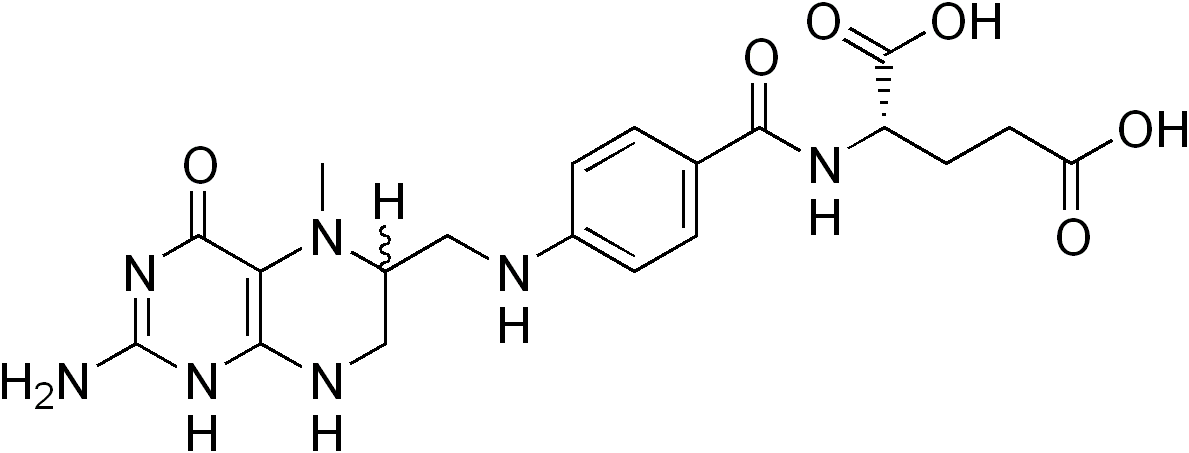
Image from Wikipedia: Levomefolic acid.
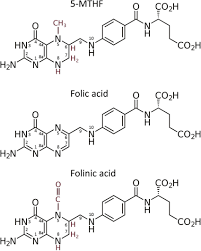
Image from this ResearchGate figure.
Original: Plant Medicine for Humans: L-MethylFolate — Blurt, @punicwax, 18 Sept 2021
Where it went: the full paper, now on the Wiki as L-Methylfolate — the MTHFR C677T and A1298C polymorphisms, the BH4 salvage pathway, and why one folate sits upstream of all three monoamine systems — and the generalisation of the 2021 insight as The Amplification Framework.
7. L-Arginine and D-Aspartic Acid
21 September 2021.
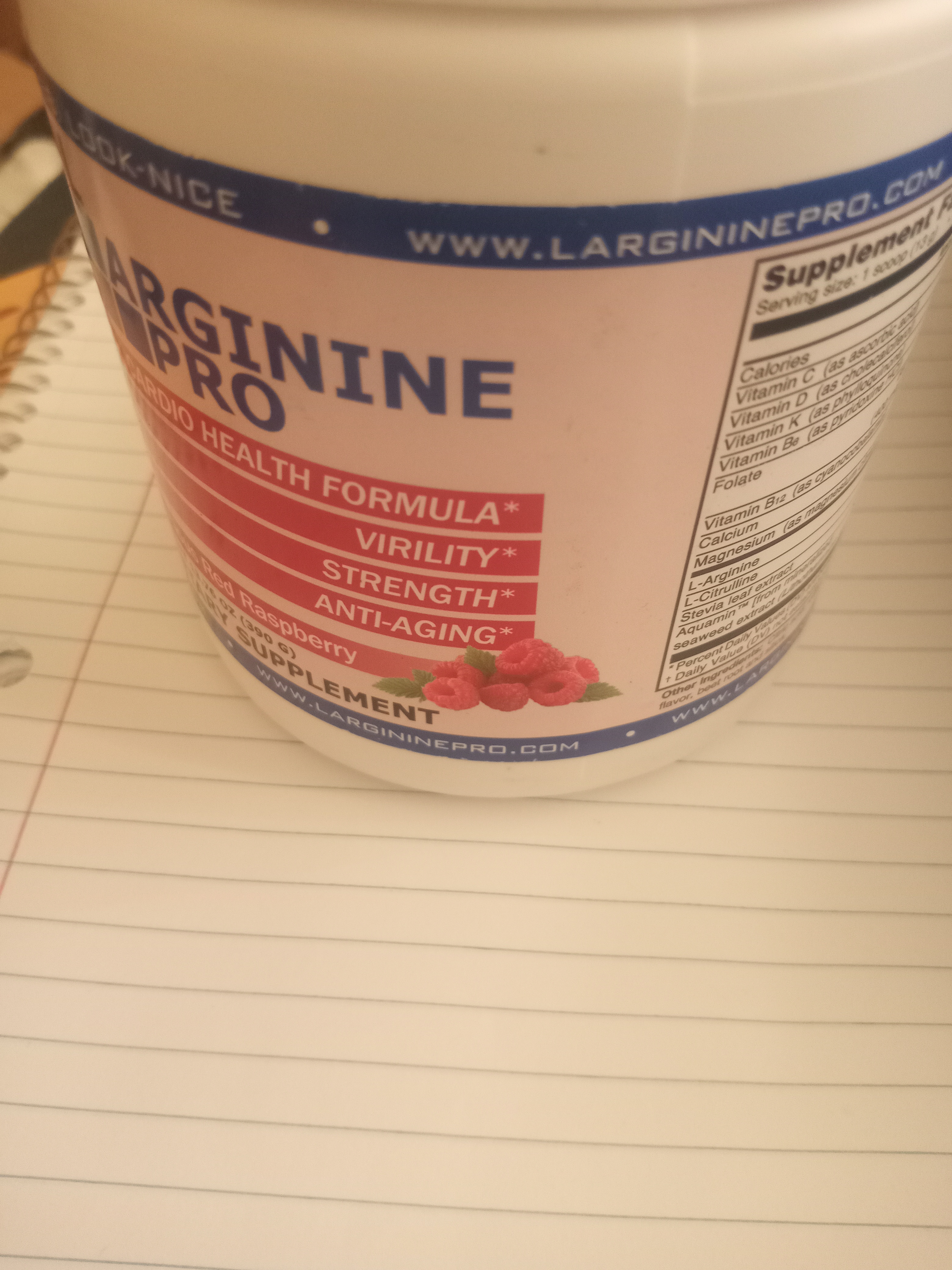
The plant statement comes first: you can disregard the fertiliser shelf and buy azomite, epsom salt and amino acids — the amino acids as simple as a tea of asparagus and pumpkin guts and seeds, plus L-arginine from any source. The human protocol has the same shape: an arginine/citrulline blend carrying folate, run together with the 5-MTHF from the previous post because it raises red-cell production — more cells, more delivery — plus 3 g of aspartic acid.
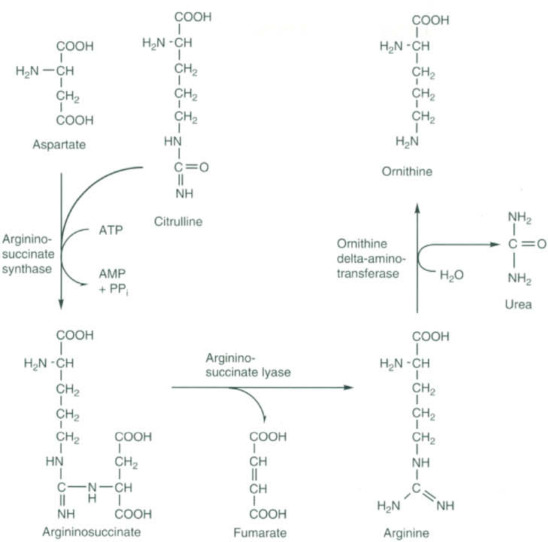
The mechanism claim is that arginine and aspartic acid taken together produce something like a reuptake-inhibitor effect, by analogy to SSRIs, MAGL inhibitors, triple reuptake inhibitors and DRIs such as modafinil — but for creatine and arginine.
It closes on the framing that runs beneath the whole series: DNA is a protein; protein breaks down into amino acids; peptide bonds join amino acids into peptides and peptides into proteins — so when we eat protein we can think of it as eating DNA — and plants build everything else out of these same two amino acids.
"This chart shows the pathways between Arginine, Aspartic Acid, etc, in the Body so you can see that taking both Arginine and Aspartic Acid creates kind of a Reuptake Inhibitor effect."
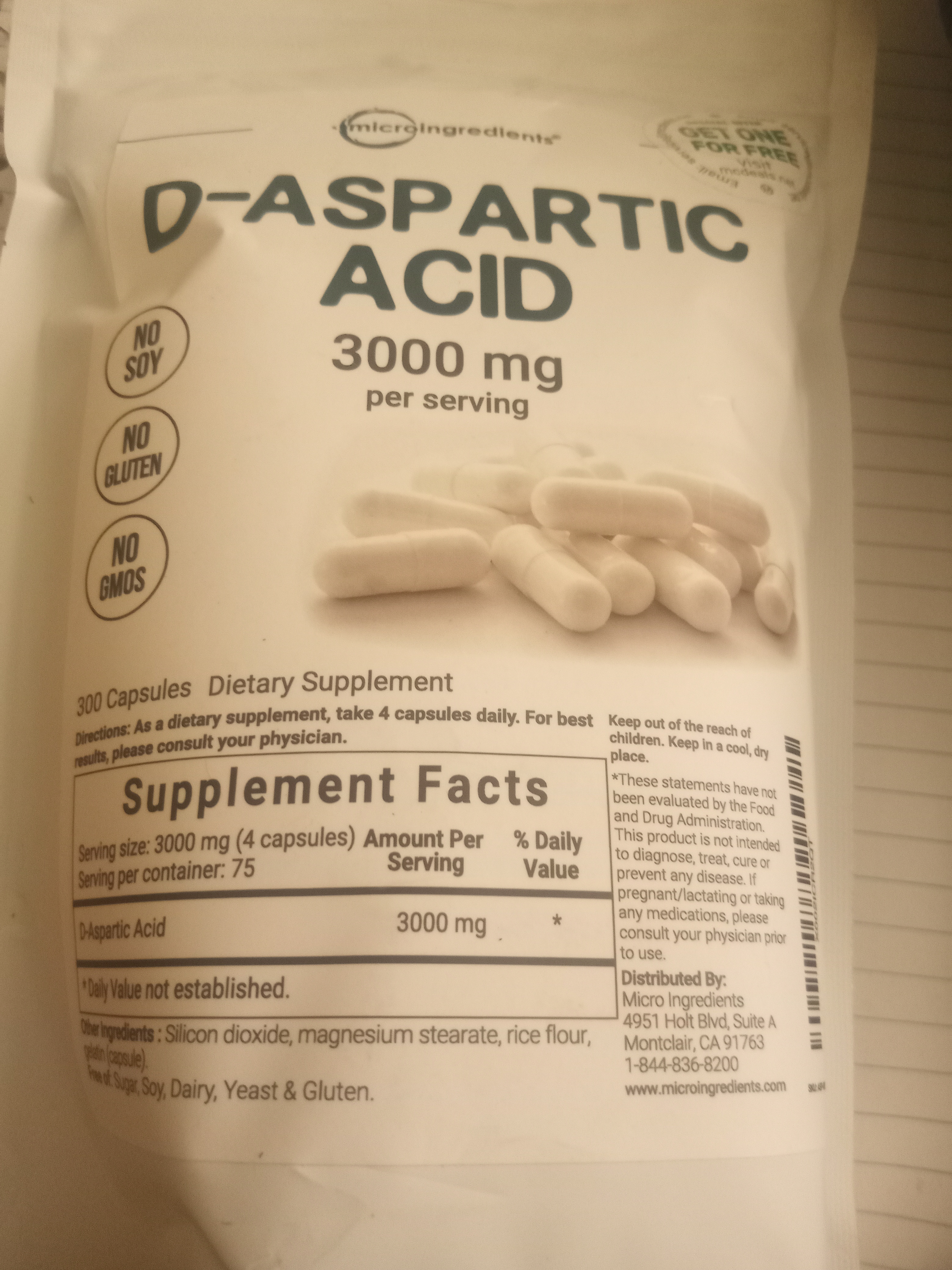
"This chart shows what happens to Aspartate Amino Acids, so shows how the Kidneys, Liver and Urinary Tract are effected by Aspartic Acid."
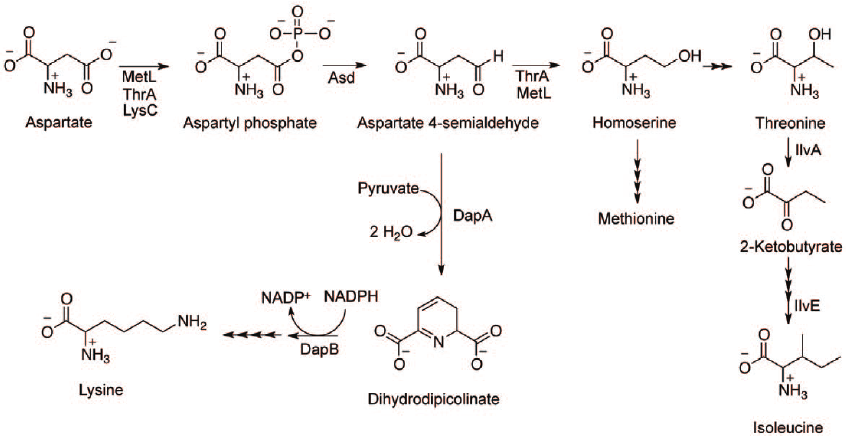
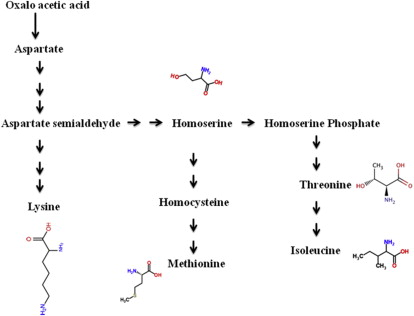
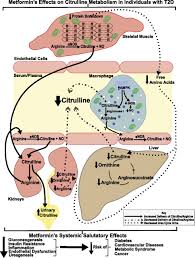
"These Charts get into more detail about Arginine Generally. So you can now see how keeping it flowing in your body can be beneficial."
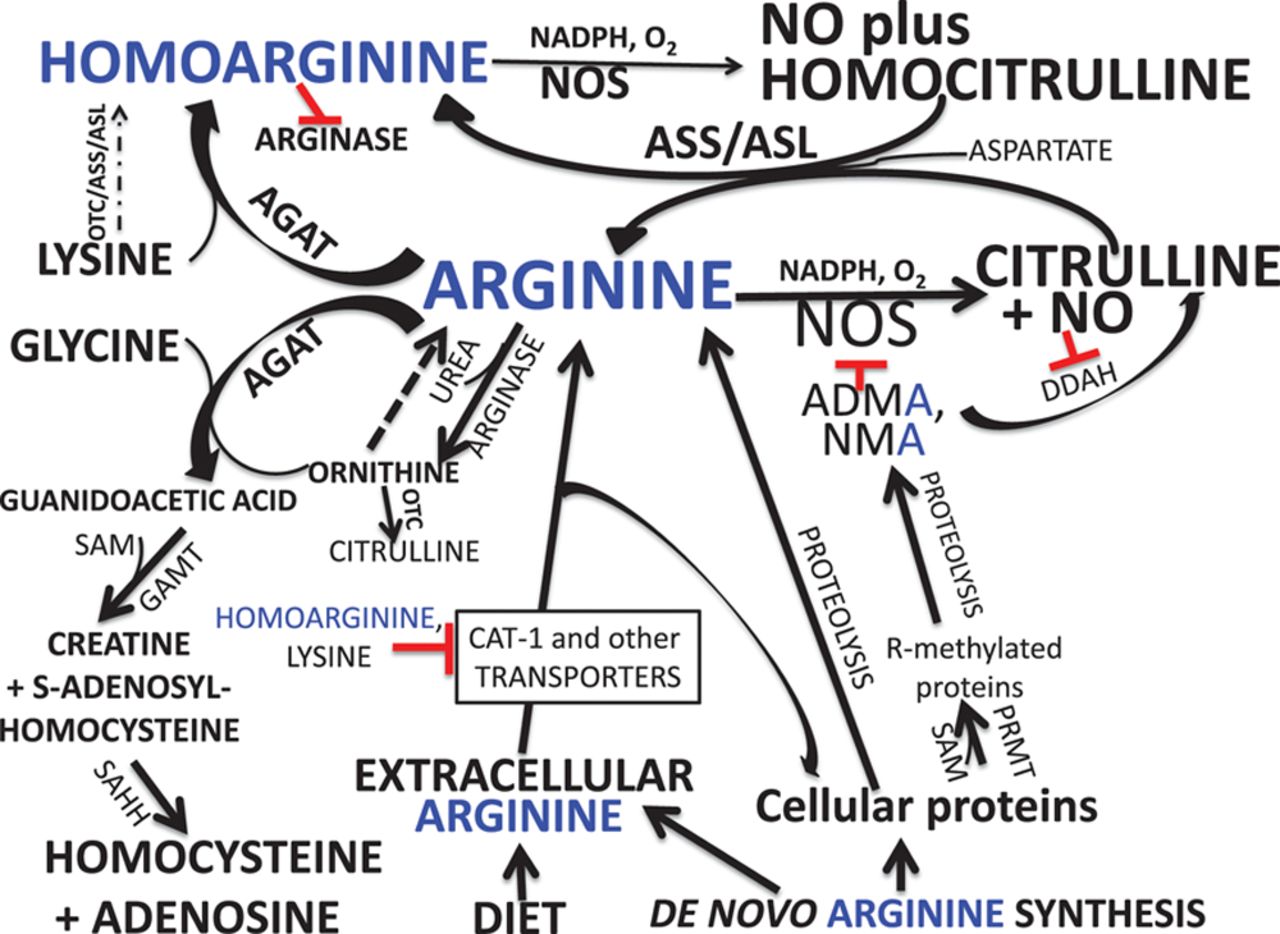
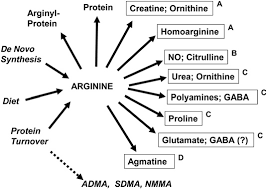
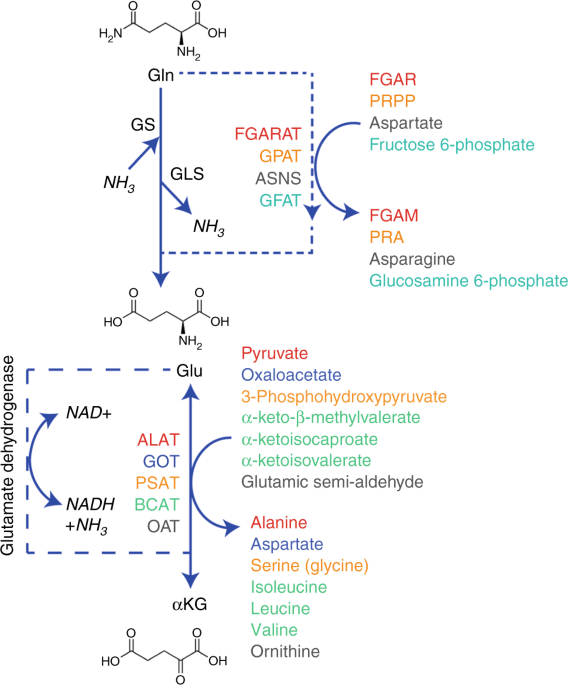
Charts come from: Journal of Renal Nutrition · ScienceDirect — aspartokinase · ResearchGate — aspartate-derived amino acids · ScienceDirect — aspartic acid
Original: Plant Medicine for Humans: L-Arginine and D-Aspartic Acid — Blurt, @punicwax, 21 Sept 2021
Where it went: Biohacking Part 4, which starts from the same place — what the brain is built out of — and the peptide formulation work at Redensyl, Anagain, Procapil and Rosemary Oil.
8. Oilahuasca: Activating and Deactivating Enzymes
9 September 2021 — the first public statement of the Oilahuasca work.
The post that introduced the name and the method. It opens with a line from a forum that no longer exists — "Some people have reported Psychedelic effects from Mixing just Coffee, Almond, Cinnamon, Vanilla and Nutmeg" — and sets it against Shulgin on myristicin as the easiest source of MMDA, and on 1-allyl-2,3,4,5-tetramethoxybenzene and the Ten Essential Amphetamines.
Then it does the thing that makes it research rather than folklore: it posts the evidence against its own romantic version. Quoting the herbpedia observations — several allylbenzenes form up to three alkaloid metabolites after ingestion, and they do not form amphetamines in vivo as has been speculated. What is actually recovered from animal urine by gas-liquid chromatography and chemical-ionisation mass spectrometry are tertiary aminopropiophenones in three subtypes: dimethylamines, piperidines and pyrrolidines. Elemicin forms all three. Safrole forms all three. Myristicin forms only piperidines and pyrrolidines, with no dimethylamines detected. Allylbenzene itself forms piperidines and dimethylamines. And propenylbenzenes — asarone, anethole and their relatives — form no alkaloid metabolites at all.
The first recipe is recorded with weights, as a log entry should be: a 5.5-cup grind of six-bean espresso, guarana, 20:1 mucuna extract, piperine, nutmeg, cacao, coconut oil and vanilla. And with it, the honest result — a noticeable effect from one sip, hard to explain, different from caffeine alone but not cleanly separable, and "more tests need to be done and all ingredients added, and in the right order."
The name comes from ayahuasca, for the obvious reason: it is MAOI logic applied to essential oils.

Original: Oilahuasca: Activating and Deactivating Enzymes — Blurt, @punicwax, 9 Sept 2021
Where it went: the Oilahuasca shelf on the Wiki; the cooking and spicing work in The Future of Medicine, Cooking from Scratch, and the Lost Art of Wax; and this week's Nootropics, ampakines, iboga, cacti, fermentation and Shulgin's commentaries.
9. 250 Grams of Pure CBD
8 September 2021.
Short, and it belongs in the series because it is the moment the chemistry turns into product: a soap and beauty-supply company built on ancient recipes — the Bible, and Galen, who studied at the Library of Alexandria — with roughly 2,000 bars already made and the first CBD batches beginning.

Original: 250 Grams of Pure CBD — Blurt, @punicwax, 8 Sept 2021
Where it went: The Wax Revelation, and The Van Kush Beauty Economy will begin in November.
What the five years produced
Read in order, the 2021 series already holds the three ideas the Institute has been formalising ever since.
Bioavailability is a design problem, not a dosage problem. Ester, free acid, free base, chelate, liposome, peptide bond, adduct — every post picks a delivery form and says why. That is now written up as The Amplification Framework, and the 18 September 2021 post is its cited origin.
The plant model is a model, not a metaphor. Chelated minerals because that is what roots take up. Silicates because they build cell walls. Veg stage as bone growth. Auxins and cytokinins as the frame for reading growth hormone. The claim was always epigenetic — gene expression, in plants and in people.
Enzymes decide what a molecule does. MAO inhibition making oral DMT active is the same logic as esterase cleaving 5-MTHF, as stomach acid cleaving the third creatine, as the liver turning allylbenzenes into alkaloid metabolites. Oilahuasca made that the explicit subject in 2021, and it is still the spine of the enzyme work.
What has been added since is depth, not direction.
Where to read the rest
- The biohacking series — Part 1: The Baseline · Part 2: The Stacks · Part 3: What They Plug Into · Part 4: Water on the Ground
- The library — The Library of Ashurbanipal Is Open
- The bench — @kalivankush is posting the formulation work as it happens: Sea Grape Collagen Peptide, Hydroxyapatite, Lidocaine, Making a Skin Cream, Salmon DNA PDRN & Volufiline + PAL-Isoleucine, Redensyl, Anagain, Procapil and Rosemary Oil
- The chapter that restarted it — A New Chapter Begins, which carries the Instagram
- The economy it feeds — The Van Kush Beauty Economy will begin in November
These posts are a personal log and a research record. They are not medical advice; nothing here is a prescription or a diagnosis.